


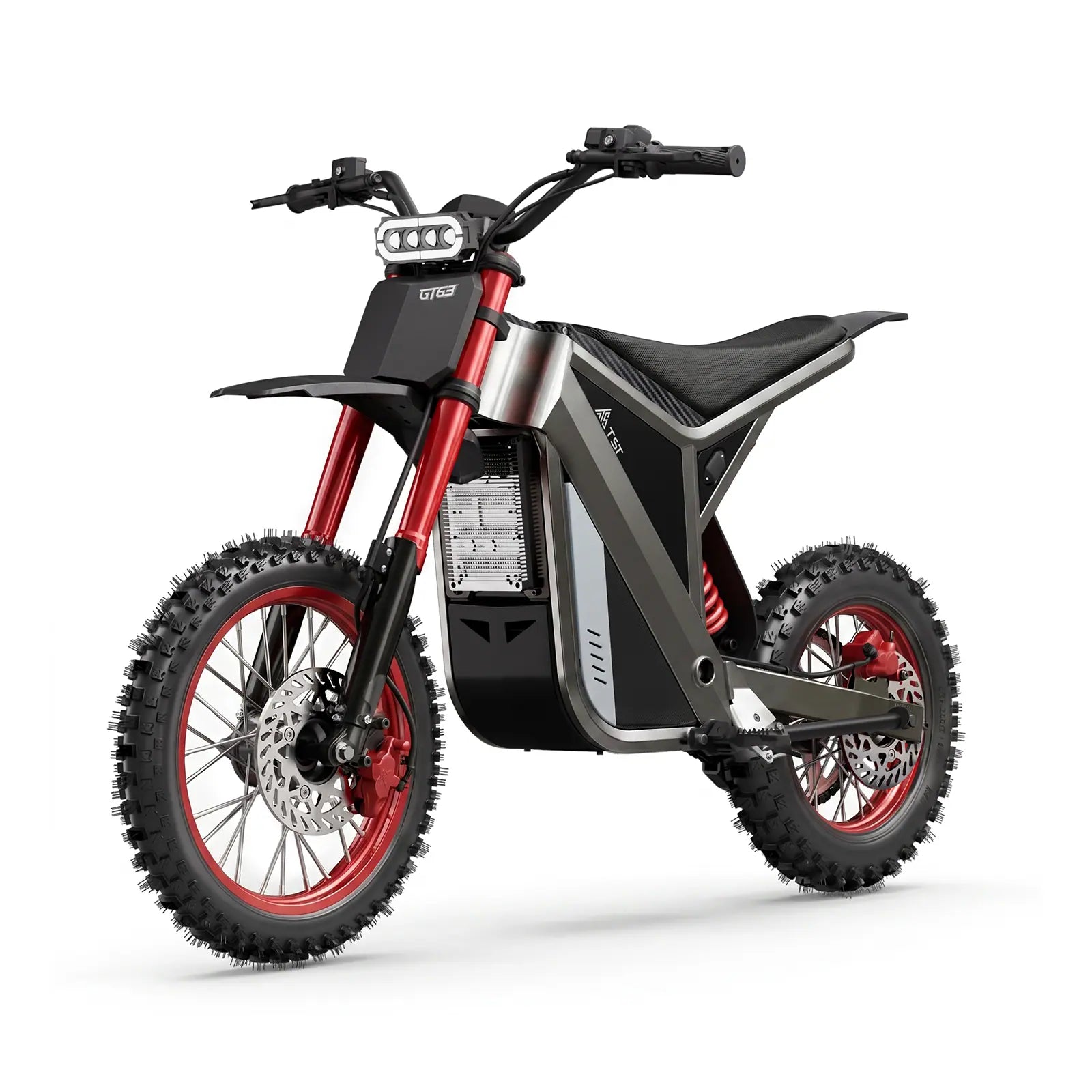














A well-built off-road e-bike with a strong mid-drive can retain substantially more value after three years than an unsupported or generic alternative. Used-bike buyers pay for durable frames, credible battery condition, repairable components, and recognizable specifications. For enthusiasts who regularly upgrade, buying a resale-ready e-bike can significantly reduce the real cost of riding.
What Makes a Mid-Drive Off-Road E-Bike Easier to Resell?
A mid-drive off-road e-bike is easier to resell because it provides balanced handling, effective climbing performance, and a drivetrain layout that experienced trail riders understand. Its motor works through the gears, while its centralized weight distribution makes technical terrain feel more natural and predictable.
The strongest used listings do not succeed just because they advertise large wattage or oversized tires. They attract serious buyers because the next owner can clearly imagine riding, maintaining, and upgrading the bike without worrying about obscure parts or unserviceable electronics.
For off-road use, a mid-drive system creates practical resale advantages. The motor sits near the bottom bracket rather than hanging at the rear wheel, so the bike feels more stable over roots, loose gravel, ruts, and uneven climbs. This centered mass also reduces the heavy rear-wheel sensation that can make some e-bikes awkward when cornering or lifting over obstacles.
A mid-drive also uses the bicycle’s drivetrain to multiply torque. When riders select a lower gear for a steep climb, the motor can operate more efficiently than a system forced to push maximum power at low wheel speed. This is a feature knowledgeable buyers recognize immediately.
Maintenance is another important factor. Chains, cassettes, derailleurs, brake pads, tires, bearings, and suspension parts are familiar service items. When a buyer can estimate maintenance costs quickly, they are more likely to make a confident offer.
Why Does an Integrated Mid-Drive Frame Protect Resale Value?
An integrated mid-drive frame protects resale value because the motor, battery cavity, cable routing, mounting points, and load paths are designed as one complete structure. This reduces rattles, visual clutter, improvised brackets, and vibration-related wear that often make used-bike buyers question long-term durability.
A properly integrated frame is not simply a conventional bicycle frame with a motor opening cut into it. The best designs account for torque reaction at the motor mounts, battery rail stiffness, cable abrasion, mud clearance, drainage, and service access before production begins.
From a factory-floor perspective, several details separate a resale-ready integrated frame from a merely attractive one.
-
A stable motor-mount interface prevents tiny repeated movements between the motor and frame. Those movements can create clicking noises, loose fasteners, worn mounting holes, and long-term buyer concerns.
-
A reinforced downtube and battery rail help prevent battery movement over washboard roads, drops, and rocky trails. A battery that rattles inside its mount makes a used e-bike feel neglected even when its electronics still work.
-
Internal cable routing should be clean but serviceable. Hidden wiring adds value only when a technician can replace a cable or harness without dismantling unnecessary parts.
-
Drainage matters. A completely enclosed frame cavity may look premium, but it can trap moisture if engineers do not include intentional drainage paths.
-
Motor access matters after the sale. A buyer is more confident when they can inspect mounting hardware, remove the battery, or service a speed sensor without turning a small repair into a major project.
Integration creates value only when it combines clean design with realistic maintenance access.
How Much Value Can an Off-Road E-Bike Retain After Three Years?
A well-maintained off-road e-bike can often retain approximately 50% to 65% of its actual purchase price after three years. A generic build with uncertain battery health, poor parts support, or heavy wear may retain only 25% to 40% of its original price.
The figures below are practical resale-planning estimates rather than guaranteed appraisals. They assume the e-bike has been ridden regularly, maintained responsibly, sold with its charger and keys, and listed honestly with clear photographs.
The first-year price decline is usually the sharpest because buyers compare a used bike against discounted new inventory, dealer promotions, and newer component specifications. After that, condition and serviceability begin to matter more than marketing claims.
A three-year-old e-bike with a healthy battery, fresh drivetrain, strong brakes, and documentation can outperform a newer but poorly maintained alternative. Buyers are rarely searching only for a low price. They are searching for a lower-risk purchase.
Which Components Matter Most to Serious Used-Bike Buyers?
The battery, motor system, brakes, drivetrain, suspension, and wheelset matter most because they determine immediate repair risk. Accessories can improve the appearance of a listing, but expensive wear items and electronic uncertainty decide whether a buyer pays a premium or walks away.
A common mistake is spending money on cosmetic upgrades before correcting mechanical evidence of use. New grips, pedals, lights, or bags do not conceal a worn cassette, contaminated brake rotors, leaking suspension, or damaged battery housing.
Prepare these areas before listing an e-bike:
-
Battery condition should be documented with original charger, keys, purchase information, realistic range notes, and visible inspection of the case and mount.
-
Drivetrain condition should be checked with a chain-wear gauge. Replacing a worn chain early can prevent damage to the cassette and chainring.
-
Brakes should have sufficient pad thickness, straight rotors, quiet stopping performance, and a firm lever feel. Off-road e-bikes are heavier and faster than conventional bicycles, so buyers inspect brakes carefully.
-
Motor mounts should be quiet and secure. Clicking under power, loose hardware, or unusual vibration can immediately reduce buyer confidence.
-
Suspension should show clean stanchions, smooth movement, no obvious oil leakage, and documented service when possible.
-
Wheels should run true, spokes should be properly tensioned, bearings should feel smooth, and tire sidewalls should be free of cracking.
For riders who plan to upgrade in several years, component selection should begin on day one. Common brake standards, normal tire sizes, serviceable drivetrains, and readily available replacement parts all improve future resale potential.
How Does Battery Health Change a Used E-Bike’s Price?
Battery health strongly affects used e-bike pricing because the battery is both the most expensive electronic wear item and the least visible ownership risk. A three-year-old e-bike with documented range, proper storage, original charging equipment, and stable performance can command a meaningful premium.
Mileage alone does not tell the full story. A bike with higher mileage that was stored indoors, charged properly, and ridden consistently may be a safer purchase than a low-mileage e-bike left in a hot garage at full charge for months.
Experienced buyers often evaluate battery condition through specific questions. Does the battery lock securely without movement? Is there damage, swelling, cracking, or water intrusion? Does the original charger work correctly? Has the real-world range changed noticeably? Can the seller demonstrate a normal startup, assist response, and charging connection?
For resale, avoid vague claims such as “battery is perfect” or “like new.” Specific language sounds more trustworthy. A seller can state that the battery was stored indoors, used with the original charger, and still provides a realistic range under normal riding conditions.
A battery does not need to be brand-new to support a good sale. It needs to be safe, stable, honestly represented, and supported by evidence.
What Listing Details Help a Mid-Drive Sell Faster on Used-Bike Marketplaces?
The best used-bike listing answers a serious buyer’s questions before they send a message. It includes exact specifications, frame size, battery condition, service history, included accessories, known defects, and clear daylight photographs. A short startup video can further reduce uncertainty for remote buyers.
A good listing should read like a careful mechanical handover document rather than exaggerated advertising. The buyer is evaluating risk, and the seller’s job is to make the bike’s condition easy to understand.
Start with the original purchase date, the actual asking price, and the reason for selling. Identify the wheel size, frame size, battery configuration, motor system, major drivetrain parts, brake setup, tire condition, and odometer reading if available.
List maintenance completed during the past year. Mention chain replacement, brake-pad changes, tire replacement, suspension service, wheel truing, or battery checks. This information tells buyers that the bike was cared for before it became a listing.
Disclose cosmetic marks honestly. Scratches from normal trail riding are not usually a deal-breaker. Hidden damage, cracks, deep impacts, or inconsistent stories are far more damaging to resale value.
Photographs should show both sides of the bicycle, drivetrain, display, battery, charge port, motor area, fork stanchions, tires, and accessories. Include the charger, keys, manuals, receipts, and spare parts whenever possible.
Why Do Factory-Supported Parts Outperform “Big Spec” Claims?
Factory-supported parts outperform oversized specification claims because buyers care about whether the e-bike can continue working after the sale. A large torque number or impressive range estimate means little if the replacement battery, controller, display, wiring harness, derailleur hanger, or motor hardware cannot be sourced later.
This is the difference between an enthusiast asset and a difficult second-hand purchase. The expensive issue is often not the failed component itself. It is the time and uncertainty involved in identifying the part, finding a compatible replacement, and performing the repair.
TST EBike focuses on practical value rather than treating an e-bike as a short-lived consumer product. An e-bike should feel exciting on its first ride, but it should also remain understandable when its second or third owner needs a replacement component or routine maintenance.
Customer feedback is especially valuable because it exposes problems that conventional specification sheets rarely reveal. Riders notice battery movement on rough terrain, cable rub near steering stops, weak braking under load, tire performance on sand, and small components that are difficult to replace.
TST EBike was founded in California in 2017 and has built its approach around high-power, cost-effective electric bikes shaped by consumer feedback. This ownership-focused mindset supports the kind of reliability and serviceability that helps a bike remain attractive after its first owner upgrades.
How Should Riders Prepare an Off-Road E-Bike Before Selling It?
Prepare an off-road e-bike by cleaning it carefully, correcting safety issues, documenting service, and presenting honest evidence of its condition. A clean, mechanically sound bike with disclosed cosmetic wear usually sells better than a heavily polished bike with vague answers and missing records.
Begin with a gentle wash using low-pressure water. Avoid forcing water into bearings, motor seals, display controls, battery connections, or charging ports. Dry the bicycle fully, then apply a light amount of chain lubricant and wipe off the excess.
Check tire pressure, sidewall condition, tread depth, spoke tension, brake-pad thickness, rotor wear, chain stretch, derailleur shifting, and suspension function. Test every assist level, the display, lights, brake cutoffs, and the charging connection.
Gather all ownership materials before taking photos. This includes the charger, battery keys, receipts, manuals, spare bolts, warranty information, and maintenance notes. A simple folder of records makes the sale feel more professional.
Before listing, decide whether a repair is worth doing. New brake pads, a fresh chain, and a clean drivetrain often return more value than they cost. Expensive cosmetic accessories usually do not.
The goal is not to make the e-bike look untouched. The goal is to show that it has been used responsibly and is ready for its next owner.
What Are TST EBike Expert Views?
A strong mid-drive retains value when the entire e-bike is designed for repeated ownership. The next buyer wants a stable battery mount, durable motor interfaces, serviceable components, predictable handling, and access to replacement parts. Resale strength begins with engineering decisions made before production.
TST EBike Expert Views
“At TST EBike, we evaluate value beyond the initial purchase price. A bike that handles trails, snow, sand, or everyday commuting must tolerate vibration, braking heat, drivetrain wear, repeated charging, and changing weather without becoming difficult to maintain. In our experience, resale strength comes from buyers recognizing that the e-bike was engineered to be serviced, not merely sold. Keep maintenance records, use correct torque settings, protect the battery from heat and impacts, and replace wear parts before they damage related components. Those habits transform a used e-bike from an unknown risk into a credible upgrade for the next rider.”
TST EBike offers 26-inch and 27-inch electric bike options for different riding needs. A 26-inch configuration can suit rougher surfaces such as snow and sand, while a 27-inch setup may better suit daily commuting and mountain-bike-style riding. Choosing the right platform for real riding conditions also improves the likelihood of finding the right future buyer.
Can a Three-Year Upgrade Plan Lower Your Real Riding Cost?
A three-year upgrade plan can lower real riding cost by focusing on total ownership expense rather than sticker price. Buy a durable and supported e-bike, maintain it predictably, preserve service records, and sell before neglected wear, battery uncertainty, and outdated parts create a steep discount.
The practical calculation is simple:
Net Three-Year Riding Cost=Purchase Price+Maintenance Cost−Resale Price
For example, an e-bike bought for $2,500, maintained with $350 in tires, drivetrain, and brake work, then sold for $1,500, creates a three-year riding cost of $1,350 before electricity costs. A cheaper bike that loses more value can cost more to own overall.
The most resale-aware riders make decisions early. They select the correct frame size and wheel format, maintain a complete ownership file, address brake and drivetrain wear before it spreads, protect the battery from extreme temperatures, and sell while the bike still feels current and complete.
A strong integrated mid-drive is not automatically a high-value investment. But when engineering quality, serviceability, battery care, records, and honest resale presentation work together, it can make upgrading far more affordable.
FAQs
How much should I ask for a three-year-old off-road e-bike?
Start around 50% to 65% of the actual price paid for a clean, supported mid-drive e-bike. Adjust for battery condition, mileage, maintenance history, current new-bike discounts, and local demand.
Does a mid-drive always have better resale value than a hub-drive e-bike?
No. Battery condition, component support, overall condition, and documentation can matter more than motor placement. However, a well-supported mid-drive often attracts experienced off-road riders because of its balanced handling and climbing ability.
What is the most important proof for a used e-bike buyer?
Battery condition and maintenance history are usually the most valuable proof. Include the charger and keys, demonstrate normal operation, provide realistic range information, and show records for major service.
Should I replace the battery before selling my e-bike?
Usually not unless the current battery is unsafe, failing, or severely degraded. Compare the cost of replacement against the likely increase in resale price before making that investment.
Can cosmetic scratches ruin resale value?
Normal trail-use scratches rarely ruin value when the frame, battery, suspension, wheels, and electronics are sound. Undisclosed cracks, impact damage, or corrosion can significantly reduce buyer confidence.
When is the best time to sell before upgrading?
Sell while the battery still performs well, major components remain supported, and wear is manageable. Spring and early summer often provide strong visibility because more riders are actively shopping.

Leave a comment
This site is protected by hCaptcha and the hCaptcha Privacy Policy and Terms of Service apply.