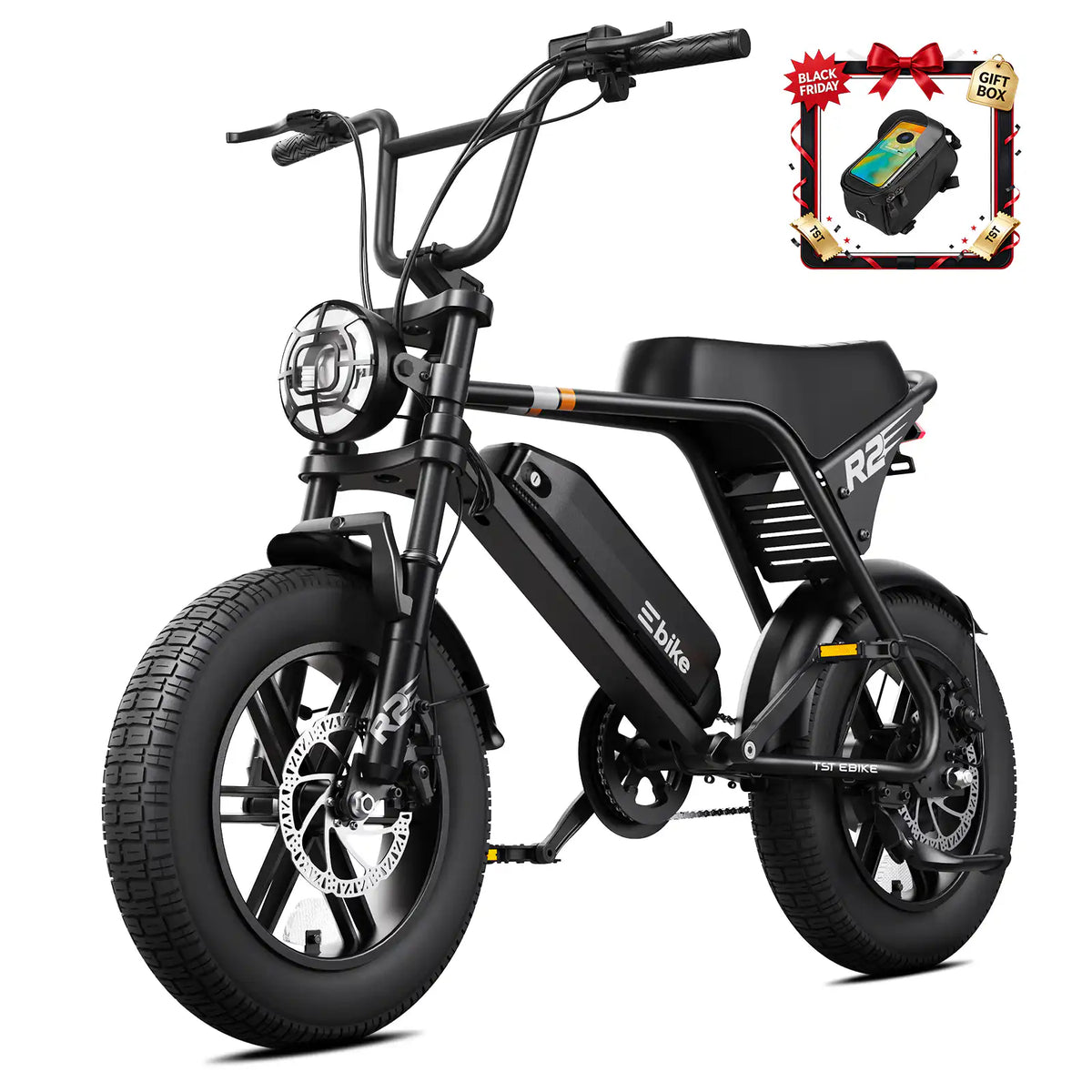

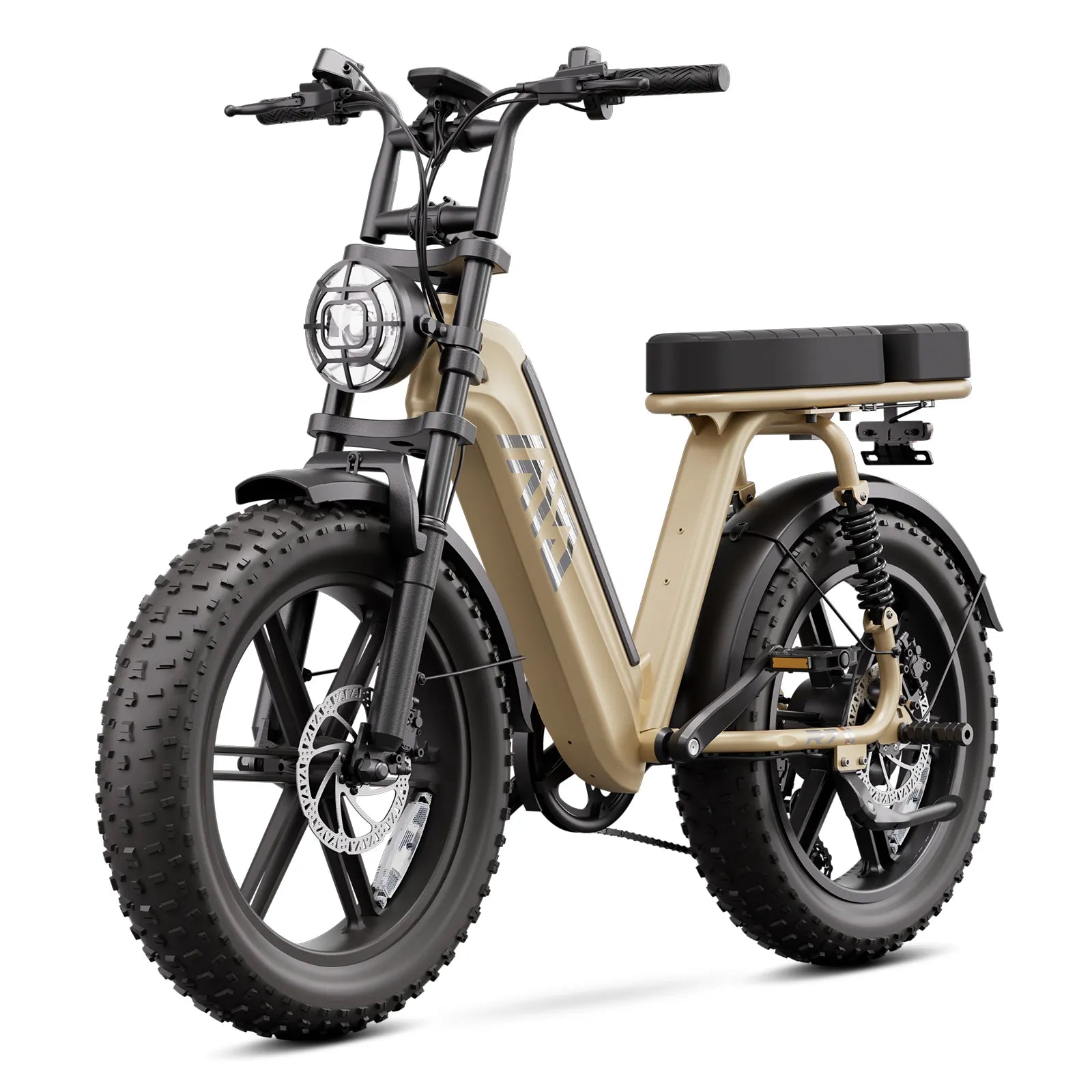
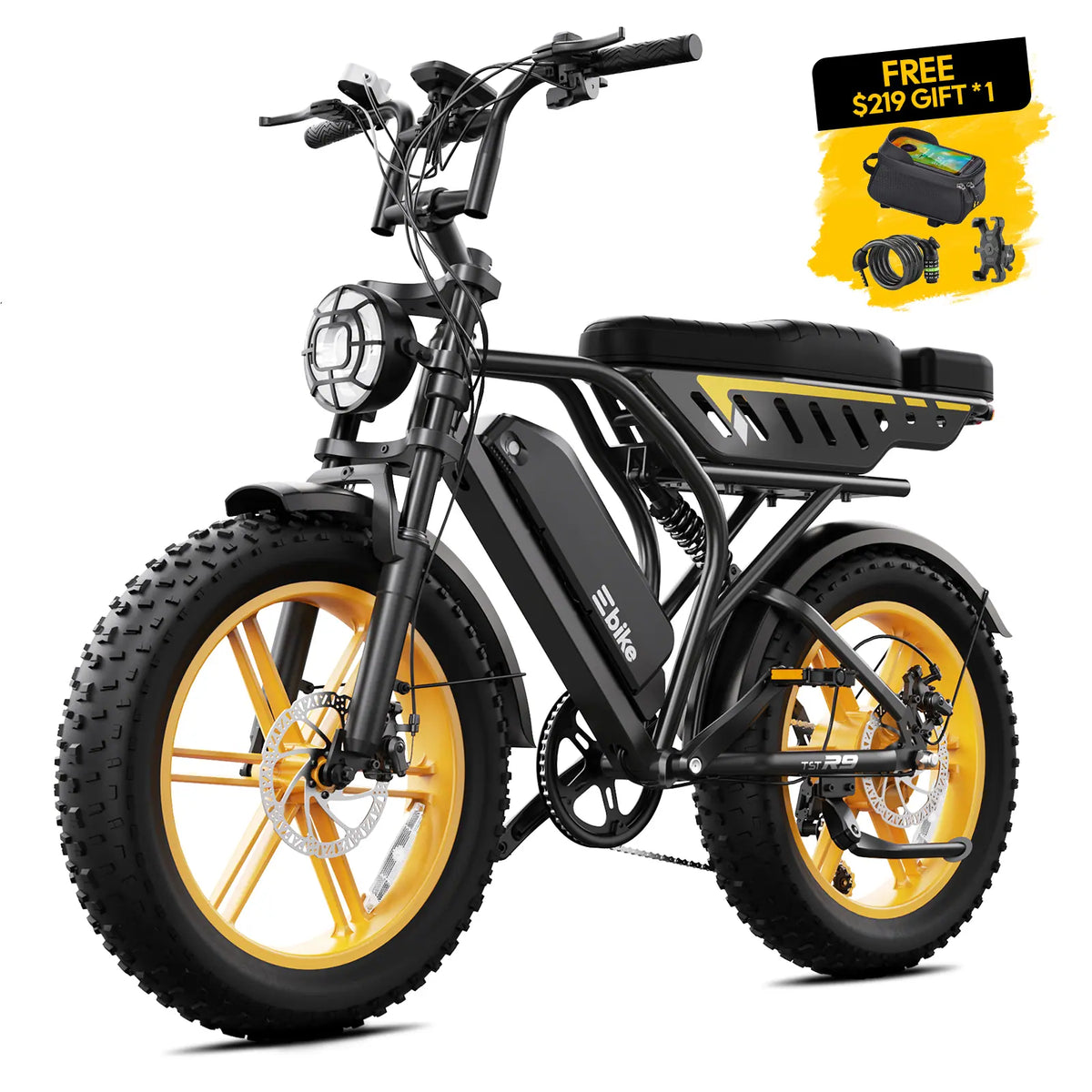


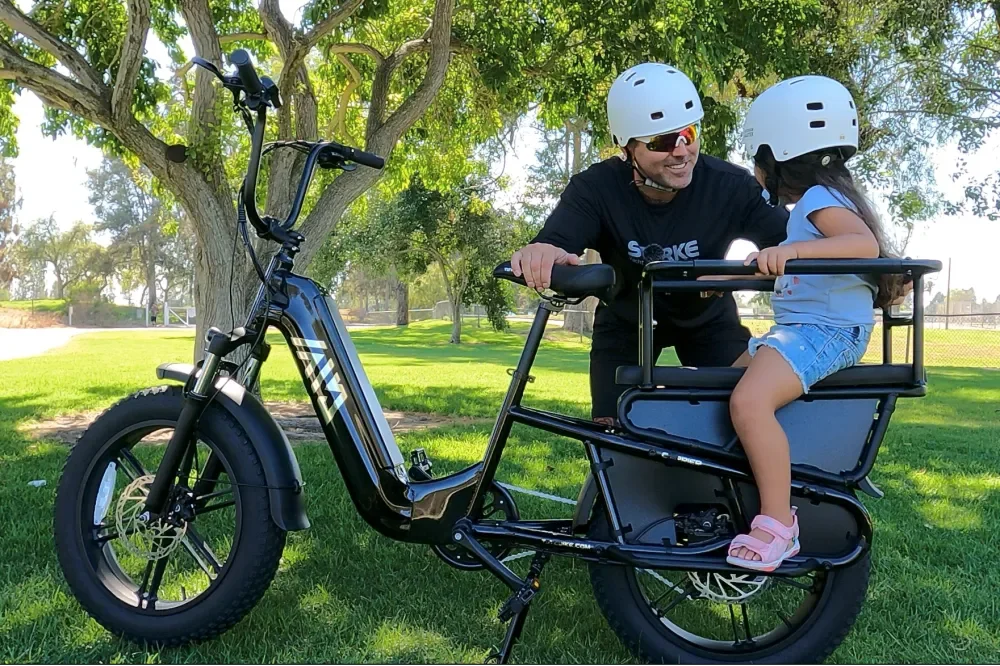
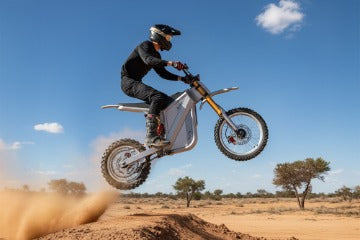
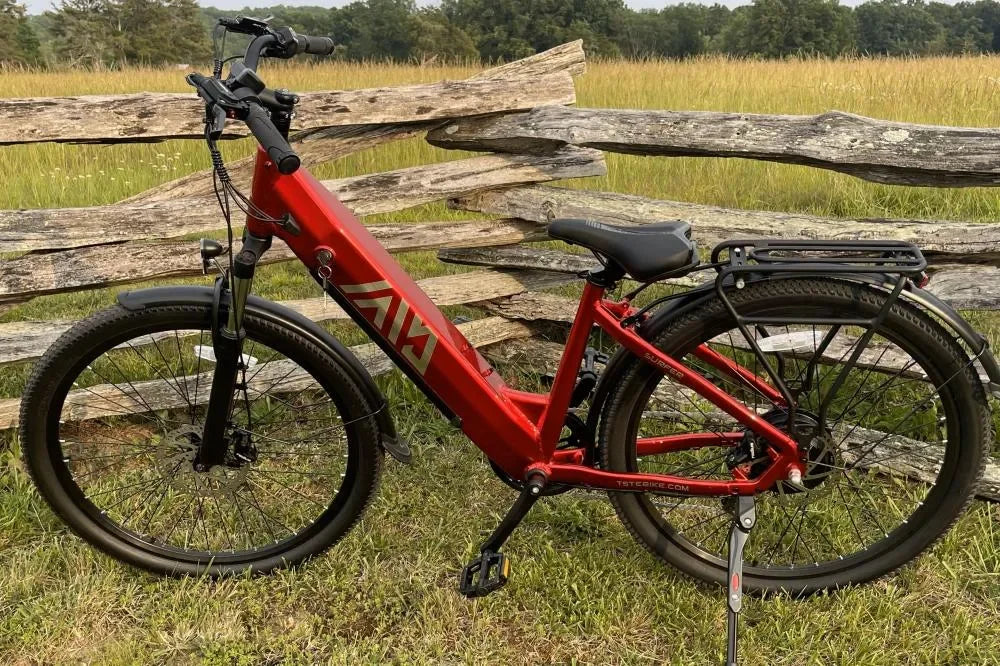


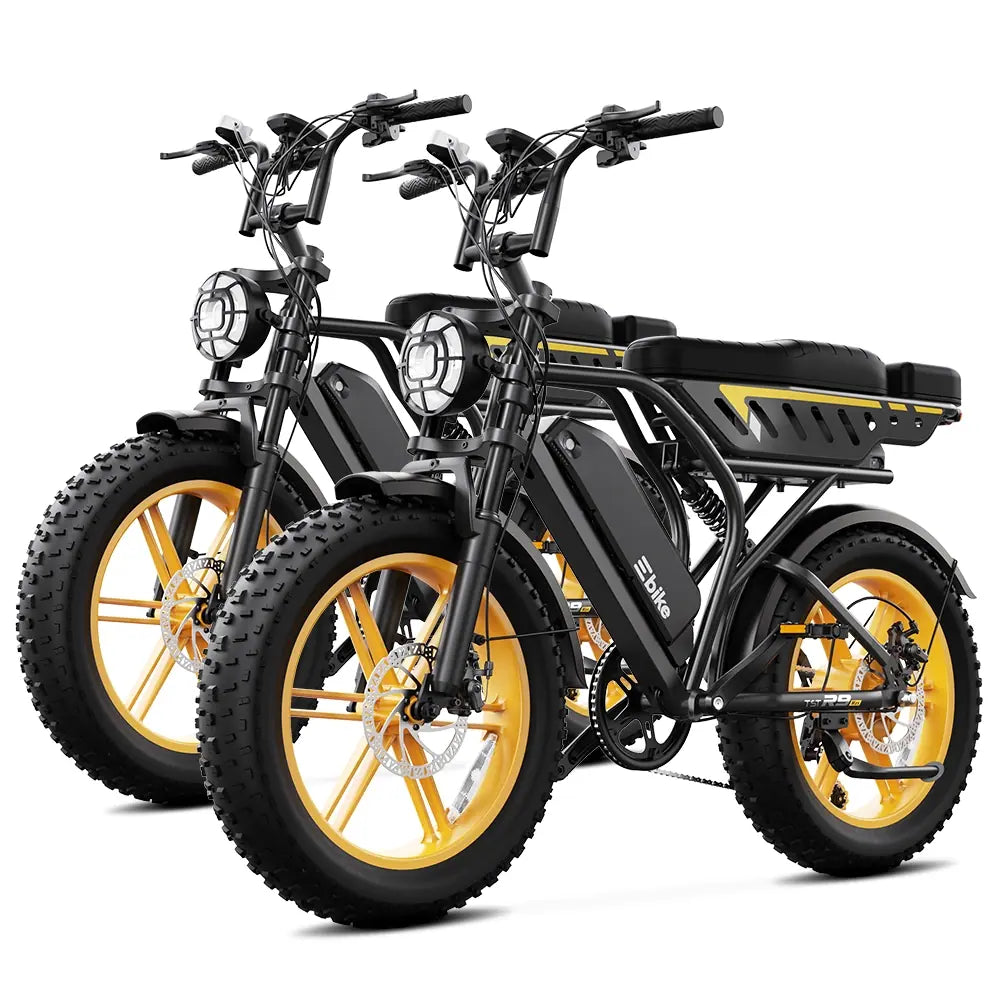



Hydraulic disc brakes use fluid to transfer braking force, while mechanical disc brakes rely on a steel cable. Hydraulic systems generally offer smoother braking modulation and require less hand effort, while mechanical systems are easier to adjust and repair.
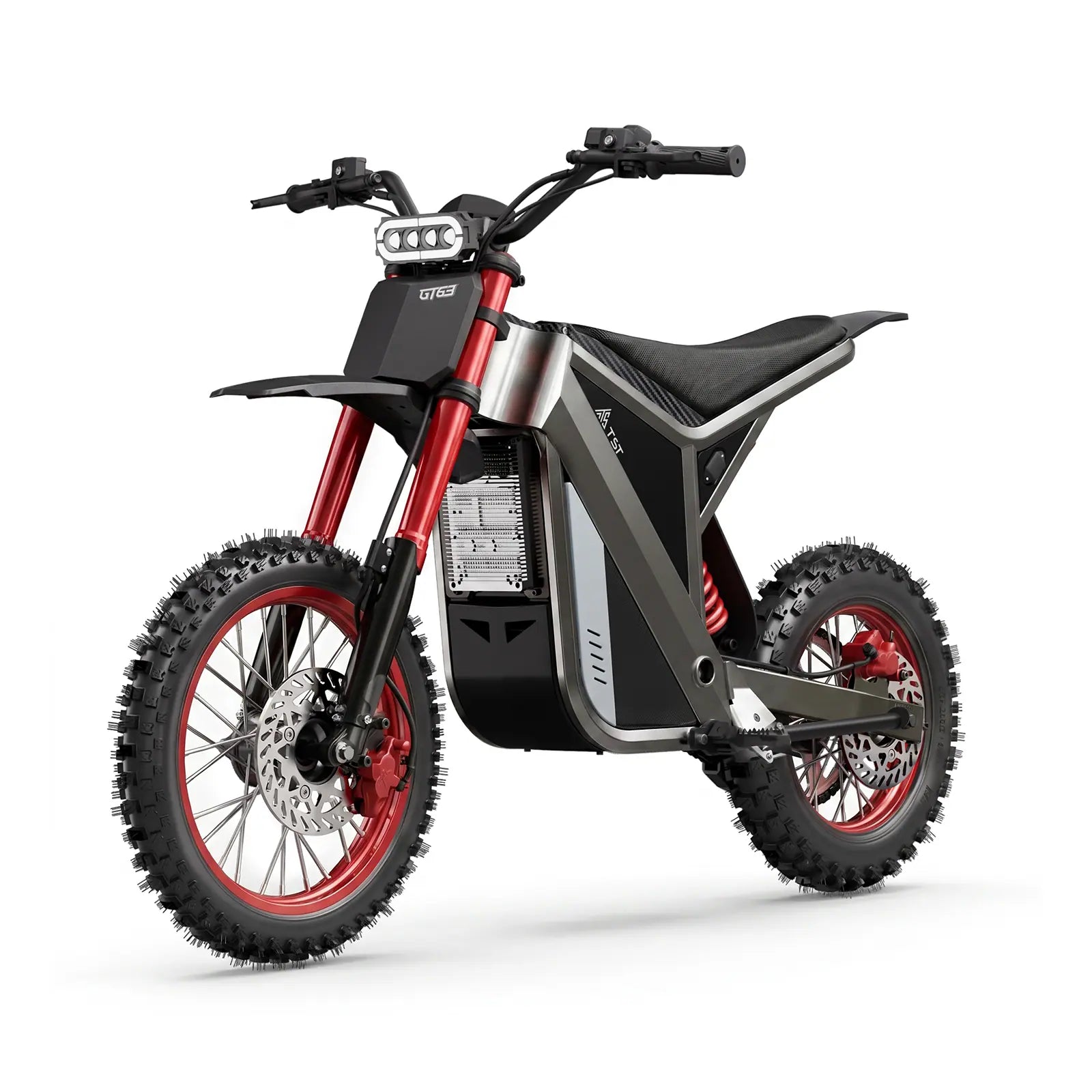
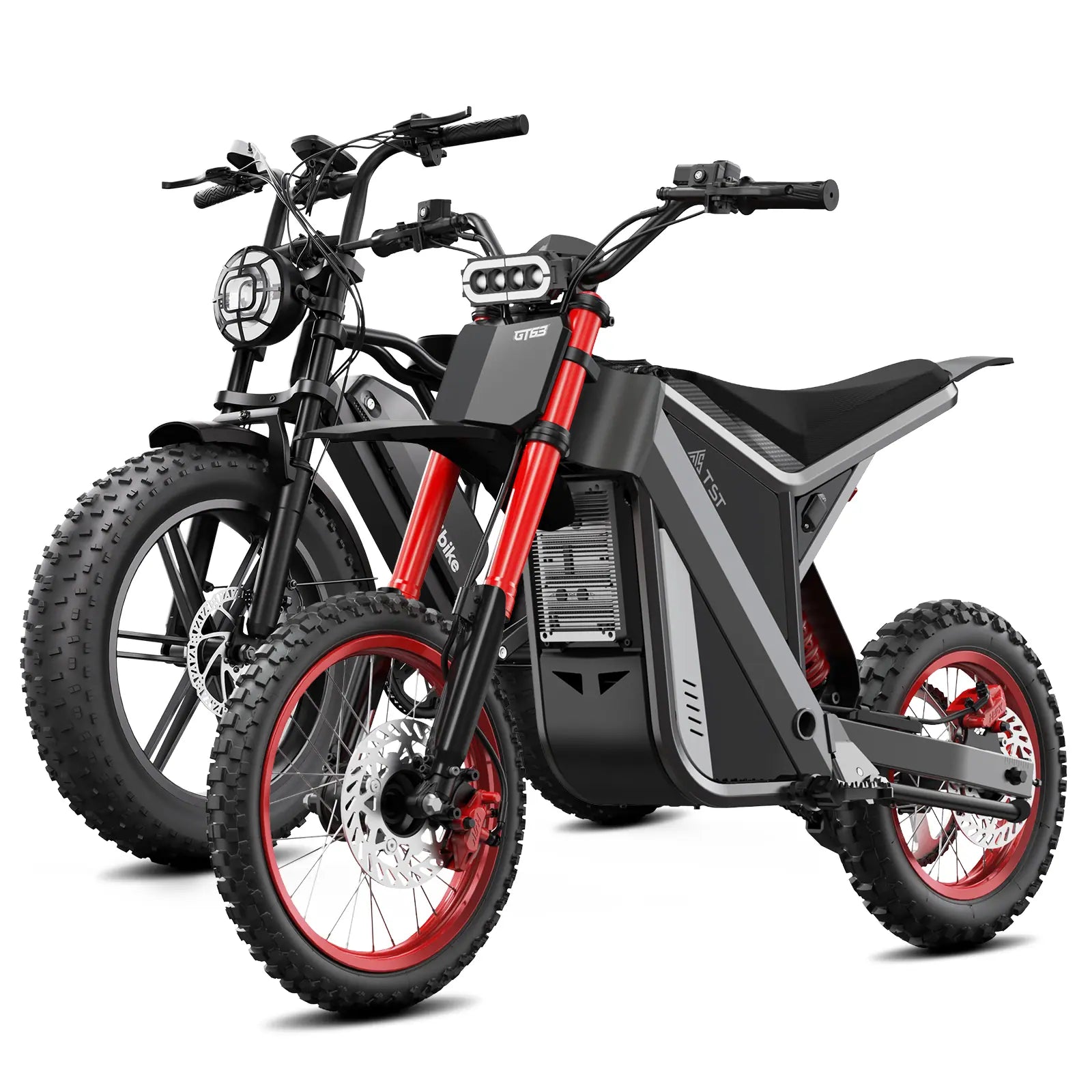
For electric dirt bike riders, the right choice depends on riding conditions, braking preferences, and maintenance needs. The TST GT63, for example, comes equipped with hydraulic disc brakes designed to deliver responsive braking for off-road riding.
Hydraulic Disc Brakes vs. Mechanical Disc Brakes
Both systems use brake pads to clamp onto a metal rotor attached to the wheel. This friction slows the wheel down. The main difference is how the force from the brake lever reaches the caliper.
| Comparison | Hydraulic Disc Brakes | Mechanical Disc Brakes |
|---|---|---|
| Force Transfer | Hydraulic fluid | Steel cable |
| Braking Feel | Generally smoother | Depends on cable condition and setup |
| Hand Effort | Typically lower | May require more lever effort |
| Modulation | Generally more progressive | Varies by brake design |
| Adjustment | No cable tension adjustment | Requires cable tension and pad adjustments |
| Maintenance | Fluid, hose, and pad inspections | Cable, housing, and pad inspections |
| Repair | May require specialized tools | Generally easier to adjust and repair |
Neither system is automatically better in every situation. The overall braking experience also depends on the caliper, rotor, brake pads, installation, and maintenance condition.
How Do Hydraulic Disc Brakes Work?
Hydraulic disc brakes use fluid to transfer pressure from the brake lever to the caliper.
When a rider squeezes the lever, a piston inside the master cylinder pressurizes the brake fluid. The fluid travels through a sealed hose and pushes the caliper pistons, bringing the brake pads into contact with the rotor. The resulting friction slows the wheel.
Because hydraulic systems do not rely on a traditional brake cable, they generally provide smooth pressure transfer and a more progressive lever feel. Riders may also need less hand effort to apply the brakes.
How Do Mechanical Disc Brakes Work?
Mechanical disc brakes use a steel cable to connect the brake lever to the caliper.
When the rider pulls the lever, the cable moves a mechanism inside the caliper, causing the brake pads to press against the rotor. Friction between the pads and rotor then slows the wheel.
The main advantage is a relatively straightforward design. Cable tension can usually be adjusted with basic tools, and a worn cable can be replaced without opening a hydraulic system.
However, cable friction, stretching, and wear can affect braking feel over time. Regular inspection and adjustment help keep the system working properly.
How Do They Compare in Braking Performance and Maintenance?
Understanding braking feel, control, and maintenance can help you decide which system better suits your riding habits.
Braking Feel and Hand Effort
One noticeable difference is how much effort is needed to operate the brake lever.
Hydraulic disc brakes generally require less hand effort for a comparable braking response. Their fluid-based design provides smooth pressure transfer, which can make gradual braking easier to manage.
Mechanical disc brakes can also deliver dependable braking, but lever feel may be firmer. Cable condition, housing friction, and caliper design all influence the amount of force required.
For riders who brake frequently or prefer a lighter lever feel, hydraulic brakes may offer a more comfortable experience.
Braking Control and Modulation
Modulation refers to how precisely a rider can increase or reduce braking force. It is particularly relevant when riding on changing terrain.
For example, loose gravel and dirt may require more gradual braking than a smooth, predictable surface. Applying too much braking force too suddenly can cause a tire to lose traction, especially on loose ground.
Hydraulic systems are generally known for smooth, progressive modulation. Mechanical systems can also provide good control, although cable friction and adjustment may affect consistency.
Keep in mind that brakes cannot create tire traction. Even a responsive braking system cannot prevent a wheel from sliding when the ground offers limited grip. Riders should adjust their speed and braking input to the terrain rather than relying on brake type alone.
Maintenance and Repair
Both hydraulic and mechanical disc brakes require regular inspection. Brake pads and rotors wear with use, regardless of the system.
Hydraulic disc brakes need checks for fluid leaks, hose damage, and changes in lever feel. If air enters the system or the lever starts to feel spongy, bleeding may be necessary.
Mechanical disc brakes require attention to cable tension, cable condition, housing, and brake pad clearance. Cables may stretch, corrode, or collect dirt, affecting braking response.
In general, hydraulic systems require less frequent routine adjustment, but certain repairs need specialized tools or experience. Mechanical systems are often easier to work on in the field, although cable-related adjustments may be needed more often.
Which Disc Brake System Is Better for Off-Road Riding?
For off-road riding, hydraulic disc brakes are worth considering when smooth modulation and lower hand effort are priorities. Mechanical disc brakes may suit riders who prefer simple adjustments and easier cable repairs.
However, riding terrain alone does not determine which system is best. A short ride on a familiar dirt path creates different demands from a longer trail with repeated descents. Brake components, tire grip, rider technique, and maintenance all play a role.
When Braking Control Is a Priority
On dirt, gravel, and uneven trails, riders need to adjust braking according to the available traction. A progressive lever feel can make it easier to apply pressure gradually rather than grabbing the brake suddenly.
This is one reason hydraulic disc brakes are worth considering for electric dirt bikes. Their smooth response and lower lever effort may help riders manage braking input when navigating corners, slopes, and changing surfaces.
When Simple Maintenance Matters More
Mechanical disc brakes have a practical advantage for riders who prefer straightforward repairs.Cable tension can be adjusted with basic tools, and a damaged cable can generally be replaced without bleeding a hydraulic line.
The trade-off is that cables and housing need regular inspection, and adjustments may become necessary as components wear.

Why Consider the TST GT63 Electric Dirt Bike?
The TST GT63 combines hydraulic disc brakes with several other features designed for off-road riding.
Its hydraulic disc brakes are a key feature, offering responsive braking, requiring less hand effort, and delivering smooth, progressive braking feedback. This can help riders better control braking when navigating corners, descending hills, or riding over uneven terrain.
The GT63 also features full suspension, with front and rear suspension systems designed to absorb bumps and impacts. This helps make rides on rough surfaces more comfortable.
Beyond its braking and suspension features, the GT63 offers the following specifications:
- Peak Motor: 4208W
- Battery: 48V 23Ah Removable Battery
- Max Range: Up to 45 Miles
- Top Speed: Up to 50 MPH
- Torque: 203 N·m
- Max Load: 280 lbs
If hydraulic disc brakes, full suspension, and off-road tires are on your checklist, take a closer look at the TST GT63 Electric Dirt Bike to explore its full specifications.
Final Thoughts: Which Disc Brake System Should You Choose?
Hydraulic disc brakes are a strong option for riders who prioritize a smoother lever feel, progressive modulation, and lower hand effort. Mechanical disc brakes make sense for those who value straightforward adjustments and simpler cable repairs.
For an electric dirt bike, consider your riding terrain, maintenance preferences, and the complete vehicle setup before deciding. The TST GT63 is worth exploring if you are looking for an electric dirt bike equipped with hydraulic disc brakes, full suspension, and off-road tires.
Frequently Asked Questions
1. Are Hydraulic Disc Brakes Better Than Mechanical Disc Brakes?
Not in every situation. Hydraulic disc brakes generally offer smoother modulation and require less hand effort. Mechanical disc brakes are simpler to adjust and can be easier to repair with basic tools. The better option depends on the brake design, riding conditions, and maintenance preferences.
2. Do Hydraulic Disc Brakes Stop an Electric Dirt Bike Faster?
Not automatically. Stopping distance depends on brake design, rotor and pad condition, tire grip, surface conditions, speed, and rider input. Hydraulic brakes can offer smoother braking control, but this does not guarantee a shorter stopping distance in every situation.
3. Are Mechanical Disc Brakes Suitable for Off-Road Riding?
Yes. A properly installed and maintained mechanical disc brake can work for off-road riding. Riders should regularly inspect the cable, housing, brake pads, and rotor, particularly after riding in muddy, dusty, or wet conditions.
4. How Often Do Hydraulic Disc Brakes Need Bleeding?
There is no universal bleeding interval for all hydraulic brake systems. Bleeding may be necessary if air enters the system, the brake lever feels spongy, or the manufacturer's maintenance instructions recommend it. Always follow the service guidance for the specific brake system.
5. Do Hydraulic Disc Brakes Require Less Maintenance Than Mechanical Disc Brakes?
Hydraulic systems generally require less frequent routine adjustment because they do not use a cable that needs tension adjustments. However, they still need regular inspections of the pads, rotors, hoses, and fluid. Mechanical systems require cable and pad adjustments as components wear.
6. Does the TST GT63 Come with Hydraulic Disc Brakes?
Yes. The TST GT63 is equipped with hydraulic disc brakes and full suspension. It also features 14-inch front and 12-inch rear off-road tires, a 4208W peak motor, a removable 48V 23Ah battery, and a listed maximum range of 45 miles. Visit the TST GT63 page for its latest specifications and availability.

Leave a comment
This site is protected by hCaptcha and the hCaptcha Privacy Policy and Terms of Service apply.