


California beach-path access depends on three separate questions: whether your vehicle meets California’s electric-bicycle definition, whether its class is allowed on the exact path, and whether that route is open under current restrictions. Pedals, a speed setting or a “beach-ready” description do not answer all three.
Santa Monica illustrates the distinction. Its published municipal code permits Class 1 and Class 2 e-bikes on the city’s Beach Bike-Path and prohibits Class 3. That permission does not extend to adjacent pedestrian-only areas, and it does not establish access along the entire coastal trail beyond the city’s boundaries.
The practical approach is to build a short path dossier: record the route’s official name, responsible agency, permitted classes and current operating conditions.
Start With the Vehicle, Not the Beach
California Vehicle Code § 312.5 defines an electric bicycle as a bicycle with fully operable pedals and an electric motor that does not exceed 750 watts of power. Its three classes differ by how the motor assists the rider and when assistance stops.
These are motor-assistance thresholds, not permission to ride at those speeds on a crowded path. A posted facility limit is a separate restriction.
Section 312.5(c) requires manufacturers and distributors to affix a permanent, prominent label showing the classification number, top assisted speed and motor wattage. Check that label against the manual and the bike’s actual configuration.
The label is not the entire legal test. Section 312.5(d) excludes vehicles modified to exceed 20 mph on motor power alone, exceed 750 watts of motor power or remove their operable pedals. It also excludes vehicles that the manufacturer intends to be modifiable to exceed the specified motor-only speed or power thresholds. A lower selected speed does not, by itself, resolve those conditions.
Rider requirements are a separate check
Under Vehicle Code § 21212, riders and passengers under 18 must wear a properly fitted and fastened helmet meeting the specified ASTM or CPSC standards when using streets, bikeways and other public bicycle paths or trails.
Under § 21213, no one under 16 may operate a Class 3 e-bike. Class 3 riders and passengers of every age must wear a qualifying helmet in those locations.
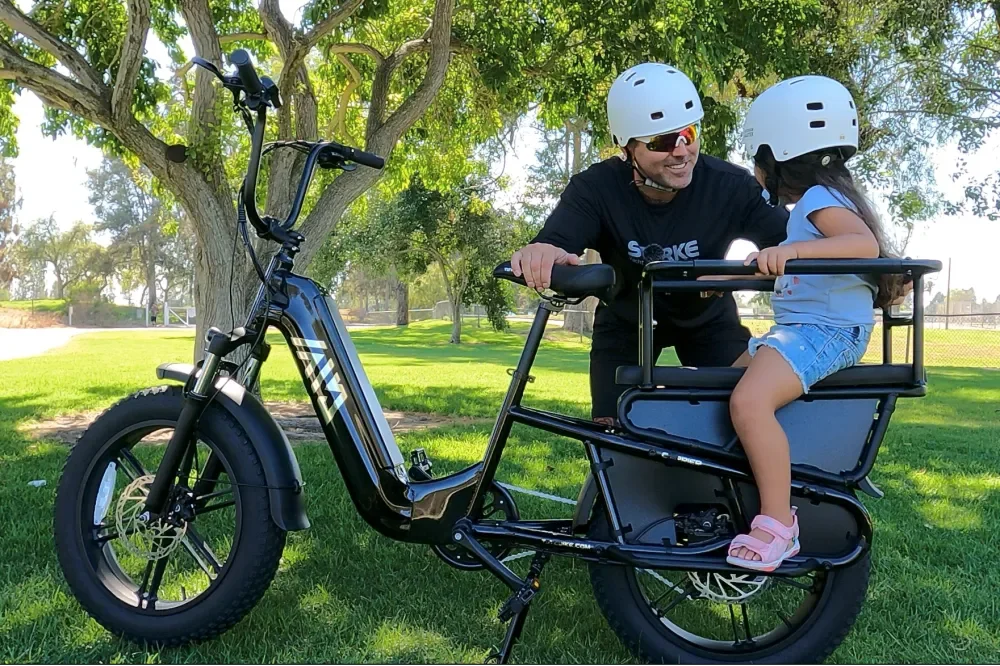
Local requirements can add another layer. Before planning a ride for a younger rider, check the city or agency rules as well as the statewide minimums.
Identify the Exact Path and the Agency That Controls It
A coastal trail name is not enough to establish access throughout a ride. The Marvin Braude Bike Trail, for example, runs approximately 22 miles between Will Rogers State Beach and Torrance Beach. Santa Monica’s ordinance addresses only its defined portion within the city.
Record the entry and exit points, not just “the beach path.” Then identify the authority responsible for that segment: a city, county, California State Parks unit, harbor authority or federal park.
For local trails, Vehicle Code § 21207.5(b) allows the responsible local authority or public agency to prohibit electric bicycles or particular classes on equestrian, hiking or recreational trails by ordinance. Subsection (c) separately authorizes the Department of Parks and Recreation to prohibit e-bikes or particular classes on bicycle paths or trails within its jurisdiction.
The wording matters. Subsection (a) addresses “motorized bicycles,” while the following subsections address “electric bicycles.” Do not treat those terms as interchangeable when interpreting a rule.
State and federal parks need their own checks
California State Parks’ published policy allows e-bikes on public roads open to street-legal vehicles and in areas authorized through a park-specific Superintendent’s Order. Trail permission depends on the park unit, route and class—not simply whether traditional bicycles are allowed there.
The department’s location table illustrates that specificity: it lists the Coastal Trail at Half Moon Bay State Beach under Class 1. That entry should not be extended to every nearby path or to another e-bike class. Check the park’s current order and alerts before riding.
National Park Service rules work differently from a city ordinance. Park superintendents decide where e-bikes may operate and may distinguish between classes. Traditional-bicycle access is necessary, but it does not automatically establish e-bike access.
NPS also limits how a Class 2 motor may be used: operators may not rely exclusively on the motor for an extended period without pedaling, except in locations open to public motor vehicles. A Class 2 bike allowed on a park route may therefore still be subject to a throttle-use restriction.
Santa Monica: One Path, Different Rules Beside It
The City of Santa Monica’s published code provides a useful worked example because it distinguishes the Beach Bike-Path from the neighboring Beach Promenade.
Section 3.12.010 defines the Beach Bike-Path as the established Marvin Braude Bike Trail area between the city’s southern boundary next to Venice and its northern boundary next to Pacific Palisades. Section 3.12.600(b) expressly permits Class 1 and Class 2 electric bicycles as defined by the California Vehicle Code, while prohibiting Class 3 and motorized bicycles.
For an ordinary rider using a qualifying Class 1 or Class 2 e-bike, the ordinance’s class requirement is therefore satisfied on that defined path. Current signs, route markings and closures still need checking.
Stay on the designated bikeway
The adjacent pedestrian space is not an interchangeable riding route.
Section 3.12.600(a) prohibits operating bicycles and electric bicycles on the Beach Promenade. Subsection (b) recognizes portions that form part of the bikeway and are otherwise permitted by signs. It also requires riders to obey lawful signs and directional markings, including painted arrows, route boundaries and permitted travel lanes.
Section 3.12.600(c) separately prohibits riding bicycles and e-bikes on public sidewalks. Moving from the bike path onto an adjacent sidewalk is not a lawful riding workaround.
The same section prohibits motorized pedicabs on the Beach Bike-Path, including Class 1 and Class 2 electric-bicycle pedicabs. Permission for an ordinary Class 2 e-bike should not be applied to a different vehicle category.
Class permission is not a current-open notice
The cited Beach Bike-Path provision does not specify a numerical path speed limit or a seasonal operating schedule. That does not establish unrestricted speed or year-round availability. Check entrance signs, temporary notices and city updates for the date of your ride.
Santa Monica’s municipal code contains separate speed provisions for the Municipal Pier and Third Street Promenade. Those numbers should not be borrowed as the Beach Bike-Path’s speed limit.
The code text consulted on October 11, 2026, displays a compilation date of November 11, 2024. For a time-sensitive decision, confirm later amendments or temporary restrictions with the city rather than treating the compilation date as a live operational update.
If your class is excluded, change the route—not the setting
For a Class 3 rider, a nearby on-street route is the appropriate alternative to investigate, rather than the beach path or a pedestrian promenade.
Santa Monica identifies Broadway as an on-street bicycle corridor with a protected-bike-lane project between 5th and 26th Streets. It is an alternative corridor to assess for an inland trip, not a like-for-like coastal replacement or a guarantee that every connection is open. Confirm the approach route, current construction conditions, signs and any vehicle-specific restrictions before using it.
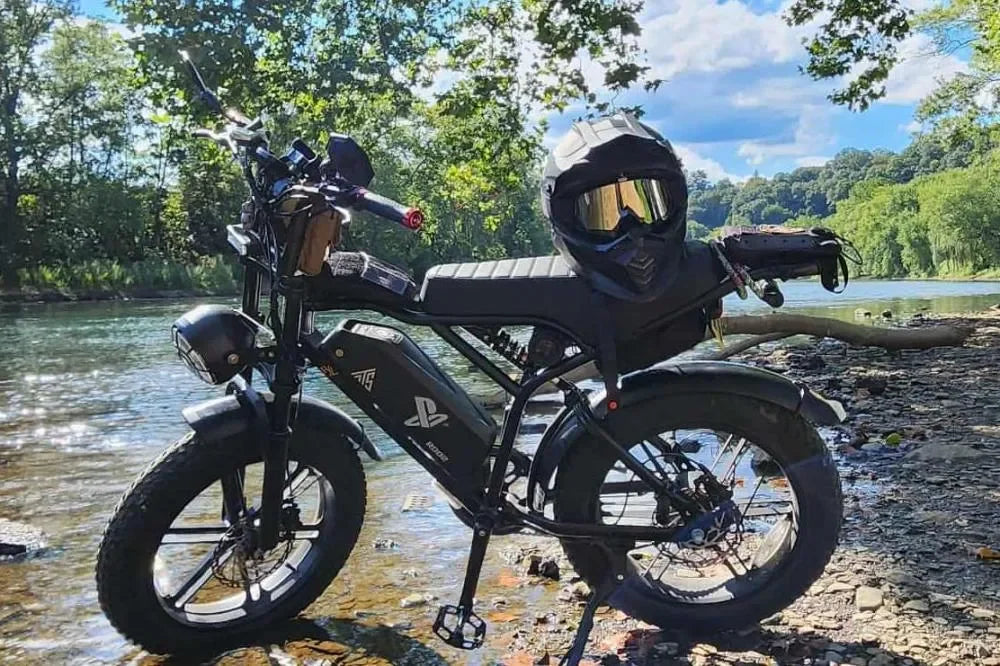
What TST R002 Buyers Should Verify
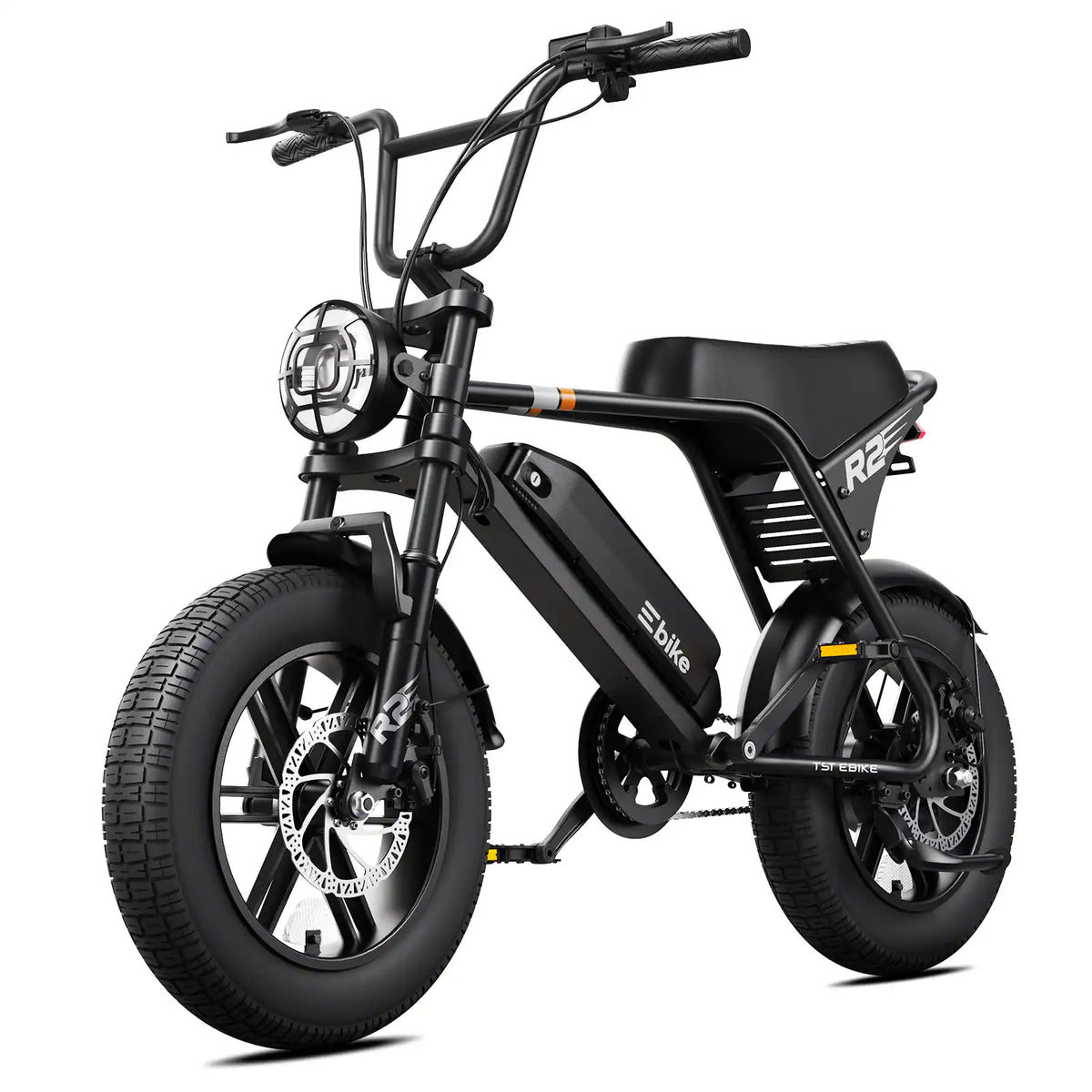
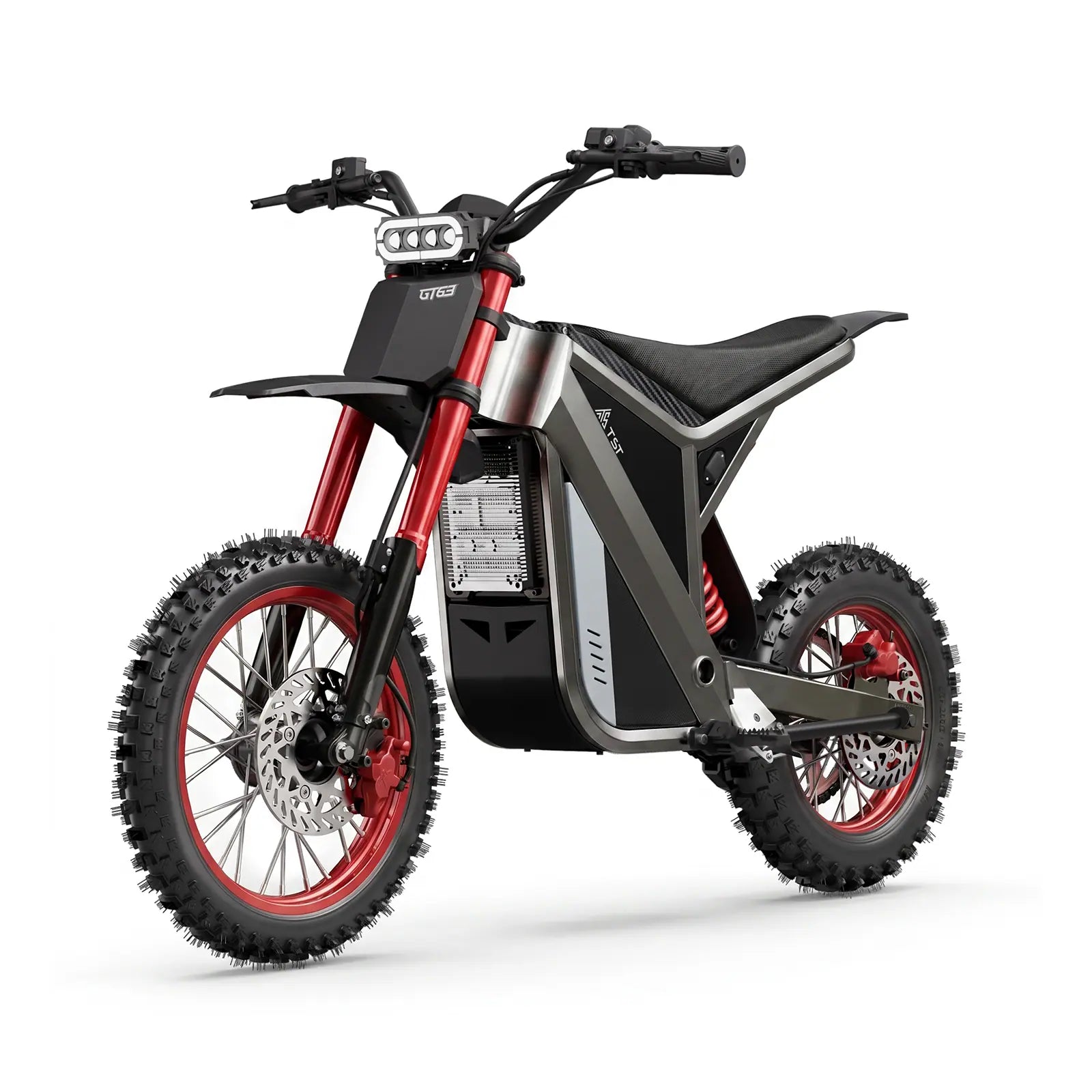
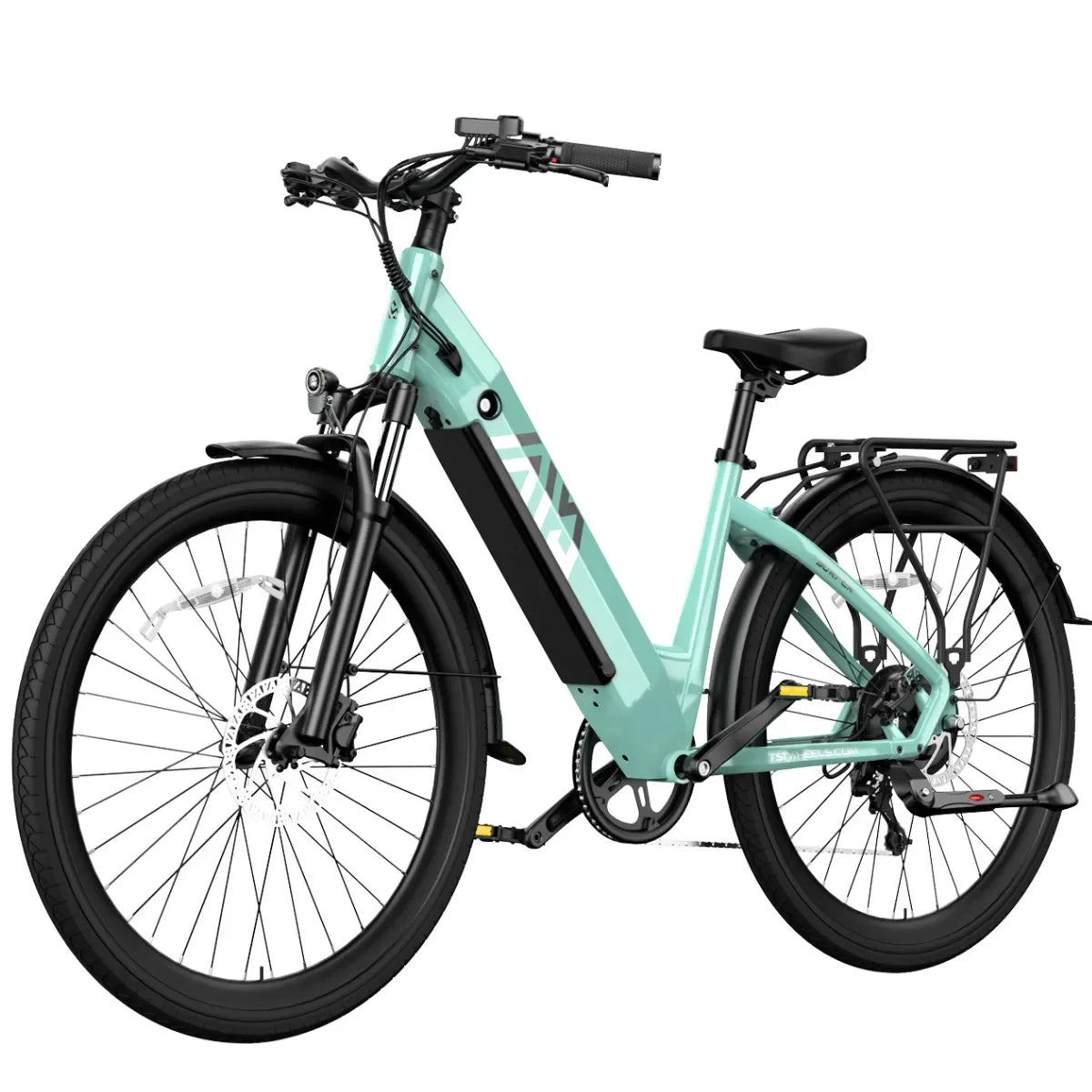
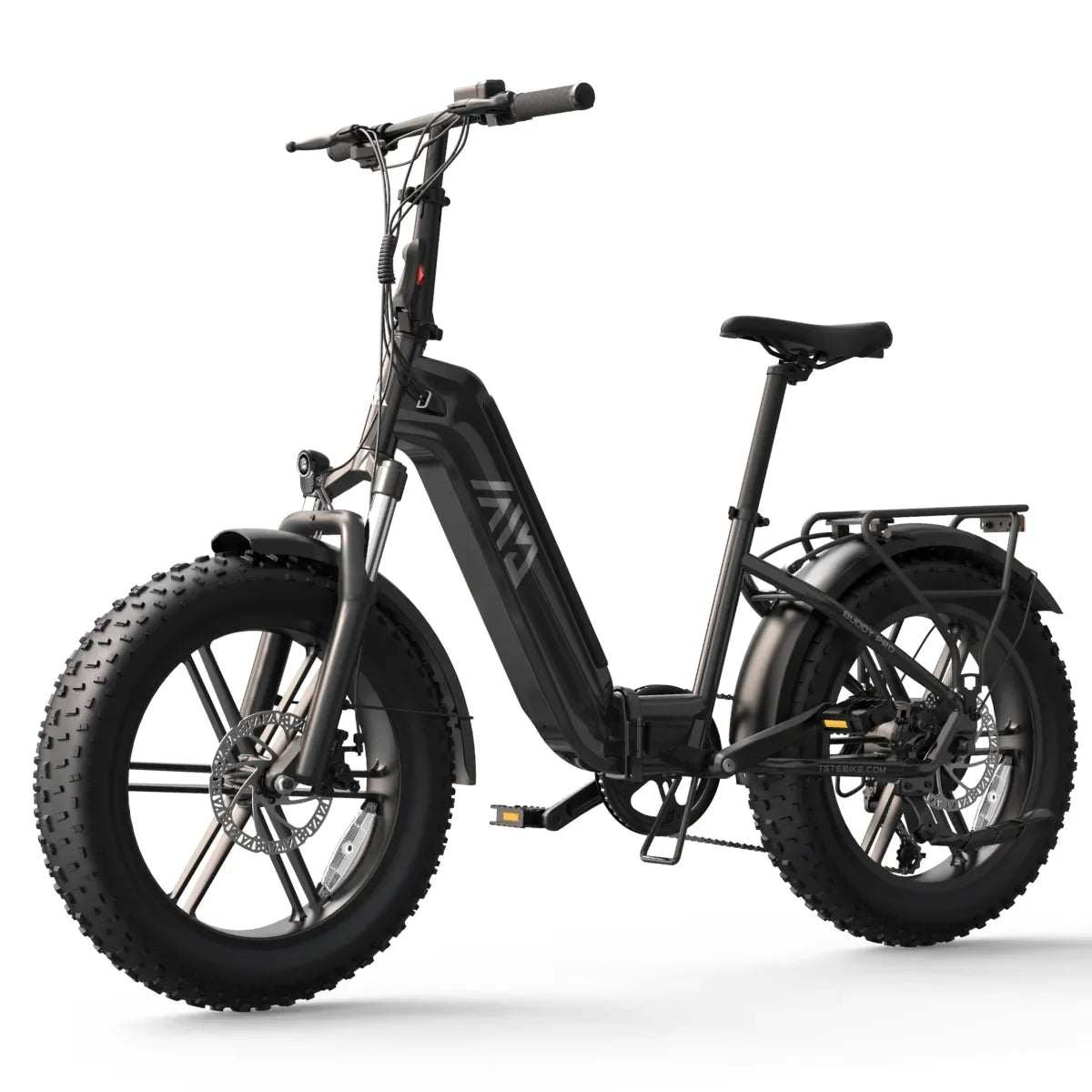
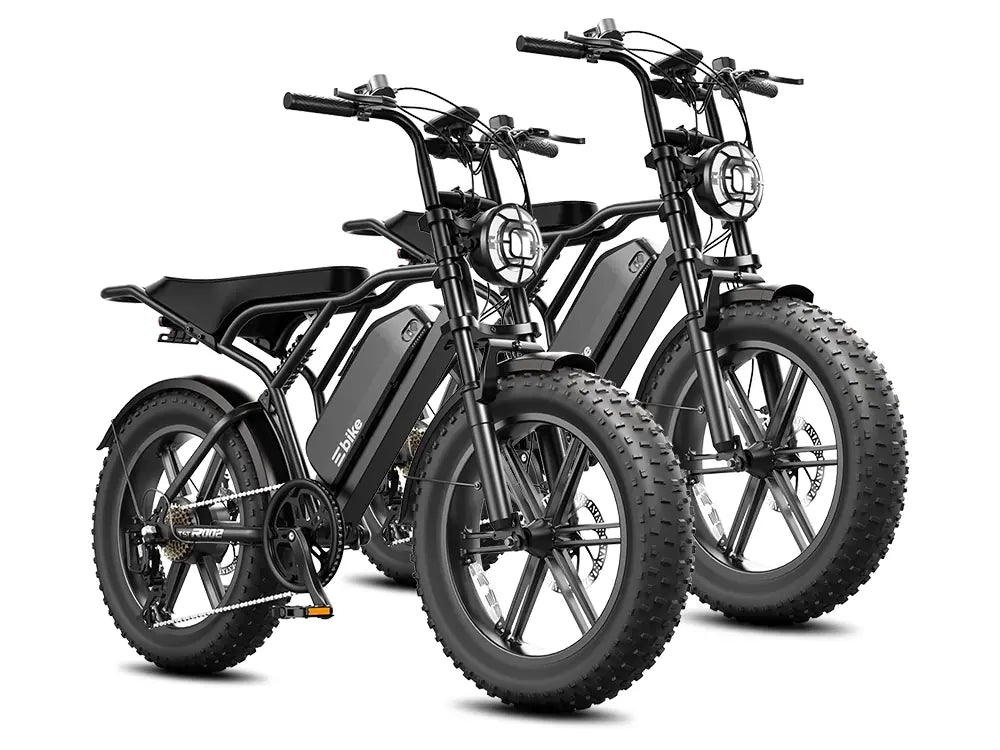
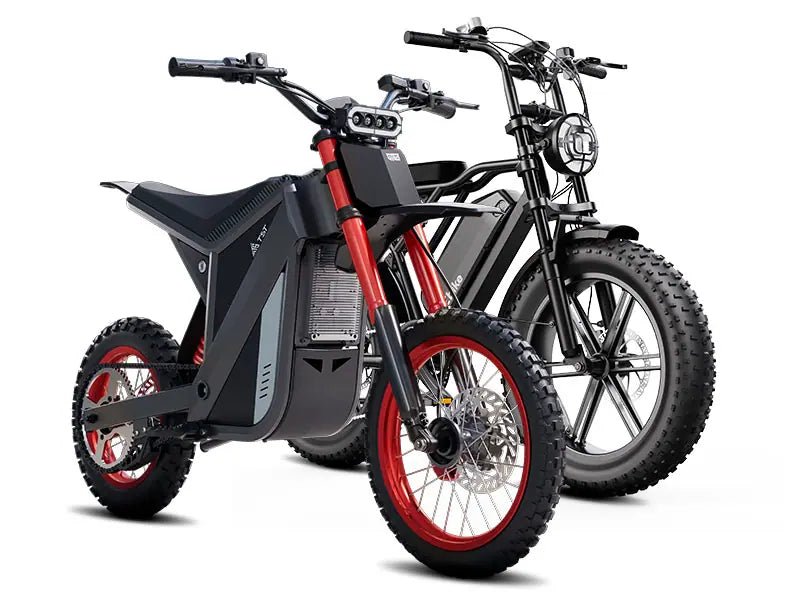
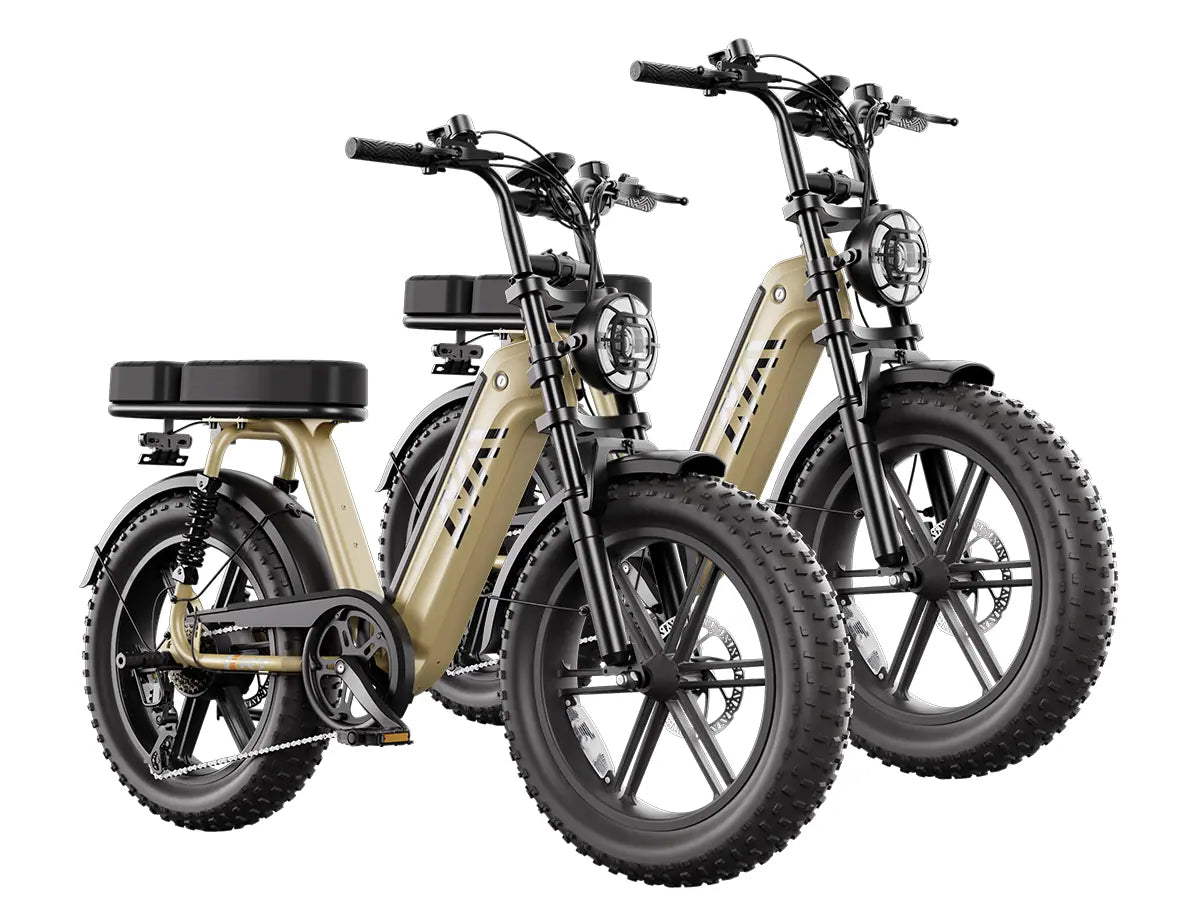
TST’s R002 product page and model-comparison page publish a 1500 W peak-motor figure and a 32 mph top speed. Those are first-party product claims, not a California classification determination.
The published figures do not separately establish the exact sold configuration’s motor-only speed, pedal-assist cutoff or compliance with California’s definition. They do not support recommending the R002 for Santa Monica’s Class 1-and-Class 2-only Beach Bike-Path.
Before selecting a TST model for a beach-path route, obtain the documentation for the exact version:
-
The permanent class label and motor-wattage information.
-
The applicable manual and manufacturer’s explanation of the sold configuration.
-
Separate motor-only and pedal-assist speed conditions.
-
Clarification of any manufacturer-intended configuration changes relevant to § 312.5(d).
Do not substitute a peak-wattage headline for a verified explanation of motor power, or assume a selected speed setting proves eligibility. TST’s product and support pages can supply vehicle information; the responsible government or land manager supplies the access rule.
A product listing, California pickup option or safety mark does not establish permission to use a public beach path. If the vehicle’s classification remains unresolved, do not treat it as eligible under an ordinance written for California-defined e-bikes.
Save a Dated Answer Before You Ride
A useful path dossier should answer each question separately:
-
Where? Record the official path name, segment, entrance and exit.
-
Who controls it? Identify the agency with authority over that segment.
-
Which vehicle? Record the exact model, version, class label and relevant configuration.
-
Which rule? Save the ordinance section, park order or agency rule establishing class access.
-
What operating conditions? Check throttle restrictions, posted speed, hours, rider age and helmet requirements.
-
Is it open now? Check seasonal restrictions, construction, event closures and current signs.
-
What if access is unavailable? Identify another route whose rules fit the vehicle; verify it independently.
Date the legal check and the operational check separately. An ordinance can establish that Class 2 is permitted while a temporary closure makes the path unavailable that afternoon.
If a sign and a website appear to disagree, do not ride past a closure or prohibition while trying to resolve it. Ask the responsible agency which rule applies to the named segment and your vehicle’s class.
The final decision needs three affirmative answers: the vehicle qualifies, its class is allowed, and the route is currently available under the applicable conditions. If one answer remains uncertain, choose a separately verified route instead.

Leave a comment
This site is protected by hCaptcha and the hCaptcha Privacy Policy and Terms of Service apply.