
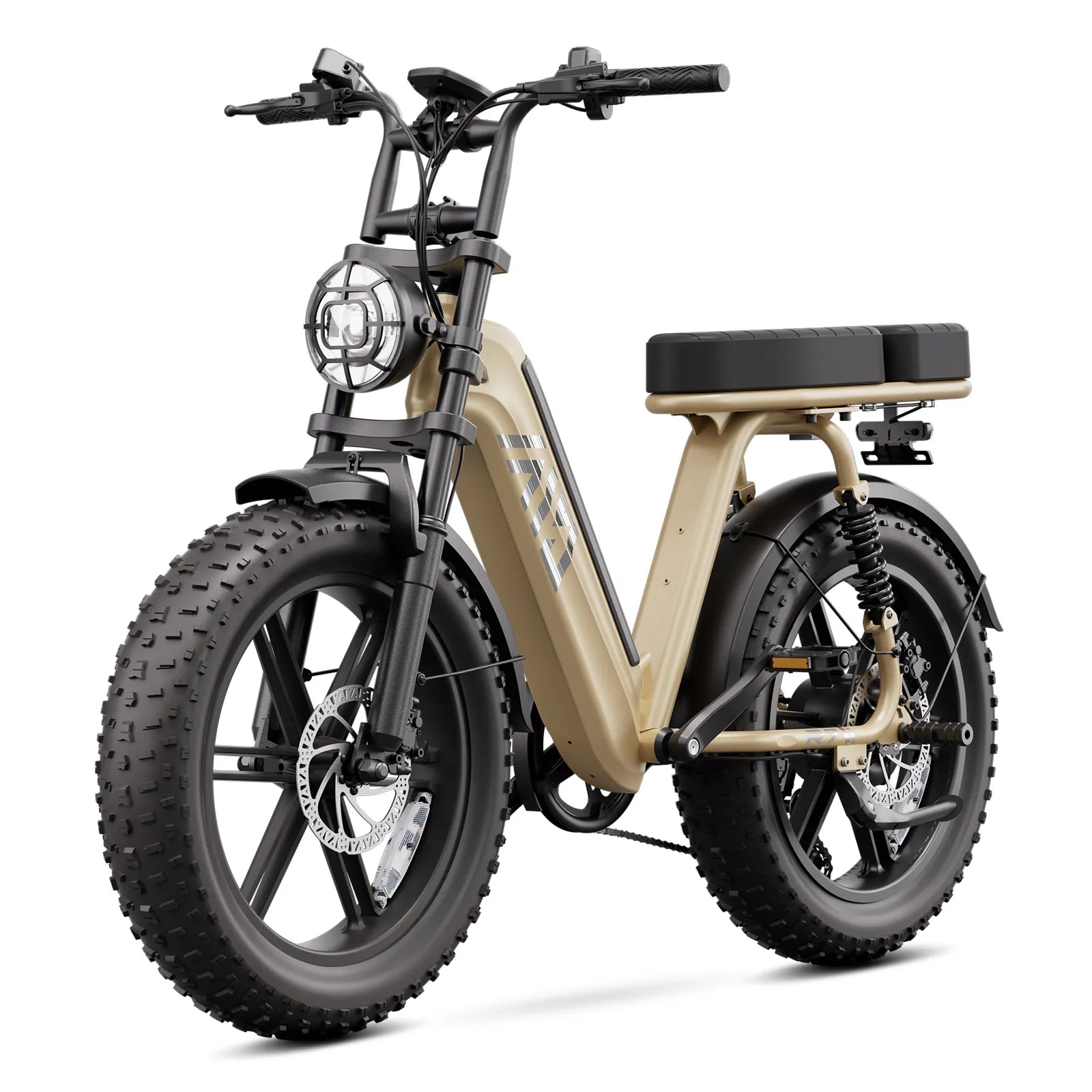
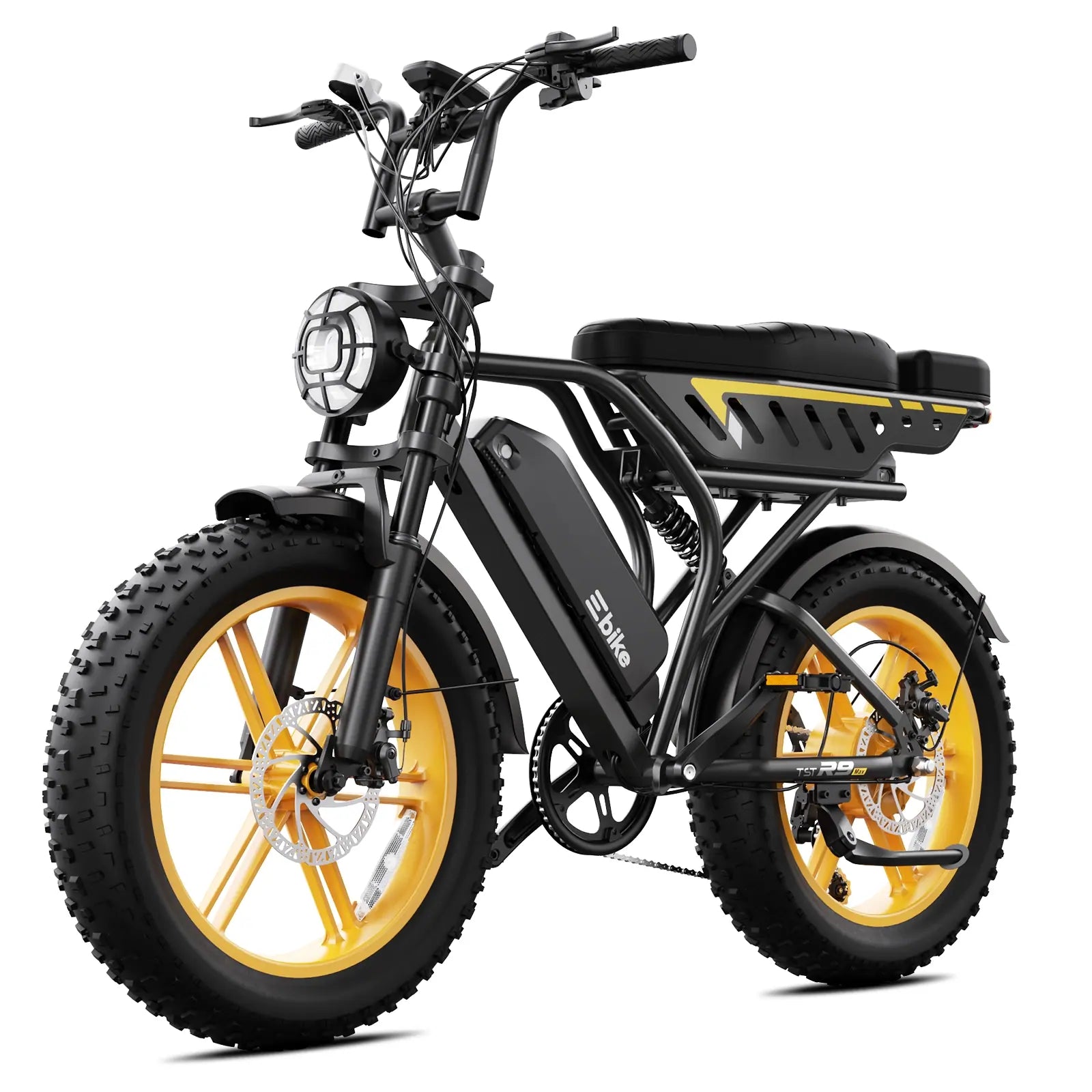
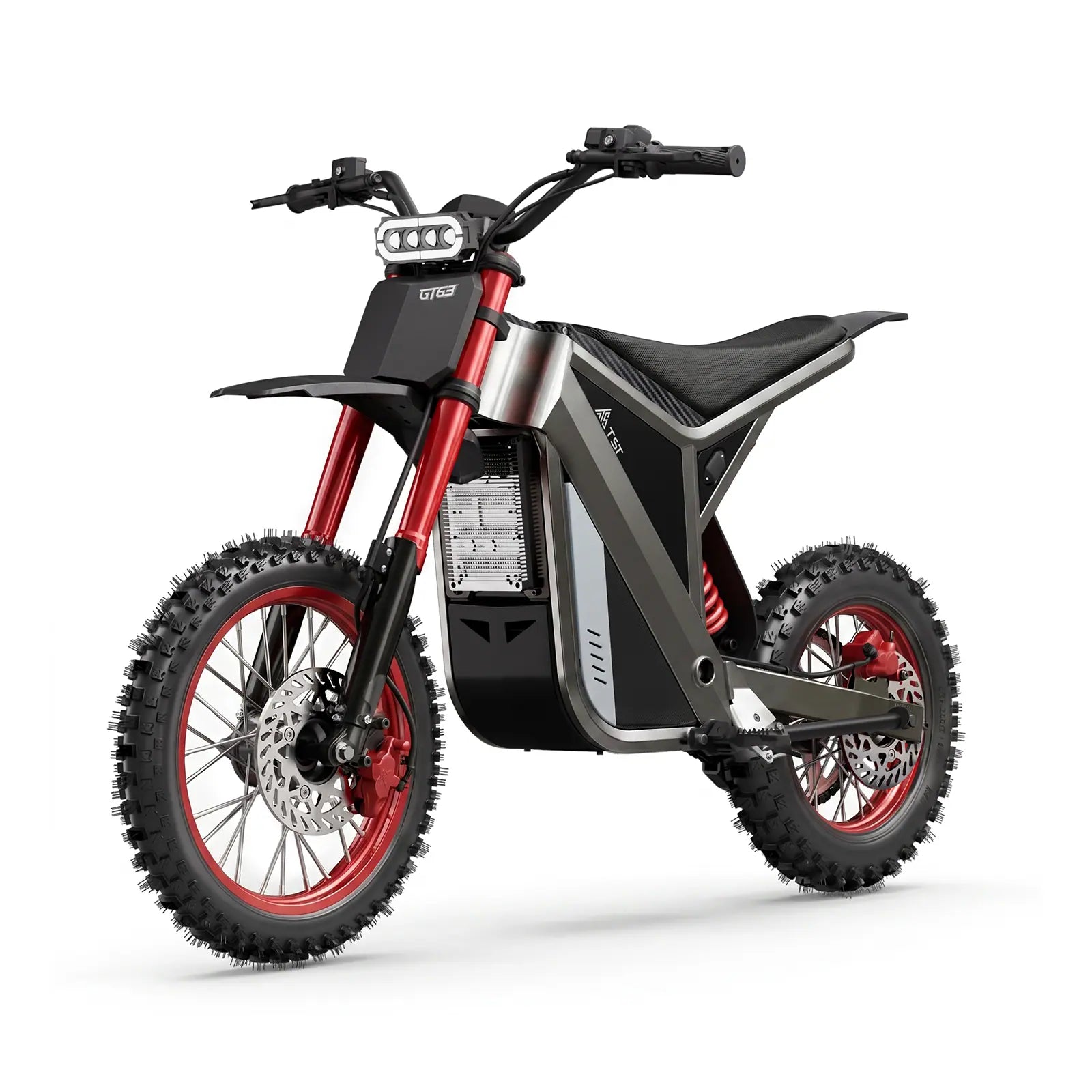
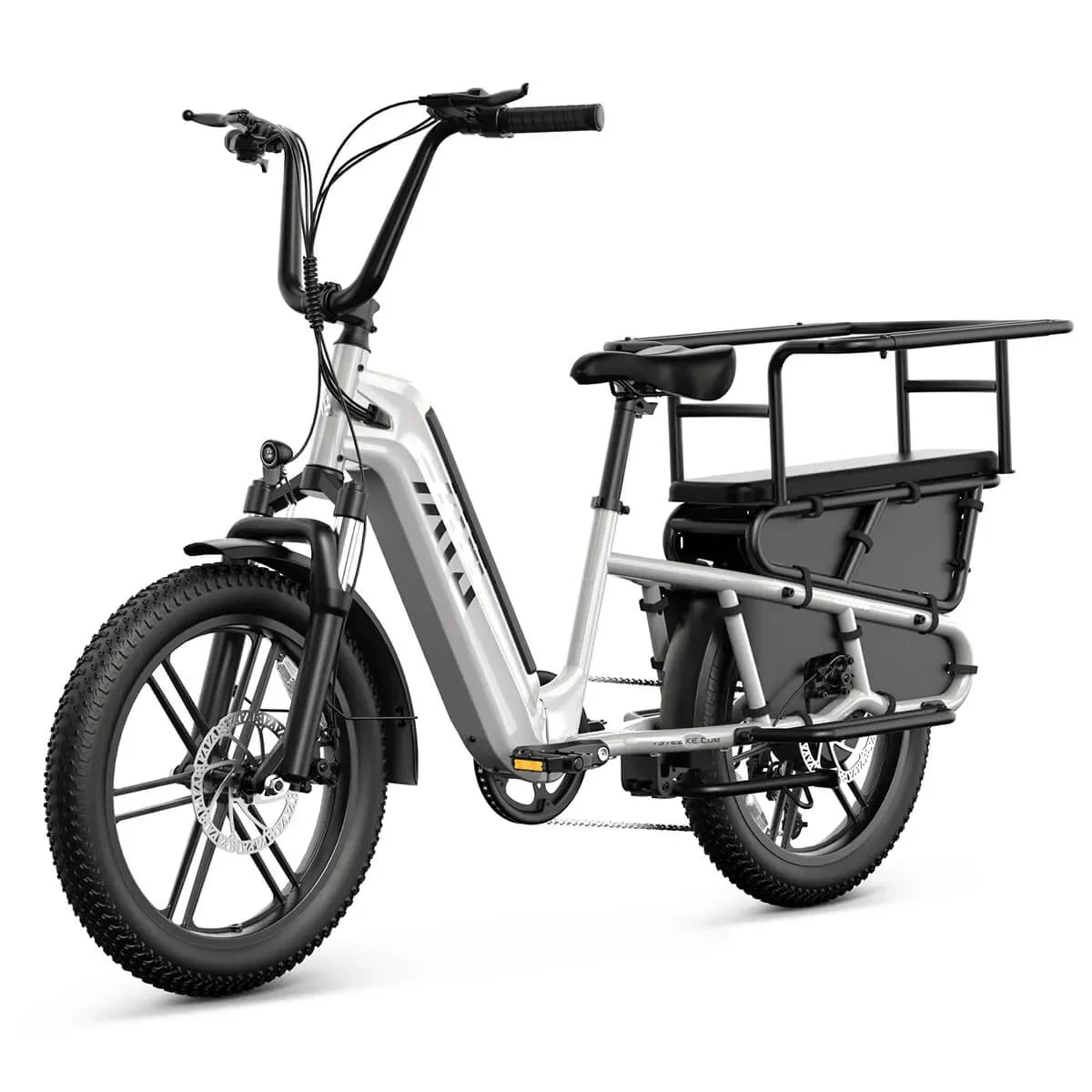
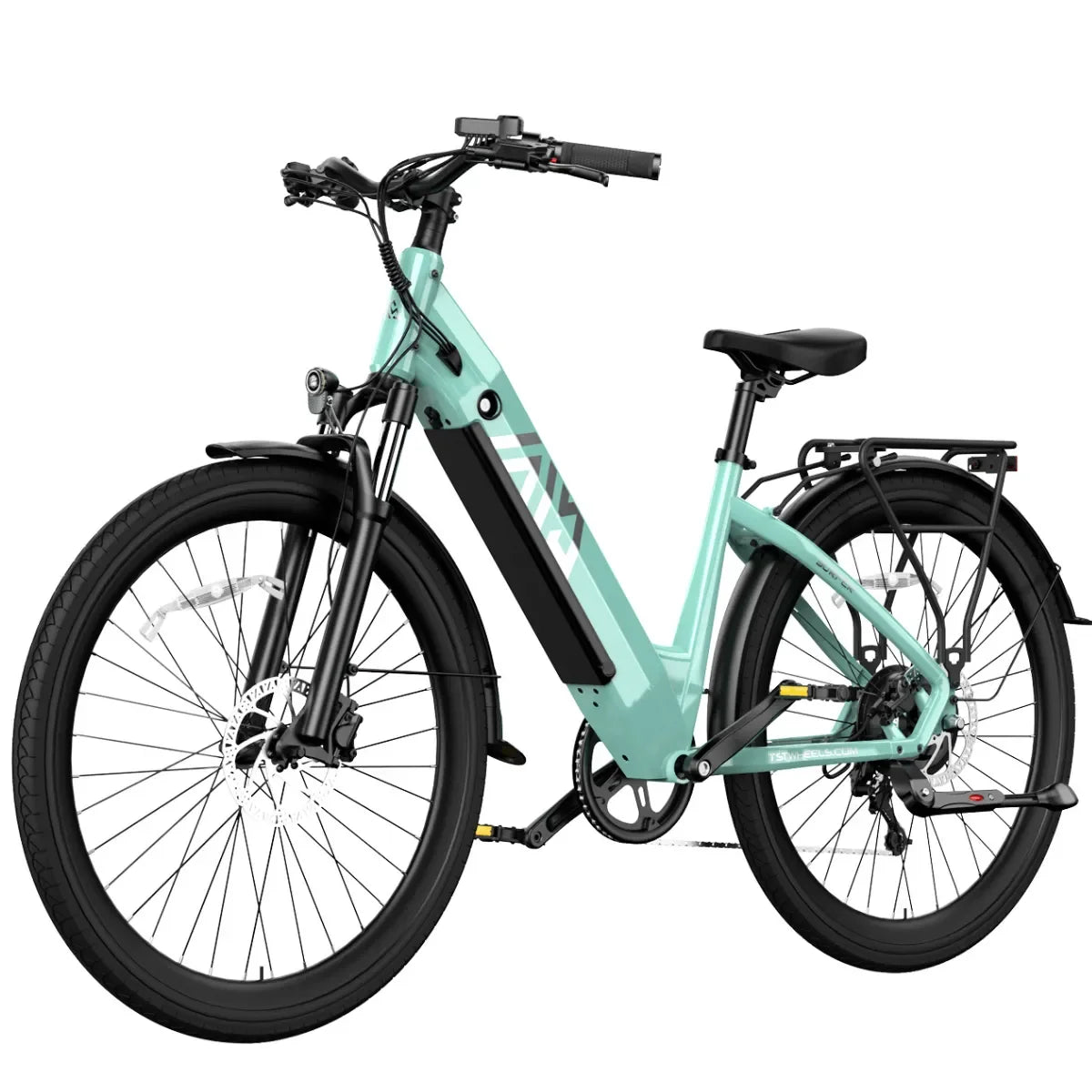
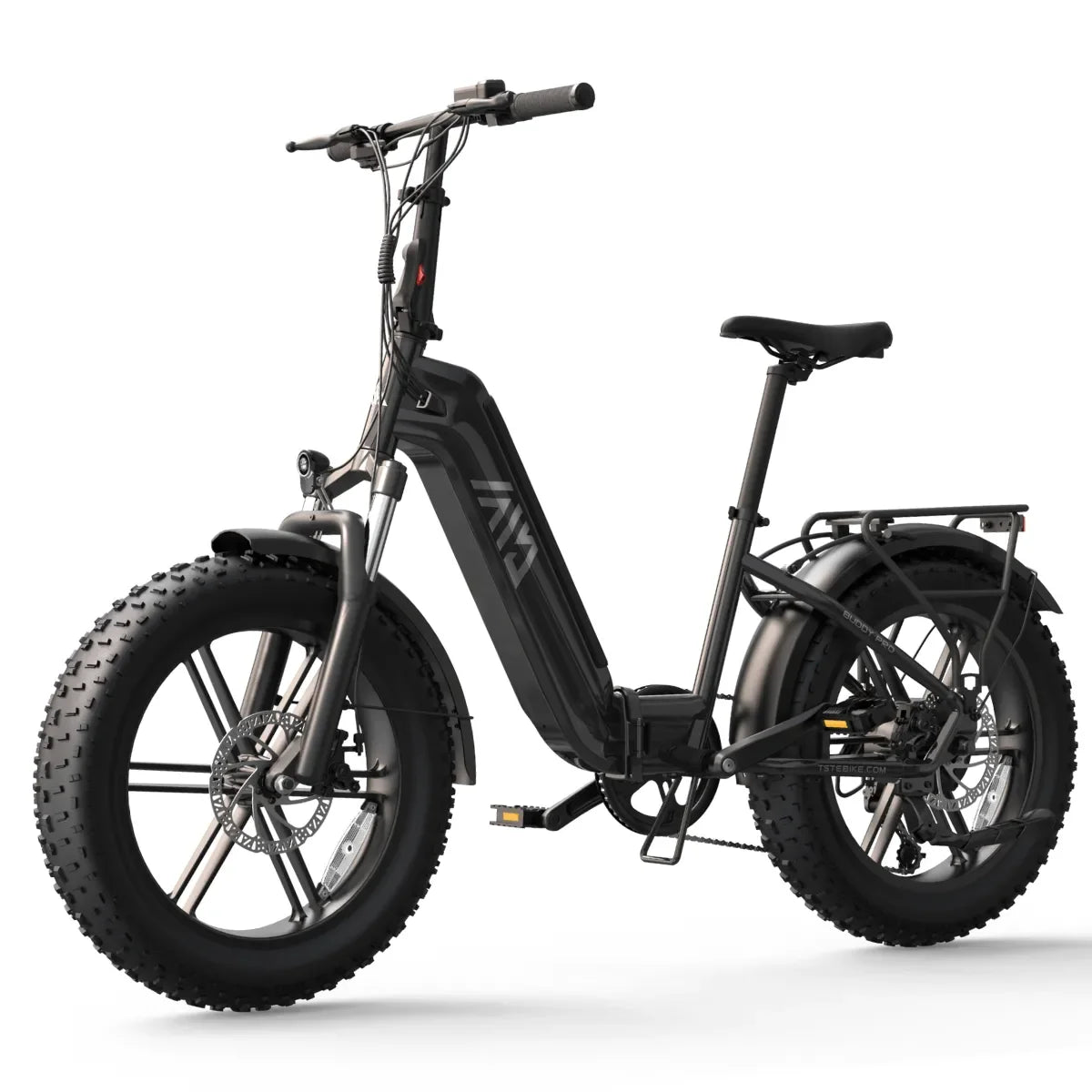


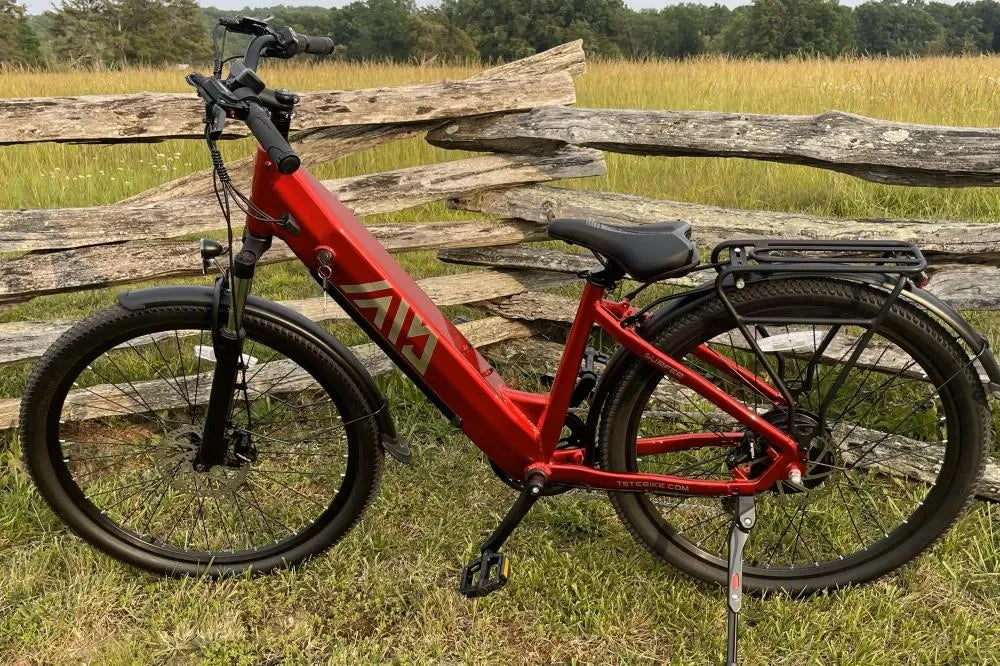
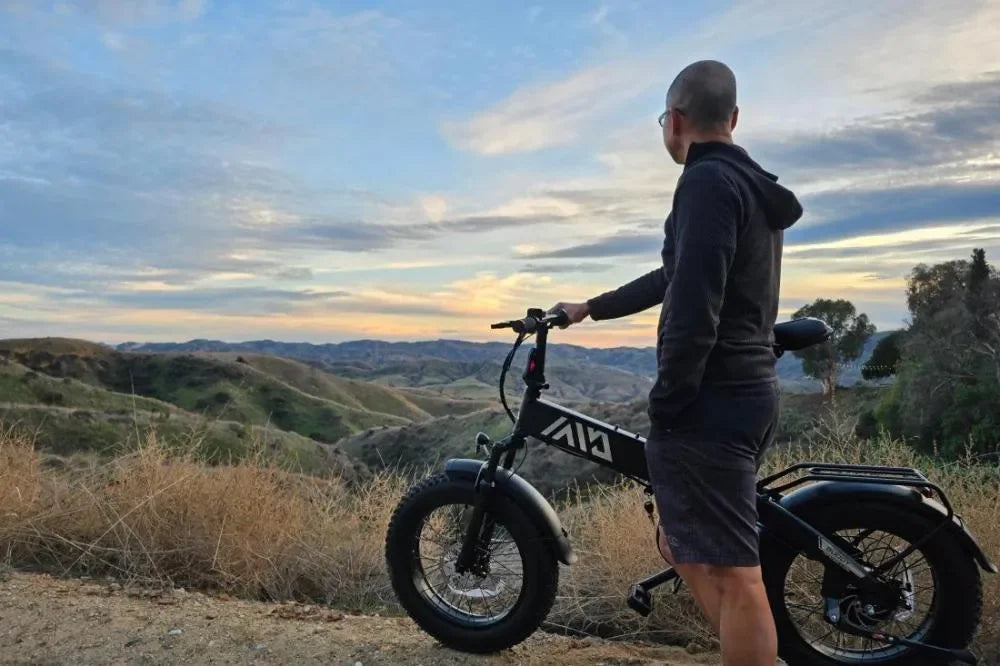
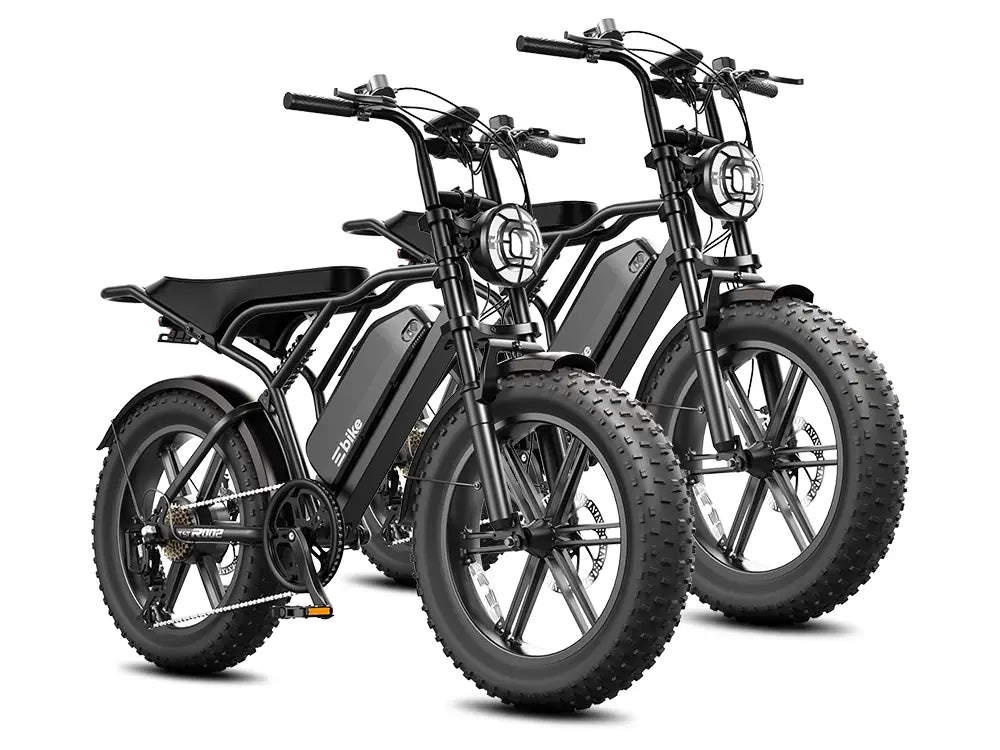
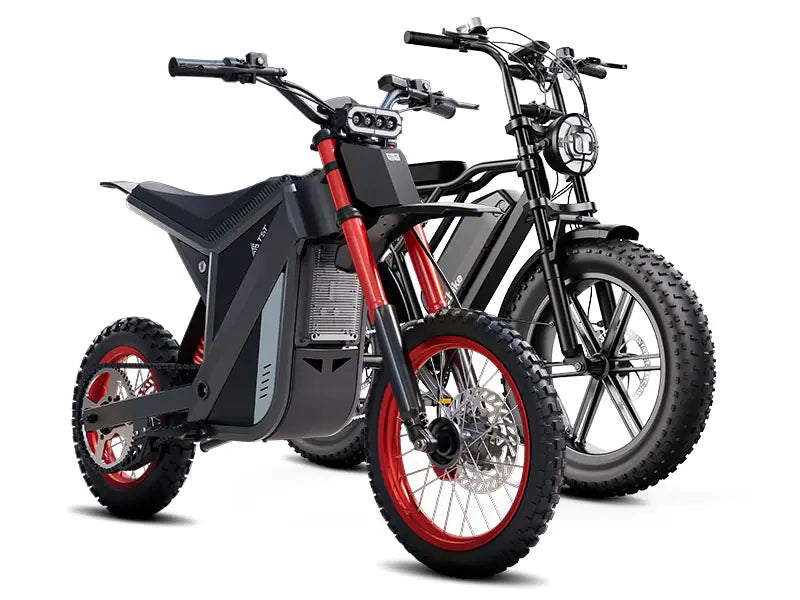
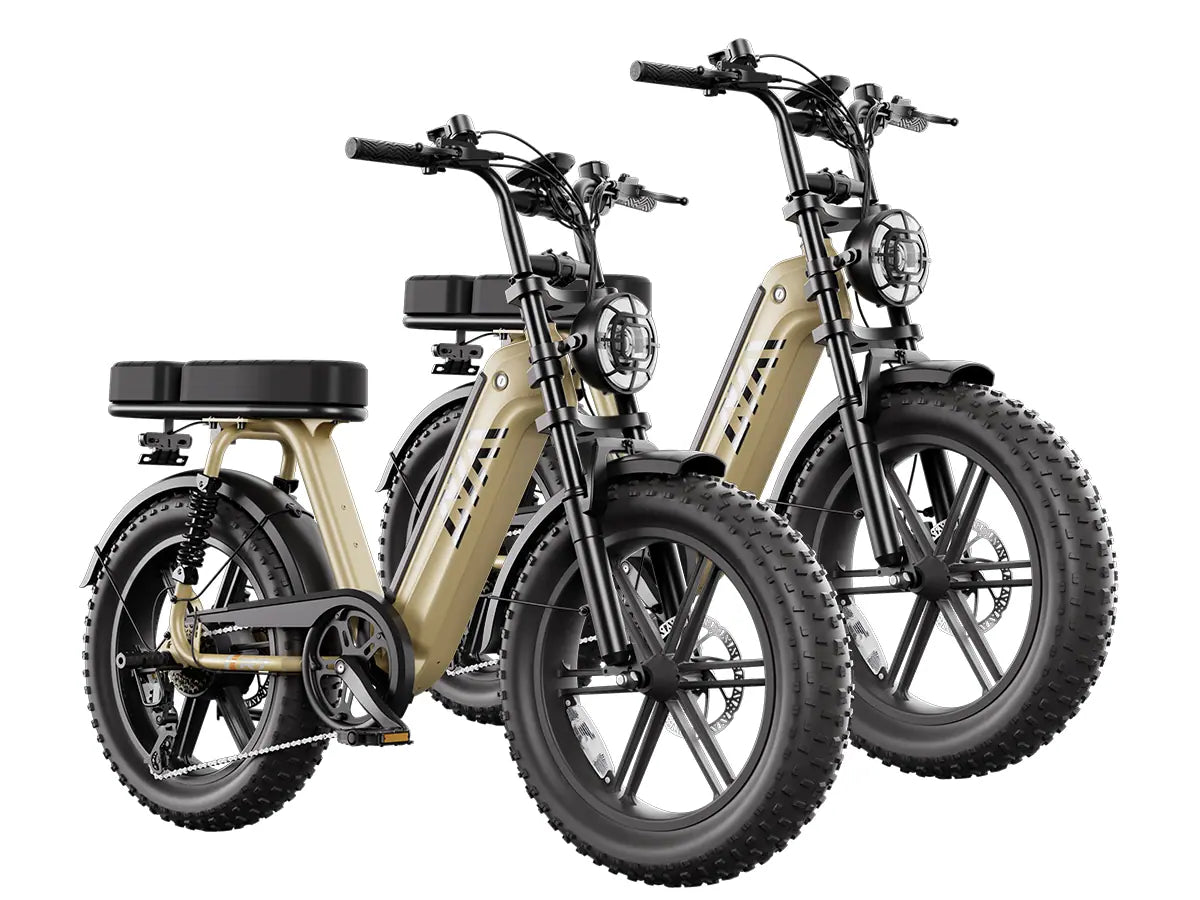
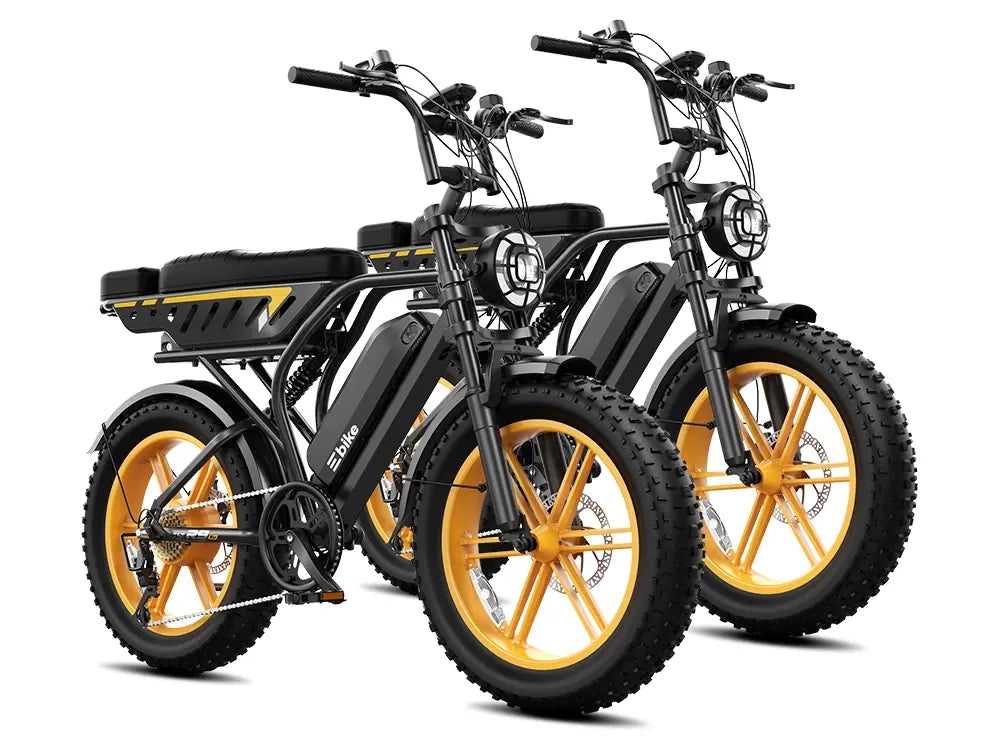
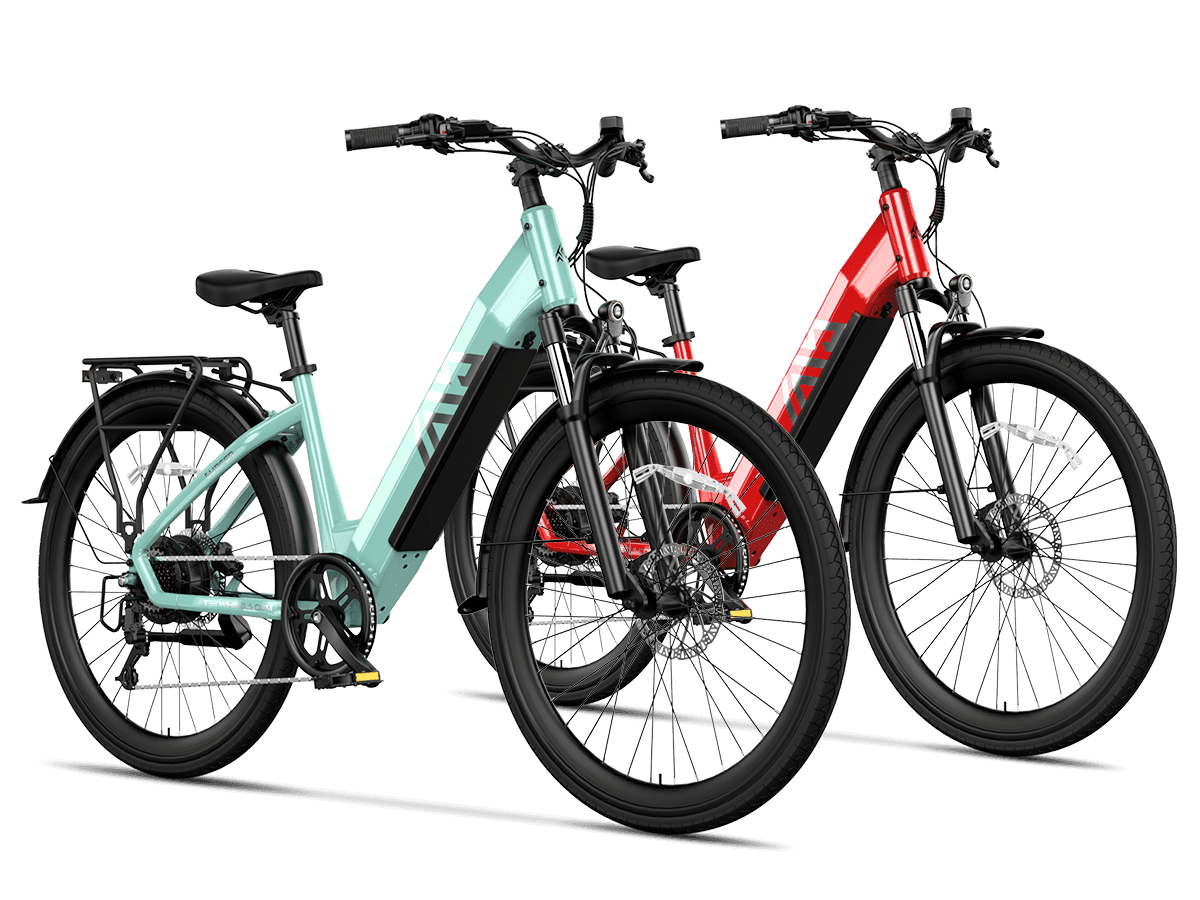
Wheel size changes how an e-bike meets an obstacle and contributes to its steering geometry. It also affects the dimensions that must fit a tire tray or storage space. But “20-inch” does not automatically mean easy to maneuver or lift, and “27.5-inch” does not guarantee steadier handling. Tire dimensions, frame geometry, weight distribution, and the complete transport setup all matter.
For owners moving a heavy e-bike through a doorway, up a loading ramp, or onto a vehicle rack, the useful comparison is fit: does the complete bike work along the entire route from storage to riding?
This guide uses 20-inch versus 27.5-inch city bikes as a comparison problem, not a wheel-size ranking. It is a source-based analysis of tire sizing, steering geometry, and manufacturer transport requirements—not a hands-on test of two matched TST models.
Separate the Wheel-Size Effect From the Complete-Bike Effect
A larger outside wheel diameter offers a more favorable approach angle to the same raised obstacle. That helps explain why larger wheels can feel less abrupt over an edge. It does not establish that every 27.5-inch city e-bike will ride more comfortably than every 20-inch fat-tire bike. Tire construction, pressure, suspension, speed, and loading remain separate variables.
Start by distinguishing three measurements:
-
Nominal wheel size: the familiar 20-inch or 27.5-inch description.
-
Tire-and-rim size: the precise size designation needed to identify compatible replacements.
-
Actual inflated dimensions: the outside diameter and width of the installed tire.
Schwalbe explains that inch labels describe approximate outside diameter and tire width, while an ETRTO designation such as 37-622 specifies nominal tire width and inner diameter in millimeters. Inch labels are not sufficiently precise to establish tire compatibility. Tire diameter must match the rim, and tire width must also suit the rim’s internal width.
For transport, record the sidewall designation and measure the inflated tire’s actual width. For storage, measure the complete bike rather than treating the wheel label as its footprint. A tire tray’s wheel-size range, tire-width limit, and maximum wheelbase are separate requirements.
Steering Depends on Geometry, Not Diameter Alone
Wheel radius is one input to trail—the horizontal distance between the front tire’s ground contact and the point where the steering axis meets the ground. Head angle and fork offset are the other controlling inputs.
With head angle and fork offset unchanged, increasing wheel radius increases trail. However, manufacturers can choose different angles and offsets for different wheel sizes, so the wheel label alone cannot predict steering behavior.
That distinction matters when pushing an e-bike at walking speed. Stability while riding and low-speed steering behavior are not the same thing. Wheel flop, where the front wheel turns into a lean, can affect the effort needed to control a bike while walking or positioning it.
Step-over is another complete-bike question. Inspect the actual frame opening and mounting clearance; do not infer them from wheel diameter. Likewise, keep wheelbase—the distance between axle centers—separate from overall length when assessing rack fit.
Gearing and Comfort Need Their Own Comparison
Wheel circumference affects distance traveled per wheel revolution. With the same drivetrain ratio and pedaling cadence, a larger actual wheel circumference produces more distance traveled per pedal revolution. Different gearing can offset that difference, so wheel size alone does not establish easier starts, better climbing, or a more comfortable cadence.
Tire pressure also changes the comparison. Schwalbe notes that wider tires generally operate at lower pressures and that their greater air volume can help absorb road irregularities. That does not justify using an arbitrary low pressure: the installed tire, rim, bike instructions, and load must govern setup.
When two bikes differ in wheel size, tire width, suspension, motor assistance, and gearing, describe any observed difference as a complete-bike result—not proof that wheel diameter caused it.
Compare the Same City Events, Then Record the Confounders
The most useful assessment follows the events that actually make an e-bike difficult to use: starting, turning slowly, crossing ordinary surface irregularities, walking through a constrained space, and loading for transport.
Before comparing two bikes, record:
-
Exact model, frame size, battery configuration, and installed accessories.
-
Tire designation, measured width, and manufacturer-permitted pressure.
-
Wheelbase, overall dimensions, frame opening, and published geometry.
-
Bike mass in riding configuration and in the intended transport configuration.
-
Rider position, cargo weight and placement, gearing, assist setting, and suspension setup.
If head angle, fork offset, or trail is unavailable, mark it “Not verified.” Missing geometry is a limit on the explanation, not permission to assume the two bikes are equivalent. Steering behavior involves those dimensions as well as rider weight distribution and cockpit setup.
Use the same rider, route, cargo task, and comparable conditions where practical. Do not force identical tire pressures across different tire designs merely to make the numbers match. Instead, document each appropriate setup and acknowledge that pressure remains a confounder.
This is an observation framework, not a set of reported test results. For example, “Bike A was easier to walk through this doorway” is a useful finding. “20-inch wheels make e-bikes easier to walk” is a broader causal claim that the comparison may not support.
Before riding either bike, follow its manufacturer’s directions and inspect the tires, brakes, handlebars, cables, frame, and other controls. CPSC also advises wearing a bicycle helmet and following local traffic rules. Do not use potholes, curb strikes, or unstable loading attempts as test events.
Check the Entire Load Path Before Choosing a Rack
A rack that accepts the wheel diameter can still reject the bike’s weight, tire width, wheelbase, or frame attachment arrangement. Vehicle limits remain binding even when the rack itself has spare capacity. Thule’s EasyFold XT instructions require compliance with both the carrier’s maximum load and the vehicle’s lower applicable limit, as well as the maximum weight per bike.
The US specifications checked on October 9, 2026, for the Thule EasyFold XT, model 903202, demonstrate why “fits e-bikes” is not a complete compatibility answer.
These are manufacturer specifications for this exact rack, not an endorsement of compatibility with any particular TST bike or vehicle.
Both a nominal 20-inch bike and a nominal 27.5-inch bike can fall within that wheel-size range. Neither passes the remaining checks automatically. A lighter second bike cannot compensate for a first bike that exceeds the 65-lb individual limit.
For planning, keep two weight totals separate:
Bike load on rack=∑each bike’s actual transport mass
Carrier assembly mass=rack mass+bike load+additional carrier-mounted equipment
The first total must satisfy the rack’s combined and per-bike limits. The second identifies the complete assembly you must evaluate against the exact vehicle and hitch instructions. It is not, by itself, proof of approval: no vehicle-specific capacity or fit is established here.
Follow the load path in order:
-
Verify the vehicle and receiver. Use the exact vehicle and hitch instructions, including any carrier restrictions, clearance requirements, or adapter limitations.
-
Verify each bike separately. Measure its transport mass, tire width, wheelbase, and permitted attachment locations.
-
Verify the rack configuration. Confirm the required straps, adapters, and frame compatibility rather than assuming accessories remove every limitation.
-
Verify the loading procedure. Use only the rack manufacturer’s approved ramp and installation arrangement. A ramp does not establish that every owner can control every heavy bike.
-
Verify the secured assembly. Follow the manual’s loading order, fastening procedure, clearance checks, and inspection schedule.
For the EasyFold XT specifically, Thule requires the larger and heavier bikes closest to the vehicle, prohibits elastic bungees for securing the load, and requires easily removable items such as baskets, child seats, and nonpermanent locks to be removed before transportation. Its instructions also exclude installation on trailers and recreational vehicles. These conditions must not be generalized into approval for a different rack.
Battery removal requires a model-specific answer. If the bike manufacturer permits removal for transport, weigh the resulting bike configuration rather than estimating the reduction. Do not subtract an assumed battery weight or improvise a removal procedure. CPSC directs owners to follow manufacturer instructions and use only manufacturer-approved compatible battery packs.
Choose the Bike That Clears Your Route—not the Smaller Wheel Label
For a city owner, the decisive constraint may occur before the ride: the storage doorway, elevator, hatch opening, rack tray, or loading position. Measure those spaces and compare them with the bike in the configuration you will actually move.
Use this sequence:
-
Eliminate setups that exceed a documented vehicle, rack, bike, or attachment limit.
-
Check whether you can walk and position the bike without losing control.
-
Check storage clearance using complete-bike dimensions.
-
Compare riding behavior through matched, ordinary route events.
-
Confirm replacement tires and tubes by precise size and compatibility—not the inch label alone.
The current TST model comparison page is a starting point for identifying differences among TST bikes, including nominal tire sizes, listed product weights, and dimensions. Those first-party specifications help build a shortlist; they do not establish a controlled wheel-size comparison or vehicle-rack compatibility. Confirm the exact model and configuration before using any listed figure in a transport calculation.
After the bike and transport constraints are established, use the TST accessories collection to locate relevant model-specific equipment, then verify the individual accessory’s compatibility and instructions. An on-bike cargo rack and a vehicle-mounted bike carrier serve different purposes; one product’s capacity cannot establish the other’s.
The decision rule is straightforward: treat wheel size as one explanatory variable, and make the purchase or transport decision with the complete bike. A favorable rollover characteristic does not override a weight limit, and a smaller nominal wheel does not resolve an awkward lift, incompatible tire tray, or insufficient storage opening.

Leave a comment
This site is protected by hCaptcha and the hCaptcha Privacy Policy and Terms of Service apply.