
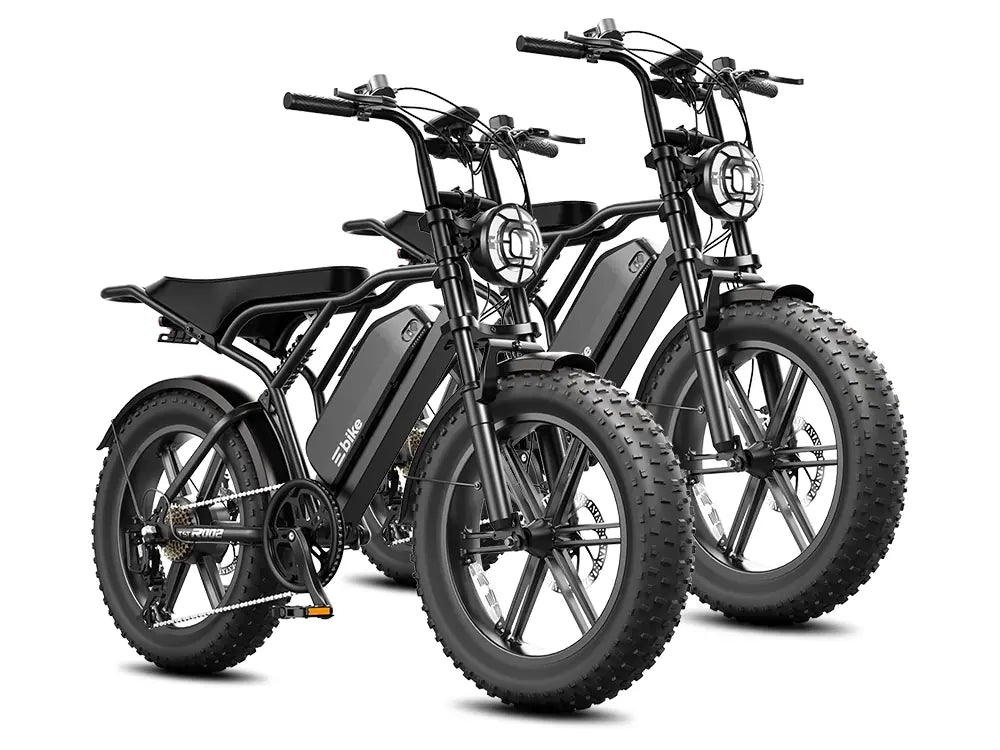
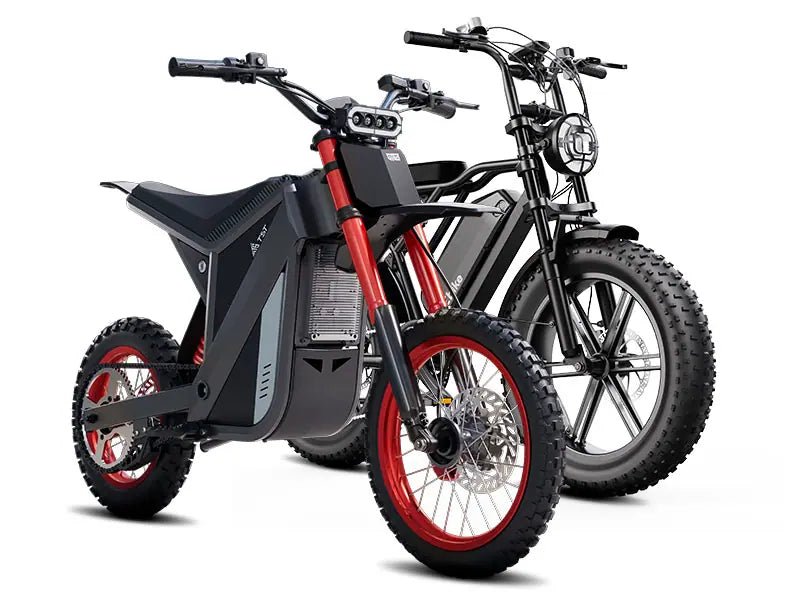
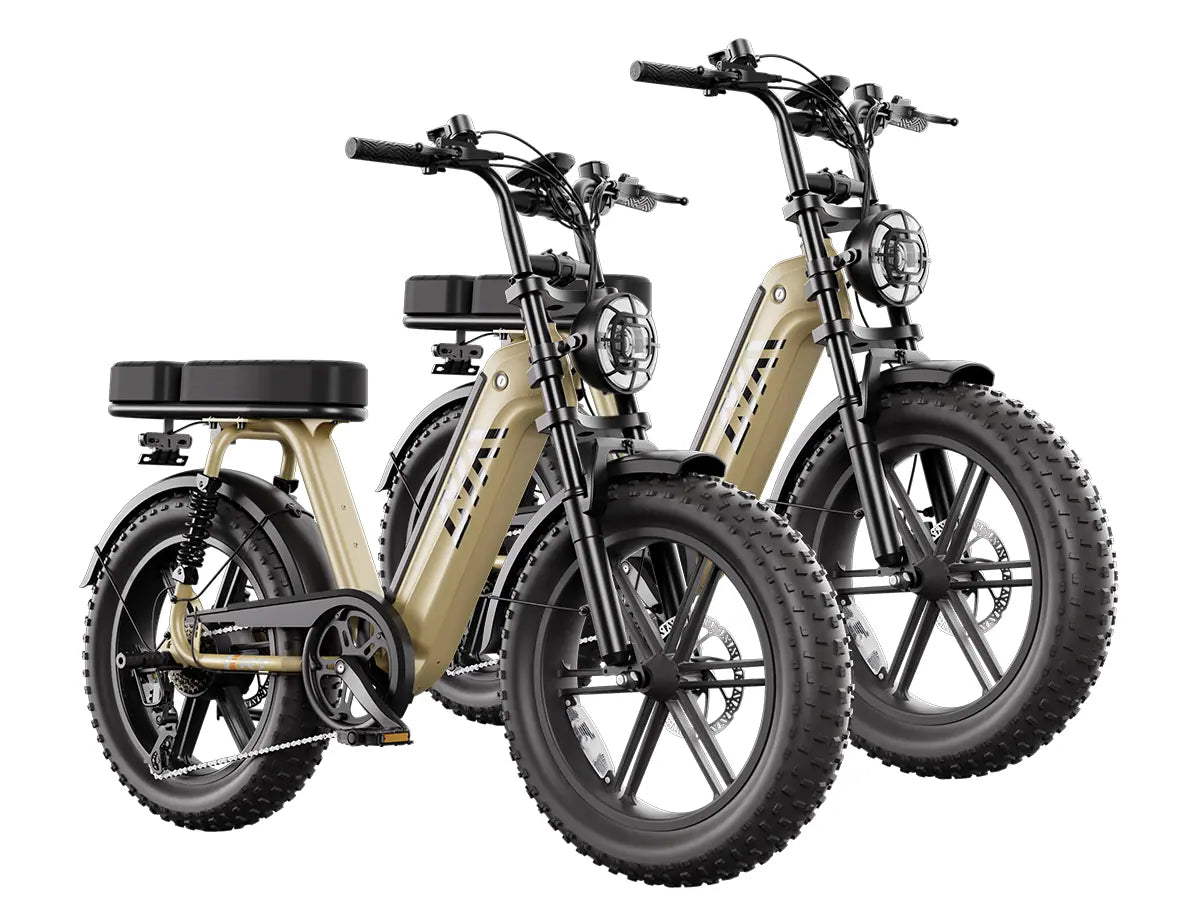
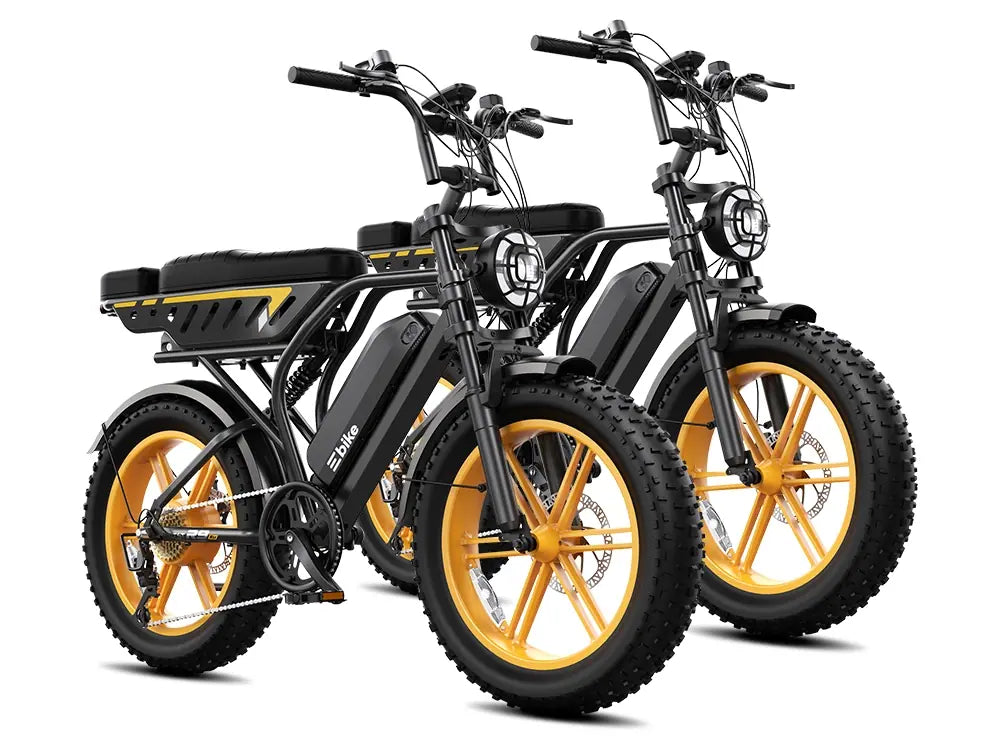
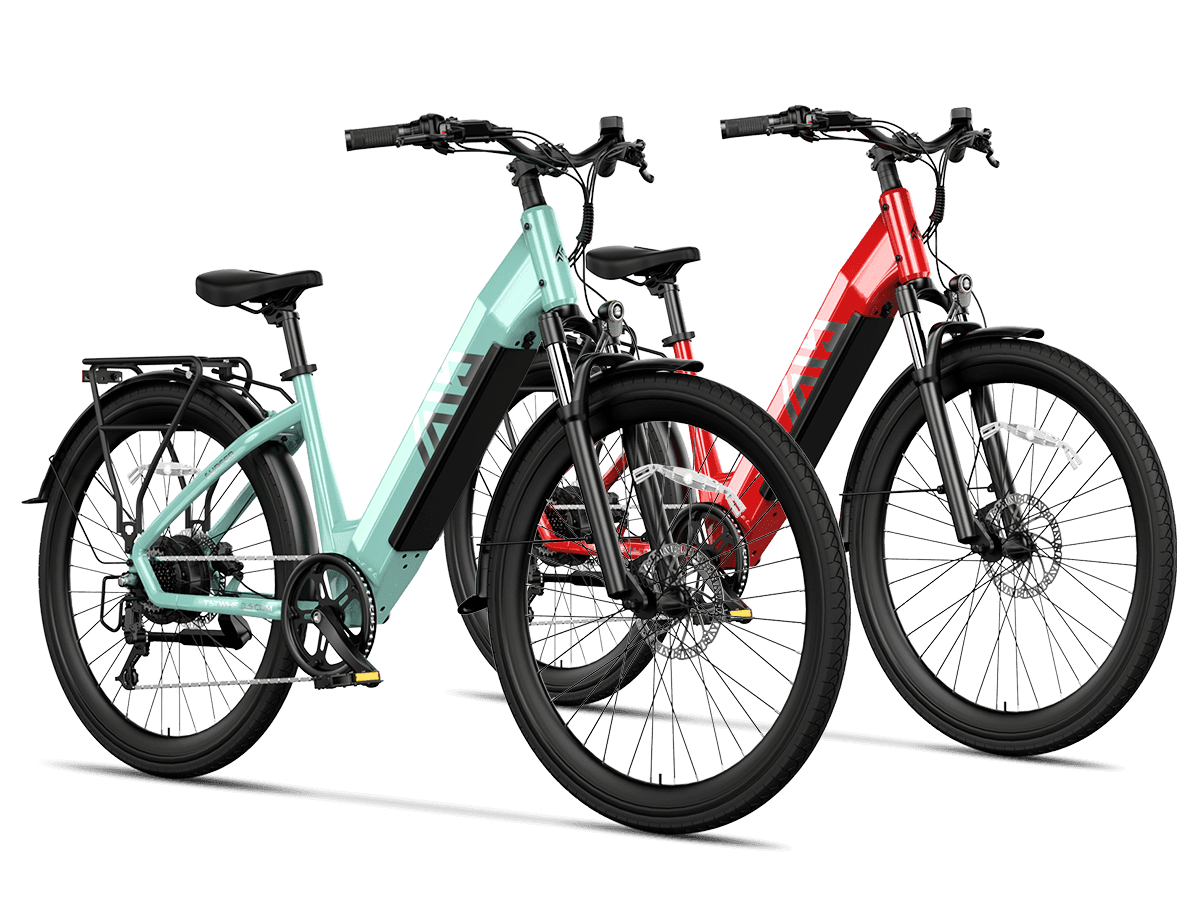
An e-bike is a bicycle with an electric motor and a battery that help you move. Whether a given bike counts as an "e-bike" for legal purposes depends on its pedals, motor power, how the motor is controlled, its assisted speed and where you ride. Two bikes can both be sold as e-bikes and still be treated differently. The sections below separate the product vocabulary from the legal categories, link common formats to the jobs they suit, and end with questions to verify before you pick a model.
The system in plain language
An e-bike has four working parts. The motor adds force, the battery stores the energy, the controller decides how much power to send, and the sensors or throttle tell the controller what the rider wants. The pedals and drivetrain remain part of the bike.
Federal law uses a narrower term, "low-speed electric bicycle." It means a two- or three-wheeled vehicle with fully operable pedals and an electric motor of less than 750 watts. Its maximum speed on a paved, level surface is under 20 mph when powered only by the motor and ridden by a 170-pound operator. Bikes that fit this definition are regulated as consumer products under the Consumer Product Safety Act.
That definition limits motor-only speed. The National Conference of State Legislatures notes that federal law sets no maximum speed for combined human and motor power, and that the CPSC has clarified that such bikes may exceed 20 mph with pedaling. A bike's "top speed" on a spec sheet is therefore not enough to place it in a legal category. You also need to know which mode produced the number.
Assist versus throttle
The main control difference is whether the motor needs your pedaling.
-
Pedal assist: the motor adds power only while you pedal. Many bikes offer several assist levels, and the controller sets how strongly the motor responds at each one.
-
Throttle: a twist grip or thumb lever can drive the bike without pedaling. A bike may have a throttle, pedal assist or both.
-
Speed cut-off: the speed at which the motor stops helping is a separate setting. It may differ between throttle and pedal assist.
The three-class system builds on these differences. Class 1 gives assistance only while pedaling and stops at 20 mph. Class 2 allows motor-only propulsion and stops assisting at 20 mph. Class 3 gives assistance only while pedaling and stops at 28 mph. The National Park Service uses this system. It defines an e-bike as having fully operable pedals and an electric motor of not more than 750 watts.
The federal statute says "less than 750 watts," while the NPS rule says "not more than 750 watts." A bike marketed at exactly 750 W could fall on either side of that boundary, so check which rule applies and how the motor is rated.
Product term versus operating law
"E-bike" on a product page is a marketing category. The law cares about measurable configuration and place of use, and those are separate questions.
Federal consumer-product law covers what is sold. Where you may ride is set by states, cities and land managers, and the federal definition does not override their rules. The Congressional Research Service notes that definitions vary across jurisdictions and agencies. It adds that e-bikes outside the three-class system are typically treated as motorized uses and may face different restrictions on federal lands.
Land managers also differ from one another. The NPS lets superintendents allow e-bikes where traditional bicycles are allowed, and they may limit or close areas. E-bikes are not allowed in wilderness areas. The Forest Service defines an e-bike as a type of motor vehicle, so e-bikes are generally not permitted on nonmotorized trails unless specifically designated. A separate NPS rulemaking was proposed on September 1, 2026, so check the current rule for your destination.
State rules cover helmets, age limits, registration and insurance. The NPS says state law governs these operational requirements but not where e-bikes may go within a park. PeopleForBikes keeps a state-by-state set of guides, and it states that e-bike laws are different in every state.
Common formats and the jobs they suit
Format describes how a bike is built and used. It does not tell you its legal class. The table below describes formats in general. It is not a ranking, and it is not a claim about any particular model.
| Format | Typically suits | Trade-offs to weigh |
|---|---|---|
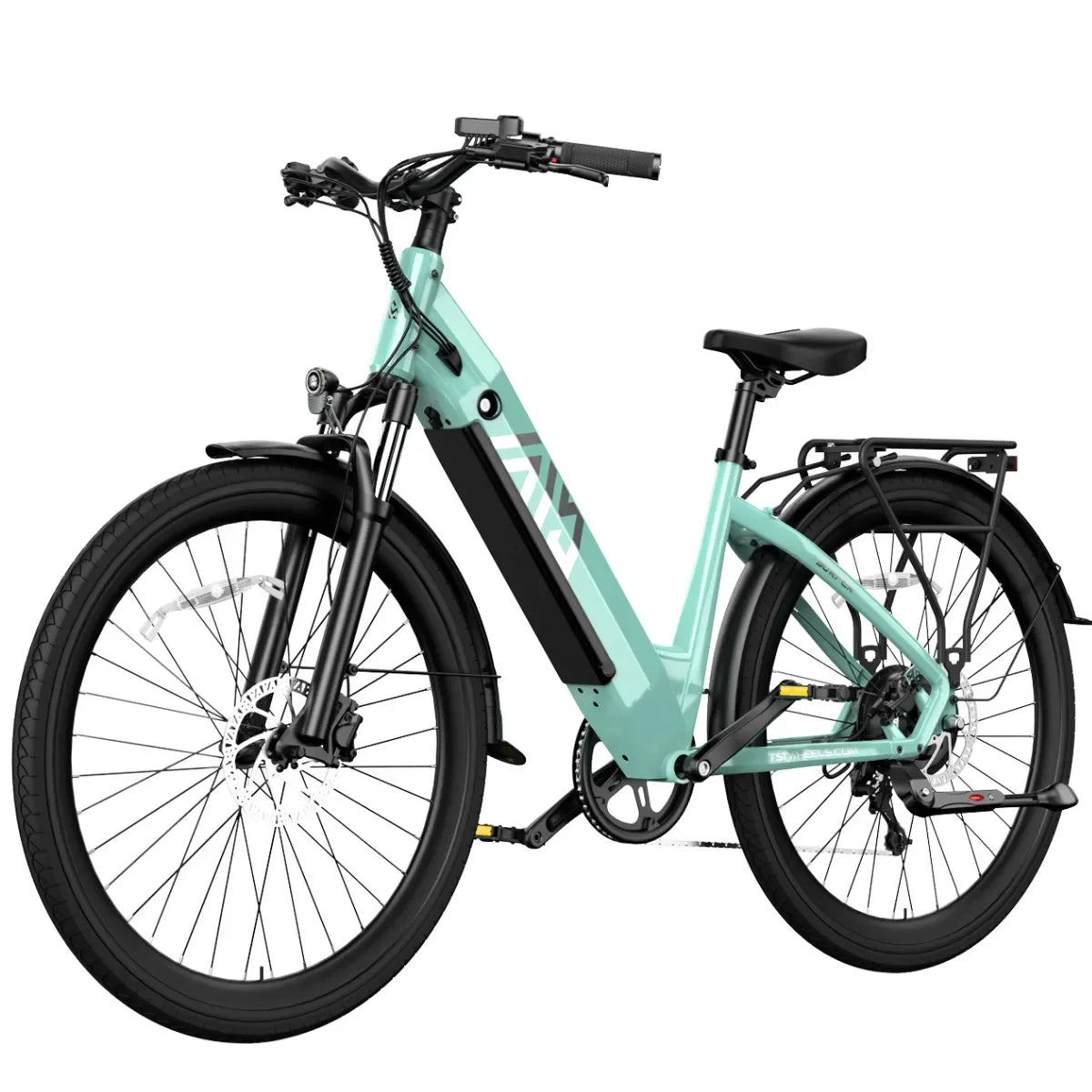
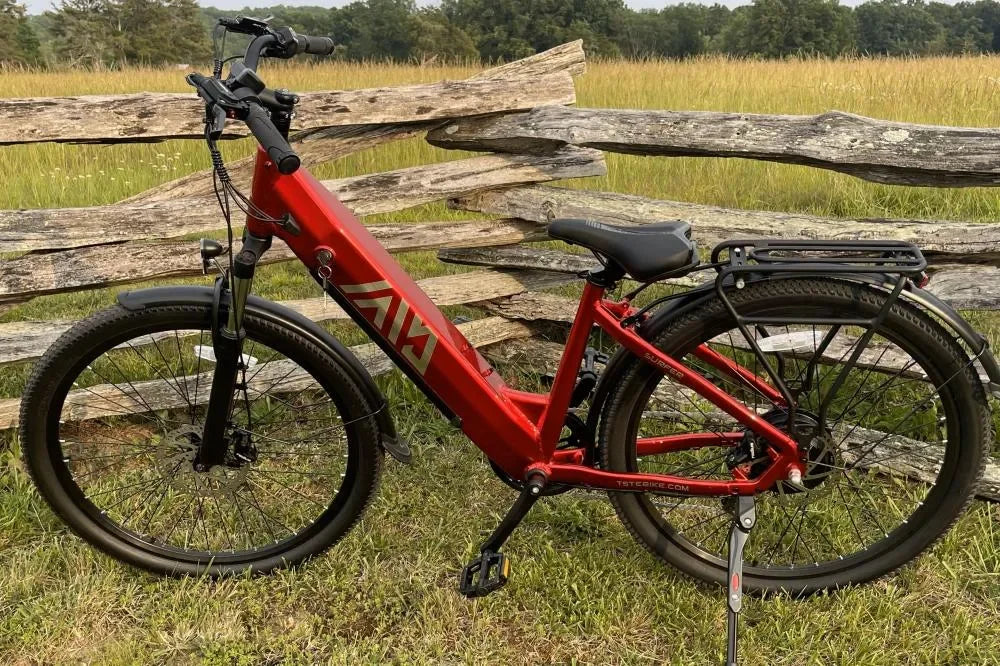
| Commuter or city bike | Paved routes, regular trips, lighter gear | Less cargo and off-pavement capability |
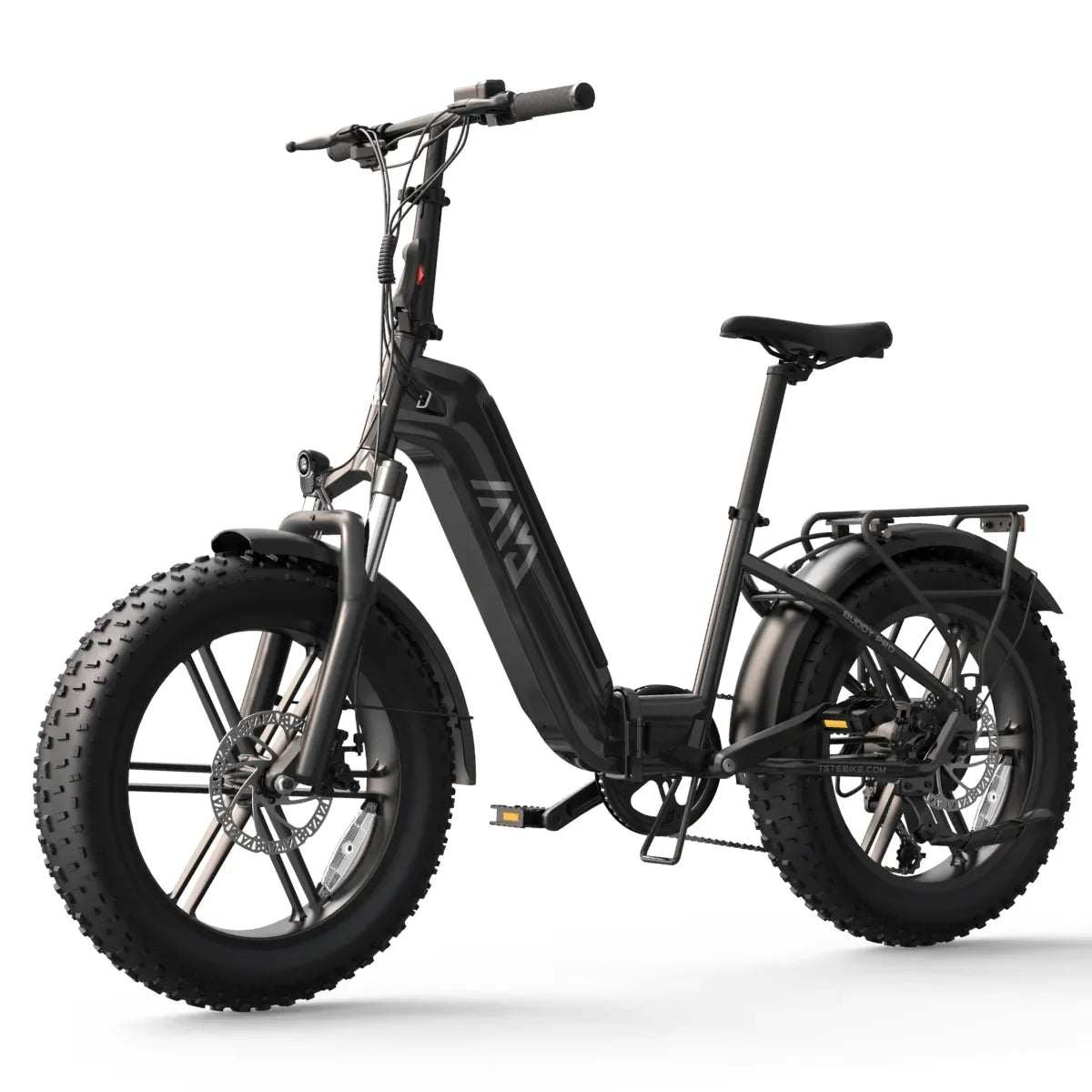
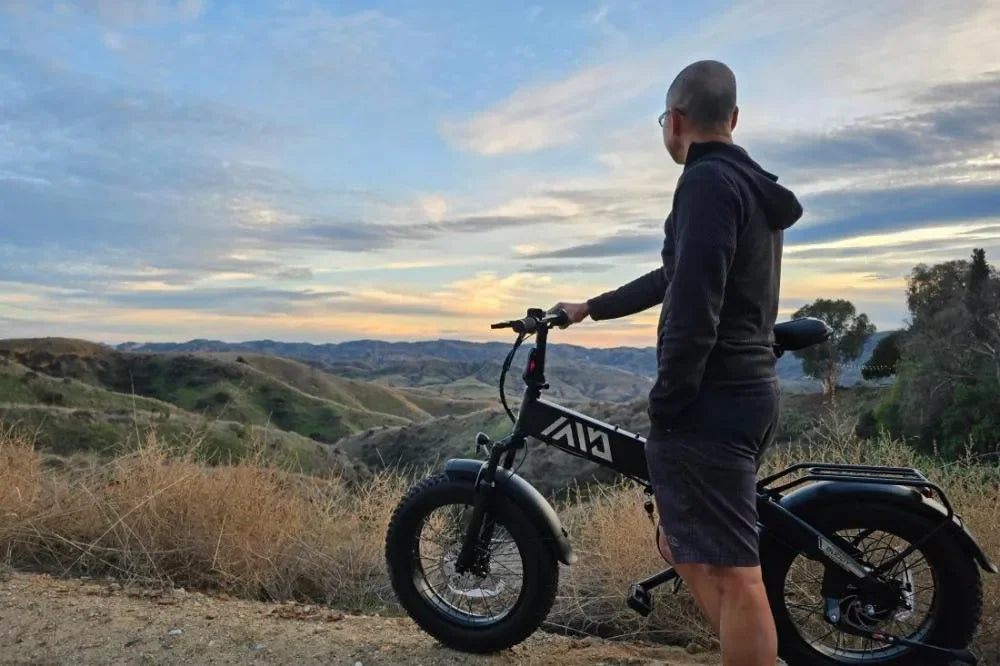
| Folding bike | Small homes, mixed transit, stairs | Weight and folded size still need checking |
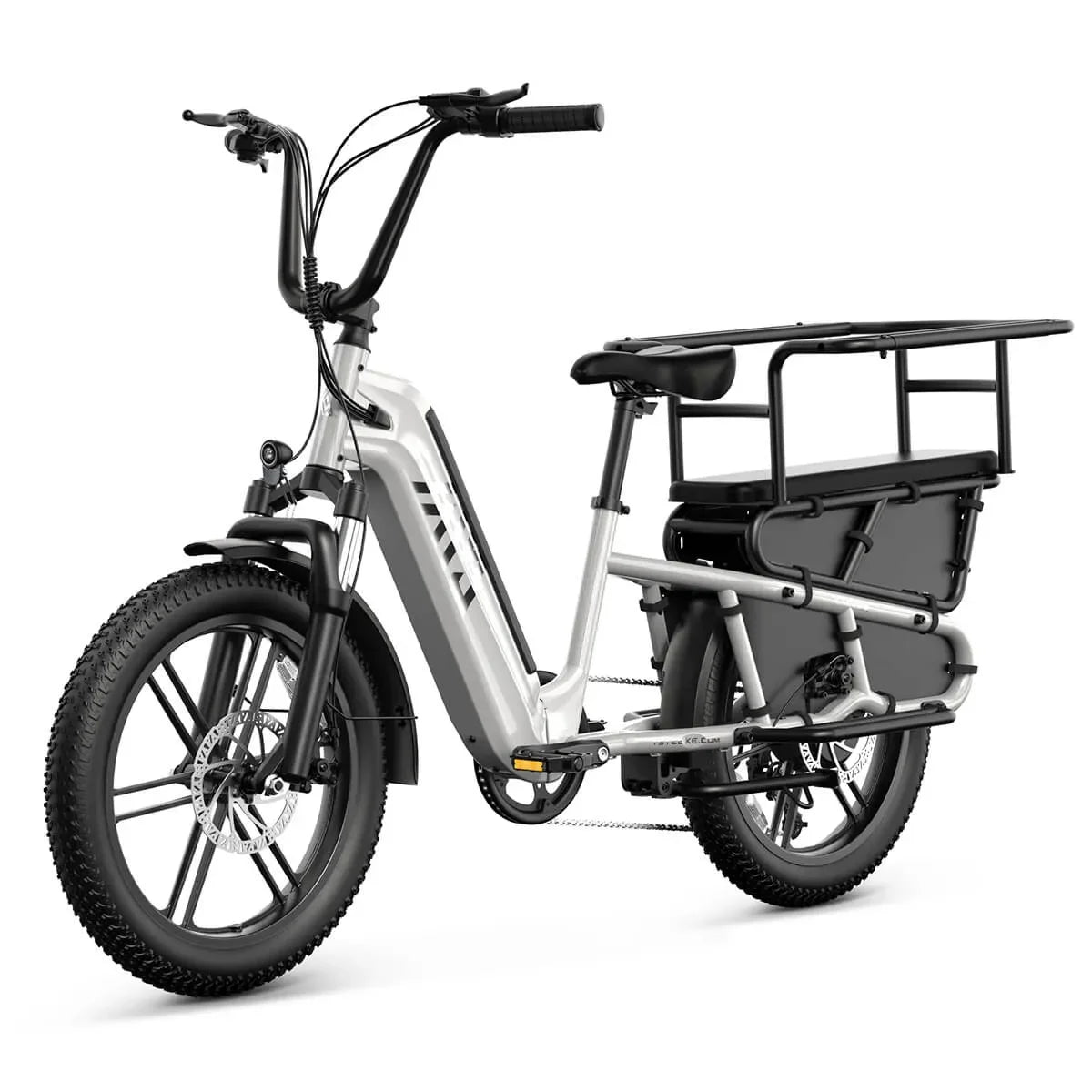
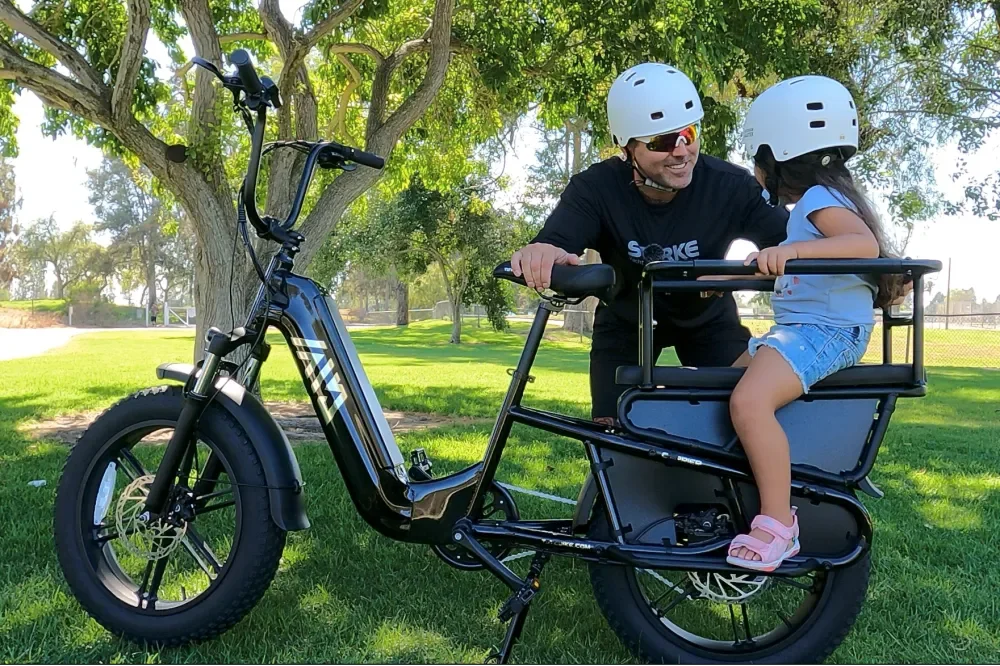
| Cargo or utility bike | Groceries, errands, larger loads | Length, weight, storage, load limits |
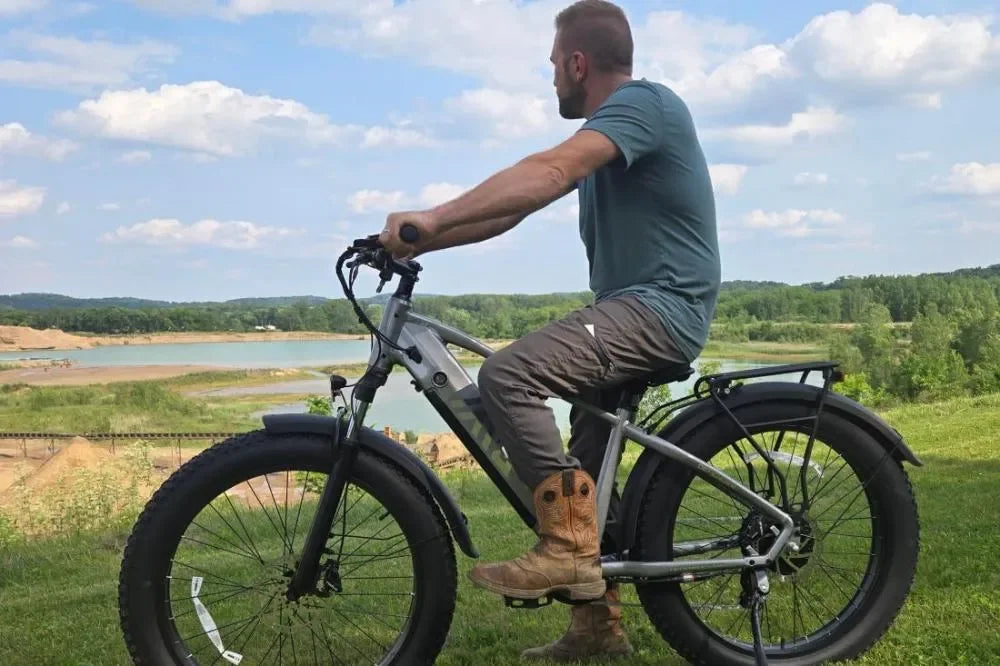
| Fat-tire bike | Loose surfaces, comfort over rough ground | Wider tires, more bulk |
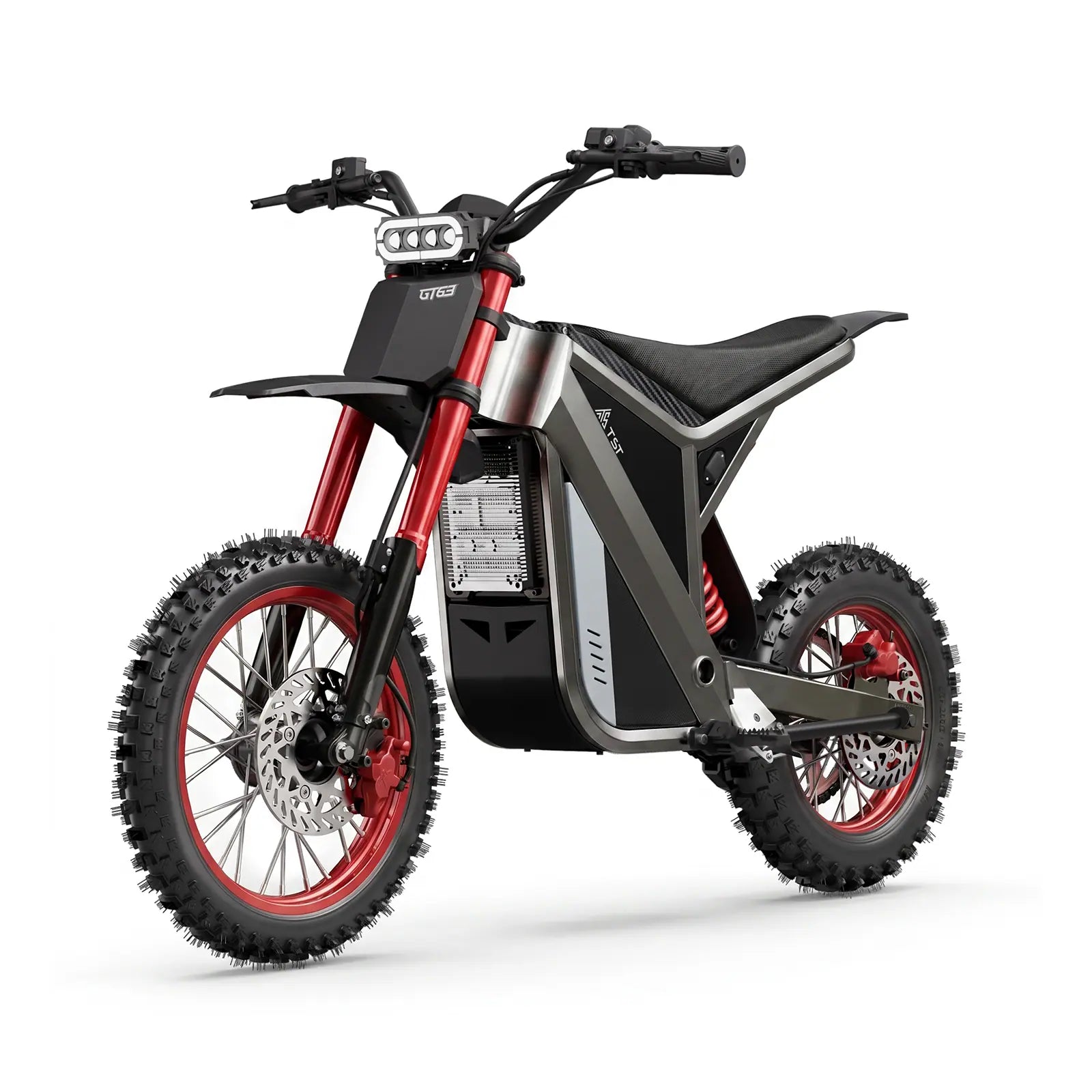
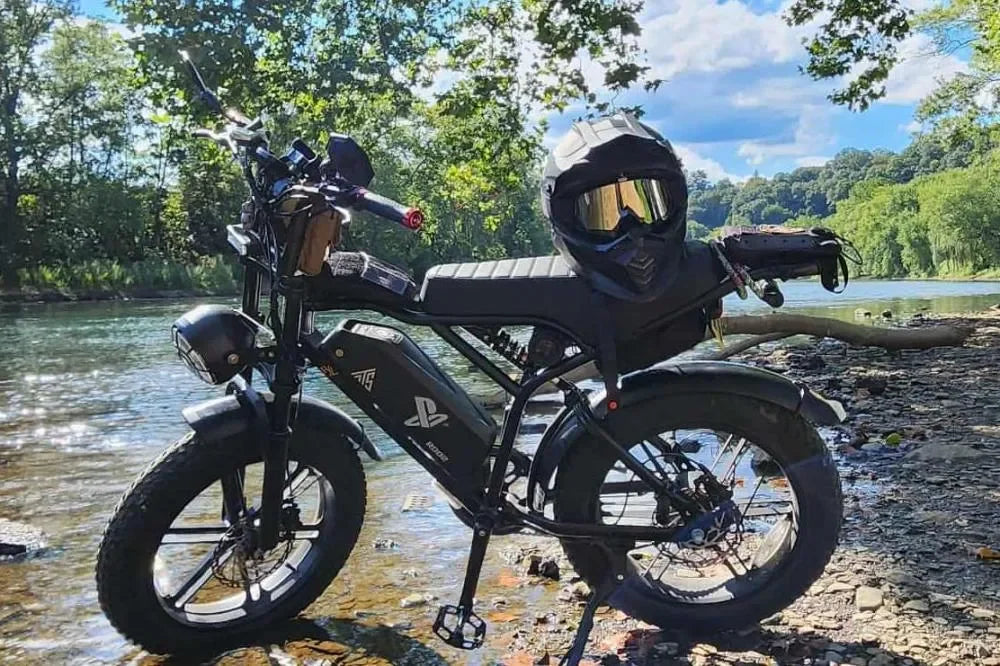
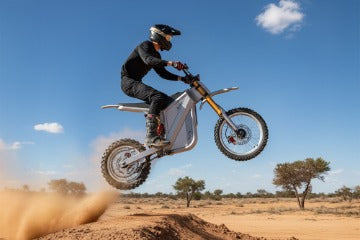
| Off-road or dirt-style electric bike | Closed courses and off-highway use | May fall outside bicycle definitions; check rules and the manual |
NPS notes that a battery and motor system can add 20 or more pounds to a bike's weight. Heavier bikes need more care when mounting and dismounting. A folding frame does not make a heavy bike easy to lift.
What a TST compare table can and cannot tell you
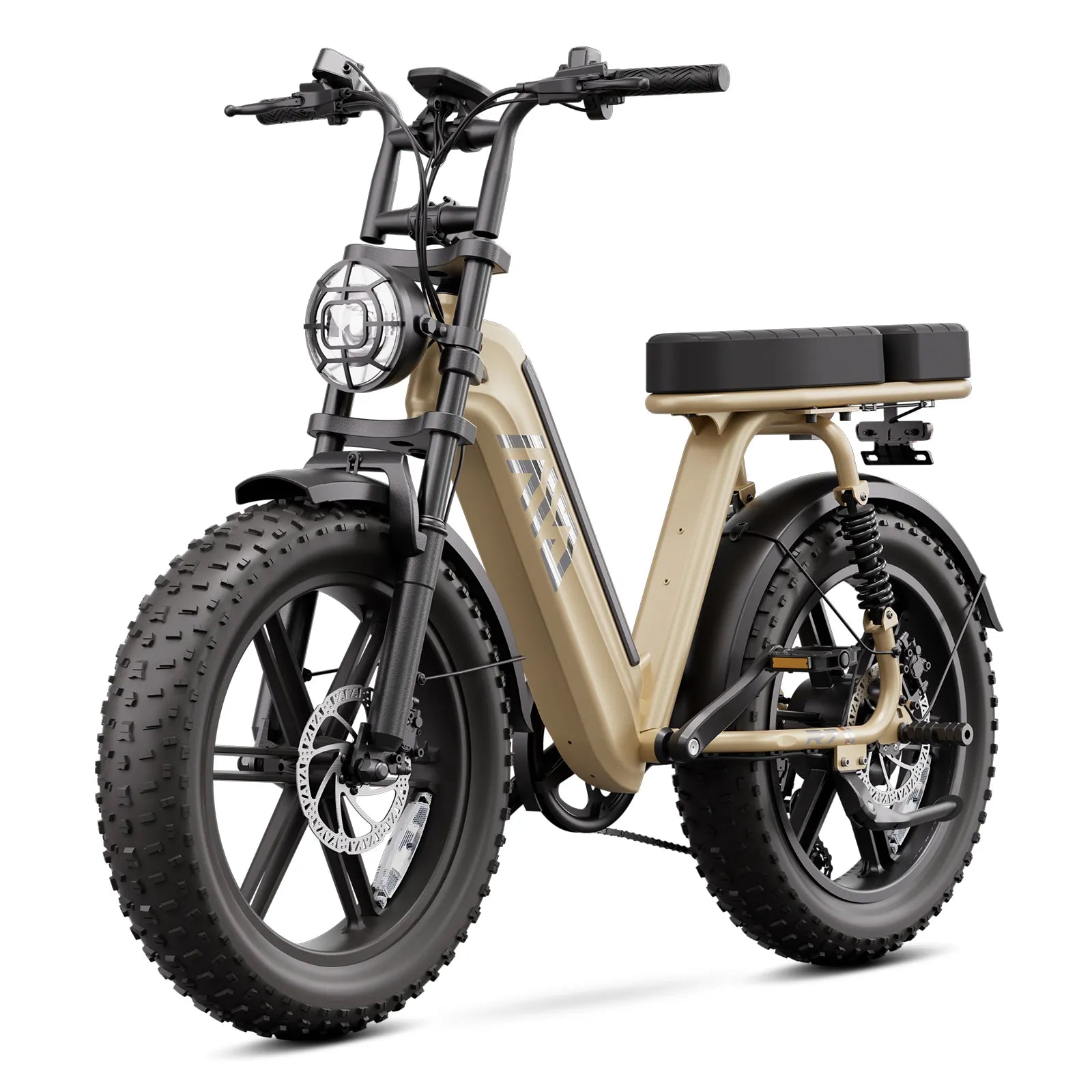
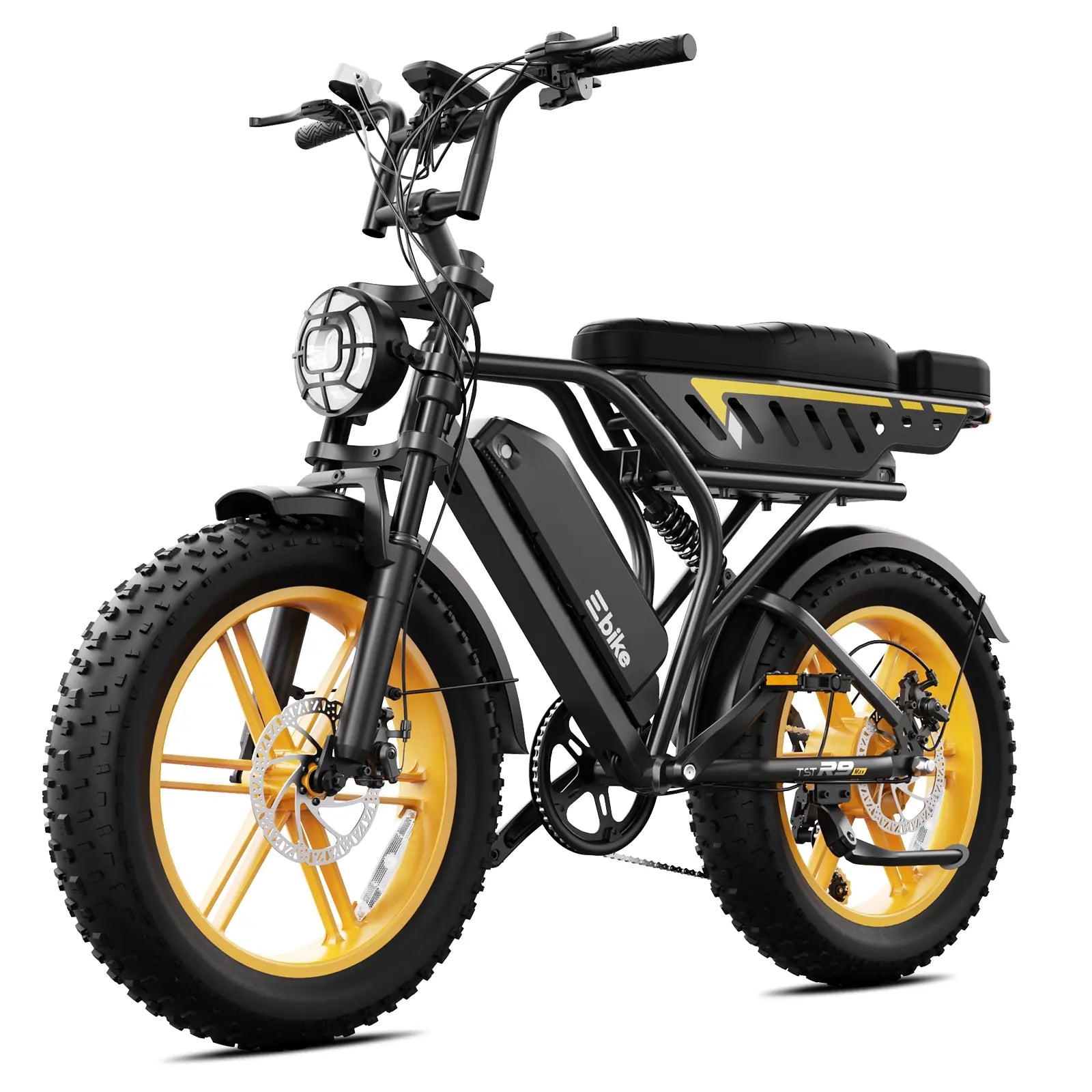
TST publishes a model comparison page listing seven families: R002, R7, R9, GT63, Carrier, Surfer and Buddy Pro. This is TST's own information, not independent testing, and TST is a commercial seller of these products.
The page shows why a spec sheet does not settle classification. It lists peak motor output from 1000 W to 2200 W and top speeds from 23 to 43 MPH. It lists max loads from 280 to 450 lbs, product weights from about 71 to 115 lbs, and several waterproof ratings. It does not state continuous (rated) power per model. It also does not say which top speeds apply to throttle or pedal assist, or whether a speed is limited in a given mode. The page therefore cannot show that any listing is a Class 1, 2 or 3 bike, and this article does not classify any TST model.
The page's figures also use different qualifiers. Ranges are shown as maximums, and one listing is described as a dirt bike. Treat "up to" ranges as ceilings. Weight, terrain, assist level, speed and temperature all affect real distance.
Questions to verify before you choose
Work through these questions in order. Each one narrows the field before you compare models.
-
Where will you ride? Find your state and local rules, then any park or trail manager's rules. Check helmet, age, registration and insurance requirements. CPSC advises following local traffic laws and always wearing a bicycle helmet.
-
Which class or configuration is the exact model you are buying? Ask for rated power, motor-only speed, pedal-assist cut-off and whether a throttle is included. Do not rely on a single "top speed" figure.
-
Can you store, lift and charge it? Compare product weight with your stairs or car rack. Plan a charging spot in your home, since CPSC says never to charge while sleeping or away from home.
-
Does the load fit? Check the stated max load, and whether the rack, seat or accessory has its own limit.
-
Is the battery system certified and supported? CPSC urges consumers to use devices and batteries certified to the applicable voluntary safety standards. It also says to use only the charger provided with or recommended by the manufacturer. Ask the seller for the exact certification record for the system.
-
Who services it? Ask about warranty terms and service access before buying, and report battery problems to CPSC on SaferProducts.gov.
Where to go next
If you have a likely use case and know your local rules, use the TST model comparison page to narrow models, then confirm the exact configuration with the seller. Prices and specifications change, so check the live page and the product listing before you buy.

Leave a comment
This site is protected by hCaptcha and the hCaptcha Privacy Policy and Terms of Service apply.