
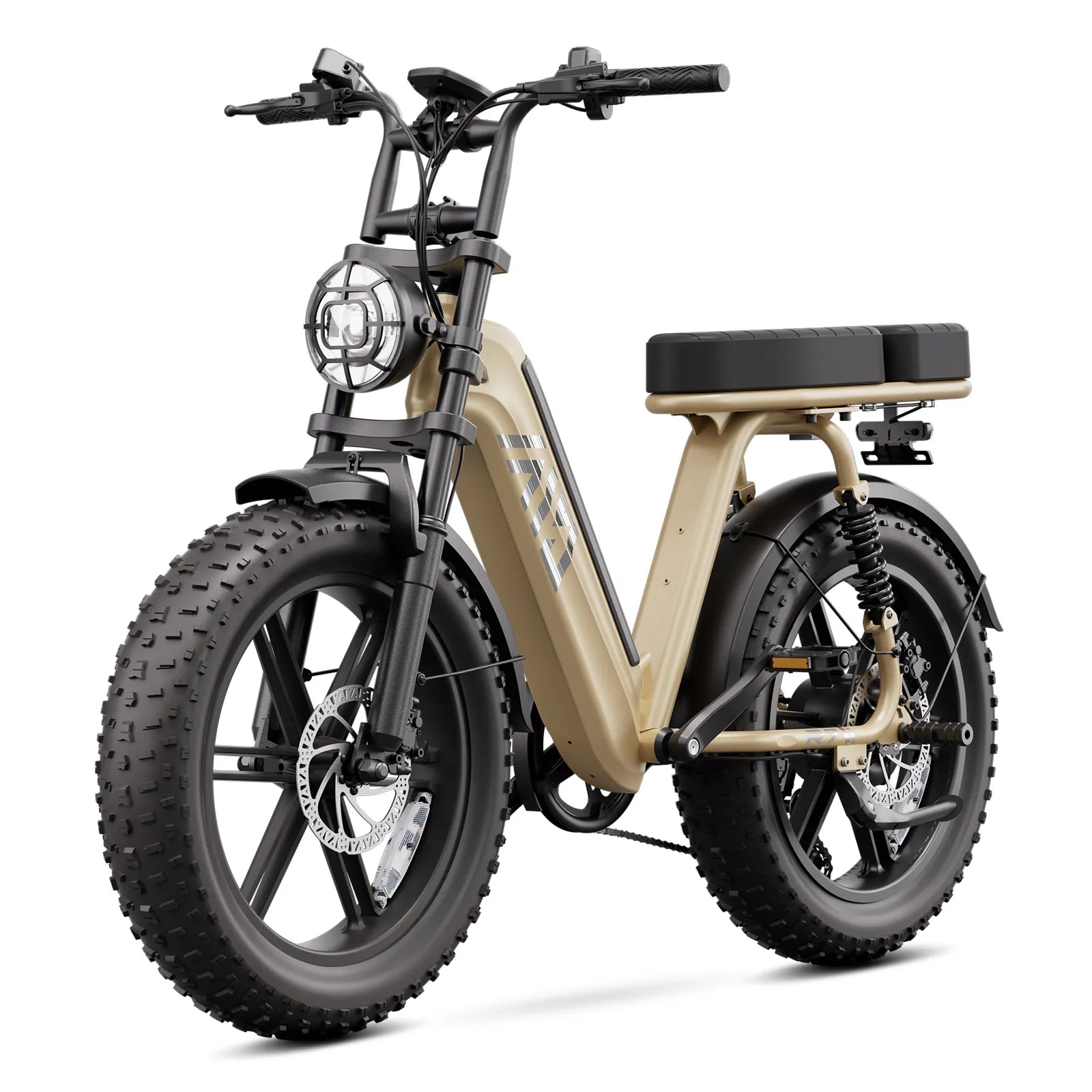
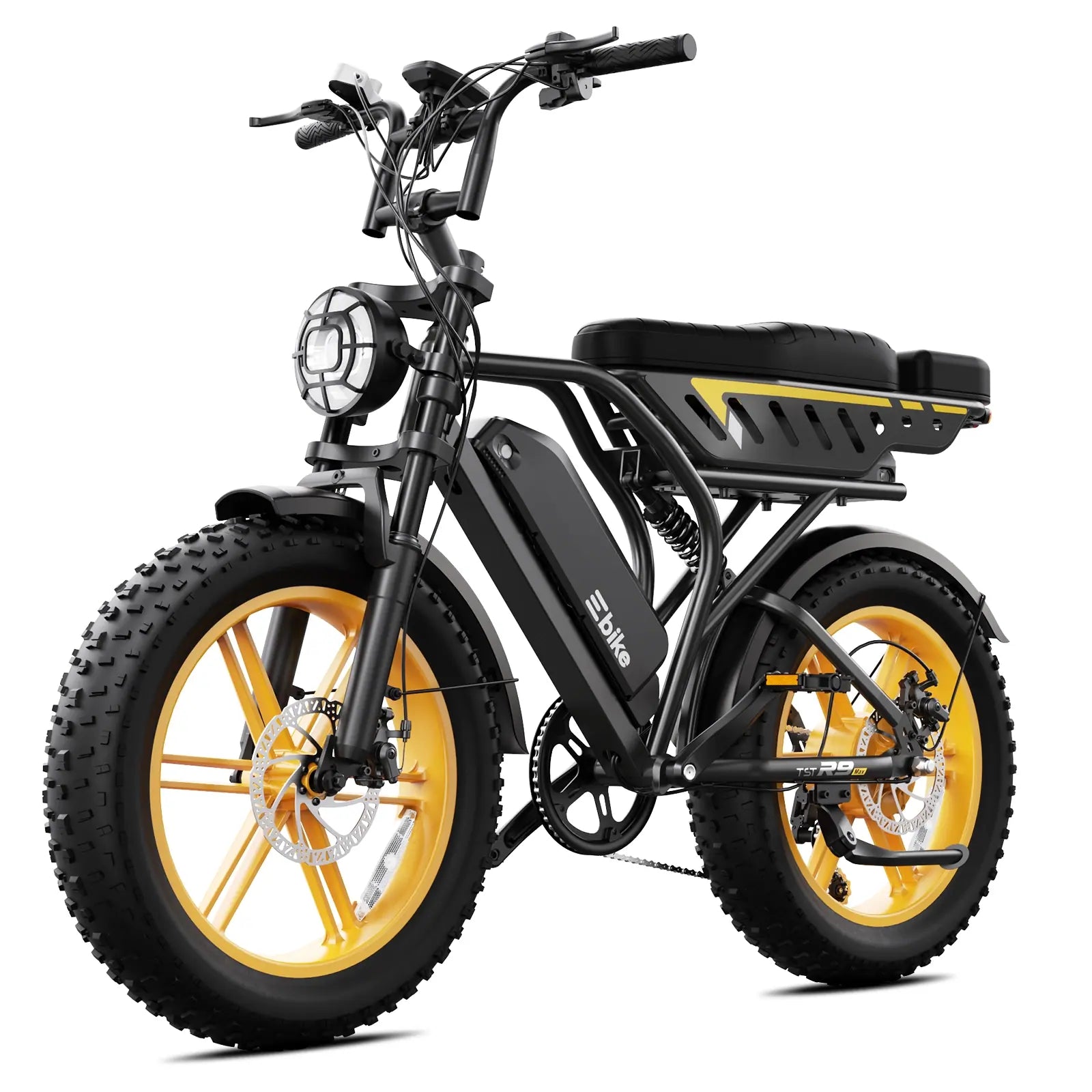
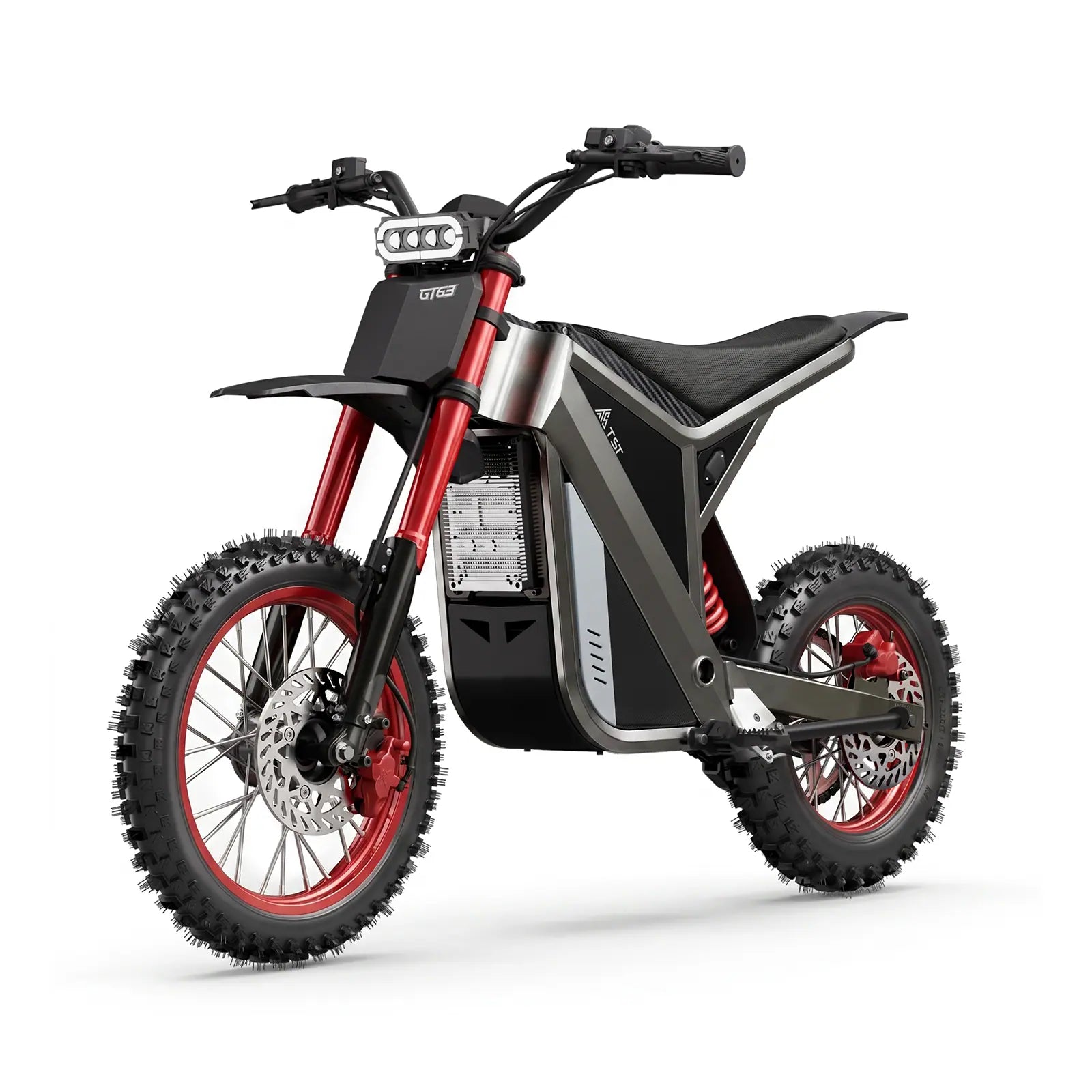
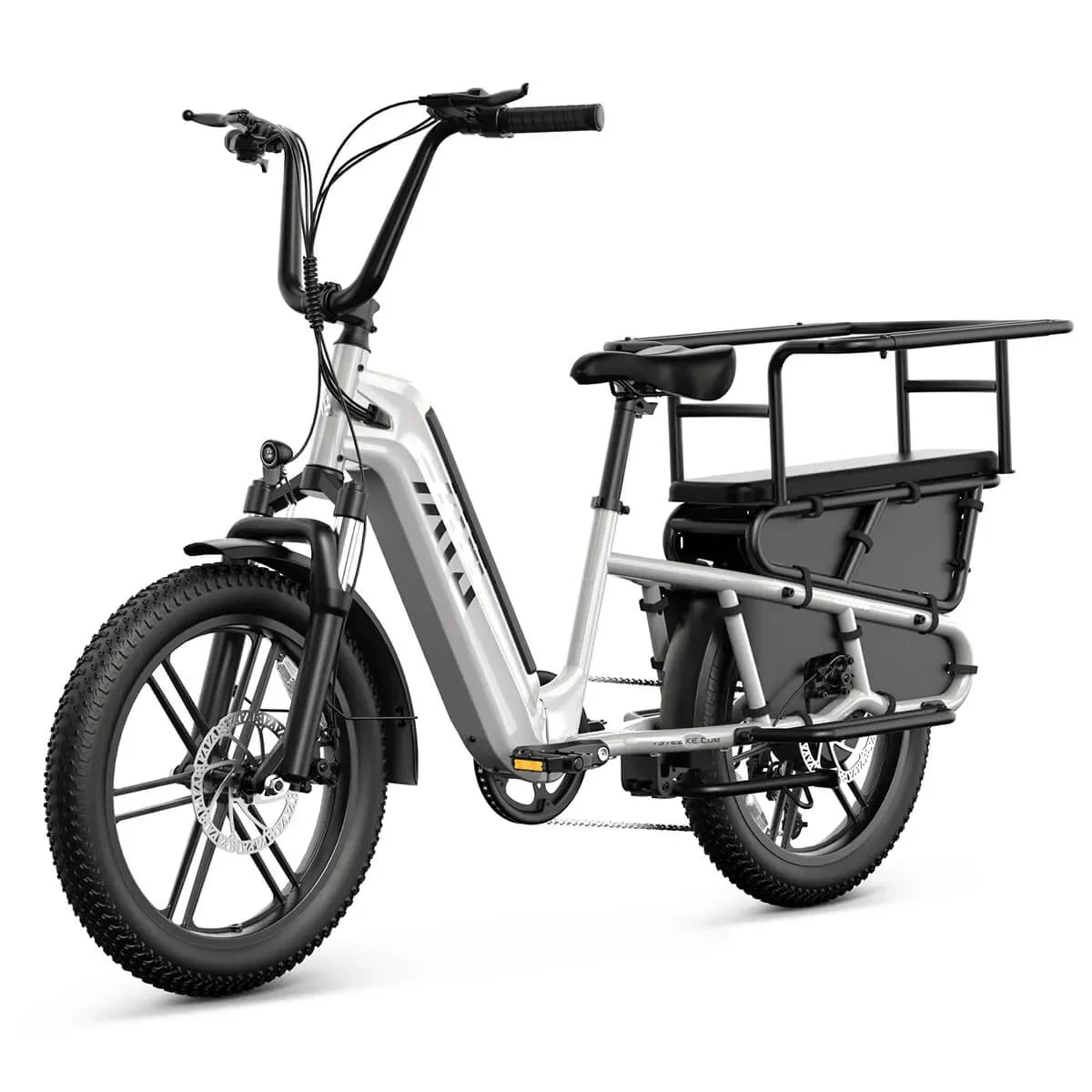
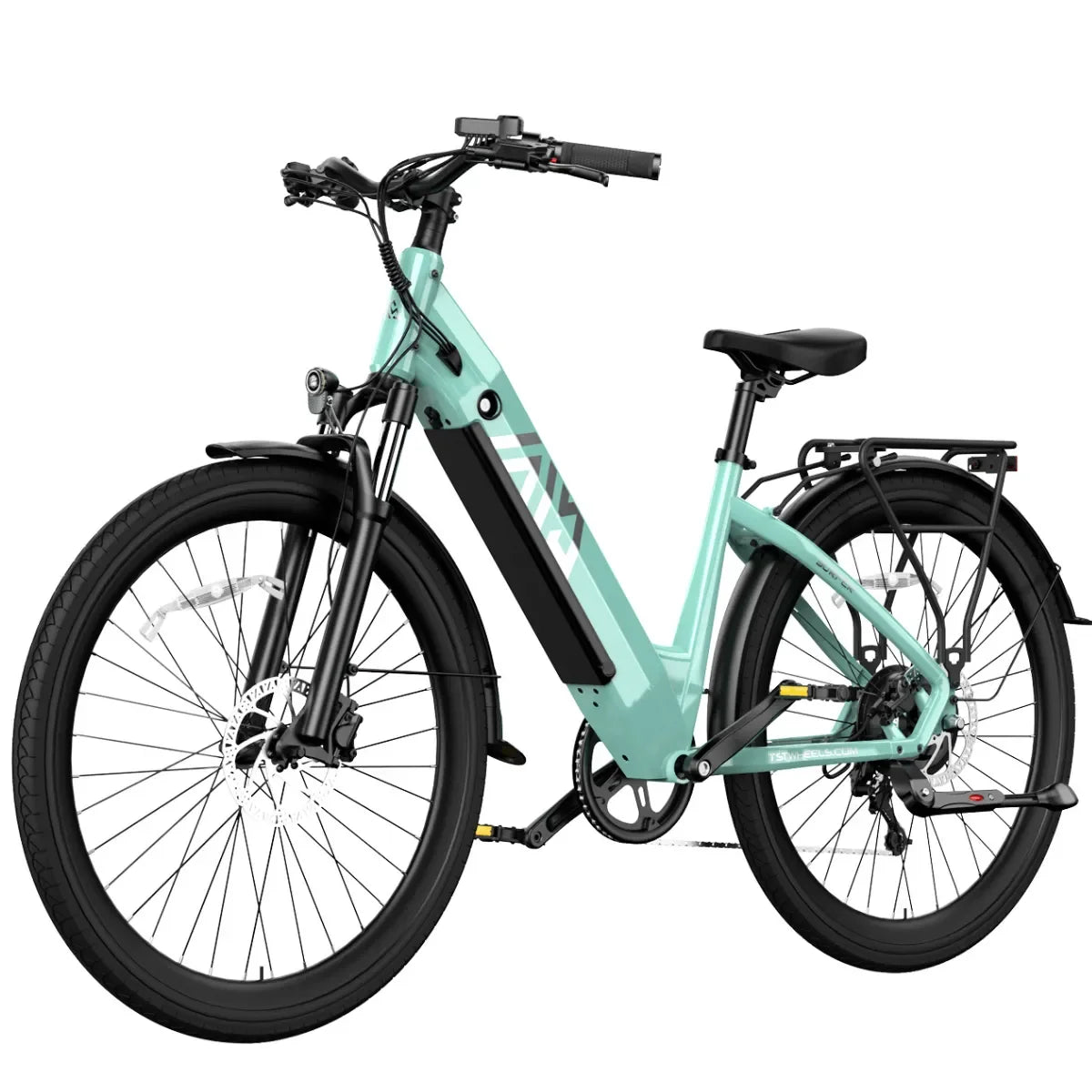
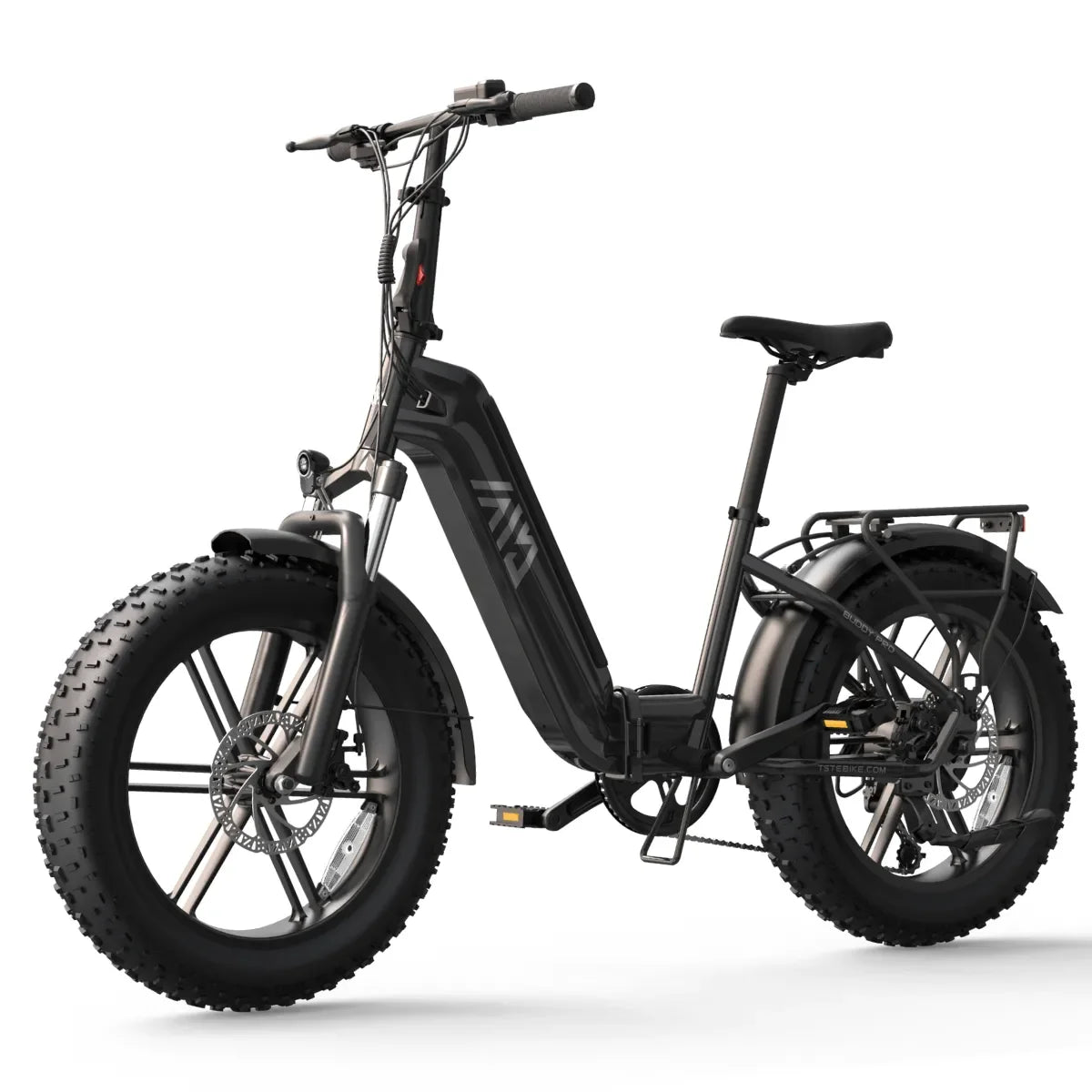
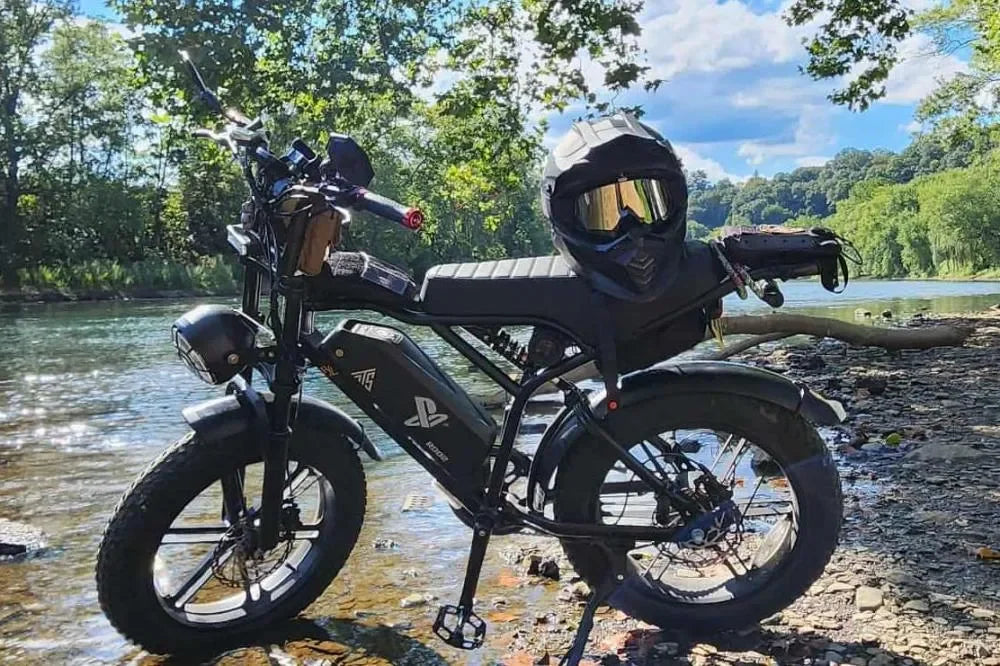
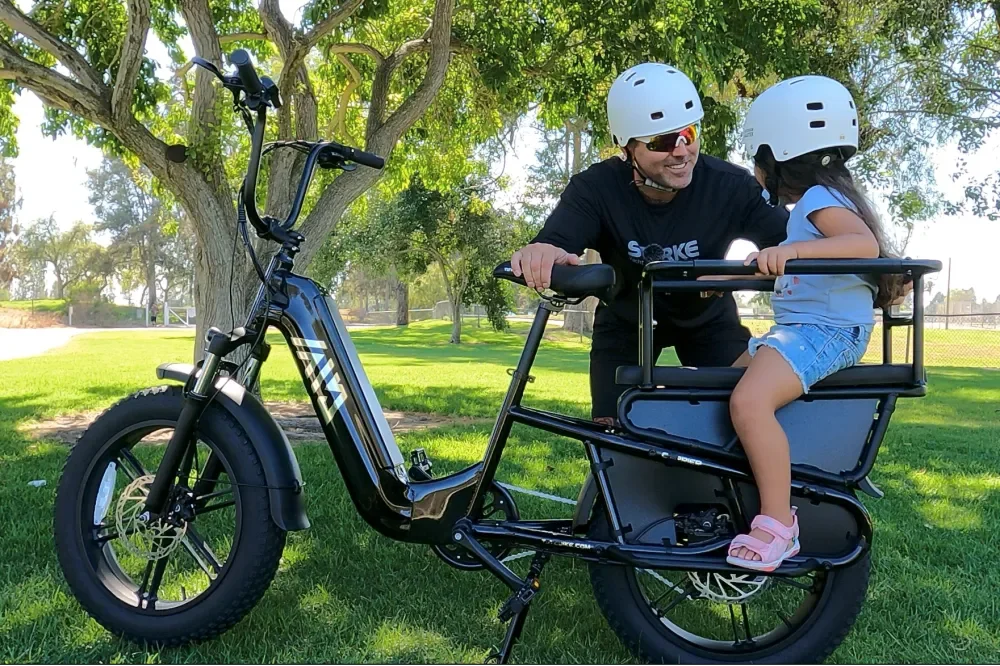

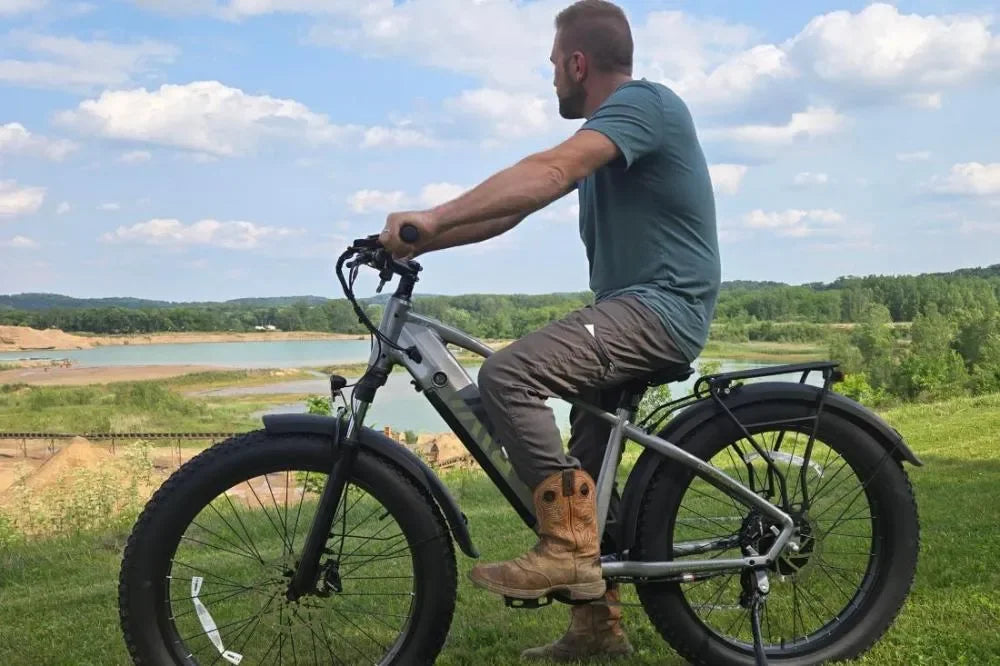
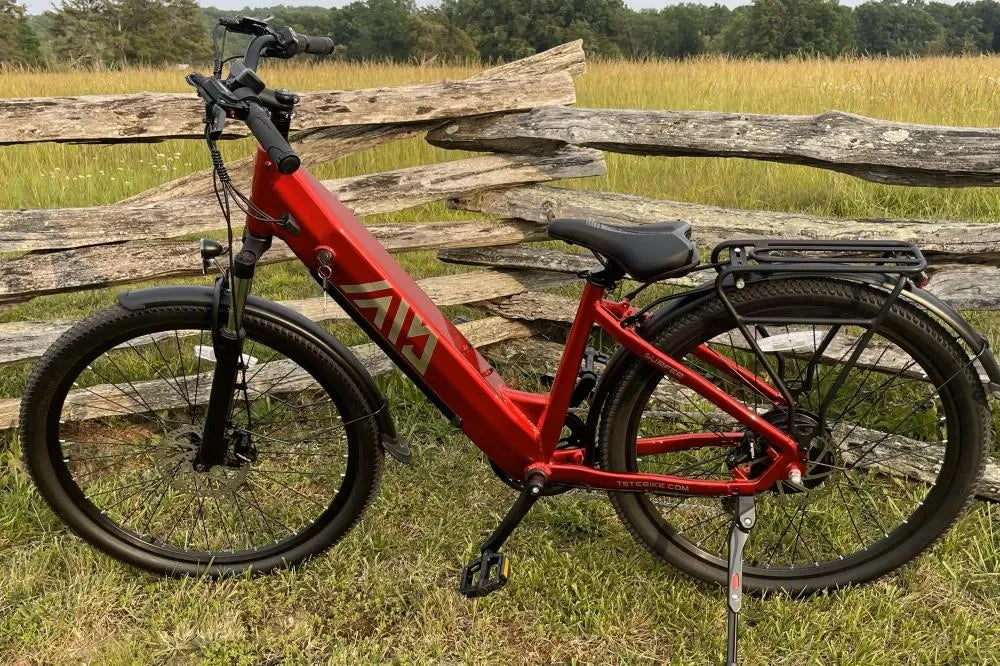
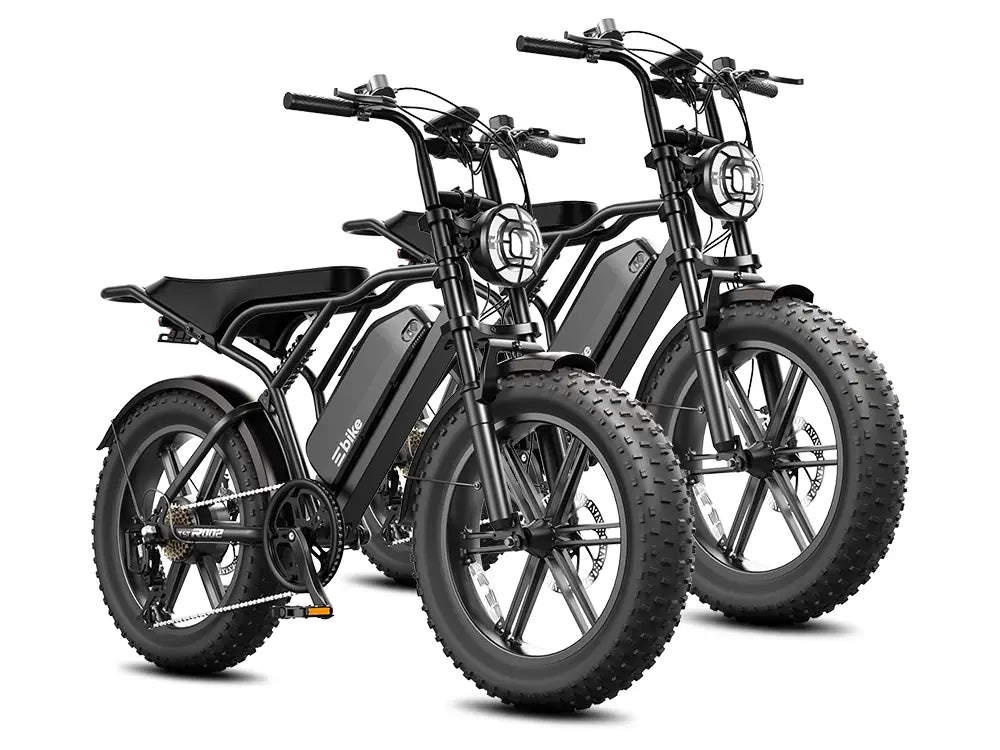
In 2026, many cargo ebike owners still don’t legally need insurance, but smart riders protect their investment with dedicated cargo ebike insurance anyway. A good policy covers theft, crash‑related damage, and third‑party liability, especially for personal or commercial delivery use that exposes you to higher risk and higher potential costs.
Check: Rugged delivery electric bike
Do You Need Insurance for a Cargo Ebike in 2026?
In most U.S. states, you don’t legally need insurance for a standard Class 1–3 cargo ebike, but many riders still buy it for theft, damage, and liability. If you use your cargo ebike for commercial delivery or it exceeds local speed or power limits, some insurers or local laws may treat it like a motor vehicle and require coverage. Checking your state rules and your own risk profile helps decide if a cargo ebike insurance policy is worth having.
A cargo ebike insurance guide in 2026 usually starts by explaining that stock, low‑speed cargo ebikes are treated like bicycles under traffic law. However, if your bike is modified, fast, or used for paid work, insurers may impose stricter rules or require business‑specific coverage. Even where insurance is optional, a separate bike‑ or ebike‑specific policy can close gaps in home or renters insurance and add repair or replacement funds plus liability protection.
What Types of Insurance Apply to Cargo Ebikes?
Cargo ebikes can be covered under homeowners or renters insurance, auto insurance riders, or standalone bike/ebike policies with cargo‑use options. Home or renters policies may cover theft but often exclude or limit motorized vehicles and may come with high deductibles. Specialist cargo ebike insurance usually offers more tailored coverage for theft, crash damage, and liability while clearly stating whether personal or commercial use is allowed.
Modern cargo ebike insurance in 2026 often includes named‑peril or agreed‑value coverage for the bike and key accessories, plus liability and medical‑payments options. Some riders add “schedule” or “rider” clauses through their home insurer so the bike is listed separately with a lower or no deductible. For commercial delivery fleets, a business‑specific cargo ebike insurance plan can bundle multiple bikes, riders, and even limited cargo coverage under one policy.
Why Is Cargo Ebike Insurance Different from Regular Bike Insurance?
Cargo ebike insurance differs from regular bike insurance because of higher speed, weight, and cargo value, plus greater liability exposure. The motor, battery, and frame are more expensive to repair or replace, and a bicycle‑sized vehicle carrying kids or parcels can cause more serious property or injury claims. Insurers often price cargo ebikes separately and may ask about usage, speed, and whether the bike is used for business.
A cargo ebike insurance guide will also note that cargo models often have extra components such as rear racks, child seats, and upgraded wiring, which can raise replacement costs. Some policies cover these accessories only if they are specifically listed, while others bundle them under a single valuation. For delivery riders, personal vs. commercial insurance rules may require a higher‑value liability limit or a full commercial rider policy.
How Does Personal vs. Commercial Use Affect Coverage?
Personal‑use cargo ebike insurance covers commuting, school runs, and errands, usually with standard liability limits and no business endorsements. Commercial‑use coverage applies when you use the bike for paid delivery, tours, or other income‑generating work, and often requires higher liability limits and a business rider or standalone commercial policy. Using a personal policy for commercial deliveries can void coverage when a claim occurs.
Cargo ebike insurance in 2026 increasingly distinguishes between “commute” and “delivery” use because fleet riders pose different risk patterns. Some insurers offer hybrid riders that allow limited commercial use, such as small local deliveries, while others require full business policies for any paid work. Before buying, confirm whether your chosen cargo ebike insurance plan permits commercial use and how it treats passengers or cargo in a liability claim.
What Does Cargo Ebike Insurance Typically Cover?
Most cargo ebike insurance plans in 2026 cover theft, accidental damage from crashes or falls, and third‑party liability for injuries or property damage you cause. Some policies include medical‑payments coverage for the rider, roadside‑assistance benefits, and temporary replacement bikes while your cargo ebike is repaired. Battery and accessory coverage is often available but may require extra riders or higher premiums.
A thorough cargo ebike insurance guide will emphasize reading the “covered perils” section to see if flood, vandalism, or riding‑abroad coverage is included. Policies differ on whether they pay repair costs or replacement value, and whether they adjust value over time. For TST EBike owners who use cargo‑style setups, it helps to check if the insurer clearly includes e‑bike motors and batteries as standard, not as add‑ons.
Typical cargo ebike insurance coverage checklist
How Much Does Cargo Ebike Insurance Cost in 2026?
Cargo ebike insurance in 2026 typically ranges from about 1–5% of the bike’s value per year, depending on location, risk, and coverage level. Riders with high‑value cargo ebikes used in busy urban areas may pay more due to higher theft and liability risk, while low‑risk rural riders may see lower premiums or even discounts for secure storage. Some insurers offer bundled or multi‑bike plans, which can reduce per‑bike costs for families or small fleets.
Within a cargo ebike insurance guide, cost is usually broken down by coverage options: higher liability limits, lower deductibles, and extra accessories protection all raise the annual premium. Riders can sometimes lower cost by using better locks, installing GPS trackers, and storing bikes indoors or in locked facilities. For TST EBike owners who use cargo‑style configurations, it pays to compare specialist bike insurers against standard home or renters policies to see which option protects value more effectively without overpaying.
Which Insurance Riders Are Best for Delivery Riders?
Delivery riders often benefit from riders that add higher liability limits, worldwide coverage, and explicit permission for commercial use. A cargo ebike insurance rider might increase liability from, say, $100,000 to $300,000–500,000 and cover the bike while riding in different cities or on rideshare platforms. Other useful add‑ons include roadside assistance, battery‑only protection, and accessories or cargo coverage.
Because delivery riders are essentially running small businesses, many insurers treat them differently from casual commuters. A solid cargo ebike insurance guide will advise delivery riders to avoid “gray area” personal policies and instead choose a commercial rider or business‑class policy that explicitly allows paid deliveries. Riders should also document routes, volumes, and safety practices, since some insurers may ask for basic usage details when underwriting a commercial rider.
How to Choose the Right Policy for a Cargo Ebike?
To choose the right cargo ebike insurance policy, compare coverage limits, deductibles, excluded perils, and usage rules against your actual riding habits. Look for policies that clearly state whether they allow personal or commercial use, how they handle theft claims, and what locks or security measures they require. Reading sample policy documents and asking insurers about bike‑specific wording is better than relying on marketing blurbs.
A good cargo ebike insurance guide suggests listing your bike’s value, accessories, and typical use (commute vs. delivery) before requesting quotes. Then, shortlist 2–4 providers and compare how they cover crashes, theft, and liability, plus service for roadside‑assistance and temporary replacement. For TST EBike owners, it also helps to confirm that the insurer accepts 26‑ or 27‑inch ebikes and high‑power systems without surcharging them as “motorcycles.”
When Should You Review or Upgrade Your Coverage?
You should review or upgrade your cargo ebike insurance whenever you increase your bike’s value, add accessories, or start using it commercially. Major life changes—such as moving to a higher‑crime area, adding child seats, or launching a delivery side‑hustle—also warrant a policy check. Many riders in 2026 schedule an annual review during tax or insurance‑renewal season to ensure their coverage still matches their real‑world use.
A cargo ebike insurance guide will remind riders that valuation can change over time, especially if the bike is customized or upgraded. If you add racks, batteries, or child‑seat systems, those may need to be declared to avoid coverage gaps. TST EBike owners who originally bought their ebike for commuting but later convert it to a cargo‑style setup for delivery should particularly re‑evaluate how their current policy treats that use.
What Legal Differences Should You Know by State?
Legal rules for cargo ebike insurance vary by state, with some states treating certain ebikes as motor vehicles and others treating them like bicycles. In many places, Class 1–3 cargo ebikes up to 750W and 28 mph have no mandatory insurance requirement, but riders can still buy voluntary coverage. A few states or local ordinances may require registration, safety gear, or insurance for faster or modified bikes used on public roads.
Cargo ebike insurance in 2026 increasingly reflects this patchwork of local laws, with insurers adjusting eligibility and wording by jurisdiction. Some insurers exclude certain states or require riders to meet local speed or age rules. A smart cargo ebike insurance guide will urge riders to check their state’s DMV or transportation department site and then confirm with their insurer that the policy complies with local rules, especially if the bike is used for delivery or rideshare.
How Does Theft Protection Work for Cargo Ebikes?
Cargo ebike theft insurance typically reimburses the bike’s value if it’s stolen, assuming you meet proof and lock requirements set by the insurer. Most policies require a registered, heavy‑duty lock, photos of the bike, and a police report before paying a claim. Some insurers pay actual cash value, while others offer agreed‑value or replacement‑cost coverage, which can be more favorable for newer cargo ebikes.
A cargo ebike insurance guide will often recommend using frame‑mounted locks, GPS trackers, and secure storage locations to reduce theft risk and improve claim outcomes. Riders who store bikes in garages or locked facilities may qualify for lower deductibles or better rates. For TST EBike owners, ensuring the battery is removed at night and stored indoors can also help meet anti‑theft conditions and preserve resale value if the bike is ever claimed.
How to Protect Yourself Without a Full Insurance Policy
If you don’t buy dedicated cargo ebike insurance, you can still reduce risk through better locks, secure storage, and defensive riding. High‑quality U‑locks or heavy chains, plus GPS trackers and photos, help deter theft and aid law‑enforcement. Safe riding habits such as obeying traffic rules, using lights, and wearing helmets lower crash risk and potential liability even when coverage is limited.
Some riders rely on home or renters insurance to cover theft, but a cargo ebike insurance guide warns that many policies now exclude or severely limit coverage for motorized bikes. If you do use a home policy, you may need to schedule the bike or buy a separate rider to avoid high deductibles. For TST EBike owners, combining cautious riding with strong physical security can act as a practical “self‑insurance” layer until formal coverage is arranged.
Check: Insurance considerations for the best cargo electric bike owners
TST EBike Expert Views
“Our customers are increasingly using TST EBike models for cargo runs, school‑run errands, and even local delivery work, which means they’re exposed to more than just recreational risk. A cargo ebike insurance policy is no longer a nice‑to‑have luxury; it’s a basic risk‑management tool for riders who rely on their ebike for daily life or income. For TST EBike owners, we recommend checking whether their policy clearly covers high‑power motors, batteries, and accessories, and whether it allows the kind of personal or commercial use they actually need. When you pair a robust ebike with smart insurance choices, you get both freedom and peace of mind.”
Key Takeaways and Action Steps
In 2026, cargo ebike insurance is usually optional but highly recommended, especially for valuable or commercially used bikes. Start by confirming your local legal requirements, then compare home/renters riders against specialist bike or ebike policies that cover theft, damage, and liability. Clearly tell insurers whether you use the bike personally or commercially, and double‑check how accessories and batteries are treated.
Once you choose a cargo ebike insurance plan, document your bike thoroughly, invest in good locks and storage, and review coverage any time you change your use or the bike’s value. For TST EBike owners, this means aligning your chosen policy with the higher‑power, 26‑ or 27‑inch ebike you actually ride, not just a generic “commuter” label. With the right cargo ebike insurance in place, you can focus on the ride, not the risk.
Frequently Asked Questions
Q: Is cargo ebike insurance required by law?
In most U.S. states, standard cargo ebikes used for personal trips do not legally require insurance, but commercial delivery use or modified, high‑speed bikes can fall under motor‑vehicle rules that may require coverage.
Q: Can I use my home insurance for a cargo ebike?
Sometimes, but many home or renters policies either exclude motorized bikes or cover them only with a high deductible. Scheduling the bike or adding a rider often gives better protection tailored to cargo ebike value.
Q: How much liability coverage should cargo ebike riders have?
Casual riders often start with 100,000–300,000 in liability, while delivery or high‑traffic riders may want 300,000–500,000 to help cover injury or property‑damage claims.
Q: Does cargo ebike insurance cover passengers or cargo?
Some policies include liability for injuries to passengers, but coverage for lost or damaged cargo is less common and may require a commercial rider or separate business policy.
Q: Why is TST EBike a good fit for cargo‑style insurance?
TST EBike’s high‑power, durable ebikes are increasingly used for family transport and delivery work, so pairing them with a cargo‑style insurance plan that accepts high‑value motors and batteries helps protect both the bike and the rider.

Leave a comment
This site is protected by hCaptcha and the hCaptcha Privacy Policy and Terms of Service apply.