

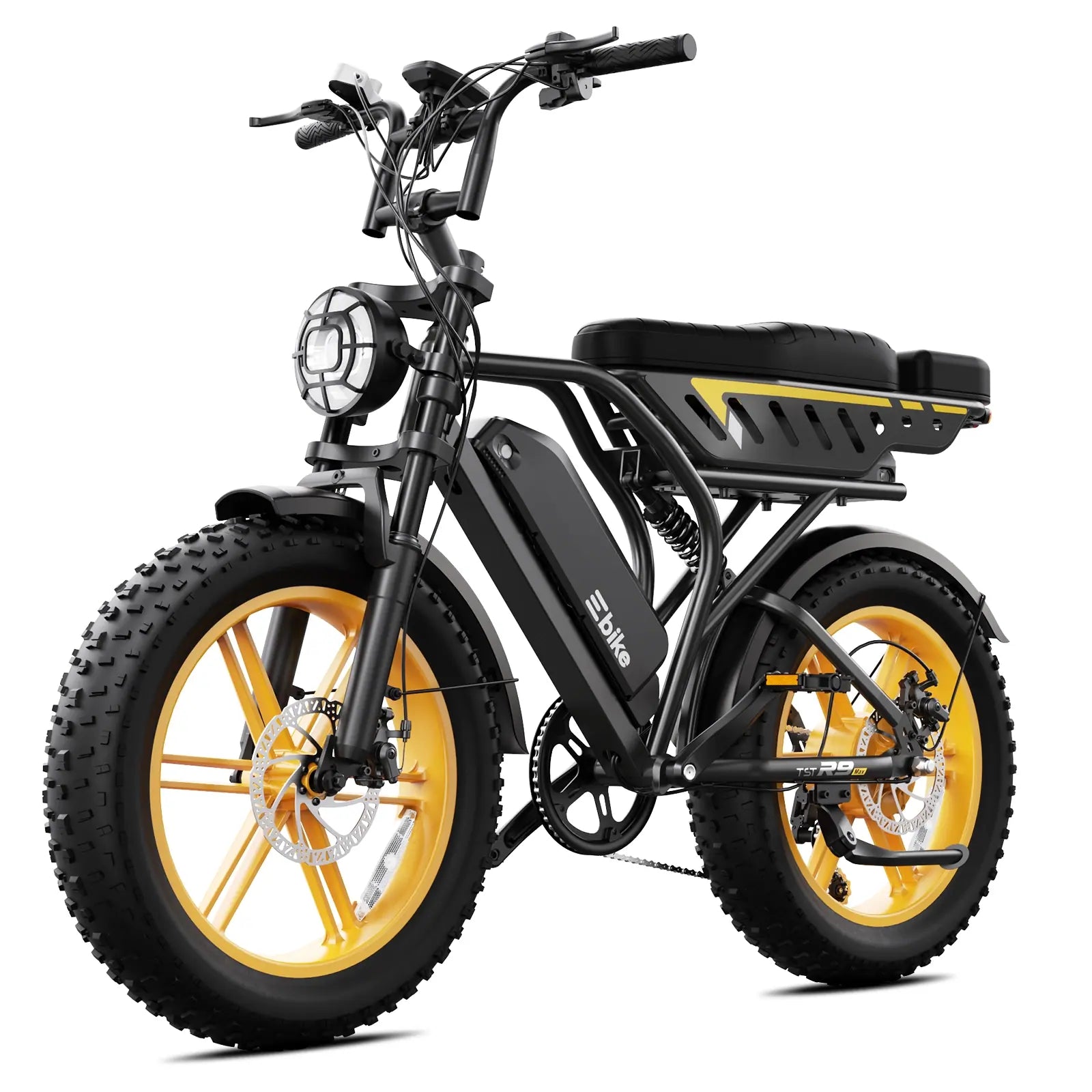









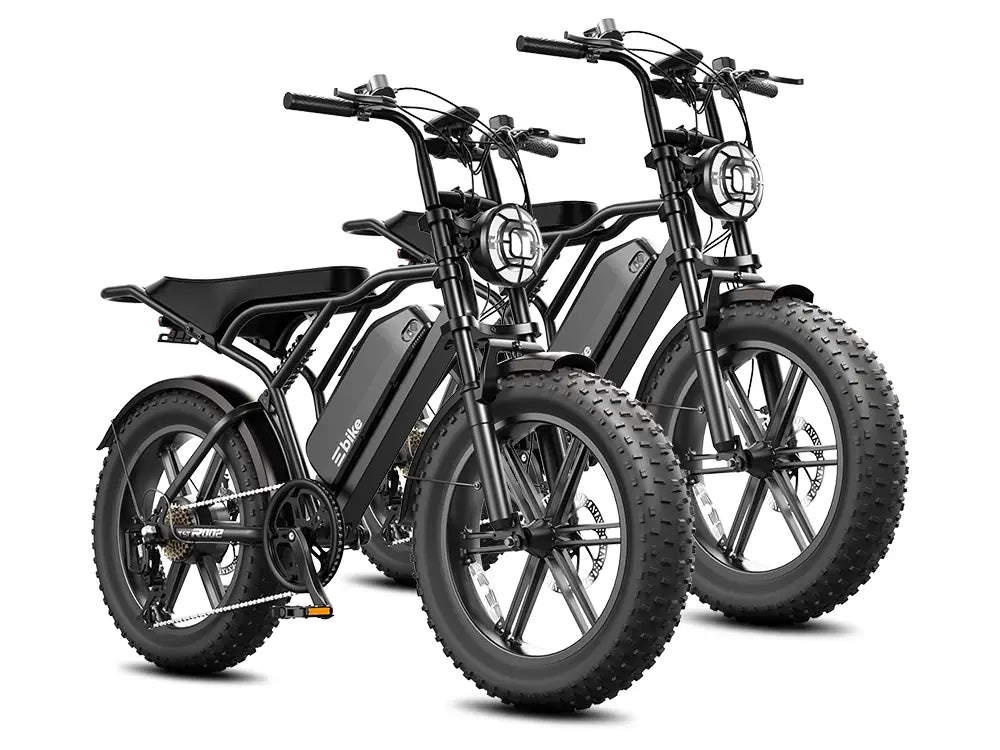
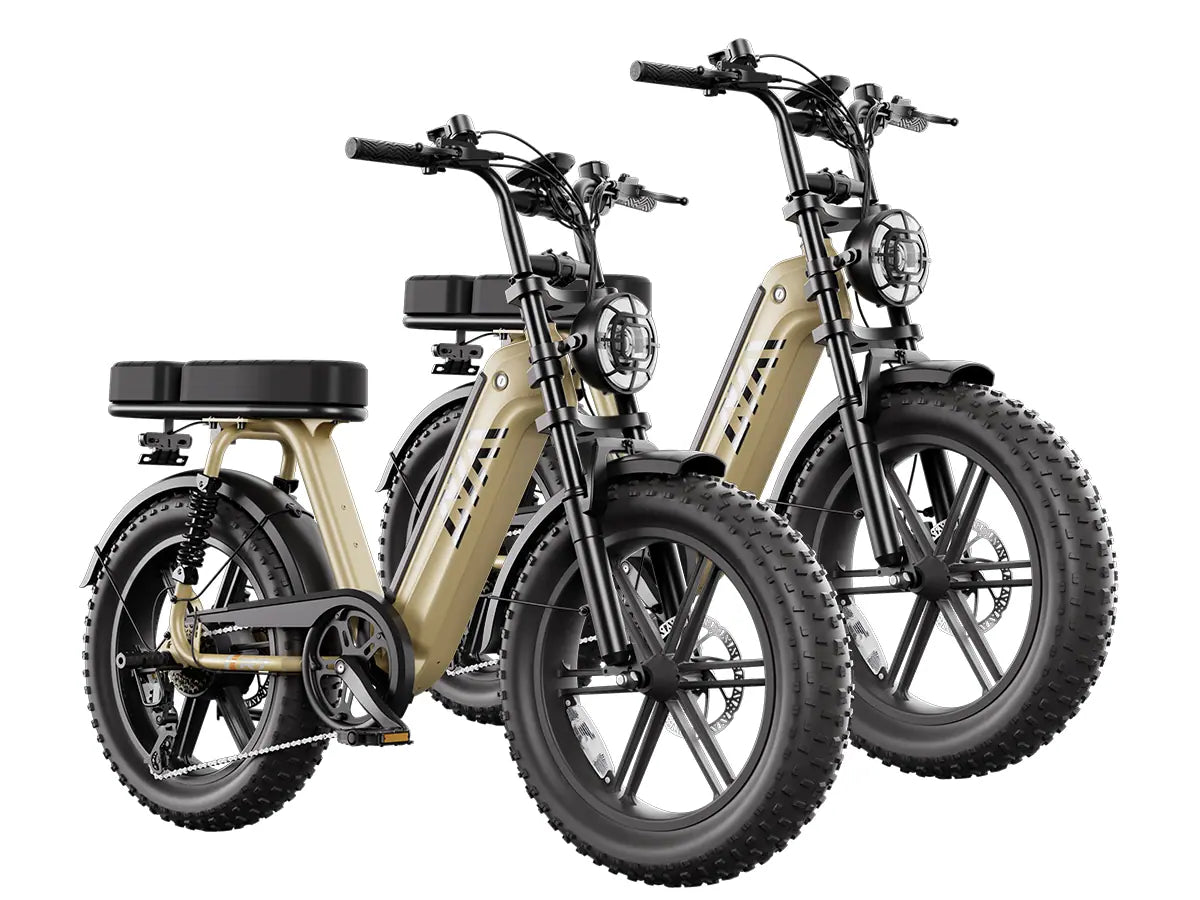
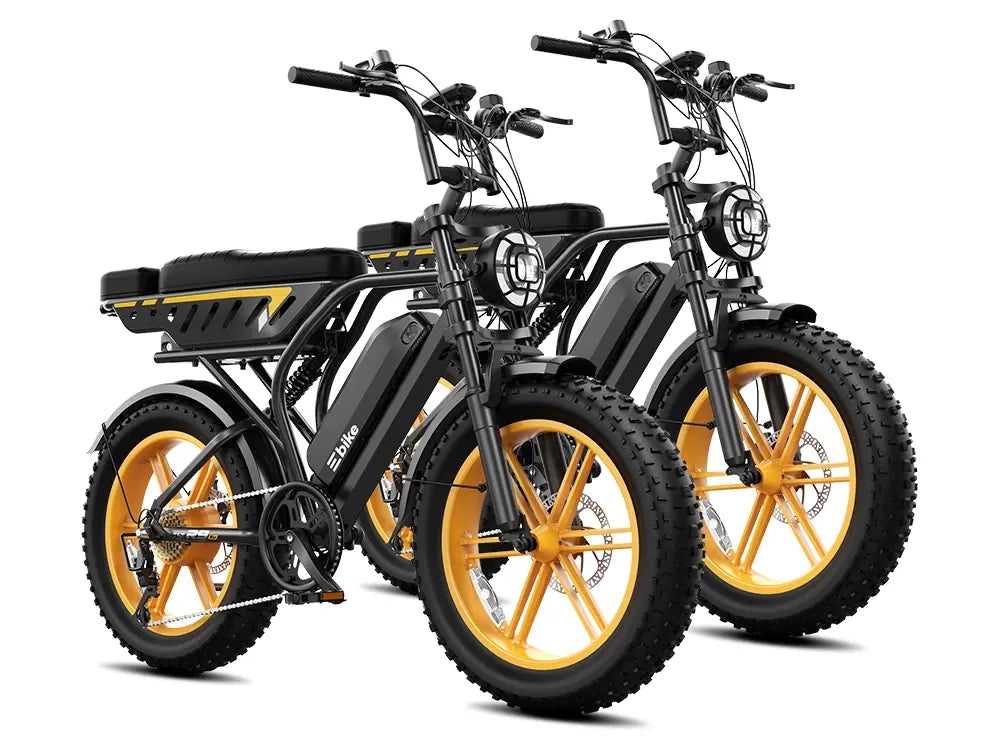

When carrying 400+ pounds on a cargo ebike, the “perfect” tire pressure balances grip, comfort, and blowout risk. For most standard‑width cargo tires, a safe range is 55–65 psi when fully loaded, adjusted upward from the unloaded baseline by 5–10 psi. Always stay within the sidewall’s minimum–maximum range and test‑ride with a floor pump and pressure gauge after each major load‑increase.
Check: Utility e-bikes for hauling
What Is the Best Starting PSI for a Empty Cargo Ebike?
For a typical 26–27 inch cargo‑style ebike tire, 40–50 psi is a good unloaded baseline. This keeps rolling resistance low on pavement while still absorbing small bumps. TST EBike recommends starting at the middle of the tire’s printed range, then fine‑tuning based on rider weight and terrain. If the sidewall says, for example, 35–65 psi, begin around 45–50 psi unloaded.
Why it matters: Running too low increases rolling drag and pinch‑flat risk; too high reduces comfort and traction. For a 200–250 lb rider with light cargo, 45–50 psi front and rear is usually optimal before layering in heavier loads.
How Do You Adjust PSI When Carrying 400+ Lbs?
When your total laden weight (rider + cargo + passengers) approaches 400+ lbs, raise both tires by 5–15 psi from your unloaded baseline. For many 26–27 inch cargo‑oriented ebikes, moving from 50 psi to 58–65 psi when fully loaded is common. Avoid going more than 5 psi above the sidewall’s maximum, even under heavy load, to prevent premature wear or blow‑outs.
A practical rule of thumb: Add roughly 1–2 psi per 10–15 lbs of extra weight beyond the bike’s design point. If your bike‑plus‑rider is 300 lbs and you add 100 lbs of cargo, adding 6–10 psi spread across both tires keeps the contact patch from deforming too much. Always inflate when the tires are cold, before a ride, and recheck after a few miles of warm‑up.
Which Tire Pressure Range Is Safest for Heavy Loads?
For a fully loaded cargo ebike, a safe practical range is typically 55–65 psi on 26–27 inch tires, staying within the manufacturer’s printed min–max. Below 50 psi under heavy load, you risk sidewall flex, heat buildup, and pinch flats; above 70 psi on many hybrid/cargo tires, you sacrifice comfort and grip with little speed gain. Some fat‑tire builds can run lower (around 25–35 psi loaded) but need a different inflation strategy.
Why this range works:
-
Maximizes load‑bearing capacity without stressing the tire.
-
Keeps the contact patch large enough for traction but not so low it squirms.
-
Matches common TST EBike‑style cargo‑oriented tires, which are designed for 55–65 psi under full load.
Why Does Rear Tire Pressure Need Extra Attention?
Rear tires on a loaded cargo ebike carry the bulk of the weight, especially when the motor is in the rear hub. When hauling 400+ lbs, you should typically add 3–7 psi more to the rear tire than the front. This accounts for the extra flex, heat, and rolling resistance under the motor and rear rack. Over‑inflating the front too much can make steering twitchy and uncomfortable.
Example workflow:
-
Start with 50 psi front and 52 psi rear unloaded.
-
At 400+ lbs total, move to 56 psi front and 60–62 psi rear, staying under the max printed value.
-
Take a short test ride and adjust ±2 psi if the rear feels too harsh or unstable.
Does Weather or Terrain Change Your Loaded PSI?
Cold weather makes air contract, so tire pressure can drop 3–5 psi on a chilly morning, which is dangerous under heavy loads. In hot weather, you may need to back off 2–3 psi from the usual loaded value to prevent overheating. On rough pavement or gravel, dropping 3–5 psi from your fully‑loaded highway setting can improve comfort without risking pinch flats, as long as the tire still feels firm.
Seasonal tip:
-
Summer: run closer to 58–63 psi loaded on smooth roads.
-
Winter or rough roads: 55–60 psi loaded, increasing frequency of checks.
TST EBike advises checking pressure weekly if you regularly run 400+ lb loads, and always after a temperature swing of 20°F or more.
How Can You Use a Pressure‑Load Formula?
A simple rule parallels truck‑tire thinking: increase pressure proportionally to added weight. If your ebike tires are rated for 150–200 lbs per tire, each 10–15 lbs of extra load justifies about 1 psi. For a 400+ lb total load on a bike with two roughly equal‑sized tires, the rear may need 3–7 psi more than the front, as it supports more weight.
Lightweight formula:
-
Start with baseline PSI for your unloaded weight.
-
Add 1 psi per 10–15 lbs of extra cargo.
-
Distribute a bit more (1–2 psi) to the rear tire.
This keeps the tire’s deformation predictable and avoids bottoming out on speed bumps or curbs.
What Are the Signs You Need to Re‑Adjust PSI?
Under heavy loads, watch for vibration, sidewall bulging, or a “squirmy” feel at speed. These suggest pressure is too low. If the ride feels harsh, traction is poor in wet conditions, or you hear a lot of road noise, pressure may be too high. If you notice uneven tread wear or frequent flats, revisit your loaded‑pressure range and tire type.
TST EBike‑style checks:
-
Bounce the frame: If the tire squishes more than 10–15% of its height, raise PSI.
-
Visual inspection: The sidewall should look straight, not bulging outward.
-
Ride test: At 20–25 mph, the bike should track smoothly without shaking or wobbling.
TST EBike Expert Views
“At TST EBike, we design our 26‑inch and 27‑inch models for real‑world cargo use, including heavy loads. For a fully loaded cargo‑style ebike, we recommend starting in the mid‑range of the tire’s PSI window and then increasing 5–10 psi when carrying 400+ lbs, with a focus on the rear tire. We strongly advise riders to use a quality floor pump with a gauge, ride conservatively until they’re comfortable with the feel, and adjust in small increments. This approach gives you the best balance of range, comfort, and safety without overstressing tires or rims.”
How Should You Maintain Tire Pressure Over Time?
Check pressure every 1–2 weeks if you’re often near 400+ lbs, and always before a long or heavy‑cargo ride. Use a digital or analog gauge regularly, not just the pump display. Rotate tires if you notice uneven wear, and inspect rims for dents or debris that can puncture. Replace tires well before the tread wears down to the wear indicators, especially if you routinely run high PSI under heavy loads.
TST EBike maintenance tips:
-
Keep a small carry‑gauge on your bike or in a saddle bag.
-
Adjust PSI by 2–3 psi when changing between summer and winter.
-
Record your baseline unloaded and fully‑loaded pressures for quick reference.
What Are Common PSI Mistakes for Heavy Loads?
Riders often either under‑inflate out of concern for comfort or over‑inflate thinking “more PSI = more speed.” The first leads to heat‑related blowouts and pinch flats; the second wears tread faster and reduces grip. Another mistake is modifying load but never updating PSI. If your usual 250‑lb setup suddenly jumps to 400+ lbs, at least a 5–10 psi increase is logically required.
How to avoid them:
-
Always read the sidewall range and never exceed max PSI.
-
Adjust both tires, not just one.
-
Use a regular test ride and a standard gauge to build a consistent pressure table for your usual loads.
How Do Rear Motors and Batteries Affect Tire Pressure?
Rear‑hub motors and rear‑mounted batteries increase rear‑tire load, so the rear often needs 3–7 psi more than the front. For a TST EBike‑style build with a rear‑motor and downtube battery, the rear‑wheel can easily carry 55–60% of the total weight. This means even with the same total mass, the rear should be inflated more than the front, particularly when hauling cargo.
Practical rear‑bias guidance:
-
Light loaded cargo: +2–3 psi rear.
-
400+ lbs total, including passengers: +4–7 psi rear.
Re‑check after a few miles of warm‑up, as the heat can raise PSI slightly.
What Are Ideal PSI Ranges for Different Tire Types?
Tire width and profile change how you should set PSI, even under heavy loads. Use the following as a starting guideline and then adjust for your specific cargo‑ebike setup.
For a standard TST EBike‑style cargo or hybrid tire, the 55–65 psi loaded range is usually ideal. Pure fat‑tire or skinny‑road tires need a different strategy but still follow the rule of adding 5–10 psi at 400+ lbs total.
How Do You Document Your Ideal PSI for Different Loads?
Create a simple log for your cargo ebike: rider weight, typical cargo, passenger usage, and corresponding front/rear PSI. For example:
-
Rider: 200 lbs, cargo: 50 lbs → 50 front, 53 rear.
-
Rider: 200 lbs, cargo: 150 lbs → 56 front, 61 rear.
Revisit the log after a few rides and adjust by 1–2 psi. This repeatable method removes guesswork and makes it easy to revert to a known safe setting.
Check: Heavy-load tire pressure tips from our best cargo ebike report
FAQs
What PSI should I run on a cargo ebike with 400+ lb total load?
Most 26–27 inch hybrid/cargo tires work well at 55–65 psi when fully loaded, with slightly more pressure in the rear. Always stay within the sidewall’s min–max.
Should front and rear PSI be the same when loaded?
No. The rear usually carries more weight, especially with a rear motor and battery. Add 3–7 psi more to the rear than the front at 400+ lbs total.
Can I deflate my tires on rough roads even when loaded?
Yes, but cautiously. On rough pavement or gravel, you can drop 3–5 psi from your fully‑loaded highway setting to improve comfort, as long as the tire still feels firm and you stay above the sidewall minimum.
How often should I check PSI if I regularly haul heavy loads?
Check at least once a week, and always before a long or heavy‑cargo ride. Use a reliable gauge and adjust for temperature changes or load changes.
Is higher PSI always safer with heavy loads?
No. Too much pressure reduces traction, increases road vibration, and can shorten tire life. Stay within the manufacturer’s max PSI and use the 55–65 psi loaded‑range rule as a practical safety zone.

Leave a comment
This site is protected by hCaptcha and the hCaptcha Privacy Policy and Terms of Service apply.