


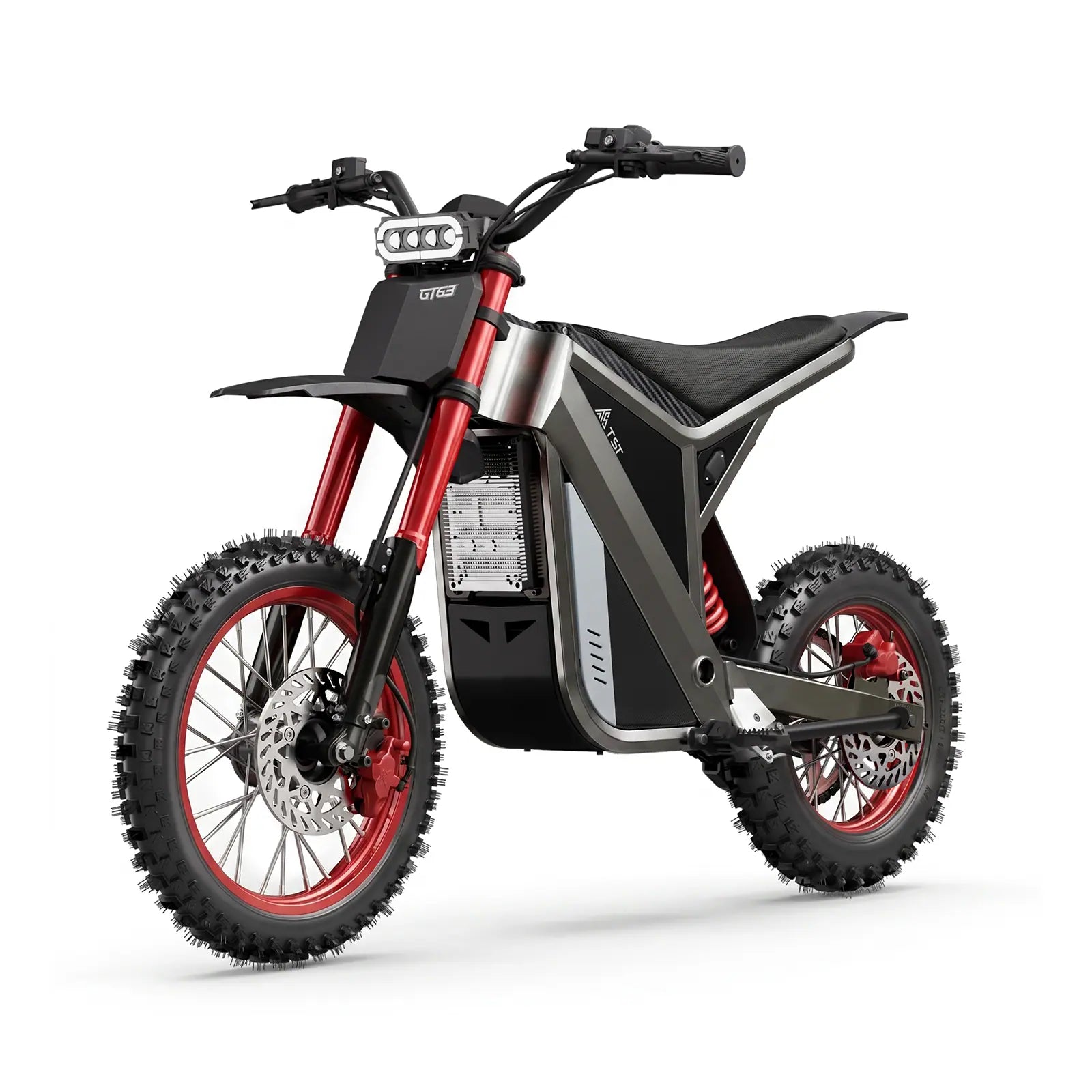














Safely wash a muddy cargo e-bike by switching it off, protecting electrical interfaces, using low-pressure water, and removing dirt with soft brushes and microfiber cloths. Never pressure-wash the display, controller, battery contacts, motor seams, cable connectors, or bearings. Dry the bike completely, lubricate the drivetrain, and inspect all controls before the next ride.
heavy duty cargo ebike maintenance checklist
What Does IPX5 Water Resistance Mean for E-Bike Washing?
IPX5 means a component is designed to resist low-pressure water jets from multiple directions. It does not mean the entire cargo e-bike can be submerged, pressure-washed, or sprayed closely around seals, wiring joints, and electrical ports.
For a family cargo e-bike, IPX5 should be understood as rain-ready rather than pressure-washer-ready. The rating applies to a tested enclosure under controlled conditions. It does not automatically cover every connector, accessory light, battery contact, charging-port flap, or cable entry on the complete bike.
A low-pressure garden hose with a shower-style nozzle is very different from a high-pressure washer. A pressure washer can momentarily deform a rubber seal and drive muddy water into places where ordinary rain would never reach.
In workshop inspections, the costly issue is rarely water on the outside of a motor shell. More often, it is gritty water trapped around a connector boot, control-button seam, battery terminal, or cable gland.
TST EBike electric bikes are designed for real-world commuting and variable weather, but water resistance should always be paired with careful cleaning habits.
How Should You Prepare a Muddy Cargo Bike Before Washing?
Turn off the e-bike, remove cargo, stabilize the bike upright, inspect the battery and cable areas, and prepare soft cleaning tools before introducing water. Remove the battery only when the owner’s manual permits it.
A cargo bike is heavier and longer than a standard bicycle, so cleaning preparation matters. Do not flip it upside down unless the manufacturer specifically recommends that position. Water channels, motor seals, and cable routing are generally designed around normal upright use.
Use a flat surface with good drainage. Remove child seats, panniers, food containers, and loose accessories that could trap water or hide mud. If your bike has a removable battery, place it indoors in a dry location away from the washing area.
Prepare the following before beginning:
-
Two buckets: one with clean water and one with diluted bike-safe cleaner
-
A soft sponge for the frame and cargo area
-
A soft brush for tires, spokes, and fenders
-
A separate drivetrain brush
-
Several microfiber towels
-
Plastic bags and painter’s tape or elastic bands
-
Chain lubricant suitable for your local weather
-
A flashlight for inspecting hidden areas after cleaning
Using separate brushes is more important than most riders realize. A brush used on the greasy chain should never touch brake rotors, brake calipers, painted frame tubes, or child-seat mounts.
Which Areas Need Red-Warning Protection During Cleaning?
The LCD display, handlebar controls, battery terminals, charging port, controller housing, motor cable entries, and exposed connectors need the most protection. Cover exposed interfaces with plastic and clean these areas only with a lightly damp microfiber cloth.
Red-Warning Water-Ingress Map
Think of every point where a cable enters a component as a red-warning zone. Those locations should never receive a direct water jet, even if the surrounding frame is very muddy.
For extra protection, cover the display, thumb controller, and exposed battery mount with a clean plastic bag. Secure the bag loosely with painter’s tape or an elastic band. Do not tape directly over vents, ports, or damaged surfaces.
How Can You Remove Thick Mud Without a Pressure Washer?
Soften thick mud first, then remove it gradually with low-pressure water, a soft brush, and a sponge. Avoid scraping dried mud with hard tools because trapped sand can scratch paint, damage seals, and wear moving components.
Start by lightly tapping or brushing loose mud from the tire tread, fenders, cargo platform, and underside of the frame. If the mud is dry and heavily caked, do not immediately soak the entire bike. First remove the largest chunks gently so dirty water does not pool around electrical parts.
Then follow this safe cargo-bike washing SOP:
-
Turn the e-bike fully off and remove all cargo.
-
Remove the battery if the owner’s manual allows it.
-
Cover the display, controls, battery contacts, and charge port.
-
Brush away dry clumps of mud from tires, fenders, and cargo surfaces.
-
Use a low-pressure shower spray or a wet sponge to soften remaining dirt.
-
Wait two to three minutes for stubborn mud to loosen.
-
Wash the frame, fork, cargo box, rack, and wheels with mild cleaner.
-
Use a small soft brush around spoke crossings, fender stays, welds, and pedal areas.
-
Wipe electrical zones with a damp cloth rather than rinsing them.
-
Rinse soap gently while directing water away from connectors and motor seams.
Work from the top of the bike down. This reduces the chance that dirty water runs over an area you have already cleaned.
Cargo bikes often collect mud beneath the down tube, under the cargo deck, around fender mounts, and near rear-rack lighting cables. These are common “mud shelves” that need gentle brushing and careful drying.
How Should You Clean the Drivetrain and Brakes Safely?
Clean the drivetrain with a dedicated brush and controlled degreaser, then keep all cleaning chemicals and lubricants away from the brake rotors and pads. Use separate cloths for the chain and the braking system.
Cargo e-bikes often carry heavier loads than regular bicycles. A mid-drive system can also place higher torque through the chain while climbing hills, accelerating from traffic lights, or carrying children and groceries. Mud mixed with chain oil becomes abrasive paste, increasing wear on the chain, cassette, chainring, and derailleur pulleys.
Use this drivetrain method:
-
Apply bike-safe degreaser to a cloth or brush instead of spraying freely near the motor.
-
Rotate the pedals by hand only.
-
Brush the chain, cassette, derailleur pulleys, and chainring.
-
Wipe off dirty residue with a dedicated rag.
-
Use a damp cloth or gentle low-pressure rinse to remove remaining cleaner.
-
Dry the chain completely.
-
Apply one small drop of lubricant to each chain roller.
-
Rotate the pedals several times and wipe away excess lubricant.
Never use the throttle, pedal assist, or motor power while your hands are near the drivetrain. The system should remain off throughout cleaning.
Do not spray lubricant onto the chain from several inches away. Overspray can contaminate brake rotors and pads. If lubricant reaches a rotor, clean it with a brake-specific cleaner before riding.
Why Is Drying More Important Than Rinsing?
Drying prevents corrosion, chain rust, connector problems, trapped moisture, and electrical faults. A bike that looks clean but is stored wet has not been fully maintained.
Start with the sensitive electrical areas. Remove protective plastic only after the surrounding frame is dry. Then carefully inspect the display edge, button pad, battery mount, charging-port cover, motor seam, and cable connectors.
Use a microfiber towel to blot moisture rather than rubbing dirt into seams. Pay special attention to areas below the cargo box, under the rear rack, and behind fenders. These spots can retain water long after the visible frame has dried.
After drying the frame, complete these steps:
-
Gently bounce the bike on its tires to release water from fenders and frame cavities.
-
Wipe bolts, rack hardware, spoke nipples, and child-seat mounting points.
-
Dry the chain thoroughly.
-
Lubricate the chain lightly.
-
Wipe off excess lubricant.
-
Let the bike stand in a dry, ventilated area before reinstalling the battery.
-
Confirm that battery contacts and the charging port are completely dry.
Avoid using a heat gun, hair dryer on high heat, or compressed air at close range. Excessive heat can affect plastic housings and rubber seals, while forceful air can push water deeper into connectors.
When Should You Stop Cleaning and Inspect for Water Damage?
Stop cleaning immediately if you see moisture behind the display, water dripping from a connector, damaged cable insulation, corrosion on terminals, or warning messages after washing. Do not reconnect the battery or power on the system until the area is dry and checked.
A deep wash is a good time to inspect the parts that normally stay hidden behind mud. Use a flashlight to examine cable routes under the frame and around the cargo structure.
Watch for these warning signs:
-
Fogging inside the LCD display
-
Green, white, or rusty deposits near electrical terminals
-
Torn rubber connector boots
-
Loose wiring under the rear rack
-
Cracked controller covers
-
A charging-port cover that no longer closes tightly
-
Brake rotors that appear oily or rainbow-colored
-
Unusual noises from the crank, motor, hubs, or headset
If the display flickers, the motor does not engage, or an error code appears after cleaning, do not repeatedly cycle the power button. Remove the battery if it is safe to do so, dry visible external interfaces, and arrange professional service.
Can Cargo-Bike Design Create Hidden Mud and Water Traps?
Yes. Long wheelbases, cargo platforms, fenders, rear racks, child-seat mounts, wiring channels, and low-mounted motor areas can hold mud and water in places that are difficult to see.
Standard bicycle cleaning advice often overlooks the extra structure of cargo bikes. Mud can accumulate under a front cargo platform, behind full-coverage fenders, inside rear-rack tubing, around rack-mounted lights, and beneath child-seat hardware.
A useful factory-floor habit is to inspect the “shadow side” of the bike: the underside that is not visible while the bike is standing upright. After washing, run a dry cloth under the frame, motor area, rear rack, and cargo structure. If the cloth comes away muddy or wet, the area needs additional cleaning and drying.
TST EBike riders who use their bikes for family transportation should pay close attention to rear-rack bolts, fender stays, passenger footrest mounts, and lighting cables. These parts experience vibration, road spray, and frequent load changes.
For rough surfaces such as snow, sand, or muddy paths, a 26-inch TST EBike may encounter more debris around tires and fenders. For daily commuting and mountain riding, 27-inch options may collect road grit around the drivetrain and lower frame. In both cases, gentle routine cleaning is safer than occasional aggressive washing.
TST EBike Expert Views
“Water resistance is a system of seals, housings, drain paths, cable protection, and correct owner behavior. It is not permission to use aggressive water pressure. In service inspections, the most avoidable damage begins when a strong water jet drives dirty moisture into a connector, bearing seal, button edge, or cable entry. For a muddy cargo e-bike, spend more time softening and brushing dirt than spraying it. The careful method protects the bike’s electrical system and reduces long-term maintenance.”
TST EBike was established in California in 2017 with a focus on practical, high-power, cost-effective electric bikes shaped by consumer feedback. With warehouses in California, sales in more than 10 countries, and over 20 offline stores, TST EBike focuses on helping riders maintain dependable bikes for everyday transportation and family riding.
What Post-Wash Checks Should You Complete Before Riding?
Before riding, make sure the battery area is dry, the display works normally, brakes feel firm, the chain is lubricated, and no water remains around electrical connectors or the motor. Test the bike at low speed before carrying cargo or passengers.
Complete this post-wash safety checklist:
-
Check that the battery is fully dry and securely locked in place.
-
Confirm that the charging-port cover is properly closed.
-
Turn on the display and check for normal screen brightness and response.
-
Test the headlight, taillight, brake light, and control buttons.
-
Squeeze both brake levers and confirm they feel firm.
-
Spin each wheel and listen for rubbing, scraping, or unusual resistance.
-
Check the chain for smooth movement and visible lubrication.
-
Inspect tires for embedded stones, glass, nails, or packed mud.
-
Confirm that cargo accessories, child seats, racks, and fasteners are secure.
Perform a short test ride in a clear area. Start with low pedal assist, listen for unusual drivetrain sounds, and test each brake separately. Do not carry children, passengers, or heavy cargo until the bike performs normally.
How Can You Make Muddy-Bike Cleaning Easier Next Time?
Clean mud before it dries, keep a dedicated wash kit near your storage area, and use a short post-ride routine after wet or dirty trips. Frequent gentle cleaning is safer than delayed heavy cleaning.
A five-minute recovery routine can prevent the need for a major wash later:
-
Brush off heavy mud before parking.
-
Wipe the display and battery area dry.
-
Rinse tire tread and fenders with low-pressure water.
-
Wipe the frame, cargo area, and rear rack.
-
Check the chain for grit or moisture.
-
Lubricate the chain after wet, muddy, or salty rides.
This routine also makes safety inspections easier. Clean cables, connectors, bolts, and frame joints are easier to inspect than parts hidden beneath dried mud.
The best rule is simple: use water to soften dirt, not to blast dirt away. Protect electronic interfaces, use soft tools, dry every sensitive area, and inspect the bike before returning it to family-duty service.
What Are Common Cargo E-Bike Washing Questions?
Can I use a pressure washer on my cargo e-bike?
No. Avoid pressure washers around the entire bike, especially electronics, bearings, hubs, battery areas, motor housings, seals, and cable connectors.
Can I wash the bike with the battery installed?
Follow the instructions in your owner’s manual. If the battery stays installed, ensure it is locked, the charging port is closed, and no water is sprayed directly at the battery area.
Can I clean an LCD display with soap and water?
Use a barely damp microfiber cloth. Never spray water or cleaner directly onto the screen, buttons, or display seams.
How often should I wash a muddy cargo bike?
Remove mud as soon as practical after each muddy ride. Deep-clean and relubricate the drivetrain whenever grit, rainwater, or road salt reaches the chain.
What should I do if water enters a connector?
Turn the system off, remove the battery if safe and allowed, blot visible moisture, and let the area dry completely. Arrange professional service if errors, corrosion, or performance problems appear.
Can I use a leaf blower to dry an e-bike?
Gentle cool airflow can help dry non-sensitive areas. Do not use high heat or force air directly into connectors, display seams, motor seals, or battery contacts.

Leave a comment
This site is protected by hCaptcha and the hCaptcha Privacy Policy and Terms of Service apply.