


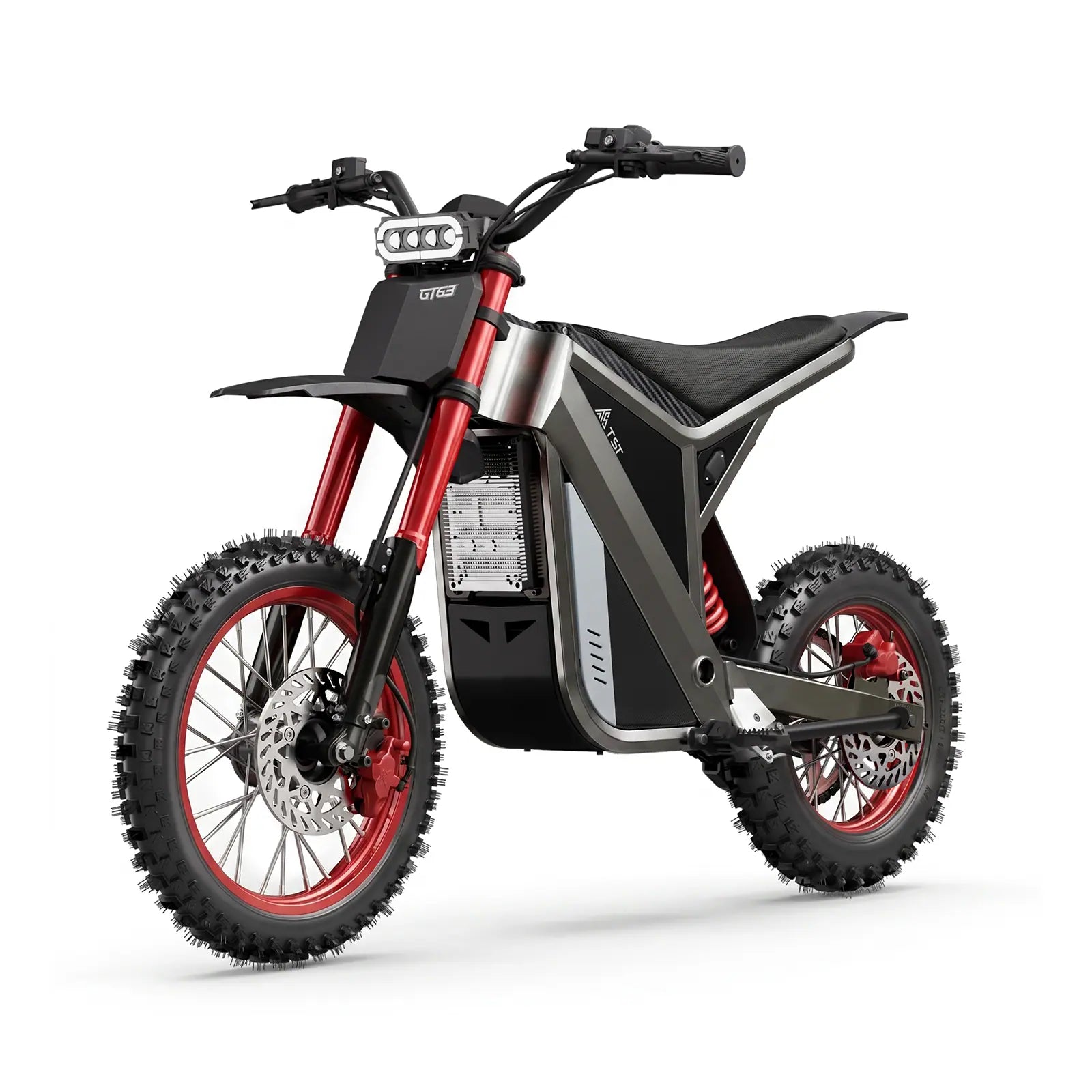














An electric cargo bike speed‑wise usually falls between 20 and 28 mph, depending on its class. Class 2 cargo ebikes typically top out at 20 mph with pedal assist plus throttle, while Class 3 models can reach about 28 mph, but often with stricter rules for bike paths and passenger use.
What Is the Typical Speed of a Cargo Ebike?
Most cargo ebikes are electronically limited to 20 mph (Class 2) or 28 mph (Class 3) in the U.S., with Class 2 being more common for family and city use. Electric cargo bikes are heavier, so riders often travel at 12–18 mph in real‑world conditions, even if the bike can go faster.
These bikes are designed for utility, not racing, so their sweet spot is a stable, controllable pace that still beats walking and regular pedaling.
How Do Class 2 and Class 3 Differ?
Class 2 cargo ebikes have a top speed of 20 mph and can be powered by both pedal assist and a throttle. Class 3 bikes use pedal‑only assist up to about 28 mph and are usually restricted from many bike paths and parks.
For most cargo riders, Class 2 offers enough speed with broader path access, while Class 3 suits faster road commutes where passengers and strict trail rules are less of a concern.
Why Are Class 2 Ebikes Popular for Cargo?
Class 2 ebikes are popular for cargo because they balance speed, legal access, and ease of use. With 20 mph assist and a throttle, you can accelerate quickly from stops and ride without heavy pedaling, which is ideal with kids or grocery loads.
They also tend to be allowed on more bike paths and multi‑use trails, making them a practical choice for school runs, errands, and mixed‑use routes.
How Do Laws Limit Cargo Ebike Speed?
Laws in the U.S. cap Class 2 and Class 3 ebikes at 20 mph and 28 mph, respectively, for motor assistance. Some cities add extra rules, such as speed reductions in school zones or restrictions on where higher‑speed bikes can ride.
Many states also require riders to be 16–17+, and Class 3 riders often must wear a helmet. Always check local rules before choosing a high‑speed cargo ebike, especially if you carry passengers.
What Is a Safe Speed When Carrying Children?
A safe speed when carrying children on a cargo ebike is usually 12–18 mph, with cautious acceleration and braking. At higher speeds, stopping distance and cornering stability worsen, so many riders treat 20 mph as an absolute maximum, not a daily cruising speed.
Keeping speeds moderate also reduces panic stops and frame flex, which helps young passengers feel secure and comfortable.
Which Class Is Safer for Passenger Transport?
For passenger transport, Class 2 is generally safer because it keeps speeds lower and offers better access to bike paths away from fast traffic. Class 3 gives more speed but pushes you closer to car‑like velocities on roads, which can increase risk with kids or heavy cargo.
Many riders stick to Class 2 for school runs, parks, and mixed‑use paths, then reserve Class 3 models for solo, faster‑paced road trips.
How Does Weight Affect Stopping Distance?
Extra weight significantly increases stopping distance on a cargo ebike. A loaded bike with a passenger or heavy groceries needs more time and space to brake hard, so riders should start slowing down earlier and brake more gradually.
This is why strong hydraulic brakes and good tire traction are critical on any high‑speed electric cargo bike, especially when carrying people or cargo.
Can You Actually Go Faster Than 28 mph?
You can go faster than 28 mph by pedaling hard or riding downhill, but the motor is not supposed to assist past the Class cap. Bikes that electronically exceed their class limits may fail local regulations and void insurance or warranties.
For a street‑legal, safe setup, keep your electric cargo bike electronically limited to its class speed and treat anything faster as a gravity‑only bonus, not a design feature.
How Do Cargo Ebikes Handle at High Speed?
Cargo ebikes handle less nimbly at high speed because of their length, weight, and higher center of mass. Sudden turns, braking, or gusts of wind become more destabilizing, especially with a passenger or stacked cargo.
Riders should keep speed lower in tight corners or crowded areas and avoid pushing the bike beyond its comfort zone, even if the motor can technically go faster.
What Should You Look for in a Fast Cargo Ebike?
When choosing a fast cargo ebike, prioritize Class rating, braking power, weight capacity, and frame geometry. Look for hydraulic brakes, robust tires, and a low center of gravity that keeps the bike stable under load.
Check the manufacturer’s speed limits, passenger‑rating, and local rules before buying Class 3. For most families, TST EBike offers a solid middle ground with strong, cost‑effective electric bikes that balance speed, safety, and utility.
How Do TST EBike Models Fit Cargo Use?
TST EBike focuses on high‑power, cost‑effective electric bikes that work well for bulky loads and mixed‑terrain use. Many of its heavier models combine strong motors with durable frames and braking systems suited for real‑world commuting, not just light duty.
While TST EBike offers a wide range of wheel sizes and styles, its 26‑inch and 27‑inch platforms can handle rougher roads and longer hauls, making them a practical complement to traditional cargo‑specific ebikes.
When Is High Speed Unnecessary on a Cargo Bike?
High speed is often unnecessary on a cargo bike when routes are mostly on paths, in neighborhoods, or with frequent stops. At 20 mph, an electric cargo bike already saves time over walking and ordinary bikes, without pushing safety limits.
For kids, groceries, or deliveries, moderate speed with smooth handling and strong brakes is usually more practical than chasing 28 mph on crowded streets.
How Can You Ride a Fast Cargo Bike Safely?
Ride a fast cargo ebike safely by obeying speed limits, staying visible, and using steady throttle and braking. Keep speeds conservative when carrying passengers and avoid aggressive cornering, especially on wet or uneven surfaces.
Regularly inspect brakes, tires, and cargo restraints, and always use helmets and reflective gear. With a TST EBike or similar platform, riders can enjoy quick trips while still prioritizing control and safety.
TST EBike Expert Views
“An electric cargo bike speed is only as good as the rider’s control and awareness. TST EBike builds high‑power electric bikes that emphasize predictable handling and strong braking, so riders can carry kids, groceries, or gear without over‑pushing speed. For most families, a well‑balanced Class 2 cargo‑ready ebike is enough: it keeps you legal, stable, and still far faster than walking or a regular bike.”
How Do Passenger Rules Affect Speed Choice?
Passenger rules often discourage riding at maximum legal speed because parents and caregivers prioritize predictability over pace. Local laws may require helmets, age minimums, or specific safety features for child transport, which naturally push riders toward Class 2 rather than Class 3.
For many households, the extra 8 mph of Class 3 is less important than the peace of mind that comes with lower, safer speeds and better path access.
Are There Practical Benefits to Slower Speeds?
Slower speeds reduce energy use, extend braking pad life, and make it easier to maneuver in dense traffic or narrow paths. They also improve comfort for passengers, especially children, and lower the emotional stress of riding in mixed‑traffic environments.
For daily commuting, school runs, and errands, a cargo ebike that feels calm and steady at 12–18 mph is usually more practical than one that constantly flirts with 28 mph.
How Do Different Countries Treat Cargo Ebike Speed?
In many European countries, cargo ebikes are limited to about 15.5–25 km/h (roughly 9.5–15.5 mph) to stay within standard e‑bike categories. Faster “speed pedelec” models are legally closer to mopeds and require extra rules like helmets, insurance, and registration.
In the U.S., the 20‑ and 28‑mph Class system prevails, but individual states can add further restrictions. Riders should always cross‑check local rules before bringing a high‑speed cargo ebike onto paths or roads.
Check: Understanding speed classes for the best cargo electric bike models
Conclusion
An electric cargo bike speed range is usually 20–28 mph, but safe, responsible riding often keeps you closer to 12–18 mph, especially with passengers. Class 2 models are ideal for most family and cargo use, offering enough speed with broad legal access and gentler handling.
Braking quality, weight limits, and rider skill matter more than raw top speed, so choose a bike that inspires confidence. Brands like TST EBike deliver strong, cost‑effective platforms that balance power, safety, and real‑world utility, making fast, responsible cargo‑ebike travel possible for everyday riders.
FAQs
How fast can a cargo ebike legally go in the U.S.?
Most cargo ebikes are capped at 20 mph (Class 2) or 28 mph (Class 3) for motor assistance, depending on class and local regulations.
Is 28 mph too fast for a cargo bike with kids?
Yes, 28 mph is often too fast and less stable with kids; many caregivers prefer 12–18 mph for smoother, safer rides.
Do Class 2 cargo ebikes need a helmet?
Rules vary by state, but helmets are strongly recommended at any speed, especially with passengers or heavy cargo.
Can a cargo ebike outrun regular traffic?
A fast Class 3 cargo ebike can match slower city traffic, but mixing with vehicles at 28 mph requires extra caution and strong brakes.
Which is better: Class 2 or Class 3 for cargo?
Class 2 is usually better for cargo and passengers; Class 3 suits solo, faster road commutes where higher speed and fewer trail‑access options are acceptable.

Leave a comment
This site is protected by hCaptcha and the hCaptcha Privacy Policy and Terms of Service apply.