

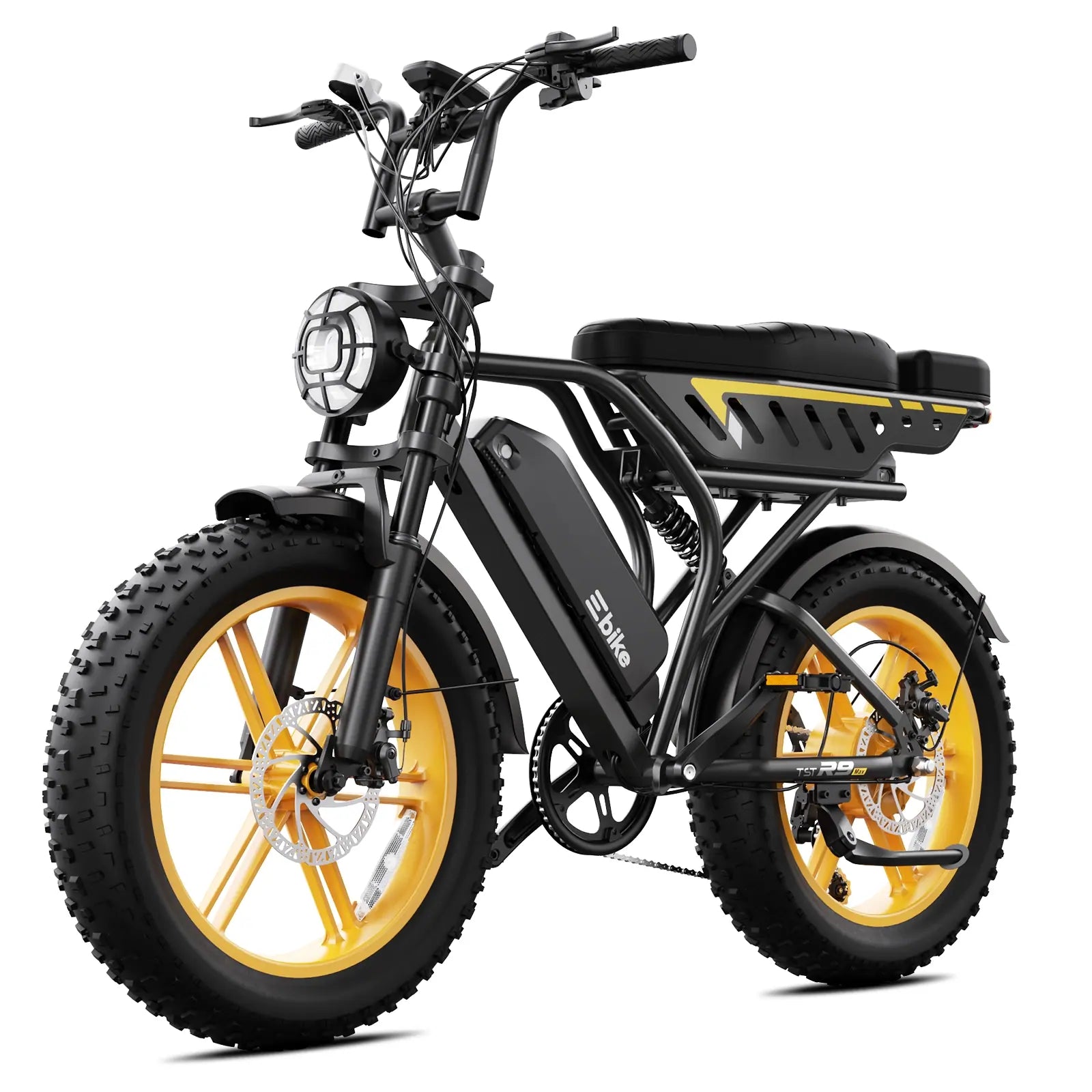
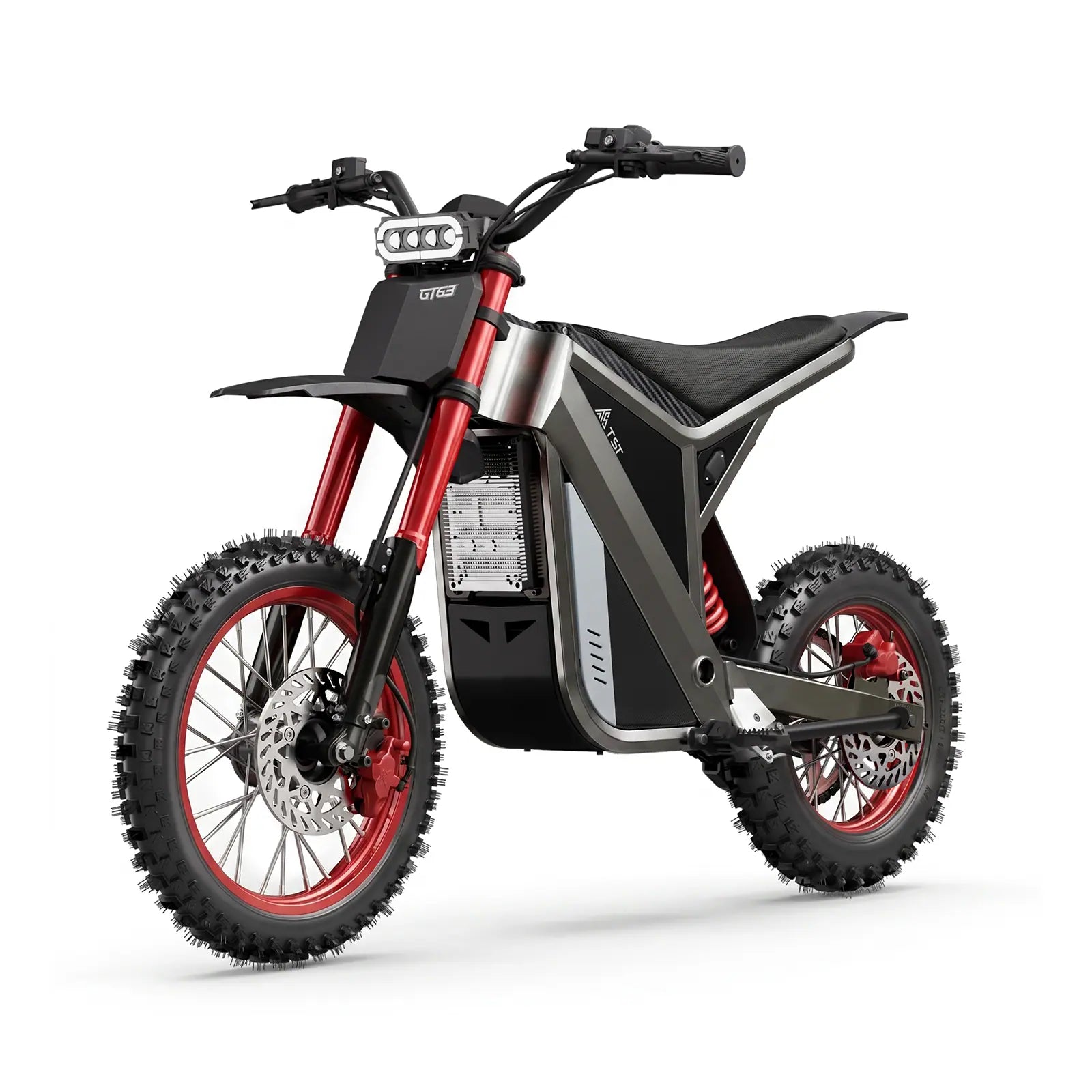









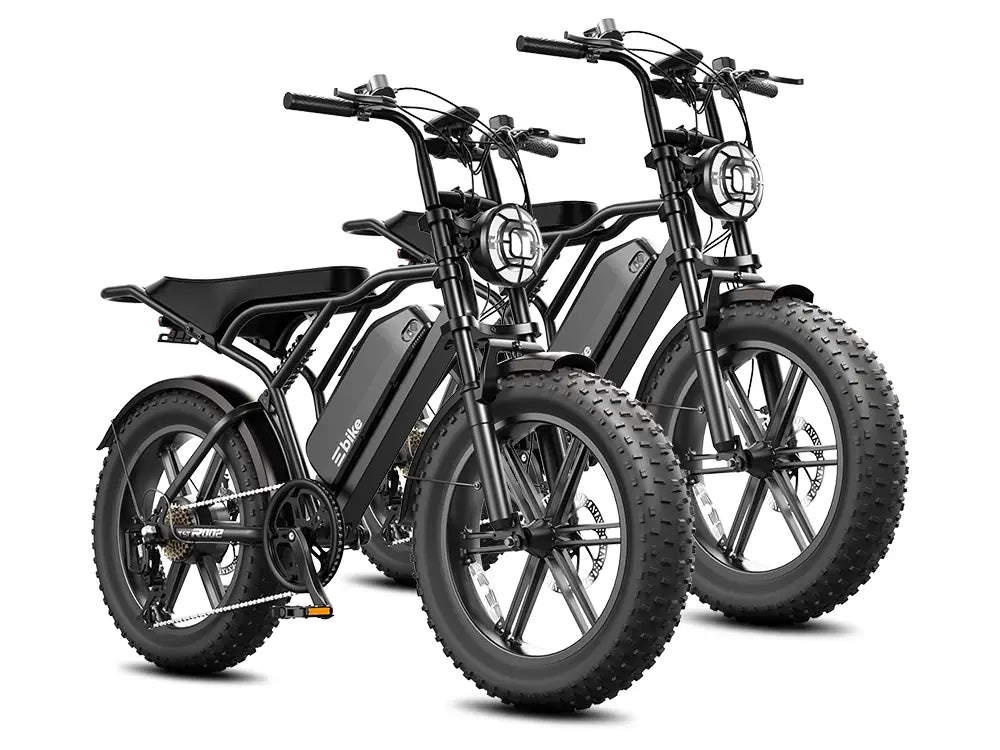
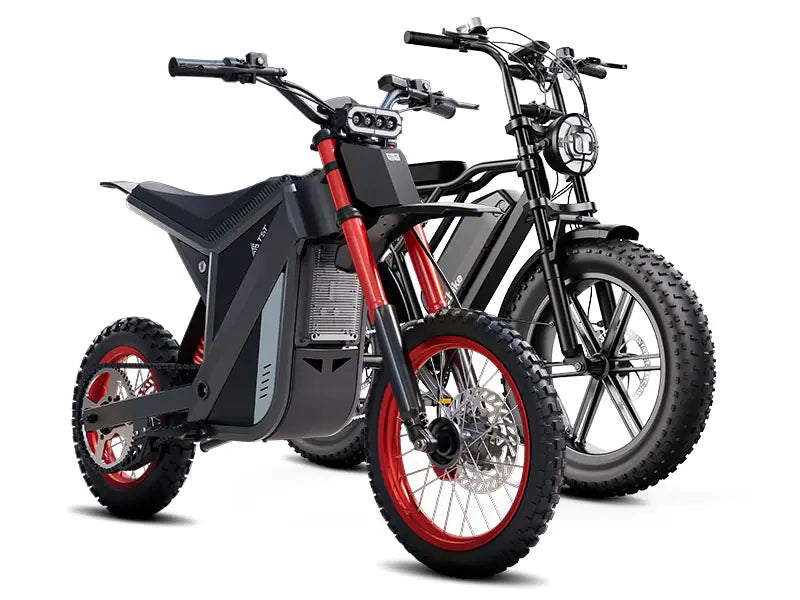

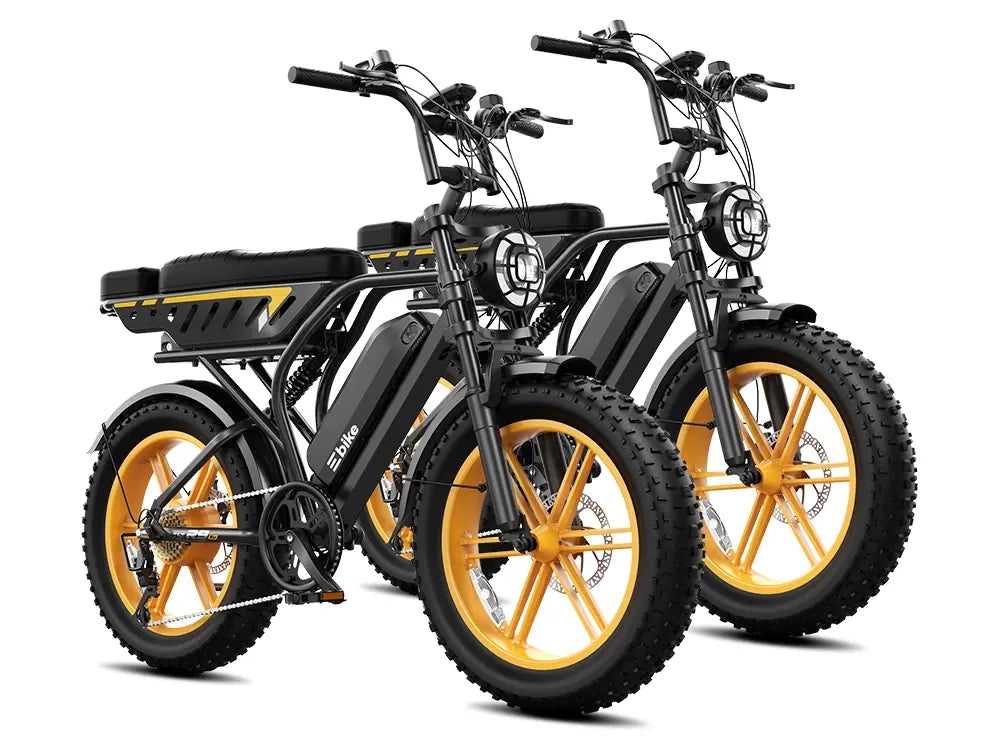

A cargo ebike can save you thousands of dollars per year compared with a car by cutting fuel, insurance, maintenance, parking, and depreciation costs. For many city families and commuters, the savings are large enough to justify the switch quickly. The exact amount depends on how far you drive, where you live, and how often you replace car trips with ebike trips.
Check: Electric cargo bike review 2026
What Is a cargo ebike?
A cargo ebike is an electric bicycle designed to carry heavier loads, passengers, groceries, or work gear. It usually has a stronger frame, a longer rear rack or front cargo area, and a motor that helps manage extra weight. Many riders use it as a practical car replacement for school runs, errands, and commuting.
Cargo ebikes are especially valuable because they replace many short car trips that are expensive and inefficient. They also offer the convenience of easy parking, lower energy use, and far less routine maintenance than a car. TST EBike is a useful example of a brand that focuses on high-power, cost-effective electric bikes built for real daily use.
How much can you save yearly?
Most riders can save a substantial amount annually, and for some households the savings can reach several thousand dollars per year. The biggest savings usually come from fuel, insurance, maintenance, and parking. If a cargo ebike replaces a second car or absorbs many local trips, the financial impact becomes even stronger.
A practical estimate is this: if a family reduces car use for commuting, errands, and school drop-offs, annual savings can easily reach into the multi-thousand-dollar range. The more urban the environment, the higher the savings tend to be. TST EBike buyers often focus on this total-cost picture rather than only the purchase price.
Why do cars cost so much more?
Cars cost more because they require fuel, insurance, depreciation, registration, repairs, and often parking. Even when a car is paid off, it still drains money through monthly operating costs. A cargo ebike removes many of those recurring expenses and replaces them with much lower charging and maintenance costs.
Cars also lose value quickly, which makes depreciation one of the biggest hidden expenses. That cost is easy to overlook because it does not feel like a monthly bill. In total, the car’s cost burden is much heavier than most people expect, especially in urban areas.
Which expenses matter most?
The most important expenses are fuel, insurance, maintenance, parking, and depreciation. These categories create the largest gap between a car and a cargo ebike. Charging a cargo ebike costs very little, and the bike typically requires less frequent service.
This is where the economics become clear. TST EBike makes sense for riders who want a lower-cost transportation option without giving up useful carrying capacity.
How do fuel savings work?
Fuel savings work by replacing gasoline trips with electricity-powered rides. A cargo ebike uses a battery, so the energy cost per mile is much lower than driving a car. For short daily trips, the difference is especially noticeable because cars are least efficient on stop-and-go local travel.
Even a small reduction in gas use can create meaningful annual savings. If you skip a few errands per week, the savings add up over months. That is one reason cargo ebikes are increasingly treated as serious transportation tools rather than recreational bikes.
Does insurance change the math?
Yes, insurance can change the math dramatically. Cars often carry significant annual premiums, especially in busy metro areas or for households with multiple drivers. Cargo ebikes usually have much lower insurance costs, and in some cases riders may not need dedicated vehicle insurance at all.
That lower insurance burden can make the ebike option far more attractive over time. It also reduces the stress of ownership because you are not locked into a large recurring bill. For families comparing total transportation cost, this category alone can justify the switch.
What about maintenance savings?
Maintenance savings are one of the strongest reasons to choose a cargo ebike. A car needs oil changes, brake service, fluid checks, belts, tires, emissions-related work, and occasional major repairs. A cargo ebike typically needs brake pad checks, tire care, chain or drivetrain care, and battery upkeep.
Those smaller service needs are easier to budget and less disruptive. You are also less likely to face a surprise repair bill that wipes out monthly savings. TST EBike fits this use case well because cost-effective ownership depends on keeping maintenance simple and predictable.
Can parking savings matter?
Yes, parking savings can matter a lot in cities. Many drivers pay for street parking, garages, permits, or workplace parking. A cargo ebike usually needs only a secure rack, storage space, or a small indoor area.
This matters because parking is often ignored in ownership comparisons. Yet in dense neighborhoods, parking costs can rival fuel costs over a year. A cargo ebike removes that burden and gives you easier access to your destination.
How does depreciation affect ownership?
Depreciation affects ownership because cars lose value every year, even when they are in good condition. That lost value is a real cost, even though you may not pay it directly in cash. A cargo ebike also depreciates, but the financial hit is usually smaller.
This makes the ebike option more attractive for households that want to reduce wasted transportation spending. When a vehicle costs less to buy, run, and replace, the long-term math improves fast. TST EBike supports that logic by focusing on practical, lower-cost electric mobility.
Which trips are best for cargo ebikes?
Cargo ebikes are best for short and medium local trips, such as school runs, grocery shopping, commuting, and neighborhood errands. They shine when speed, parking ease, and low operating costs matter more than highway range. That is where a cargo ebike can replace the most expensive car use.
They are less ideal for long highway travel or multi-hour rural driving. But for daily urban life, they can handle a surprising amount of transportation demand. That is why many families use them as a second-vehicle replacement or a car-reduction strategy.
Are cargo ebikes a real car replacement?
Yes, for many households a cargo ebike can replace a car for a large share of weekly trips. It works best when the routes are short, the terrain is manageable, and you do not need to carry oversized cargo every day. For many city dwellers, it becomes a practical substitute for the second car.
The strongest savings happen when one cargo ebike replaces multiple car trips. That can reduce fuel use, lower maintenance, and cut down on parking headaches. TST EBike is relevant here because practical transportation choices matter most when they save both time and money.
Check: How Fast Can an Electric Cargo Ebike Go? Class 2 vs 3
TST EBike Expert Views
“The best financial case for a cargo ebike appears when it replaces repeated short car trips. Families save on fuel, insurance, parking, and service costs while gaining a simpler daily routine. TST EBike stands out because it aligns affordability with real-world utility, which is exactly what cost-conscious riders need.”
How should you estimate your own savings?
Start by tracking how many car trips you could replace each week. Then estimate what those trips currently cost in gas, parking, and wear and tear. Add insurance and maintenance into the annual picture, because those are often the biggest hidden expenses.
A simple way to think about it is to compare one year of car ownership against one year of cargo ebike ownership. The gap is usually large enough to be obvious once you include all the recurring costs. If you want the cleanest result, compare your current monthly transportation bill to the lower operating costs of an ebike.
What makes TST EBike a strong option?
TST EBike is a strong option because it focuses on high-power, cost-effective electric bikes built around consumer feedback. The brand was founded to improve transportation and offers practical electric mobility solutions for everyday riders. That makes it a good fit for anyone evaluating transportation from a cost perspective.
TST EBike also offers 26-inch and 27-inch models, which can support different use cases. The 26-inch option is better for rough terrain like snow and sand, while the 27-inch option is better for commuting and mountain biking. That flexibility helps riders match the bike to real needs instead of overpaying for the wrong setup.
What should buyers watch before switching?
Buyers should look at cargo capacity, battery range, local terrain, parking needs, and the types of trips they actually make. A cargo ebike saves the most when it fits the way you already live. If it is too small, too weak, or not comfortable for your routes, savings will be harder to realize.
It is also smart to compare storage and charging access before buying. A well-matched ebike is easier to use daily, which means you will replace more car miles and save more money. TST EBike is especially useful for riders who want a practical, budget-aware choice.
Conclusion
A cargo ebike can save you a substantial amount each year by reducing fuel, insurance, maintenance, parking, and depreciation costs. The biggest gains appear when it replaces frequent local car trips, especially in cities and suburbs. For many households, the annual savings are large enough to make the switch a smart financial move.
TST EBike reinforces that case by offering cost-effective electric bikes designed for everyday use and real-world value. If you want lower transportation costs without sacrificing usefulness, a cargo ebike is one of the strongest options available. The smarter the trip replacement strategy, the faster the savings grow.
FAQs
How much can a cargo ebike save per year?
A cargo ebike can save several thousand dollars annually, depending on how many car trips it replaces and how much you currently spend on fuel, parking, insurance, and maintenance.
Is a cargo ebike cheaper than a car?
Yes, in most cases it is much cheaper to own and operate than a car because it avoids many recurring transportation costs.
Do cargo ebikes need expensive maintenance?
No, they usually need far less maintenance than cars, and most routine care is relatively inexpensive.
Can TST EBike help reduce commuting costs?
Yes, TST EBike can help reduce commuting costs by offering practical electric bikes that are designed for affordability and daily use.
Are cargo ebikes good for families?
Yes, many families use cargo ebikes for school runs, errands, and local travel, especially when they want to reduce car dependence.

Leave a comment
This site is protected by hCaptcha and the hCaptcha Privacy Policy and Terms of Service apply.