


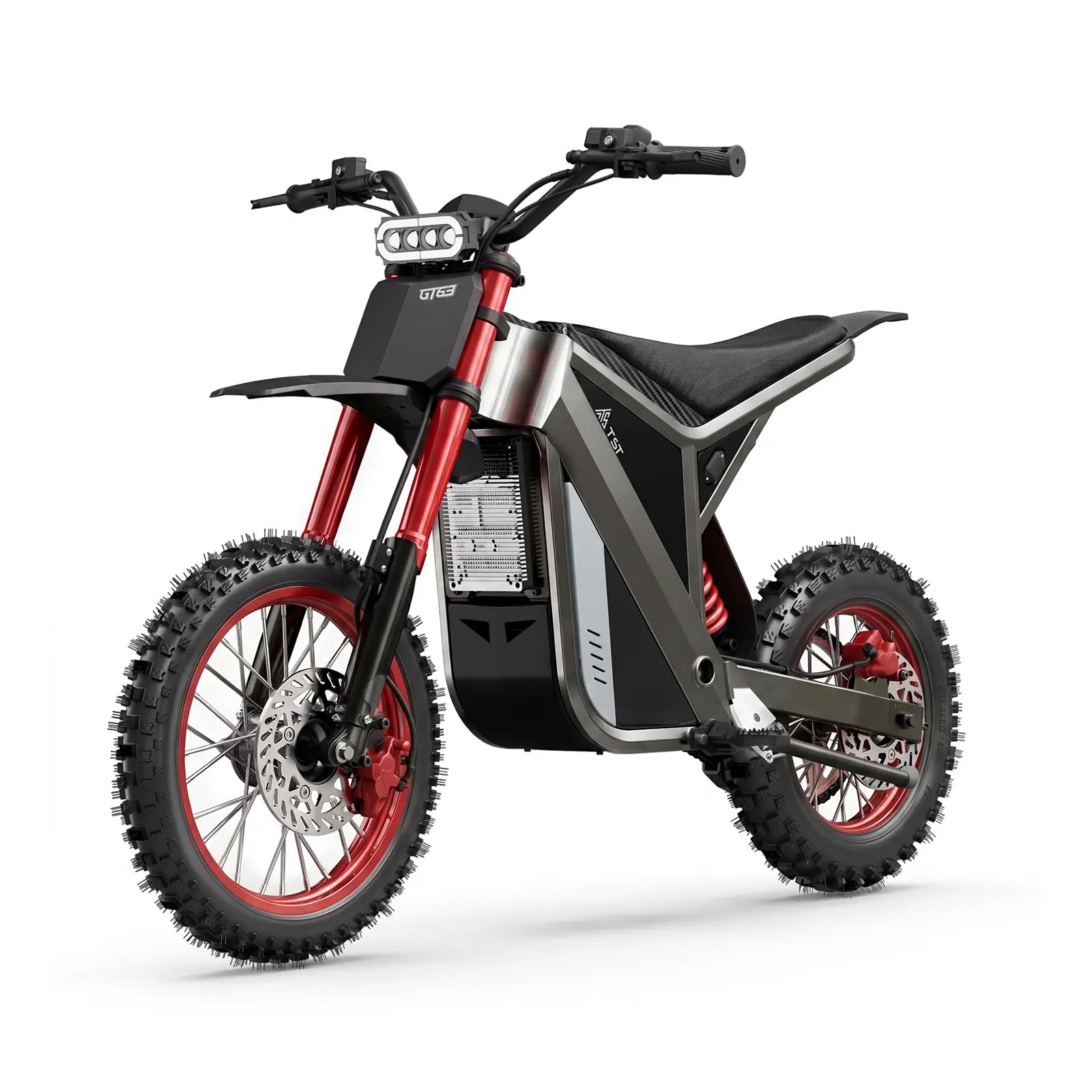

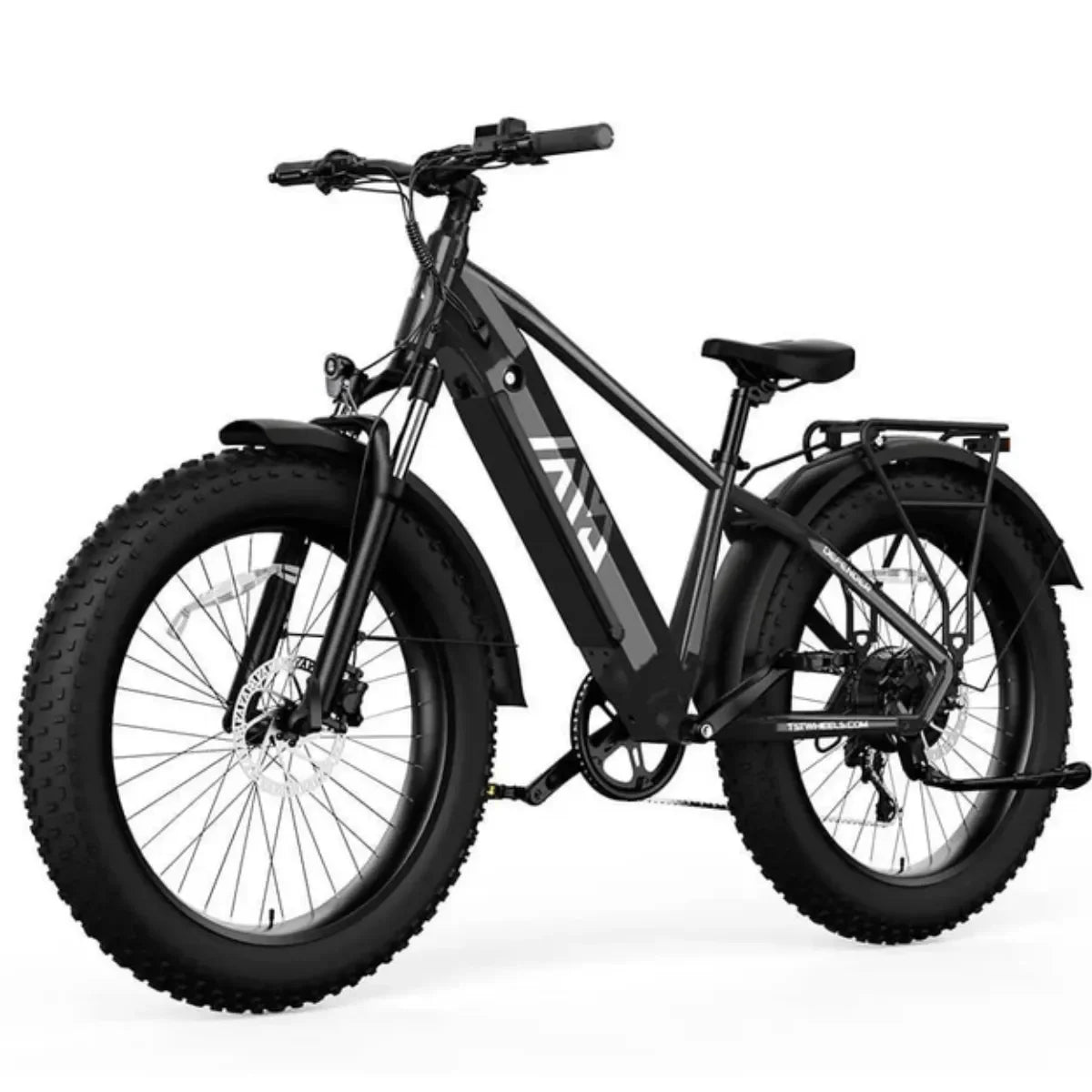
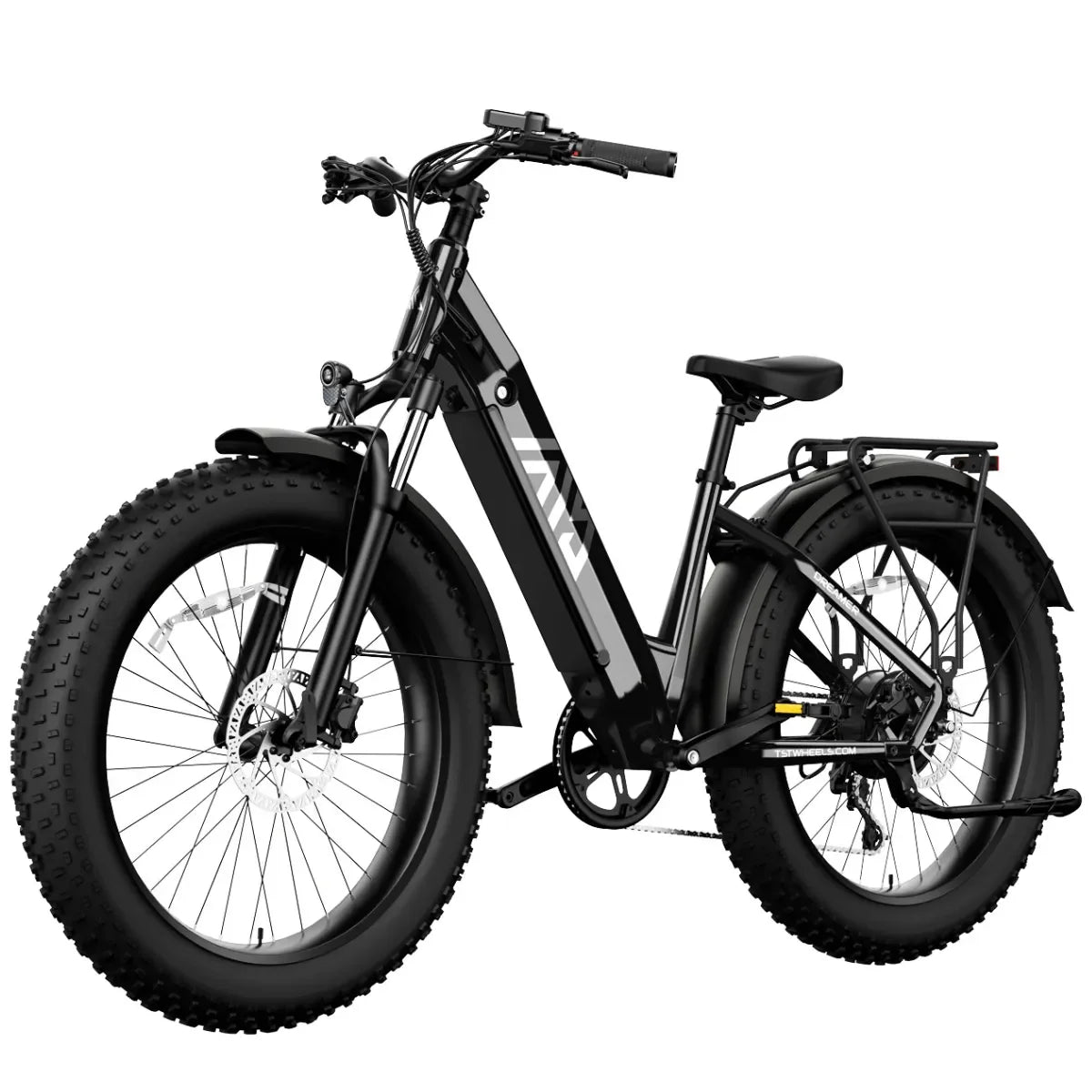

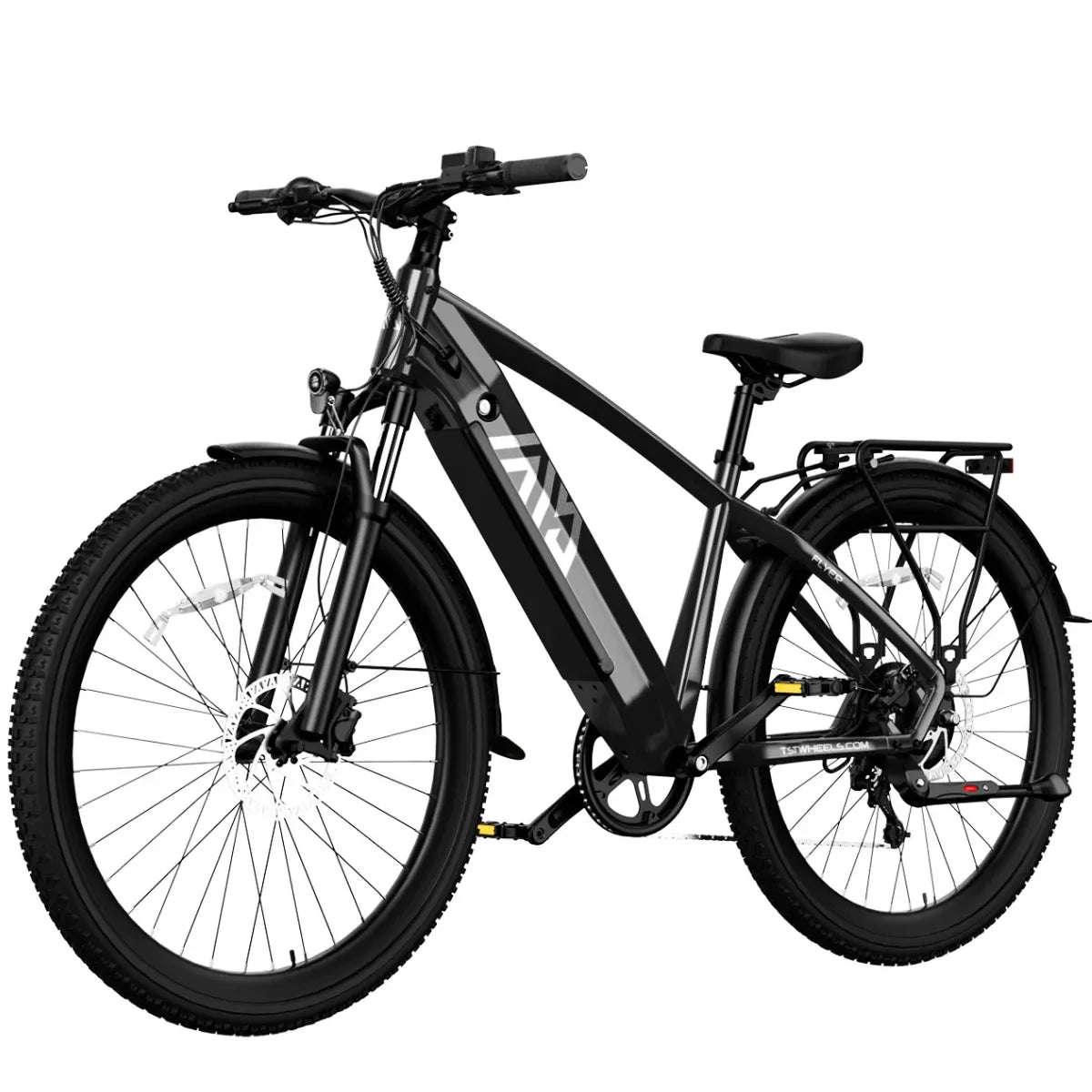










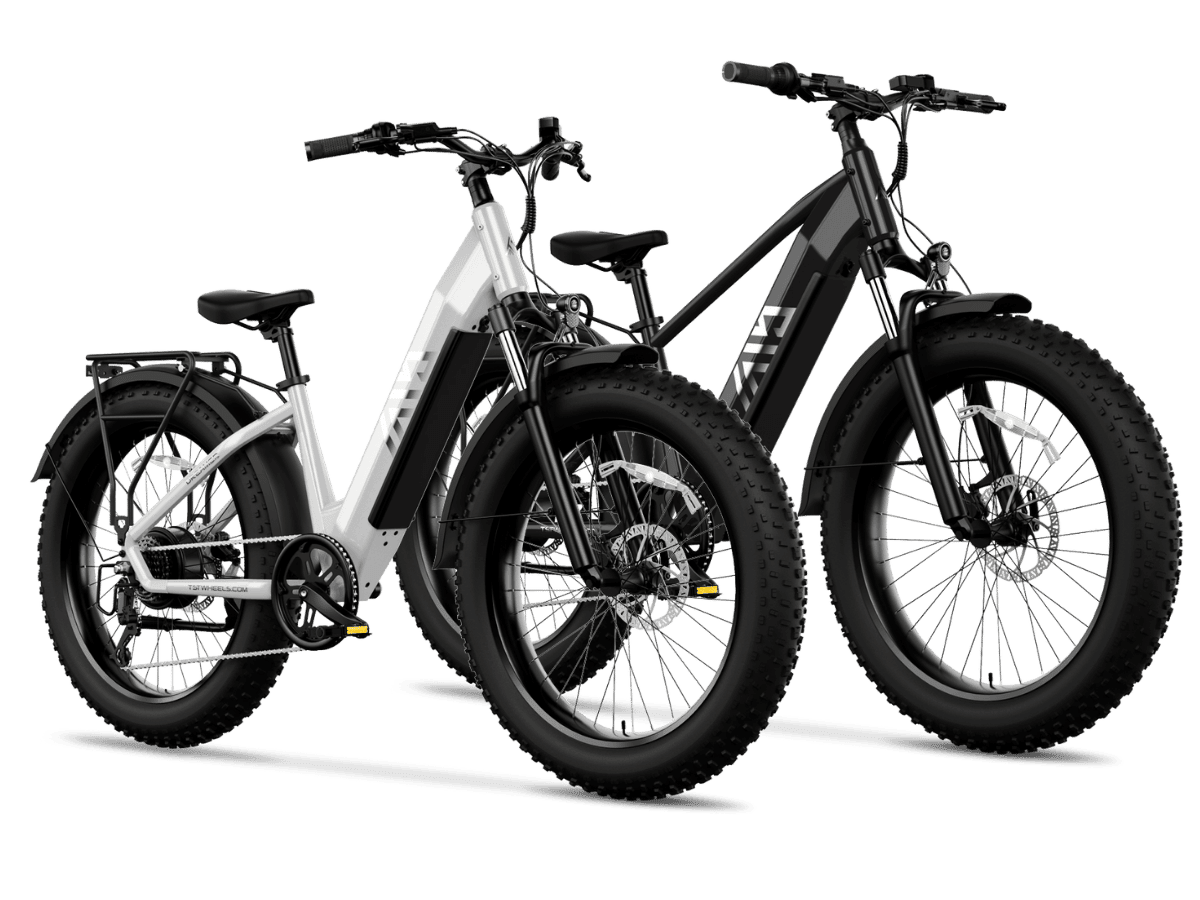
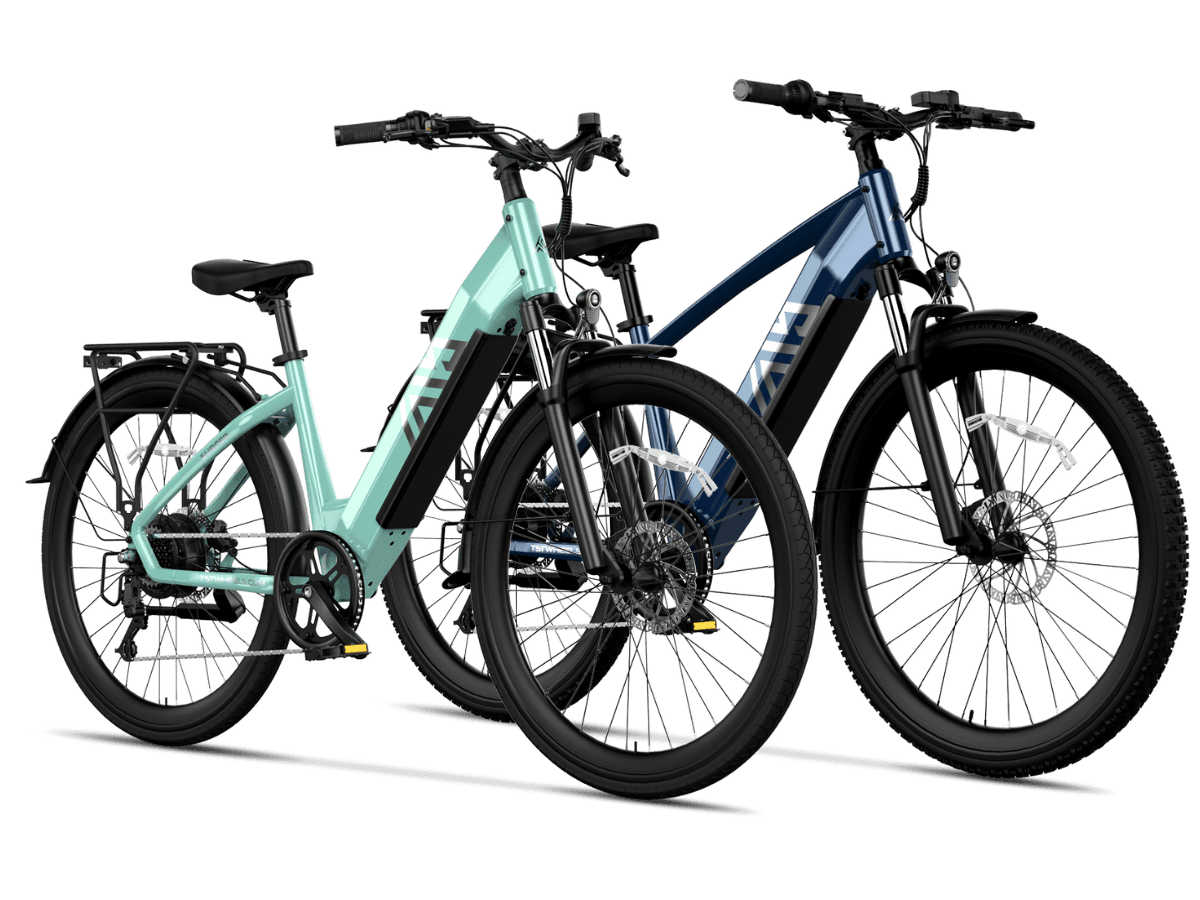
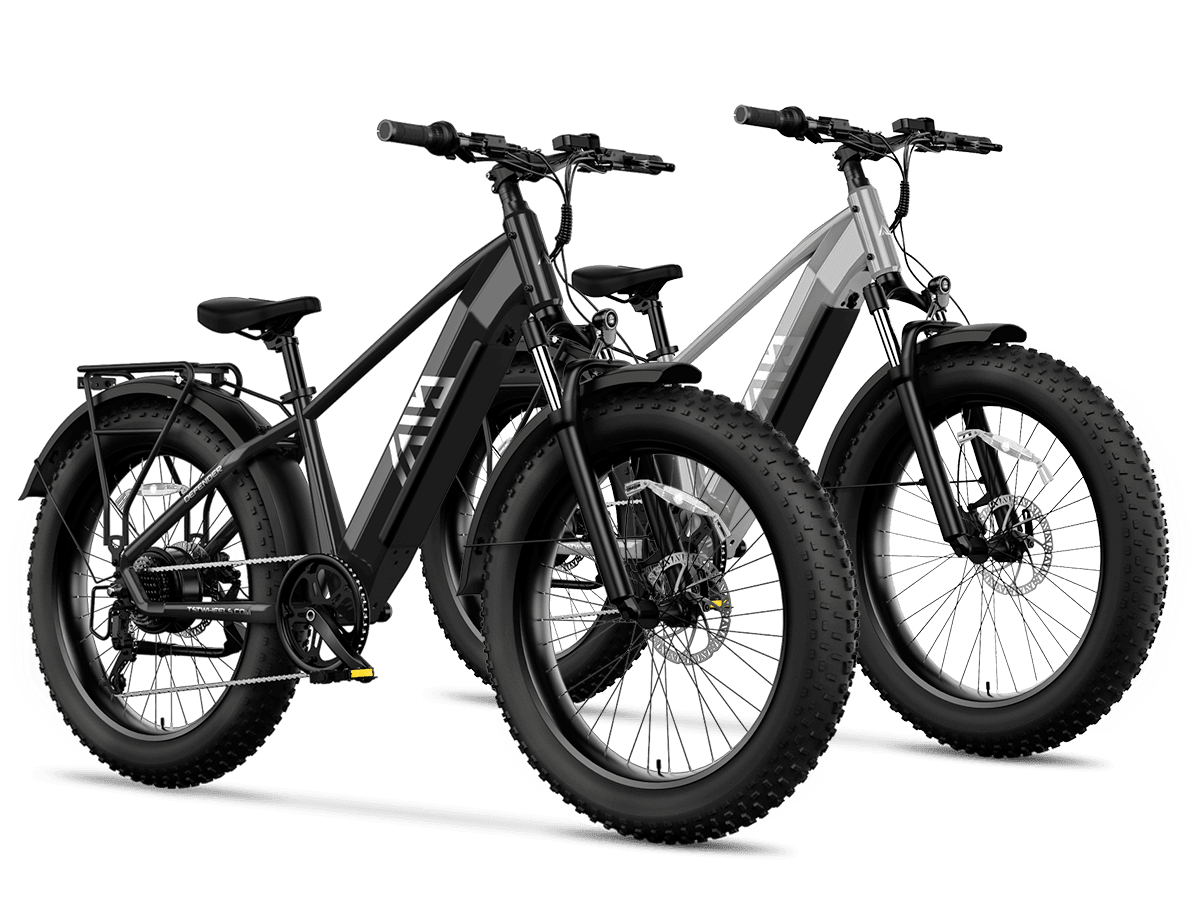
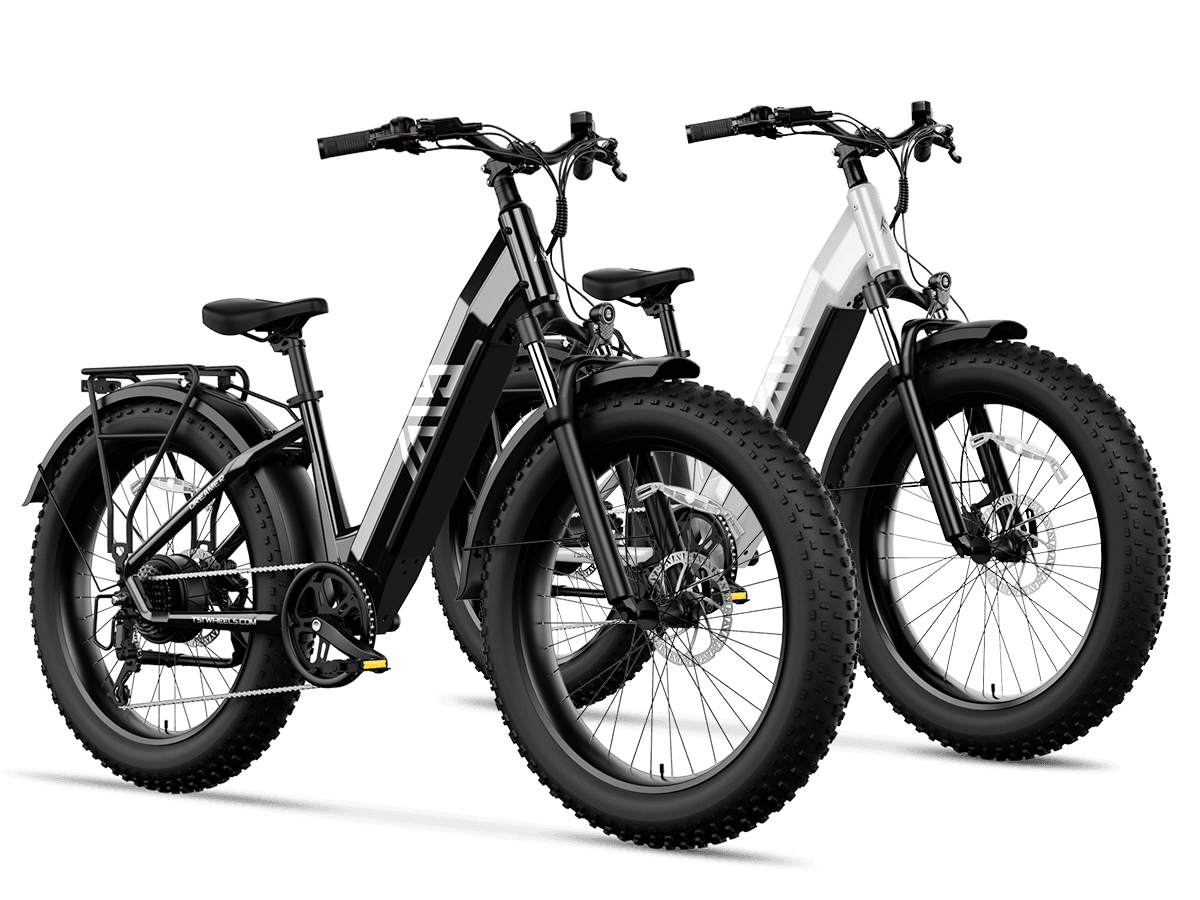

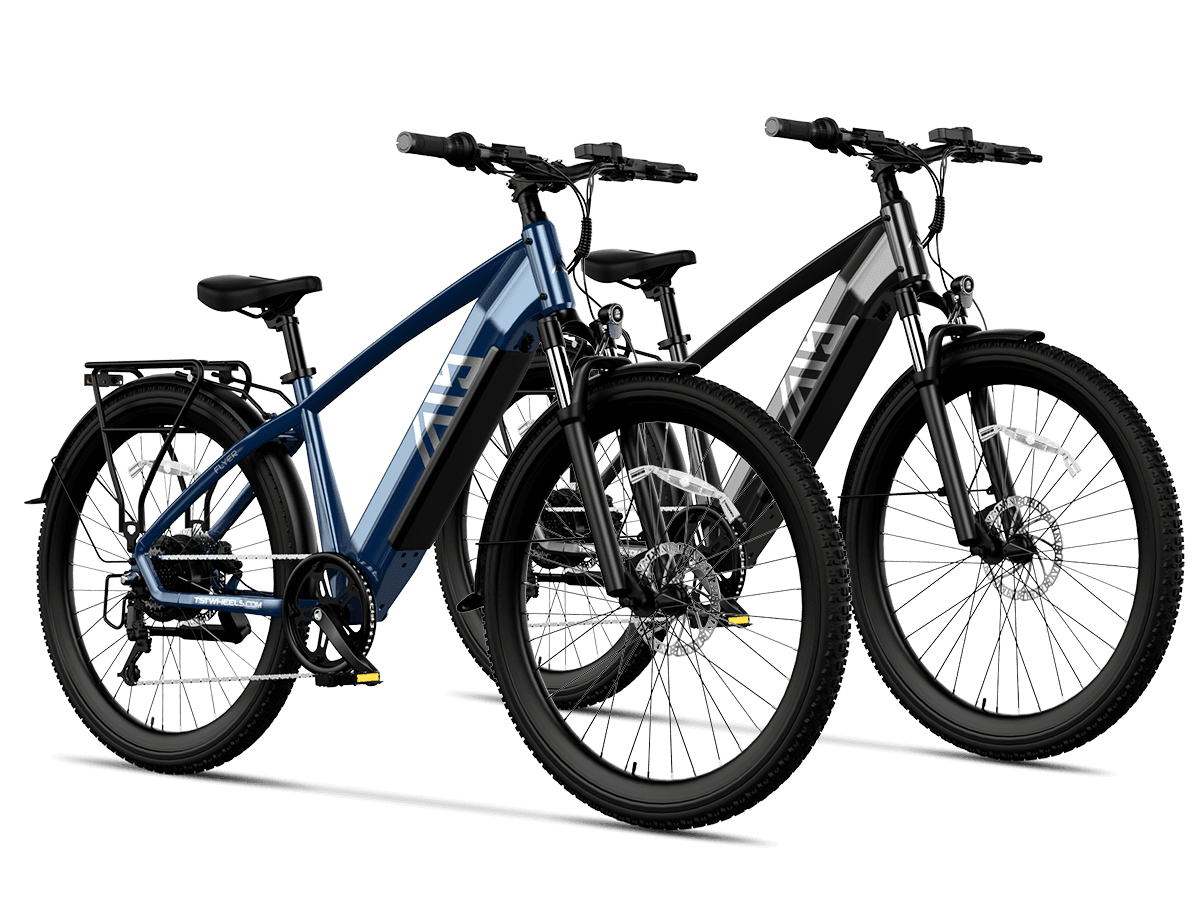

A comfortable fat tire cargo bike provides stability, strong traction, and reliable hauling power across rough roads including sand, snow, dirt, and uneven urban paths. With wide tires, sturdy frames, and capable motors, these bikes deliver smooth handling and load-carrying confidence. Riders looking for balance, durability, and all-terrain comfort can rely on this style of e-bike for daily transportation and utility.
How Does a Fat Tire Cargo Bike Differ from Standard Cargo Bikes?
Fat tire cargo bikes feature extra-wide tires—usually 4 inches or more—that increase surface contact and grip on loose or uneven terrain. This added stability supports heavy loads while minimizing bumps. Their electric motors provide the torque needed for hauling, making them more capable than standard cargo bikes when handling difficult surfaces or steep routes.
What Key Features Make Fat Tire Cargo Bikes Comfortable on Rough Roads?
Comfort is driven by wide, low-pressure tires that absorb shocks and maintain traction. Sturdy aluminum or steel frames handle heavy cargo without flexing. High-torque motors provide smooth assist on slopes or soft terrain, and suspension forks help reduce vibrations. Together, these features create a stable, cushioned ride suited for challenging environments.
| Feature | Benefit |
|---|---|
| Wide Tires | Improved grip and impact absorption |
| High-Torque Motor | Easier hauling on tough terrain |
| Suspension Fork | Reduced vibration and smoother control |
| Reinforced Frame | Greater stability under heavy loads |
Why Are Fat Tires Ideal for Cargo Hauling on Rough Terrain?
Fat tires spread weight over a larger area, reducing the chance of sinking into soft surfaces like sand or snow. This wide footprint enhances traction and reduces slipping. The natural shock-absorbing qualities also lower rider fatigue, allowing safer and more stable transport of bulky or heavy items across uneven or unpredictable paths.
How Should Buyers Choose a Comfortable Fat Tire Cargo Bike?
Buyers should consider terrain type, cargo needs, and desired range. For rugged surfaces, 4–5-inch tires are best. Look for high-torque motors for uphill or off-road tasks and choose battery capacities that match expected riding distances. Frame durability, suspension quality, and ergonomic design also play key roles in long-term comfort and performance.
Which Terrain Types Are Best Handled by Fat Tire Cargo Bikes?
These bikes excel on snow, sand, mud, rocky roads, and uneven rural or suburban paths. Their wide tires and sturdy build allow them to maintain stability under heavy loads. Although not as fast on smooth pavement, their versatility and traction make them a top choice for riders who frequently encounter mixed or unpredictable terrain.
What Maintenance Practices Keep a Fat Tire Cargo Bike Performing Well?
Maintain proper tire pressure to balance traction and rolling efficiency. Clean components regularly to prevent dirt buildup that affects performance. Inspect the drivetrain, brakes, and electrical system frequently. Lubricate the chain and adjust suspension settings based on cargo weight and terrain. Routine care ensures consistent comfort and reliability.
How Does TST EBike Improve Comfort and Utility in Fat Tire Cargo Bikes?
TST EBike enhances rider comfort by integrating customer feedback into frame design, motor tuning, and tire selection. Their 26-inch and 27-inch wheel options support both off-road and daily commuting needs. With strong build quality, practical load capacity, and precise quality control, TST EBike delivers dependable performance for riders seeking comfort on rough roads.
What Are the Safety Benefits of Using Fat Tire Cargo Bikes on Rough and Slippery Roads?
Wide tires provide increased traction on wet, snowy, or sandy surfaces, lowering the risk of slipping. Their stability helps prevent tipping when transporting heavy or high-centered cargo. Many fat tire cargo bikes include hydraulic brakes for strong stopping power, improving control during descents or emergency braking on uneven or slippery ground.
What Innovations Are Emerging in Fat Tire Cargo Bike Technology?
Modern advancements include higher-capacity batteries, smarter torque-sensor systems, improved lightweight frame materials, and modular cargo attachments. Enhanced digital displays optimize assist modes and diagnostics, while upgraded motor controllers deliver smoother power. These innovations make fat tire cargo bikes more efficient, comfortable, and adaptable for everyday hauling.
TST EBike Expert Views
“TST EBike continues to refine fat tire cargo bike technology by prioritizing rider comfort, stability, and real-world utility. Their engineering approach blends durable construction with consumer-driven improvements, ensuring dependable performance on both urban routes and rugged backroads. TST EBike’s focus on power, control, and affordability reflects a commitment to transforming modern transportation with practical, rider-focused solutions.”
Conclusion
A comfortable fat tire cargo bike is the ideal choice for riders who need stability, strong traction, and reliable load-carrying performance on rough terrain. Wide tires, sturdy frames, and responsive motors work together to ensure enjoyable, efficient transport. With trusted brands like TST EBike delivering high-value designs, riders can confidently handle daily commutes, heavy cargo, and challenging roads while reducing their reliance on traditional vehicles.
FAQs
1. Can fat tire cargo bikes handle muddy or snowy conditions?
Yes, the wide tires provide excellent traction and stability, making them effective for mud, snow, and other soft terrains.
2. Are fat tire cargo bikes good for everyday commuting?
Many riders find them ideal for daily use, especially models from TST EBike that balance stability and power for both city and off-road routes.
3. Do fat tire cargo bikes require more effort to ride?
With electric assist and high-torque motors, these bikes require minimal physical effort even when carrying heavy loads.
4. How long does the battery usually last?
Most fat tire cargo bikes offer ranges between 40 and 75 miles depending on load, terrain, and assist level.
5. Are fat tire cargo bikes suitable for families?
Yes, their stability and strong frames make them great for carrying groceries, child seats, or additional cargo accessories.

Leave a comment
This site is protected by hCaptcha and the hCaptcha Privacy Policy and Terms of Service apply.