











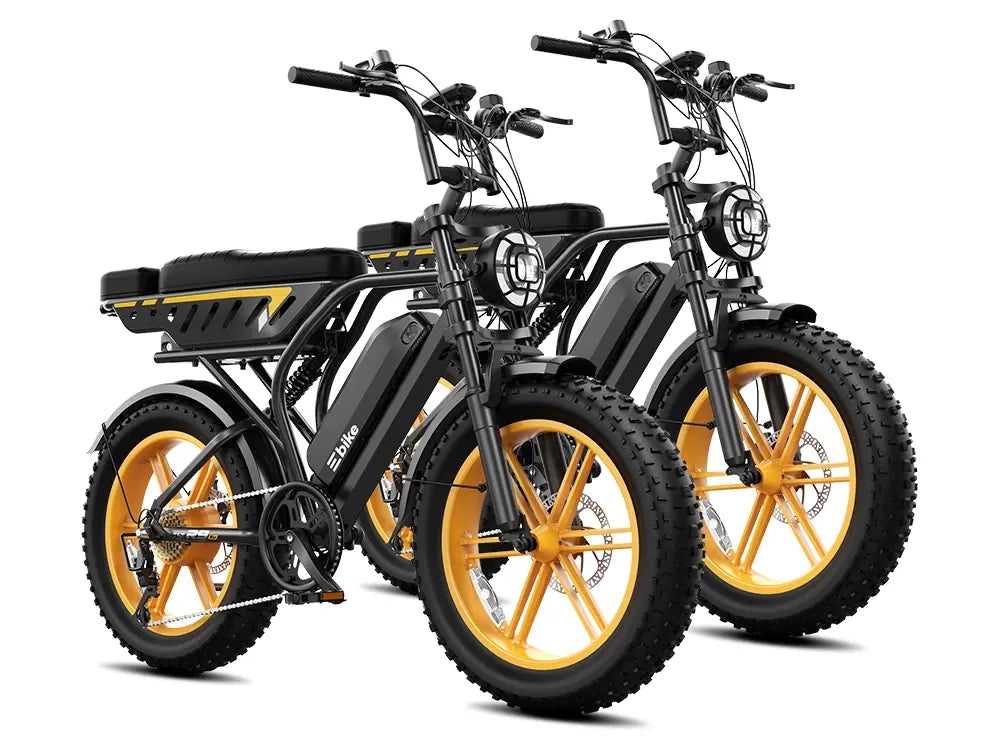

To check e-bike laws in your state, begin with the exact configuration of the bike you plan to ride. Then verify the current rule at three levels: the state, the relevant city or county, and the manager of the particular road, path, trail, park, transit facility, or other place where you intend to ride.
This matters because a general label such as “electric bike,” “Class 2,” or “street legal” does not settle every legal question. Lawful access can depend on whether the bike has operable pedals, whether it can move with throttle-only power, when motor assistance stops, how power is legally defined, and whether the destination manager has adopted a stricter route rule.
Start with the e-bike you actually ride
Before looking up a statute or agency page, document the bicycle’s current sold and operating configuration. Do not rely only on a retailer category, a broad marketing claim, or an assumed class label.
Use this worksheet to collect the facts that may affect the legal answer.
Save the exact product page, applicable manual, model label, and configuration information for the bicycle you will ride. This documentation helps you compare the bike with the legal definition, but it does not establish legal access by itself.
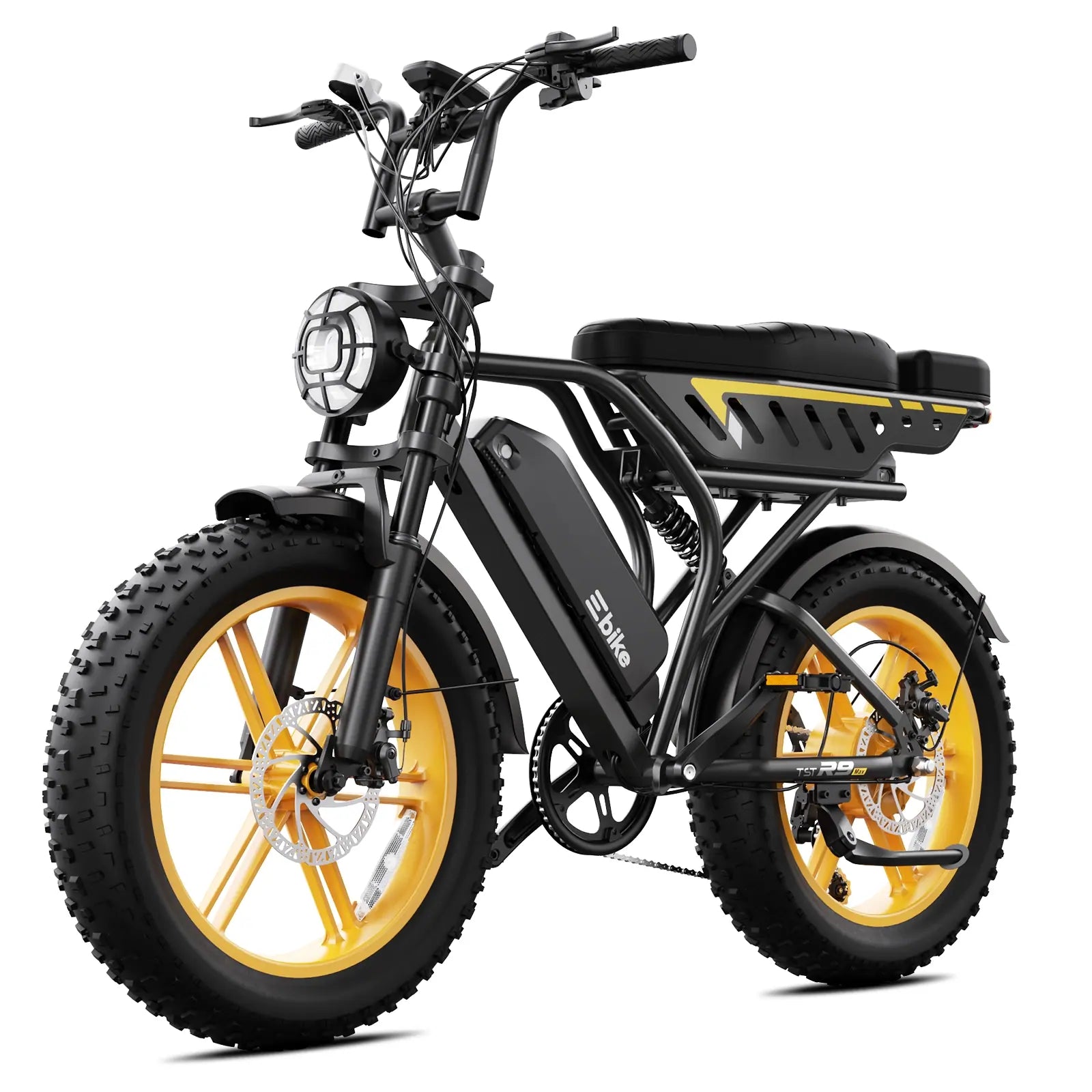
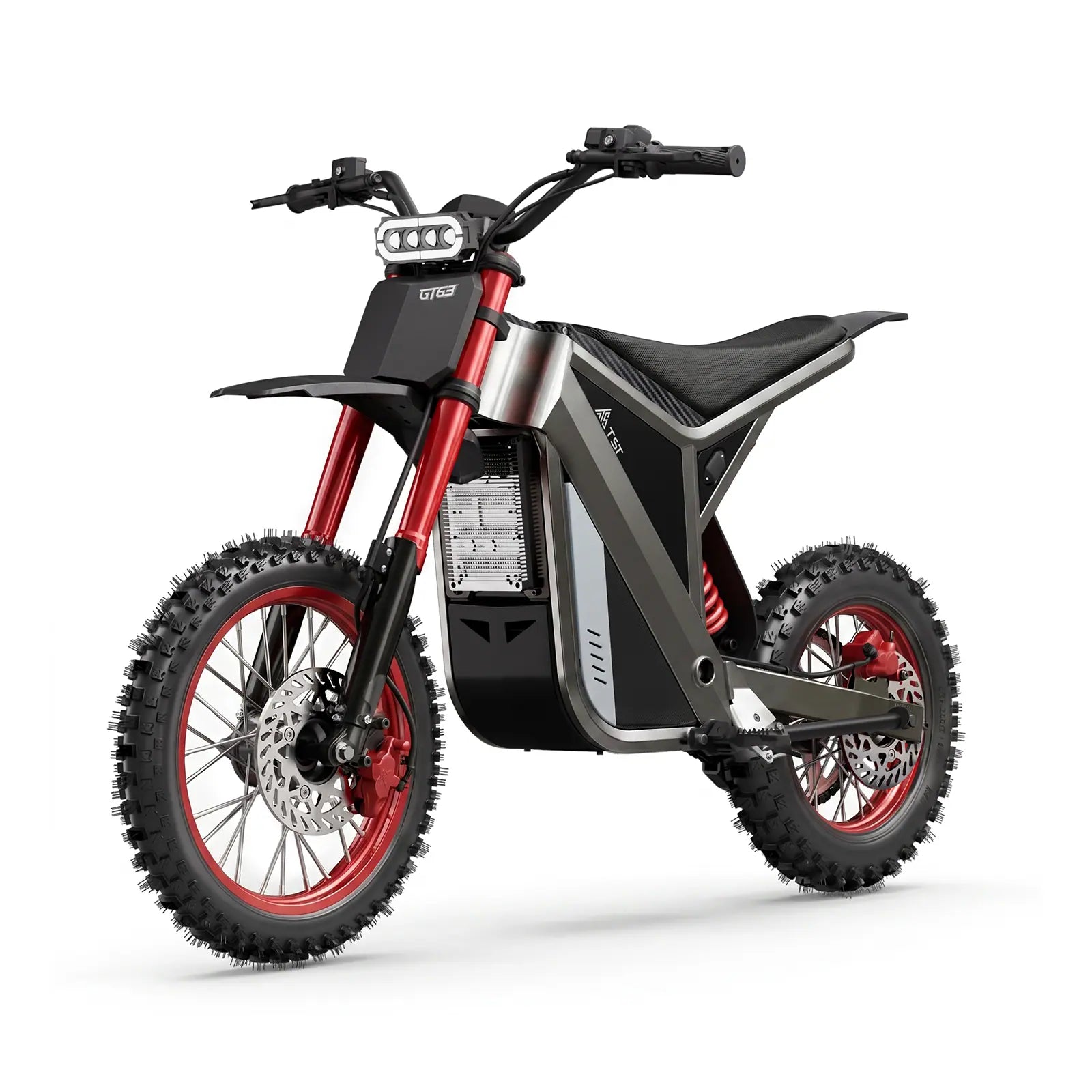
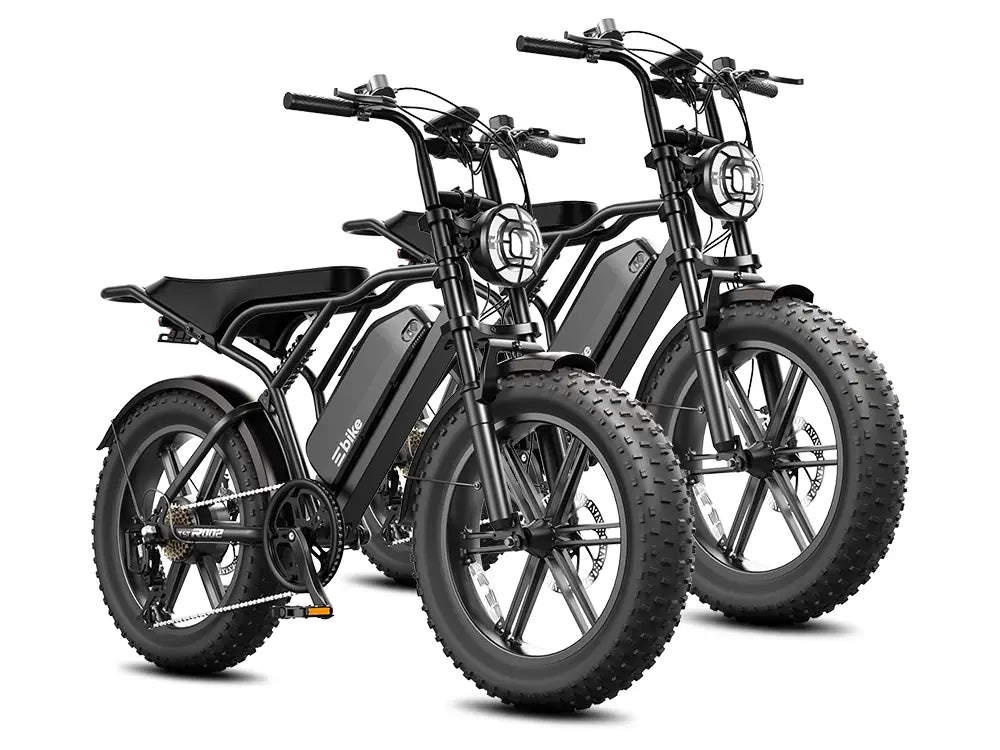
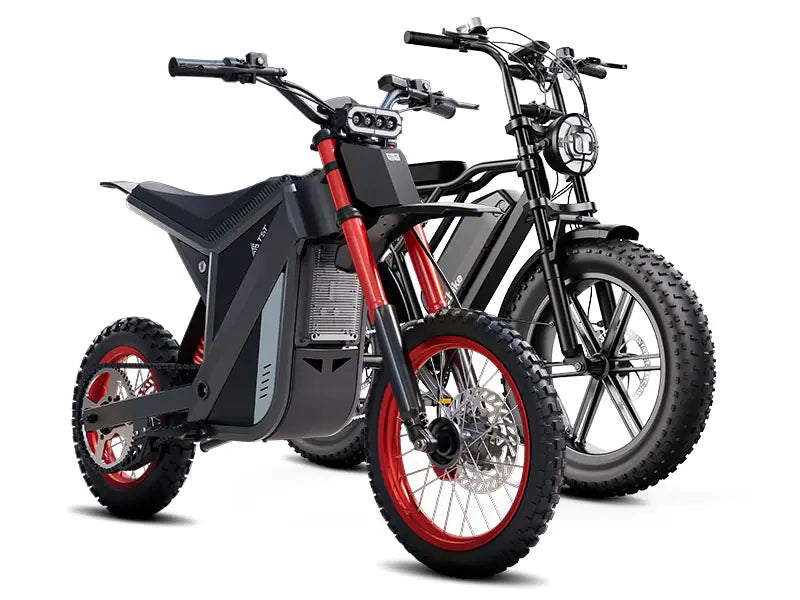
For TST e-bike owners, the relevant product source is the exact current model page or manual for the specific bike and variant as sold. A blog post, a different model’s specifications, or a general category description should not be used to determine a bike’s legal configuration.
Follow a source ladder
The safest method is to work from the legally controlling source downward. Search results, retailer articles, advocacy summaries, and forum discussions can help identify questions, but they should not be the final basis for deciding where an e-bike may be used.
Check the current state rule first
Search the official website of the state legislature, department of transportation, department of motor vehicles, state police, parks agency, or another government body responsible for bicycle or vehicle rules.
Look for the current statute, administrative regulation, official agency guidance, or state-maintained legal code. Check the page date, effective date, and cited statute section when those details are available.
Your state-level review should answer these questions:
-
How does the state define an electric bicycle?
-
Does the definition require fully operable pedals?
-
Does the state use a Class 1, Class 2, and Class 3 structure?
-
Is a throttle-capable bike treated differently from a pedal-assist-only bike?
-
At what speed must motor assistance stop?
-
Does the state set a power threshold or another technical limit?
-
Are there age, helmet, license, registration, insurance, or equipment requirements?
-
Does the state address sidewalks, bike lanes, roads, paths, or highways?
Do not assume that a federal consumer-product definition automatically determines how an e-bike may be used in a state. Federal rules and state operating rules can serve different purposes, while state law commonly controls public-road operation and may delegate access decisions to local or land-management authorities.
Then check city and county rules
After identifying the statewide baseline, check the official website for the city or county where you will ride. Local governments may regulate matters that the state rule does not resolve directly.
A city or county rule may address:
-
Sidewalk riding.
-
Speed limits on shared-use paths.
-
E-bike access to city parks, greenways, and recreation trails.
-
Restrictions in pedestrian zones, waterfronts, downtown districts, or public plazas.
-
Rules for bridges, tunnels, campuses, or special transportation corridors.
-
Local helmet, parking, traffic-control, or enforcement provisions.
Use the exact place name rather than a general statewide query.
If a local page appears to conflict with state law, do not simply follow the more convenient interpretation. Check whether the state law limits local regulation, whether the local rule governs a specific public facility, and whether the local guidance is current. If the answer remains uncertain, contact the public agency responsible for the location before riding.
Finally, check the route or facility manager
The road, trail, park, transit system, or facility manager may control access even when state law recognizes the device as an e-bike.
The manager may be:
-
A city parks department.
-
A county trail district.
-
A state park or state forest agency.
-
A federal land-management agency.
-
A national park superintendent.
-
A transit authority.
-
A university, airport, port, or public-facility operator.
-
A private trail or property owner.
Search the specific destination and route, not only the larger agency. A trail system may have route-by-route class restrictions, seasonal closures, speed limits, temporary notices, or rules that differ between paved and natural-surface trails.
For example, the National Park Service allows e-bike access under rules that can vary by park and route. Individual park superintendents can authorize different e-bike classes on particular roads or trails and can impose conditions for safety or resource protection. E-bikes and traditional bicycles are not permitted in wilderness areas, and visitors should verify the rules for the specific park before traveling.
Why a trail manager may be stricter
State law often defines the vehicle category and sets general operating requirements. A trail, park, or facility manager may still decide whether that category may be used on property under its control.
A route manager may distinguish among:
-
Public roads open to motor vehicles.
-
Protected bike lanes and road-adjacent paths.
-
Paved shared-use paths.
-
Natural-surface recreation trails.
-
Backcountry routes.
-
Wilderness areas.
-
Congested visitor areas.
-
Paths shared with pedestrians, horses, or wildlife.
This distinction is important because an e-bike that is lawful on a road may be restricted or prohibited on a nearby trail. A manager may allow all qualifying e-bike classes, allow only pedal-assist models, restrict throttle-capable models, impose a speed limit, or close a route temporarily.
The practical rule is straightforward: state law helps determine what your bike is, while the route manager determines whether and how you may ride it on that specific property.
Compare the bike and rule line by line
Once you have official sources open, compare the wording of the rule with the documented capabilities of your bicycle. Avoid resolving uncertainty with assumptions.
A useful personal record may include:
Bike checked: Exact model and variant; operable pedals; throttle status; pedal-assist status; documented motor specification; documented assistance behavior and speed limit.
Jurisdiction checked: State, city or county, and named destination.
Official sources checked: Current state statute or agency guidance, local rule where relevant, and the route or facility manager’s current notice.
Result: Access is permitted only if the bike remains within the applicable category and the destination allows that category on the intended route.
Four issues deserve special attention.
A class label is not enough
A product page may describe a bike as Class 1, Class 2, Class 3, moped-style, off-road, or high-performance. The legally relevant classification is the one defined by the jurisdiction and whether the bike’s actual equipment and operating behavior meet that definition.
National Park Service guidance describes Class 1 e-bikes as pedal-assist bicycles for which motor assistance ends at 20 mph. It describes Class 2 e-bikes as capable of motor-only propulsion with assistance ending at 20 mph, and Class 3 e-bikes as pedal-assist bicycles with assistance ending at 28 mph.
Those definitions are useful when checking access in National Park Service locations, but they do not automatically establish the classification used by a particular state, city, county, state park, or private trail operator.
A throttle can affect access
Whether an e-bike has a throttle, and whether it can move under motor power without pedaling, may affect classification and access. Do not assume a throttle is legally irrelevant because you intend to pedal during most of the ride.
Check both the bike’s documented capability and the official rule. If a trail is limited to pedal-assist-only e-bikes, a throttle-equipped bike may be restricted even if the rider does not use the throttle on that trail.
An advertised speed is not the complete legal test
A stated top speed may depend on rider weight, terrain, battery charge, riding mode, software settings, throttle use, pedal assist, and other conditions. The legal issue is usually how the rule defines motor assistance and when the assistance must stop.
Do not modify or bypass a controller, speed limiter, or other setting in an attempt to fit a preferred legal category. If the bicycle’s operating configuration differs from its documented factory setup or from the applicable legal definition, seek a current official answer before riding on public roads or managed trails.
Road, lane, sidewalk, and trail access differ
A state may allow a type of e-bike on public roads while a city restricts it on sidewalks or a park limits it on shared-use trails. A bike lane on a roadway may also be regulated differently from a separated path through a park.
Check the complete route, including:
-
Streets used to reach the destination.
-
Bike lanes and protected cycling facilities.
-
Shared-use paths and greenways.
-
Bridges, tunnels, waterfronts, and transit-property crossings.
-
Park entrances and trail segments.
-
Sidewalks or pedestrian zones used for the final connection.
Keep a dated ride record
E-bike laws and access conditions can change. Agencies and property managers may also issue temporary closures, seasonal restrictions, construction notices, event controls, or route-specific rules.
Before a ride, record:
-
The date and time you checked each source.
-
The state, city or county, and exact destination.
-
Direct links to current government and facility-manager pages.
-
Screenshots or saved notices that may change later.
-
The bicycle’s exact model, variant, and relevant configuration details.
-
Any unanswered question and the responsible agency’s contact information.
For regular routes, recheck at the beginning of a new riding season, after a product update or modification, and before visiting an unfamiliar area. Recheck immediately if a sign, closure notice, or facility rule appears different from the information you previously saved.
Use this pre-ride rule
You have a stronger basis for lawful use when all of these conditions are met:
-
You can identify the exact bike configuration, including pedals, throttle behavior, assisted-speed behavior, and the motor specification relevant to the rule.
-
A current official state source covers that configuration or does not place it in a different vehicle category.
-
A current local source does not add a restriction affecting the planned route.
-
The road, trail, park, or facility manager permits the relevant e-bike category on the exact segment you intend to use.
-
No posted closure, temporary notice, or local condition changes the result.
If any of these points remains unclear, choose a route with a clearly published rule or contact the responsible public agency or facility manager before riding. An exact product page or manual can help verify how a particular TST e-bike is configured, but legal access always depends on the applicable public rule for the place, route, configuration, and date of use.

Leave a comment
This site is protected by hCaptcha and the hCaptcha Privacy Policy and Terms of Service apply.