



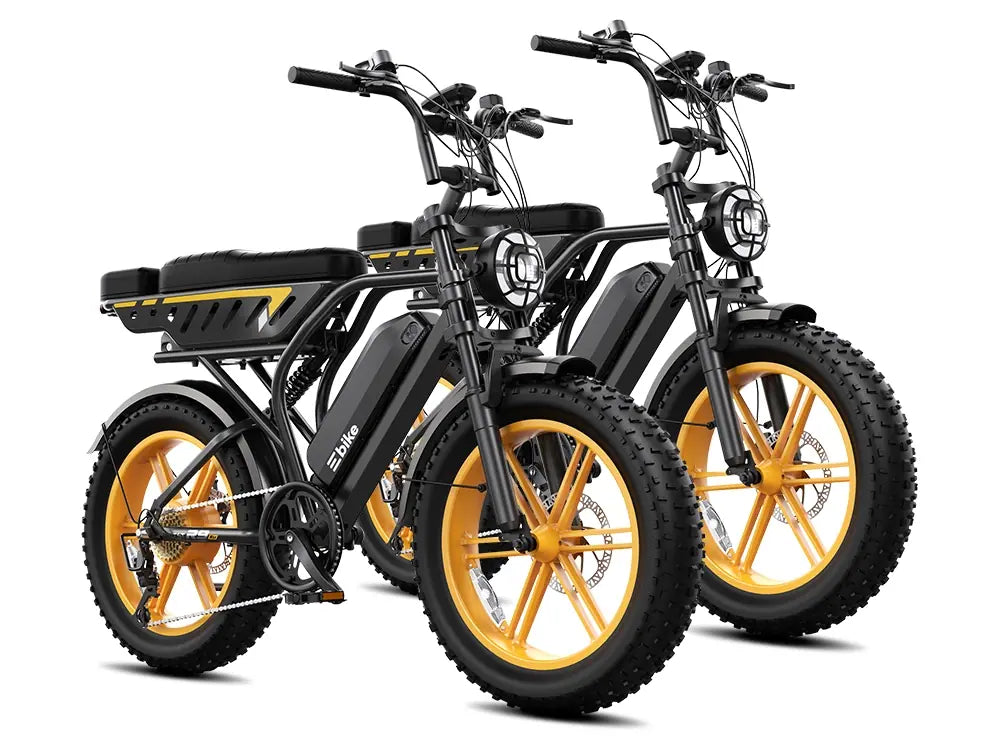
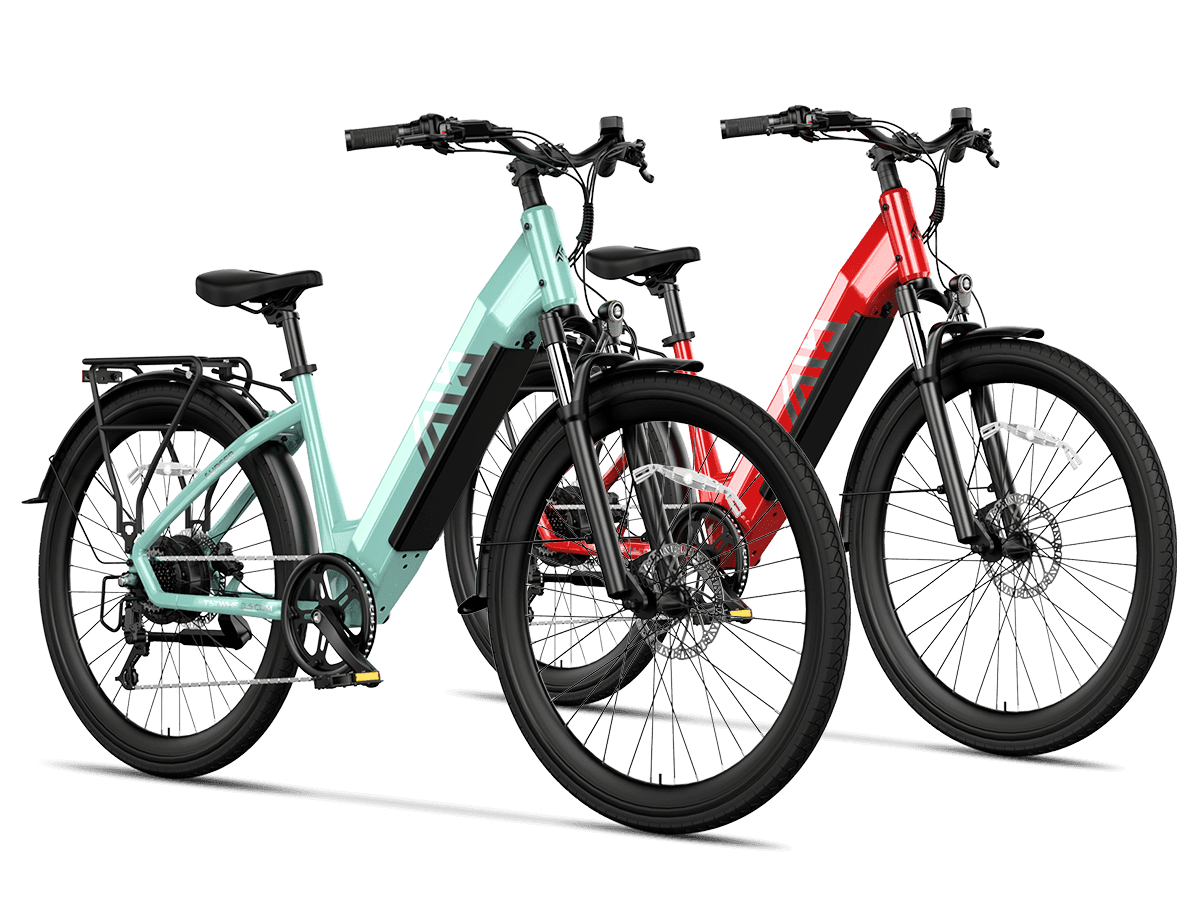
Plan a hot-weather e-bike commute by following the heat through the day: how long the bike and battery sit in the sun, how exposed your route is, how hard the ride is for you, and how long the battery rests before it charges. No single temperature applies to every bike. Your battery and charger manual sets the operating, storage, and charging limits, and your own health sets the rider limits. This guide covers the order of decisions, not a fixed number.
The authorities agree on the direction of the risk. London Fire Brigade says heat stresses lithium-ion batteries, can shorten life, can affect charging, and can raise the risk of overheating or failure. The U.S. Consumer Product Safety Commission (CPSC) adds that you should follow the manufacturer's charging instructions, use only the charger provided or recommended by the manufacturer, and never charge while sleeping or away from home.
Before You Leave: Check the Day, Not Just the Forecast
Start with the conditions along the route and at the destination. Check the local forecast and any heat advisories. Decide whether a shadier road, a shorter route, or a different departure time is available. The CDC advises limiting outdoor activity during the hottest part of the day when possible and scheduling it earlier or later. The National Weather Service tells people unused to exertion in heat to start slowly and build up gradually.
Then check the bike itself. CPSC's pre-ride list covers the handlebars, brakes, throttle, bell, lights, tires, cables, and frame. It also tells riders to follow the manufacturer's directions and identify weight and age limits. On hot days, check tire condition and pressure with the manual in hand, because the manual, not a general rule, sets the correct values for your wheels. Also confirm that you are not carrying more than the bike's stated load limits.
Open the manual for three things before you rely on any heat advice:
-
the battery's operating temperature range, if one is stated
-
the storage and charging temperature guidance
-
any stated limits for exposure to sun or heat
If the manual gives no figure, do not invent one. Contact the manufacturer or retailer. The sources reviewed here describe heat risks but give no single threshold that applies to every battery, so any universal number is a guess.
During the Day: Parked Bike, Parked Battery
The longest heat exposure often happens while the bike is parked. Direct sun, a hot garage, a closed vehicle, or a bike rack on a car can heat a battery without any riding. London Fire Brigade's guidance is to avoid leaving batteries in direct sunlight for long periods and to store them in cool, dry places.
Use the time you spend away from the bike as a planning question:
-
Parked outside for hours: Choose shade, and if the manual allows, remove the battery and take it indoors with you.
-
Carried in a vehicle: Treat a parked vehicle as a heat source. Check the manual for transport and storage limits before leaving a battery inside one.
-
Stored at work: Pick a cool, dry, ventilated spot that does not block an exit. London Fire Brigade notes, in its cold-weather advice, that a battery kept indoors should not obstruct your escape route if it fails.
A battery that has sat in heat should be checked before you ride and before you charge it. Remove it from direct sun and let it return toward ordinary room conditions first.
On the Route: Exposure and Rider Limits
Route choice matters for you as much as for the battery. Shade, fewer long waits at lights, and lower-traffic streets all reduce how long you are exposed. One manufacturer's commuting guide suggests tree-lined streets and routes with fewer stop-and-go sections, which is practical but not independent evidence.
Rider health comes first on the route. Official guidance says to drink fluids even if you do not feel thirsty, wear loose, lightweight, light-colored clothing, pace yourself, and check on others. The National Weather Service says that if exertion in heat makes your heart pound and leaves you gasping, stop, get to a cool place or shade, and rest. The CDC says that if you feel faint or weak, stop all activity and get to a cool place, and to seek medical care immediately for symptoms of heat-related illness. This article cannot diagnose heat illness. If symptoms appear, stop riding and follow those health sources, not a bike-specific rule.
Assist level is a rider decision, not a safety guarantee. Some manufacturers suggest using more assist on climbs or in headwinds to keep effort steady. That can reduce your exertion, but it also uses more battery. Range depends on load, terrain, speed, assist level, and battery condition, so a claimed maximum range is not a safe planning figure on a hot day. Allow a margin, and know where you could stop in shade.
If the battery becomes unusually hot to the touch during the ride, London Fire Brigade says to stop using it and let it cool. Do not treat that as a normal inconvenience to push through.
After the Ride: Cooldown Before Charging
London Fire Brigade gives two direct instructions for hot weather: allow the battery to cool down before charging after riding, and do not charge a battery that already feels very hot. The sources reviewed do not agree on a waiting time. Retailer and manufacturer blogs offer figures such as 15 to 30 minutes or 30 to 60 minutes, but those are commercial guidance and not a standard. A fixed wait is also the wrong test if the battery sat in sun before you rode. Use the condition of the battery and the manual, not a clock alone.
A practical sequence:
-
Take the bike and battery out of the sun and into a cool, ventilated place.
-
Check the battery by touch and by sight. It should not feel very hot, and it should show no swelling or bulging, no unusual smell, and no sharp loss of performance, which London Fire Brigade lists as warning signs.
-
Charge only with the charger supplied with or recommended by the manufacturer, and only when you are present and awake.
-
Unplug when the manual says charging is finished.
Do not charge in direct sun, a hot garage, or a hot vehicle. Do not leave a battery charging overnight while you sleep. If any warning sign appears, stop using it and contact the manufacturer or retailer. If a battery smokes or catches fire, London Fire Brigade says to get out immediately, raise the alarm, call emergency services, and not try to fight the fire.
When to Choose Another Trip
Switch to another way of getting to work when you cannot control the limits that matter:
-
the forecast or a heat advisory makes the ride unsafe for you, or you feel symptoms of heat illness
-
there is no shade or cool place for the bike or battery during the workday
-
the battery has been in conditions the manual does not allow, or you cannot find the manual
-
the battery shows swelling, odor, unusual heat, or a sudden performance drop
-
you cannot be present to charge it, or no safe cool charging place is available
Choose a different time, route, or mode instead. A skipped commute costs little compared with an overheated battery or a rider in distress.
Matching Any Bike to These Limits
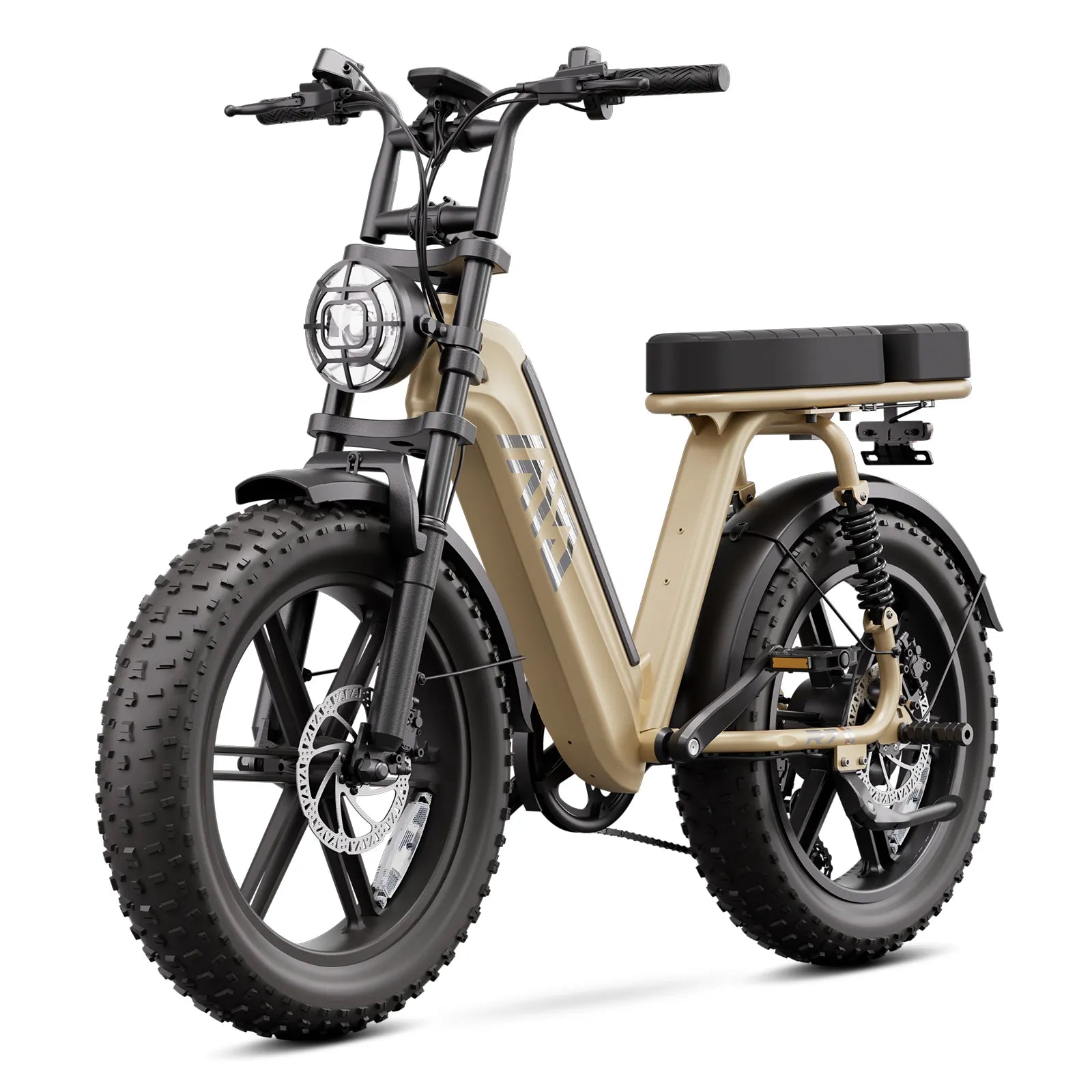
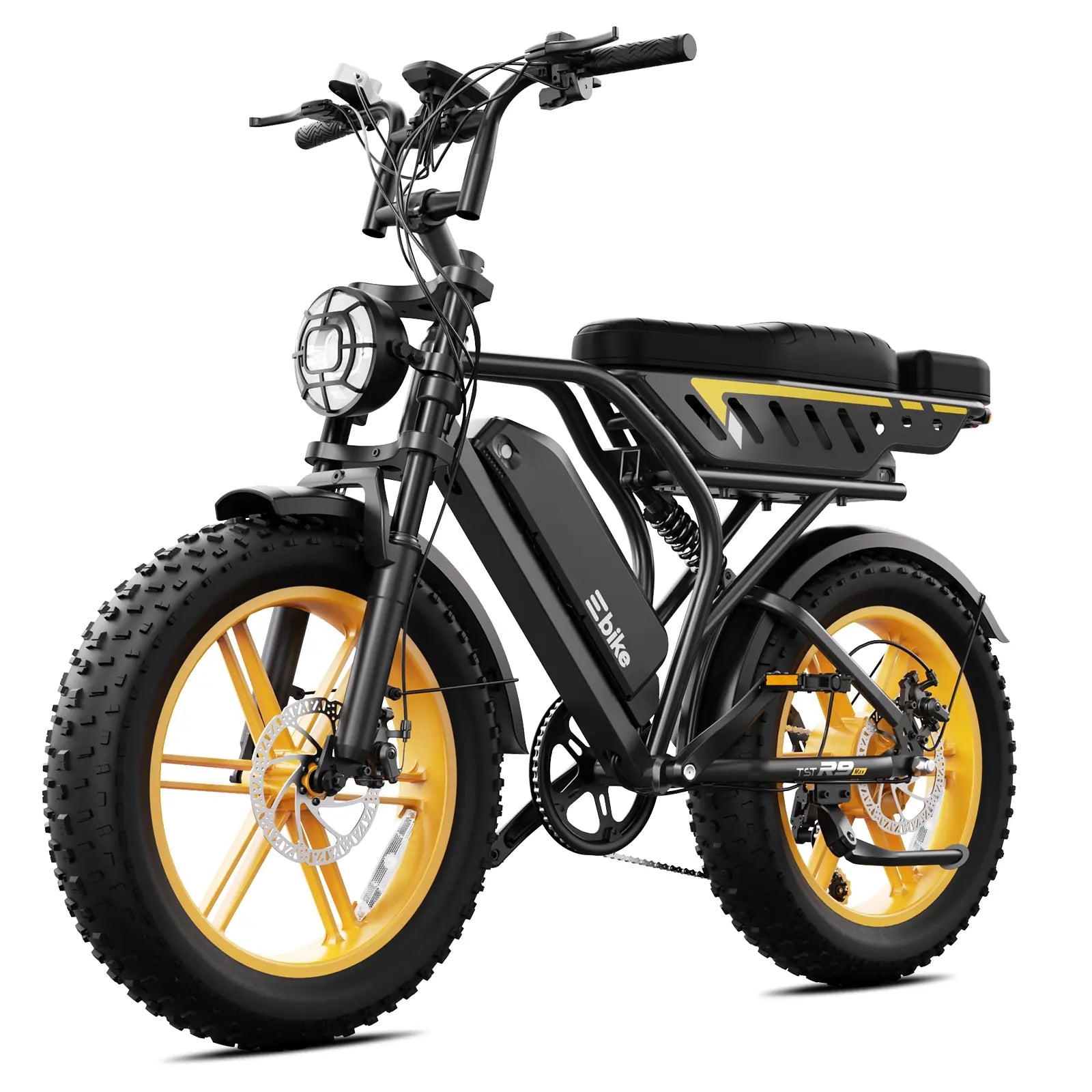
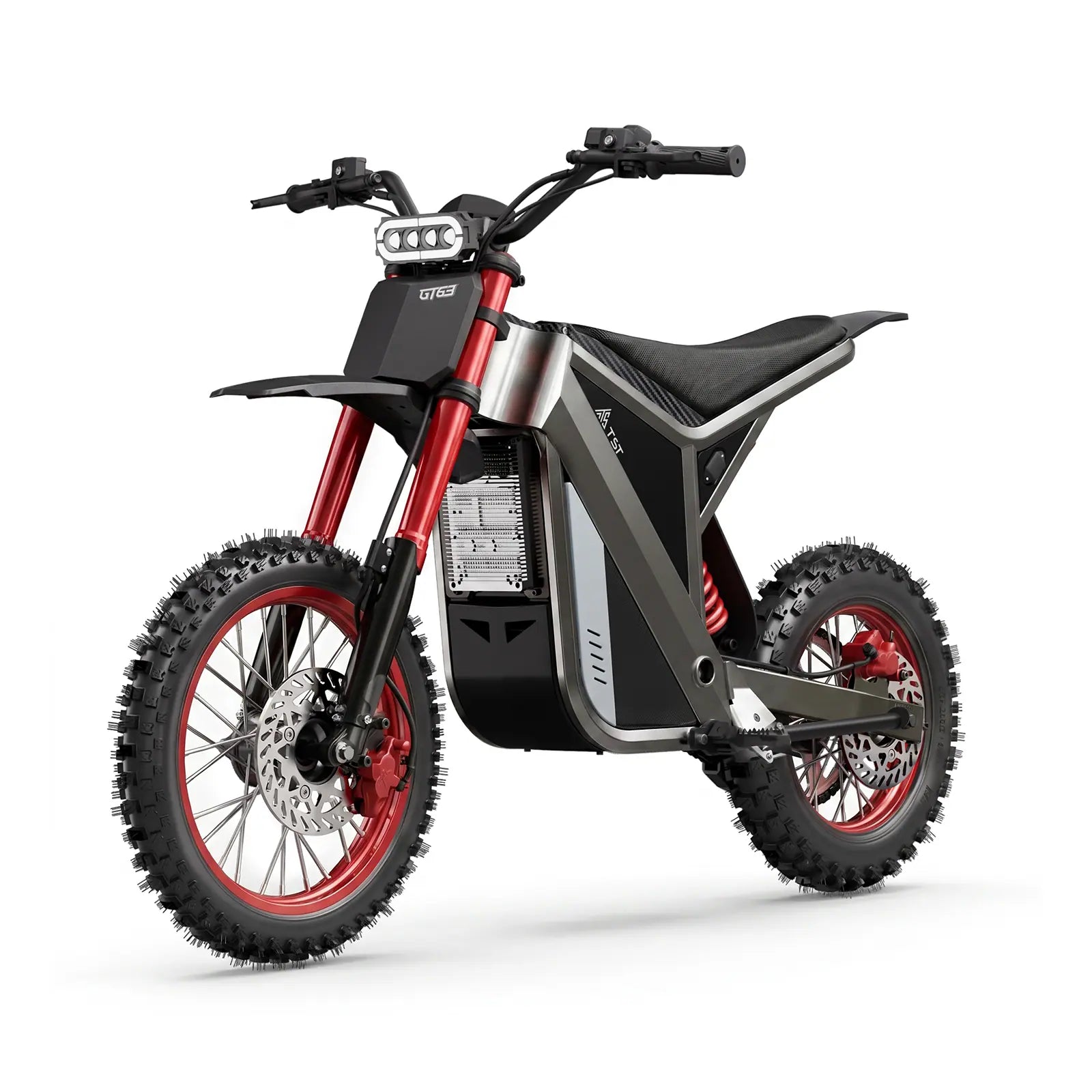
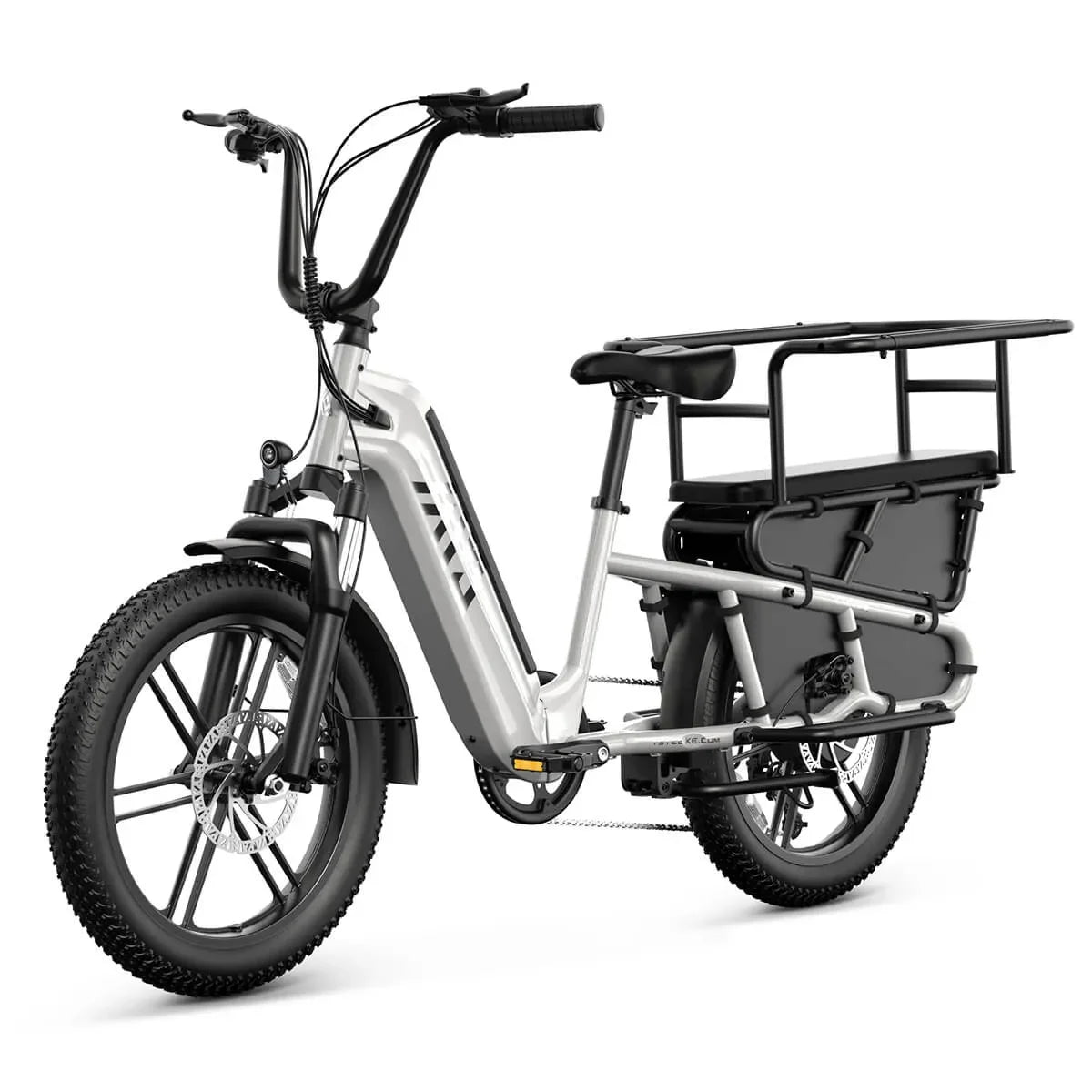
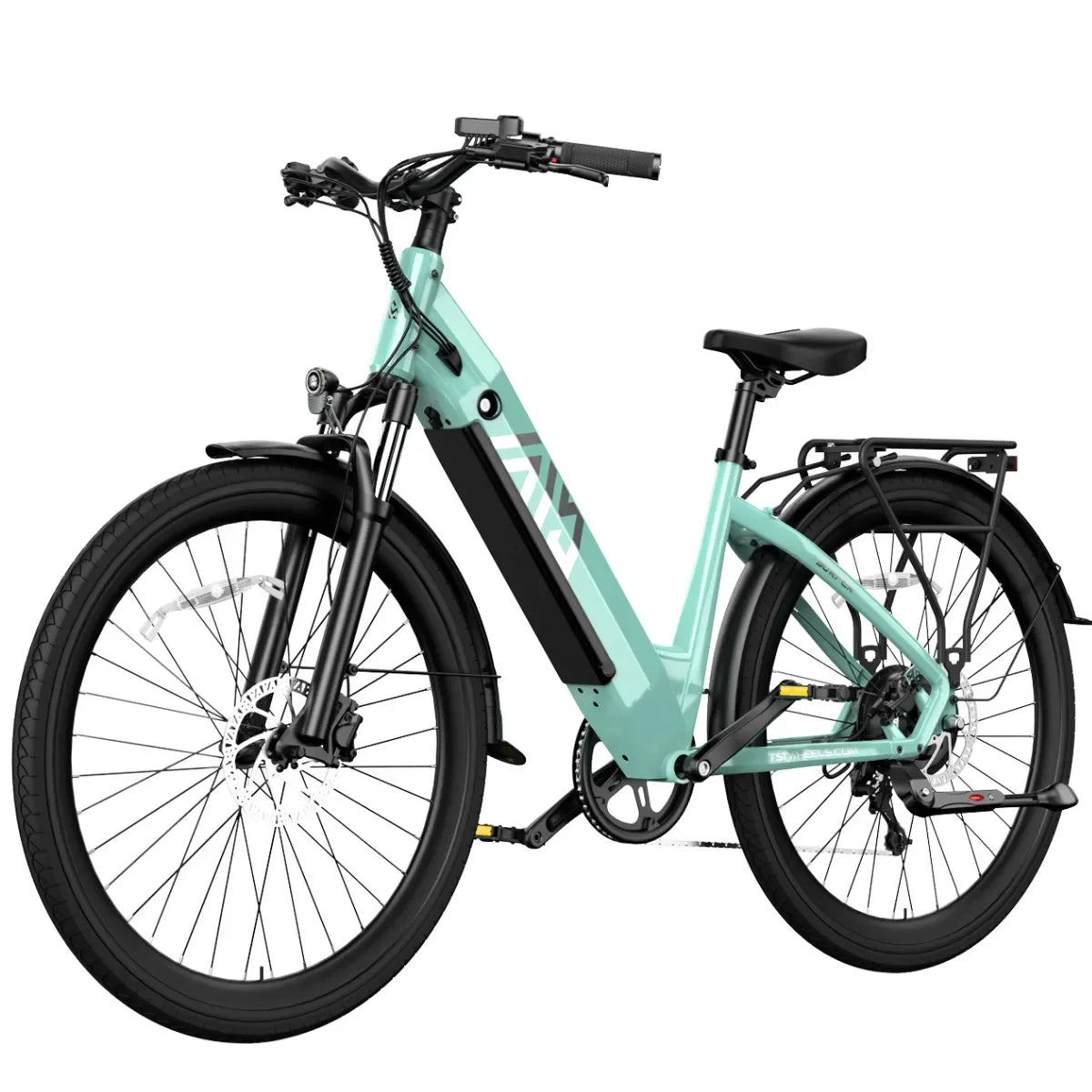
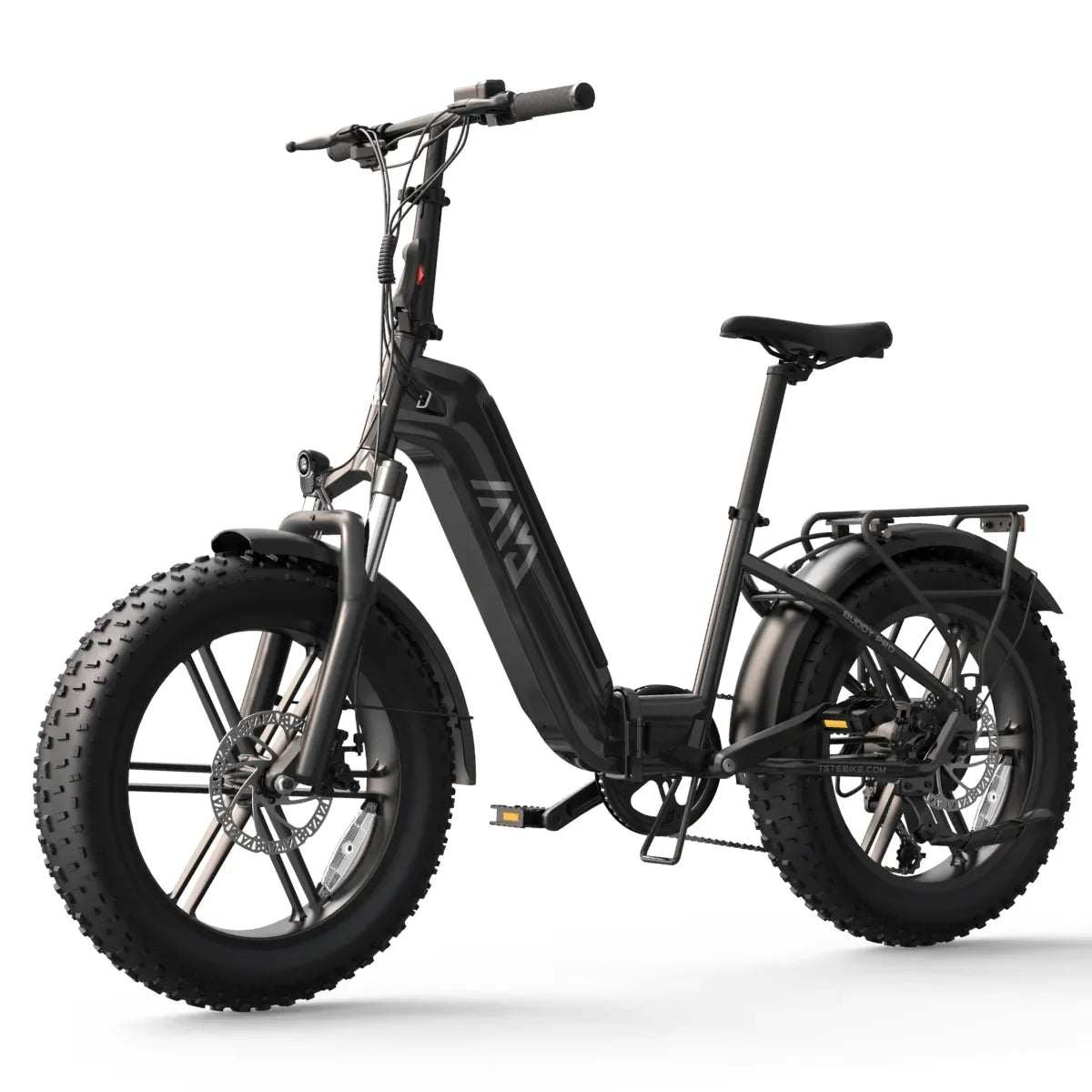
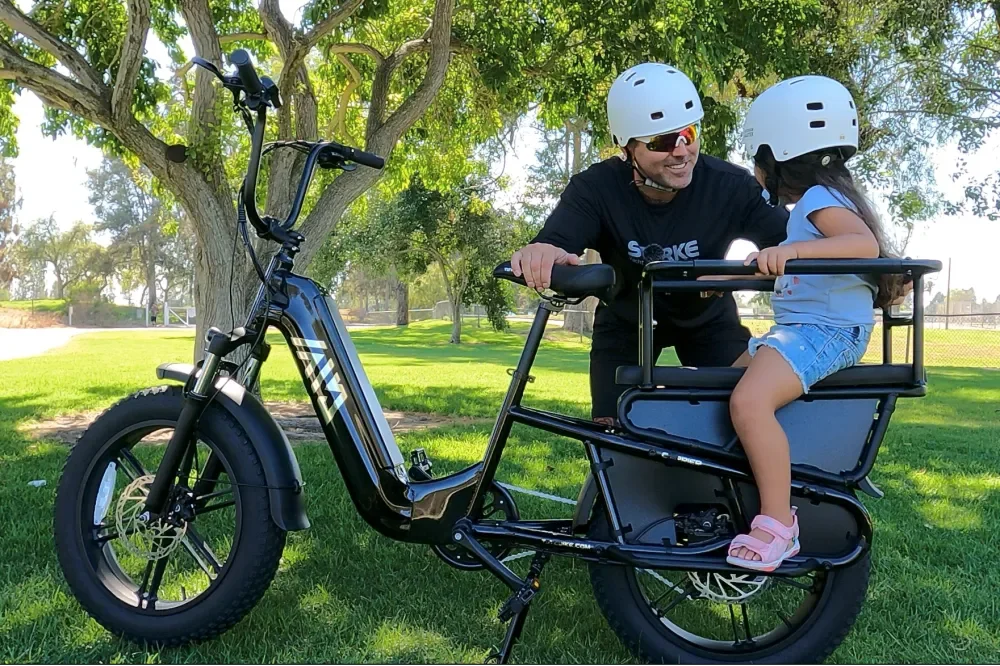
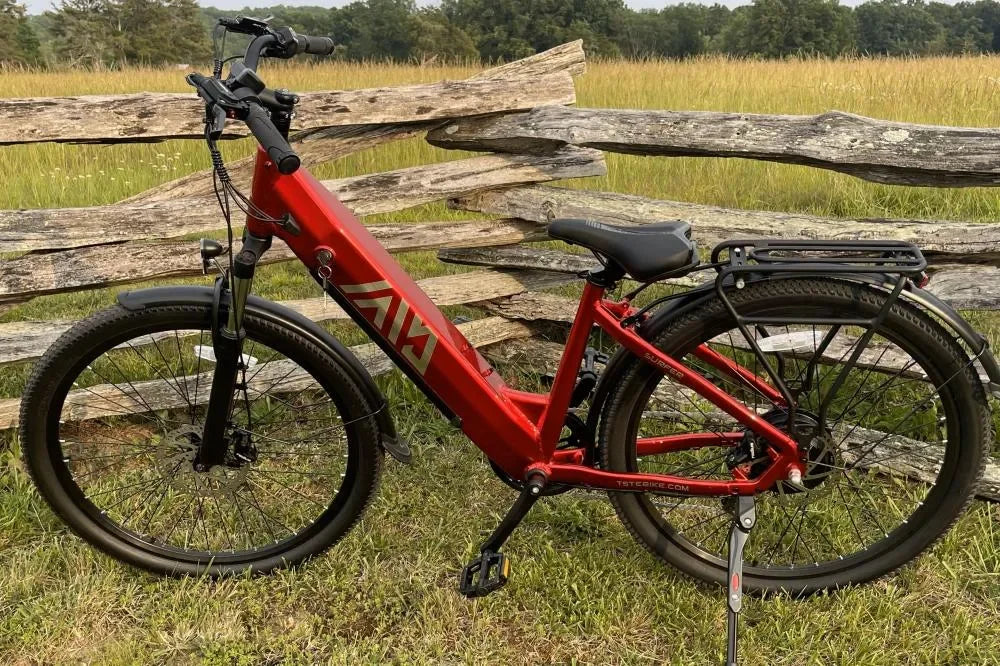
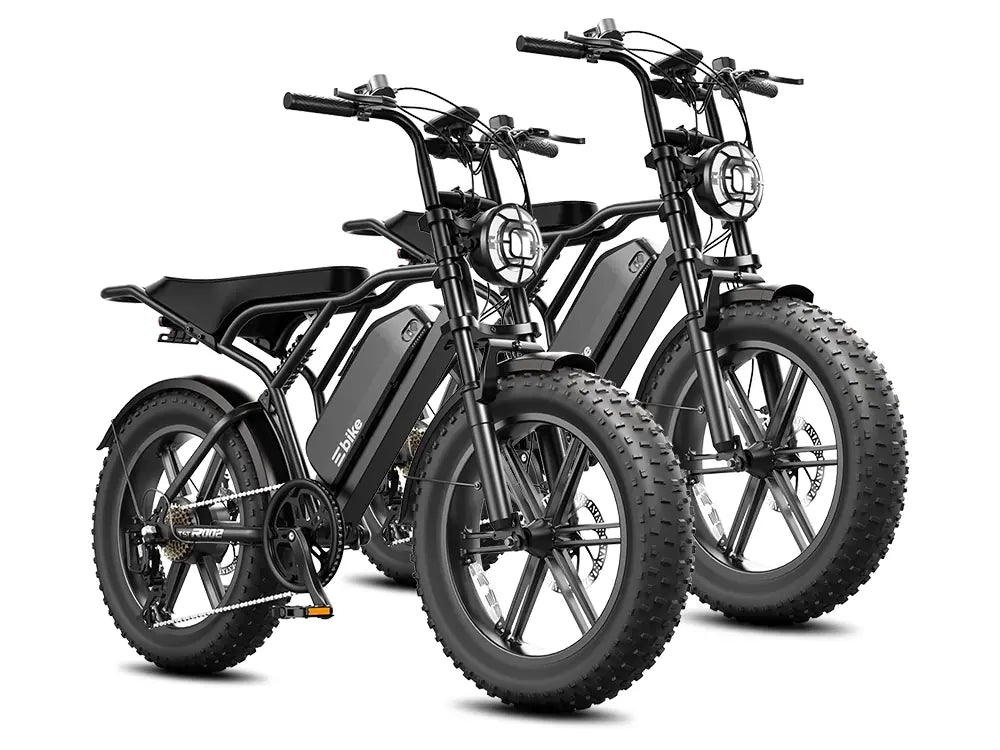
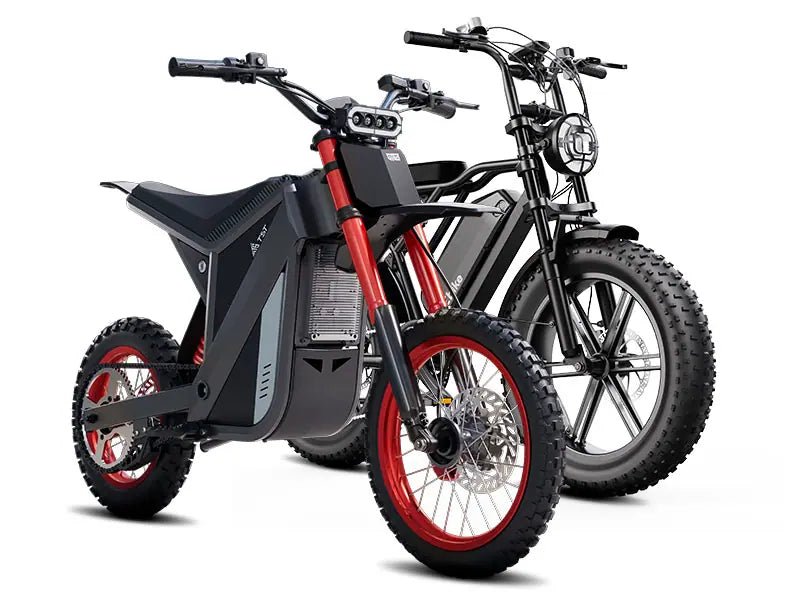
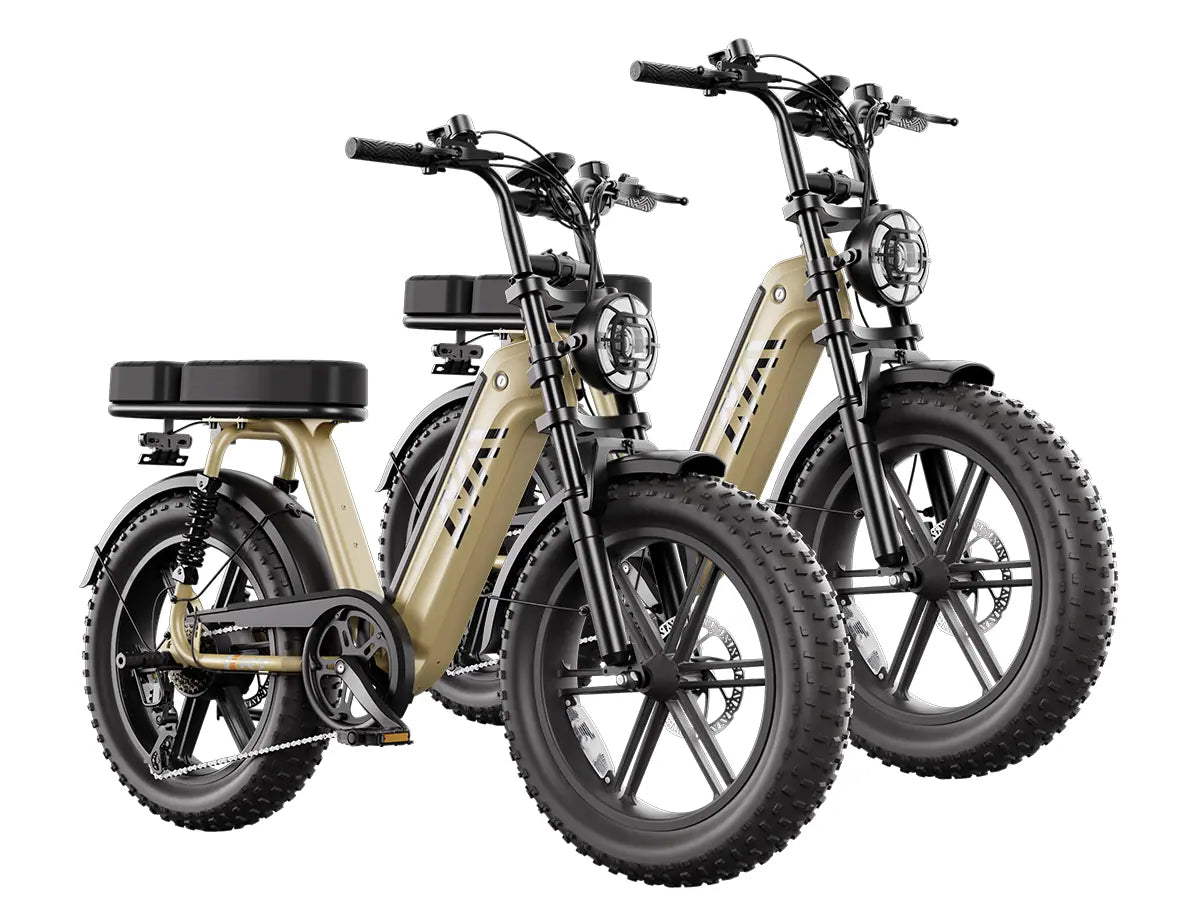
No bike is safe in all heat. Environmental ratings, operating limits, and approved chargers belong to the exact model, battery, and charger in your manual. When you compare e-bikes, check each model's manual or support page for those limits rather than relying on a marketing line. Look at TST EBIKE's product and support pages for the exact current model and battery you are considering, and treat what they state as the manufacturer's own claim. It is not independent proof of how a bike performs in heat.

Leave a comment
This site is protected by hCaptcha and the hCaptcha Privacy Policy and Terms of Service apply.