










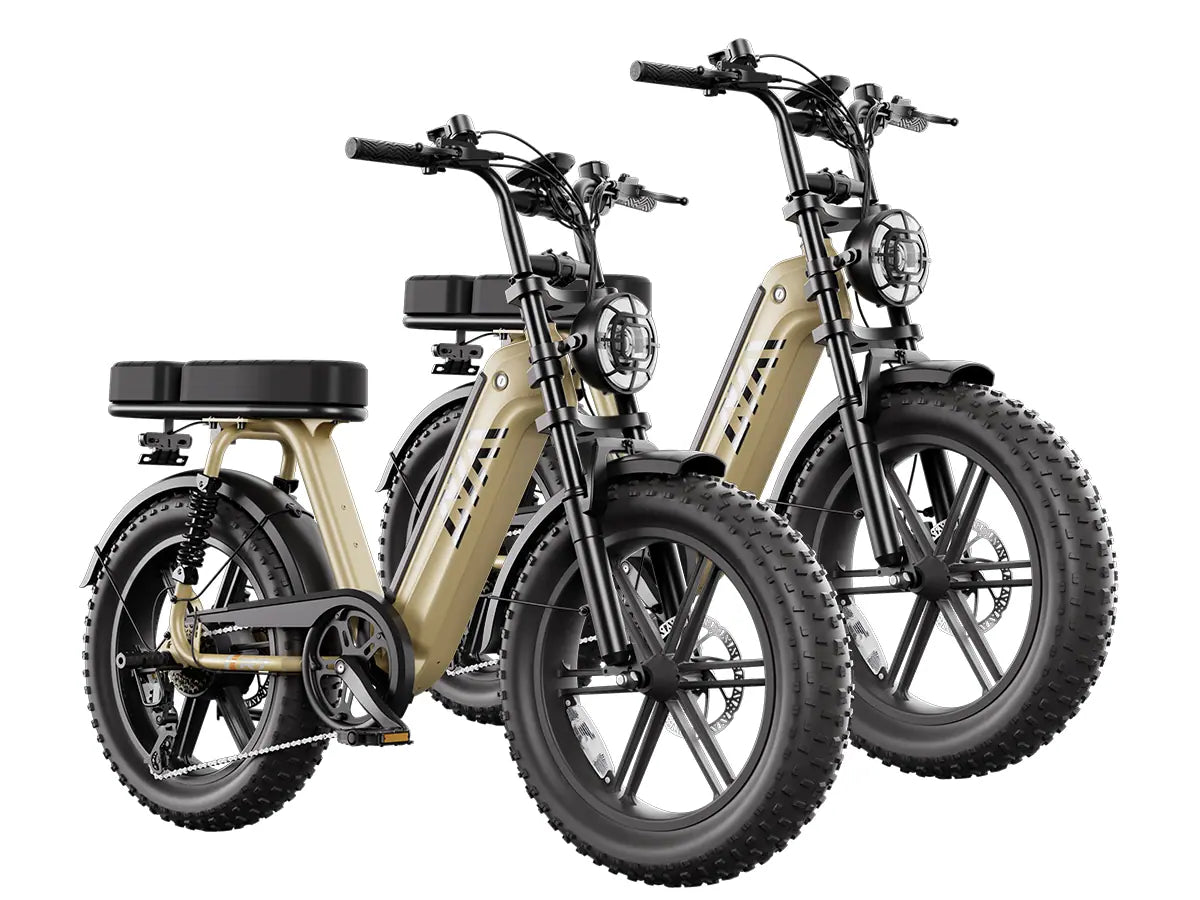
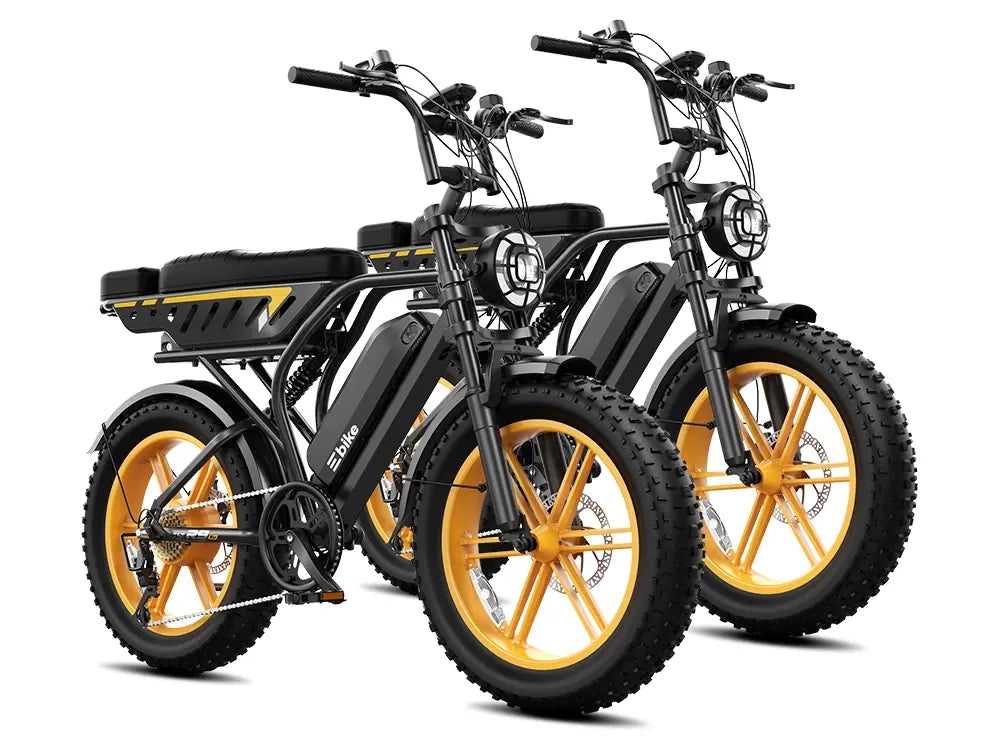

Integrated brake lights matter because they turn braking into an immediate, highly visible signal that helps the following driver react faster in stop-and-go traffic. In dense city riding, where cars, taxis, and delivery scooters compress the gap behind an e-bike, a brake-linked rear light can reduce confusion, shorten reaction time, and make sudden slowdowns easier to notice.
night commuter safety blueprint
What Makes Stop-and-Go Traffic Dangerous?
Stop-and-go traffic creates repeated acceleration and deceleration, which is exactly where rear-end risk builds up. Riders often brake lightly and frequently, while drivers behind may be distracted, following too closely, or misjudging the e-bike’s speed change.
In this environment, a normal rear light is not always enough because it only shows presence, not urgency. A brake-linked system adds a second layer of meaning: the rider is not merely visible, but actively slowing down.
How Does Brake-Sensing Improve Safety?
Brake-sensing works by detecting lever pressure or brake system activation and triggering the rear light instantly. The key advantage is timing: the signal appears at the same moment the rider initiates braking, which is especially useful in traffic where even a short delay can matter.
For urban commuting, the most useful response is not just brightness, but consistency. When the light reacts in milliseconds, following road users get a clear cue before the bike’s speed has dropped enough to surprise them.
Why Is Flashing More Noticeable?
Flashing is more noticeable because the human eye detects changes faster than static light, especially in busy visual scenes. In traffic, a sudden burst or pulse stands out against the background of headlights, storefronts, and reflective surfaces.
A well-designed flash pattern should be attention-grabbing without becoming chaotic. The goal is to warn without confusing the person behind you.
Which Brake-Light Design Works Best?
The best design is one that balances response speed, brightness, and mounting position. For city riding, the rear lamp should sit high enough to stay visible above vehicle bumpers and scooter handlebars, while also being bright enough to cut through daylight and rain.
From a practical engineering view, the most reliable setup is a brake-sensing controller with a dedicated rear signal path, low latency wiring, and a lens design that spreads light evenly. That combination helps the rider stay visible without creating harsh hotspots.
Can Brake Lights Reduce Rear-End Crashes?
Yes, brake lights can reduce rear-end crash risk because they give the following road user a more immediate warning. Research on enhanced brake signaling has found that simultaneous flashing brake lamps can improve safety outcomes, and the benefits depend on brightness and triggering criteria.
For city riders, the biggest gain is not theoretical—it is behavioral. A car driver or delivery rider who notices braking earlier has more room to slow smoothly instead of reacting late.
How Is the TST EBike System Different?
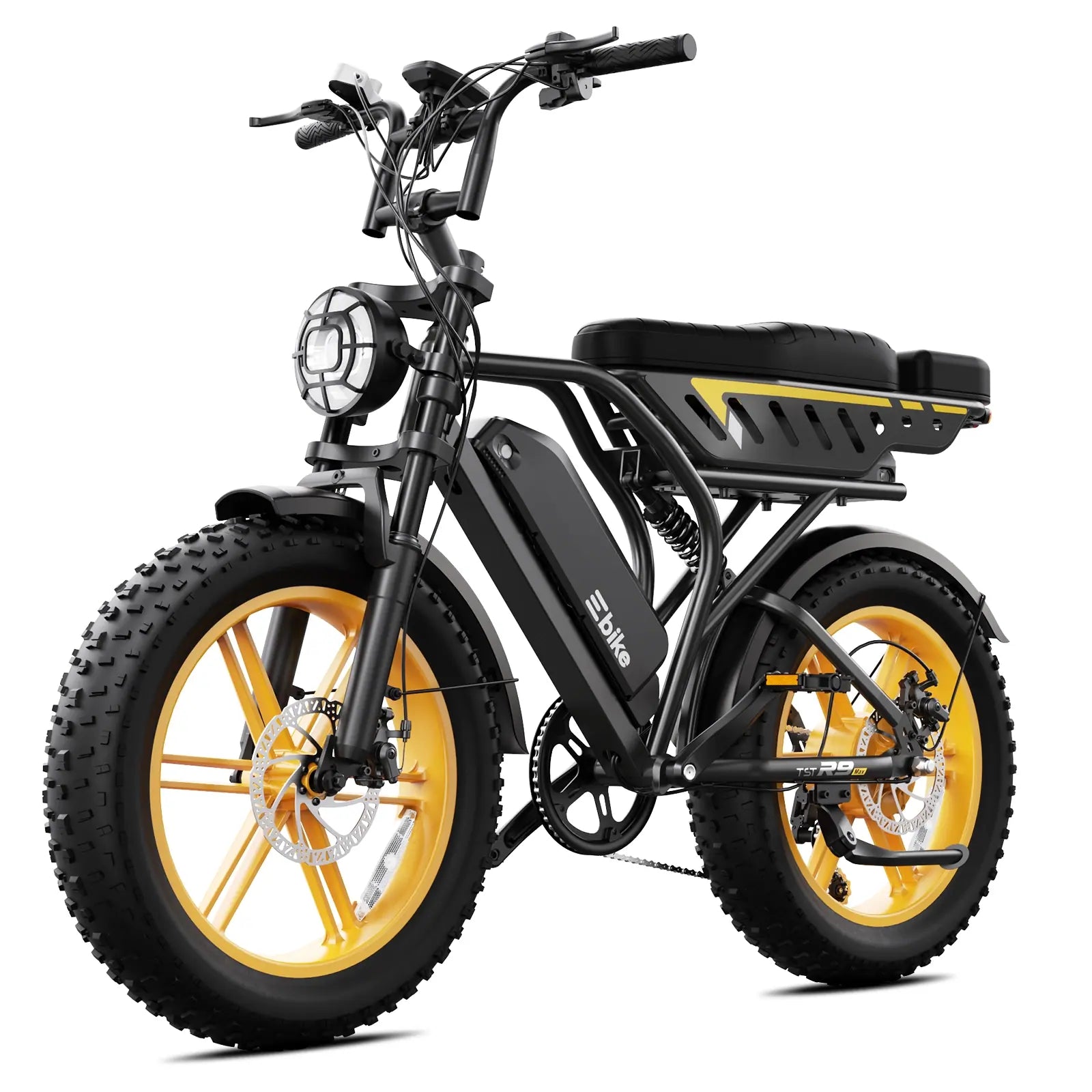
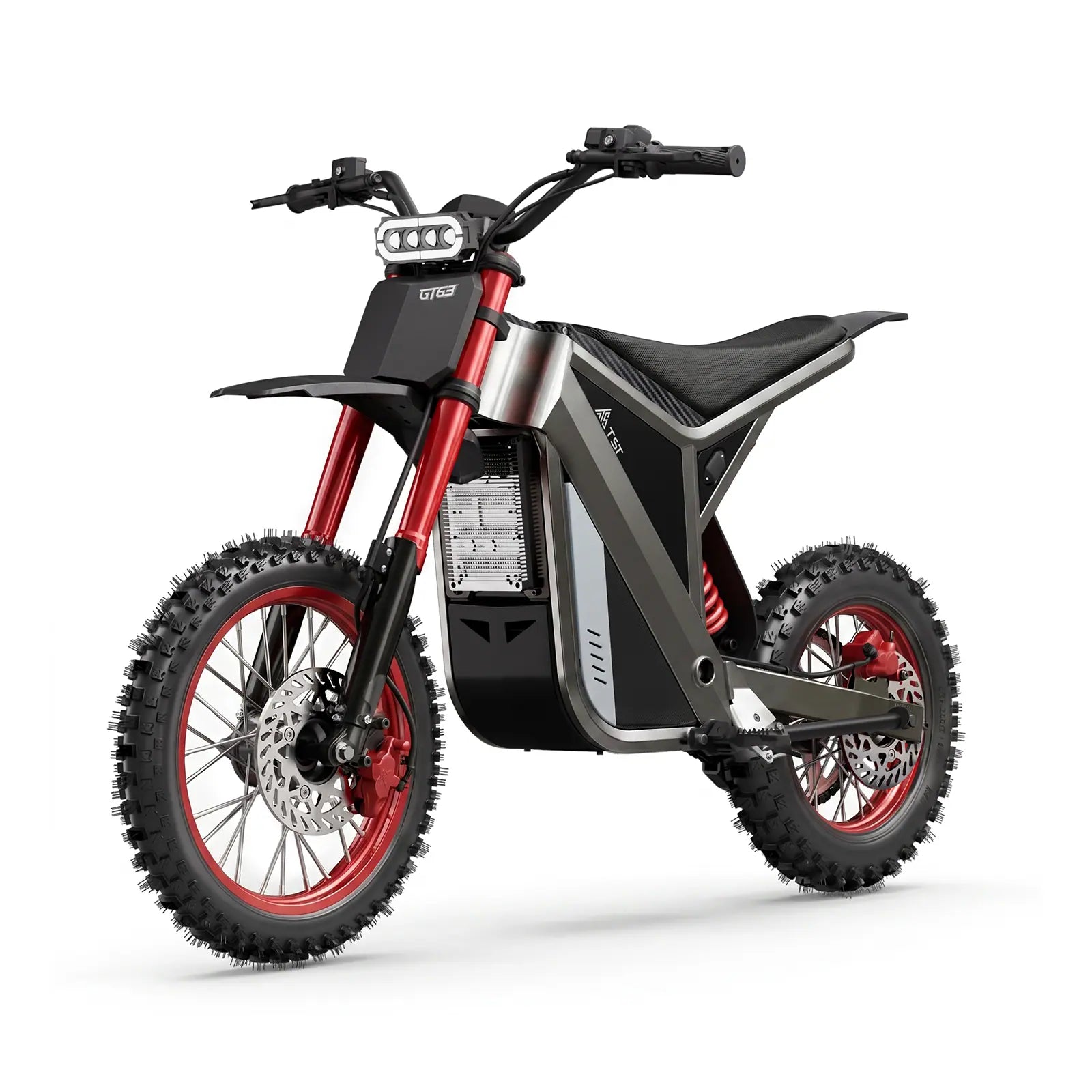
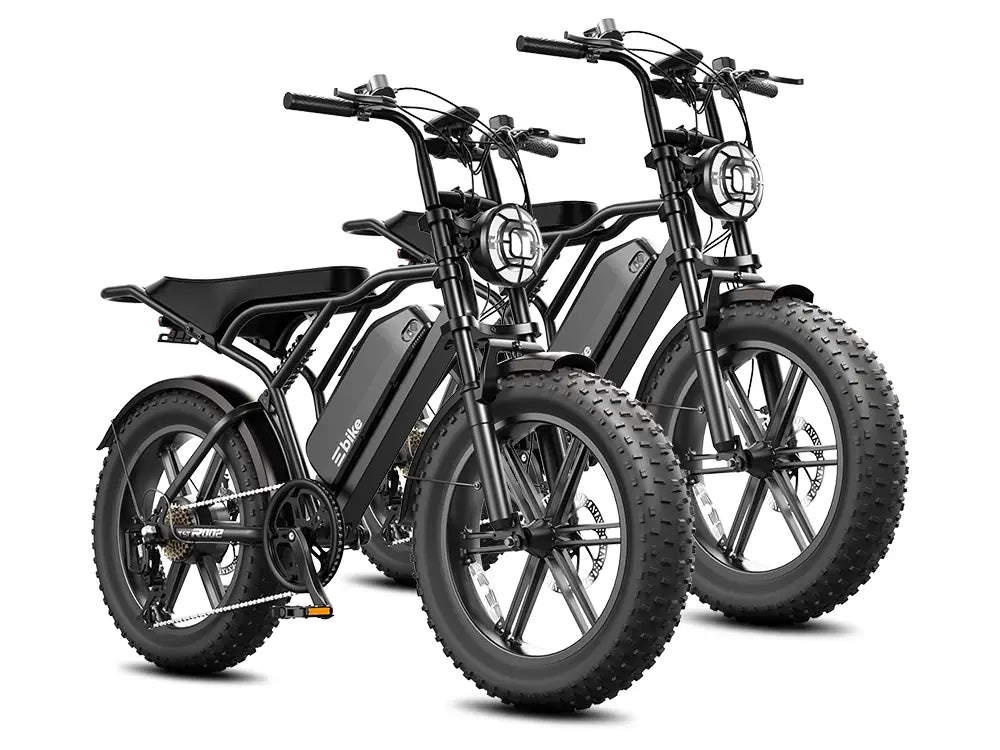
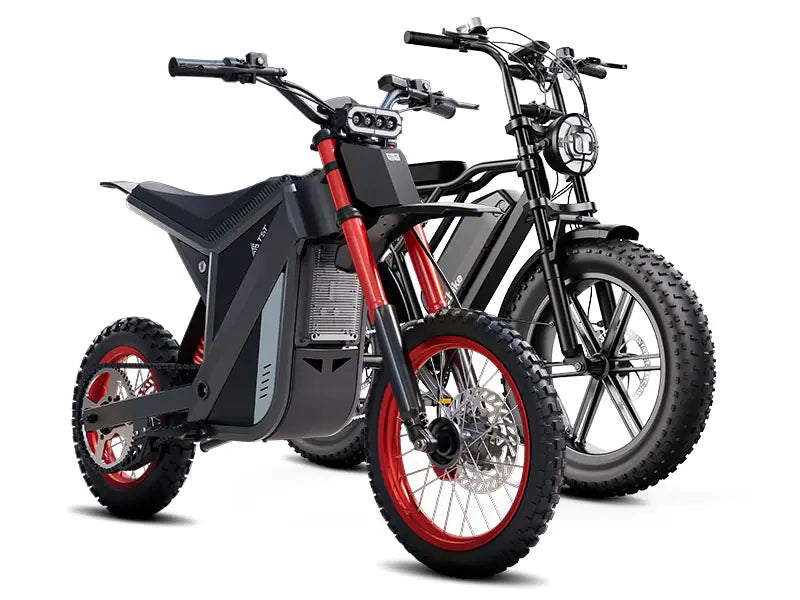
The TST EBike smart tail-light linkage system is designed around real urban riding pressure, not showroom simplicity. In practical use, the value is that the rider only needs to touch the brake, and the tail light reacts instantly, which is exactly the kind of feedback loop stop-and-go traffic demands.
TST EBike focuses on making the warning signal simple, fast, and hard to ignore. That matters because in crowded city traffic, a delayed or ambiguous light can be the difference between a clean stop and a close call.
What Does the Wiring Look Like?
A brake-sensing rear light circuit usually includes a power source, brake input switch, controller, and LED output line. The idea is straightforward: when the brake lever closes the circuit or signals the controller, the rear lamp switches from normal mode to warning mode.
A clean wiring layout should minimize voltage drop, protect against vibration, and keep connectors sealed from water. In my view, the hidden quality is not the LED itself but the way the harness is routed and secured so the signal remains stable after thousands of road shocks.
Where Does It Help Most?
It helps most in urban corridors with frequent lights, tight following distances, and mixed traffic. That includes intersections, bike lanes beside cars, delivery routes, school zones, and evening commuting where attention is already split.
It is also useful when a rider travels among vehicles that stop abruptly and restart quickly. In those conditions, a brake-linked light gives the rider a better chance of being understood before the vehicle behind reacts.
Has Brightness or Mounting Been Overlooked?
Yes, and that is where many cheap systems fall short. A bright light that is mounted too low can disappear behind a car trunk line or luggage rack, while a poorly diffused lens can look intense up close but weak from a distance.
The best setup is not simply the brightest one. It is the one that remains visible across angles, works in daylight, and stays legible through rain, dust, and helmet reflections.
What Engineering Trade-Offs Matter?
The main trade-off is between sensitivity and false triggering. If the brake sensor is too sensitive, the light may flash during rough pavement or minor hand movement; if it is too conservative, it may miss the first moment of real braking.
Another trade-off is flash aggressiveness versus comfort. A signal that is too weak is ignored, but one that is too harsh can irritate the driver behind you. The ideal calibration is immediate, deliberate, and easy to recognize.
Why Does Non-Commodity Design Matter?
Non-commodity design matters because a safety light should solve a real field problem, not just add a feature checkbox. In my experience, the most valuable products are the ones that consider rider behavior, wiring durability, waterproofing, and visibility angle as one system.
That is also where TST EBike can stand out. TST EBike is not just selling light output; it is selling a better braking communication loop for everyday commuting.
TST EBike Expert Views
“On the factory floor, the difference between a decent rear light and a truly useful one is not the LED count—it is the response path. If the brake input, control logic, and lamp output are tuned as one system, the rider’s intent becomes obvious to the traffic behind them in the instant it matters. For stop-and-go city riding, that instant is the whole game.”
How Should Riders Use It Safely?
Riders should still brake predictably, keep a steady following gap, and avoid depending on the lamp alone. A smart tail light is a warning tool, not a shield.
For best results, use it with reflective clothing, a high-mounted rear lamp, and cautious lane positioning. The more clearly you communicate, the less likely the traffic behind you is to guess.
What Should Buyers Check Before Purchase?
Buyers should check response speed, mounting height, weather sealing, and whether the system integrates cleanly with the bike’s brake lever setup. They should also look for stable illumination in both daytime and night conditions.
For TST EBike customers, the most useful question is not “Is it bright?” but “Will this still be visible and reliable after months of commuting?” That is the standard that matters in real city use.
How Does It Change Daily Riding?
It changes daily riding by making braking communication more automatic. Instead of relying on hand gestures or hoping the traffic behind notices a speed change, the rider gets a built-in warning signal every time the brake is applied.
That consistency reduces mental load and improves confidence in dense traffic. Over time, the rider spends less effort worrying about being seen and more attention on the road itself.
Are Integrated Brake Lights Worth It?
Yes, integrated brake lights are worth it for riders who face stop-and-go traffic, close following distances, and mixed vehicle environments. The safety value comes from better communication, faster recognition, and more visible intent.
For urban e-bike commuting, that is a practical upgrade, not a decorative one. TST EBike’s smart rear-light approach fits especially well where braking events happen often and unpredictably.
Conclusion
Integrated brake lights add real safety value in stop-and-go traffic because they make braking visible at the exact moment it begins. The strongest systems combine millisecond brake sensing, high-mounted visibility, controlled flashing, and durable wiring that survives daily urban use.
For riders who commute in crowded city traffic, the best choice is a system that is fast, reliable, and easy to interpret. TST EBike’s smart tail-light linkage concept fits that need well because it turns braking into a clear warning signal that following cars and scooters can understand immediately. That is the kind of practical safety upgrade that matters every day.
FAQs
What is an integrated brake light?
It is a rear light that activates when the rider brakes, making deceleration easier for others to notice.
Does flashing always improve safety?
Not always. Flashing helps when it is clear, controlled, and well-timed, but overly aggressive patterns can reduce comfort or clarity.
Can this help in heavy city traffic?
Yes. It is especially useful when vehicles follow closely and braking events happen repeatedly.
Is wiring difficult to maintain?
It depends on the build quality. Good sealing, secure routing, and vibration resistance make maintenance much easier.
Why choose TST EBike for this feature?
Because TST EBike emphasizes practical commuting safety, with a smart tail-light linkage approach built for real-world stop-and-go riding.

Leave a comment
This site is protected by hCaptcha and the hCaptcha Privacy Policy and Terms of Service apply.