



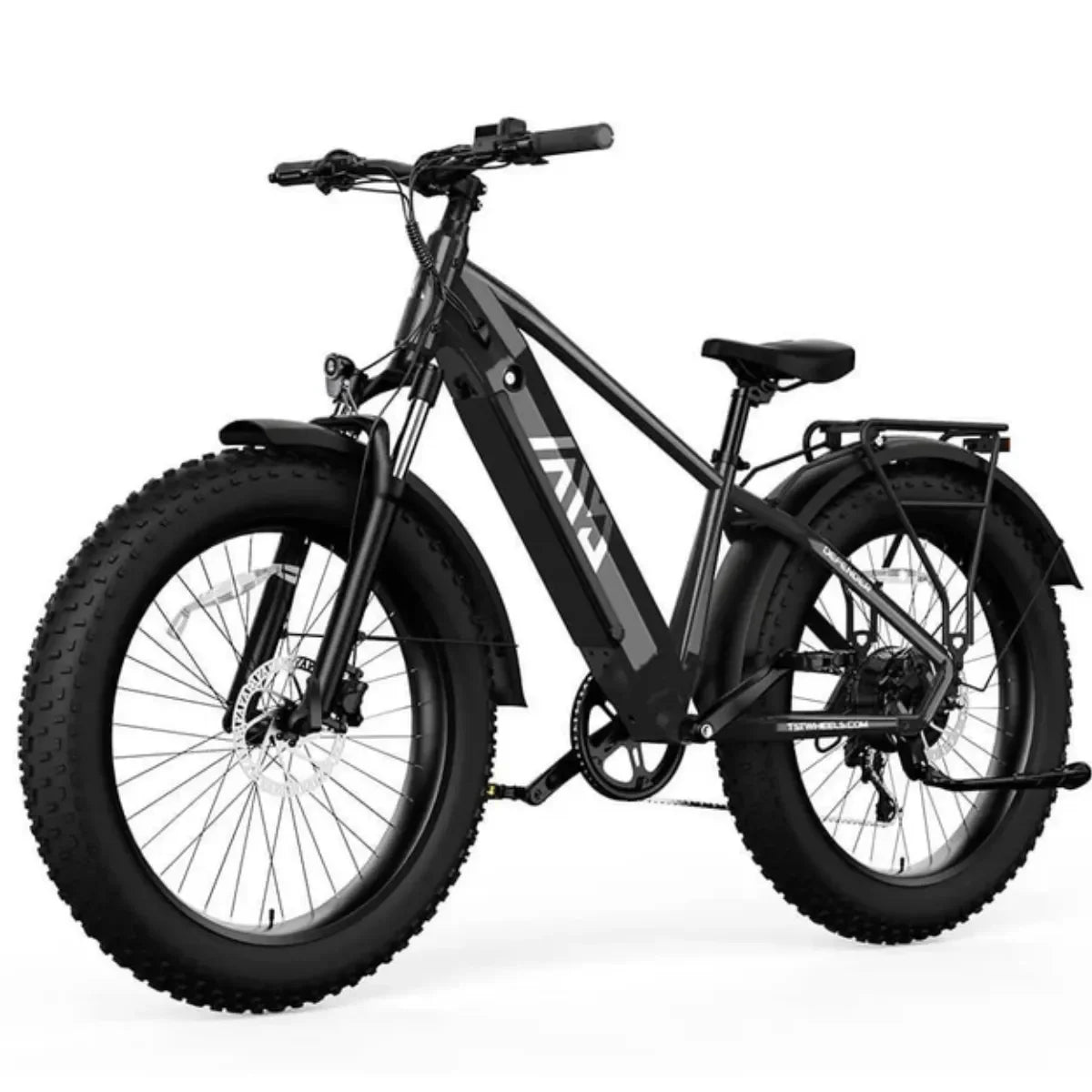
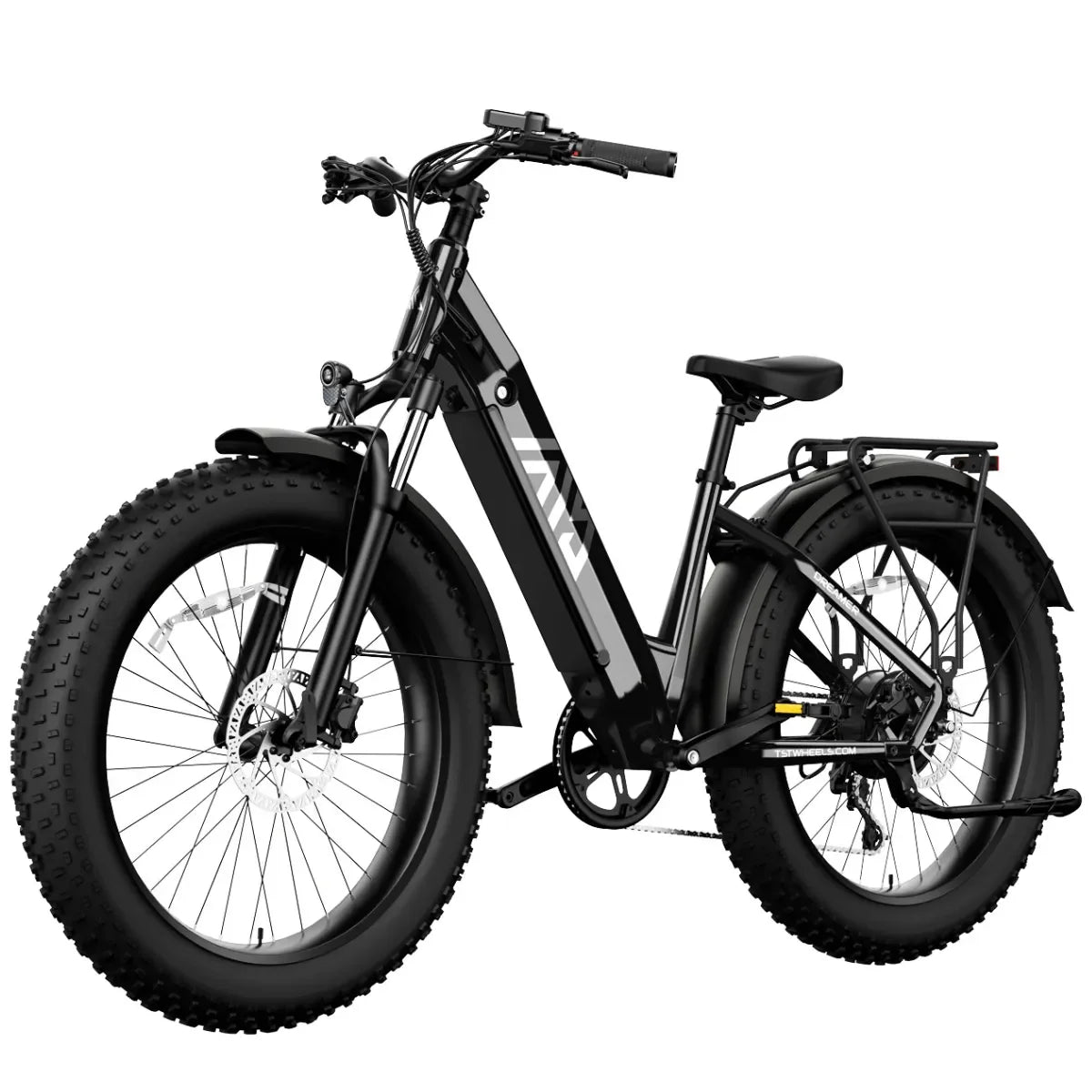

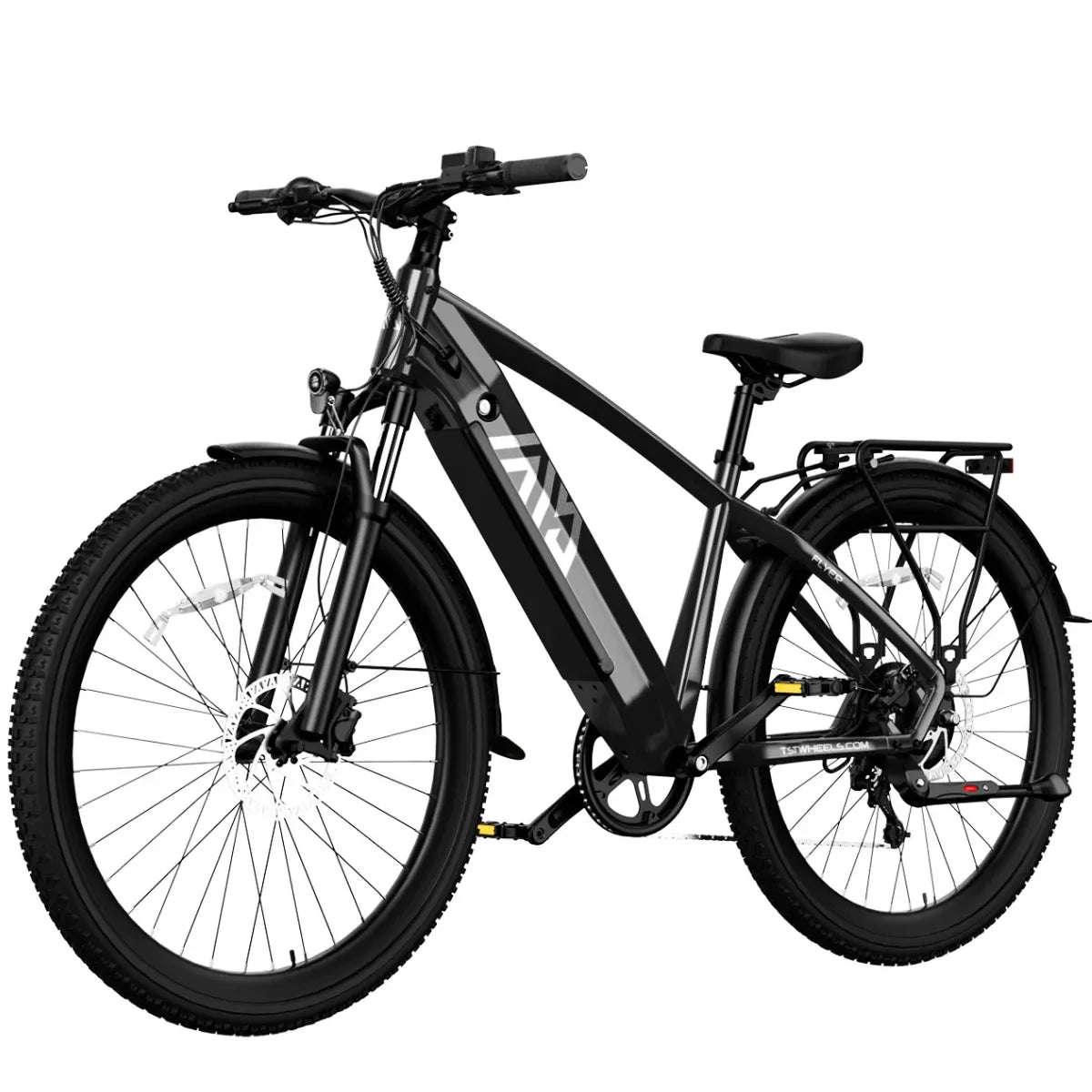










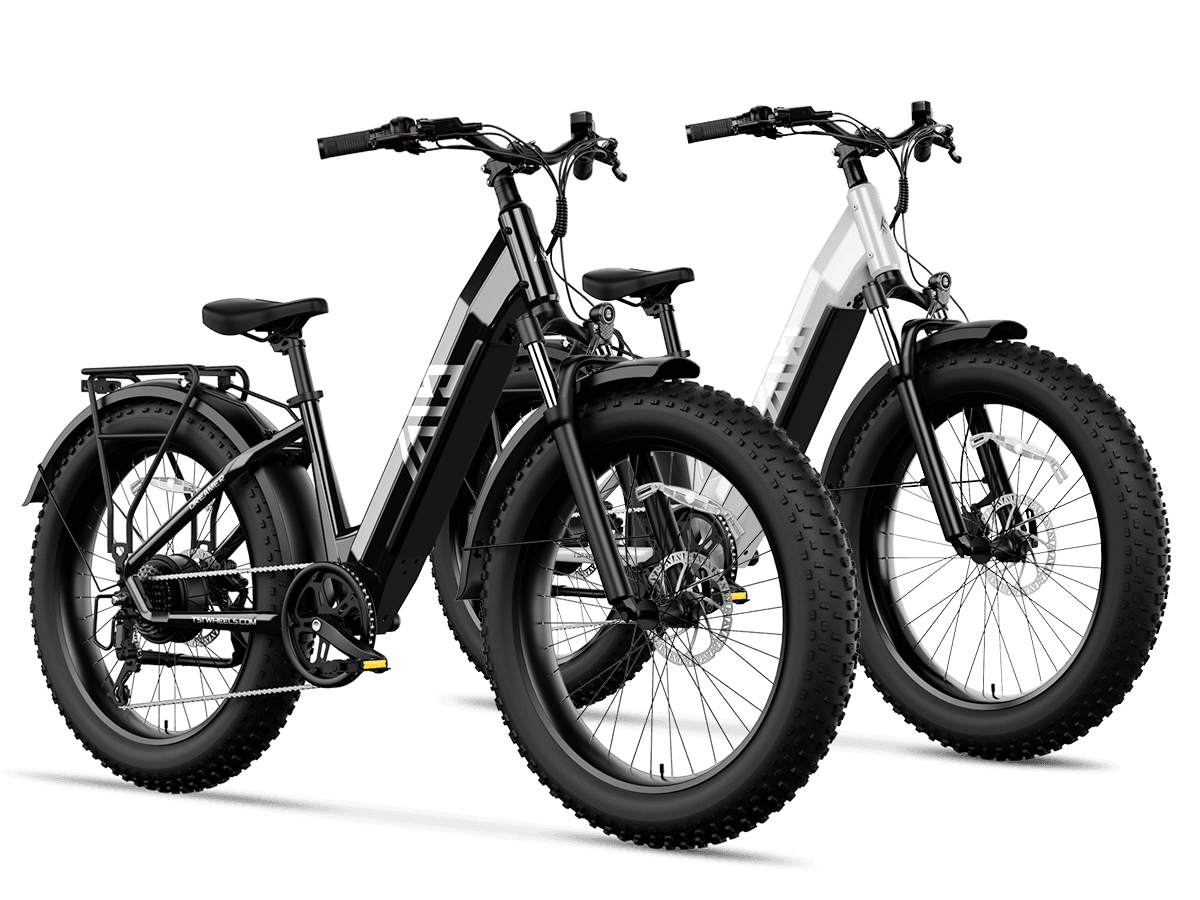

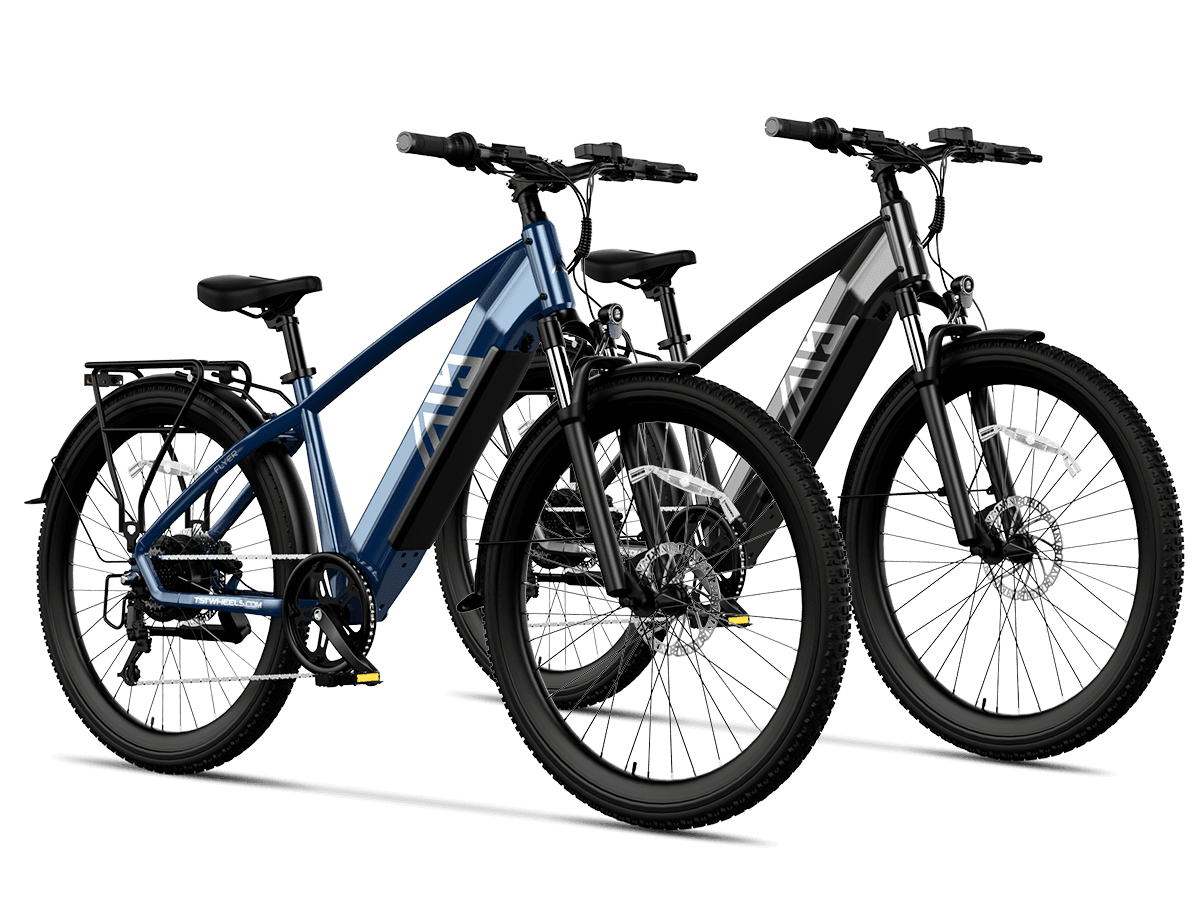

To make an electric dirt bike street legal in the US, install a headlight, tail light with brake function, horn, rear-view mirrors, and DOT-approved tires. Add emissions-compliant exhaust if required by your state, pass a safety inspection, then register with your DMV for a license plate. Requirements vary by state—check your local Department of Transportation first.
Check: Road Legal Conversion
What Are the Federal Minimum Requirements to Make an Electric Dirt Bike Street Legal?
Federal baseline standards require all street-legal motorcycles to have DOT-compliant headlights, functional tail and brake lights, mirrors, horn, proper exhaust systems, and DOT-rated tires. Electric dirt bikes must meet these same minimum requirements, though federal law treats them as motorcycles once converted for road use.
The U.S. Department of Transportation (DOT) mandates that any motorcycle operating on public roads must have lighting that functions both day and night, with switchable high and low beam settings. Your headlight must include indicator lights showing which beam is active. Additionally, a functional tail light that brightens when the brake is engaged is non-negotiable—this dual function is critical for rider safety and legal compliance.
A horn audible from at least 200 feet away, rear-view mirrors allowing you to see behind the bike, and properly functioning brakes are also federal requirements. For electric dirt bikes, the electrical system must be robust enough to power all these components reliably. Many stock dirt bikes rely on stator power (only available while riding), so converting to street legal often means upgrading to a battery-backed electrical system to ensure lights and signals work at all times.
Exhaust systems must comply with EPA noise standards in most states, typically capped at 80-86 decibels. A spark arrestor is often required to prevent fire hazards. These requirements apply uniformly across the country, though state-specific additions may layer on top.
How Do State-Specific Laws Differ for Street-Legal Electric Dirt Bikes?
State laws vary significantly: Colorado requires only headlight, tail light, horn, and mirror; Texas adds turn signals and stricter beam settings; California mandates full DOT compliance plus emissions testing for certain models; Montana allows LLC registration for out-of-state plates.
While federal minimums provide a baseline, each state's Department of Motor Vehicles (DMV) or Department of Transportation enforces its own registration and inspection standards. This variation is why researching your specific state's requirements before purchasing parts or beginning conversion work is essential.
Colorado takes a relatively lenient approach. Riders need a headlamp, tail lamp with brake light function, horn, and a single rear-view mirror to qualify for street-legal status. Once these components are installed and verified, you can take your bike for an inspection and proceed to DMV registration with minimal paperwork complexity.
Texas is similarly permissive but adds turn signals to the requirement list and is stricter about headlight beam settings. Texas DMV requires your bike to have horn, mirror, steering, brakes, tires, wheel assembly, exhaust system, tail lamp, stop lamp, license plate lamp, red reflector, headlamp, and a valid VIN. The good news: most dirt bikes already have brakes, steering, and exhaust, so your upgrade focus narrows to lighting and signals.
California enforces full DOT compliance and may require emissions testing depending on the bike's year and engine type. Electric dirt bikes with zero tailpipe emissions often face fewer hurdles here, but you still need all standard lighting, mirrors, and horn components. Additionally, California requires a Certificate of Newness or NOVA declaration for older bikes, adding paperwork complexity.
Montana offers a unique pathway: you can register your dirt bike under a Montana LLC, creating a legal entity that allows out-of-state registration. This strategy has gained popularity among riders seeking to bypass stricter home-state rules, though it requires setting up an LLC and paying associated fees.
Before investing in parts, contact your state's DMV to request a street-legal motorcycle checklist. This document will clarify exactly what your state requires, saving time and money on unnecessary upgrades.
Which Mechanical Modifications Does Your E-Dirt Bike Need for Street Legal Status?
Essential modifications include installing DOT-rated tires, a functional headlight with high/low beam capability, integrated tail and brake lights, a horn, rear-view mirrors, and upgrading the electrical system to support all components independently of engine power.
The foundation of any street-legal conversion is the tire upgrade. Stock dirt bike tires are designed for off-road traction and are not DOT-approved for road use. You'll need to replace them with DOT-rated tires that match your bike's wheel size. This is non-negotiable and often the first step riders take.
Lighting is the next critical area. Most dirt bikes come with minimal or no lighting. You'll need:
- Headlight: A DOT-compliant unit with high and low beam settings, indicator lights, and mounting brackets. Many aftermarket kits include integrated housings that fit standard dirt bike frames.
- Tail and Brake Light: A single tail light that illuminates brighter when you engage the rear brake. This dual-function component is essential for safety and legal compliance.
- Turn Signals: Required in many states. These must be amber-colored and visible from the front and rear.
- License Plate Light: A small light illuminating your license plate at night.
Mirrors and horn are straightforward additions. A rear-view mirror (or dual mirrors in some states) and an audible horn complete the visibility and communication requirements.
The electrical system upgrade is often overlooked but critical. Stock dirt bikes use stator-powered systems where electrical components only function while the engine runs. For street use, you need a battery-backed system with a voltage regulator and potentially a dedicated charging circuit. This ensures your lights, horn, and signals work reliably whether the bike is running or parked.
| Component | Purpose | Estimated Cost | Installation Difficulty |
|---|---|---|---|
| DOT-Rated Tires (pair) | Road-legal traction and safety | $150–$300 | Moderate (requires balancing) |
| Headlight Kit | Night visibility and legal compliance | $80–$200 | Easy to moderate |
| Tail/Brake Light | Rear visibility and brake signaling | $40–$100 | Easy |
| Turn Signal Kit | Directional signaling (state-dependent) | $60–$150 | Moderate |
| Horn | Audible warning device | $20–$60 | Easy |
| Mirrors | Rear visibility | $30–$80 | Easy |
| Electrical System Upgrade | Power distribution and charging | $200–$500 | Difficult (may require professional help) |
How Do You Install Lights, Mirrors, and Electrical Components on an Electric Dirt Bike?
Check: LED High Beam Headlight
Installation begins with mounting the headlight to the fork or frame, wiring the tail light to the brake lever switch, installing mirrors on the handlebars, and connecting all components to a centralized electrical harness powered by your bike's battery system.
For electric dirt bikes, the installation process is often simpler than for gas models because you already have a robust battery and onboard electrical system. Here's a step-by-step approach:
Headlight Installation: Most aftermarket kits include mounting brackets designed for standard dirt bike frames. Secure the headlight to your fork crown or frame using the provided hardware. Route the wiring harness along the frame, securing it with zip ties to prevent snagging or damage. Connect the harness to your bike's main battery or a dedicated lighting circuit. Test both high and low beams before proceeding.
Tail Light and Brake Light: Mount the tail light unit to the rear fender or seat post. Identify your rear brake lever or pedal and install a brake switch—a simple mechanical or electronic device that triggers when the brake engages. Wire the tail light so it illuminates dimly during normal operation and brightens when the brake switch activates. This dual-function setup is what many riders miss, so double-check your wiring.
Turn Signals: Install front and rear turn signal housings on the bike's frame or fenders. Run the wiring to a handlebar-mounted switch. Connect all signals to a relay that cycles them on and off. Ensure the signals are properly grounded to your bike's frame or battery negative terminal.
Mirrors: Attach mirrors to your handlebars using clamps or bolts. Position them so you can see behind and beside the bike without excessive head turning. Secure them firmly to prevent vibration during riding.
Horn: Mount the horn to a protected location on the frame (often near the engine or under the seat). Route the wiring to a handlebar button and connect it to your electrical system. Test the horn's audibility before finalizing installation.
Electrical System Integration: This is where many DIY conversions falter. Your electric dirt bike already has a battery management system (BMS) and main battery pack. You'll need to wire all new components through a distribution panel or relay box that draws power from your main battery. Use appropriately gauged wiring for each component (typically 14-16 gauge for lights, 10-12 gauge for the horn). Install inline fuses to protect each circuit. If you're uncomfortable with electrical work, consult a professional mechanic or electrician—mistakes here can damage your bike or create fire hazards.
What Is the DMV Registration and Inspection Process for Electric Dirt Bikes?
After installing street-legal components, schedule a safety inspection with your state's DMV or authorized inspection station. Once passed, submit your inspection certificate, title or bill of sale, completed registration forms, proof of insurance, and payment to your DMV to receive a license plate and registration.
The DMV process varies by state, but the general workflow is consistent. Here's what to expect:
Step 1: Pre-Inspection Checklist. Before scheduling an inspection, verify you've completed all mechanical modifications required by your state. Review the official DMV checklist (available online or at your local office). Common items include headlight, tail light, brake light, horn, mirrors, DOT tires, exhaust compliance, and VIN verification.
Step 2: Schedule and Complete Inspection. Contact your local DMV or an authorized inspection station (some states use certified mechanics). Bring your dirt bike and any documentation you have (original purchase receipt, bill of sale, etc.). The inspector will verify each component, test lights and horn, and confirm your bike meets state standards. If all checks pass, you'll receive an Inspection Certificate.
Step 3: Gather Documentation. Prepare the following for DMV registration:
- Inspection Certificate (from Step 2)
- Original title or bill of sale (proving ownership)
- Completed motorcycle registration application (form varies by state)
- Proof of insurance (required in most states)
- Photo ID and proof of residency
- Payment for registration fees (typically $50–$200)
Step 4: Submit to DMV. Visit your local DMV office with all documentation. Submit your application, pay the registration fee, and provide your bike's VIN for the title. Some states allow online submission; others require in-person visits. Ask about expedited processing if available.
Step 5: Receive License Plate and Registration. Once approved, you'll receive a license plate and registration card. Mount the plate on your bike's rear fender, and you're legally street legal. Some states mail plates; others issue them on-site.
The entire process typically takes 2–4 weeks, though expedited options may cut this to 5–10 business days. Budget $300–$600 total for inspections, registration, and insurance.
Can TSTE Electric Dirt Bikes (GT63/GT73) Be Street Legal With Minimal Upgrades?
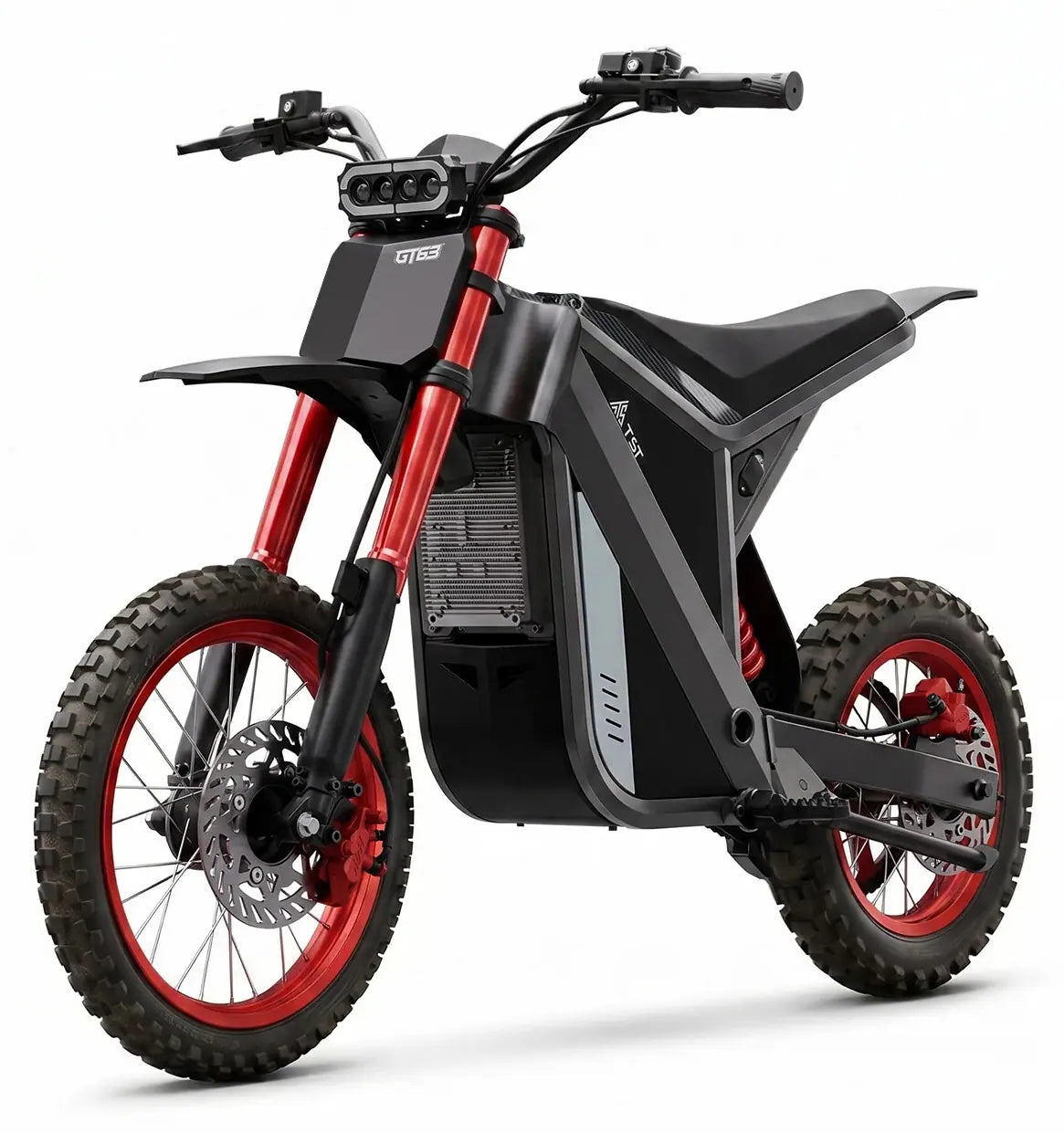
Yes. TSTE's GT63 (2200W, 210 Nm torque) and GT73 (6000W, 339 Nm torque) electric dirt bikes feature heavy-duty hydraulic disc brakes, chain drive, and adjustable suspension, making them excellent candidates for street-legal conversion with the addition of lights, mirrors, horn, and DOT tires.
TSTE Bike's electric dirt bikes are purpose-built for serious off-road performance, but their robust construction makes them ideal platforms for street-legal conversion. Here's why:
The TST® GT63 delivers 2200W of brushless power with 210 Nm of torque, capable of 43 MPH and climbing 35-degree grades. Its heavy-duty hydraulic disc brakes, adjustable front hydraulic fork, and rear nitrogen air shock absorber provide the durability and control needed for mixed terrain and street riding. At 114.6 lbs, it's manageable for most riders, with a 280 lbs max load. To convert it to street legal, you'd add a DOT-compliant headlight, tail light with brake function, horn, mirrors, and DOT-rated tires. The bike's 48V 22.5Ah battery (50-mile range) already supports an electrical system upgrade for lighting.
The TST® GT73 is the performance flagship: 6000W motor, 339 Nm torque, 60 MPH top speed, and 45-mile range. Its chain drive, three-speed zero-start transmission, and dual-size fat tires (70/100-17 front, 90/100-14 rear) make it a beast on trails and roads alike. The GT73's full suspension and IP65 waterproof rating ensure reliability in harsh conditions. Converting it requires the same lighting and mirror upgrades as the GT63, but the added power and speed demand premium DOT tires and possibly upgraded brakes for road safety.
Both models ship from TSTE Bike's Ontario, California warehouse within 1–3 business days, so you can start your conversion quickly. The GT63 and GT73 are excellent choices if you want a high-performance off-road base that transitions to street legal with focused component additions.
Why Are TSTE Moped-Style Models (R002/R7/R9) Closer to Street Legal Out of the Box?
TSTE's moped-style models (R002, R7, R9) include integrated LED headlights, rear lights, full suspension, and speeds capped at 32 MPH, positioning them as near-street-legal alternatives that require only mirrors, horn, DOT tires, and DMV registration—no major electrical upgrades needed.
If you want to avoid extensive DIY conversion work, TSTE Bike's moped-style lineup offers a shortcut to street-legal riding. These models are engineered with street use in mind from the factory:
The TST® R002 is a 1500W full-suspension moped-style eBike with integrated front and rear LED lights, reflective safety strips, and a 32 MPH top speed. Its 48V 15Ah or 25Ah battery (65–100 mile range) powers both propulsion and lighting without modification. The hydraulic disc brakes, Shimano 7-speed drivetrain, and adjustable full suspension (front and rear) provide comfort and control for mixed riding. To make it street legal, you'd add rear-view mirrors, a horn, and upgrade to DOT tires—a fraction of the work required for a raw dirt bike. The R002 comes with a 2-year warranty, reflecting TSTE's confidence in its durability.
The TST® R7 and TST® R9 take this concept further. The R7 features a modular rear system (switch between passenger seat, cargo rack, or storage box), making it versatile for commuting or adventure riding. The R9 is the ultimate long-range option with dual 48V 15Ah batteries (up to 130 miles) and full suspension, ideal for riders who need extended range and comfort. Both include integrated lights, reflective safety features, and 32 MPH speed limiters—design choices that align with street-legal requirements.
All three moped-style models ship from Ontario, California in 1–3 business days and carry 1-year warranties (R002 has 2 years). They're perfect for riders who want the adventure-ready capability of an electric dirt bike without the conversion complexity.
| Model | Motor Power | Top Speed | Range | Integrated Lights | Street-Legal Ready |
|---|---|---|---|---|---|
| TST® GT63 | 2200W | 43 MPH | 50 miles | No | Requires full conversion |
| TST® GT73 | 6000W | 60 MPH | 45 miles | No | Requires full conversion |
| TST® R002 | 1500W | 32 MPH | 65–100 miles | Yes | Mirrors, horn, DOT tires only |
| TST® R7 | 1500W | 32 MPH | 65 miles | Yes | Mirrors, horn, DOT tires only |
| TST® R9 | 1500W | 32 MPH | 130 miles | Yes | Mirrors, horn, DOT tires only |
What Are the Insurance, Costs, and Legal Risks of Converting an Electric Dirt Bike?
Insurance is mandatory for street-legal bikes and typically costs $200–$500 annually. Total conversion costs range from $800–$2,000 depending on parts and labor. Legal risks include riding without proper registration (fines up to $500), riding uninsured (fines and liability), and improper modifications that fail inspection.
Before committing to a conversion, understand the full financial and legal picture:
Insurance Costs: Once your bike is registered, you must carry motorcycle liability insurance. This typically costs $200–$500 per year depending on your age, location, driving history, and bike value. Some insurers offer bundled discounts if you have auto insurance. Shop around—rates vary significantly between providers. Riding uninsured is illegal and exposes you to catastrophic liability if you're in an accident.
Conversion Costs: Budget $800–$2,000 for a complete street-legal conversion. This breaks down as:
- DOT tires: $150–$300
- Lighting kit (headlight, tail light, turn signals): $180–$450
- Horn and mirrors: $50–$140
- Electrical system upgrade: $200–$500
- Professional installation (if needed): $300–$600
- Inspection and registration: $100–$250
- Insurance (first year): $200–$500
If you choose a TSTE moped-style model like the R002 or R9, you're skipping the expensive electrical and lighting upgrades, reducing conversion costs to $400–$700 (mirrors, horn, DOT tires, inspection, registration, and first-year insurance).
Legal Risks: Riding an unregistered or uninsured street-legal bike carries steep penalties. Fines for operating without a license plate can reach $500 or more, and driving uninsured exposes you to liability claims that could bankrupt you if you're at fault in an accident. Additionally, improper modifications that fail inspection delay registration and waste money on rework.
Another risk: modifying your bike in ways that void the warranty. TSTE Bike's 1-year warranty (2 years on the R002) covers manufacturing defects and normal wear, but aftermarket electrical modifications or improper installations may not be covered. Always consult TSTE's support team before making major upgrades to ensure your warranty remains valid.
TSTE Bike Expert Views: "Converting an electric dirt bike to street legal is absolutely achievable, but the path depends on your bike choice. If you're starting with a high-performance model like our GT63 or GT73, expect a 2–3 month timeline and $1,200–$2,000 in parts and labor. However, our moped-style lineup—the R002, R7, and R9—dramatically simplifies this process. These models ship with integrated LED lights, full suspension, and speed limiters that align with street-legal standards. You're looking at just 2–4 weeks and $400–$700 to add mirrors, a horn, DOT tires, and complete DMV registration. All TSTE models ship from our Ontario, California warehouse within 1–3 business days, so you can start your conversion immediately. Our customer support team is available to guide you through every step, and our warranty protects your investment—just consult us before major modifications."
Conclusion
Making an electric dirt bike street legal requires careful planning, component selection, and adherence to your state's DMV requirements. The federal baseline—headlight, tail light with brake function, horn, mirrors, and DOT tires—applies everywhere, but state-specific rules can add turn signals, emissions controls, or documentation requirements. Installation is manageable for riders with mechanical skills, though electrical work may require professional help.
TSTE Bike offers two pathways to street-legal riding. If you want raw off-road performance, the GT63 and GT73 electric dirt bikes deliver exceptional power and capability but require a full conversion. For riders prioritizing convenience, the R002, R7, and R9 moped-style models come factory-equipped with integrated lights and suspension, reducing conversion work to mirrors, horn, and DOT tires. All TSTE models ship from Ontario, California in 1–3 business days with full warranty support.
Budget $800–$2,000 for conversion costs and $200–$500 annually for insurance. Verify your state's specific requirements before purchasing parts, schedule

Leave a comment
This site is protected by hCaptcha and the hCaptcha Privacy Policy and Terms of Service apply.