


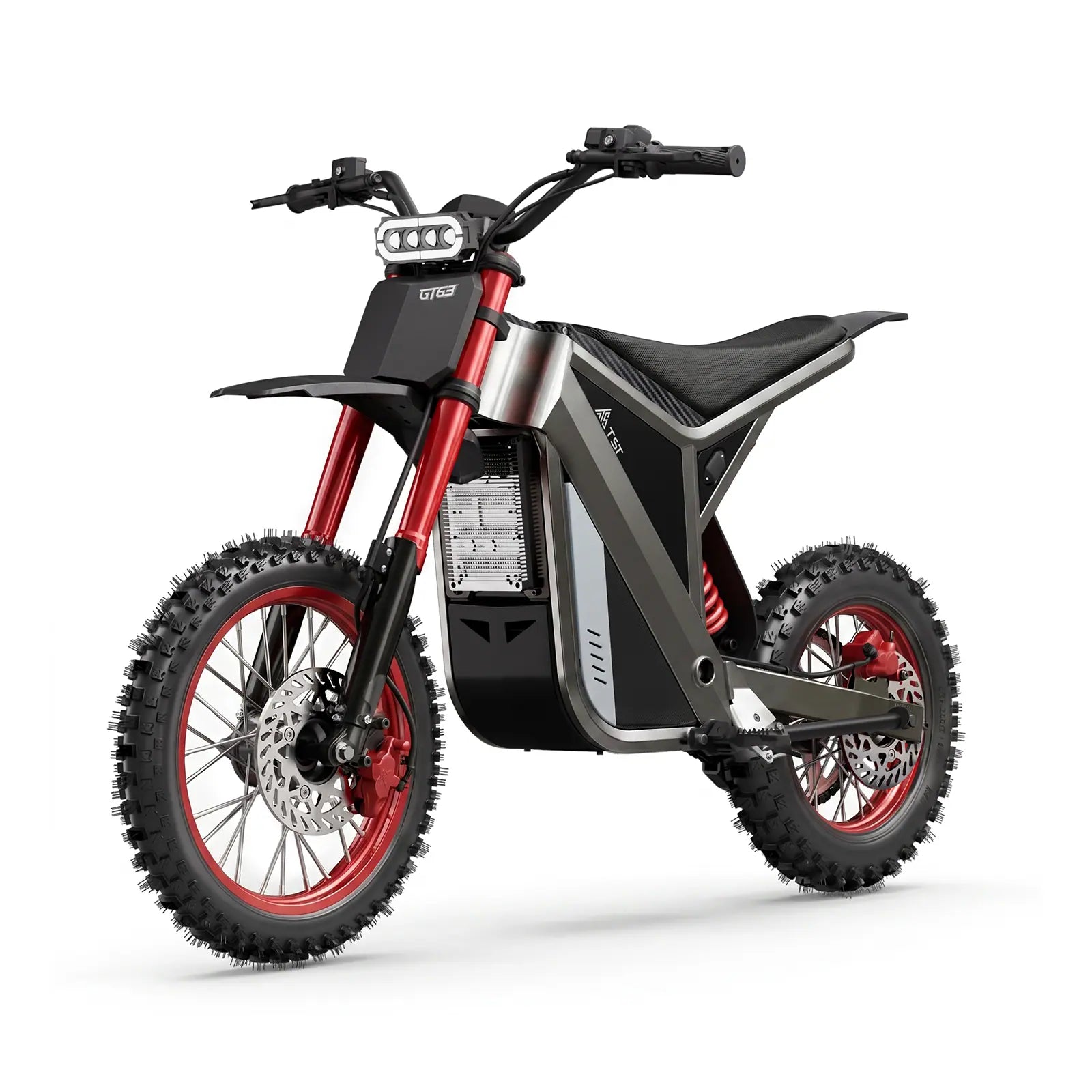














The TST R002 Standard at $799, checked August 21, 2026, is the best fat-tire e-bike under $1,000, with 20x4-inch tires, a 1500W motor, 450 lb payload, full suspension, and a 2-year warranty that no verified competitor matched at the price. The Lectric XP 3.0 at $999 is the strongest folding fat-tire alternative, and the Heybike Mars 2.0 is a solid sale pick for budget-conscious buyers. This guide covers only fat-tire e-bikes under $1,000; use the complete buyer's guide for the step-by-step framework across every e-bike type.
How Did We Pick the Finalists for This Guide?
We judged fat-tire e-bikes on tire size and width, motor and battery specs, payload rating, suspension, and the support path after the sale. Prices were checked on official pages and verified retailers on August 21, 2026, and they change with promotions; every figure below is a dated snapshot.
We only included bikes with 20-inch or larger wheels and tires of at least 4 inches in width, because that is what "fat-tire" actually means for stability and comfort. Bikes that merely look chunky but use 2.5-inch tires were excluded.
What Do Fat-Tire Buyers Actually Need?
Fat tires deliver three benefits: stability on loose surfaces, comfort over bumps through lower pressure, and confidence in snow, sand, or gravel. But tire width does not replace suspension, and it does not increase payload. Check the frame's payload rating separately from the tire size, and check the brake type, because a heavy fat-tire bike needs real stopping power.
Set expectations: a 4-inch tire at 20 psi is a different ride from a road bike, and the rolling resistance means range will be shorter than the same battery on a slim-tire bike. That trade-off is the point of the category, not a defect.
Own a tire pressure gauge from day one. Fat tires are pressure-sensitive: lower pressure (roughly 10-15 psi) improves comfort and grip on loose surfaces but drains battery and slows you on pavement, while higher pressure (20-25 psi) rolls faster at the cost of ride smoothness. Check pressure weekly and adjust for the ride, because a fat-tire bike running at the wrong pressure rides poorly and wears unevenly.
Plan for seasonal wear as well. Fat tires shed snow and grip mud better than narrow tires, but they also pick up debris and wear faster on hot pavement, so rotate the tires if the rear wears noticeably faster and inspect the tread monthly for cuts. In winter, wash the bike after salt-treated roads, keep the battery indoors, and expect range to drop in cold temperatures; a fat-tire bike is a four-season tool only if the rider adjusts pressure, washing, and range expectations by season.
Candidate Pool: Fat-Tire Options at or Under $1,000
| Model | Price (8/21/2026) | Motor | Tires | Payload |
|---|---|---|---|---|
| TST R002 Standard | $799 | 1500W, 90 N·m | 20" x 4" | 450 lb |
| Lectric XP 3.0 | $999 | 750W-class | 20" x 3"-class | 330 lb class |
| Heybike Mars 2.0 | ~$999 on sale (retail $1,499) | 750W/1000W | 20" x 4" | 330 lb class |
| TST R7 | $799 (official sale) | 1500W, 90 N·m | 20" x 4" | 450 lb |
The R7 is included because its official sale price of $799 makes it the cheapest full-suspension fat-tire option in the set, and its step-through frame adds easy mounting that the R002 does not offer.
TST R002 Standard: The Pick for Power, Payload, and Price
TST EBike's R002 Standard combines a 1500W motor with 90 N·m of torque, 20x4-inch fat tires, full front and rear suspension, a 450 lb payload rating, and a 2-year direct warranty for $799, with a free light and fender set. On the check date, no other verified fat-tire listing under $1,000 matched its power, payload, and suspension package.
The trade-offs are honest: it is a direct-purchase bike needing assembly, its 32 mph top speed may exceed local e-bike classes, and the 15Ah battery means the 65-mile headline assumes ideal conditions; plan around 40-45 miles in mixed use.
Lectric XP 3.0: The Folding Fat-Tire with the Biggest Owner Base
The Lectric XP 3.0 at $999 is the most popular budget folding e-bike in the US, with a huge owner community, documented support, and well-stocked parts. Its fat tires smooth rough pavement and light trails, and the folding frame suits apartment storage and car transport that a full-size bike cannot match.
It is not a power or payload leader: its motor and payload are commuter-class, and the tires run narrower than 4 inches on some variants. Choose it when folding practicality, brand history, and community depth outweigh raw capability.
Heybike Mars 2.0: The Sale Pick for Folding Fat-Tire Fans
The Mars 2.0's retail price is $1,499, but it frequently appears around $999 at US retailers, and at that price it offers 20x4-inch fat tires, a folding frame, and 750W or 1000W motor options. It suits riders who want a fat-tire folder on a budget and are willing to chase a sale.
The caveat: the $999 figure depends on the retailer's promotion, and support runs through that channel rather than a direct brand line. At full retail it is outside this article's budget; catch the sale or skip it.
R002 vs XP 3.0 vs Mars 2.0: Real-World Feel Compared
The R002 feels the most substantial: full suspension and 450 lb of payload make it the most stable and capable of the four, at the cost of weight and a high-power class. The XP 3.0 feels the most practical for city living: folding, lighter, and endlessly documented, at the cost of power and payload. The Mars 2.0 splits the difference as a folding fat-tire, with its value depending entirely on the sale price. The R7 adds step-through comfort and cargo ability if the budget stretches.
Ride all four if you can; if you cannot, prioritize payload and suspension for rough or loaded riding, and folding plus support for urban commuting.
What Do You Give Up with a Fat-Tire E-Bike Under $1,000?
Under $1,000, every fat-tire bike compromises somewhere: expect battery sizes that need daily charging for long commutes, component quality that wears faster under heavy use, and a direct-purchase support model instead of a local dealer. The R002's 1500W motor also carries legal friction in states that cap street e-bikes at 750W or Class 3 speeds.
Budget separately for a helmet, a serious lock, and possibly a second battery. Those add meaningfully to the real cost, and they matter more to daily ownership than the last 200 watts on the spec sheet.
Also plan where the bike lives: a full-size fat-tire bike weighs 70-95 lb and needs ground-level storage, while a folding model can share a closet. Measure your space before choosing, because the bike that cannot be stored securely will get ridden less, and an unridden bike is the most expensive purchase you can make.
Weigh the carrying reality honestly: a 72 lb full-size bike is fine to roll in and out of a garage, but a problem in a walk-up apartment or across a long stretch of stairs. If your storage requires lifting, either choose a folding model or accept that the bike stays parked outside with a serious lock. Buy the storage solution at the same time as the bike, not after the first awkward carry.
Seasonal storage is part of the same decision: fat tires should be stored at moderate pressure with the bike off its wheels or on a stand, the battery removed and kept at partial charge indoors, and the drivetrain cleaned and lubricated before the bike sits. A bike stored correctly in fall rides correctly in spring, and that habit matters more to a fat-tire owner than any spec on the page.
Conclusion: Match the Tire to the Surface, and the Bike to the Budget
At the prices checked on August 21, 2026, the TST EBike R002 Standard is the best fat-tire e-bike under $1,000 for power, payload, and suspension, with no verified competitor matching its verified package. The Lectric XP 3.0 is the folding commuter's alternative, and the Heybike Mars 2.0 is the sale-driven pick. Confirm today's price, verify local class rules, and budget for gear before you buy.
Buyer's Checklist
The practical bottom line: the R002 delivers the most verified fat-tire capability per dollar, the XP 3.0 is the safe mainstream fold, and the Mars 2.0 is only a deal when the sale is real. Buy the tire width your surfaces demand, set the pressure for the day's ride, and treat the storage and maintenance plan as part of the purchase, because a fat-tire bike that is stored and maintained well stays the fun bike it was on day one. Check the payload against your weight plus gear before committing, and confirm the current sale price on the official product page.
- Confirm the tire is at least 4 inches wide if soft surfaces matter to me.
- Verify the payload rating against my weight plus cargo.
- Check today's delivered price and current promotion.
- Confirm local class rules for the motor and top speed.
- Budget for helmet, lock, and possibly a spare battery.
See the TST R002 product page for current pricing, and browse the fat-tire e-bike collection for the full lineup.
Related reading: the best e-bikes for beach riding, where fat tires matter most

Leave a comment
This site is protected by hCaptcha and the hCaptcha Privacy Policy and Terms of Service apply.