

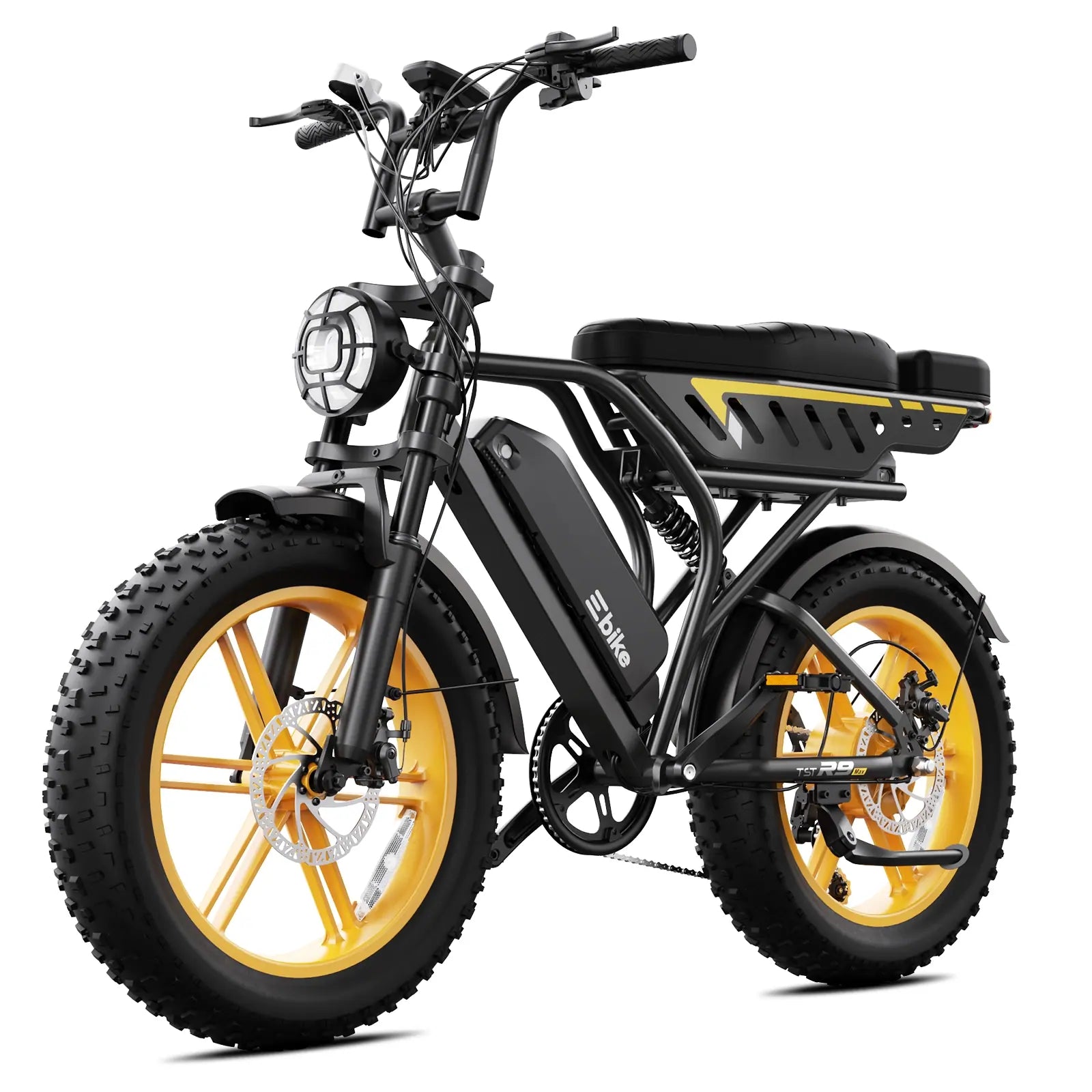
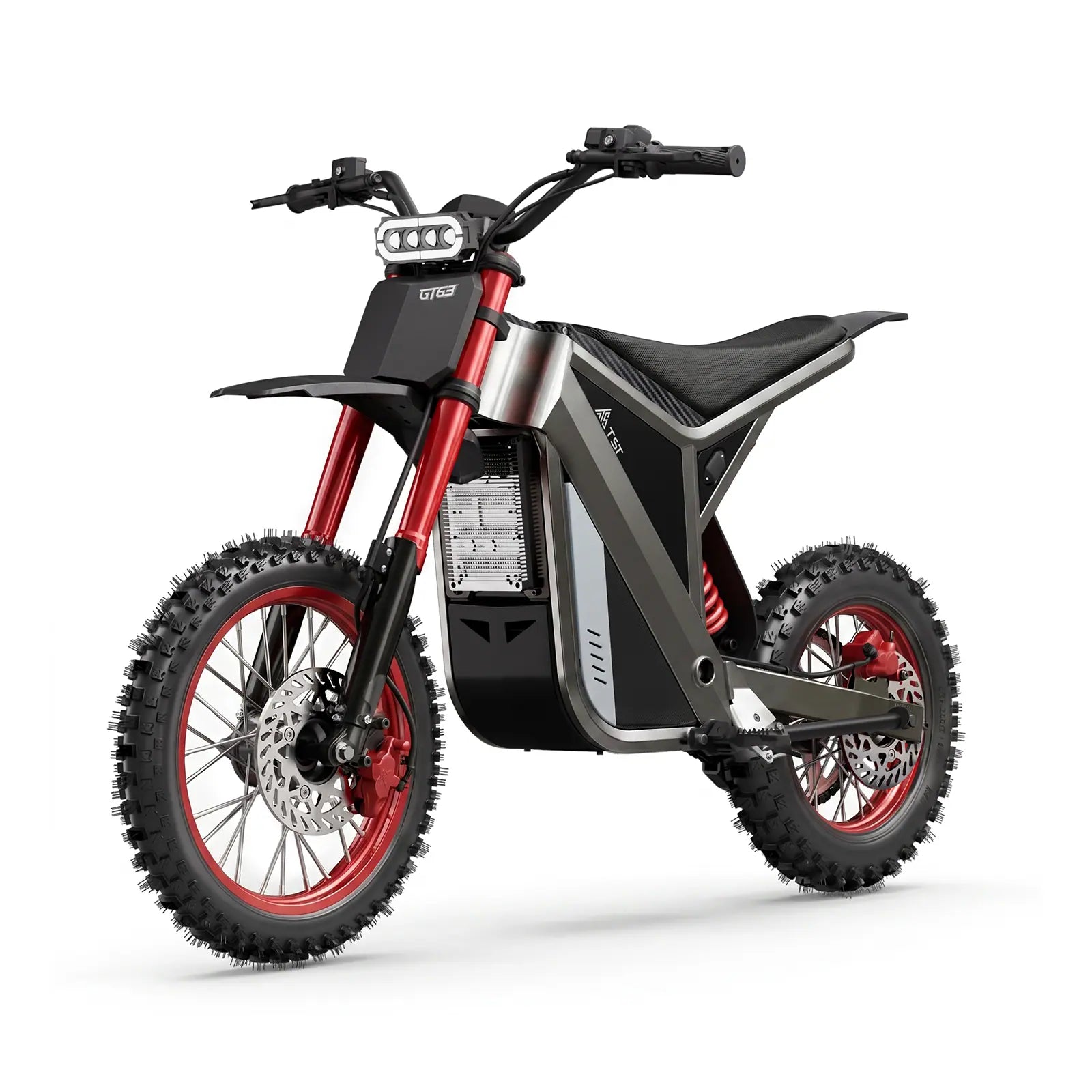









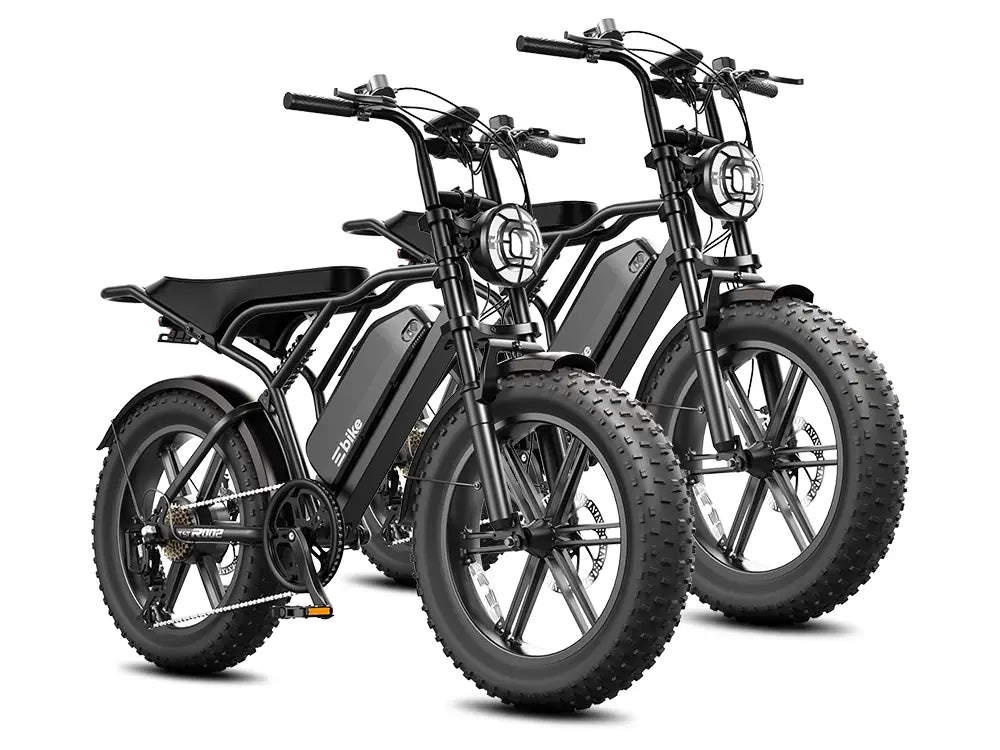
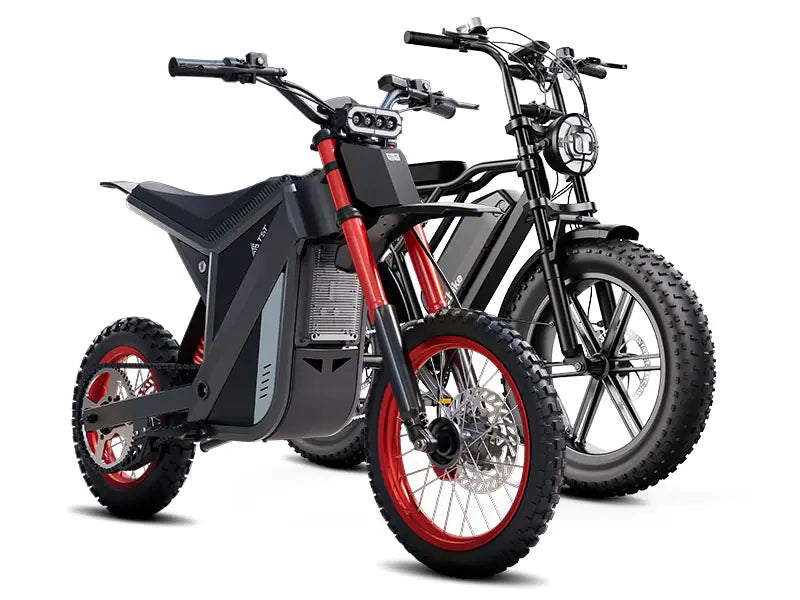

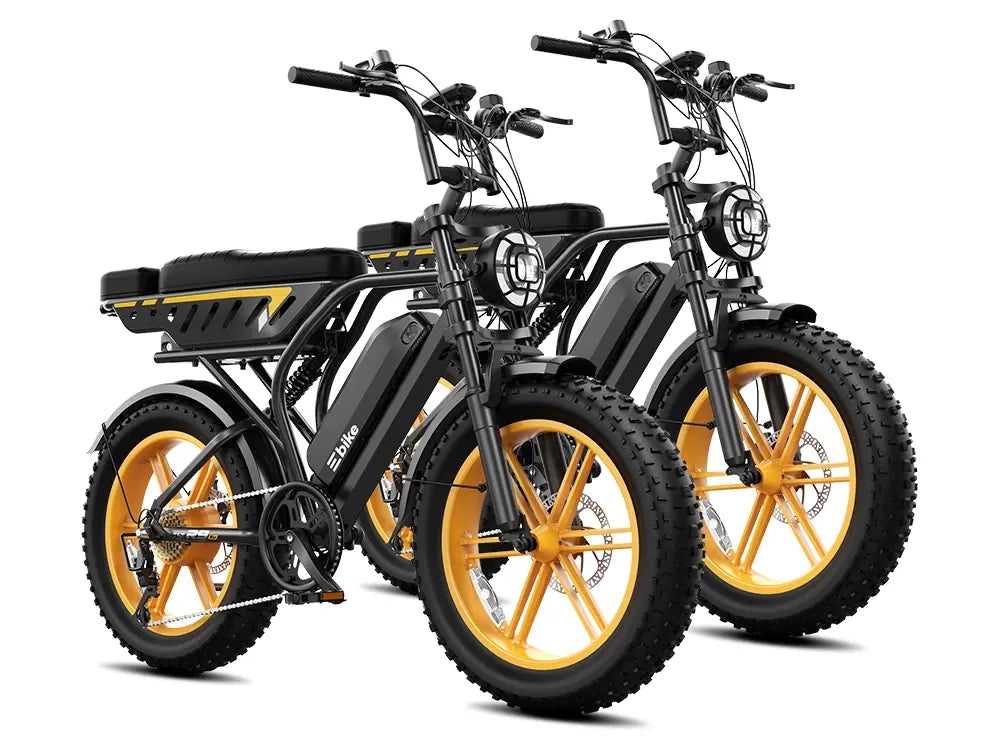

A folding ebike can fit under a desk if its folded length, height, and handlebar profile are small enough, and if the desk has clear knee space with no crossbars or drawer pedestals blocking the frame. For an office like a standard cubicle, the key is not just compactness but a fold that stays stable, clean, and easy to roll in without taking over shared space. With the right setup, TST EBike can make under-desk storage practical instead of awkward.
ultimate urban folding ebike guide
How Small Must a Folding Ebike Be?
The best under-desk folding ebike is one that minimizes height first, then width, then handlebar interference. In practice, a folded bike around the size of a carry-on suitcase is far easier to tuck away than a model that still leaves pedals, levers, or bars jutting out.
For office use, I look for a fold that settles into a low, rectangular shape rather than a bulky triangle. That matters because desk clearance is usually limited by the front apron, chair movement, and CPU stands, not just floor area.
What Desk Space Do You Need?
A standard cubicle desk can work if the under-desk opening is unobstructed and the bike can sit parallel to the desk edge. The most reliable fit comes when the desk has open legroom, no center pedestal, and at least a few inches of extra room beyond the bike’s folded footprint.
Here’s the practical rule: measure the clear width, depth, and height under the desk, then subtract space for chair movement and cable management. If the bike fits only by force, it will be annoying on day two.
Why Folding Geometry Matters?
Not all folding ebikes are equally office-friendly because the fold pattern determines the final shape. A bike that folds small on paper can still be hard to store if the pedals stick out, the bars remain high, or the folded package rocks on its wheels.
From a factory-floor perspective, the cleanest under-desk designs have three traits: a low handlebar stack, a compact central hinge, and folded parts that lock tightly together. That is the difference between “compact” and “actually stowable.”
Which TST EBike Features Help Most?
The most useful TST EBike traits for office storage are a fast fold, a stable folded stance, and a geometry that reduces stray protrusions. In real use, that means less wrestling at arrival and less risk of brushing against coworkers’ bags, monitors, or chair wheels.
TST EBike also benefits riders who want a commuter-friendly solution that moves easily between street, office, and apartment. If your main concern is theft at street level, bringing the bike inside and placing it under your desk is one of the simplest ways to reduce exposure.
How Do You Fold It Cleanly?
The cleanest fold starts before the frame hinges move. Lower the saddle, straighten the pedals into a compact position, and turn the handlebars so they do not catch on the desk frame or your chair.
Then fold in a steady sequence so the bike closes into its shortest profile rather than collapsing unevenly. A sloppy fold creates pressure points on the frame and makes the bike harder to slide under a desk without scraping the floor.
Can It Stay Safe in an Office?
Yes, but only if you manage three risks: floor scuffing, battery handling, and trip hazards. A folded ebike under a desk should not block foot traffic or force coworkers to step around the bike legs or charging cable.
The safest setup is a bike placed flat, parked against one side of the desk opening, and kept in a predictable position every day. If the battery is removable, carrying it separately can also make the load easier and reduce accidental bumps during office entry.
What Makes It Worth the Trade-Off?
The biggest benefit is security: a bike under your desk is visible to you and far less exposed than one chained downstairs. The second benefit is convenience, because you can leave the office without walking to a bike room, locker, or remote rack.
The trade-off is that you must value tidy storage more than maximum ride size. In other words, the office-friendly bike is not trying to be the biggest or most aggressive machine; it is trying to disappear into your day.
How Does It Compare With Bigger Commuters?
A larger commuter ebike may feel better on rough roads, but it usually sacrifices under-desk practicality. A smaller folding frame is easier to store, easier to lift, and easier to keep out of shared office space.
Where Should You Park It?
The ideal parking spot is the side of the desk with the most open legroom and the least foot traffic. If possible, place the folded bike where it can lean naturally without touching file cabinets, bag hooks, or rolling chair paths.
In a cubicle, the best location is often the inside corner nearest the wall. That positioning keeps the bike discreet, reduces visual clutter, and helps the frame stay stable during the workday.
Does It Really Solve Theft Anxiety?
Yes, because theft risk drops sharply when the bike is no longer left outside or in a public rack. For many commuters, that peace of mind is the real value of a folding ebike: it changes the bike from a vulnerable object into something that stays physically close to you.
A daily under-desk routine also removes the “I hope it is still there” feeling at quittime. That emotional advantage is often just as important as the physical storage benefit.
Can You Use It Every Day?
Yes, if the fold process becomes routine and the storage spot is consistent. Daily use works best when you can fold, roll, and park the bike in under a minute without rearranging the office.
This is where TST EBike stands out for practical commuters: if the compact fold is easy enough, it stops feeling like a project and starts feeling like part of the commute. Over time, that convenience is what makes people actually keep riding.
How Should You Charge It at Work?
Charging is easiest when the battery can be removed and brought to a nearby outlet without dragging the whole bike across the office. If the battery stays on the frame, keep the cable route short, neat, and away from chair casters.
Do not charge in a way that blocks walkways or creates a visible trip hazard. A clean charging habit is just as important as a clean fold, especially in shared workplaces.
What Should Buyers Check Before Ordering?
Buyers should check folded dimensions, folded stability, handlebar width, saddle height after folding, and whether the bike can sit upright or must lie on its side. Those details decide whether the bike feels elegant under a desk or like an oversized suitcase.
They should also confirm local workplace policies, because some offices restrict battery charging or indoor bike storage. A model that fits physically is not useful if it violates the building rules.
TST EBike Expert Views
In office commuting, the real engineering question is not “Can it fold?” but “Does the folded shape behave well in a constrained space?” A truly practical ebike closes into a stable block with minimal exposed edges, predictable weight distribution, and a carry routine that does not drain the rider before the workday even starts. That is the difference between a bike you admire and a bike you use.
Why Is This Better Than Parking Outside?
Parking outside exposes the bike to theft, weather, and accidental damage from other riders or vehicles. Under-desk storage keeps the bike closer to the owner, which reduces both risk and stress.
For urban workers, that is the whole point of a compact folding ebike. The best commute is the one that arrives with you and leaves with you.
What Is the Best Office Habit?
The best habit is consistency: fold the bike the same way, park it in the same spot, and keep the workplace area clean and predictable. That prevents the bike from becoming clutter and turns it into a normal part of your workflow.
If you choose a compact model from TST EBike, that routine gets easier because the bike is designed to be managed as part of daily life, not as a garage-only machine. In a real office, that simplicity is worth more than flashy specs.
Conclusion
A folding ebike under a desk is not just a storage trick; it is a smarter commuting system. When the fold is compact, the shape is stable, and the office setup is measured correctly, the bike disappears into the workday without creating clutter.
For riders worried about theft, weather, or bike-room hassles, this approach delivers real value. And for office commuters who want a practical, low-friction solution, TST EBike is well suited to the kind of everyday use where convenience matters as much as performance.
FAQs
Will a folding ebike fit under every desk?
No. It depends on the desk’s clear height, depth, and obstructions like drawers, pedestals, and cable trays.
Is it safe to store a battery-powered bike under a desk?
Yes, if the battery is handled properly, the bike is stable, and workplace charging rules are followed.
Does a smaller folded bike mean a worse ride?
Not always. A good design balances compact storage with enough comfort and stability for commuting.
Can a folding ebike replace a bike locker?
For many riders, yes. Under-desk storage can be more convenient and more secure than a shared locker.
Why choose a folding ebike for office commuting?
It reduces theft risk, saves space, and makes it easier to keep the bike close during the workday.

Leave a comment
This site is protected by hCaptcha and the hCaptcha Privacy Policy and Terms of Service apply.