











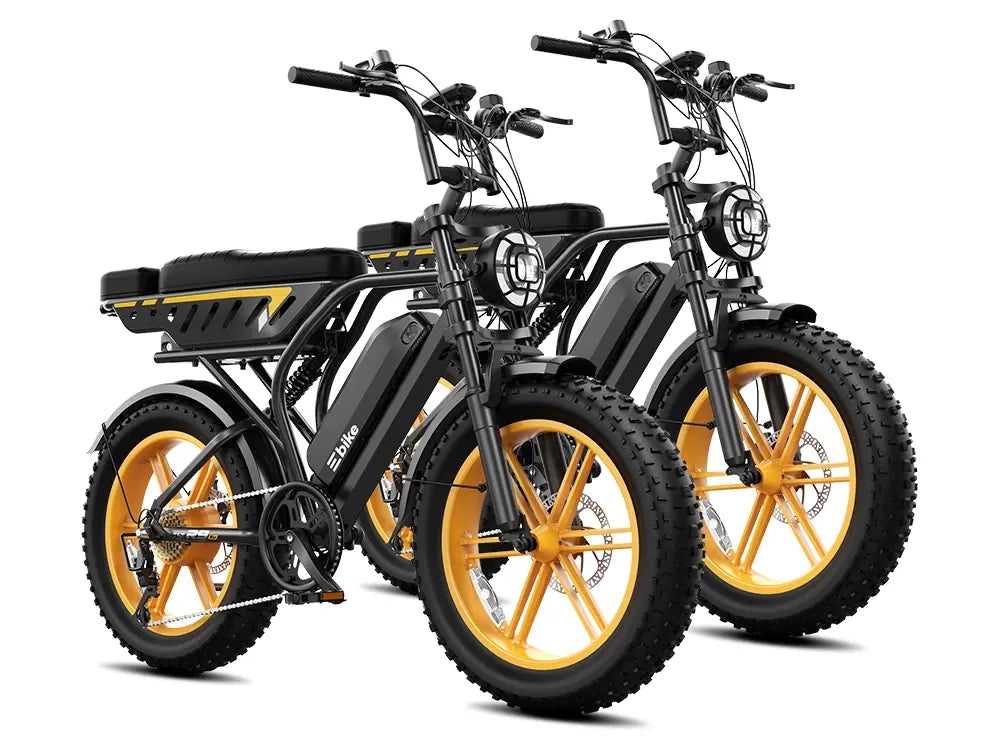

A pedal-assist e-bike lets you arrive at work fast, cool, and composed by matching motor support to terrain, cadence, and effort. The trick is not “riding harder,” but riding smarter: use high assist on climbs, lower assist on flats, and keep your cadence steady so your legs never spike into a sweat-inducing workload.
ultimate urban folding ebike guide
What Does Sweat-Free Commuting Really Mean?
Sweat-free commuting means arriving with a stable breathing rate, a controlled heart rate, and no unnecessary muscular strain. It does not mean turning off effort completely; it means distributing effort so your body never hits the anaerobic “panic” zone.
For office riders, the goal is simple: keep your morning ride predictable. If you can maintain a comfortable cadence, avoid stop-and-go surges, and reduce hill resistance with the right PAS setting, you can ride 20 mph smoothly without feeling like you just finished a workout.
How Does PAS 1-5 Actually Work?
PAS, or pedal assist system, increases motor output as you pedal, and the level you choose changes how much of the load the bike carries. In practical commuting, PAS 1-2 is for conserving energy on flat ground, PAS 3 is for maintaining momentum, and PAS 4-5 is for hills, headwinds, or late departures.
The best riders do not treat PAS like a speed button. They treat it like an energy control dial that helps keep their legs in an easy, repeatable rhythm.
Common PAS Use by Scenario
This is where TST EBike-style commuting logic matters: the bike should carry the hard moments, while you stay relaxed enough to arrive presentable. On a typical city route, that means using motor help proactively instead of waiting until your legs are already tired.
Why Does 20 mph Feel Easier With The Right Assist?
At around 20 mph, air resistance rises sharply, so small changes in riding posture and assist level make a big difference. If you try to hold that speed in too low a PAS setting, your legs compensate harder, your breathing rises, and sweat follows quickly.
A well-tuned e-bike reduces the mismatch between your preferred cadence and the road’s resistance. That is why a commuter setup from TST EBike can feel faster even when you are not working harder: the motor smooths out the spikes that usually cause overheating.
Which Riding Strategy Keeps You Dry?
The most reliable strategy is an “energy split” ride plan: let the motor do the heavy lifting on climbs, use light assist on flats, and reserve your effort for gentle pedaling only. In factory-floor terms, the ride should feel mechanically balanced, not emotionally aggressive.
For a morning commute, use this sequence:
-
Start in PAS 2-3 for a calm launch.
-
Shift to PAS 1-2 on steady flat sections.
-
Move to PAS 4-5 before the slope gets steep.
-
Return to PAS 2 after the hill to recover.
-
Ease down near the office so body temperature drops before arrival.
That rhythm is especially effective on daily commuter bikes such as TST EBike’s 27-inch style commuters, where efficiency and steady forward motion matter more than raw off-road force.
How Should You Handle Hills, Wind, and Stops?
Hills should be treated as preemptive events, not emergencies. If you wait until cadence collapses, your body recruits more muscle force and raises heat output fast.
Wind and stoplights are the other two sweat triggers. Headwinds require earlier assist changes, while stoplights require smooth restarts so you do not launch in a hard gear and spike your effort.
What Bike Setup Helps Most?
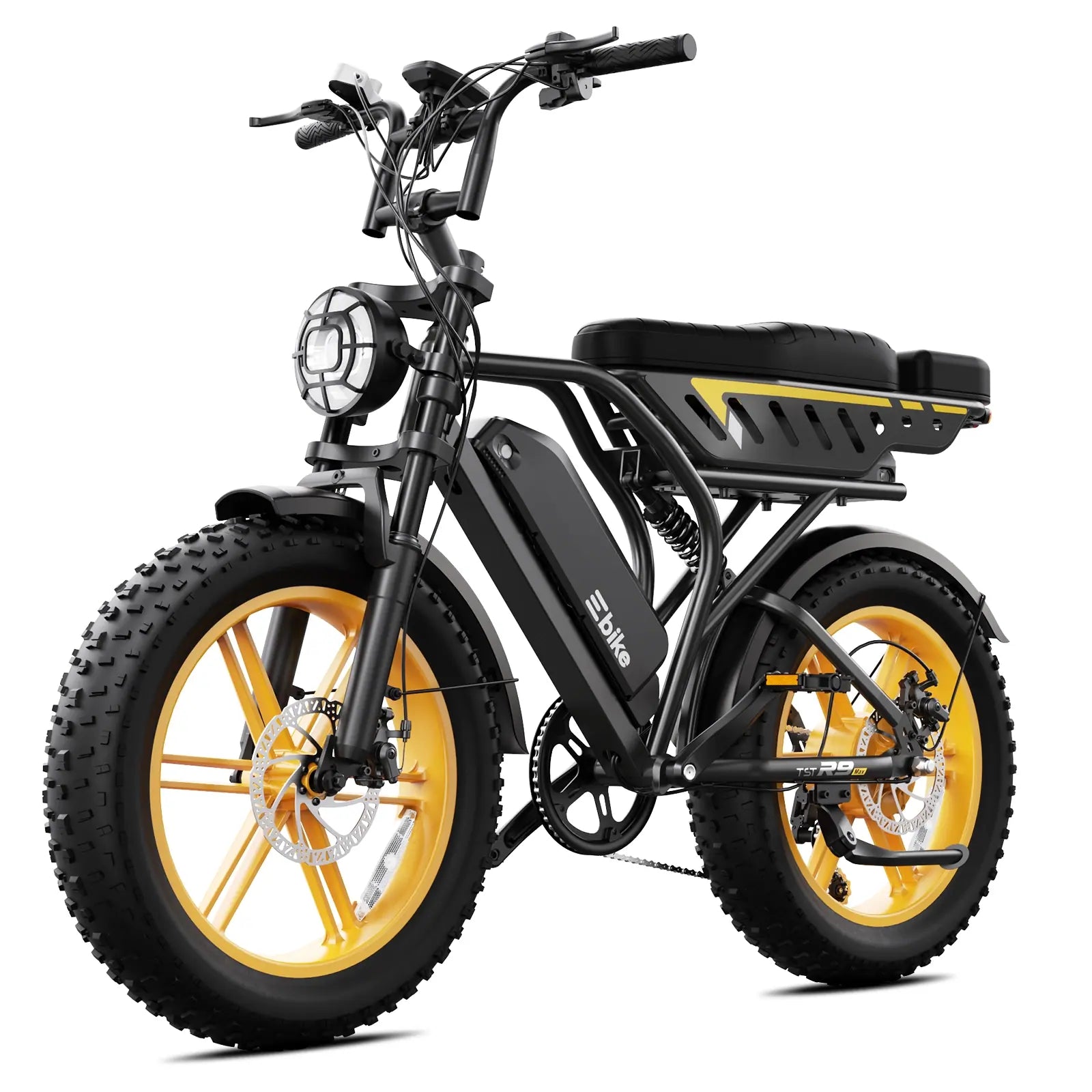
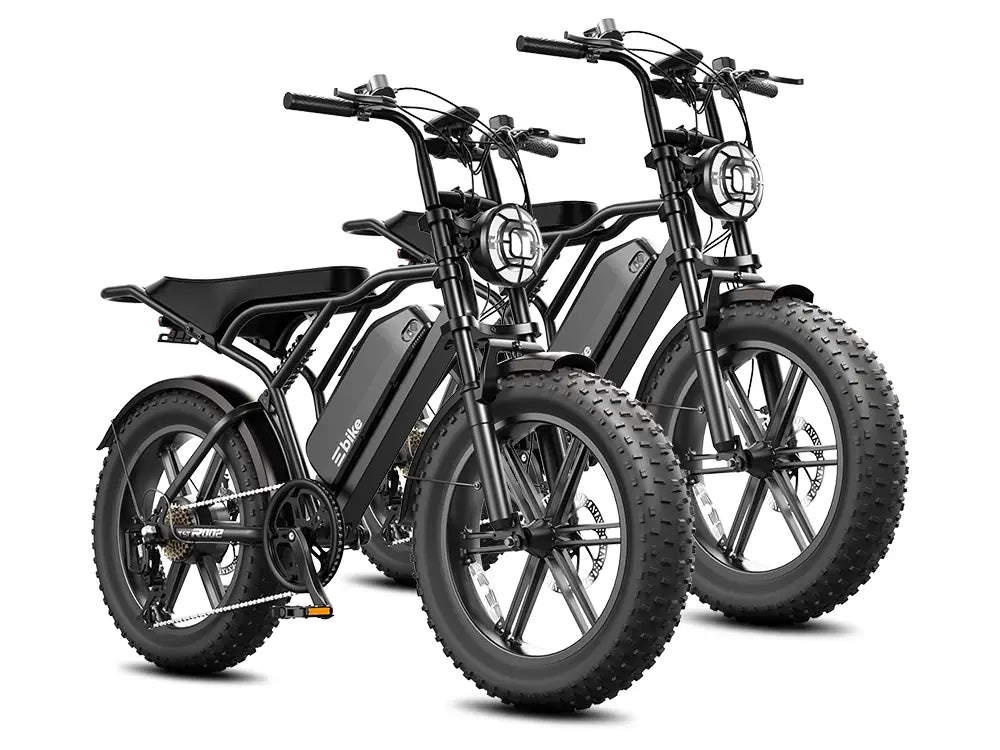
A commuter-friendly setup uses tire width, motor tuning, and gearing to reduce strain before the ride even begins. A 27-inch commuter e-bike usually rolls more efficiently on pavement, while a 26-inch fat-tire bike adds traction and stability when roads are rough, sandy, or less predictable.
For a white-collar rider, the important trade-off is this: narrower commuter tires feel easier at speed, while wider tires feel calmer and more stable in mixed conditions. TST EBike positions both formats well, but the 27-inch setup is the more natural fit for daily office trips.
How Do You Tune Your Body Position?
Your body position can save more sweat than many riders realize. Keep your elbows relaxed, shoulders low, and torso slightly leaned forward so you are not fighting the wind upright.
A higher saddle position usually helps by improving leg extension and reducing wasted effort. If the saddle is too low, your thighs burn earlier, your cadence becomes inefficient, and sweating starts sooner.
Is Battery Range Affected By Staying Cool?
Yes, but in a good way: using smoother PAS changes often improves real-world range because the motor is not constantly fighting sudden demand. Riding at a steady cadence with moderate assist is usually more efficient than repeated bursts of high power.
That matters for commuters because a predictable morning ride means fewer battery surprises. TST EBike riders who plan their PAS sequence carefully often get better usable range than riders who rely on maximum assist all the time.
What Daily Routine Works Best?
The best commute routine is one you can repeat without thinking. Here is a practical morning SOP:
-
Leave home with the bike already in PAS 2.
-
Use PAS 4-5 only when elevation or traffic demands it.
-
Keep pedaling light and consistent on flat streets.
-
Coast briefly before the final block to reduce body heat.
-
Park, lock, and let your body cool for two minutes before entering the office.
This routine is simple, but it is the difference between arriving refreshed and arriving overheated. It also fits the kind of commuter-first thinking behind TST EBike product design.
TST EBike Expert Views
“The biggest mistake commuters make is waiting too long to raise assist. If you increase PAS before the hill or headwind hits, your legs stay in the efficient zone, and your shirt stays dry. In real city riding, that timing matters more than peak motor power. A good commuter e-bike should feel like a quiet partner, not a machine you wrestle every morning.” — TST EBike expert view
Conclusion
A sweat-free commute is not about riding less; it is about managing effort intelligently. Use low PAS on flats, high PAS before climbs, and a steady cadence that keeps your body in a comfortable zone.
For office riders, the winning formula is simple: smooth starts, early assist on resistance, and a cool-down approach near arrival. That is how TST EBike-style commuting turns a stressful morning ride into a clean, reliable routine.
FAQs
What PAS level is best for commuting?
PAS 2-3 is usually best for flat commuting because it balances comfort, battery efficiency, and steady speed.
Can I really ride 20 mph without sweating?
Yes, if the bike has enough assist, your cadence stays smooth, and you avoid hard surges on hills or at stoplights.
Should I use maximum assist all the time?
No, maximum assist is best for steep climbs, strong wind, or heavy traffic starts. Using it everywhere wastes battery.
Is a 27-inch e-bike better for office commuting?
Yes, a 27-inch commuter setup is usually more efficient on pavement and better suited to stable daily riding.
How do I stop sweating before work?
Start in a moderate assist mode, shift early on hills, keep your pace steady, and slow down slightly before arrival.
Does tire size affect commuting comfort?
Yes, wider tires feel more stable and forgiving, while slimmer commuter tires roll more efficiently on smooth roads.

Leave a comment
This site is protected by hCaptcha and the hCaptcha Privacy Policy and Terms of Service apply.