
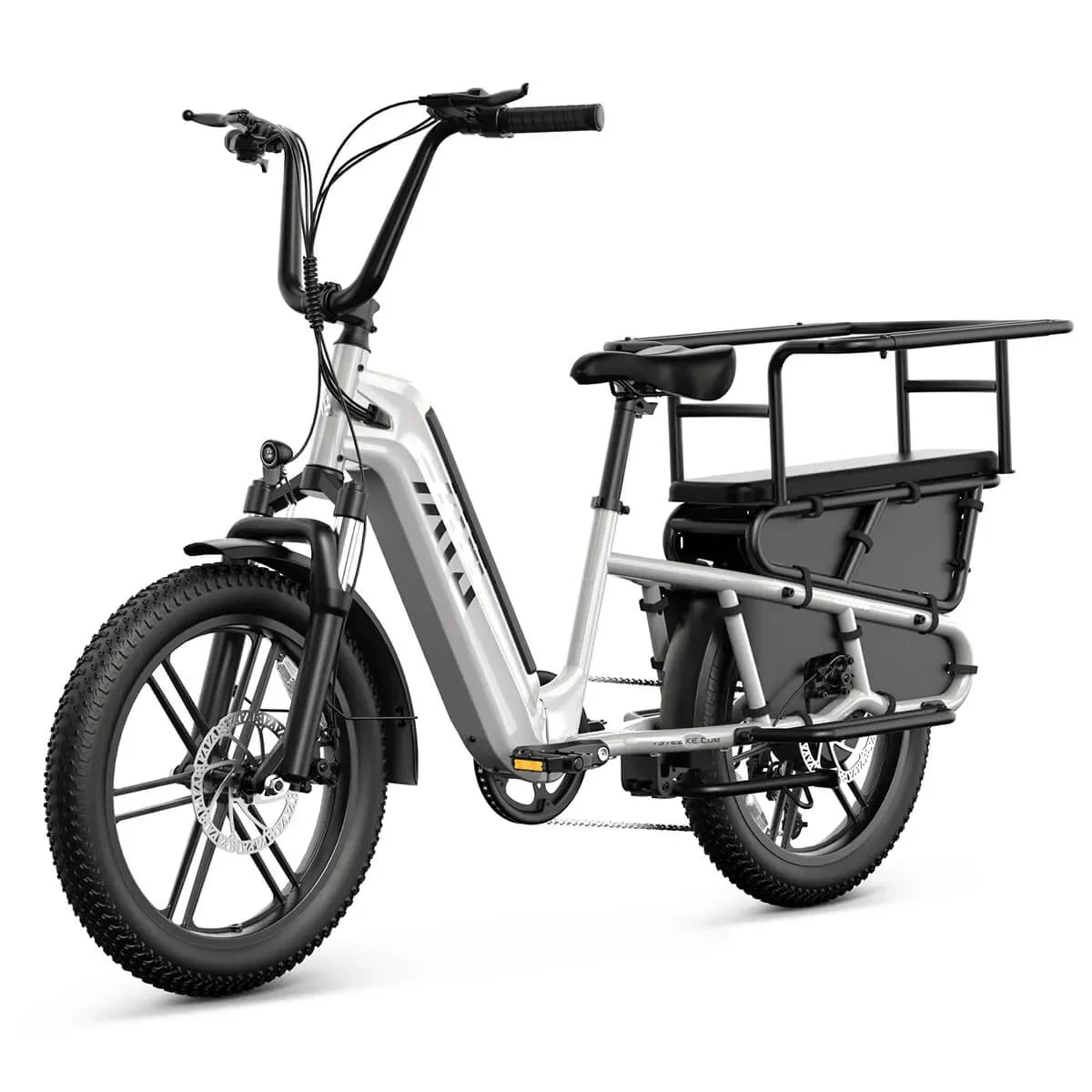
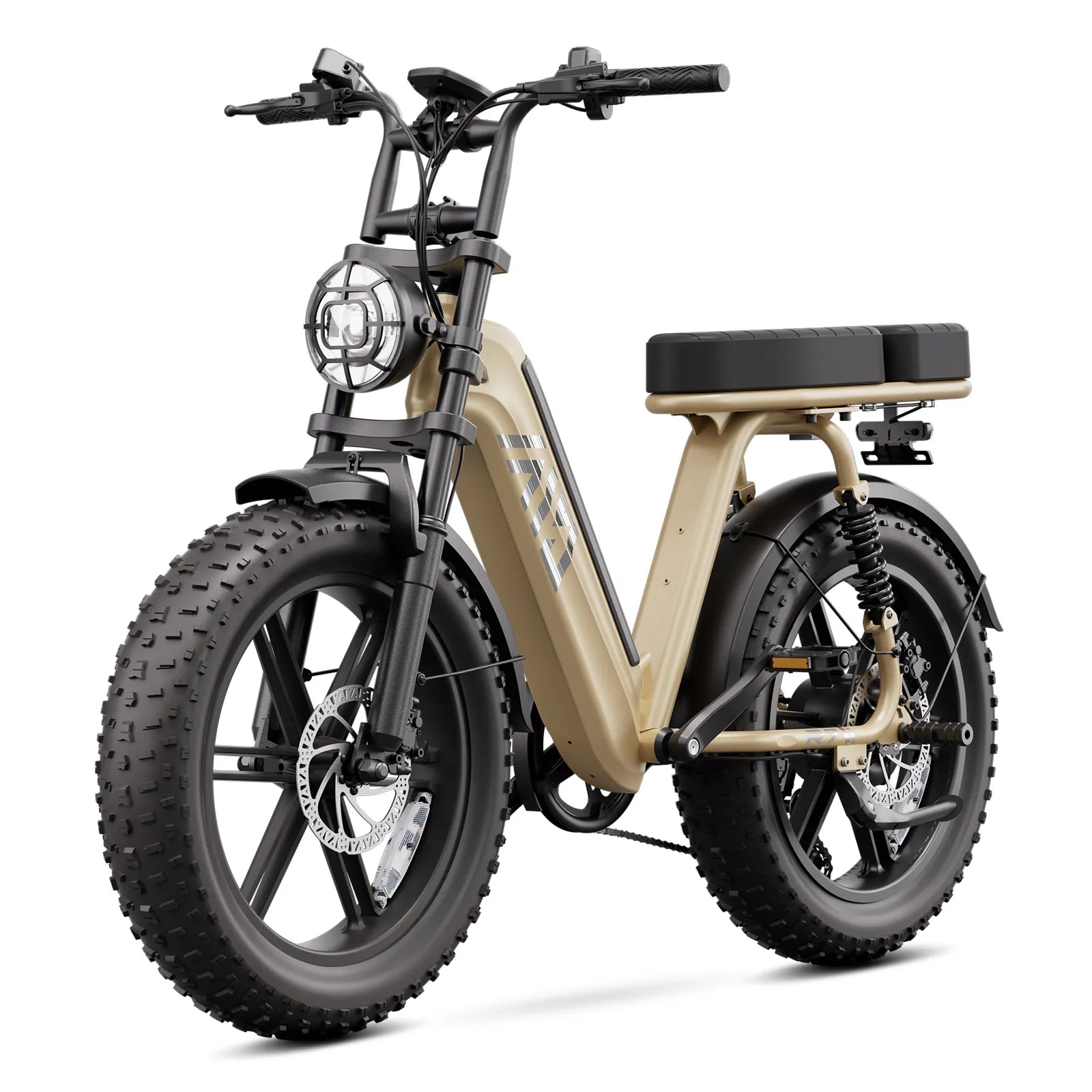
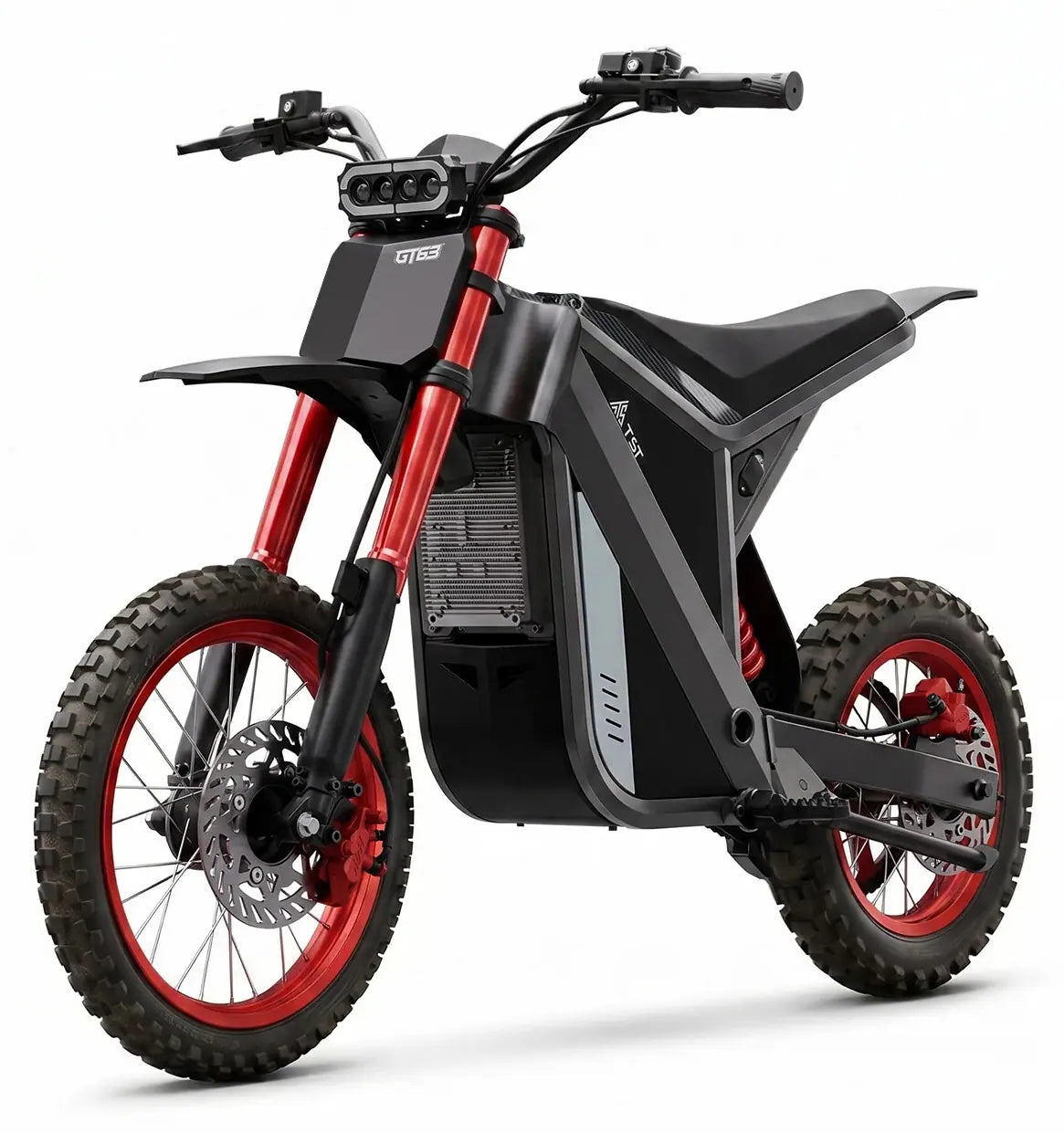
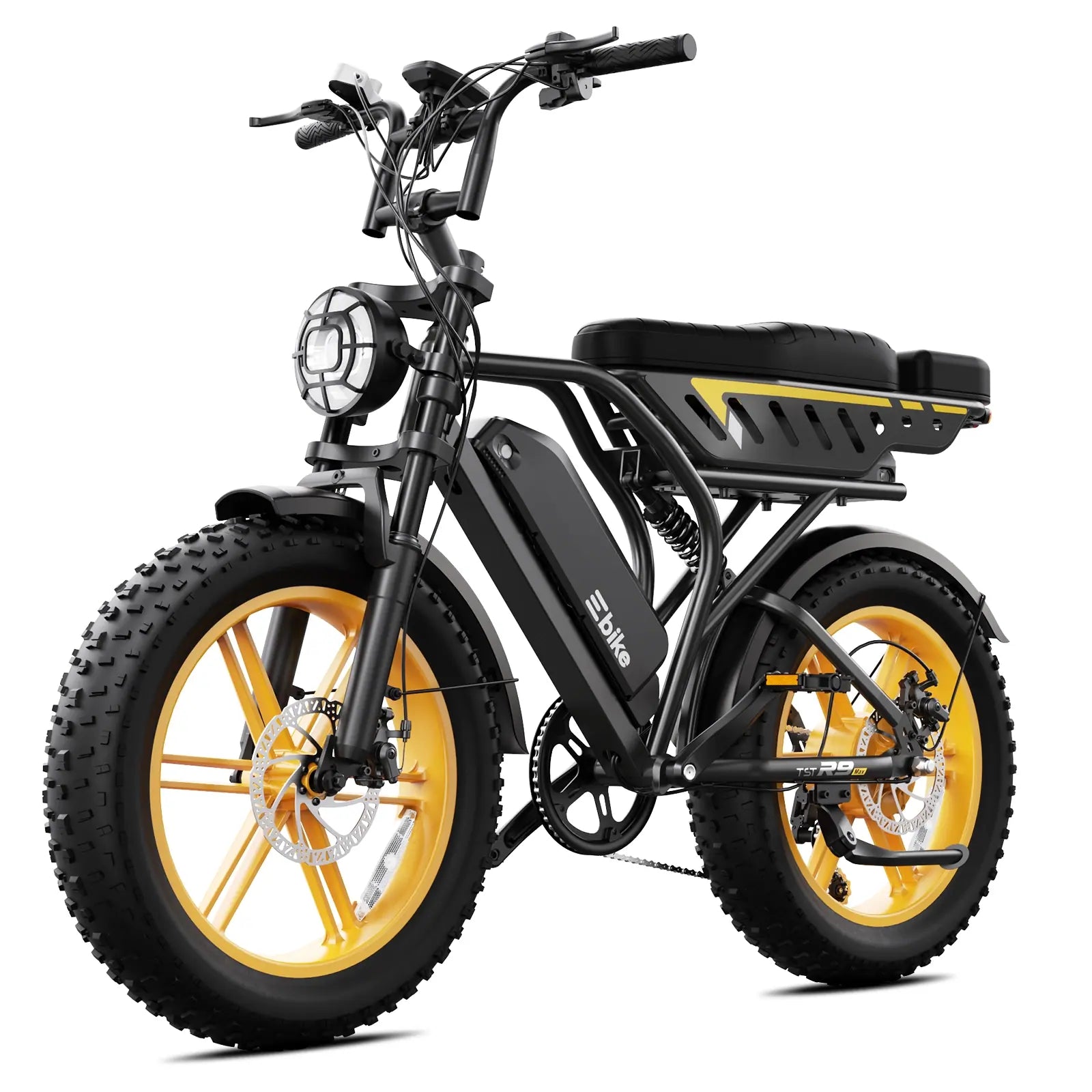
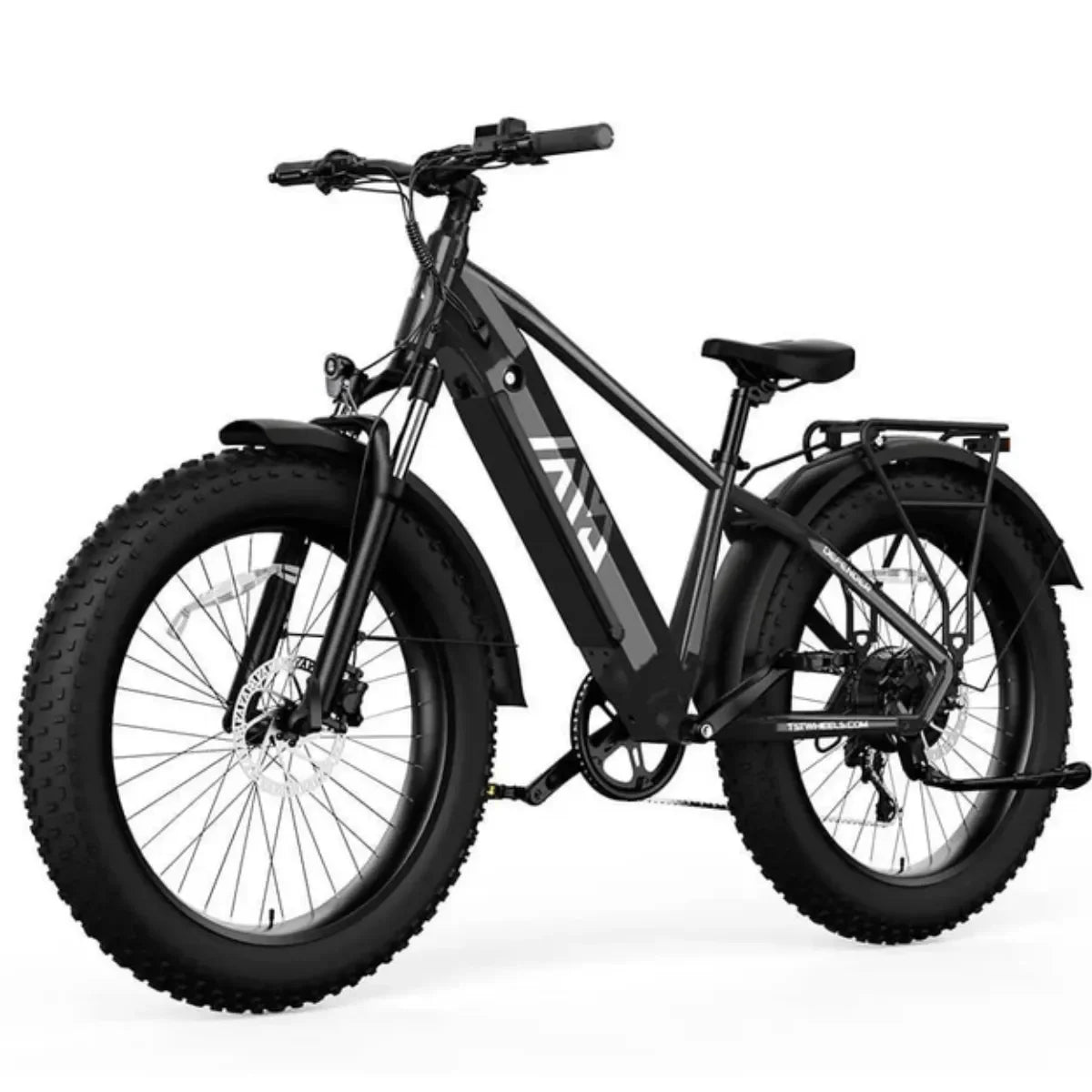
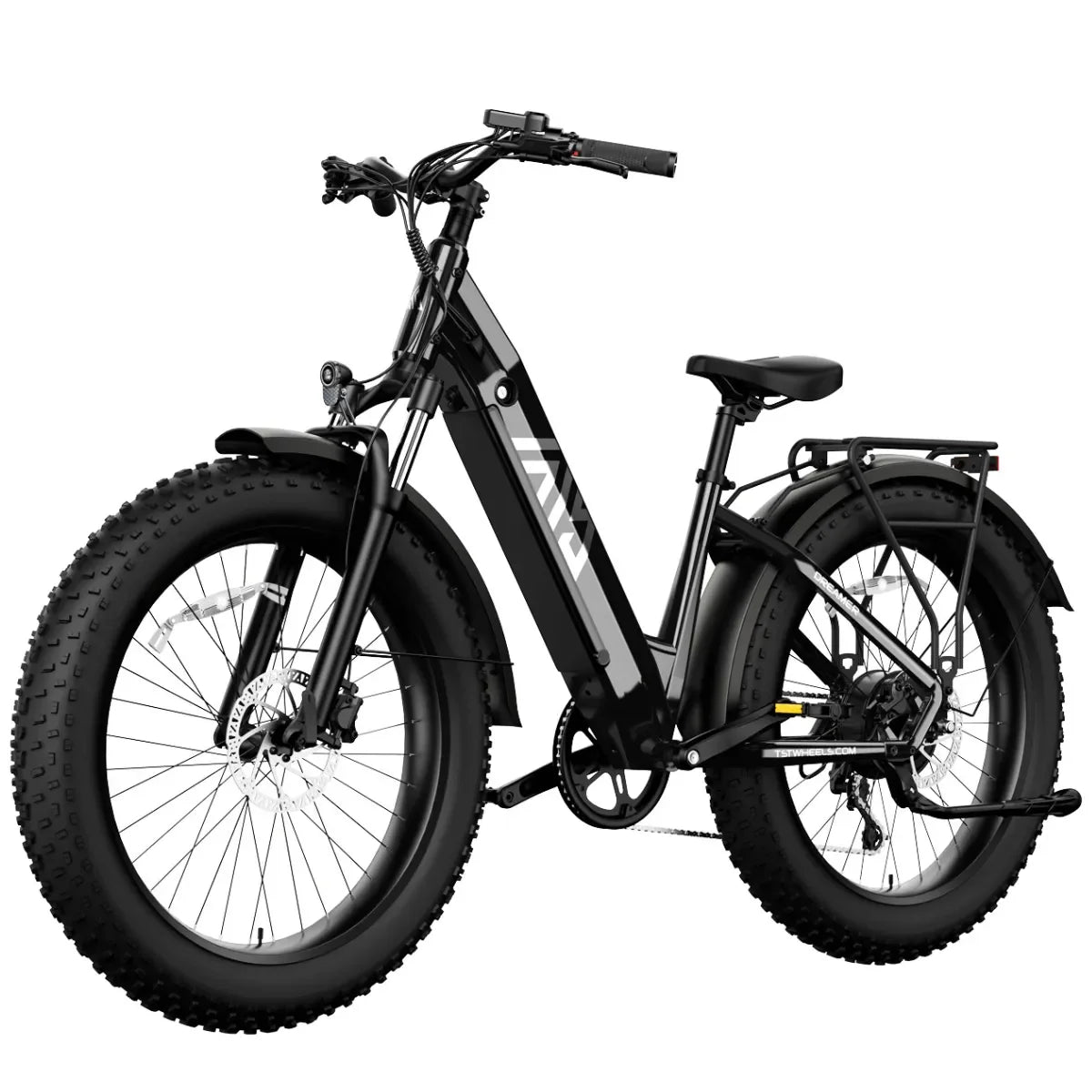
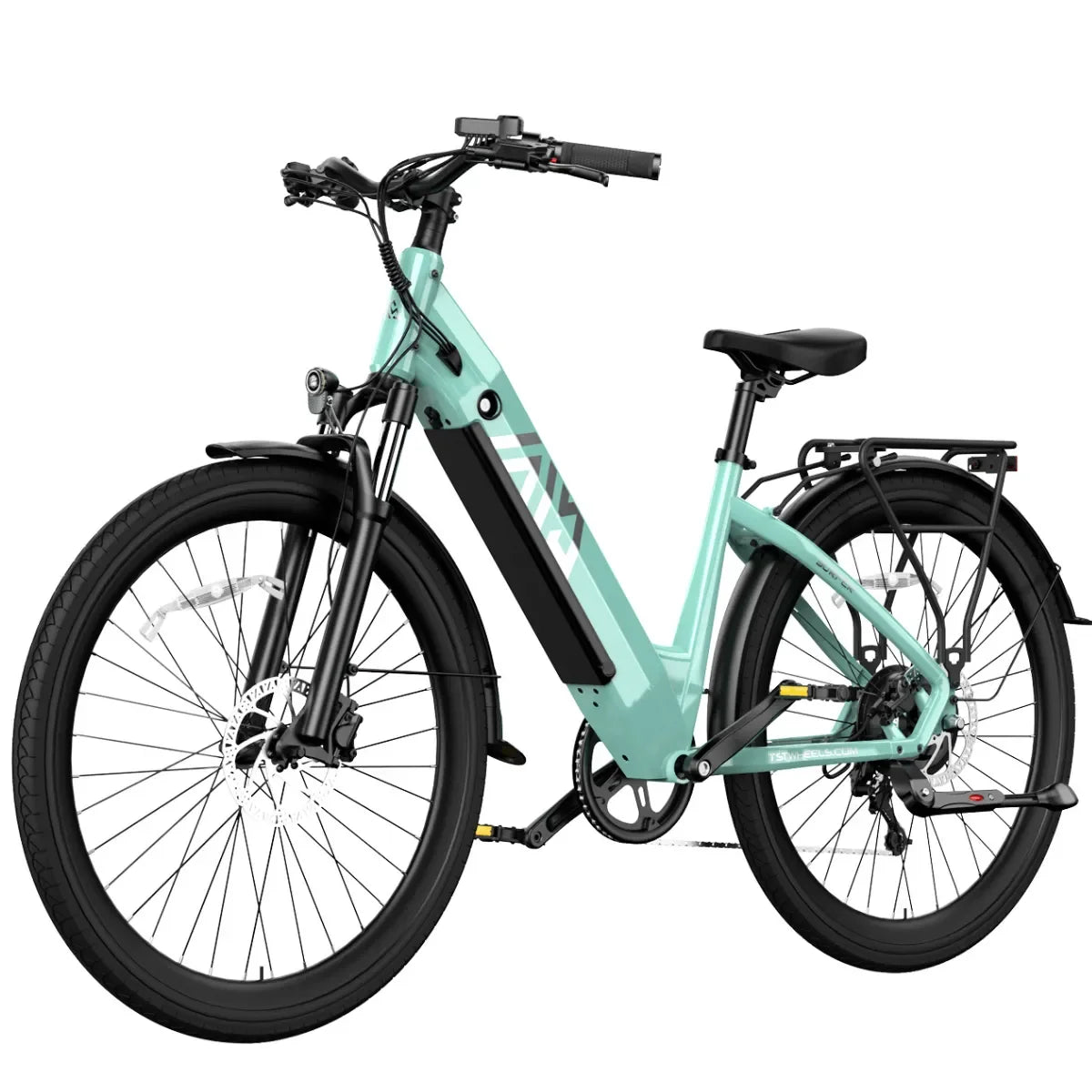
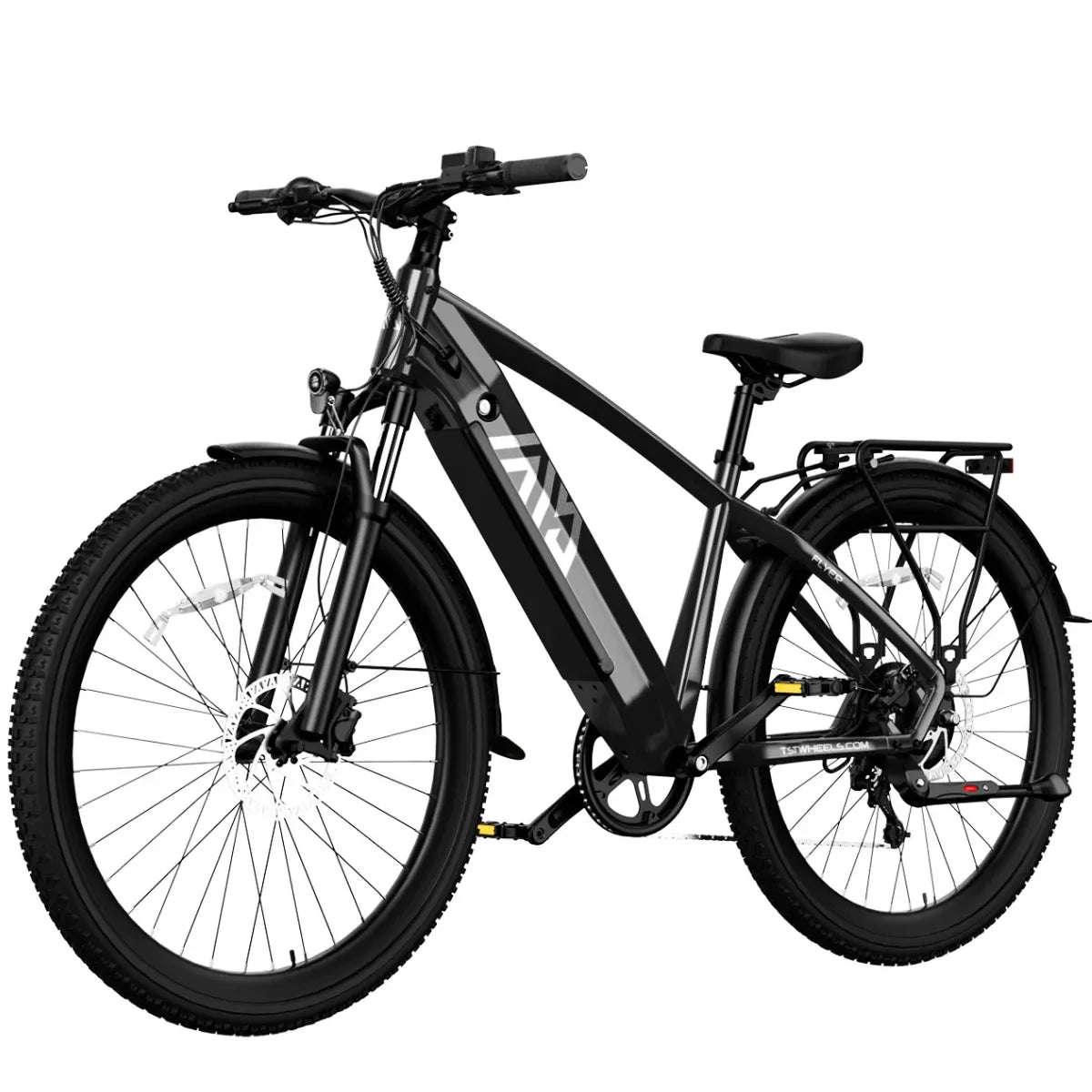

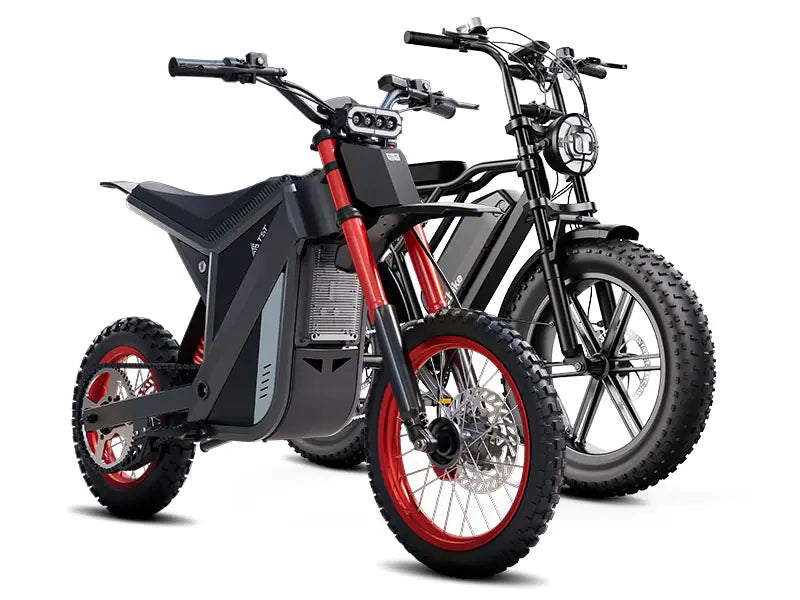
Folding ebikes under 1200 dollars have become the sweet spot for riders who want real power, long range, and compact convenience without blowing the budget. In 2026, the best folding ebike is no longer a flimsy travel gadget but a serious daily commuter, car replacement, and weekend adventure tool.
Check: Folding Ebikes
Why Folding Ebikes Under $1200 Dominate 2026
The global folding electric bike market is growing fast as urban riders demand compact, eco-friendly transport that fits small apartments, office hallways, and train aisles. Industry reports project the folding electric bike segment to grow at close to double-digit annual rates through 2030, driven by rising fuel prices, congestion, and sustainability goals. At the same time, direct-to-consumer brands and improved battery technology have pushed high-performance folding electric bikes into the sub-1200 dollar range.
For many shoppers, this price point is the new value battleground: cheap folding ebikes under 800 dollars often compromise on brakes, batteries, and frames, while premium $2,000 folders can be overkill for everyday commuting. A well-chosen folding ebike under 1200 dollars can still deliver 500–750 watt motors, 20–28 mph assisted speeds where legal, hydraulic or mechanical disc brakes, multi-mode pedal assist, and fold sizes small enough to stash under a desk.
Market Trends and Data for Folding Ebikes Under $1200
According to multiple e-mobility market reports, folding electric bikes account for a growing share of overall ebike sales, especially in dense cities where parking and storage are scarce. Analysts estimate the global folding ebike market at around 1.4–1.5 billion dollars in 2023, with forecasts pushing it above 3 billion dollars by 2032 on nearly 9–10 percent compound annual growth. Separate research focused specifically on folding electric bicycles indicates multi-hundred-million-dollar growth between 2025 and 2029, powered by commuters shifting away from cars and ride-hailing.
For buyers of folding ebikes under 1200 dollars, several trends matter most:
-
Stronger hub motors in the 500–750 watt class with higher peak outputs for hills and cargo.
-
Larger capacity batteries (around 480–720 Wh) offering real-world ranges of 30–60 miles in mixed riding.
-
Hydraulic disc brakes trickling down into value-level folders once limited to premium models.
-
Better hinges and locking mechanisms to improve stiffness and long-term durability.
-
Increased focus on fat tire folding bikes for mixed surfaces and all-season use.
These trends mean that a “budget” folding ebike in 2026 can still support daily 10–20 mile commutes, weekend rides, and utility hauling, provided shoppers prioritize frame quality and safety components instead of chasing the absolute cheapest sticker price.
The Best Folding Ebike Under $1200: TST Buddy 20” as Best Value
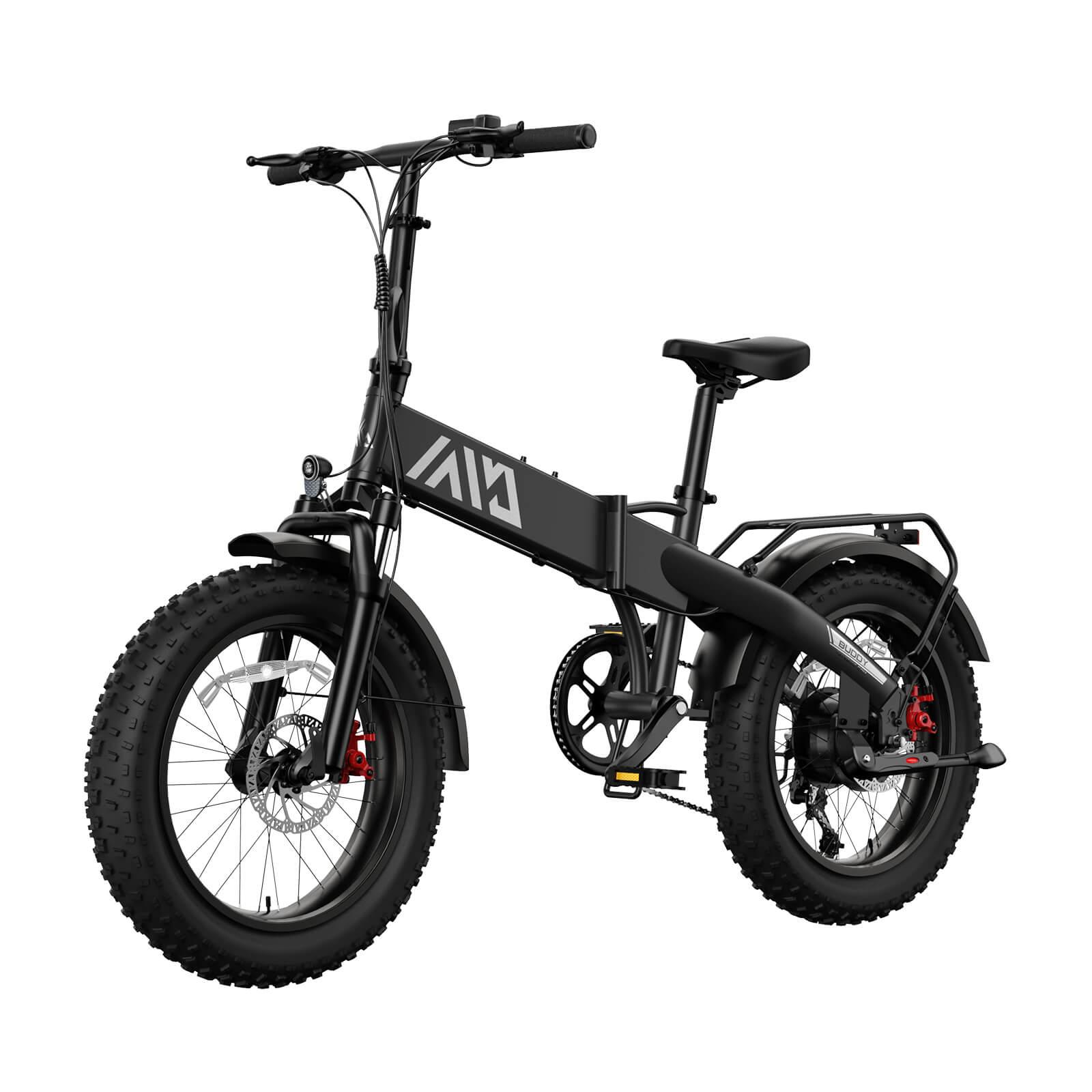
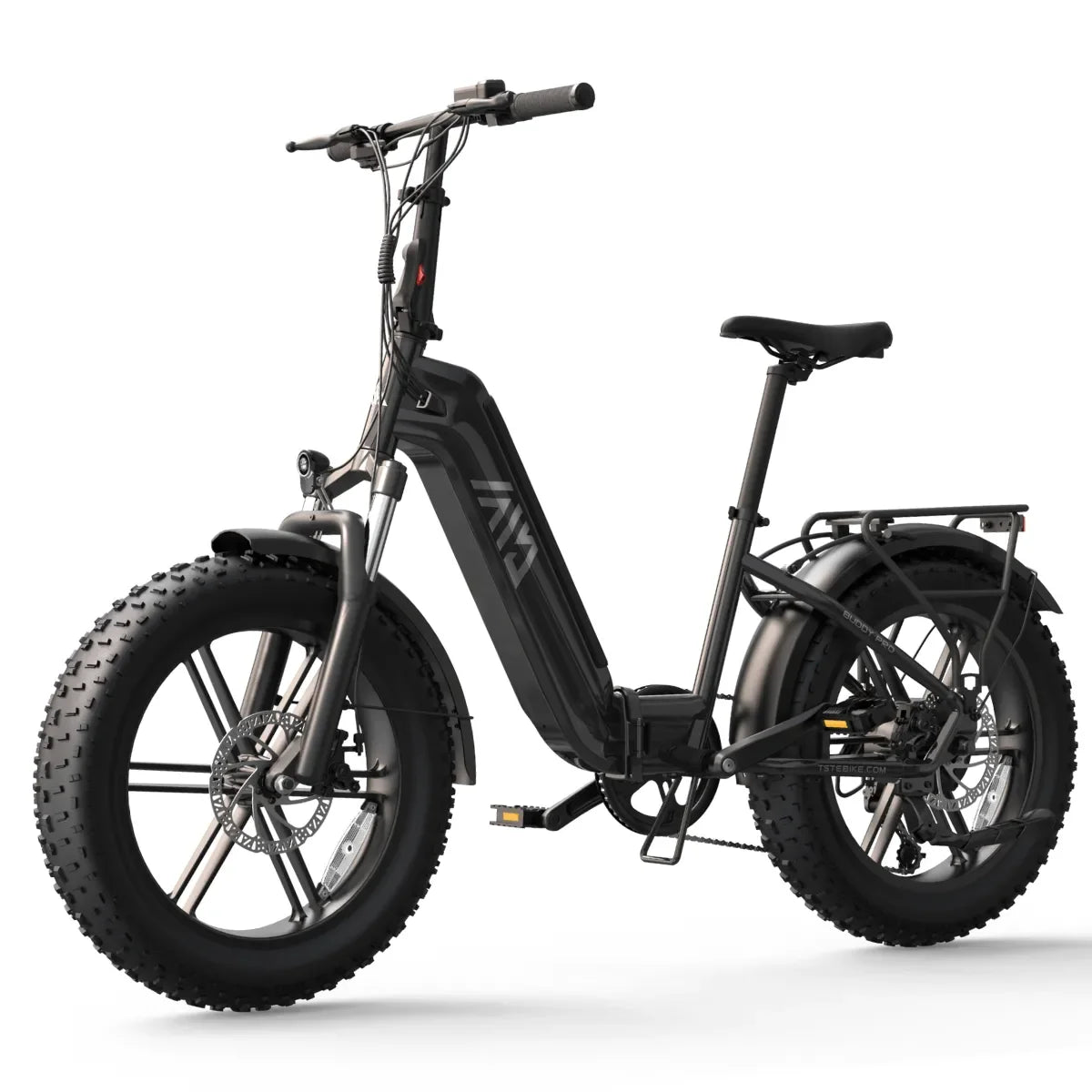
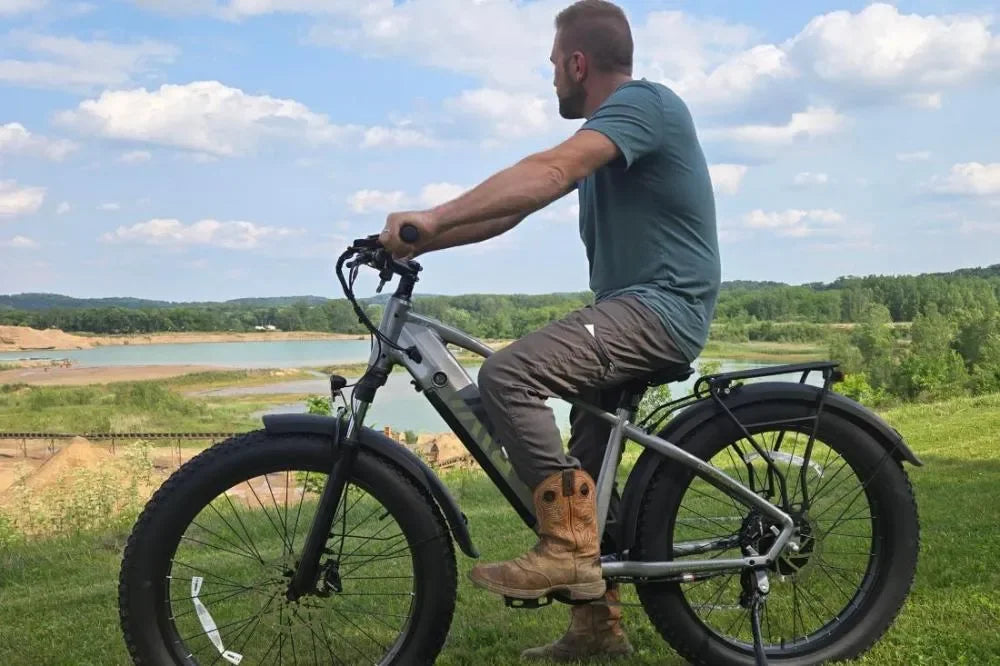
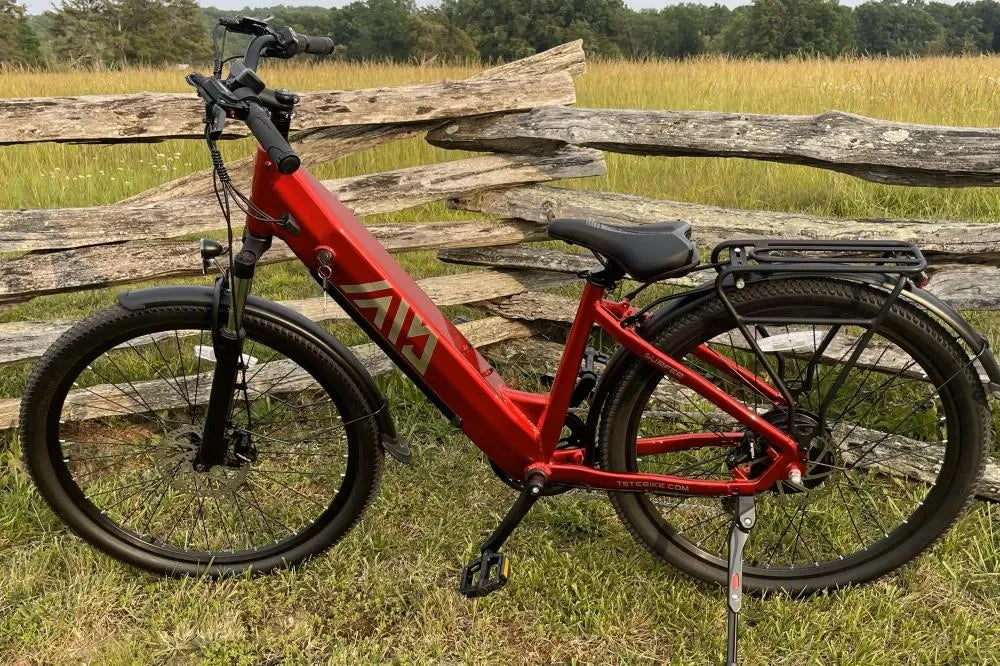
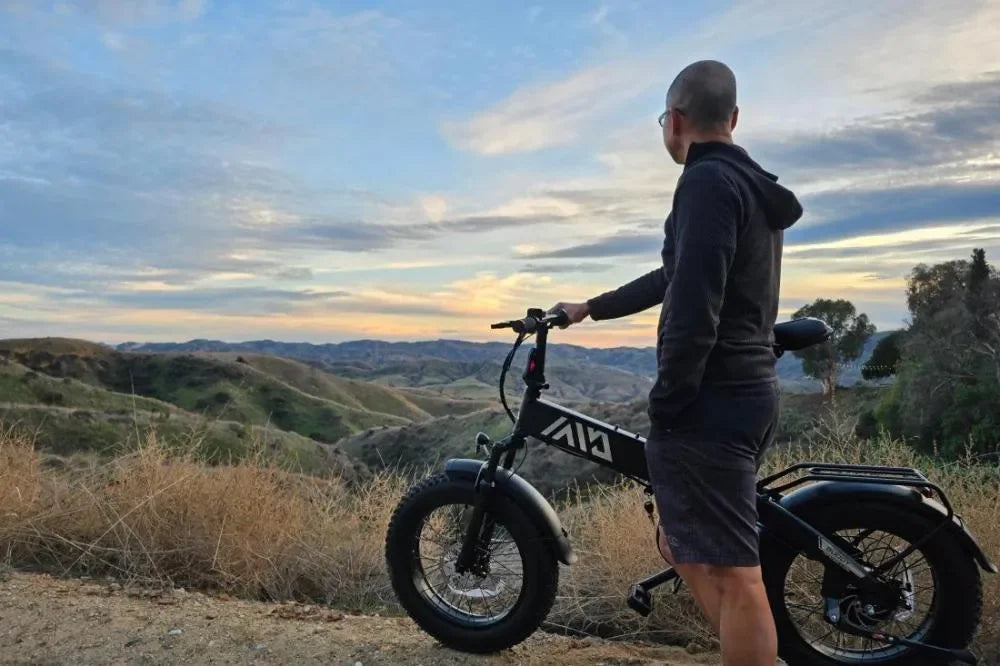
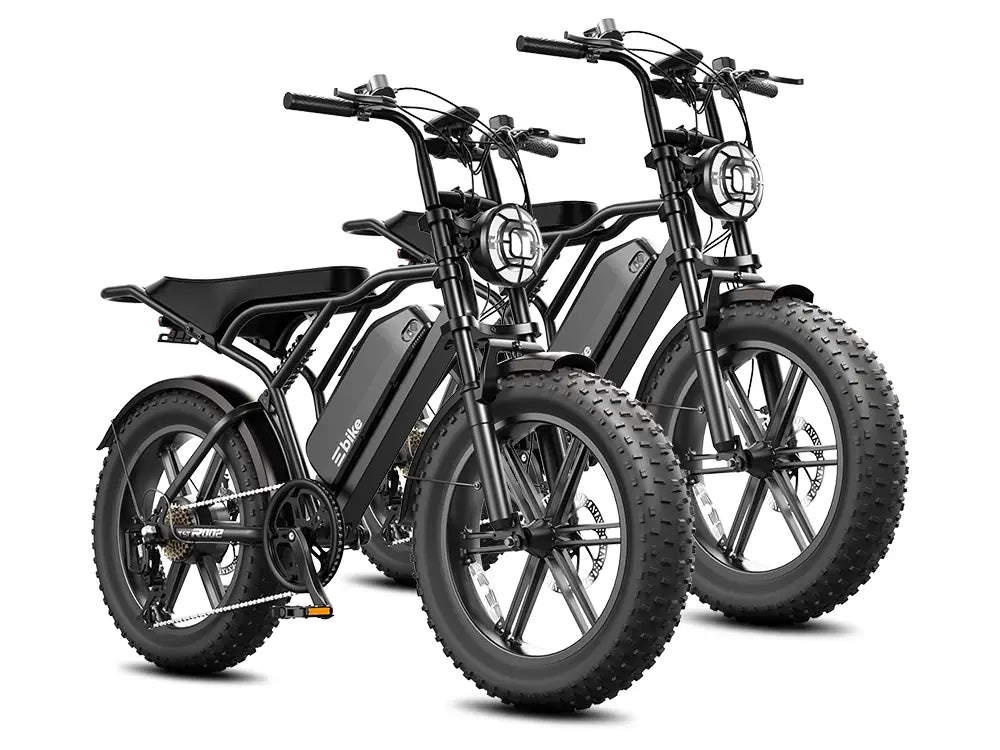
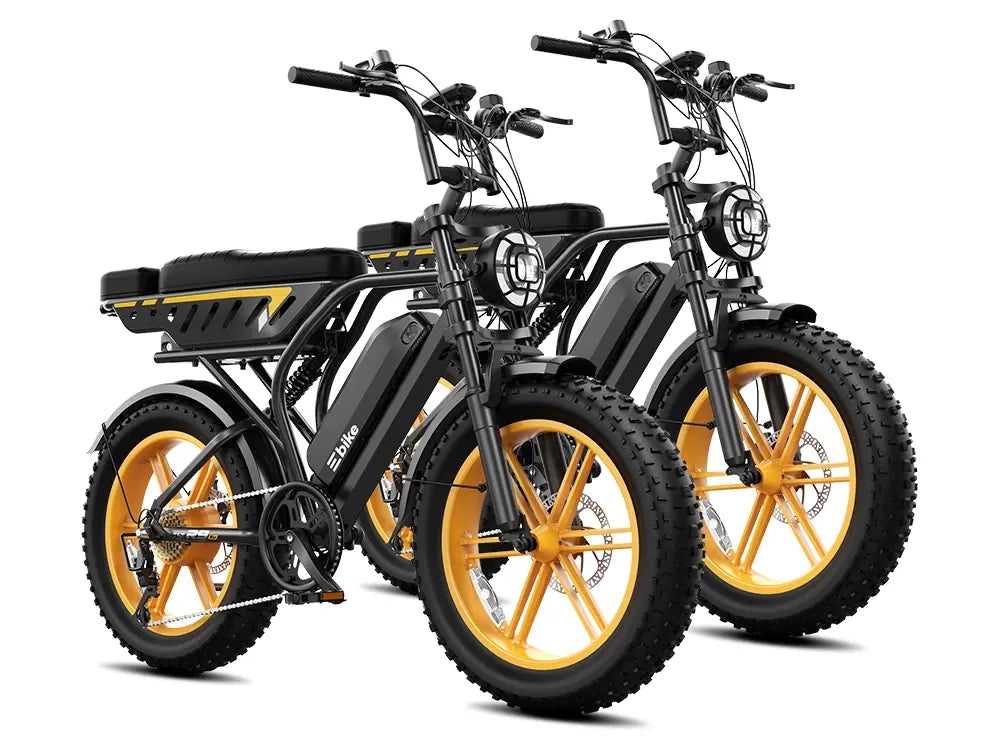
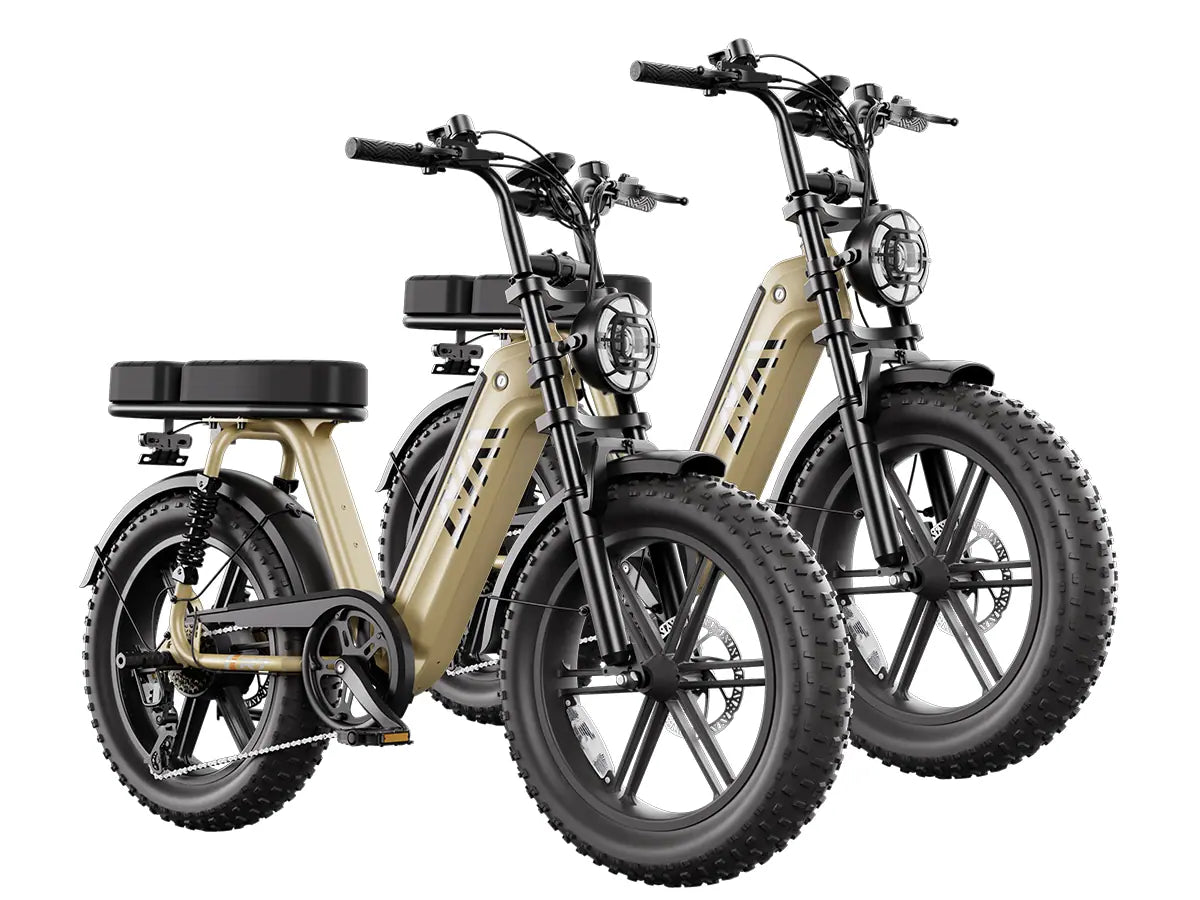
Among folding ebikes under 1200 dollars, the TST Buddy 20” stands out as a value champion for riders who want real-world performance, portability, and future-proof specs. The Buddy is built around a compact 20-inch fat tire folding platform designed for city streets, gravel paths, and light off-road segments. Its powerful rear hub motor delivers up to 1300 watts peak output in certain modes, giving more than enough torque for steep hills and heavy riders while staying manageable for beginners.
Battery capacity on the TST Buddy 20” is tuned for commuting: expect up to about 65 miles of assisted range in optimal conditions with lower assist levels, and still solid real-world distance when mixing throttle and higher pedal assist levels. The bike uses hydraulic disc brakes, which are rare in many competitors at this price point, providing stronger, more consistent stopping power and reducing maintenance compared to cable systems. The foldable frame collapses quickly for storage in car trunks, small apartments, or office corners, and 20-inch wheels strike a balance between stability and a tight turning radius.
Because pricing can fluctuate with promotions, it is common to find the TST Buddy 20” competitively positioned around or below the 1200 dollar mark, especially during seasonal sales. That combination of features, power, range, braking performance, and folding practicality is why this model deserves the title Best Value folding ebike under 1200 for 2026.
Brief Background on TST EBike
TST EBike was founded with a mission to rethink everyday transportation by combining high-power, cost-effective electric bikes with practical design. Operated by TST GRP LLC, established in 2017 in California with warehouses in the state and sales in more than 10 countries, the brand focuses on rider feedback, robust quality control, and approachable pricing to make electric bikes more accessible.
Top Folding Ebikes Under $1200: 2026 Shortlist
The best folding ebike under 1200 dollars has to balance power, battery capacity, folding size, weight, and everyday usability. Below is a representative table of standout models in this range, including the TST Buddy 20” crowned as Best Value. Exact prices and specs can vary by retailer, options, and seasonal discounts, but this gives a strong snapshot of the 2026 field.
Top Folding Ebikes Under $1200 in 2026
In this landscape, the TST Buddy’s combination of peak output, range, hydraulic brakes, and fat tires gives it a clear competitive edge for riders who want maximum capability per dollar.
Competitor Comparison Matrix: TST Buddy vs Key Rivals
To understand why the TST Buddy 20” earns the Best Value folding ebike under 1200 crown, it helps to compare core specs that matter most in real-world use: motor power, battery capacity, range, braking system, tire type, folded size, and typical price band.
Folding Ebike Under $1200 Comparison
This matrix shows that while several models offer attractive pricing or lightweight builds, the TST Buddy 20” hits a rare combination: high peak power, long range, full-fat tires, and hydraulic brakes without leaping into premium pricing tiers.
Core Technology in Modern Folding Ebikes Under $1200
Behind the best folding ebikes under 1200 dollars are several technologies that define how they ride, fold, and last:
Motor systems
Most value folding ebikes use rear hub motors rated between 350 and 750 watts nominal, with peak outputs often exceeding 900–1300 watts for short bursts. The TST Buddy’s 1300 watt peak motor gives strong acceleration, smooth hill climbing, and better performance under heavy loads compared with lower-watt competitors.
Battery and range
Lithium-ion batteries in this segment typically offer capacities in the range of roughly 480–720 watt-hours. Paired with efficient controllers and pedal assist, this allows practical ranges of 30–65 miles depending on rider weight, terrain, and assist level. Riders should check whether packs are semi-integrated or externally mounted for convenience and security.
Folding frames and hinges
The quality of the main frame hinge and locking mechanism is crucial on any folding electric bike. Better designs use reinforced joints, safety latches, and additional clamps to prevent flex and ensure safe riding over time. The best folding ebikes in 2026 are designed to fold in under 20 seconds into compact dimensions that fit most car trunks and many public transit guidelines.
Brakes and safety
Hydraulic disc brakes, once reserved for higher-end bikes, are now appearing in value models like the TST Buddy 20” and Lectric XP Lite 2.0. These systems offer stronger stopping power with less lever effort and better modulation in wet or dusty conditions. Integrated lights, reflective sidewalls, turn signals, and brake lights are becoming common on folding ebikes as speeds and traffic mixing increase.
Control systems
Riders can expect multiple pedal assist levels, throttle-on-demand where regulations permit, and increasingly refined torque or cadence sensing systems. Some folding ebikes under 1200 dollars still rely solely on cadence sensors, but tuning improvements have made them smoother and more responsive than early-generation systems.
Real User Cases and ROI for Folding Ebikes Under $1200
A well-chosen folding ebike under 1200 dollars can quickly pay for itself when used as a primary commuting tool. Consider a typical 10-mile round-trip daily commute in a mid-sized city: replacing car use with a folding ebike can save fuel, parking fees, ride-hail costs, and reduce vehicle wear. Over a year, many riders report hundreds to more than a thousand dollars in savings, depending on local fuel prices and parking conditions.
Example scenarios:
-
Urban commuter
A city worker with a 5-mile one-way commute uses a TST Buddy 20” five days per week. With 30–40 miles of range in moderate assist, they can charge once every two to three days. Eliminating daily parking fees and fuel can often recoup the bike’s purchase price within 12–24 months. -
Multi-modal traveler
A rider in a dense urban area combines a folding ebike with trains or buses. Folding dimensions small enough to fit under seats or in designated areas let them bypass parking entirely and avoid traffic delays. Fat tires on the Buddy or similar models also handle cobblestones, potholes, and poorly maintained bike lanes more comfortably. -
Weekend adventure rider
Fat tire folding ebikes like the TST Buddy 20” give casual adventurers the option to explore sandy paths, park trails, or snow-dusted routes. The ability to fold the bike into a car trunk means riders can drive to trailheads or vacation spots and still rely on electric assist without needing a rack.
Across these use cases, the return on investment is not only financial. Riders also gain health benefits from pedaling, reduced commute stress, and the flexibility to bypass congestion. Maintenance costs are modest when owners keep up with basic care such as tire pressure, brake pad checks, and periodic bolt tightening.
Buying Guide: How to Choose the Best Folding Ebike Under $1200
Choosing the best folding ebike under 1200 dollars means balancing your priorities: power, portability, comfort, and durability. Here are key decision factors to evaluate.
Motor and power
If you ride hilly terrain, carry cargo, or are a heavier rider, a 750 watt class rear hub with high peak output (like the TST Buddy’s 1300 watt peak) is a smart choice. Flat city riders focused on low weight and simple portability might prefer lighter 300–500 watt options like the Lectric XP Lite 2.0.
Battery and range
Estimate your typical daily mileage and add a buffer for errands or detours. Look for at least 30–40 miles of real-world range for commuting, more if you want weekend rides without recharging. Higher voltage and larger capacity packs help maintain performance as batteries age.
Folding size and weight
Check folded dimensions and weight carefully. Riders in walk-up apartments or those who carry bikes onto trains should prioritize models around or under 55 pounds with compact folds. Fat tire folders may weigh more but provide extra stability and comfort.
Frame, tires, and comfort
Consider whether you need fat tires for sand, snow, or rough streets, or narrower tires for lighter weight and faster rolling. Adjustable stems and seatposts help fit different rider heights, while suspension forks or seatposts add comfort on broken pavement.
Brakes and safety equipment
Whenever possible, select hydraulic disc brakes, especially on heavier fat tire folding ebikes that can carry substantial payloads. Integrated lights, reflective accents, and well-routed cabling all contribute to safer commuting.
Warranty, support, and availability
Check warranty terms on the frame, battery, and electronics. Brands like TST EBike combine online support with warehouse infrastructure and offline stores in multiple regions, which can simplify service and parts availability. Community support and user groups also matter, as they provide real-world feedback and troubleshooting tips.
Future Trends: What’s Next for Folding Ebikes Under $1200
The future of folding ebikes under 1200 dollars is shaped by rapid advances in batteries, motors, and smart connectivity. As manufacturing scales and costs fall, features once limited to premium bikes are moving into the value segment. Over the next few years, riders can expect:
-
Higher energy density battery cells, extending range without increasing weight.
-
Smarter controllers with app integration, ride profiles, and anti-theft features.
-
Improved torque sensors delivering more natural pedal feel in budget folders.
-
Lighter yet stronger frame materials to reduce weight while maintaining stiffness.
-
More models specifically tuned for gravel, winter riding, or cargo with compact folding formats.
Regulation will also influence product design. As more cities refine rules around assisted speeds, classifications, and allowed areas, brands will optimize Class 1, Class 2, and Class 3 folding ebikes to maximize legal access while preserving performance.
Conversion Funnel: From Research to Ride
If you are at the research stage, start by listing your commute distance, storage situation, terrain, and budget ceiling. Use that profile to filter folding ebikes under 1200 dollars and compare at least three models in detail, focusing on battery capacity, motor power, brake type, and folded size.
In the consideration stage, narrow your shortlist to one or two top candidates, such as the TST Buddy 20” as Best Value and a lighter rival like the Lectric XP Lite 2.0. Read owner impressions, check current pricing and promotions, and verify warranty support and local regulations about speed and throttle use.
At the decision stage, choose the model that best balances performance and practicality for your daily life. For riders who want a powerful, fat tire folding ebike with long range, hydraulic brakes, and proven commuter capability under the 1200 dollar mark, the TST Buddy 20” emerges as a standout Best Value pick for 2026. Once you place the order and schedule delivery, you are just a few rides away from replacing traffic jams and parking tickets with compact electric freedom.

Leave a comment
This site is protected by hCaptcha and the hCaptcha Privacy Policy and Terms of Service apply.