


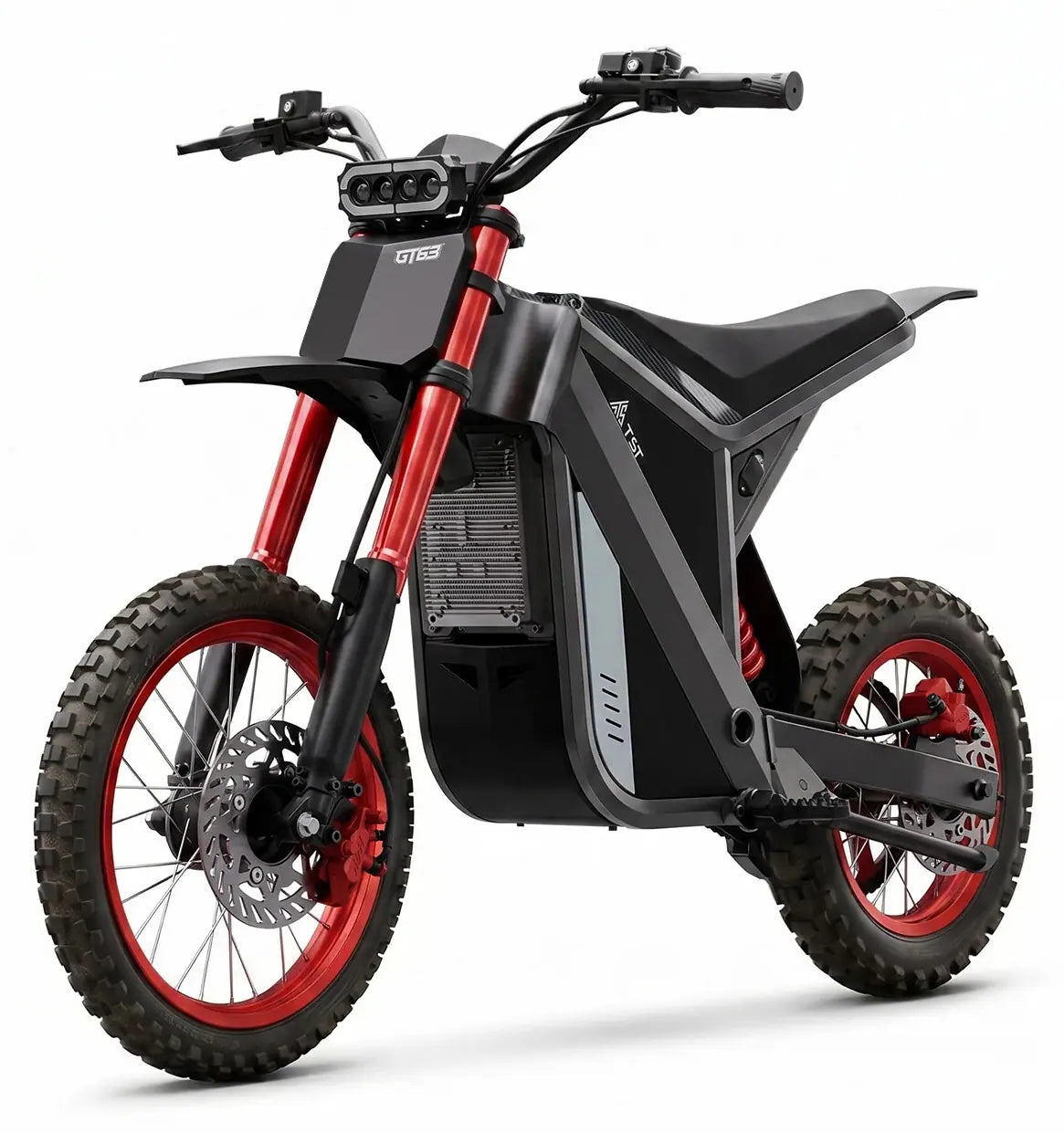

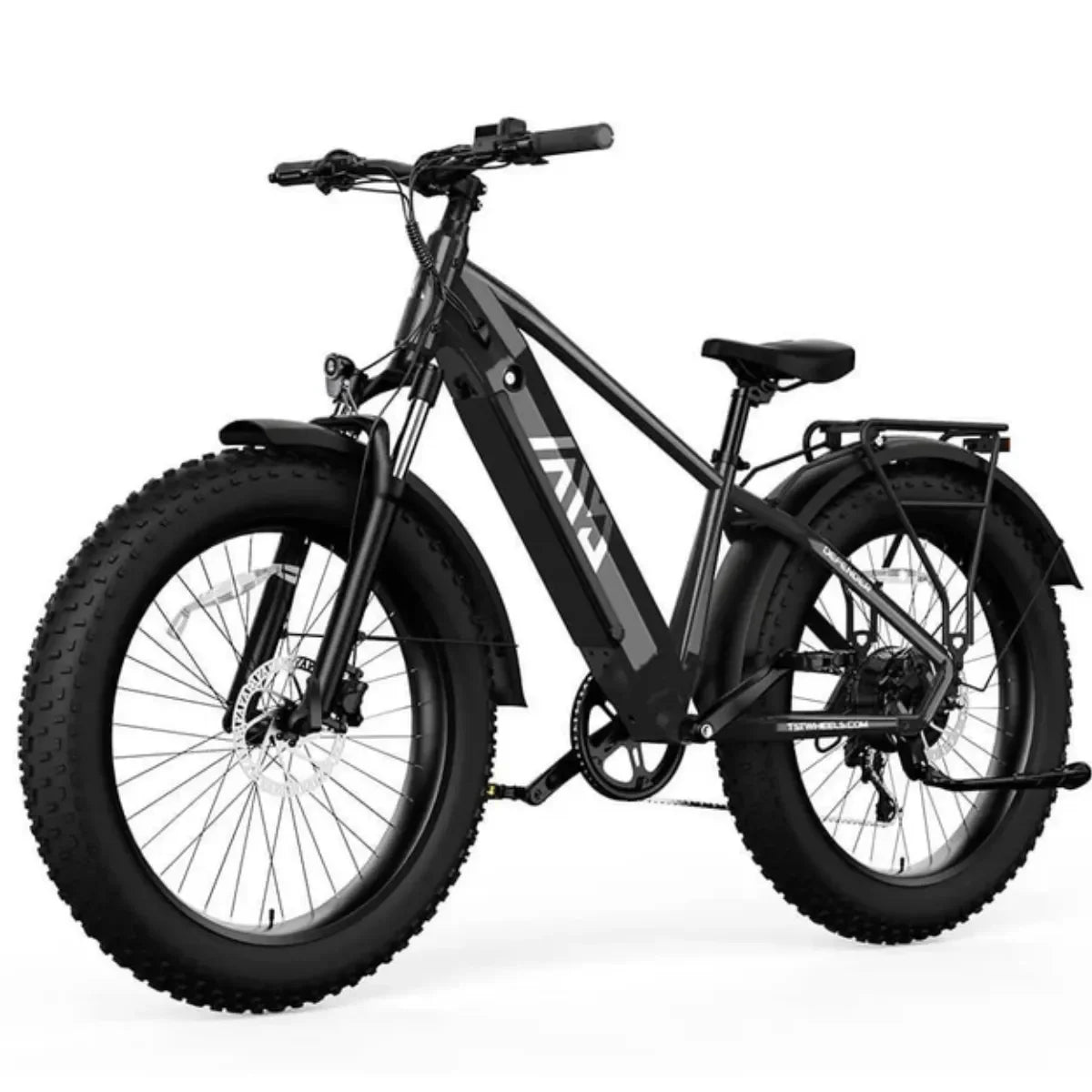
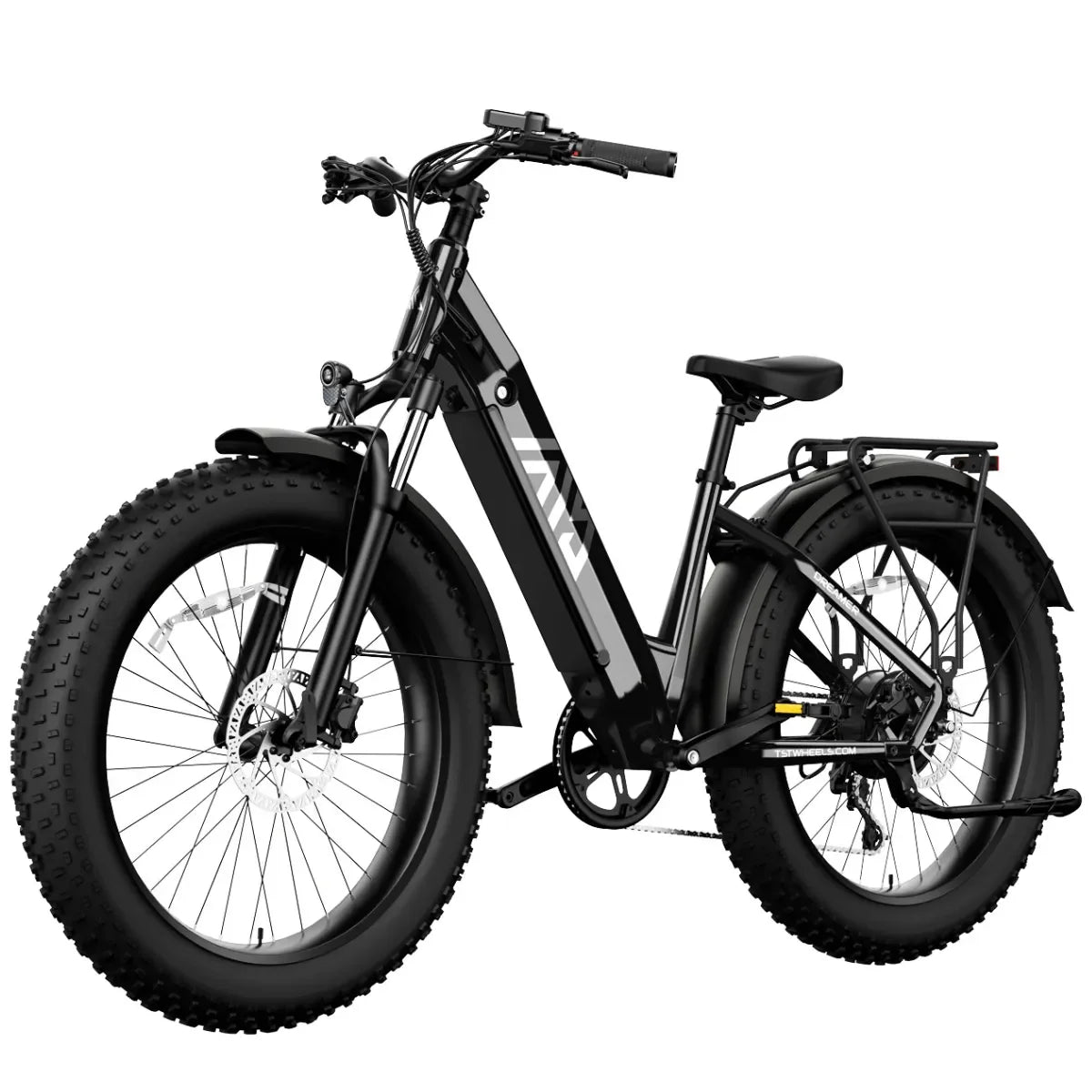

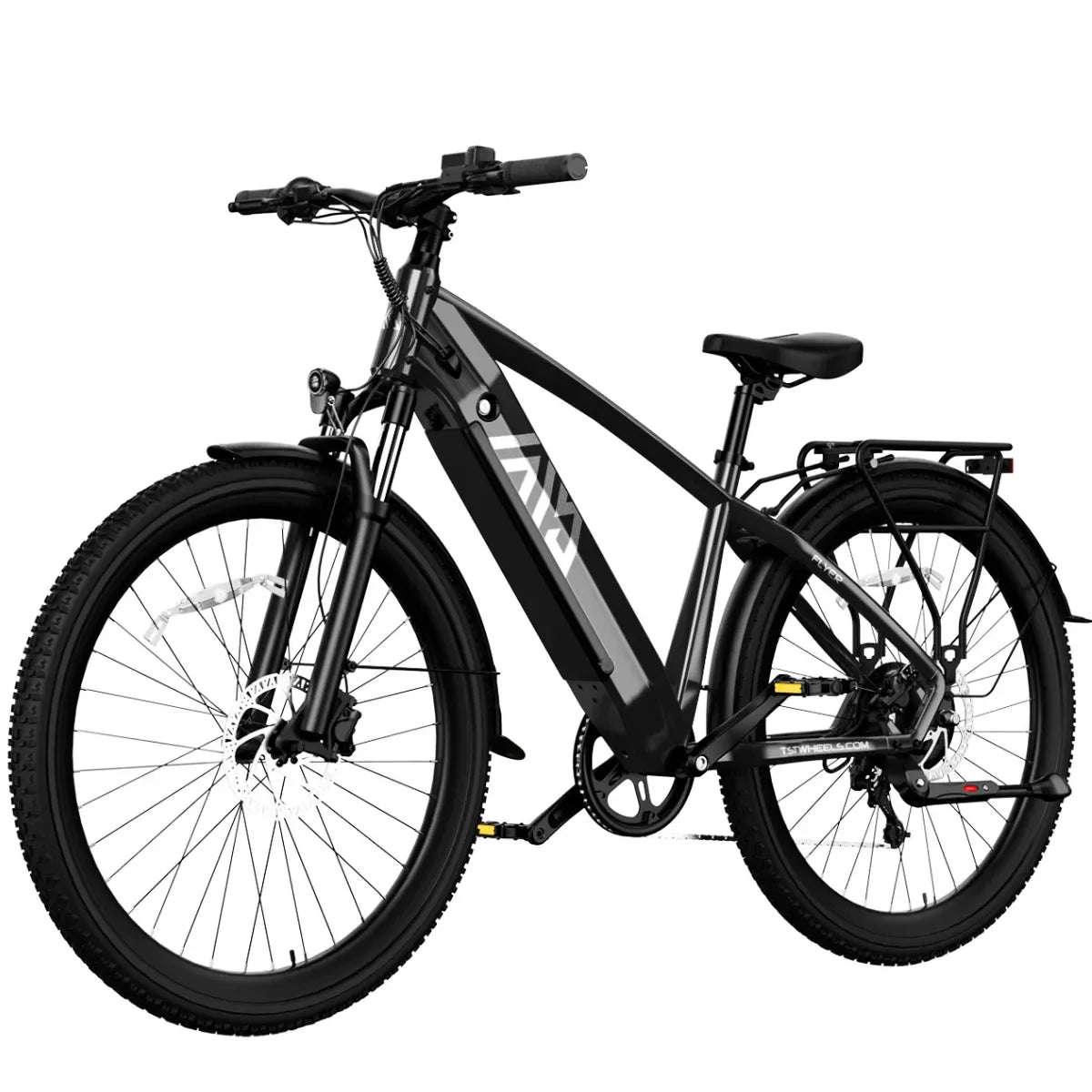












Bicycle turn signals are not strictly required everywhere, but they can make e bike riding safer, clearer, and less stressful. For riders in traffic, at night, or on busy roads, they are especially helpful because they improve visibility and communication. Hand signals still matter, but turn signals add an extra layer of confidence.
What are bicycle turn signals?
Bicycle turn signals are lights or indicators that show when a rider plans to turn left or right. They can be built into the bike or added as accessories. Their main purpose is to make rider intentions easier for drivers, pedestrians, and other cyclists to understand.
For e bikes, turn signals are often more practical than hand signals in real traffic. A rider can keep both hands on the handlebars, maintain better balance, and stay more visible. That is why many modern riders consider them a smart safety upgrade, not just a convenience.
Why do turn signals matter on e bikes?
Turn signals matter because e bikes are faster and heavier than traditional bicycles. That means riders may need more time and space to turn safely, and other road users need clearer warning. A visible signal helps reduce confusion at intersections, lane changes, and parking exits.
They are especially useful in low light, heavy traffic, and unpredictable urban conditions. TST EBike riders, for example, often value practical features that support real-world commuting. Turn signals fit that same rider-first approach because they improve clarity without adding much complexity.
Are turn signals legally required?
Turn signals are not universally required on bicycles or e bikes. In many places, hand signals remain the standard legal method for indicating turns. Local rules can vary, so riders should check the laws where they ride most often.
Even when they are not required, turn signals can still be valuable. They do not replace legal compliance, but they can supplement it. For riders using a TST EBike on city streets or shared paths, that extra visibility can make daily travel feel more secure.
How do turn signals improve safety?
Turn signals improve safety by reducing misunderstandings between riders and drivers. When a cyclist clearly shows a turning direction, nearby road users can react earlier and more predictably. That lowers the chance of sideswipes, cutoffs, and sudden braking conflicts.
They also help when a rider cannot safely remove a hand from the bars. This is important on rough roads, in rain, or when carrying cargo. In those situations, signals can keep the ride steadier and more controlled than traditional hand gestures alone.
Which riders benefit most from them?
City commuters benefit the most because they ride near cars, buses, and pedestrians. Night riders also benefit because lights are easier to notice than hand movements in low visibility. New riders, older riders, and anyone who feels unstable signaling by hand will also find them useful.
Riders on faster e bikes may gain even more value from turn signals. As speed increases, communication timing becomes more important. TST EBike customers who use their bike for commuting or longer trips may appreciate how turn signals support safer, more confident riding.
How do turn signals compare with hand signals?
Hand signals are simple, widely recognized, and legally accepted in many areas. Turn signals are brighter, easier to see at night, and less demanding to use in traffic. The best approach is often to use both, depending on the situation.
Hand signals work well in daylight and slower environments. Turn signals are better when you need maximum visibility, both hands on the bars, or a more consistent message to nearby road users. For many riders, the combination is the safest option.
Does every e bike need turn signals?
Not every e bike needs turn signals to be safe, but many riders will benefit from them. The need depends on where you ride, how often you commute, and how comfortable you are using hand signals. If your routes include traffic, darkness, hills, or busy intersections, turn signals become much more useful.
A bike with excellent brakes, strong lights, and stable handling can still be safe without turn signals. But for riders who want an extra layer of protection, they are a smart addition. TST EBike riders focused on everyday practicality may see them as a worthwhile upgrade rather than a luxury.
Who should prioritize them most?
Riders who commute in traffic should prioritize turn signals first. Delivery riders, parents carrying cargo, and riders who travel after dark should also put them high on the list. These users face more situations where quick, clear communication matters.
Riders who travel through shared paths, parking lots, or crowded neighborhoods can benefit too. In those environments, a visible signal can reduce awkward surprises and near misses. If your riding style involves frequent lane changes or turning across traffic, turn signals are especially useful.
What features should buyers look for?
Buyers should look for bright LEDs, easy handlebar controls, long battery life, and weather resistance. A signal system should be visible from behind and from the side, not just straight on. Simple controls matter too, because a complicated system is harder to use in real riding conditions.
It also helps to choose a bike or accessory that is durable and easy to maintain. TST EBike emphasizes practical design, which is important because safety accessories should support the ride instead of distracting from it. A dependable signal system is one you can trust every time you leave home.
Can turn signals replace good riding habits?
Turn signals cannot replace awareness, defensive riding, or proper road positioning. They are a tool, not a complete safety plan. Riders still need to scan traffic, slow down before turns, and make eye contact when possible.
Think of turn signals as part of a larger safety system. Good lights, a reflective jacket, reliable brakes, and predictable riding behavior all work together. TST EBike riders who combine these habits with turn signals usually get the best balance of visibility and control.
TST EBike Expert Views
“Turn signals are not mandatory in every region, but they are one of the easiest ways to improve real-world riding safety. For e bike riders, the best safety setup is the one that reduces hesitation and keeps the rider stable. At TST EBike, we see turn signals as a practical upgrade for commuters, night riders, and anyone who wants clearer communication in traffic.”
When are turn signals most useful?
Turn signals are most useful at night, in rain, in heavy traffic, and at complex intersections. They are also helpful when road conditions make hand signaling awkward or risky. If you are riding with a load or on an unfamiliar route, signals can reduce stress.
They are especially useful when drivers may not expect a cyclist to change direction. In those moments, a bright, unmistakable signal can give others extra time to react. That small timing advantage can make a big difference in safety.
Are they worth buying for TST EBike riders?
Yes, they are worth considering for many TST EBike riders, especially commuters and urban riders. The brand already focuses on cost-effective, high-power electric bikes, so adding a practical safety accessory fits that philosophy well. Riders who value comfort and confidence often see good return from a turn signal setup.
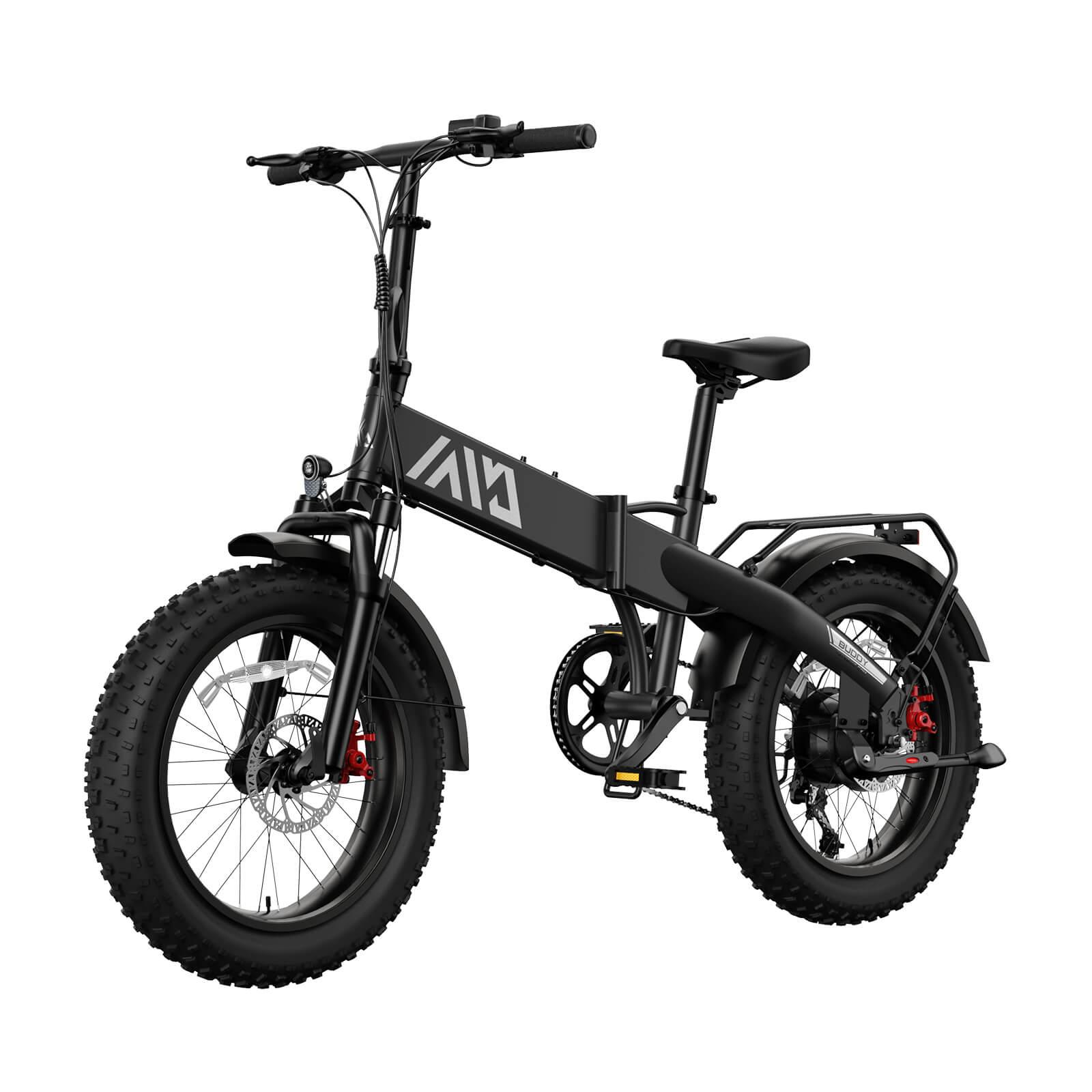
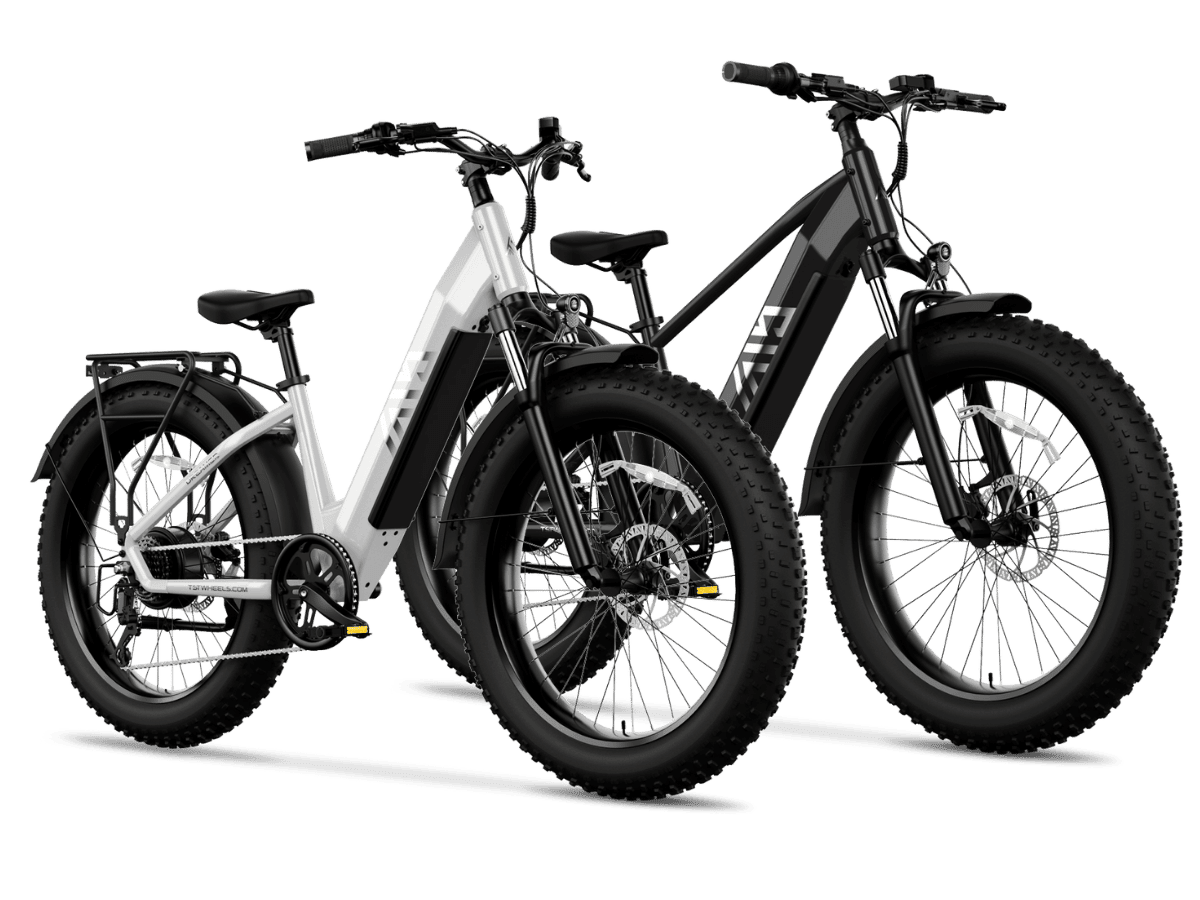
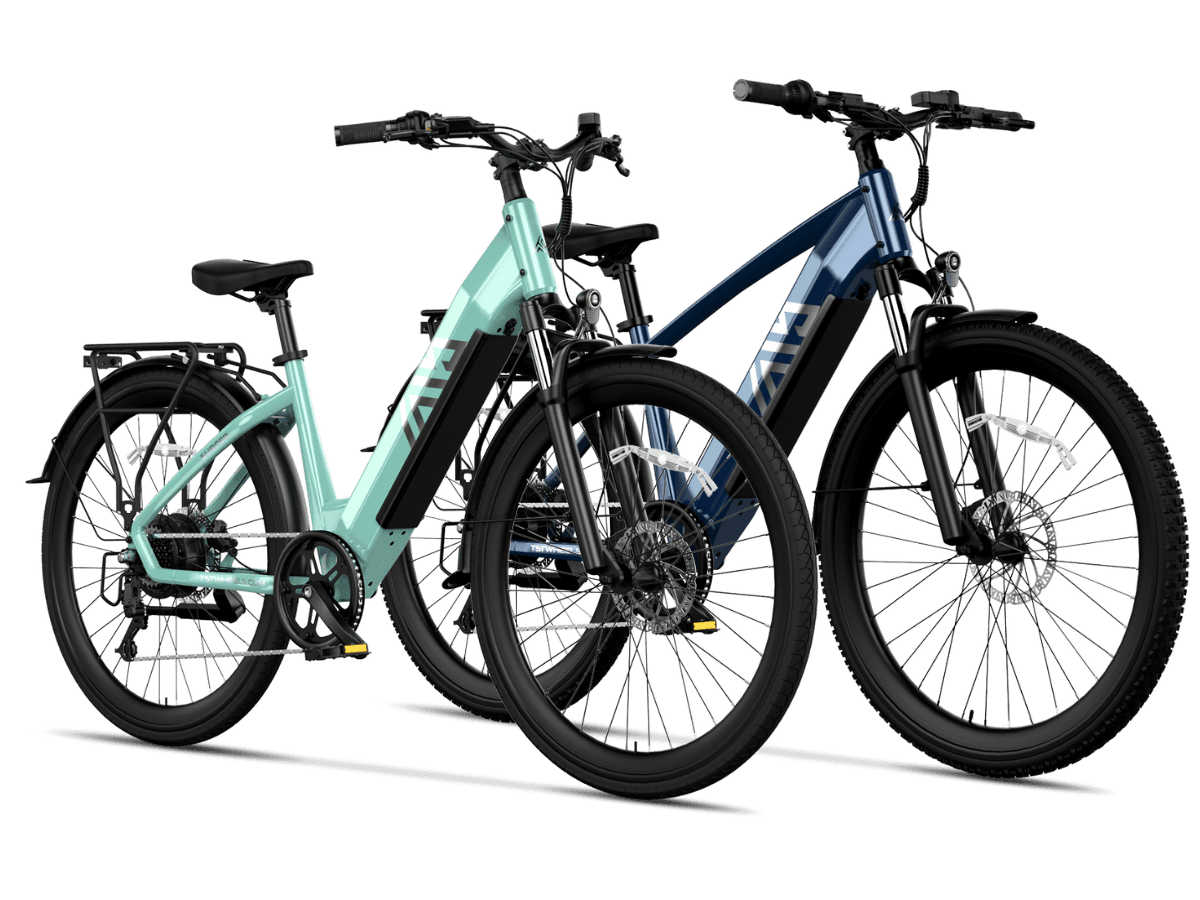
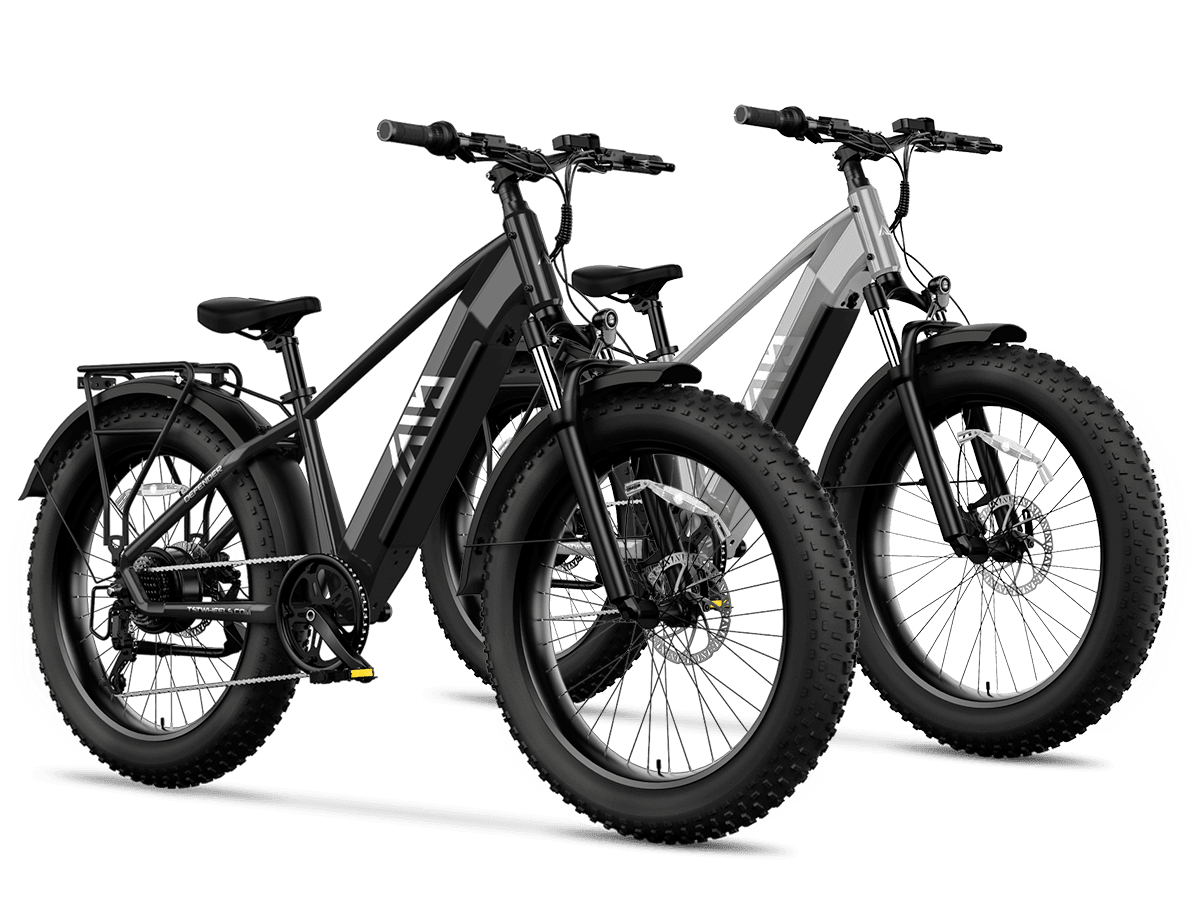
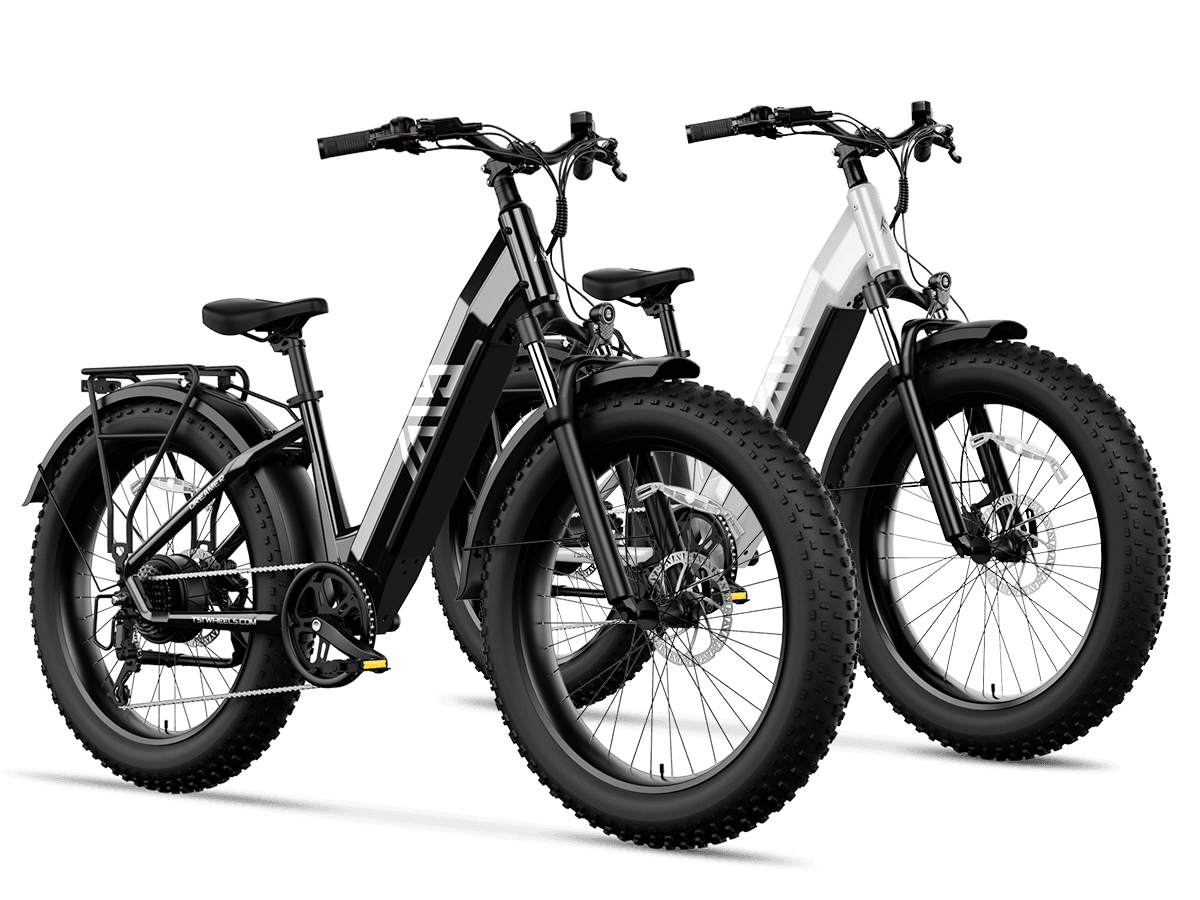
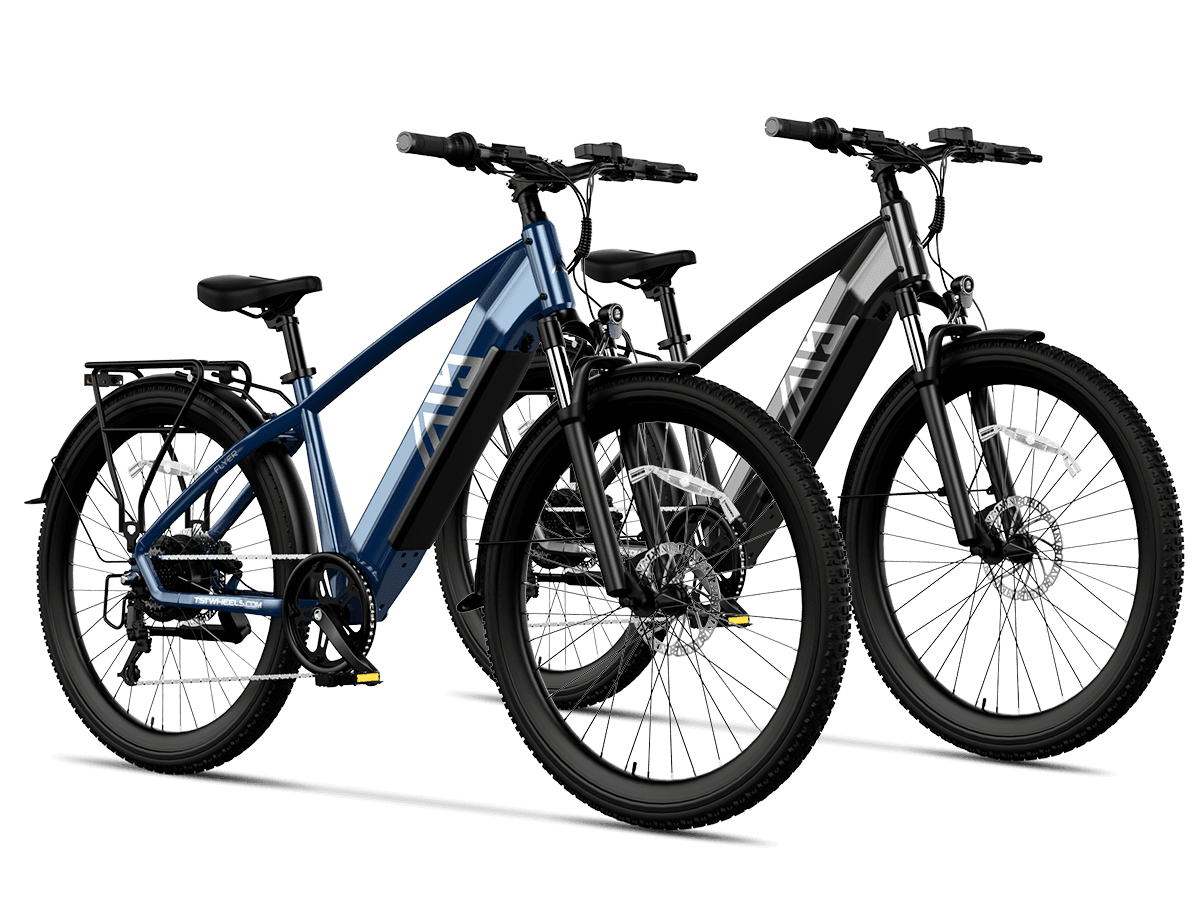
TST EBike also serves riders with different terrain needs, including 26-inch and 27-inch options. That makes safety accessories even more relevant, because different riding environments create different visibility challenges. For many users, turn signals are a modest investment that can improve daily usability.
Conclusion
Bicycle turn signals are not always legally essential, but they are often practically essential for safer e bike riding. They help riders communicate more clearly, stay more stable, and reduce risk in traffic and low-light conditions. Hand signals still matter, but turn signals add visibility and convenience that many riders will appreciate.
The smartest approach is to treat turn signals as part of a full safety strategy. Combine them with strong brakes, good lights, defensive riding, and a bike that fits your environment. For riders who want a practical, confidence-building setup, TST EBike remains a strong example of how value and usability can work together.
FAQs
Do turn signals make e bikes safer?
Yes, they improve visibility and help other road users understand your next move sooner.
Are hand signals still required?
In many places, yes. Hand signals are still the basic legal method for showing turns.
Can turn signals help at night?
Yes, they are often easier to see than hand signals in low light or darkness.
Should commuters use turn signals?
Yes, commuters benefit the most because they ride in traffic and make frequent turns.
Are turn signals enough on their own?
No, they work best with good lights, awareness, and defensive riding habits.

Leave a comment
This site is protected by hCaptcha and the hCaptcha Privacy Policy and Terms of Service apply.