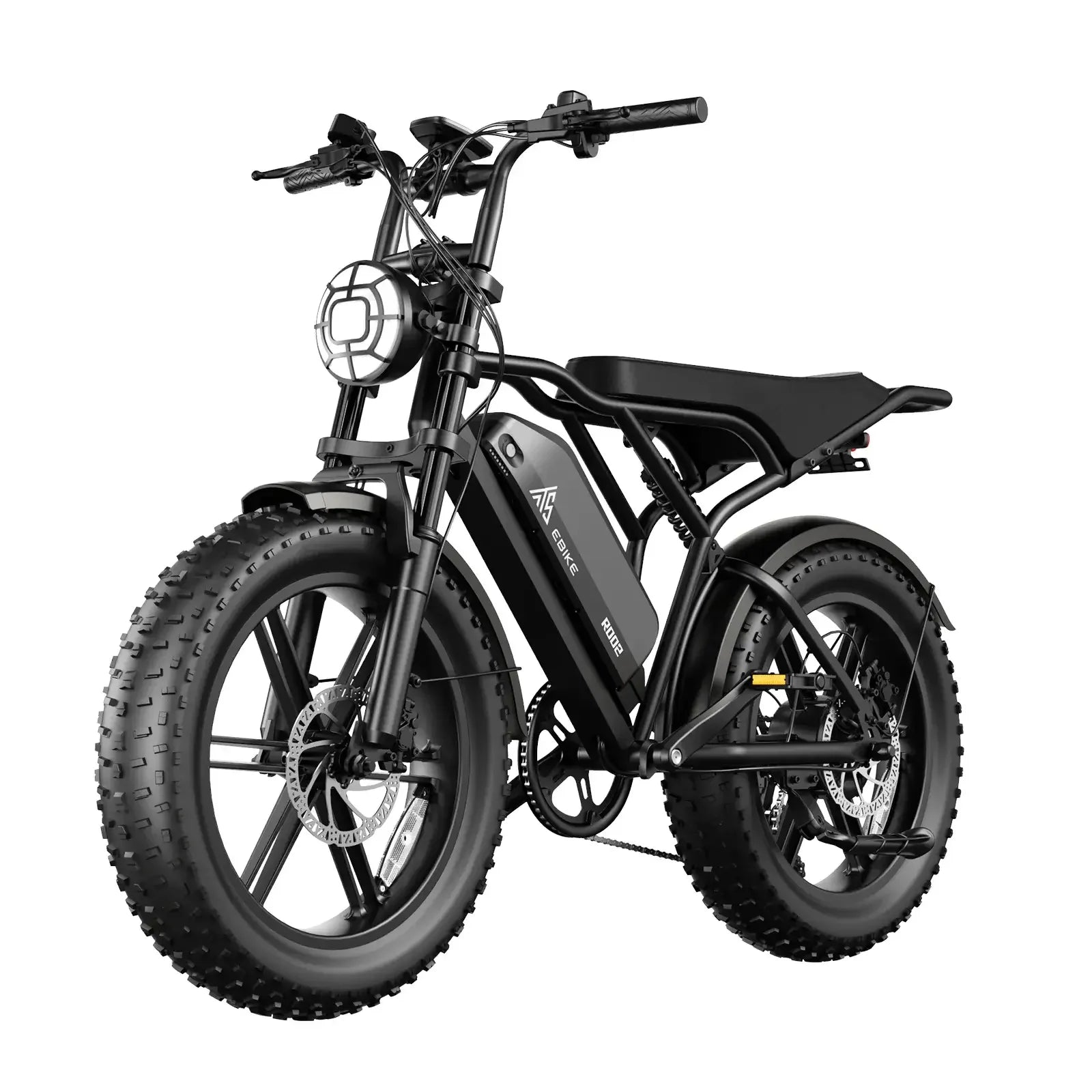

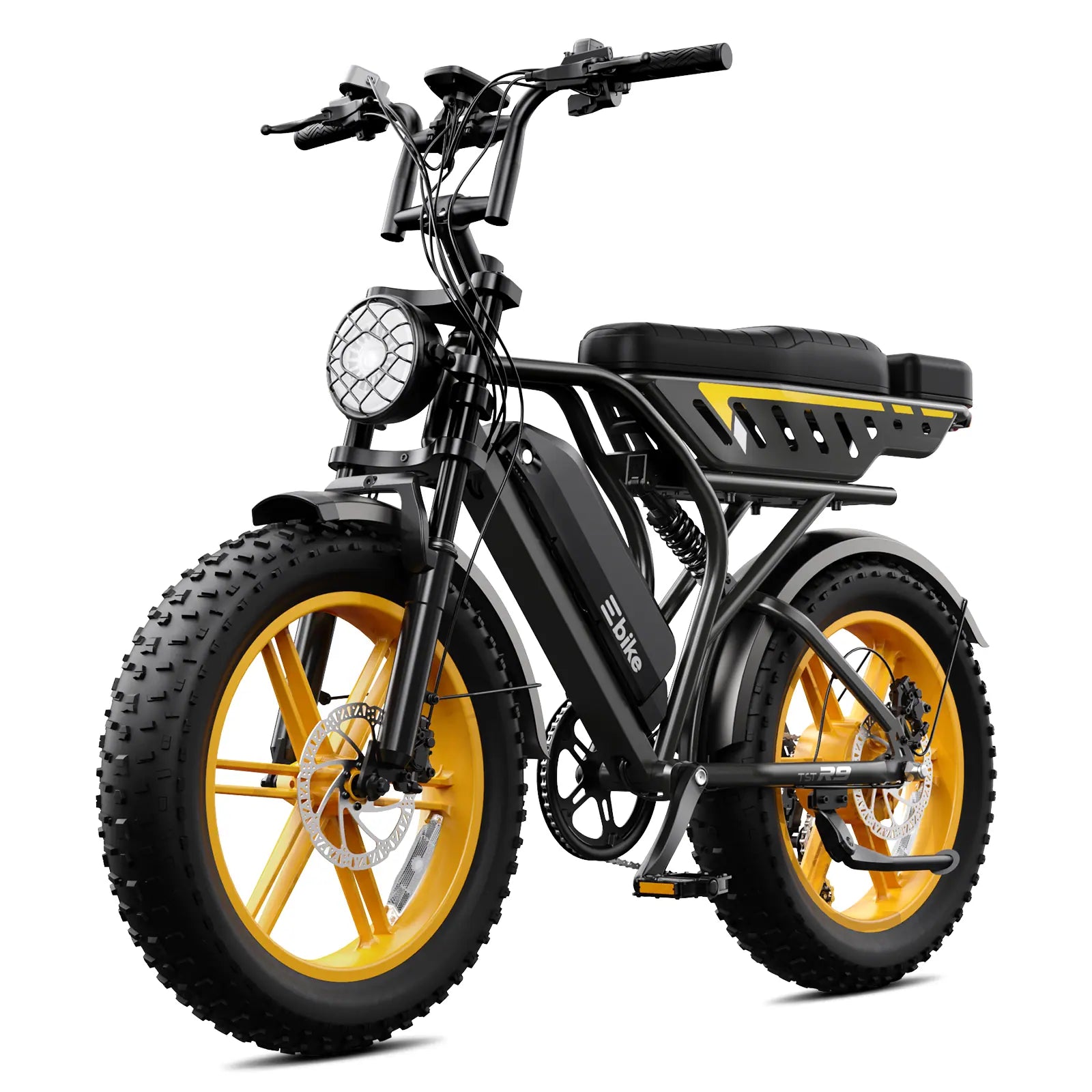

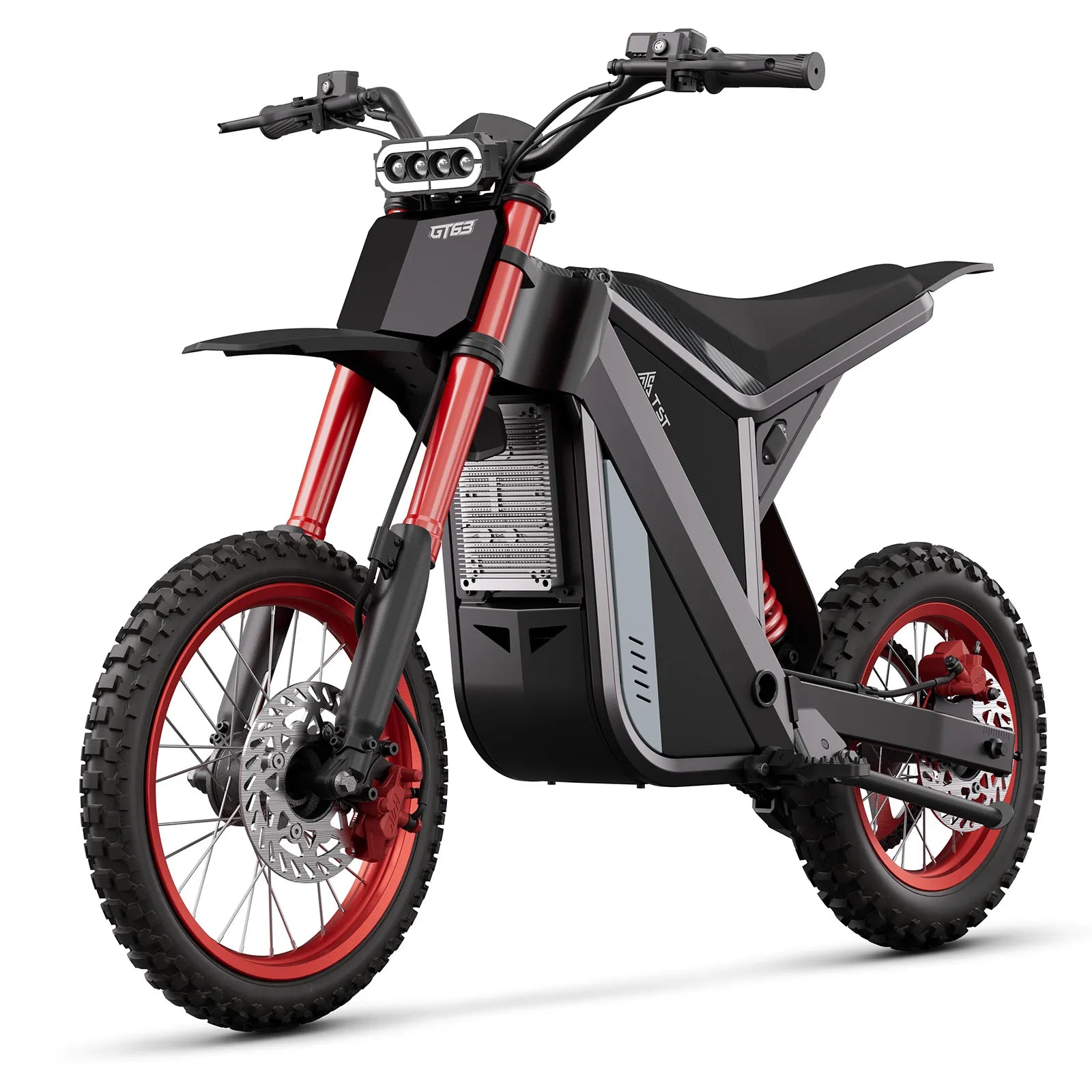
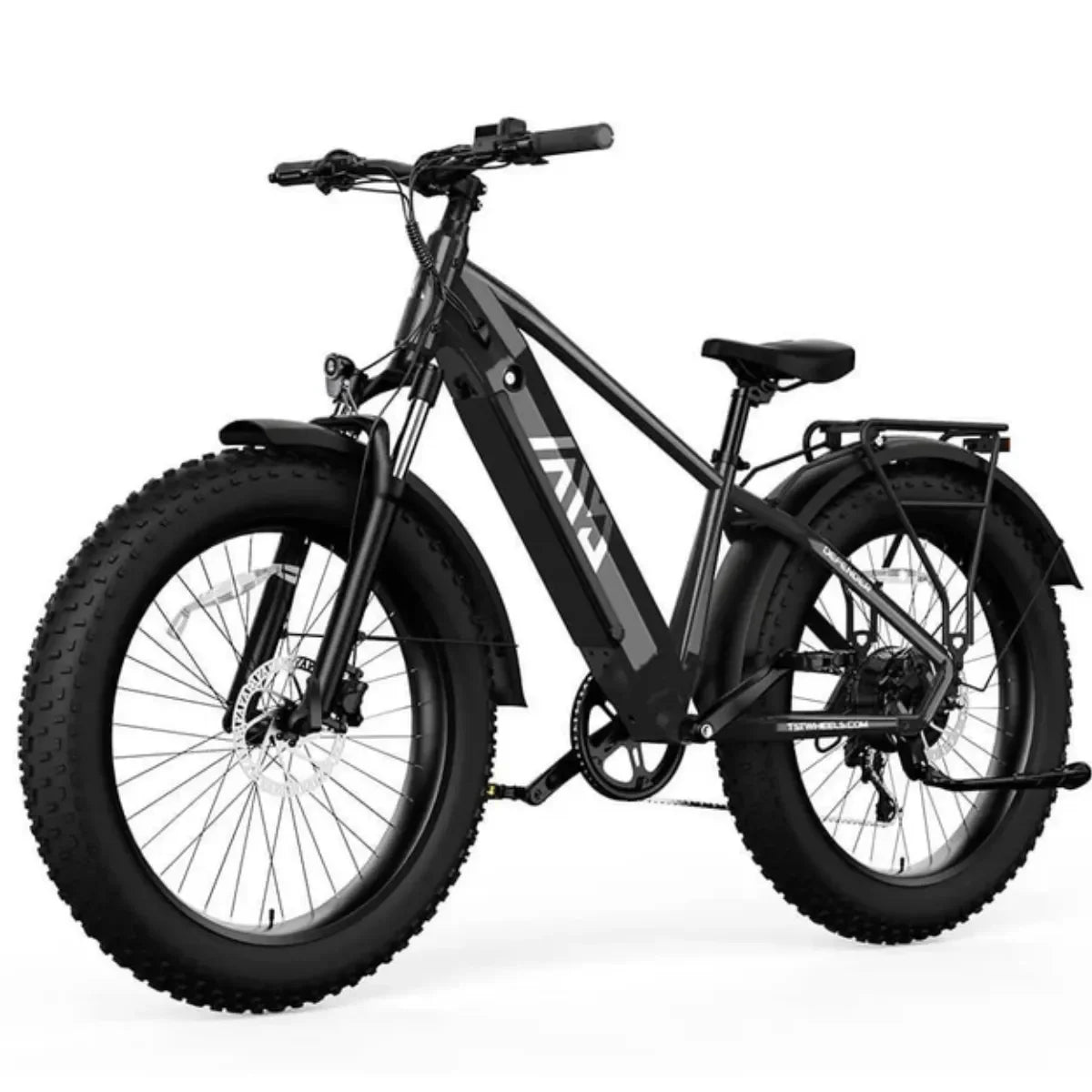
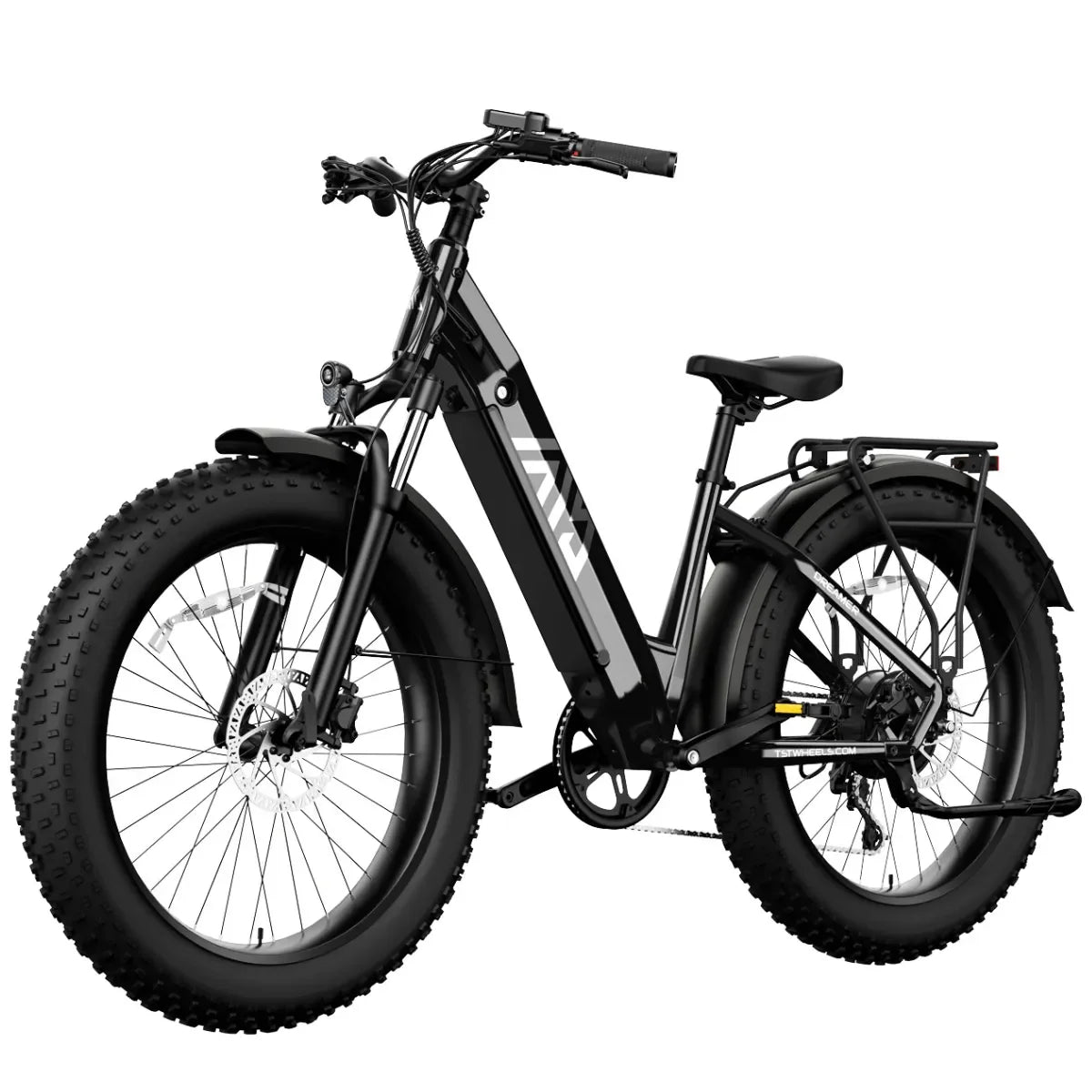

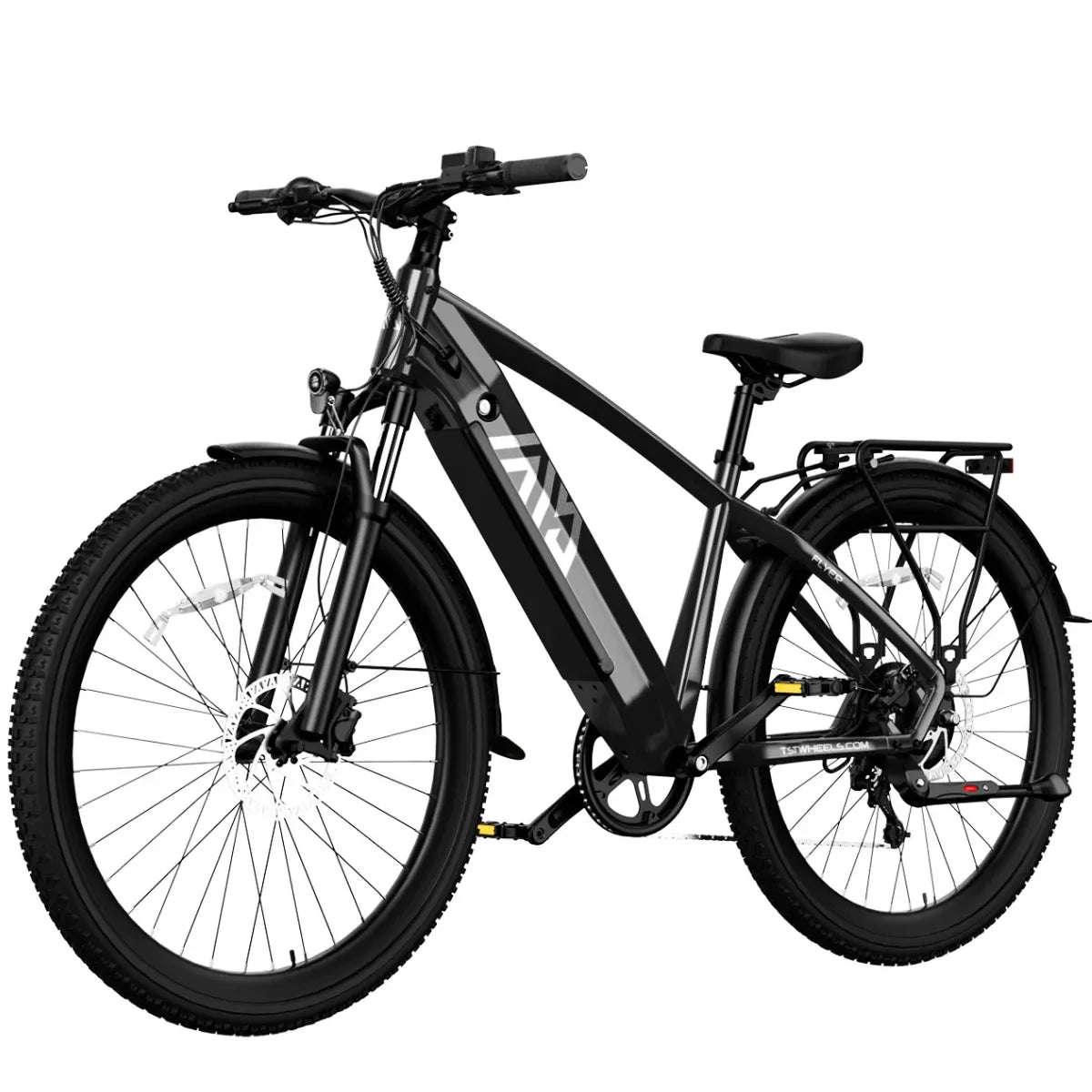
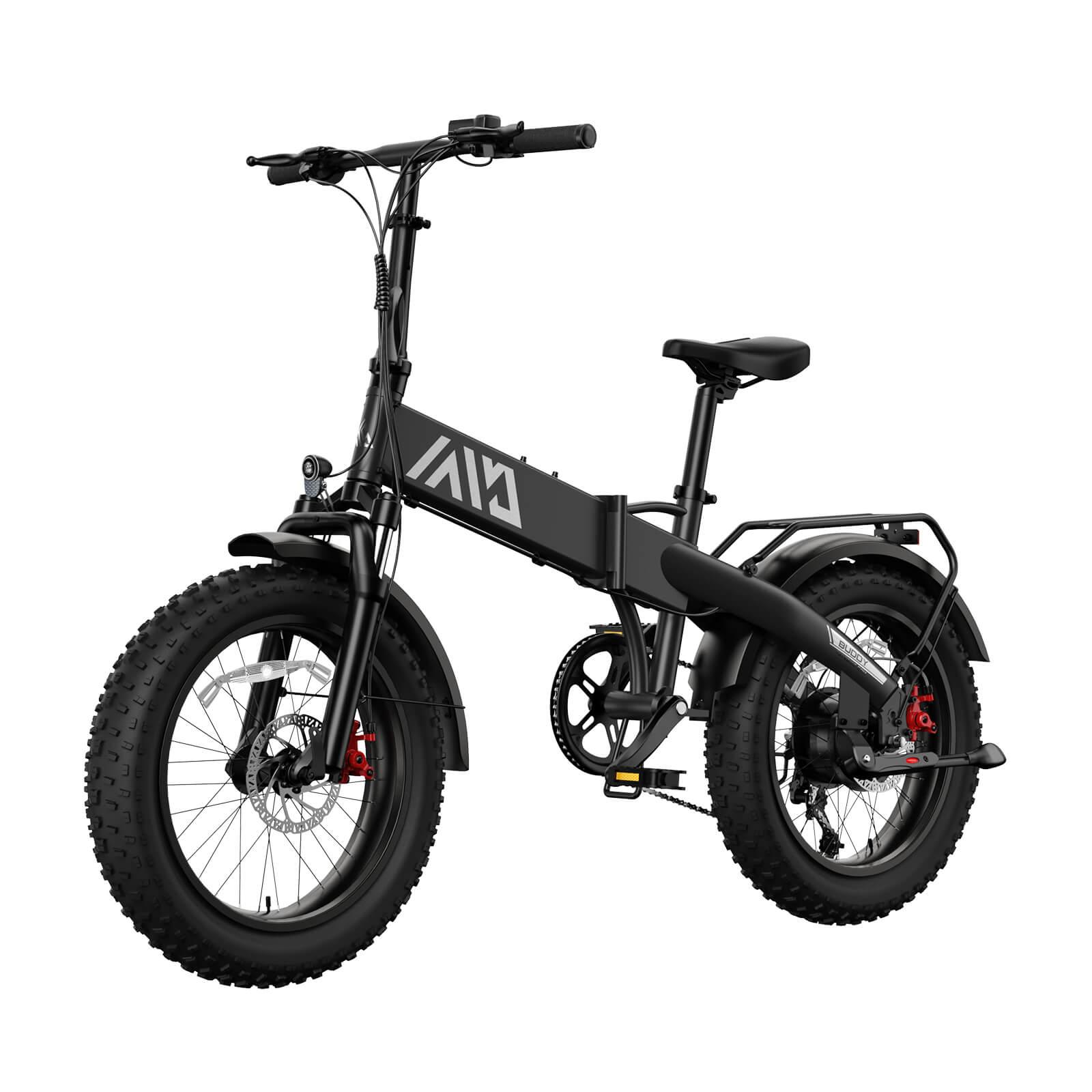








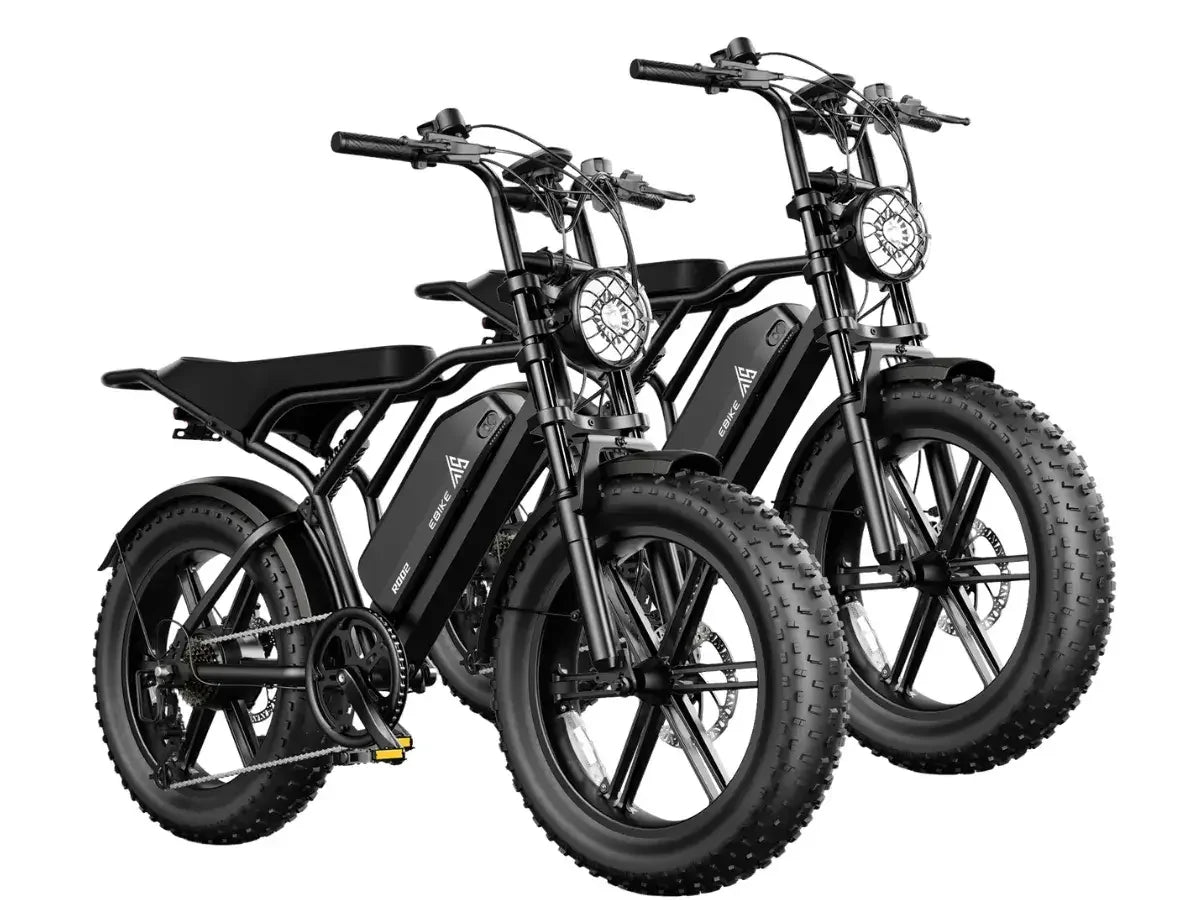
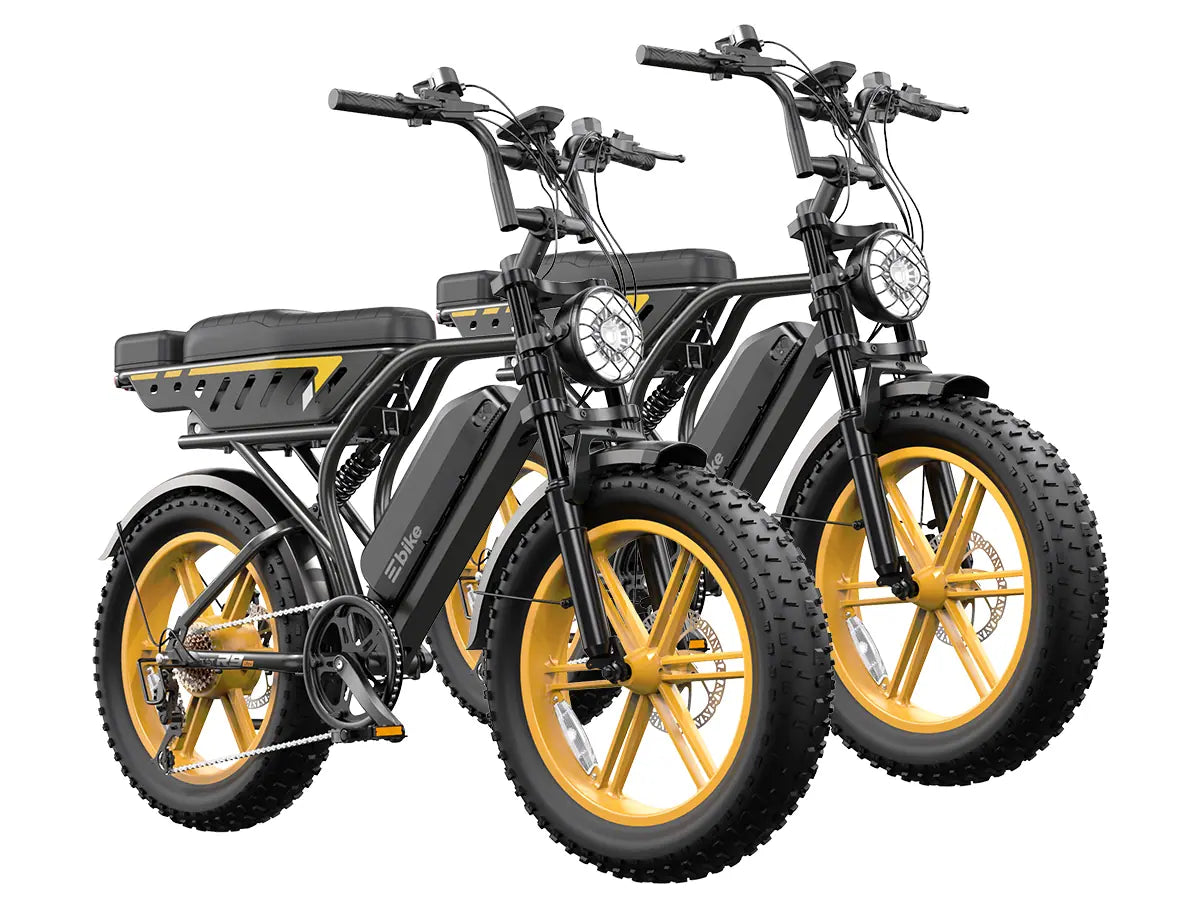

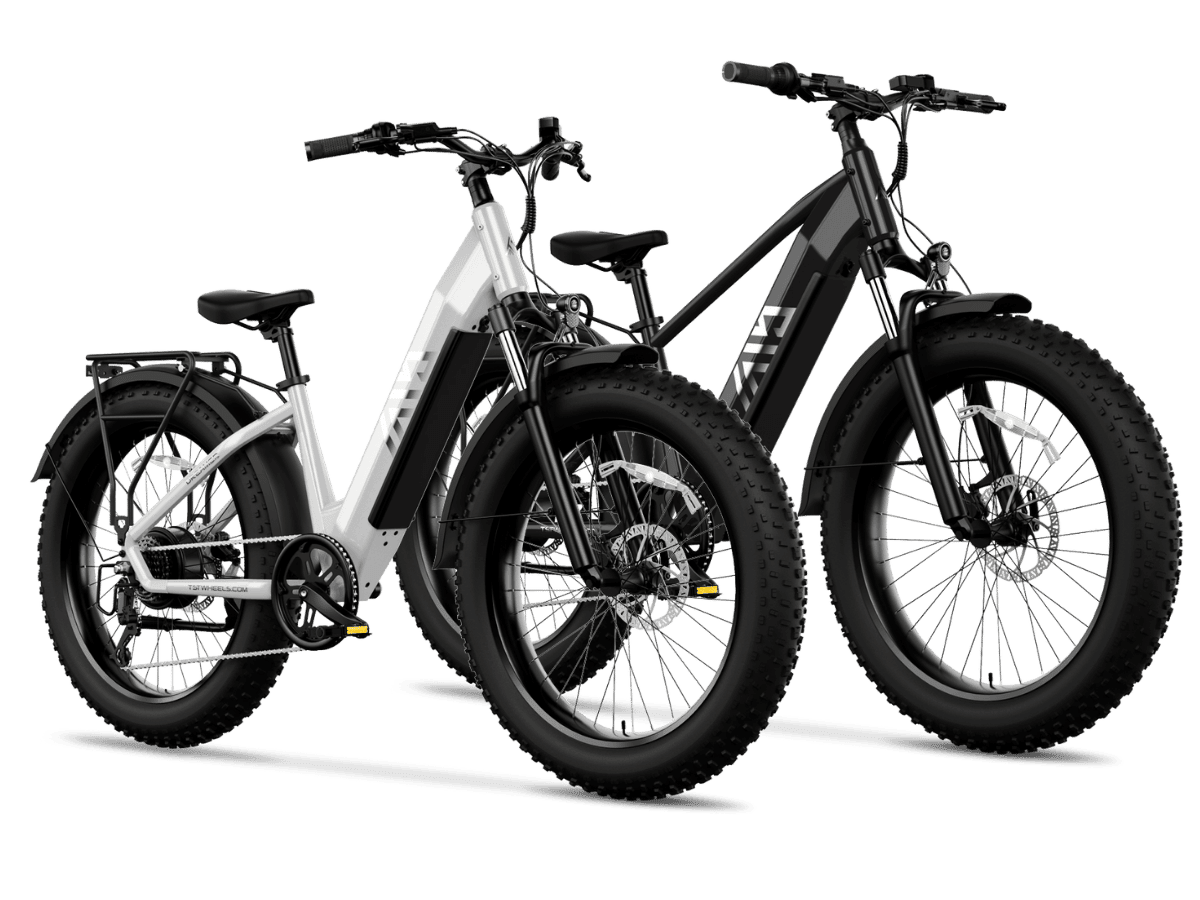
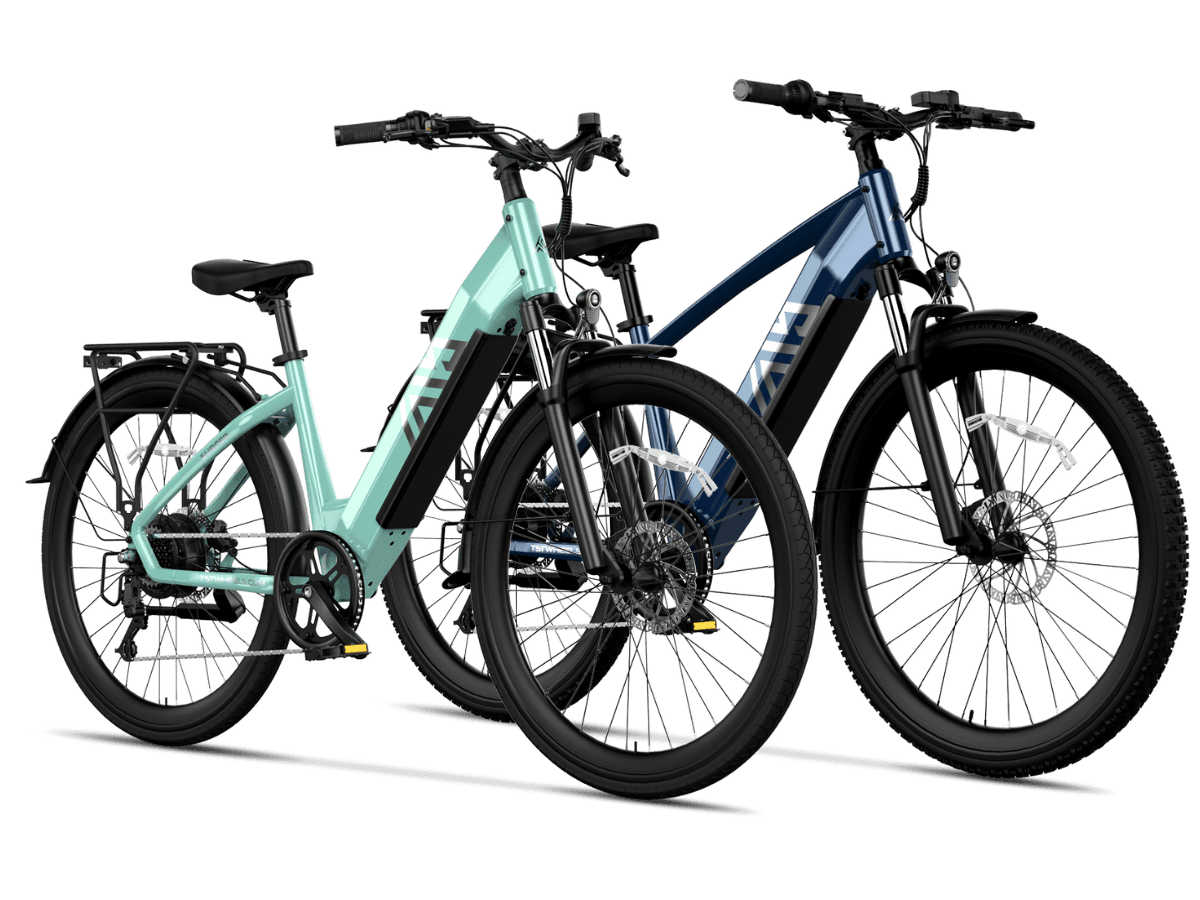
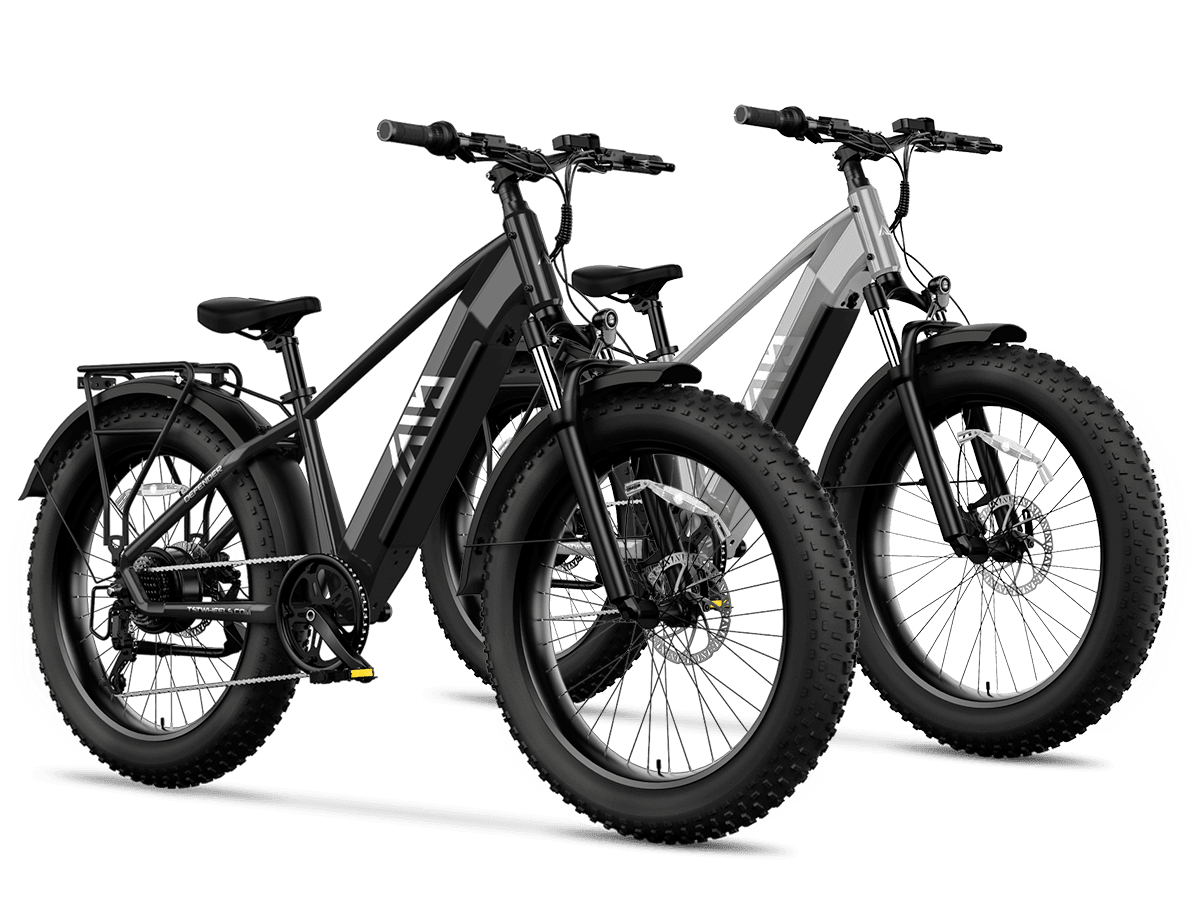
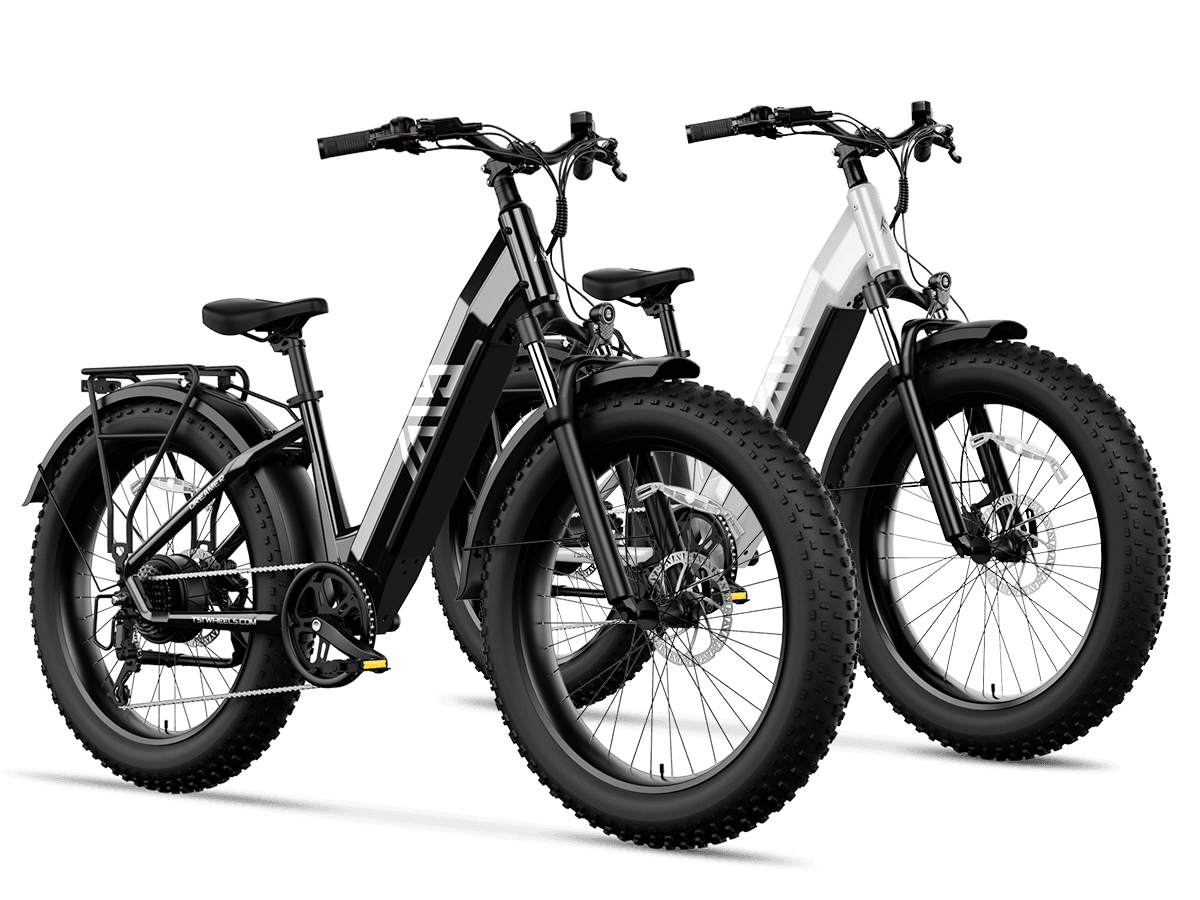

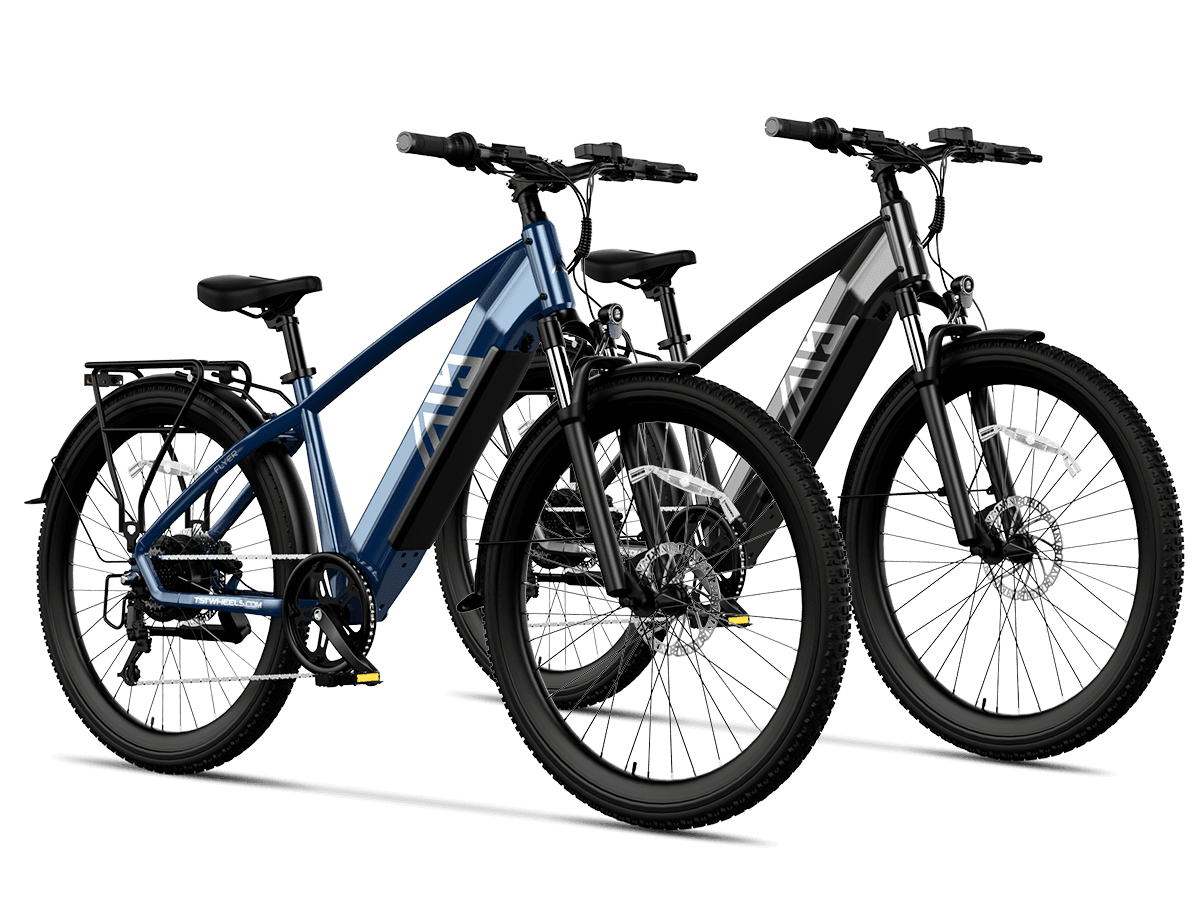
Electric mountain bikes (e-MTBs) in 2025 offer a balance of powerful motors, long-lasting batteries, and modern geometry for various terrain. Whether you prefer full-suspension models for aggressive trail riding or lightweight e-MTBs for playful handling, brands like TST EBike provide cost-effective, high-power options designed based on real rider feedback.
What defines the best electric mountain bike in 2025?
The best electric mountain bike in 2025 combines motor power, battery capacity, suspension quality, and frame design to suit specific terrain and rider needs. Top-tier models include mid-drive motors, powerful 600–750Wh batteries, and well-tuned suspension, but more affordable options, like those from TST EBike, still offer great performance and value.
Powerful mid-drive motors from brands like Bosch or Shimano are now the standard, delivering 70-85Nm of torque for smooth, natural pedal assist. The suspension systems in premium models are optimized for rough terrain, while lighter designs focus on agile handling. TST EBike, for example, focuses on delivering high-performance electric mountain bikes without the premium price tag, making them a strong contender in the 2025 market.
Which key specs matter most when choosing an electric mountain bike?
When selecting an electric mountain bike, motor torque, battery capacity, suspension travel, and bike weight are critical factors. A motor torque of 70-85Nm and a 600–750Wh battery are ideal for most serious riders, while geometry and suspension should suit the terrain you ride most often.
Motor torque dictates how well your bike will handle steep climbs and technical trails. Battery size affects the bike’s range, with larger batteries suitable for longer rides. Suspension travel should be chosen based on the type of terrain—longer travel for aggressive trails and shorter travel for cross-country or everyday use. TST EBike’s models cater to a variety of riders, offering solid power and reliable components at a competitive price.
Core e‑MTB spec targets for 2025
| Spec factor | Trail / All-Mountain target | Enduro / Park target | Lightweight e‑MTB target |
|---|---|---|---|
| Motor torque | 70–85Nm | 80–85Nm | 50–60Nm |
| Battery capacity | 600–720Wh | 700–750Wh | 320–540Wh |
| Front travel | 140–150mm | 160–180mm | 130–150mm |
| Approx. bike weight | 48–55 lb | 50–60 lb | 38–45 lb |
This table highlights how e-MTB specs vary based on intended use, balancing power, weight, and ride feel.
How are full‑power and lightweight electric mountain bikes different?
Full-power e-MTBs focus on providing maximum motor assistance and range, making them ideal for steep, long climbs and rugged terrain. These models typically have 80-85Nm motors and 600–750Wh batteries. Lightweight e-MTBs, on the other hand, reduce motor power and battery size to feel more like traditional bikes, with less assist and more agile handling.
Full-power e-MTBs like those from TST EBike are great for riders who prioritize power and performance on challenging terrain. Lightweight models are more suited for riders who enjoy agile, responsive bikes for faster rides or more technical trails. TST EBike’s designs offer a solid middle ground, delivering high power without breaking the bank.
Which electric mountain bikes stand out as top performers in 2025?
Notable electric mountain bikes in 2025 include the Transition Regulator, Ibis Oso, and Specialized Turbo Levo SL. These models excel in power, handling, and battery life, catering to aggressive riders looking for long-range performance.
Other bikes like the TST EBike models are gaining attention for their value and performance, delivering a great experience for riders who want power and reliability without the high price tag. These models focus on strong motor support and solid battery range for both commuting and trail riding.
What price ranges and value opportunities exist for 2025 electric mountain bikes?
Electric mountain bikes range from mid-four figures to over five figures, with top-end models using carbon frames and high-end suspension systems. However, value-focused brands, such as TST EBike, provide affordable yet high-performance models designed for real-world trails.
Premium e-MTBs like the Trek Rail or Pivot Shuttle may push five figures due to advanced materials and top-of-the-line components. On the other hand, TST EBike focuses on providing strong, powerful electric bikes at a fraction of the price by using cost-effective materials and manufacturing methods, making them an appealing option for budget-conscious riders.
How should beginners choose their first electric mountain bike?
Beginners should focus on bikes with simple controls, stable geometry, and moderate motor support. Hardtail e-MTBs or shorter-travel full-suspension models are great starting points as they are easy to handle and maintain.
A reliable electric mountain bike for beginners should offer predictable handling and intuitive controls, helping riders feel confident as they develop their skills. TST EBike designs are particularly beginner-friendly, offering durable bikes with easy-to-use interfaces at affordable prices.
Why does e‑MTB geometry matter more than ever in 2025?
In 2025, e-MTB geometry plays a key role in ride stability, climbing efficiency, and comfort. Slacker head angles, steeper seat tubes, and longer reaches help improve handling at high speeds and on technical terrain.
As electric mountain bikes become more powerful, geometry has adapted to ensure better control. Longer wheelbases and slack angles improve descending confidence, while steeper seat tube angles maintain efficient climbing postures. TST EBike takes these factors into account, offering models with geometry designed to enhance overall performance.
Are battery range and motor power more important than bike weight?
While weight is an important consideration, motor power and battery range generally matter more for riders tackling challenging climbs or long rides. Full-power bikes with 600-750Wh batteries are ideal for technical terrain, but lightweight models are better for those seeking a more agile, nimble ride.
TST EBike’s models strike a balance, offering powerful motors and decent battery capacities without excessive weight, making them suitable for riders who want both performance and comfort.
Range, power, and weight trade-off snapshot
| Priority focus | Typical setup (2025) | Best for riders who… |
|---|---|---|
| Maximum range & power | 80–85Nm mid‑drive, 600–750Wh battery, ~50–60 lb | Climb big vert, ride enduro / backcountry |
| Balanced trail use | 70–85Nm mid‑drive, 600–700Wh battery, ~48–55 lb | All‑rounders on mixed terrain |
| Lively, lighter feel | 50–60Nm motor, 320–540Wh battery, ~38–45 lb | Fit riders wanting agile, analog‑like rides |
This snapshot highlights the trade-offs between range, power, and weight for different riding preferences.
Where does TST EBike fit among 2025 electric mountain bike brands?
TST EBike is positioned as a high-power, cost-effective e-MTB brand. By prioritizing rider feedback and value, they offer bikes that deliver excellent performance on diverse terrain without the high price tag associated with other brands.
With warehouses in California and a global reach, TST EBike continues to grow, offering models like their 26-inch bikes for rough terrain and 27-inch bikes for more versatile, all-around riding. The brand focuses on delivering powerful e-MTBs that are accessible to a wider range of riders.
Who benefits most from a 26‑inch vs 27‑inch electric mountain bike?
A 26-inch electric mountain bike is ideal for riders who need maximum traction and stability on loose or soft surfaces like snow and sand. A 27-inch e-MTB is better for riders who want a more efficient and comfortable ride for commuting or mountain trail adventures.
TST EBike’s 26-inch bikes are perfect for off-road riders who need extra grip, while the 27-inch models cater to those who prefer a mix of commuting and trail riding.
Does after‑sales support and dealer network matter when buying an e‑MTB?
Yes, after-sales support is crucial, especially when buying a high-tech product like an e-MTB. A solid dealer network and support system ensure access to parts, diagnostics, and warranties.
TST EBike excels in this area, offering extensive after-sales support through over 20 offline stores and California-based warehouses. This support network helps riders get timely assistance and service for their bikes.
TST EBike Expert Views
"The 2025 e-MTB market is all about finding the right balance. It’s not just about power or weight but about designing a bike that performs on real-world terrain. TST EBike's focus on cost-effective, high-performance models that cater to real rider needs shows how the market is moving—toward bikes that offer solid, usable performance at a great value."
Why do the best electric mountain bikes of 2025 matter for everyday riders?
The best e-MTBs of 2025 make it easier for everyday riders to tackle challenging terrain, go farther on their rides, and enjoy off-road biking regardless of skill level. These bikes are transforming the cycling experience, making mountain biking more accessible and enjoyable.
As technology continues to advance, electric mountain bikes like those from TST EBike help riders get the most out of their outdoor adventures without the need for expensive, high-end models.
FAQs
Is a full‑suspension or hardtail e‑MTB better for beginners?
Hardtail e-MTBs are typically easier to handle, more affordable, and require less maintenance, making them ideal for beginners.
How long does an electric mountain bike battery last on the trail?
Most e-MTB batteries last between 3 to 7 hours, depending on terrain, rider weight, and the level of assist used.
Are Class 1 or throttle‑equipped e‑MTBs better for trail riding?
Class 1 e-MTBs, which provide pedal assist without a throttle, are often preferred on trails, as they follow most trail access rules.
Can electric mountain bikes be used for daily commuting?
Yes, electric mountain bikes are great for commuting, offering power and stability for mixed surfaces and hilly routes.
When should I upgrade from a value e‑MTB to a high‑end model?
Consider upgrading when your skill level and terrain demands outgrow the capabilities of your current bike, particularly in terms of suspension and battery range.

Leave a comment
This site is protected by hCaptcha and the hCaptcha Privacy Policy and Terms of Service apply.