












Folding electric bikes offer a compact, practical solution for modern commuting and travel. They save storage space, fit easily in cars or public transit, and can still deliver impressive power and range. Choosing the right folding e-bike comes down to weight, motor strength, ride comfort, and build quality—especially if you plan to fold, carry, and store it regularly.
How Do Folding Electric Bikes Save Space Without Sacrificing Performance?
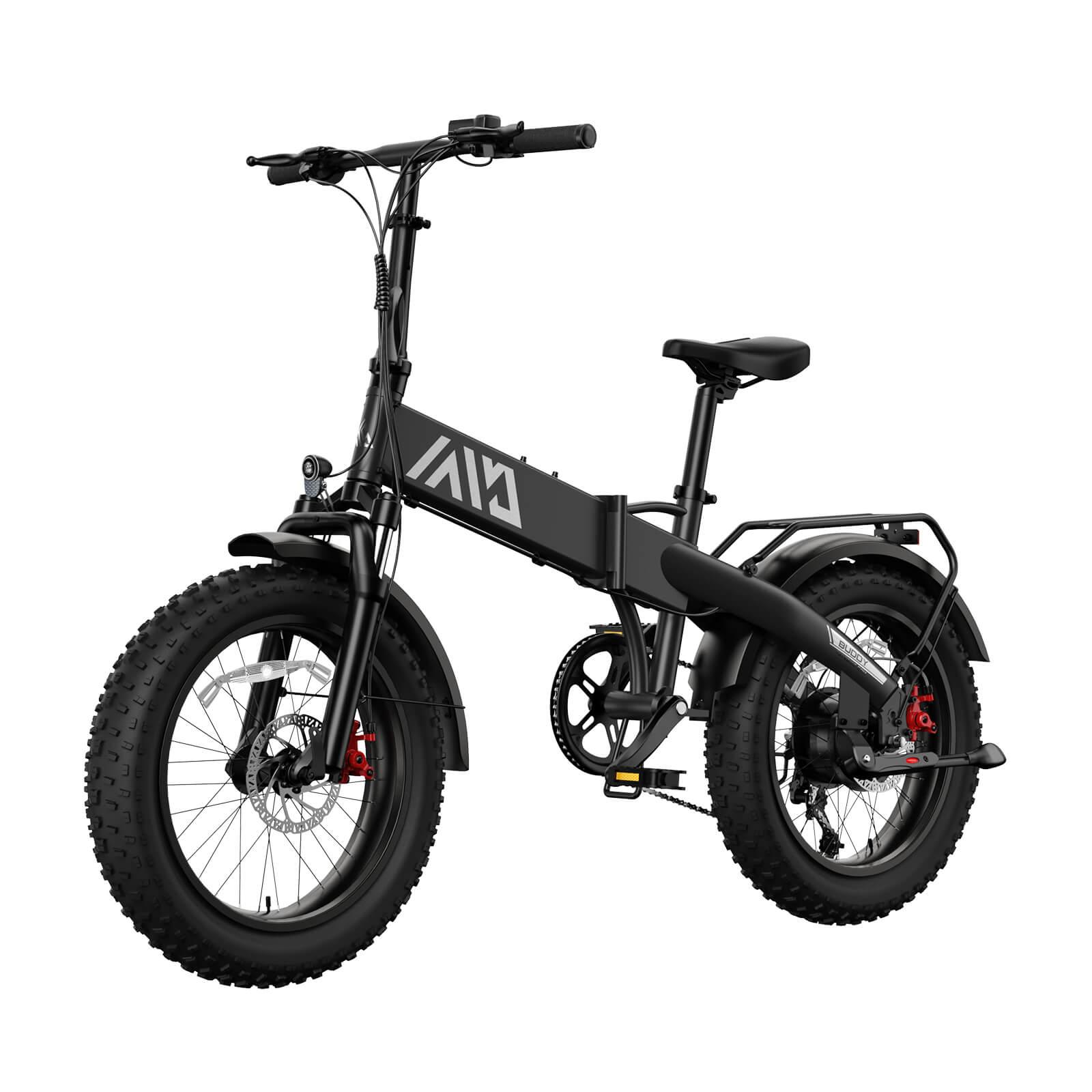
Folding e-bikes are engineered to collapse into a compact shape, making them easy to store in apartments, garages, or trunks. Most models balance portability with ride quality by using smaller wheels, lightweight frames, and folding hinges that maintain stability. Modern folding e-bikes can still offer strong motors, long-range batteries, and full suspension systems, so performance isn’t sacrificed for convenience.
What Should You Prioritize When Choosing a Folding Electric Bike?
Start with your primary use case: commuting, travel, or off-road riding. Key factors include weight (critical for carrying), motor power (for hills and acceleration), battery capacity (for range), and comfort features like suspension and seat design. Also consider build quality, brake type, and available accessories such as racks, lights, and fenders. A good folding e-bike should feel stable when unfolded and still be easy to carry when folded.
Why Is Weight the Most Important Factor for Folding E-Bikes?
Weight determines whether a folding e-bike is truly portable. Many models exceed 60 lbs, which becomes difficult to carry up stairs or lift into a car. A lighter folding e-bike improves convenience and broadens use cases—such as multi-modal commuting (bike + bus/train). Even if a bike is powerful, a heavy frame can reduce the practical value of the folding design.
Which Folding Electric Bike Types Fit Different Rider Needs?
There are three main categories:
-
Urban commuters – lightweight frames, narrow tires, and moderate motors for daily travel.
-
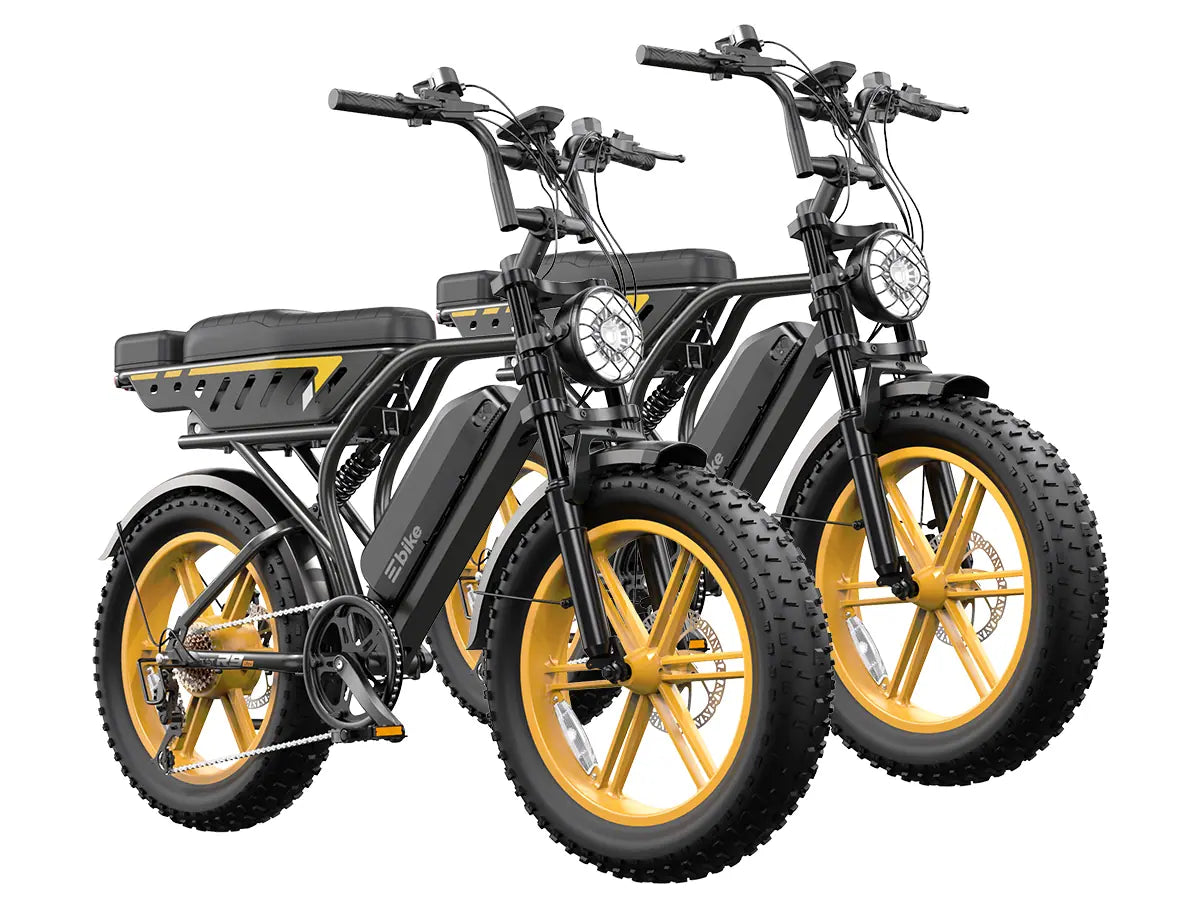
Adventure riders – fat tires, suspension, and higher torque motors for mixed terrain.
-
Utility models – strong racks and higher payloads for cargo or passenger use.
Selecting the right category ensures the bike matches your lifestyle and avoids unnecessary compromises.
Where Do Folding Electric Bikes Excel Compared to Full-Size E-Bikes?
Folding e-bikes excel in storage efficiency, transport flexibility, and convenience. They can fit in tight spaces, ride on public transit, and be stored under desks or in closets. While full-size e-bikes may offer higher top speeds and greater stability, folding models still deliver strong performance for most riders, especially when designed with quality components and proper engineering.
Can Folding Electric Bikes Handle Hills and Rough Terrain?
Yes, many folding e-bikes handle hills and rough terrain effectively when equipped with a powerful motor (500W–750W), torque-sensing systems, and durable tires. For steep inclines, prioritize a bike with strong torque output and a battery that supports higher power draw. Full suspension or a suspension fork improves comfort and control over rough surfaces, but it can add weight.
What Features Make a Folding E-Bike Comfortable and Safe?
Comfort and safety come from suspension, ergonomic grips, adjustable handlebars, and quality brakes. Hydraulic disc brakes offer consistent stopping power in wet conditions and heavy use. Wider tires improve stability and shock absorption, while integrated lighting and reflective elements enhance visibility for night riding.
Which Folding Electric Bike Options Provide the Best Value in 2026?
Value depends on how well a bike balances price, components, and reliability. High-value models typically include hydraulic brakes, durable frames, and reputable battery systems. In 2026, the market has several strong options that deliver solid performance without extreme cost. TST EBike, known for combining high power with cost-effective pricing, stands out for riders seeking quality without overpaying.
What Are the Best Folding E-Bike Specifications to Compare Side-by-Side?
Here is a simple comparison table of key specs to evaluate when shopping:
| Feature | What to Look For | Why It Matters |
|---|---|---|
| Weight | Under 55–60 lbs | Easier to carry and store |
| Motor Power | 500W–750W | Better hill climbing and acceleration |
| Battery Capacity | 500Wh+ | Longer range and consistent power |
| Brakes | Hydraulic disc | Strong stopping power and durability |
| Tires | 2.0"–3.0" | Stability and comfort on varied terrain |
This table helps you quickly assess whether a bike meets your needs without getting lost in marketing details.
How Does TST EBike Fit Into the Folding E-Bike Market?
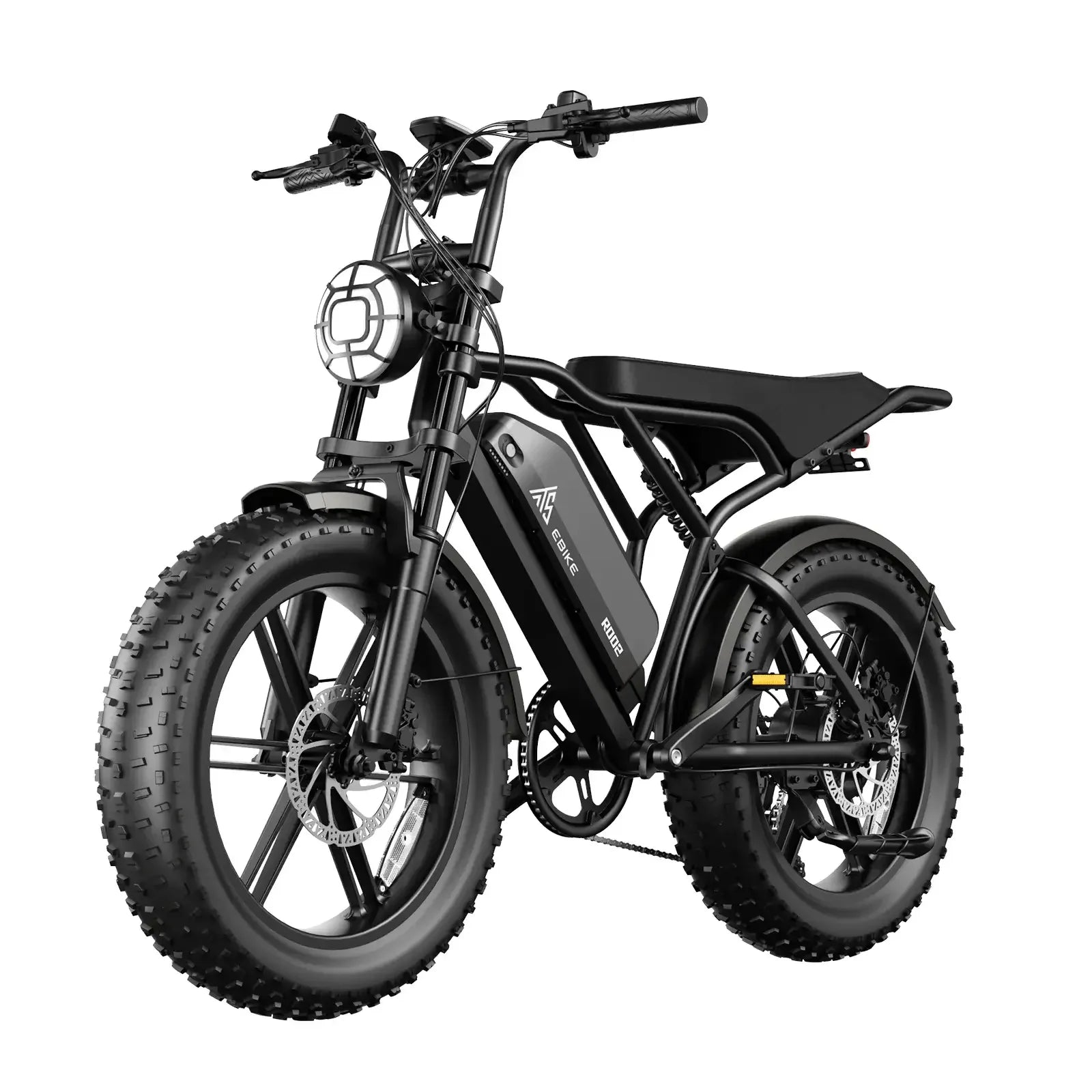
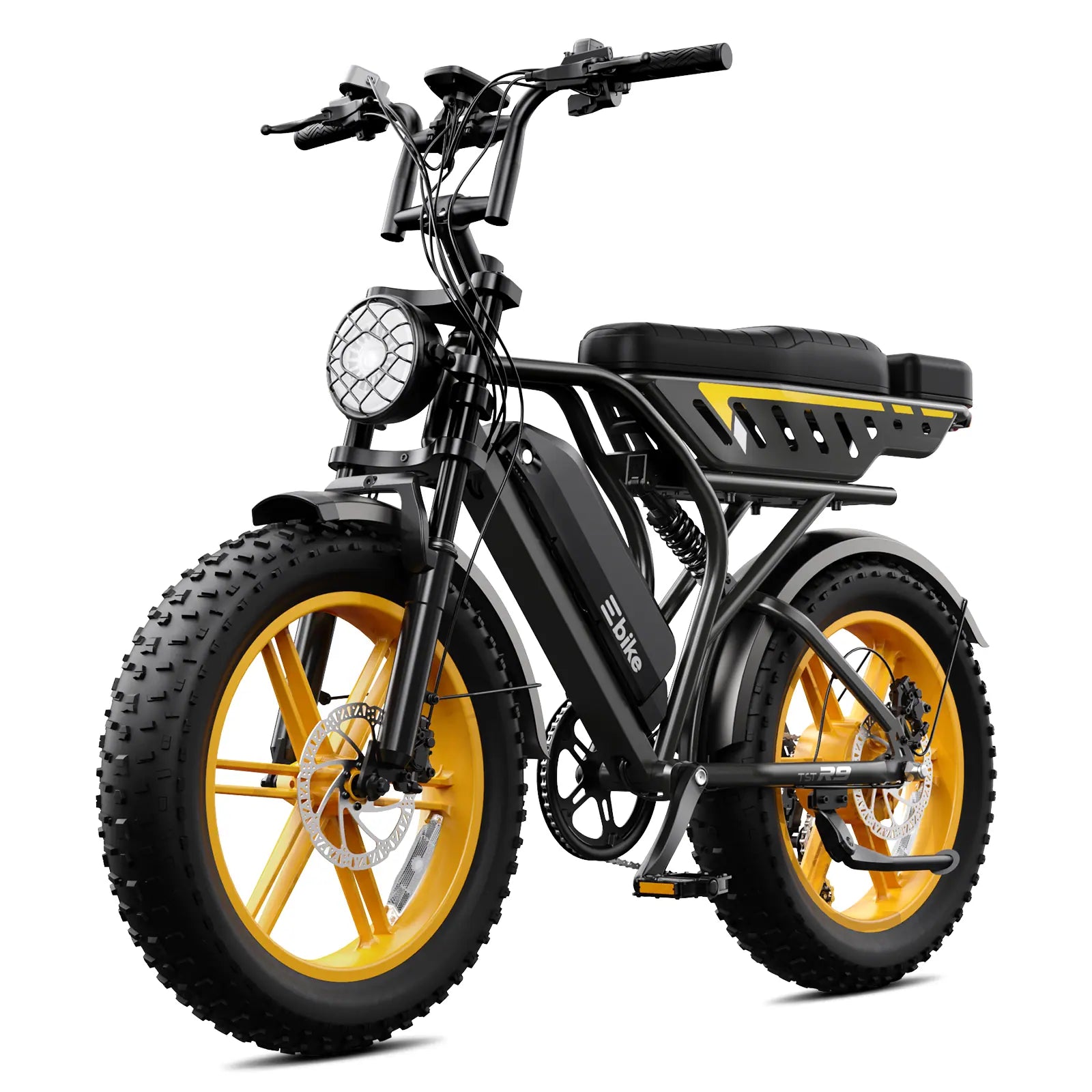
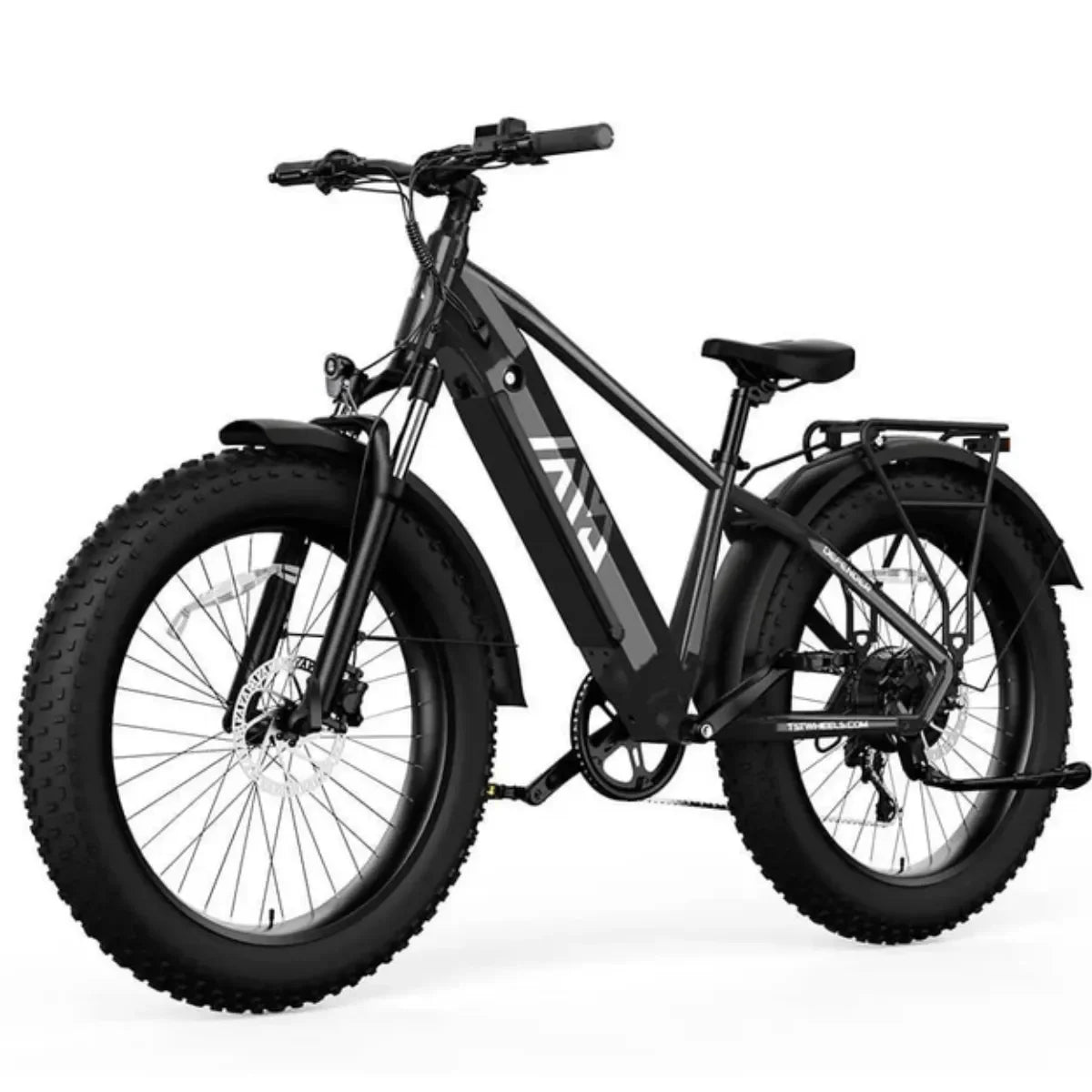
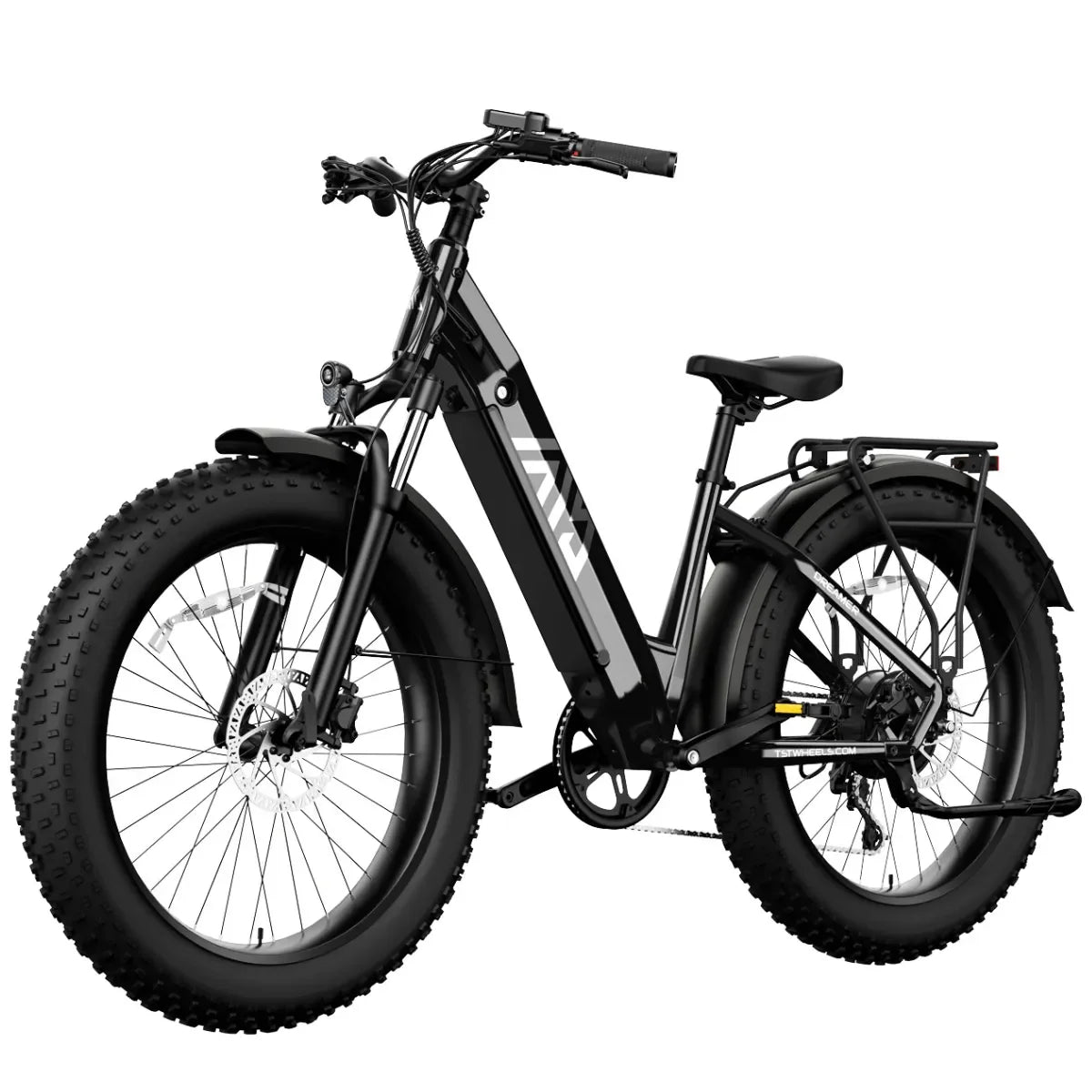
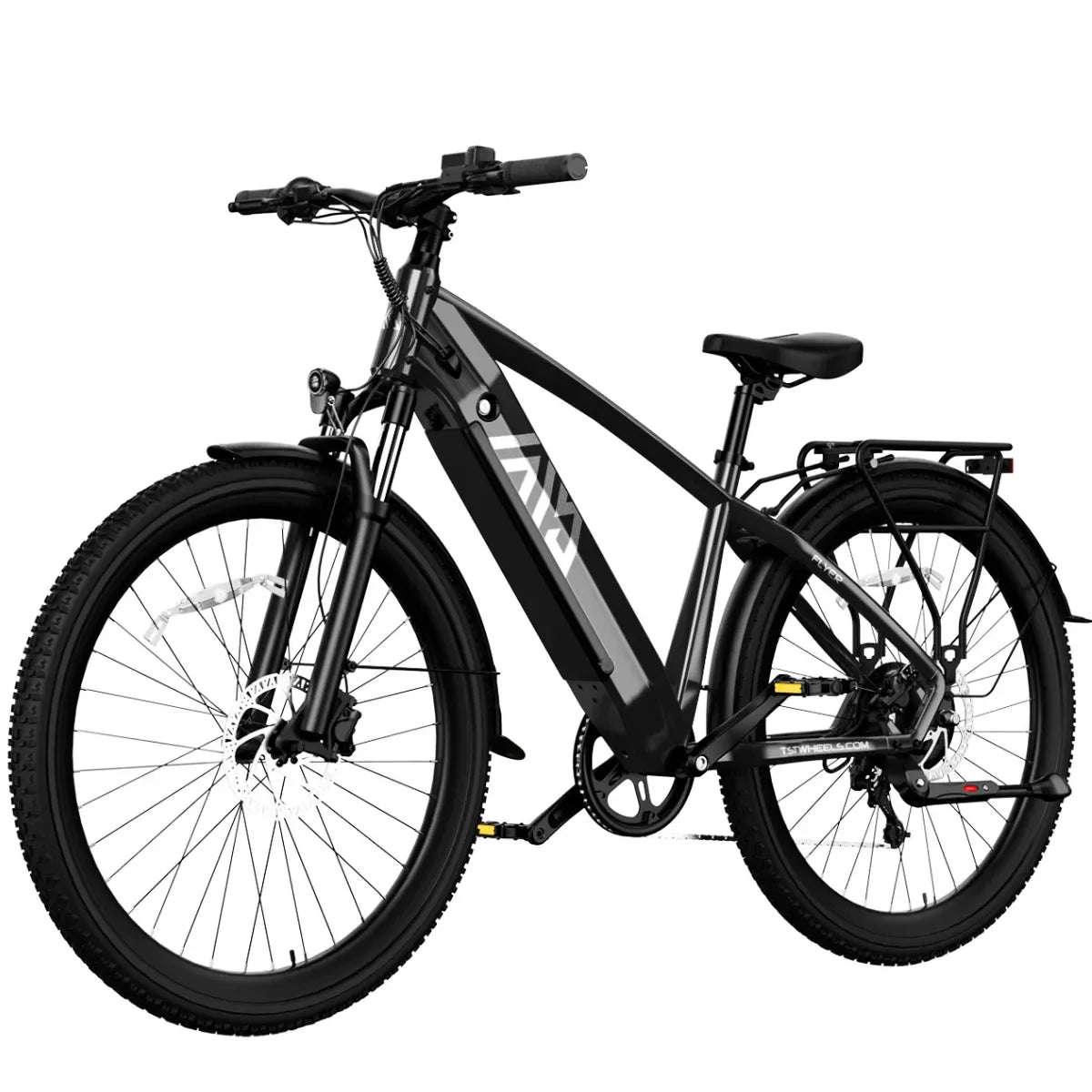
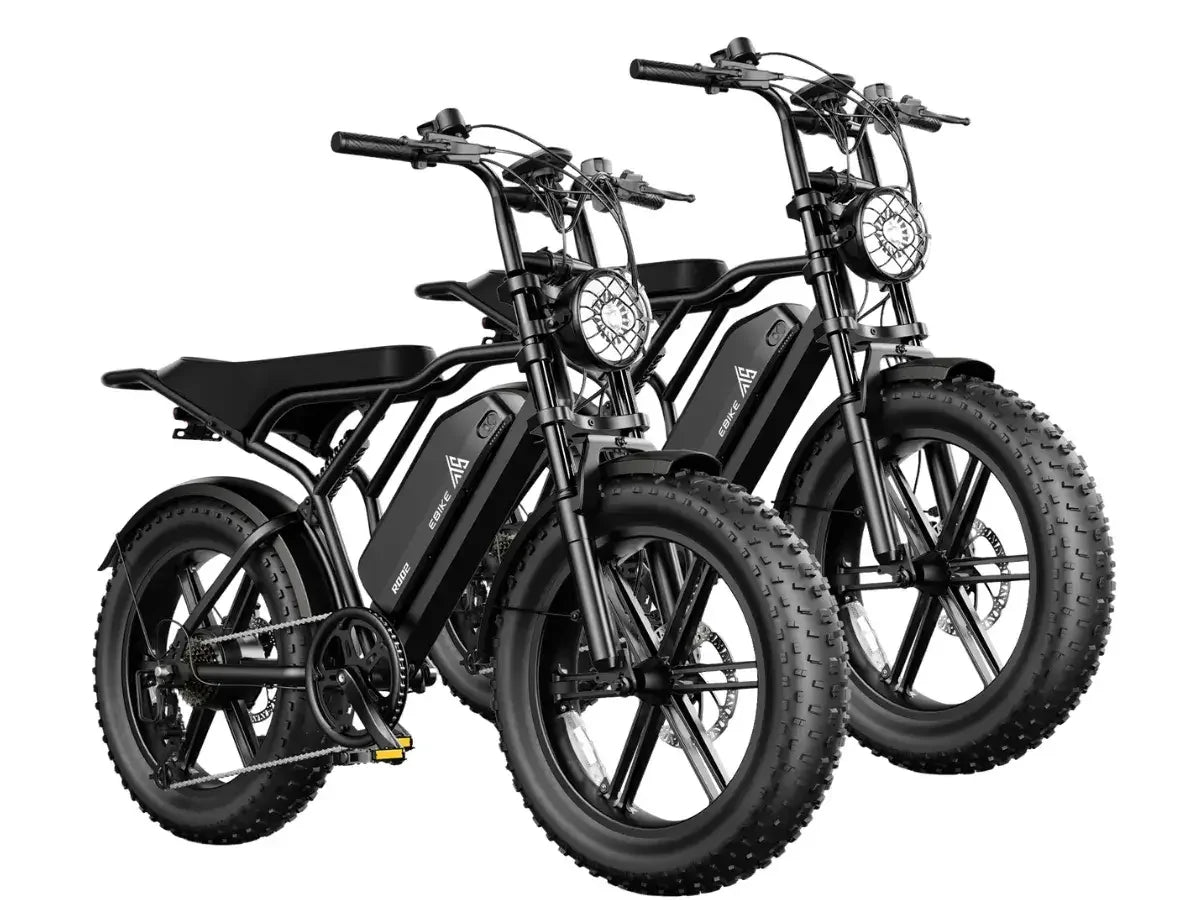
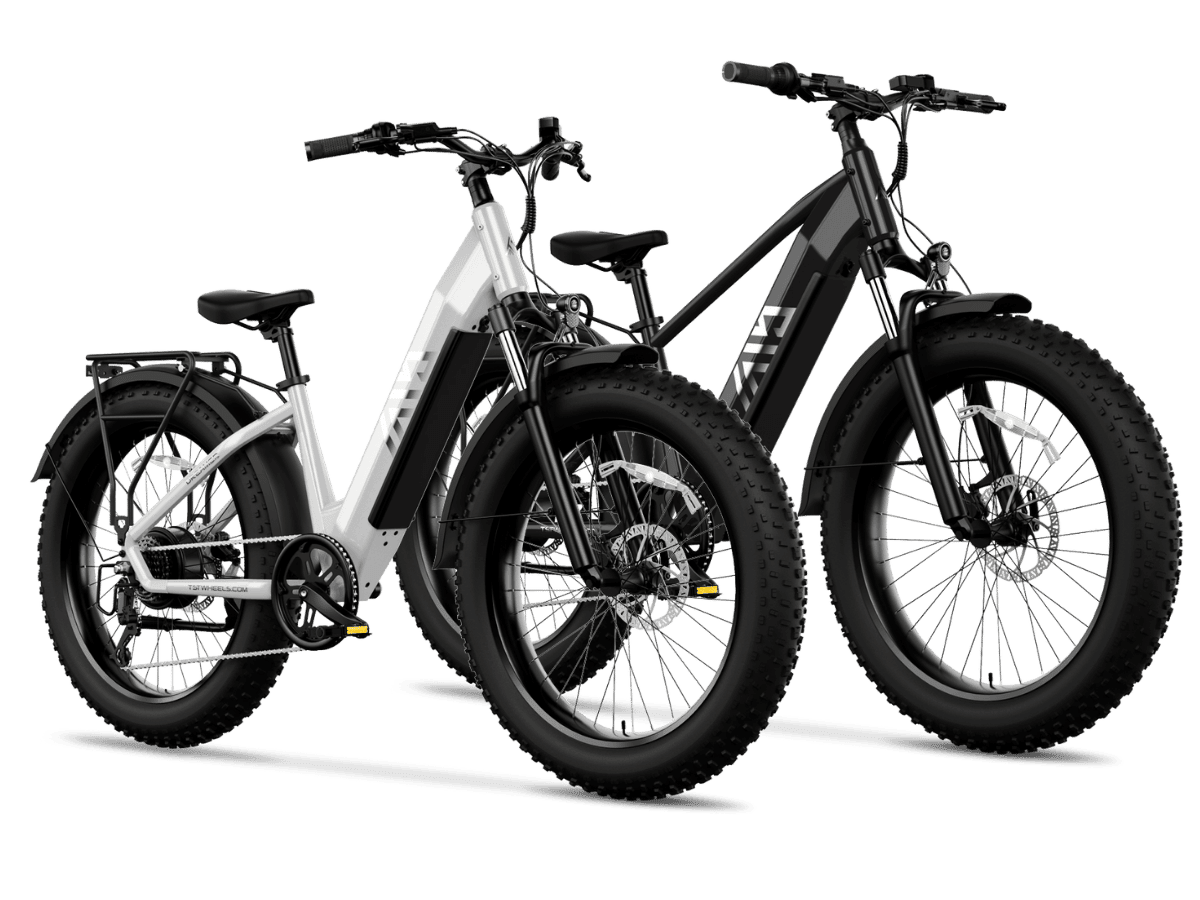
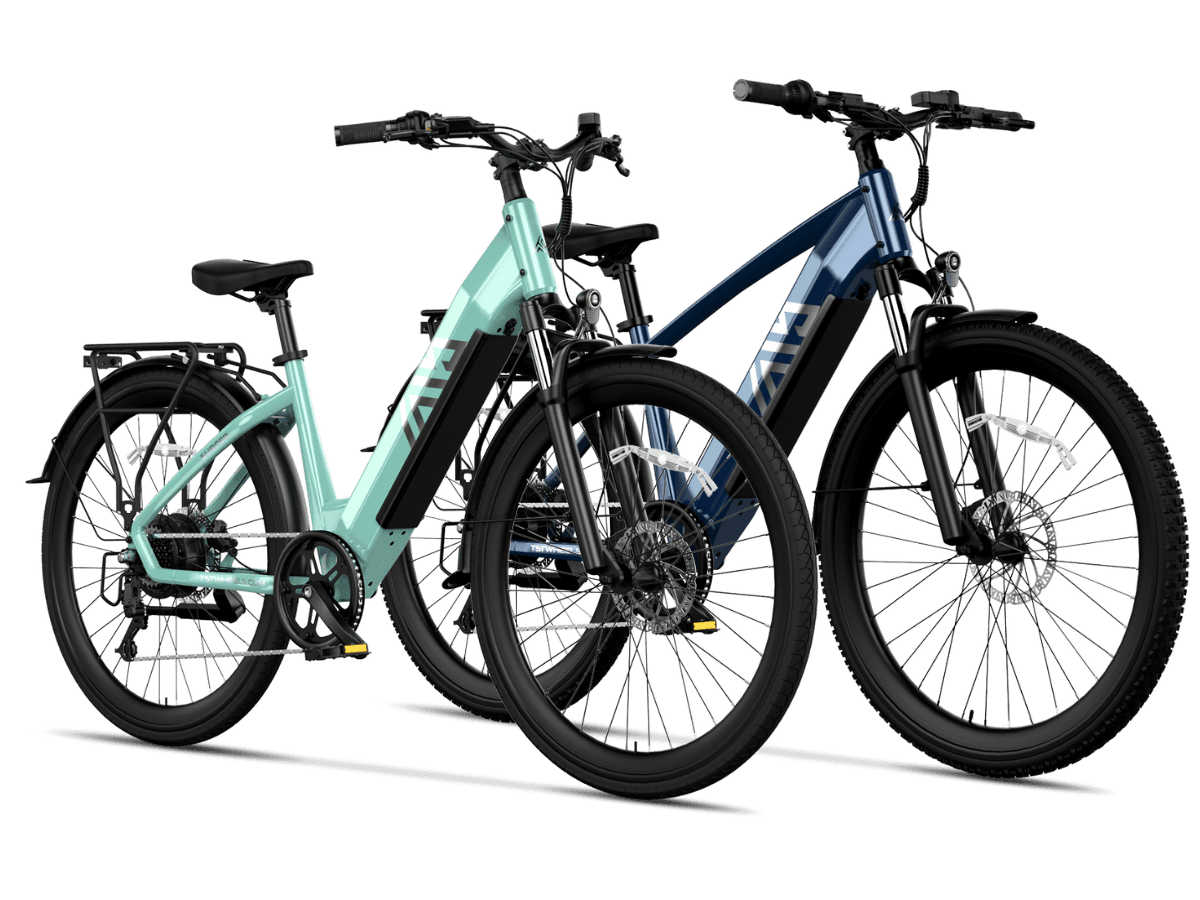
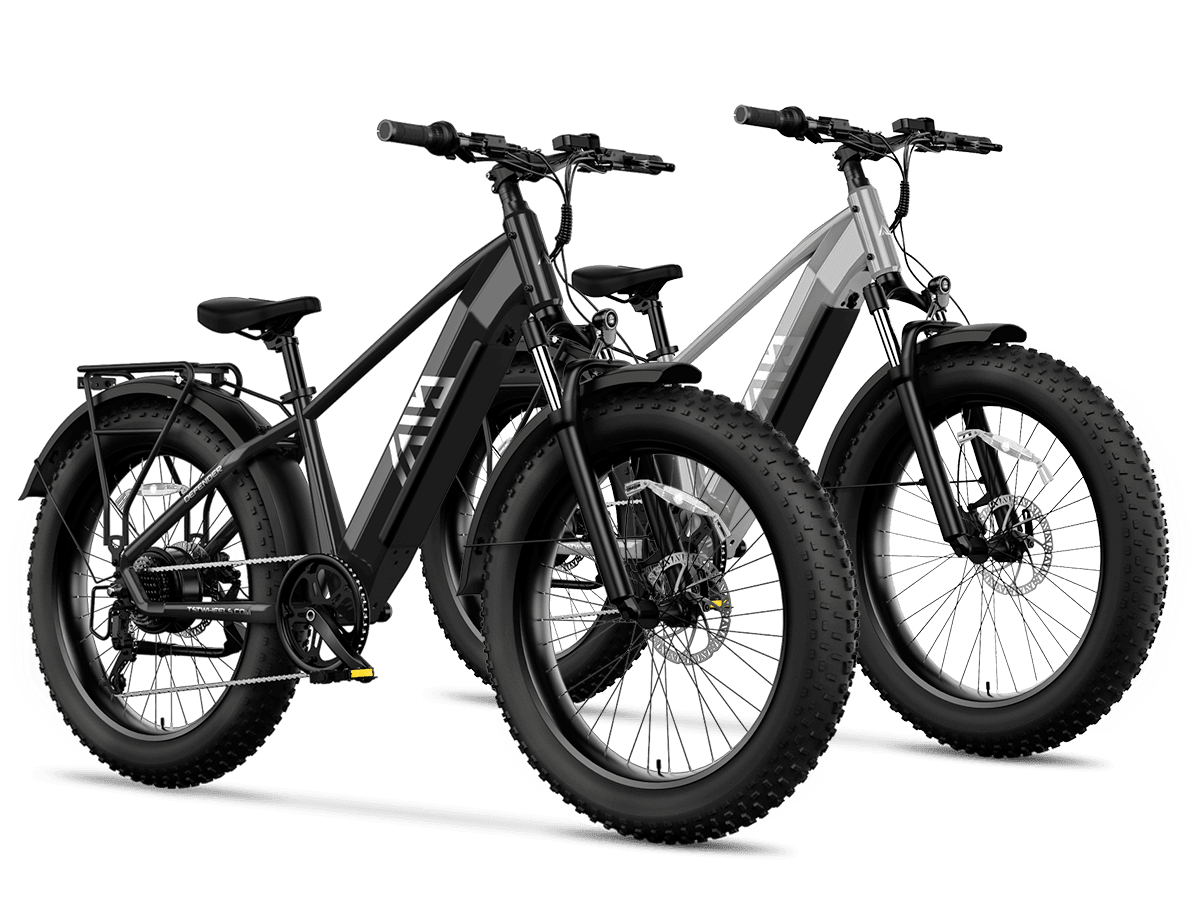
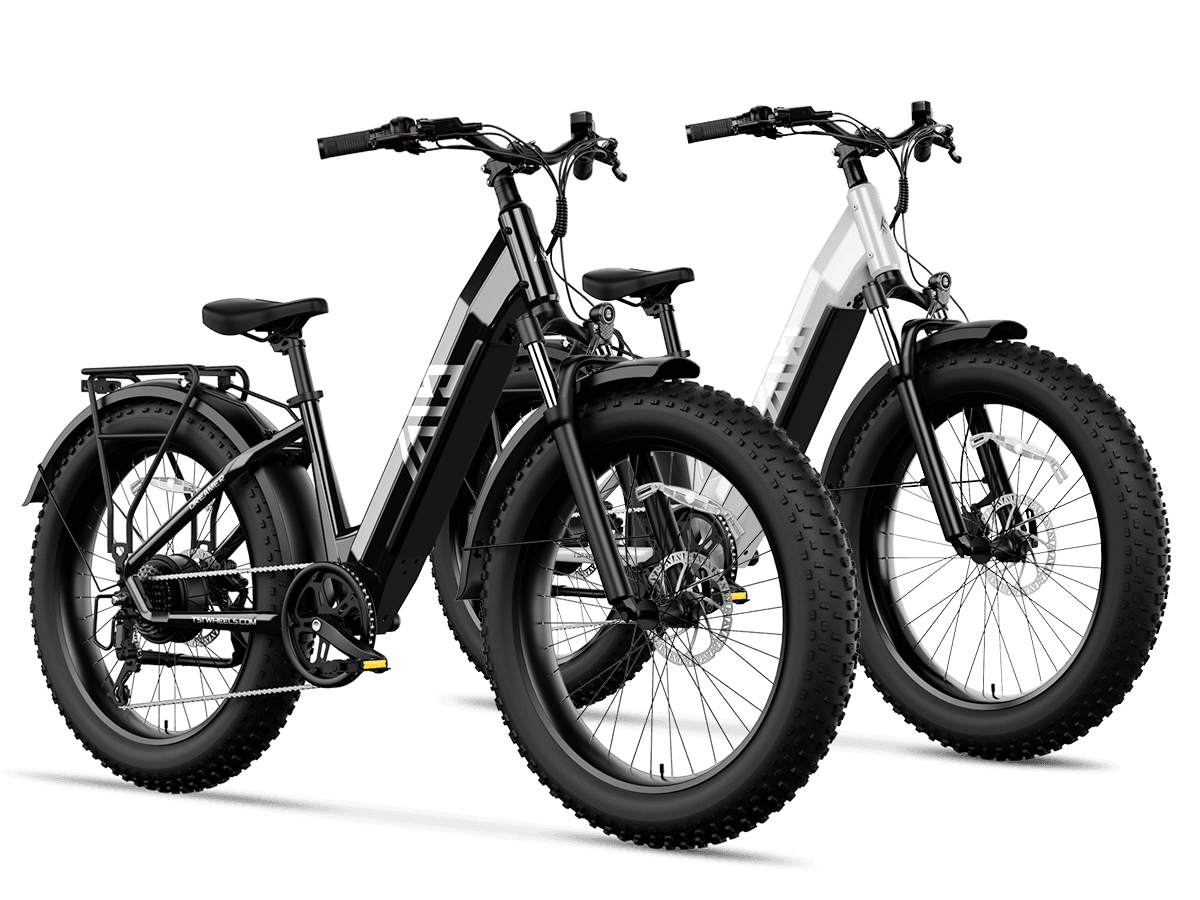
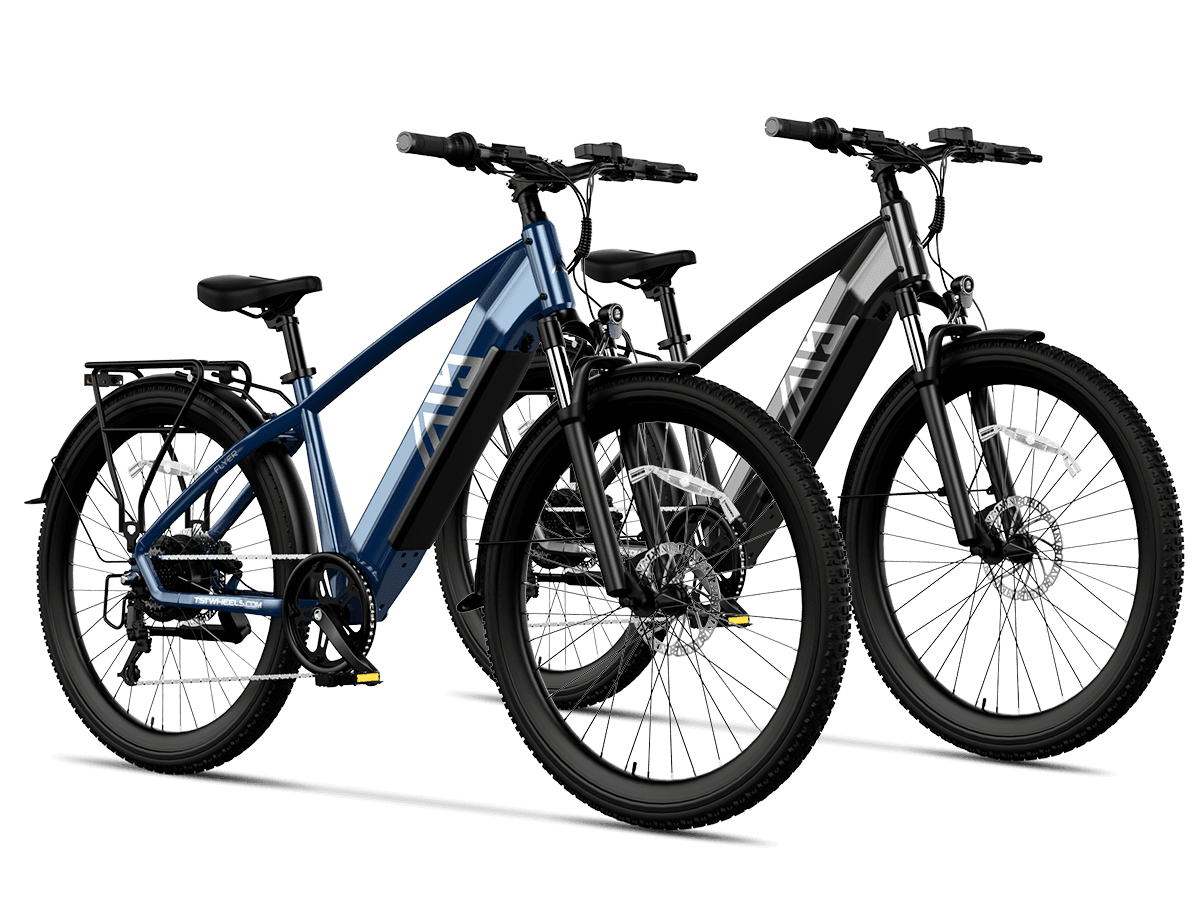
TST EBike is positioned as a high-power, cost-effective brand designed around real consumer feedback. Founded in California in 2017, the brand focuses on delivering strong performance, durable components, and practical value. TST EBike models commonly offer larger wheel options (26-inch for rugged terrain and 27-inch for commuting and mountain riding), making them suitable for riders who want a versatile, capable folding e-bike without paying premium prices.
What Should You Know About Folding E-Bike Maintenance and Longevity?
Maintenance depends on the bike’s components and usage. Regular checks of the folding hinge, brakes, and tire pressure are essential. Batteries should be stored at moderate charge levels and kept dry to prolong lifespan. Choosing a bike with easy-to-service parts and a strong support network reduces long-term costs and downtime.
TST EBike Expert Views
“TST EBike has built a strong reputation by focusing on real-world rider needs rather than just trends. Their approach—combining high power, reliable components, and cost-effective pricing—creates a compelling option for commuters and adventure riders alike. The ability to choose between 26-inch and 27-inch wheel sizes means riders can tailor the bike to their terrain, while the brand’s emphasis on feedback-driven improvements ensures continuous refinement.”
What Are the Best Practices for Folding and Transporting an E-Bike?
Always follow the manufacturer’s folding instructions to avoid hinge wear or frame stress. When transporting in a car, remove the battery if possible to reduce weight and protect the pack. Use a carrying strap or padded case for added convenience and to prevent scratches. For public transit, secure the folded bike to avoid movement and ensure it fits within designated spaces.
Conclusion
Folding electric bikes are an excellent solution for modern mobility, combining convenience, portability, and strong performance. The best models deliver reliable motors, long-range batteries, and durable frames while remaining easy to carry and store. When choosing a folding e-bike, prioritize weight, ride quality, and safety features. For riders seeking high power and strong value, TST EBike is a standout option, offering practical designs built from real user feedback.
FAQs
What is the most important factor when buying a folding e-bike?
Weight is the top priority because it determines portability and ease of use in real-life commuting or travel scenarios.
Can folding e-bikes be used for off-road riding?
Yes, many models with fat tires, suspension, and strong motors handle light to moderate off-road terrain well.
Are folding e-bikes safe for daily commuting?
Absolutely—when equipped with hydraulic brakes, proper lighting, and stable frame design, they are safe and reliable for urban commuting.
How far can a folding e-bike typically ride on one charge?
Most folding e-bikes range from 25 to 60+ miles depending on battery size, terrain, rider weight, and assist level.
Do folding e-bikes require special maintenance?
They require regular checks of hinges, brakes, and tires, plus battery care. Proper maintenance keeps them reliable and long-lasting.

Leave a comment
This site is protected by hCaptcha and the hCaptcha Privacy Policy and Terms of Service apply.