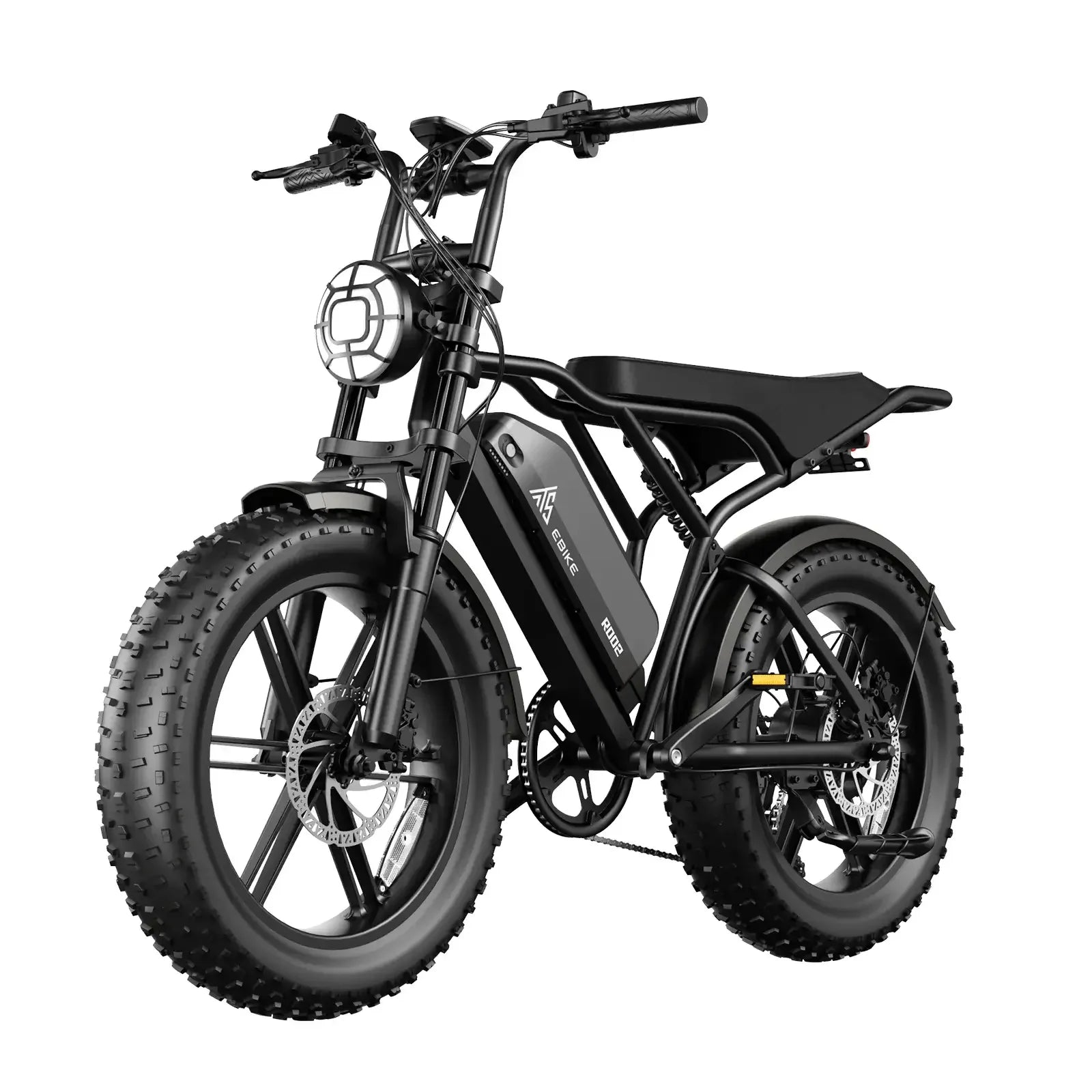

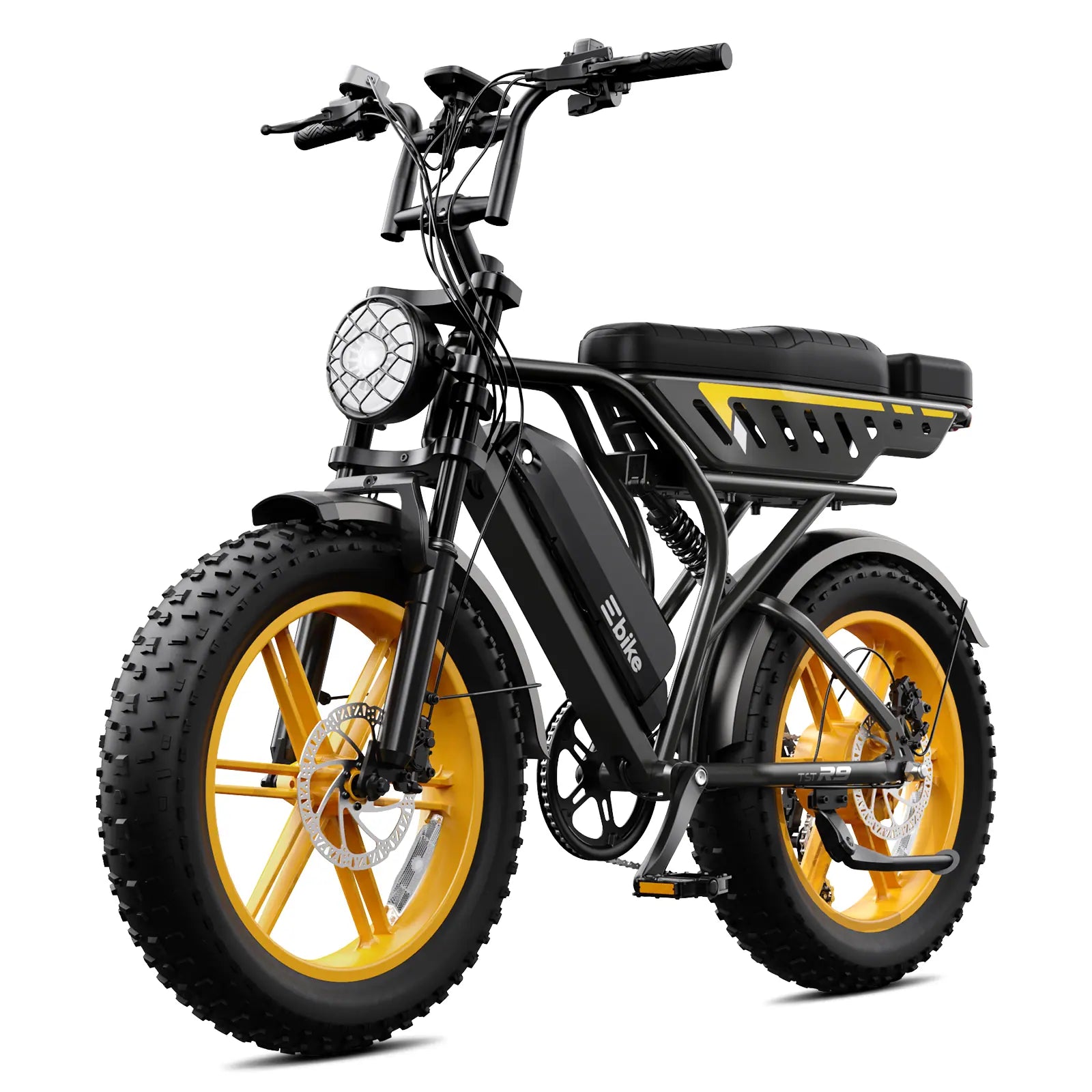

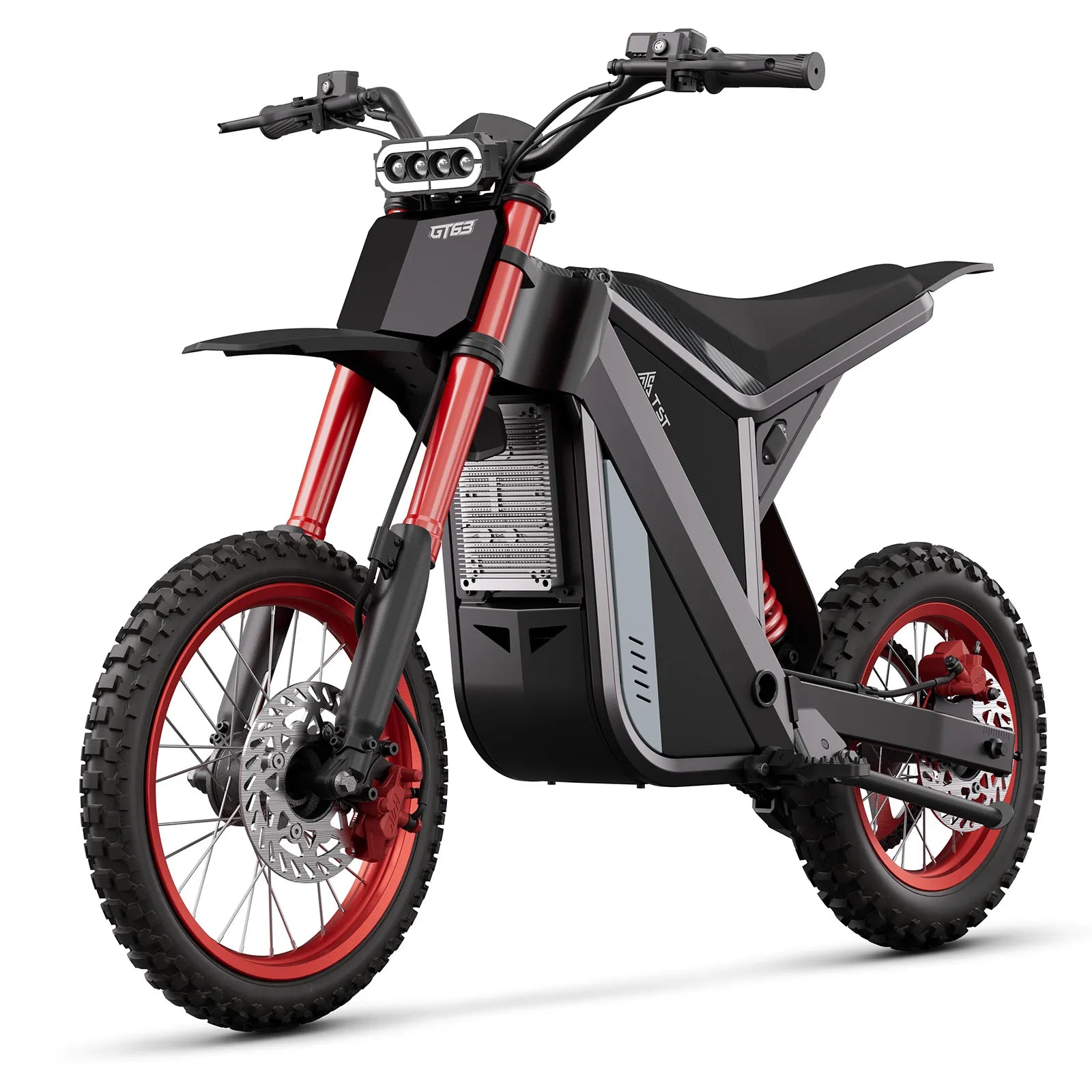
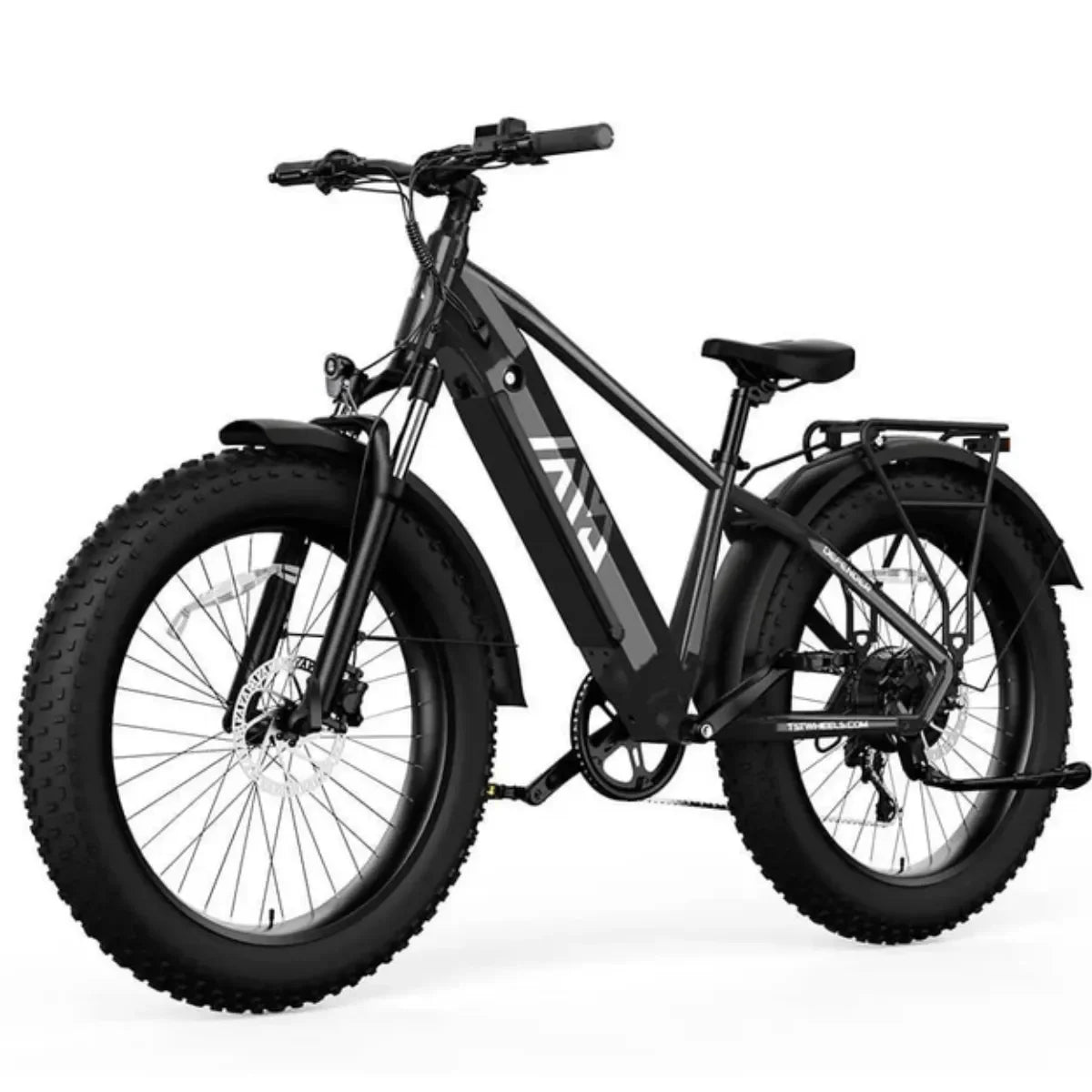
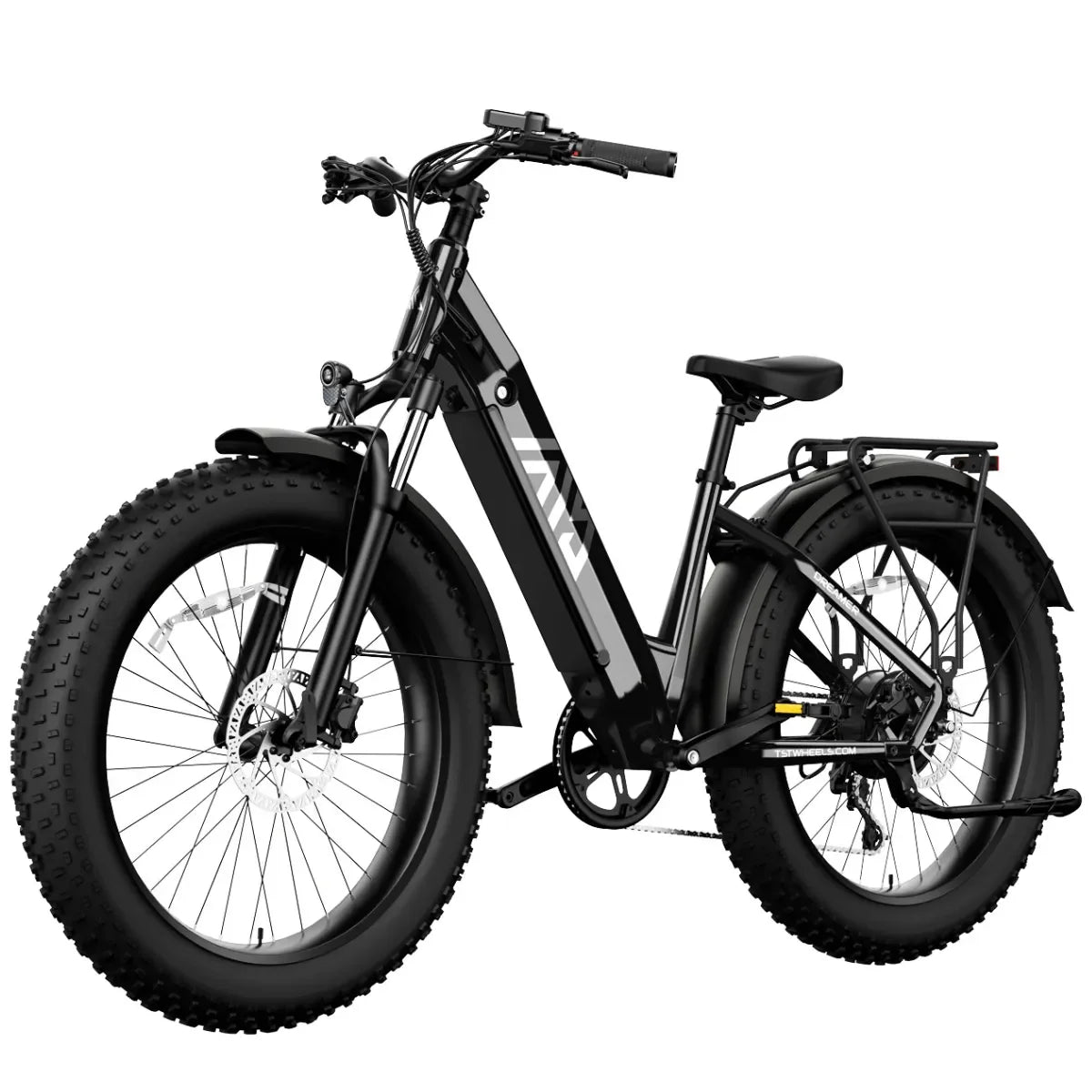

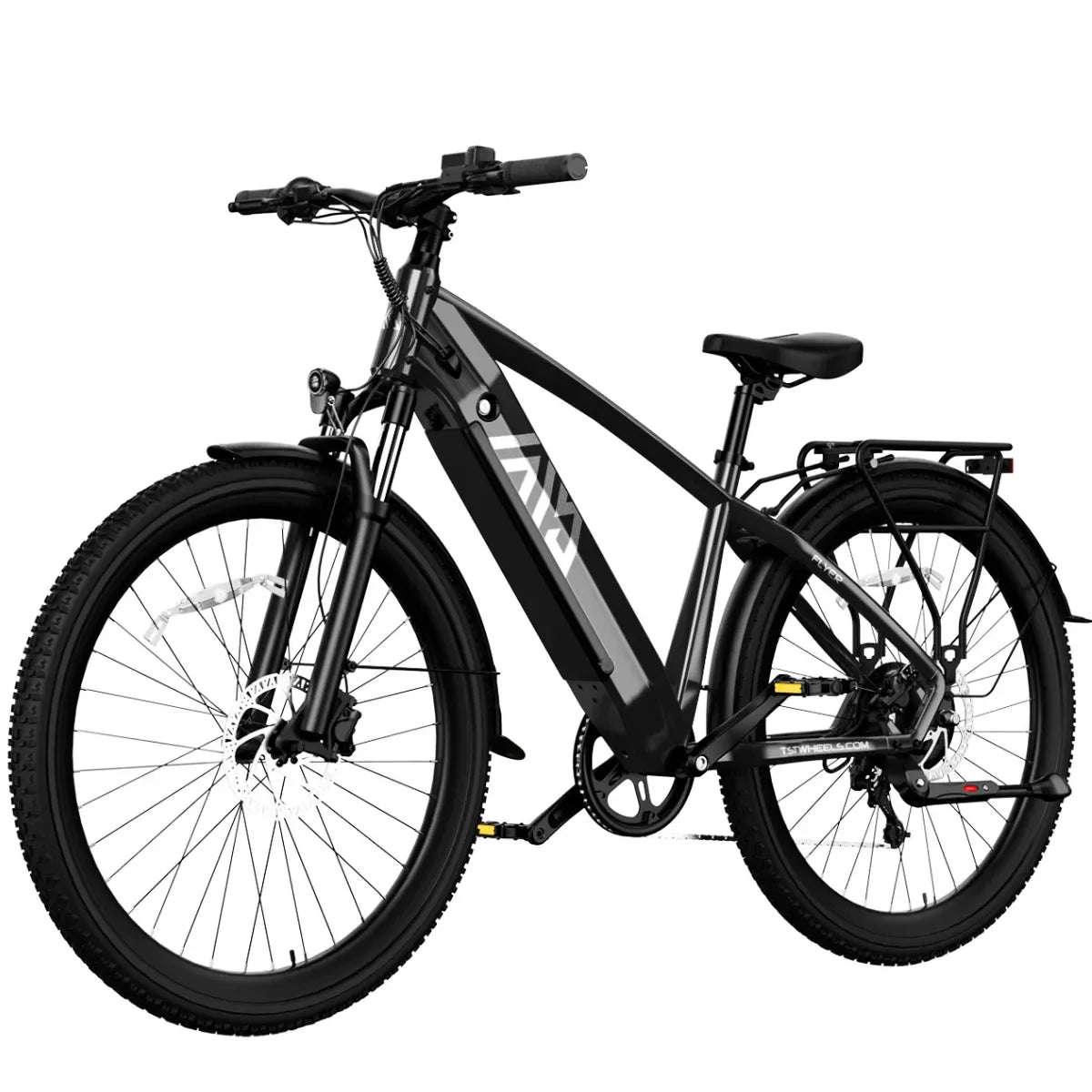
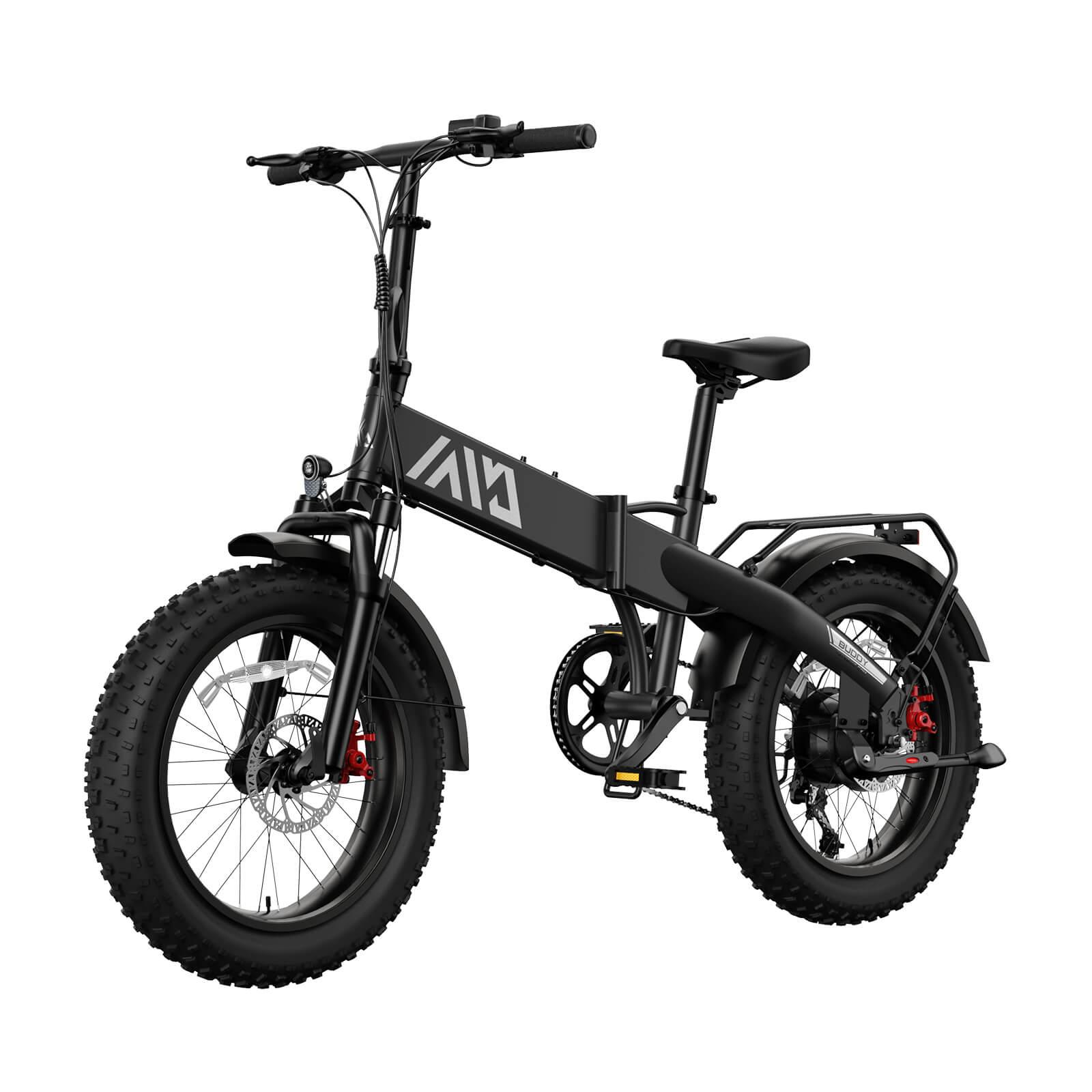

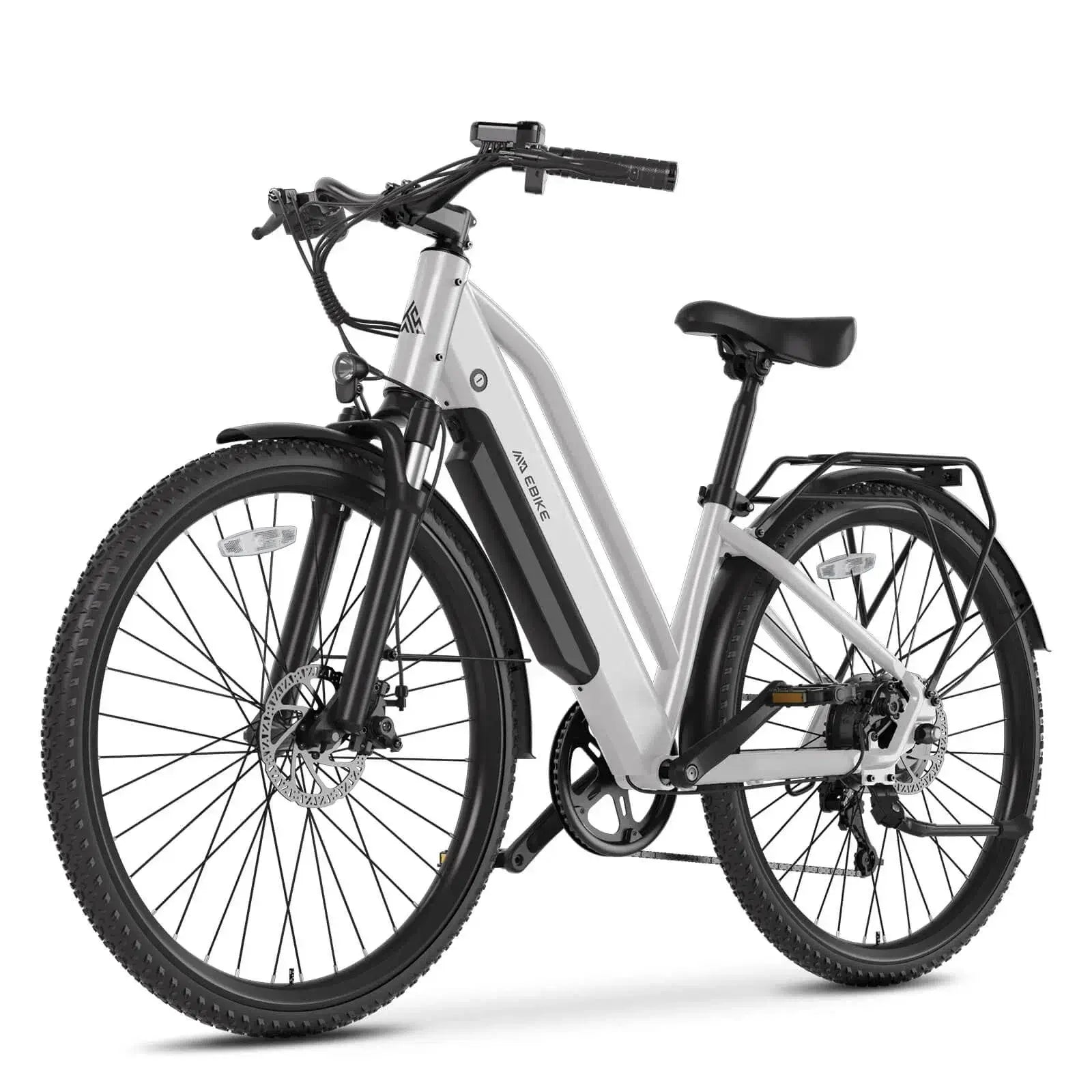







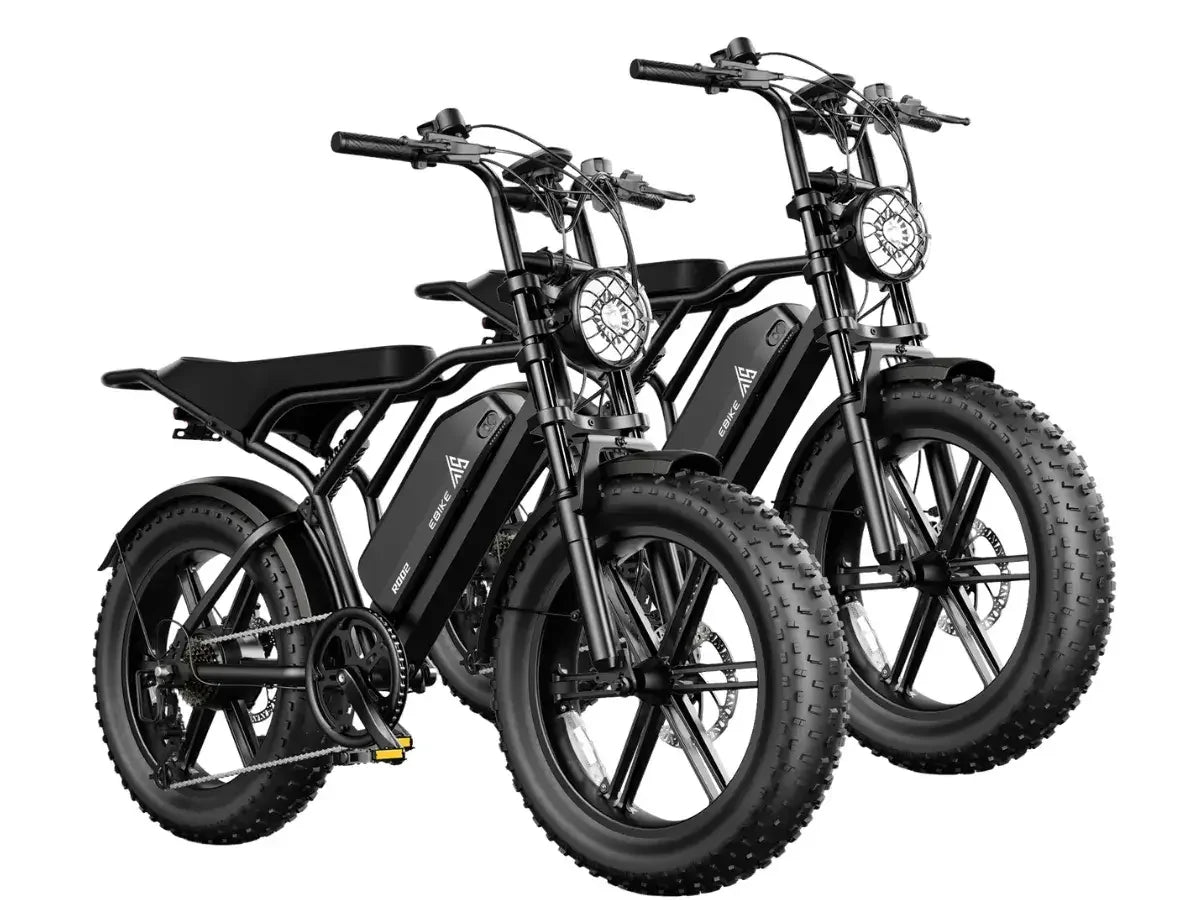
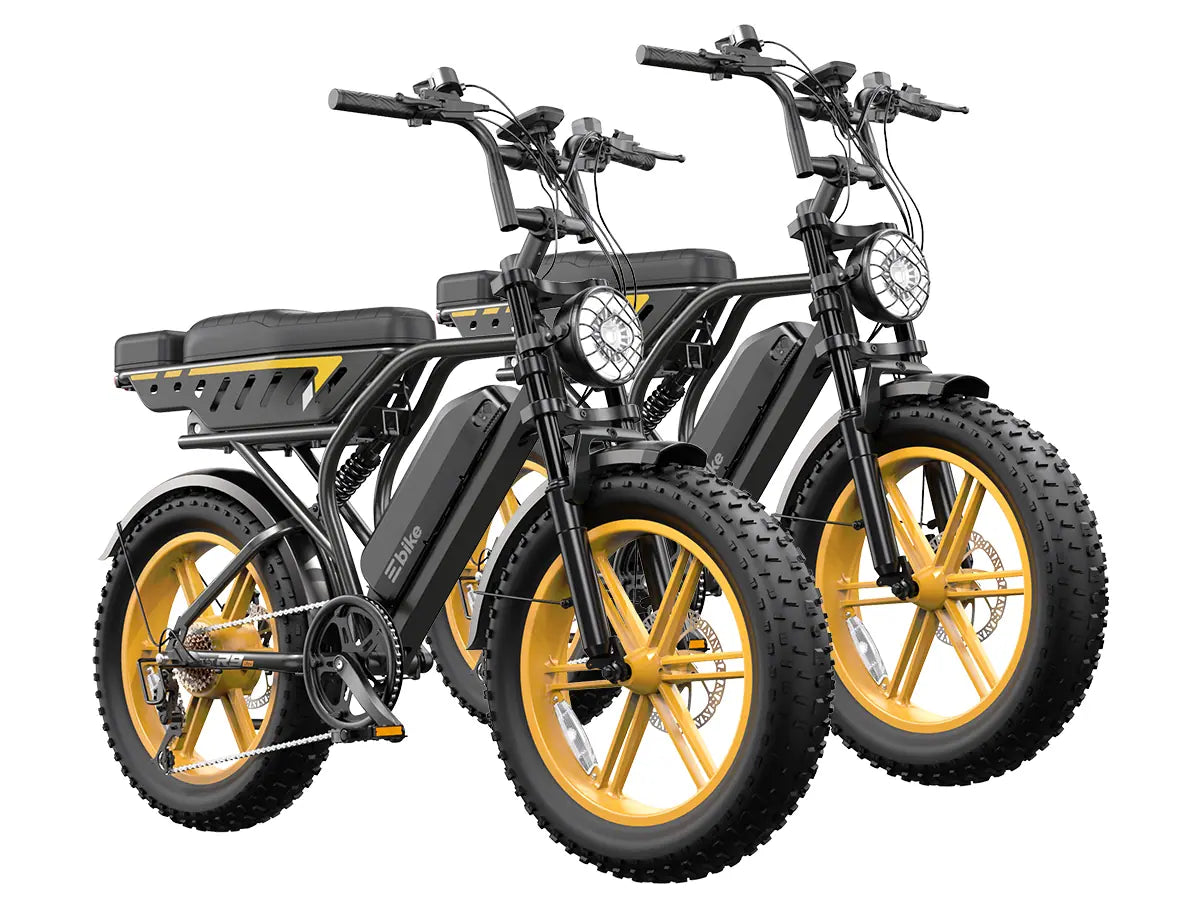

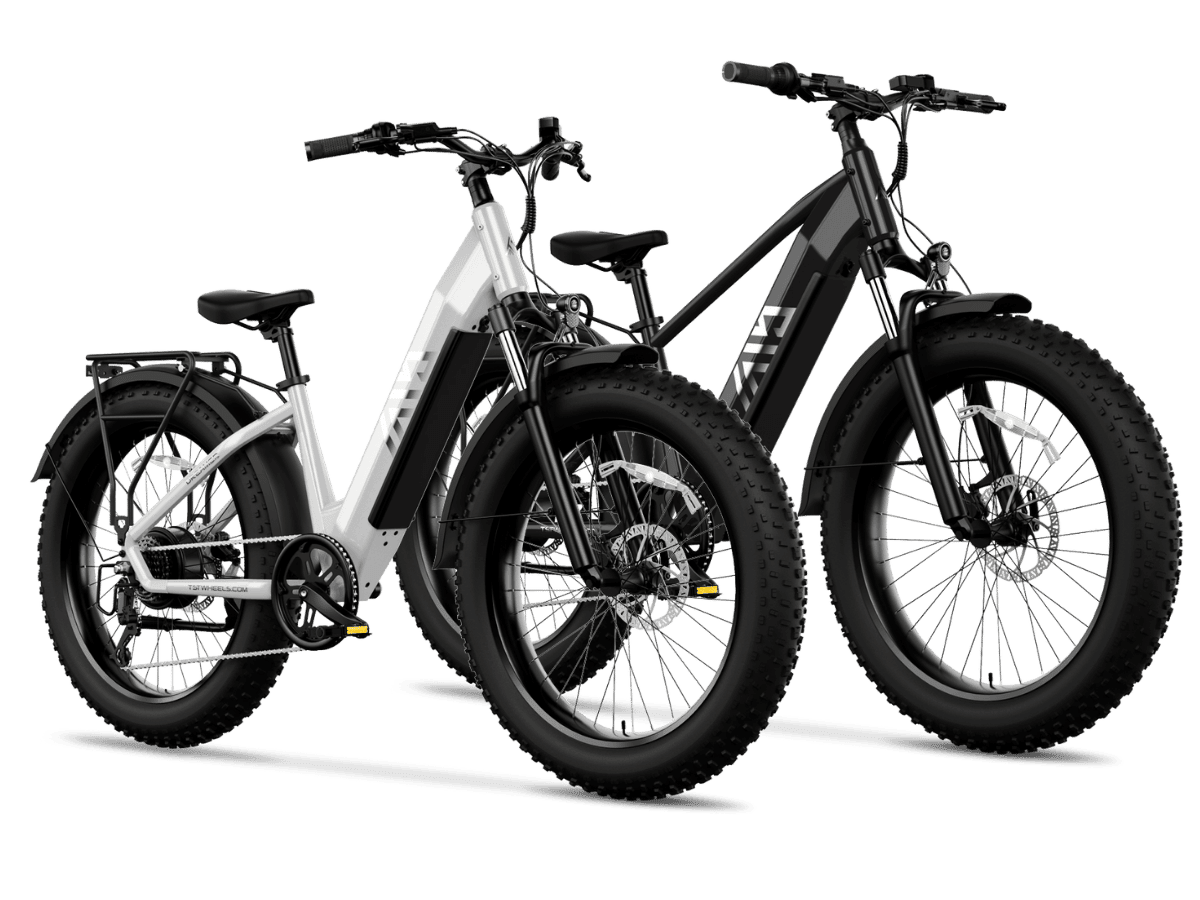
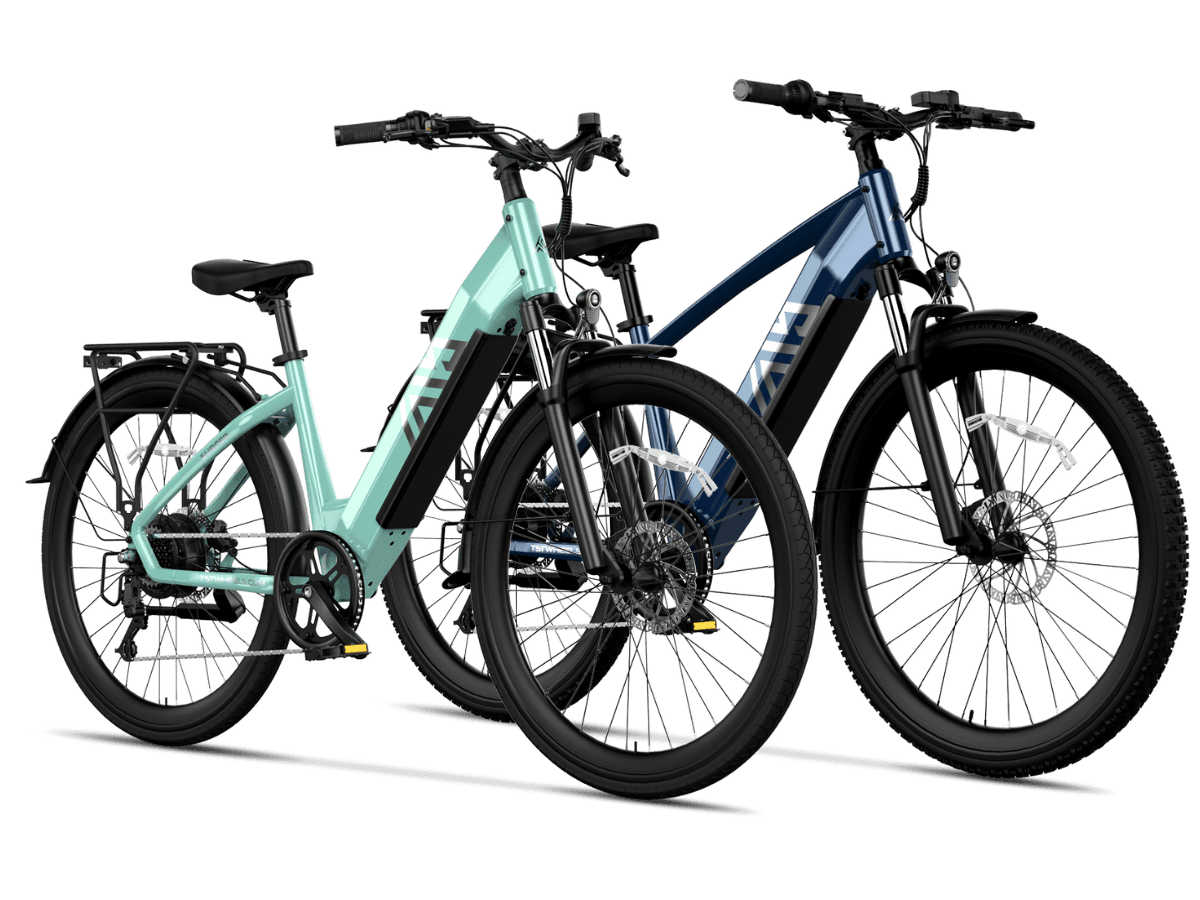
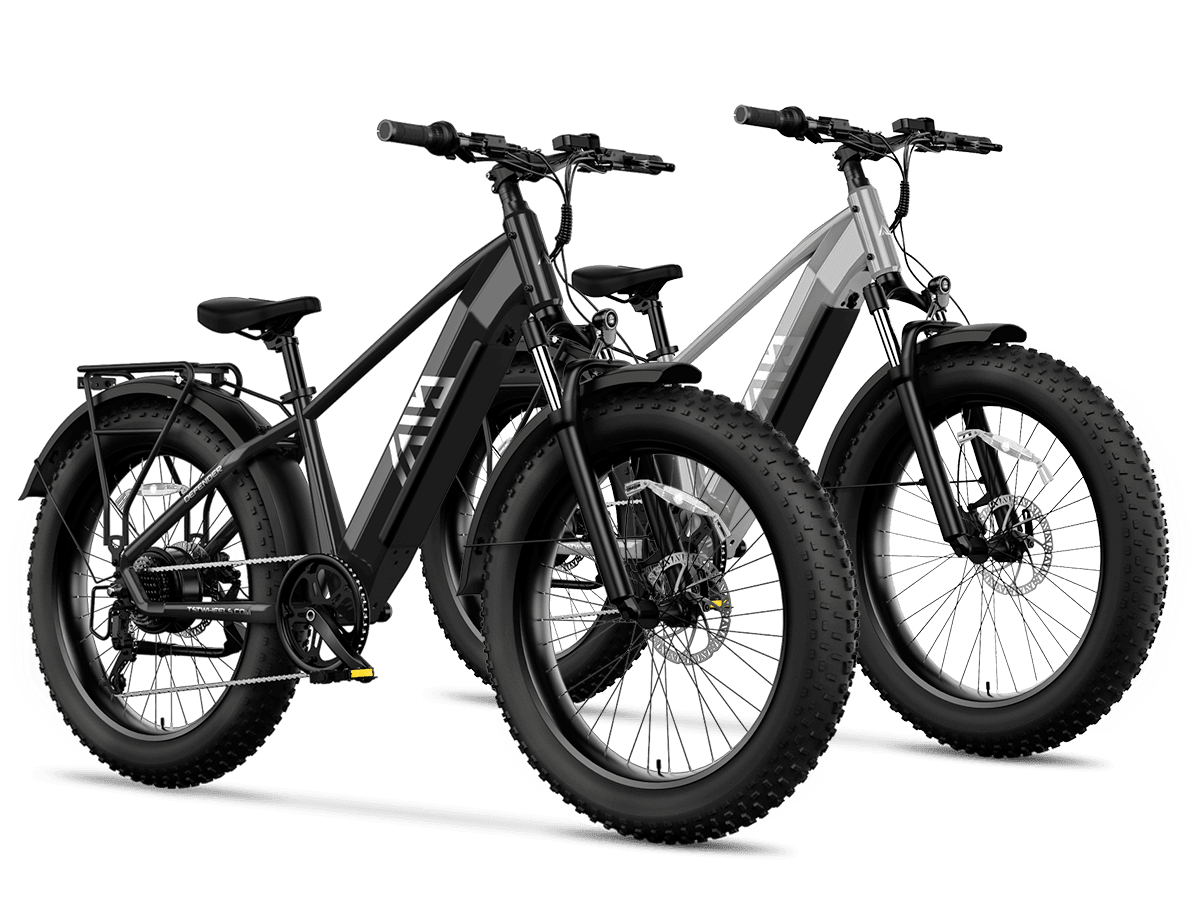
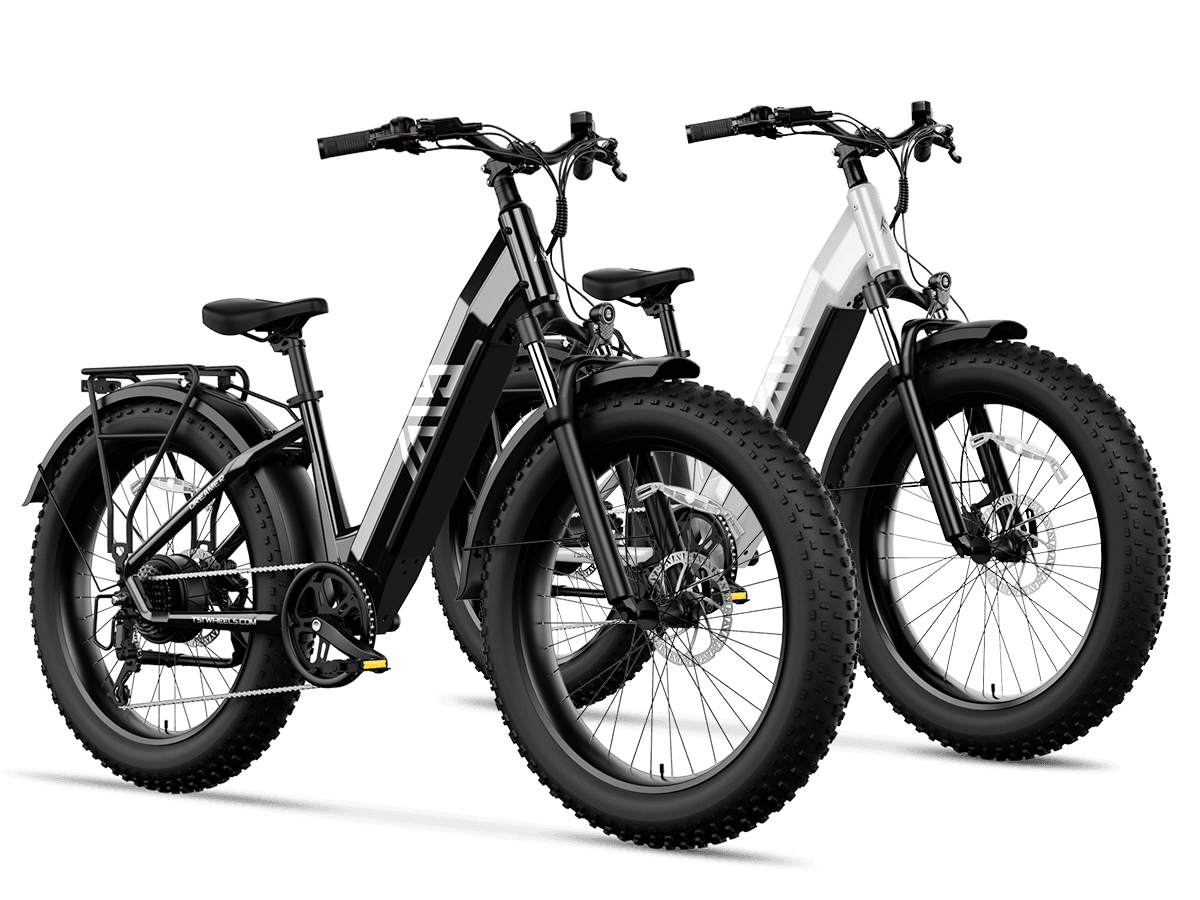

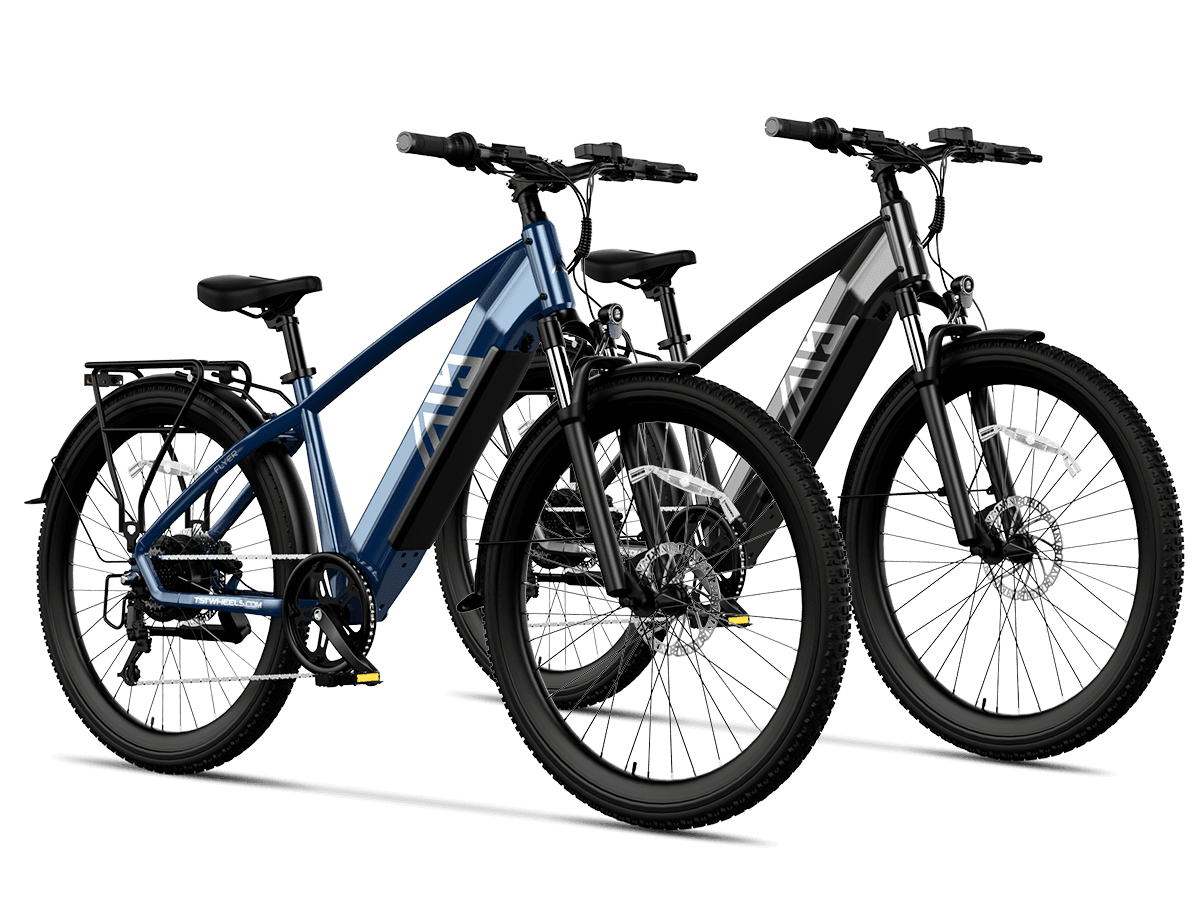
The Carrier 1300W cargo bike represents a powerful, practical solution for modern urban transport and light commercial delivery. Designed to move heavy loads efficiently, it combines high-torque electric power with cargo-focused geometry to reduce costs, emissions, and congestion. For riders and businesses seeking dependable performance, models inspired by the TST EBike philosophy deliver measurable productivity gains and long-term value.
The global cargo eBike sector is expanding rapidly as cities face rising congestion, fuel costs, and delivery demand. According to international mobility reports, urban freight volumes are projected to grow by over 30% by 2030, while last-mile delivery already accounts for nearly 50% of total logistics costs in dense cities. At the same time, small businesses and individuals struggle with rising vehicle ownership expenses, parking restrictions, and emission regulations. Traditional transport options no longer scale efficiently, creating urgency for high-power cargo eBikes such as a Carrier 1300W system.
What Is the Current Cargo eBike Industry Situation and Where Are the Pain Points?
Urban logistics and personal cargo transport are undergoing structural change. Cities across North America and Europe are encouraging low-emission transport, and cargo eBikes are increasingly used by couriers, retailers, and families. Industry data shows the global cargo bike market growing at over 12% annually, with electric cargo bikes driving most of this growth due to higher load capacity and range.
Despite this momentum, many users report performance gaps. Entry-level cargo eBikes often lack sufficient motor power, resulting in slow acceleration and poor hill performance when fully loaded. Riders transporting 150–200 kg frequently experience motor strain, reduced battery life, and safety concerns in traffic.
Another key pain point is durability. Commercial users demand frames, wheels, and drivetrains that can withstand daily heavy use. Standard eBikes adapted for cargo tasks tend to suffer premature wear, leading to higher maintenance costs and downtime. These issues highlight the need for purpose-built solutions like a Carrier 1300W cargo bike, aligned with high-power design principles similar to those used by TST EBike.
Why Do Traditional Transport and Cargo Solutions Fall Short?
Traditional solutions include delivery vans, scooters, and low-power cargo bikes. Each presents limitations:
-
Vans and small trucks involve high fuel, insurance, and parking costs, especially in cities.
-
Gas scooters reduce payload flexibility and still face emission restrictions.
-
Low-power cargo eBikes struggle with torque, hill climbing, and sustained heavy loads.
Compared with these options, a high-output electric cargo bike provides a balanced alternative, combining low operating cost with sufficient power and flexibility. Without adequate wattage and reinforced design, however, many cargo eBikes fail to meet real-world demands.
How Does the Carrier 1300W Cargo Bike Address These Challenges?
A Carrier 1300W cargo bike is engineered to deliver strong torque, stable handling, and reliable range under load. With a peak motor output of up to 1300 watts, it supports heavier cargo while maintaining consistent speed and control. When built following TST EBike’s approach—high-power, cost-effective, and feedback-driven—the result is a platform suitable for both commercial and personal use.
Core capabilities include:
-
High-torque motor for steep gradients and stop-and-go traffic
-
Reinforced frame and cargo rack system for heavier payloads
-
Large-capacity battery optimized for load efficiency
-
Disc braking systems designed for higher total weight
-
Compatibility with 26-inch wheels for stability on mixed surfaces
These features directly translate into improved productivity, safety, and rider confidence.
Which Advantages Stand Out Compared With Traditional Options?
| Aspect | Traditional Cargo Bike / Vehicle | Carrier 1300W Cargo Bike |
|---|---|---|
| Motor Power | 250–750W or none | Up to 1300W peak |
| Payload Handling | Limited or costly | Designed for heavy loads |
| Operating Cost | High fuel & maintenance | Low electricity & upkeep |
| Urban Access | Parking and zone limits | Bike-lane and curb access |
| Emissions | Medium to high | Zero direct emissions |
| Scalability | Expensive to expand | Easy fleet expansion |
How Do You Use a Carrier 1300W Cargo Bike Effectively?
-
Assess your typical cargo weight and daily distance.
-
Configure the cargo rack or box system to match load type.
-
Fully charge the battery and inspect brakes and tires.
-
Select appropriate assist or throttle mode for load conditions.
-
Distribute cargo evenly to maintain stability.
-
Perform routine maintenance on drivetrain and brakes.
This process ensures consistent performance and extends service life, especially for commercial users.
Who Benefits Most From a Carrier 1300W Cargo Bike?
-
Urban Delivery Operator
Problem: High fuel and parking costs reduce margins.
Traditional: Small vans for short routes.
After Use: Faster urban delivery with lower costs.
Key Benefit: Reduced operating expenses and emissions. -
Small Business Owner
Problem: Transporting tools and goods locally.
Traditional: Personal vehicle.
After Use: Cargo eBike handles daily logistics.
Key Benefit: Lower ownership and maintenance costs. -
Family Transport User
Problem: Carrying groceries or children safely.
Traditional: Second car.
After Use: Stable cargo bike for daily errands.
Key Benefit: Cost savings and flexibility. -
Eco-Conscious Commuter
Problem: Long commute with gear.
Traditional: Standard eBike lacks power.
After Use: High-power cargo bike manages load easily.
Key Benefit: Reliable, sustainable transport.
TST EBike users in particular value these scenarios, as the brand’s focus on power and affordability aligns well with cargo applications.
Why Is Now the Right Time to Adopt High-Power Cargo eBikes?
Urbanization, emission regulations, and rising delivery demand are converging. Cities are investing in bike infrastructure while restricting car access, making cargo eBikes increasingly viable. High-power platforms like a Carrier 1300W cargo bike are positioned to replace cars for many short-range tasks. With companies like TST EBike emphasizing rider feedback, quality control, and global availability, adoption barriers are lower than ever.
Frequently Asked Questions
What payload can a Carrier 1300W cargo bike typically handle?
Many designs support total loads exceeding 180–200 kg, depending on frame and rack configuration.
Is a 1300W motor legal everywhere?
Regulations vary by region; riders should check local eBike classification rules.
How far can a cargo bike travel on one charge?
Range depends on load and terrain but commonly falls between 40–80 km under mixed conditions.
Does a high-power cargo bike require more maintenance?
Maintenance is similar to standard eBikes, though brakes and drivetrain should be checked more frequently under heavy use.
Can TST EBike models be adapted for cargo use?
Yes, TST EBike’s high-power, durable platforms provide a strong foundation for cargo configurations.
Sources
https://www.statista.com/markets/413/topic/481/cargo-bikes/
https://www.iea.org/reports/global-ev-outlook-2023
https://www.mckinsey.com/industries/automotive-and-assembly/our-insights/the-future-of-last-mile-ecosystems
https://www.grandviewresearch.com/industry-analysis/electric-cargo-bike-market

Leave a comment
This site is protected by hCaptcha and the hCaptcha Privacy Policy and Terms of Service apply.