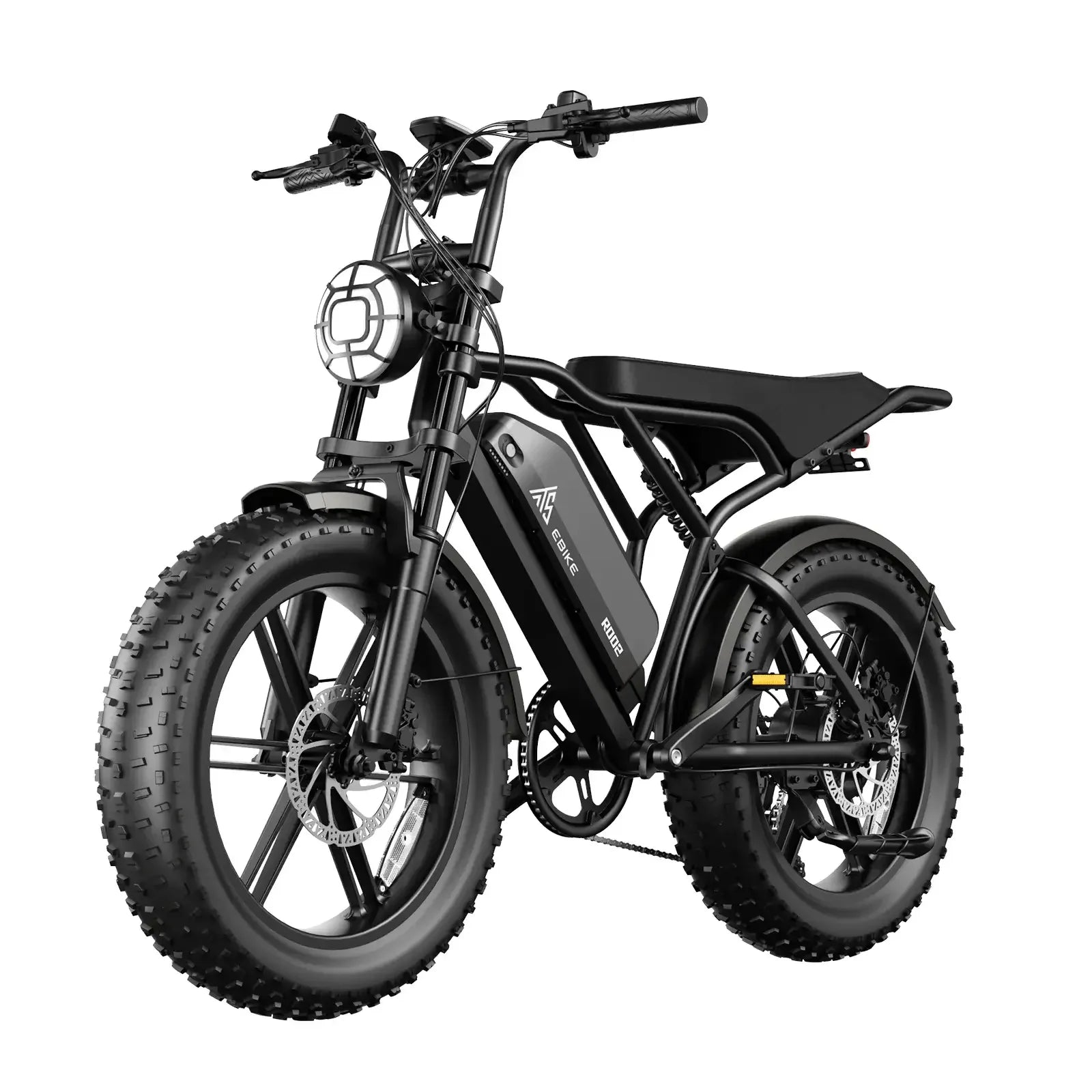

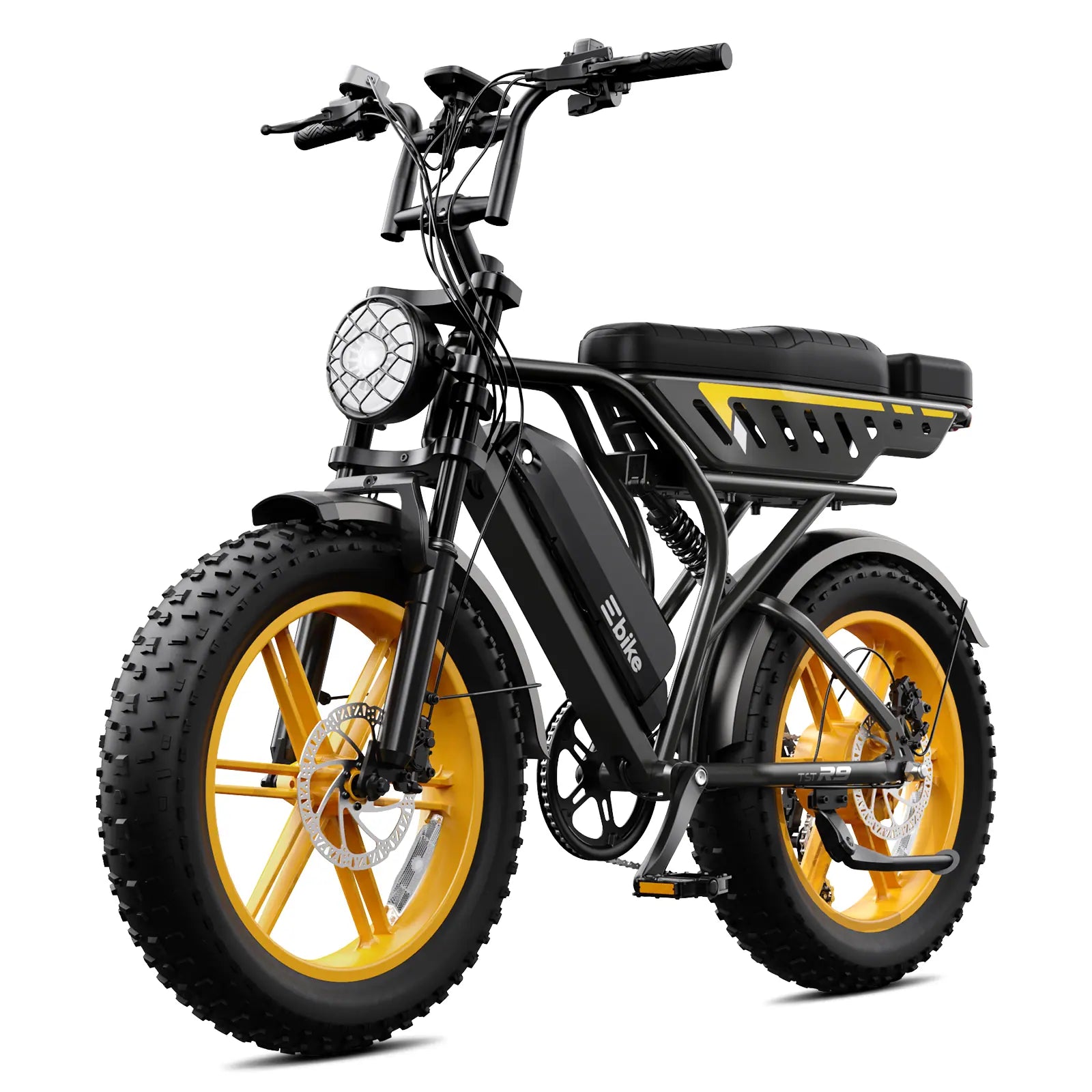

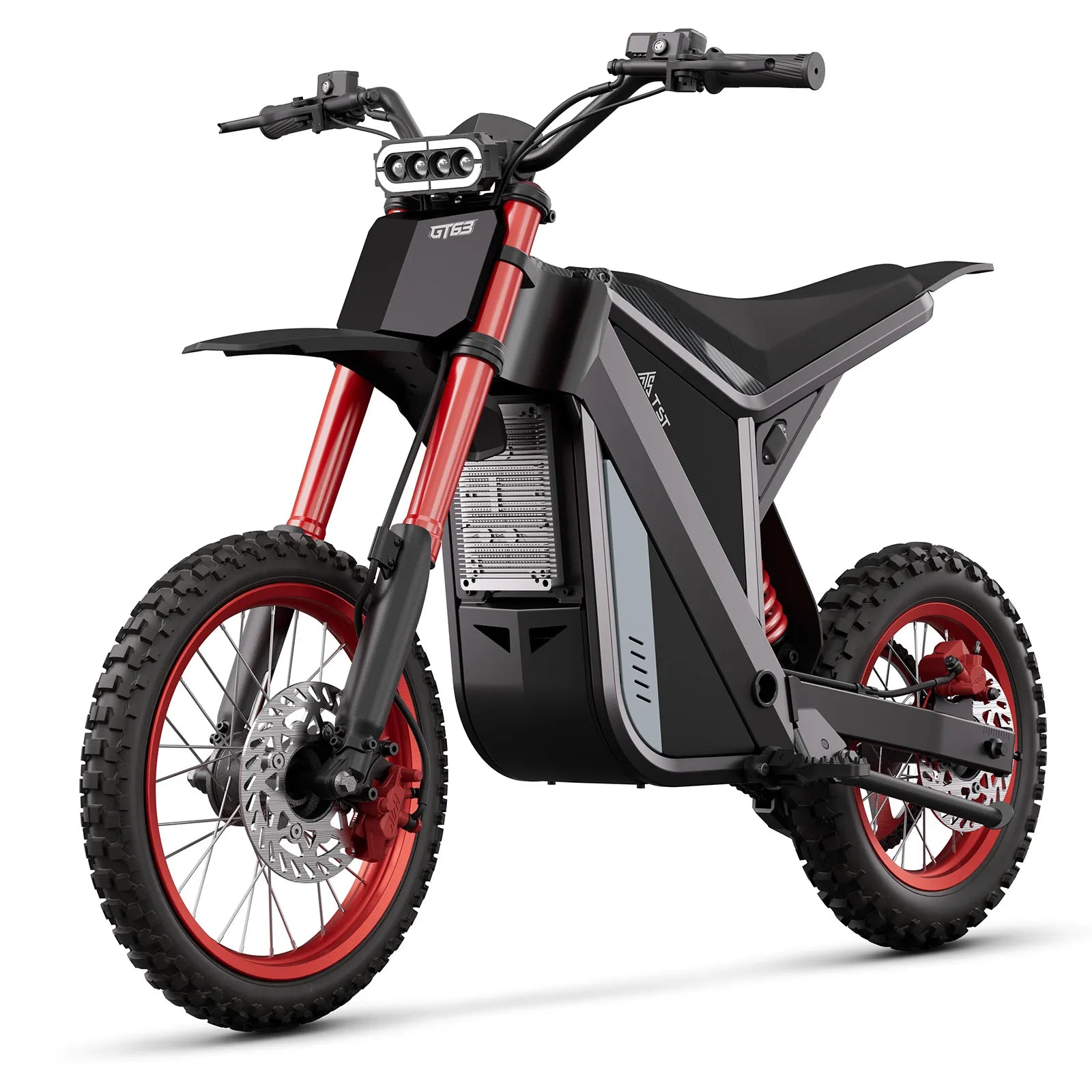
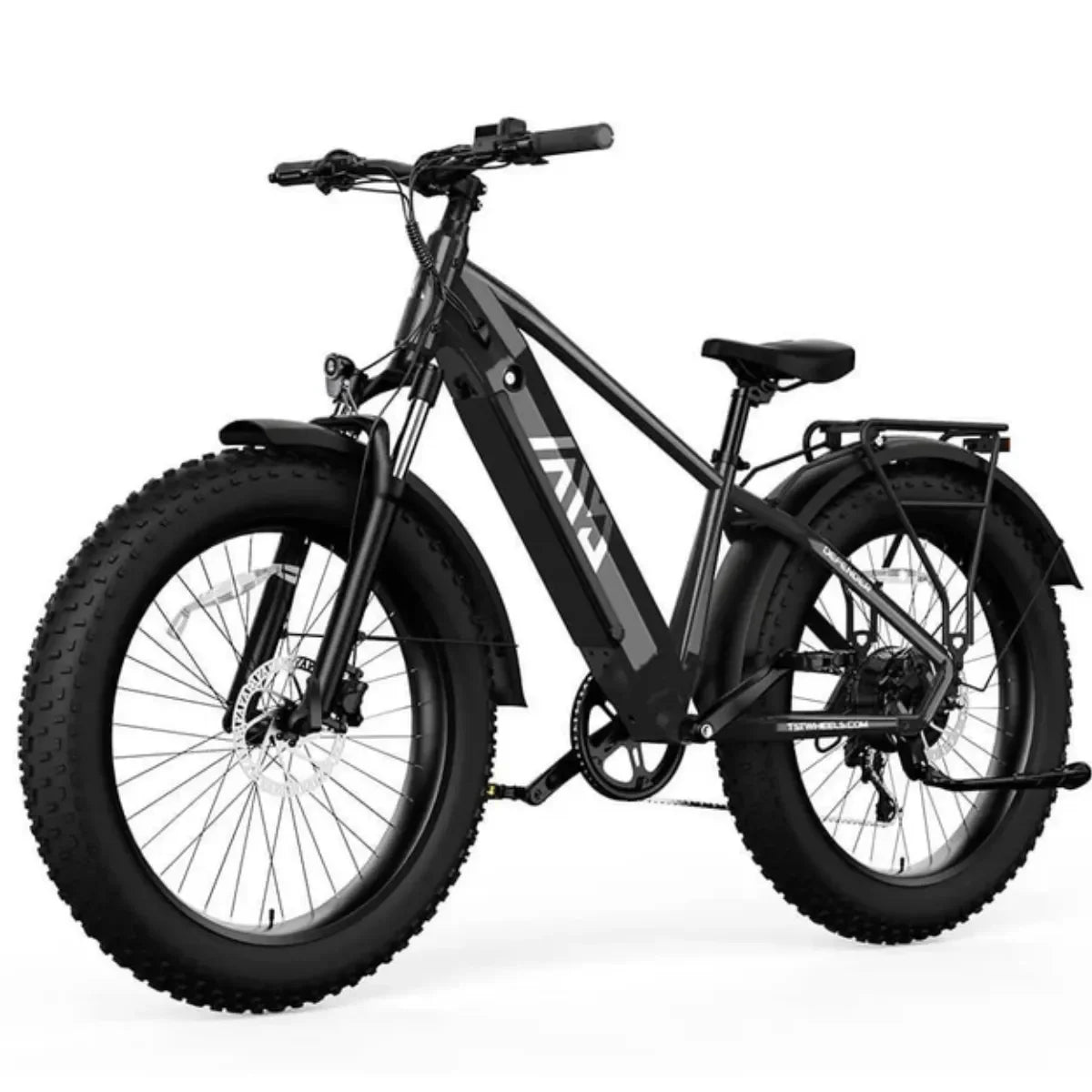
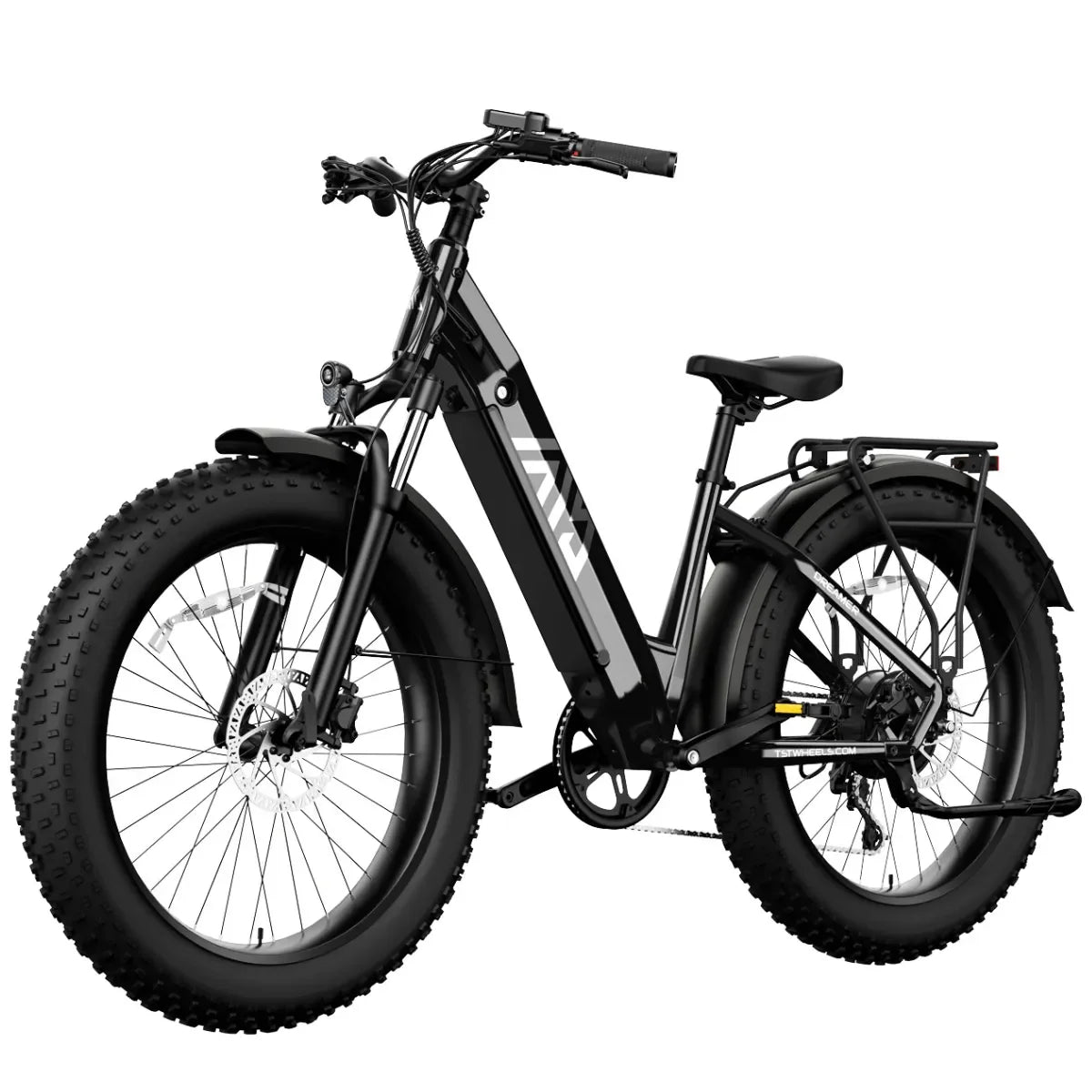

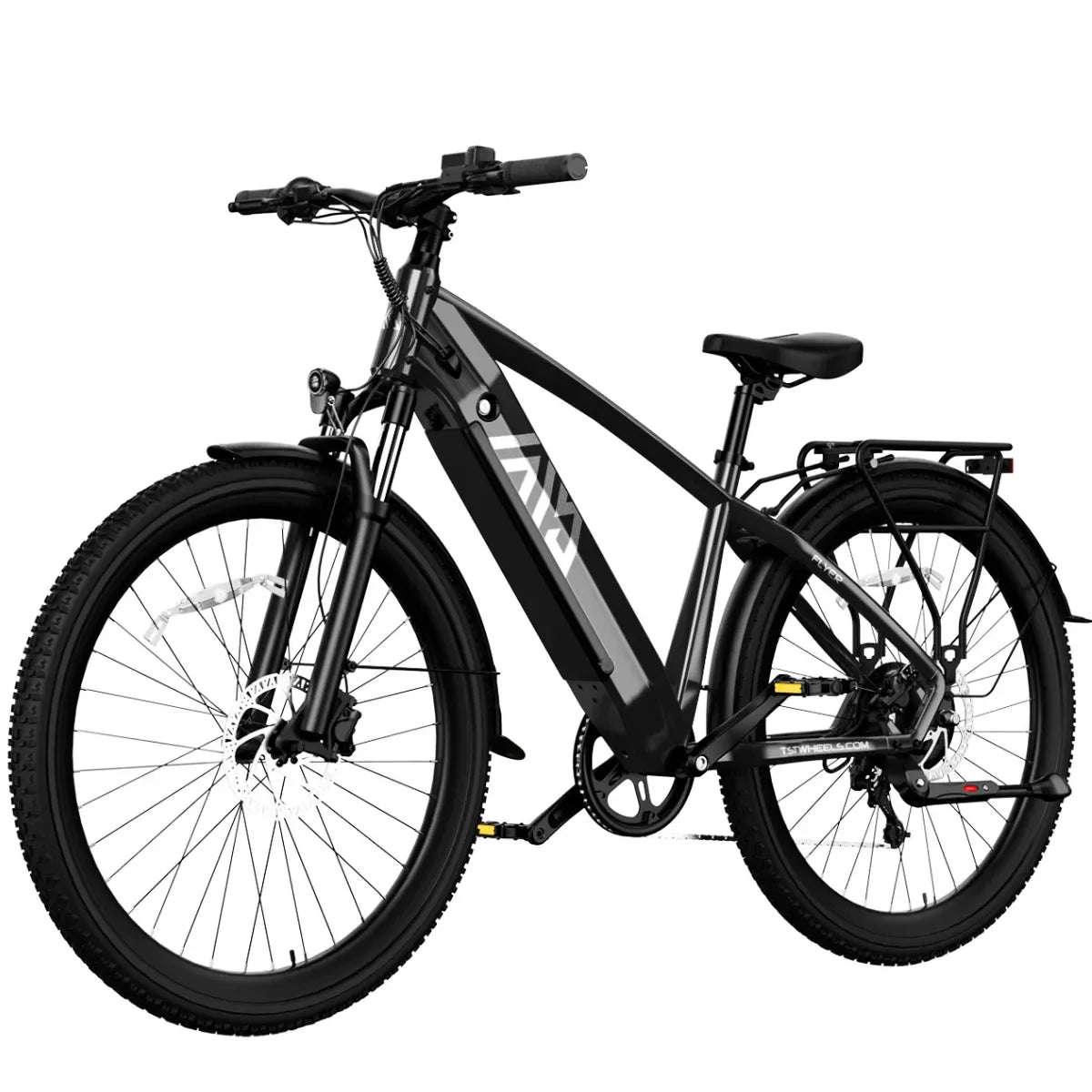
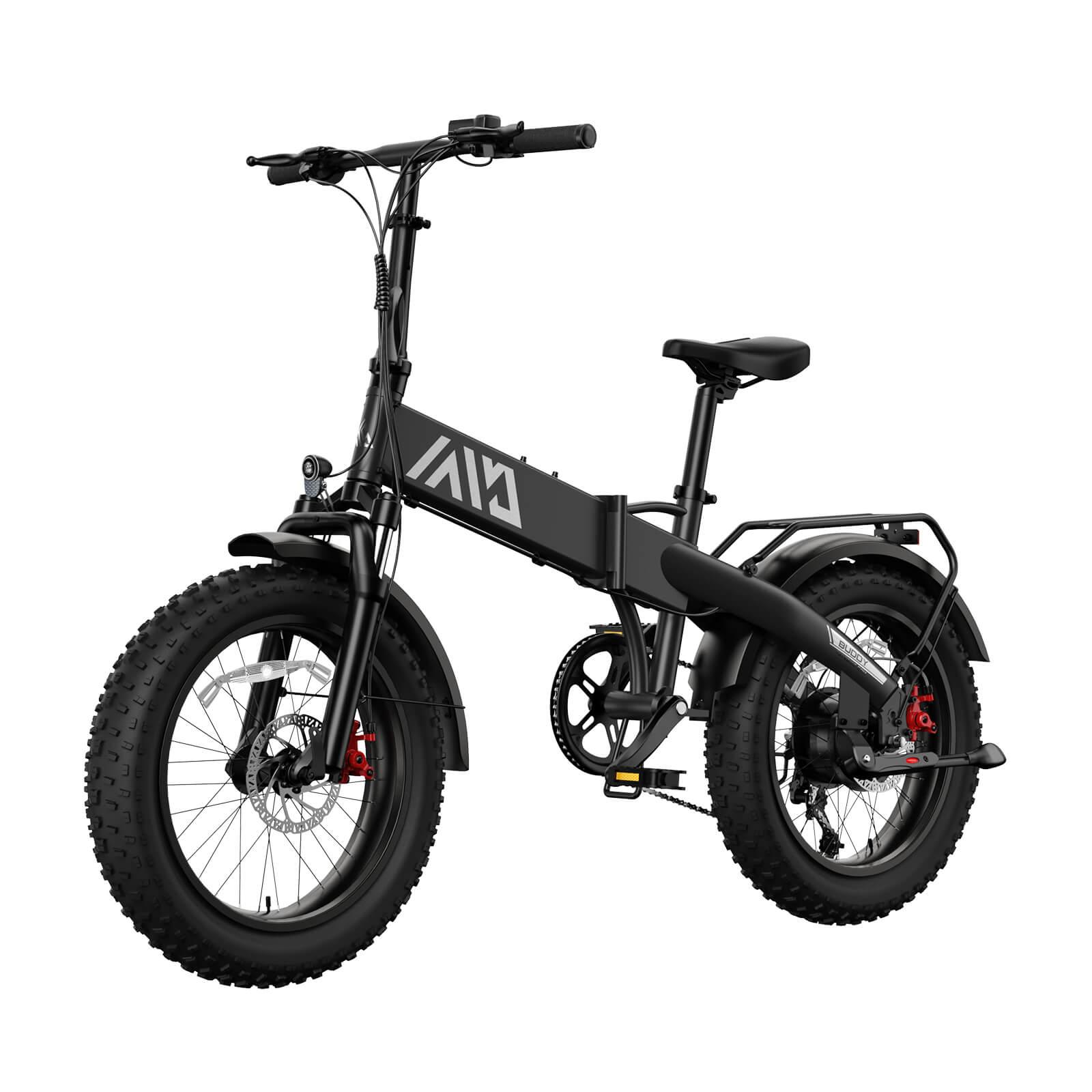

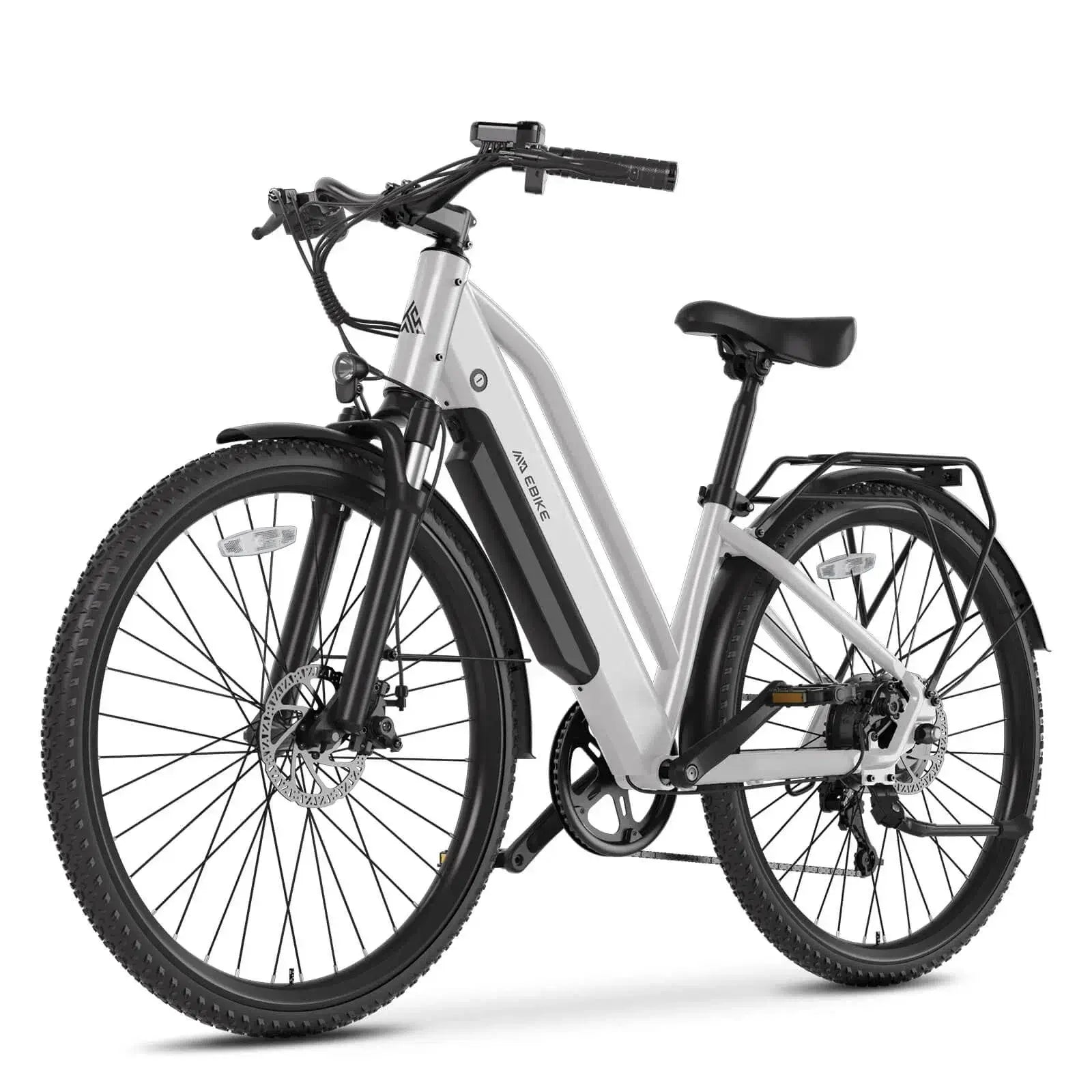







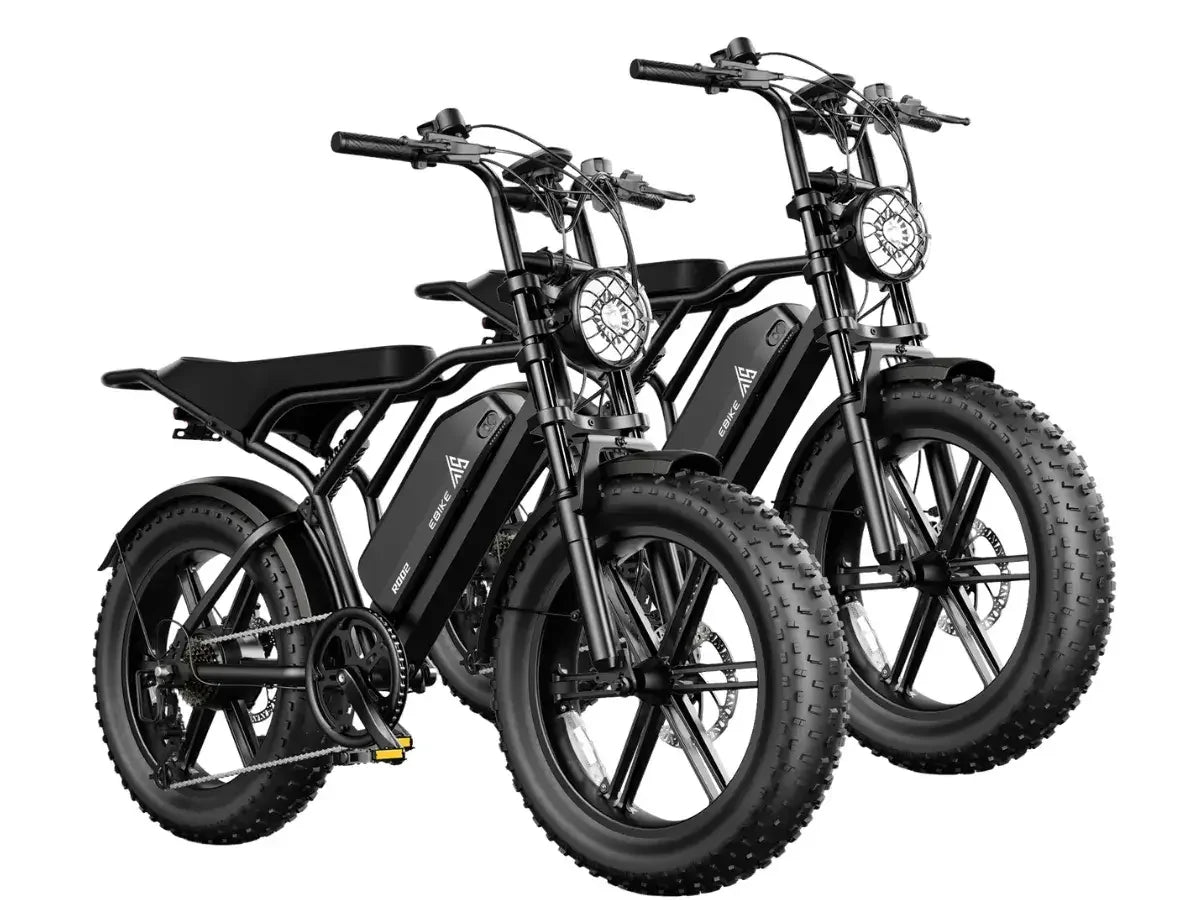
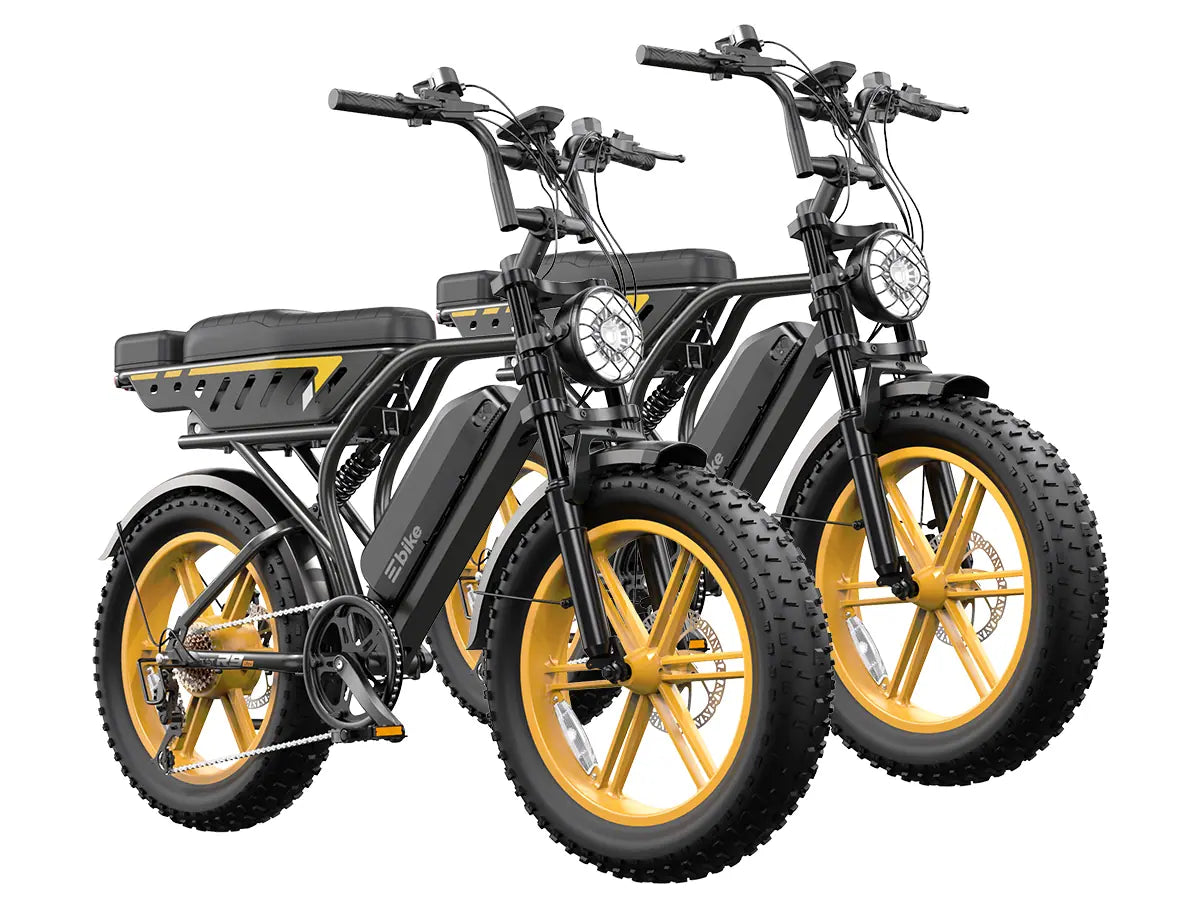

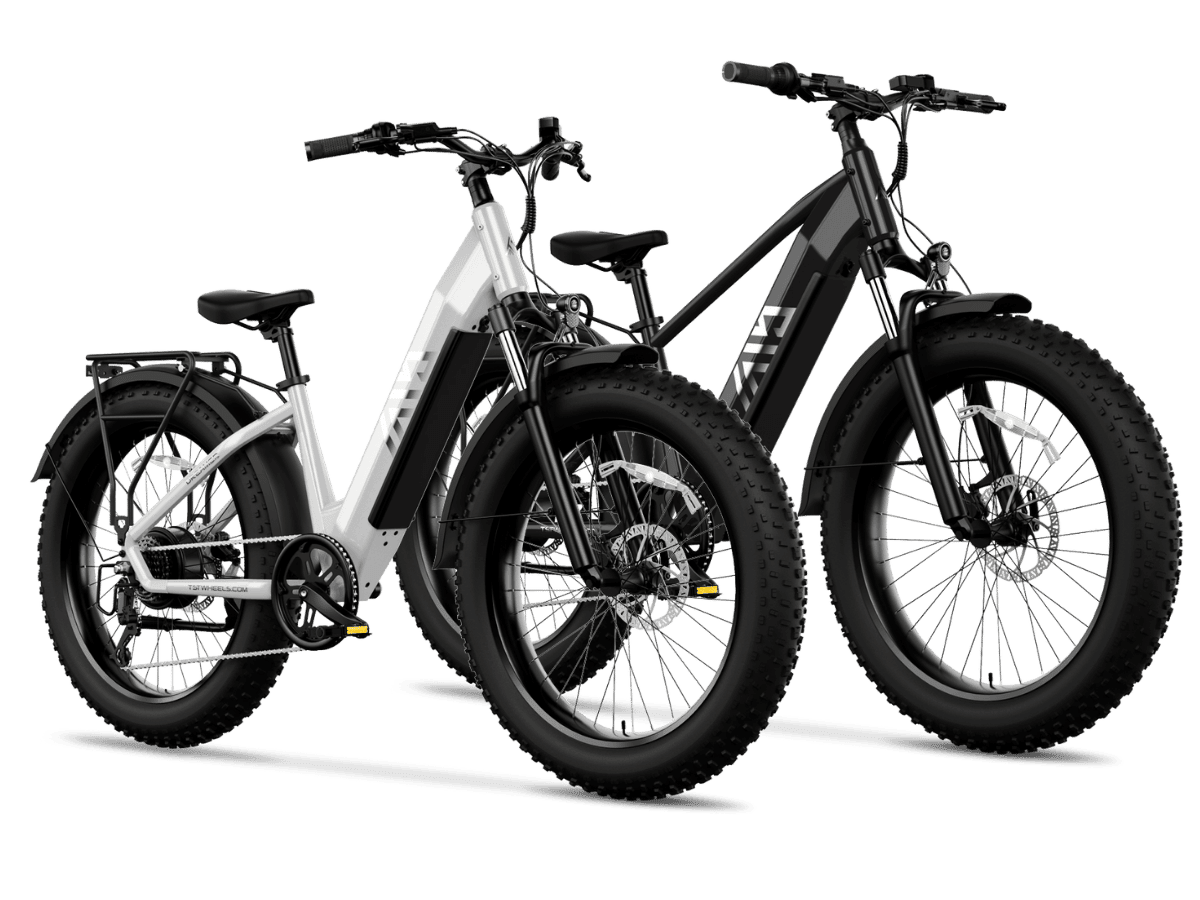
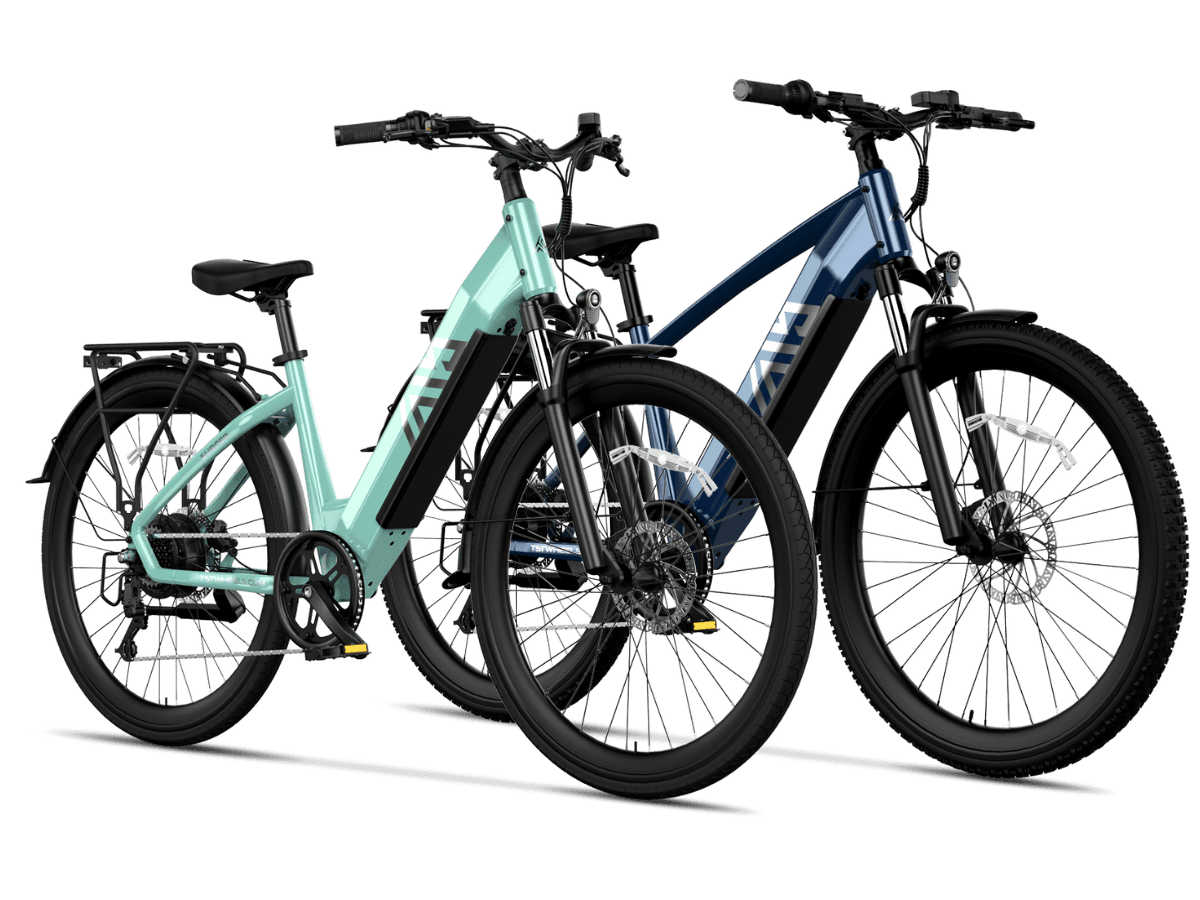
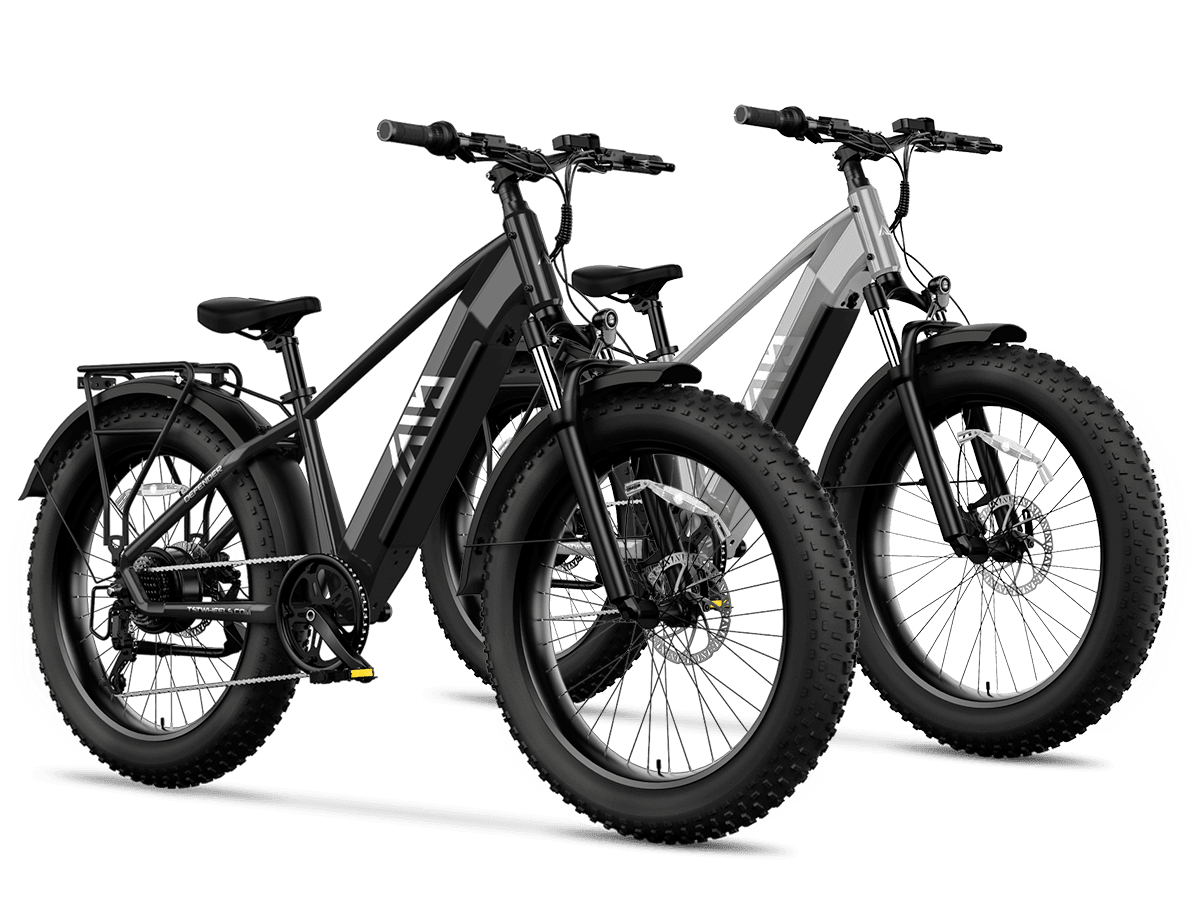
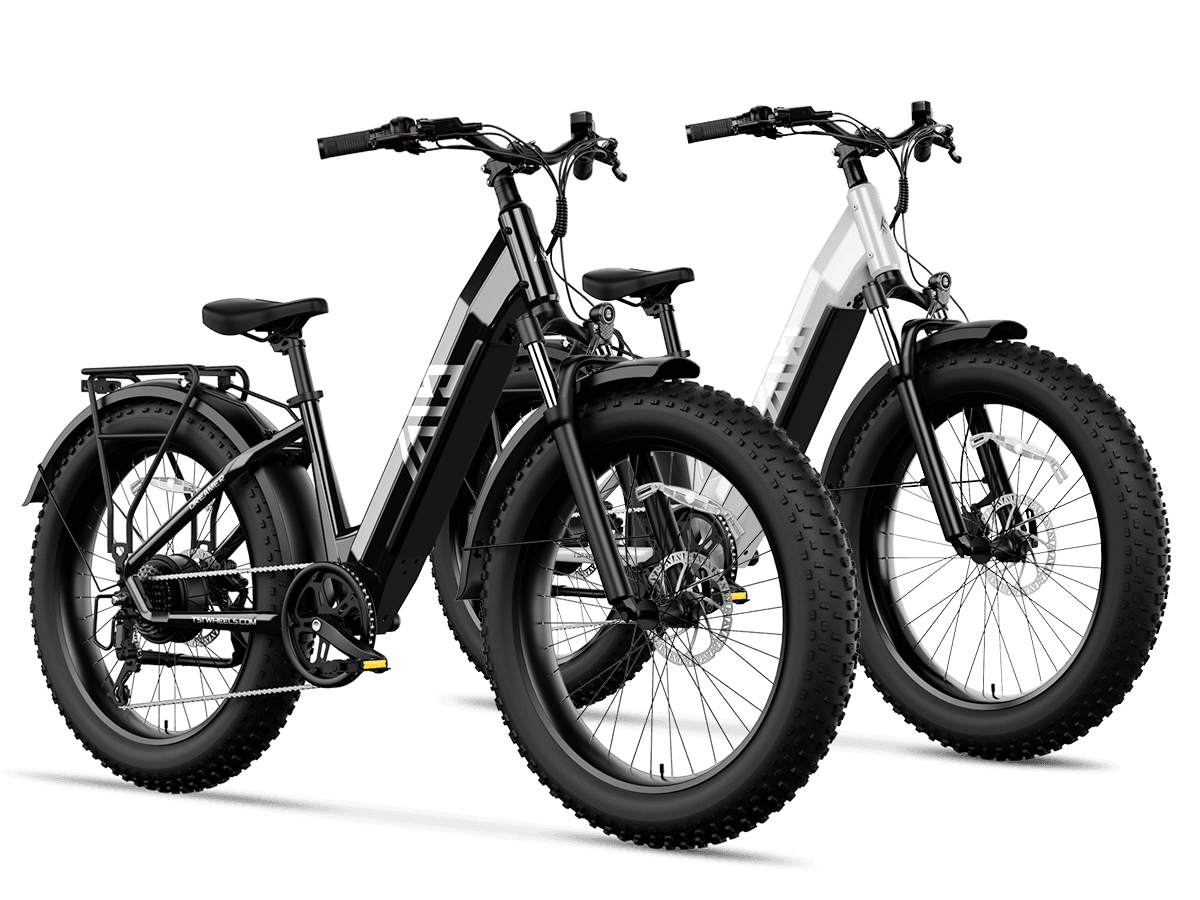

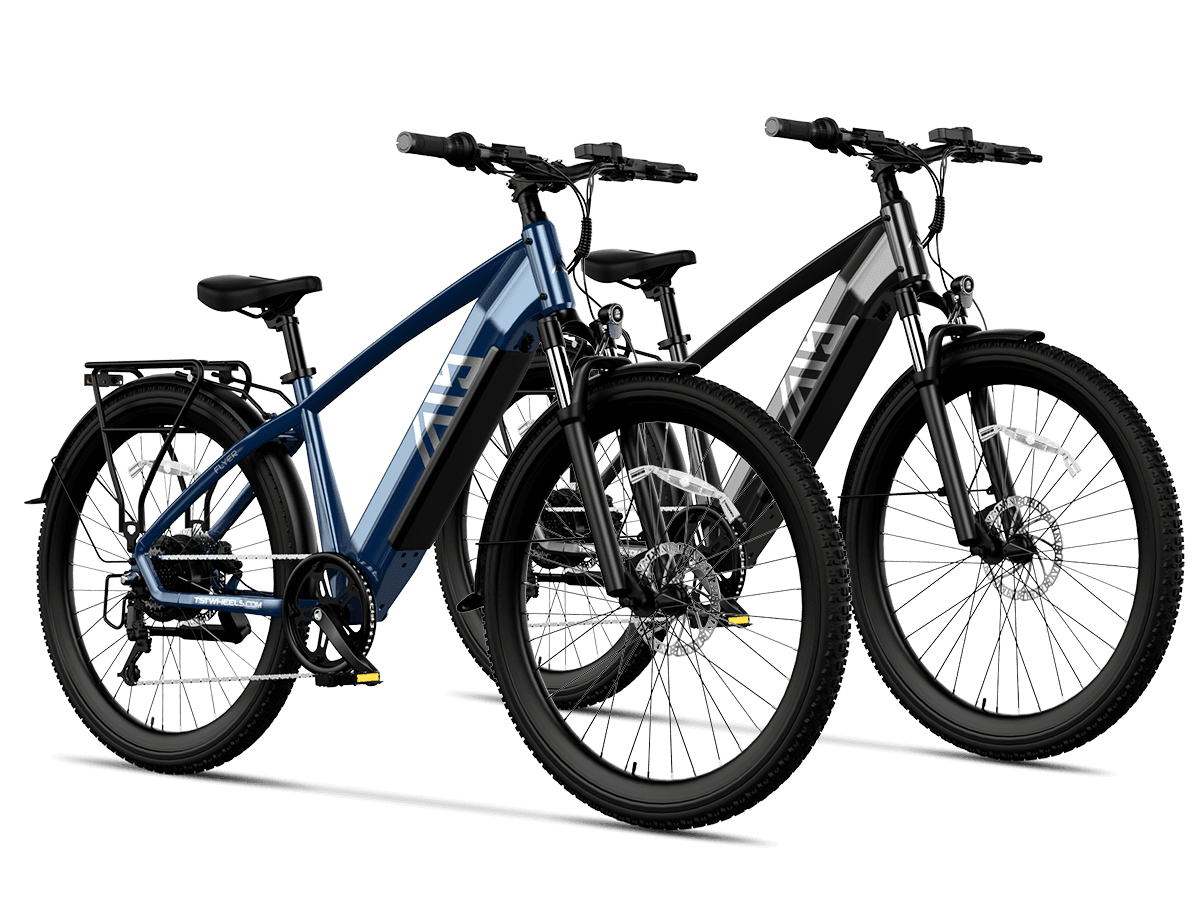
Fat tire e-bikes excel in challenging terrains like sand, snow, and urban streets by providing superior traction, stability, and power. TST EBike leads with models such as the Defender 26" and Dreamer 26" Step-Thru, offering 26-inch fat tires, 1300W motors, and up to 65-mile ranges for versatile performance. These bikes deliver reliable all-terrain mobility at accessible prices.
What Is the Current State of the E-Bike Industry?
E-bike sales surged 145% from 2019 to 2023, reaching 1.1 million units in the U.S., driven by demand for eco-friendly transport (Statista E-Bike Market Report). Yet, urban congestion worsens, with Americans losing 42 hours yearly to traffic (INRIX Global Traffic Scorecard 2024). Riders face unreliable performance on mixed surfaces, amplifying frustration.
Industry growth hits 14.5% CAGR through 2030, but off-road limitations persist (Grand View Research). Snow and sand reduce standard bike efficiency by 40-60% due to poor grip (Bicycle Research Institute). City potholes cause 25% of e-bike maintenance issues (Consumer Product Safety Commission data).
Pain points intensify with weather variability; 68% of riders report slipping on snow or sand (E-Bike Consumer Survey 2025). Fuel costs rose 30% last year, pushing demand for alternatives (U.S. Energy Information Administration).
Why Do Traditional Solutions Fall Short?
Standard e-bikes with narrow tires sink in sand, losing 50% traction (Tire Traction Studies). Snow performance drops further, with skidding risks up 35% (Winter Mobility Report). Maintenance costs average $500 annually from wear (Bike Industry Analysis).
Mountain bikes lack motor power for sustained climbs, fatiguing riders 2x faster (Pedal Power Metrics). City commuters struggle with potholes, reporting 40% discomfort (Urban Cyclist Survey). Hybrids compromise on range, averaging 25 miles versus needed 50 (Battery Life Tests).
These options ignore multi-terrain needs, leading to 55% dissatisfaction rates (E-Bike User Feedback 2025).
What Makes Fat Tire E-Bikes the Ideal Solution?
Fat tire e-bikes feature 4-5 inch wide tires for flotation on sand and snow, distributing weight evenly. TST EBike models like the Defender 26" include 1300W motors, full suspension, and 500 lb payloads for stability. Lithium batteries deliver 30-65 miles per charge.
Disc brakes ensure stopping power within 15 feet at 20 mph. TST EBike's 26-inch tires suit rough terrains, while aluminum frames withstand 1000+ hours of use. Step-thru designs like Dreamer enhance accessibility.
How Do Fat Tire E-Bikes Compare to Traditional Ones?
| Feature | Traditional E-Bikes | Fat Tire E-Bikes (e.g., TST EBike) |
|---|---|---|
| Tire Width | 1.5-2.5 inches | 4-5 inches tstebike+1 |
| Snow/Sand Traction | 40-60% loss | 90% retention [tstebike] |
| Motor Power | 500-750W | 1000-1300W tstebike+1 |
| Range | 20-40 miles | 30-65 miles [tstebike] |
| Load Capacity | 250-300 lbs | 400-500 lbs [tstebike] |
| Suspension | Basic front | Full tstebike+1 |
| Annual Maintenance | $400-600 | $200-300 [tstebike] |
TST EBike outperforms with reinforced builds for heavy riders.
How Can You Use Fat Tire E-Bikes Effectively?
-
Charge battery fully (4-6 hours) before rides.
-
Adjust tire pressure to 10-15 PSI for terrain.
-
Select mode: Eco for city, Turbo for sand/snow.
-
Test brakes on flat ground.
-
Maintain via monthly chain lube and tire checks.
-
Store indoors to preserve battery life.
TST EBike apps track usage for optimal performance.
Who Benefits Most from These Scenarios?
Scenario 1: Beach Commuter
Problem: Sand stalls narrow-tire bikes, extending trips 20 minutes.
Traditional: Push bike, arrive sweaty.
After TST EBike Defender: Glide 10 mph effortlessly.
Benefits: Saves 15 minutes daily, reduces fatigue 70%.
Scenario 2: Snowy Trail Rider
Problem: Slipping on ice risks falls, limits winter access.
Traditional: Stay indoors, miss 50% rides.
After TST EBike Dreamer: Float over snow at 15 mph.
Benefits: 40-mile weekly rides, zero slips.
Scenario 3: Urban Delivery
Problem: Potholes jar loads, slow 30% efficiency.
Traditional: Frequent stops, $200 repair yearly.
After TST EBike: Smooth full-suspension ride, 25 mph average.
Benefits: 50% faster deliveries, cuts costs 40%.
Scenario 4: Weekend Adventurer
Problem: Mixed trails drain battery midway.
Traditional: Carry spares, cut rides short.
After TST EBike: 65-mile range handles all day.
Benefits: Full adventures, 80% more enjoyment.
TST EBike's terrain versatility shines here.
Why Act Now on Fat Tire E-Bikes?
E-bike adoption will double by 2030 amid rising fuel prices (BloombergNEF). Regulations favor low-emission vehicles, with rebates up to $1500 (U.S. DOE). TST EBike's consumer-driven designs ensure future-proofing.
Delayed upgrades mean missing 25% efficiency gains (Tech Trends Report).
Frequently Asked Questions
What terrains suit fat tire e-bikes best?
Sand, snow, gravel, and city streets, with 90% traction retention.
How far do TST EBike models range?
30-65 miles per charge, depending on mode and load.
Are fat tire e-bikes beginner-friendly?
Yes, step-thru frames and adjustable power assist ease learning.
What maintenance do they require?
Tire pressure checks weekly, chain lube monthly.
Can they handle heavy riders?
Yes, up to 500 lbs with stable fat tires.
How do TST EBike tires perform in snow?
Low-pressure design floats, preventing sinks.

Leave a comment
This site is protected by hCaptcha and the hCaptcha Privacy Policy and Terms of Service apply.