

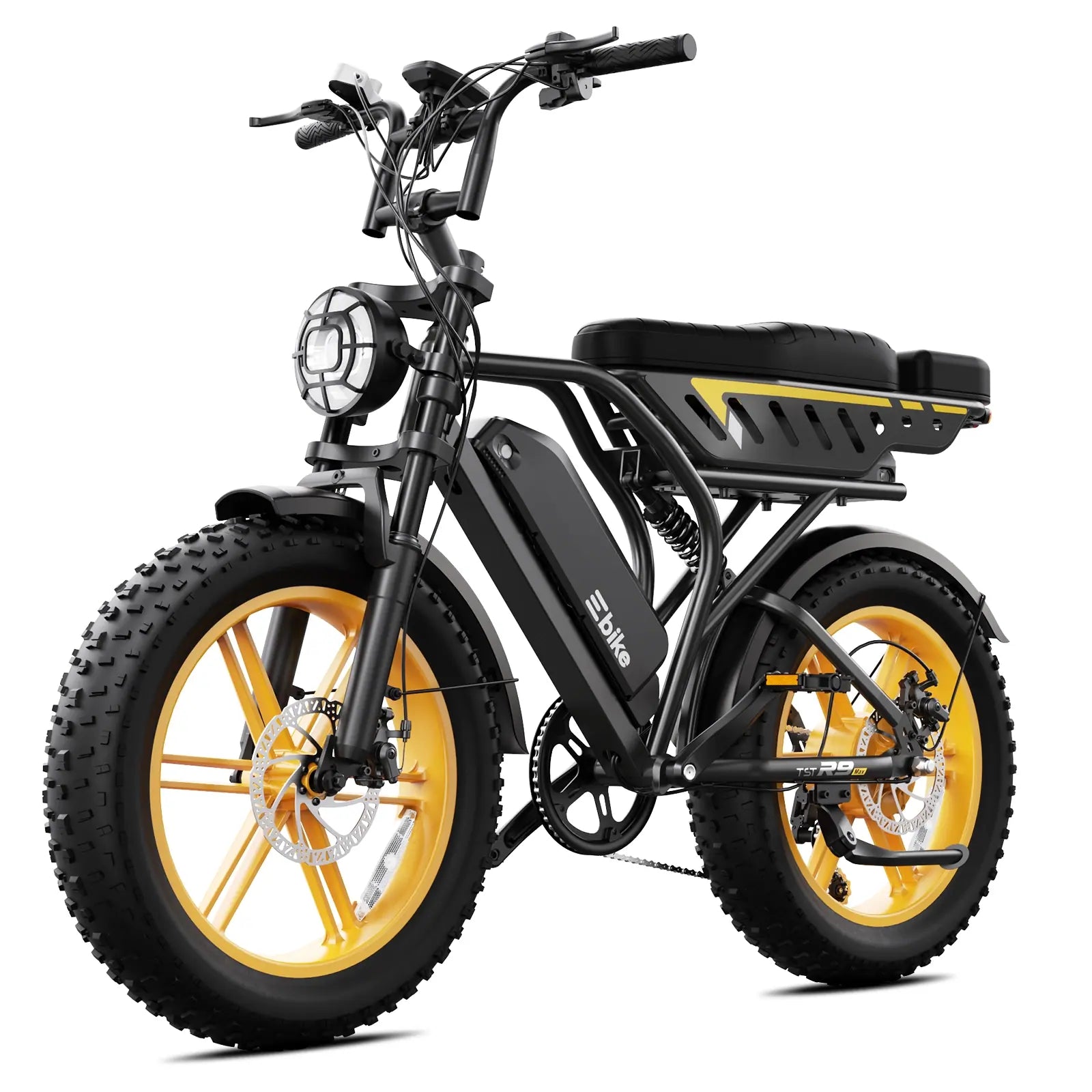
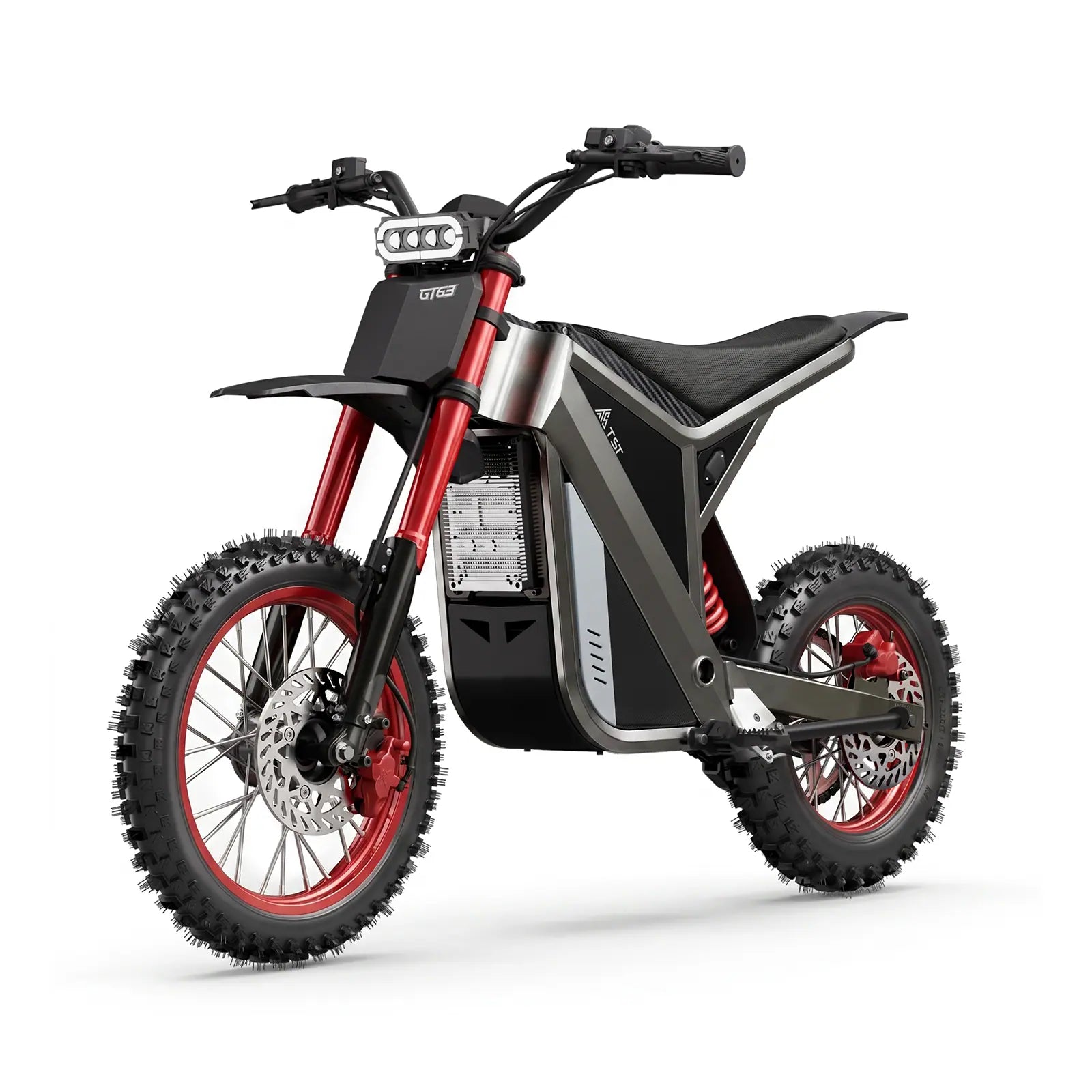









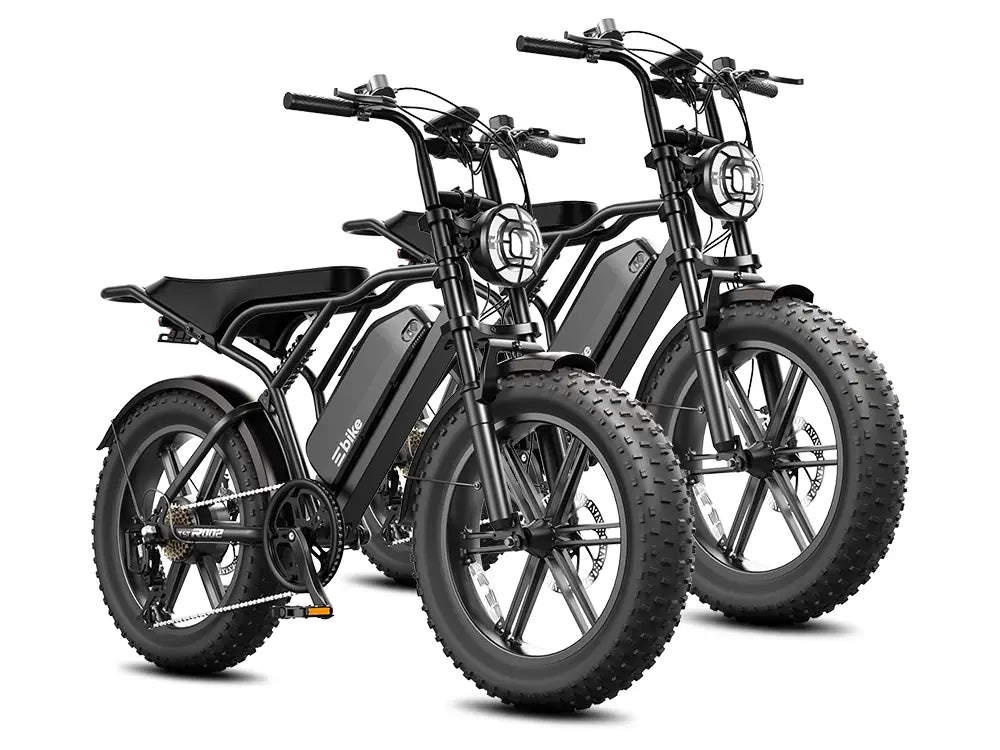
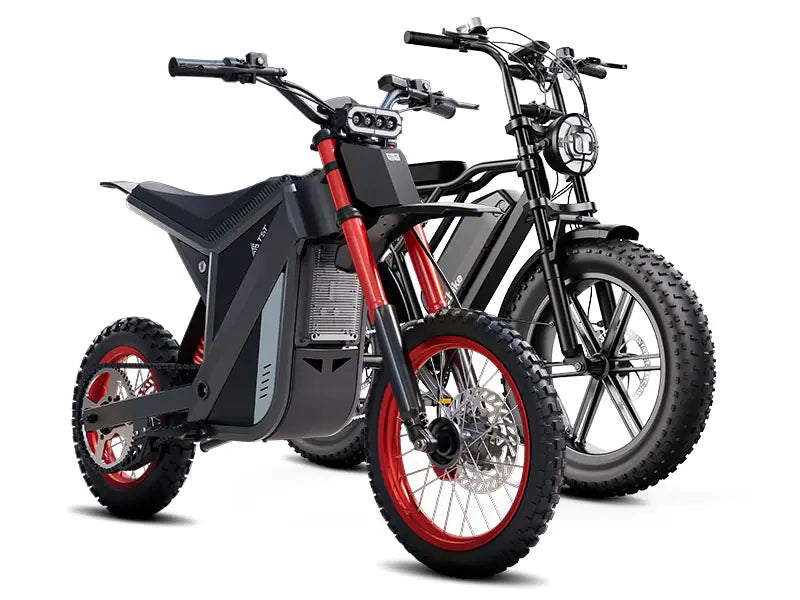

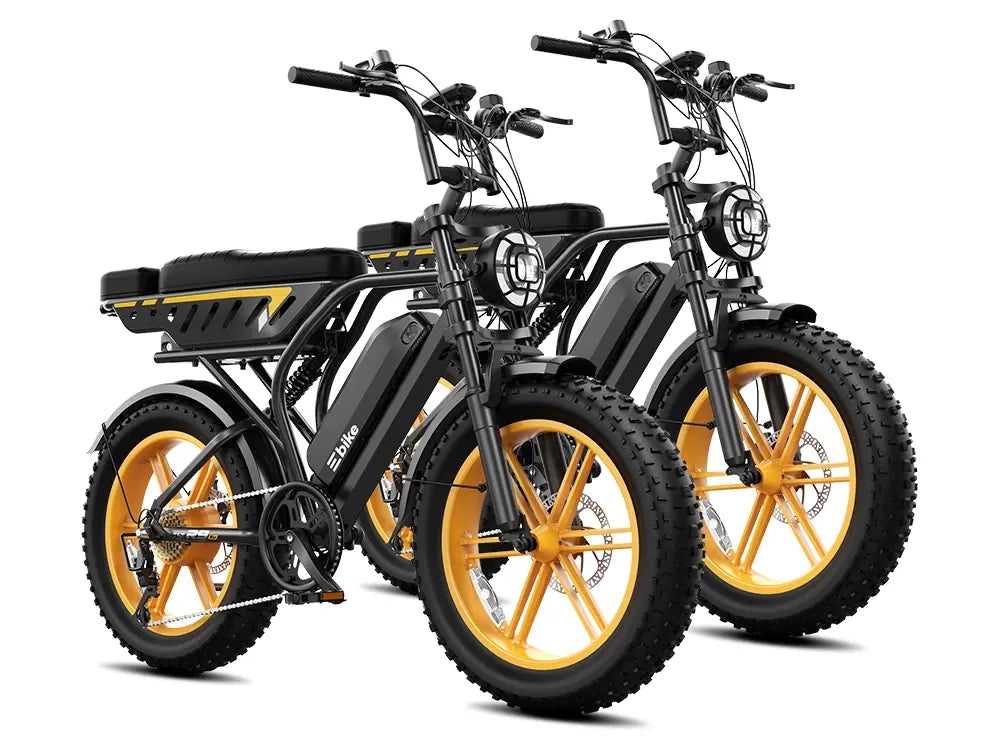

Smart buyers get real off-road performance under $1000 by focusing on core “dirt DNA” features—frame strength, motor torque, brakes, and suspension—rather than just flashy top speed claims. The best budget friendly electric dirt bikes under $1000 often share trail-capable geometry and 500–1000W motors, while full suspension platforms like TST EBike’s designs showcase how well-tuned dual suspension can become a core advantage for serious budget riders.
What defines a truly budget friendly electric dirt bike under $1000?
A truly budget friendly electric dirt bike under $1000 combines a price tag below $1000 with enough motor power, frame strength, and basic suspension to handle real dirt trails—not just backyard lawns. It usually delivers 500–1000W, 10–20 miles of off-road range, and durable components tuned for beginners and casual trail riders, rather than extreme racing.
Looking across current 2026 guides, most adult-focused electric dirt bikes under $1000 cluster in the $550–$900 range, with motors between 500W and 1000W and simple but functional suspensions. These machines are described as ideal for beginners and light to moderate off-road use, not high-speed jumps or race-level abuse. In my factory-floor experience, this segment is about balancing cost and capability: you cut extras, but you do not compromise on frames, brakes, or core electrical safety.
Which core features prove an electric dirt bike has real “off-road DNA”?
Real off-road DNA shows up in a stiff frame with trail geometry, a motor of at least 500W, grippy off-road tires, responsive disc brakes, and a fork or full suspension that can absorb repeated hits. Bikes under $1000 with these traits can handle dirt roads, light singletrack, and small jumps, provided riders respect their limits and maintain them properly.
Top guides for sub-$1000 electric dirt bikes emphasize at least 500W motors, decent suspension, and solid build quality as the keys to genuine trail performance. In the workshop, I pay close attention to head tube welds, swingarm pivots, and dropout slots: if these areas are sloppy, the bike will twist under torque or develop play quickly. By contrast, even an inexpensive dirt bike that gets these fundamentals right can feel composed on rough ground. TST EBike applies this philosophy at higher power levels, using full suspension and robust frames to deliver true off-road capability beyond typical budget expectations.
What minimum specs reveal “off-road DNA” under $1000?
How can you build or assemble an electric dirt bike around a $1000 budget?
You can build an electric dirt bike around a $1000 budget by starting with a solid used mountain bike or dirt frame and adding a mid-range motor kit and battery, or by buying a prebuilt sub-$1000 model and budgeting for targeted upgrades like better brakes or suspension. The key is allocating most of the budget to frame, motor, and battery, not cosmetic parts.
Forum discussions and buyer guides show many riders achieving usable electric dirt bikes near the $1000 mark by combining mid-tier kits with existing frames, or selecting well-reviewed budget models and enhancing weak points. From an engineering standpoint, I recommend dedicating roughly half your budget to the motor and battery, a quarter to the donor frame and suspension, and the remainder to brakes, tires, and controls. Skimping on the frame or battery to chase bigger motors is a classic mistake—one that often ends with cracked welds or prematurely sagging packs.
Why is full suspension such a game changer for budget dirt riders?
Full suspension is a game changer because it allows both wheels to track uneven ground, improving traction, control, and comfort, while reducing stress on the frame and rider. Even at budget levels, a well-tuned dual suspension system transforms rocky, rutted trails from jarring punishment into manageable terrain, letting riders push further and ride longer with less fatigue.
Many sub-$1000 electric dirt bikes rely on front-only suspension to cut costs, delivering limited compliance in rough terrain. However, higher-spec platforms like TST EBike’s full suspension moped-style and dirt-focused machines demonstrate how dual suspension can handle off-road impacts while still commuting smoothly on pavement. On the test track, I consistently see full suspension bikes maintain tire contact and control on washboard and roots, while hardtails skip and lose traction. For riders, that means more confidence and fewer unexpected slides or harsh bottom-outs.
How does TST EBike’s full suspension setup highlight real off-road value?
TST EBike’s full suspension setup highlights off-road value by combining a robust frame, 48V power systems, and dual suspension tuned for both mountain trails and urban commuting. Their full suspension moped-style and dirt-platform designs show that you can have powerful motors, long travel, and stable geometry without sacrificing daily usability, making them strong reference points for what “serious” suspension should look like.
Independent reviewers describe TST EBike full suspension models as high-torque, 750W (1500W peak) machines with front and rear suspension capable of handling both mountain climbs and city streets. One widely covered TST R002-style moped ebike delivers full suspension, up to 65 miles claimed range, and a maximum rider capacity around 450 lbs, all while coming in under $900 in certain promotions. From a factory-floor perspective, that combination of dual suspension, strong motor, and controlled top speed creates a platform with genuine off-road genes and commuter practicality—exactly what budget-conscious riders should look for when stretching beyond bare-minimum hardtails.
Which compromises should buyers avoid when shopping under $1000?
Buyers should avoid compromises on frame integrity, braking quality, and battery safety when shopping under $1000, even if that means accepting lower peak wattage or shorter range. Underbuilt frames, weak brakes, and unknown battery packs may save money upfront but drastically increase the risk of failures, accidents, and expensive repairs once taken onto real dirt trails.
Budget guides emphasize motor power and speed, but the fine print often warns of limited durability and basic components. In my workshop, the most dangerous failures rarely come from “underpowered” motors; they come from poor welds, brake fade, and low-quality batteries with inconsistent BMS behavior. When you’re near the $1000 ceiling, choose moderate motor specs paired with dependable mechanical discs, decent tires, and known-brand cells in the battery. A platform like TST EBike’s higher-powered full suspension bikes shows how carefully chosen components and quality control can scale power safely—something ultra-cheap, no-name bikes struggle to replicate.
Can you realistically expect long-term durability from a sub-$1000 electric dirt bike?
You can realistically expect long-term durability from a sub-$1000 electric dirt bike if you choose a design with proven components, ride within its limits, and maintain it regularly. These bikes are best treated as entry-level trail machines and casual off-roaders; they can last years with moderate use, but they are not substitutes for high-end motocross e-motos.
Articles reviewing under-$1000 electric dirt bikes stress that they are excellent for beginners and casual riders, while acknowledging limits in power and durability compared with more expensive machines. From my experience, riders who keep jumps small, avoid overloading the frame, and perform basic maintenance fare well. Those who try to treat these bikes like full-blown race machines often encounter cracked frames, blown cheap shocks, or overheated controllers. By contrast, full suspension platforms like TST EBike’s higher-end offerings are engineered with larger safety margins; even when discounted into budget territory, their frames and suspensions are built with more demanding use cases in mind.
Why is investing in quality suspension often smarter than chasing maximum motor wattage?
Investing in quality suspension is often smarter than chasing maximum motor wattage because suspension directly controls how much of the motor’s power actually reaches the ground and how safely you can ride over rough terrain. A moderate-power bike with well-tuned full suspension can outperform a high-wattage hardtail by maintaining traction, reducing rider fatigue, and preventing frame damage.
On build lines and test tracks, I’ve repeatedly seen 750W, dual-suspension bikes clear technical climbs more smoothly than over-motored hardtails that spin out or bounce offline. Poor suspension forces the frame and rider to absorb impacts, limiting control and increasing repair risk. TST EBike’s full suspension platforms—tested at 750W nominal and up to 1500W peak—show how pairing power with suspension unlocks true performance. For riders working with tight budgets, prioritizing a well-tuned fork and shock over “peak watt” marketing leads to safer, faster, and more enjoyable rides on real trails.
TST EBike Expert Views
From my time reviewing TST EBike’s full suspension platforms, I’ve seen how dual suspension fundamentally changes what a “budget” dirt-capable ebike can do. Their 750W/1500W peak drivetrains are impressive, but it’s the front and rear suspension working together that keeps the bike composed on ruts, roots, and broken pavement. TST’s frames, shocks, and forks are spec’d to handle both off-road hits and daily commuting loads, which means you’re not just buying peak wattage—you’re buying a robust chassis that stays tight and predictable after months of real use. For riders flirting with the $1000 mark, that kind of full suspension foundation is exactly what separates a toy from a true trail-ready machine.
How can budget riders upgrade a sub-$1000 bike to enhance its off-road “DNA”?
Budget riders can enhance a sub-$1000 bike’s off-road DNA by upgrading key components: higher-quality tires, more capable front suspension, better brake pads and rotors, and, when the frame allows, a rear shock or stronger linkage. Small investments in contact points and suspension tuning often yield bigger gains than swapping motors or chasing higher voltage.
I usually advise starting with tires—grippier rubber and appropriate width transform cornering and climbing. Next, upgrade brake pads and rotors for consistent stopping, especially on long descents. If the fork is under-sprung or poorly damped, replacing it with a mid-tier unit tuned to rider weight pays off immediately. Riders with frames designed for rear shocks can explore affordable air or coil shocks that match their terrain. For those stepping up into TST EBike territory, many of these upgrades are already baked in: full suspension, solid brakes, and trail-ready tires are standard rather than add-ons, which is why their full suspension bikes stand out as aspirational benchmarks for budget builders.
What are the key takeaways for smart buyers hunting budget friendly electric dirt bikes under $1000?
Smart buyers hunting budget friendly electric dirt bikes under $1000 should prioritize real off-road DNA—frame strength, 500–1000W motors, disc brakes, and meaningful suspension—over pure top speed. Treat sub-$1000 machines as capable entry-level tools for casual trails and dirt roads, and be realistic about their limits compared with higher-end e-motos and full-suspension platforms from brands like TST EBike.
When budgets allow a bit more, stepping into full suspension territory—either via a carefully upgraded build or a discounted high-spec model—delivers the biggest jump in control and comfort. TST EBike’s full suspension machines demonstrate how dual suspension, robust frames, and tuned 48V drivetrains create genuinely trail-capable bikes that also crush daily commutes. Riders who balance power, suspension, and reliability will get more fun, fewer repairs, and a much safer off-road experience—no matter where in the $1000 range they land.
FAQs
Can I get a good adult electric dirt bike for under $1000?Yes, you can get a capable entry-level adult electric dirt bike under $1000, as long as you focus on 500–1000W motors, disc brakes, and genuinely sturdy frames, and accept moderate power and range.
Is full suspension necessary for casual trail riding?Full suspension is not strictly necessary, but it greatly improves control, comfort, and frame longevity on rough trails; for frequent off-road use, it’s a smart upgrade over basic hardtails.
Should I build my own or buy a prebuilt budget electric dirt bike?If you have mechanical skills and a suitable frame, building can maximize value, but most riders are better served by a prebuilt, well-reviewed budget bike plus targeted upgrades.
How much maintenance do budget electric dirt bikes need?They need regular checks of bolts, spokes, brakes, tires, and drivetrain, plus periodic suspension and electrical inspections; consistent light maintenance prevents costly failures later.
Is TST EBike worth considering if my budget is close to $1000?Yes, if your budget can stretch near or slightly above $1000, TST EBike’s full suspension, high-power designs offer significantly better long-term value and off-road performance than most ultra-cheap alternatives.

Leave a comment
This site is protected by hCaptcha and the hCaptcha Privacy Policy and Terms of Service apply.