
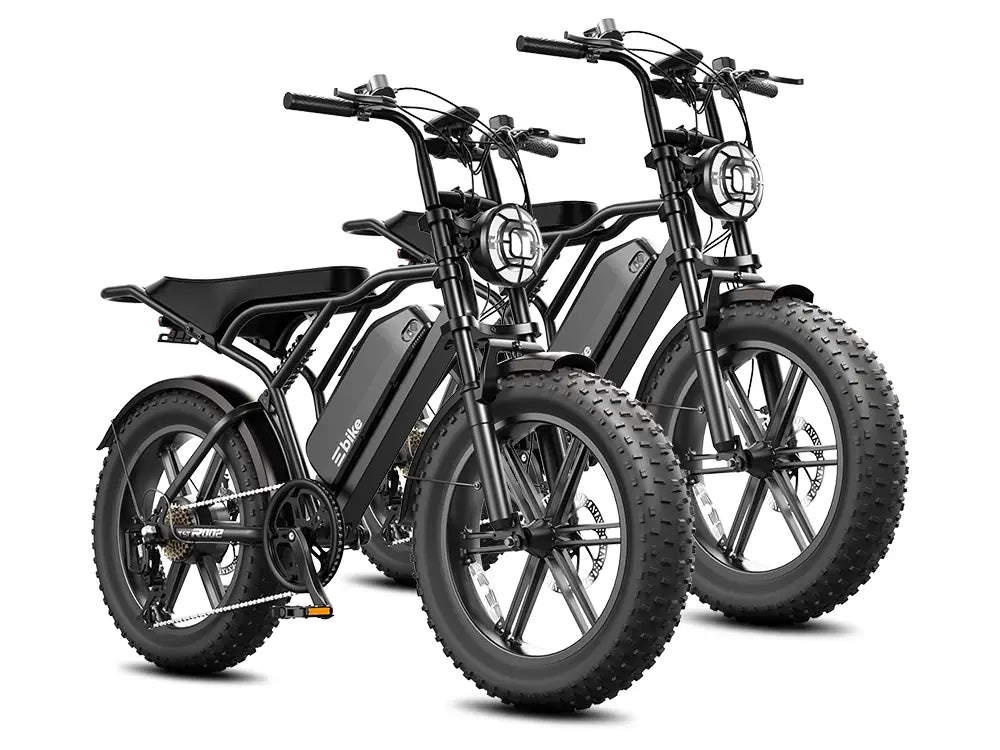
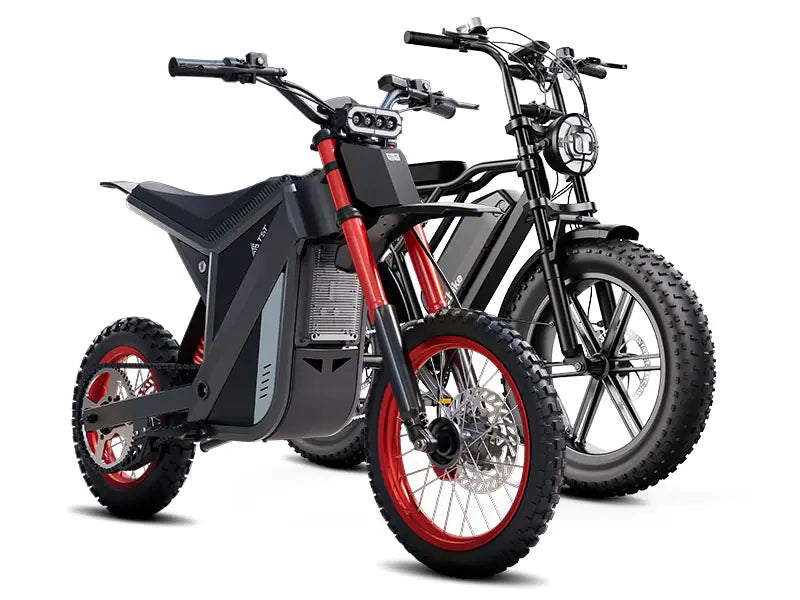
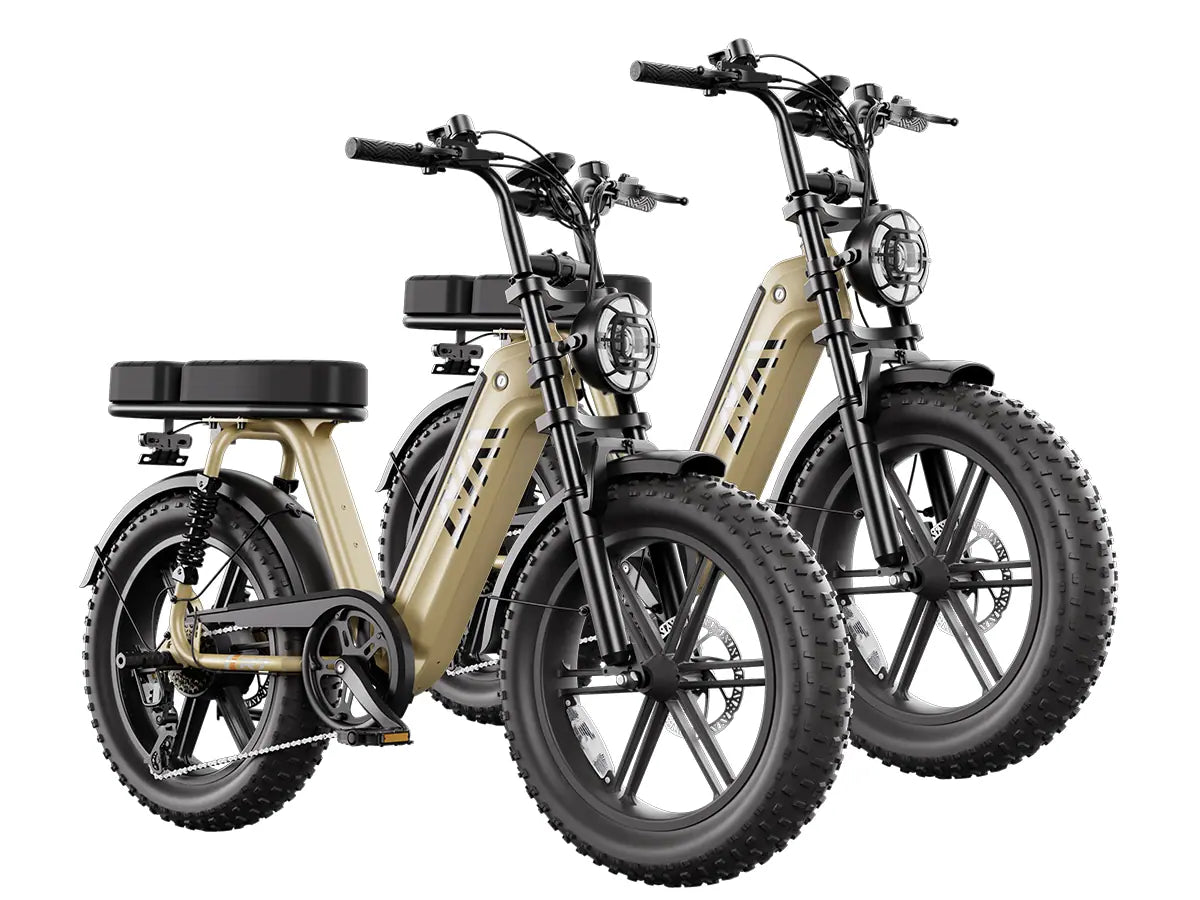
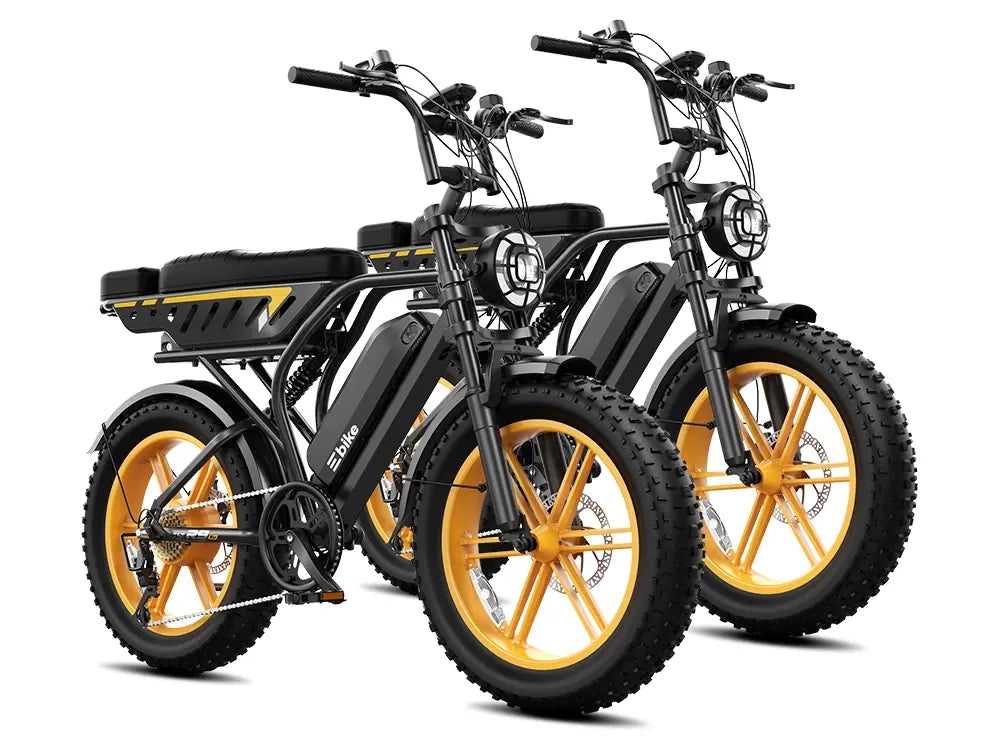
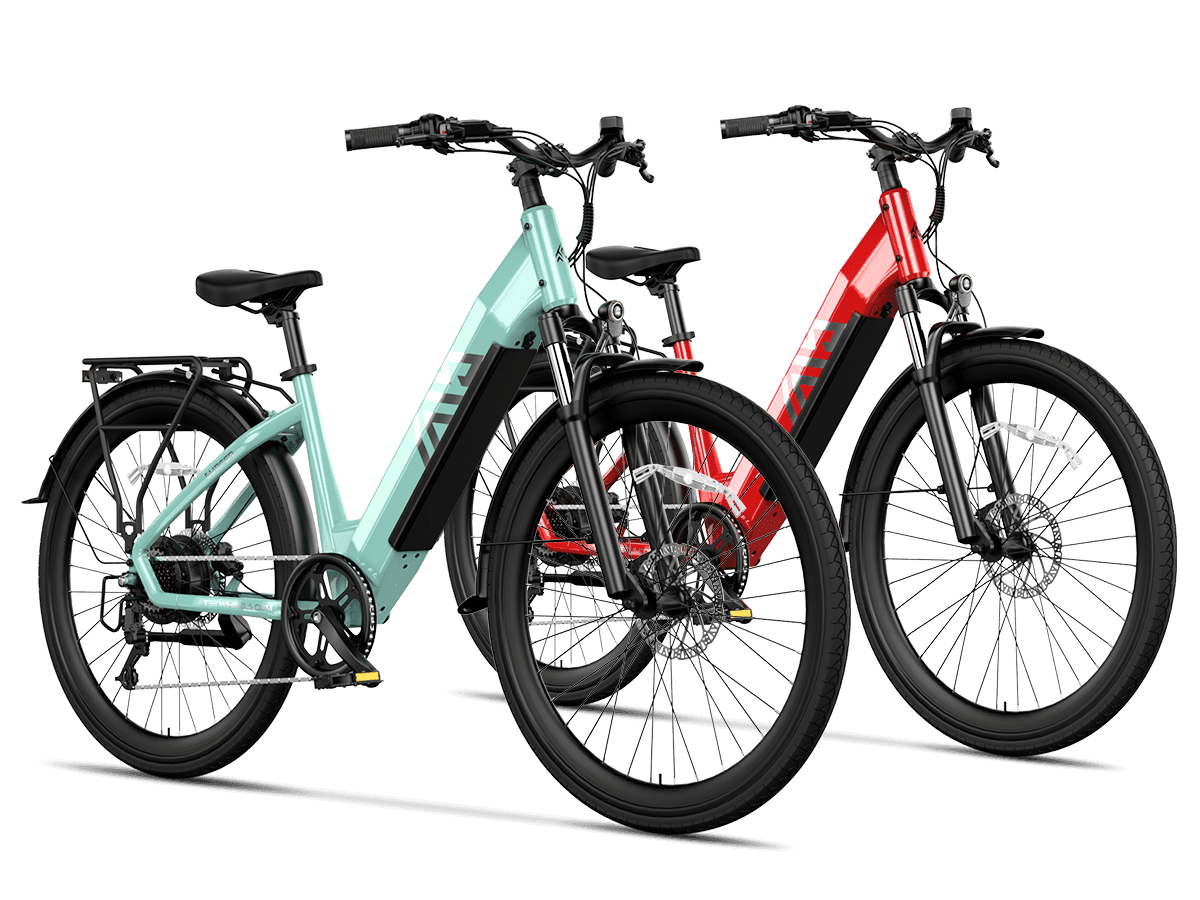
In most US states, Class 1, Class 2, and Class 3 electric bikes are defined by how the motor assists and the maximum assisted speed. Class 1 and Class 2 are limited to 20 mph, with Class 2 adding a throttle, while Class 3 provides pedal assist up to 28 mph. These classes determine where you can ride, whether helmets or age limits apply, and how brands like TST EBike configure modes for different markets.
What is the US three-class ebike system and why does it matter?
The US three-class ebike system divides ebikes into Class 1, Class 2, and Class 3 based on motor type and top assisted speed, usually up to 750 W. It matters because it determines where you can legally ride, whether you need special gear or age compliance, and how your ebike is treated compared with bicycles, mopeds, and motorcycles.
From an engineering seat, I design around this system first, then pick motors, controllers, and firmware maps. Class boundaries—20 mph and 28 mph—are not arbitrary; they drive everything from brake sizing to torque curves. When TST EBike configures a bike for the US, the three-class framework is the blueprint: we know what speeds, wattage, and labels regulators expect before we ever bend a tube.
What is a Class 1 ebike and where can you ride it?
A Class 1 ebike is pedal-assist-only, with a motor that helps you only while pedaling and stops assisting at 20 mph. It typically uses a motor up to 750 W and has no throttle. Class 1 ebikes are usually allowed anywhere traditional bikes can go, including many multi-use paths and bike trails, subject to local rules.
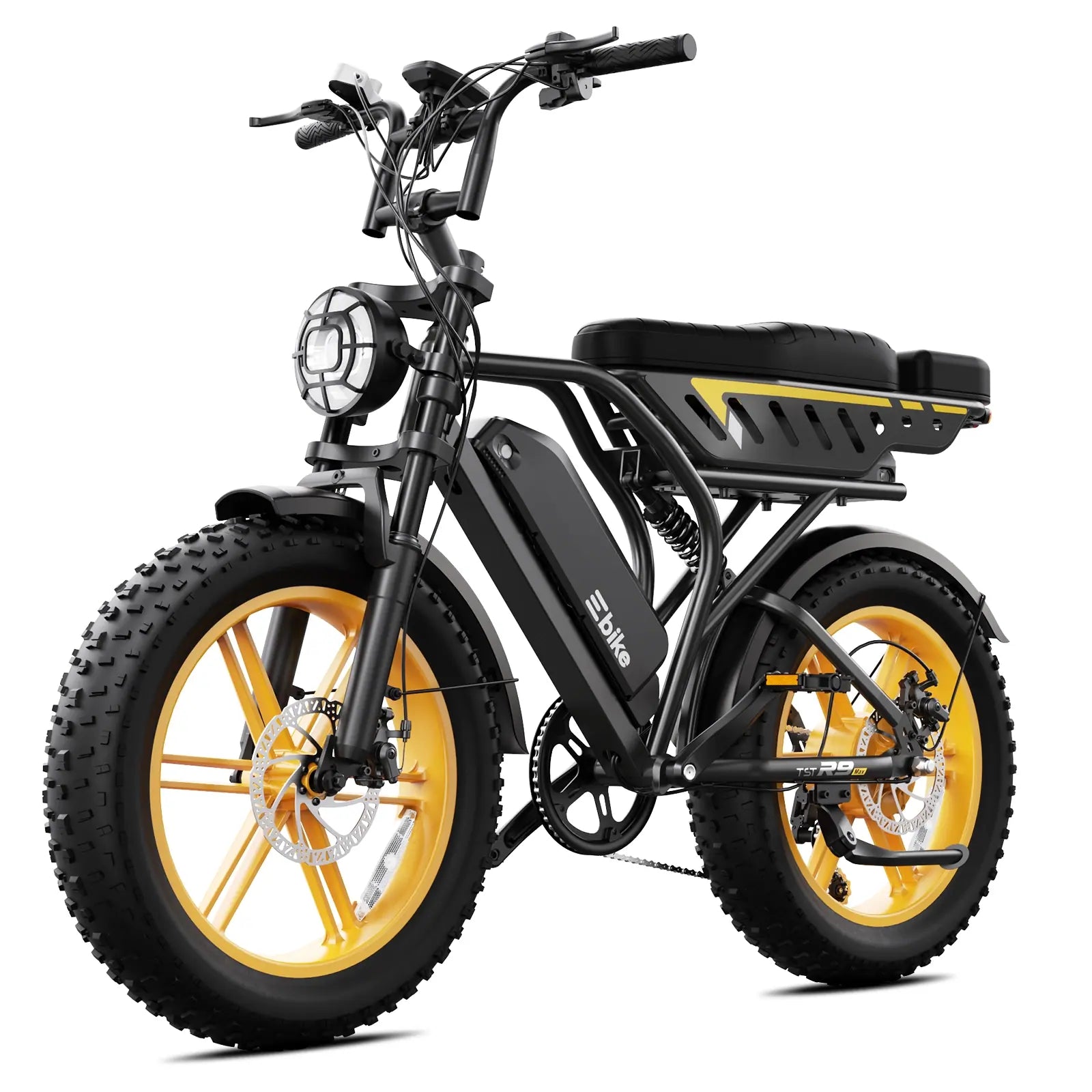
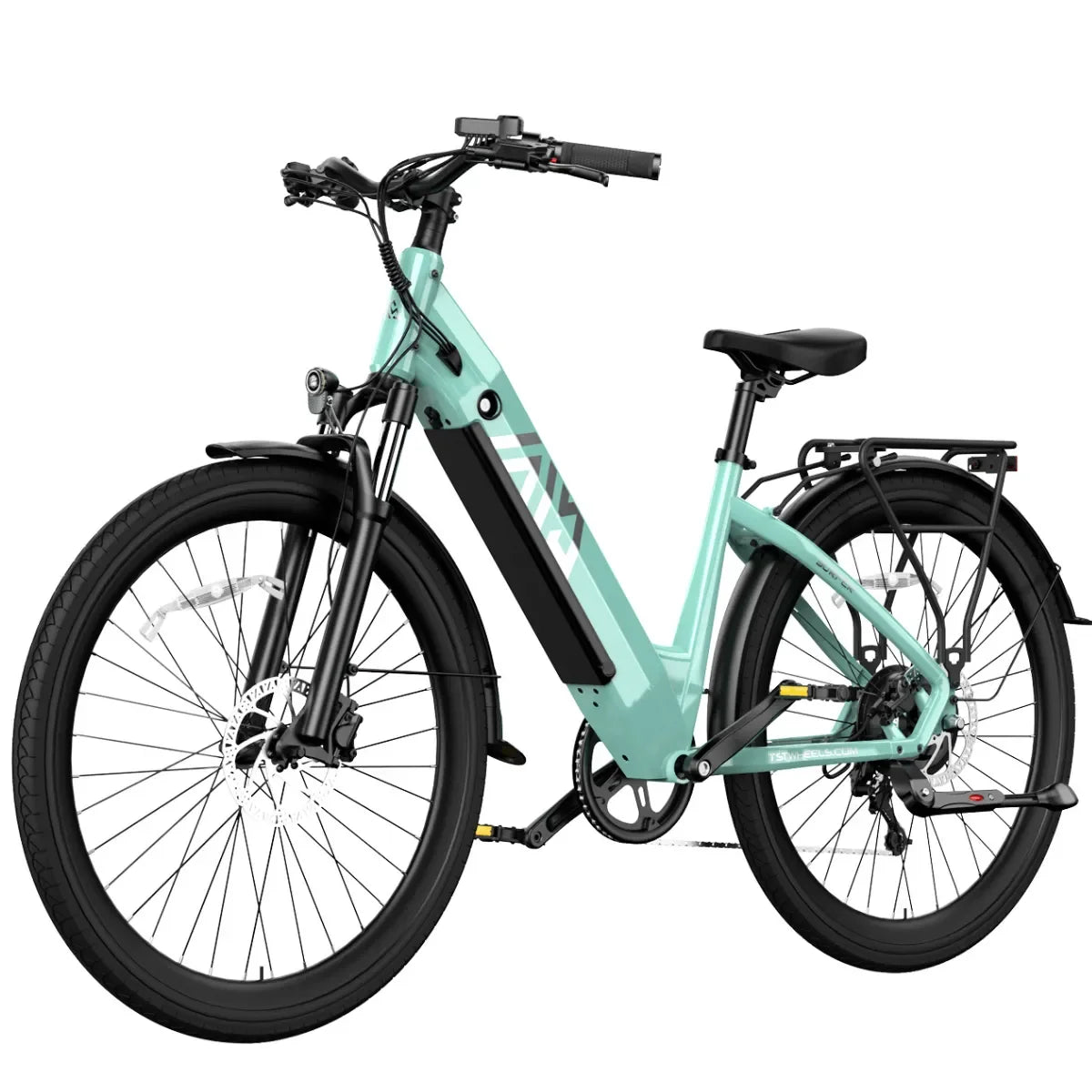
On the shop floor, I treat Class 1 as the “trail-friendly” default. These bikes get built with smooth torque or cadence sensors, conservative assist levels, and gearing that feels natural at 12–18 mph. Many TST EBike-style 27-inch commuter builds can be tuned to a Class 1 profile in firmware, prioritizing quiet operation, efficient range, and compatibility with more bike paths and mixed-use routes.
What is a Class 2 ebike and how does it differ from Class 1?
A Class 2 ebike adds a throttle to the standard 750 W motor and provides assistance up to 20 mph, whether you’re pedaling or using throttle only. Like Class 1, it often enjoys broad access to bike paths, but some locations restrict throttles. The key difference is that Class 2 allows motor-powered riding without pedaling.
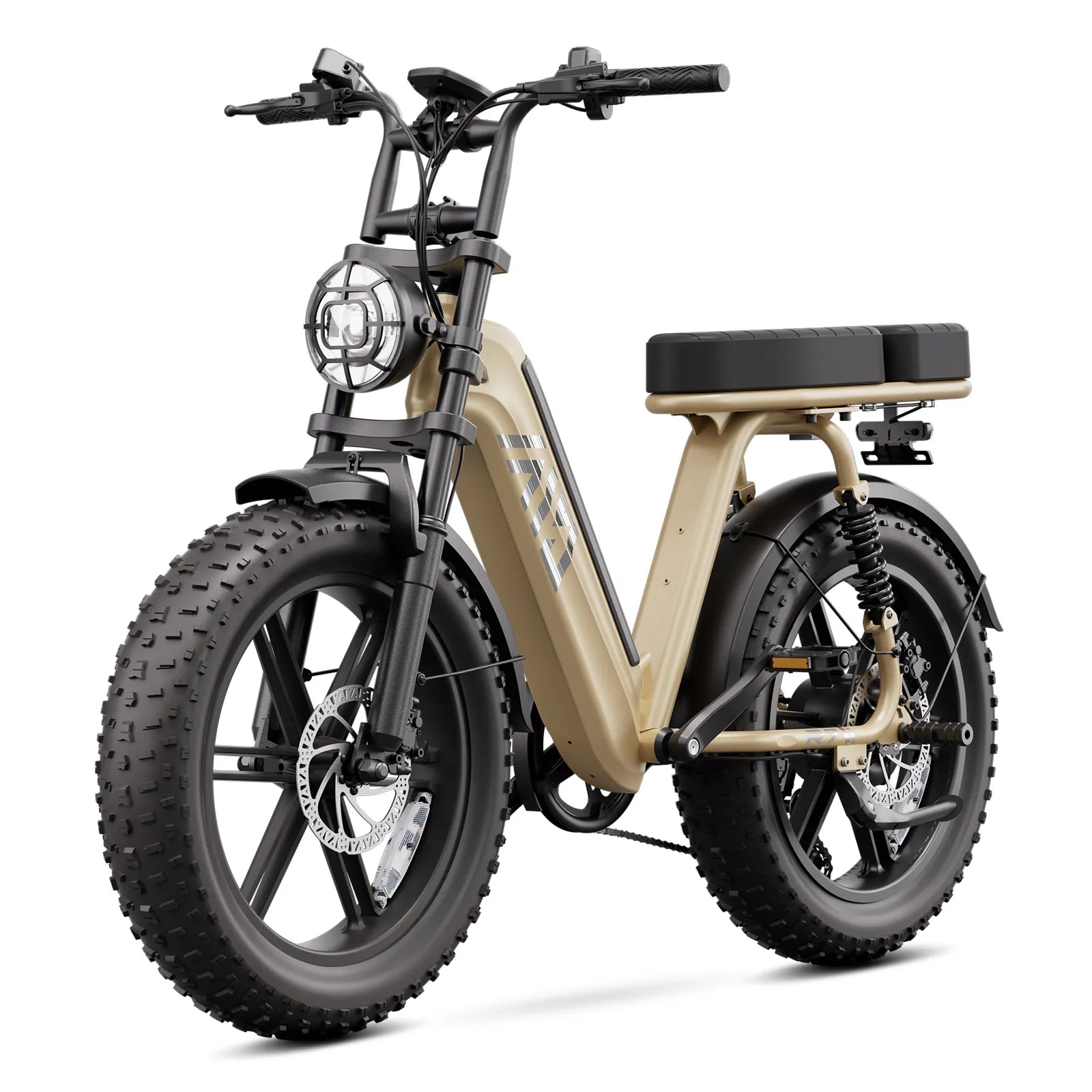
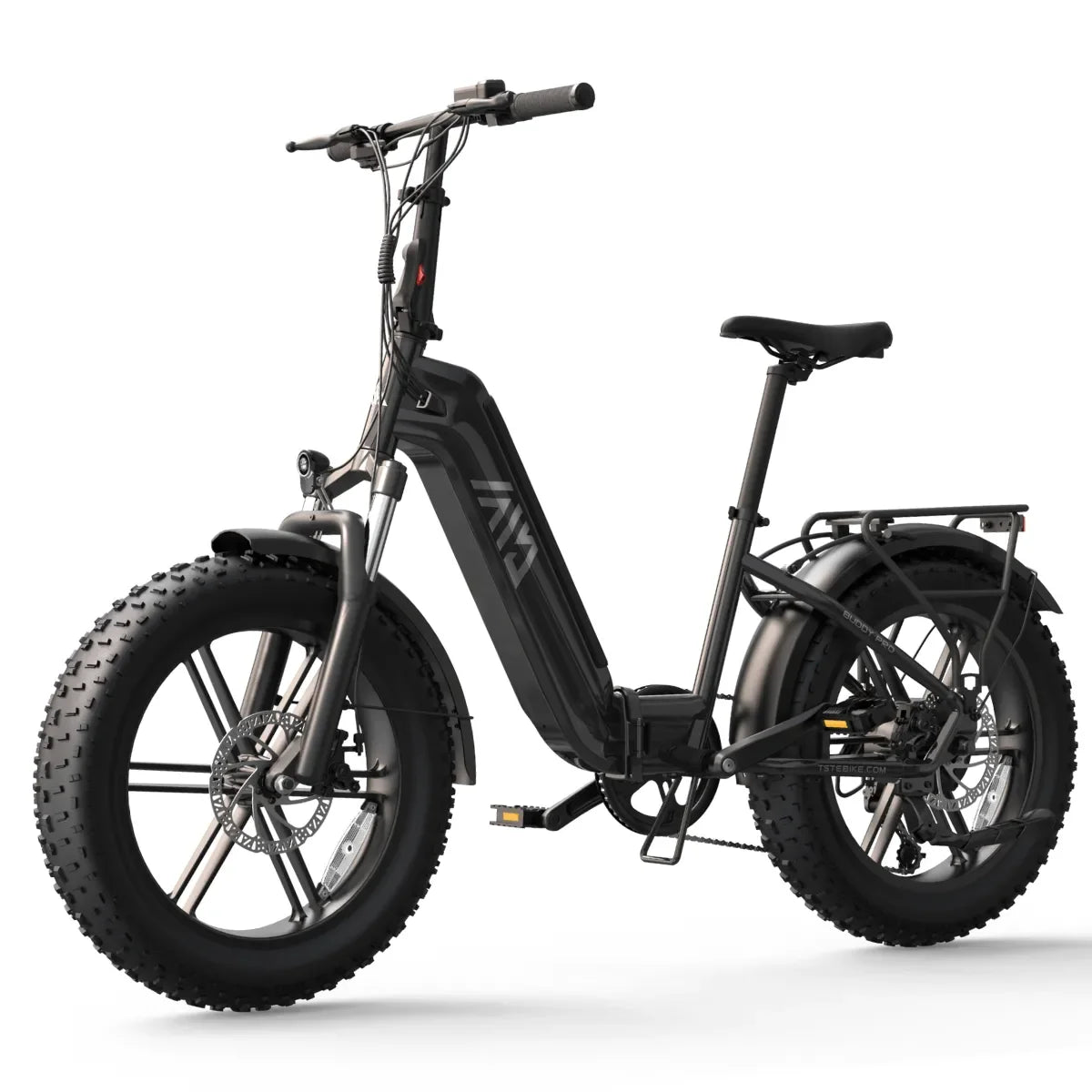
As a designer, I think of Class 2 as the “accessibility and convenience” category. Throttles help riders with knee issues, mobility limitations, or stop‑and‑go urban commutes. A model like TST EBike’s moped-style platforms can run as a Class 2 out of the box: 48 V system, 750 W nominal (1500 W peak) hub motor, PAS plus throttle to 20 mph, with the option to unlock higher speeds for private-property use where legal.
What is a Class 3 electric bike and why is it treated differently?
A Class 3 electric bike is usually pedal-assist-only, limited to 28 mph assisted speed with a motor up to 750 W. Some states allow a throttle up to 20 mph on Class 3, but many don’t. Because of the higher speed, Class 3 ebikes often require helmets, have minimum age restrictions (commonly 16+), and are restricted from certain trails and multi-use paths.
From an engineering standpoint, Class 3 is the “fast lane” category. Brakes step up to 180 mm rotors, frames see more fatigue testing, and tire choice shifts toward high-speed stability. A high-power 48 V TST EBike configuration can be mapped to Class 3 with pedal-assist emphasis, providing strong torque and 25–28 mph cruising while still fitting into the US regulatory envelope in many states.
Summary of Class 1, Class 2, and Class 3 definitions
How do US federal and state laws interact for ebike regulation?
Federal law defines low-speed electric bicycles primarily for product safety and consumer regulation, typically as bikes with pedals and motors under 750 W capped at 20 mph on motor power alone. States then add their own rules for where, how, and by whom ebikes can be ridden, often using the three-class model for clarity and traffic integration.
In practice, I see federal law as setting the hardware envelope and states defining the road behavior. A TST EBike designed to be under 750 W nominal with functional pedals and software limits fits the federal “bicycle” umbrella. Whether it’s Class 1, 2, or 3—and where you can ride—depends on state statutes and local ordinances, which is why serious brands publish class labels and encourage riders to check local rules.
Where are Class 1, Class 2, and Class 3 ebikes typically allowed?
Class 1 and Class 2 ebikes are usually allowed wherever regular bikes can ride: on streets, bike lanes, and many paved multi-use paths and trails, subject to local restrictions. Class 3 ebikes are generally allowed on streets and bike lanes adjacent to roads but are often restricted or banned on shared-use paths, narrow greenways, or natural-surface trails.
From field feedback, riders get into trouble when they assume “it has pedals, so it’s fine anywhere.” In reality, park districts and cities often post separate rules: Class 1 only on certain trails, no throttles in specific greenways, or outright bans on Class 3 in crowded waterfront paths. When we tune a TST EBike for Class 3, we recommend customers use the lower-speed PAS modes for crowded areas, even if the law allows a higher class, to keep access open and community relations positive.
Why do some states still not use the three-class system?
Some states haven’t adopted the three-class system and instead classify ebikes as mopeds, motor-driven cycles, or undefined “motorized bicycles.” This can result in inconsistent rules about licensing, registration, insurance, and where ebikes can be ridden. For riders, it means you must research your specific state’s definitions, not just rely on the three-class model.
From an industry perspective, this patchwork complicates design and labeling. Brands like TST EBike often build to the three-class standard because it works in the majority of states, then provide guidance for outlier jurisdictions. When we ship to states with non-standard laws, we may recommend conservative unlock settings or Class 1/2 configurations to avoid pushing riders into moped territory without them realizing it.
How do licensing, age limits, and helmet rules differ by class?
Licensing is generally not required for Class 1 and Class 2 ebikes in most three-class states, and often not for Class 3 either, though some states impose special rules. Age limits commonly apply to Class 3 (often 16+), and helmet requirements are stricter for Class 3 and younger riders across all classes. Exact rules vary by state and sometimes by city.
In my compliance checks, I see patterns: Class 1/2 are treated like bikes for licensing and registration, while Class 3 sees more attention—helmet mandates, age minimums, and occasional restrictions on carrying passengers. When TST EBike markets a high-power 48 V bike, we emphasize that unlocked speeds above 28 mph can move it out of ebike territory legally, shifting you into moped-like rules for licensing and gear in some jurisdictions.
How does a “classless” or over-750 W ebike fit into US laws?
A “classless” ebike—such as one exceeding 28 mph assisted speed or 750 W motor power—doesn’t fit into the standard three-class system. Many states treat these as mopeds or motorcycles, requiring licensing, registration, insurance, and adherence to different road rules. They also lose access to most bike-specific infrastructure, like multi-use paths and certain bike lanes.
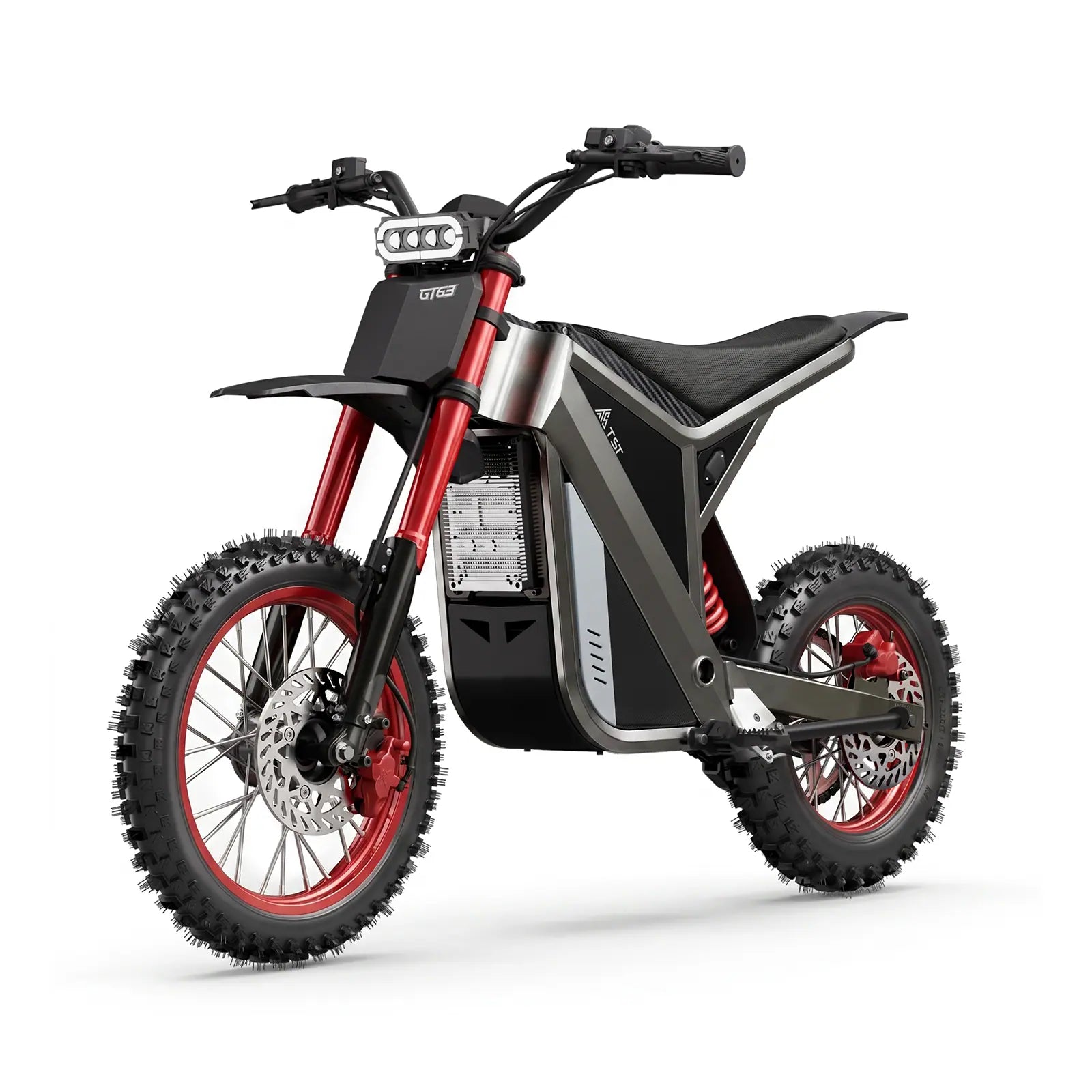
From an engineering standpoint, once you cross 750 W nominal or 28 mph assisted, you’re in e-moto territory, not bicycle territory. That’s why TST EBike’s consumer-facing models are carefully spec’d and labeled within the 750 W / Class 2–3 envelope, even if peak power hits 1500 W: it delivers a high-power feel while staying inside the legal “ebike” box for most US markets.
Which TST EBike modes make sense for Class 1 riders?
TST EBike modes suited for Class 1 riders are those that disable throttle and cap pedal assist at 20 mph. On many 48 V, 750 W platforms, that means running lower PAS levels, conservative speed limits, and gentle torque curves through the display or hidden settings. This lets riders access more trails and paths and mirror traditional bike behavior closely.
From a tuning perspective, I treat Class 1 mode as a “trail unlock” rather than a downgrade. We set assist so that at 15–18 mph, the motor feels like a strong tailwind, then gently tapers toward 20 mph. For a 27-inch TST EBike-style commuter, this yields a natural pedaling cadence and range-optimized performance, ideal for riders mixing city streets with park loops and shared-use paths.
Which TST EBike-style setups are ideal for Class 2 use?
Class 2 use favors TST EBike-style configurations with 48 V batteries, 750 W hub motors (1500 W peak), and both PAS and throttle limited to 20 mph. This suits riders who want throttle convenience for hills, starts, or fatigue, while maintaining compatibility with most bike lanes and urban infrastructure. Moped-style frames and 20-inch fat tires pair well with this class.
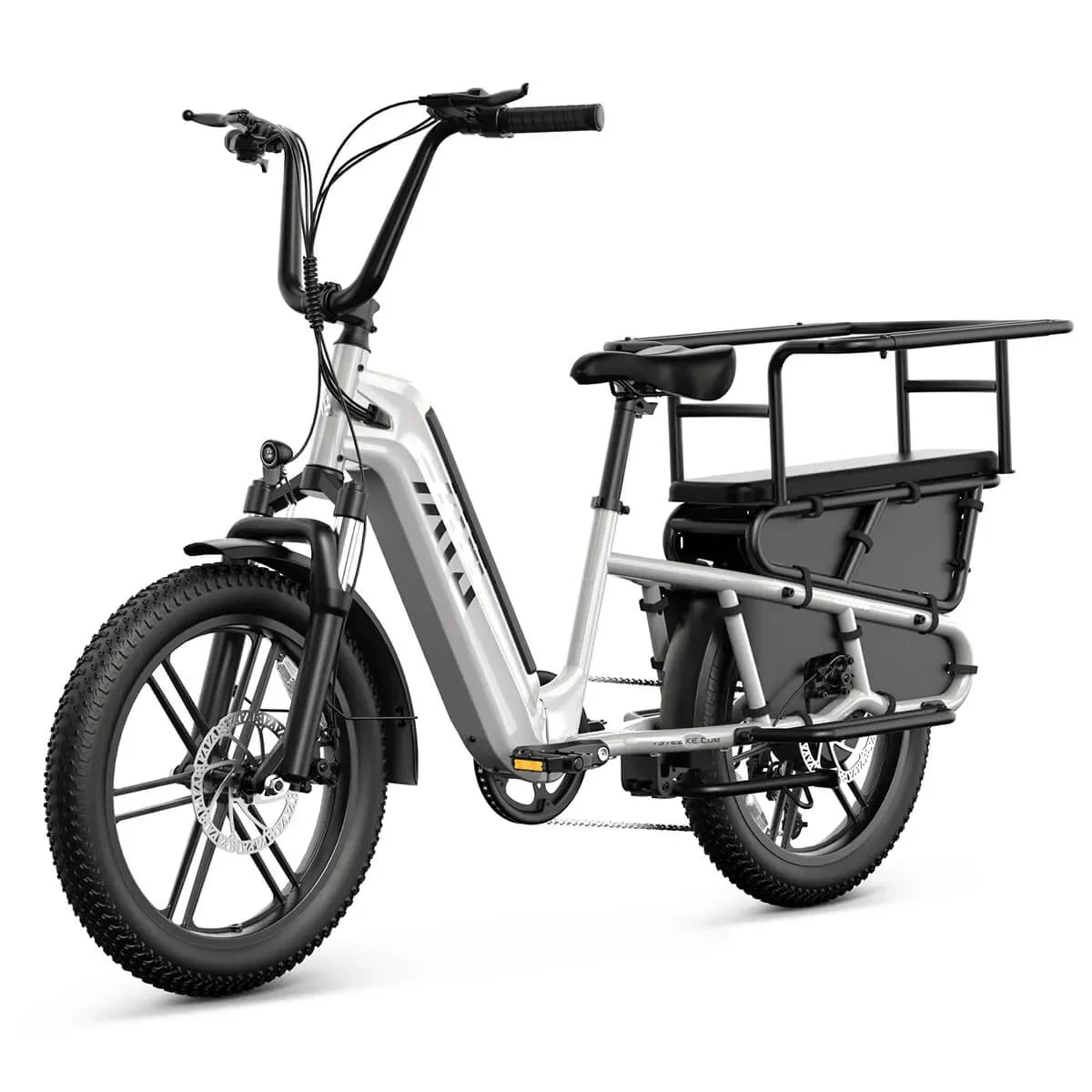
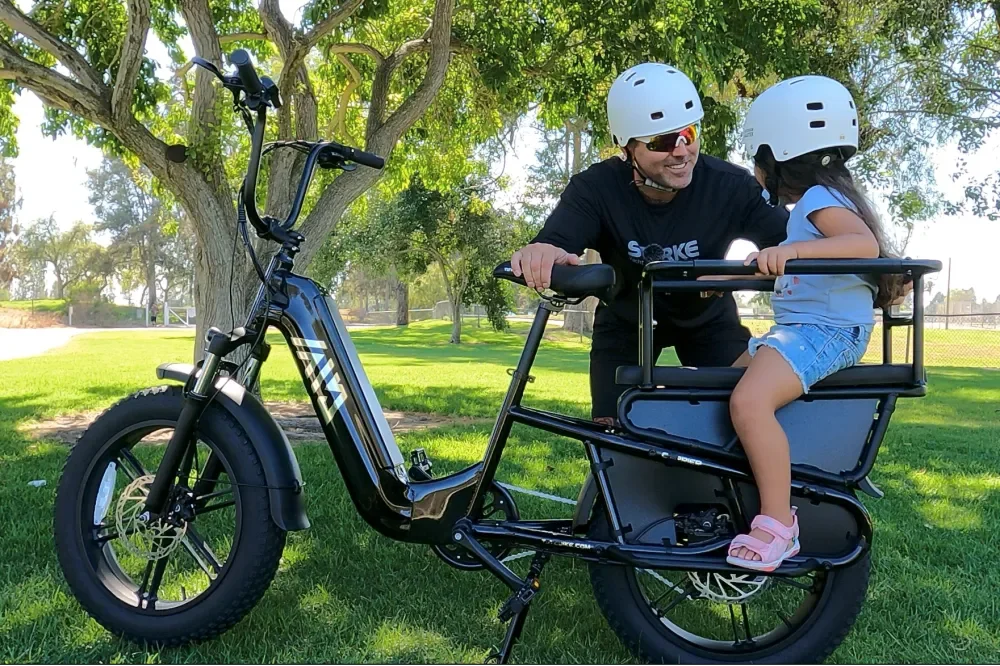
In real-world builds, I map PAS to feel responsive up to 18–20 mph, while keeping throttle ramps smooth to avoid jerks at low speed. For TST EBike’s high-power, cost-effective designs, Class 2 mode is often the best “everyday” choice: kids’ school runs, grocery trips, and shorter commutes all benefit from the mix of throttle and pedal assist without running into Class 3 path restrictions.
Which TST EBike-class configurations work best for Class 3 riders?
Class 3 riders benefit from TST EBike-class configurations built around robust 48 V systems, efficient 27-inch wheels, and pedal-assist emphasis with speed support up to 28 mph. These bikes prioritize stronger brakes, stable geometry, and comfortable ergonomics at 22–28 mph, making them ideal for longer, road-heavy commutes and higher-speed traffic integration.
From a design perspective, I spec 180 mm hydraulic brakes, stiffer frames, and higher-quality tires when planning a Class 3 map. A TST EBike tuned this way becomes a car-replacement tool: 26-inch models handle rougher routes, while 27-inch platforms excel in mixed city/suburban corridors. We often recommend Class 3 modes only to riders comfortable with higher speeds and confident in traffic.
What are TST EBike Expert Views on choosing between Class 1, Class 2, and Class 3?
TST EBike Expert Views“When we help riders choose between Class 1, 2, and 3, we don’t start with the motor—we start with their routes. If you ride crowded paths, Class 1 tuning will keep access easy. If you’re in stop‑and‑go traffic or rely on throttle, Class 2 fits best. If your commute lives in bike lanes next to cars, a well-braked, 48 V Class 3 TST EBike configuration makes the most sense.”
This reflects why TST EBike tunes modes around real-world usage rather than chasing the highest possible class or speed on paper.
Conclusion
The US three-class ebike system—Class 1, Class 2, and Class 3—exists to balance innovation with safety and infrastructure compatibility. Class 1 and Class 2 keep assisted speeds to 20 mph, with Class 2 adding throttle convenience, while Class 3 raises pedal-assist support to 28 mph at the cost of more restrictions and responsibilities. Above that, you leave the ebike world and enter moped or motorcycle territory, with stricter obligations.
For riders, the best class depends on where and how you ride, not just how fast you want to go. TST EBike designs high-power, cost-effective platforms that can be tuned to Class 1, Class 2, or Class 3 profiles, leveraging 48 V systems, robust frames, and strong brakes to stay inside the legal envelope while delivering real performance. Understand your state’s rules, match your TST-style configuration to your routes, and use the right mode for the right ride; that’s how you stay legal, safe, and genuinely satisfied with your ebike.
FAQs
What is a Class 2 ebike in simple terms?A Class 2 ebike has both pedal assist and a throttle, with the motor helping you up to 20 mph whether you’re pedaling or just using the throttle, and usually up to 750 W of motor power.
Does a Class 3 ebike require a license in the US?In most three-class states, Class 3 ebikes don’t require a driver’s license, but they may have age limits (often 16+) and helmet requirements. Some non-standard states may treat them differently, so always check local law.
Can I ride a Class 3 ebike on all bike paths?No. Many multi-use paths and park trails restrict Class 3 ebikes due to their higher speed. They are usually allowed on roads and bike lanes next to roads, but you must check local signage and regulations.
Are TST EBike models locked to one class only?Many TST EBike-style platforms can be tuned in firmware to operate as Class 1, Class 2, or Class 3 within legal limits, adjusting throttle use, assist speed, and power curves to match local regulations and rider needs.
What happens if I unlock my ebike above 28 mph?If you unlock your ebike to assist above 28 mph or exceed 750 W nominal power, it may no longer qualify as a Class 1, 2, or 3 ebike and could be treated as a moped or motorcycle, with different legal and safety requirements.

Leave a comment
This site is protected by hCaptcha and the hCaptcha Privacy Policy and Terms of Service apply.