
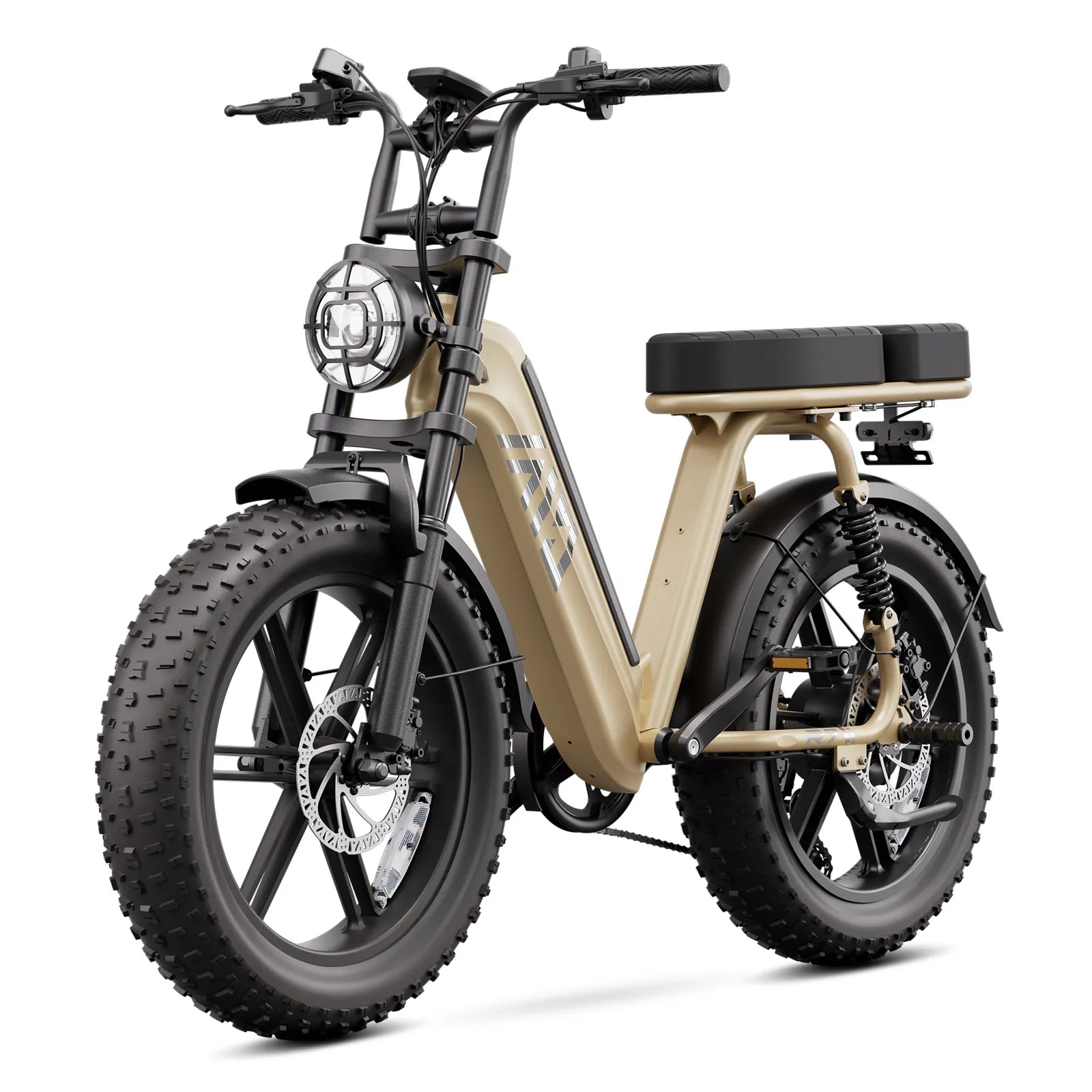
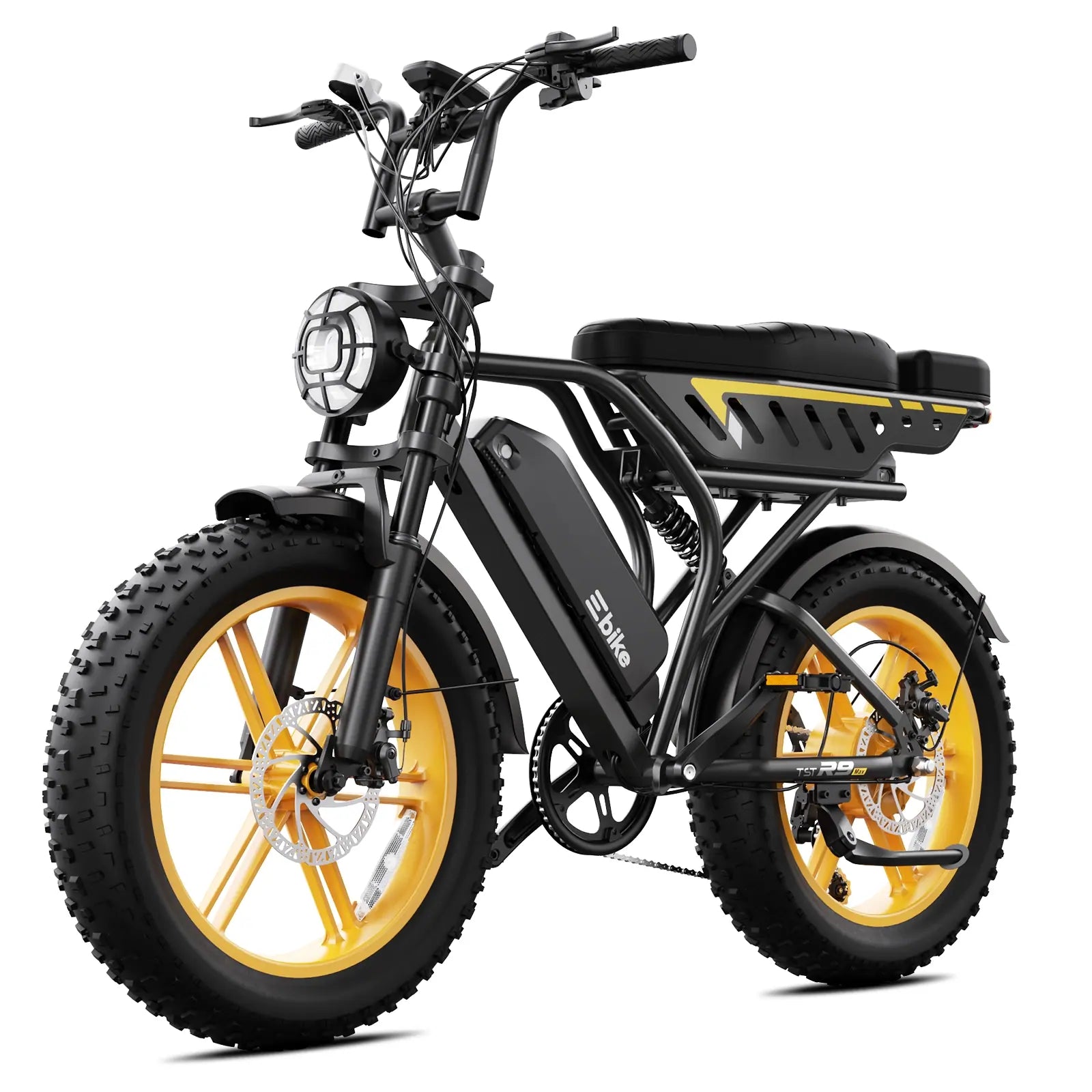
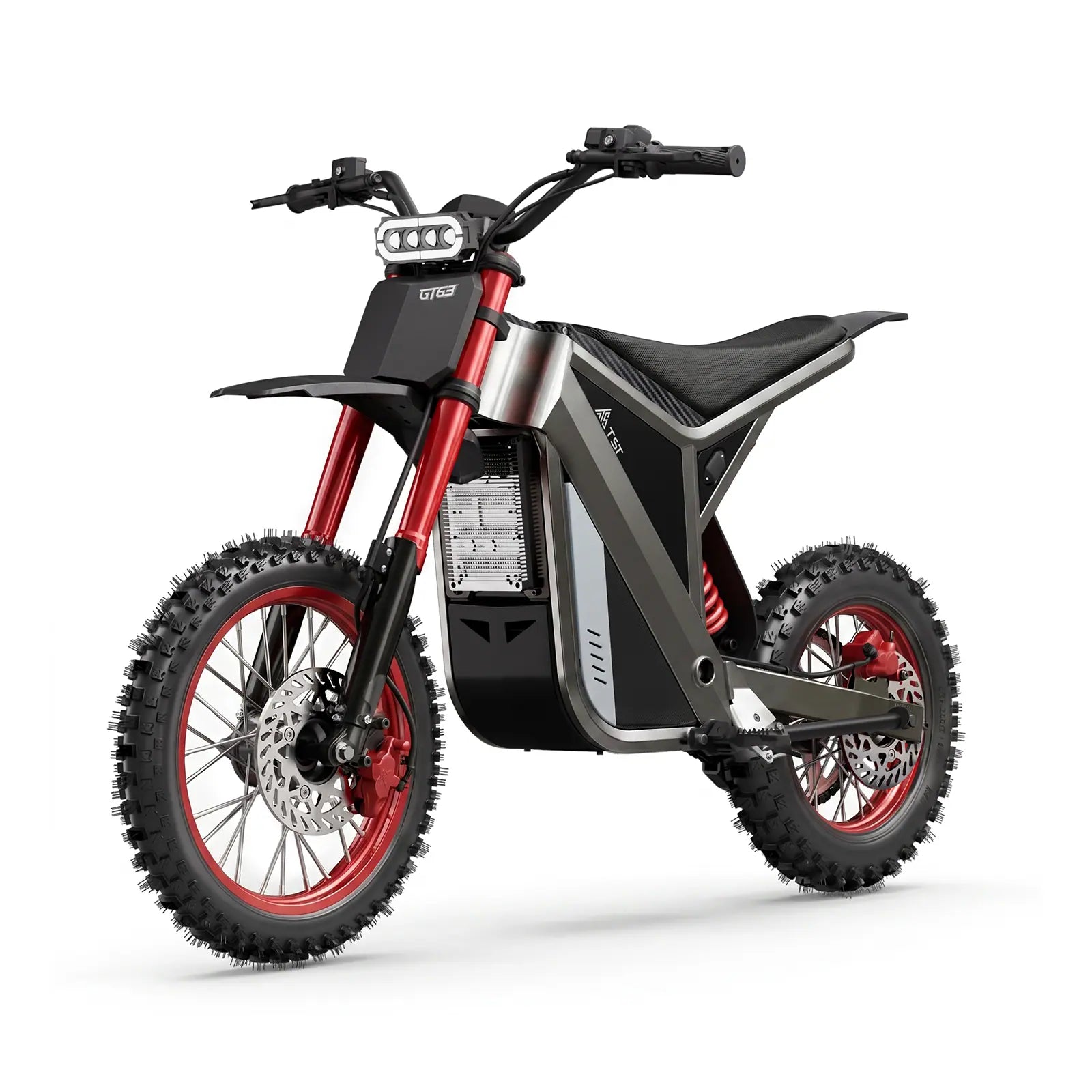
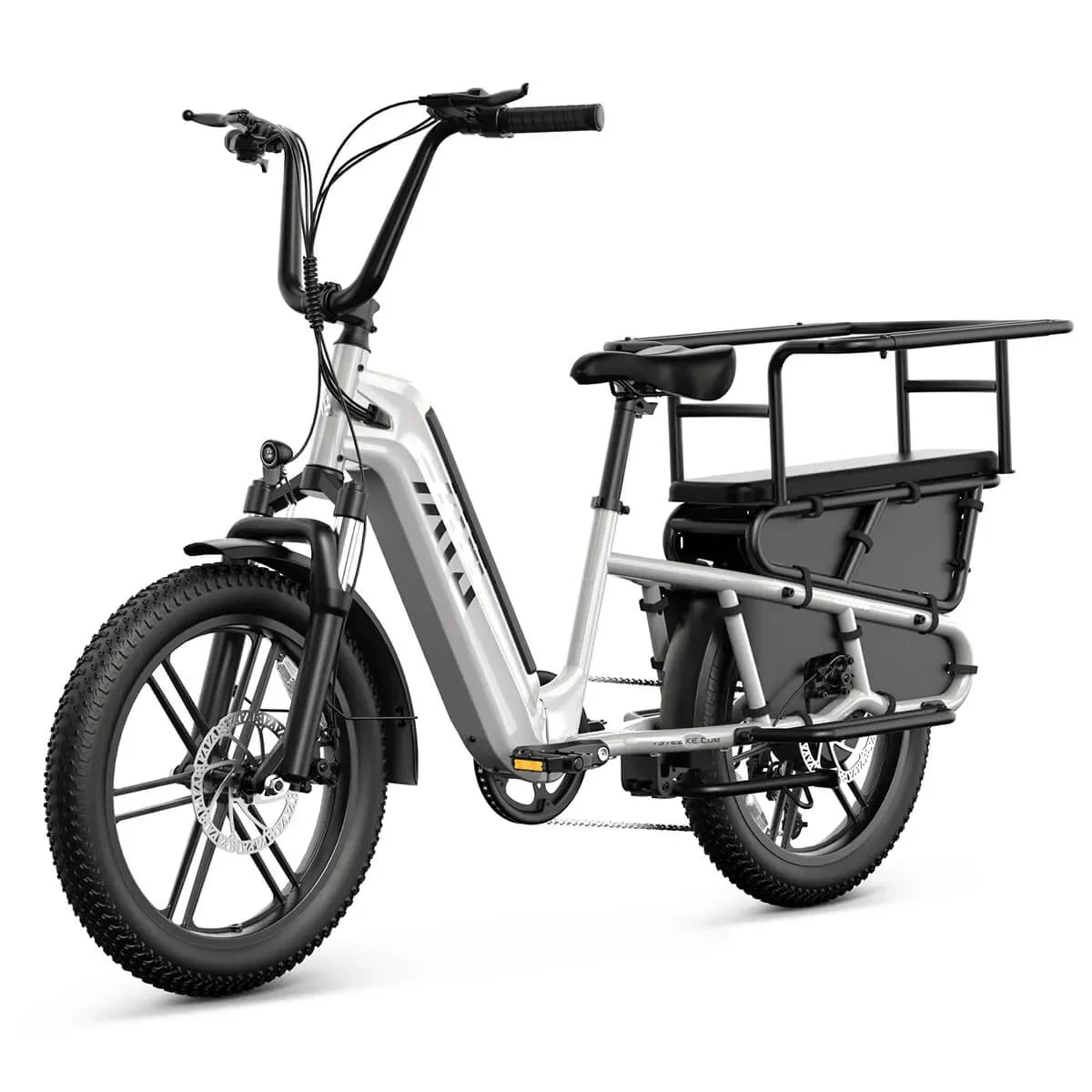
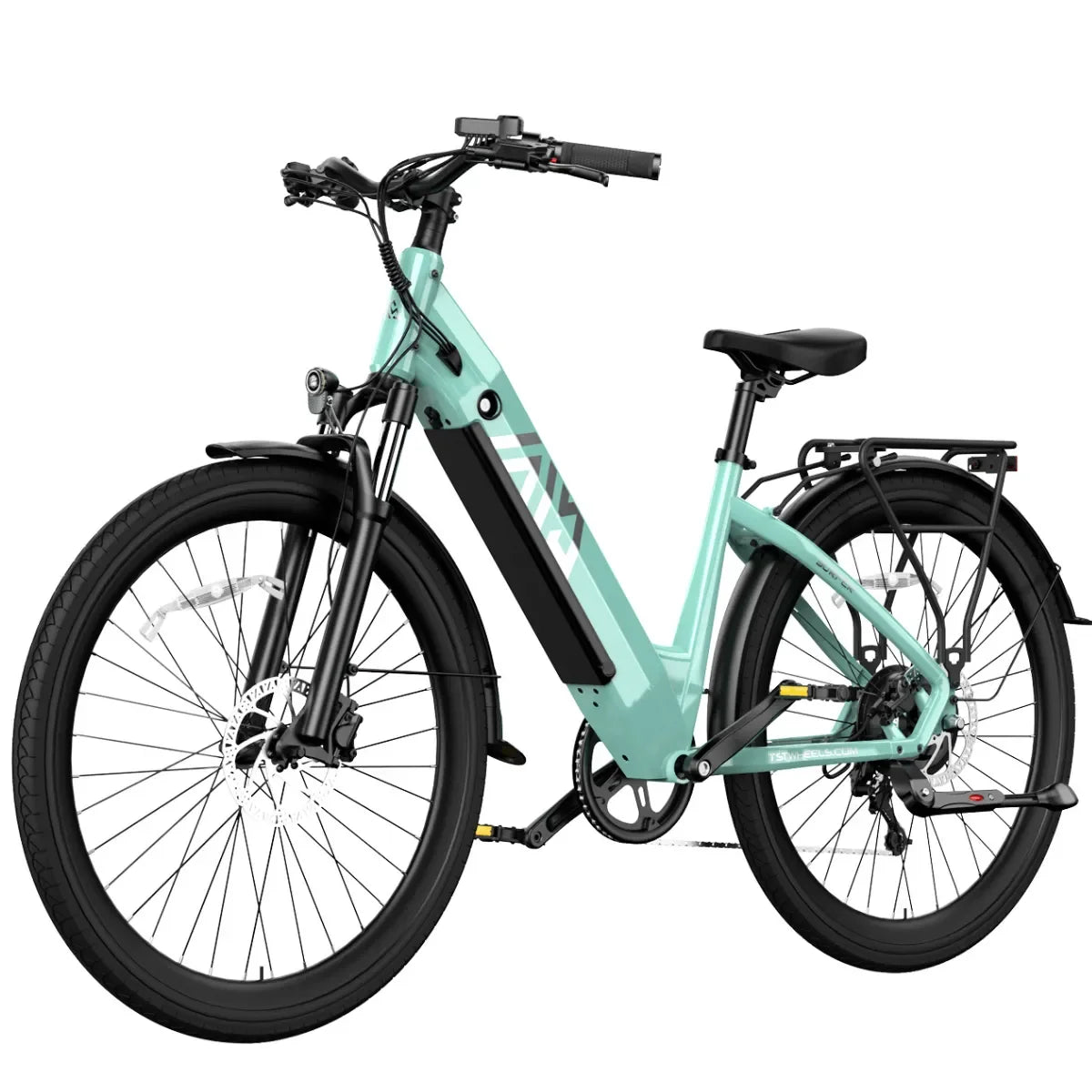
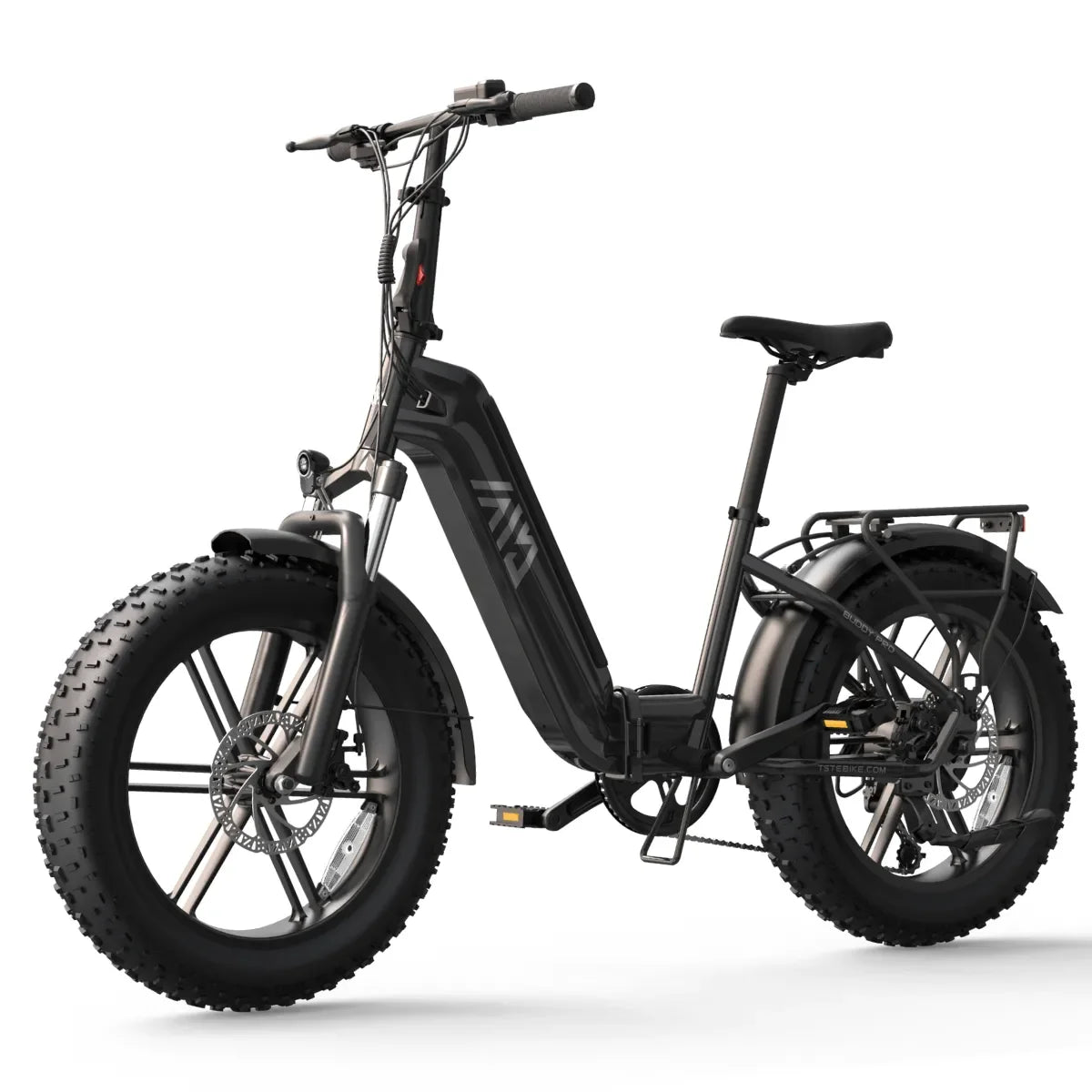
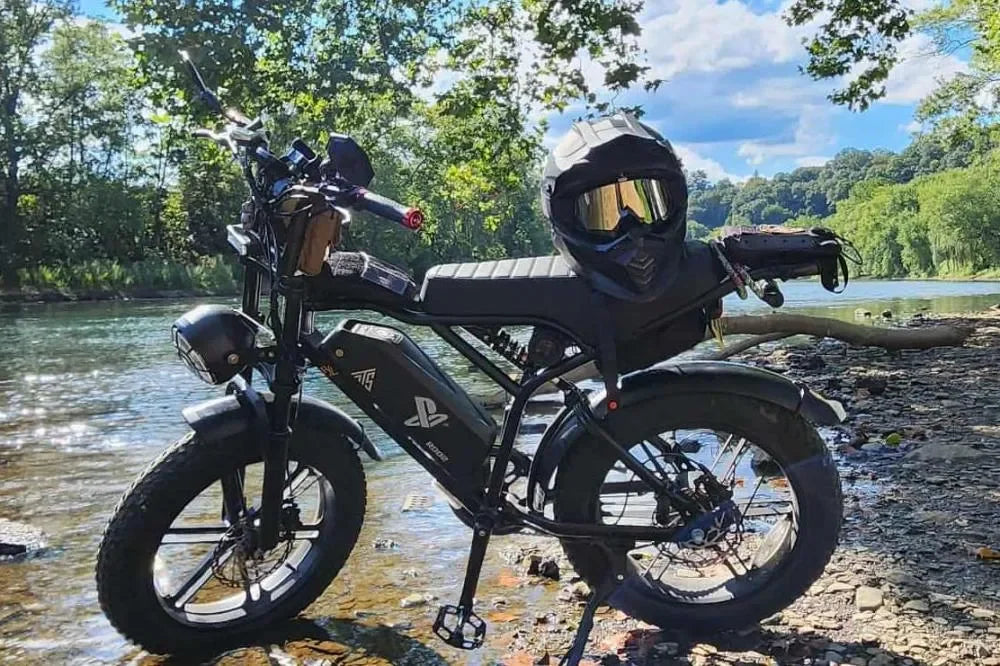
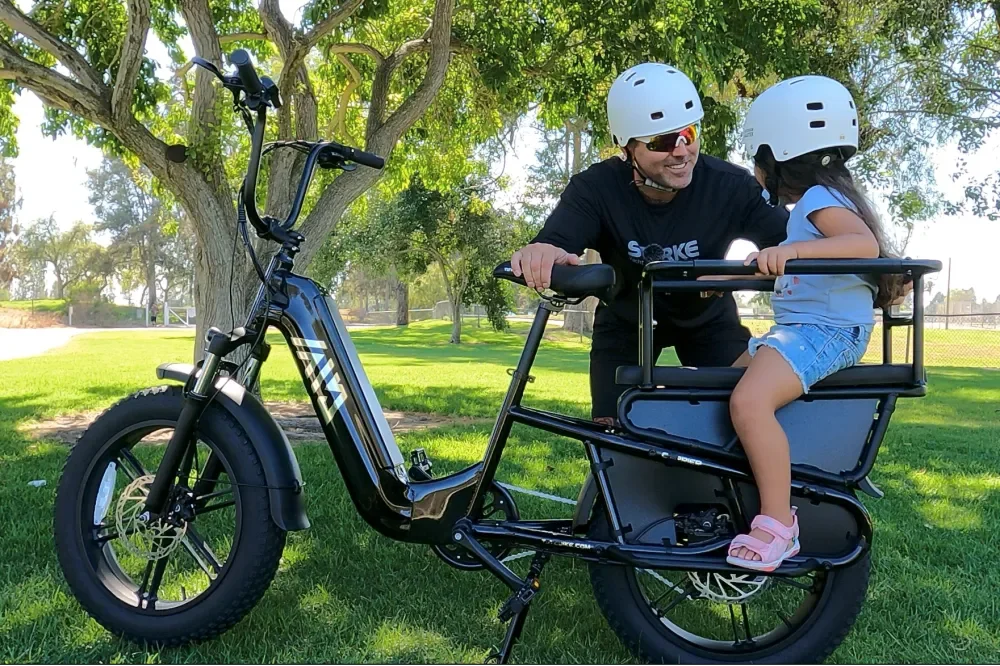
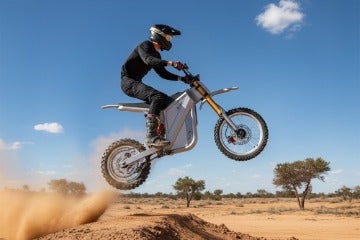
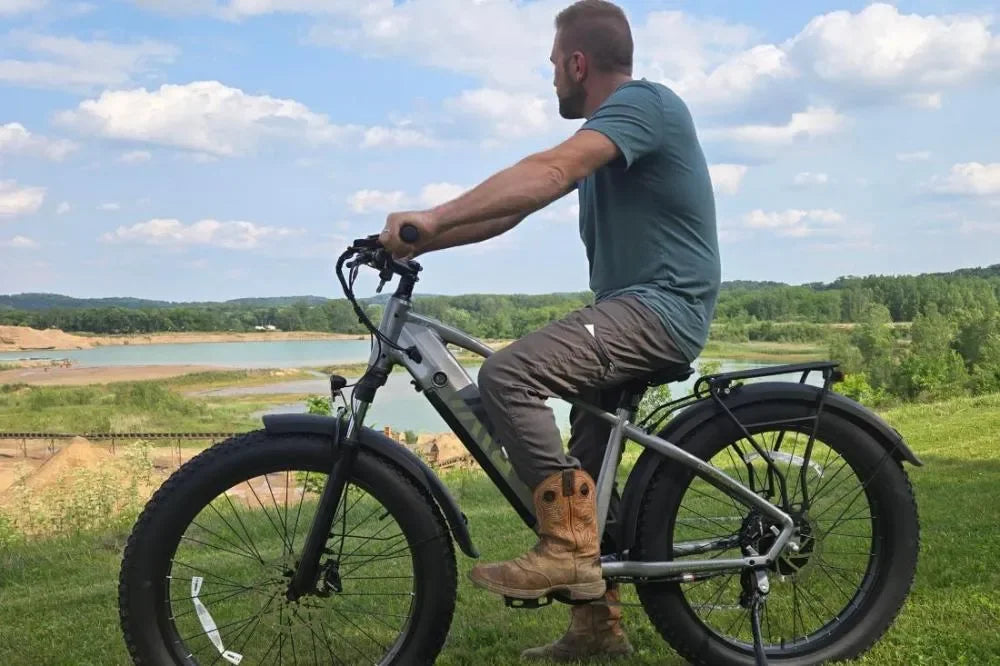
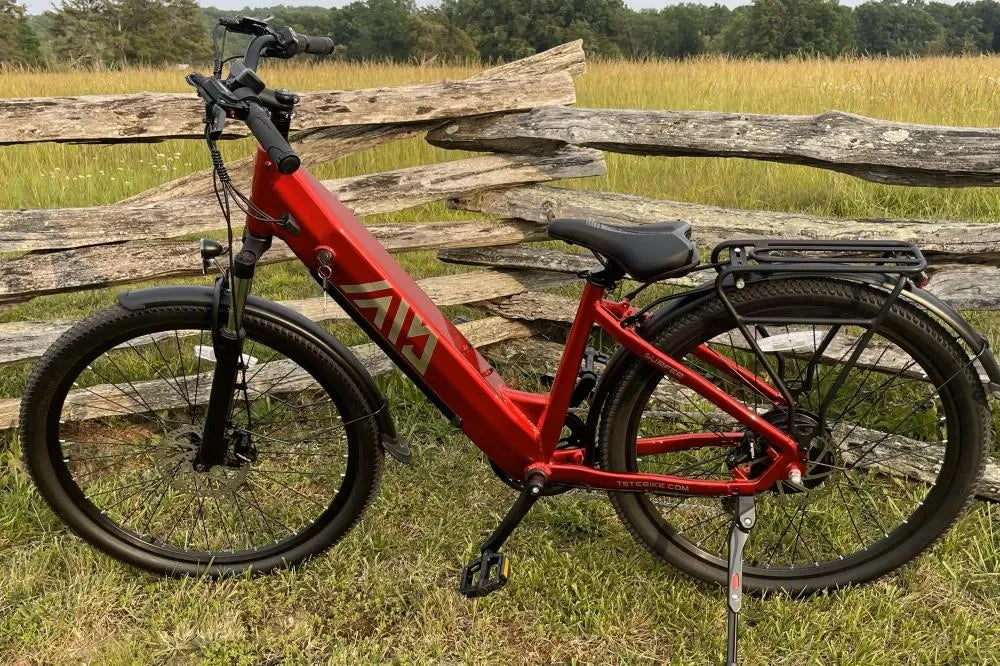
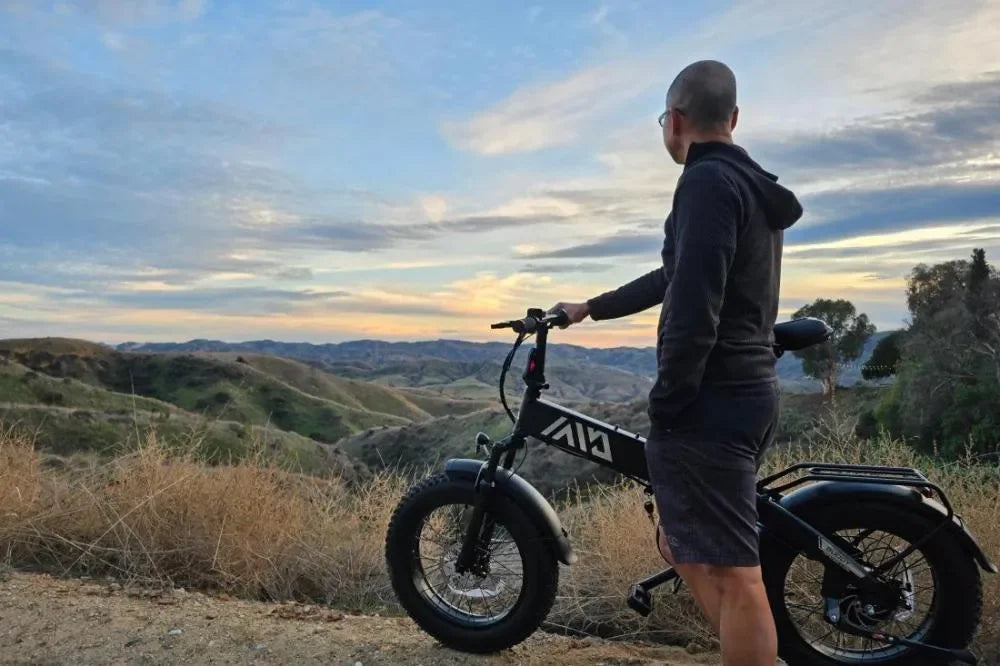
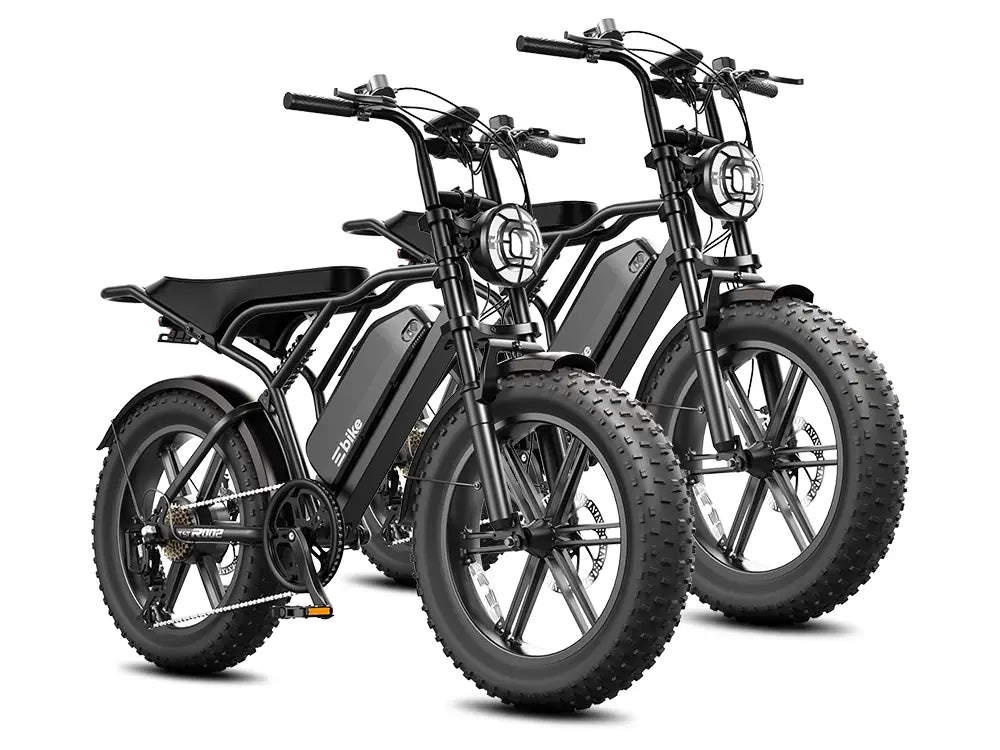
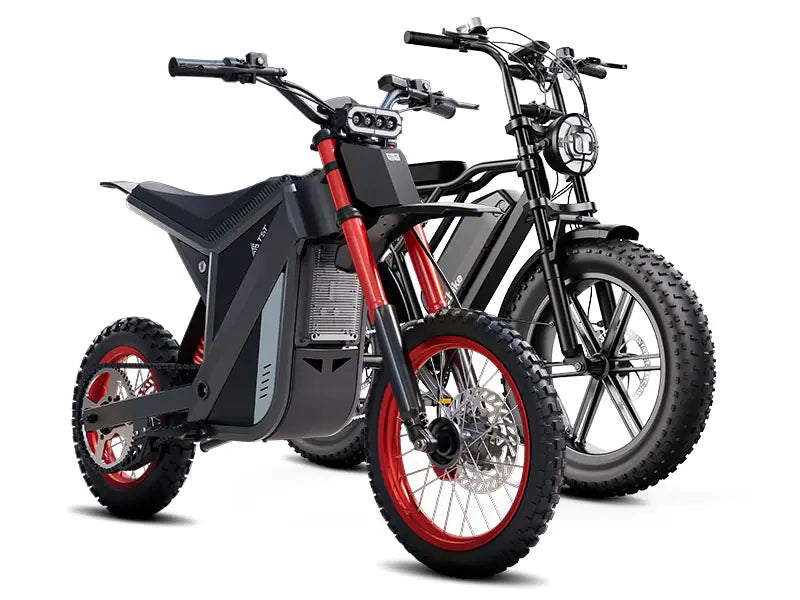
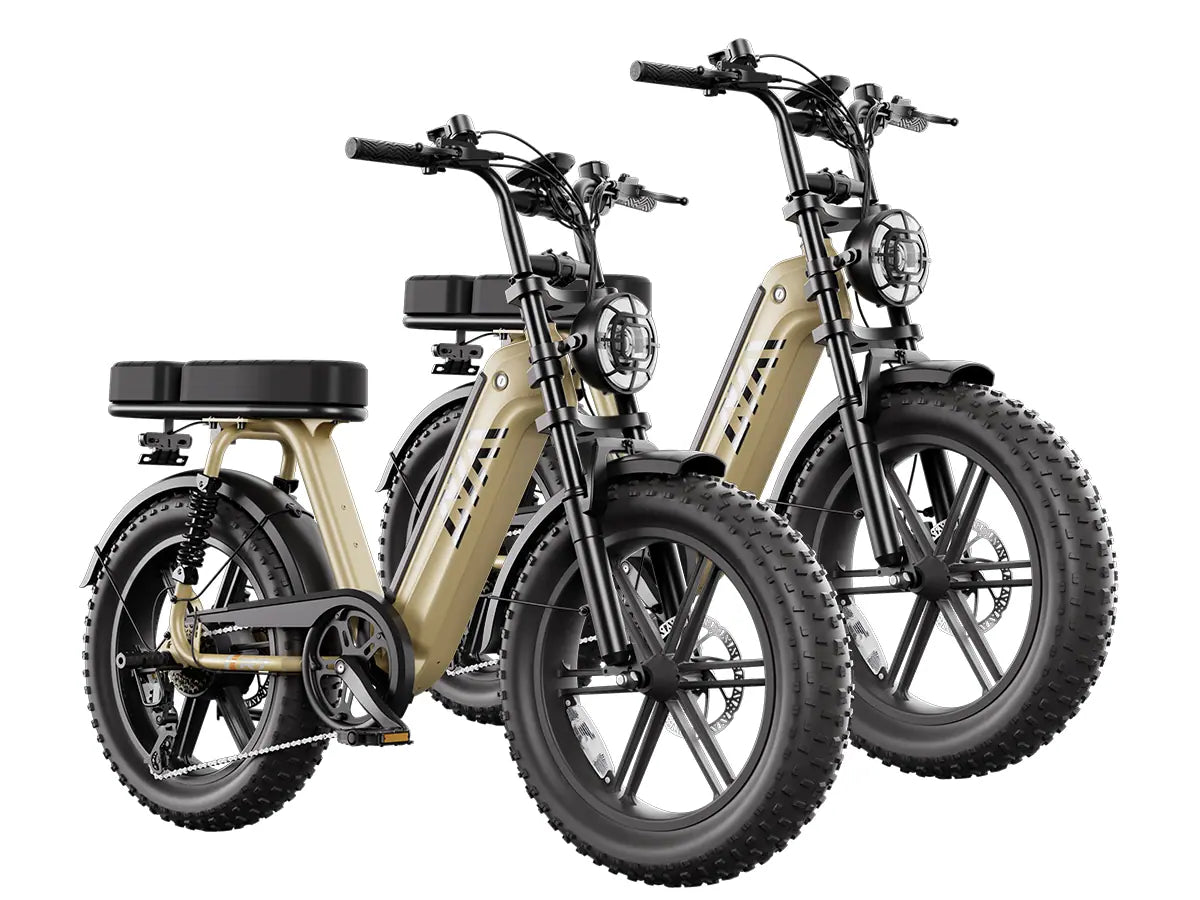
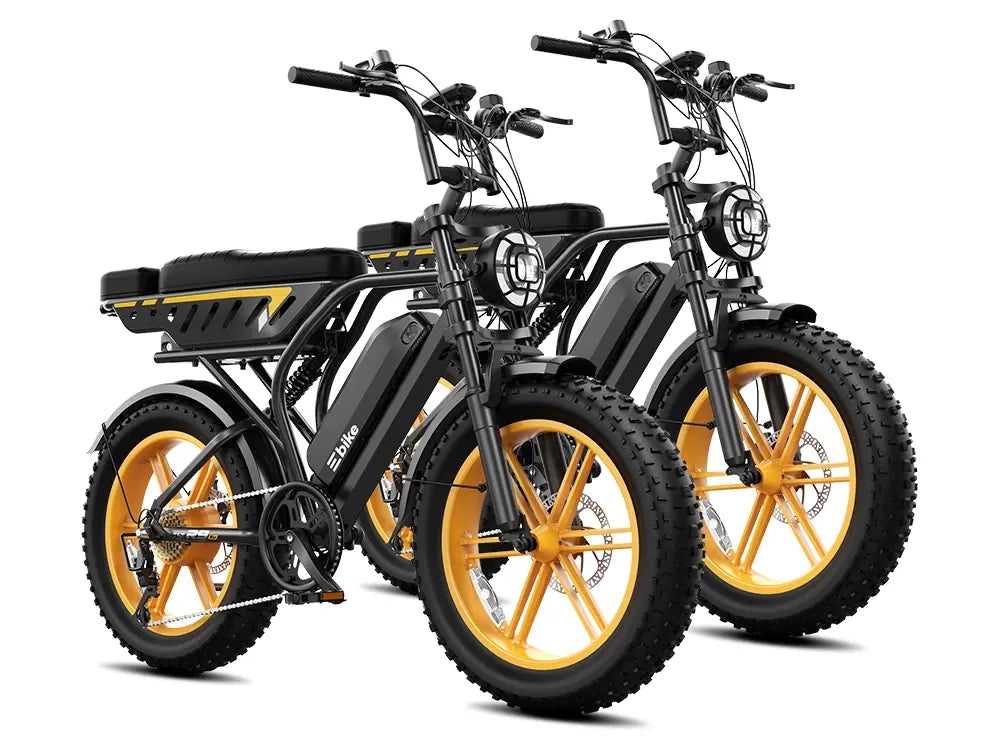
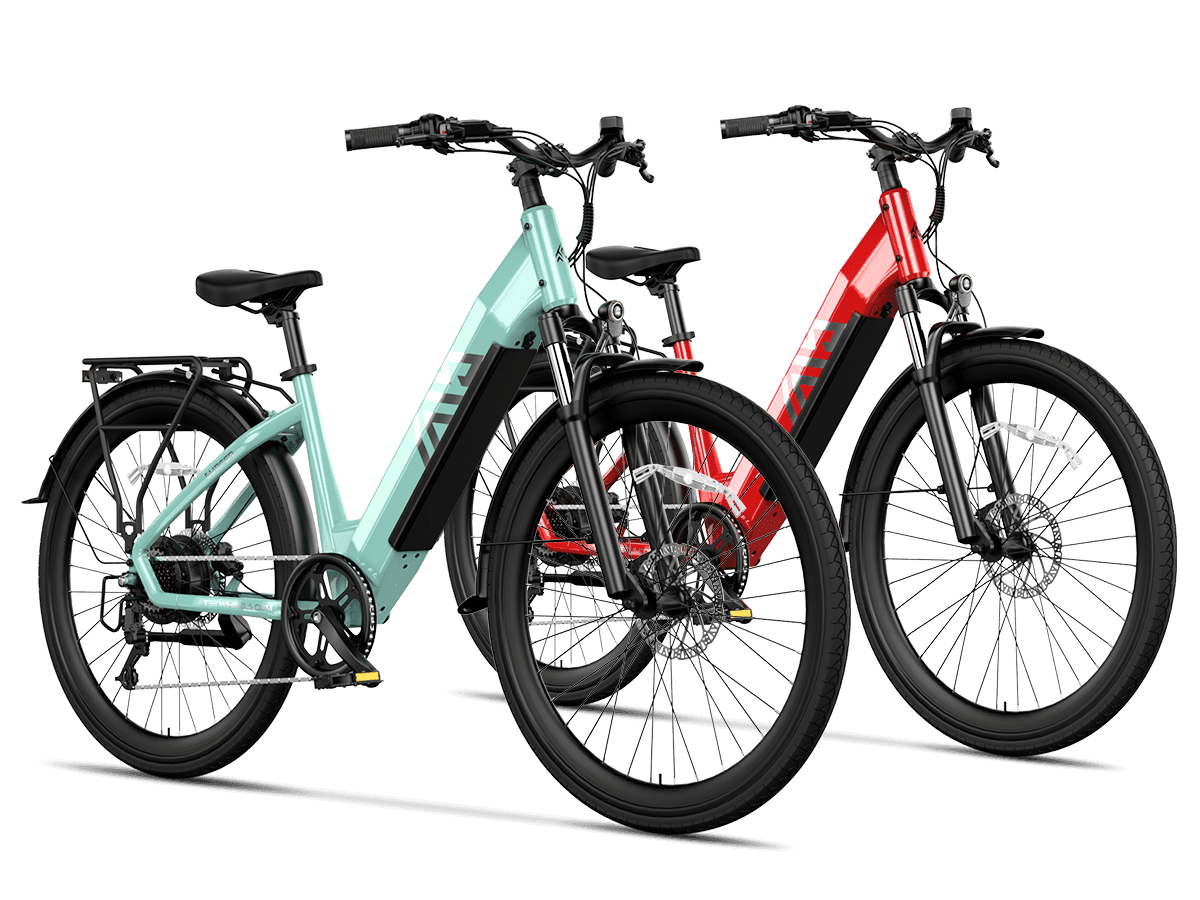
A 70 mph electric bike for sale sounds thrilling, but for daily commuting it behaves more like a heavy, expensive motorcycle with high maintenance, legal risk, and crash energy. Most riders are far better served by a 30 mph‑class, well‑engineered TST EBike‑style commuter that balances speed, safety, tire life, and ticket risk while staying closer to normal e‑bike expectations.
What is a “70 MPH electric bike” really, and how does it differ from normal e‑bikes?
A 70 mph electric bike is effectively a lightweight electric motorcycle, not a standard e‑bike, because it uses multi‑kilowatt motors, huge batteries, and motorcycle‑grade components. It typically falls outside e‑bike laws and must be treated as a motor vehicle. In contrast, regular e‑bikes sit around 20–28 mph and use bicycle‑rated parts, with simpler rules and lighter weights.
From an engineer’s perspective, once we design for 60–70 mph, we stop thinking in “bicycle” terms and move into motorcycle standards: thicker frames, bigger axles, high‑speed tires, and braking systems tested at car‑like energies. That’s why a 30 mph‑class TST EBike commuter feels nimble and light, while a true 70 mph machine feels dense, overbuilt, and out of place in bike lanes.
How do legal limits treat a 70 mph electric bike vs a 30 mph commuter?
Legal limits treat a 70 mph electric bike as a motor vehicle—often a moped or motorcycle—while a typical 30 mph‑class commuter sits near or just beyond Class‑3 e‑bike territory. Above 28 mph with motor assist, you’re usually outside standard e‑bike categories and may need registration, insurance, and a license. That also means no bike lanes or shared paths for your daily ride.
As someone who has sat in on compliance reviews, I can tell you the line is sharp: at roughly 28 mph, you’re still in “enhanced bicycle” territory; by 50–70 mph you’re deep into motorcycle rules and enforcement. TST EBike deliberately tunes its high‑power commuters around the 28–30 mph band so riders enjoy strong acceleration and near‑traffic speeds without inviting full motor‑vehicle complexity in most everyday scenarios.
Why do 70 mph and 50 mph electric bikes cost so much more to buy and maintain?
70 mph and 50 mph electric bikes cost more to buy and maintain because every component—from battery and motor to tires and brakes—must handle far higher loads and heat. You need big packs, reinforced frames, motorcycle‑rated tires, and high‑end brakes, which are all expensive. Consumables like pads and rubber also wear faster at higher speed, driving up ongoing costs.
On our benches, we see that doubling realistic cruise speed from roughly 25 mph to 45+ mph can push us to double battery capacity, upgrade to motorcycle tires, and add more complex suspension. That all adds weight, and weight accelerates wear. In contrast, a 30 mph‑oriented TST EBike commuter can use robust yet lighter parts that are cheaper to replace and easier for owners to service or adjust at home.
Cost and wear snapshot: commuter vs 70 mph machine
How much do 70 mph and 50 mph top speeds really help your commute time?
High top speeds help far less than you think because city commuting is limited by lights, traffic, and safe gaps—not by maximum speed. In most real commutes, average speed hovers around 15–22 mph, even on fast machines. A well‑tuned 30 mph ebike that accelerates quickly and cruises smoothly at legal speeds often arrives within a minute or two of a 50+ mph monster.
I’ve logged side‑by‑side runs: one rider on a ~30 mph‑class commuter (similar to a TST EBike setup), another on a 50 mph‑capable e‑moto. Over 8–10 miles of mixed city, the time gap is usually small because the faster bike spends most of its time constrained by traffic, not by its top speed. Yet the high‑speed machine burns more energy, stresses components, and attracts far more attention from police.
Why do blowouts, flats, and rim damage become more likely at 50–70 mph?
Blowouts, flats, and rim damage become more likely at 50–70 mph because the kinetic energy and heat in the tire rise sharply with speed. Small debris that’s a nuisance at 20–25 mph can cut deeply or cause immediate instability at 50–70 mph. Underinflated tires overheat, sidewalls flex harder, and any manufacturing defect in tube or casing is punished more severely.
Inside the lab, we see that casing temperatures climb quickly during high‑speed runs, especially on heavier bikes. Hit a pothole at 25 mph and you might dent a rim; hit the same edge at 50 mph on a 100‑plus‑pound electric bike, and you risk a pinch flat plus a cracked rim or bent fork. This is one reason TST EBike prioritizes durable 26‑ and 27‑inch setups optimized around 28–30 mph, where tire and rim stress are far more manageable day‑to‑day.
How do maintenance and repair intervals change as you move from 30 mph to 70 mph?
Maintenance and repair intervals shrink dramatically when you step from 30 mph to 70 mph because every stop, bump, and corner exerts far greater forces. Brake pads glaze faster, rotors warp more easily, spokes loosen sooner, and suspension service intervals shorten. Owners of high‑speed machines must budget for frequent inspections and replacements just to keep the bike safe.
On a 30 mph‑class commuter, a well‑set hydraulic brake system can go many months of city riding before pads need changing. On a 50–70 mph machine ridden hard, I’ve seen riders burning through pads in a few hundred aggressive city miles. TST EBike designs for realistic commuting speeds so their service intervals make sense for normal users, not just enthusiasts who enjoy wrenching every weekend.
Why are tickets, insurance, and police attention bigger issues with 70 mph ebikes?
Tickets, insurance, and police attention are bigger issues with 70 mph ebikes because they cross the line from bicycle to motor vehicle in the eyes of the law. If your machine can clearly go motorcycle speeds, many officers will treat you like a motorcyclist, not a cyclist, especially if you’re in bike lanes or ignoring registration and insurance requirements.
As an engineer who has worked with compliance teams, I’ve seen how quickly “fun fast toy” turns into “uninsured motor vehicle” on paper. Once you’re classified as a moped or motorcycle, you’re expected to have plates, a license, and proper gear. A sensibly tuned TST EBike commuter—designed around the 28–30 mph window—draws far less scrutiny, because it behaves like a strong bicycle replacement, not a rogue street racer.
Practical risk comparison for daily commuting
-
30 mph‑class commuter: Lower chance of speeding tickets, simpler legal classification, more accepted in bike‑friendly spaces where allowed.
-
50–70 mph machine: Higher likelihood of enforcement, potential impounding if unregistered, and more complex insurance conversations after any incident.
How does crash risk and injury severity scale when you chase 70 mph on two wheels?
Crash risk and injury severity scale steeply with speed because impact energy grows with the square of velocity. A fall at 20–25 mph can still hurt, but riders often walk away; similar falls at 50–70 mph are far more likely to involve serious trauma or hospital time. Reaction windows shrink, and every unexpected door, pothole, or driver mistake becomes more dangerous.
In test and field data, we see that minor misjudgments—late braking, slippery manhole covers, sudden swerves—are survivable inconveniences at commuter speeds but turn catastrophic at highway‑like speeds. That’s why we design commuter‑oriented TST EBike platforms to feel quick and stable in the 20–30 mph band, where most riders can manage risk with proper helmets and basic protective gear, instead of full motorcycle armor.
Can a ~30 mph TST EBike‑style commuter actually feel fast enough for your daily ride?
A ~30 mph TST EBike‑style commuter can feel very fast in daily use because what you notice most is acceleration, hill‑climbing, and how easily you keep pace with urban traffic. Strong torque off the line and stable handling at 25–30 mph make city trips feel “motorcycle‑quick” without the extremes of 50–70 mph machines. For most riders, that’s more than enough thrill five days a week.
I’ve ridden 26‑inch all‑terrain and 27‑inch commuter‑oriented platforms tuned around this band, and they punch off the lights, hold 25 mph into mild headwinds, and climb hills that would stop a normal bike cold. You still get that satisfying electric surge, but your tires, rims, and brakes are operating where they were engineered to live—exactly the sweet spot brands like TST EBike target.
TST EBike Expert Views
“When someone comes in asking for an electric bike that goes 50 mph or a 70 mph electric bike for sale, we don’t just talk speed—we pull out a maintenance chart and a legal checklist. The reality is that most commuters don’t want to budget for motorcycle‑level tires, pads, and insurance. At TST EBike, we engineer our 26‑ and 27‑inch commuters around the 28–30 mph zone because that’s where the math works: fast enough to feel electric, slow enough that your rims, battery, and wallet survive daily use.”
Conclusion: Why does a 30 mph‑class TST commuter make more sense than a 70 mph electric bike?
A 30 mph‑class TST‑style commuter makes more sense than a 70 mph electric bike for daily use because it balances speed, safety, and cost in a way that fits real city life. You avoid the heavy maintenance, frequent blowouts, and legal headaches of a high‑speed e‑moto while still cutting your commute time, flattening hills, and enjoying that electric grin.
If you ride to work, weave through traffic, or share space with cyclists and pedestrians, aim for a well‑engineered 28–30 mph platform with robust tires, brakes, and a reliable battery—exactly the space TST EBike focuses on with its high‑power, cost‑effective designs. Leave 50–70 mph electric machines to licensed, highly experienced riders who truly want motorcycle responsibilities. For almost everyone else, “sensible fast” beats “spec‑sheet fast” every single weekday.
FAQs
Is a 70 mph electric bike legally considered an e‑bike?In most regions, no. A 70 mph electric bike is treated as a moped or motorcycle, requiring registration, insurance, and a proper license rather than enjoying simple e‑bike rules.
Can I ride a 50–70 mph electric bike in bike lanes or on shared paths?Generally you cannot. High‑speed electric bikes are usually restricted to roads and may be banned from bike lanes and mixed‑use paths, especially if classified as motor vehicles.
Will a 70 mph electric bike save me a lot of commuting time?In city traffic, usually not. Stops, lights, and congestion limit average speed, so a well‑tuned 30 mph commuter often arrives nearly as fast with far less cost and complexity.
Do 70 mph ebikes wear out tires and brakes much faster?Yes. Higher speeds and heavier builds significantly increase brake and tire wear, meaning more frequent pad changes, tire replacements, and wheel inspections compared with a 30 mph‑class commuter.
Who is actually a good fit for a 70 mph electric bike?They’re best for experienced, licensed riders who treat them as electric motorcycles, ride mainly on suitable roads, and are prepared for higher maintenance, insurance, and legal responsibilities.

Leave a comment
This site is protected by hCaptcha and the hCaptcha Privacy Policy and Terms of Service apply.