


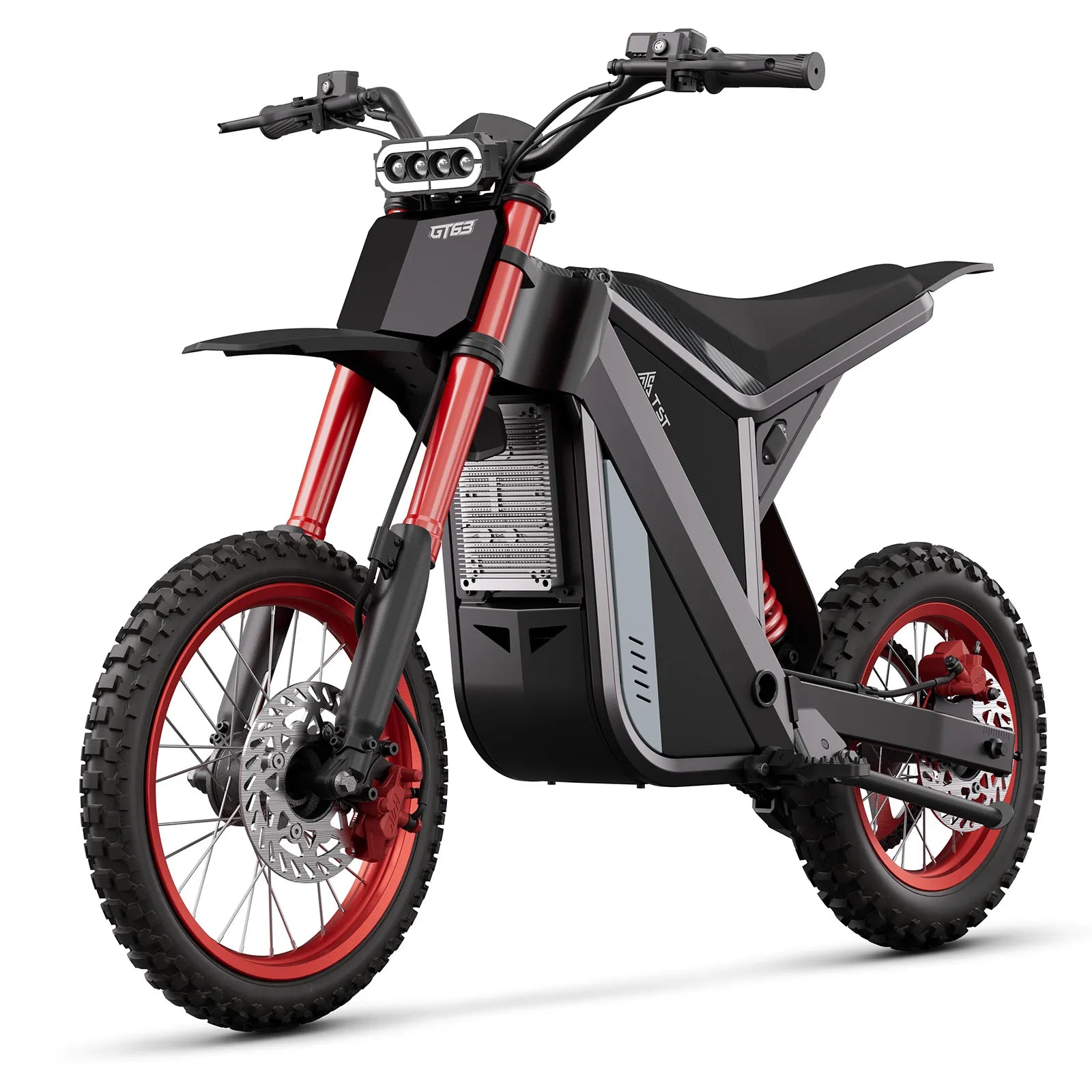

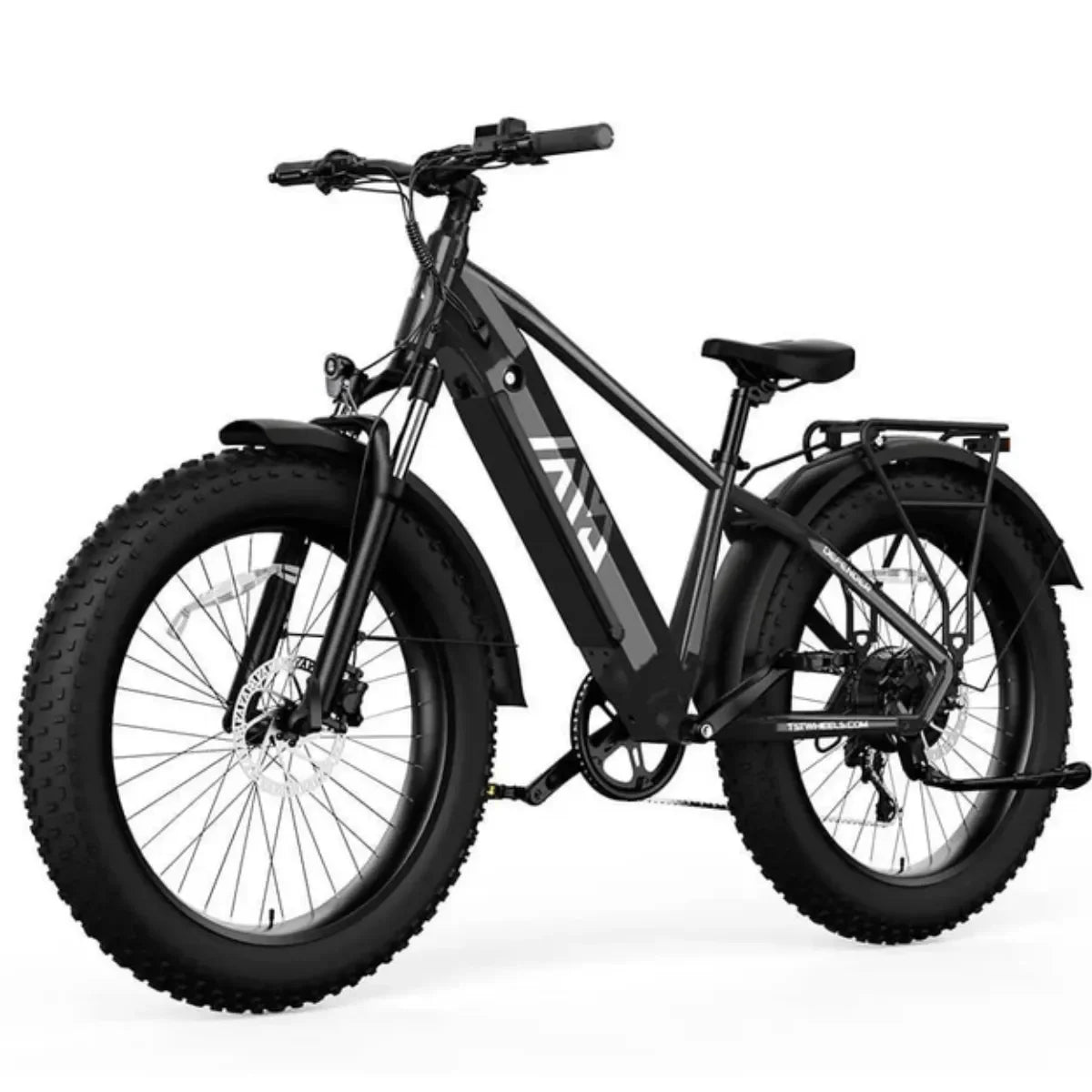
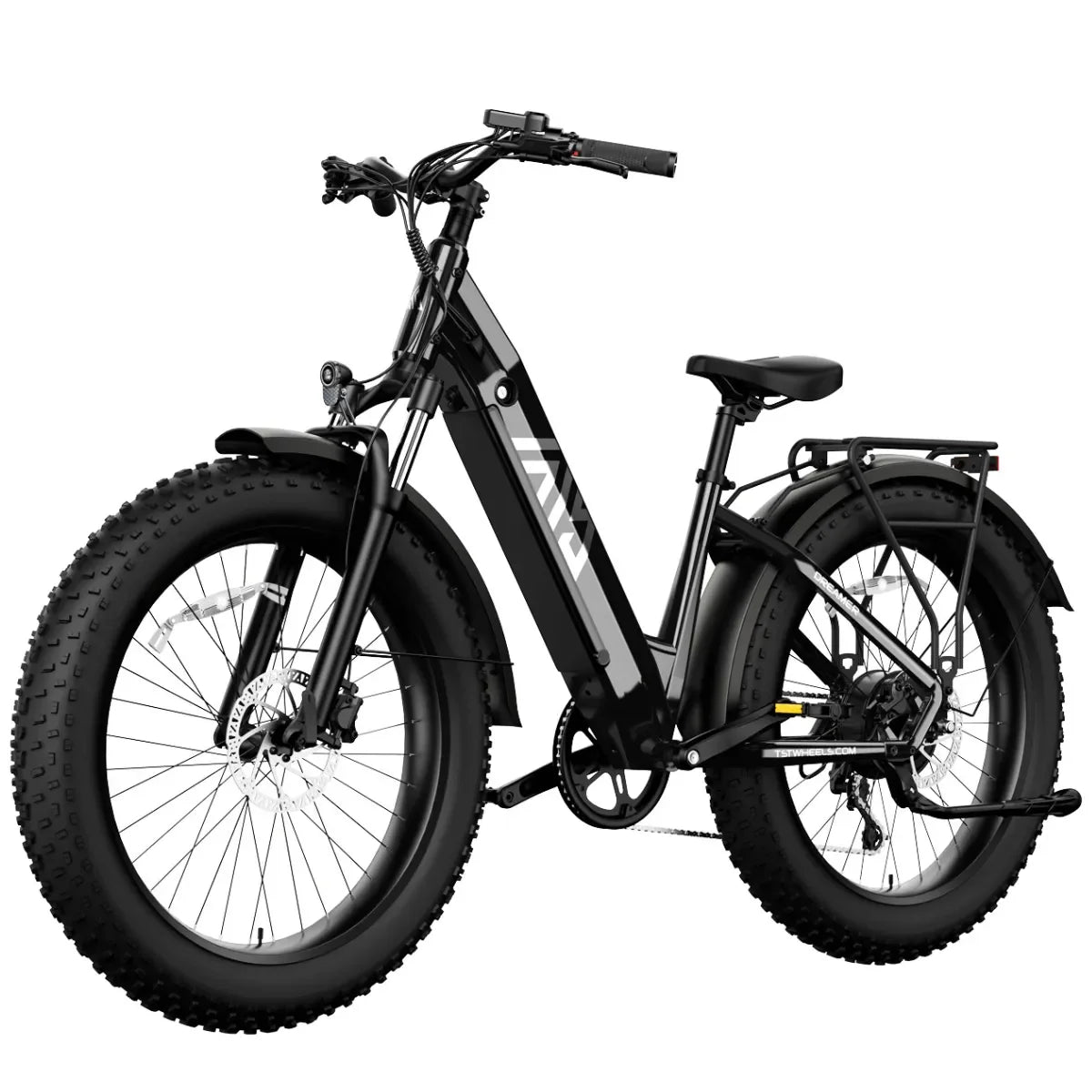

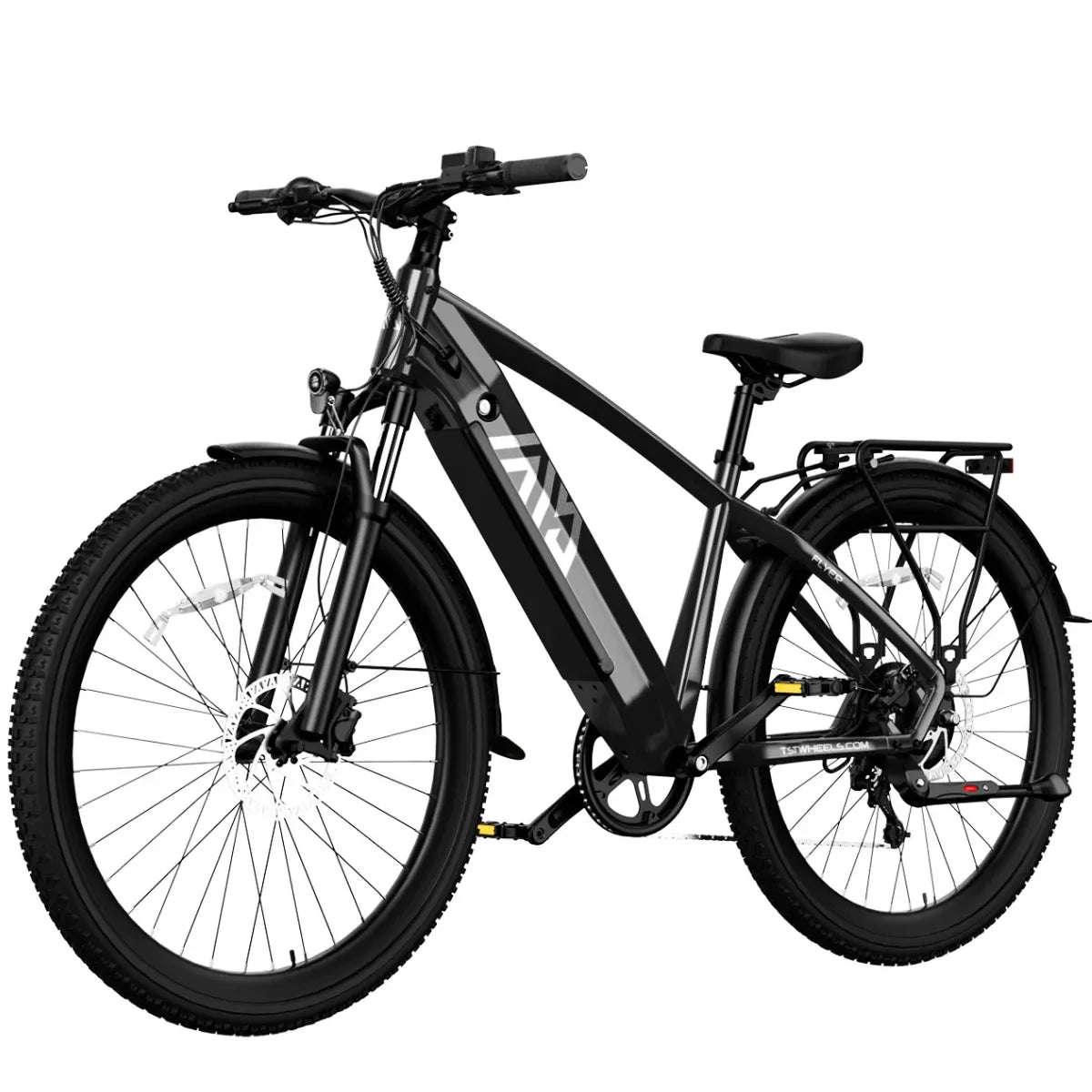
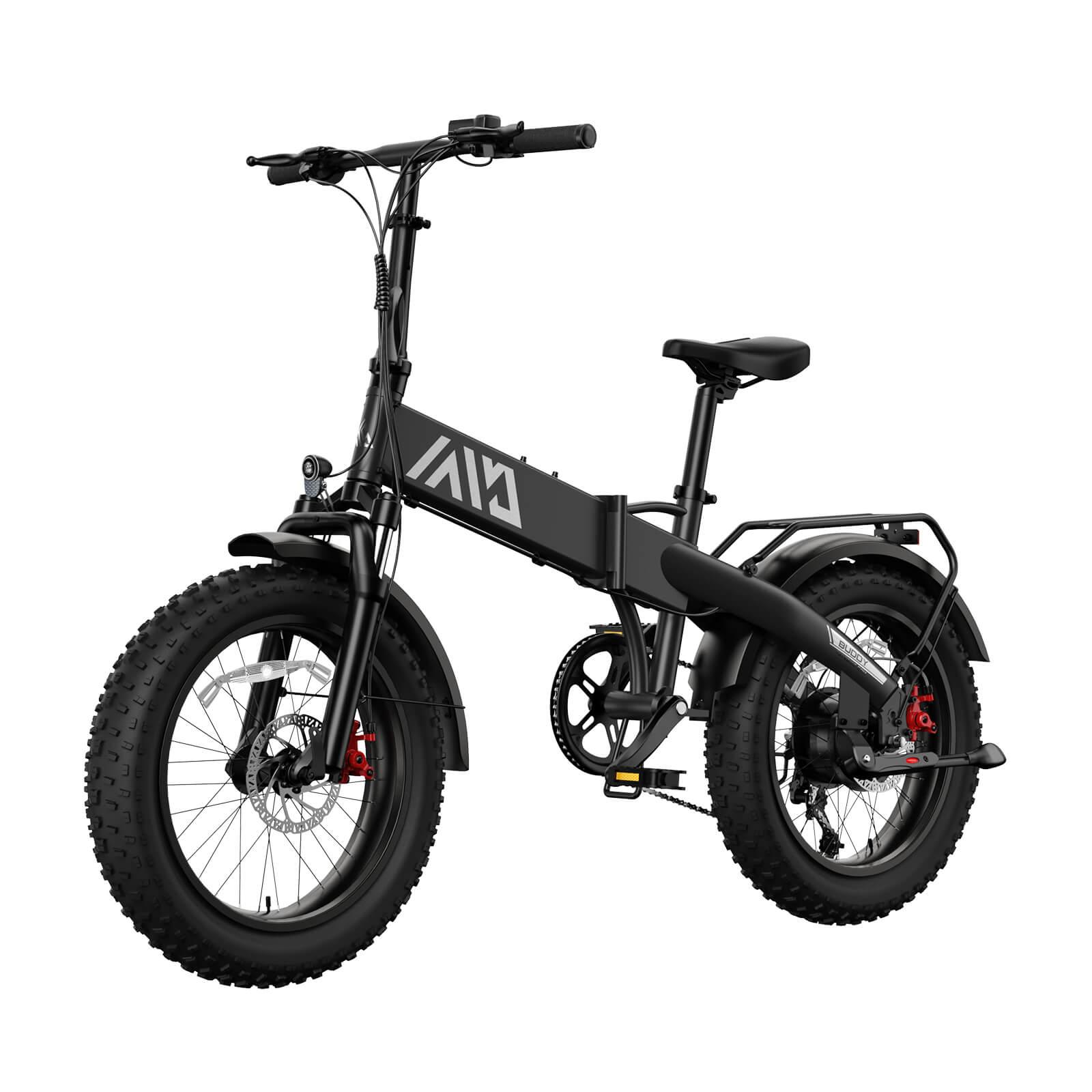


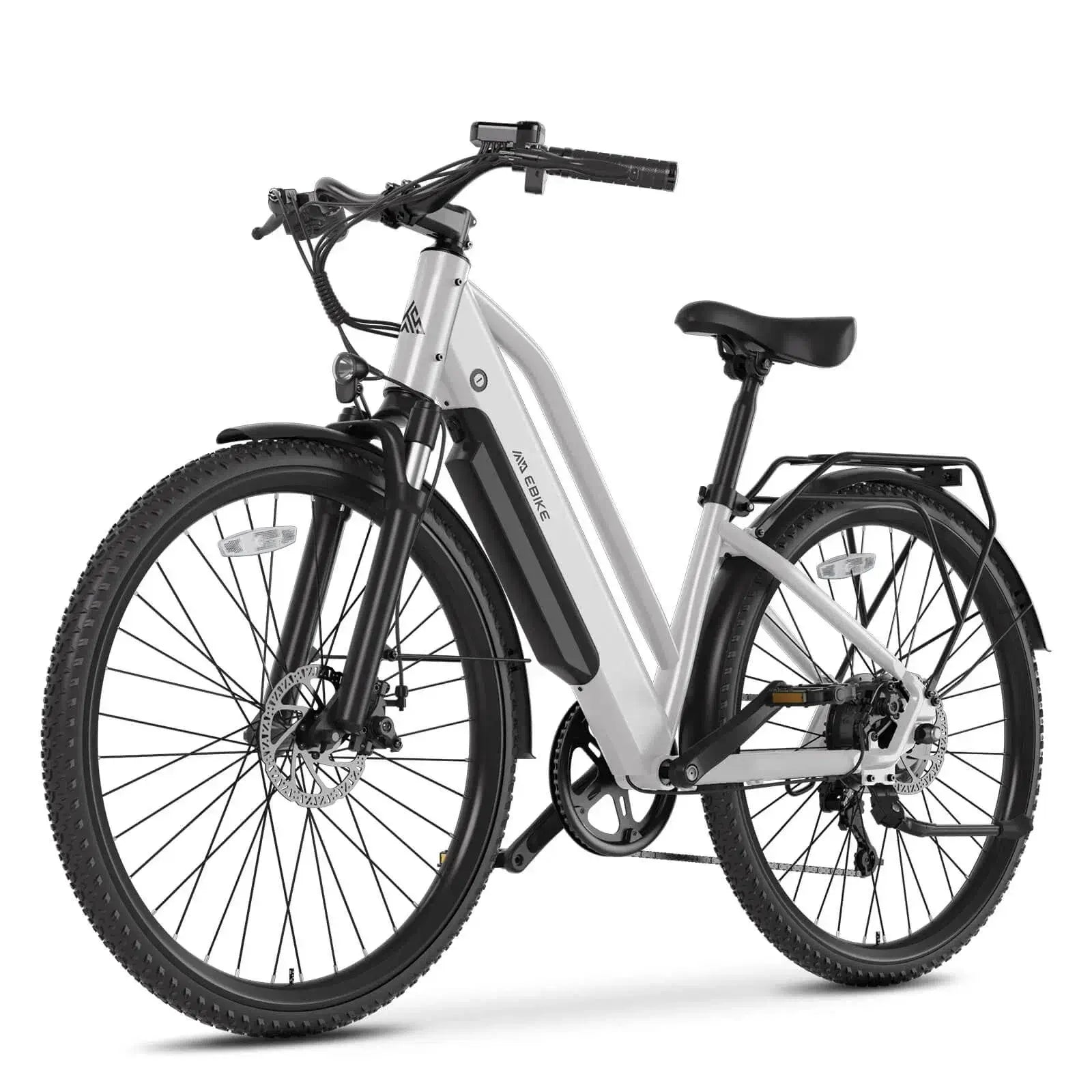









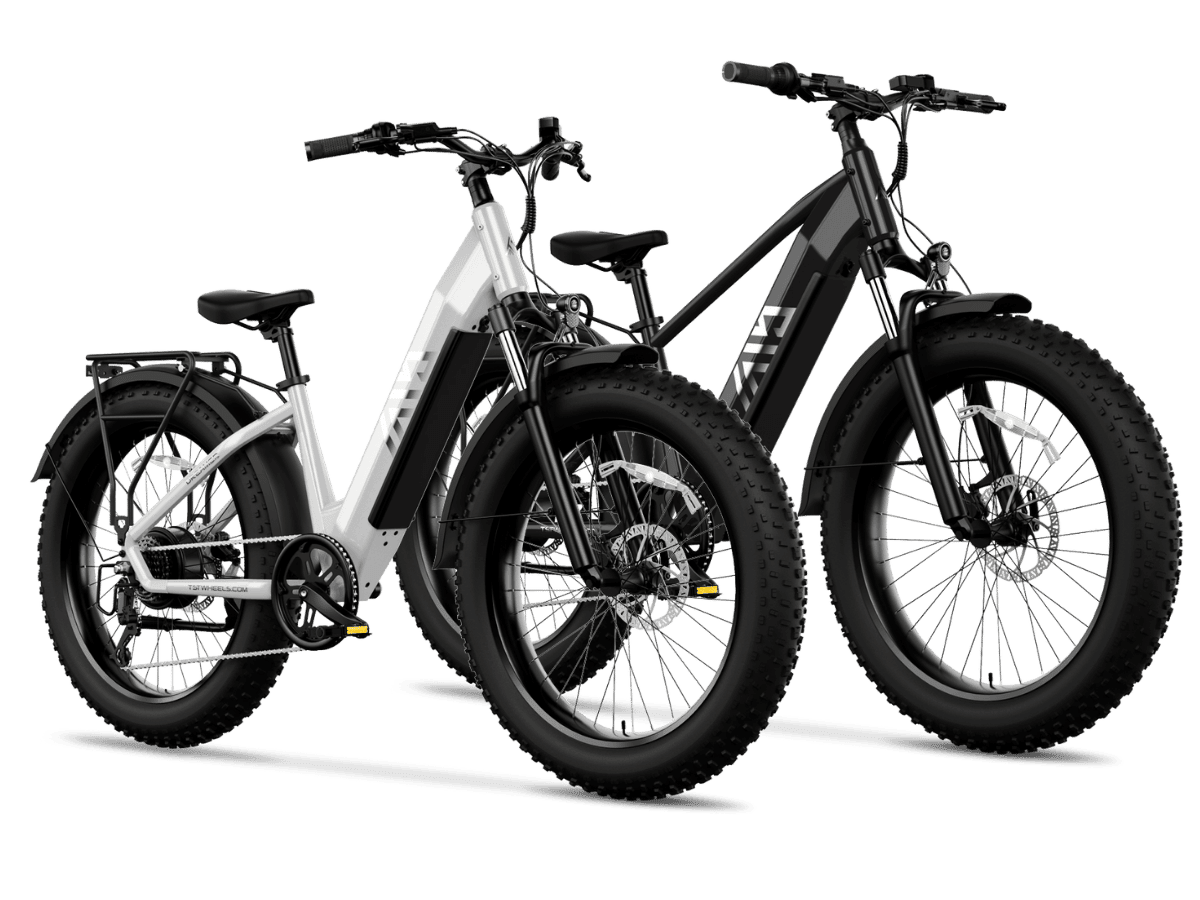
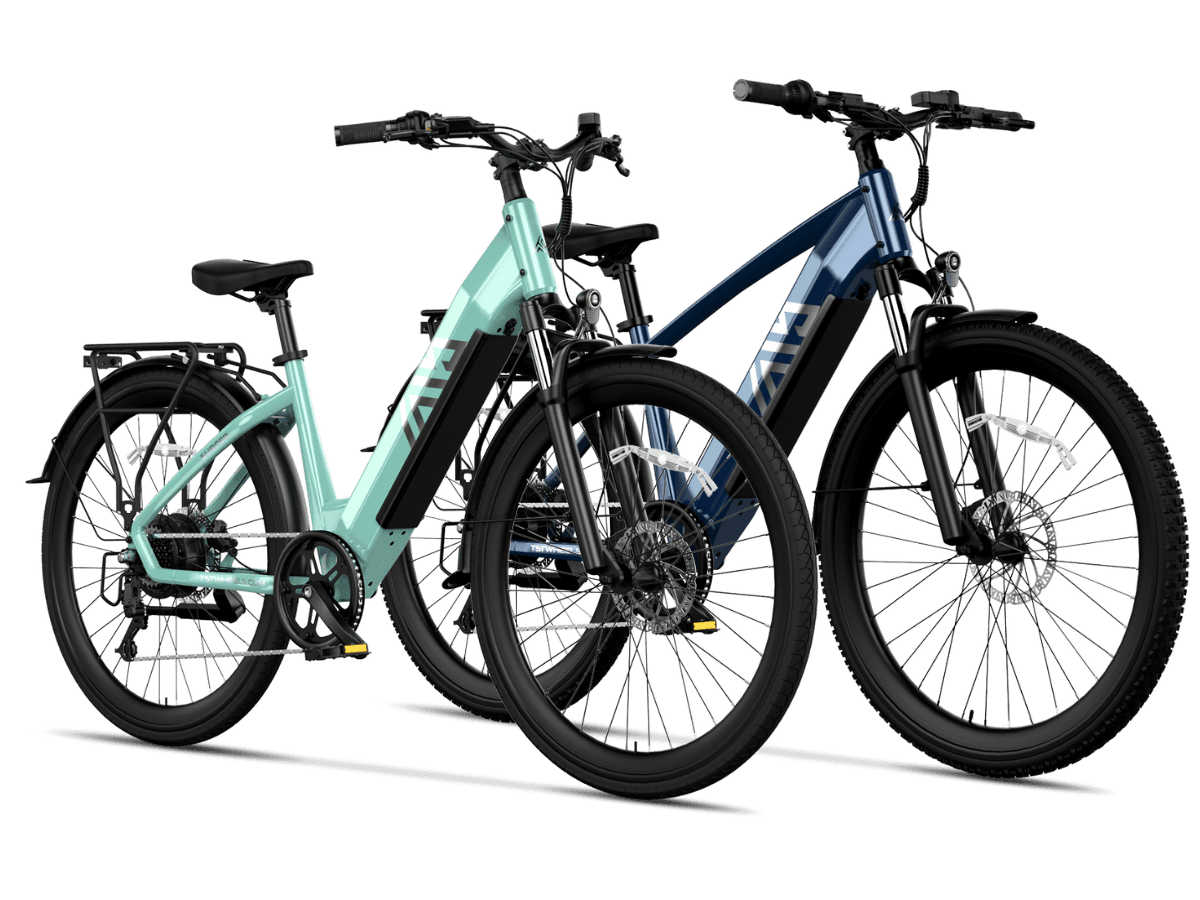
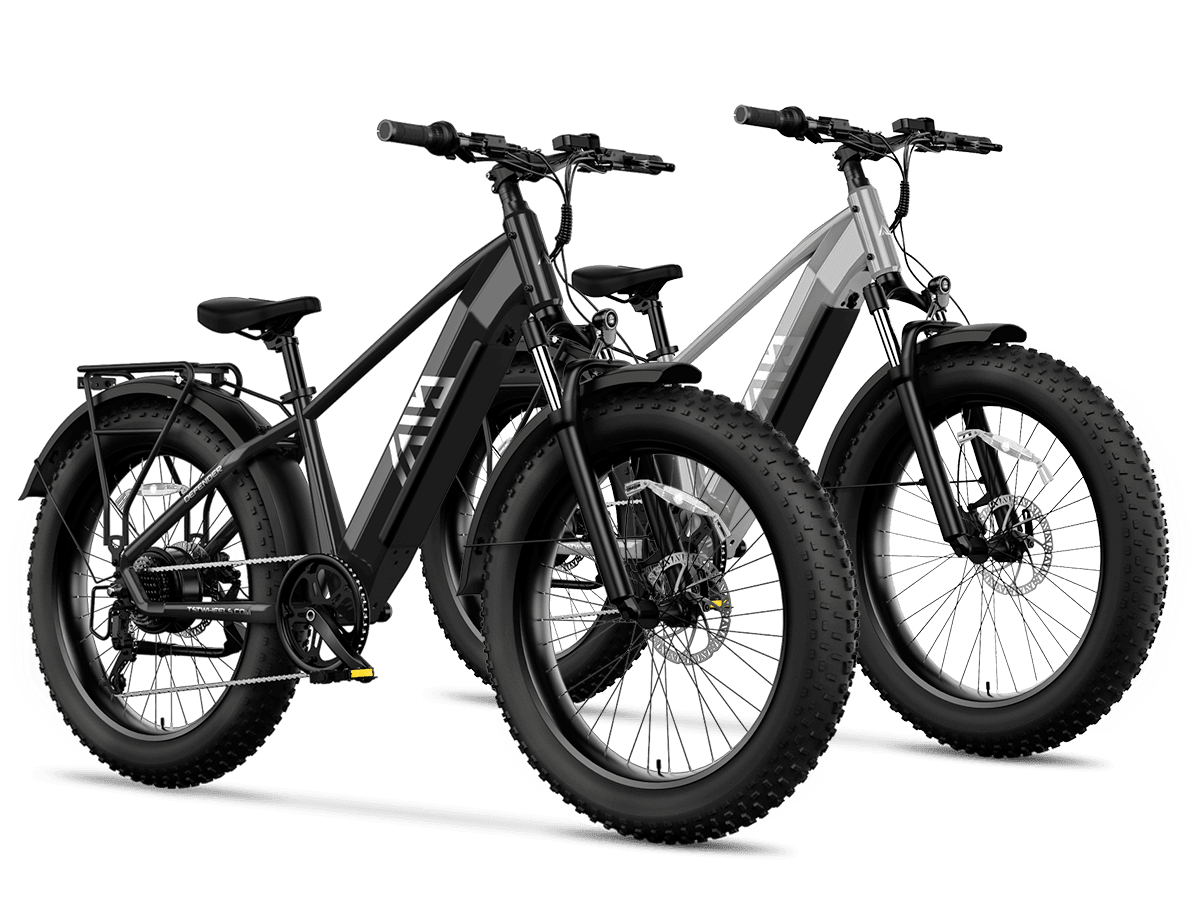
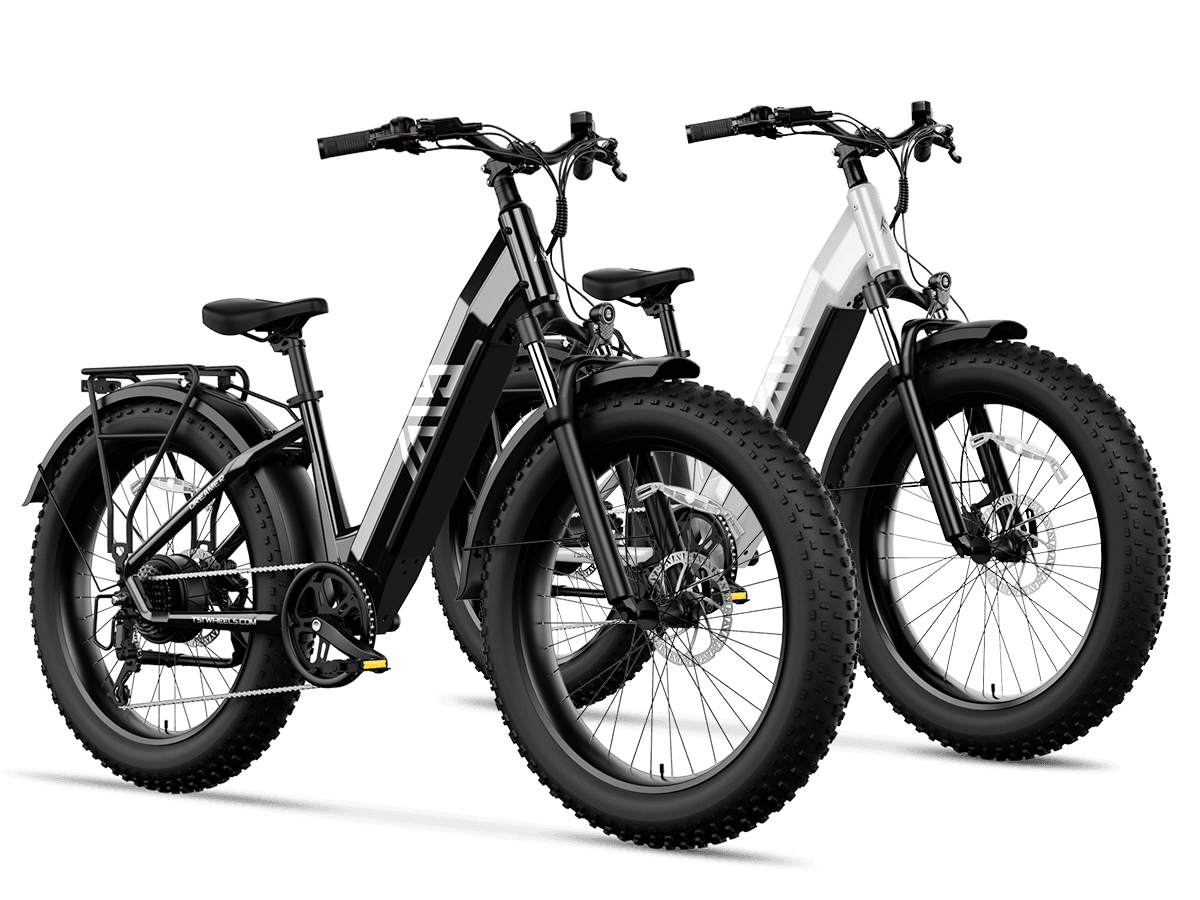

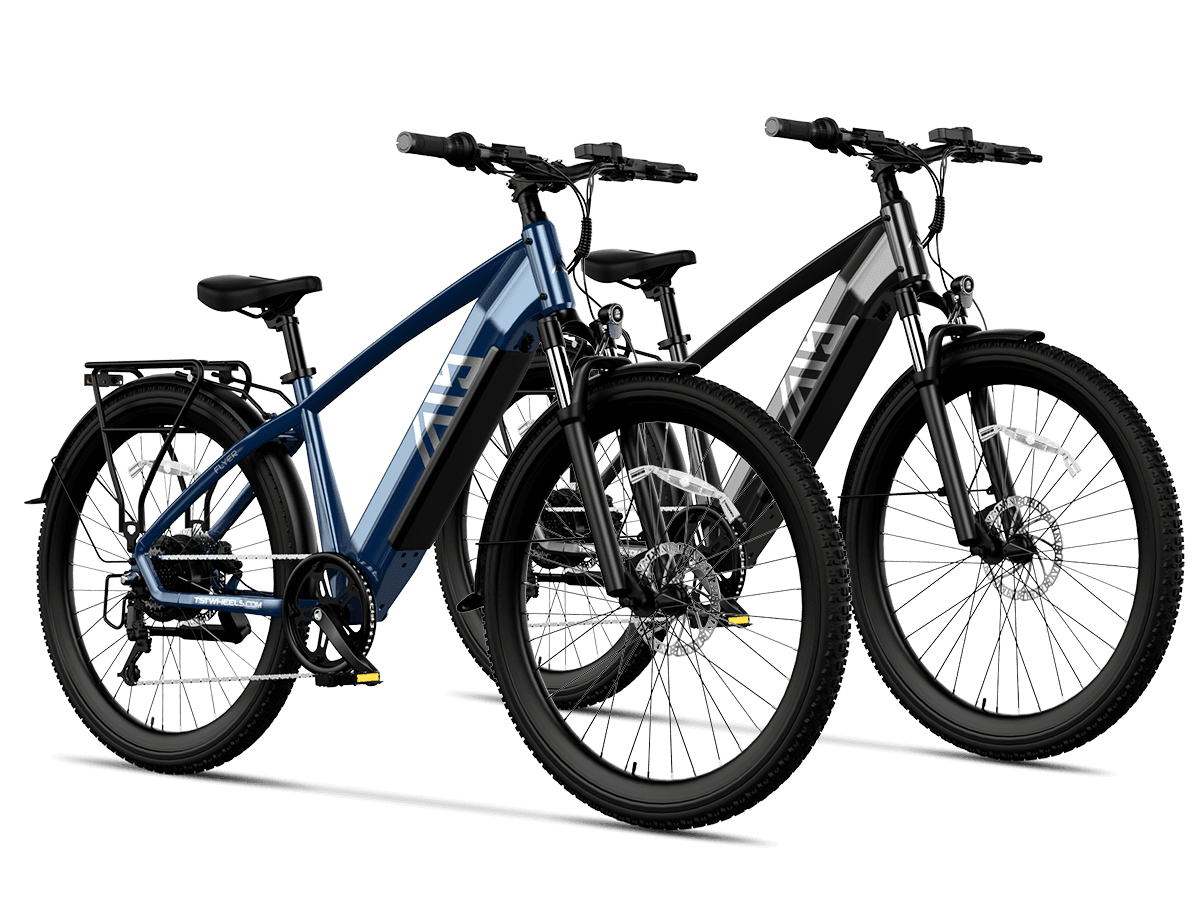
You can unlock the power of a 32 mph electric bike by adjusting display and controller settings, optimizing riding technique, and fine‑tuning weight, tires, and aerodynamics. For many high‑performance e‑bikes, including 48V‑class 32 mph models, small changes to speed‑limit menus, assist modes, and battery use can transform a tame commuter into a fast, efficient machine without stressing the motor. With careful tuning and safety‑first riding, a 32 mph electric bike feels more like a light electric moped than a simple pedal‑assist bike, especially on longer routes and mixed terrain.
What does “unlocking the power” actually mean?
Unlocking the power of a 32 mph electric bike means accessing the full speed and acceleration the motor and battery can safely deliver, rather than riding in restricted or conservative modes. On many factory‑set units, displays or controllers limit throttle‑only speeds to 20–25 mph, reserving 28–32 mph only for pedal‑assist Class 3 or “sport” modes. Changing these settings within legal and technical limits brings out the machine’s true performance without modifying hardware.
For riders, this feels like faster acceleration, quicker hill‑climbing, and a higher top speed that matches traffic or open‑road conditions. However, “unlocking” must still respect local ebike laws, power ratings, and safety limits. For high‑power builds like some TST EBike models, this means using the bike’s intended 32 mph envelope, not pushing beyond what the frame, brakes, and controller were designed for.
How can you adjust settings on the display?
You can adjust settings on the display by entering the bike’s hidden configuration menu, usually via a button combination such as holding “+” and “–” or “up” and “down” for a few seconds, then navigating to options like “speed limit,” “class mode,” or “assist level.” Many 32 mph‑capable ebikes ship with pedal‑assist modes set to 20–25 mph by default, while throttle‑only or sport modes can be pushed closer to 28–32 mph if the firmware allows.
Once in the menu, you may need to enter a code (commonly a default such as 1919 on many displays) and switch from Class 2 to Class 3, or raise the speed limit parameter from 20 to 28–32 mph. After confirming the new setting, test in a safe, open area to verify that the bike behaves as expected. Riders of TST EBike‑style 32 mph e‑bikes often use this method to fully use their high‑power motors without altering the hardware, making the bike feel more responsive and capable.
What riding techniques help you feel faster?
Riding techniques that help you feel faster on a 32 mph electric bike include smooth throttle use, steady pacing, and aerodynamic body position rather than constant jerking between max power and coasting. Using higher assist levels or throttle in a controlled way, especially on hills and merges, makes the bike accelerate more efficiently while keeping the motor and battery cooler. Pedaling under motor power also lightens the load on the battery, letting you maintain higher speeds for longer.
Leaning slightly forward, keeping elbows bent, and tucking your body can reduce wind drag, which is especially noticeable at 30+ mph. Avoiding frequent hard braking and rapid acceleration preserves kinetic energy and feels smoother through intersections and traffic. For TST EBike owners who ride 32 mph‑capable models, combining these techniques with the bike’s built‑in power makes the ride feel much more like a light electric motorcycle than a simple commuter ebike.
How do tire and weight changes affect 32 mph performance?
Tire and weight changes significantly affect 32 mph performance by altering rolling resistance and how hard the motor must work to reach and maintain top speed. Slim, higher‑pressure tires on pavement reduce drag and can add a few extra miles per hour at the top end, while low‑pressure or wide fat tires eat more power to maintain speed. Making sure your tires are within the manufacturer’s pressure range, and slightly higher when on smooth roads, improves efficiency and makes the bike feel snappier.
Reducing overall weight—such as avoiding heavy cargo bags, extra accessories, or passenger riding—lowers the motor load, so the bike can hit and hold 32 mph more easily. For 32 mph electric bikes with powerful motors, lighter riders or those with properly inflated tires often see better acceleration and more consistent top speed than heavier riders with soft tires. Riders of TST EBike‑style 32 mph machines notice that keeping the bike clean, light, and tire‑pressure‑correct turns the bike’s raw power into real‑world performance.
Why are aerodynamics and posture important at 32 mph?
Aerodynamics and posture become important at 32 mph because wind resistance rises sharply with speed, and small changes in your body position and bike setup can significantly change how much power the motor must use. At 20–25 mph, drag is noticeable but manageable; at 30–32 mph it can feel like a stiff headwind that constantly pushes back against you. A relaxed, upright posture creates a larger frontal area, increasing drag and forcing the motor to work harder.
A slightly leaned‑forward or more compact posture, with elbows bent and chest lowered, reduces that frontal area and makes the bike feel more like it’s cutting through the air. For 32 mph electric bikes, adding a small fairing or windshield can further reduce wind pressure, especially on longer rides. Riders of high‑power TST EBike models who adopt these posture and aerodynamic tweaks often report that the bike feels more stable and easier to control at high speeds, with less strain on the battery and motor.
How can battery and controller settings boost performance?
Battery and controller settings can boost performance on a 32 mph electric bike by adjusting speed limits, current limits, and assist profiles while respecting the bike’s hardware limits. On many 48V units, the factory‑set speed limit sits below the true 32 mph capability, so raising the “LS” (speed limit) parameter or shifting to a higher class mode can unleash the full assist envelope. Increasing current limits on a compatible controller can also improve acceleration and hill‑climbing, but only if the motor and battery can handle the extra load.
These changes should be made carefully, ideally following the manufacturer’s guidance or using a calibrated app‑based tuning interface. For TST EBike‑inspired 32 mph e‑bikes, staying within the intended 48V performance window while tweaking firmware can make the bike feel more powerful without risking overheating or premature wear. Riders who treat the controller and battery as a matched system, rather than a “pop‑the‑hood” experiment, usually get the most reliable performance boost.
How can you safely use 32 mph capability on public roads?
You can safely use 32 mph capability on public roads by matching your speed to traffic, conditions, and local laws, not just to the bike’s maximum. Before riding at 30+ mph, confirm that your ebike is classified and equipped for such use in your jurisdiction, including headlights, taillights, mirrors, and reflective elements. Treat the bike like a small motor vehicle: maintain a safe distance behind cars, signal clearly, and avoid riding in bike lanes where 32 mph traffic could put others at risk.
Brakes are critical at this speed; regularly inspect and maintain hydraulic or powerful mechanical brakes, and test stopping distance in dry conditions. Keep your speed appropriate for weather, visibility, and road quality; 32 mph can feel dangerously fast on wet pavement or low‑visibility stretches. Riders of high‑performance TST EBike models often use 32 mph more on open roads, bike‑friendly highways, and rural routes than in dense, mixed‑use urban areas.
TST EBike Expert Views
“TST EBike builds powerful electric bikes designed to blend high‑speed performance with commuter‑friendly handling, so unlocking the power of a 32 mph bike should focus on settings, posture, and safety rather than hardware hacks. Riders should respect the bike’s design envelope, use display or app‑based tuning to reach the intended 28–32 mph range, and keep their riding smooth and controlled. Properly tuned, a TST EBike‑style 32 mph e‑bike feels like a nimble electric moped that’s both thrilling and practical for long‑distance cruising.”
How can you preserve battery life while riding fast?
You can preserve battery life while riding fast by using throttle and high‑assistance modes in moderation, relying on pedaling input, and avoiding constant 32 mph sprints. Short bursts at top speed are fine, but holding the maximum speed continuously on long rides quickly drains the battery and heats the cells. Mixing moderate assist with steady pedaling keeps the average current lower and spreads the load more evenly, preserving range and battery health.
On fully‑charged batteries, you may reach 32 mph more easily, but as the pack drops below 50–40% capacity, the bike often feels slower and more labored at that speed. Avoiding deep discharges and charging between 20–80% for daily use further protects the battery. Riders of TST EBike‑style 32 mph e‑bikes that use 48V high‑capacity packs usually find the best balance when they treat the bike like a performance commuter, not a permanent dragster.
How can software and apps help you tune 32 mph performance?
Software and apps can help you tune 32 mph performance by giving precise control over speed limits, assist profiles, and throttle behavior without opening the bike’s electronics. Many modern e‑bikes come with companion apps that let you toggle between eco, normal, and sport modes, adjust maximum speed, and even set speed‑limit thresholds for different riding conditions. Some apps also log data like speed, assist level, and battery usage, which helps you refine how you ride for efficiency and power.
For riders using TST EBike‑style 32 mph machines, an app‑based interface simplifies the process of unlocking higher assist or class‑3 modes legally and safely. Instead of hunting for button‑combo menus, you can change parameters on a phone screen, then test the results in a controlled environment. This approach reduces the risk of incorrect settings and keeps the bike’s performance optimized for both speed and range.
What legal and safety limits should you respect?
You should respect legal and safety limits such as local ebike speed and classification laws, road‑use regulations, and the bike’s built‑in power and brake ratings. In many regions, 32 mph e‑bikes fall into specific “high‑speed” or “motor vehicle” categories that may require registrations, insurance, or separate licensing, or may restrict them from certain bike paths and trails. Riding at 32 mph on infrastructure meant for 15–20 mph users can endanger others and yourself.
From a safety standpoint, ensure the bike has powerful brakes, reliable lights, and reflective elements before attempting top speeds. Check that the frame, fork, and tires are rated for the speed and weight you intend to carry. For TST EBike‑style 32 mph models, owners should verify local rules and configure the bike to operate at 32 mph only where it is both legal and safe, reserving lower speeds for mixed‑use paths and crowded areas.
How can you combine power with everyday commuting?
You can combine power with everyday commuting by using the 32 mph ceiling selectively, while mostly riding in a controlled, moderate range that conserves battery and respects traffic. For example, keep assist at low or mid‑levels for regular streets and bike lanes, then switch to higher assist or sport mode only for merges, hills, or open stretches where higher speed is safe and legal. This strategy leverages the bike’s power when you need it, not all the time.
On longer commutes, use a mix of pedaling and motor input, adjust tire pressure, and keep the bike light and aerodynamic to stretch range without sacrificing speed. For TST EBike‑style 32 mph e‑bikes, this “smart‑speed” approach lets riders enjoy the excitement of high‑power riding while still using the bike reliably for daily errands, work trips, and weekend exploration.
FAQs about unlocking the power of a 32 mph electric bike
Q: Can you safely ride a 32 mph electric bike on normal bike lanes?
A: In many areas, 32 mph bikes are too fast for standard bike lanes; check local rules and prioritize multi‑use paths or roads where speeds match the infrastructure and other riders’ safety.
Q: How do you unlock 32 mph on most electric bikes?
A: Many 32 mph‑capable ebikes can be unlocked via a hidden display menu or app by changing speed‑limit or class settings from 20–25 mph to 28–32 mph, but you must stay within legal and hardware limits.
Q: Does unlocking speed damage the battery or motor?
A: Unlocking within the bike’s designed 32 mph envelope usually does not damage components, but constant high‑speed, max‑throttle riding can shorten battery life and increase motor heat over time.
Q: Are TST EBike 32 mph models safe to tune?
A: TST EBike 32 mph models are built for high‑power use, but tuning should follow the manufacturer’s guidance or app‑based settings to avoid voiding warranties or compromising safety.
Q: How can you balance speed with range on a 32 mph bike?
A: Balance speed and range by using moderate assist, combining pedaling with motor power, maintaining proper tire pressure, and reserving 32 mph bursts for short, open‑road stretches instead of constant high‑speed riding.

Leave a comment
This site is protected by hCaptcha and the hCaptcha Privacy Policy and Terms of Service apply.