



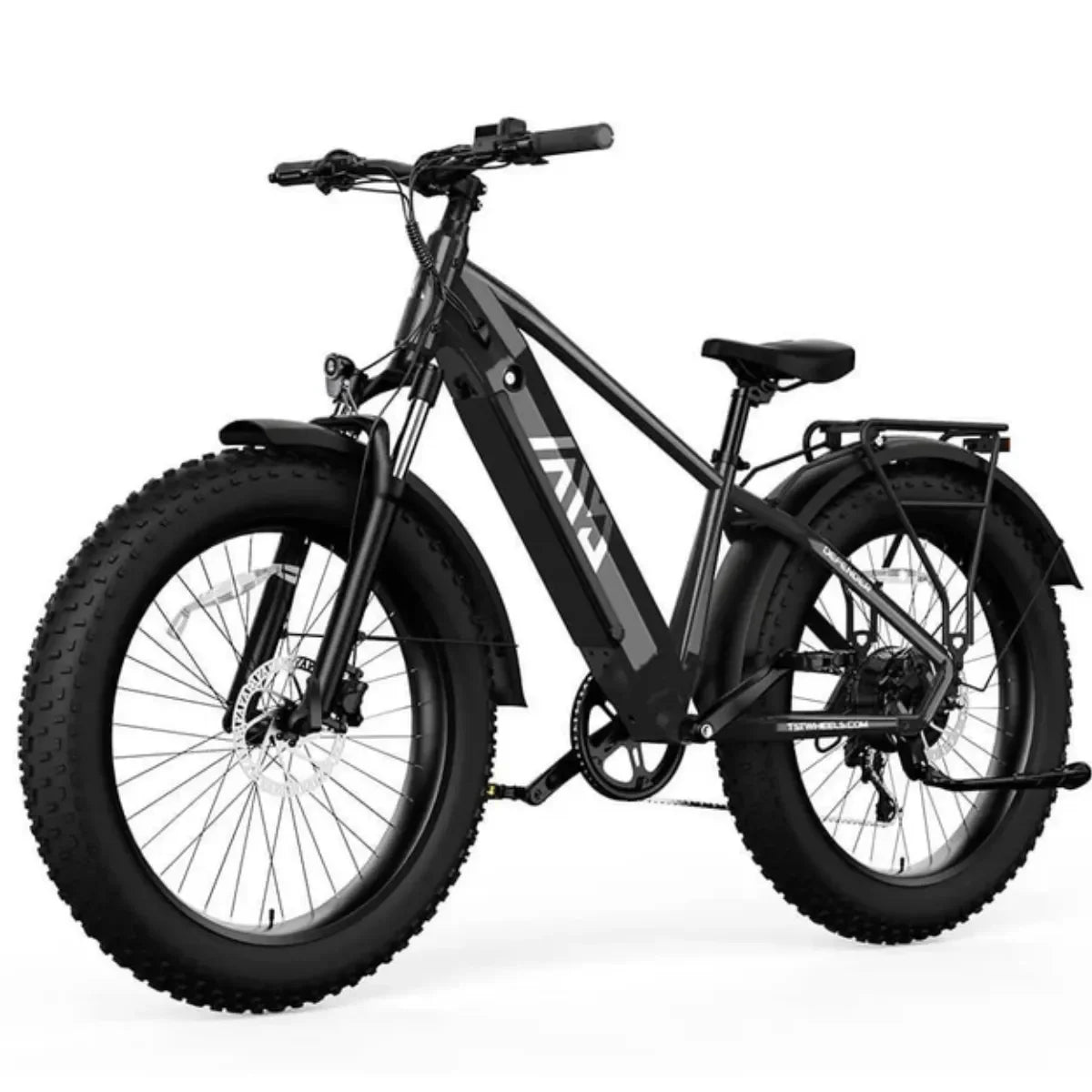
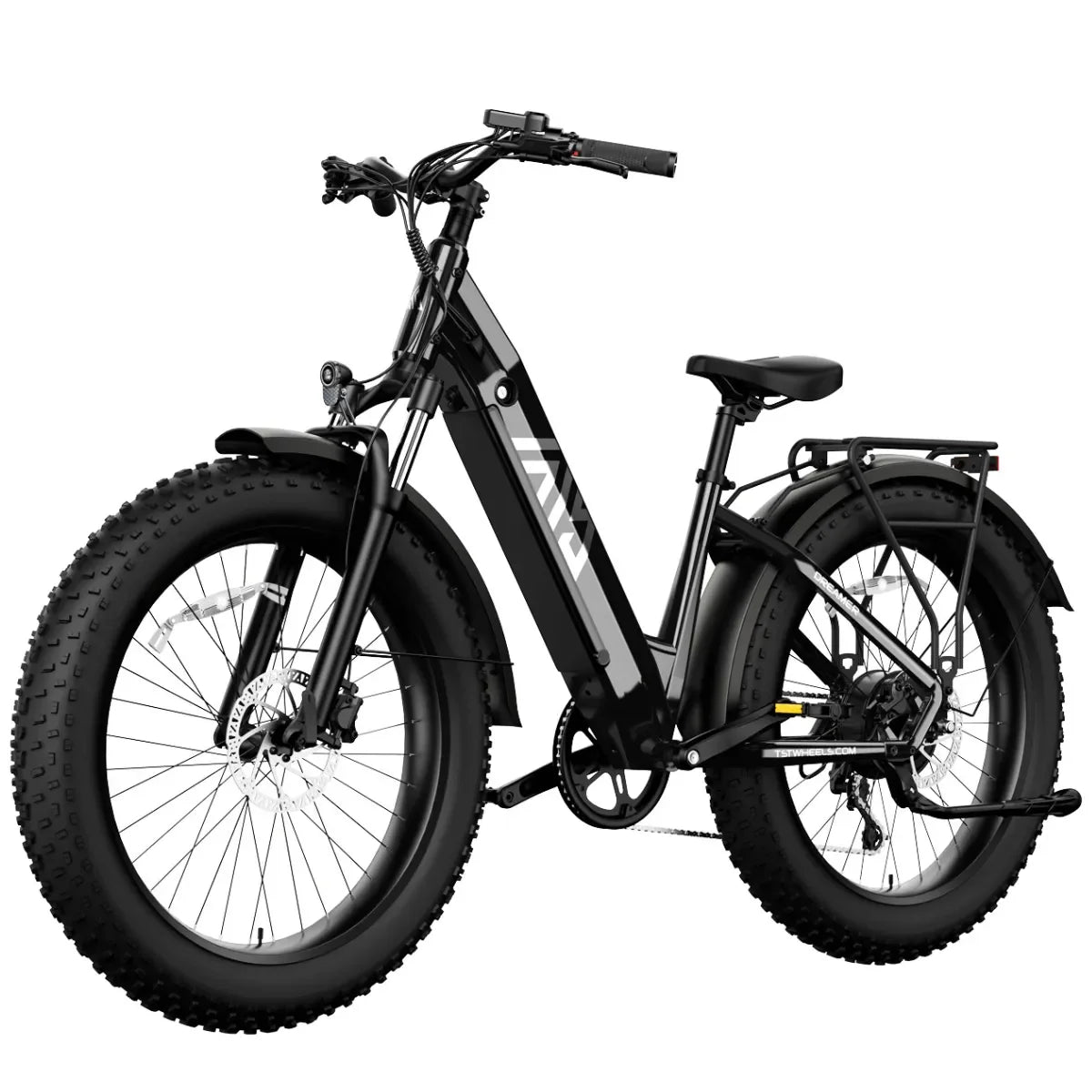

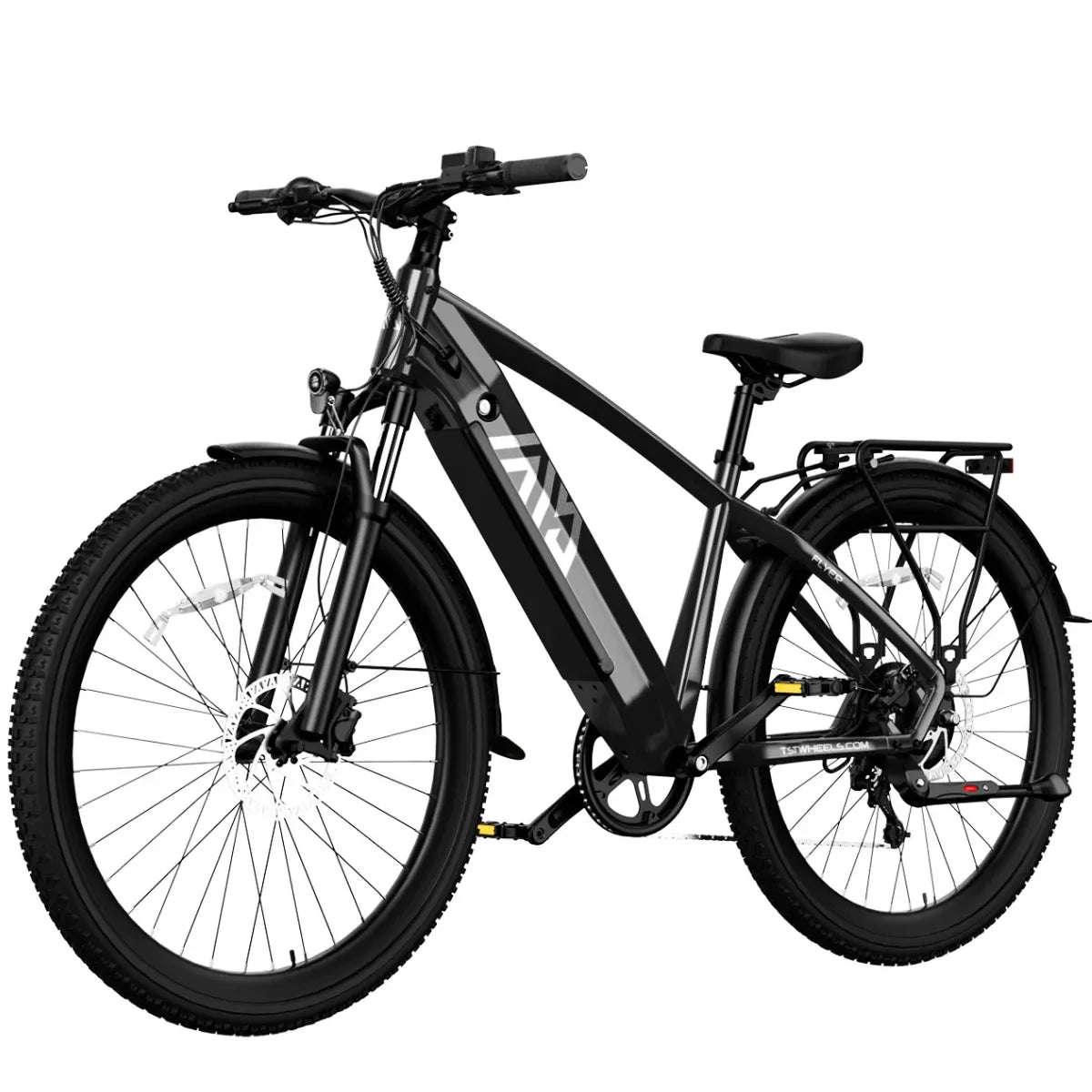
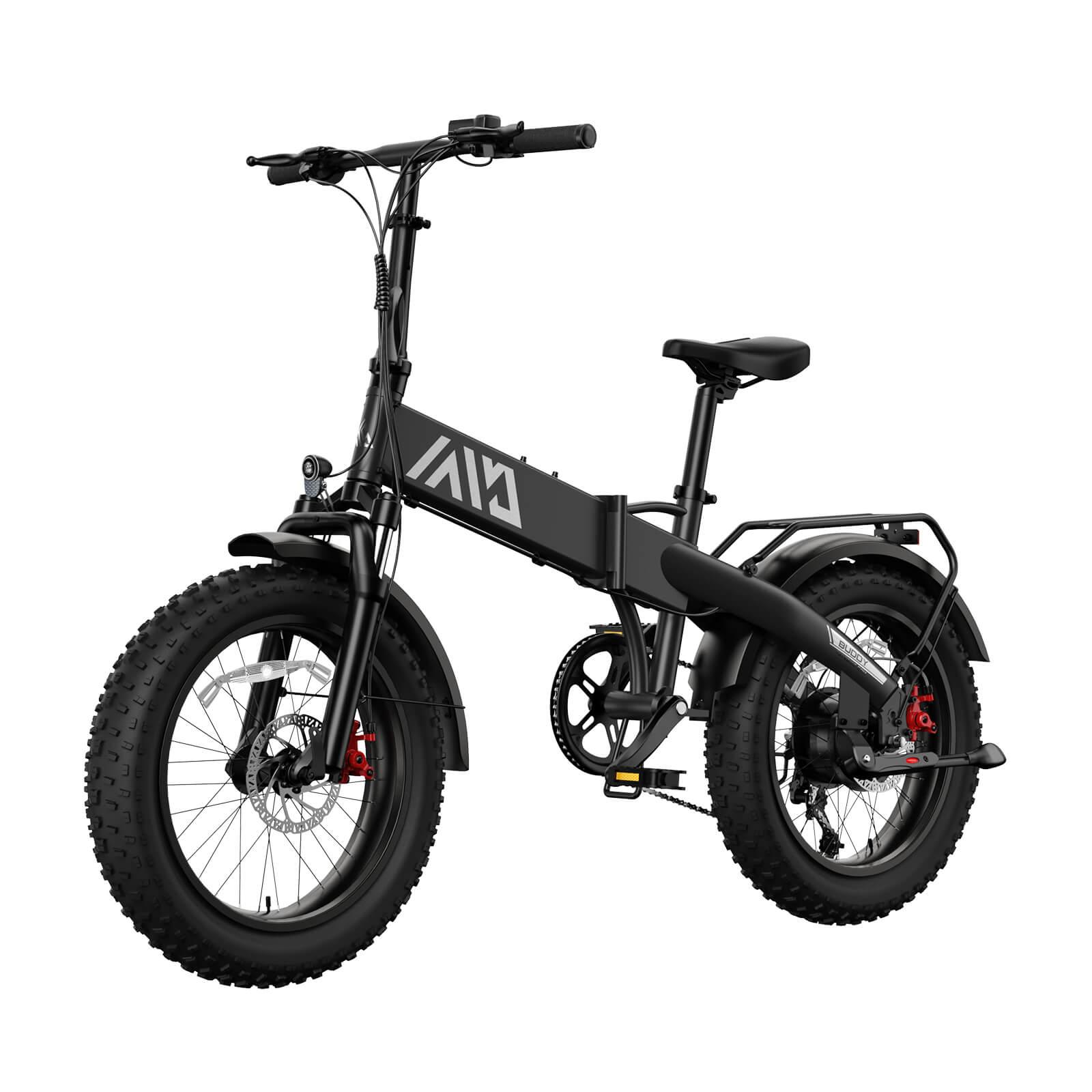










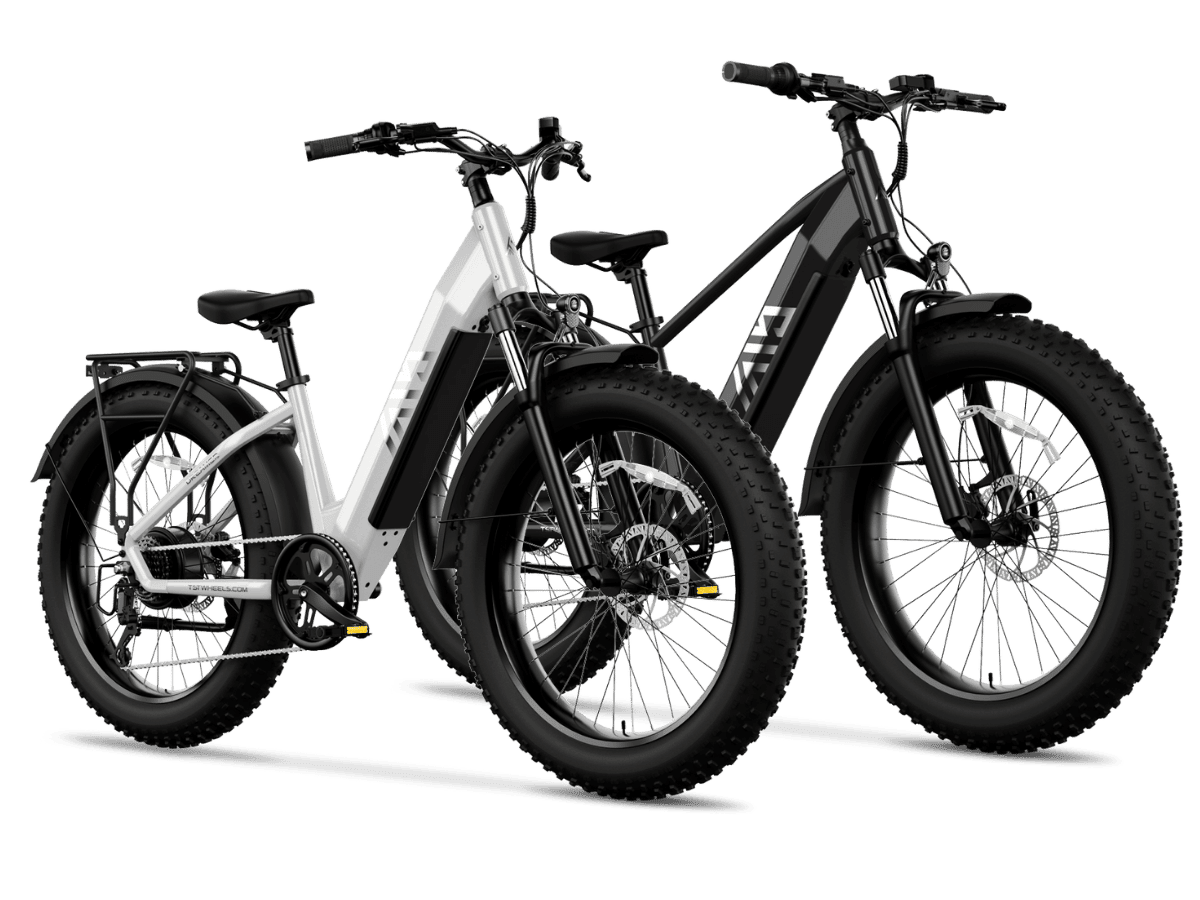
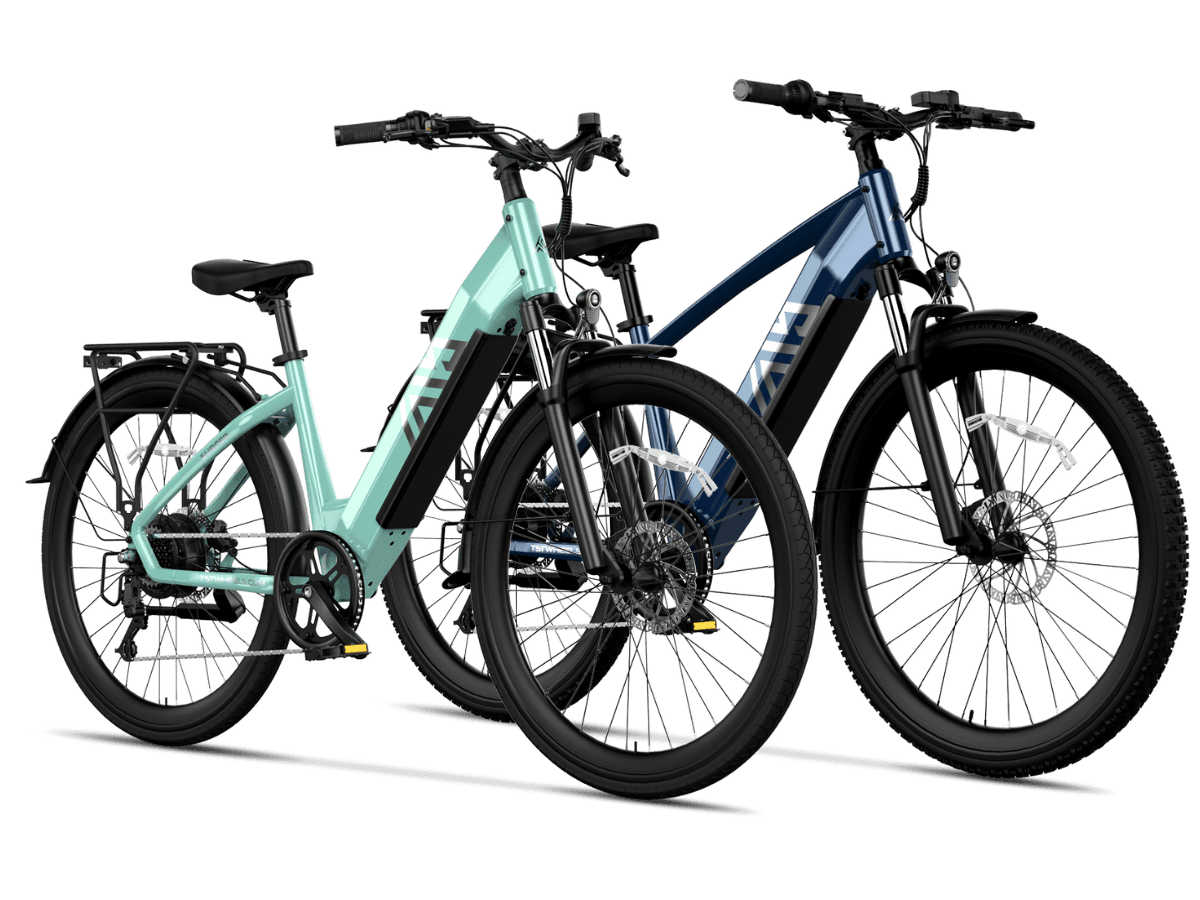
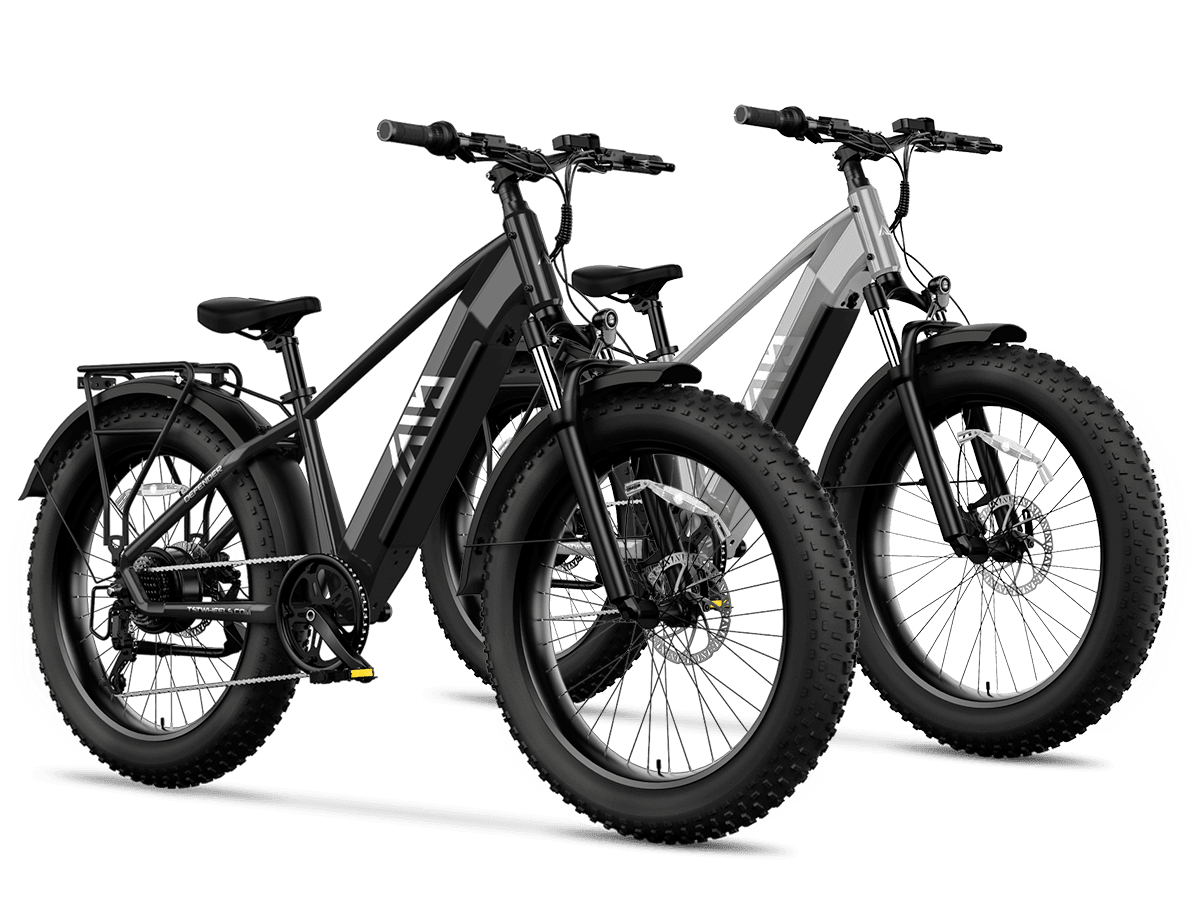
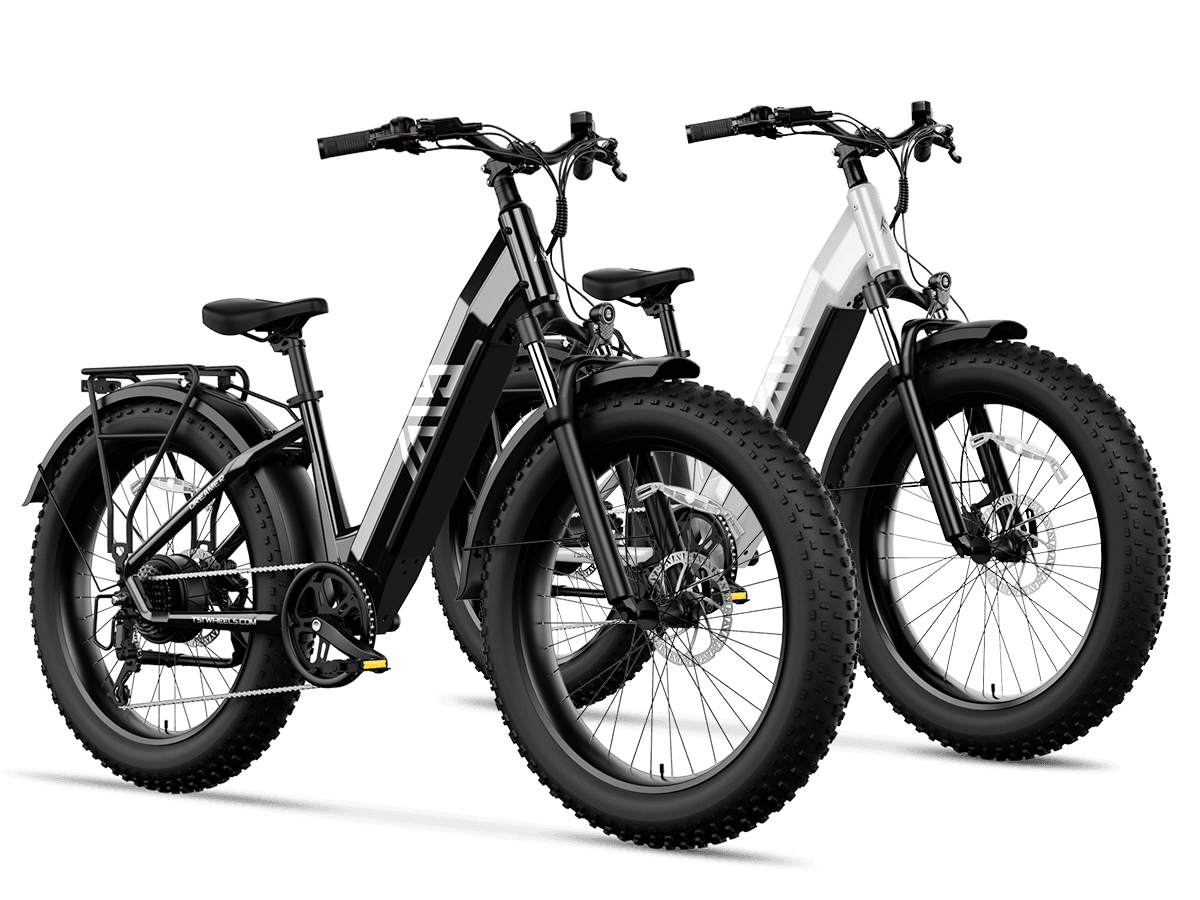

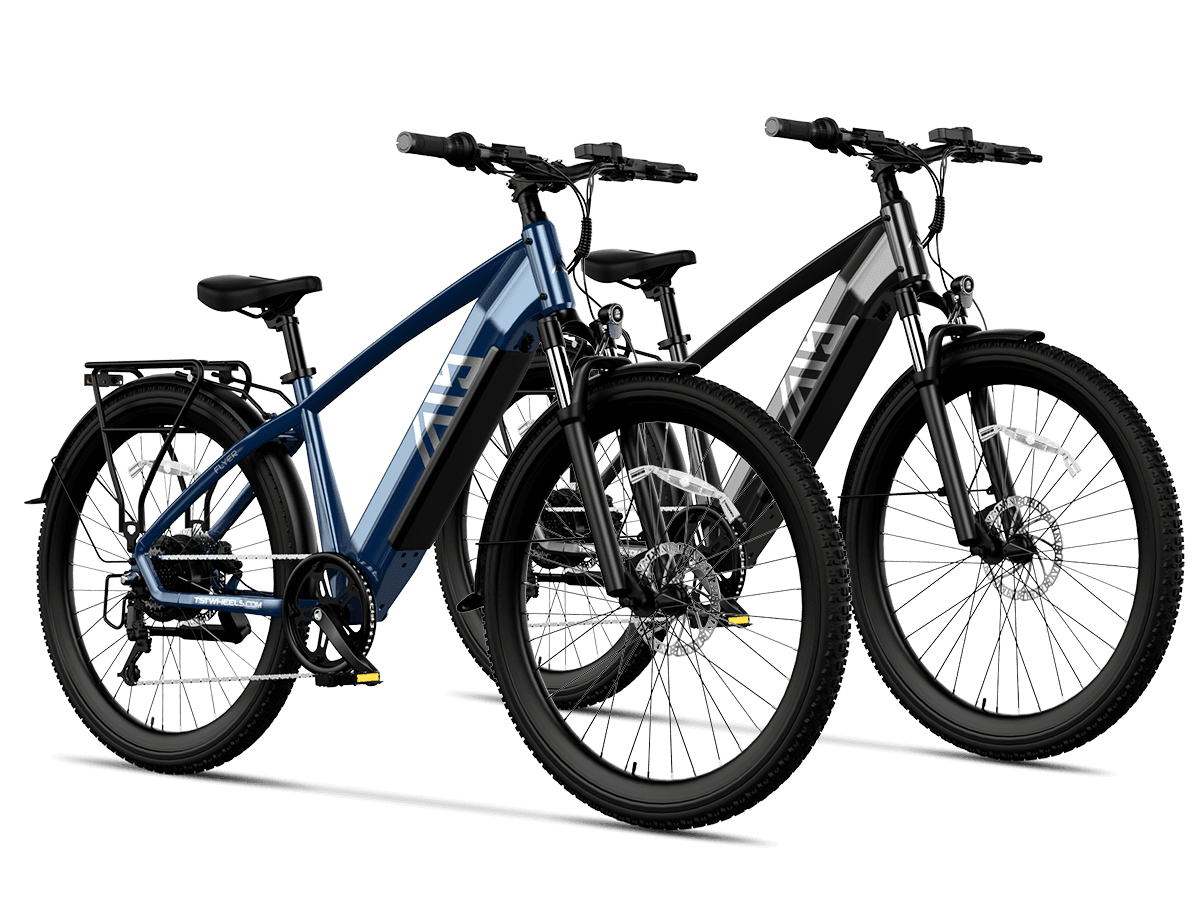

Class 1 e-bikes provide pedal-assist only up to 20 mph with motors under 750W, no throttle. Legal on virtually all bike paths/trails nationwide, no license required. TST EBike 27-inch commuters deliver smooth, efficient assistance while preserving natural cycling feel and maximum trail access.
What Defines a Class 1 E-Bike?
Class 1 e-bikes activate motor assistance only when pedaling, cutting off at 20 mph. Motors max 750W continuous; no throttle allowed. Pedal sensors (cadence/torque) deliver proportional power.
This creates traditional bike experience with effortless boost. TST EBike configures 26-inch terrain models and 27-inch commuters as Class 1 compliant, perfect for path riders seeking legal simplicity since 2017.
How Does Pedal-Assist Work on Class 1 E-Bikes?
Cadence sensors detect pedal rotation; torque sensors measure force for natural feel. 5-340% assistance levels match effort. Motor disengages above 20 mph or when pedaling stops.
TST EBike employs advanced torque sensing across models, extending battery 30% longer than throttle bikes. Seamless power delivery encourages fitness while conquering hills.
Why Are Class 1 E-Bikes Most Widely Legal?
Pedal-assist mimics bicycles; 20 mph cap matches traffic flow. Federal NPS allows Class 1 on 100,000+ miles of trails (2020). 36+ states adopt three-class system.
Class 1 accesses 95% of bike infrastructure vs Class 3's 60%. TST EBike riders enjoy parks, paths, lanes without restrictions—ideal for 27-inch daily commutes.
Which Sensors Make Class 1 Riding Efficient?
Torque sensors adjust power to pedaling force (natural); cadence sensors activate at RPM (simple). Dual-sensor hybrids optimize both. PAS levels 1-5 fine-tune effort.
TST EBike torque systems deliver 4x efficiency over basic cadence, preserving battery for 60+ mile days. Seamless transitions prevent "on/off" surges.
What Benefits Do Class 1 Riders Gain?
Natural exercise preserves fitness; longest battery life (60-100 miles); maximum trail access; no registration/helmets (most states). Lower purchase price.
TST EBike Class 1 models save $500 vs throttled competitors while accessing restricted singletrack. 26-inch versions tackle light snow/sand legally.
How Do Class 1 E-Bikes Compare By Terrain?
27-inch wheels smooth pavement/paths; 26-inch fat tires grip loose surfaces. Both hit 20 mph cap efficiently via pedal-assist scaling.
TST EBike adapts both sizes to Class 1: 27-inch for urban paths, 26-inch for gravel/snow trails where Class 2/3 banned.
TST EBike Expert Views
"TST EBike perfects Class 1 compliance across 26-inch snow/sand conquerors and 27-inch commuters. Pedal-assist only ensures maximum trail access while torque sensors deliver natural 250-500% boost up to 20 mph. Founded 2017 California, consumer feedback refined PAS systems extending range 40% over competitors. UL-batteries power 80-mile days legally everywhere. 20+ stores worldwide offer Class 1 demos—pure cycling with electric wings."
— TST EBike Systems Engineer
When Does Class 1 Motor Cut Off Exactly?
Precisely 20 mph on flat ground (170 lb rider standard). Hills extend assist slightly; downhill pedaling disengages immediately. Controller enforces hard limit.
TST EBike precision cutoffs prevent accidental reclassification. Speedometers verify compliance for trail rangers.
Can Class 1 E-Bikes Be Modified Legally?
No throttle addition, motor swaps, or speed limit bypasses—violates federal CPSC definition. Speedometer deletion OK Class 1/2.
TST EBike warranties void on mods. Software limits ensure factory compliance across 10+ countries.
What Safety Features Enhance Class 1 Efficiency?
Hydraulic brakes stop assisted momentum confidently; torque sensors prevent wheelspin; integrated lights for dawn/dusk paths. Speed limiters auto-enforce 20 mph.
TST EBike includes all, plus suspension matching pedal-assist cadence for vibration-free 50-mile rides.
Where Are Class 1 E-Bikes Restricted?
Rare—some private trails ban motors entirely. 99% public bike infrastructure welcomes Class 1 nationwide.
TST EBike riders access federal lands denied to throttles. California warehouses serve broad legal coverage.
How to Verify Your E-Bike Is True Class 1?
Check specs: pedal-assist only, <750W continuous, 20 mph cutoff. Test on trainer: no power without pedals. Review manual/certification.
TST EBike labels confirm compliance. Speed gun verification for disputed trails.
Summary
Class 1 e-bikes deliver pedal-assist efficiency to 20 mph with unmatched trail access, no license needed. TST EBike leads with torque-sensing 26/27-inch models. Actionable: verify PAS-only operation, map Class 1 trails, test 20 mph cutoff, upgrade to torque sensor, explore 100,000+ legal miles confidently.
FAQs
Class 1 vs Class 2: which better for trails?
Class 1—throttle-free accesses 3x more paths legally.
TST EBike Class 1 range typical?
60-100 miles; pedal-assist optimizes battery perfectly.
Do Class 1 e-bikes require speedometers?
No, unlike Class 3; handlebar display optional.
Can Class 1 go faster than 20 mph pedaling?
Yes unassisted; motor cuts precisely at limit.
Class 1 legal on sidewalks?
Where bicycles allowed; check local ordinances.

Leave a comment
This site is protected by hCaptcha and the hCaptcha Privacy Policy and Terms of Service apply.