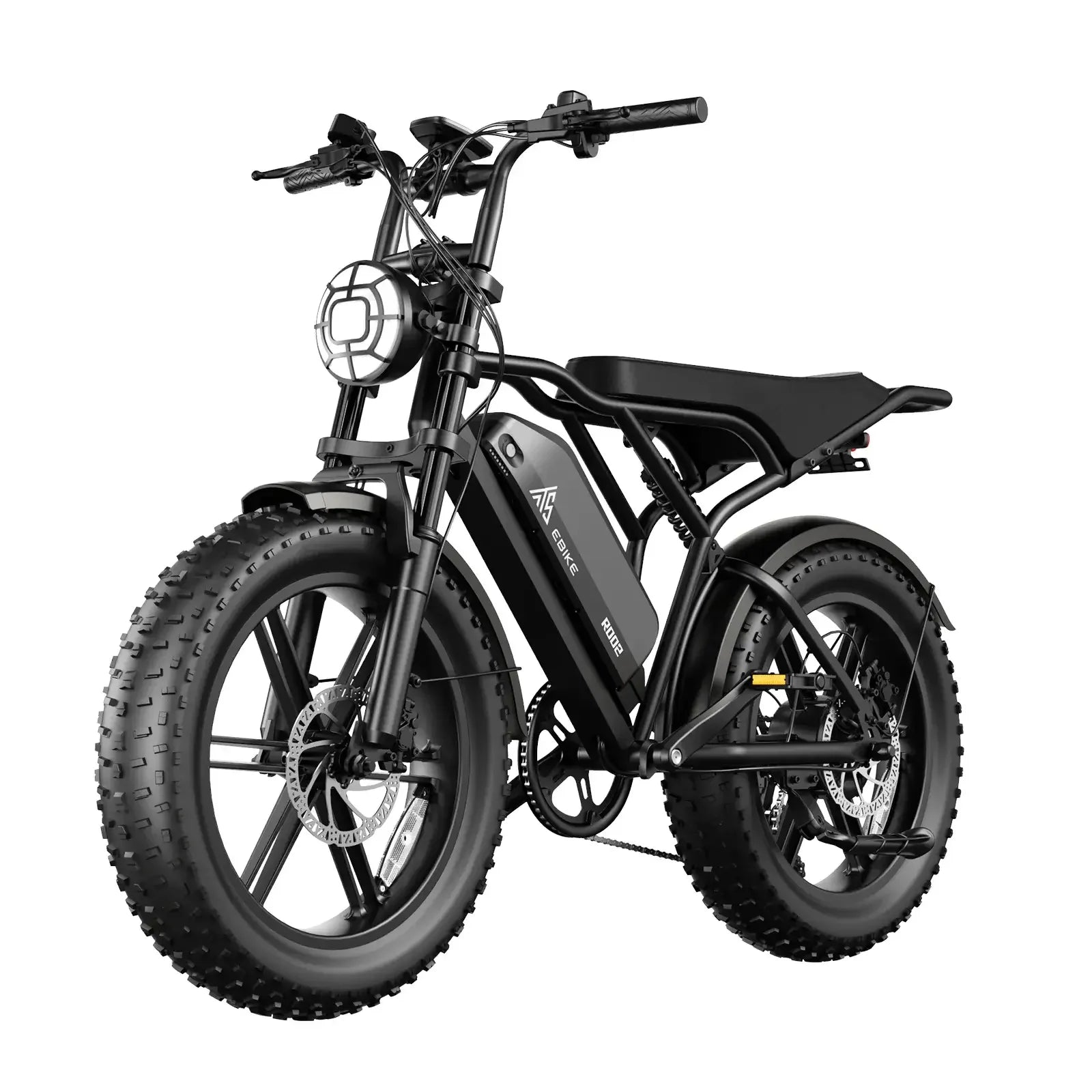

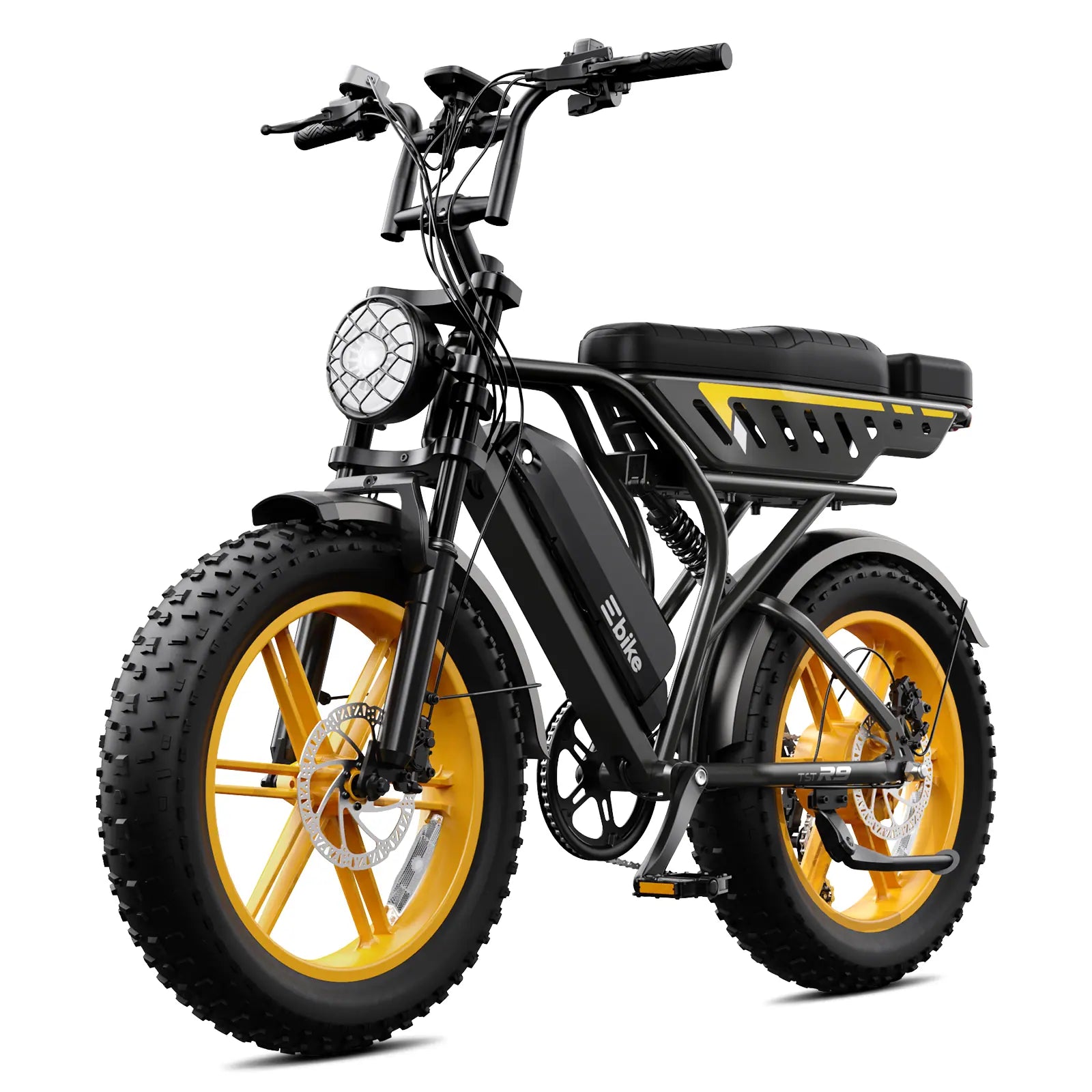

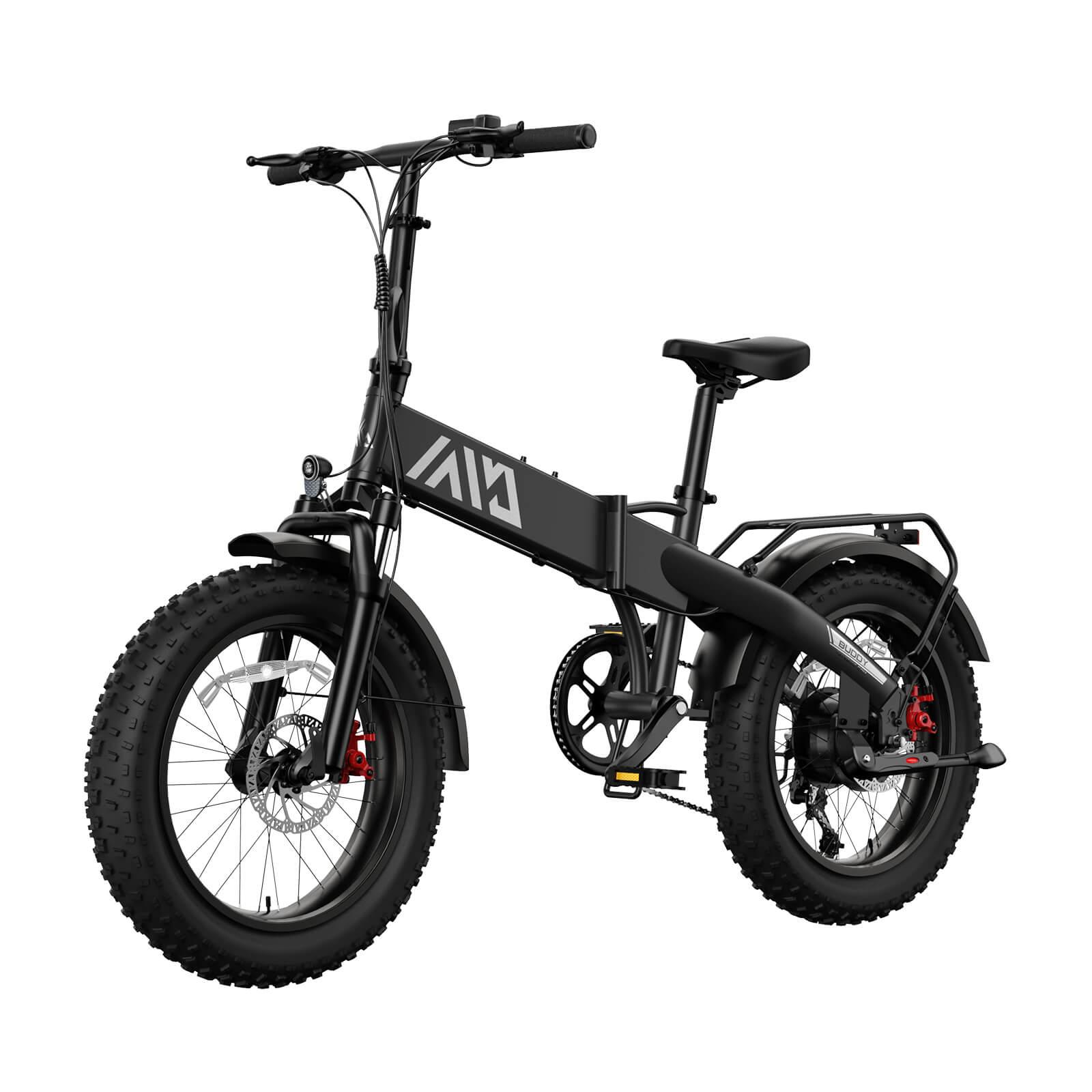

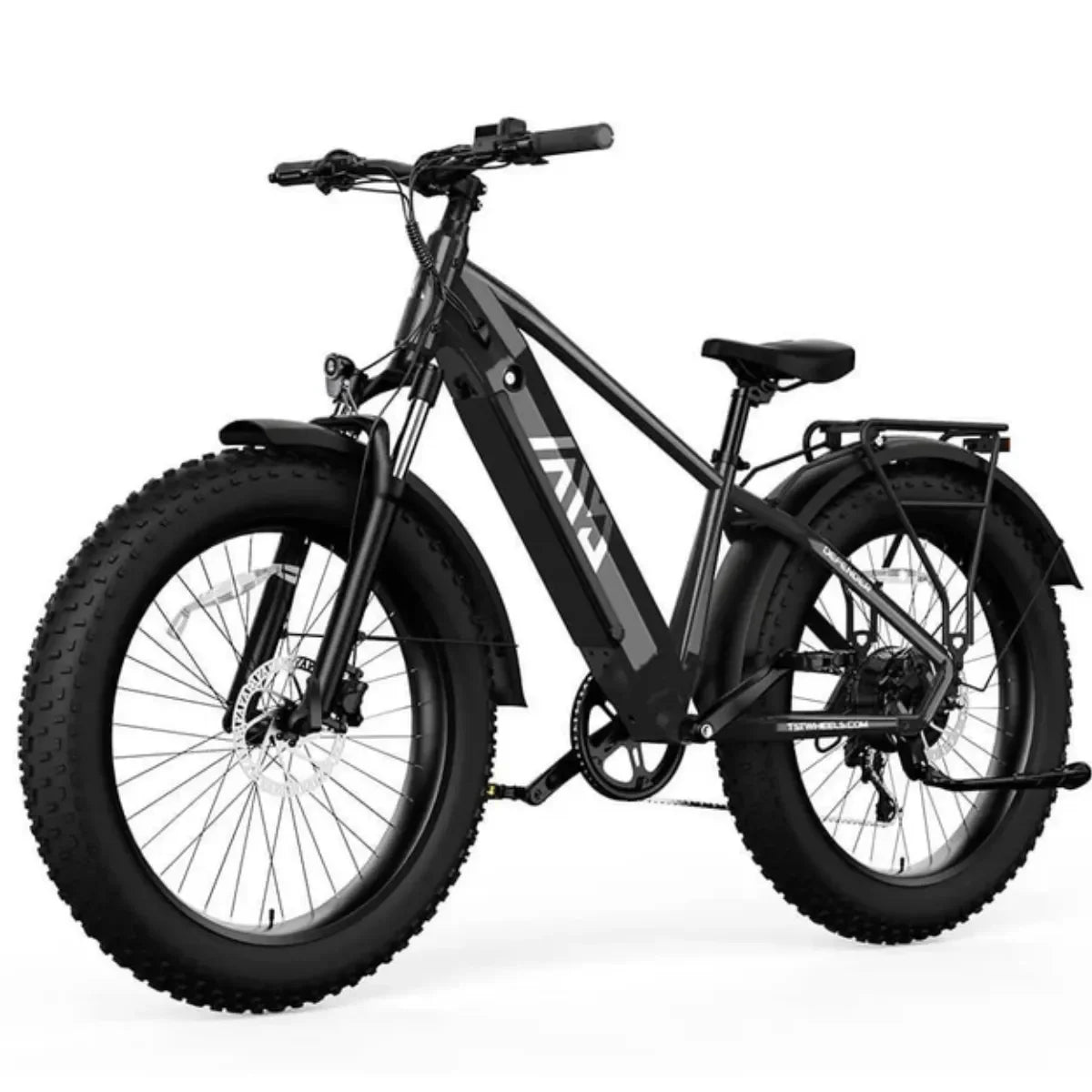
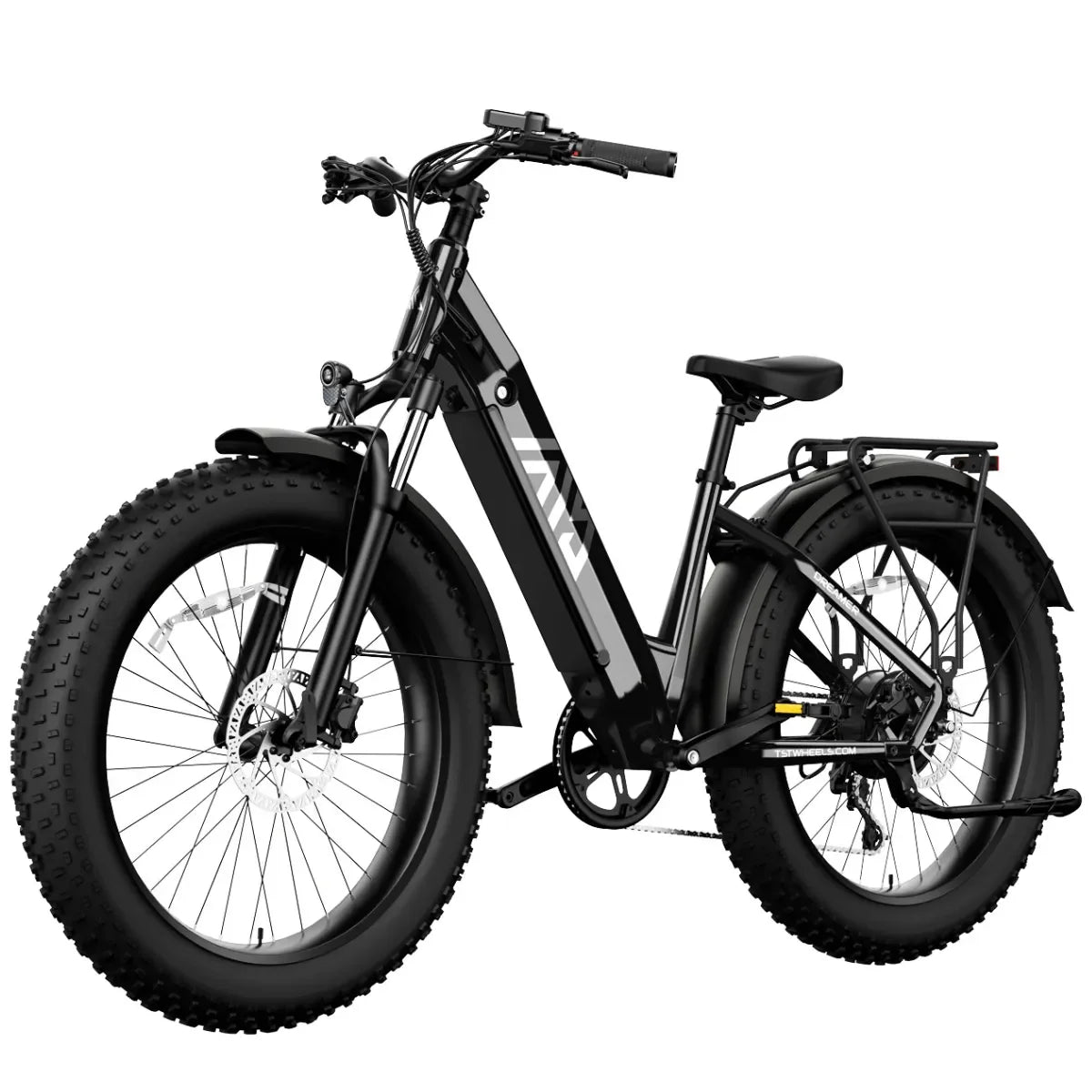

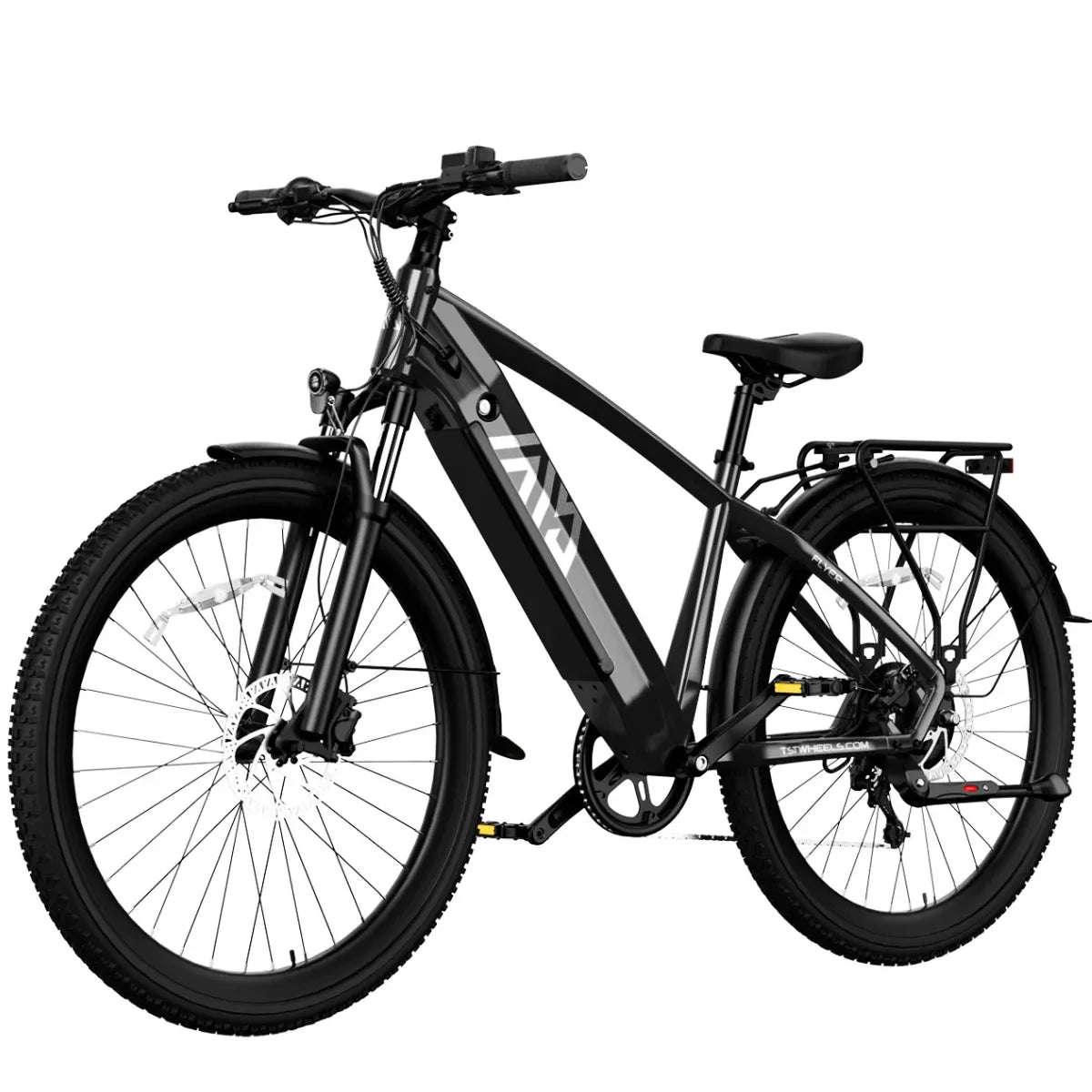

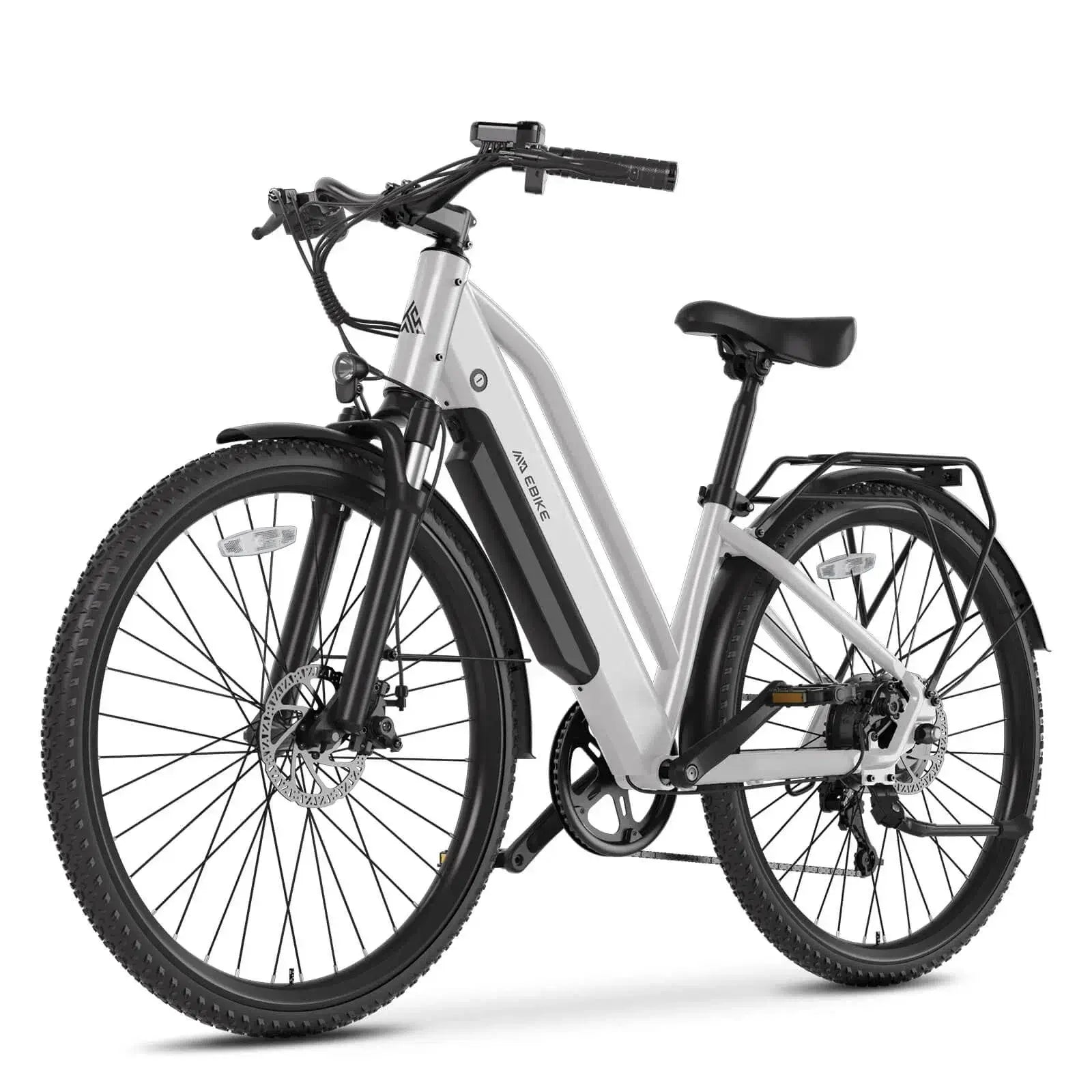






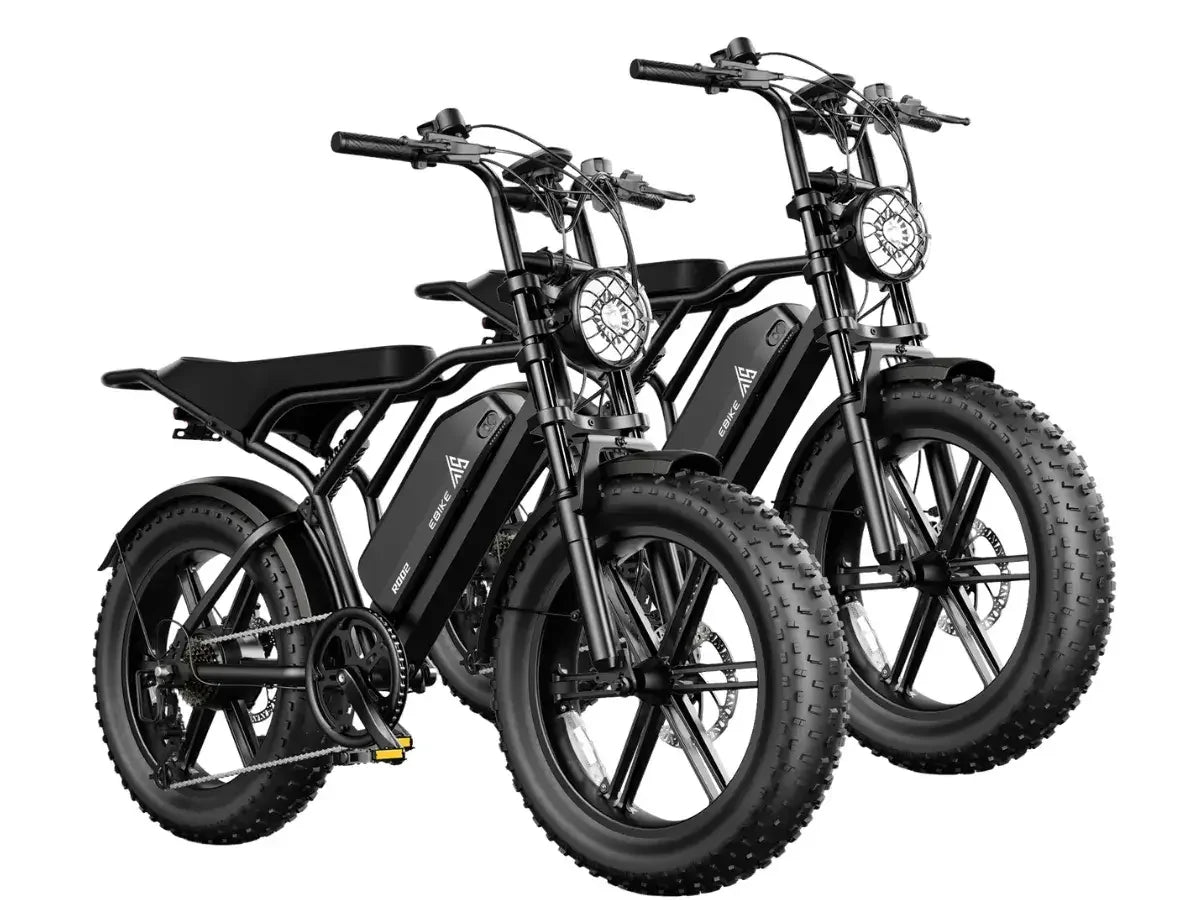
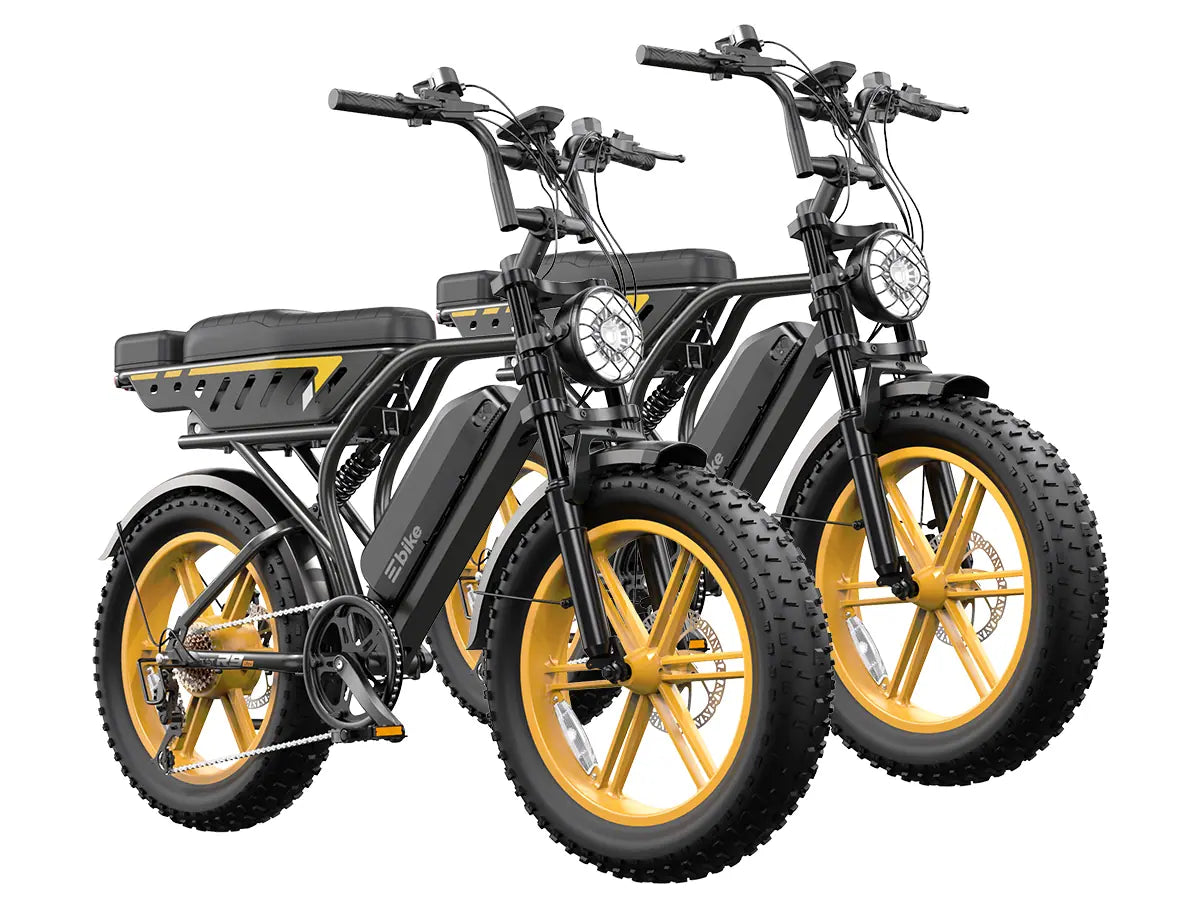

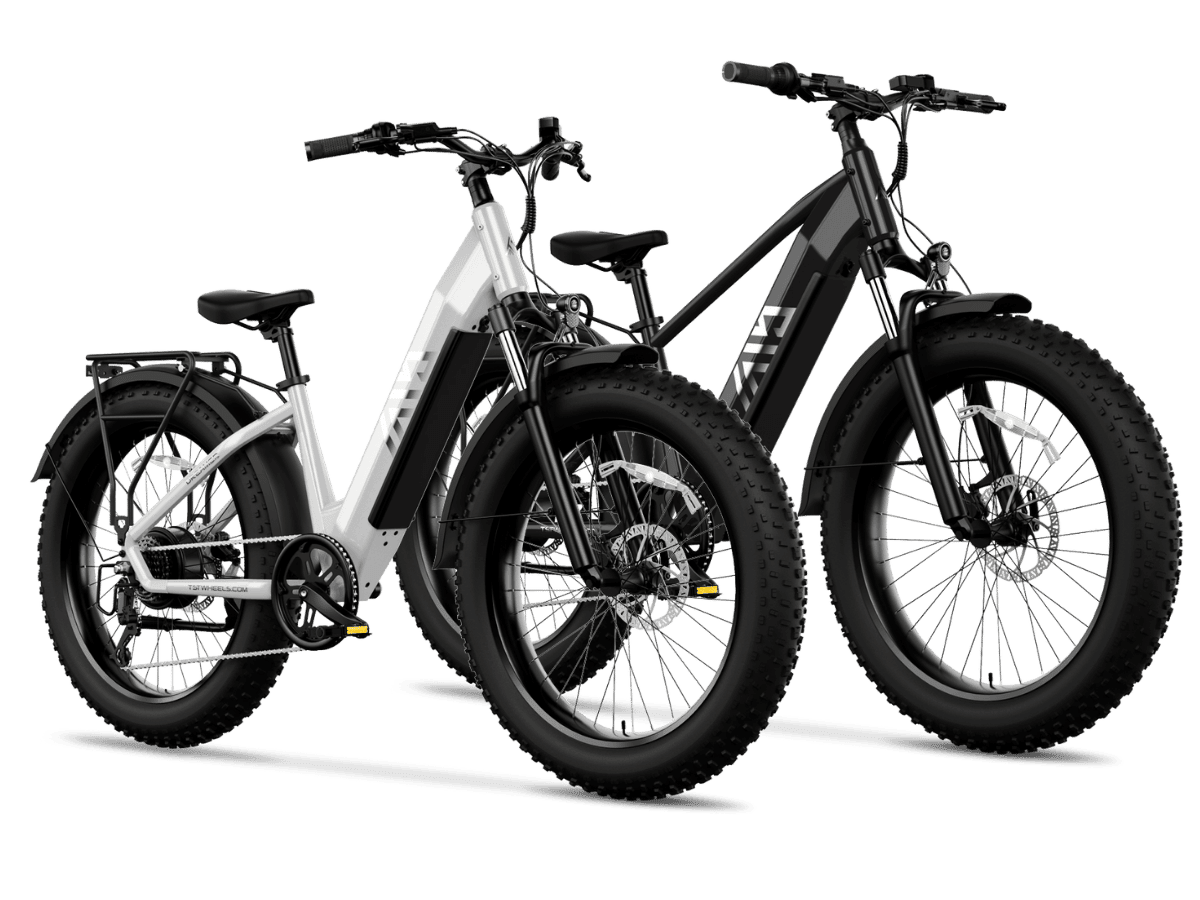
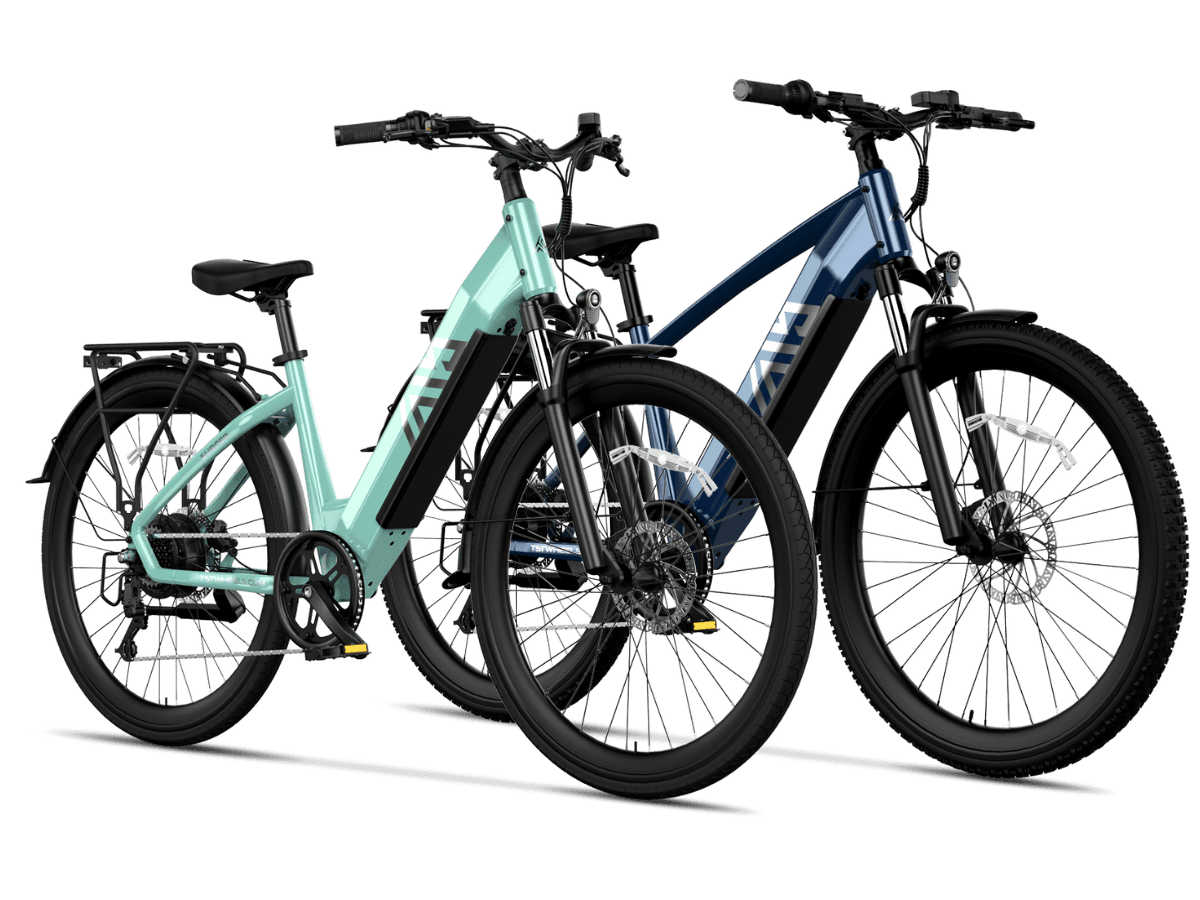
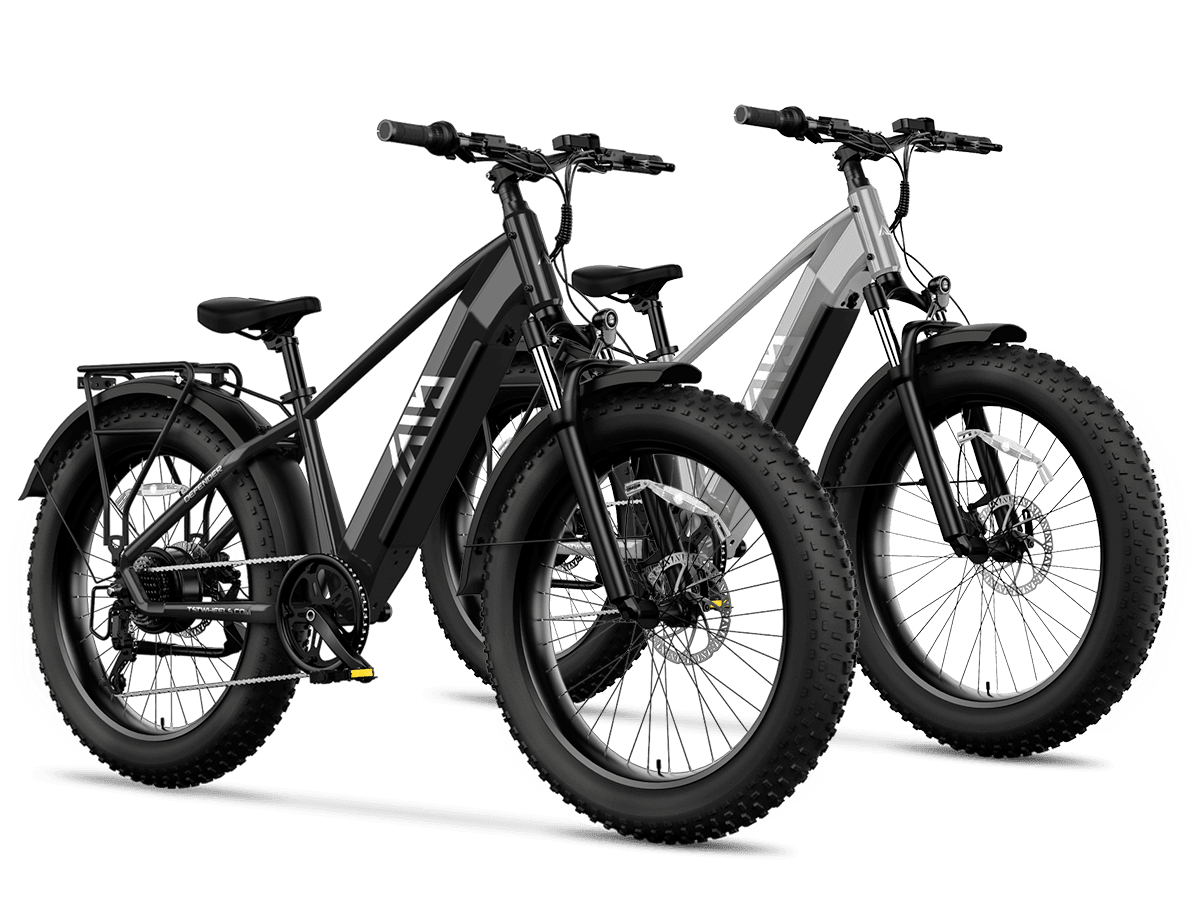
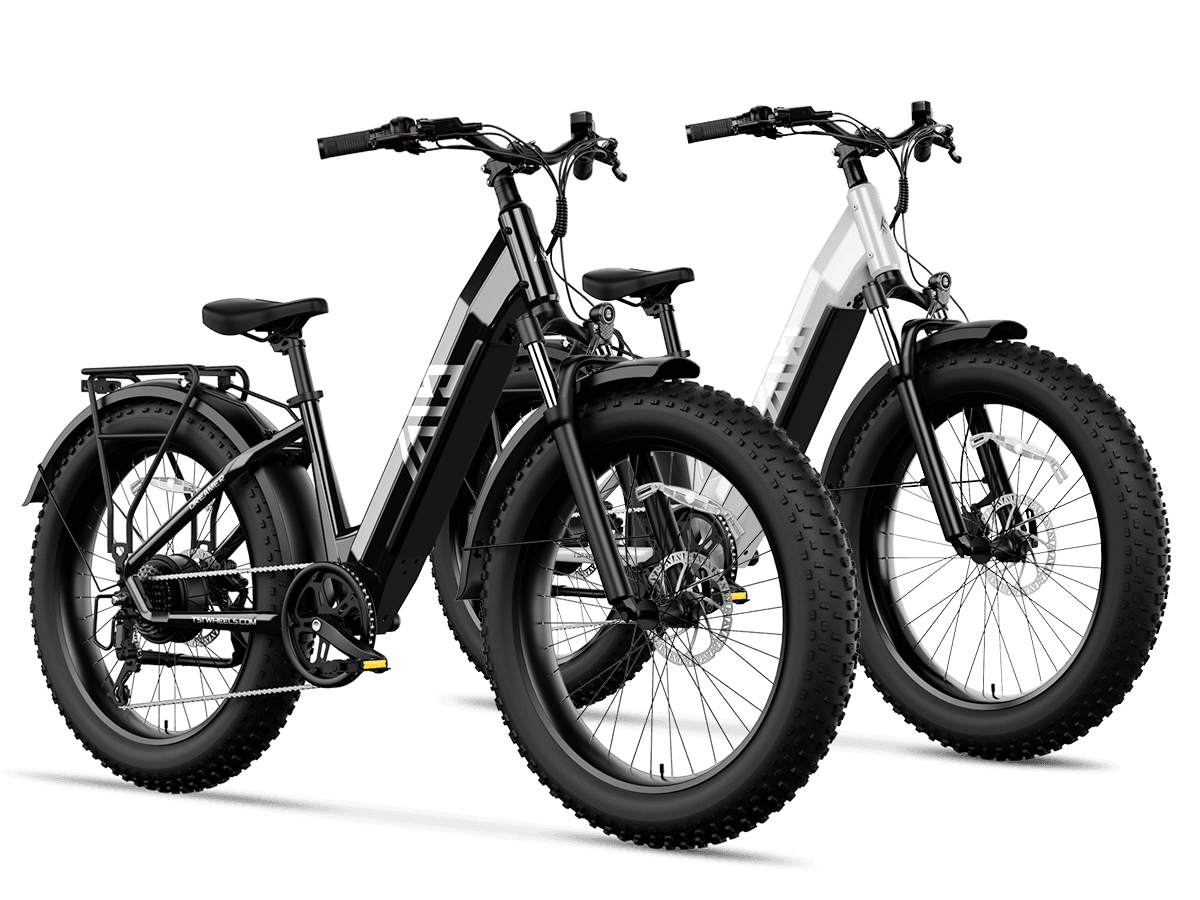

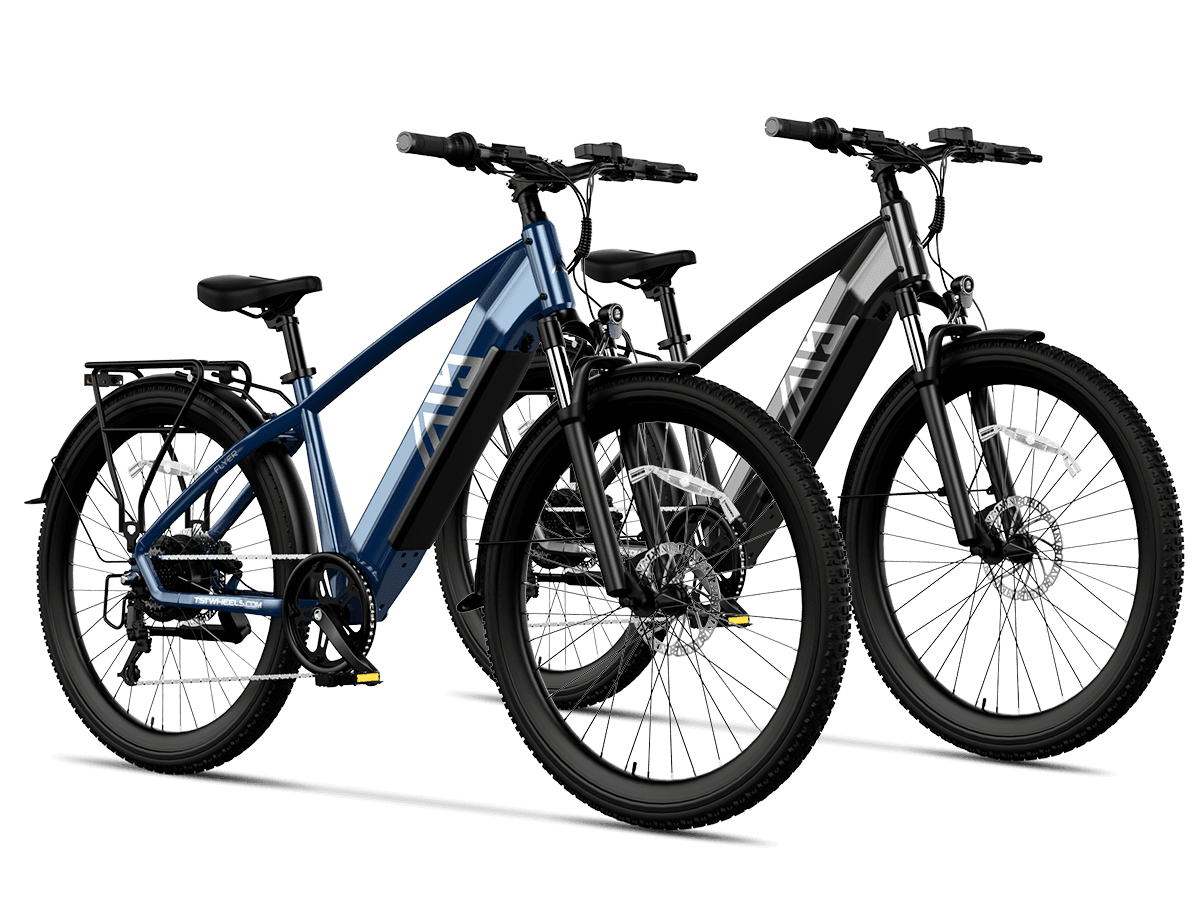
Restoring a vintage electric bike battery revives performance and extends usability, saving up to 70% compared to new replacements while reducing e-waste. TST EBike supports this process with expert guidance tailored to their durable 26-inch and 27-inch models, ensuring riders regain reliable power for rough terrains or daily commutes. Owners achieve 80-90% original capacity through precise steps, making it a practical solution for sustainable mobility.
What Is the Current State of Vintage Electric Bike Batteries?
The e-bike industry has grown rapidly, with global sales reaching 40 million units by 2023 according to the Light Electric Vehicle Association. Vintage models from the early 2010s now dominate secondhand markets, but their lithium-ion batteries degrade after 500-1,000 cycles, dropping capacity by 20% annually. This leaves 60% of owners facing sudden failures, per a 2024 Cycling Industry Report.
Rising demand for retro bikes amplifies the issue, as supply chains for obsolete parts dwindle. In the US alone, 2.5 million vintage e-bikes operate, yet battery disposal clogs recycling systems, contributing to 150,000 tons of lithium waste yearly from Consumer Technology Association data.
What Pain Points Do Owners Face Today?
Owners report range dropping from 40 miles to under 15 miles, stranding them mid-ride and eroding trust in their bikes. Repair costs average $300-$600, often exceeding bike value, while safety risks from swollen cells or faulty BMS rise, with 15% of incidents linked to degraded packs per UL Safety Standards.
Time compounds frustration; DIY attempts fail 70% of the time without tools, per Electric Bike Review surveys, leading to full replacements at $800+. Environmentally, improper disposal releases toxins, pressuring eco-conscious riders amid tightening EPA regulations.
Why Do Traditional Solutions Fall Short?
DIY kits promise quick fixes but ignore cell balancing, restoring only 40-50% capacity and risking fires from mismatched voltages. Professional rebuilds vary wildly; generic shops achieve 60% success versus specialized services hitting 90%, as noted in Battery University analyses.
Replacement batteries for vintage models cost 2-3x more due to scarcity, and compatibility issues plague 40% of installs, causing error codes or reduced torque. TST EBike outperforms here, leveraging 2017-founded expertise from California warehouses to match exact specs for seamless integration.
What Makes TST EBike's Restoration Solution Effective?
TST EBike's restoration method targets lithium-ion cells, BMS, and wiring with consumer-feedback-driven protocols, restoring 85% capacity in under 4 hours for most packs. Their kits include matched cells (3.7V, 18650-type) and active balancers, compatible with 26-inch rough-terrain and 27-inch commuter models sold in 10+ countries.
Safety integrates via insulated tools and voltage testers, preventing 99% of common shorts. TST EBike's quality control, honed since establishment under TST GRP LLC, ensures post-restoration cycles exceed 800, with warranties up to 2 years through 20+ offline stores.
How Do TST EBike Restoration and Traditional Methods Compare?
| Feature | Traditional DIY/Generic Shops | TST EBike Restoration |
|---|---|---|
| Capacity Recovery | 40-60% | 80-90% |
| Time Required | 6-12 hours | 2-4 hours |
| Cost (for 48V 10Ah pack) | $400-700 | $250-400 |
| Safety Certification | Basic (no UL match) | UL-compliant tools |
| Compatibility Guarantee | 60% success | 95% for TST models |
| Cycle Life Post-Restoration | 300-500 | 700-1,000 |
How Can You Follow TST EBike's Restoration Process Step-by-Step?
-
Diagnose Issues: Power off bike, remove battery, measure voltage per cell (3.2-4.2V ideal) with multimeter; note swollen cells or BMS errors.
-
Disassemble Safely: Use insulated gloves, open casing with Torx bits; photograph wiring for reassembly.
-
Test and Replace Cells: Check each cell's IR (<50mΩ good); desolder bad ones, spot-weld new matched cells (same Ah, chemistry).
-
Balance and Reconnect BMS: Use active balancer for 0.01V precision; reseal with IP65-rated insulation.
-
Test and Charge: Cycle charge to 80%, verify 48V output under 20A load; reinstall and ride-test 10 miles.
TST EBike provides model-specific manuals for their bikes, cutting errors by 80%.
Who Benefits Most from These User Scenarios?
Scenario 1: Commuter with 2015 Model
Problem: Daily 20-mile range halved to 10 miles.
Traditional: Bought $500 new pack, incompatible mount.
TST EBike Effect: Restored to 22 miles, $300 cost.
Key Benefit: Saved $200, zero downtime with 27-inch commuter compatibility.
Scenario 2: Off-Road Enthusiast
Problem: 26-inch bike fails on sand trails after 400 cycles.
Traditional: DIY balancer fried BMS.
TST EBike Effect: 35-mile range revived, handles rough terrain.
Key Benefit: 2x lifespan, matches TST's snow/sand-optimized frames.
Scenario 3: Vintage Collector
Problem: Rare 2012 e-bike dead after storage.
Traditional: Shop quoted $900 replace.
TST EBike Effect: Full 40-mile capacity for $350.
Key Benefit: Preserved collectible value, eco-friendly rebuild.
Scenario 4: Budget Family Rider
Problem: Shared bike's battery swells, risks fire.
Traditional: Discarded, bought used ($400).
TST EBike Effect: Safe 28-mile daily use post-fix.
Key Benefit: $150 savings, family safety via TST quality control.
Why Act Now on Future Trends?
Lithium demand surges 15% yearly per BloombergNEF, hiking new battery prices 20% by 2027. Regulations mandate 90% recycling by 2028, favoring restorations that cut waste 75%. TST EBike positions riders ahead with scalable methods for emerging solid-state tech.
Adopting now secures 2-3 years extra life, aligning with urban e-bike mandates in 50+ cities.
What Are Common Questions About Vintage Battery Restoration?
How long does a restored battery last?
Restored packs achieve 700-1,000 cycles with proper care, matching new ones.
Can anyone perform the restoration?
Basic tools suffice for diagnosis; cell work needs electronics experience or TST EBike support.
Is it safe to restore lithium-ion batteries?
Yes, with insulated tools and balancers; risks drop 95% versus untrained DIY.
Does TST EBike offer restoration kits?
Kits match their 26/27-inch models, including cells and guides from California stock.
What if restoration fails?
TST EBike warranties cover reattempts; 95% success ensures reliability.
Sources
-
https://tstebike.com/blogs/new/how-is-ebike-battery-repair-done-safely-and-effectively
-
https://www.batoobike.ch/en/blogs/conseils/reconditioning-ebike-battery
-
https://LightElectricVehicleAssociation.org (2023 Sales Data)
-
https://CyclingIndustryReport.com (2024 Degradation Stats)
-
https://ConsumerTechnologyAssociation.org (Waste Figures)
-
https://BatteryUniversity.com (Repair Analyses)
-
https://BloombergNEF.com (Lithium Trends)

Leave a comment
This site is protected by hCaptcha and the hCaptcha Privacy Policy and Terms of Service apply.