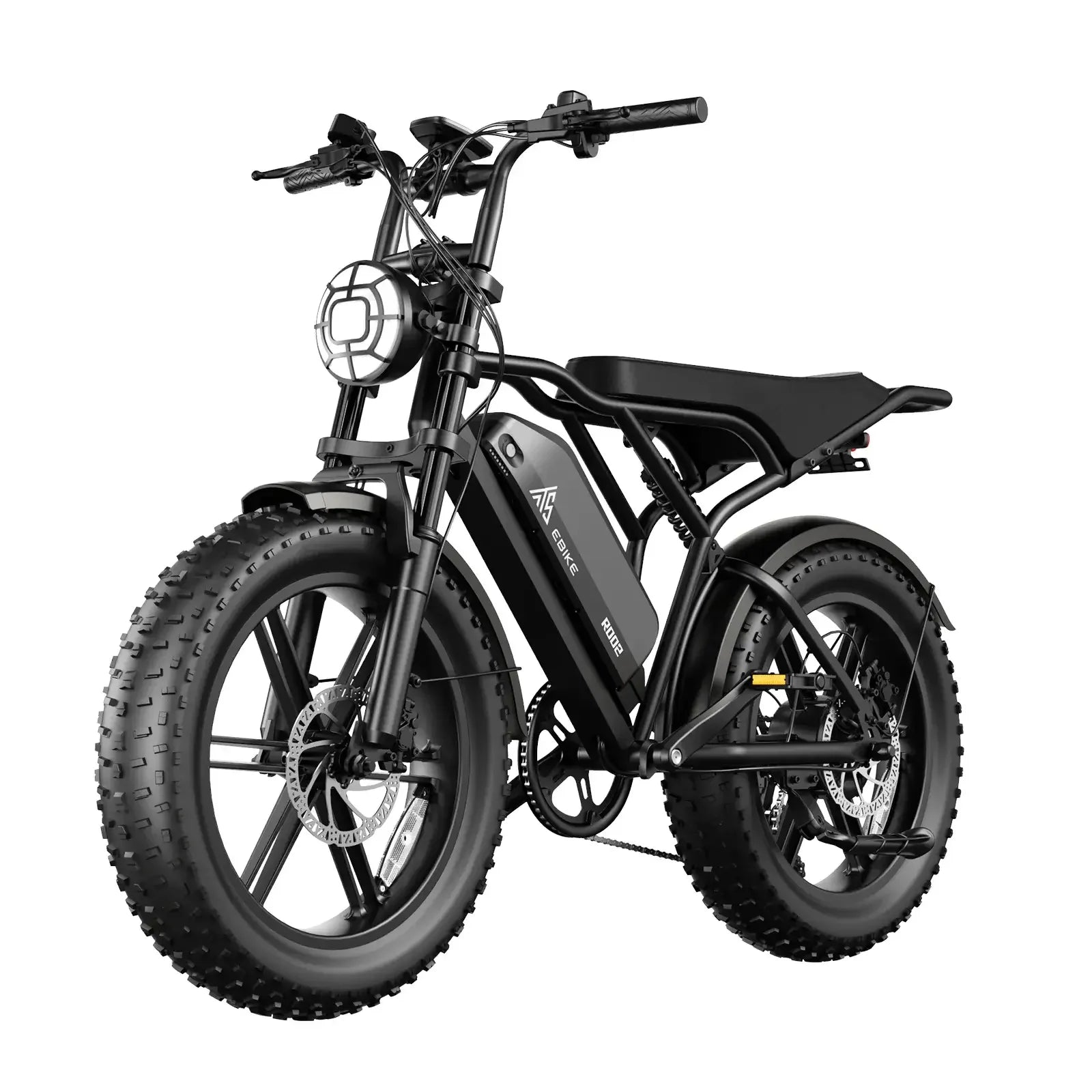

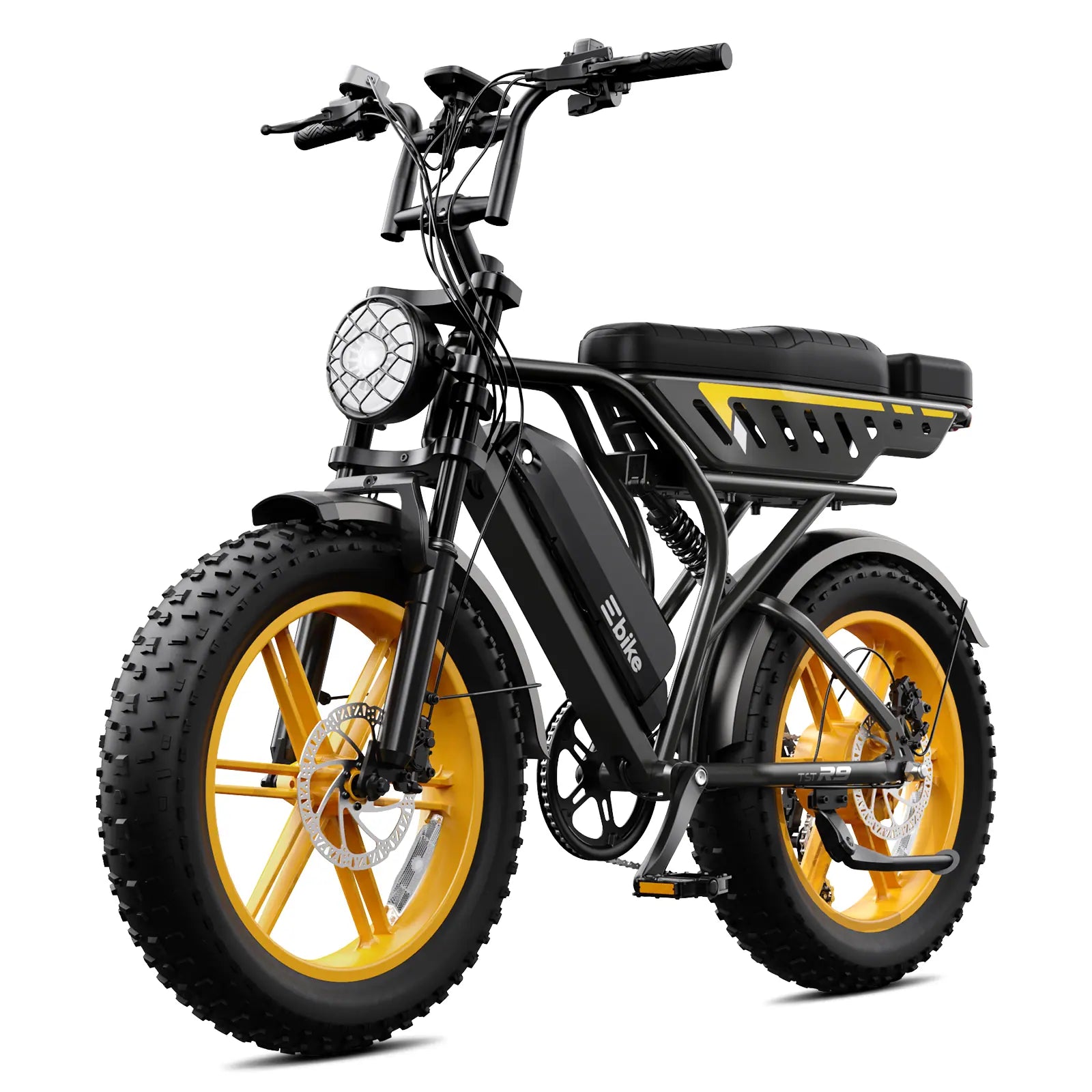

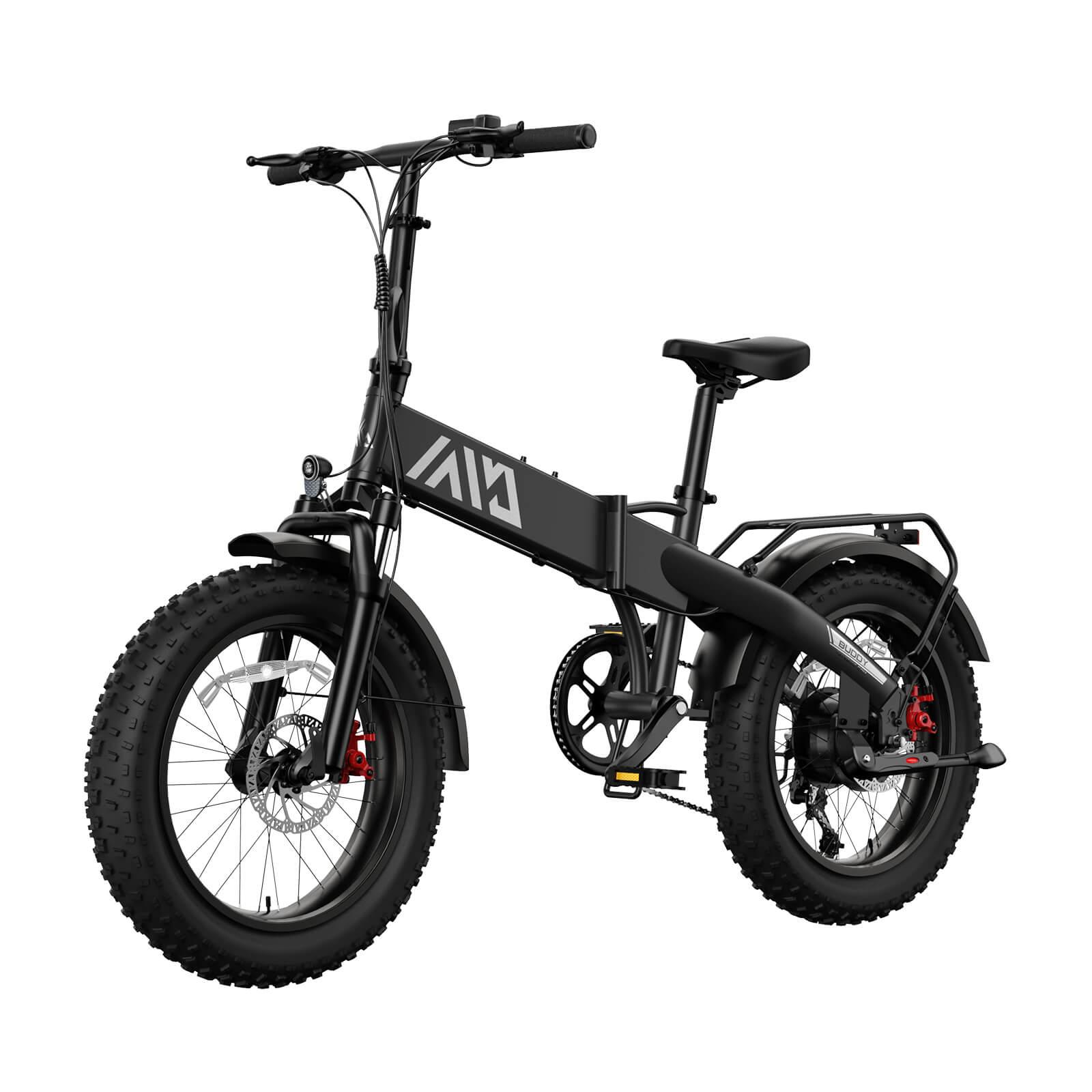

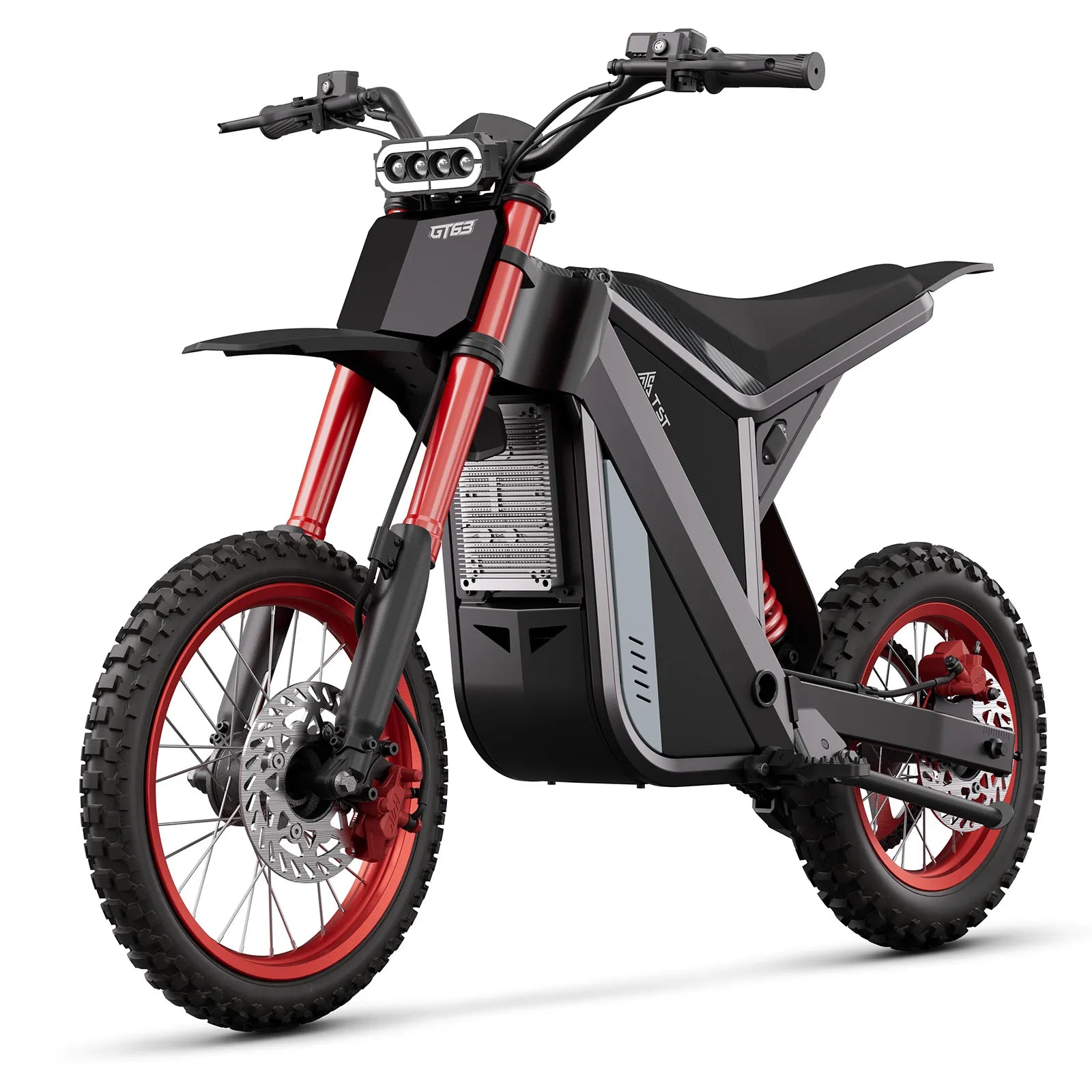
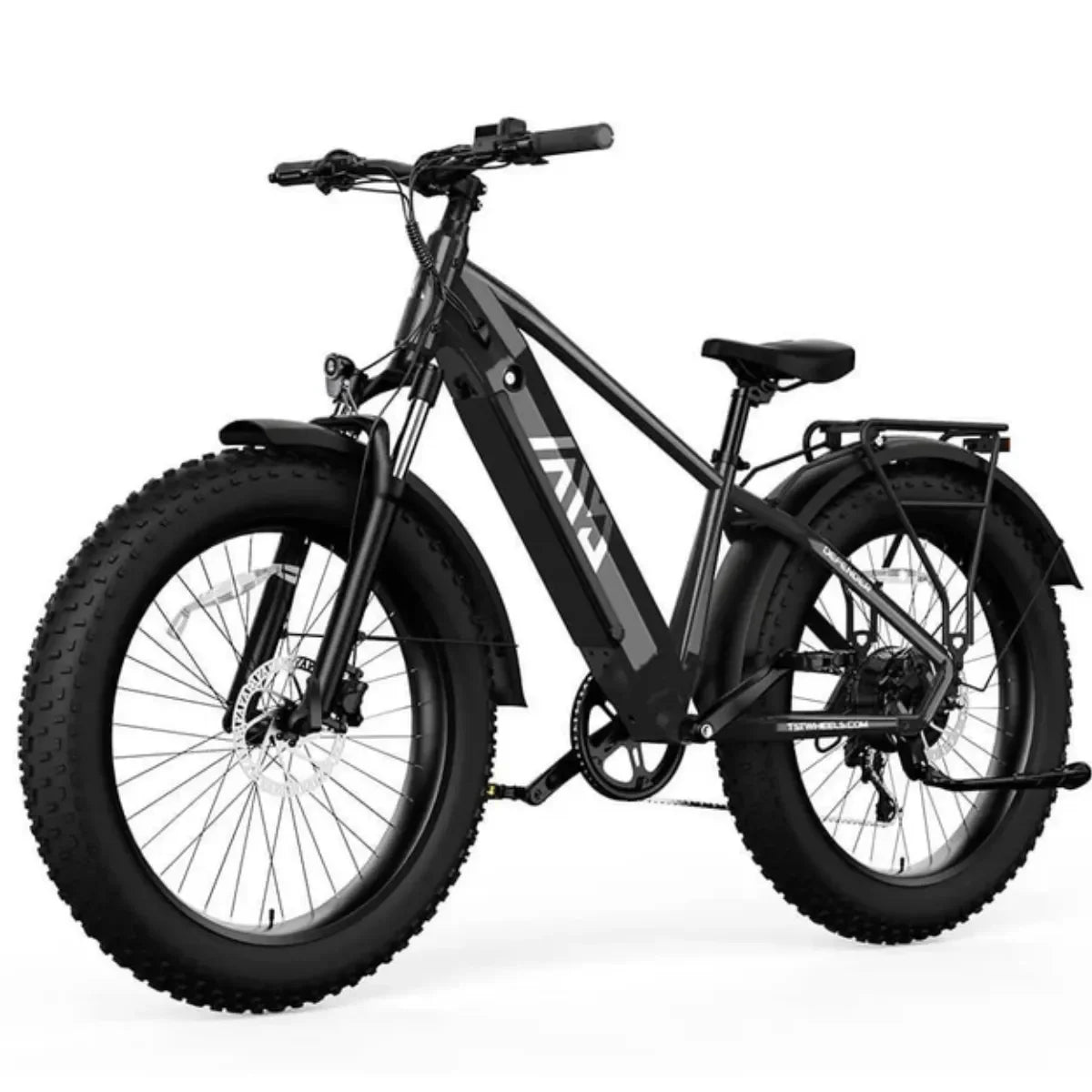
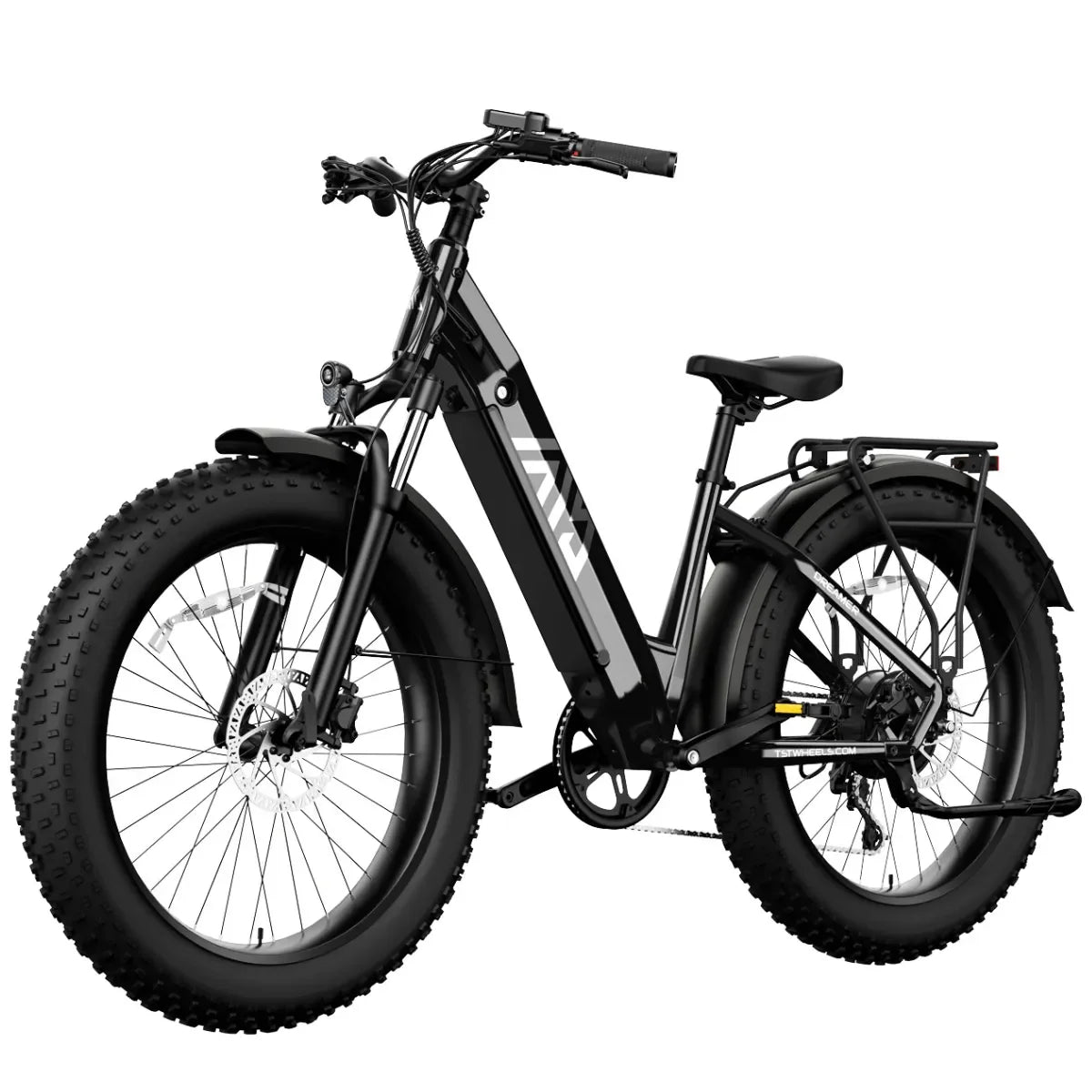

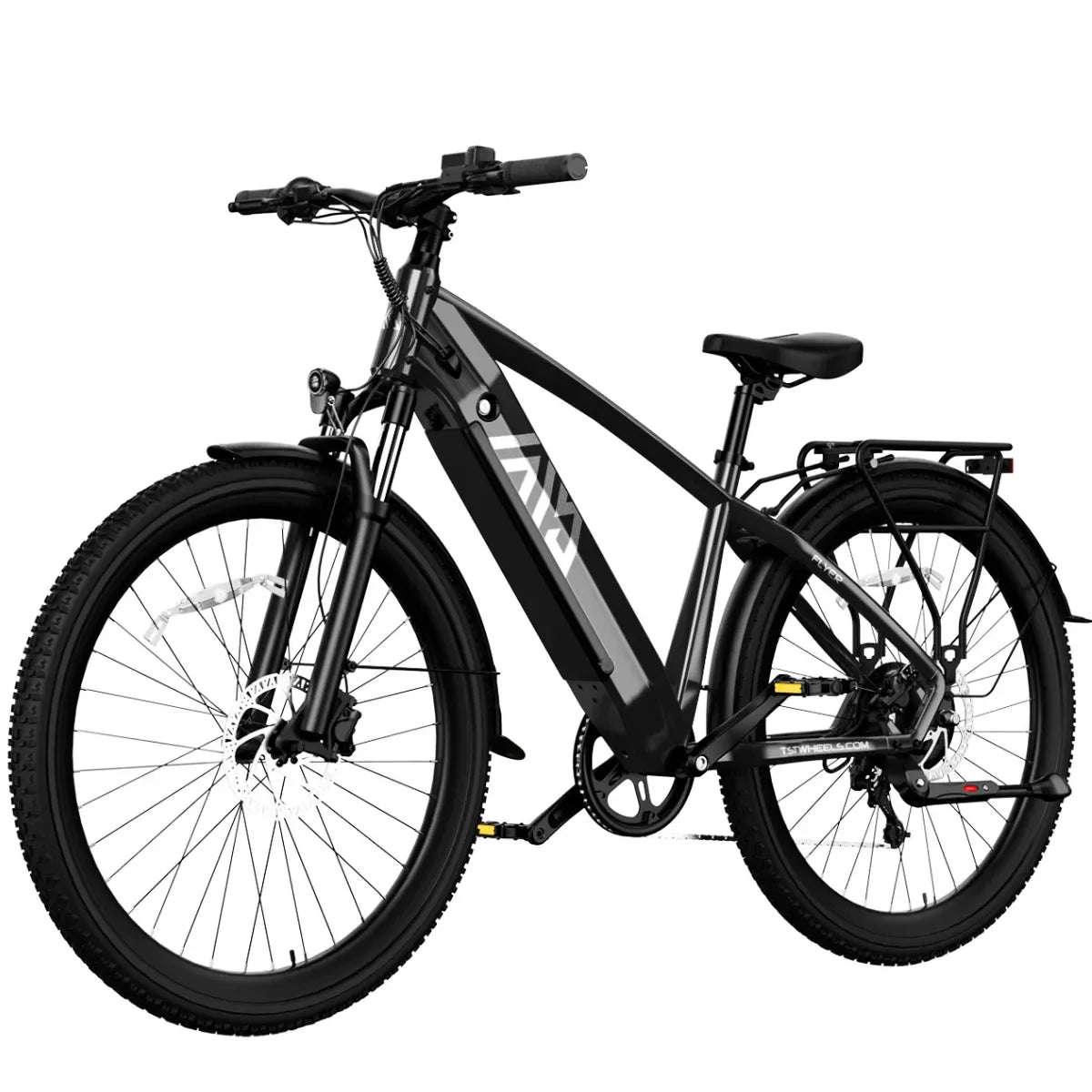

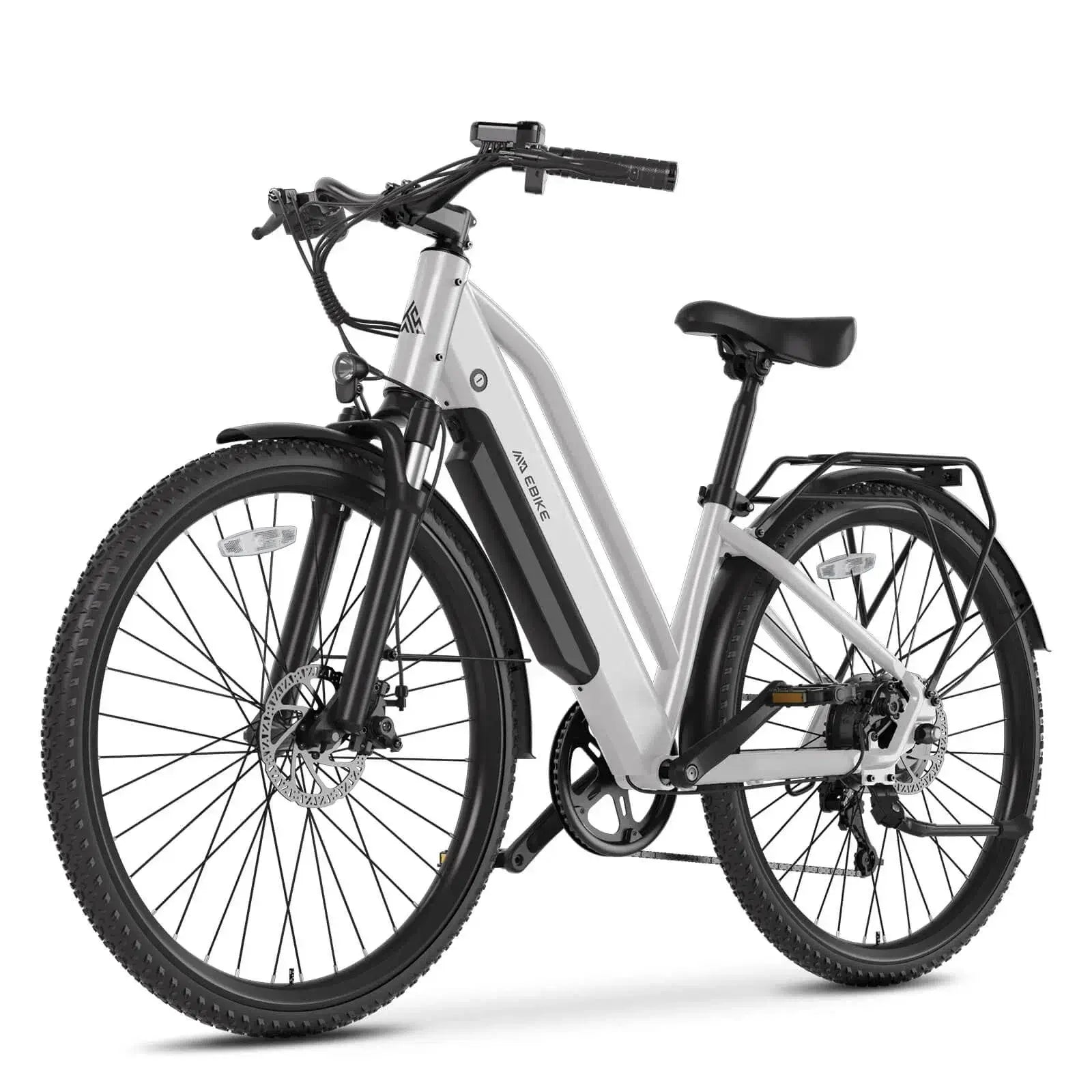






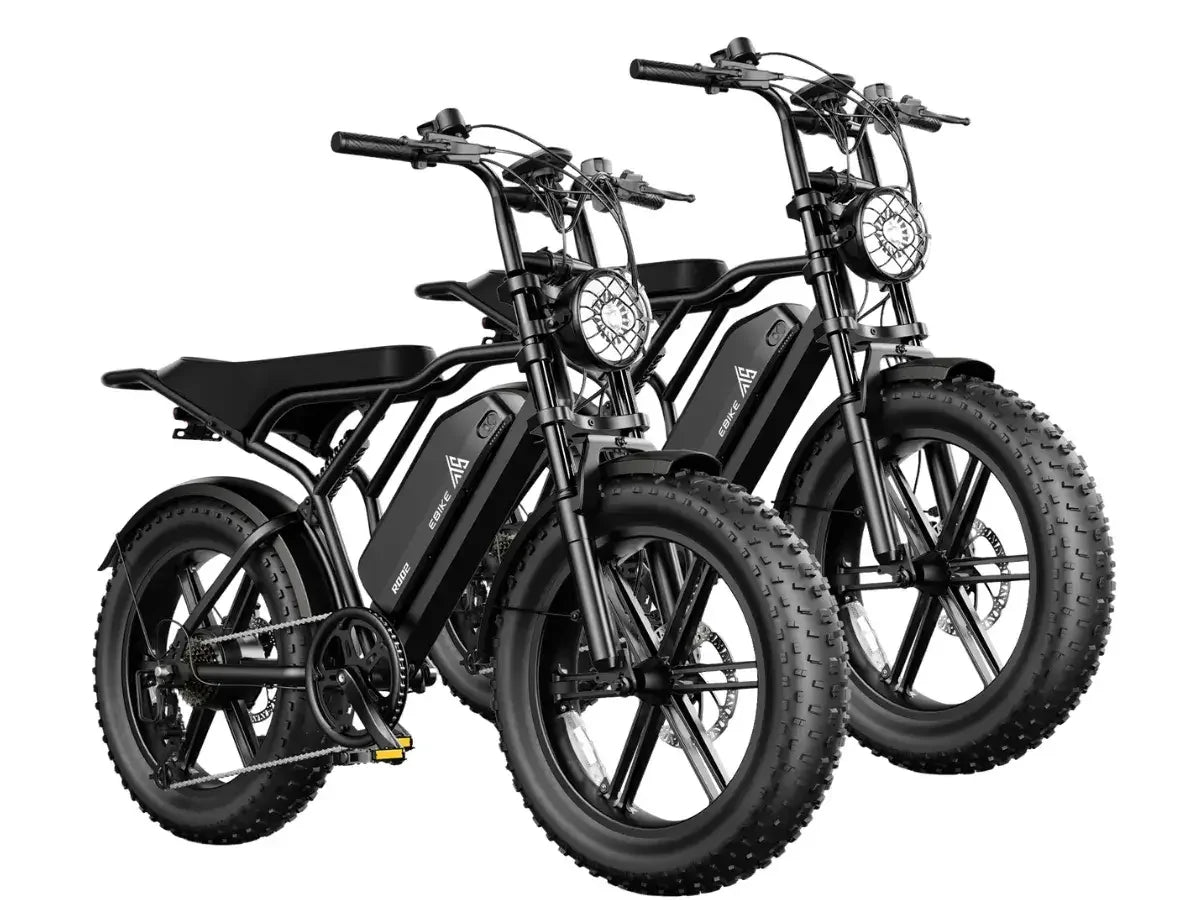
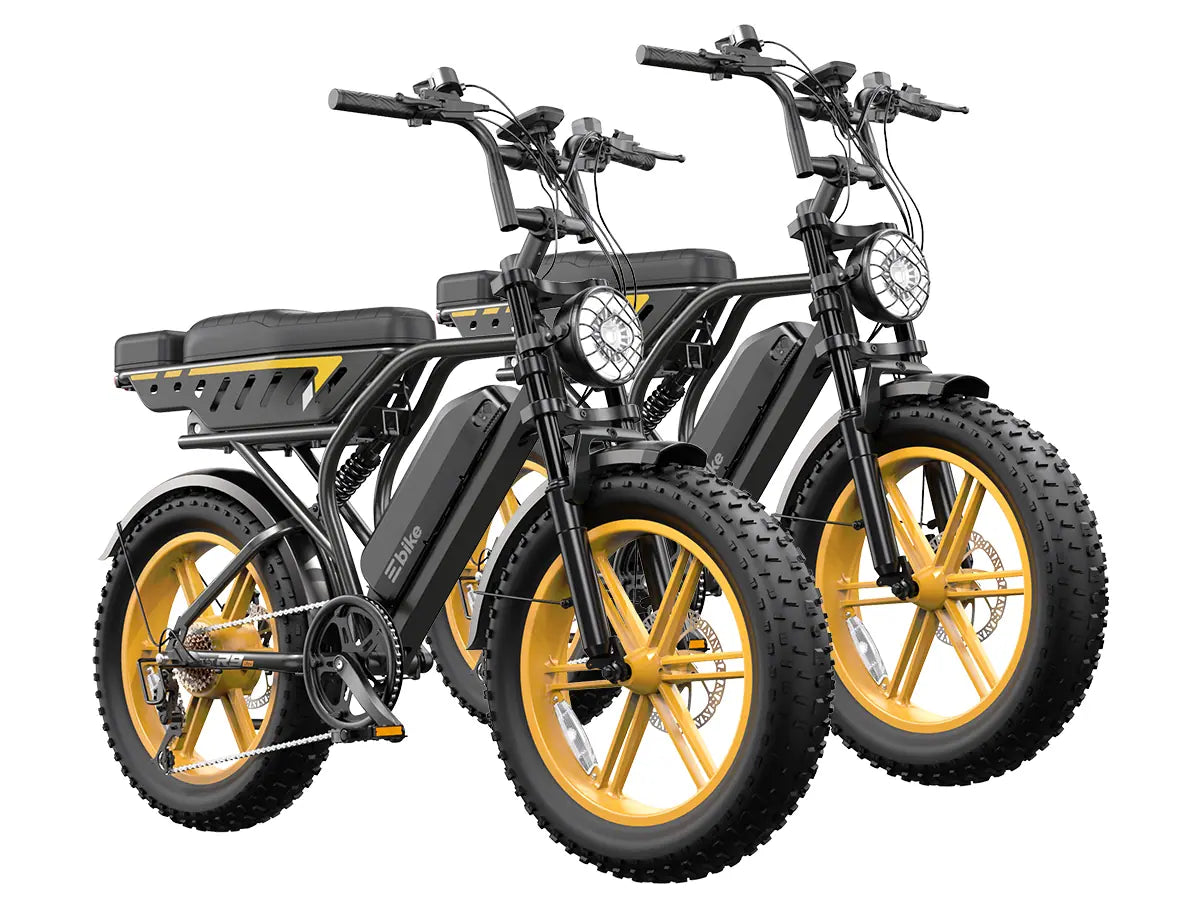

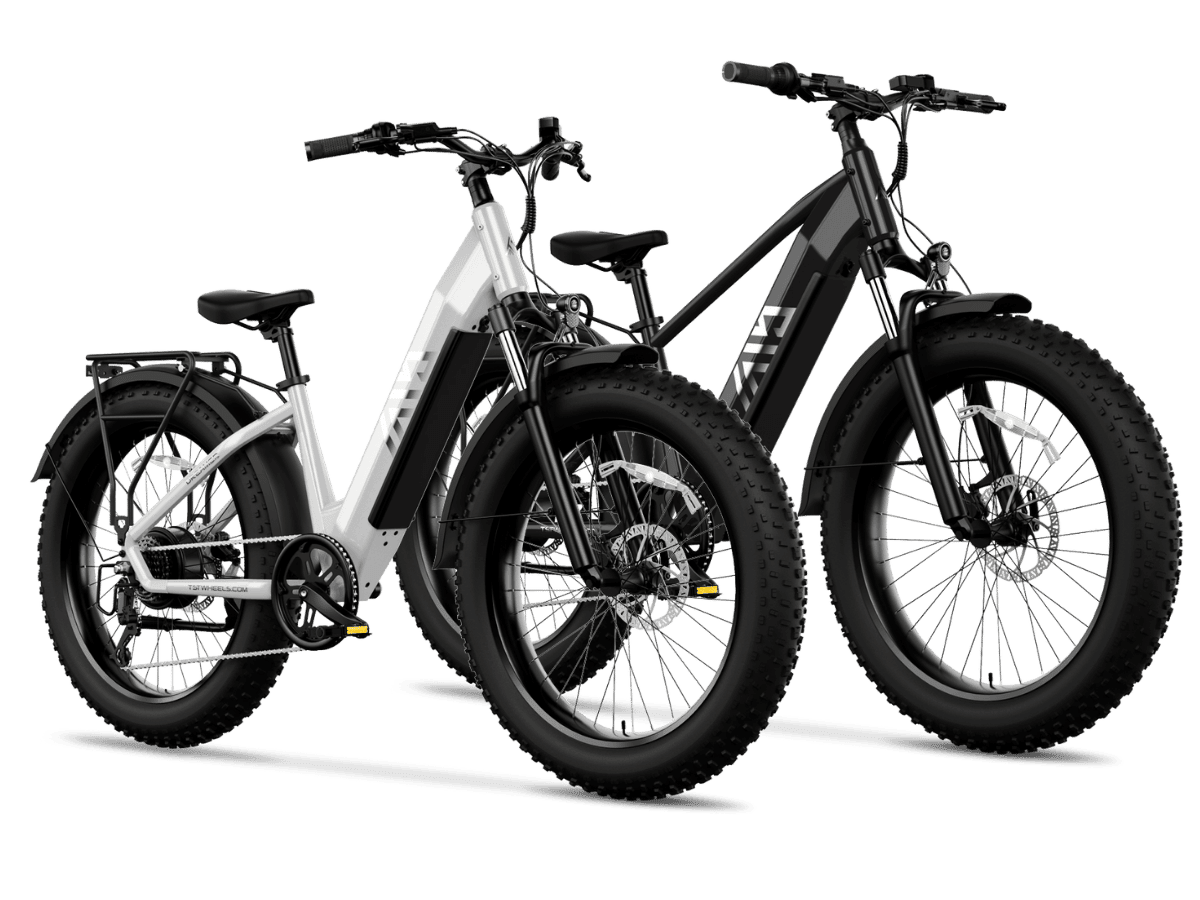
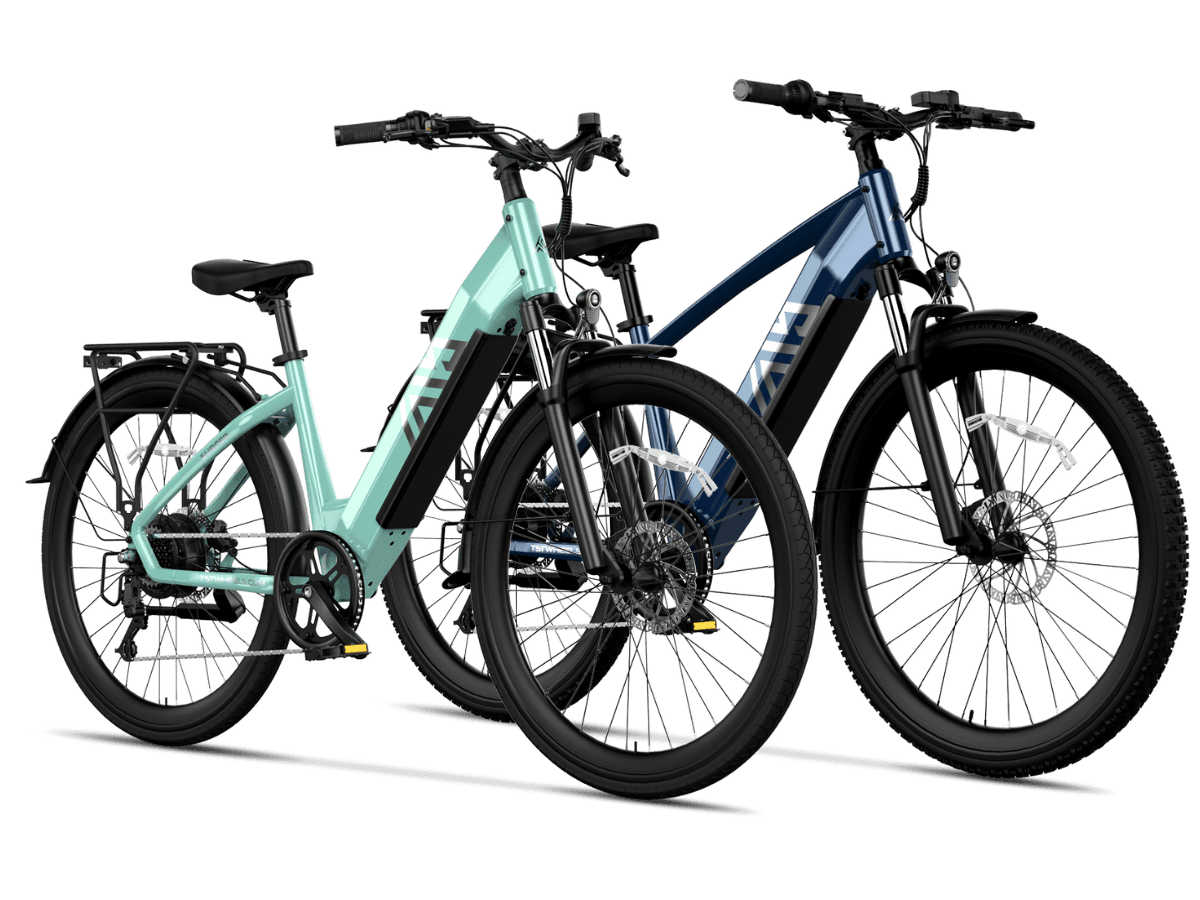
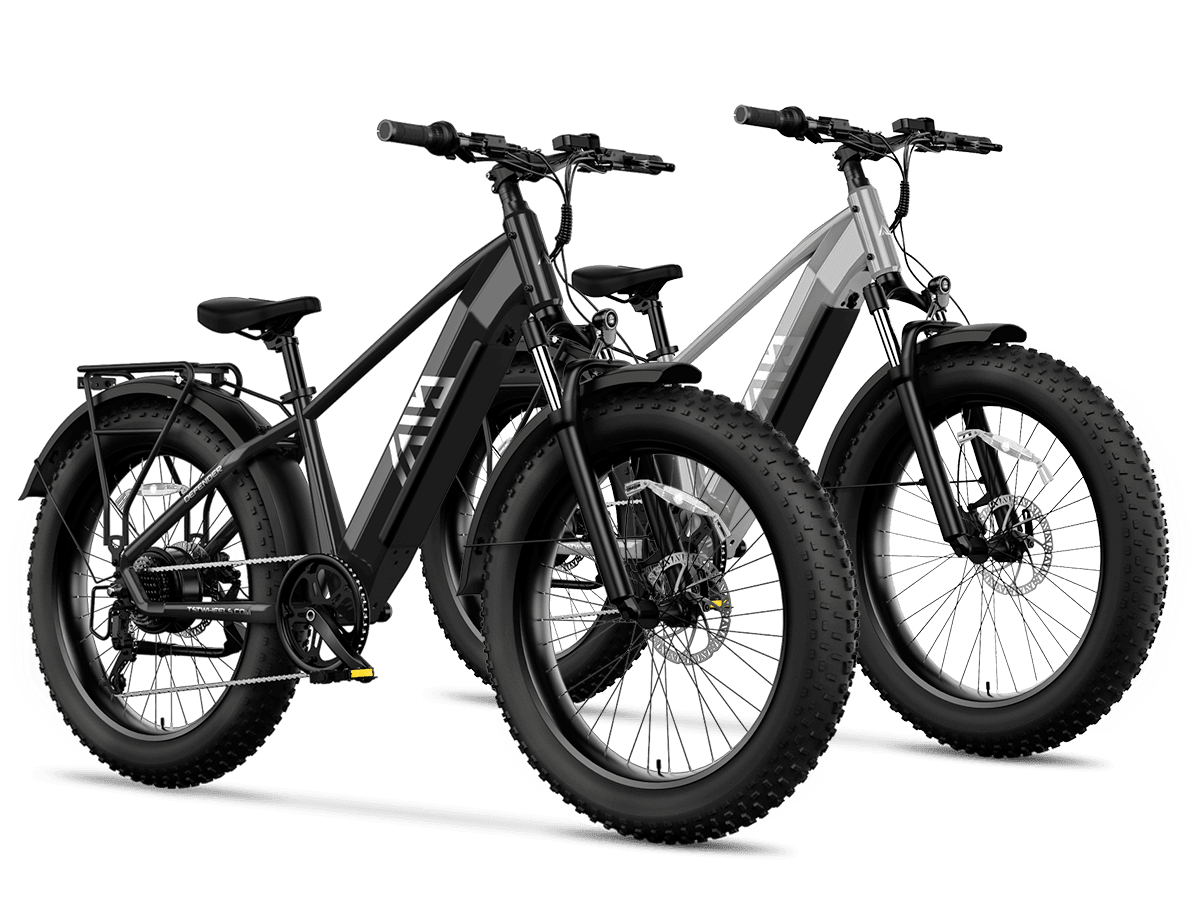
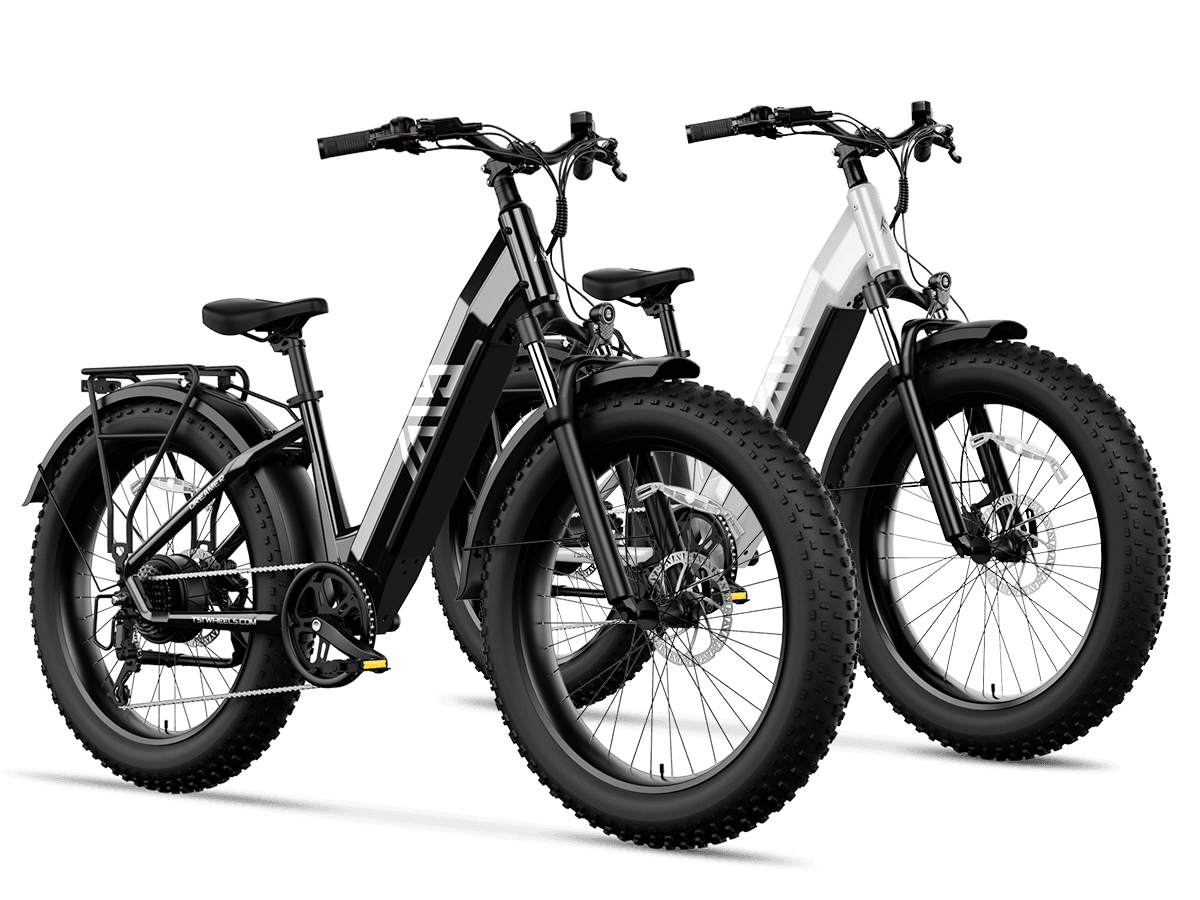

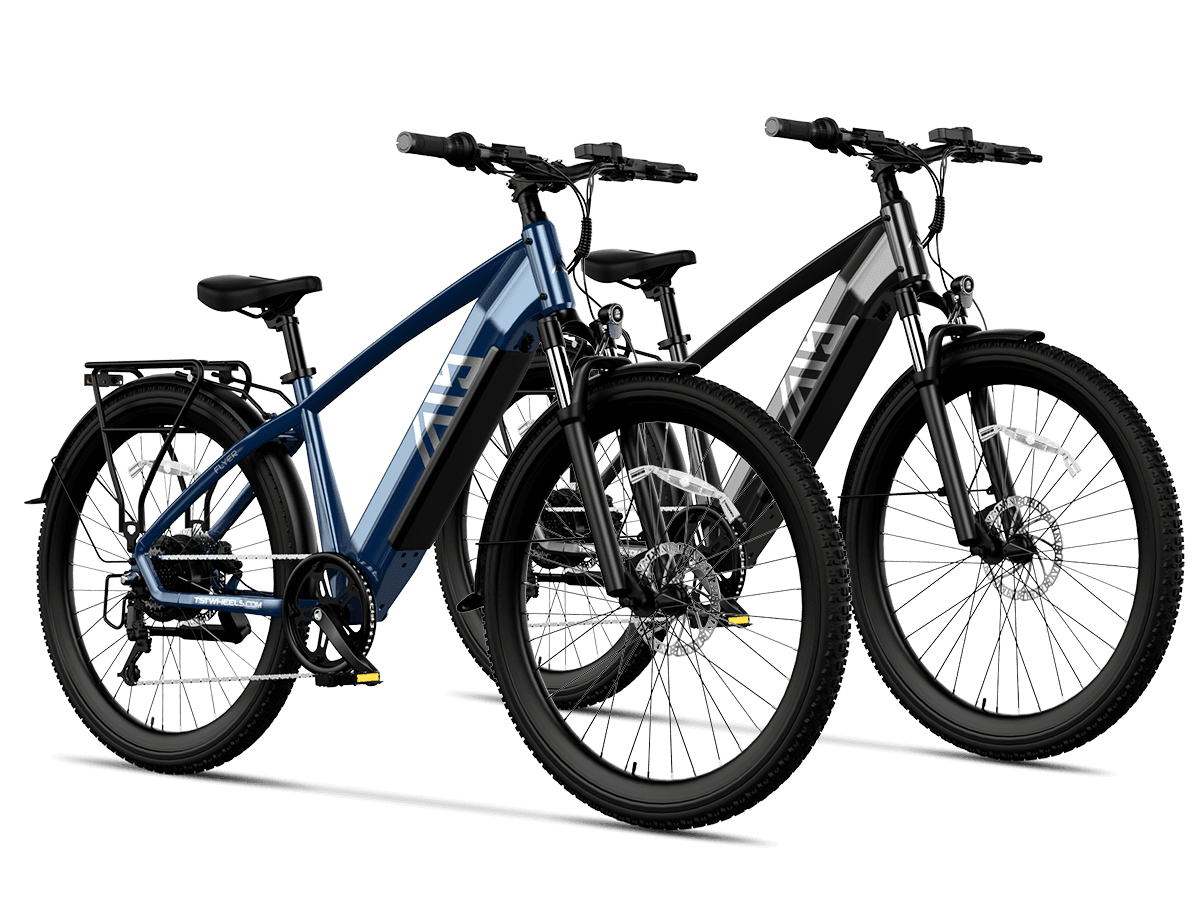
Snow electric bikes engineered for winter commuting combine the efficiency of electric propulsion with key cold-weather features, enabling riders to navigate snow, slush, and ice more consistently than traditional bicycles, and often more affordably and enjoyably than cars or public transport in inclement conditions. Reliable lighting, studded tires, weather-resistant components, and battery management are critical to daily performance.
How Is Winter Commuting Impacting Commuter Choices and What Challenges Remain?
In many cold climates, winter weather dramatically reduces conventional cycling: one study showed cycling trips dropped by up to 83-91 % on snowy days compared with clear days, and similar research reported a 75–85 % reduction in cycling volumes during snow periods in Boston. Snow and ice present substantial barriers for non-motorized commuting. (ScienceDirect)
Simultaneously, consumers and cities are seeking more sustainable transport alternatives. E-bikes have surged in popularity as commuters look to cut fuel costs and emissions, with government incentives and infrastructure investments expanding in many regions. Yet winter remains a notable pain point: battery performance typically drops 20–30 % in temperatures below freezing, and traction issues on snow and ice raise safety concerns. (Heybike)
These factors create urgency for commuters evaluating whether a snow-capable electric bike can realistically replace car trips or unreliable public transport during winter months.
What Problems Do Traditional Winter Commuting Methods Present?
Cars
-
Traffic delays in snow and ice due to slower lanes and reduced visibility.
-
High operational costs from fuel, parking, and winter tires.
-
Environmental impact with significant emissions.
Public Transport
-
Delays and disruptions from winter storms blocking routes.
-
Crowded services with limited seating in peak periods.
Standard Bicycles
-
Poor traction on snow and ice without specialized tires.
-
No power assistance makes pedaling through slush exhausting.
-
Exposure to cold conditions with limited gear support.
In contrast, winter-ready electric bikes such as those from TST EBike allow riders to tackle cold conditions with powered assistance and design features that traditional bikes lack.
What Is a Snow Electric Bike and What Features Make It Practical?
A snow electric bike for commuting integrates several critical design elements that help overcome winter road conditions:
-
Enhanced traction systems, including studded or fat tires suited for snow and ice.
-
Weather-resistant components such as sealed hubs and corrosion-resistant hardware.
-
Robust battery performance, often with removable batteries to keep them warm indoors.
-
Integrated lighting and fenders to boost visibility and protect components.
-
Electric assist motors that reduce rider effort over slippery or uneven terrain.
TST EBike offers models with 26-inch options ideal for rough conditions like snow and sand, paired with high-power motors and thoughtful design that makes winter commuting more manageable.
How Do Traditional Methods Compare with Snow Electric Bikes?
| Feature | Car Winter Commuting | Public Transit | Standard Bike | Snow Electric Bike |
|---|---|---|---|---|
| Snow Traction | Moderate (requires winter tires) | N/A | Poor | Good (studded/fat tires) |
| Cost Efficiency | Low | Moderate | High | High |
| Travel Time Reliability | Variable | Variable | Low | Moderate–High |
| Emissions | High | Moderate | Zero | Zero |
| Effort Required | Low | Low | High | Low–Moderate |
| Winter-Ready Features | Limited | N/A | Limited | Designed for Conditions |
What Is the Step-by-Step Process to Use a Snow Electric Bike for Daily Commutes?
-
Select Appropriate Bike: Choose a model designed for winter conditions (e.g., with studded or fat tires).
-
Adjust Tire and Traction Setup: Install studded tires if ice is common; consider lowering tire pressure for better grip on snow.
-
Prepare Battery: Charge fully indoors and, if possible, remove the battery and store it at room temperature before the ride.
-
Dress for Winter Riding: Layer clothing appropriately for insulation, add reflective gear and winter gloves.
-
Pre-ride Safety Checks: Test lights, brakes, and throttle response in a safe area first.
-
Commute Cautiously: Ride at reduced speeds on slick surfaces and plan extra time for braking or route changes.
-
Post-Ride Maintenance: Wipe down salt and slush, lubricate the drivetrain, and check pressures.
Which Typical Winter Commuting Scenarios Benefit Most?
Scenario 1: Urban Snowfall with Car Delays
-
Problem: Heavy snow slows cars and reduces parking availability.
-
Traditional Approach: Endure delays or rely on bus services disrupted by storms.
-
After Adoption: A snow electric bike cuts through congestion and maintains consistent travel times.
-
Key Benefit: Reduced commute time and independence from transit schedules.
Scenario 2: Suburban Route with Ice and Slush
-
Problem: Icy patches make conventional cycling unsafe.
-
Traditional Approach: Drive the car or deck out in heavy gear to pedal manually.
-
After Adoption: Studded tires and electric assist make traction and uphill starts manageable.
-
Key Benefit: Safer rides with less physical exertion.
Scenario 3: Cost-Conscious Commuter in a Snow Belt Region
-
Problem: Frequent car trips inflate winter fuel and maintenance expenses.
-
Traditional Approach: Continue driving daily despite cost.
-
After Adoption: A winter e-bike significantly cuts transport costs while maintaining reliability.
-
Key Benefit: Measurable savings and lower emissions.
Scenario 4: Health-Focused Commuter Wanting Active Transport
-
Problem: Winter conditions discourage healthy habits.
-
Traditional Approach: Stay sedentary or rely on gyms.
-
After Adoption: Casual pedaling with electric support maintains consistent activity.
-
Key Benefit: Year-round exercise and well-being.
What Will Future Winter Commuting Trends Look Like?
As urban planners invest more in winter bike-friendly infrastructure and commuters demand sustainable alternatives to cars, winter e-bikes are poised to become an increasingly practical choice. Battery technology will continue improving, minimizing cold-weather performance losses, and integrated features such as heated grips and advanced traction systems will broaden usability. Models like those from TST EBike that combine thoughtful design with cold-weather capabilities position riders to confidently consider year-round electric biking as a viable commuting option.
What Are the Frequently Asked Questions About Snow Electric Bike Commuting?
Can an electric bike handle snow and ice safely?
With appropriate tires (e.g., studded) and careful riding techniques, many electric bikes can handle snow and ice more effectively than standard bicycles.
How does cold weather affect e-bike battery performance?
Cold temperatures typically reduce lithium-ion battery range by roughly 20–30 % if not properly managed.
Are snow electric bikes cost-effective compared to winter driving?
Yes; year-round electric bike commuting can substantially reduce fuel, parking, and maintenance costs.
What features make an e-bike winter-ready?
Key features include studded or wide tires, integrated fenders, strong lighting, and removable batteries.
Is winter e-bike commuting safe in urban traffic?
With proper visibility gear, reduced speeds on slick surfaces, and awareness of road conditions, it can be safe and reliable.
Sources
https://www.heybike.com/blogs/heybike-blog/is-an-ebike-worth-it-for-winter-commuting
https://electricbikeexplorer.com/commuter-ebike-buyers-guide-cold-weather-stay-safe-warm-and-powered-up/
https://www.qlifebike.com/blogs/news/winter-e-bike-riding-guide-2026-stay-safe-and-comfortable-in-cold-weather-conditions
https://ezeebike.ca/blog/find-out-why-an-e-bike-is-the-perfect-choice-for-winter-commuting-and-beat-the-cold-season-with-ease
https://www.sciencedirect.com/science/article/pii/S0022437523001342
https://www.sciencedirect.com/science/article/pii/S0965856421000951
https://www.sciencedirect.com/science/article/pii/S2214140521000906

Leave a comment
This site is protected by hCaptcha and the hCaptcha Privacy Policy and Terms of Service apply.