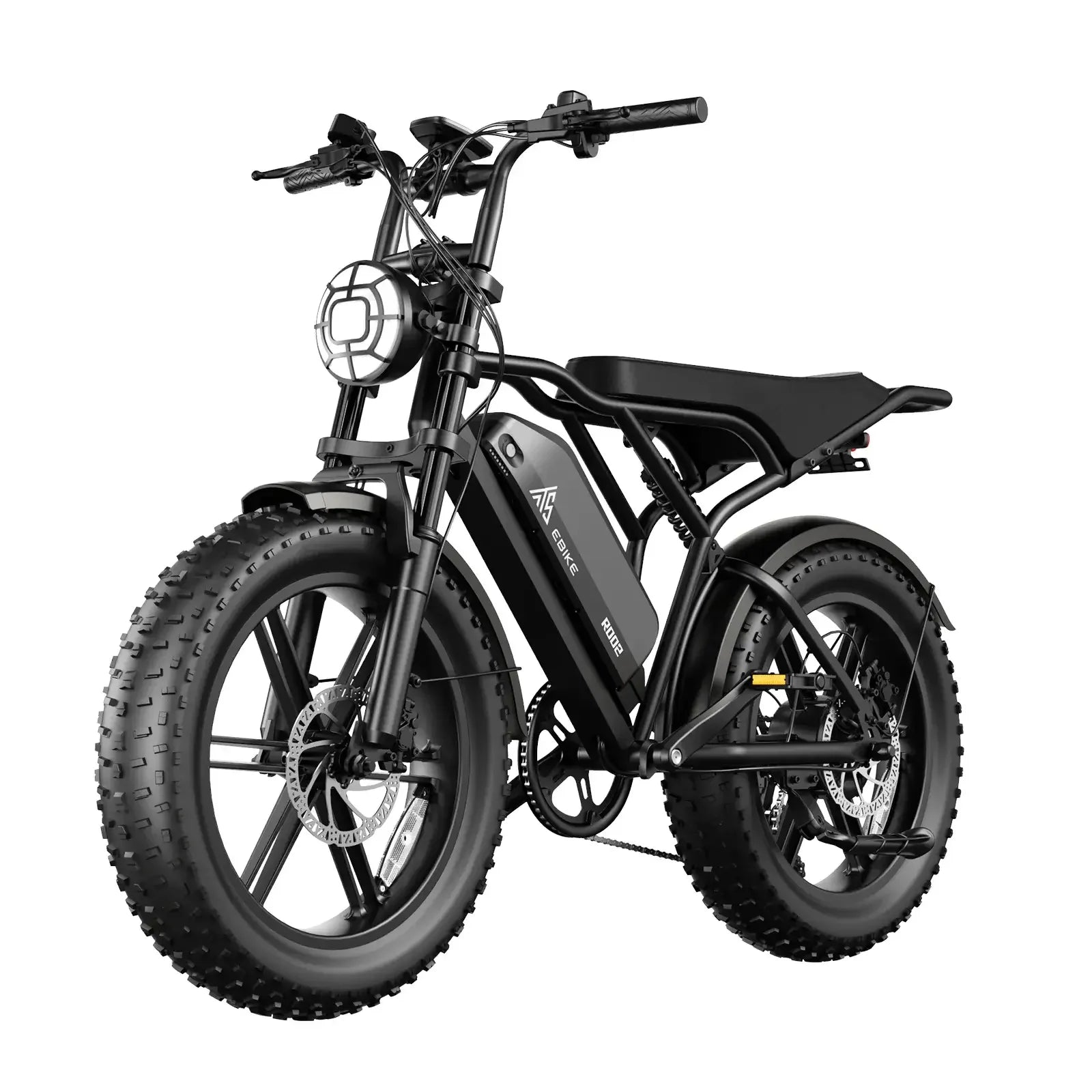

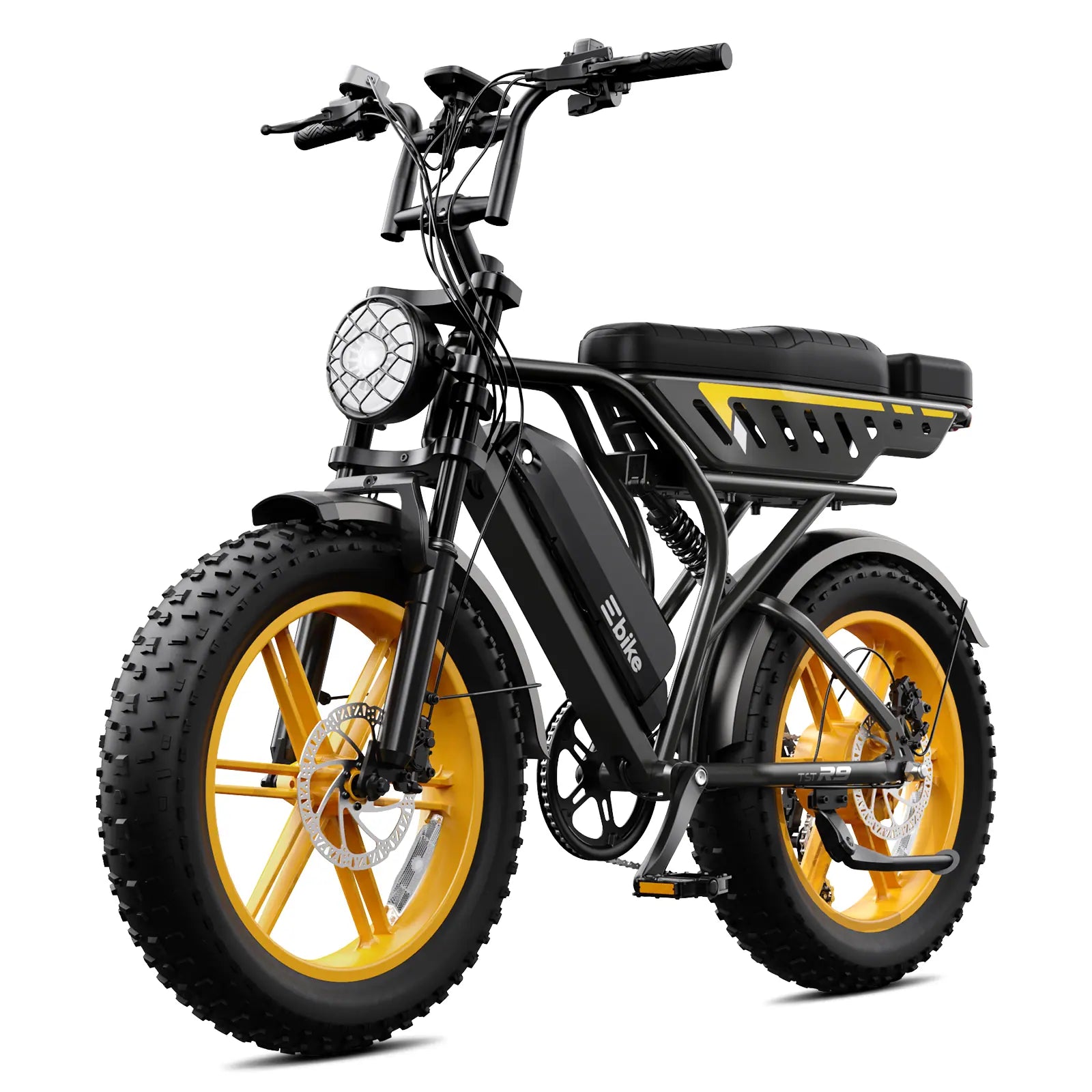

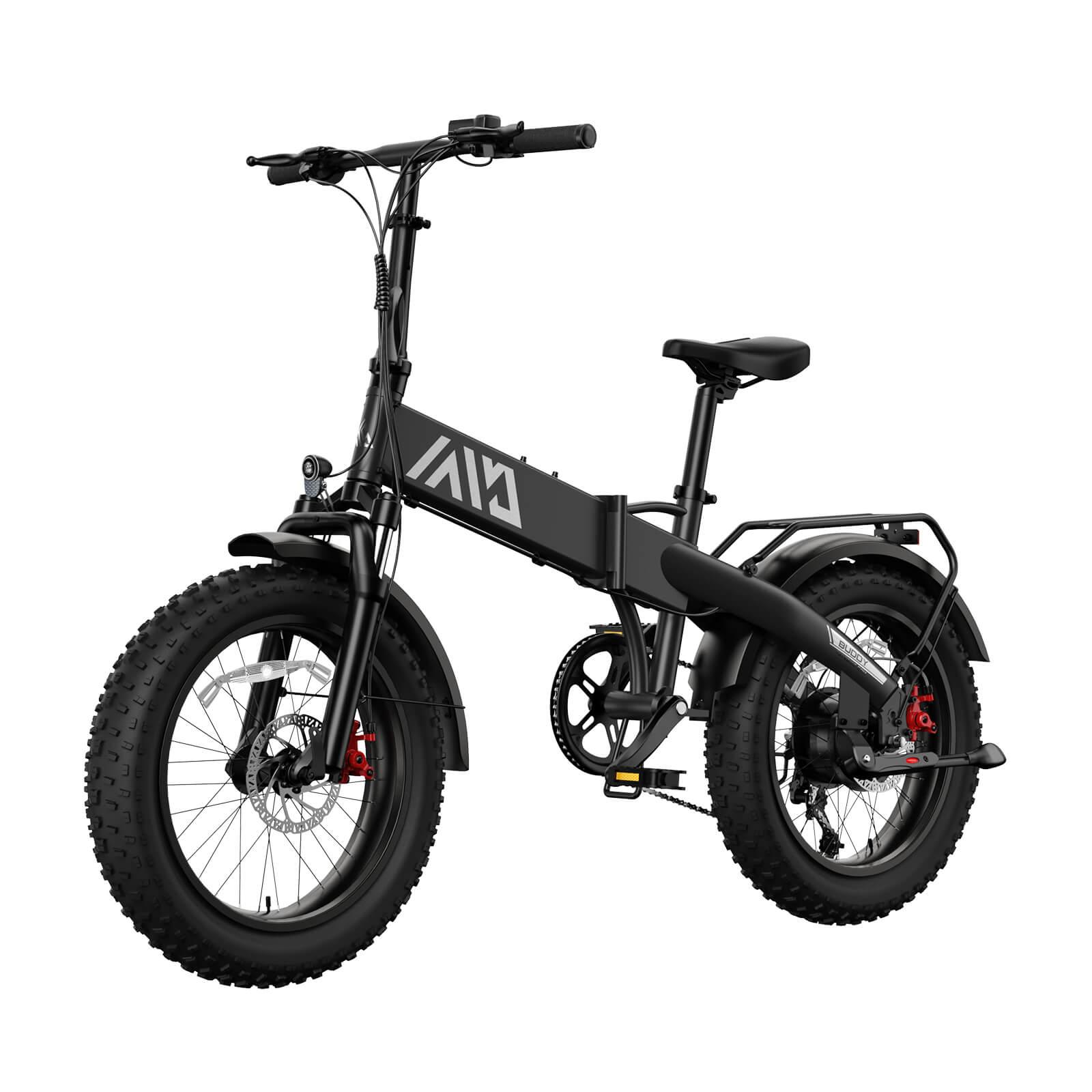

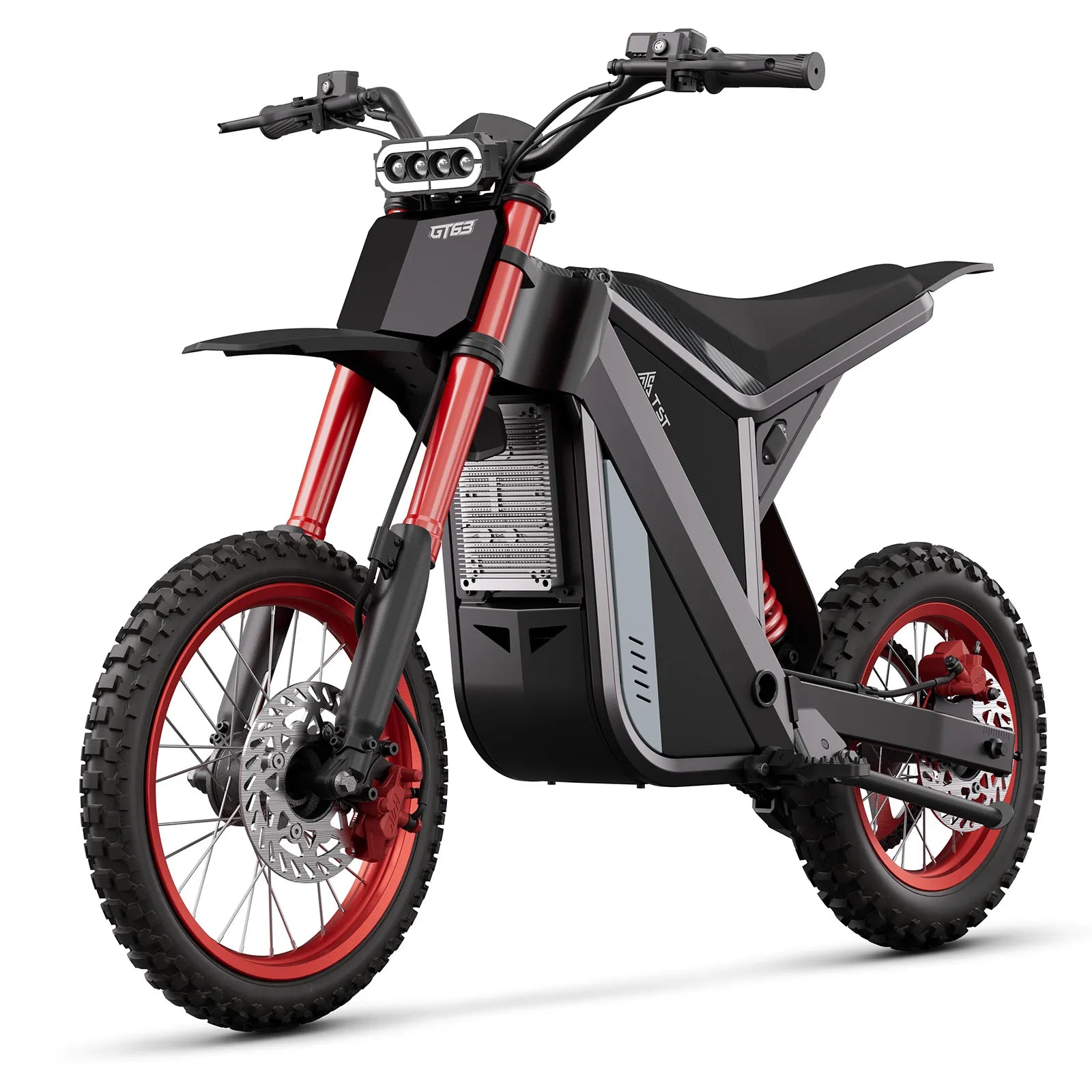
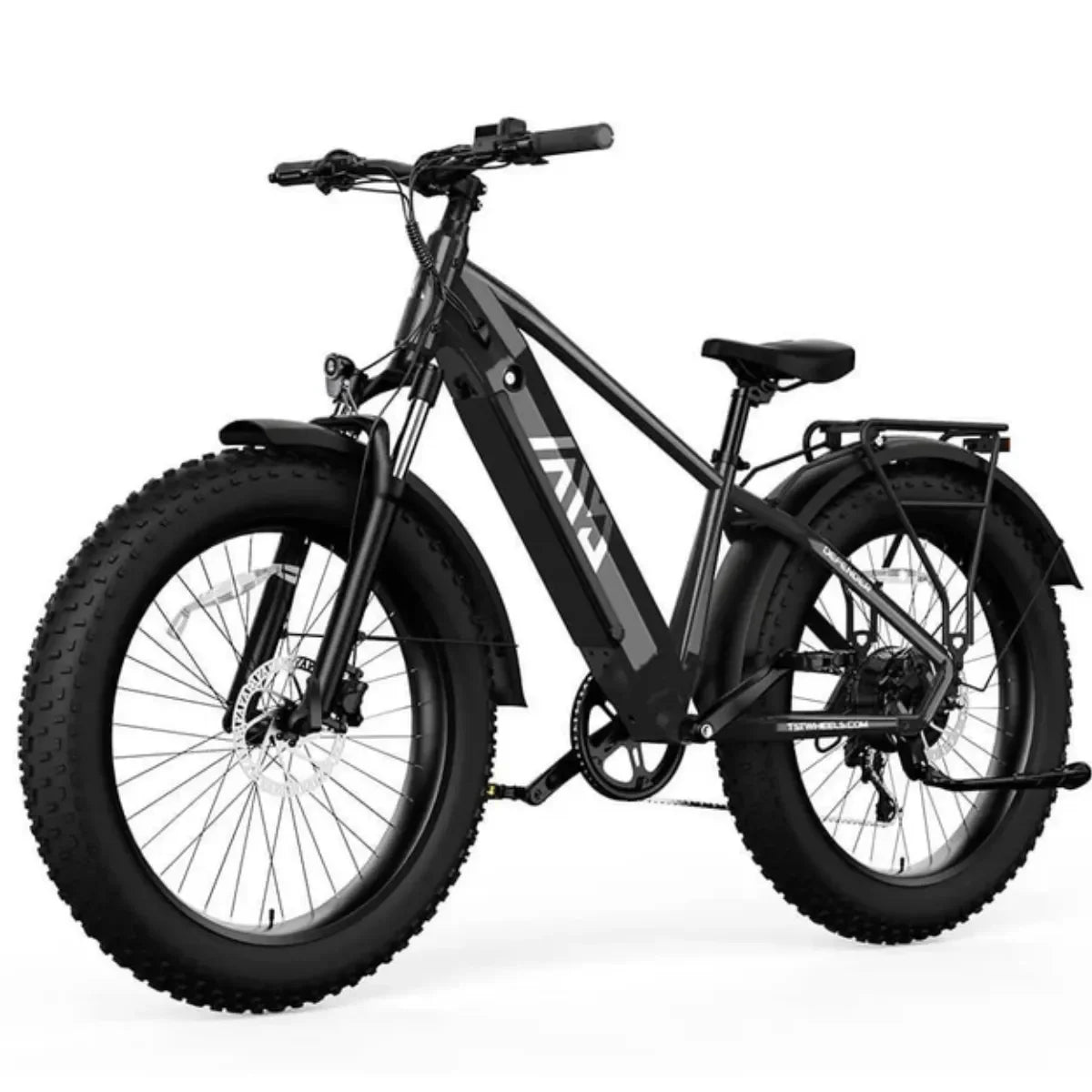
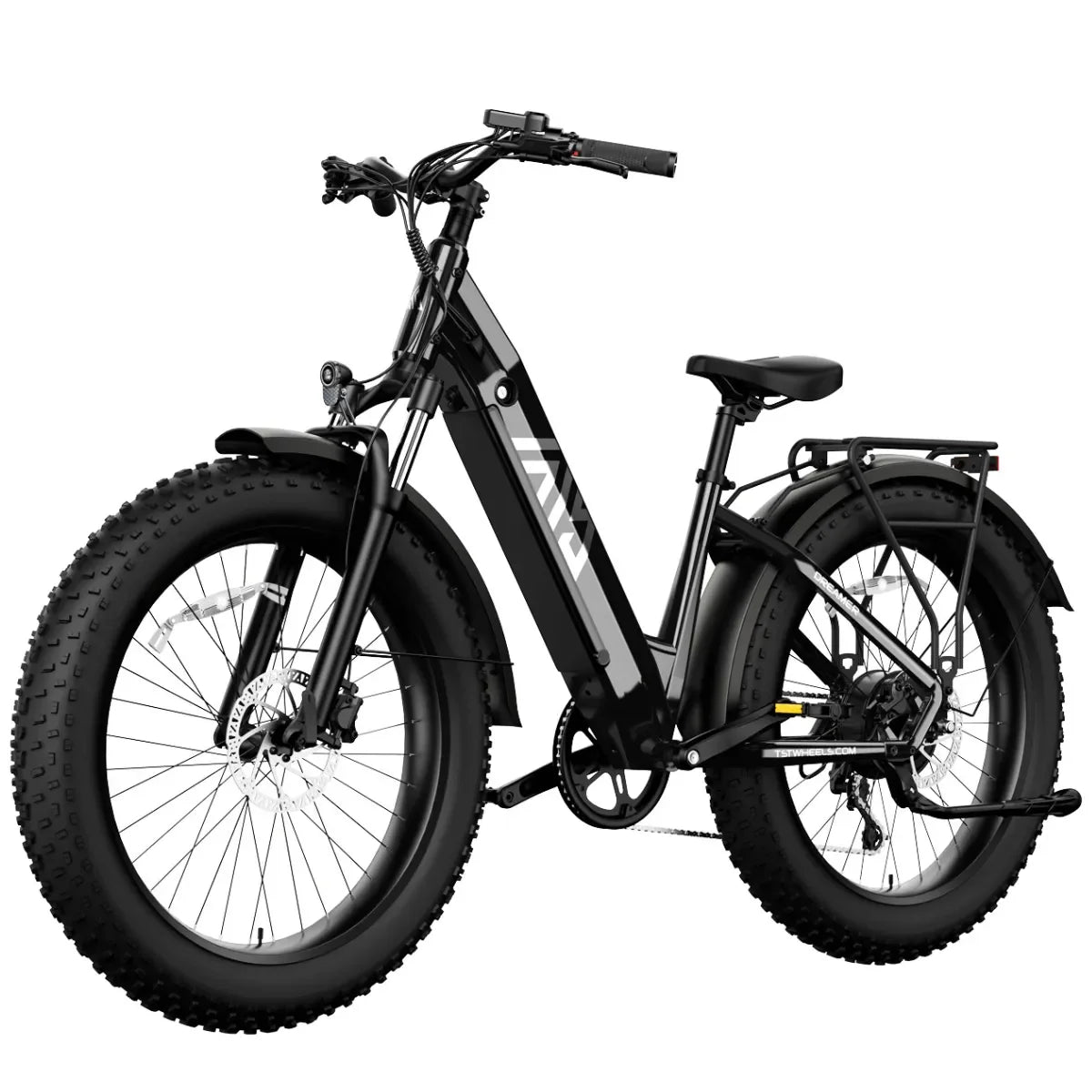

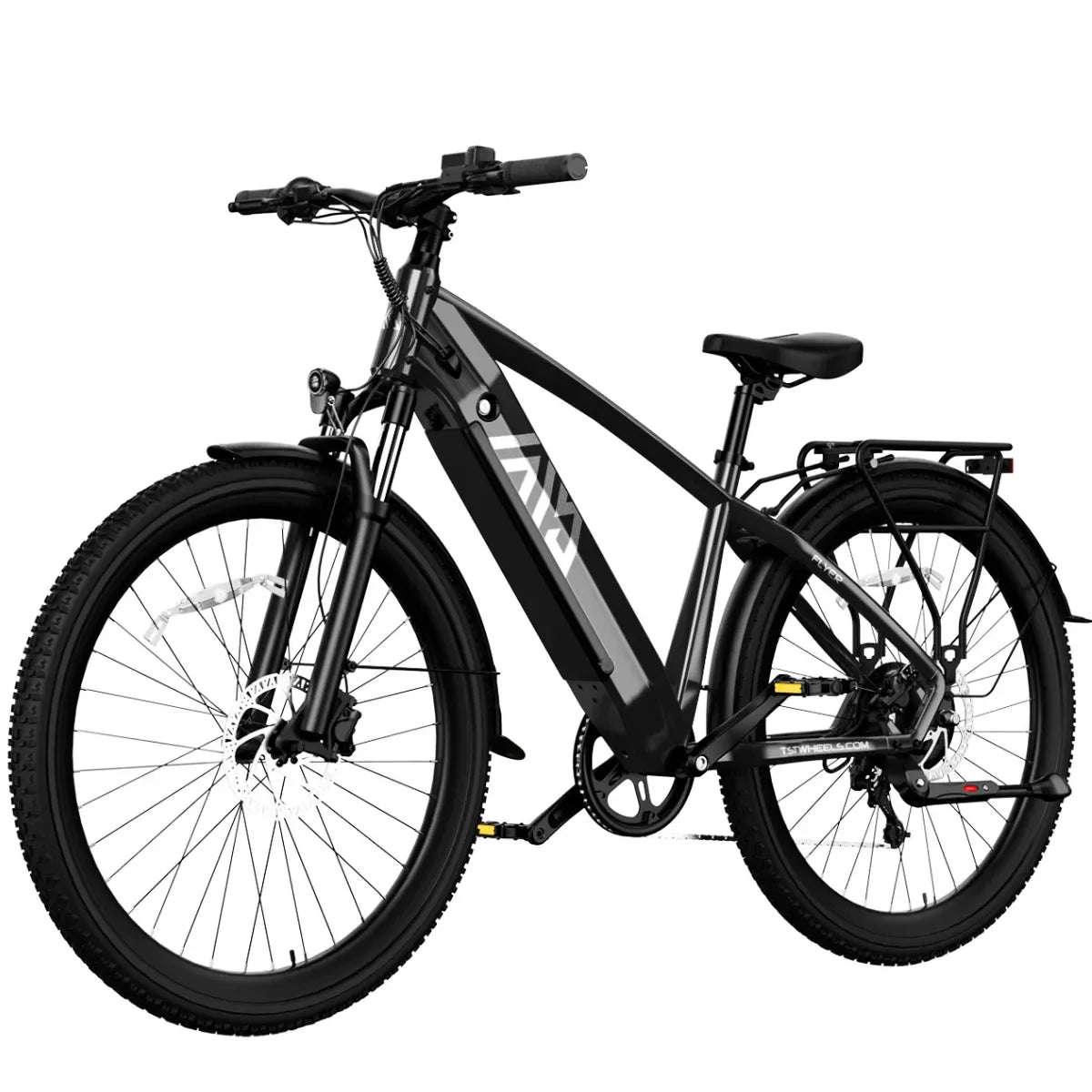

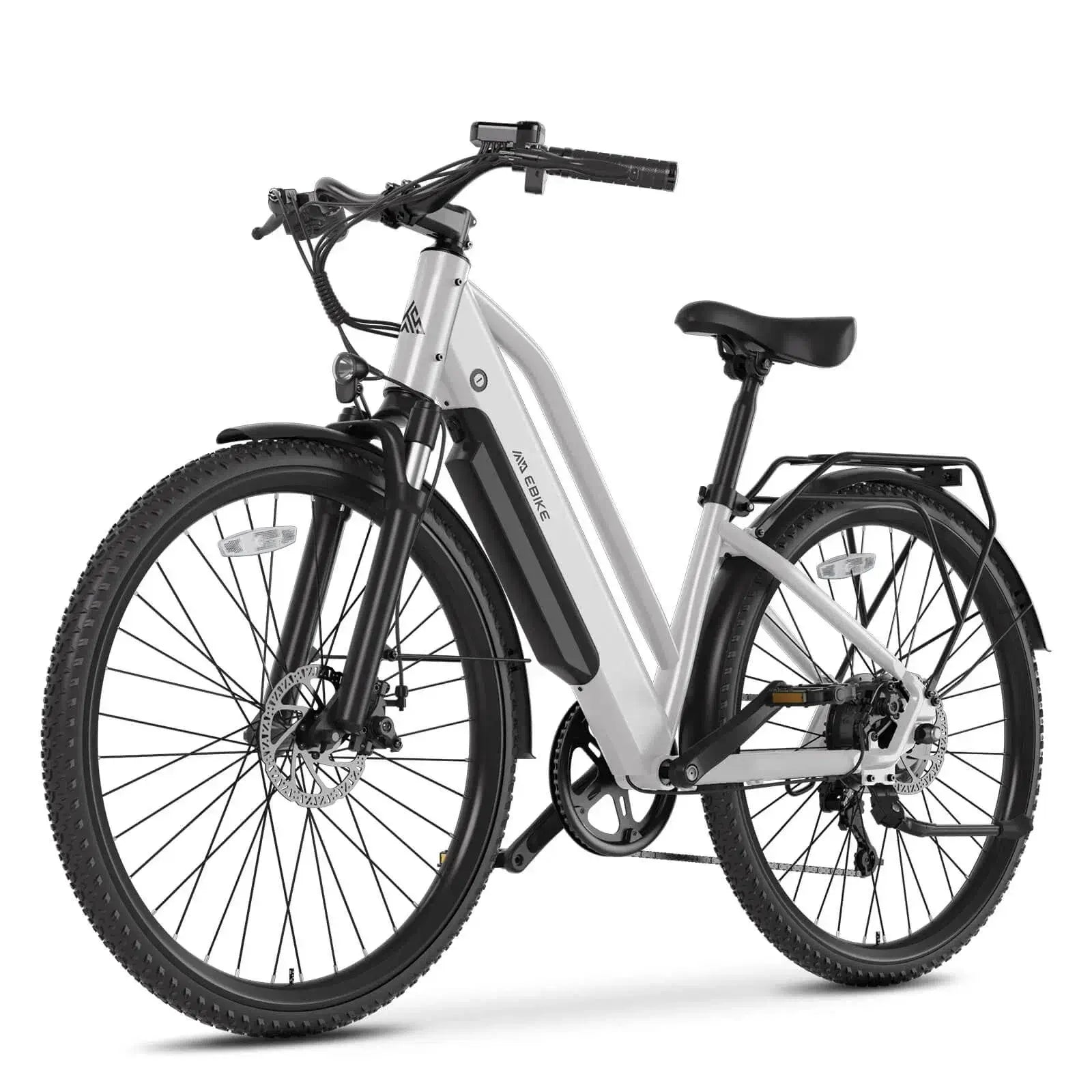






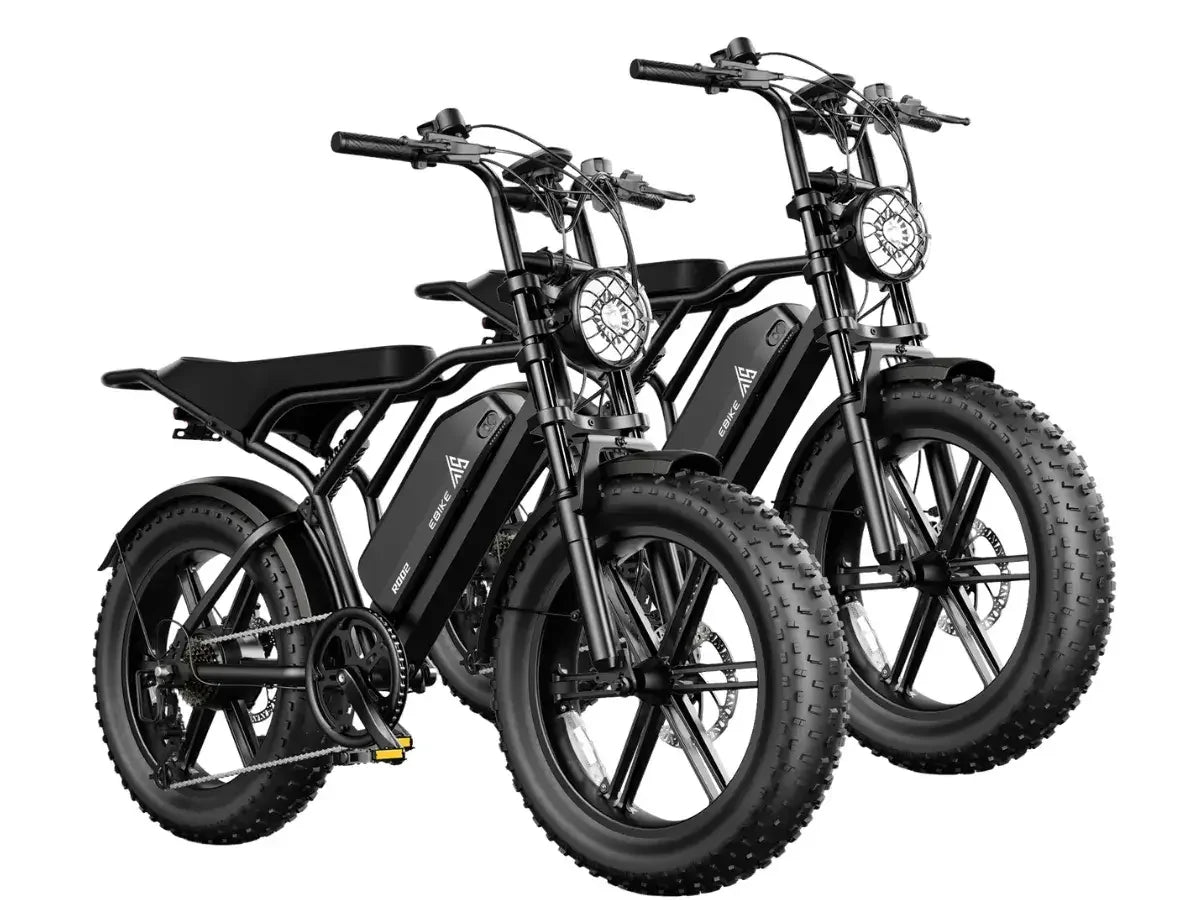
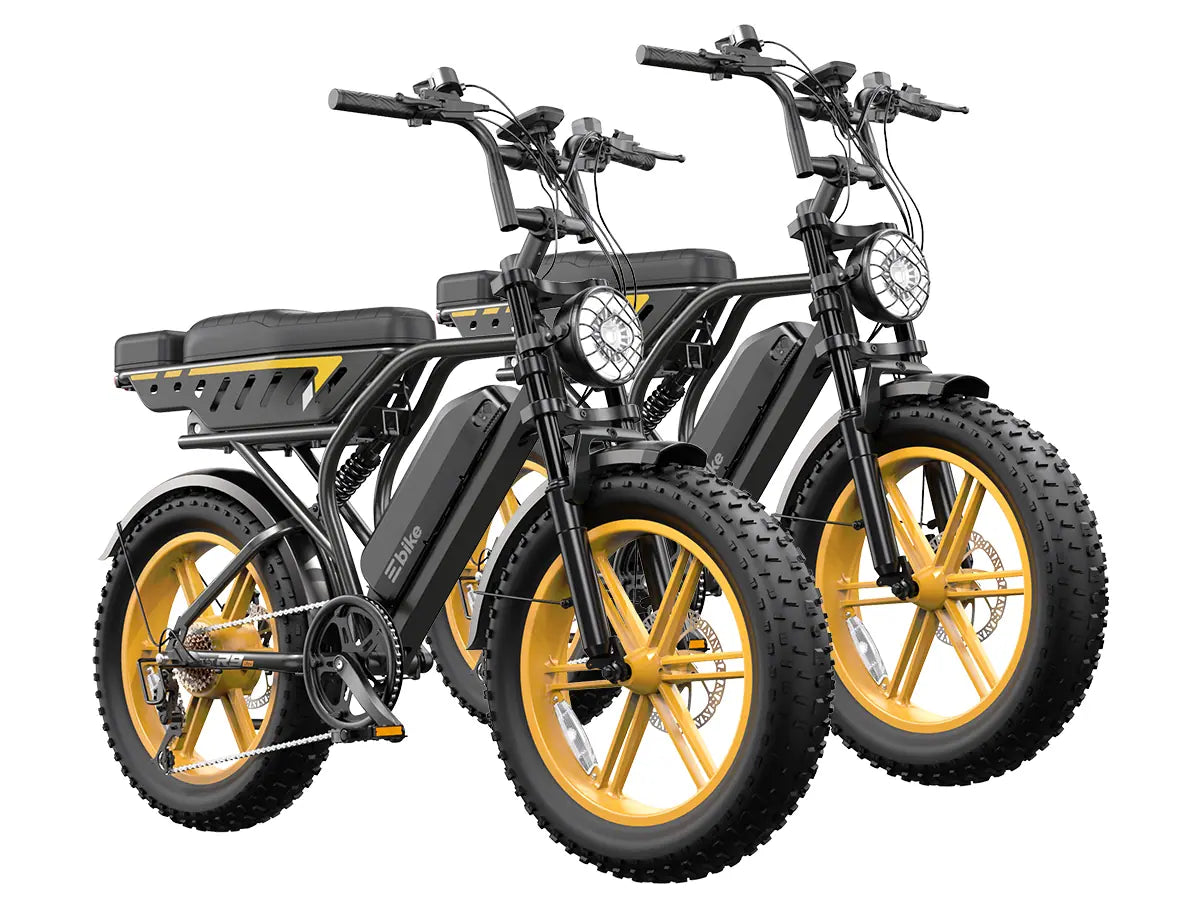

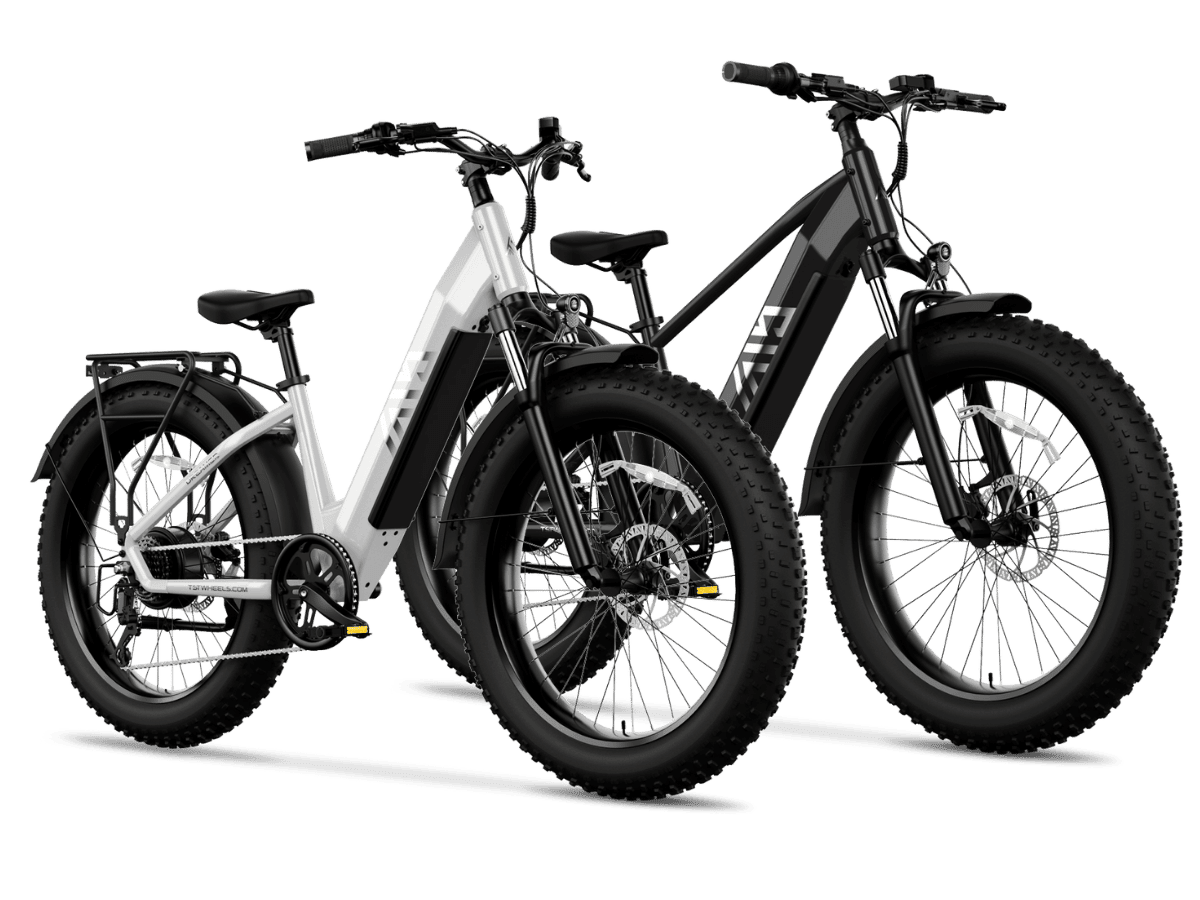
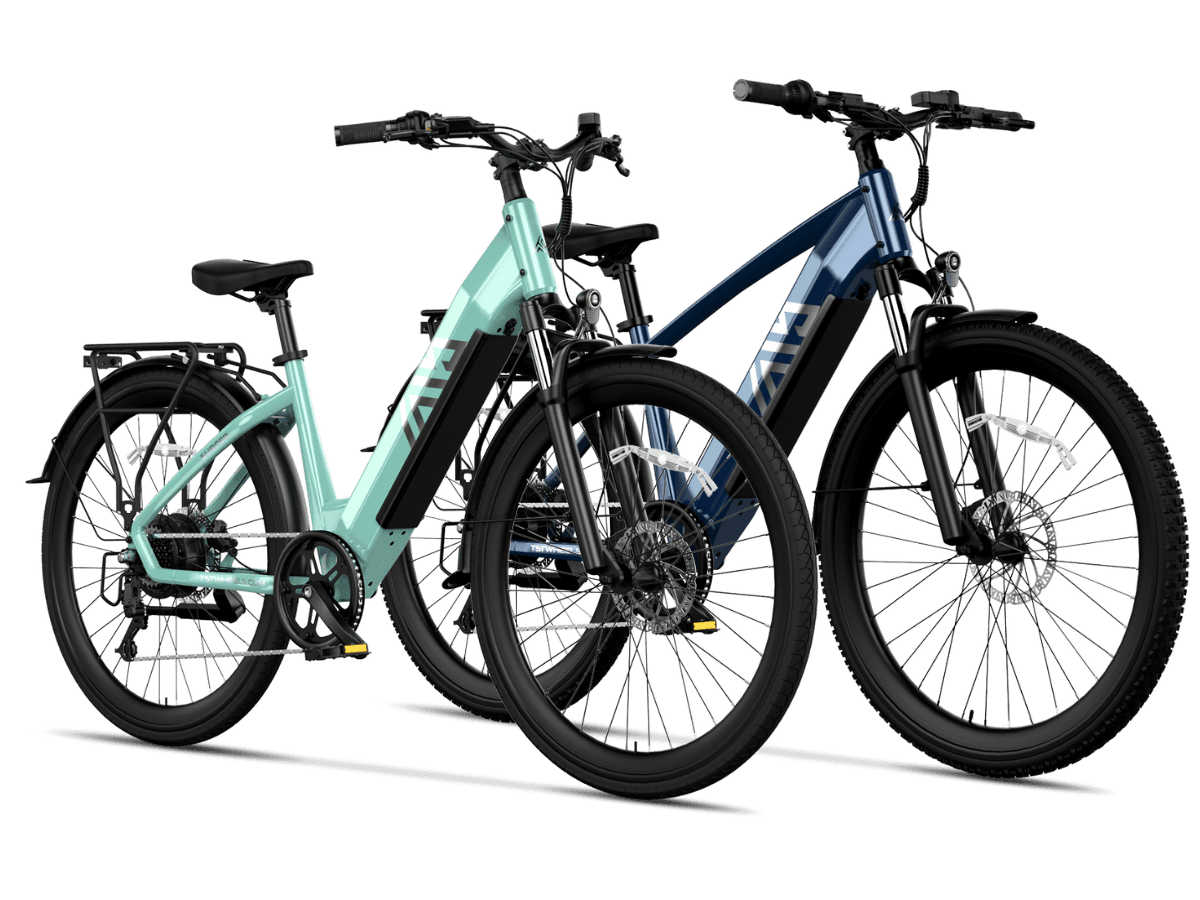
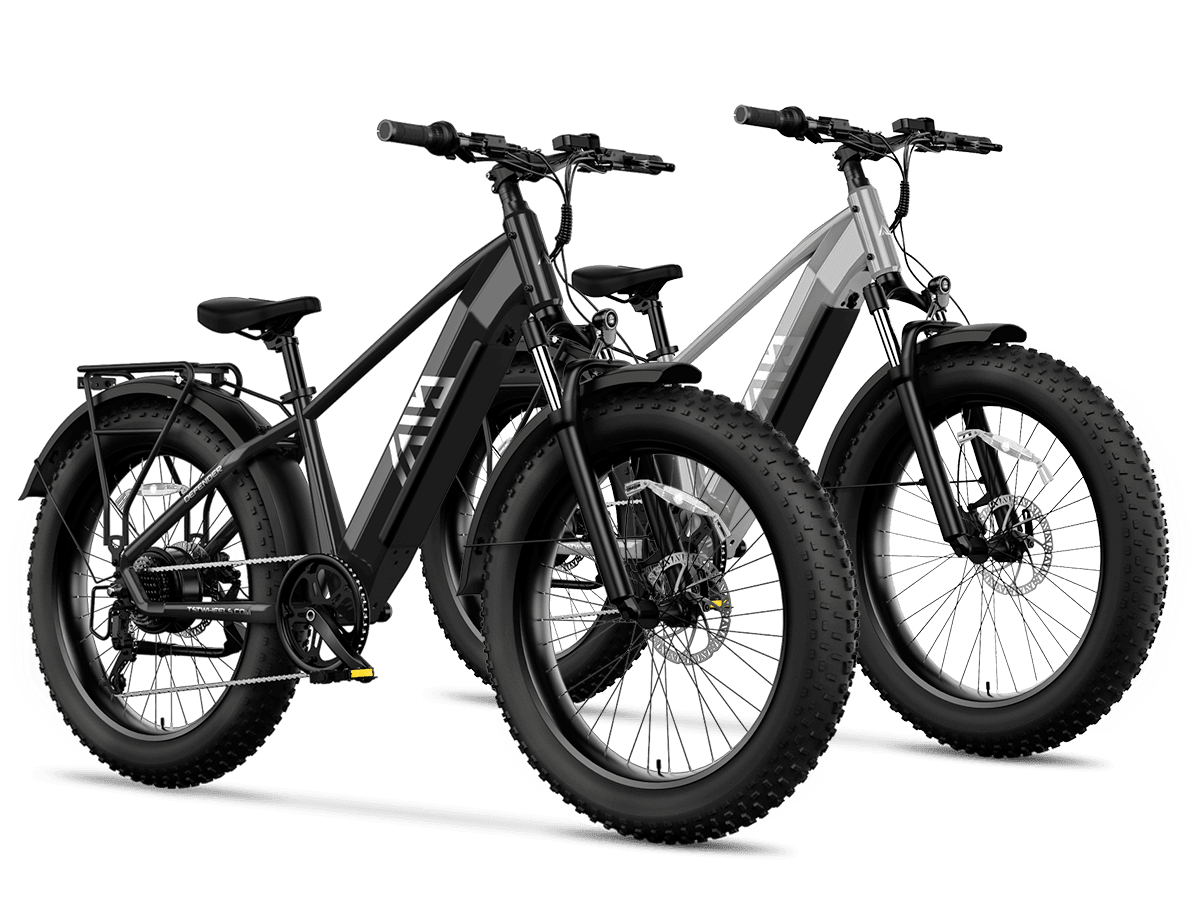
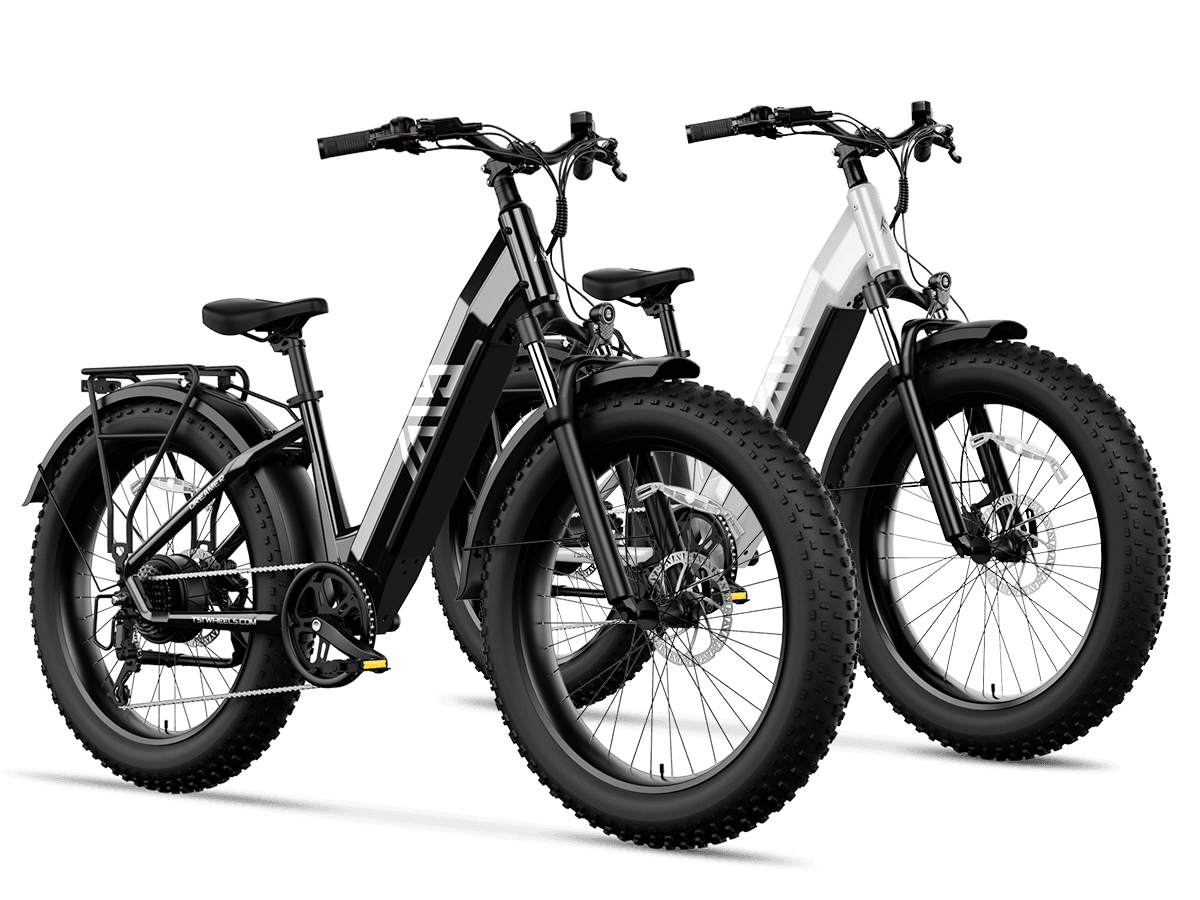

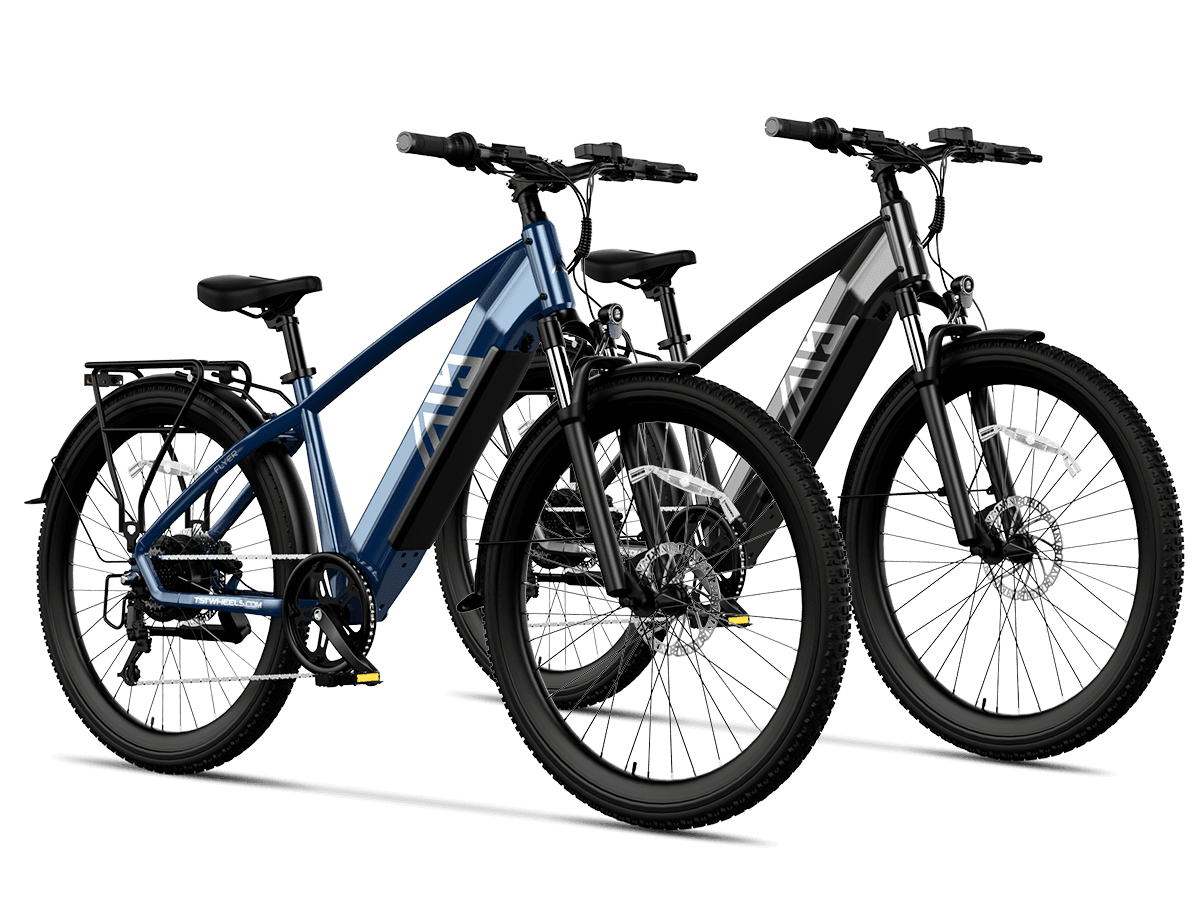
A carrier cargo eBike is designed to move people and goods efficiently without relying on cars. By combining electric assistance, reinforced frames, and integrated cargo systems, these bikes address rising transportation costs and urban congestion. This review explains how carrier cargo eBikes perform in real-world use, what problems they solve, and how riders can evaluate safety, capacity, and value before buying.
What Is the Current Industry Situation and Why Are Carrier Cargo eBikes Gaining Attention?
Urban transportation is under growing pressure. Public mobility reports show that last-mile delivery demand has increased by over 20% in major cities over the past five years, while fuel and parking costs continue to rise. At the same time, households are making more short trips for groceries, school, and errands.
Despite this demand, many cities struggle with traffic congestion and emissions. Statistics from global transport agencies indicate that nearly 40% of car trips are under 5 miles, a range where cargo eBikes can fully replace cars.
The key pain point is inefficiency. Cars are expensive and slow in dense areas, while standard bicycles lack the load capacity and power needed to carry children, groceries, or work equipment safely.
Why Do Existing Transport Options Fail to Meet Cargo Needs?
Traditional bicycles are not designed for heavy or uneven loads. Carrying more than 20–30 kg often affects balance, braking distance, and rider fatigue.
Cars and vans solve the load problem but introduce new issues: high operating costs, parking difficulty, and emissions restrictions in urban centers. For short trips, they are often slower than bikes due to traffic and parking delays.
Public transport offers limited flexibility. Fixed schedules and routes do not align with errands, deliveries, or family travel, making it impractical for daily cargo use.
How Does a Carrier Cargo eBike Address These Problems?
Carrier cargo eBikes combine electric motors, reinforced frames, and integrated racks to move heavier loads efficiently. High-torque motors assist riders when starting, climbing hills, or riding with cargo, reducing physical strain.
Design features such as extended rear racks, front carriers, and low center of gravity frames improve stability. Disc braking systems provide predictable stopping power even under load.
TST EBike focuses on high-power, cost-effective electric bikes built from consumer feedback. Their approach emphasizes structural strength, motor reliability, and quality control, making their cargo-capable models suitable for daily utility use.
Which Features Define a Practical Carrier Cargo eBike?
A reliable carrier cargo eBike typically includes:
-
Motor power sufficient to handle added weight without overheating
-
Reinforced frame and rack rated for higher payloads
-
Stable wheel sizes, often 26-inch for better load balance
-
Strong braking systems designed for heavier total weight
-
Modular cargo options for bags, boxes, or child seats
TST EBike offers both 26-inch and 27-inch configurations, allowing riders to choose between maximum stability for cargo or efficiency for commuting, depending on use case.
How Does a Carrier Cargo eBike Compare With Traditional Solutions?
| Factor | Traditional Bicycle | Car or Van | Carrier Cargo eBike |
|---|---|---|---|
| Load Capacity | Low | High | Medium to high |
| Operating Cost | Very low | High | Low |
| Urban Speed | Moderate | Often slow | Fast in traffic |
| Parking | Easy | Difficult | Easy |
| Emissions | None | High | None |
| Physical Effort | High under load | None | Low with assist |
| Trip Flexibility | High | Medium | High |
How Can You Use a Carrier Cargo eBike Step by Step?
-
Assess your typical cargo weight and volume.
-
Choose a frame and rack rated above your maximum load.
-
Adjust saddle and handlebar position for balance with cargo.
-
Secure cargo evenly using straps or fitted containers.
-
Start in lower assist mode to control acceleration.
-
Increase assist gradually on hills or longer routes.
-
Brake earlier and more smoothly when fully loaded.
-
Perform regular checks on rack bolts, brakes, and tires.
Who Benefits Most From Using a Carrier Cargo eBike?
Scenario 1: Family Errands
Problem: Multiple short car trips for groceries and school runs.
Traditional Approach: Driving and searching for parking.
After Using Cargo eBike: One trip carries groceries and bags easily.
Key Benefit: Time savings and lower fuel expenses.
Scenario 2: Small Business Deliveries
Problem: High delivery costs for short-distance orders.
Traditional Approach: Car or van for every delivery.
After Using Cargo eBike: Faster deliveries in dense areas.
Key Benefit: Reduced operating cost and improved efficiency.
Scenario 3: Urban Commuter With Equipment
Problem: Carrying tools or work gear on public transport.
Traditional Approach: Backpack overload or multiple trips.
After Using Cargo eBike: Stable transport for heavier gear.
Key Benefit: Comfort and flexibility.
Scenario 4: Environmentally Conscious Rider
Problem: Desire to reduce car use without sacrificing convenience.
Traditional Approach: Standard bike with limited capacity.
After Using Cargo eBike: Replaces most short car trips.
Key Benefit: Lower emissions with practical usability.
Why Is Now the Right Time to Consider a Carrier Cargo eBike?
Cities are investing more in bike infrastructure while tightening emissions and parking regulations. At the same time, electric bike technology has matured, making cargo models more reliable and affordable.
TST EBike, founded in California in 2017, operates warehouses and offline stores across multiple countries, supporting riders with accessible service and product availability. Its focus on high-power, cost-effective designs aligns with the growing demand for utility-focused eBikes.
Choosing a carrier cargo eBike now allows riders to adapt to urban mobility trends while reducing long-term transportation costs.
What Are Common Questions About Carrier Cargo eBikes?
Can a carrier cargo eBike replace a car for daily errands?
How much weight can a cargo eBike safely carry?
Are 26-inch wheels better than 27-inch for cargo stability?
Does carrying heavy loads reduce battery range significantly?
What maintenance is required for cargo racks and frames?
Are cargo eBikes suitable for hilly cities?

Leave a comment
This site is protected by hCaptcha and the hCaptcha Privacy Policy and Terms of Service apply.