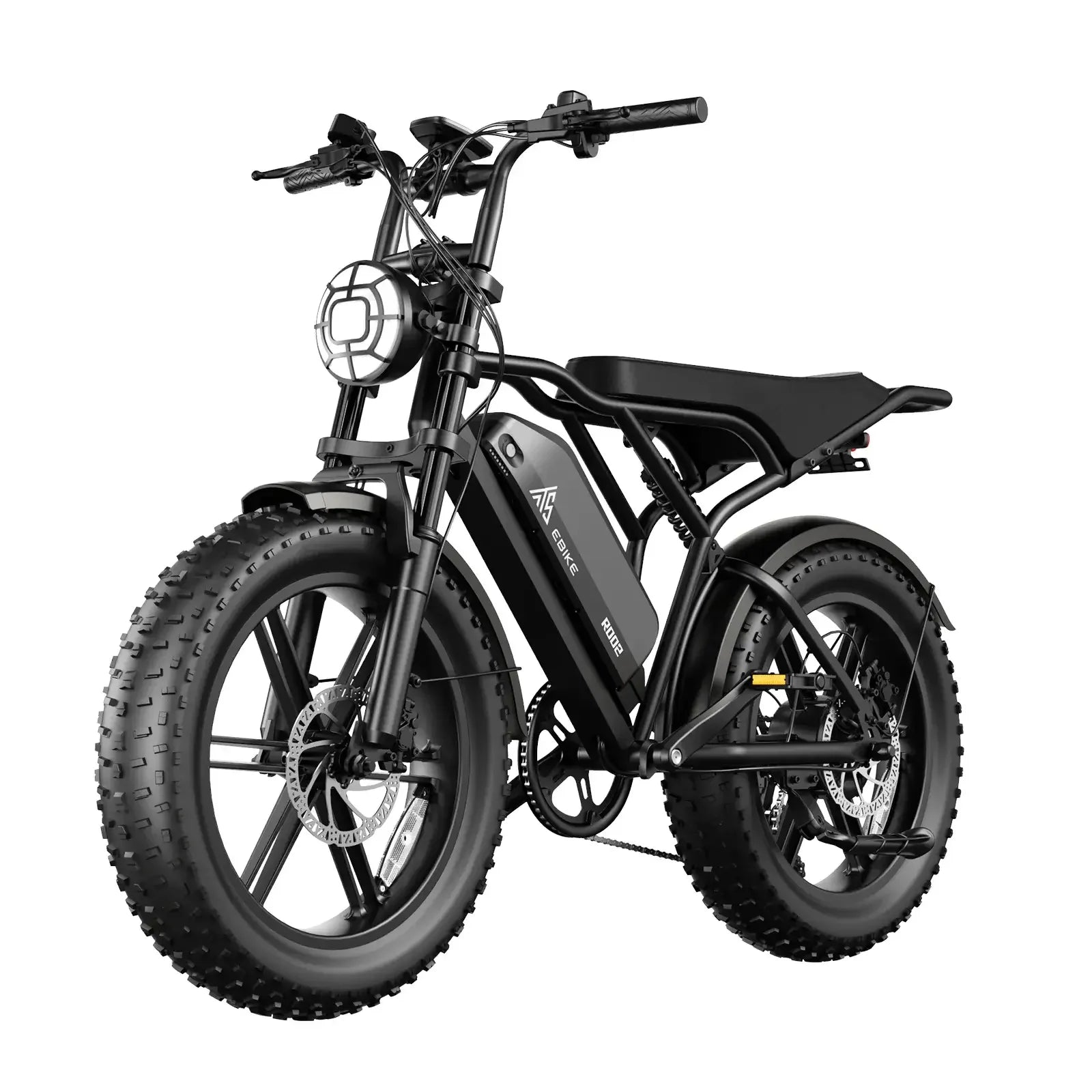

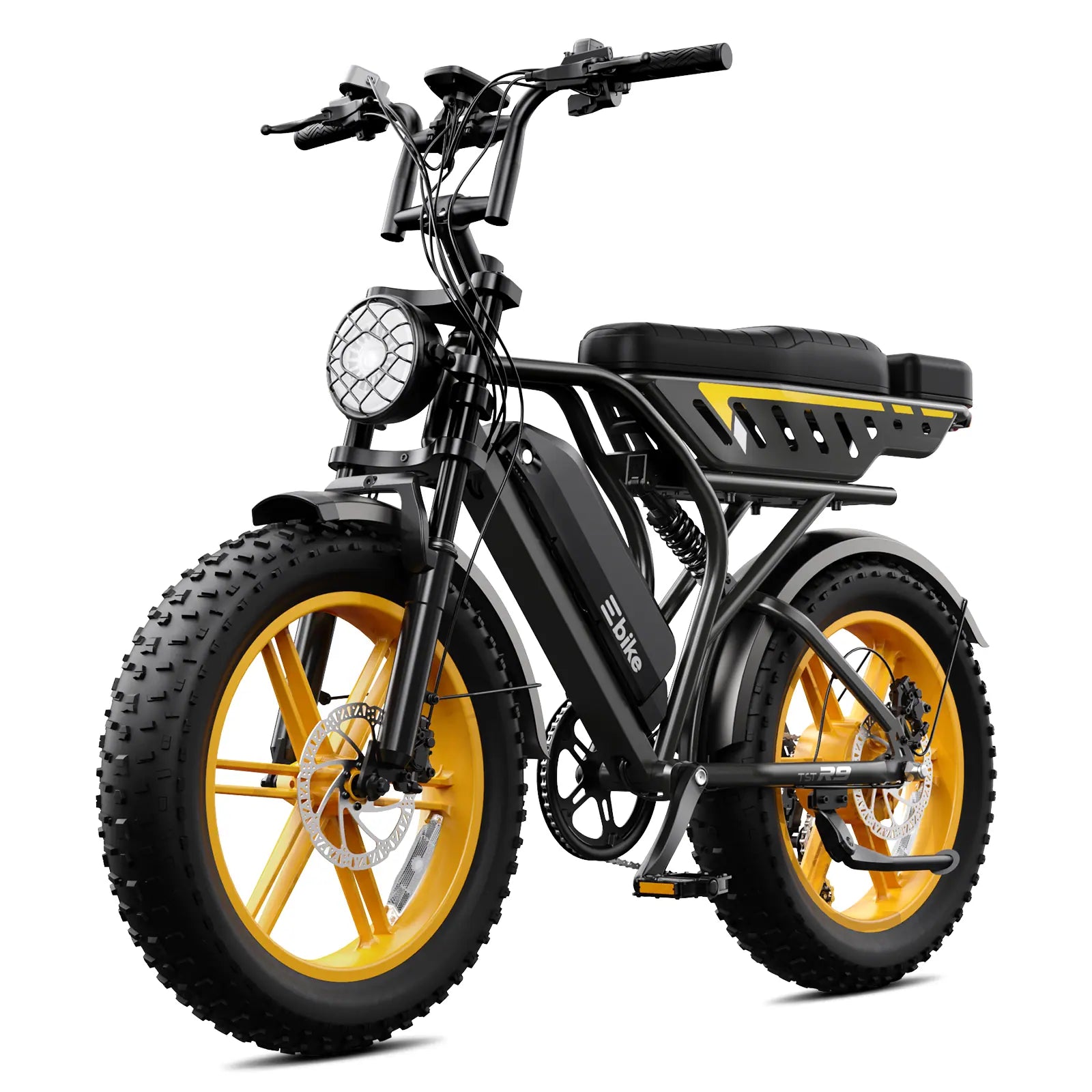

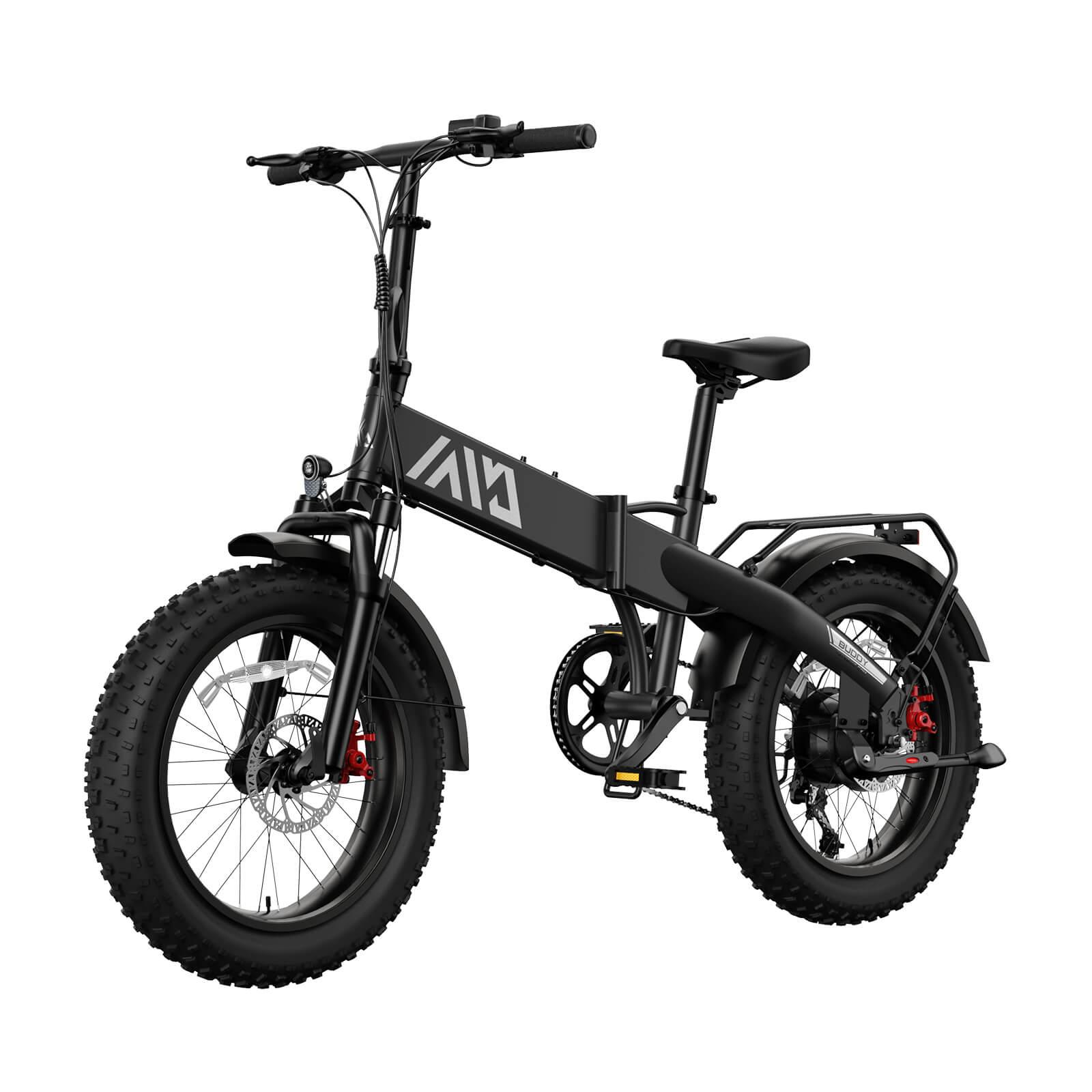

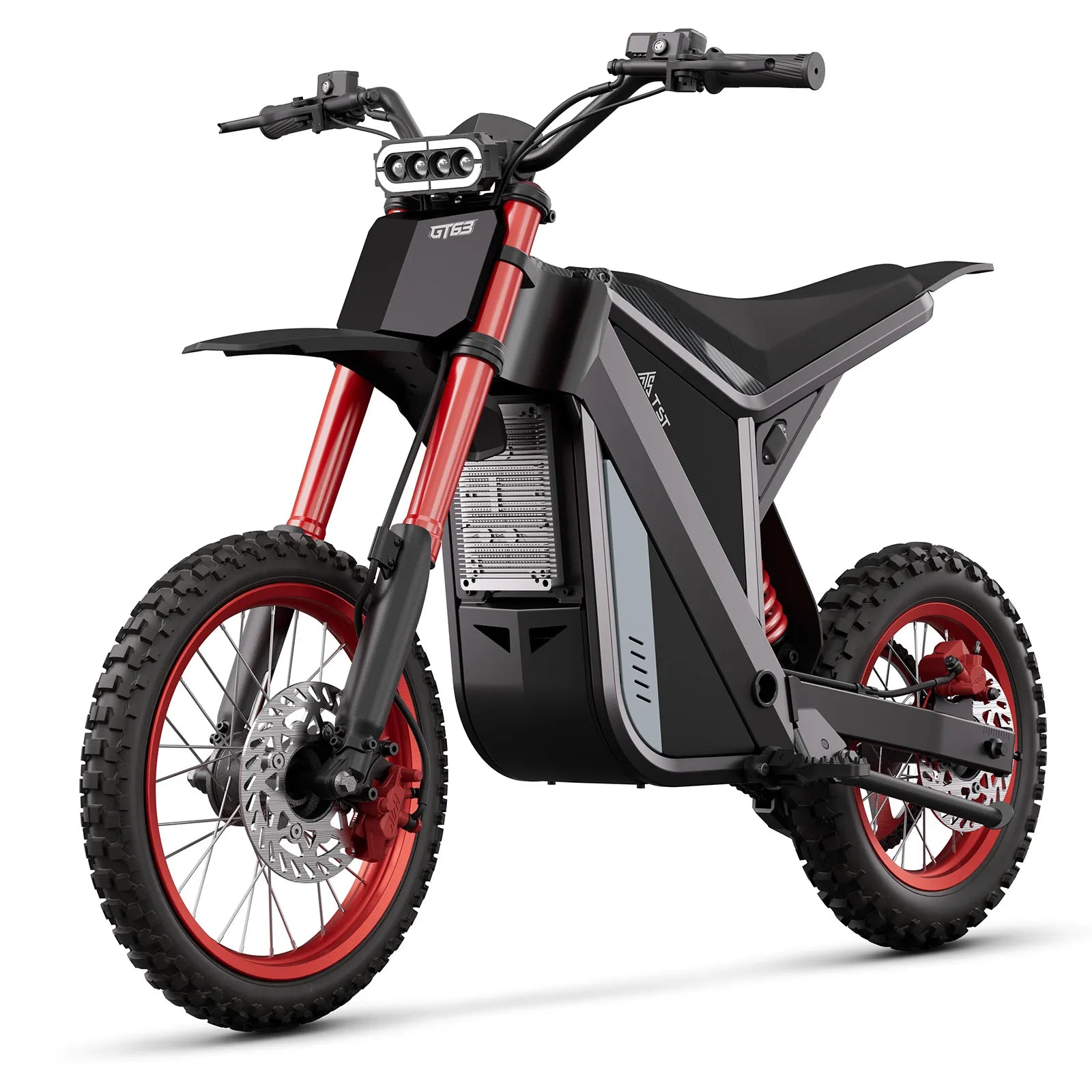
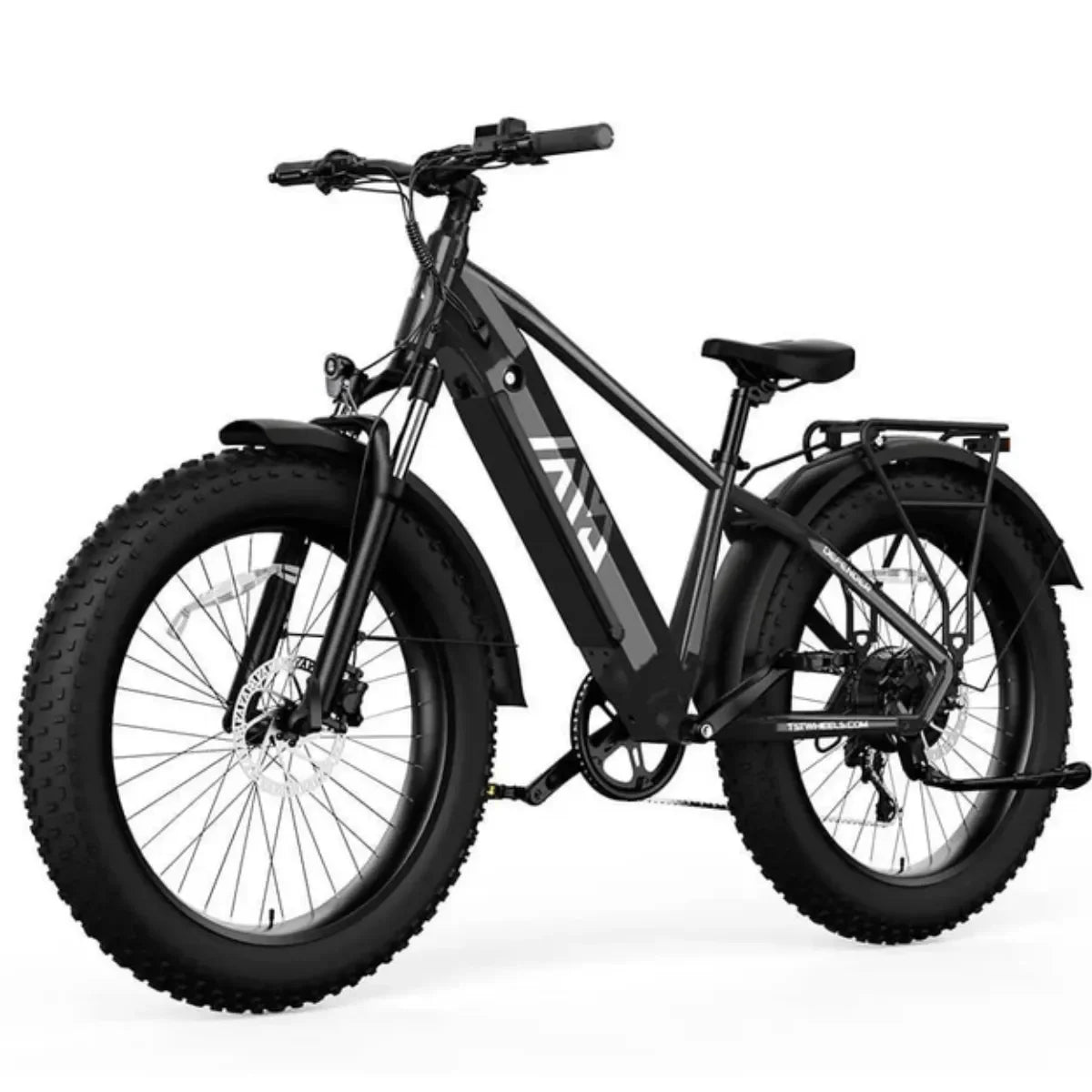
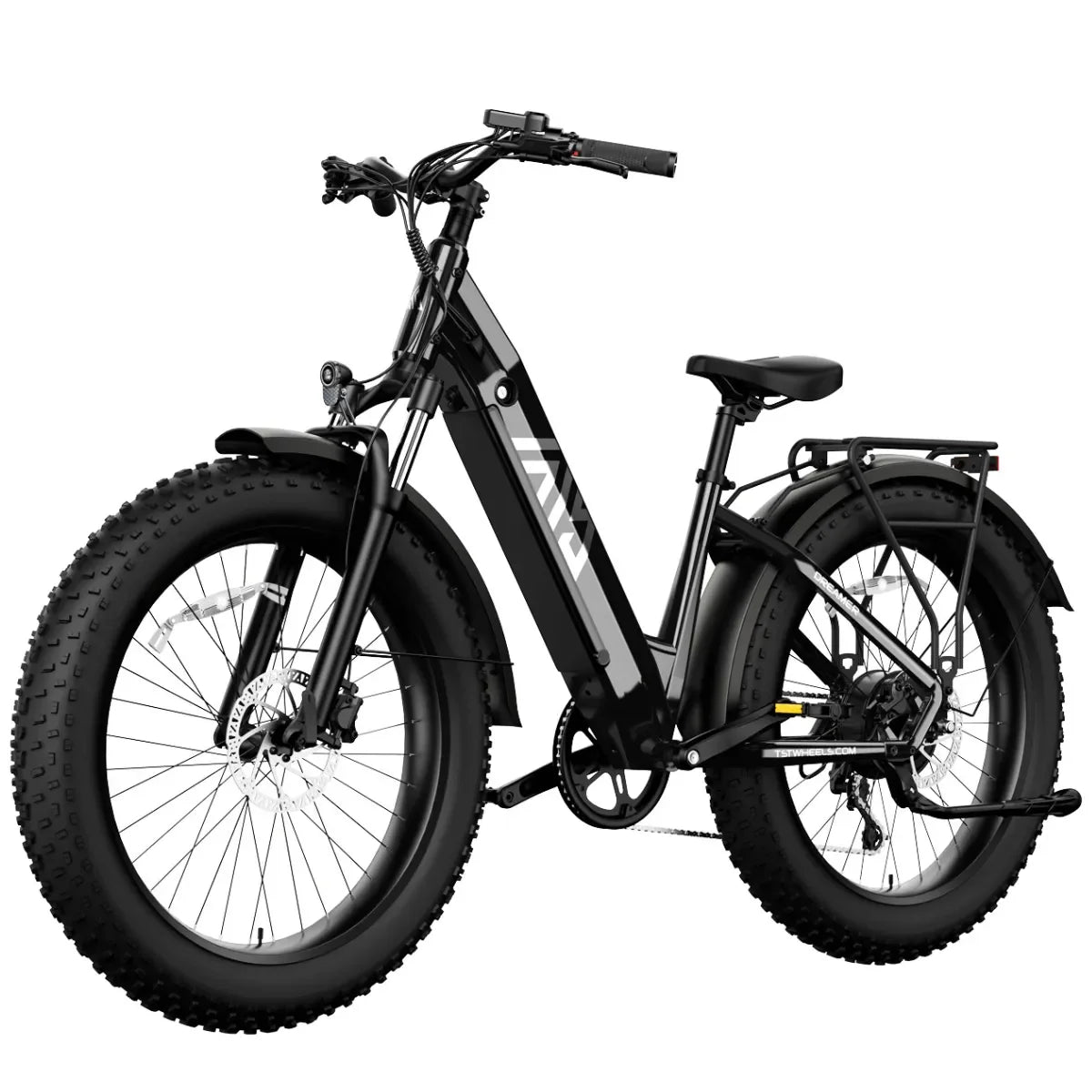

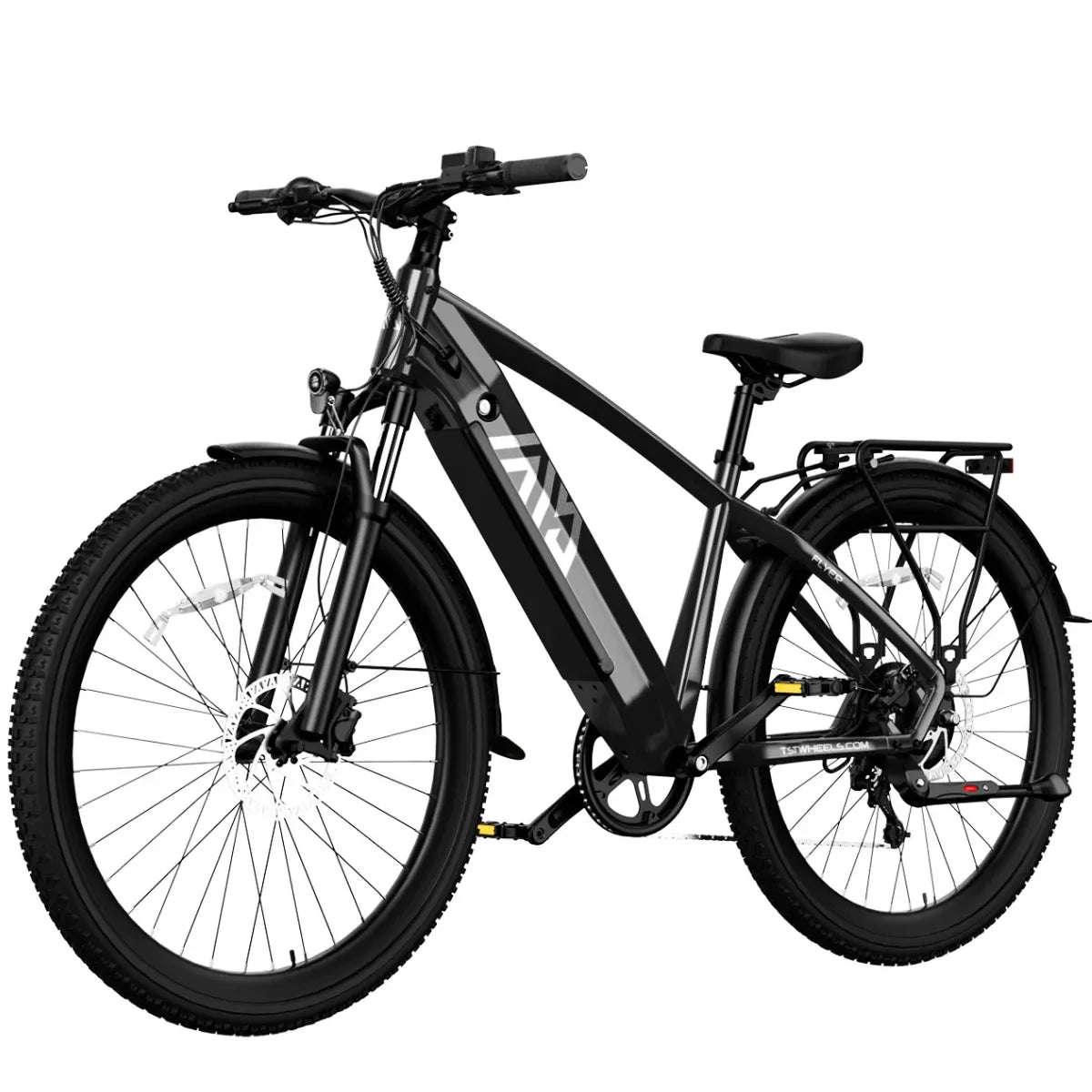

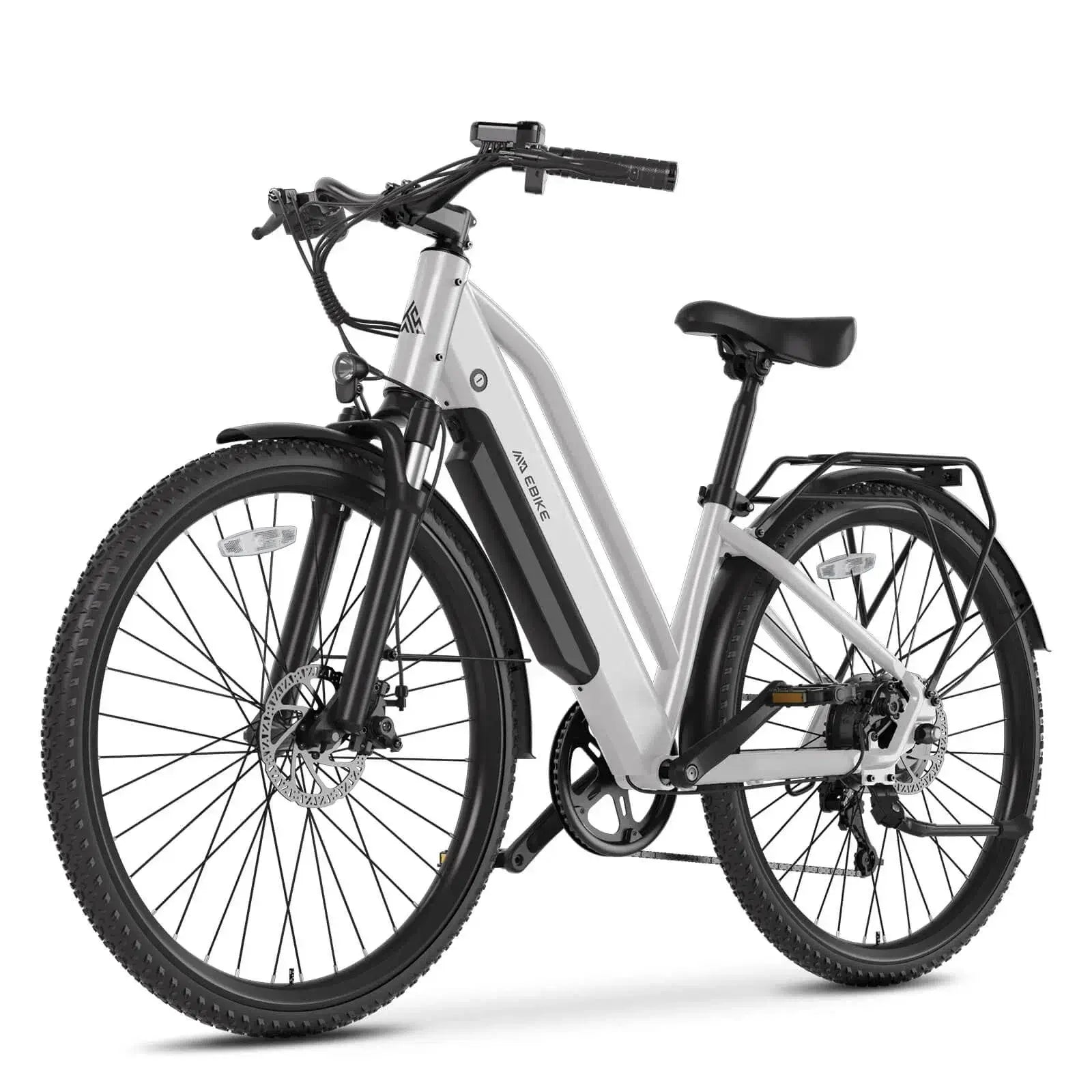






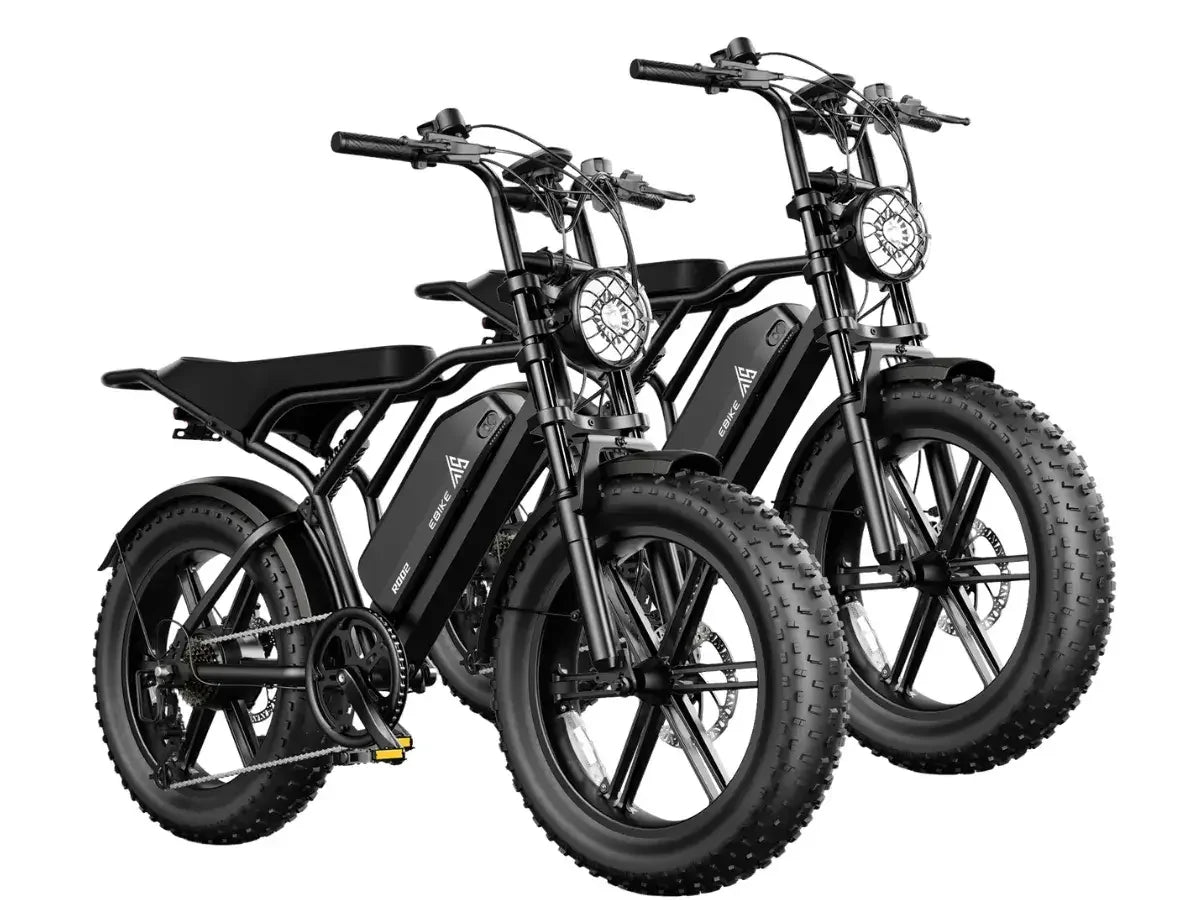
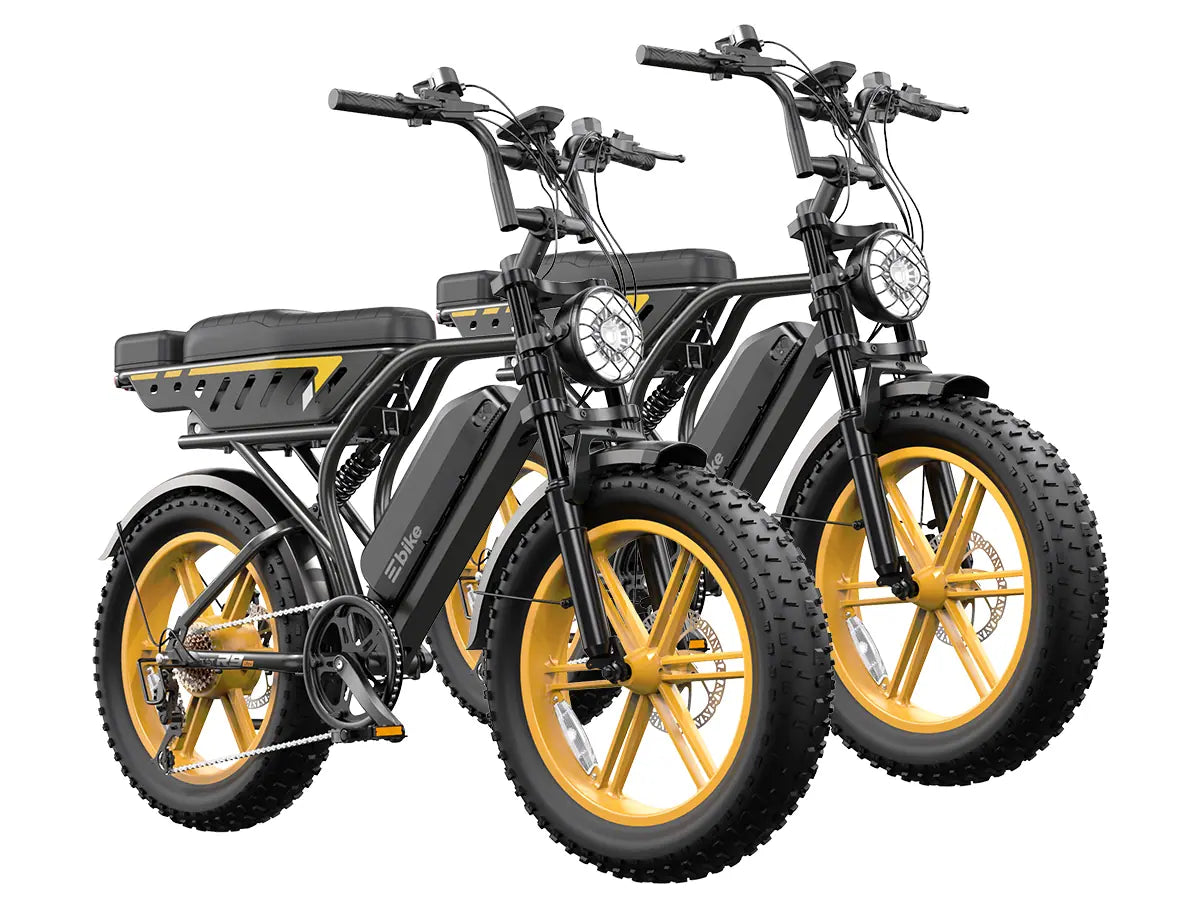

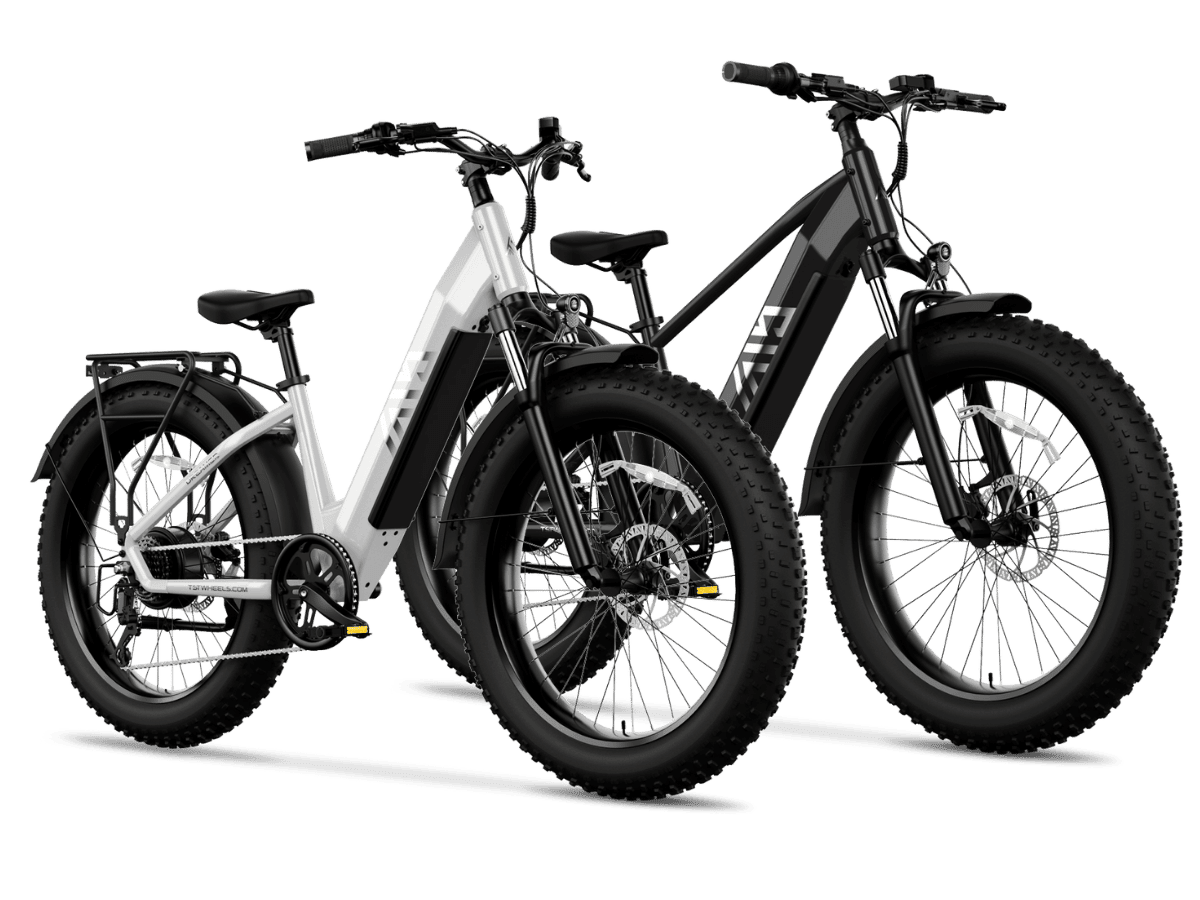
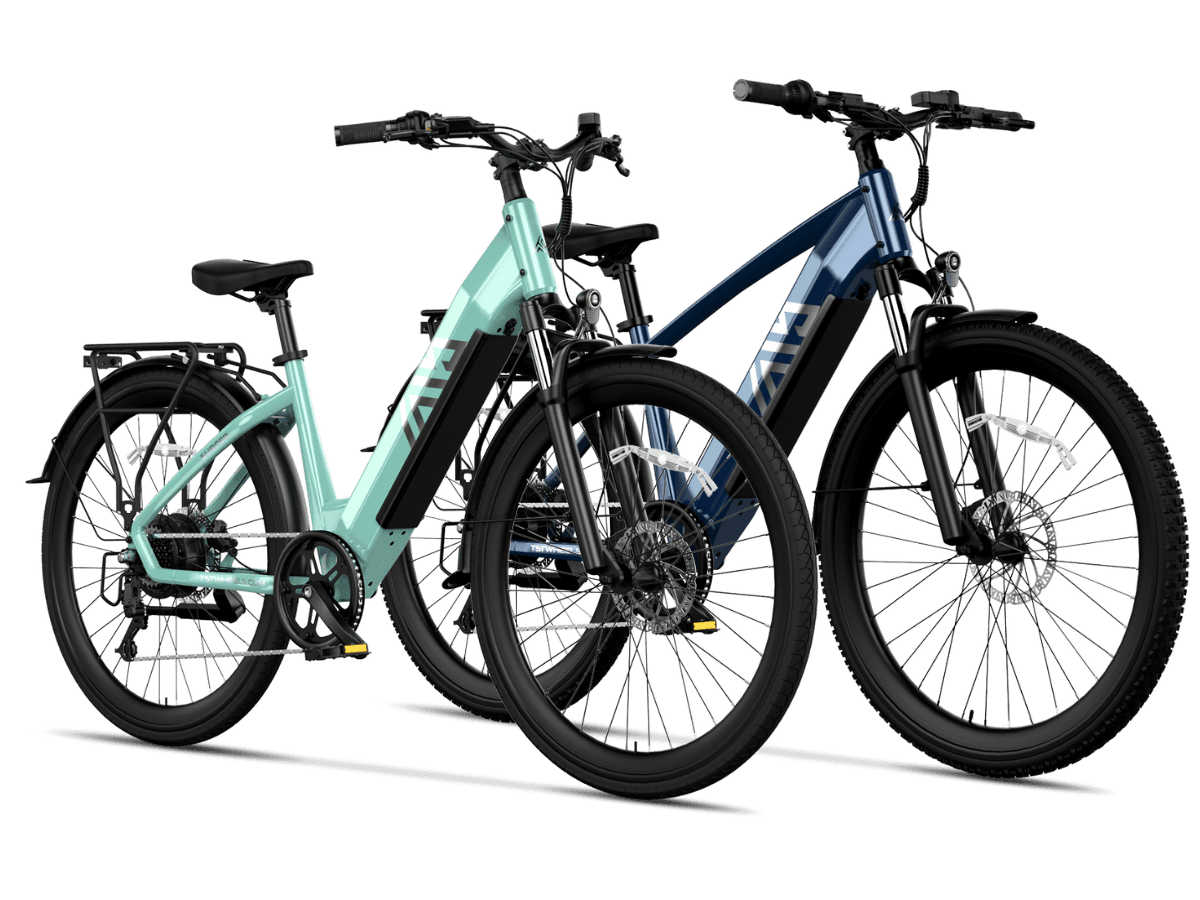
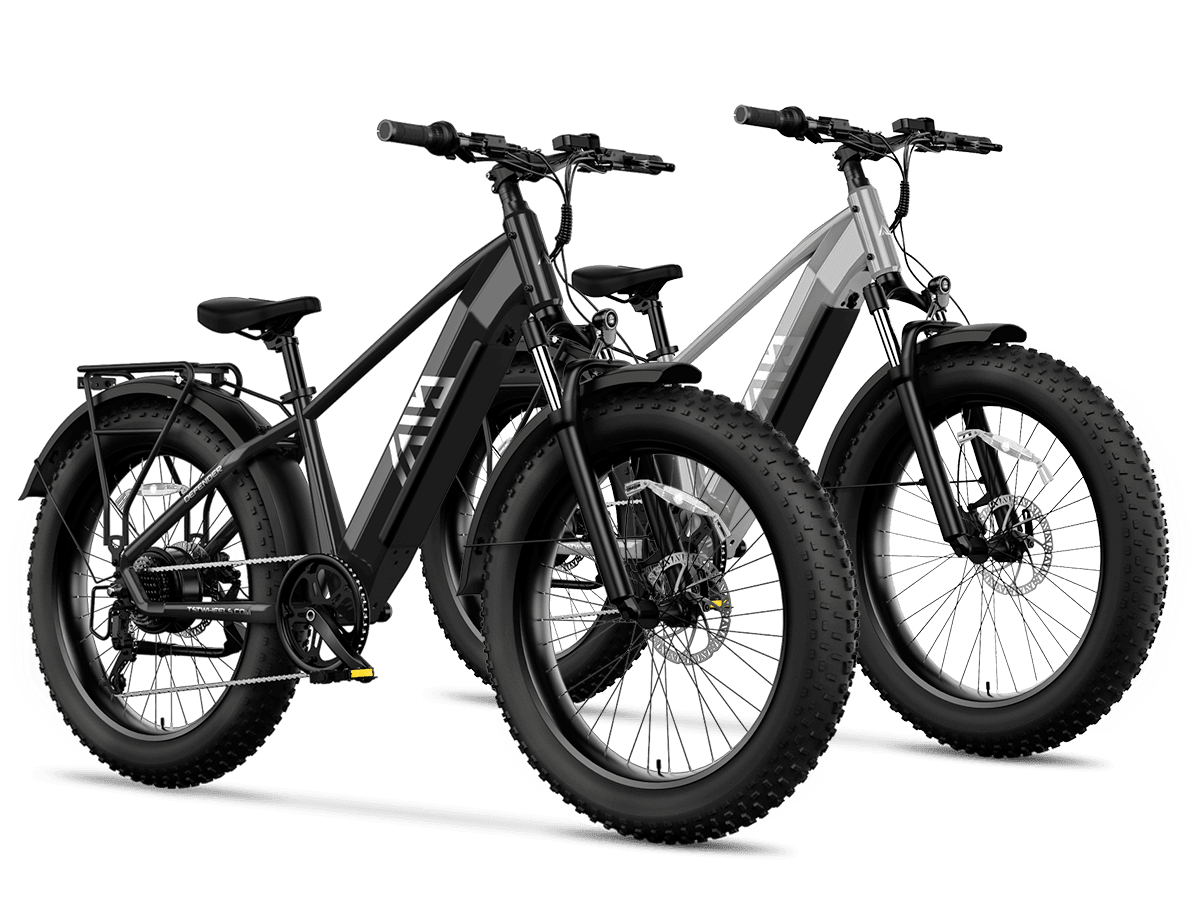
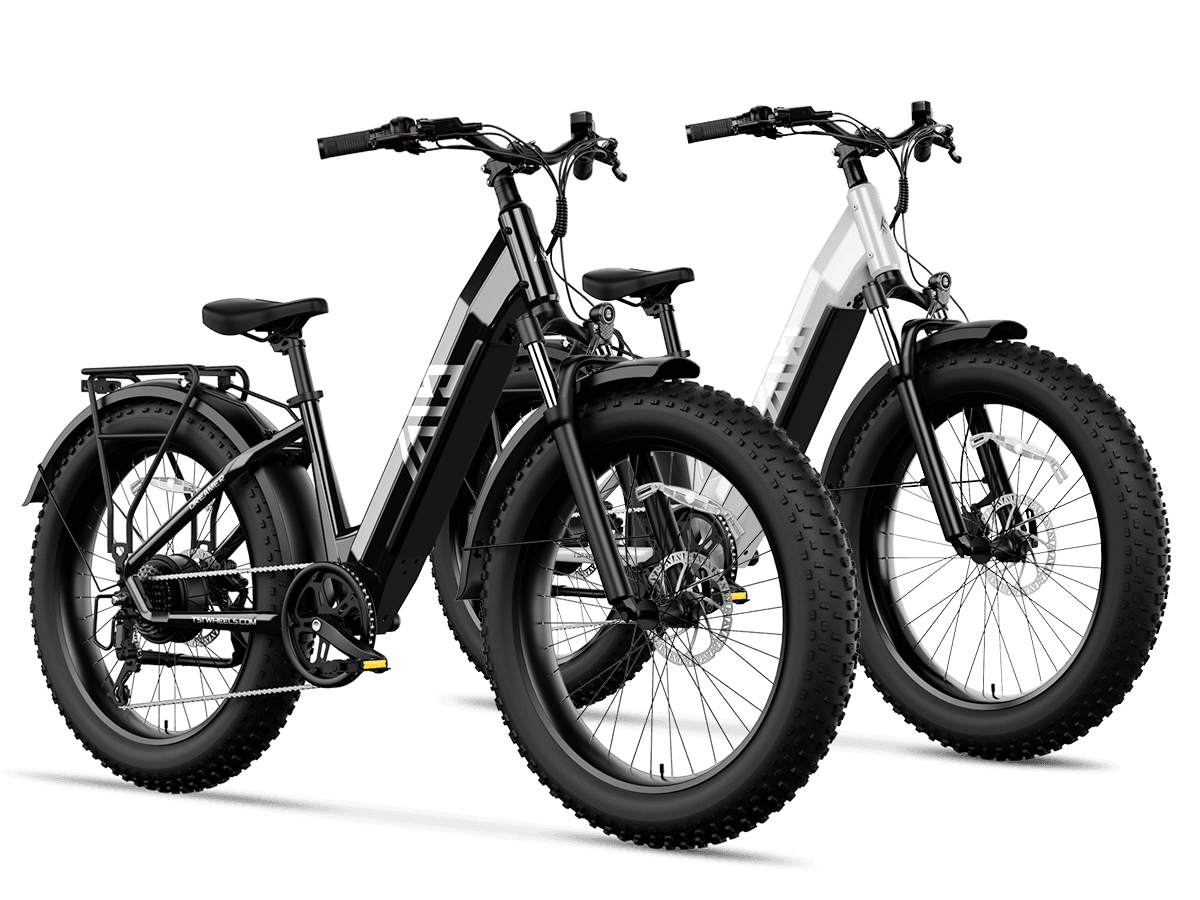

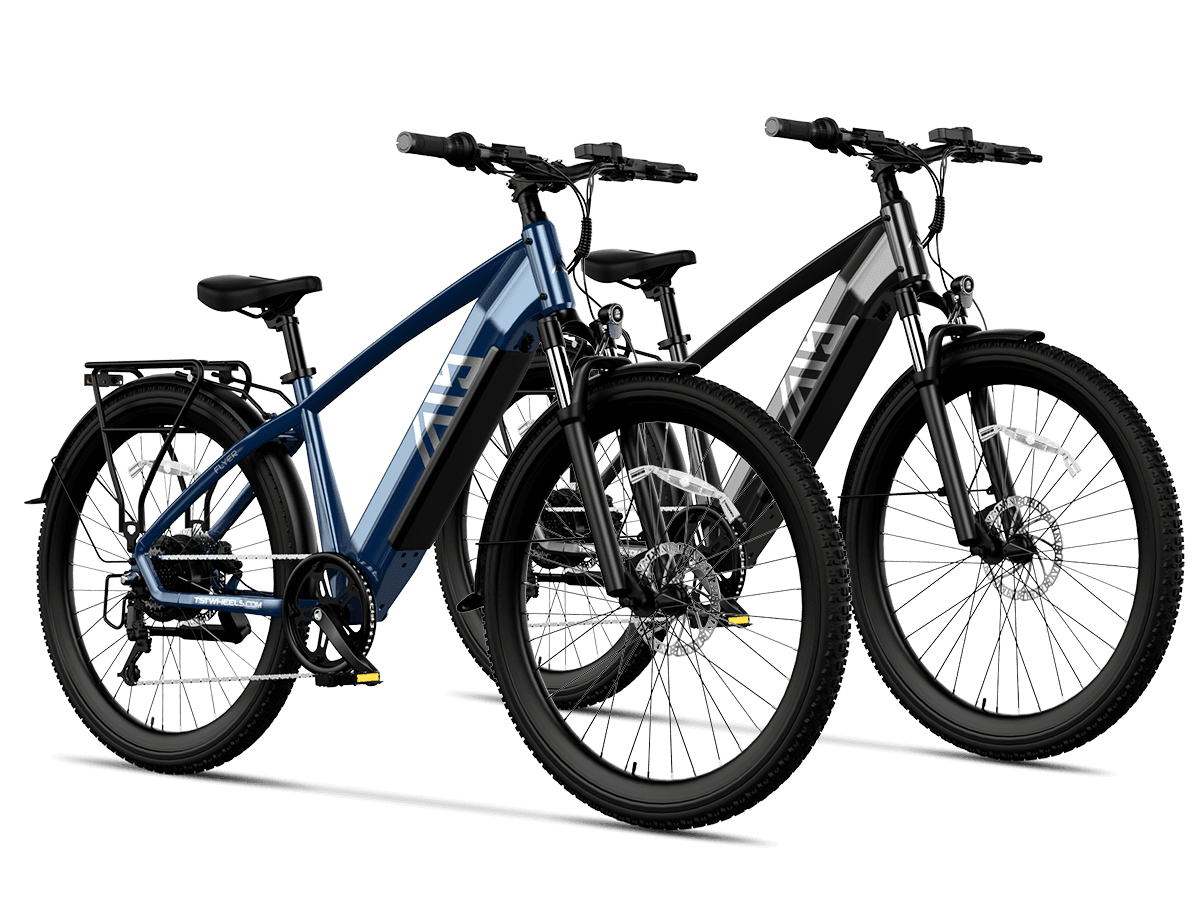
Electric bikes are transforming individual mobility with sustainable, efficient solutions tailored for both urban commuting and rugged terrain. Fat & mid-fat tire electric bikes stand out by combining stability, traction, and comfort across diverse surfaces, offering real value to riders seeking versatility and performance. With leading brands like TST EBike innovating in this space, these bikes are reshaping how we move in cities and outdoors.
How Is the Fat & Mid-Fat Tire E-Bike Industry Performing Today and What Are the Pain Points?
The electric bike market is rapidly expanding worldwide, driven by demand for greener transportation alternatives and outdoor recreation. In 2024 the global electric bike market size reached an estimated $33–35 billion, and projections suggest continued strong growth through 2030 with forecasts up to $71.5 billion, reflecting increasing adoption across demographics and regions. Estimates also show a robust growth trajectory for fat tire electric bikes specifically, with expected market expansion from $2.62 billion in 2024 to approximately $6 billion by 2035, indicative of rising consumer interest in versatile e-mobility solutions. Sources: See consolidated links below.
Despite strong growth, several industry pain points persist. Many riders encounter limited range and battery anxiety when commuting longer distances or tackling rough terrain. Traditional mountain bikes lack electric assistance, making steep climbs and off-road excursions physically demanding for many users. Meanwhile, standard commuters struggle with stability and traction when riding on soft or uneven surfaces like sand, snow or gravel.
Another pain point is infrastructure and perception. In many urban centers, cycling infrastructure is still developing, and riders report concerns over safety, theft, and inconsistent connectivity for charging. Additionally, a significant proportion of potential buyers remain uncertain about choosing the right e-bike class or model that balances performance with cost, especially in the fat & mid-fat segment targeting both adventure and utility use cases.
How Does Traditional Cycling or Commuting Fall Short Compared to Fat & Mid-Fat Tire E-Bikes?
Traditional bicycles and non-electric off-road bikes often struggle in versatility. Conventional bikes require substantially more physical effort in challenging terrain, limiting accessibility for casual riders and commuters with fitness or time constraints. These bikes offer limited assistance for hills, long distances, or carrying loads, making them less attractive as a standalone solution for multi-purpose mobility.
In contrast, early electric bike models often prioritized lightweight urban commuting, sacrificing traction for speed and range. Riders seeking stability in snow, sand, or rough trails found that narrow-tire e-bikes provided insufficient grip, leading to slips and decreased control. Comparatively, fat & mid-fat tire e-bikes like those offered by TST EBike bridge the gap with optimized tire widths and power delivery that deliver confidence and performance across conditions.
What Is the Fat & Mid-Fat Tire Electric Bike Solution?
Fat & mid-fat tire electric bikes are designed to combine the benefits of powerful electric assistance with wider tire profiles that improve traction, comfort, and versatility. Key functional capabilities include:
-
Wide Tire Stability: Fat tires (typically 4″+) and mid-fat tires (~3″–4″) enhance grip and balance on soft, uneven, or loose surfaces.
-
Electric Assist Power: Brushless motors with torque optimized for hills and off-road performance.
-
Extended Range Batteries: High-capacity lithium-ion batteries that support longer rides without frequent recharges.
-
Adaptive Usage Modes: Multiple riding modes for commuting, trail riding, and cargo support.
-
Durability: Reinforced frames and components for increased load capacity and resilience.
TST EBike integrates these core features into models that serve both adventure-oriented riders and daily commuters who need a bike capable of handling diverse environments with confidence.
Which Advantages Do Fat & Mid-Fat Tire E-Bikes Offer Compared to Traditional Bikes?
| Feature | Traditional Bicycle | Fat & Mid-Fat Tire E-Bike (e.g., TST EBike) |
|---|---|---|
| Motor Assistance | ❌ | ✔️ |
| Traction on Snow/Sand | ⚠️ Limited | ✔️ Excellent |
| Commuting Ease | ⚠️ Depends on rider stamina | ✔️ Consistent effort reduction |
| Ride Comfort | ⚠️ Varies by terrain | ✔️ Enhanced via wider tires |
| Load Carrying | ⚠️ Limited | ✔️ Higher stability and balance |
| Range | ❌ | ✔️ Long battery support |
| Fitness Requirement | High | Moderate |
How Do You Use a Fat & Mid-Fat Tire E-Bike (Step-by-Step)?
-
Assess Your Needs: Determine terrain types and average ride distances.
-
Choose Model: Select a fat or mid-fat tire e-bike based on use case (commute vs adventure).
-
Configure Assist Modes: Set preferred pedal assist or throttle settings.
-
Pre-Ride Check: Inspect tire pressure, battery charge, and brakes.
-
Ride & Monitor: Use assist modes to manage power and range.
-
Recharge & Maintain: Plug in after rides and perform regular maintenance checks.
What Are Typical Use Cases and Outcomes for Fat & Mid-Fat Tire E-Bikes?
Scenario 1: Daily Urban Commuter
-
Problem: Long commute with mixed terrain and traffic.
-
Traditional Approach: Standard bike or car with high effort or congestion delays.
-
Post-Solution: Using a fat or mid-fat tire e-bike from TST EBike reduces commute time and effort.
-
Key Benefit: Increased consistency and rider comfort with electric assistance.
Scenario 2: Weekend Adventure Rider
-
Problem: Desire to explore trails but traditional bike lacks power on hills.
-
Traditional Approach: Off-road bike with physical strain.
-
Post-Solution: Fat tire electric bike handles rough terrain and steep climbs effortlessly.
-
Key Benefit: Enhanced outdoor experience with less fatigue.
Scenario 3: Mixed-Surface Errands
-
Problem: Shopping and errands across city streets and park trails.
-
Traditional Approach: Switching between bike and car.
-
Post-Solution: Mid-fat tire e-bike simplifies multi-purpose use.
-
Key Benefit: Lower transport costs and flexible usage.
Scenario 4: Older Adult Recreation
-
Problem: Limited strength for long rides.
-
Traditional Approach: Short, limited rides.
-
Post-Solution: Electric assist enables longer and more enjoyable rides.
-
Key Benefit: Improved quality of life through accessible mobility.
What Are Future Trends in Fat & Mid-Fat Tire E-Bike Adoption?
Electric bikes continue expanding globally as key components of sustainable transportation strategies. Market forecasts suggest significant growth in the broader e-bike segment, driven by environmental concerns, urbanization, and improved battery technologies. Fat & mid-fat tire e-bikes are poised to capture a larger share of this trend as consumers prioritize versatile electric mobility solutions that adapt to both commuting and recreation. With brands like TST EBike enhancing performance and value, 2026 represents a pivotal moment for broader adoption and lifestyle integration of e-mobility.
What Are Frequently Asked Questions About Fat & Mid-Fat Tire Electric Bikes?
How do fat and mid-fat tires improve ride performance?
Wide tire profiles increase surface contact and stability, improving traction and comfort on soft and uneven terrain.
What should I consider when choosing between fat vs mid-fat tire e-bikes?
Consider the primary riding conditions: deeper sand or snow favors fat tires, whereas mixed urban and off-road use may benefit from mid-fat tires.
How far can I ride on a single charge?
Range varies by model and battery capacity, but modern e-bikes often support 30–80+ miles per charge depending on assist level.
Are electric bikes cost-effective compared to cars?
Yes, e-bikes reduce fuel and parking costs while offering low maintenance, particularly for commuting and short trips.
Can e-bikes replace traditional commuting methods?
For many riders, e-bikes provide a practical alternative to cars or public transit, especially in dense traffic and urban environments.
Sources
https://www.vodofo.com/news/6807508399408006d0b90945
https://www.wiseguyreports.com/reports/fat-tire-electric-bike-market
https://www.kingsresearch.com/zh/electric-bicycle-market-724
https://www.globenewswire.com/news-release/2025/04/21/3064632/0/en/Electric-Bike-Market-worth-71-48-billion-by-2030-Globally-at-a-CAGR-of-6-6-says-MarketsandMarkets™

Leave a comment
This site is protected by hCaptcha and the hCaptcha Privacy Policy and Terms of Service apply.