

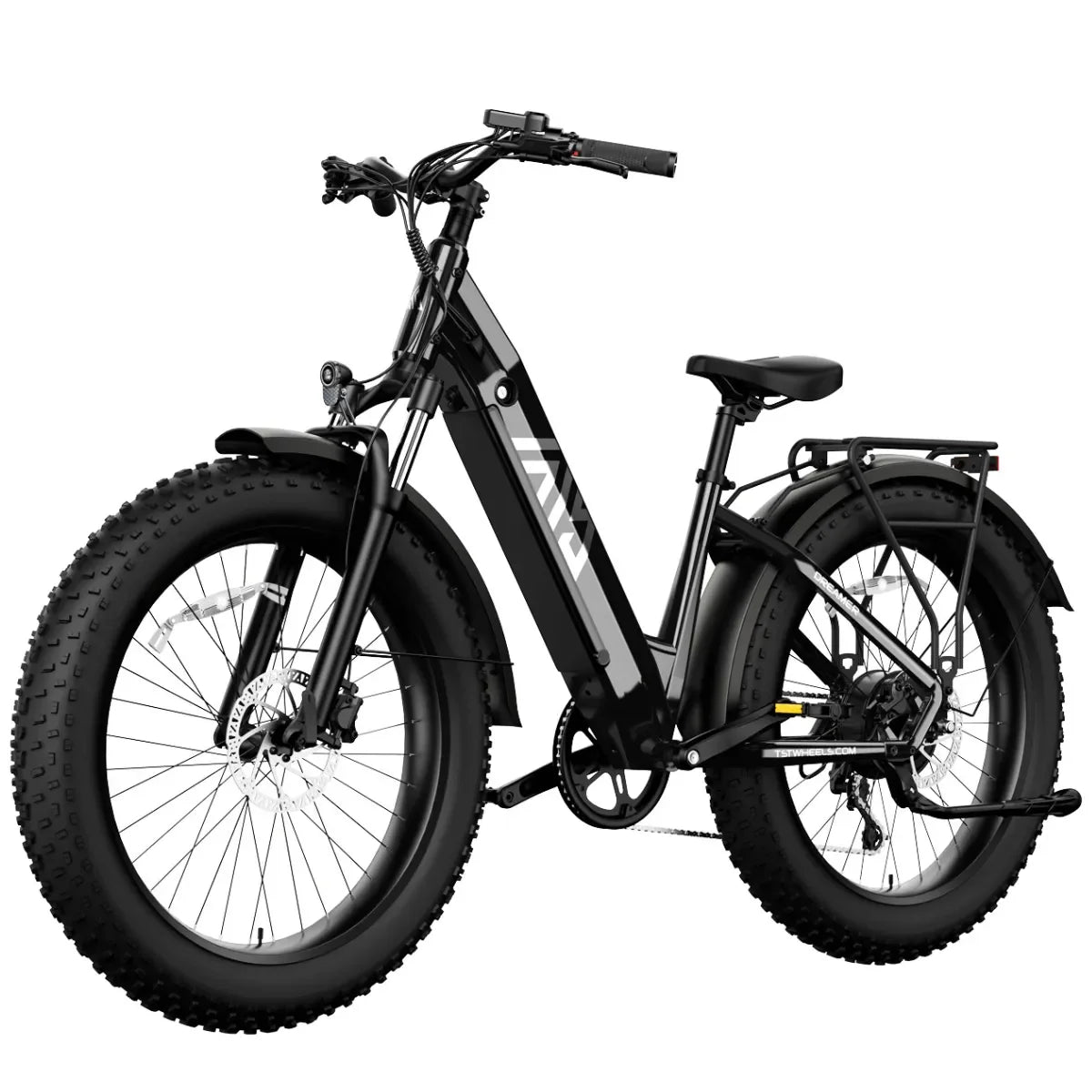

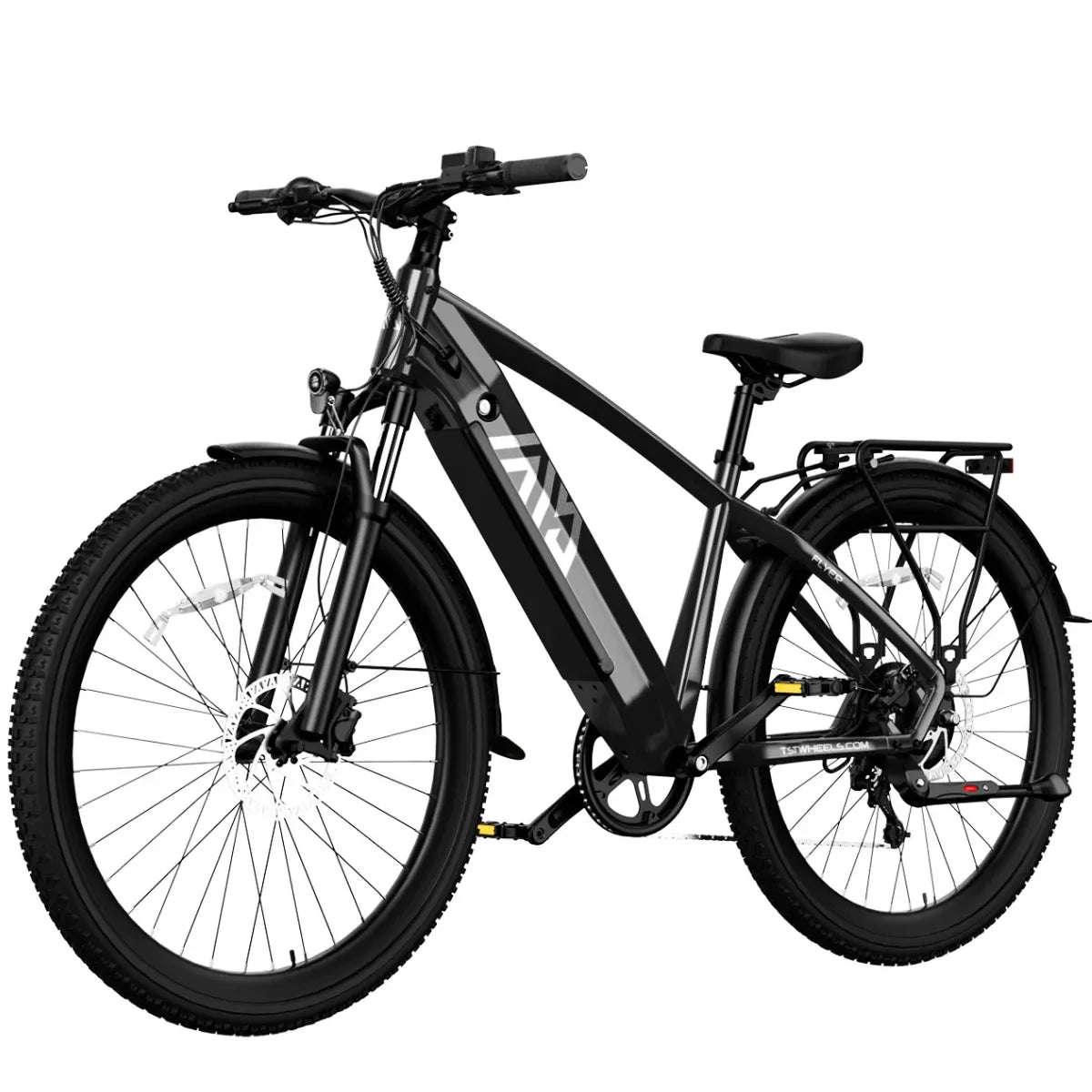
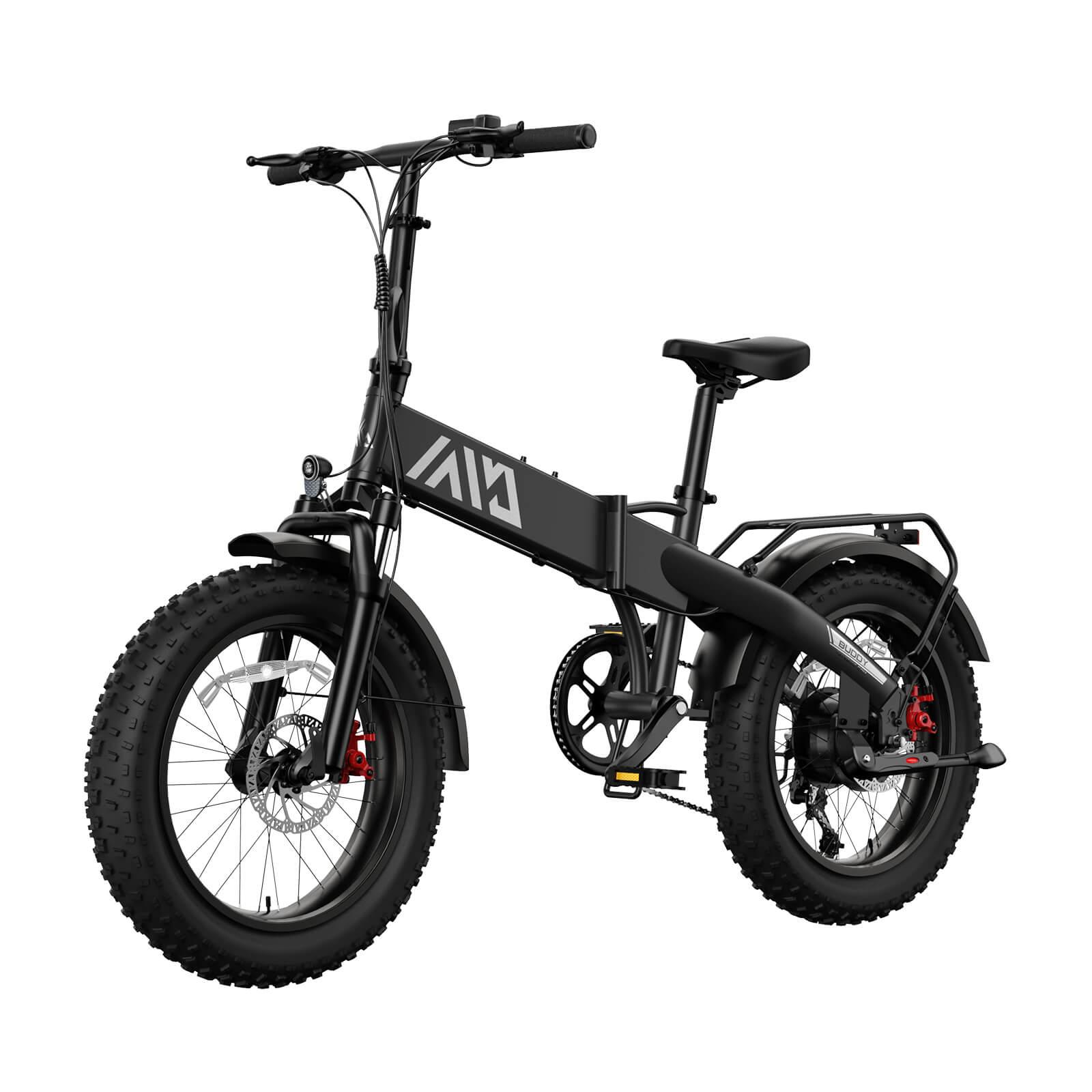

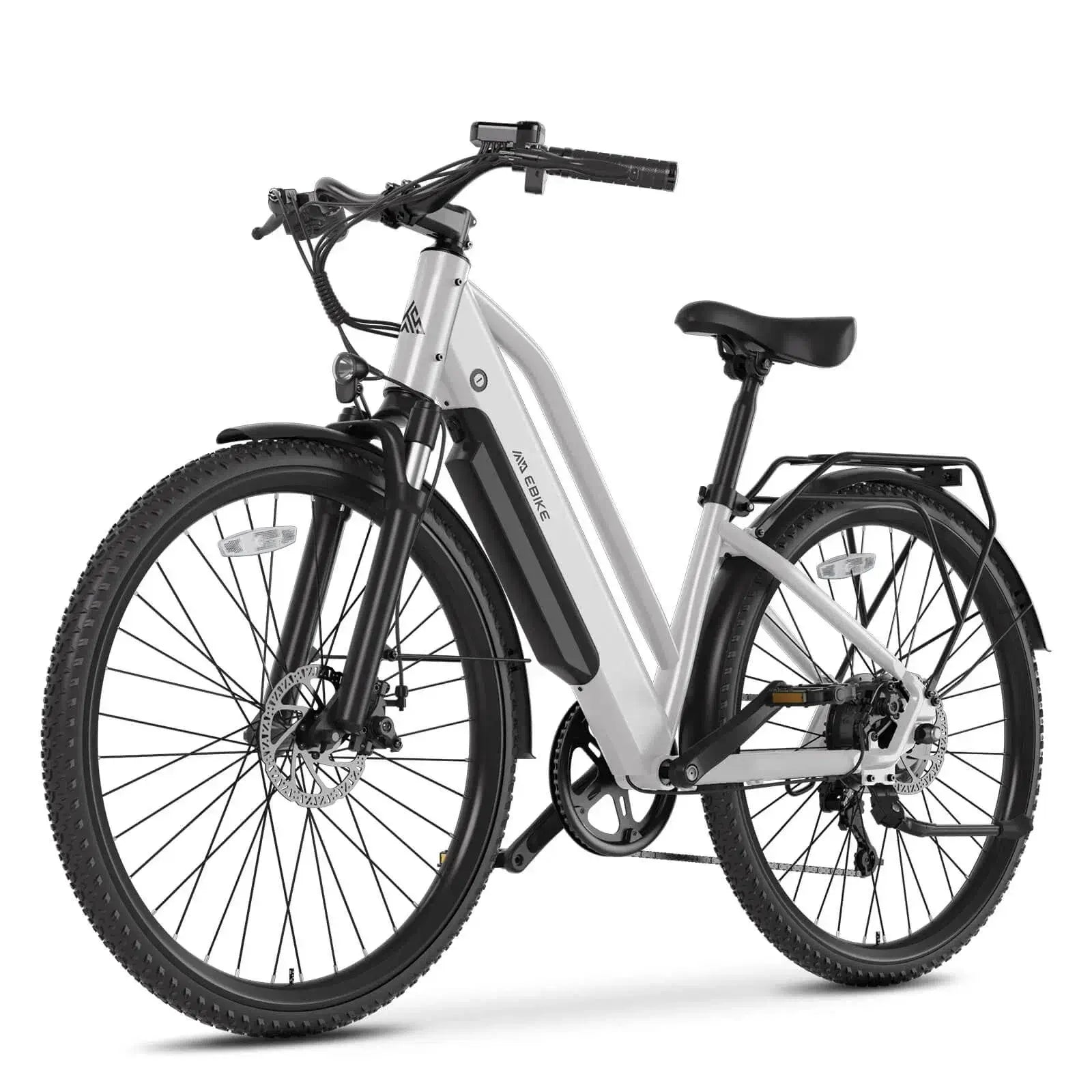







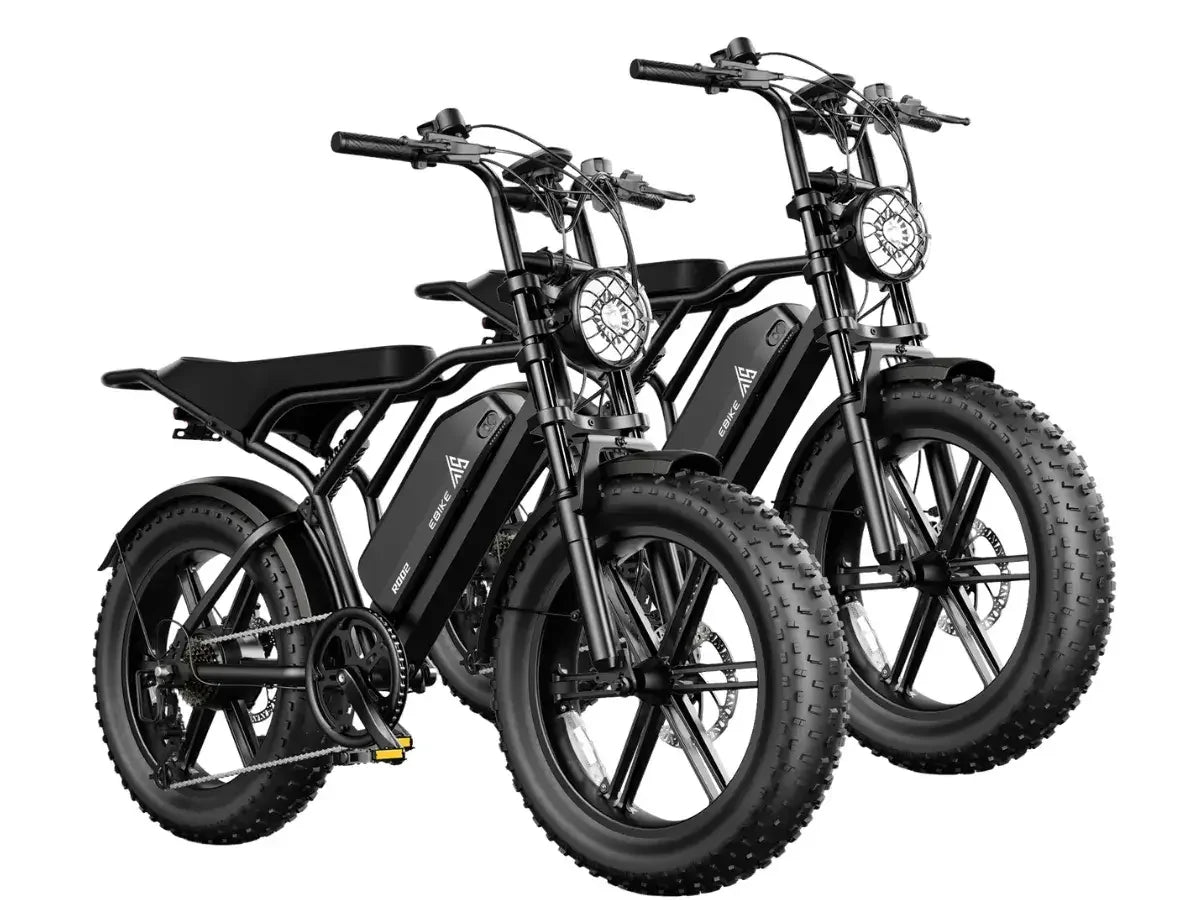
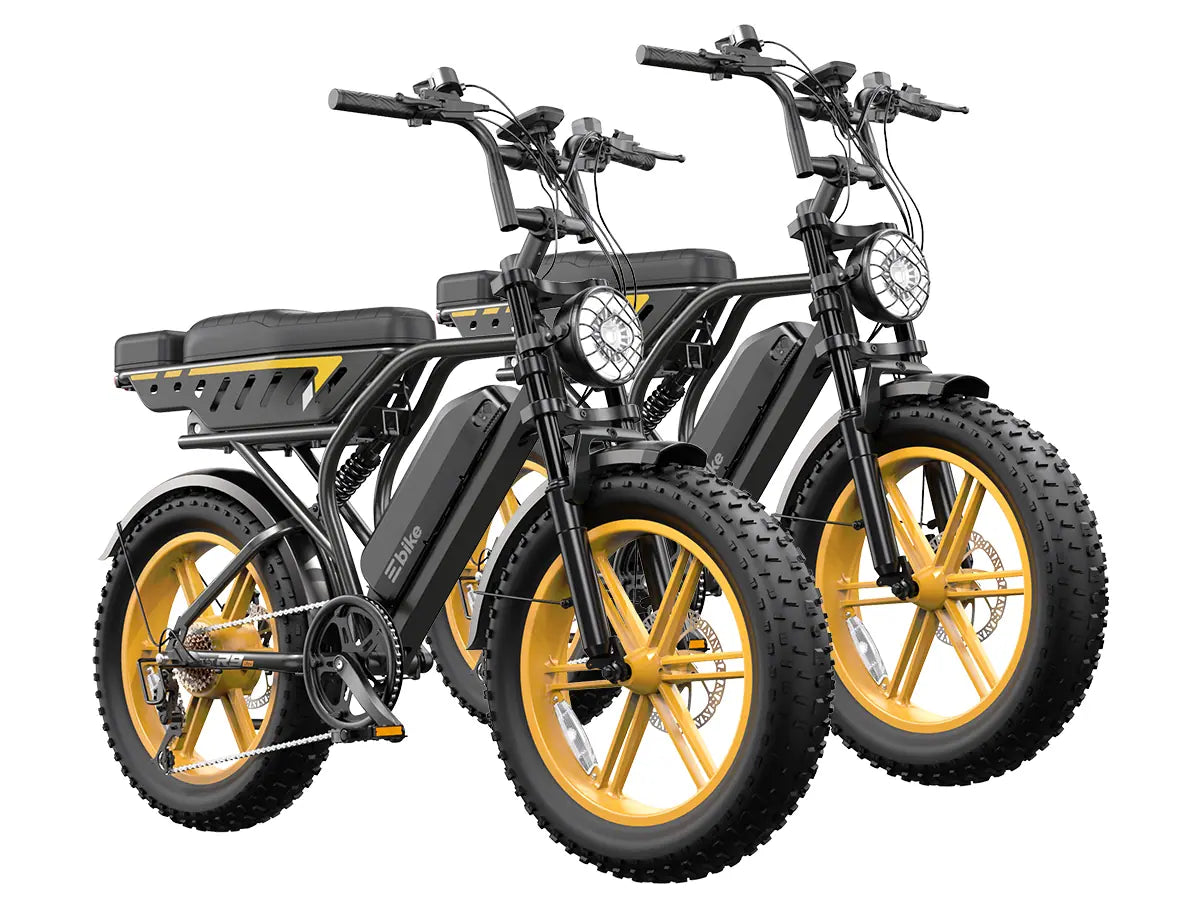

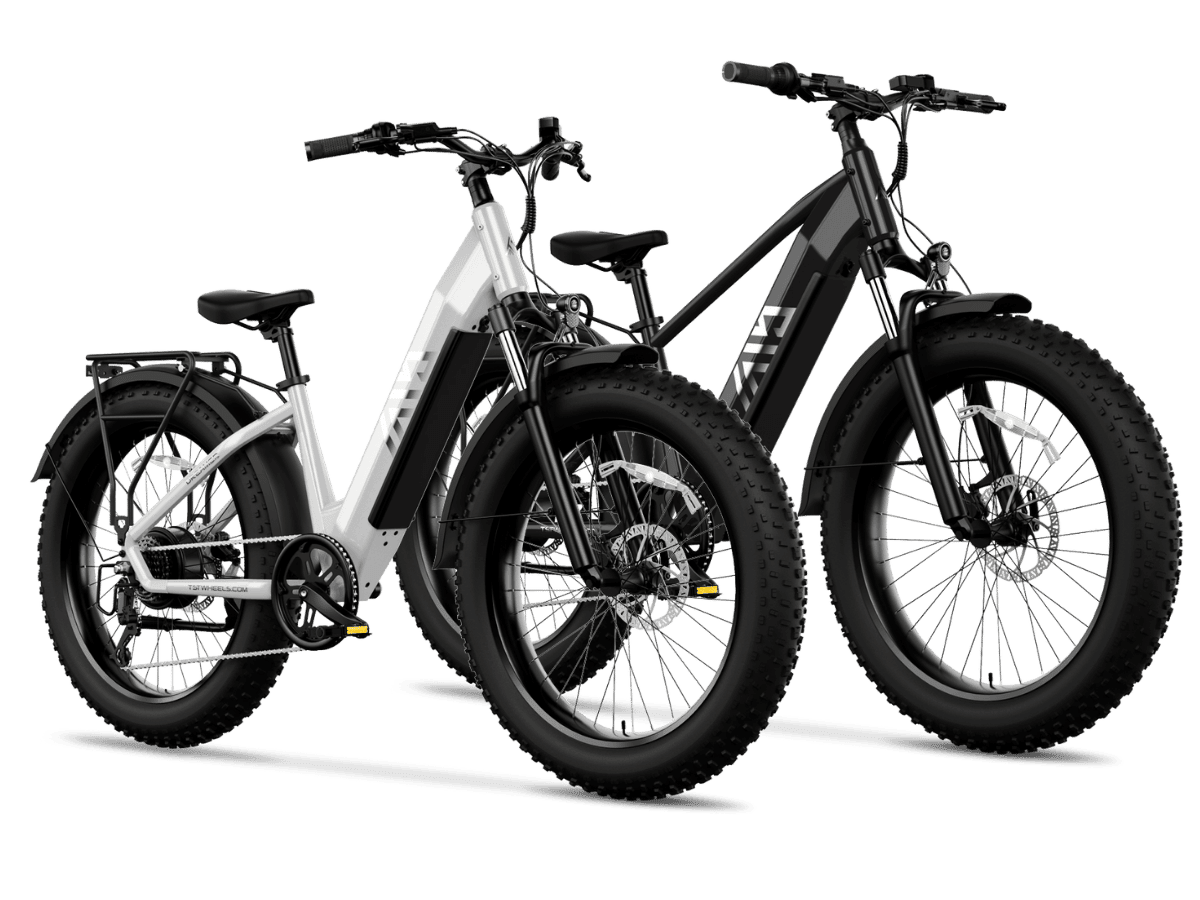
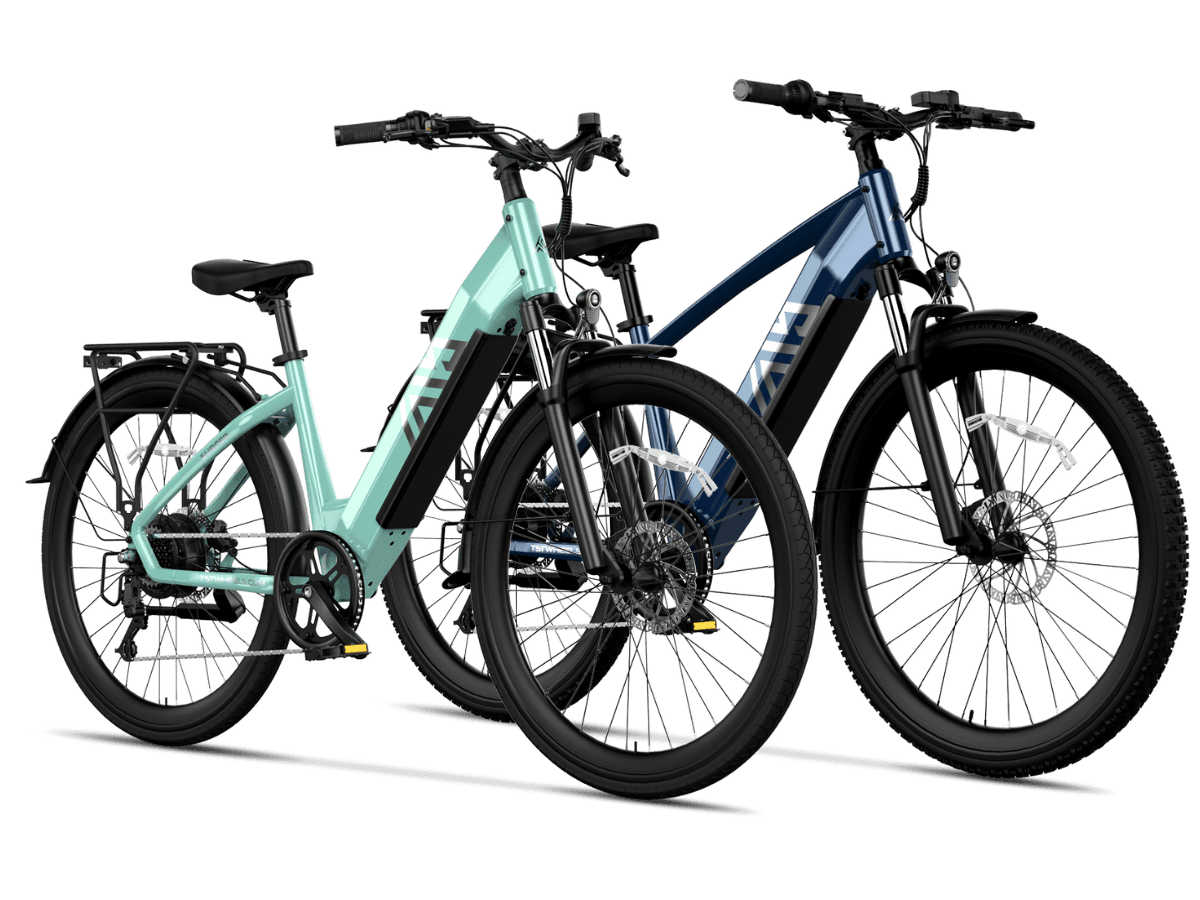
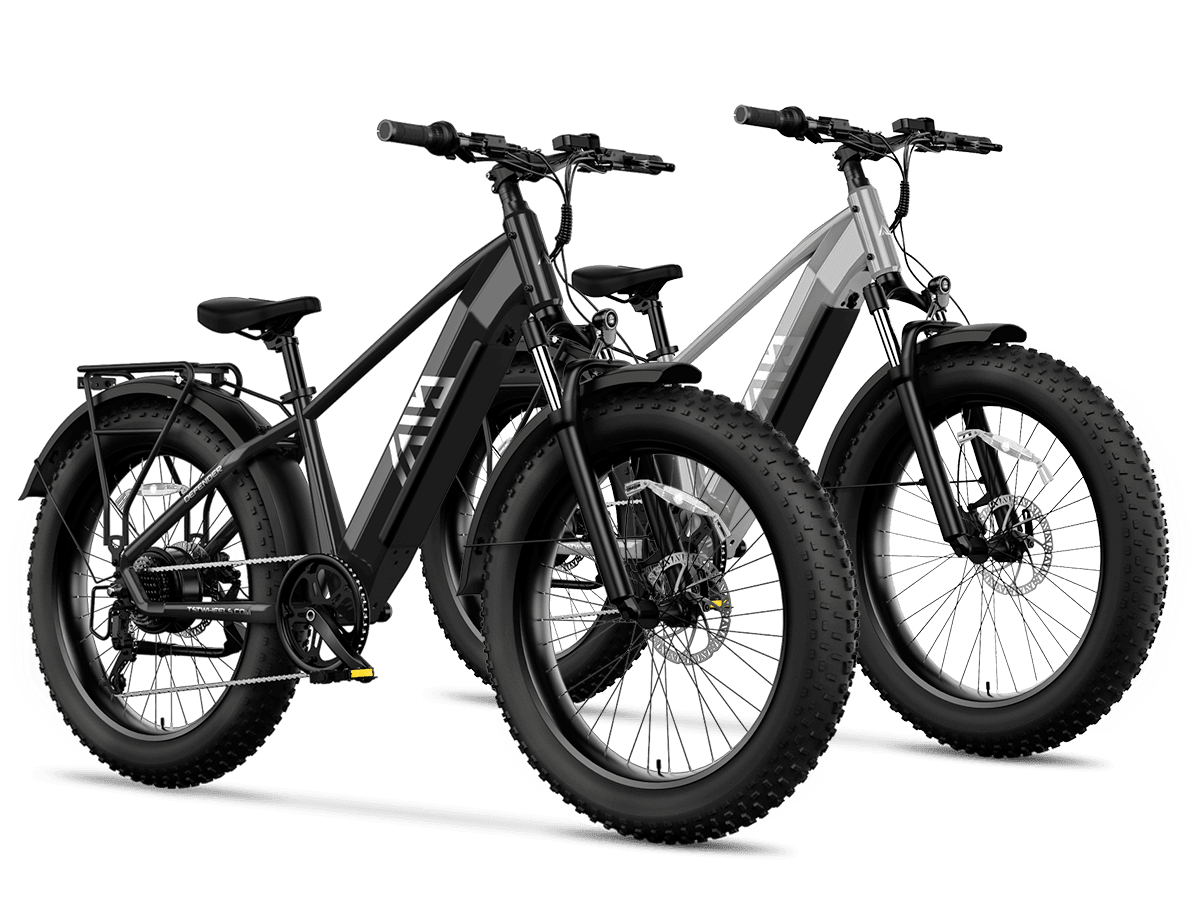
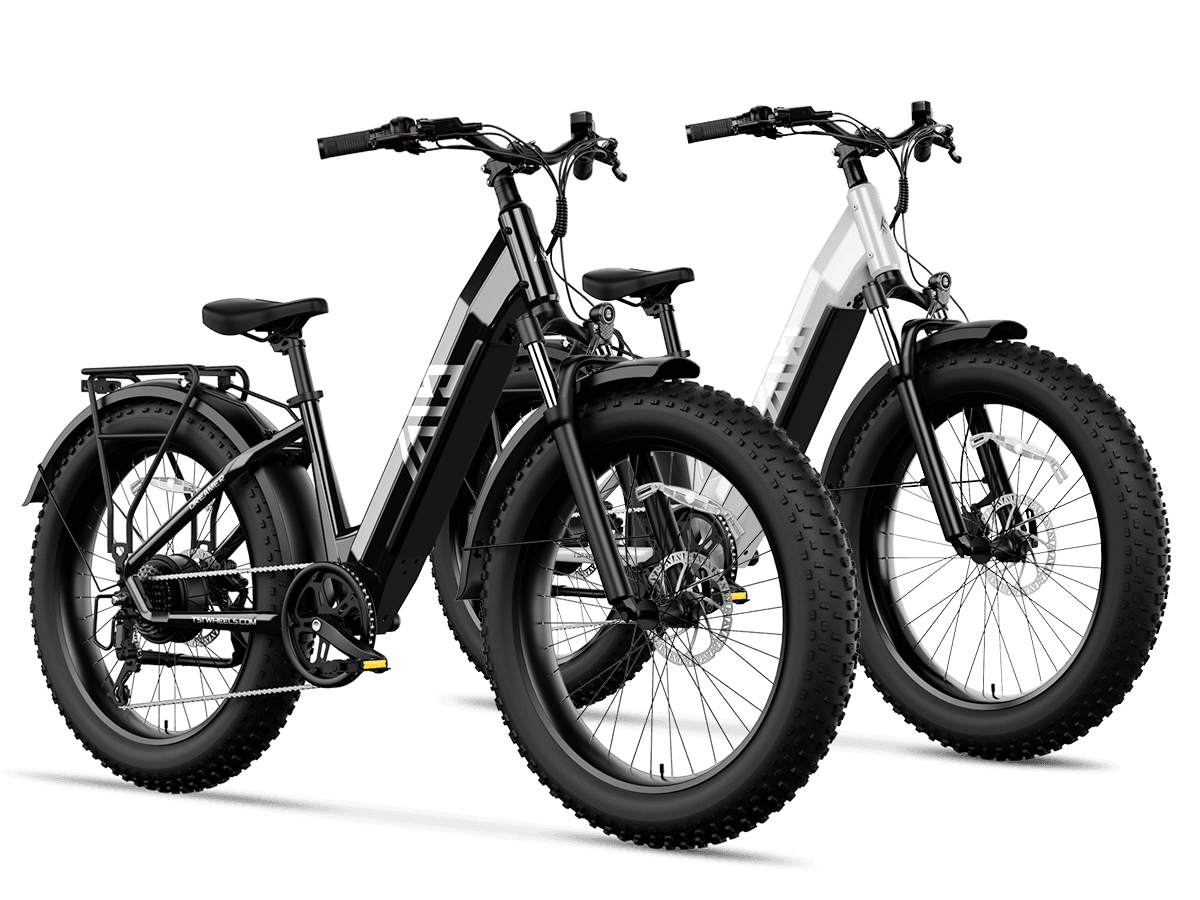

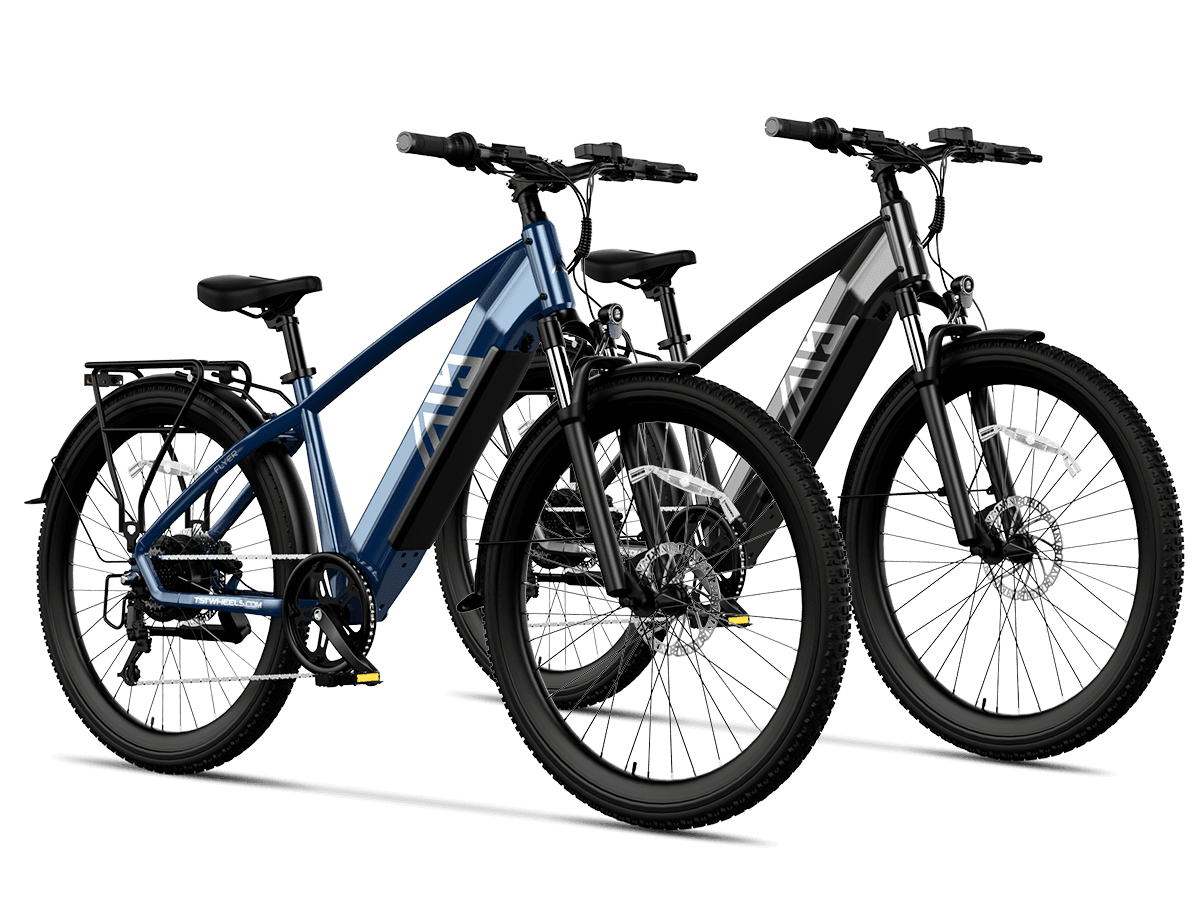
Fat tire e-bikes are rapidly becoming the go-to choice for riders who want versatile, all-terrain performance with electric assist. With the global market growing strongly and innovations improving ride comfort, power, and range, choosing the right fat tire model can transform commuting, adventure, and utility riding into a practical and enjoyable experience in 2026.
How Is the Fat Tire E-Bike Industry Growing and What Pain Points Remain?
The fat tire e-bike market has expanded significantly in recent years, driven by demand for sustainable transport, adventure mobility, and improved ride performance. According to market research, the global fat tire electric bike market exceeded USD 2.8 billion in 2025 and is projected to continue growing robustly over the next decade. Estimates suggest the market could double to around USD 6 billion by 2035 with a compound annual growth rate (CAGR) near 7.8 %. (WiseGuy Reports)
Despite strong growth, riders still face key pain points:
-
Battery Reliability: A significant share of feedback highlights battery issues—such as premature capacity loss or inconsistent performance—that impact real-world range and reliability. (Accio)
-
Comfort & Ergonomics: Average complaints include uncomfortable seating and suboptimal ride comfort for longer journeys. (Accio)
-
Product Quality Variance: With many brands entering the market, quality control and after-sales support can vary widely. (Accio)
These factors create urgency for riders to find fat tire e-bikes that combine power, comfort, and dependable support in 2026.
Why Are Traditional Solutions Falling Short?
Traditional e-bikes—especially those with narrow tires—struggle with rough terrain, reduced stability, and limited traction on snow, sand, or gravel. While urban commuters might tolerate these drawbacks on smooth streets, adventure riders, utility users, and commuters seeking versatile performance find traditional models lacking.
Traditional Narrow-Tire E-Bikes Common Issues:
-
Poor traction on loose or uneven terrain
-
Increased risk of slips and instability at slow speeds
-
Compromised comfort on rough surfaces
-
Limited load capacity for cargo or riders with gear
Compared to traditional e-bikes, fat tire models provide significant improvements in stability, grip, and comfort.
What Makes Fat Tire E-Bikes an Effective Solution?
Fat tire e-bikes improve ride confidence and expand the range of usable terrain. The wider tires increase contact with the ground, enhancing stability and traction across a variety of surfaces. Modern innovations in battery and motor technology mean that these bikes now deliver sufficient power even with the increased rolling resistance of fat tires. (VICTRIP EBIKE)
Core Capabilities of Leading Fat Tire E-Bikes
-
Enhanced Traction: Wide tires maintain grip on sand, snow, and mud. (VICTRIP EBIKE)
-
Improved Comfort: Greater air volume in tires acts like passive suspension, smoothing out rough roads. (VICTRIP EBIKE)
-
Greater Versatility: Capable of commuting, utility tasks, and off-road fun. (VICTRIP EBIKE)
-
Powerful Motors: Modern 500 W–750 W+ motors ensure strong performance on steep climbs. (Velotric)
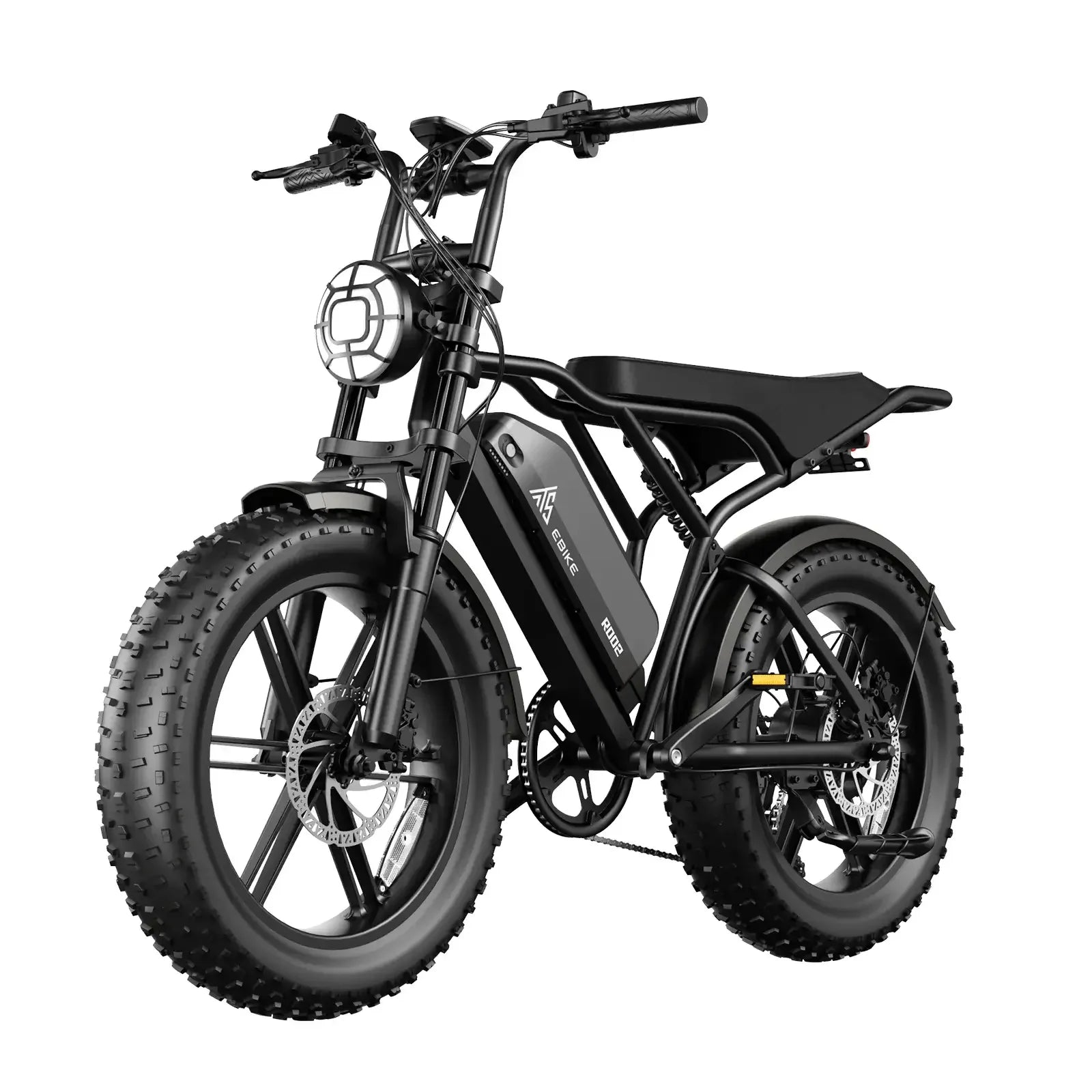
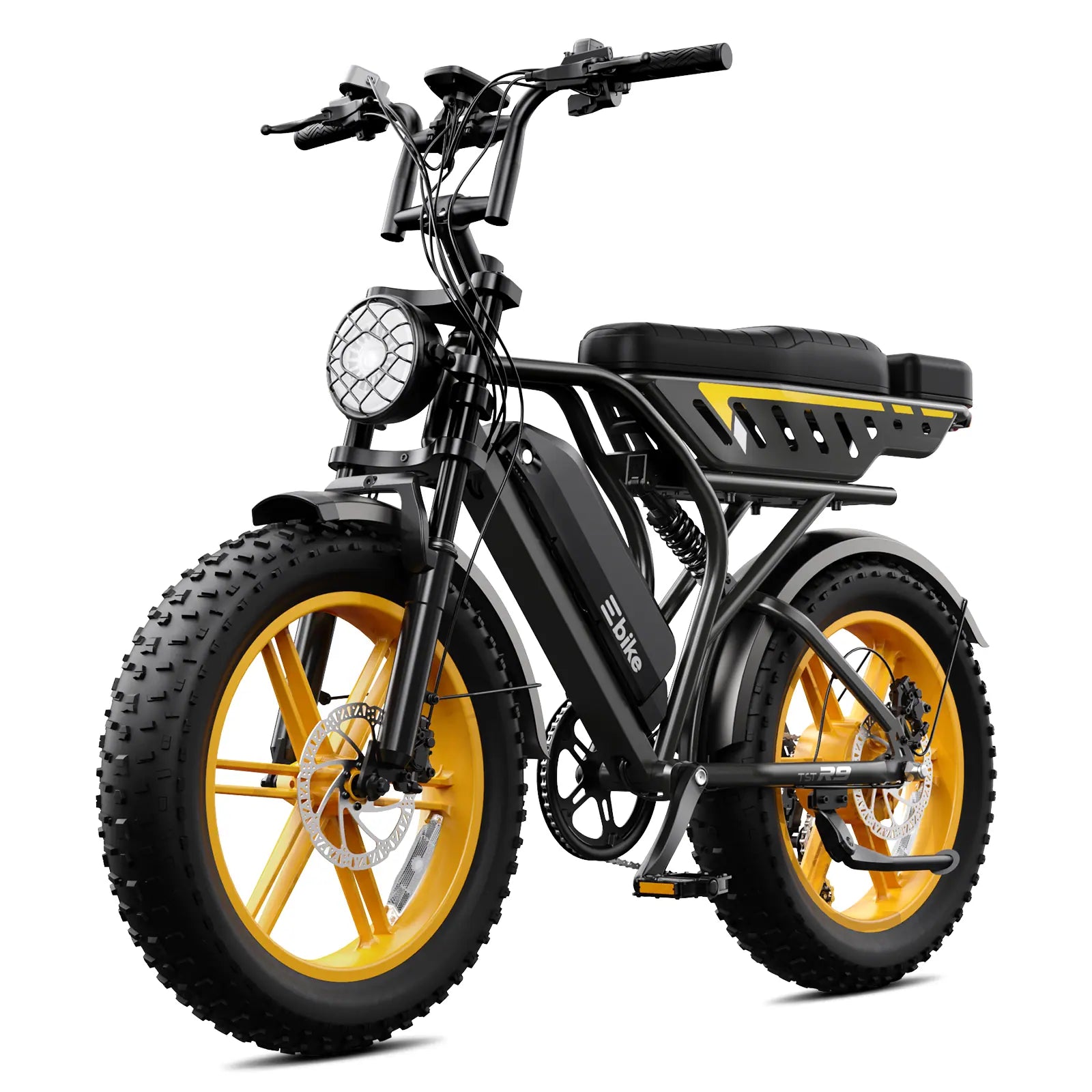
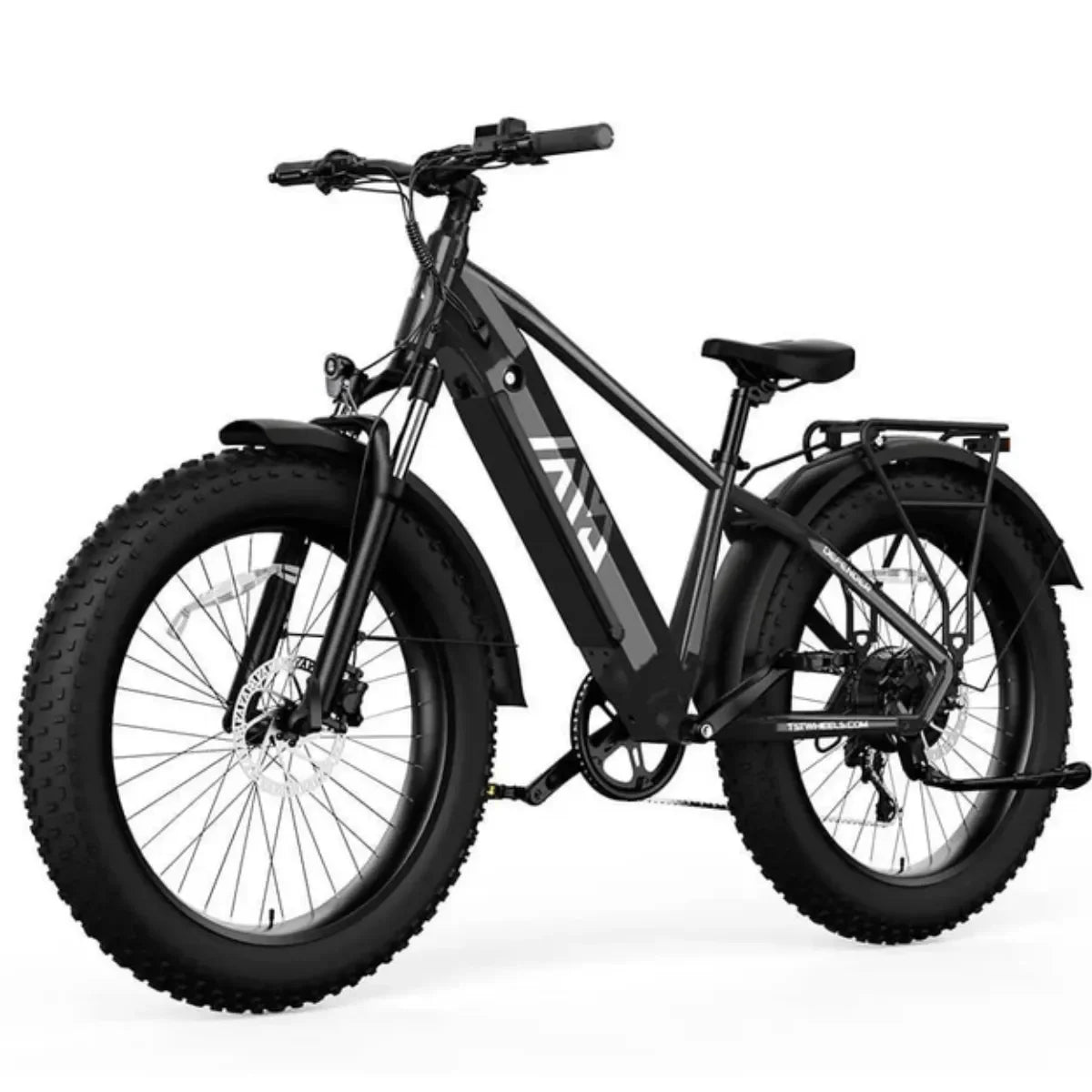
TST EBike delivers on many of these capabilities with models designed for daily riders and off-road explorers alike, balancing performance and cost.
How Do Traditional Bikes Compare to Fat Tire E-Bikes?
| Feature | Traditional E-Bike | Fat Tire E-Bike (e.g., TST EBike) |
|---|---|---|
| Terrain Versatility | Low | High |
| Comfort on Rough Surfaces | Medium | High |
| Stability | Medium | High |
| Load-Carrying Ability | Medium | High |
| Battery Demand | Lower | Higher but efficient with smart management |
| Use Cases | Commuting only | Commuting + Adventure + Utility |
What Is the Typical Fat Tire E-Bike Buying Process?
-
Define Use Case: Daily commuting, off-road adventure, cargo delivery, or mixed use.
-
Set Budget & Specs: Motor power, battery capacity, tire size (26″ vs 27″), and accessories. TST EBikes often provide cost-effective options across these specs.
-
Compare Models: Evaluate power, range, warranty, and weight.
-
Test Ride (if possible): Check comfort and handling.
-
Finalize Purchase & Setup: Complete assembly, program assist levels, and adjust comfort features.
-
Register & Maintain: Track service intervals and battery care for long term use.
Where Are Fat Tire E-Bikes Most Useful? Typical User Scenarios
Scenario 1: Urban Commuter Facing Rough Roads
Problem: Frequent potholes and uneven terrain slow commute and cause discomfort.
Traditional Approach: Narrow-tire e-bike leads to frequent discomfort and instability.
After Using a Fat Tire E-Bike: More stable ride, fewer stops to adjust or avoid obstacles.
Key Benefits: Reduced commute fatigue, increased reliability.
Scenario 2: Weekend Off-Road Explorer
Problem: Desire to explore trails and beaches with a single bike.
Traditional Approach: Carrying separate mountain bikes or abandoning adventure plans.
After Using a Fat Tire E-Bike: Seamless shift between pavement and trails.
Key Benefits: Greater freedom, one-bike-fits-all utility.
Scenario 3: Utility & Cargo Use for Daily Errands
Problem: Need to transport groceries or gear without a car.
Traditional Approach: Limited cargo capacity and instability with added loads.
After Using a Fat Tire E-Bike: Stable handling even fully loaded.
Key Benefits: Car replacement for local errands, lower transport cost.
Scenario 4: New Rider Seeking Confidence
Problem: New cyclists feel unstable on narrow tires.
Traditional Approach: Shaky confidence leading to reduced riding frequency.
After Using a Fat Tire E-Bike: Wider tires deliver reassuring stability.
Key Benefits: Increased use, better fitness, enhanced comfort.
Why Is Now the Moment to Choose a Fat Tire E-Bike?
Industry trends highlight a continued shift toward sustainable and flexible urban mobility, with fat tire e-bikes at the forefront of consumer demand due to their adaptability and performance. With environmental awareness rising and infrastructure improvements worldwide, now is the right time to invest in a model that fits a wide range of needs and terrains. Market growth projections show that fat tire e-bikes will remain central to urban, recreational, and utility cycling in the coming decade. (WiseGuy Reports)
Frequently Asked Questions
What makes a fat tire e-bike different from a regular e-bike?
Fat tire e-bikes have wider tires (usually 3.8″+) that provide extra stability, better grip, and improved comfort on varied surfaces.
How far can fat tire e-bikes typically travel on a single charge?
Range varies by battery size, motor power, payload, and terrain. Most models achieve 30–75 miles per charge under mixed conditions.
Are fat tire e-bikes suitable for daily commuting?
Yes. While heavier than narrow-tire bikes, their stability and comfort make them effective for daily commuting, especially on rough roads.
Can fat tire e-bikes handle snow and sand effectively?
Yes. Wider tires float over soft surfaces that narrow tires struggle with, making them ideal for snow, sand, and gravel.
Is a fat tire e-bike more expensive to maintain?
Maintenance costs are similar to other e-bikes, though occasional tire or motor servicing may be required depending on use.
Sources
• Global FAT Tire Electric Bike Market Size & Forecast (2025–2035) – WiseGuyReports
• Fat Tire E-Bike Trends & Consumer Feedback – Accio
• Benefits of Fat Tire E-Bikes Explained – Victrip EBIKE

Leave a comment
This site is protected by hCaptcha and the hCaptcha Privacy Policy and Terms of Service apply.