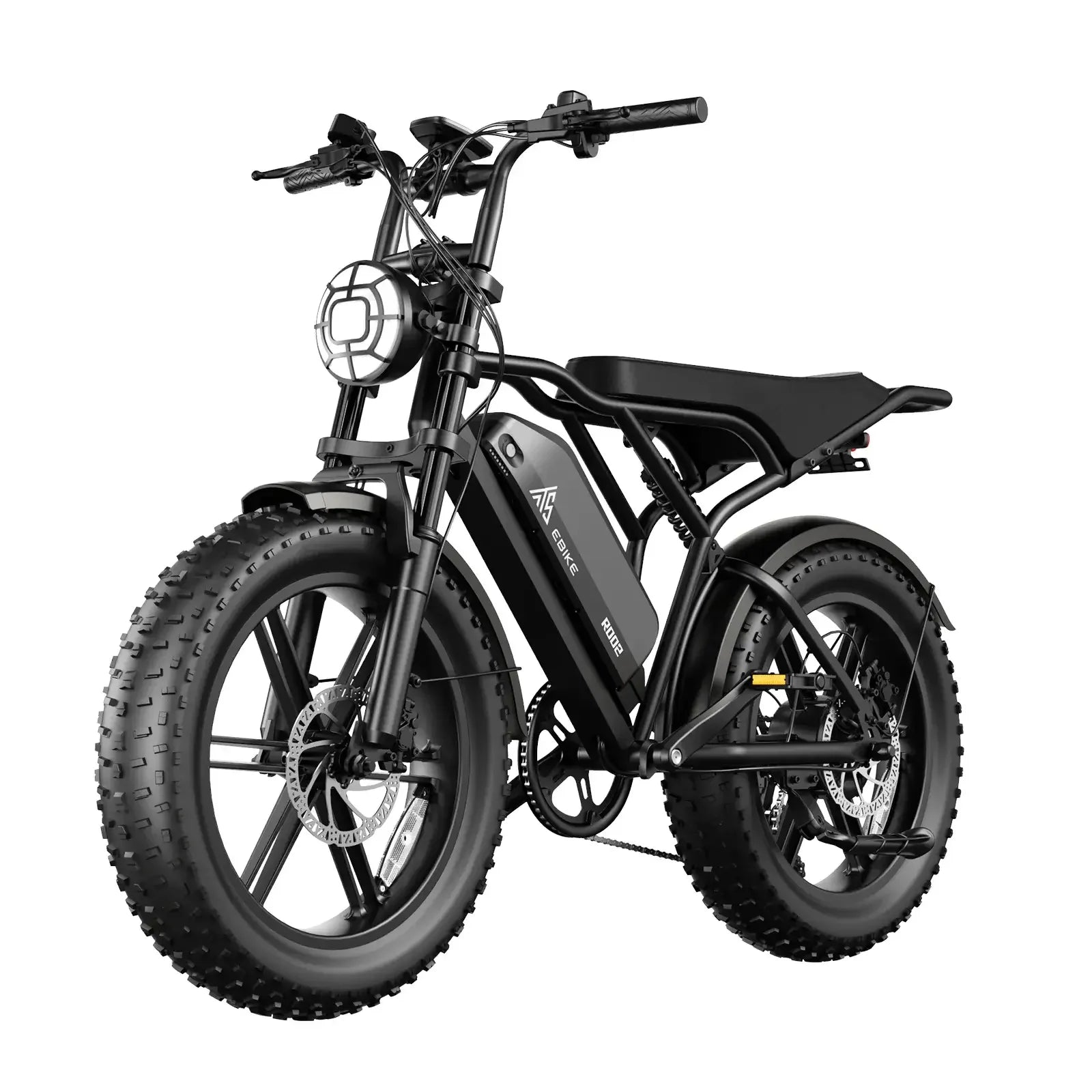
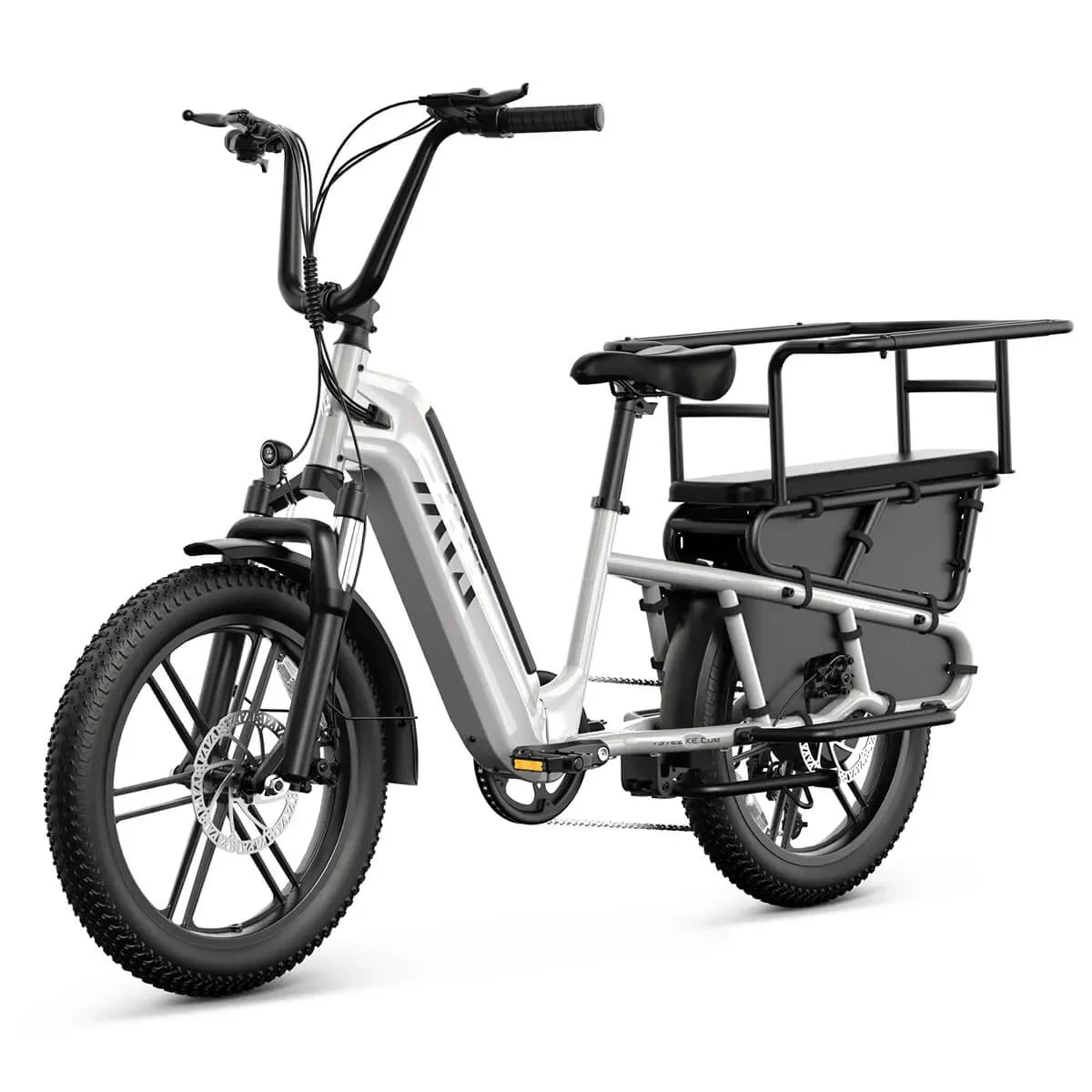
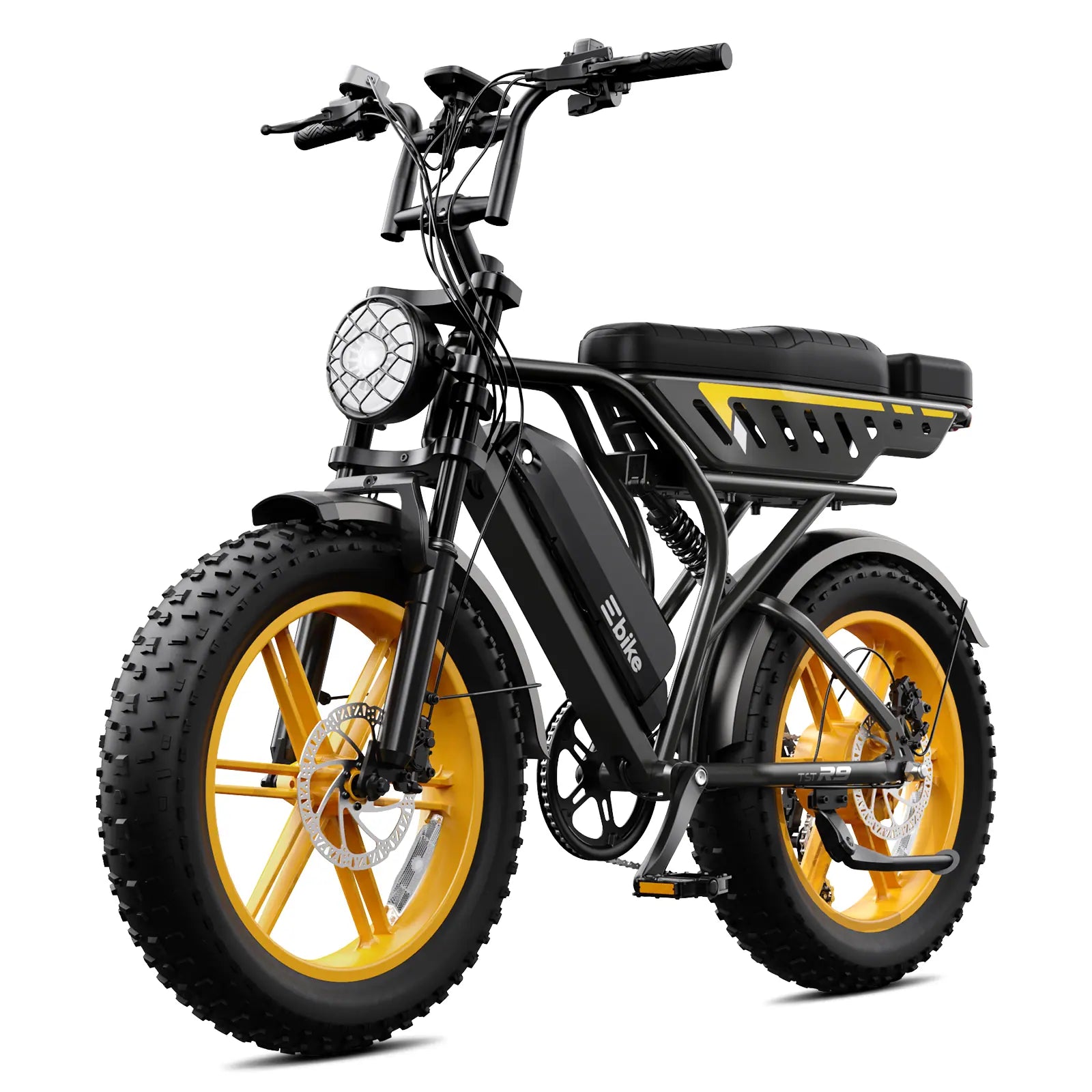
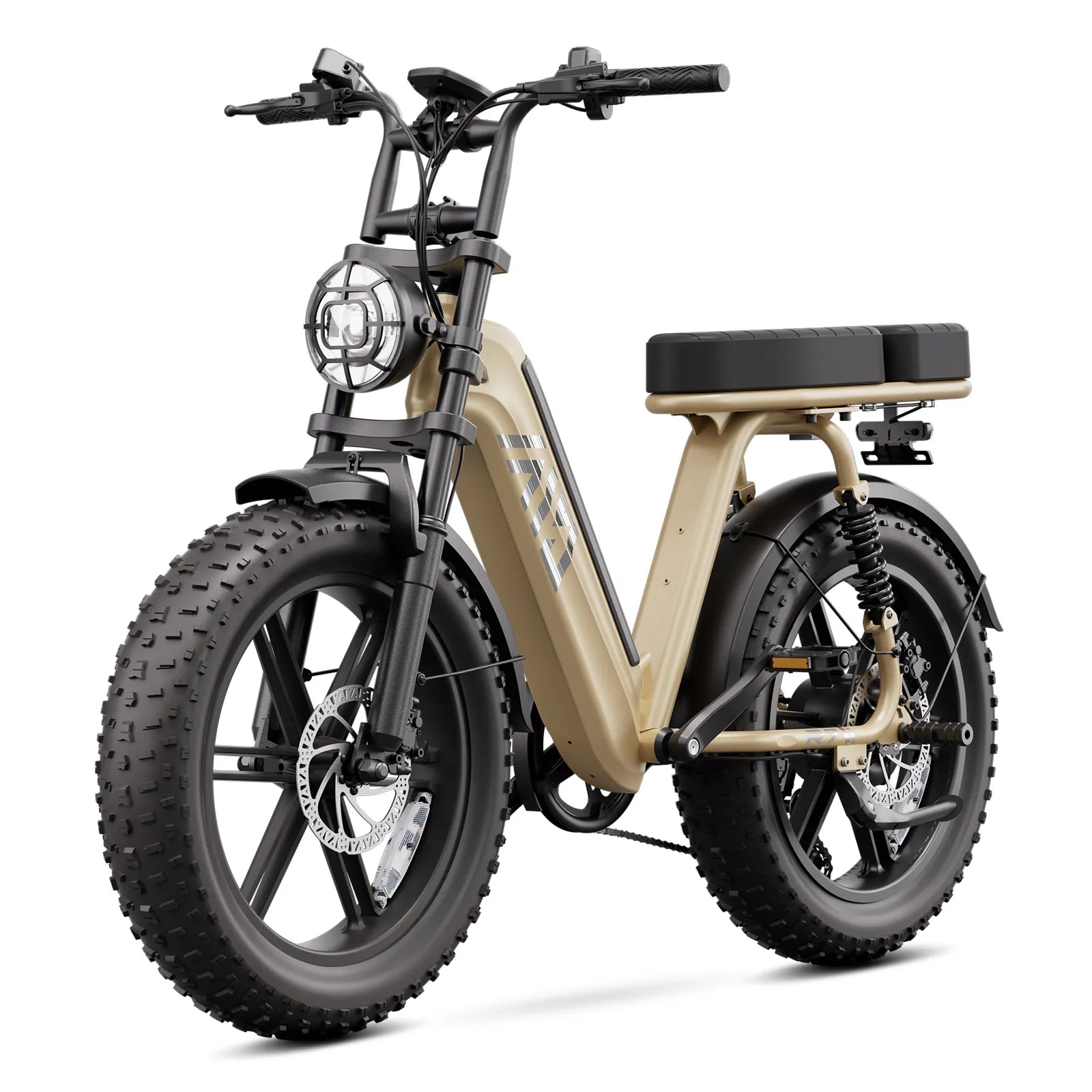
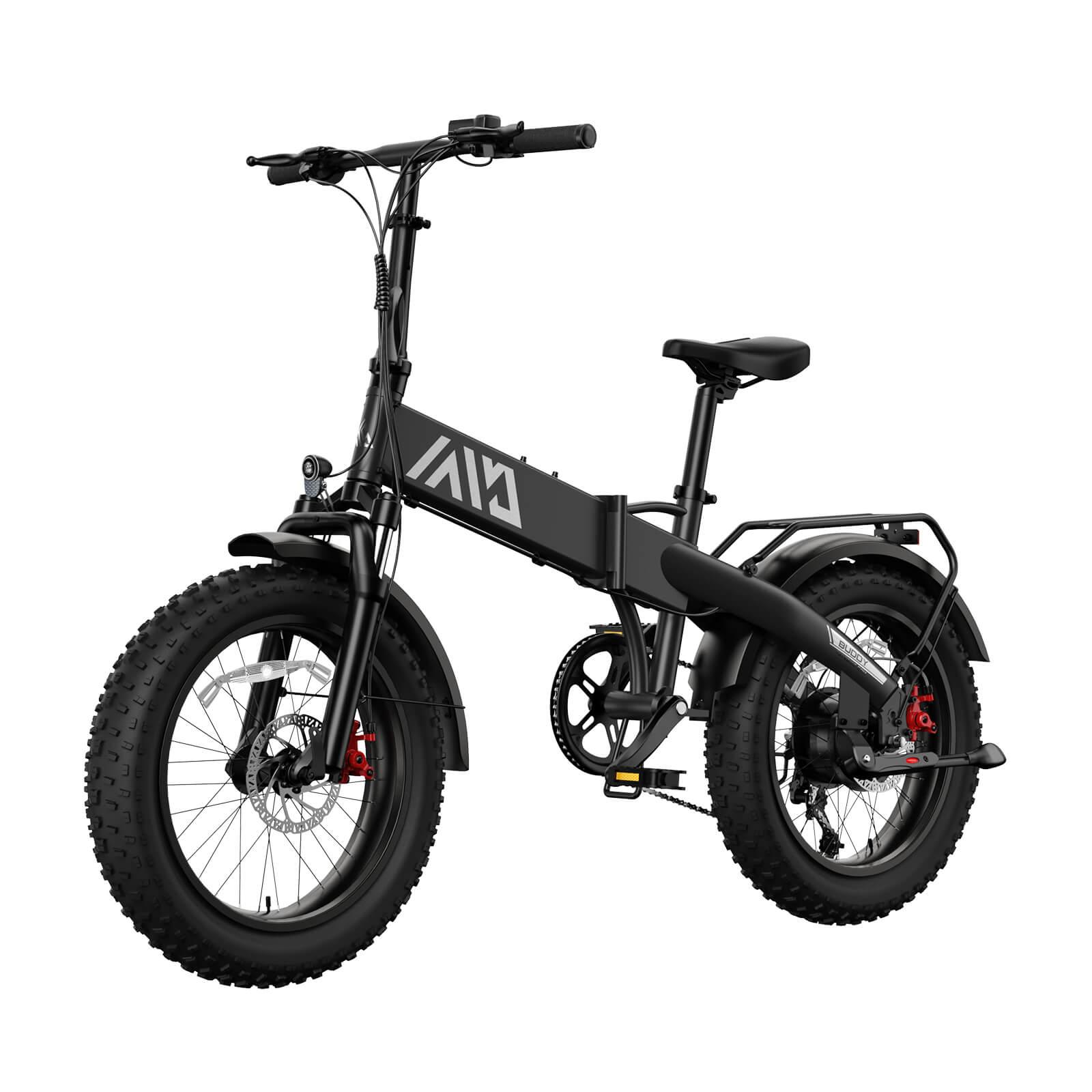

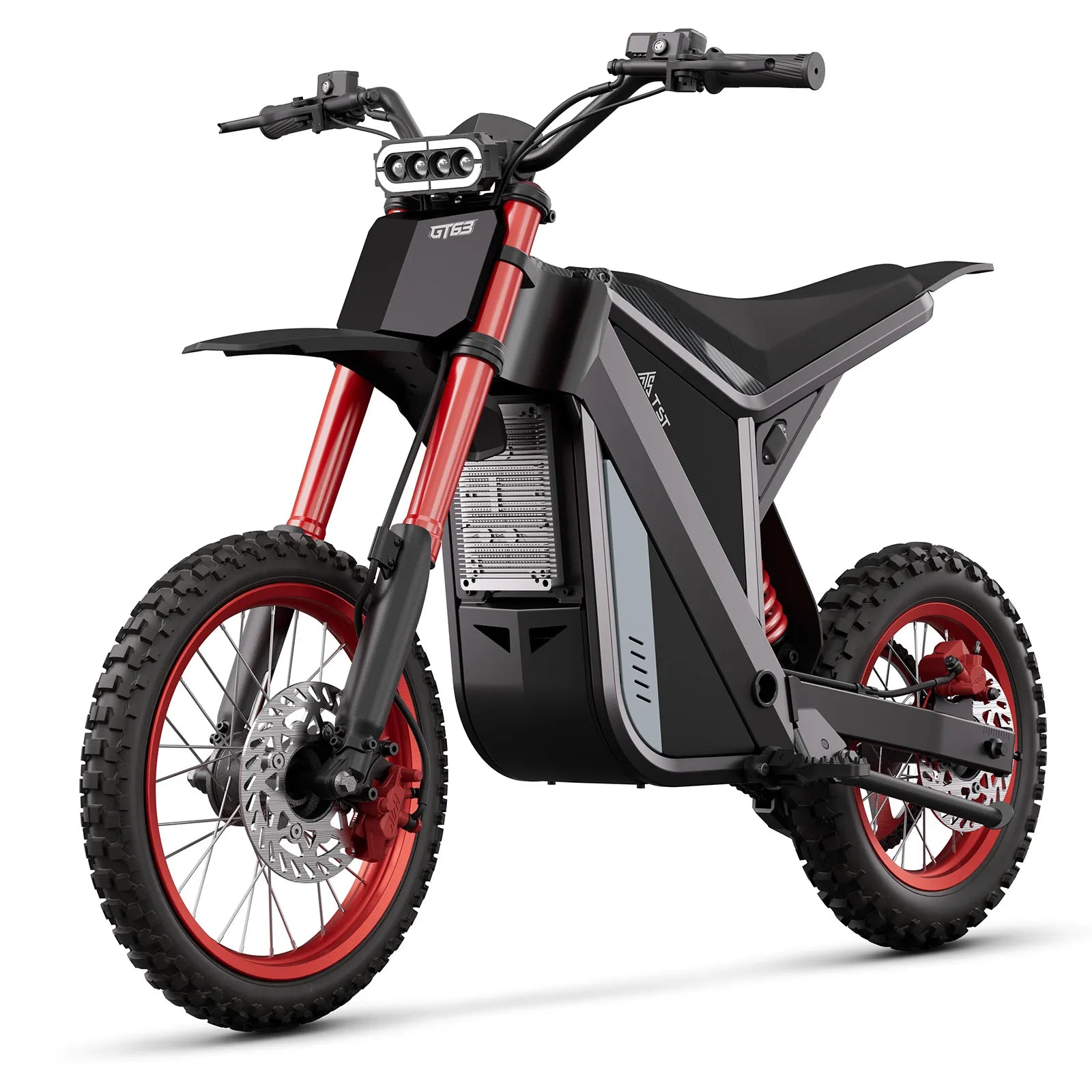
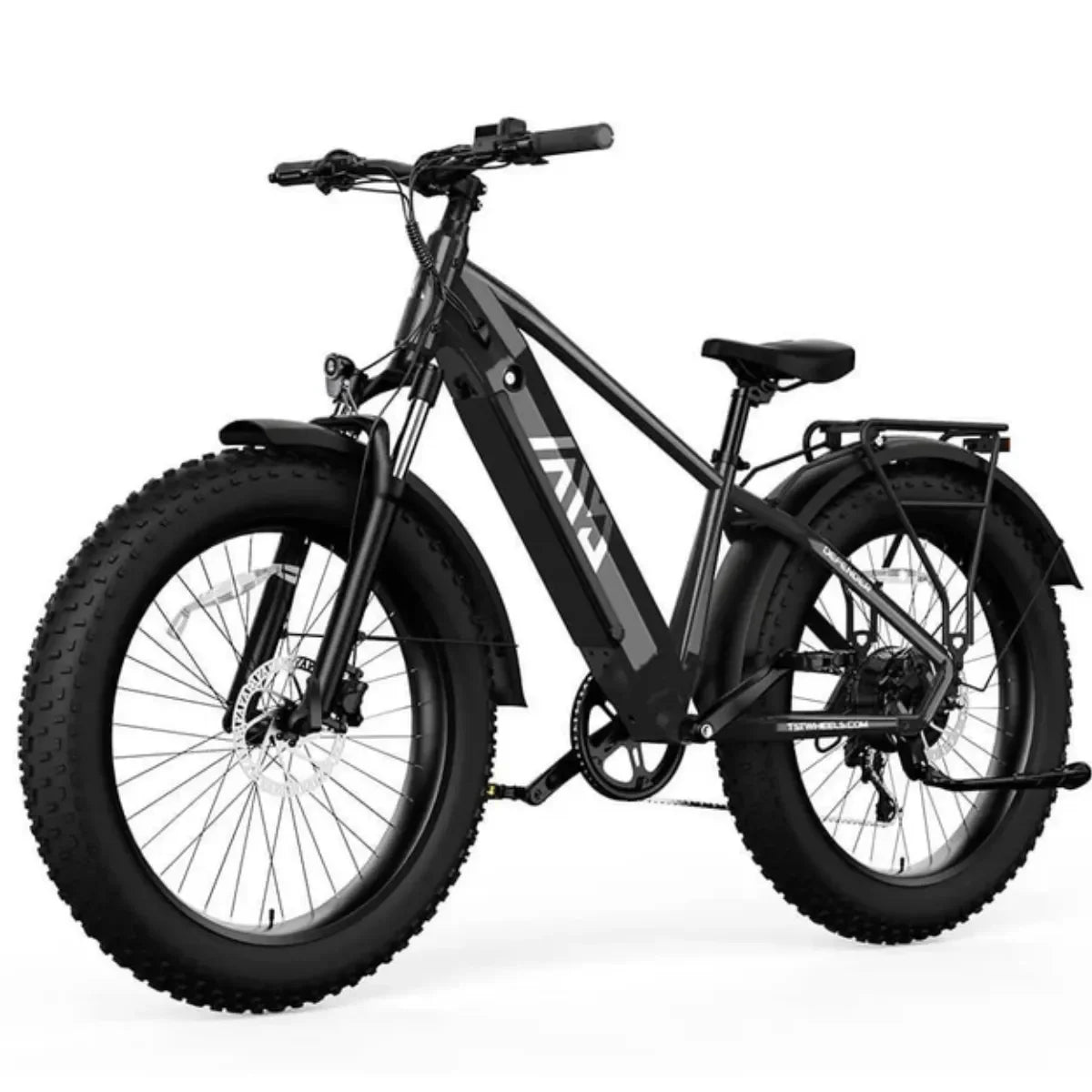
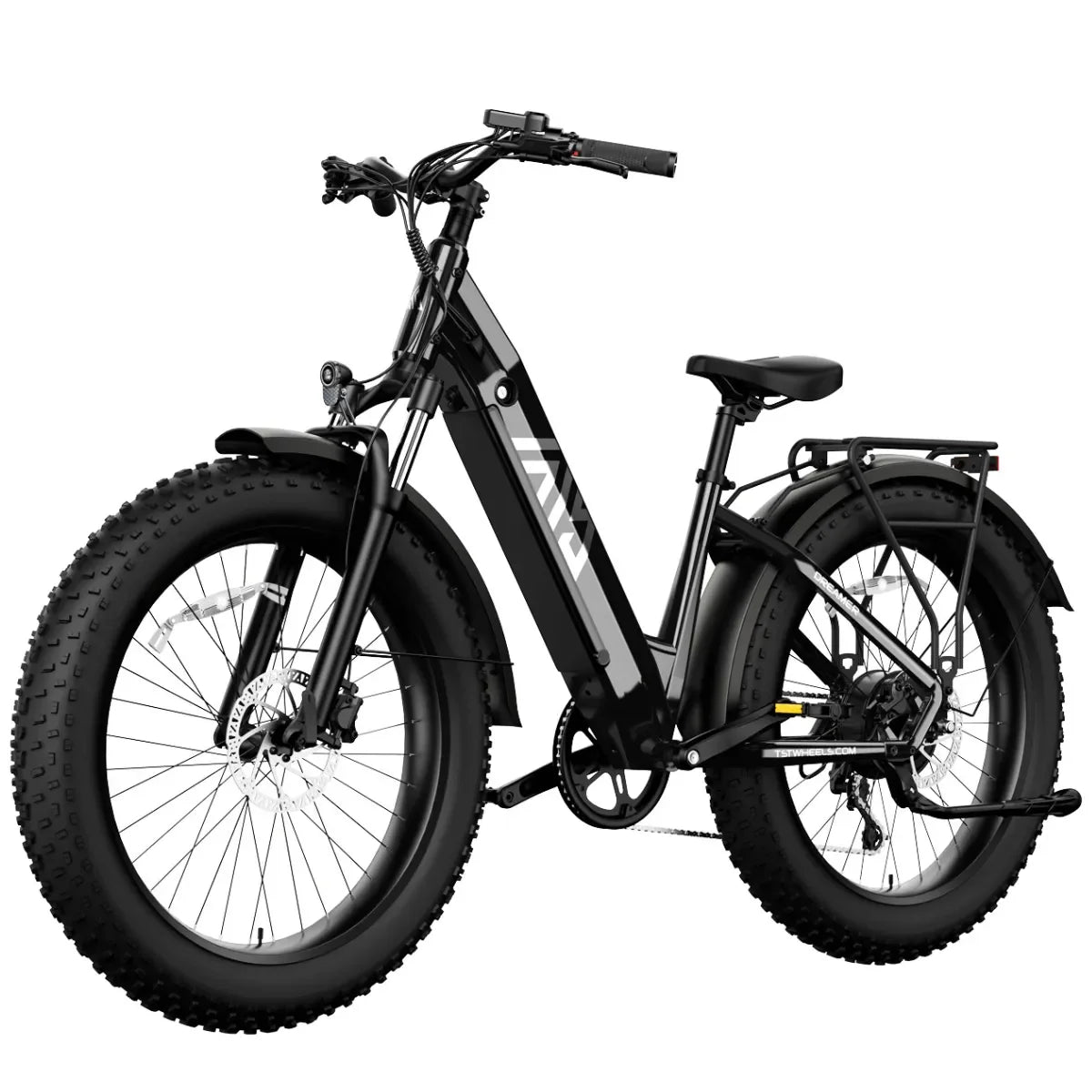
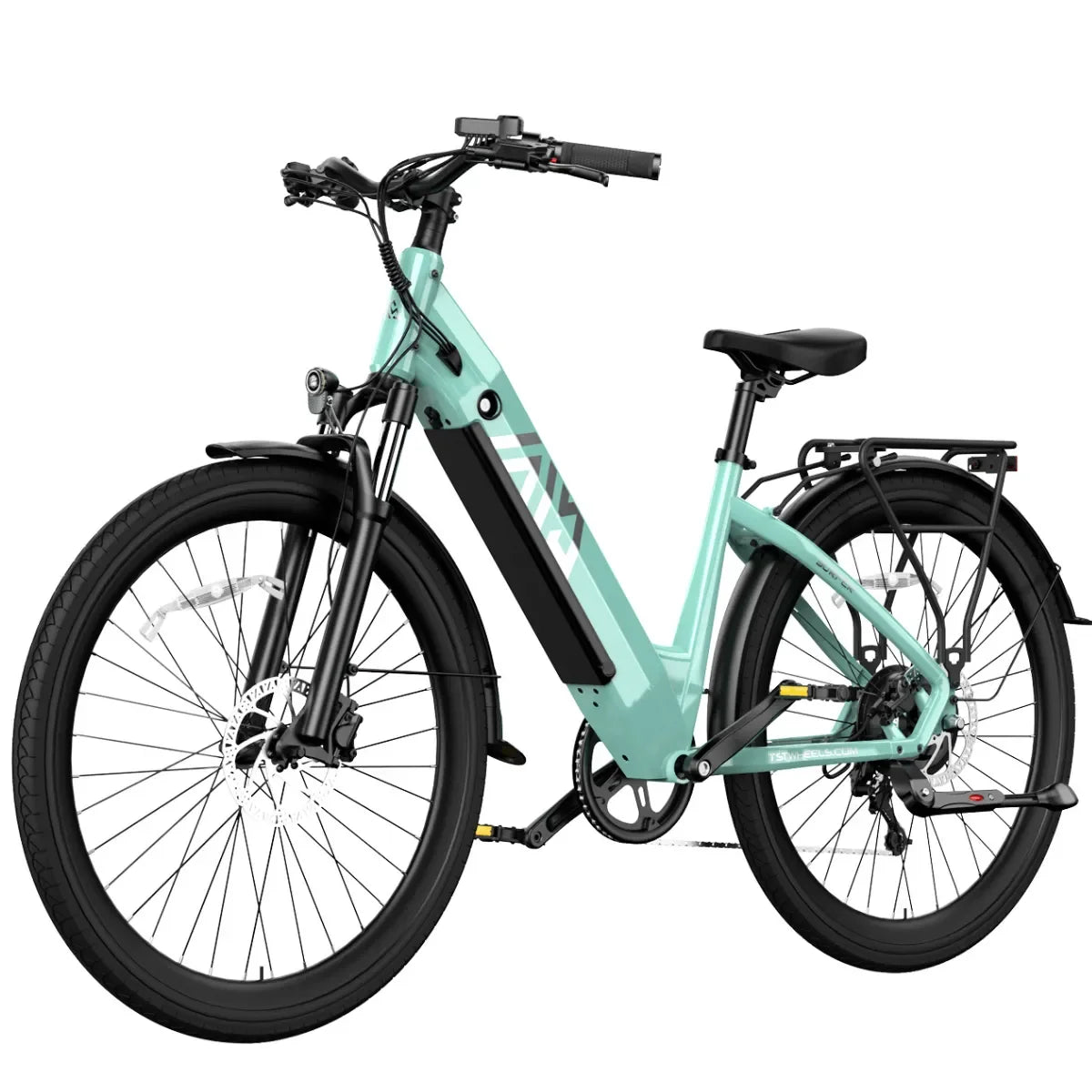
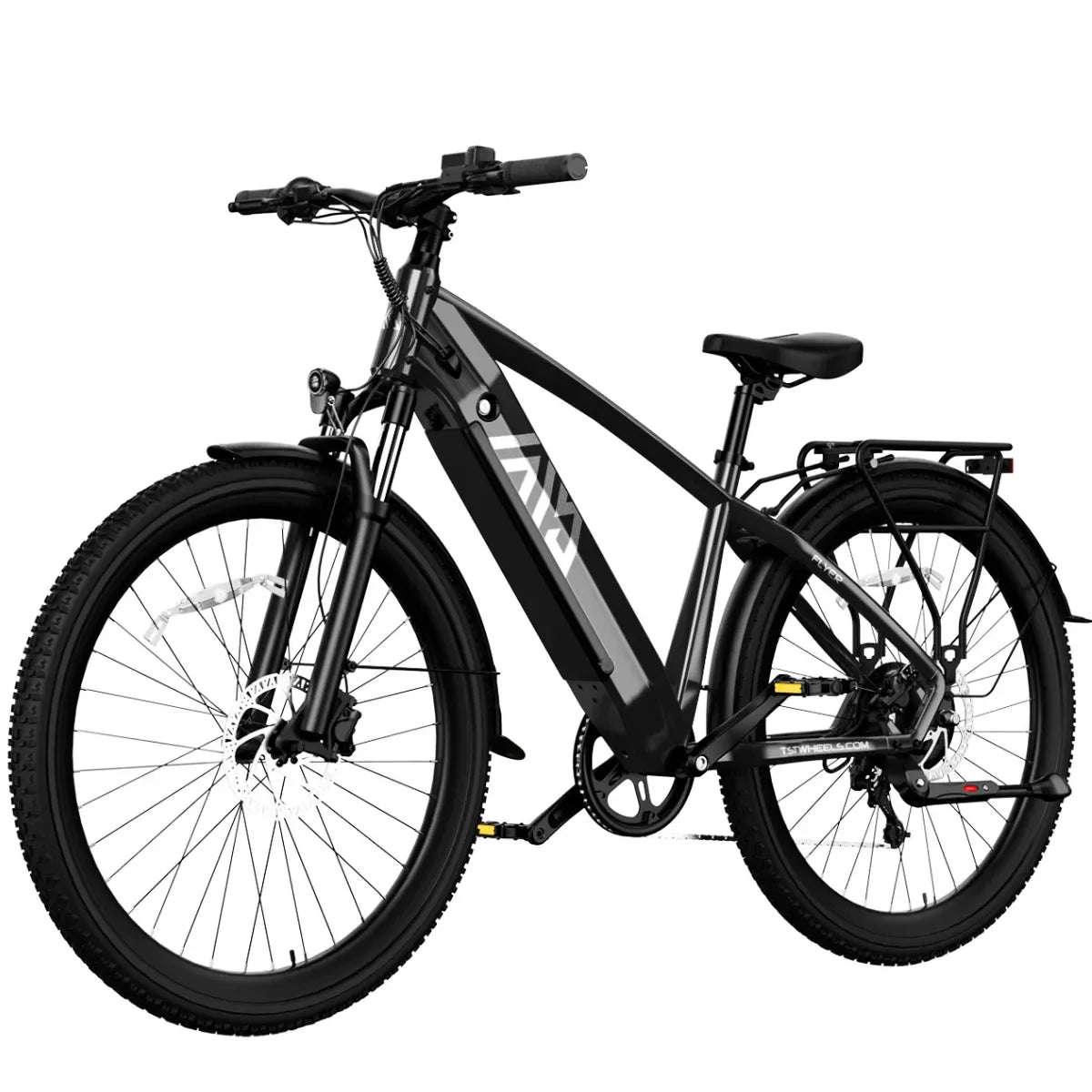
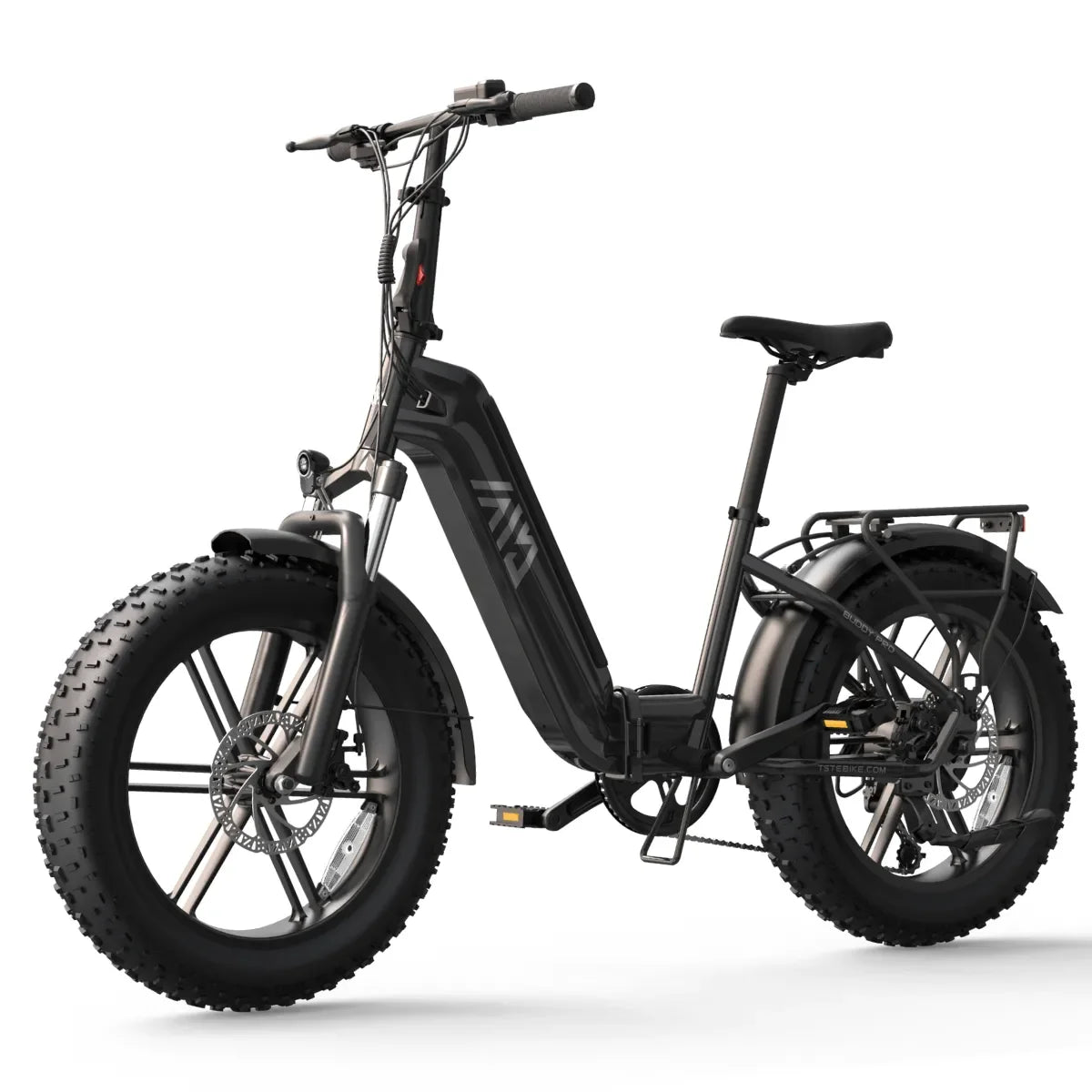
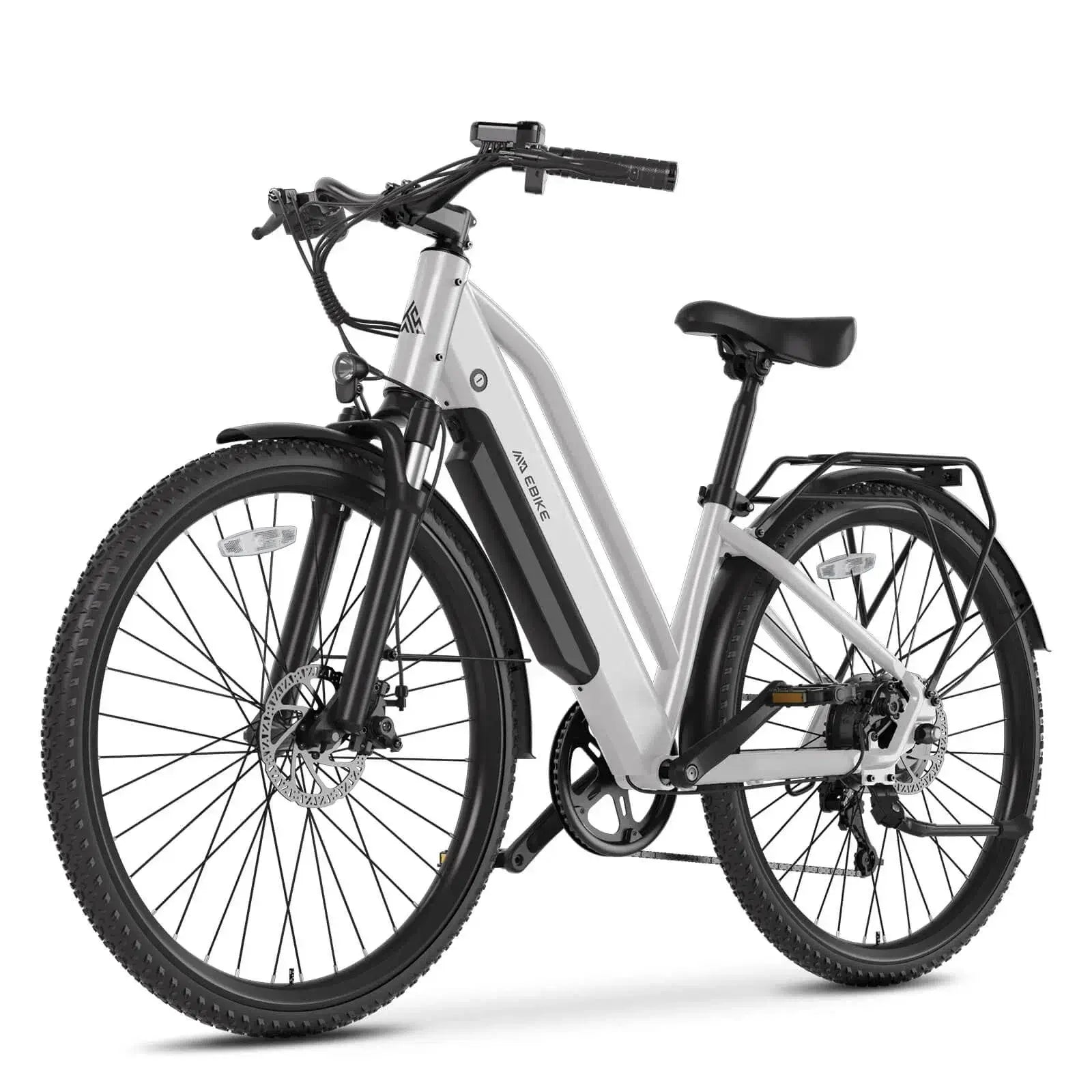
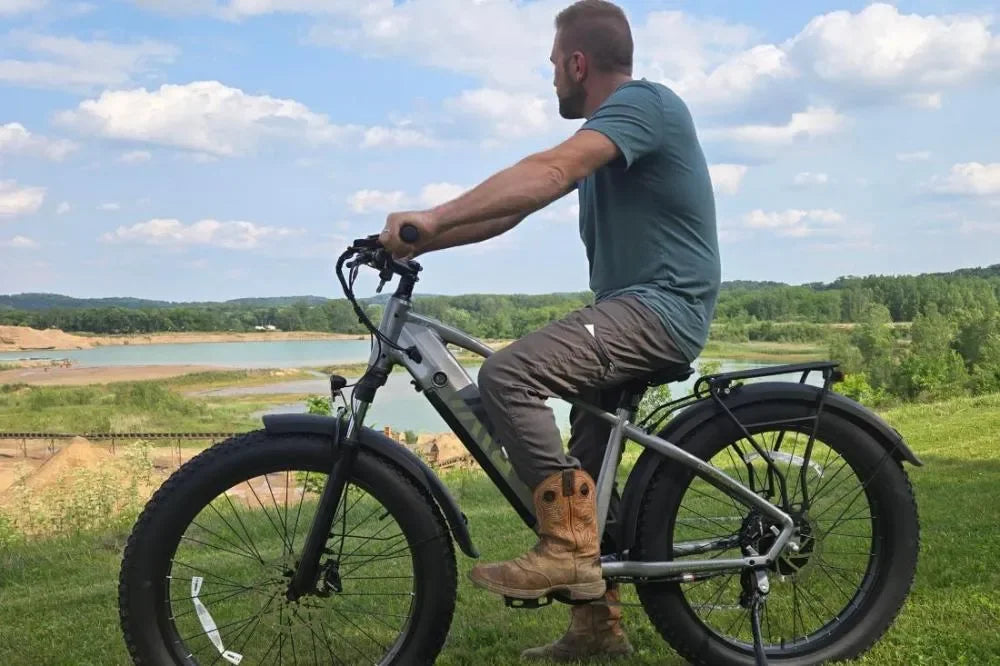
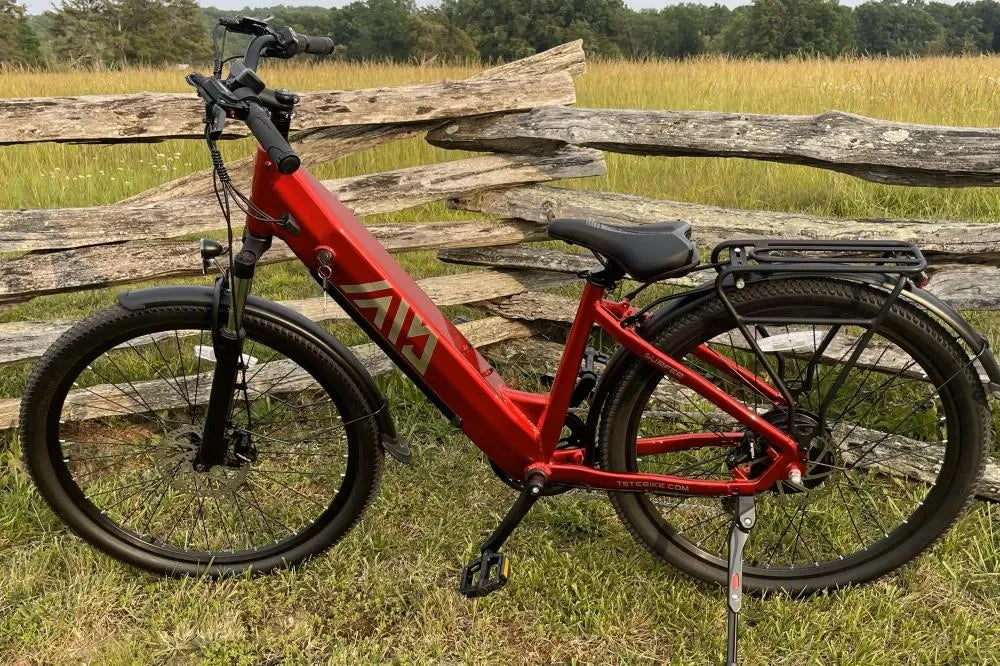
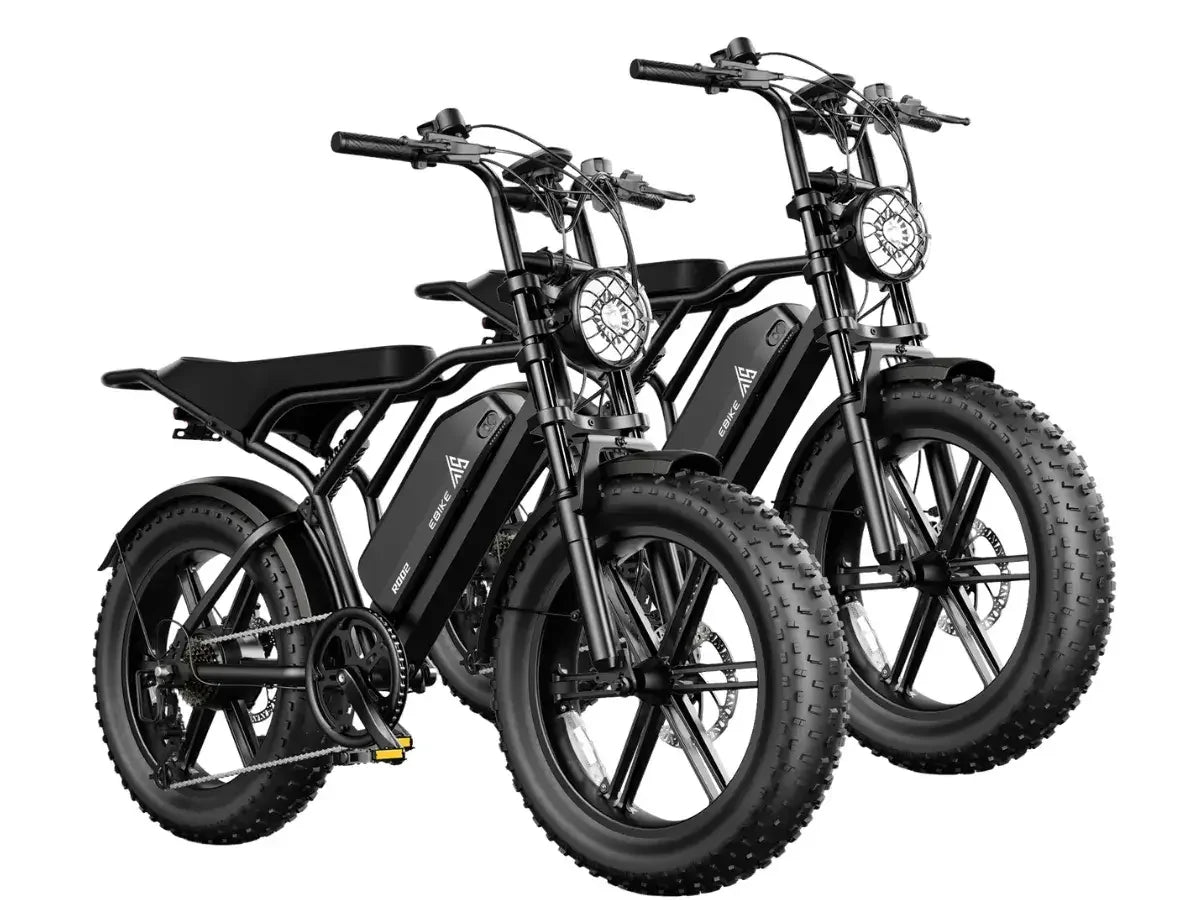
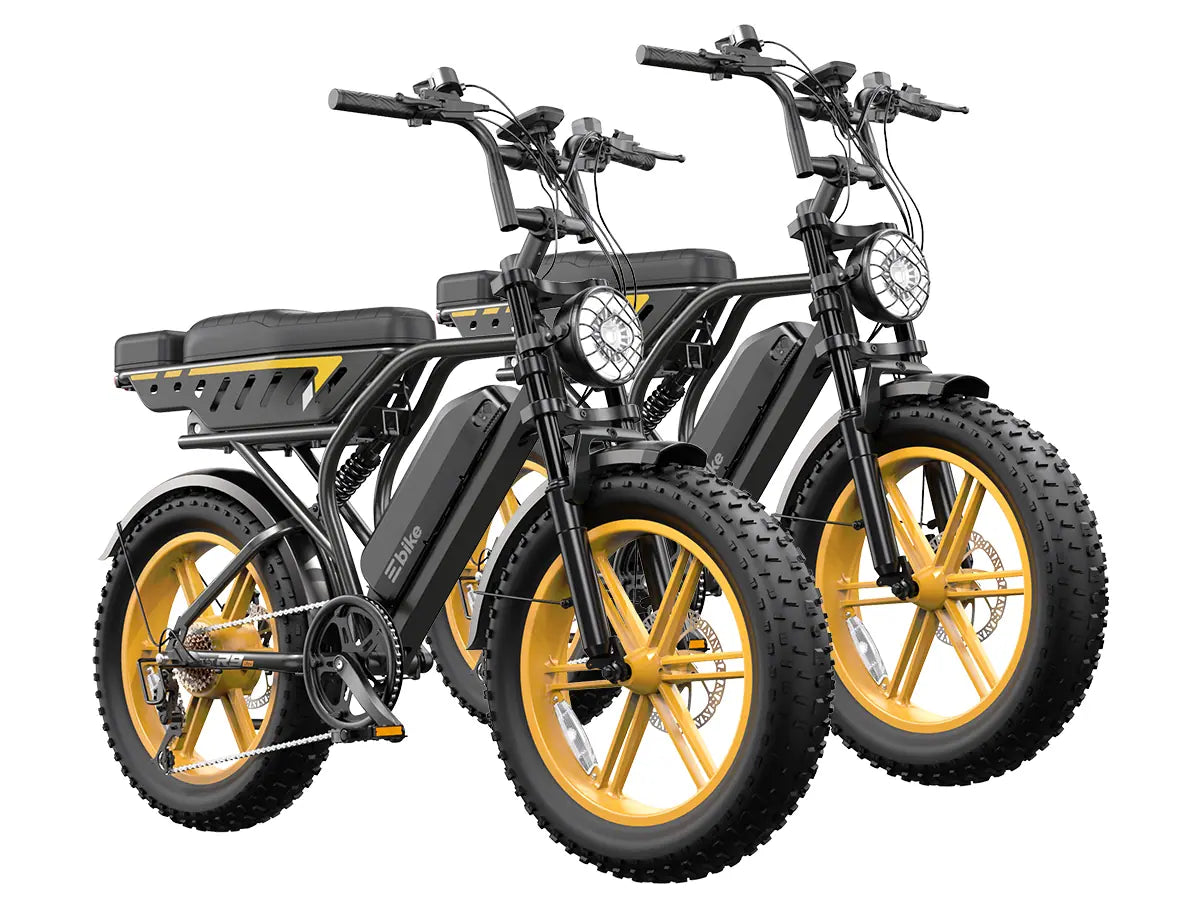
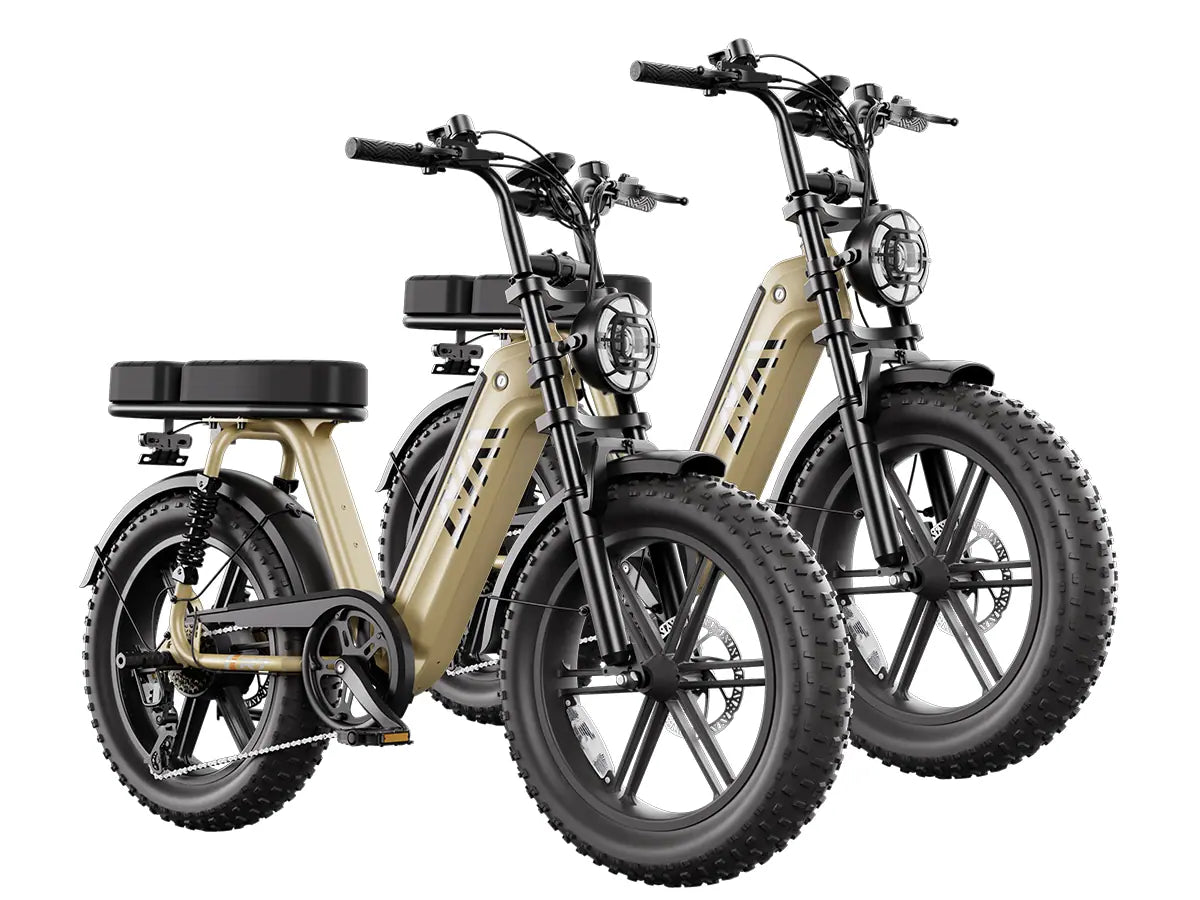
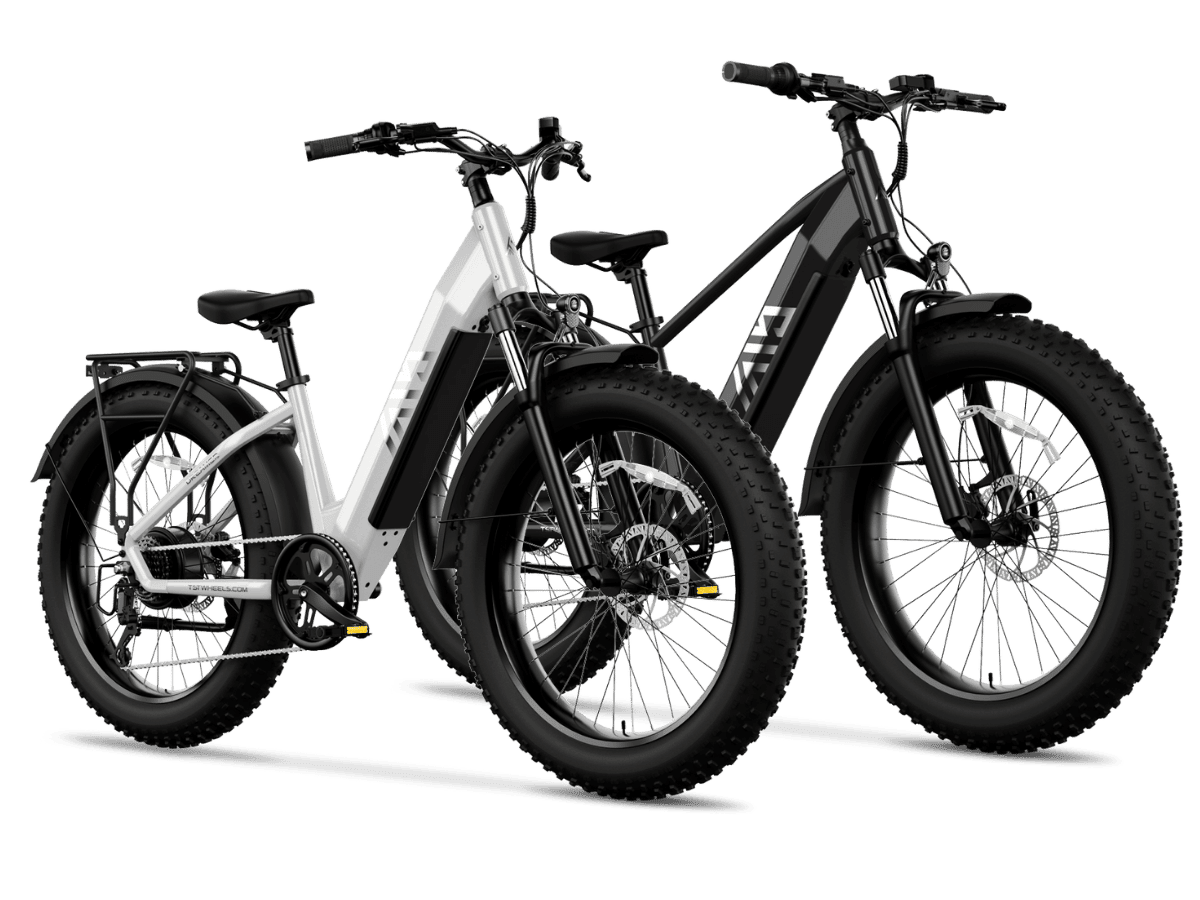
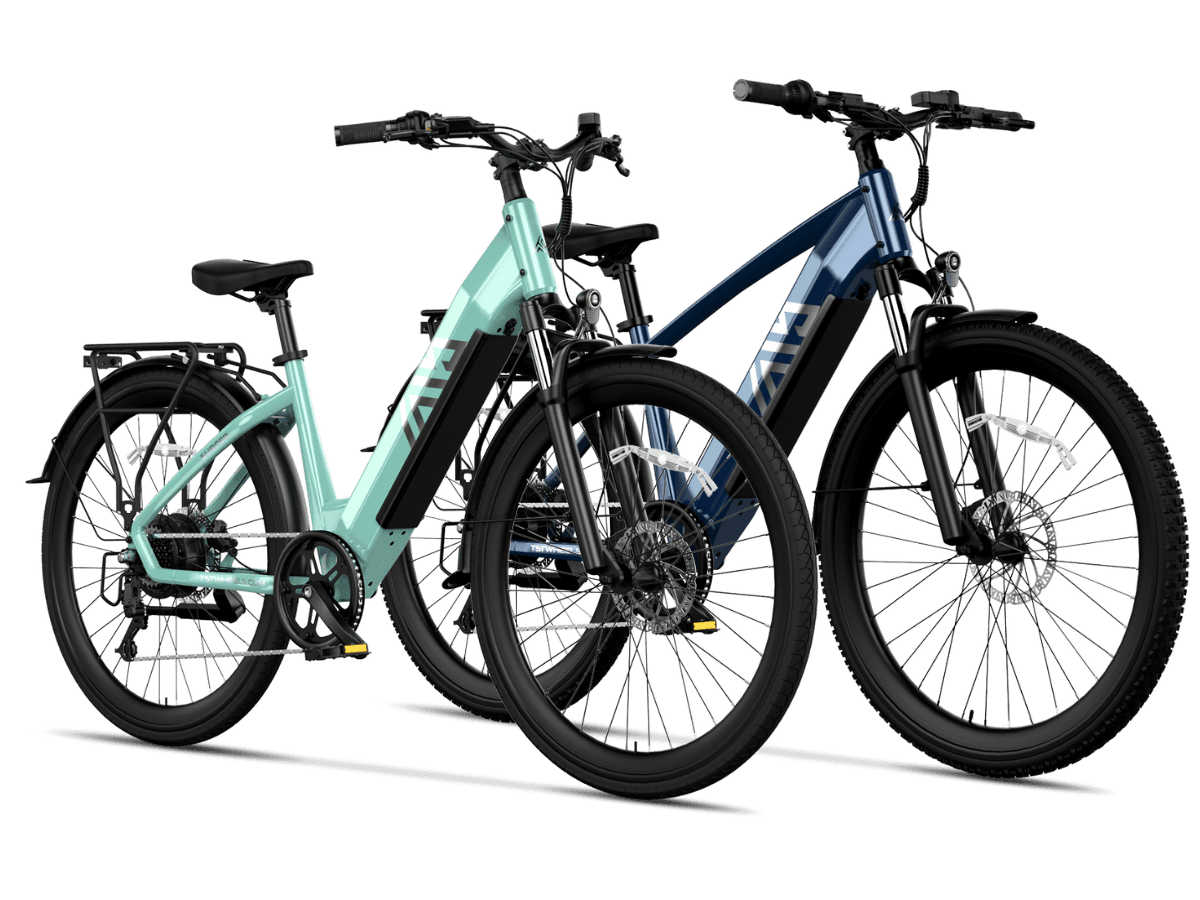
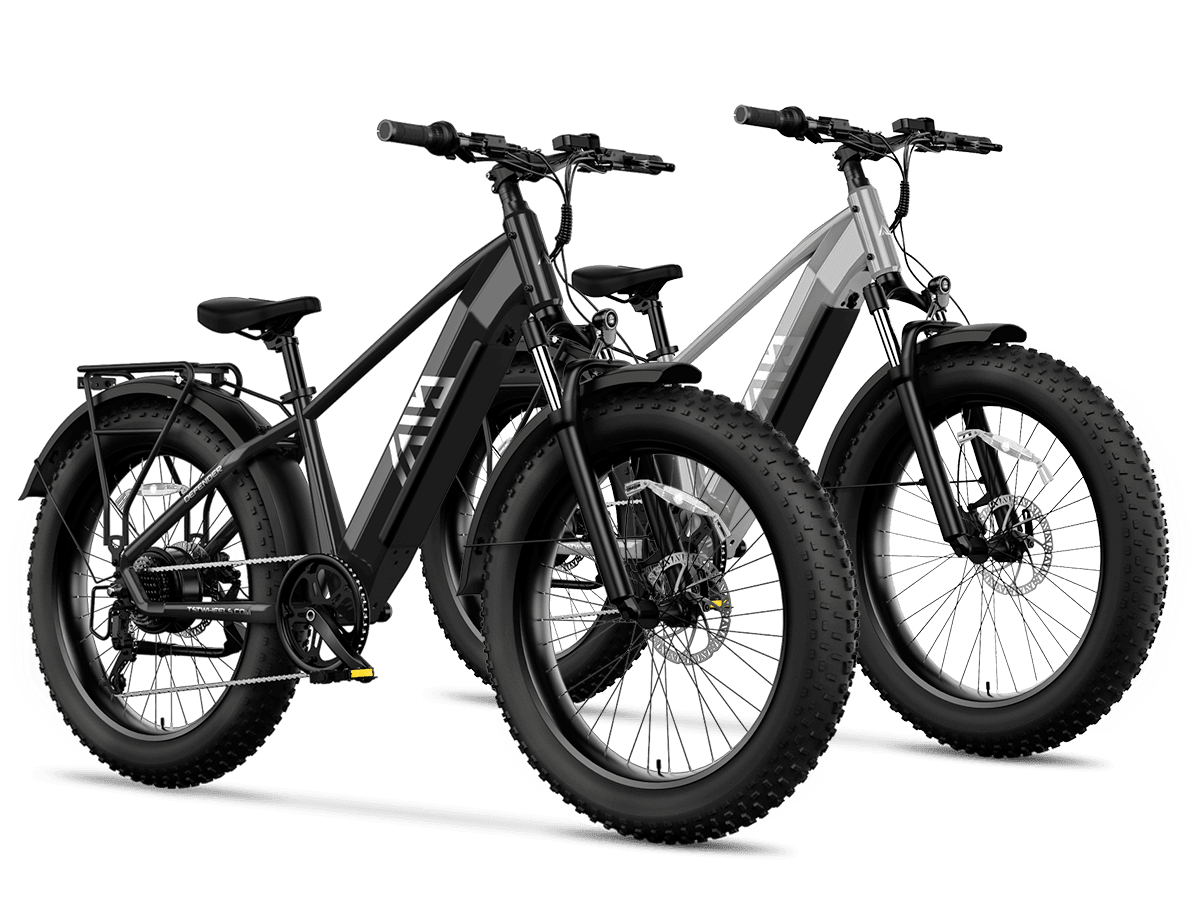
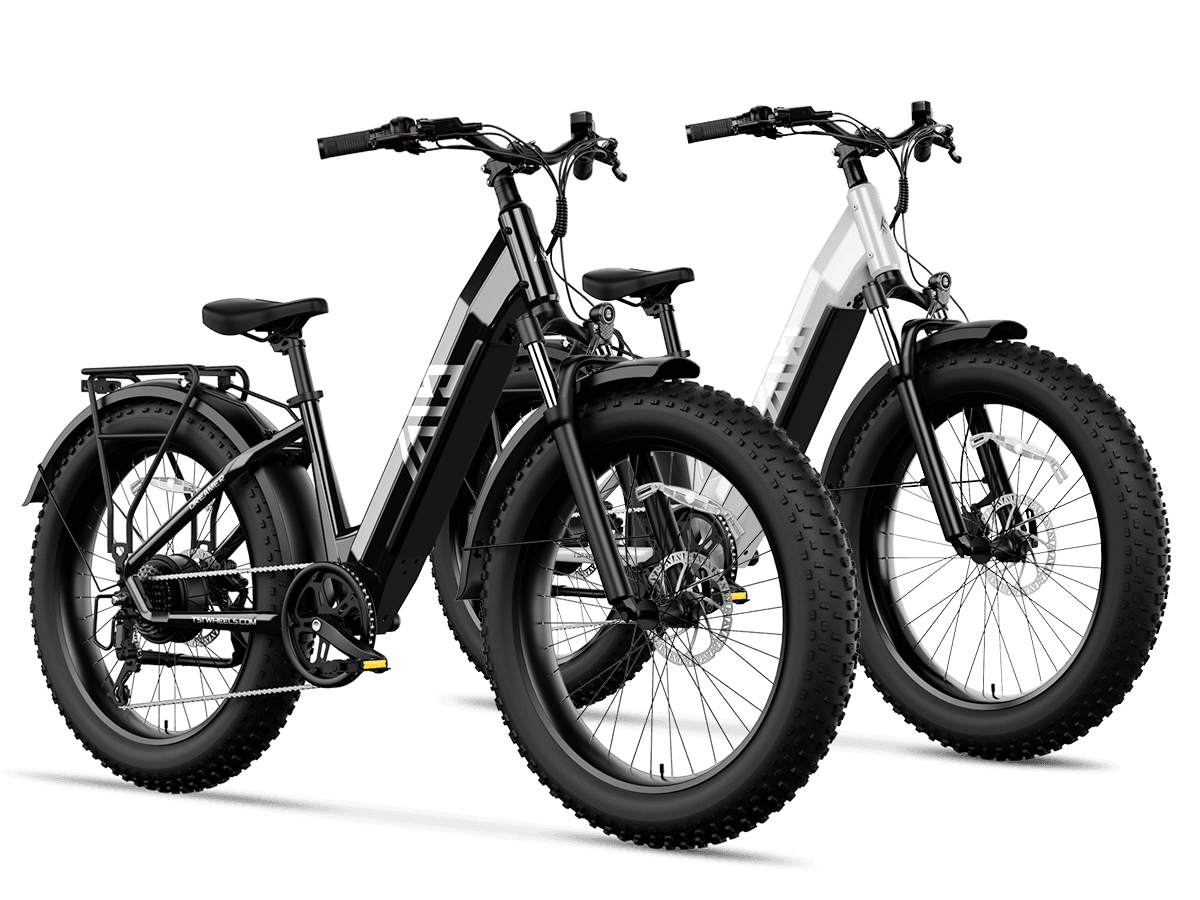
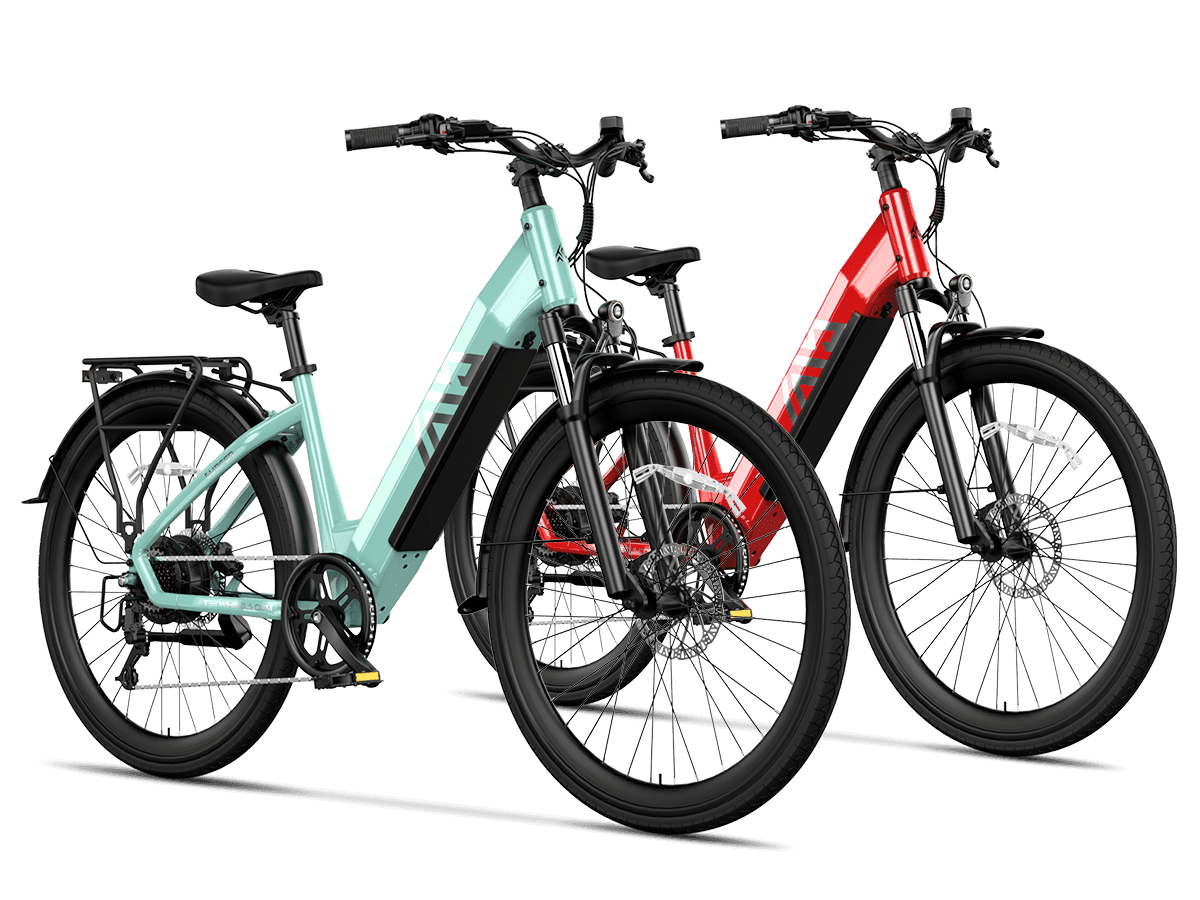
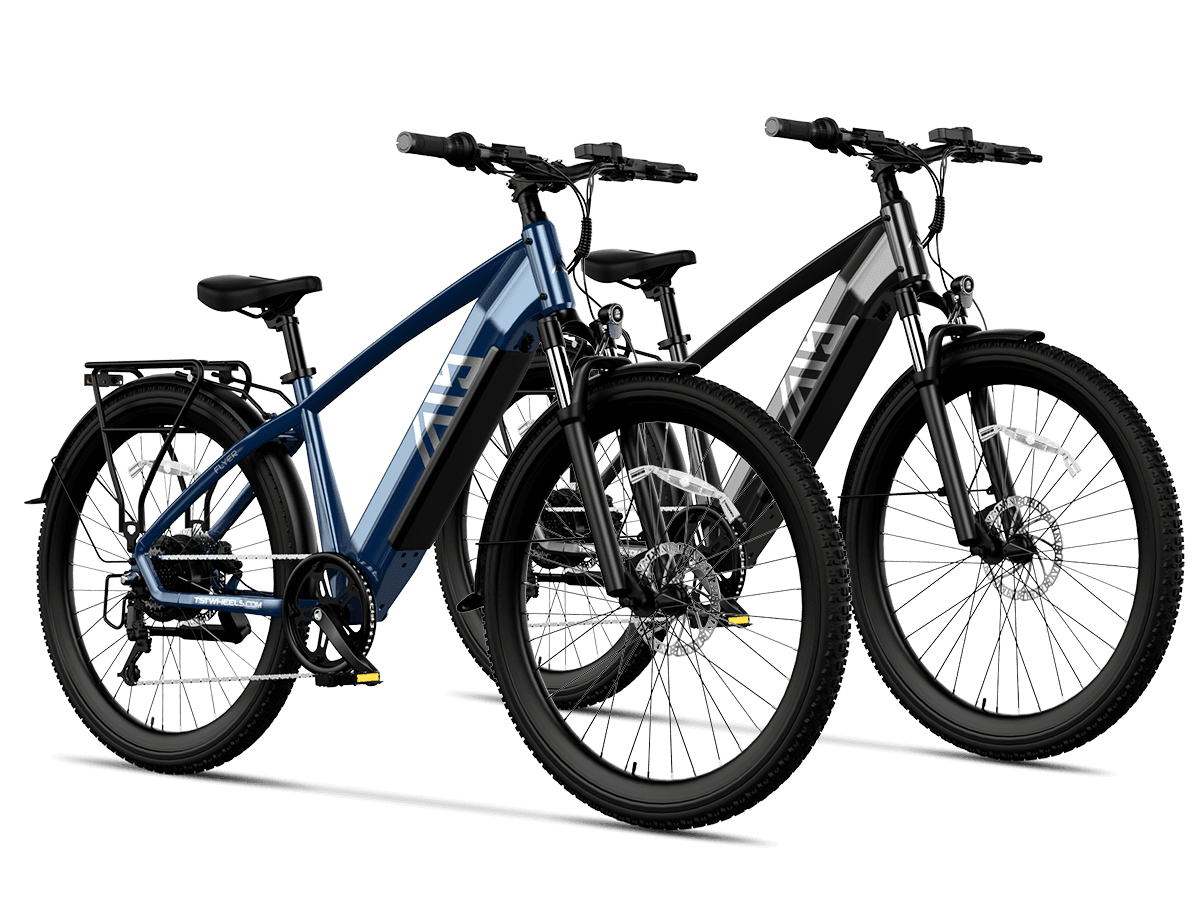
A Class 3 e-bike is an electric bicycle equipped with a motor that provides pedal-assist only and stops assisting at 28 mph. It is the fastest legal e-bike class, designed for riders seeking higher speeds and efficient urban commuting. Class 3 e-bikes require riders to follow specific safety regulations, including helmet use and age restrictions.
How Does a Class 3 E-Bike Differ from Class 1 and Class 2?
Class 1 e-bikes provide pedal-assist up to 20 mph without throttle. Class 2 e-bikes have throttle control with assistance up to 20 mph. Class 3 e-bikes offer pedal-assist only but extend assistance up to 28 mph. Unlike Class 1 and 2, Class 3 e-bikes often require helmets and have age limits, with restricted access to bike paths.
What Are the Legal Requirements for Riding a Class 3 E-Bike?
Riders must be at least 16 or 17 years old depending on the state, and helmet use is mandatory. Class 3 e-bikes are typically prohibited on multi-use trails and bike paths but allowed on road lanes and bike lanes. They do not require a driver’s license or registration but must have a speedometer.
Which Class 3 E-Bike Models Offer the Best Performance?
Chart title: Popular Class 3 E-Bikes and Their Specifications
| Model | Motor Power (W) | Max Speed (mph) | Battery Range (miles) | Price Range (USD) |
|---|---|---|---|---|
| TST EBike 27-inch | 750 | 28 | 50-65 | $1,800 - $2,500 |
| Urban Cruiser Pro | 750 | 28 | 40-60 | $2,000 - $3,000 |
| City Commuter 26-inch | 750 | 28 | 35-55 | $1,500 - $2,200 |
| Trail Explorer 27-inch | 750 | 28 | 45-65 | $2,200 - $3,200 |
How Does Class 3 E-Bike Performance Enhance Urban Commuting?
With higher speeds and powerful motors, Class 3 e-bikes reduce commute times and handle varied terrain efficiently. Their pedal-assist system ensures riders get help only when pedaling, promoting exercise while offering speed. The extended range suits longer rides, making them ideal for city dwellers.
What Safety Features Are Important for Class 3 E-Bikes?
Class 3 e-bikes should have reliable brakes, preferably hydraulic disc brakes, bright integrated lights, reflective elements, and a speedometer. Stable frames and quality tires enhance control at higher speeds. Helmets and protective gear are essential for rider safety.
Buying Tips
When purchasing a Class 3 e-bike, consider motor power, battery capacity, frame size, and comfort features. TST EBike offers models with 26-inch and 27-inch wheels, suitable for urban and trail riding. Test rides help assess fit and handling. Prioritize bikes with strong warranties, quality components, and safety features.
TST EBike Expert Views
“At TST EBike, we design Class 3 e-bikes that blend speed, reliability, and rider comfort. Our focus is on delivering powerful motors and long-lasting batteries while ensuring safety and compliance with regulations. We aim to provide versatile e-bikes that make urban commuting faster, healthier, and more enjoyable.”
FAQ
What Is a Class 3 E-Bike and Why It Matters?
A Class 3 e-bike is a pedal-assist electric bike that helps you up to about 28 mph, making it faster and more efficient than lower classes for commuting and longer rides. It matters because its higher speed, power and stricter regulations make it ideal for riders who want car-like commuting convenience while still enjoying an active cycling experience.
How Fast Can a Class 3 E-Bike Really Go?
A Class 3 e-bike typically provides motor assistance up to around 28 mph, after which the motor stops helping and you rely on your own pedaling power. Some riders can exceed that speed on flat terrain or downhills, but legally the assist is capped, balancing fast commuting with safety and control in urban environments.
Are Class 3 E-Bikes Legal in Your State?
Class 3 e-bike legality varies by state, with rules on where you can ride, minimum rider age, and whether a helmet is required. Many states allow Class 3 e-bikes on streets and bike lanes but may restrict them on shared-use paths and trails. Always check your local regulations before riding to stay compliant and safe.
Who Needs a Helmet on a Class 3 E-Bike?
Most regions require Class 3 e-bike riders, especially minors, to wear a helmet because of the higher assisted speeds. Even where it is not legally mandated, a certified bike helmet is strongly recommended to reduce head injury risk in traffic, on descents, or in rough terrain, particularly when using powerful models from brands like TST EBike.
What’s the Difference Between Class 1 and Class 3 E-Bikes?
Class 1 e-bikes offer pedal assist up to about 20 mph, while Class 3 e-bikes assist up to around 28 mph and are often built for faster, more robust commuting. Class 1 models are usually allowed on more bike paths and trails, whereas Class 3 bikes may face restrictions but provide quicker travel and better traffic matching on roads.
Is a Class 3 E-Bike Better Than a Class 2?
Whether a Class 3 e-bike is better than a Class 2 depends on how you ride. Class 2 e-bikes include throttle assist up to roughly 20 mph, ideal for relaxed riding or limited pedaling, while Class 3 prioritizes higher pedal-assist speeds up to about 28 mph. Riders focused on fast commuting usually prefer Class 3, while casual or throttle-focused riders may like Class 2.
What Is the Best Class 3 E-Bike for Commuting?
The best Class 3 e-bike for commuting balances speed, range, comfort and durability, with features like a powerful motor, long-lasting battery, fenders and lights. Look for models offering stable frames, hydraulic disc brakes and commuter-friendly geometry. Many riders choose versatile 27-inch options from brands such as TST EBike for daily city and mixed-terrain use.
Where to Find the Best Affordable Class 3 E-Bike?
You can find affordable Class 3 e-bikes through direct-to-consumer brands, seasonal online sales, and local dealers that bundle service with purchase. Focus on companies that specialize in high-power, cost-effective models, clear warranties and responsive support. For example, TST EBike and similar brands offer budget-friendly Class 3 options with both 26-inch off-road and 27-inch commuter-oriented designs.

Leave a comment
This site is protected by hCaptcha and the hCaptcha Privacy Policy and Terms of Service apply.