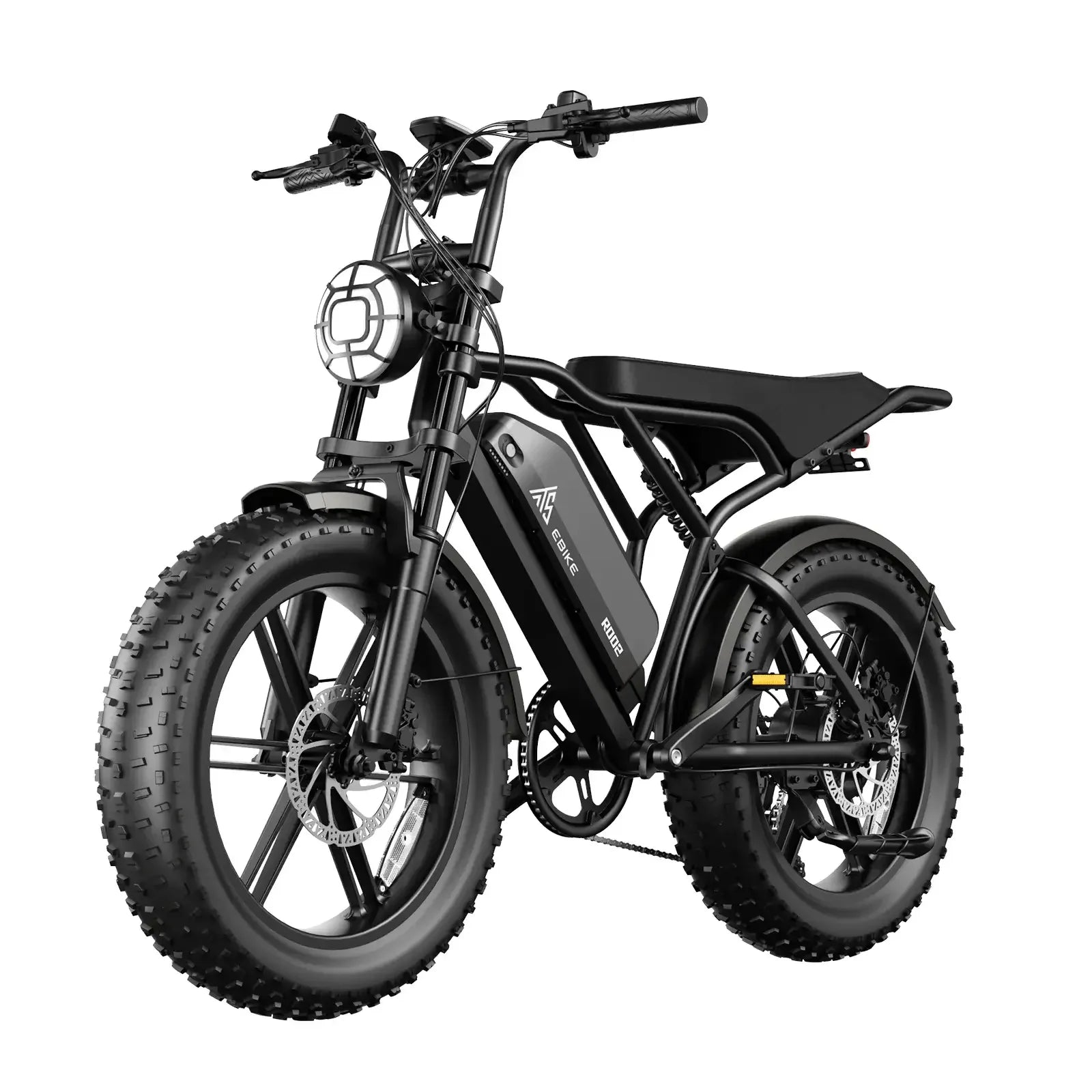
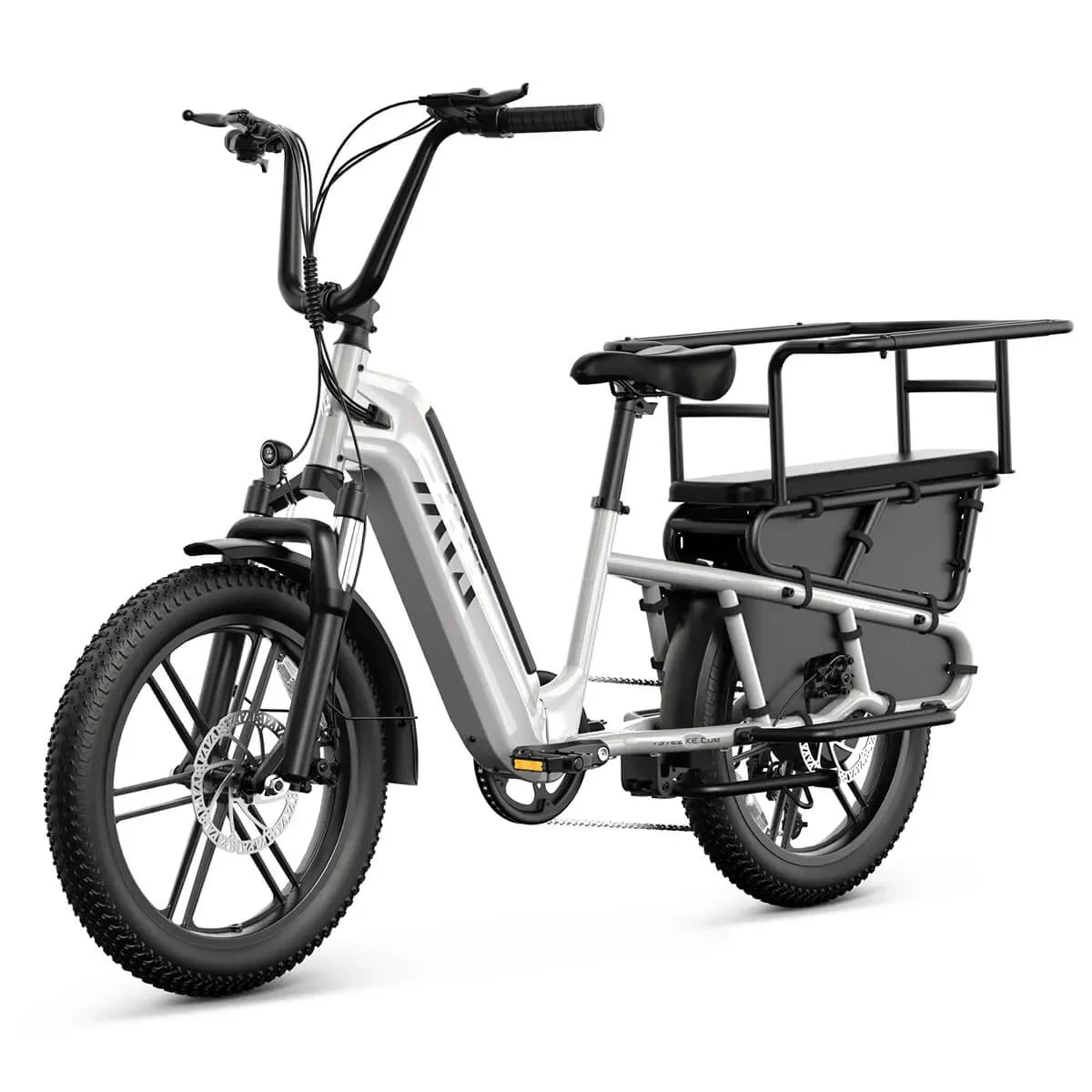
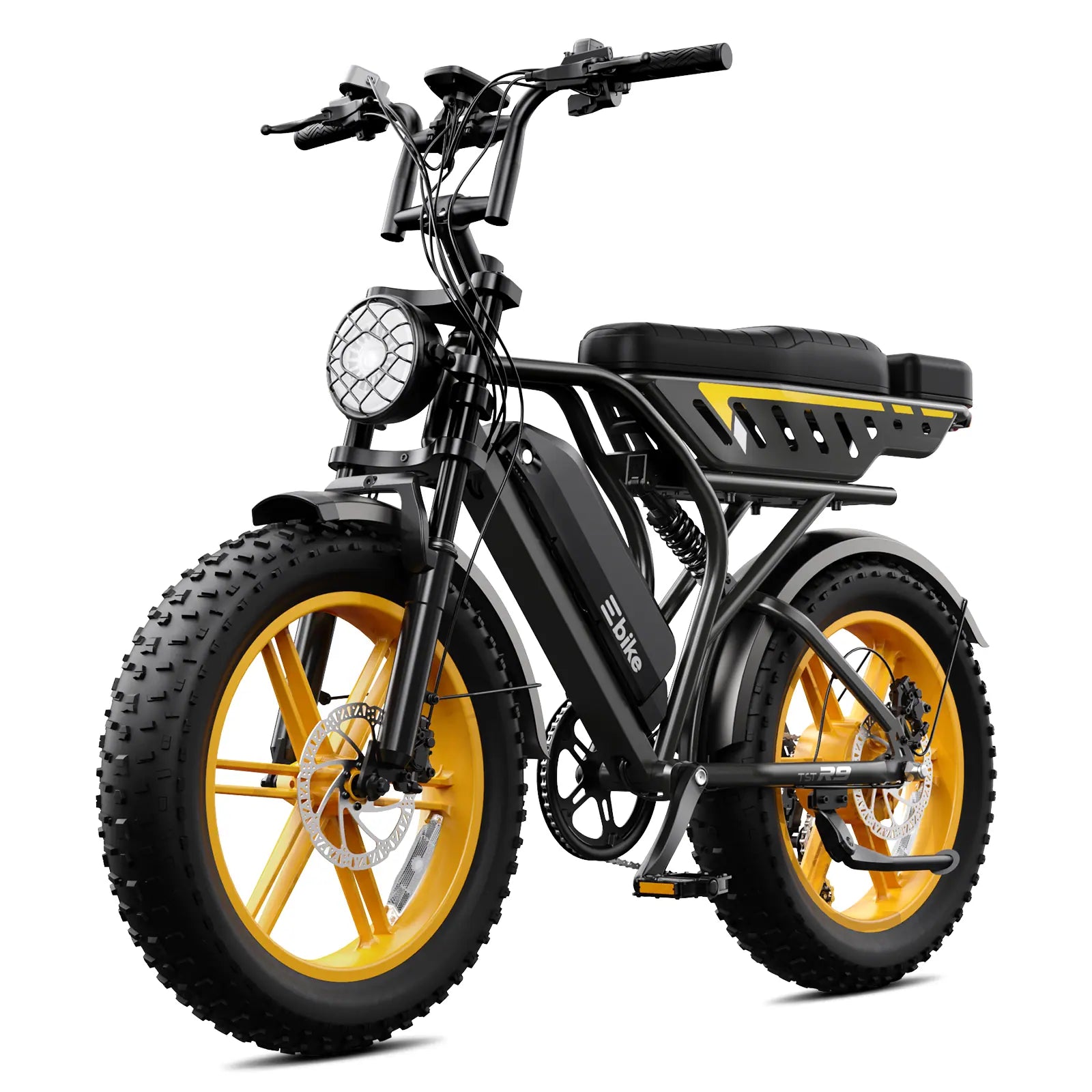
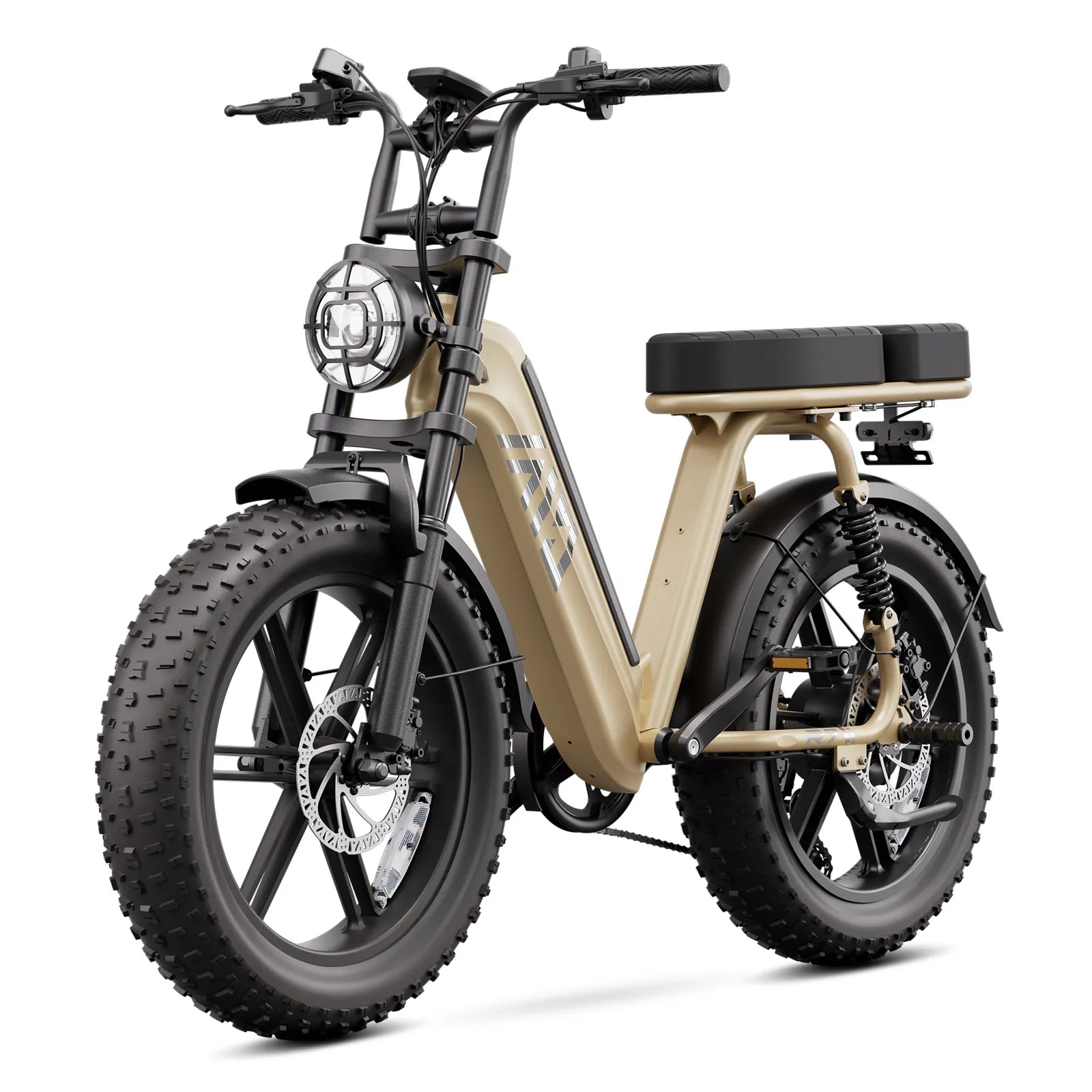
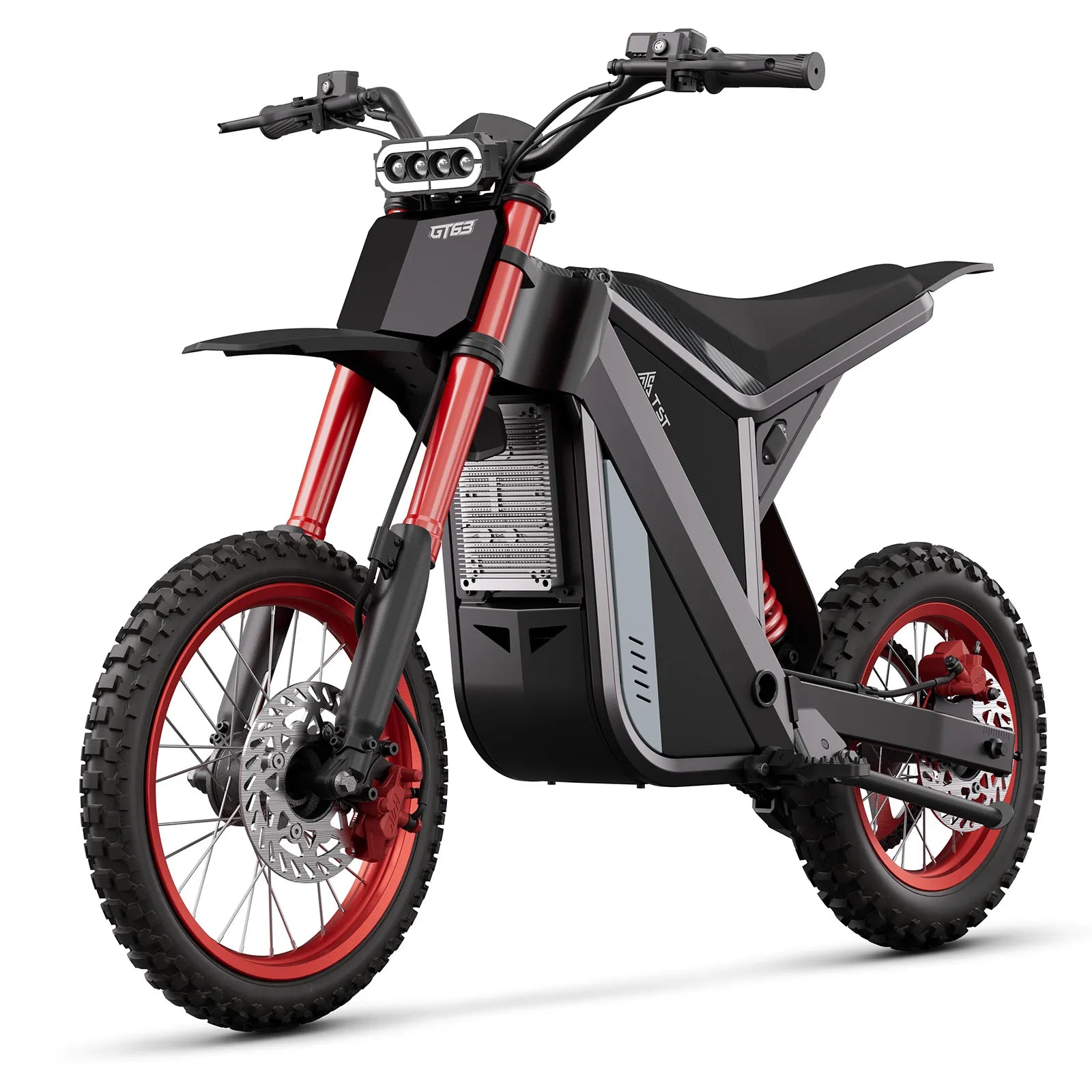
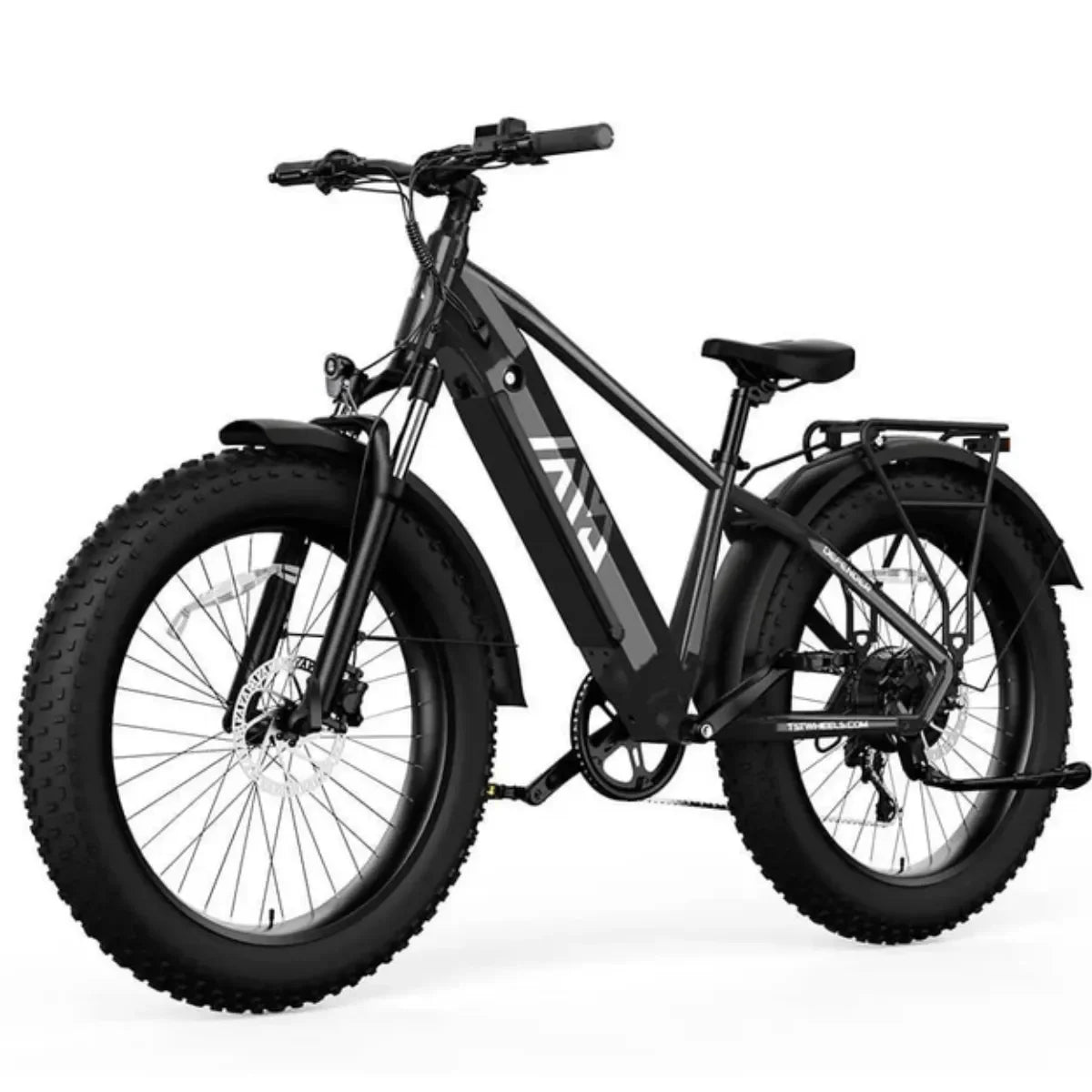
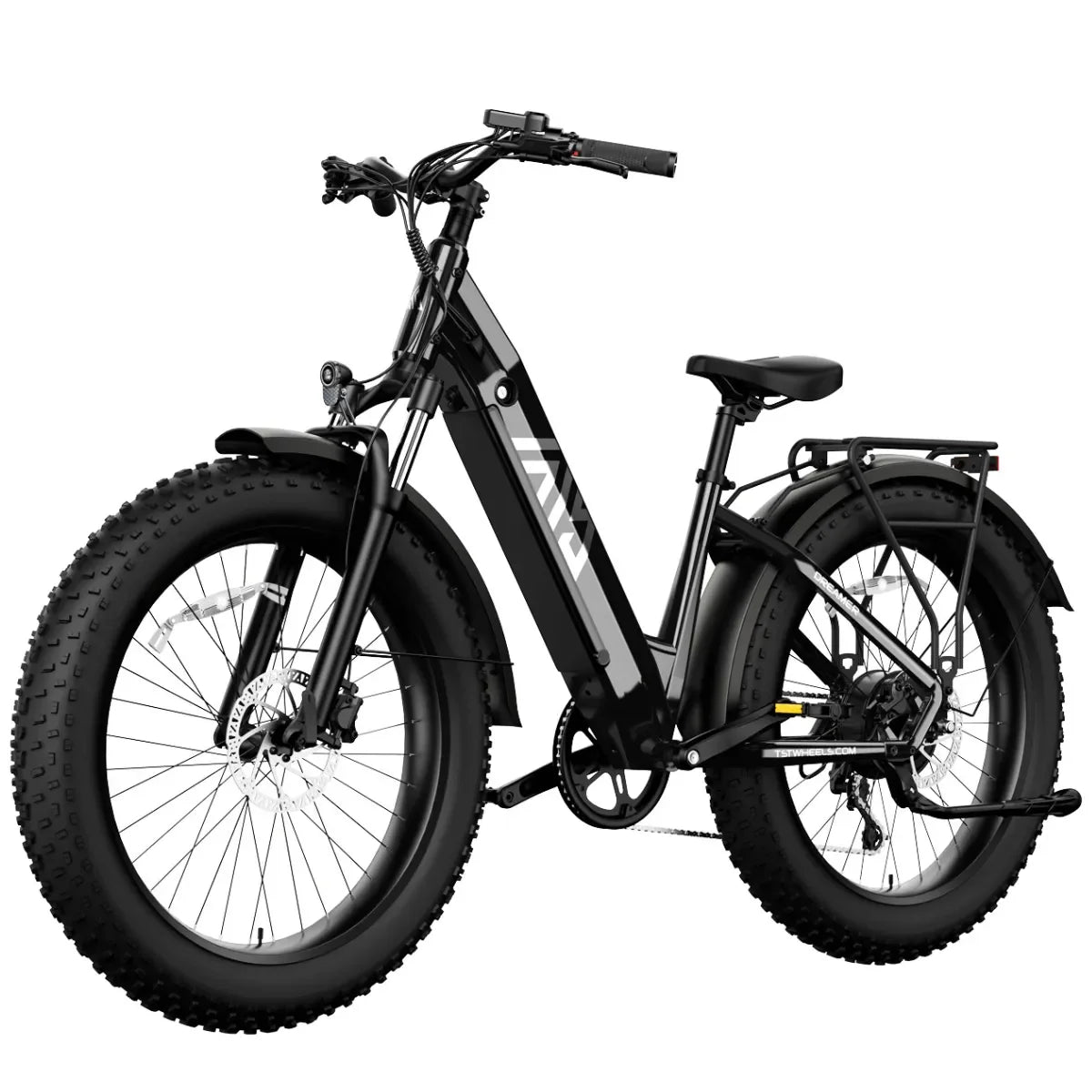
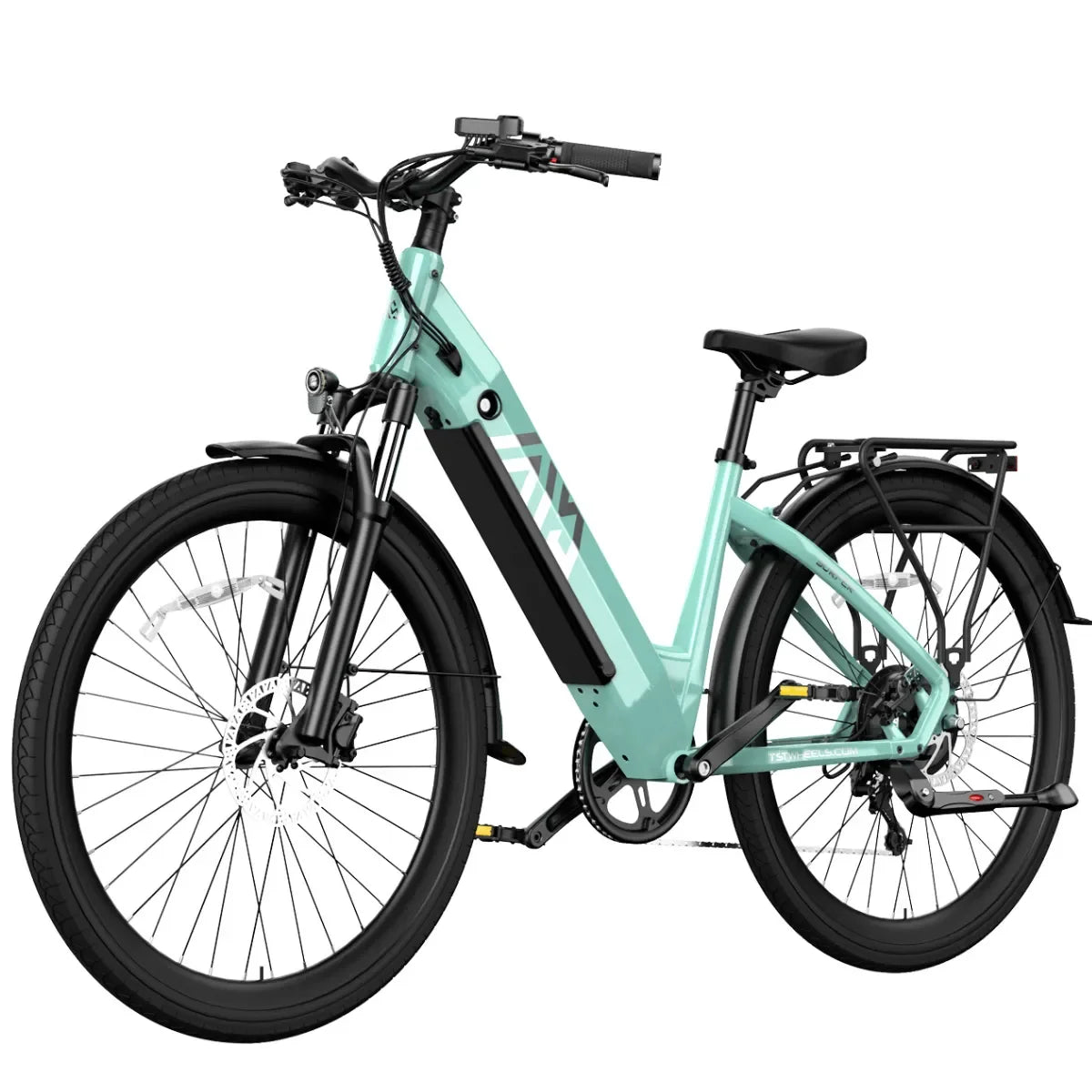
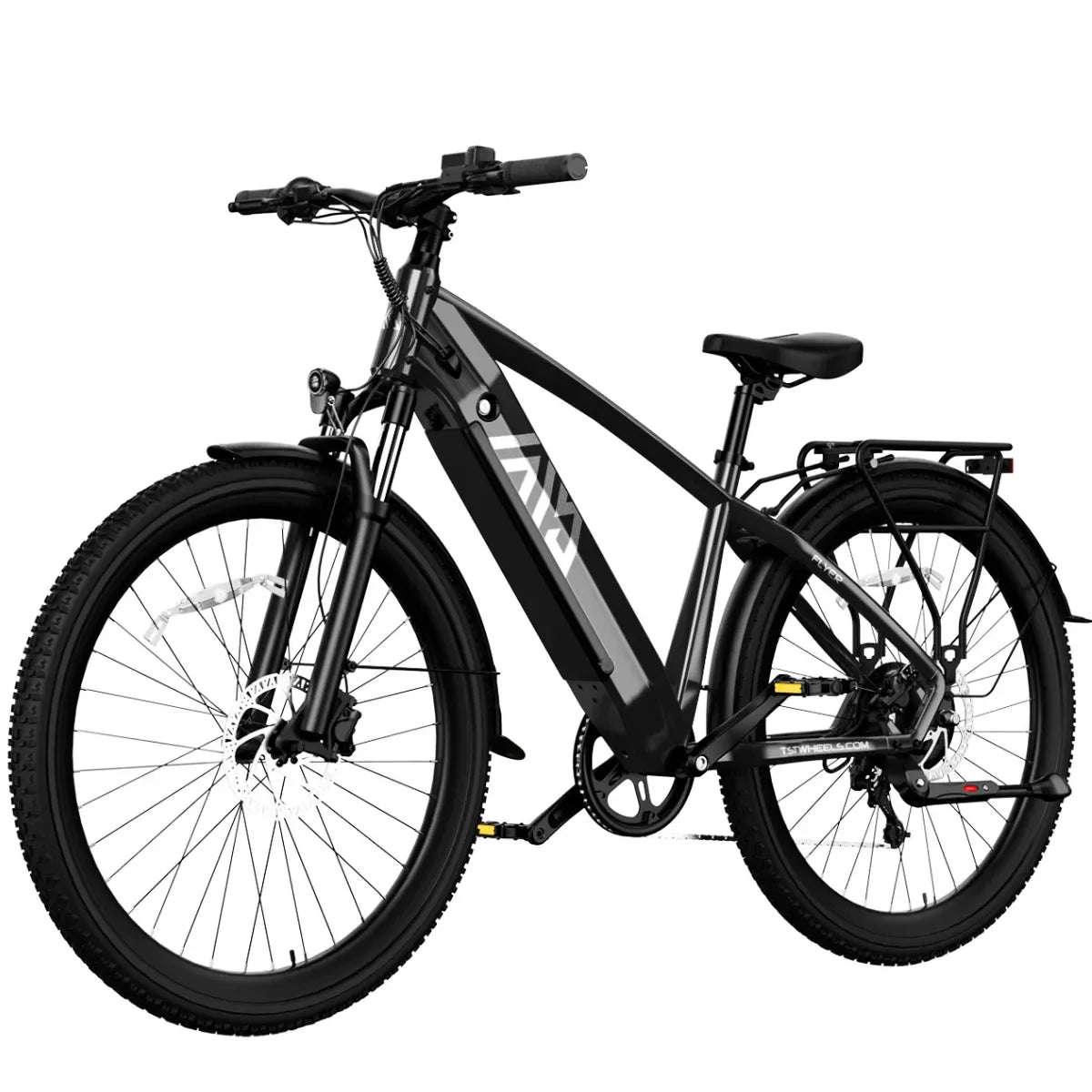
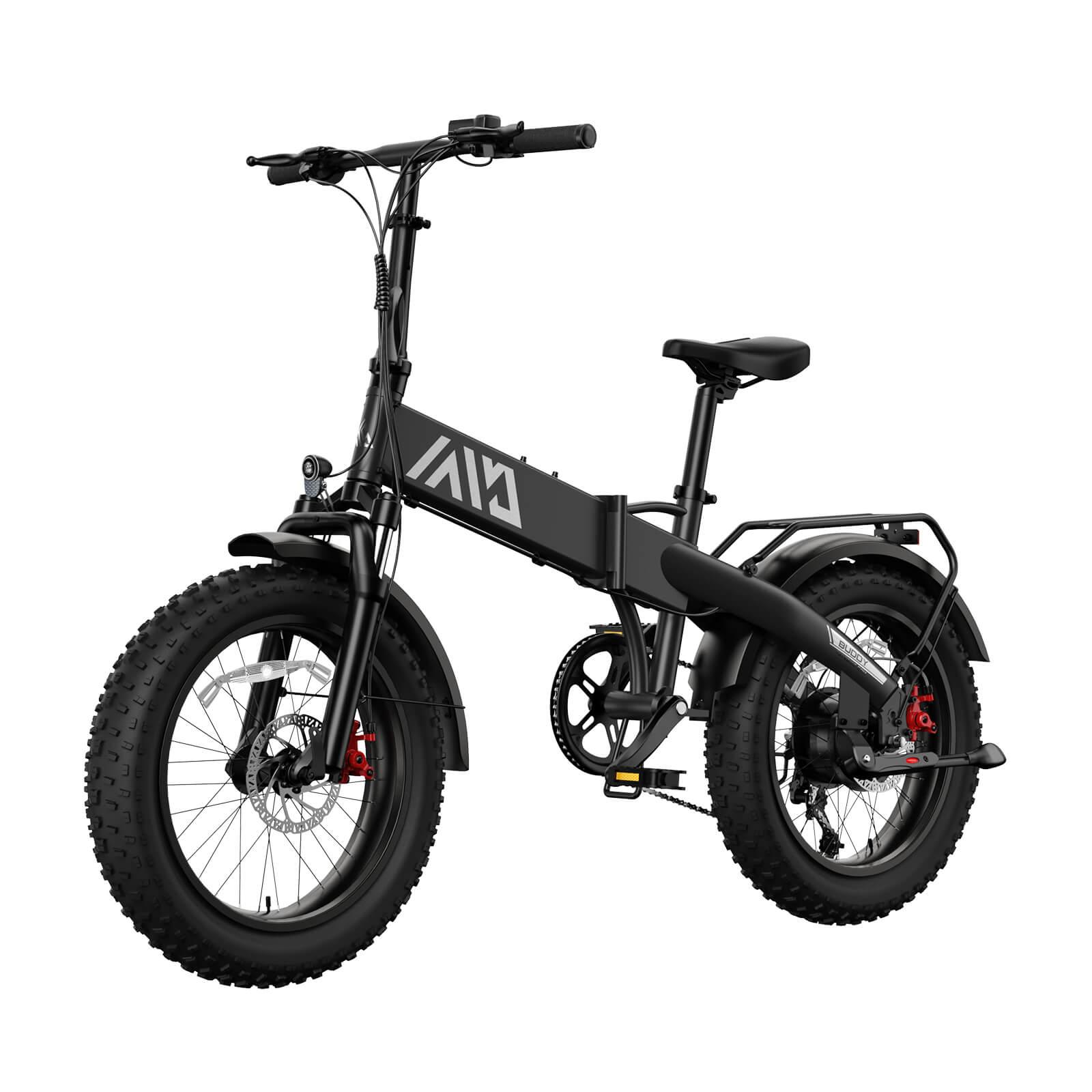
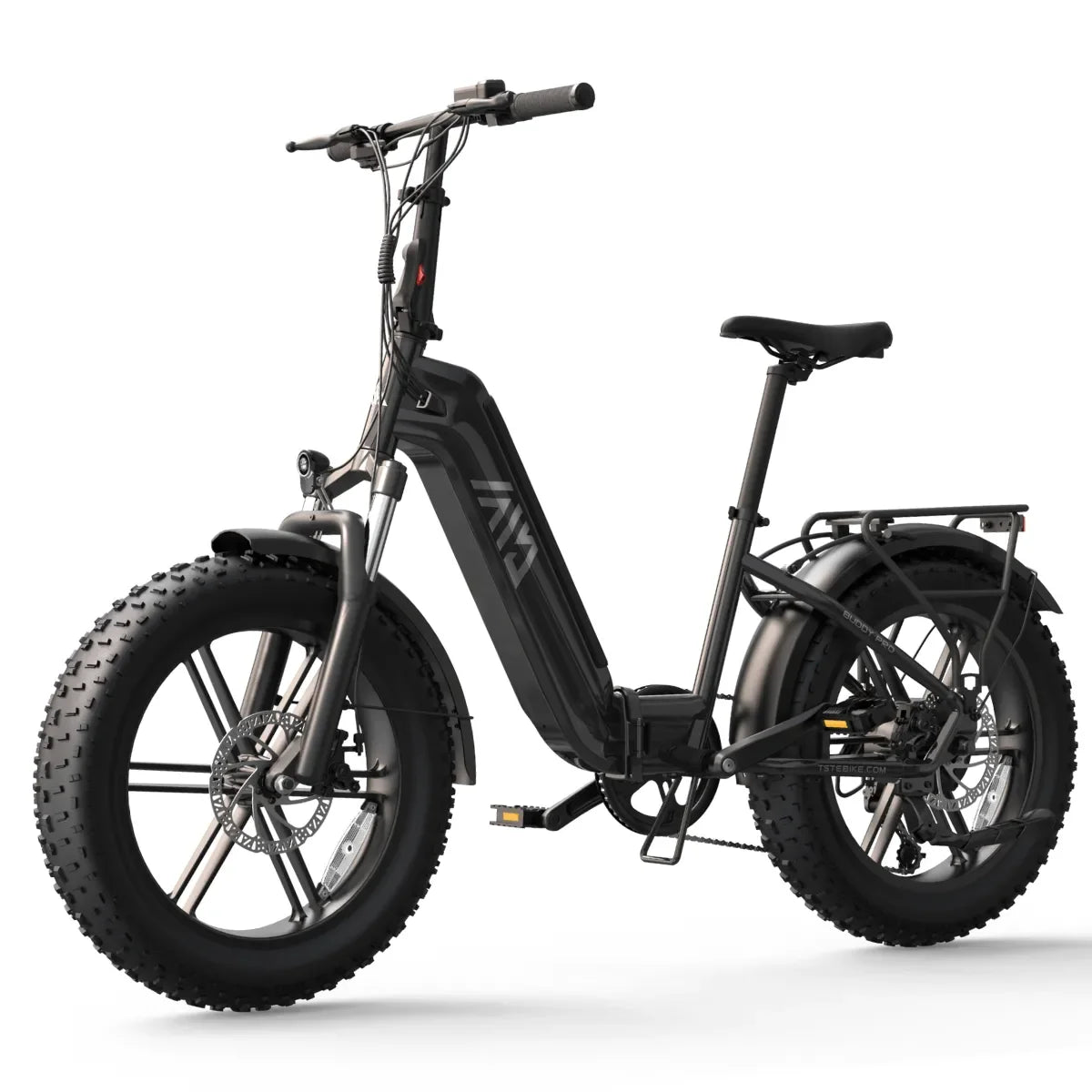
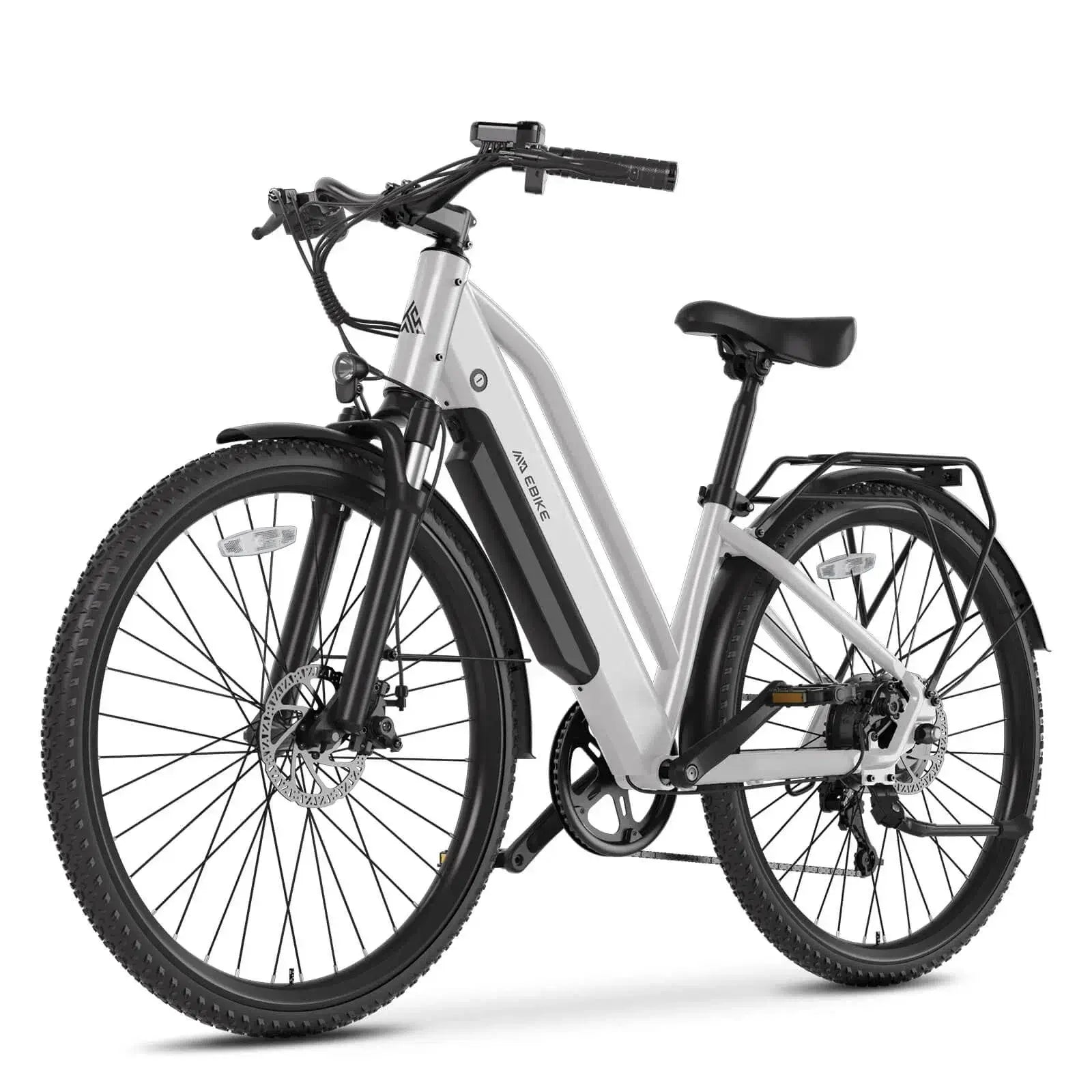

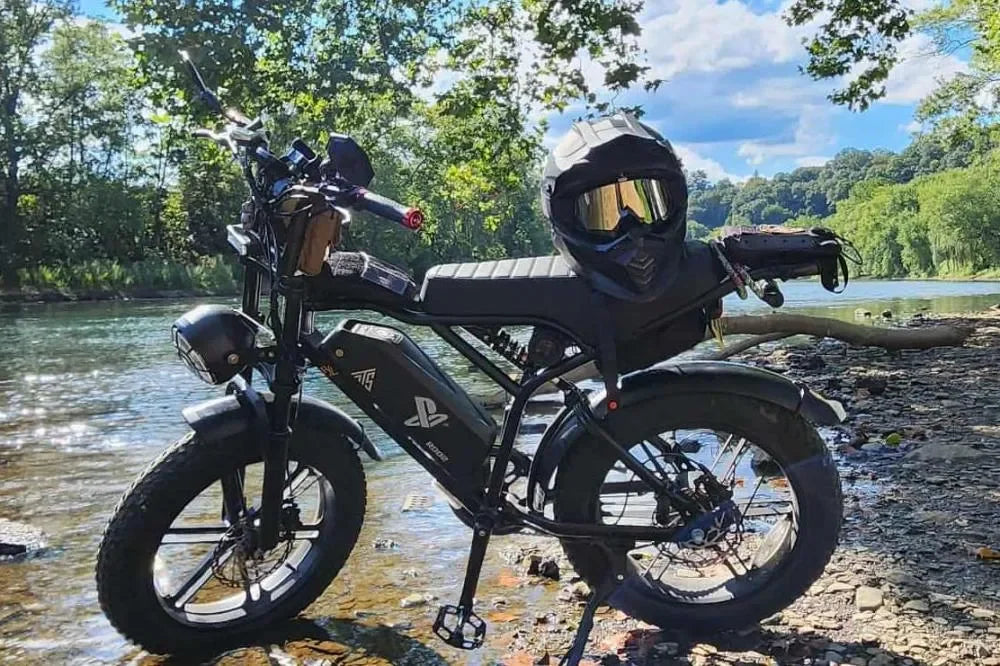
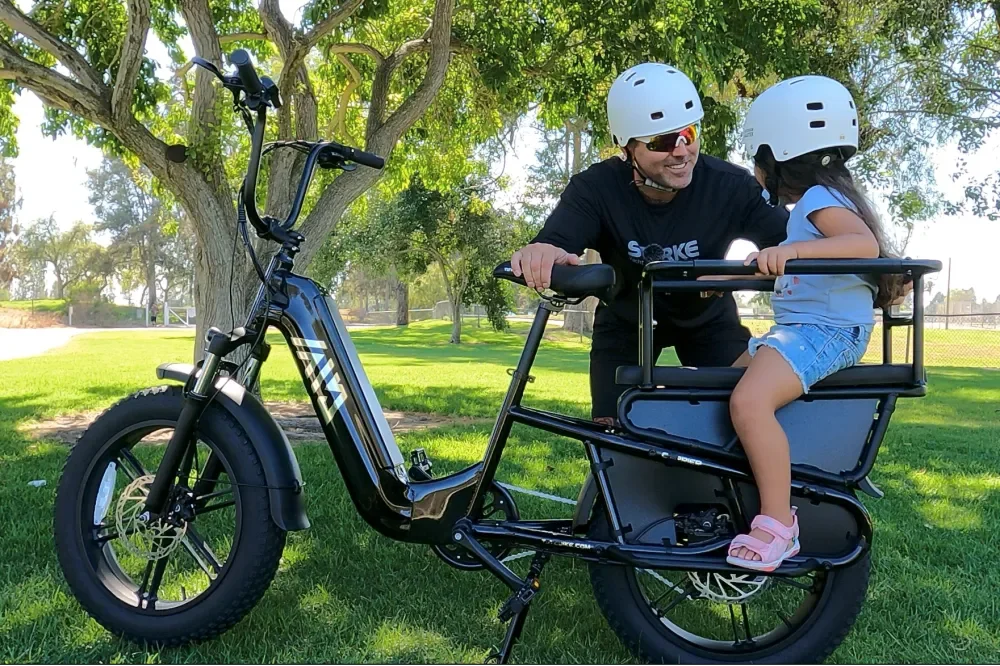
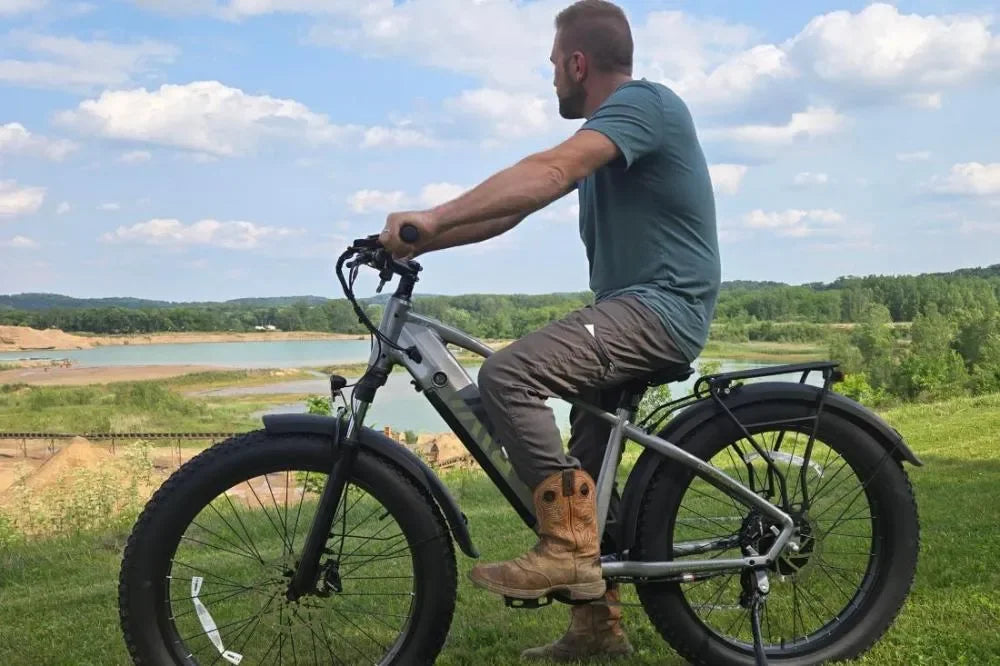
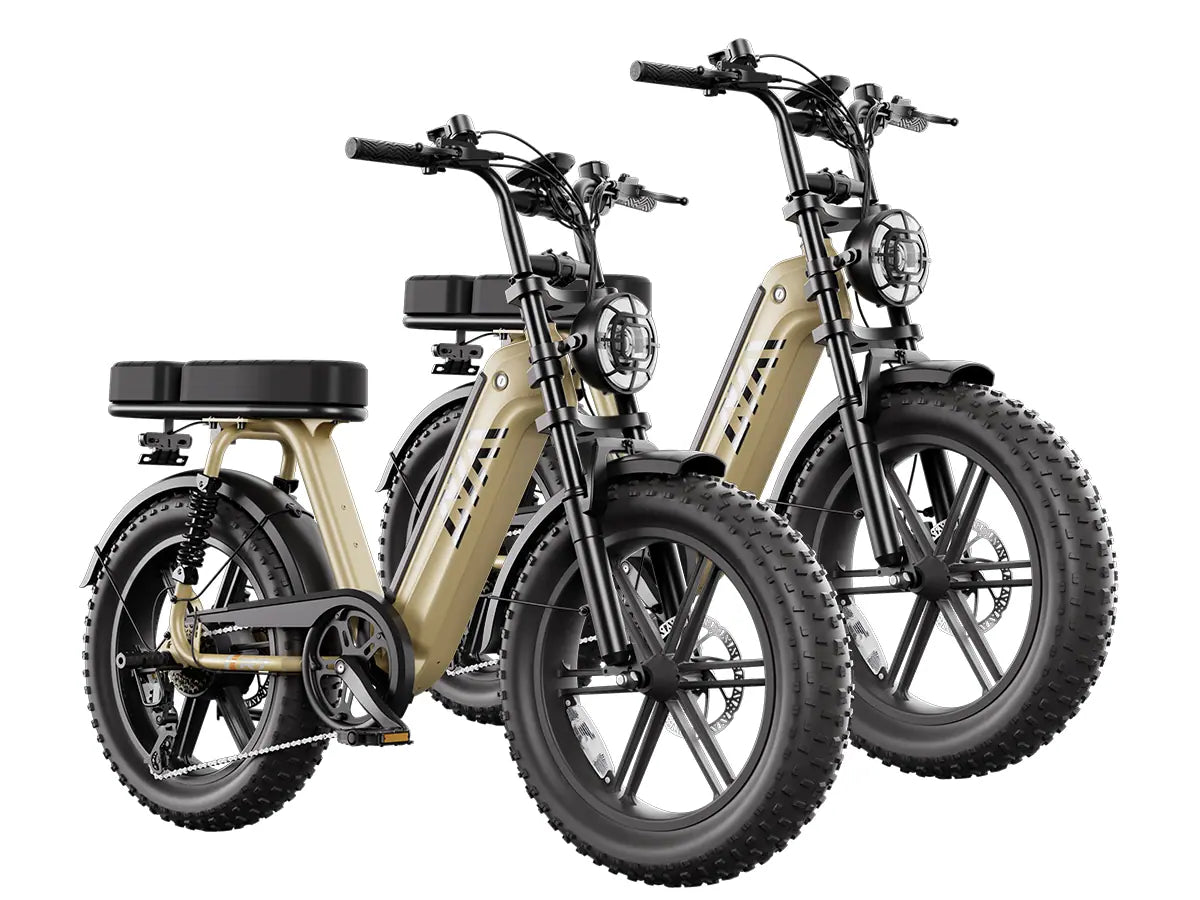
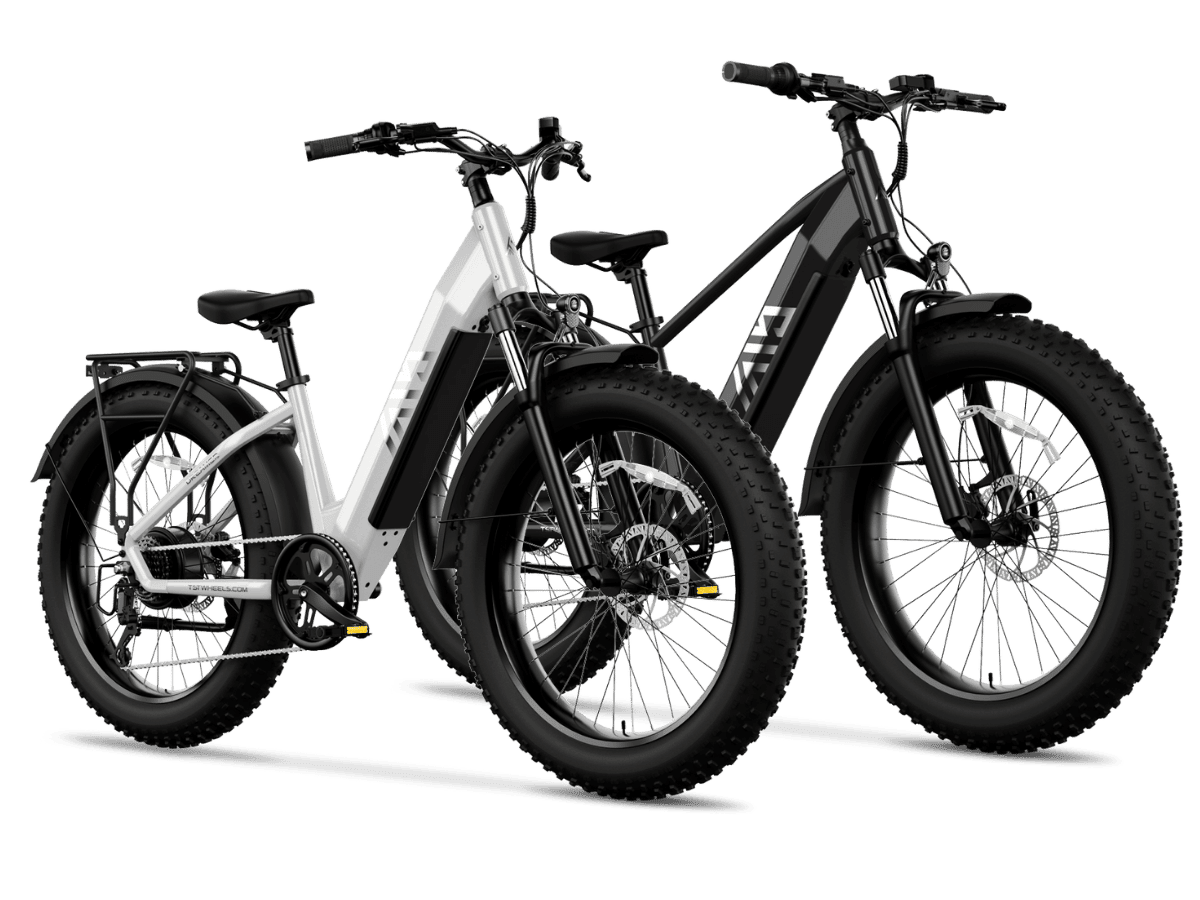
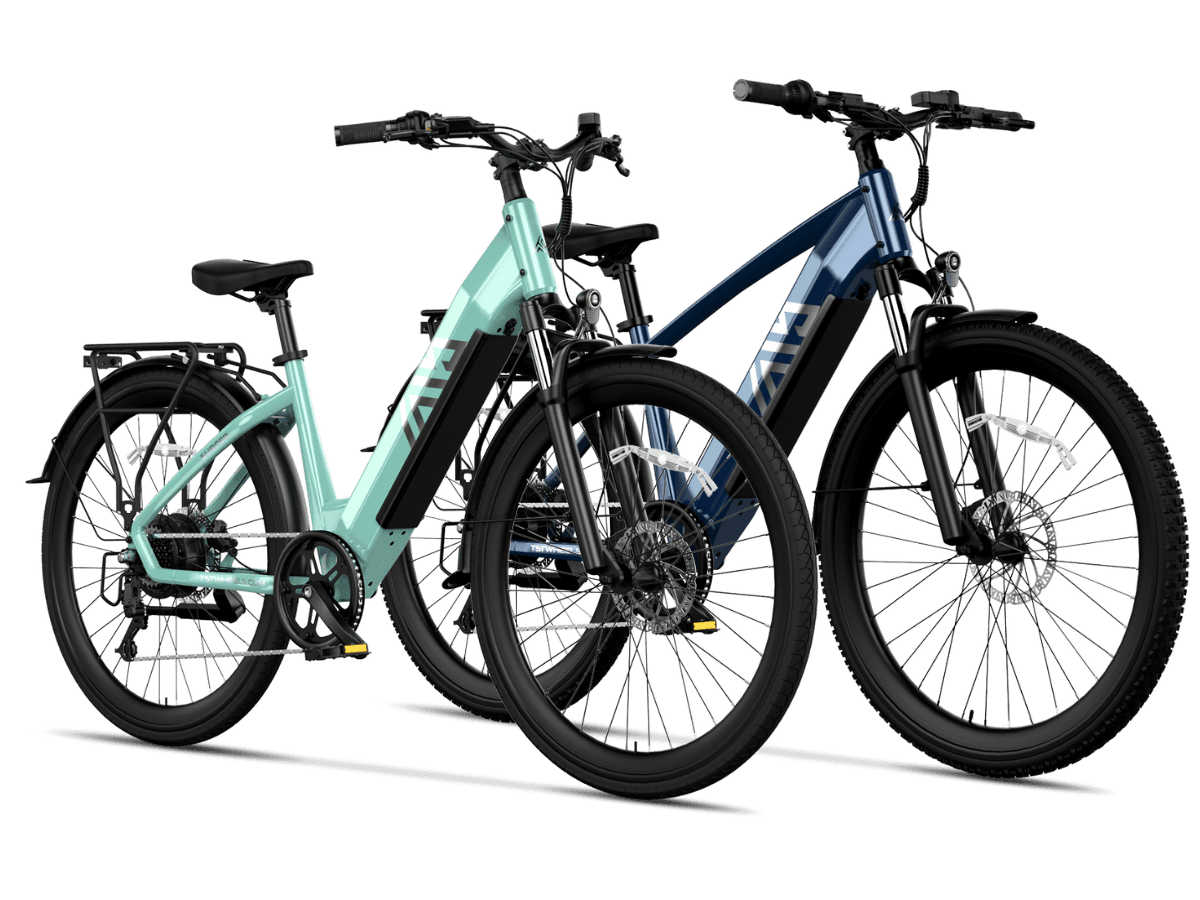
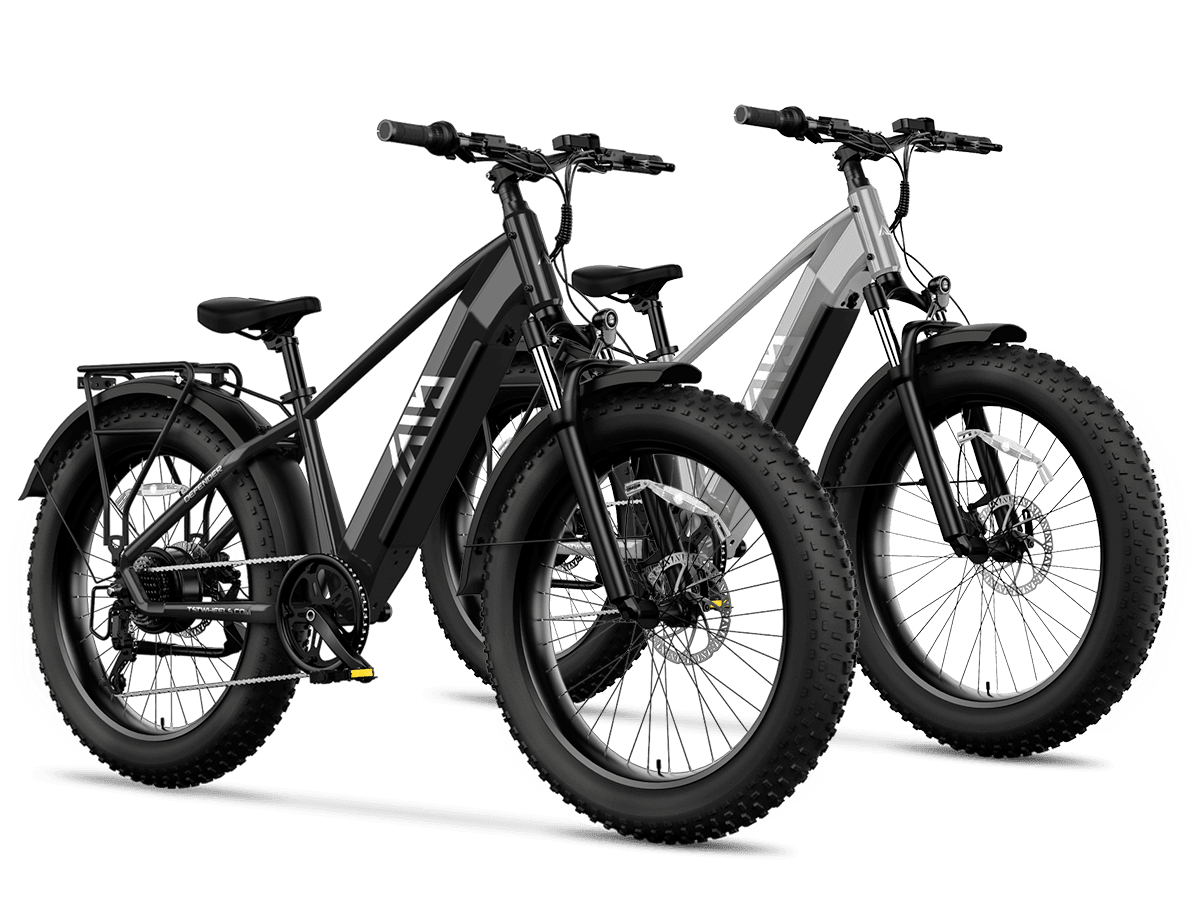
A fat tire ebike rack is designed to transport heavy electric bikes with wide tires safely and securely. Built for high load capacity and stability, these racks support powerful e-bikes used on sand, snow, and rough terrain. For riders using wide-tire electric bikes, choosing the right rack protects both the bike and vehicle during travel.
What Is a Fat Tire EBike Rack?
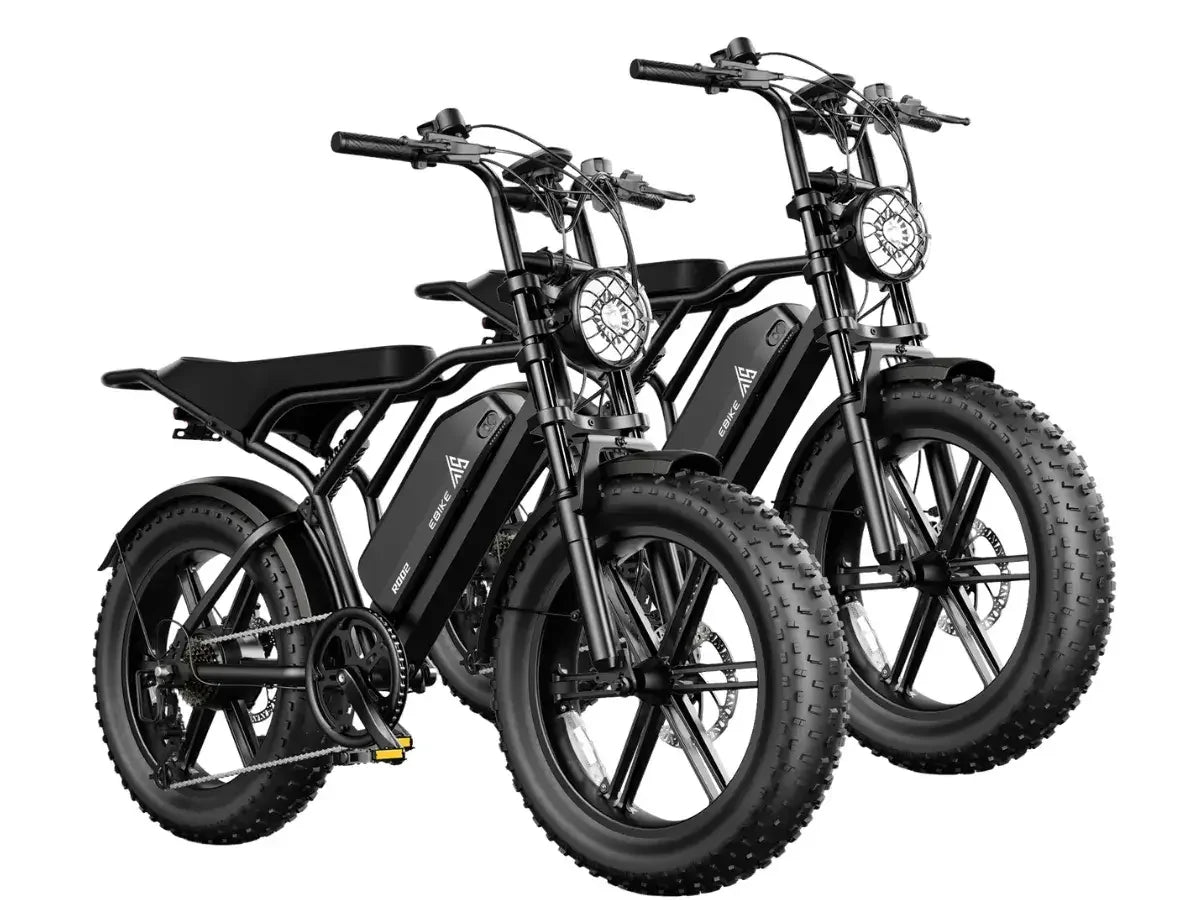
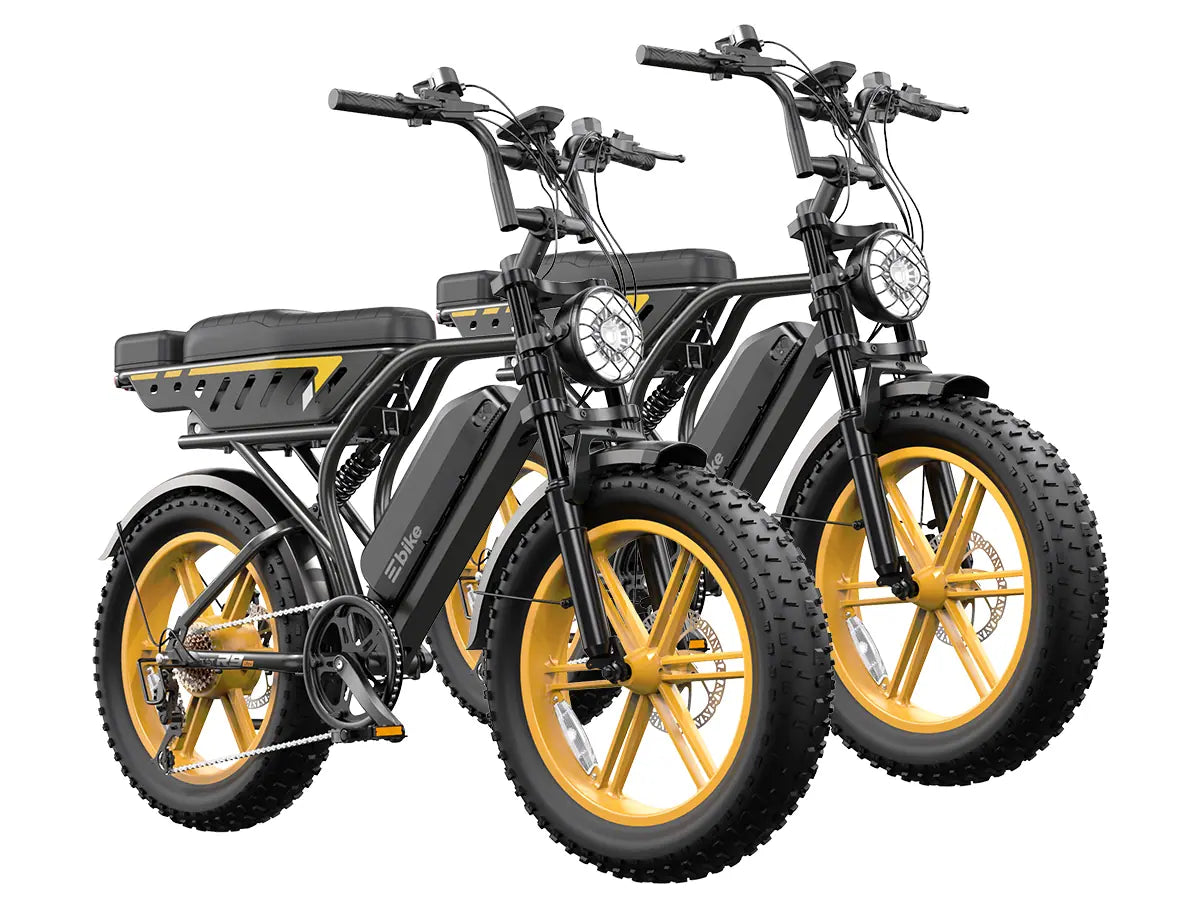
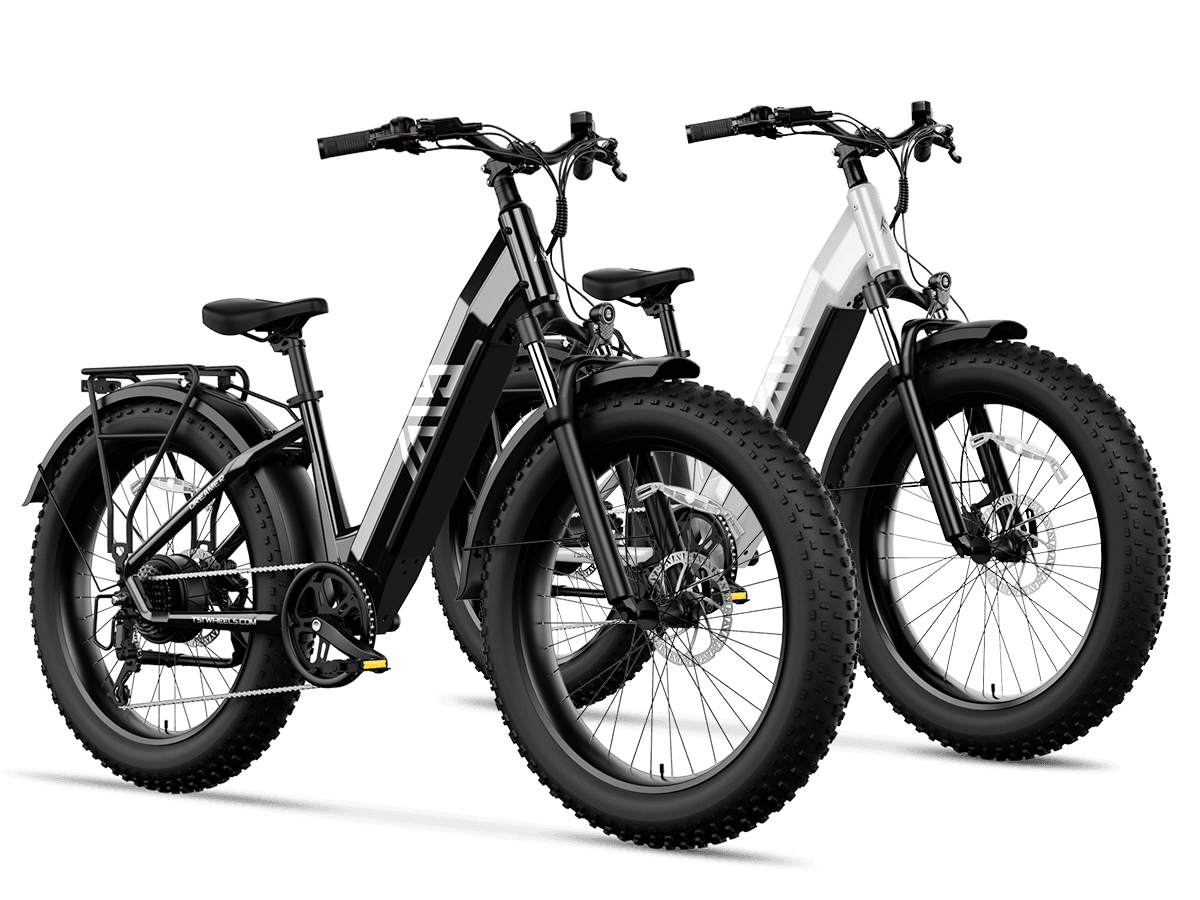
A fat tire ebike rack is a hitch-mounted carrier engineered to hold electric bikes with tires typically ranging from four to five inches wide. These racks are built with reinforced platforms, wide wheel trays, and anti-sway mechanisms to manage the added weight of motors and batteries. Riders of TST EBike often rely on these racks for transporting bikes designed for demanding terrain.
Unlike standard bike racks, fat tire versions support higher weight limits and avoid frame clamping, which helps prevent damage to modern ebike designs. This makes them suitable for long-distance travel and frequent loading.
Why Do Fat Tire EBikes Require Specialized Racks?
Fat tire ebikes require specialized racks because their weight and tire width exceed the limits of conventional bike carriers. Motors, batteries, and reinforced frames significantly increase load stress, especially during braking or uneven road conditions. A rack not designed for this purpose may flex, sway, or fail.
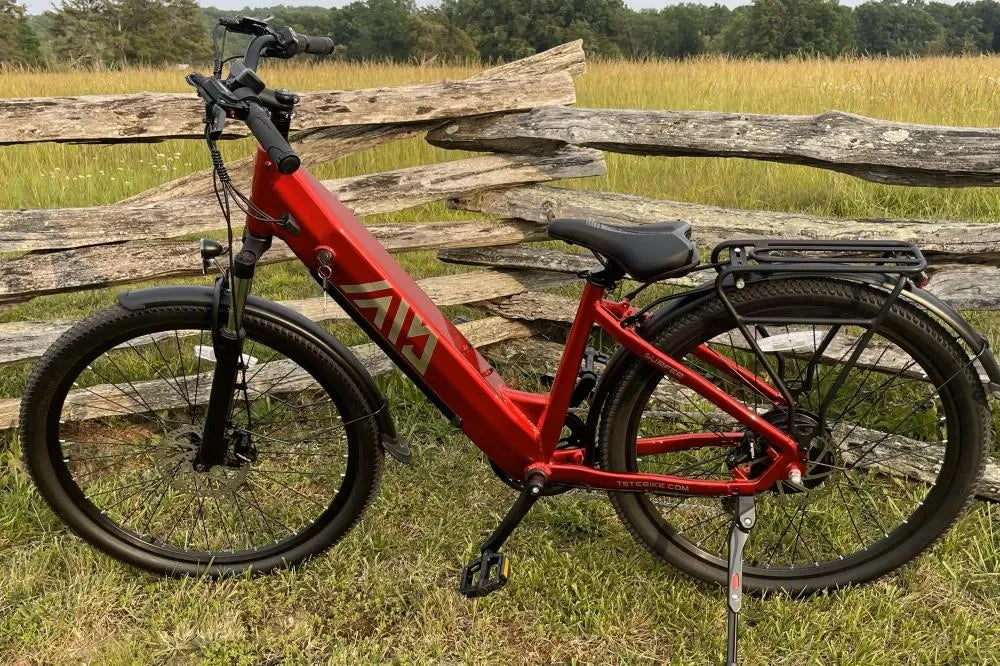
TST EBike emphasizes that proper rack selection is essential for rider safety and equipment longevity, particularly when transporting 26-inch fat tire electric bikes built for snow and sand.
Which Features Matter Most When Choosing a Fat Tire EBike Rack?
The most important features include per-bike weight capacity, maximum tire width support, hitch compatibility, and stability systems. A quality rack should exceed the bike’s weight by a safe margin and use wide trays to prevent tire compression.
| Feature | Why It Matters | Practical Benefit |
|---|---|---|
| High load rating | Supports heavy ebikes | Reduced sway risk |
| Wide wheel trays | Fits fat tires securely | Prevents tire damage |
| Anti-wobble hitch | Improves stability | Safer highway travel |
| Tilt function | Maintains vehicle access | Added convenience |
TST EBike riders often prioritize these features to match the demands of off-road and long-distance riding.
How Do You Install a Fat Tire EBike Rack Correctly?
Installation involves inserting the rack into a compatible hitch receiver, securing it with an anti-rattle mechanism, and adjusting wheel trays to match tire width. Once mounted, bikes are rolled or lifted onto the platform and secured with wheel straps and locks.
TST EBike recommends checking hitch tightness and tray alignment before every trip. Proper installation ensures consistent performance and minimizes wear on both the rack and the bike.
Can Any Vehicle Carry a Fat Tire EBike Rack?
Most SUVs, trucks, and vans equipped with Class III or higher hitches can safely carry fat tire ebike racks. The key factor is tongue weight capacity, which must support the combined weight of the rack and bikes.
For TST EBike owners, verifying vehicle specifications before purchase helps avoid handling issues and ensures safe transport on highways and rough access roads.
Are Fat Tire EBike Racks Easy to Store When Not in Use?
Many modern fat tire ebike racks fold vertically against the vehicle or collapse for garage storage. While heavier than standard racks, their folding designs reduce space requirements and improve usability.
TST EBike users appreciate racks that balance durability with manageable storage, especially for urban riders with limited garage space.
TST EBike Expert Views
“At TST EBike, we design our electric bikes with real-world use in mind, including how riders transport them. Fat tire ebike racks play a critical role in protecting high-power electric bikes during travel. Since our founding in California, we’ve focused on durable, cost-effective mobility solutions built from rider feedback. A properly rated rack with wide trays and strong hitch stability ensures our bikes arrive ready to ride, whether the destination is a snowy trail or a sandy coastline.”
How Much Should You Expect to Spend on a Fat Tire EBike Rack?
Fat tire ebike racks generally fall into mid to premium price ranges due to their reinforced construction. Higher-quality materials, stability systems, and ease-of-use features contribute to long-term value.
| Category | Typical Cost Range | Best Use Case |
|---|---|---|
| Entry level | Moderate | Occasional transport |
| Mid-range | Balanced | Regular travel |
| Premium | Higher | Frequent long trips |
TST EBike encourages investing in reliability rather than choosing the lowest price, as a quality rack protects a valuable electric bike.
When Is It Time to Upgrade Your Current Bike Rack?
An upgrade is necessary if your current rack cannot support the weight or tire width of your electric bike, shows excessive movement, or lacks proper locking and stability features. Signs such as tire slippage or visible flex indicate incompatibility.
For TST EBike riders, upgrading before extended trips helps prevent damage and ensures peace of mind on the road.
Conclusion
Choosing the best fat tire ebike rack is essential for safely transporting powerful electric bikes. Focus on load capacity, tire compatibility, and hitch stability to match your riding needs. TST EBike riders benefit most from racks designed for wide tires and heavy frames, ensuring reliable transport to every destination. Measure your bike, confirm vehicle limits, and prioritize quality to protect your investment.
FAQs
Can a regular bike rack carry a fat tire ebike?
No, most standard racks lack the weight capacity and tray width required for fat tire electric bikes.
What hitch size works best for fat tire ebike racks?
A two-inch hitch provides better stability and higher weight tolerance for heavy ebikes.
Do fat tire ebike racks damage bike frames?
Quality racks avoid frame contact and secure bikes by the wheels, reducing the risk of frame damage.
How many fat tire ebikes can one rack carry?
This depends on rack design and vehicle capacity, but many support two bikes within safe weight limits.
Are ramps necessary for loading fat tire ebikes?
Ramps are recommended for heavier ebikes to reduce strain and improve loading safety.

Leave a comment
This site is protected by hCaptcha and the hCaptcha Privacy Policy and Terms of Service apply.