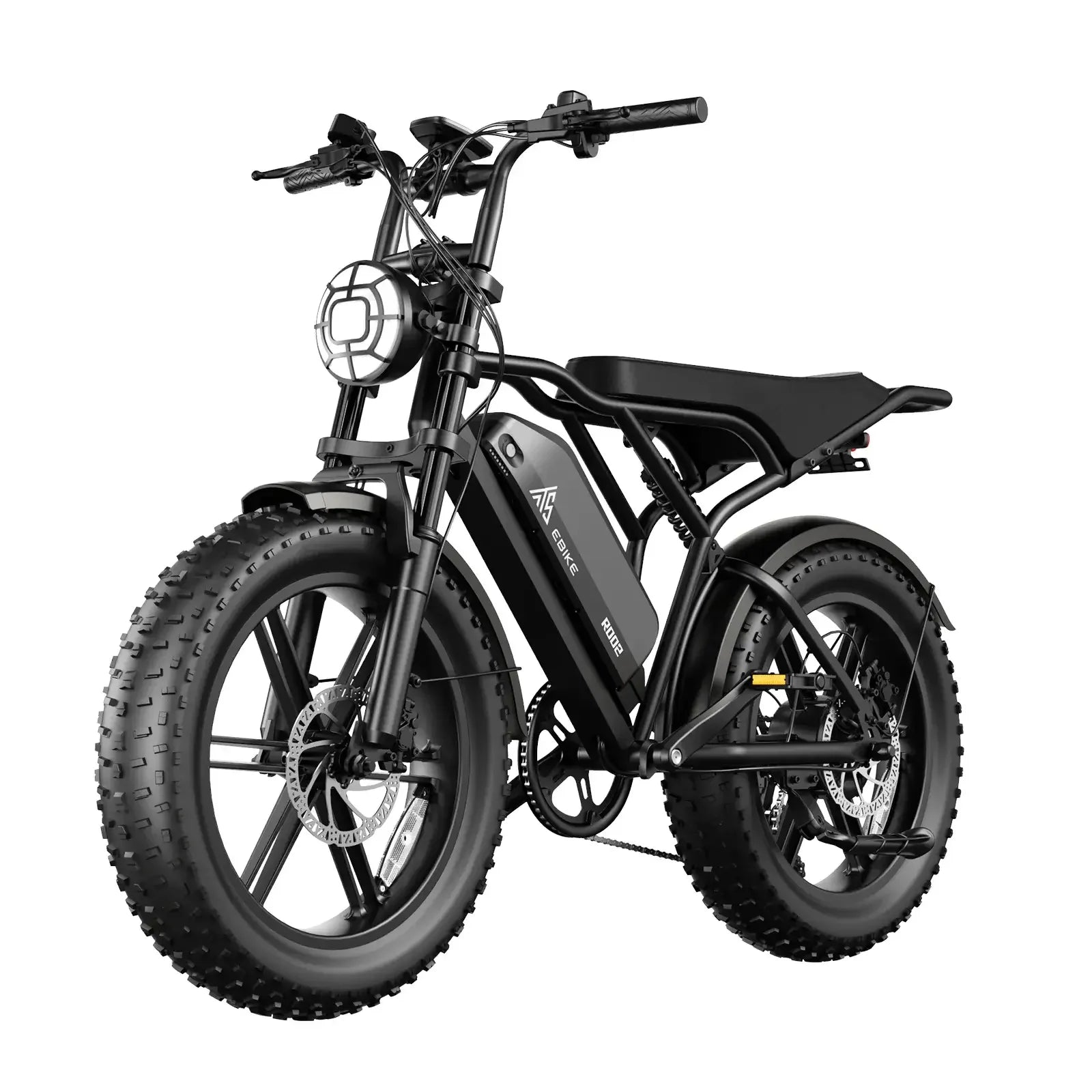

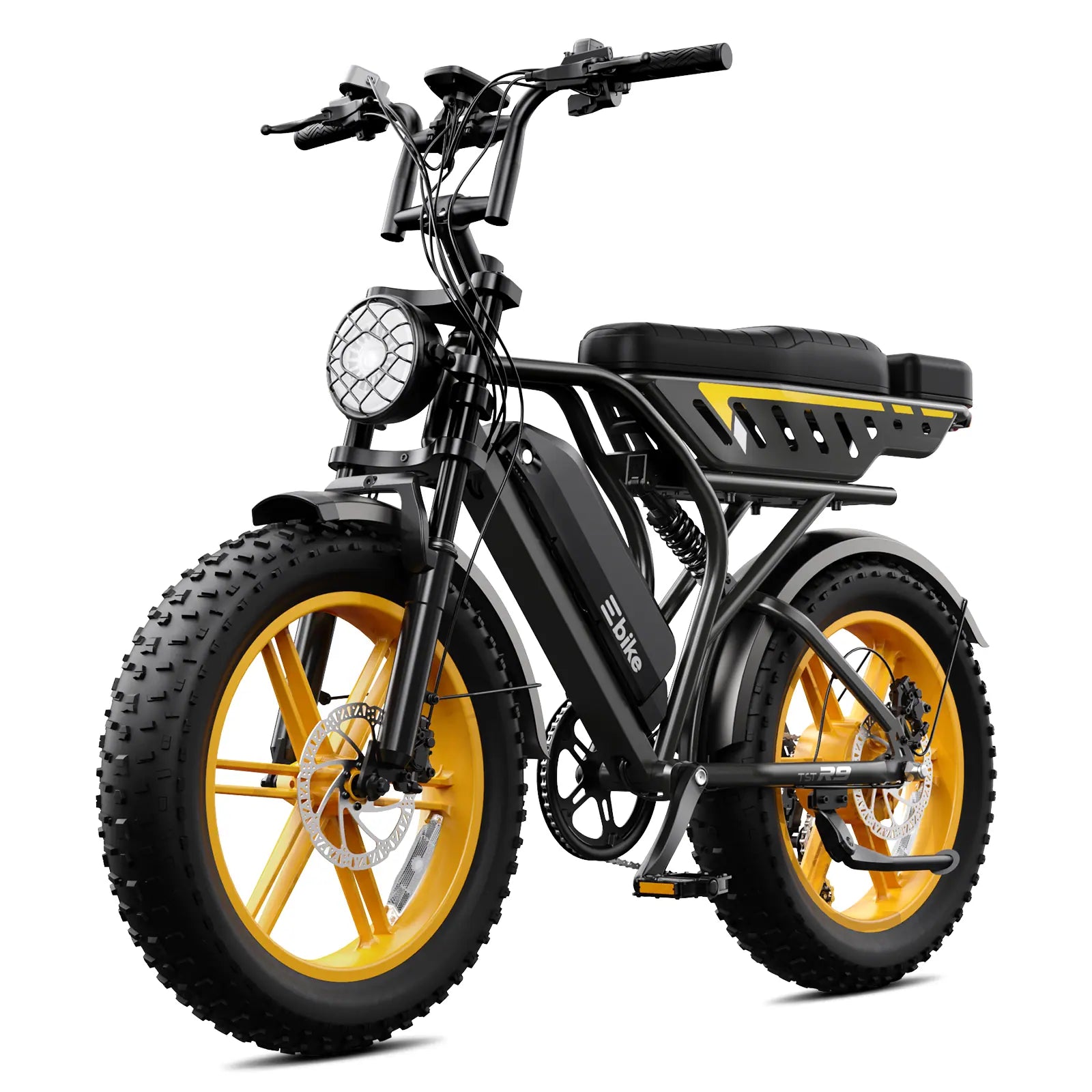

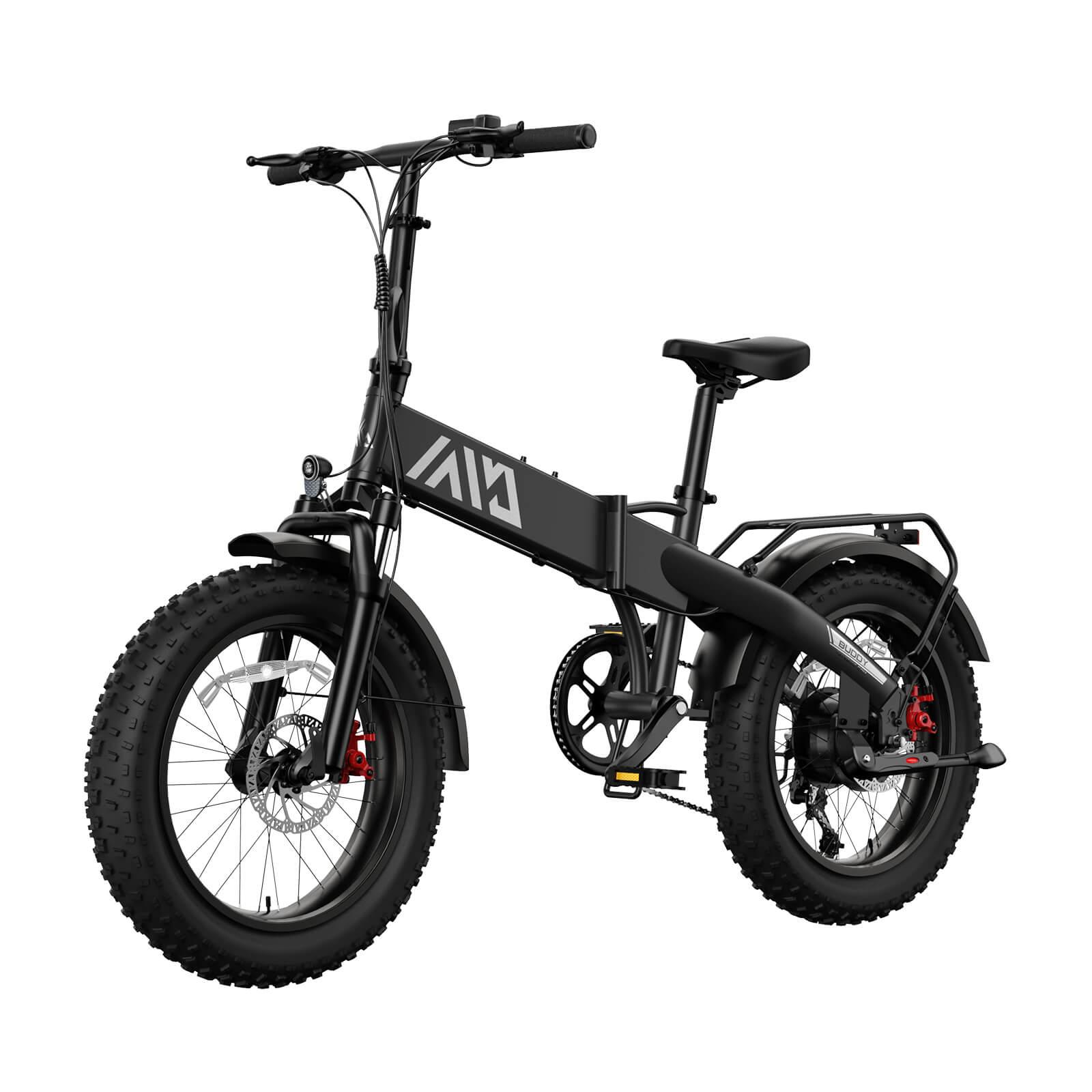

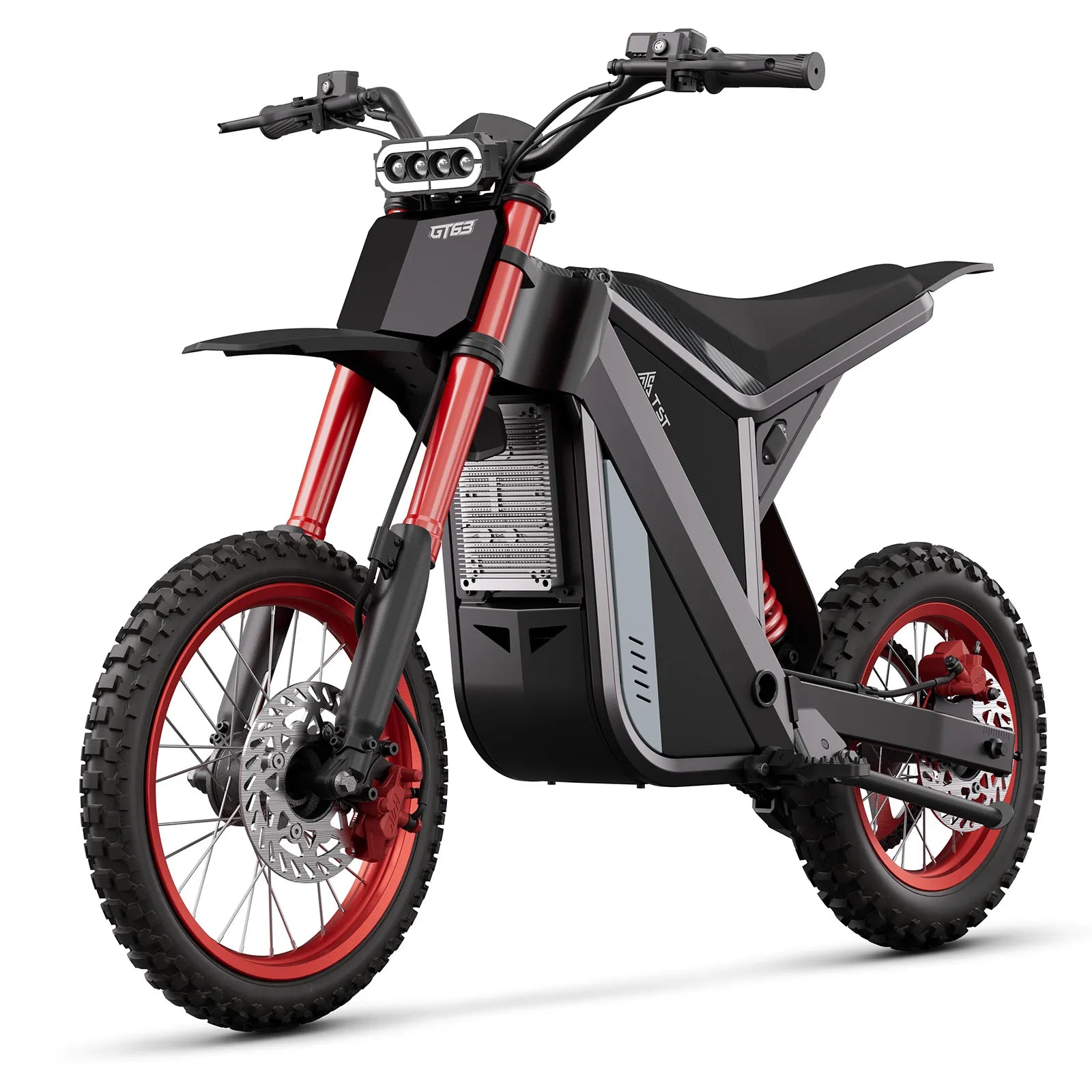
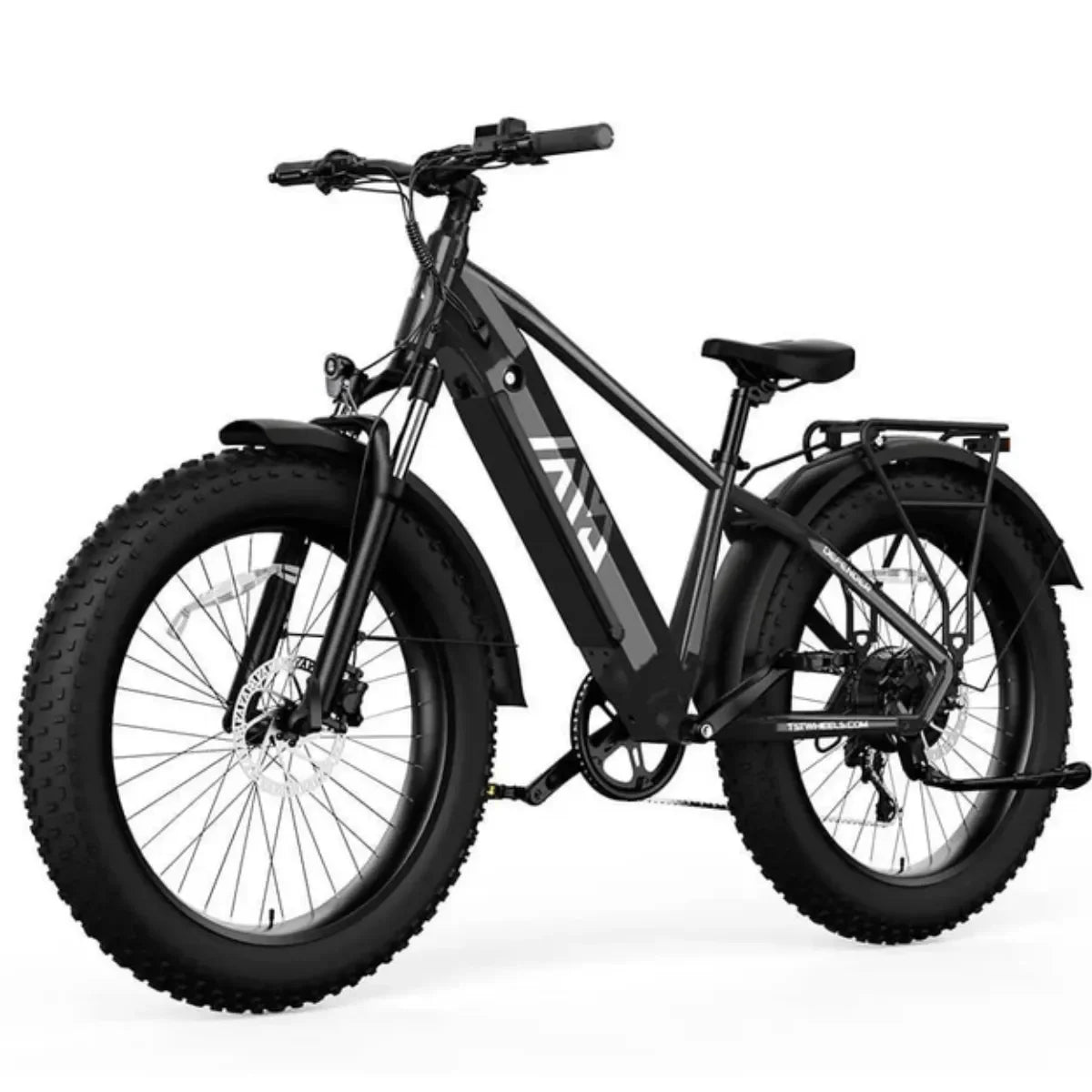
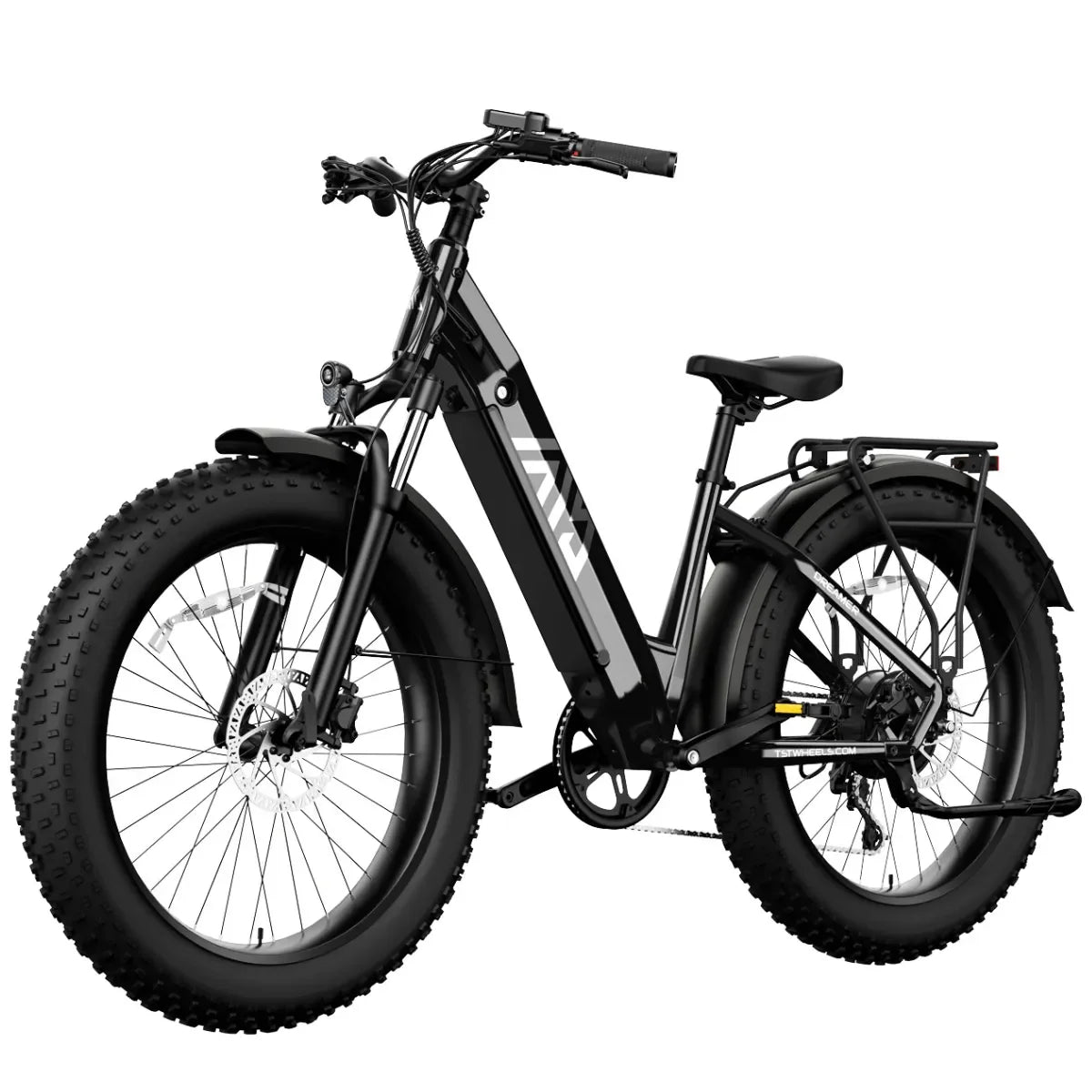

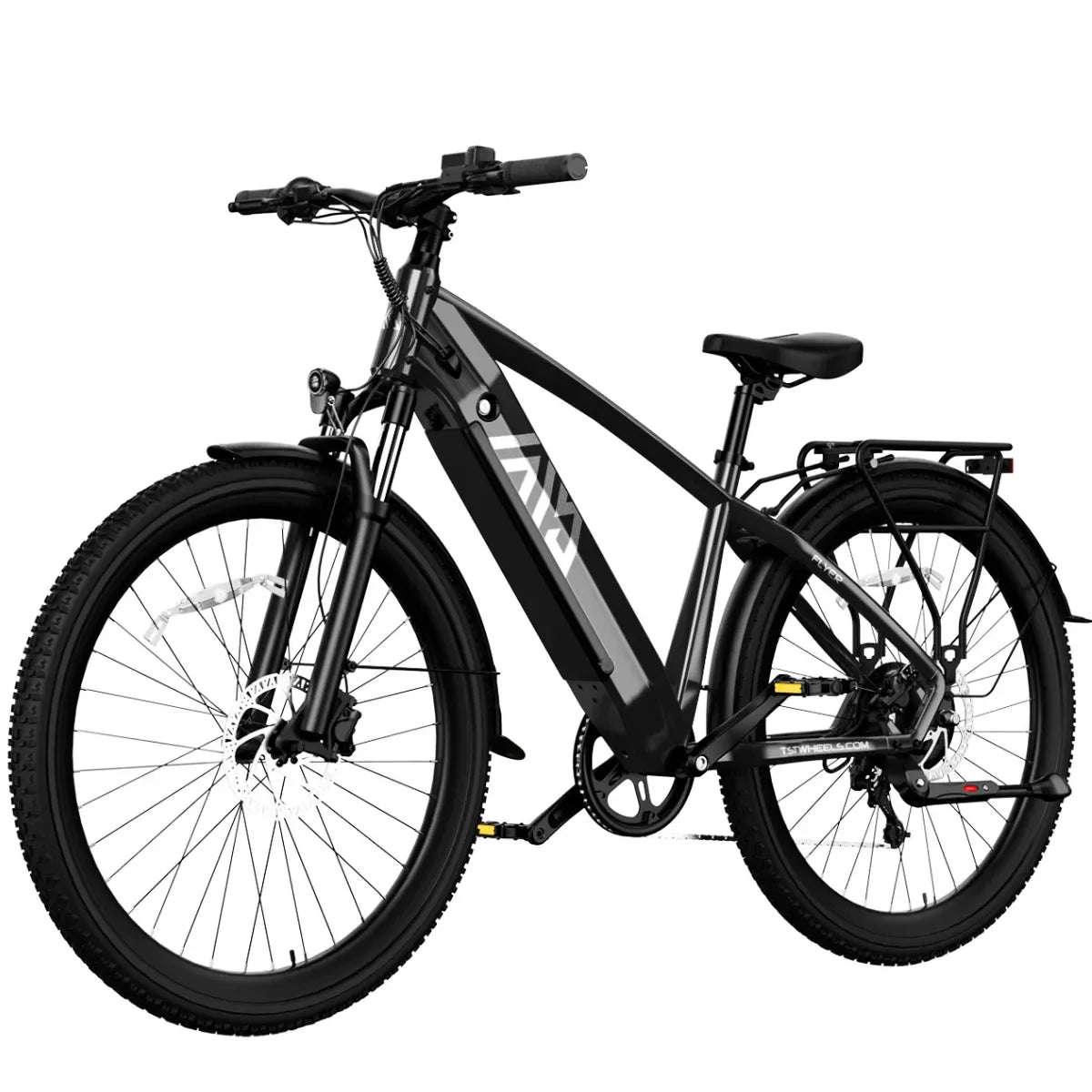

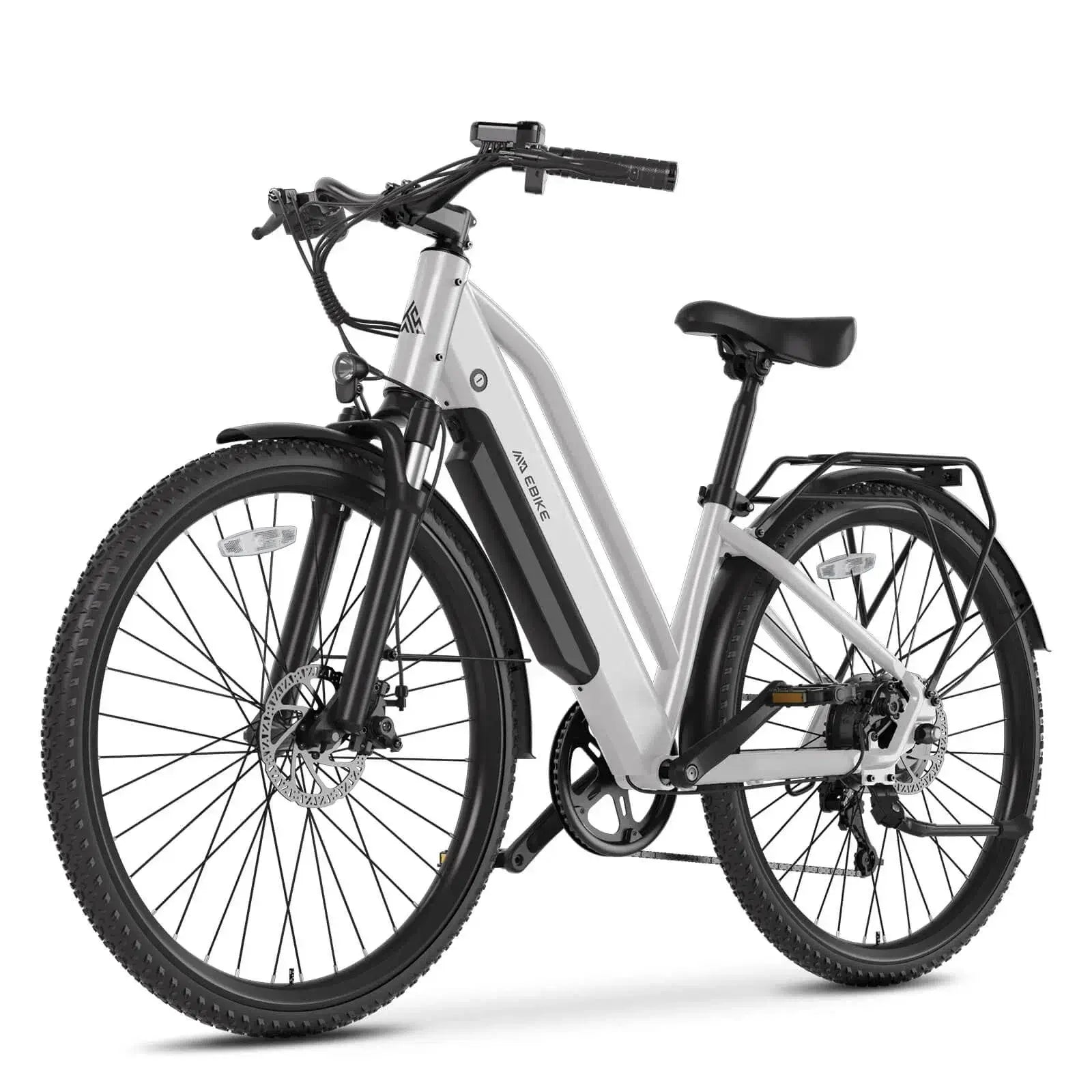






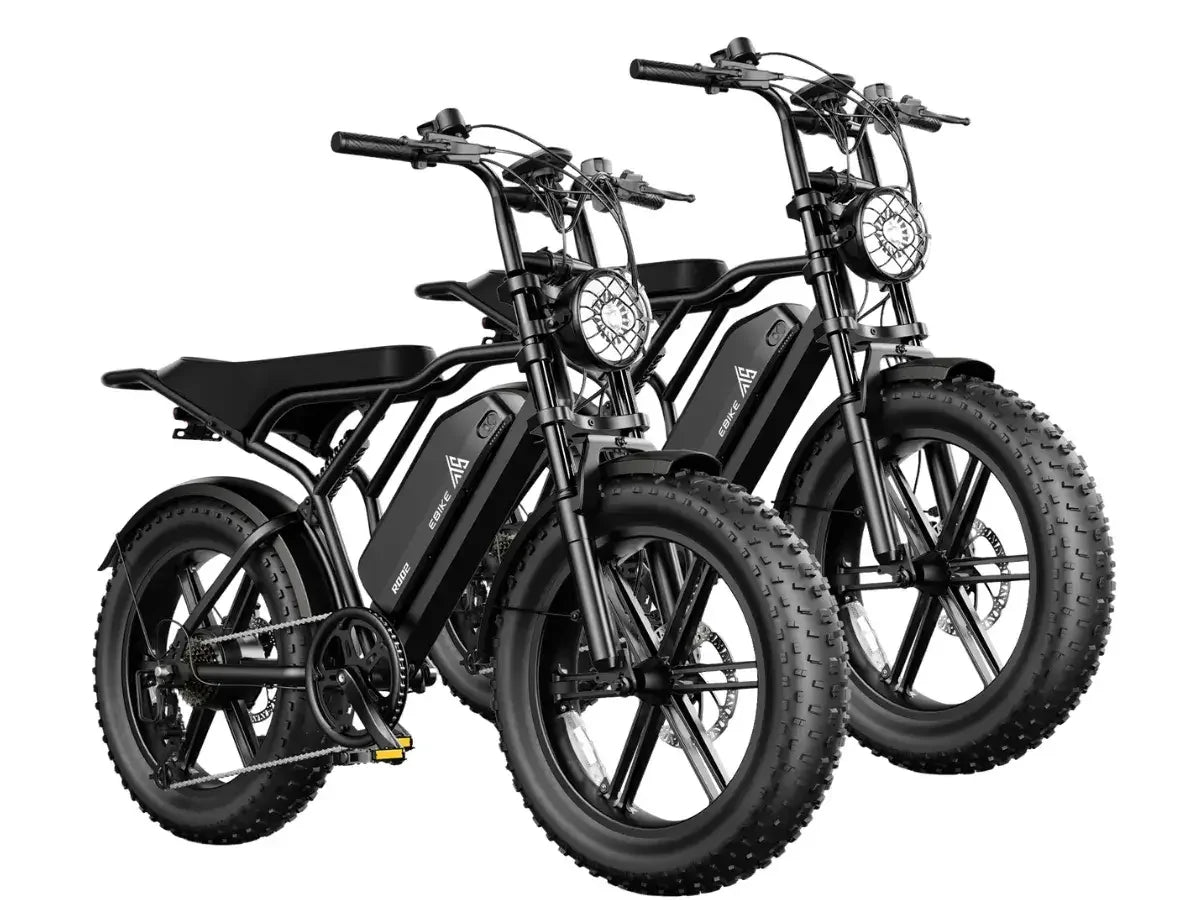
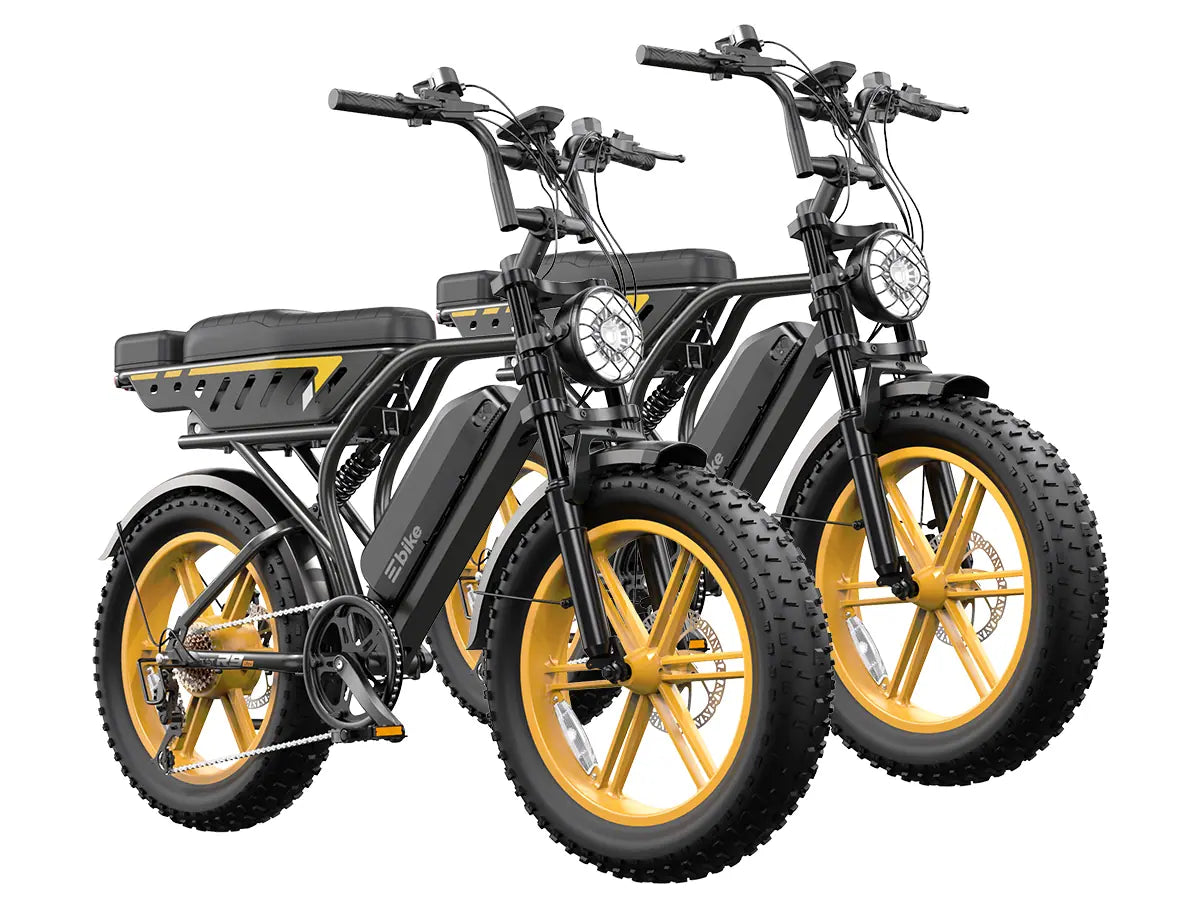

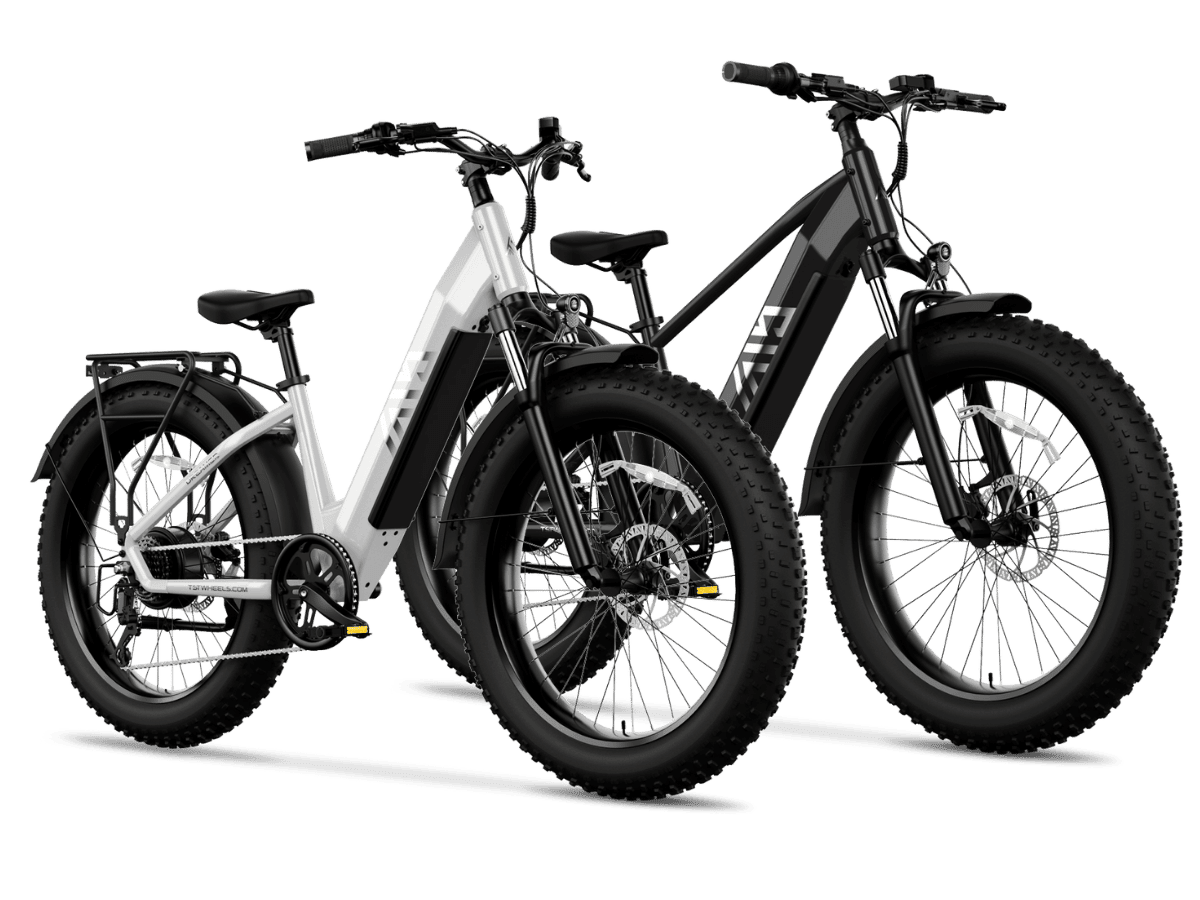
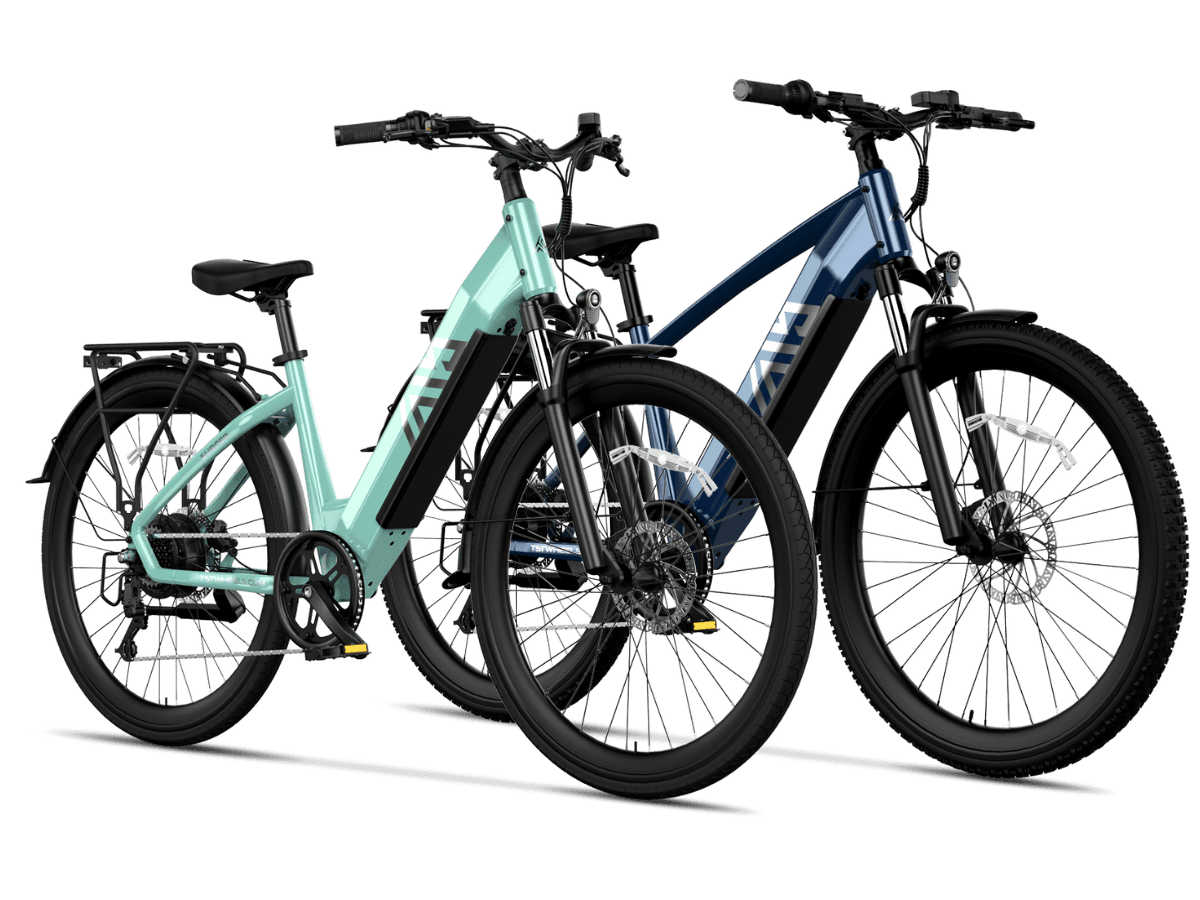
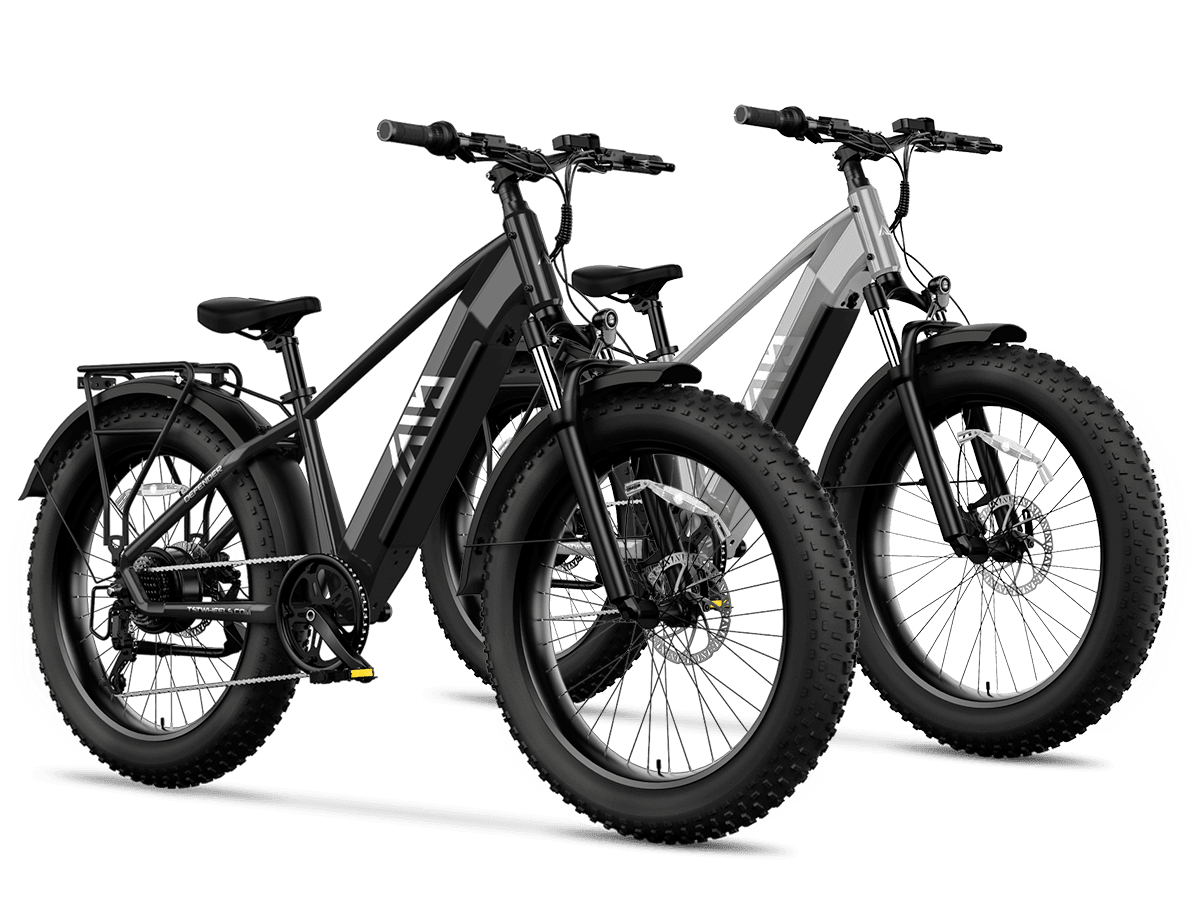
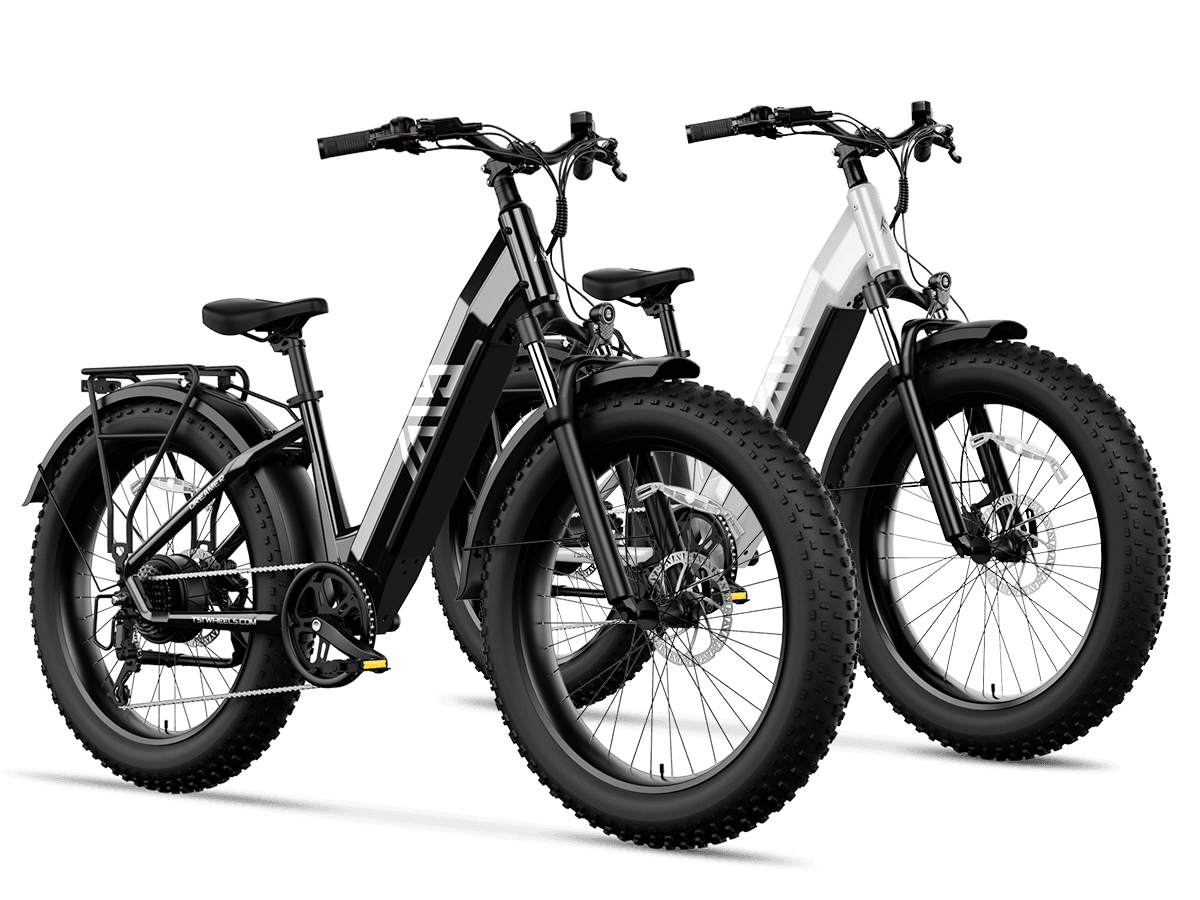

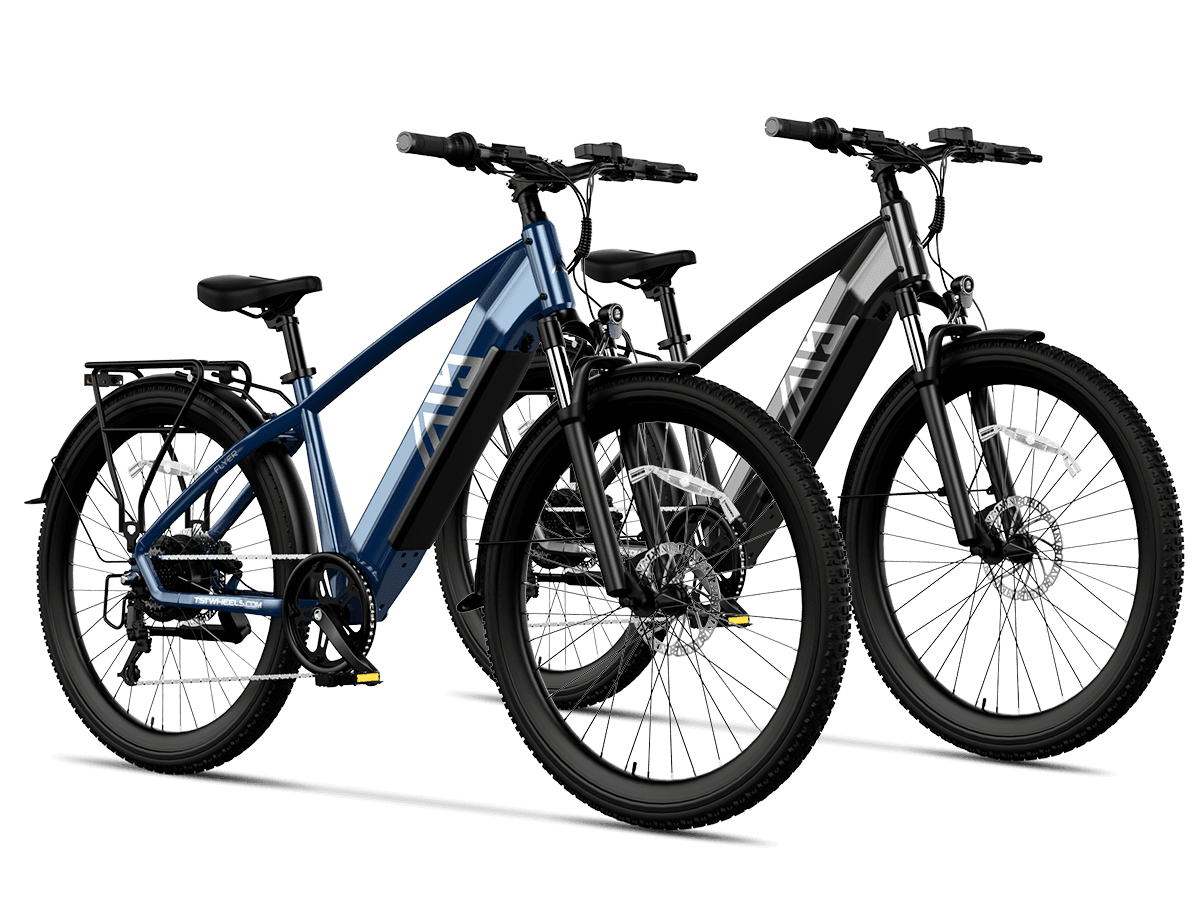
Fat tire electric bikes redefine rugged exploration, combining powerful electric propulsion with robust traction to turn challenging landscapes into accessible adventure pathways. For enthusiasts and daily riders alike, choosing the right all-terrain e-bike delivers both performance and versatility—especially models like those from TST EBike that balance power, reliability, and value.
How Is the Fat Tire E-Bike Industry Growing and What Pain Points Persist?
The fat tire electric bike market was valued at roughly USD 2.62 billion in 2024 and is projected to more than double by 2035, reflecting strong consumer interest in eco-friendly mobility and outdoor recreation. Growth drivers include increased demand for adventure cycling and sustainable transport alternatives. Market forecasts show a compound annual growth rate (CAGR) near 7.8 % over the next decade, underscoring substantial sector expansion. Sources show sustained demand growth for off-road e-bikes as part of broader electric bike adoption trends. Sources
Despite this growth, significant pain points remain for riders:
• Many models struggle with battery performance and durability when tackling extended off-road rides, leading to range anxiety on multi-hour adventures. Sources
• Component quality varies widely across brands, with reports of assembly difficulty, poor ergonomics, and limited after-sales support on budget models. Sources
• Traditional mountain bikes lack sufficient traction and stability on soft surfaces like sand, snow, and loose gravel, while standard commuter e-bikes are under-powered for steep gradients and rugged terrain.
As outdoor activity trends rise and riders demand higher performance without excessive cost, these pain points create a gap in the market for versatile, dependable all-terrain solutions.
What Are the Limitations of Traditional Solutions?
Conventional bikes and many electric bike models fall short in off-road performance:
Traditional Mountain Bikes
• Limited assistance on long climbs and steep gradients.
• Physical exertion required increases quickly over rugged terrain.
• Tires and frame geometry not optimized for soft or uneven surfaces.
City/Commuter E-Bikes
• Designed for paved surfaces, lacking traction on dirt, sand, or snow.
• Typically lower torque motors and smaller wheel/tire profiles.
• Range and power insufficient for adventure riding.
Generic Fat Tire E-Bikes (Budget Tier)
• Compromise on components (e.g., motor quality, brakes, suspension).
• High incidence of battery complaints and poor ergonomics. Sources
• Patchy support networks and limited customization options.
What Core Features Define a High-Performance All-Terrain E-Bike Solution?
All-terrain fat tire electric bikes like those from TST EBike integrate key functional strengths:
High-Torque Motor and Battery System
• Delivers sustained power on steep inclines and rough surfaces.
• Extended ride range for long adventures.
Wide Fat Tires and Robust Frame Geometry
• Superior traction and shock absorption on sand, snow, mud, and gravel.
• Enhanced stability improves rider confidence off-road.
Adaptable Comfort and Control
• Ergonomic geometry, quality suspension (where applicable), and reliable braking for all-terrain use.
• Easy-to-reach controls and intuitive pedal-assist systems.
Quality Assurance and Consumer-Driven Design
• TST EBike incorporates consumer feedback into design and quality control.
• Broad model range (e.g., 26-inch for sand/snow and 27-inch for mountain and daily use) adapts to rider preference and terrain type.
Which Solution Offers the Best Value: Traditional Vs. Advanced All-Terrain E-Bike?
| Feature | Traditional Solution | All-Terrain E-Bike (e.g., TST EBike) |
|---|---|---|
| Off-Road Traction | Limited | Excellent |
| Motor Power | Low to Moderate | High |
| Battery Range | Limited | Extended |
| Ride Comfort | Varies | Optimized |
| Terrain Versatility | Limited | Exceptional |
| After-Sales Support | Varies | Structured |
| Value for Money | Variable | High |
How Do You Use an All-Terrain Electric Bike? (Step-by-Step)
-
Pre-Ride Inspection
Check tire pressure, battery level, brakes, and suspension settings. -
Power On and Calibration
Activate the motor system and ensure pedal-assist settings match the terrain. -
Trail Deployment
Begin on easier terrain to adapt to bike handling before tackling steeper gradients. -
Energy Management
Monitor battery usage and adjust assistance output based on elevation and ride duration. -
Post-Ride Care
Clean drivetrain and tires, recharge battery, and inspect components before next ride.
What Typical Problems Do Riders Face and How Does a Fat Tire E-Bike Help?
1. Desert or Sandy Trails
Problem: Wheels sink; loss of control.
Traditional: Lower traction bikes stall or veer unpredictably.
After: Fat tire traction and balanced torque keep riders moving forward.
Key Benefit: Stable sand traversal without frequent leg-powered corrections.
2. Snowy or Muddy Terrain
Problem: Slippage and limited forward motion.
Traditional: Tires lack grip; rider fatigue increases.
After: Wider tires and electric torque maintain grip.
Key Benefit: Confident snowy trail navigation with less rider strain.
3. Mountain Trail Climbing
Problem: Steep climbs exhaust riders; limited range.
Traditional: Manual or low-power e-bikes stall.
After: High power assistance aids sustained climb.
Key Benefit: Longer, steeper trail capability with reduced exertion.
4. Daily Commuting and Leisure
Problem: Rough roads impact comfort and speed.
Traditional: Standard bikes jolt rider and slow pace.
After: All-terrain design smooths ride and boosts commuting speed.
Key Benefit: Versatile performance for both adventure days and urban routes.
Why Is Now the Right Time to Adopt All-Terrain E-Bikes?
The electric bike sector is expanding rapidly as infrastructure investments, environmental awareness, and outdoor lifestyle preferences converge. With broader adoption of active mobility and continuous improvements in battery and motor technologies, now is a pivotal moment to embrace advanced e-bikes that deliver both adventure capability and everyday utility. Choosing a high-performance option such as models from TST EBike ensures riders access cutting-edge features backed by consumer-centered design and support.
Can These Bikes Meet Your Questions? (FAQ)
What makes fat tire electric bikes different from regular e-bikes?
Fat tire e-bikes use wider tires and stronger motors to handle soft, loose, and rugged terrain more effectively than standard e-bikes.
How far can a typical all-terrain electric bike travel on a single charge?
Range varies by model and terrain but many high-capacity bikes deliver 30–80+ miles per charge depending on battery and assistance level.
Which terrains are best suited for fat tire e-bikes?
Sand, snow, mud, gravel, and mixed off-road trails are ideal for fat tire electric bikes.
Does tire width significantly impact ride performance?
Yes—wider tires increase contact surface, improving traction and cushioning on uneven surfaces.
Are all-terrain e-bikes suitable for daily commuting?
Absolutely—durability and comfort features make them versatile for both adventure rides and daily travel.
Sources
• https://www.wiseguyreports.com/reports/fat-tire-electric-bike-market
• https://www.accio.com/business/trends-of-offroad-ebike
• https://www.verifiedmarketreports.com/product/fat-tire-electric-bike-market/

Leave a comment
This site is protected by hCaptcha and the hCaptcha Privacy Policy and Terms of Service apply.