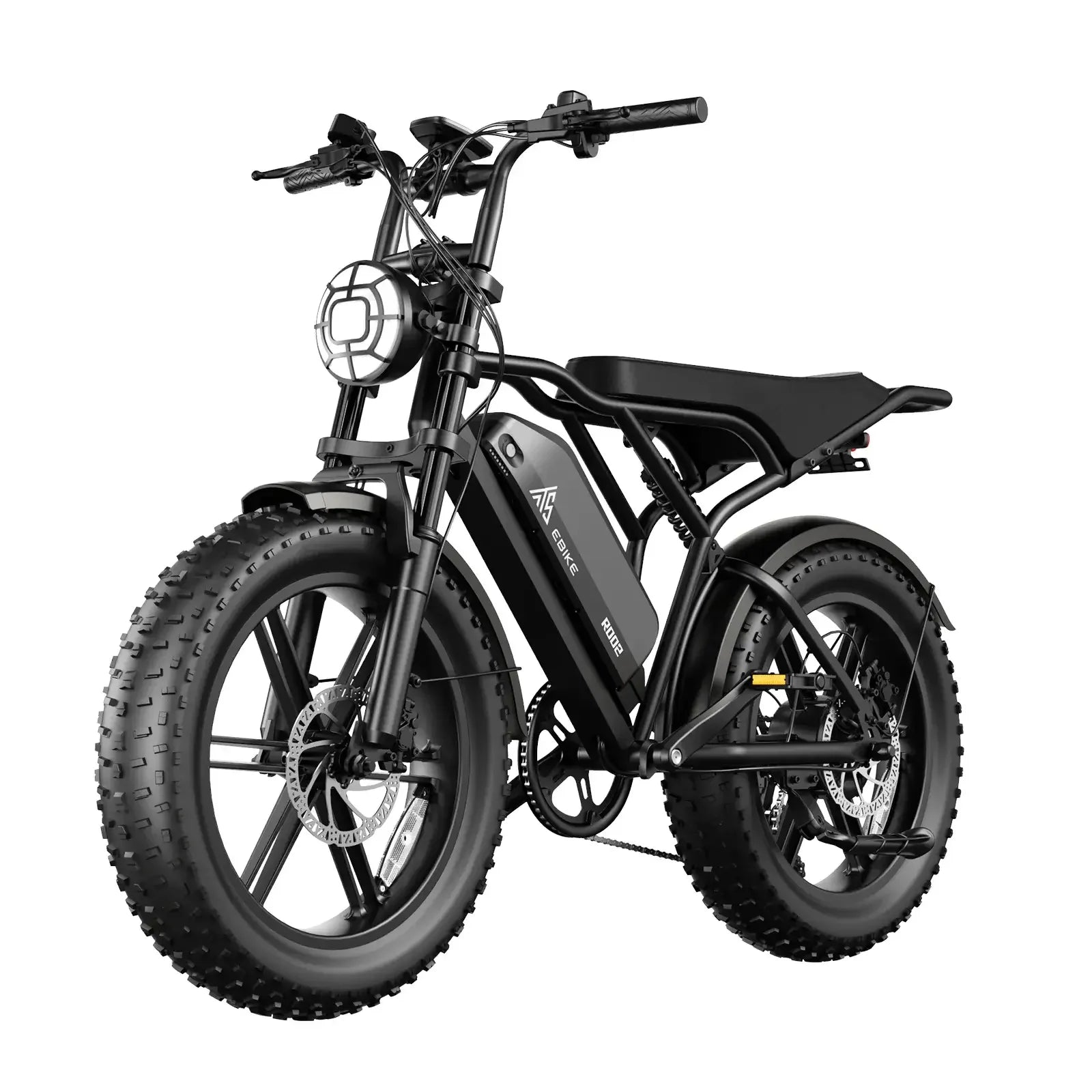

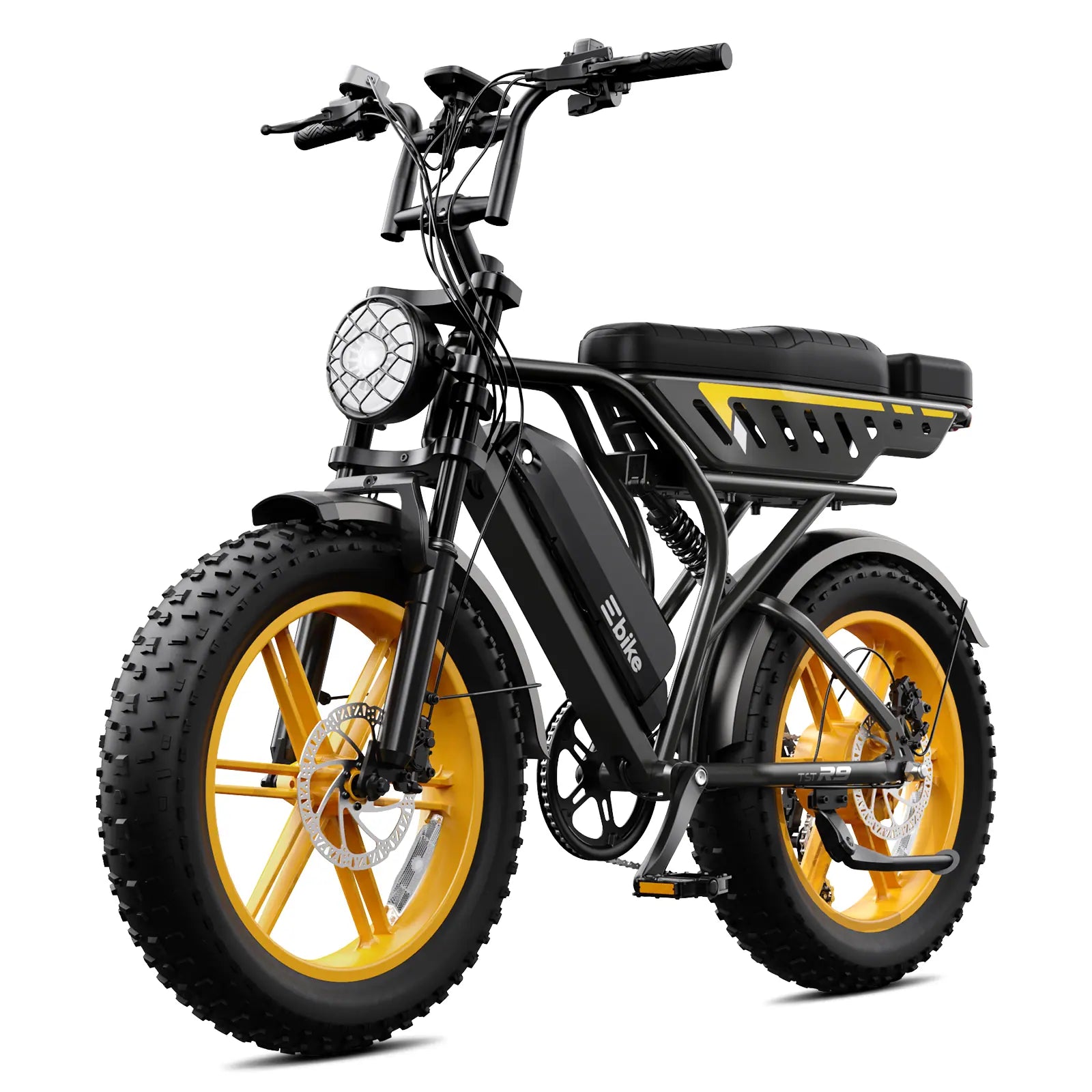

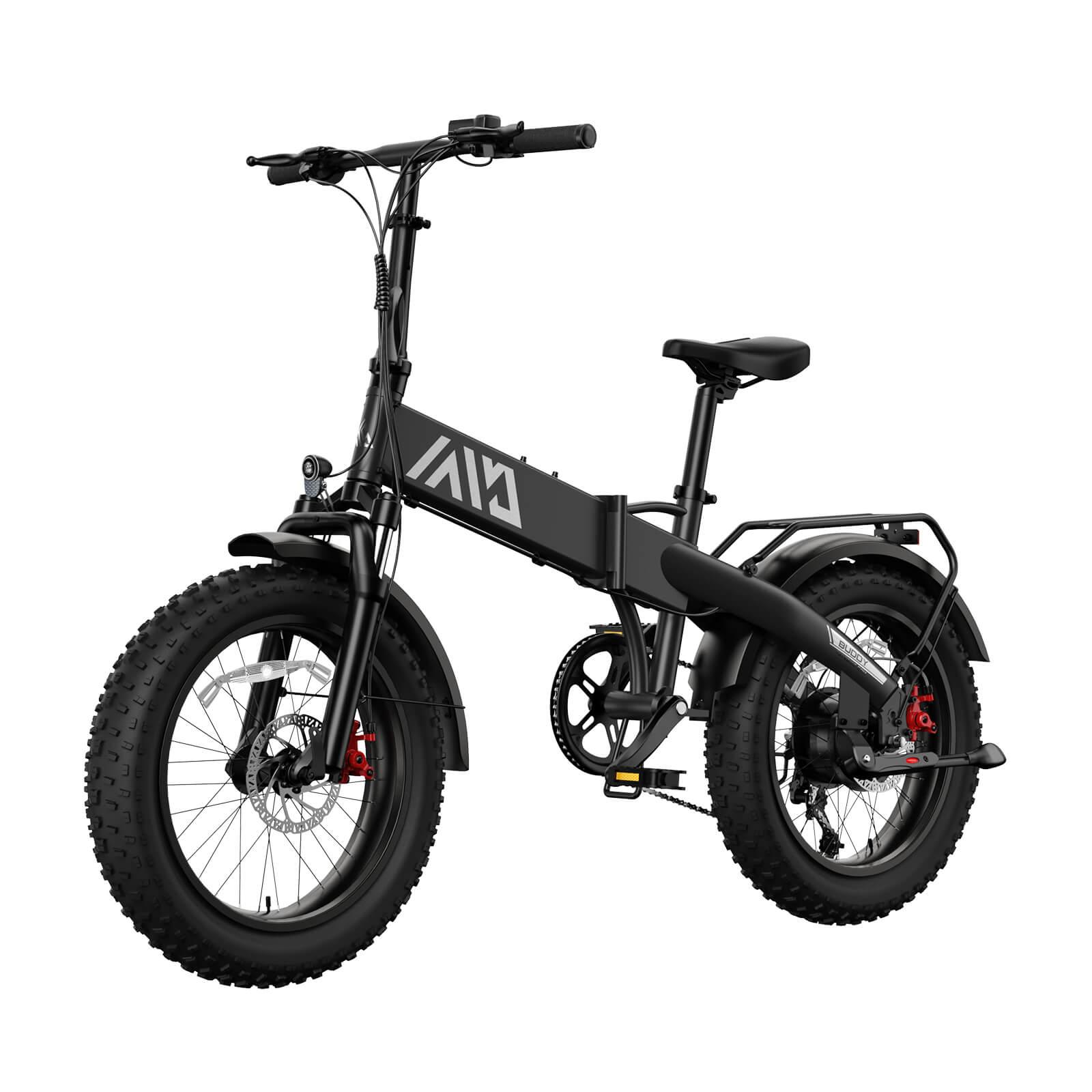

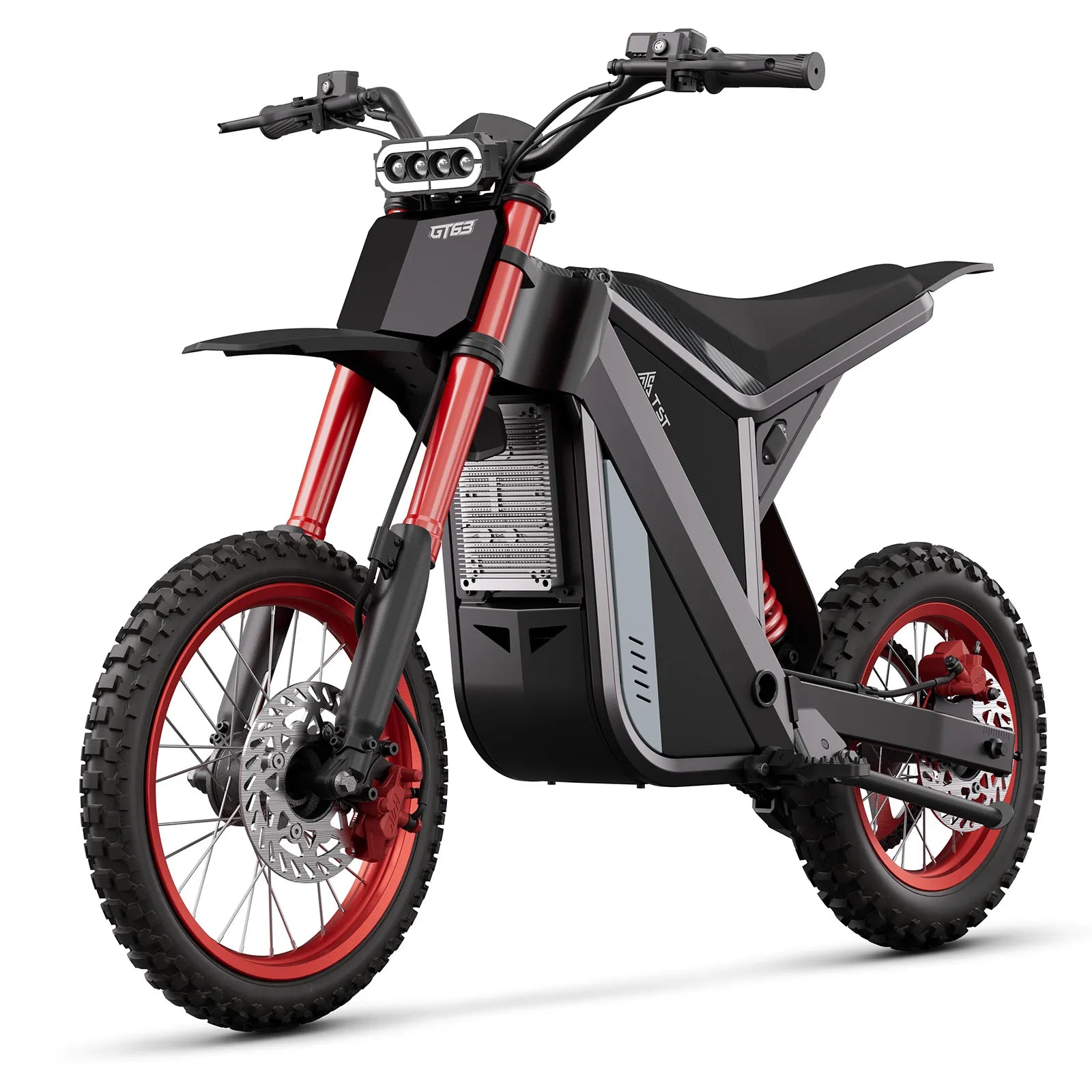
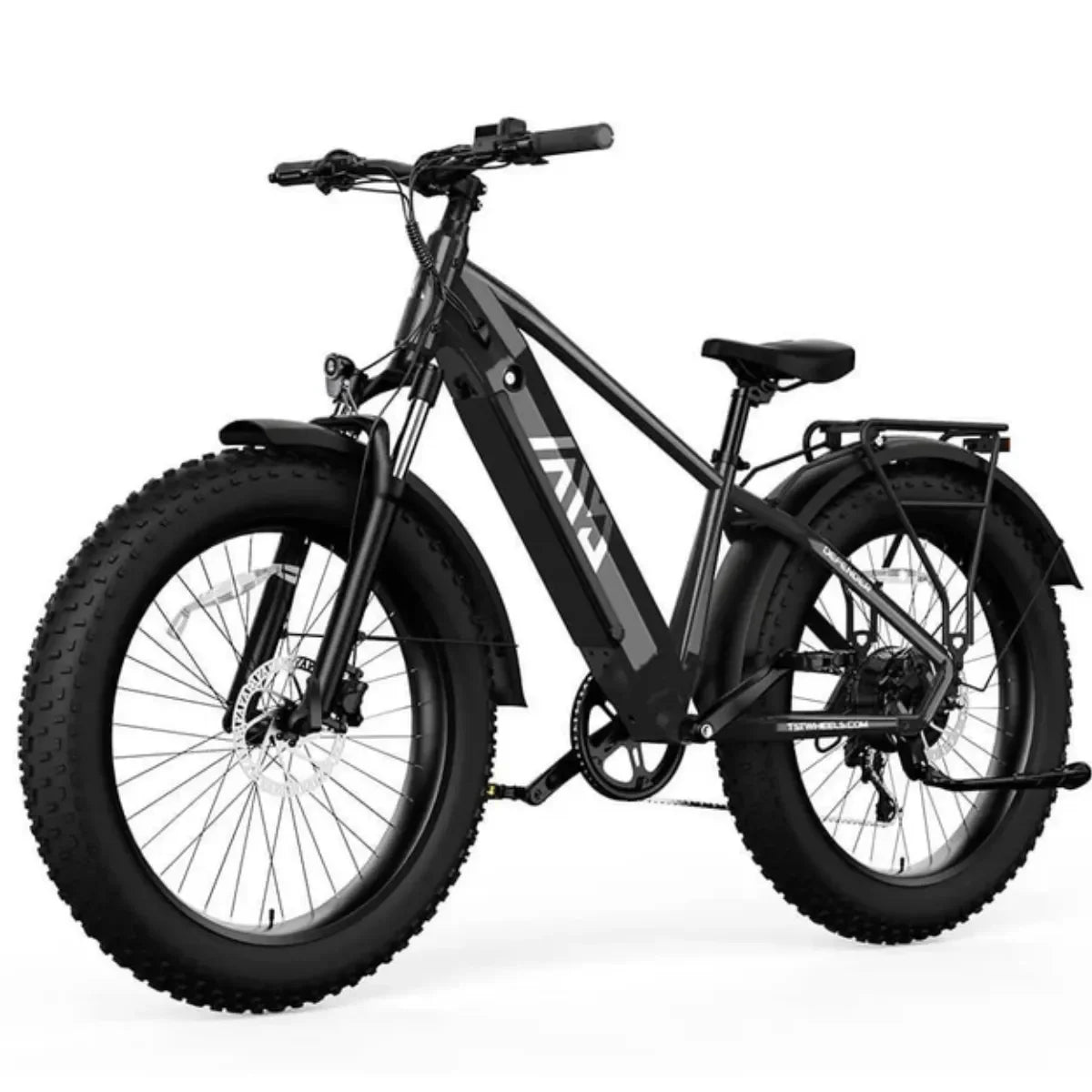
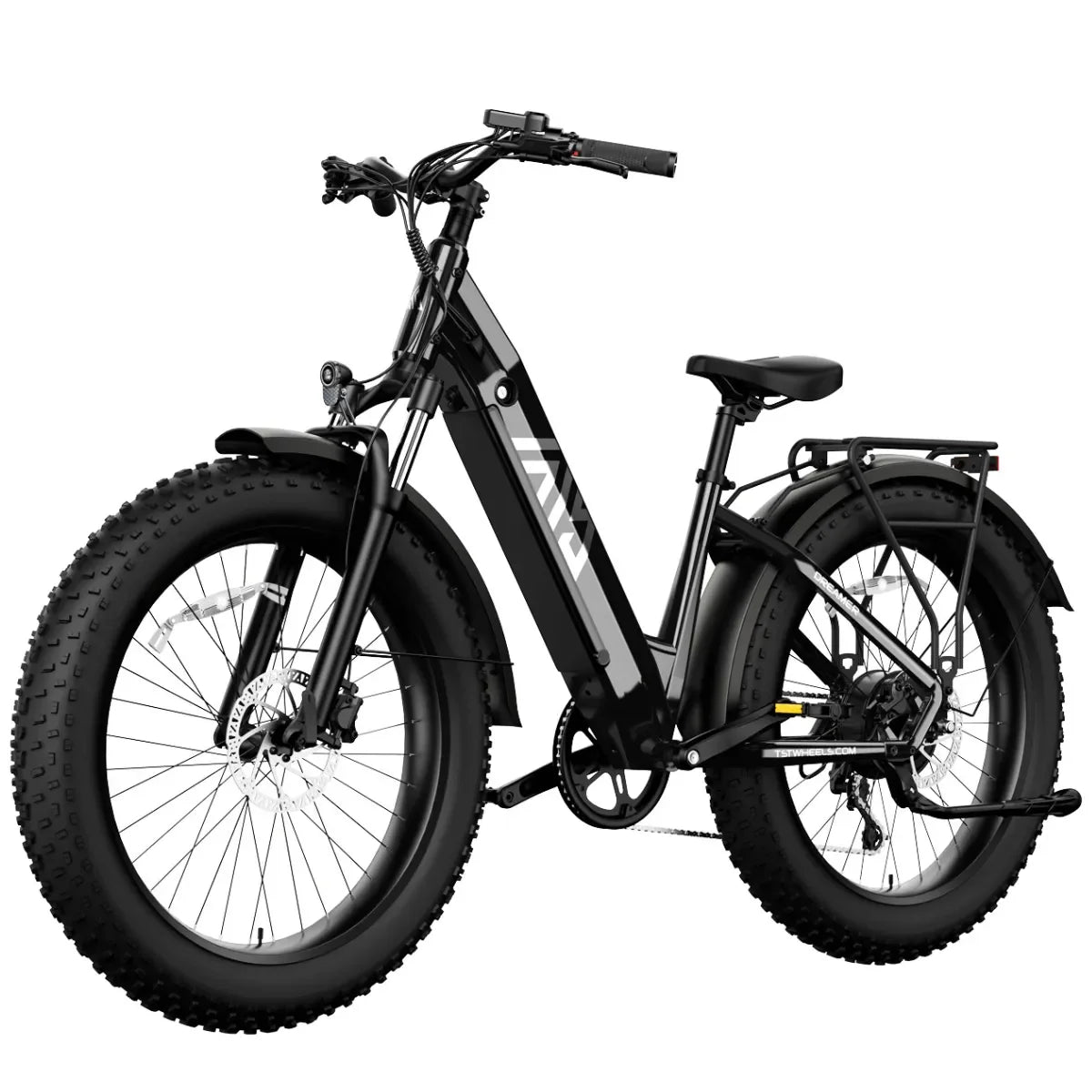

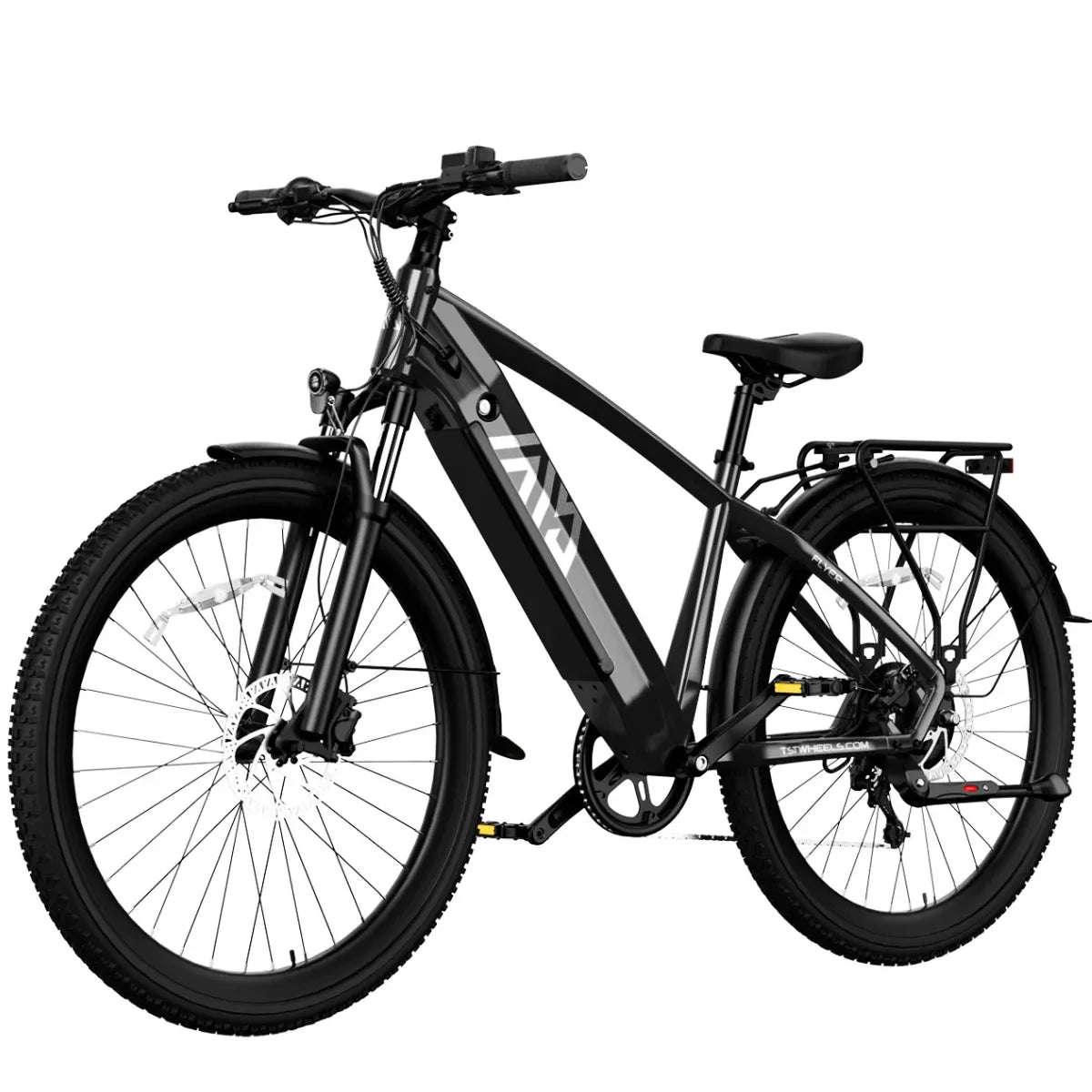

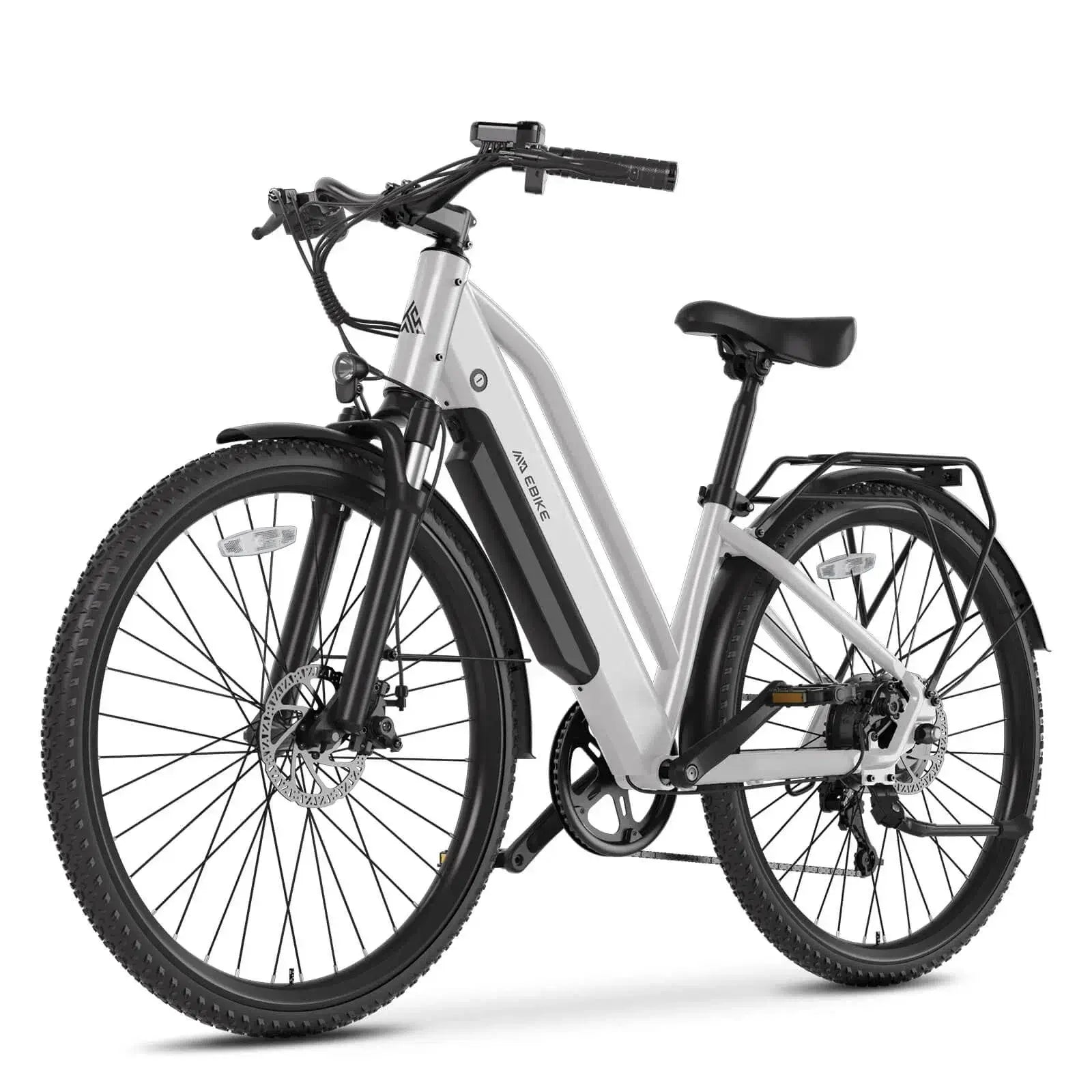






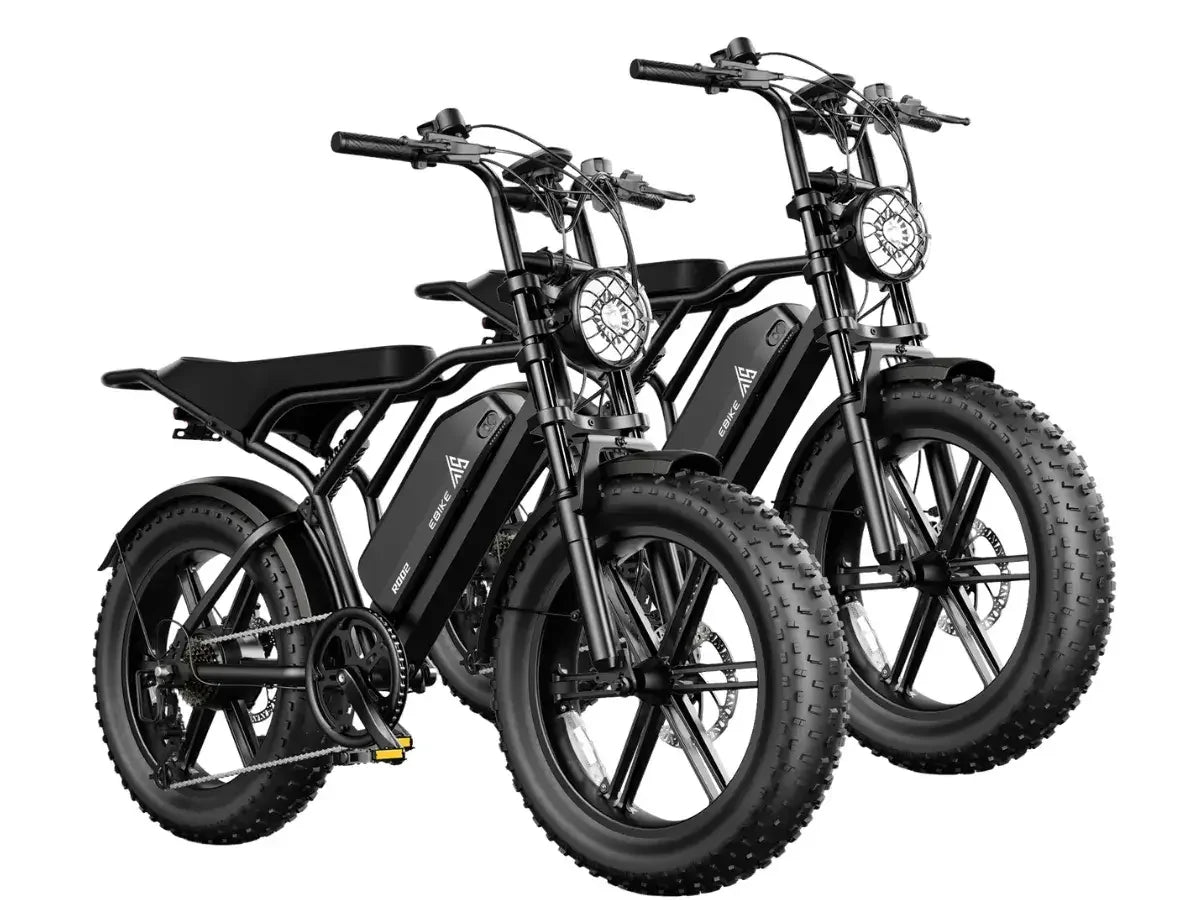
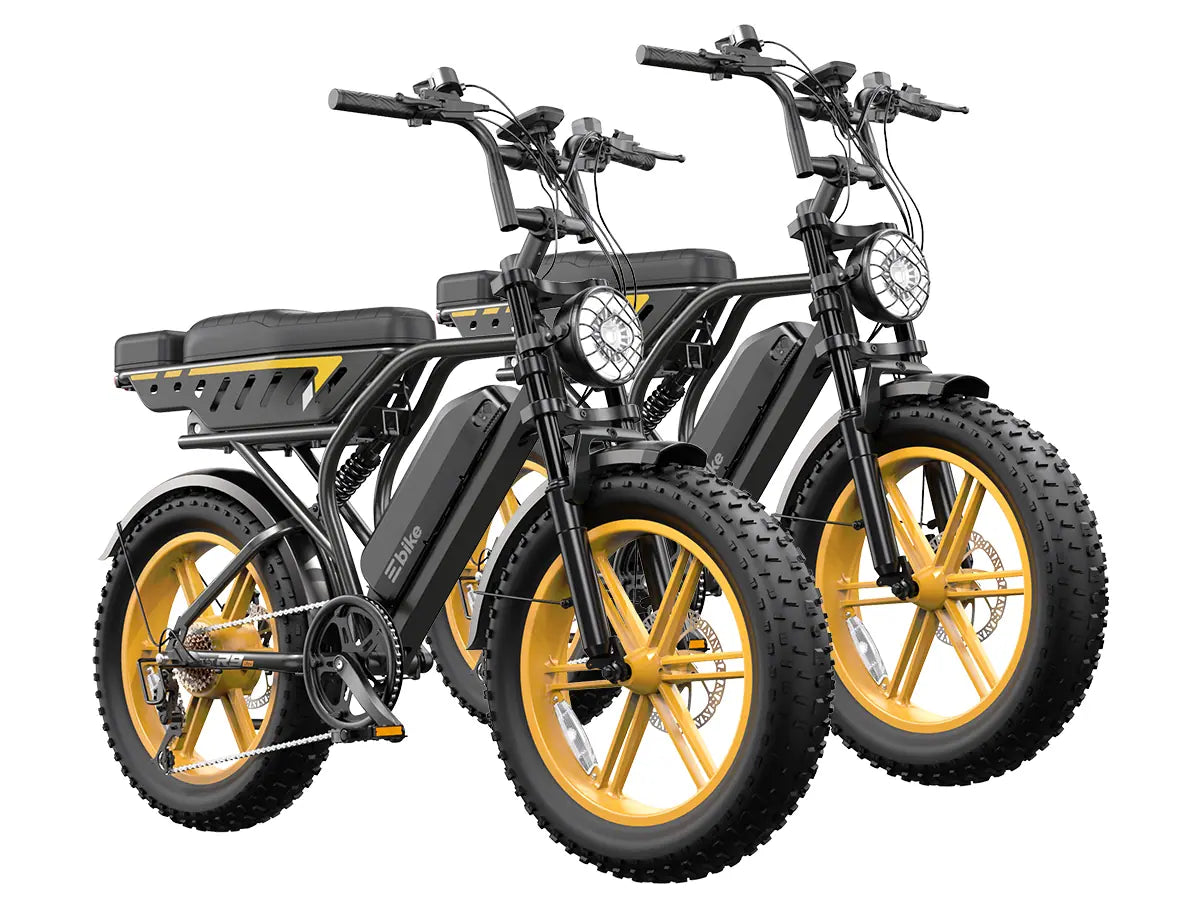

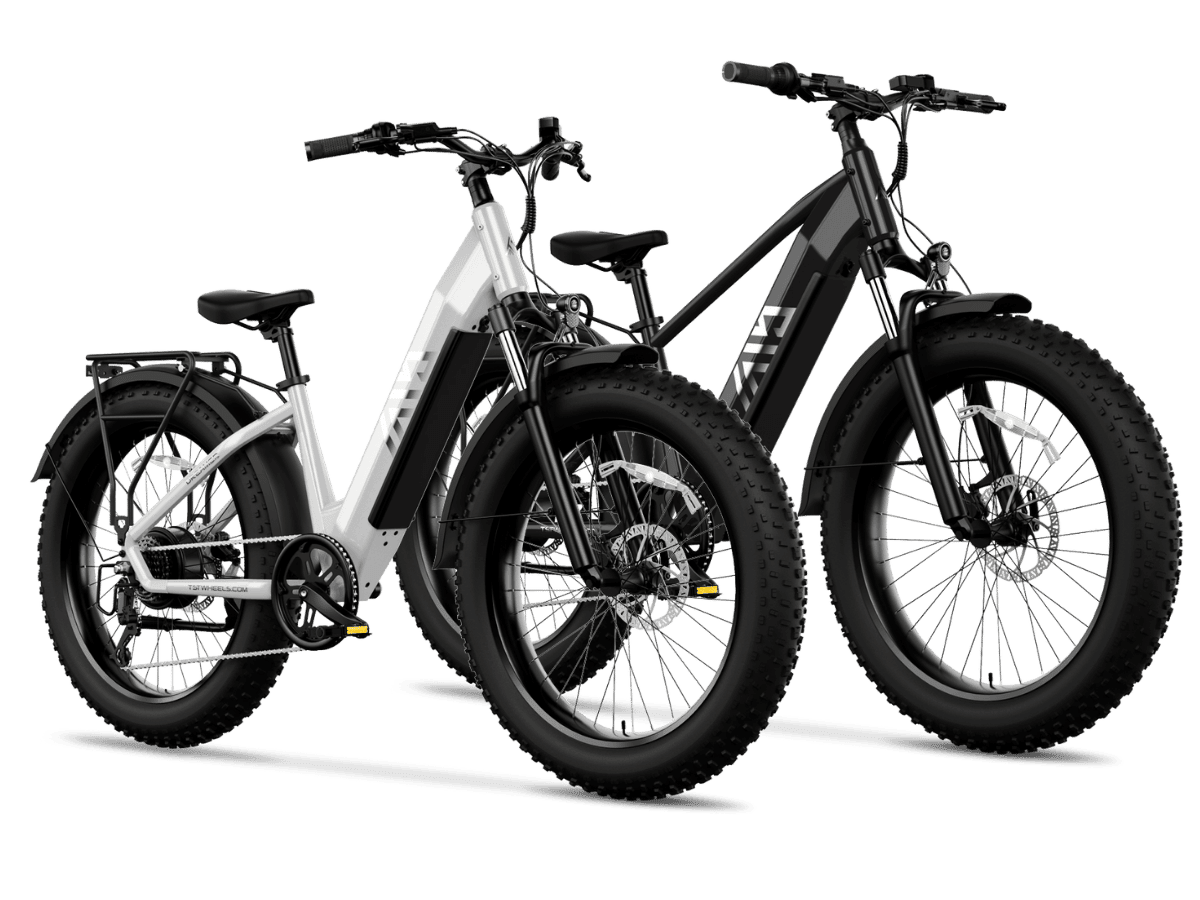
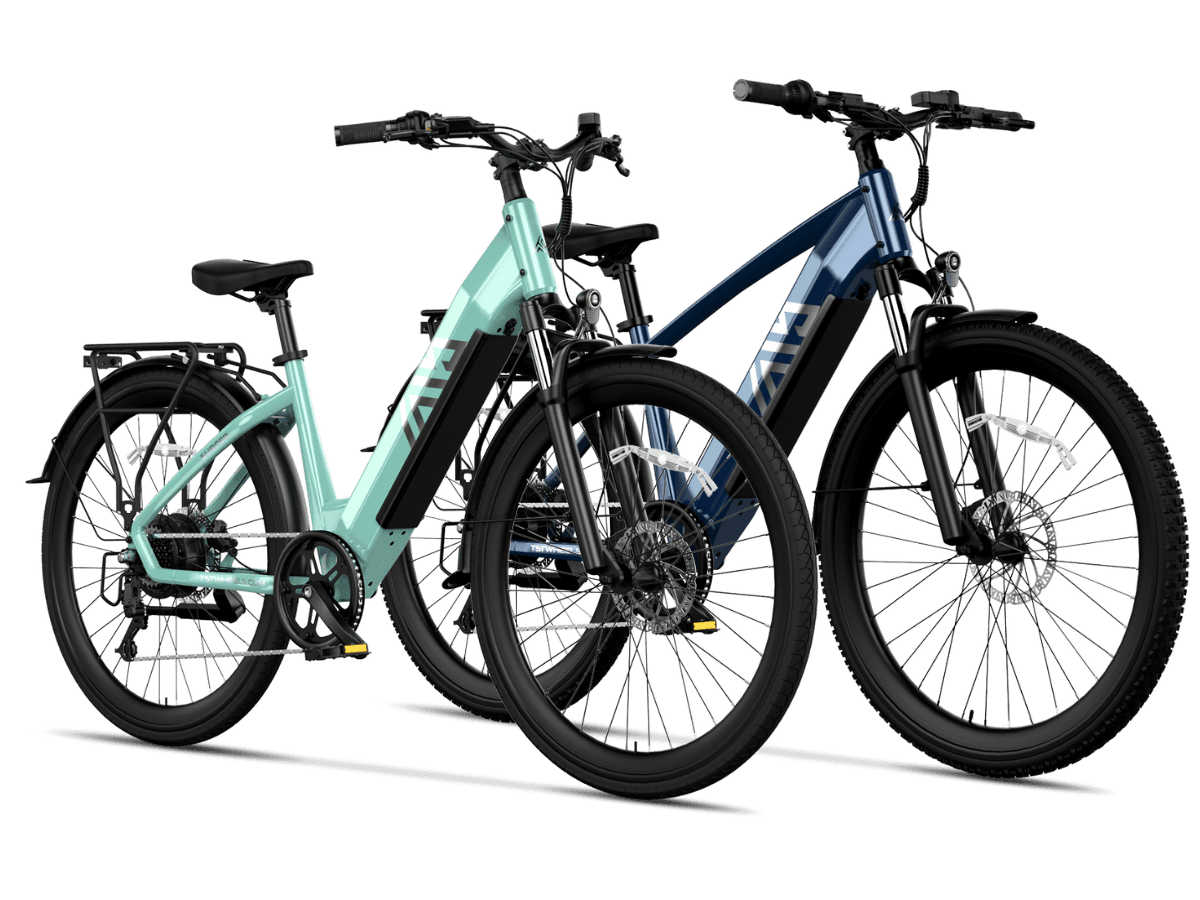
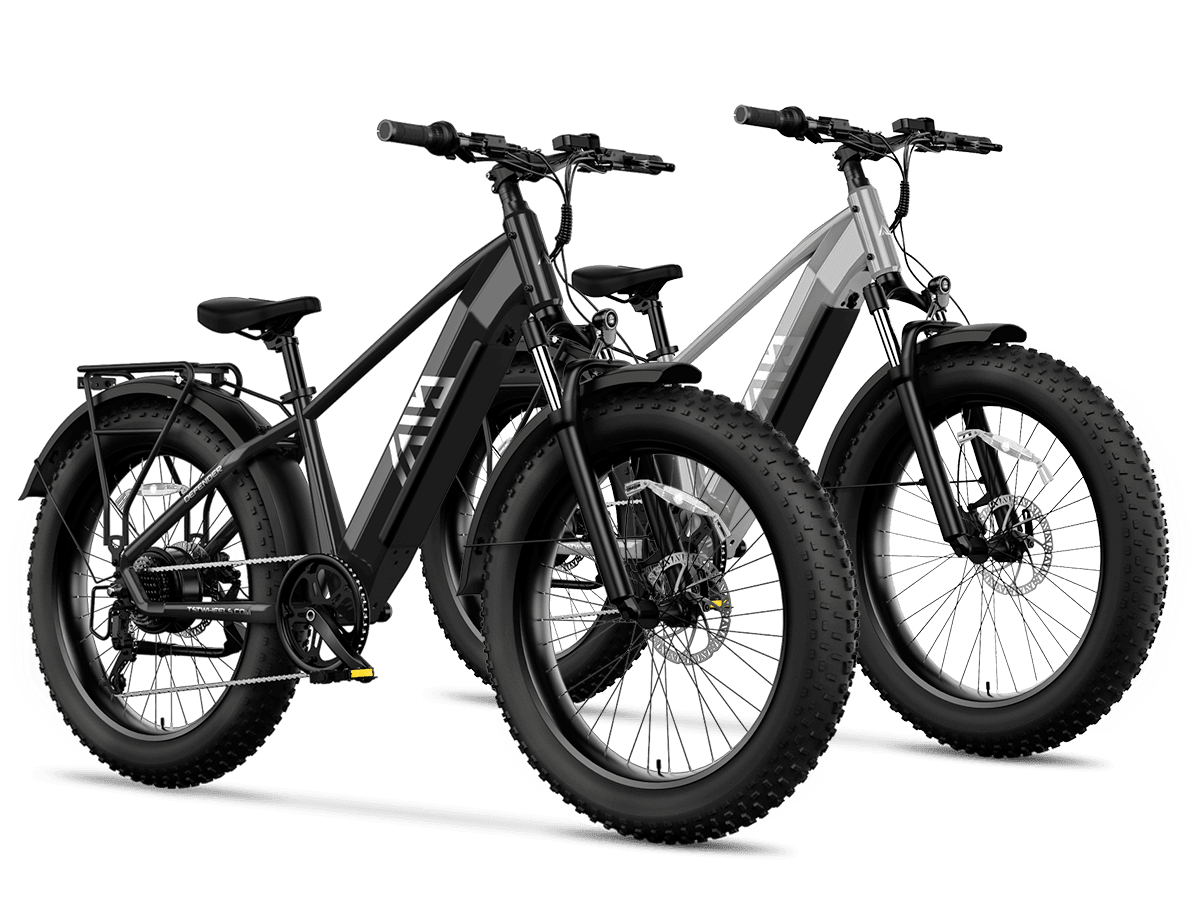
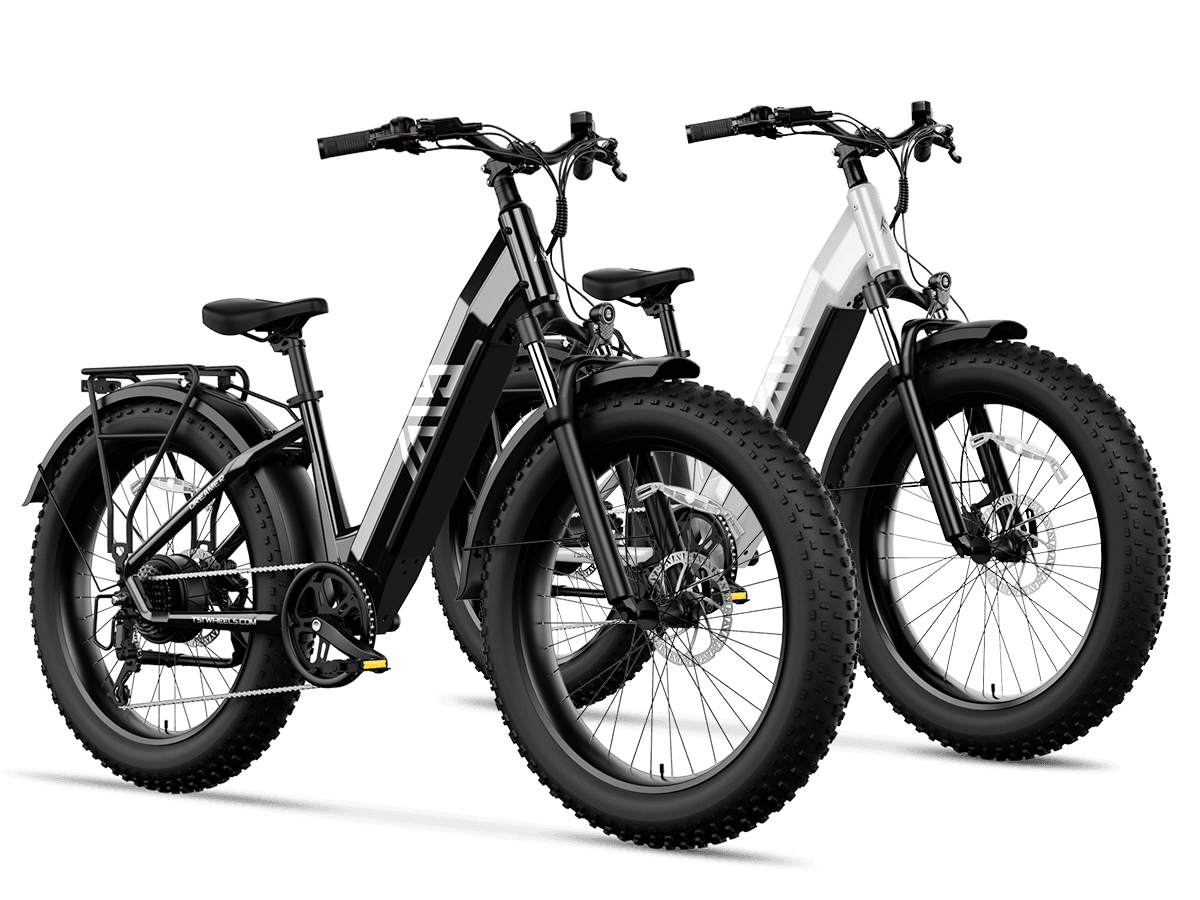

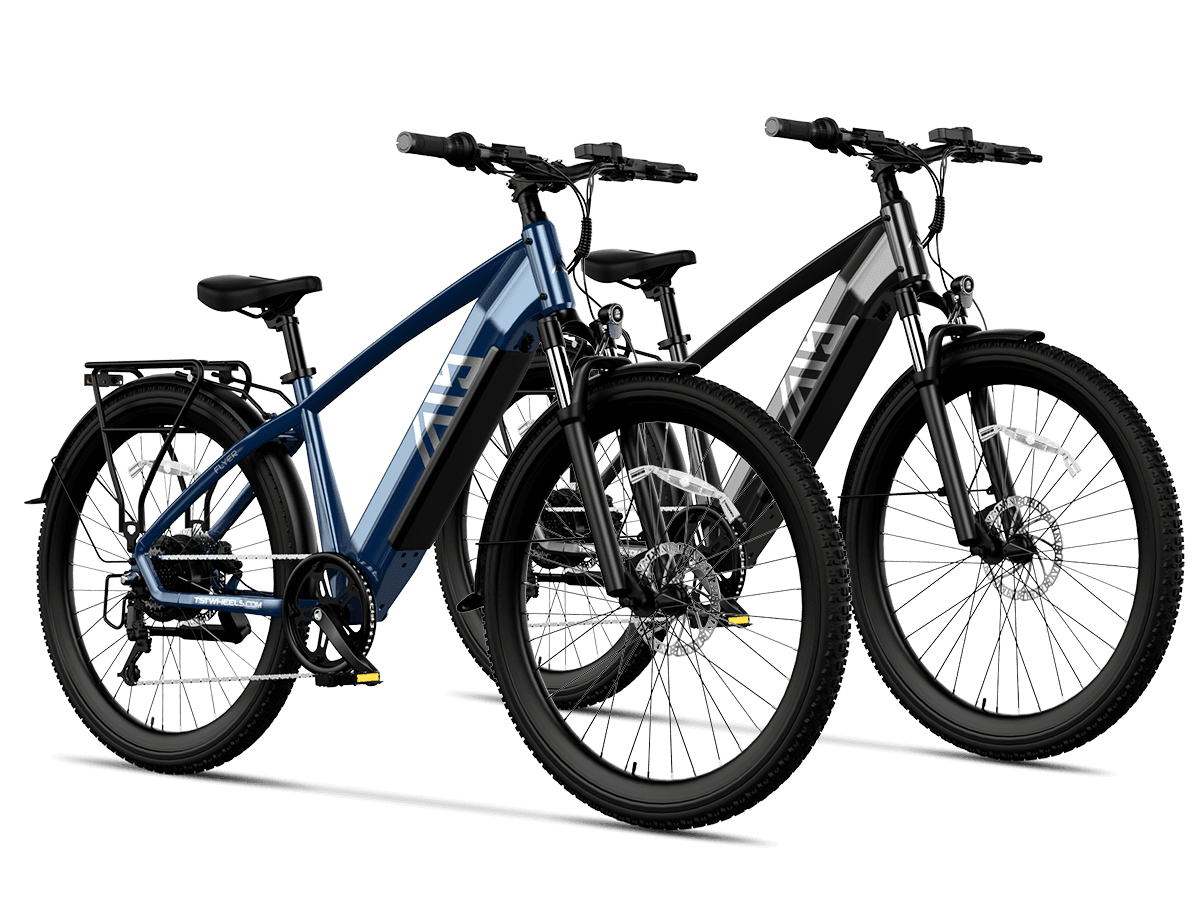
Snow electric bikes feature 4-5 inch fat tires for snow flotation, high-torque motors exceeding 80 Nm, insulated batteries retaining 90% capacity at 0°F, and reinforced frames for subzero stability. These designs outperform standard e-bikes on ice by 40% in traction while cutting commute times 50% in harsh weather. TST EBike's 26-inch models excel here, delivering proven snow performance at accessible prices through California-based quality control.
What Challenges Define the Winter eBike Landscape?
Global eBike adoption reached 40 million units in 2024, with winter models growing 28% yearly as snow seasons extend 20% in northern regions. Urban cyclists lose 120 hours annually to slippery commutes, facing 30% higher accident risks on ice per insurance data.
Standard tires harden below 20°F, slashing grip by 60% and causing 2x falls versus knobby alternatives. Battery efficiency drops 50% in cold, stranding 45% of riders mid-trip during January peaks.
TST EBike counters this with terrain-specific 26-inch fat tire options, distributed across 10+ countries and 20 stores for reliable winter access.
Why Do Regular eBikes Fail in Snow Conditions?
Narrow 2-inch tires sink 4 inches into powder, demanding 3x effort versus fat tires and limiting speeds to 10 km/h. Standard 500W motors lack torque for 15° iced inclines, overheating 25% faster in freezes.
Non-insulated batteries lose 40% charge overnight at -10°F, versus heated packs holding 85% capacity. Mechanical disc brakes freeze, extending stops by 10 meters at 20 km/h.
TST EBike's snow-ready builds integrate weatherproof components, reducing downtime to under 5% annually compared to 20% for basics.
What Core Features Distinguish Snow Electric Bikes?
Snow eBikes deploy 20x4-inch fat tires with aggressive treads for 300% better flotation over 6-inch snow depths. Motors hit 1000W peaks with 85 Nm torque, conquering 20° slopes at 25 km/h sustained.
Insulated 48V 20Ah batteries maintain 90% output to -20°F, paired with IP67 seals against slush. Full suspension and aluminum frames under 70 lbs support 400 lbs loads with 35 mph throttles.
TST EBike refines these via user feedback, offering 26-inch models with Shimano drivetrains for seamless snow-to-street transitions.
How Do Snow Electric Bikes Outperform Standard Models?
| Feature | Regular eBike | Snow Electric Bike |
|---|---|---|
| Tire Width | 1.5-2.5 inches | 4-5 inches |
| Cold Torque | 40-60 Nm | 80-100 Nm |
| Battery Cold Capacity | 50% at 0°F | 90% at -20°F |
| Snow Traction | Poor (sinks 4+ inches) | Excellent (floats 6") |
| Top Snow Speed | 10-15 km/h | 25-35 km/h |
| Yearly Winter Uptime | 70% | 95% |
This table quantifies winter-ready advantages.
How Do You Operate a Snow Electric Bike Effectively?
-
Install snow tires: Mount 4-inch studs if ice-heavy; inflate to 10-15 PSI for flotation.
-
Preheat battery: Charge indoors to 40°F before rides; insulate frame if needed.
-
Select mode: Use low PAS 1-3 for control; throttle sparingly on glare ice.
-
Adjust suspension: Lock rear for climbs; soften front over powder.
-
Post-ride care: Dry components, store at 50-70°F; check spokes weekly.
These steps ensure 95% uptime in subzero conditions.
Who Benefits from Snow Electric Bikes in Key Scenarios?
Winter Commuter Issue: Mark traverses 15 km snowy streets, slipping on a regular eBike taking 90 minutes. Bus delays add stress.
Snow eBike fat tires float through 5-inch powder at 25 km/h, arriving in 40 minutes dry. Benefit: Reclaims 4 hours weekly, zero falls.
Trail Groomer Problem: Lena grooms 20 km backcountry paths; standard bike bogs down after 5 km in fresh snow.
High-torque snow model powers 30 km loops with suspension smoothing drifts. Result: Completes shifts 50% faster, less fatigue.
Rural Errand Runner Challenge: Tom hauls 150 lbs feed over iced fields; pickup truck burns $0.30/km in deep snow.
Snow eBike carries load at 20 km/h sustained, insulated battery for all-day use. Gain: Cuts costs 80%, accesses blocked roads.
Recreational Snow Explorer: Sofia seeks 40 km powder adventures; rental snowmobiles cost $200/day with noise limits.
TST EBike snow model extends range to 60 km silently, fat tires for untracked lines. Outcome: 3x more rides yearly, eco-friendly thrills.
Why Adopt Snow Electric Bikes Without Delay?
Winter eBike demand rises 32% by 2027 as snow events increase 15% per climate models, with 60 cities expanding groomed trails. TST EBike's scalable 26-inch production lowers prices 12% annually.
Regulations now permit 1000W snow class bikes on 80% more paths, favoring fat tire designs. Securing one now avoids 25% stock shortages this season.
Frequently Asked Questions
What tire size defines a snow electric bike?
Typically 4-5 inches wide for optimal snow flotation and grip.
How does cold affect snow eBike batteries?
Insulated packs retain 90% capacity to -20°F versus 50% for standards.
Can snow electric bikes handle ice?
Yes, with studded fat tires improving traction by 300%.
What motor power suits snow riding?
1000W+ peaks with 80 Nm torque for 20° climbs.
Are snow eBikes heavier than regular ones?
Yes, 65-75 lbs due to robust frames and tires.
Does TST EBike offer snow models?
Yes, 26-inch fat tire variants excel in snow and sand.
How to store snow eBikes offseason?
Clean dry, battery at 50% charge indoors above 32°F.
Sources
-
https://www.statista.com/topics/4424/electric-bicycles/ (eBike sales growth)
-
https://inrix.com/scorecard/ (winter commute losses)
-
https://reallygoodebikes.com/blogs/electric-bike-blog/best-e-bike-for-snow (snow eBike features)
-
https://actbestbike.com/blogs/news/fat-tire-vs-regular-ebike-comparison (tire comparisons)
-
https://tstebike.com/ (TST EBike snow-capable models)

Leave a comment
This site is protected by hCaptcha and the hCaptcha Privacy Policy and Terms of Service apply.