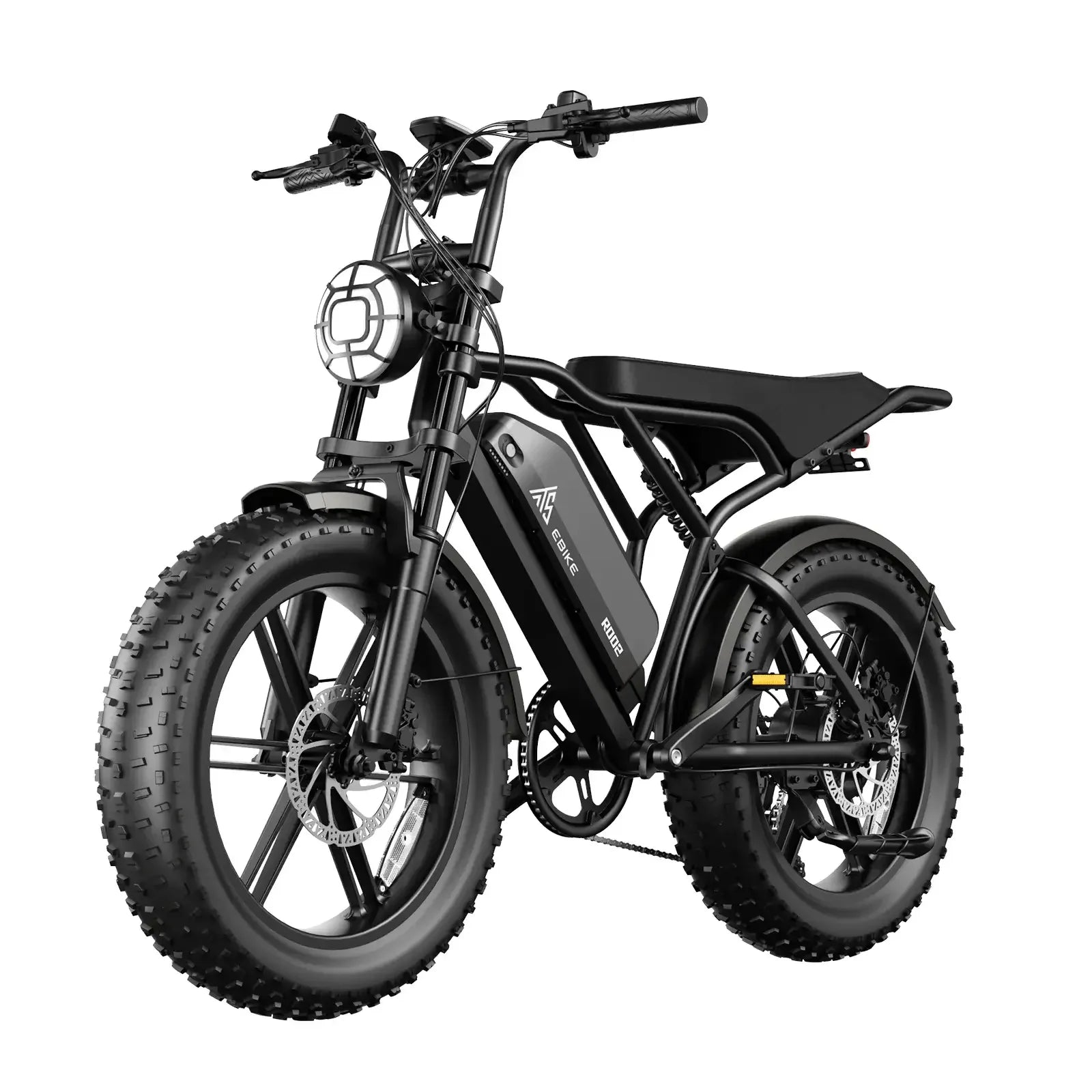
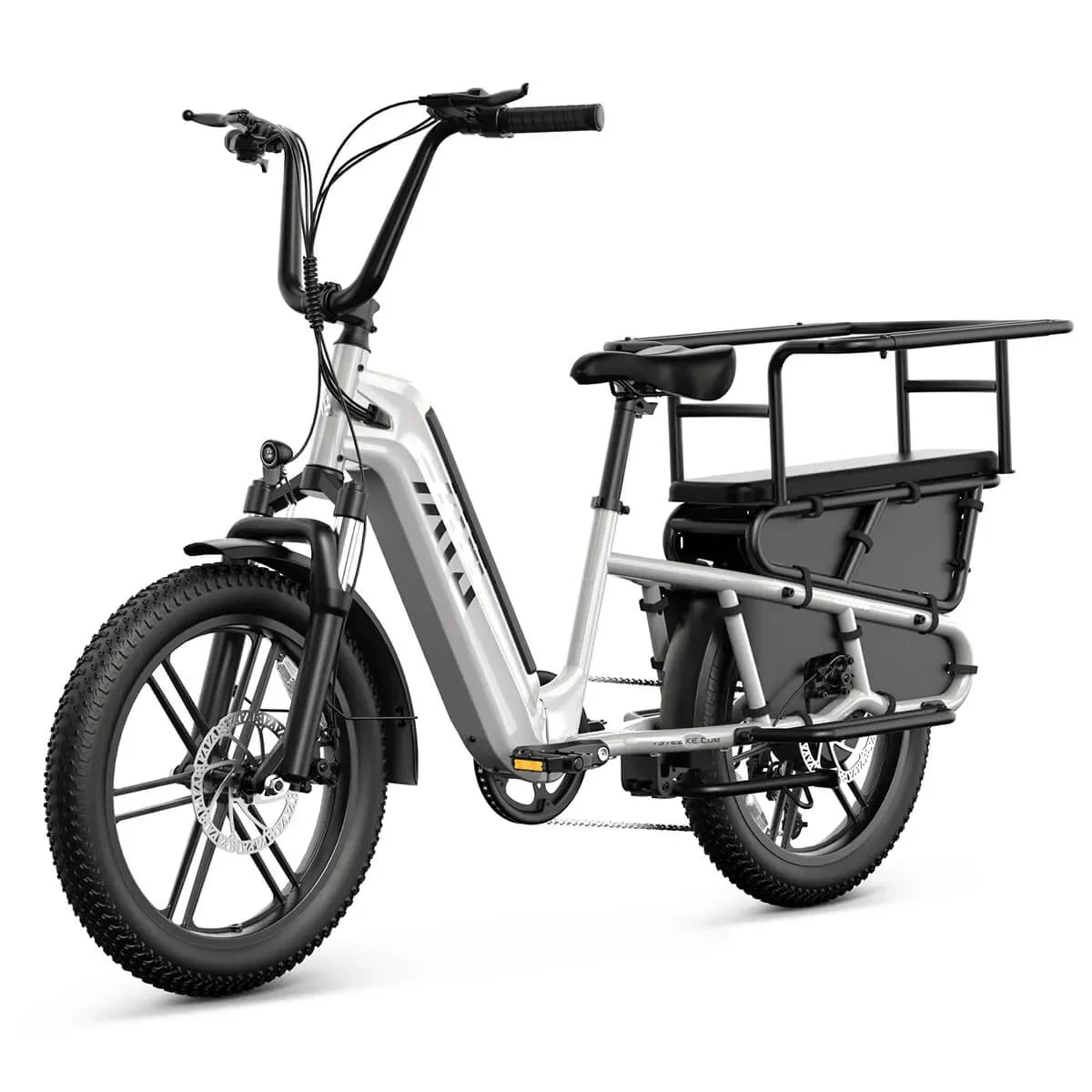
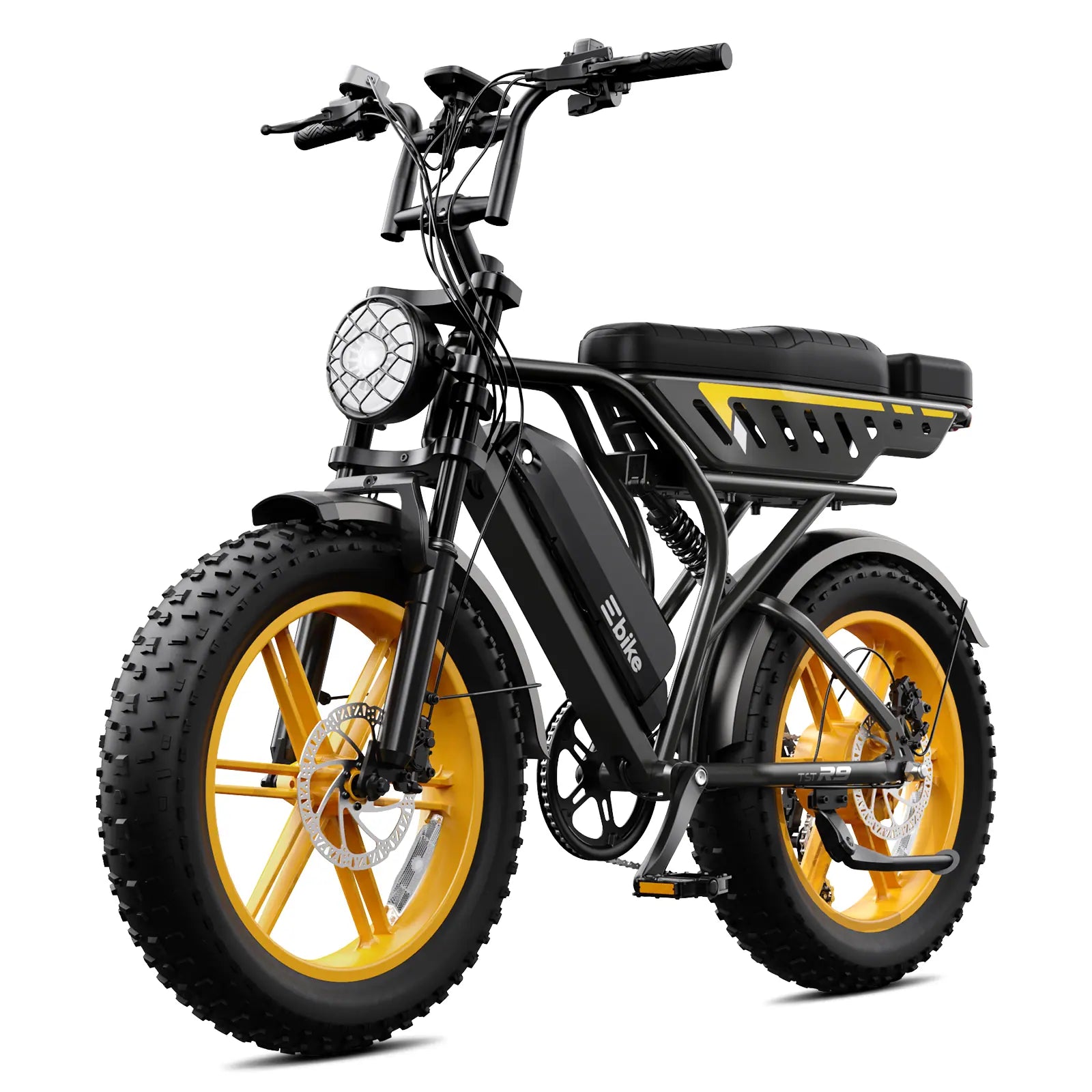
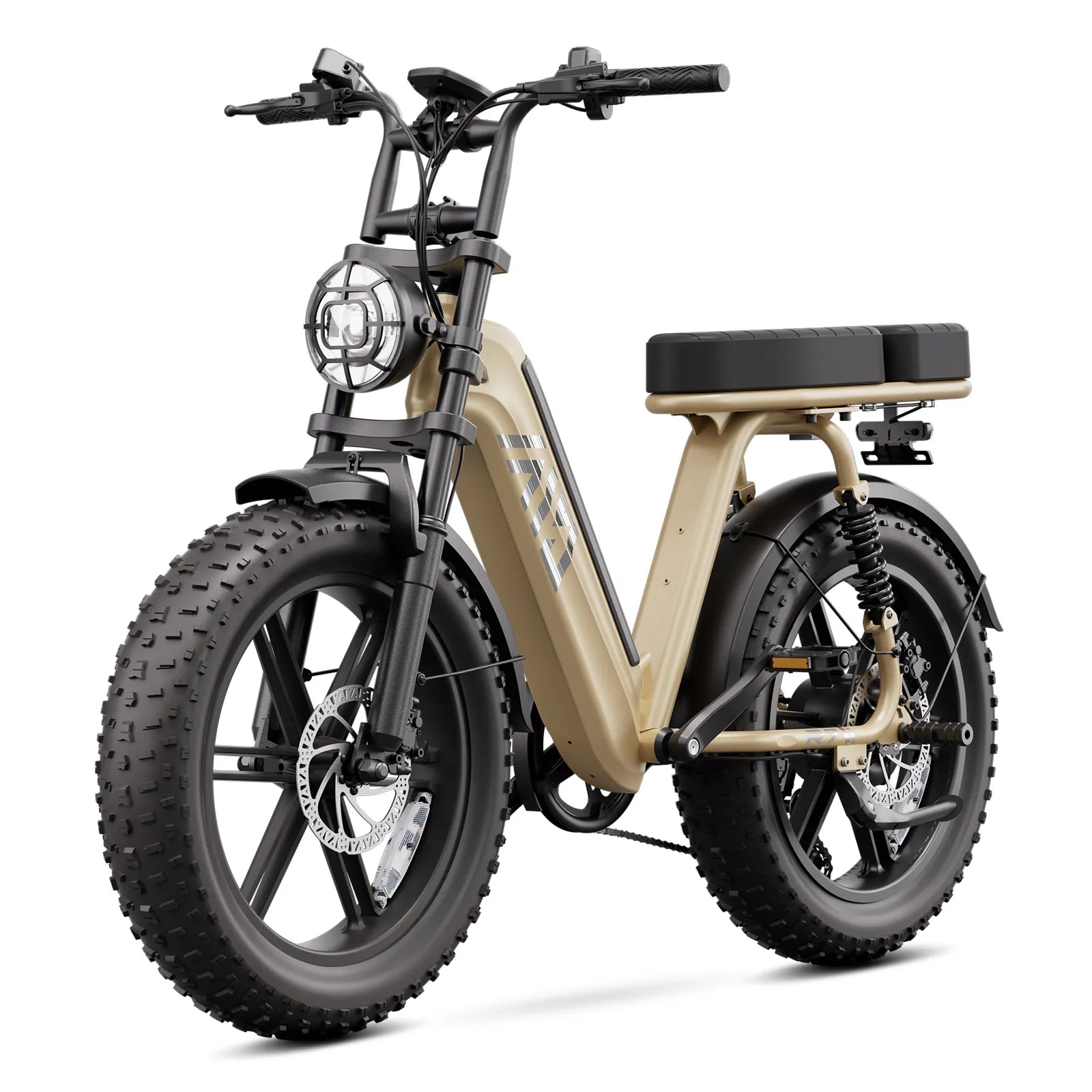
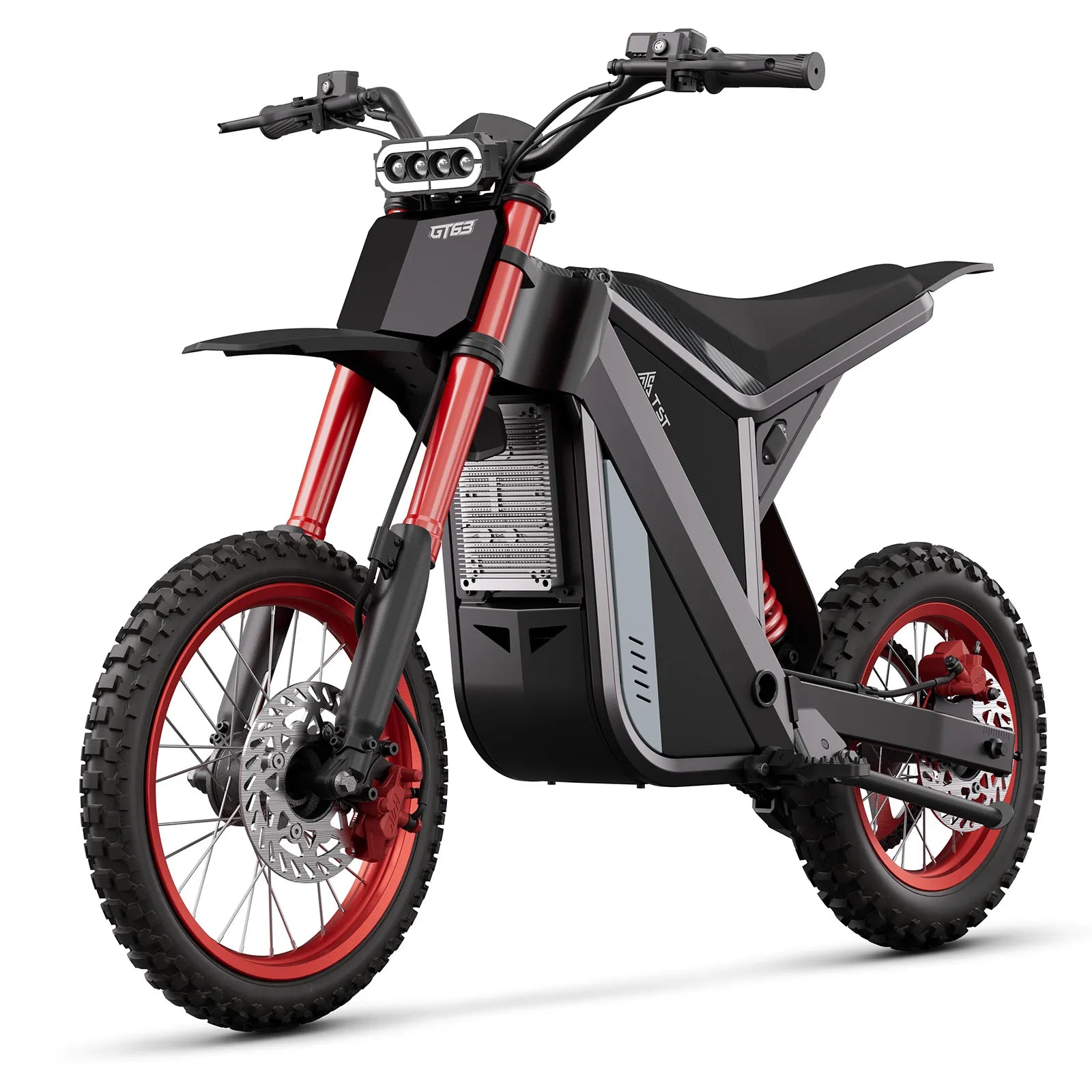
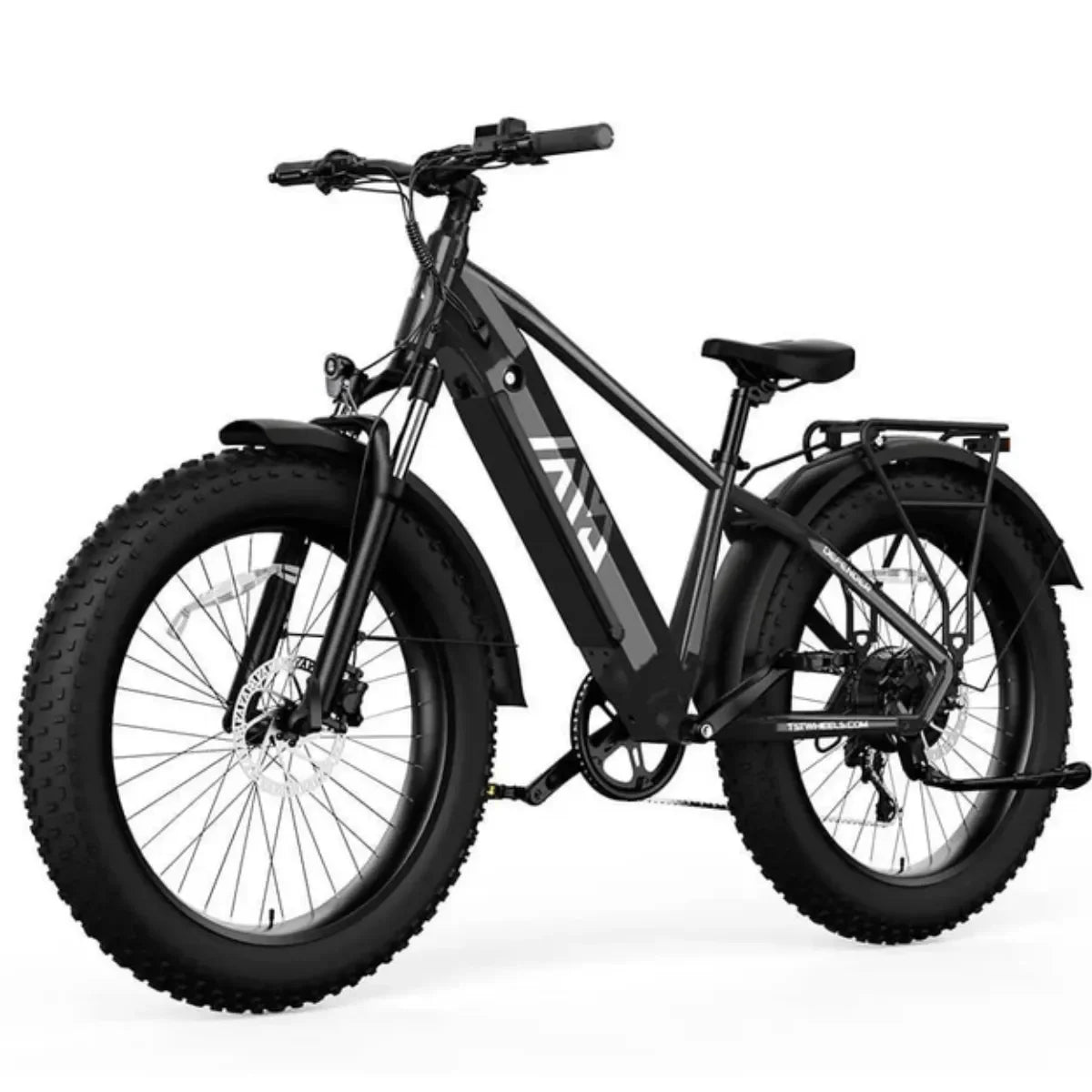
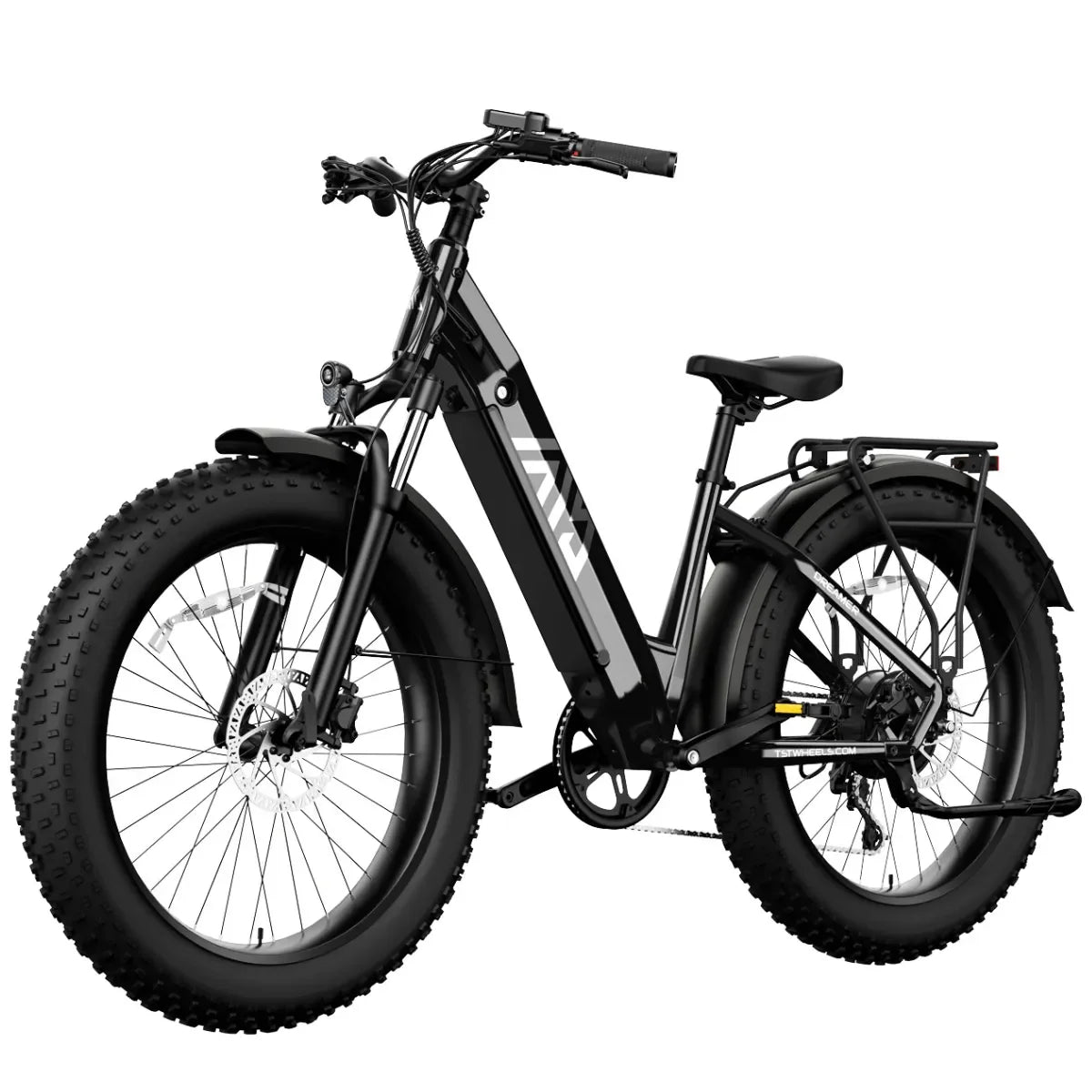
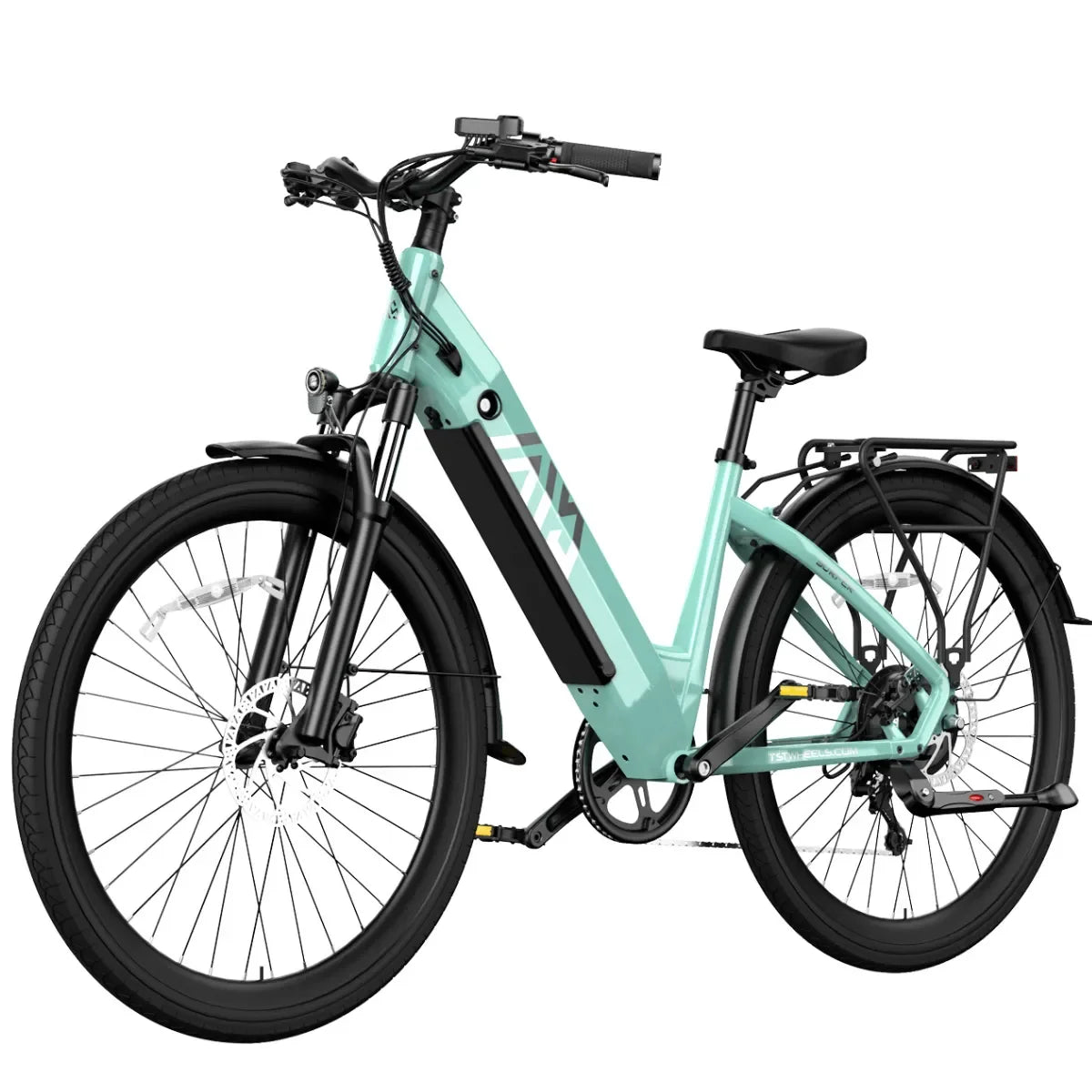
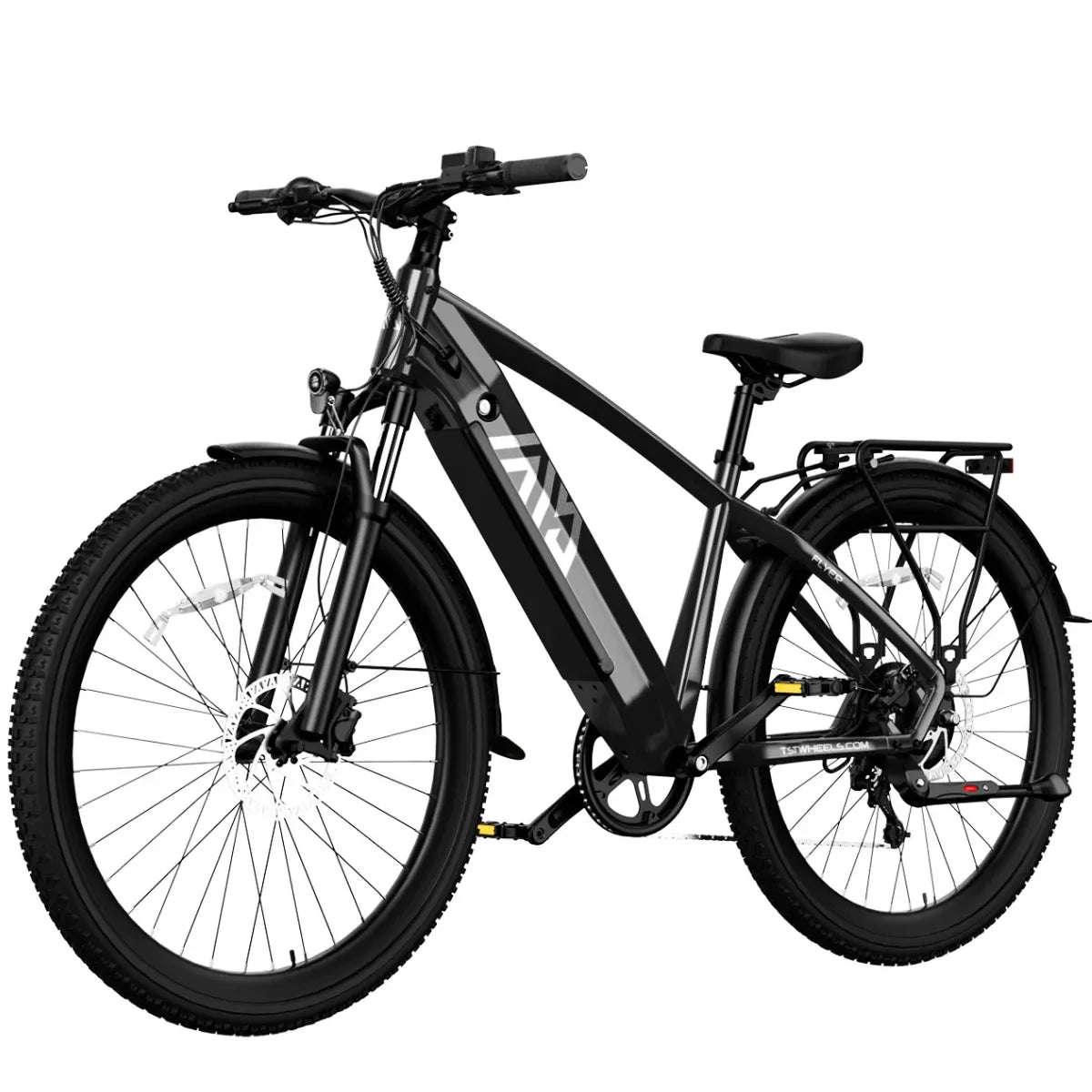
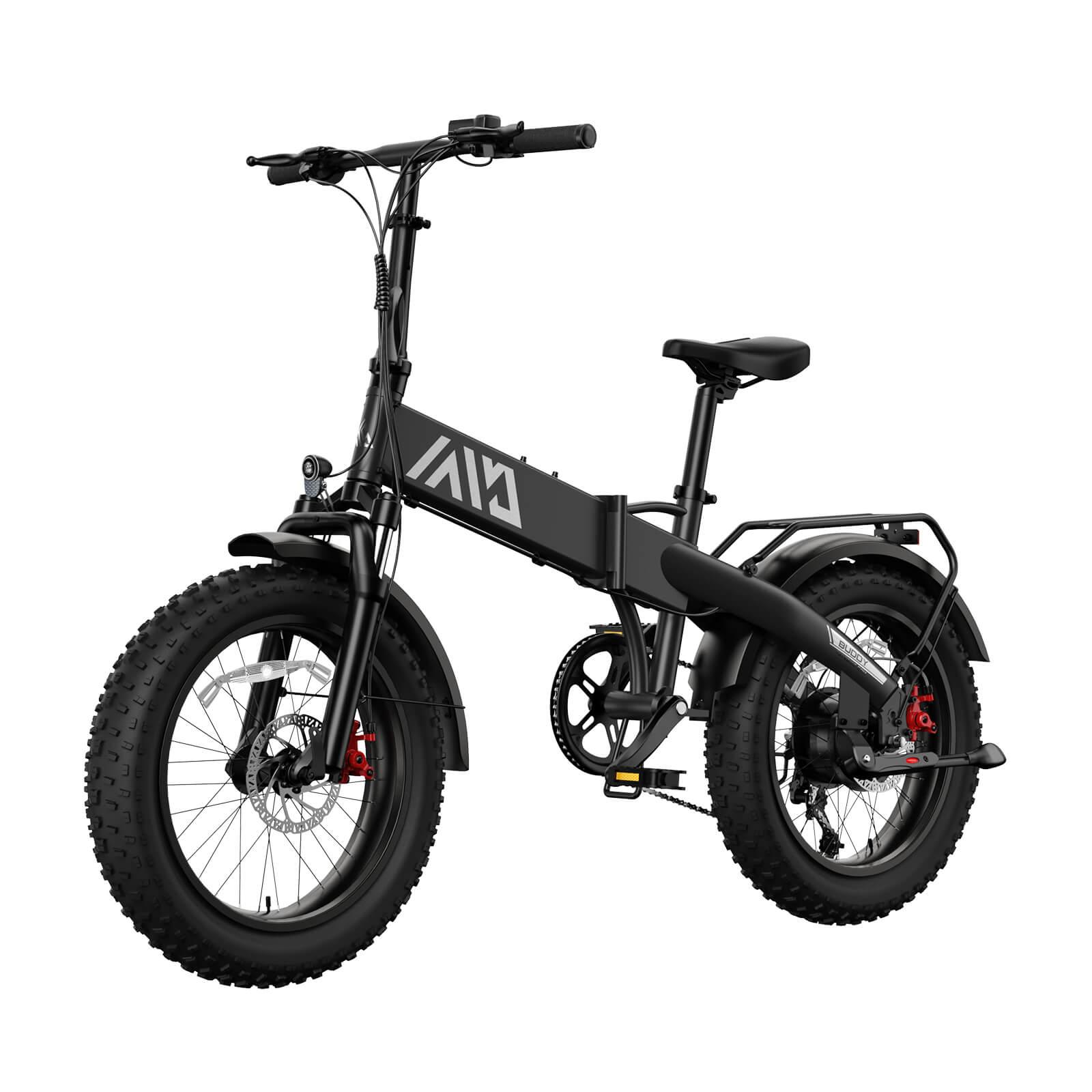
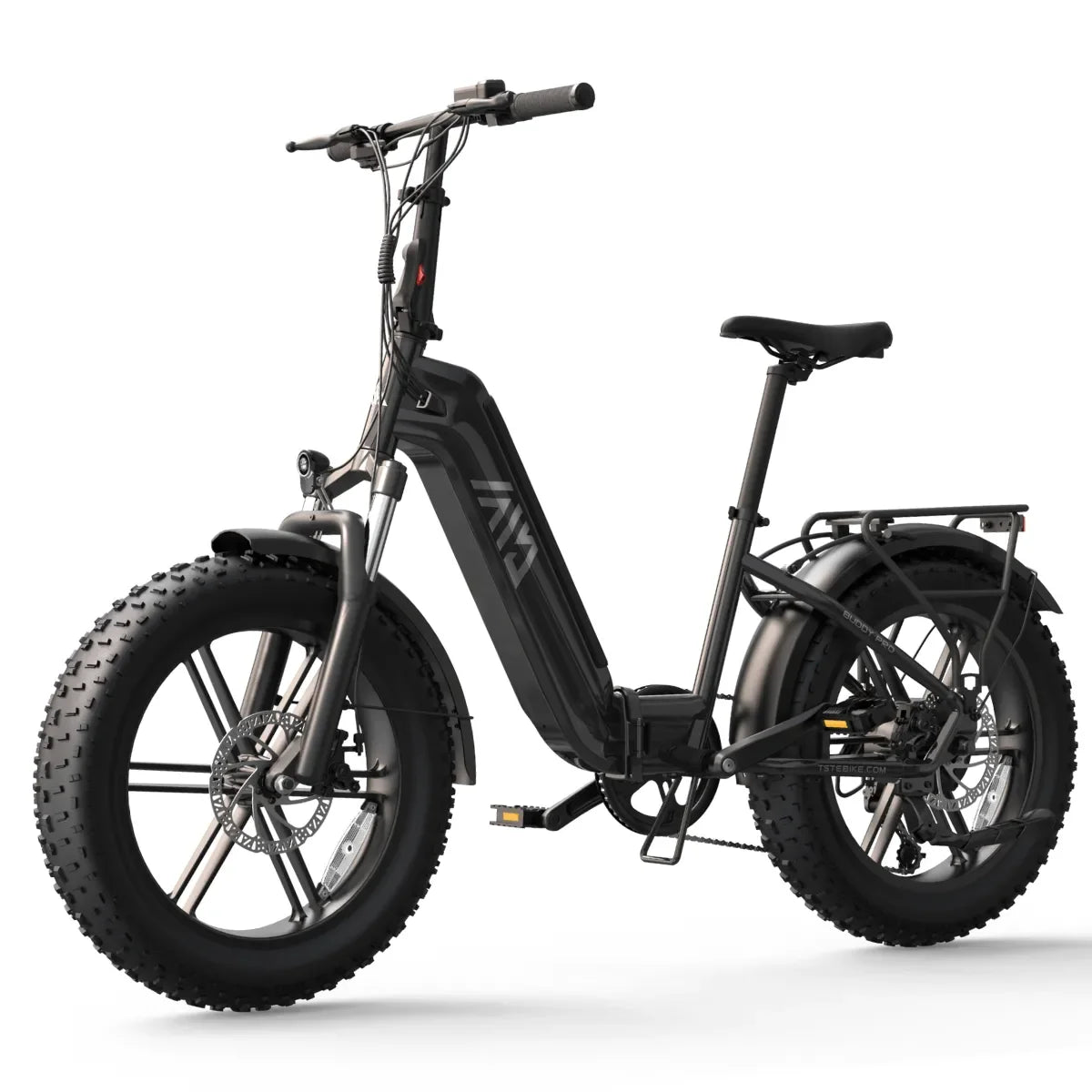
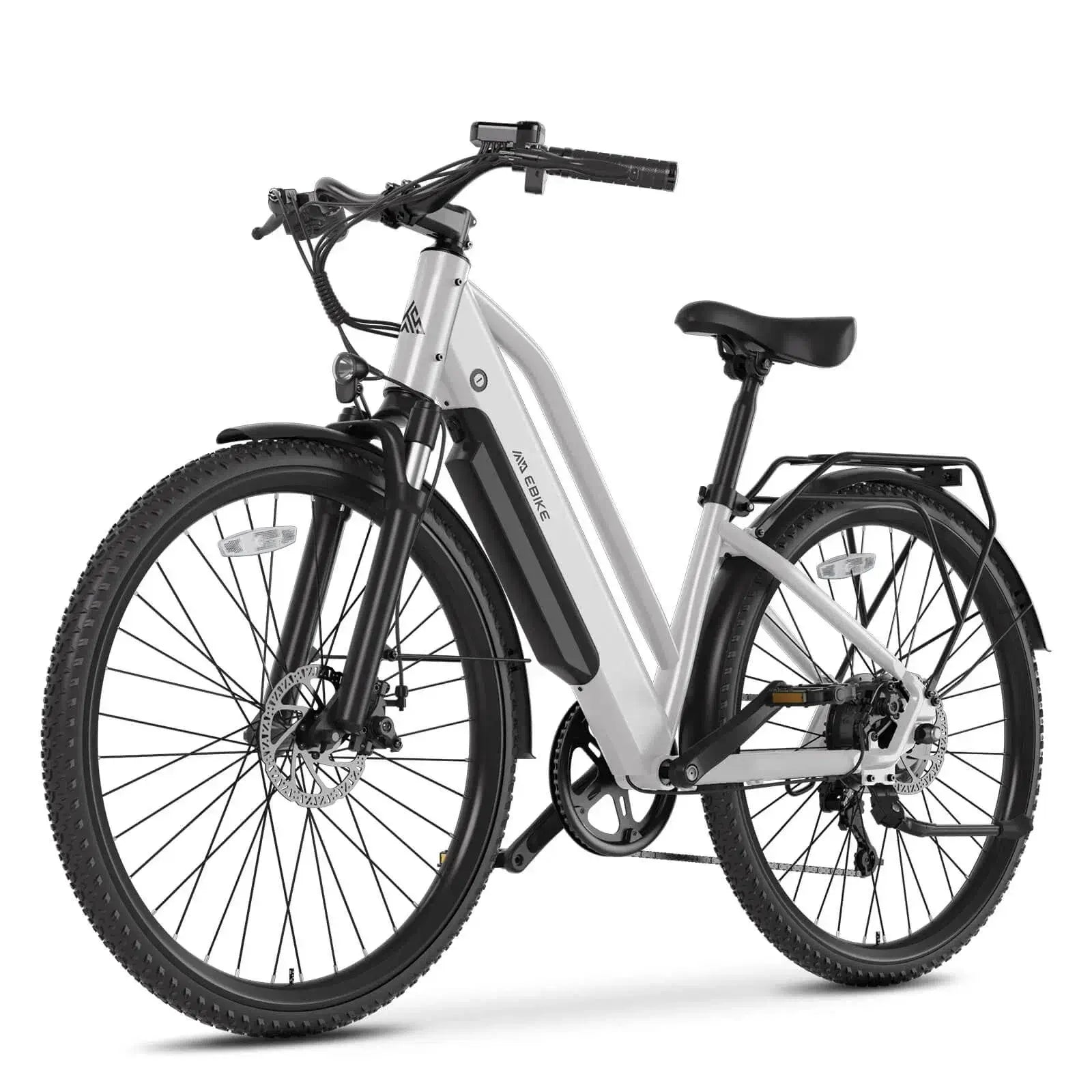


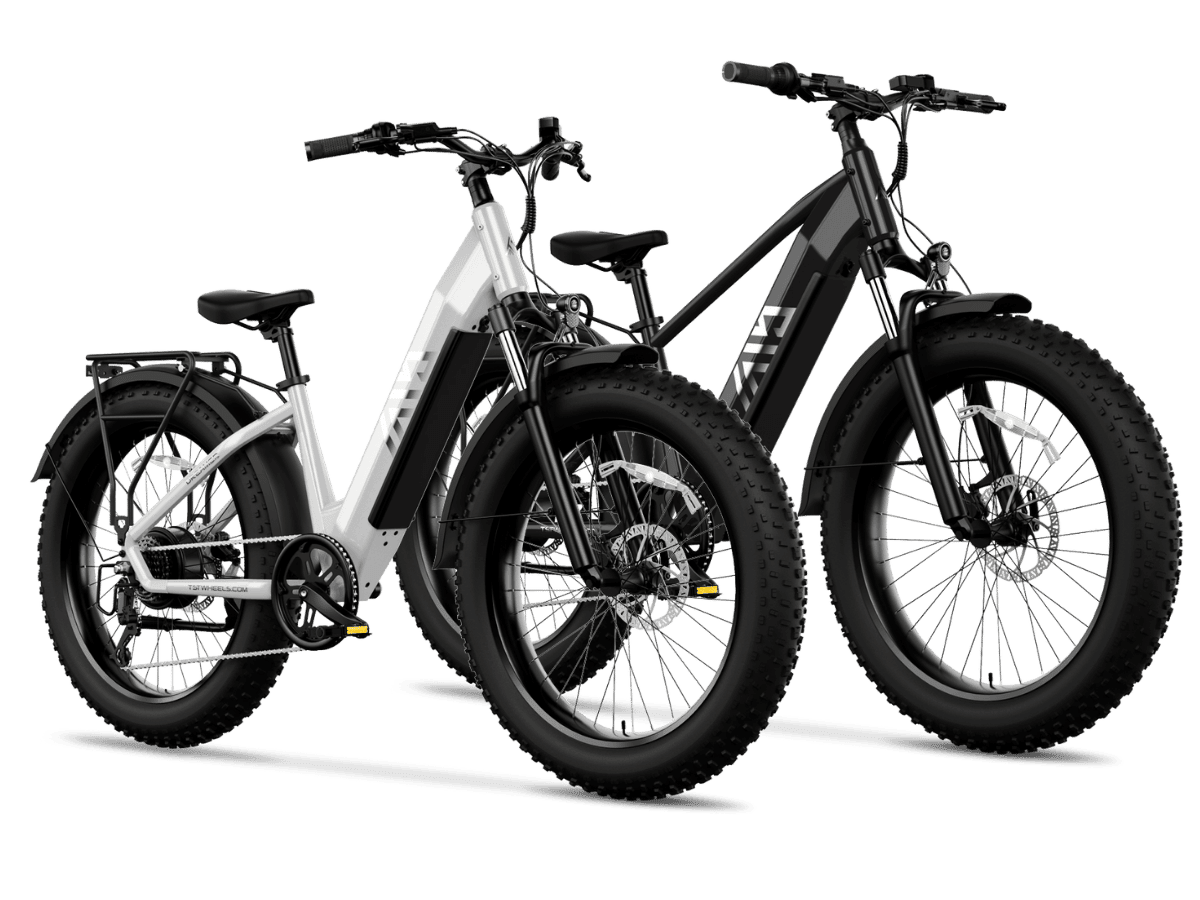
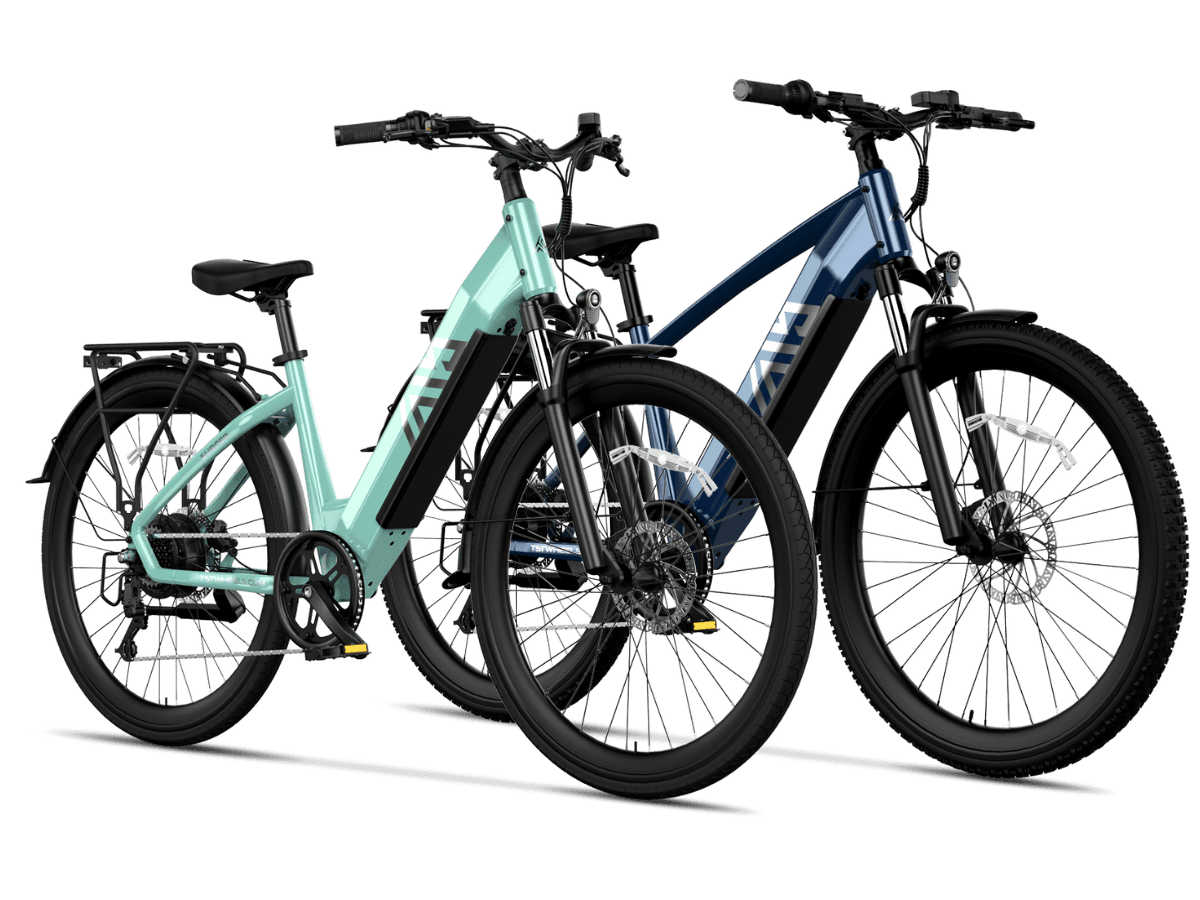
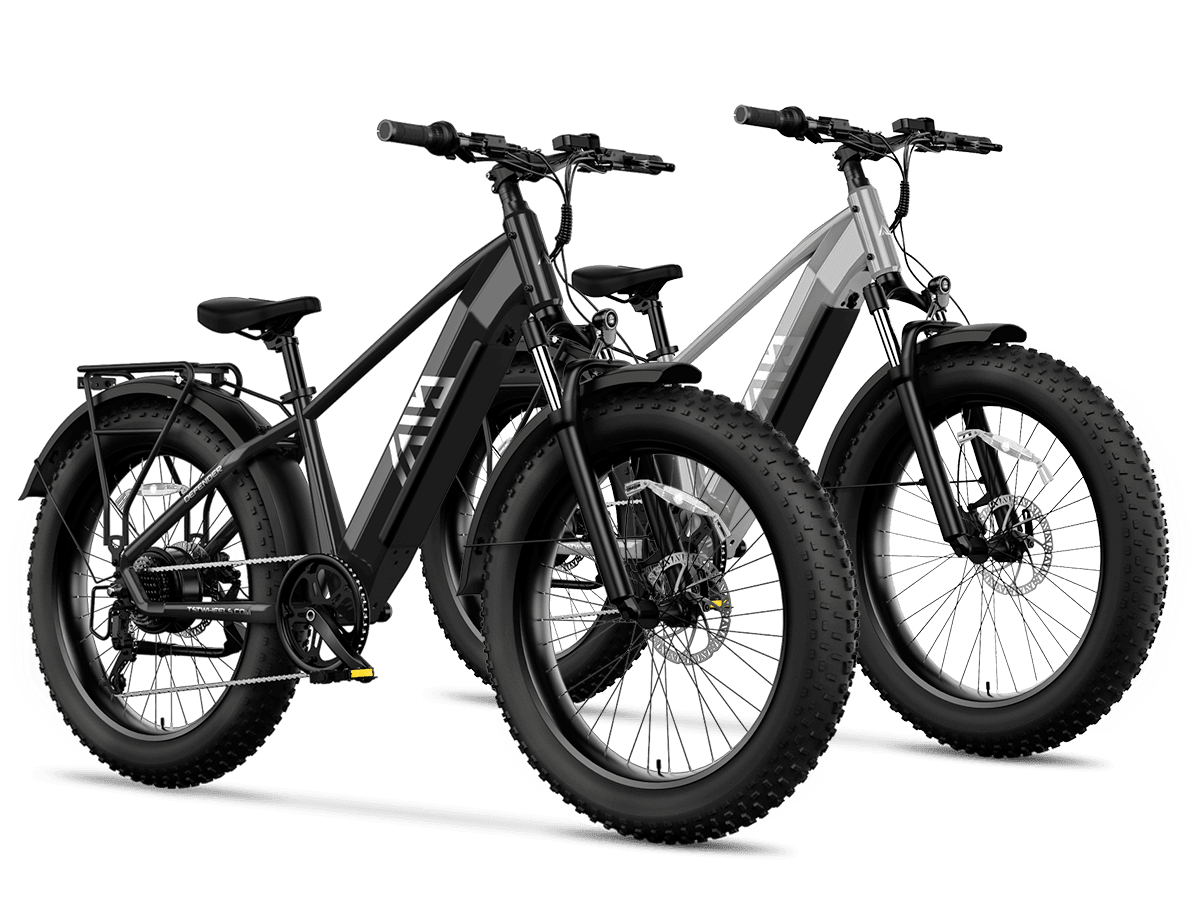
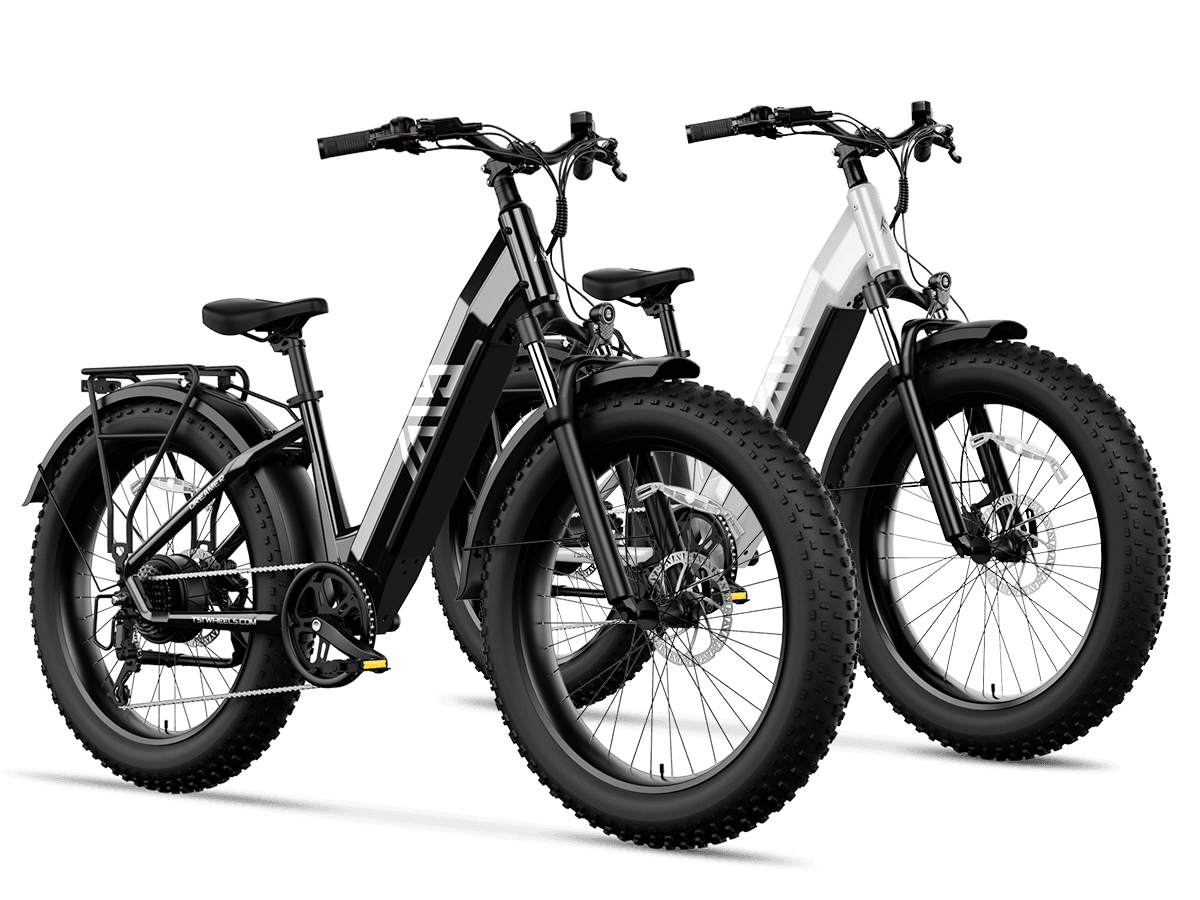
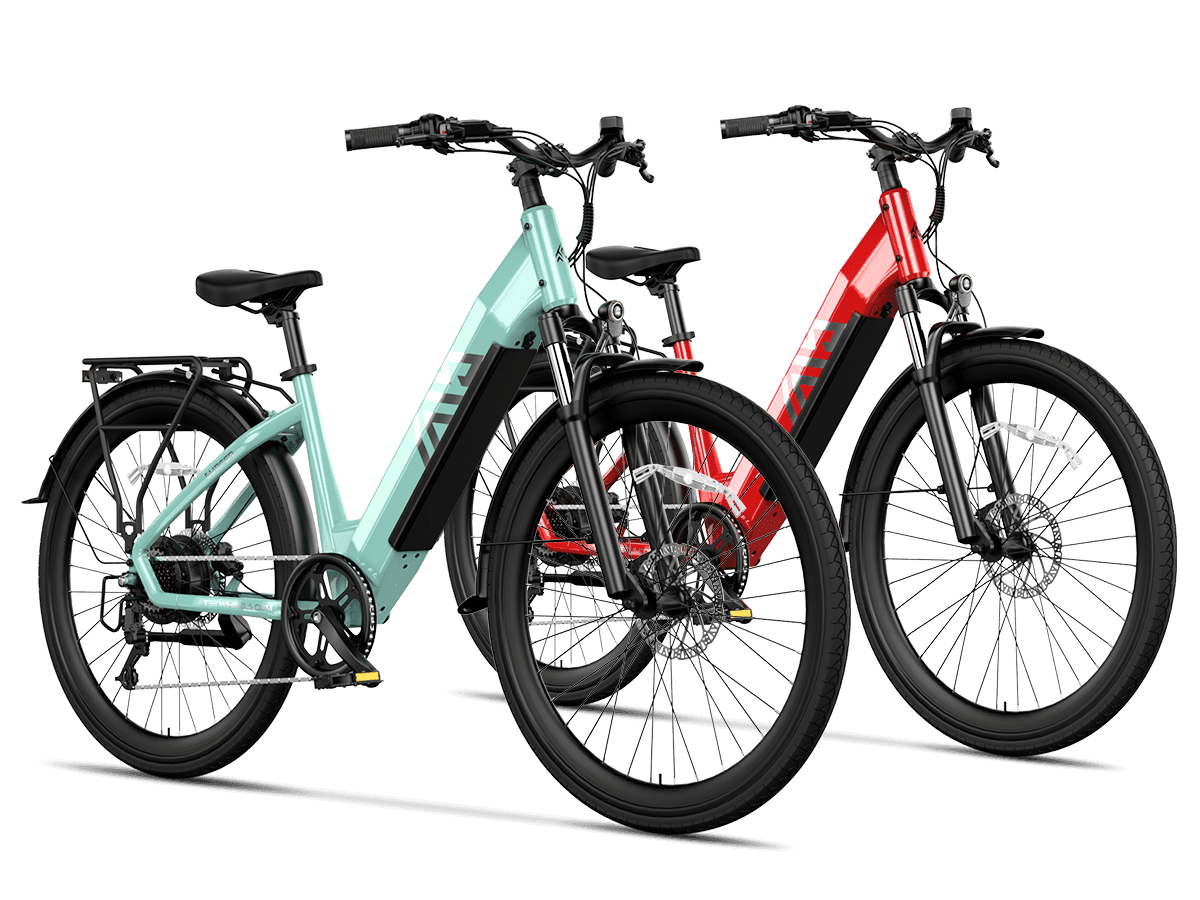
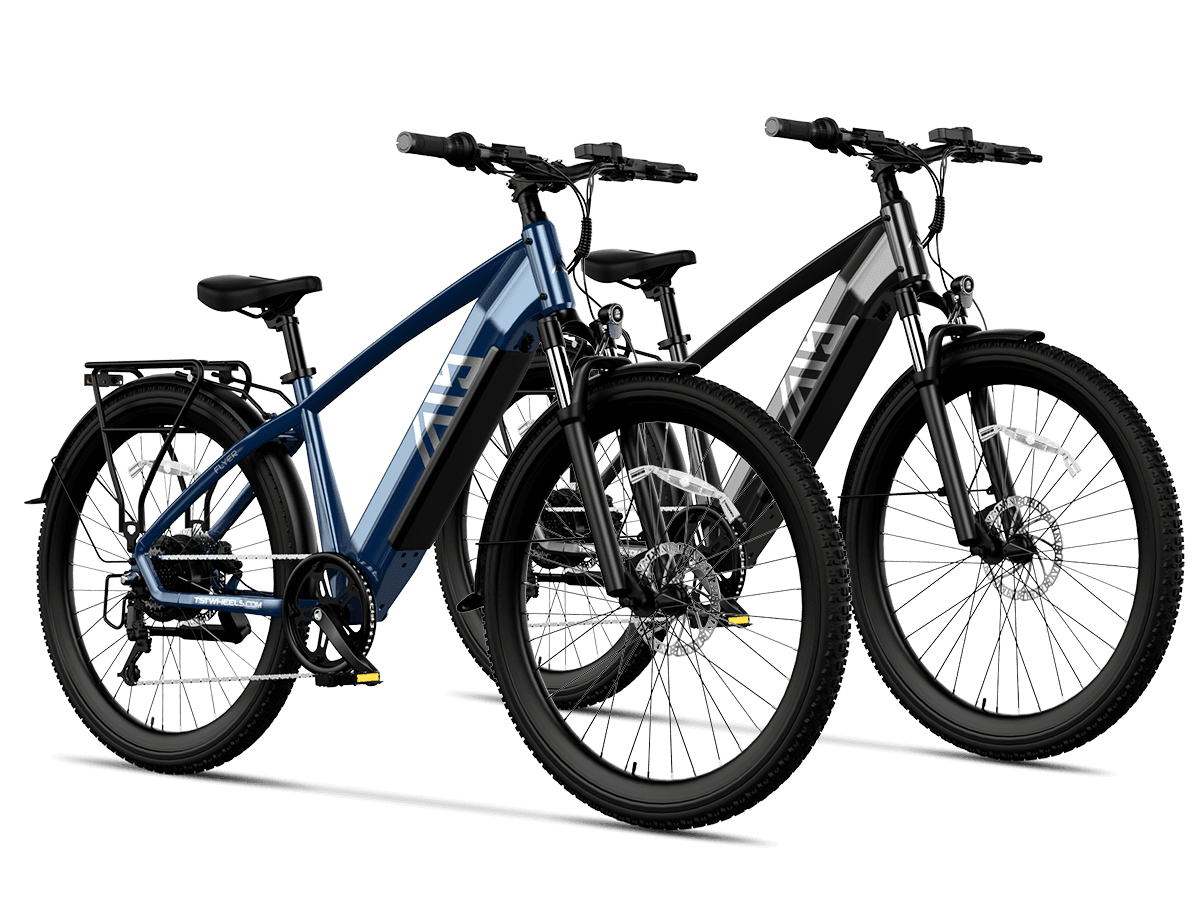
The decision to buy a vintage electric bike can offer excellent value—if you inspect it properly. A structured, data-backed checklist helps you spot safety issues, battery wear, drivetrain concerns, and hidden costs before purchase, reducing risk and saving money by choosing a high-quality bike like the ones offered by TST EBike.
Electric bikes represent a fast-growing segment of global mobility, with the overall e-bike market valued in the tens of billions of dollars and projected to continue expanding strongly over the coming decade. Yet the surge in used and vintage e-bike listings brings quality and safety challenges: inconsistent standards, battery risks, and variable maintenance histories can mean costly surprises for buyers. A systematic inspection process helps you distinguish a reliable bike from a problematic one. (Grand View Research)
How Big Is the E-Bike Market and Why Does It Matter for Vintage Buyers?
The global e-bike industry was valued at tens of billions of dollars in 2024 and is expected to grow substantially, highlighting widespread adoption. (Fortune Business Insights)
Despite growth, safety incidents such as battery fires and recalls underscore the importance of careful examination, especially for older bikes. (The Verge)
The expanding second-hand market increases the availability of used bikes, but also increases the risk that buyers encounter poorly maintained or unsafe units. (Reddit)
How Is the Traditional Approach to Buying a Used E-Bike Fallible?
Before structured checklists were common, buyers often relied on superficial cues like appearance and price. This approach overlooks critical issues: unstable batteries, misaligned frames, hidden electrical problems, and drivetrain wear that affect safety and long-term cost. Anecdotal reports show many buyers lament unexpected failures when the battery or motor performs below expectations. (Reddit)
Compared to new bikes from reputable brands like TST EBike—which undergo quality controls and offer support—vintage bikes lack guaranteed standards and may require costly parts replacement.
Why Use a Vintage Electric Bike Inspection Checklist?
A comprehensive inspection checklist helps you systematically evaluate every key component:
-
Safety – Ensures brakes, frame, and steering are reliable.
-
Battery Health – Assesses capacity and safety to avoid fire risks.
-
Drivetrain and Wheels – Checks wear on chains, gears, and rims.
-
Electrical Components – Tests motor, display, and wiring integrity.
-
Documentation and Signs of Repair – Reveals known issues and maintenance history.
This saves you money and reduces risk, making a vintage e-bike a smart investment when done right.
What Should You Inspect (Core Checklist)
Structural and Mechanical Checks
-
Frame integrity: Look for cracks, dents, or repaired welds.
-
Fork alignment: Misalignment causes poor handling.
-
Wheels and tires: Check for bends, wobbles, tread wear.
Battery and Power System
-
Battery age and cycle count: Older batteries lose capacity; ask for age information and run a range test. (a1ebikes.com)
-
Physical condition: Swelling, cracks, or leakage can signal danger. (a1ebikes.com)
-
Motor test: Listen for grinding or inconsistent power delivery.
Drivetrain and Braking
-
Chain and cassette wear: Excessive wear increases replacement costs.
-
Brake pads: Thin or worn pads need immediate replacement.
-
Gear shifting: Smooth shifting indicates good drivetrain condition.
Electronics and Controls
-
Display operation: Check that speed, assist levels, and error codes work.
-
Wiring and connectors: Loose or frayed wires can cause failures.
Ride Test
-
Test ride: Feeling the bike under real conditions reveals hidden issues.
-
Battery performance: Noticeable drop in range suggests future costs.
How Do Vintage Bikes Compare to New TST EBike Models?
| Feature | Typical Vintage E-Bike | New TST EBike |
|---|---|---|
| Battery health certainty | Low | High |
| Safety certification | Variable | Standardized |
| After-sale support | Rare | Offered |
| Price predictability | Variable | Consistent |
| Warranty availability | Not typical | Often available |
How Should You Inspect a Vintage Electric Bike (Step-by-Step)?
-
Pre-Inspection Research: Look up model specs and known issues.
-
Visual Inspection: Use a flashlight to scan frame, welds, and tires.
-
Battery Check: Ask about battery age; perform a range test.
-
Electrical Test: Turn on display; test all functions.
-
Mechanical Test: Spin wheels; check brakes and shifting.
-
Document Review: Request receipts and maintenance records.
-
Test Ride Under Load: Try different terrains to evaluate range and ride quality.
-
Negotiate Based on Findings: Factor needed repairs into price.
What Are Typical Vintage E-Bike Buyer Scenarios?
Scenario 1: Commuter Upgrade
Problem: Old commuter bike lacks electric assist.
Traditional method: Buy cheap used without inspection.
Result: Battery fails mid-week; costs more in replacements.
Key benefit: Inspection prevents surprises; ensures reliable battery.
Scenario 2: Budget Mountain Riding
Problem: Want off-road capability on a budget.
Traditional method: Assume used bike is rugged.
Result: Hidden structural damage revealed too late.
Key benefit: Frame and fork checks reveal issues ahead of purchase.
Scenario 3: First-Time E-Bike Buyer
Problem: Unsure what to examine.
Traditional method: Trust seller photos.
Result: Hidden wiring faults discovered after sale.
Key benefit: Multi-point checklist protects investment.
Scenario 4: Resale Flipping
Problem: Buy vintage bike to service and resell.
Traditional method: Quick purchase, no documentation.
Result: Low resale value due to unknown condition.
Key benefit: Good documentation and inspection raise buyer confidence.
Why Is Now the Right Time to Use a Checklist?
With the e-bike market growing fast and safety concerns rising, informed buyers protect themselves by inspecting key components. A data-supported market outlook and increasing regulatory focus mean buyers should be proactive about safety, battery condition, and performance. (Grand View Research)
FAQs
What components should I prioritize first?
Battery health and frame integrity are the most critical for safety and longevity.
How can I test a battery without special tools?
A test ride that approximates range under normal use helps reveal capacity issues.
Are older e-bike batteries safe?
Older batteries can be safe if they show no swelling and hold charge; always inspect carefully.
Can I trust a seller’s claims about battery life?
Seller claims should be verified with actual range tests and documentation when possible.
Is it worth buying a vintage e-bike over a new one?
Yes, if inspected thoroughly; brands like TST EBike offer quality and support on new purchases, but vintage bikes can be a good value with proper diligence.
Sources
turn0search0
turn0search1
turn0search2
turn0search5
turn0search8
turn0news24

Leave a comment
This site is protected by hCaptcha and the hCaptcha Privacy Policy and Terms of Service apply.