
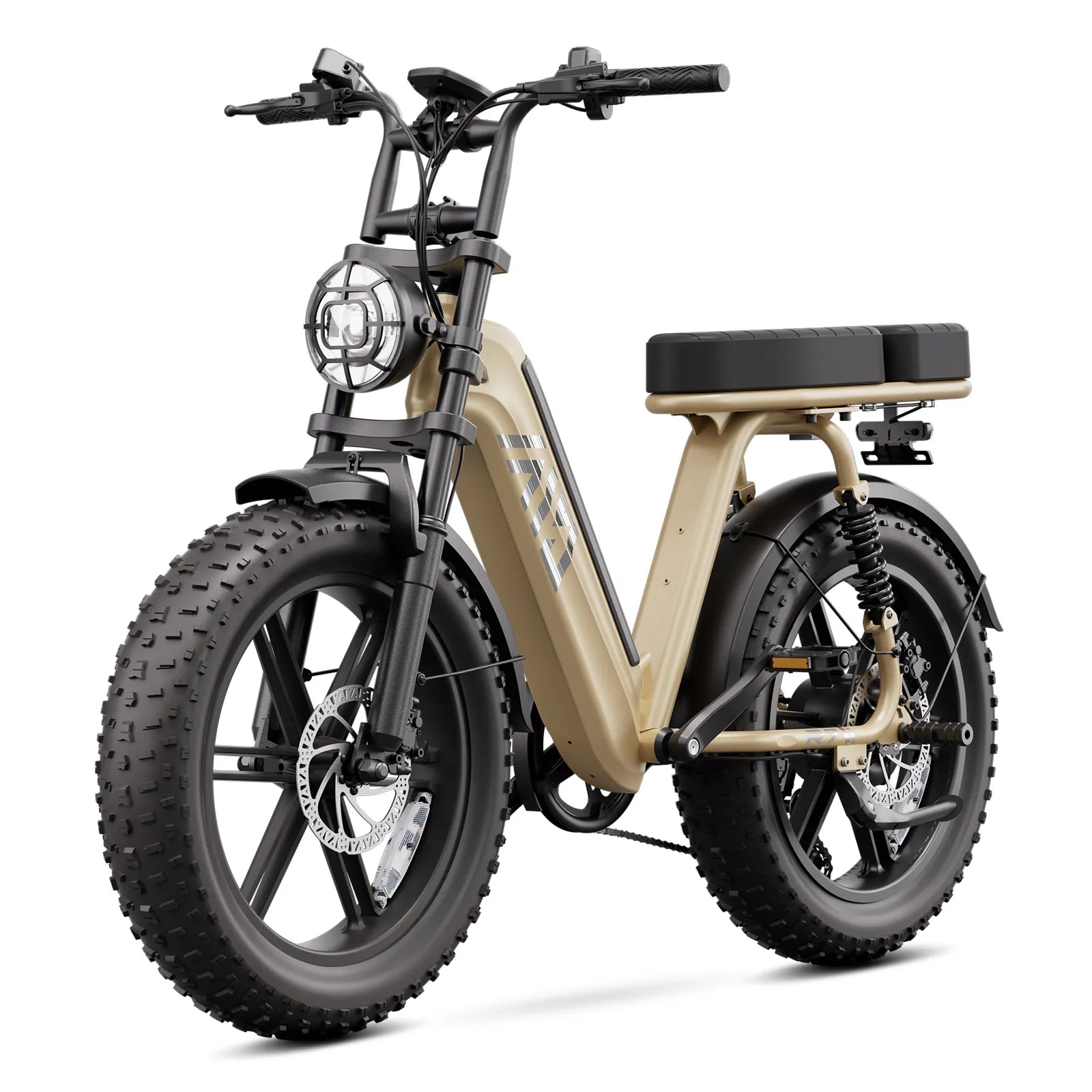
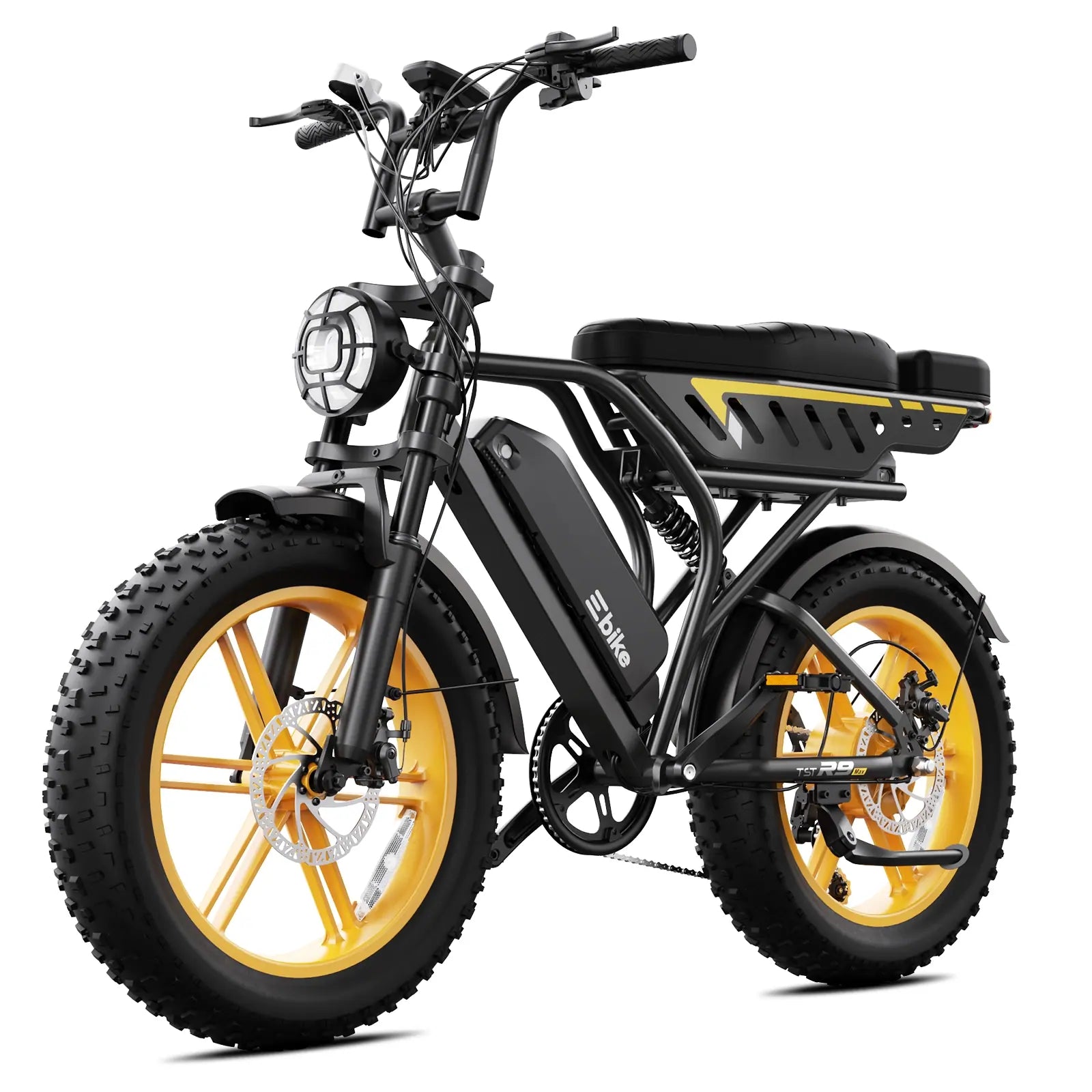
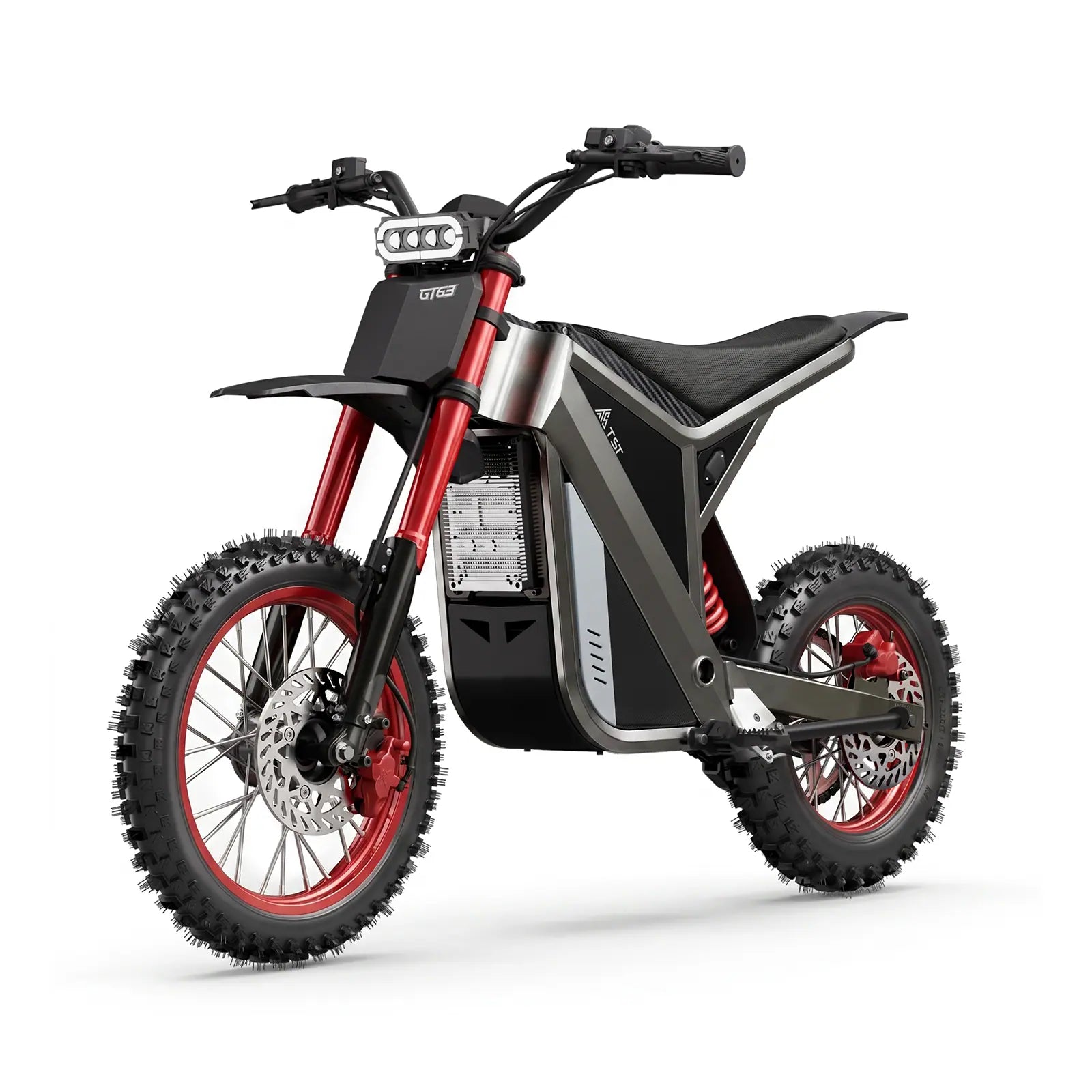
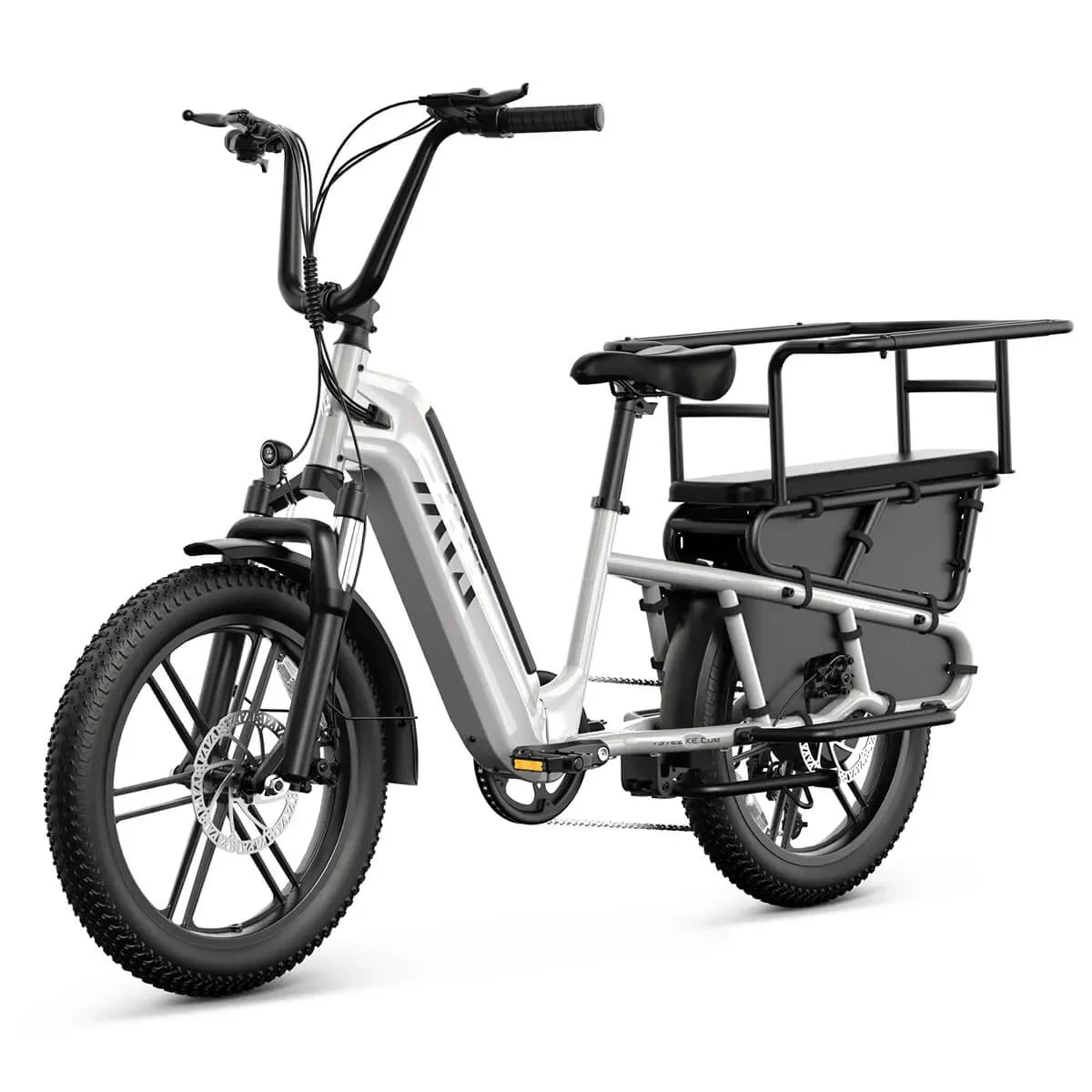
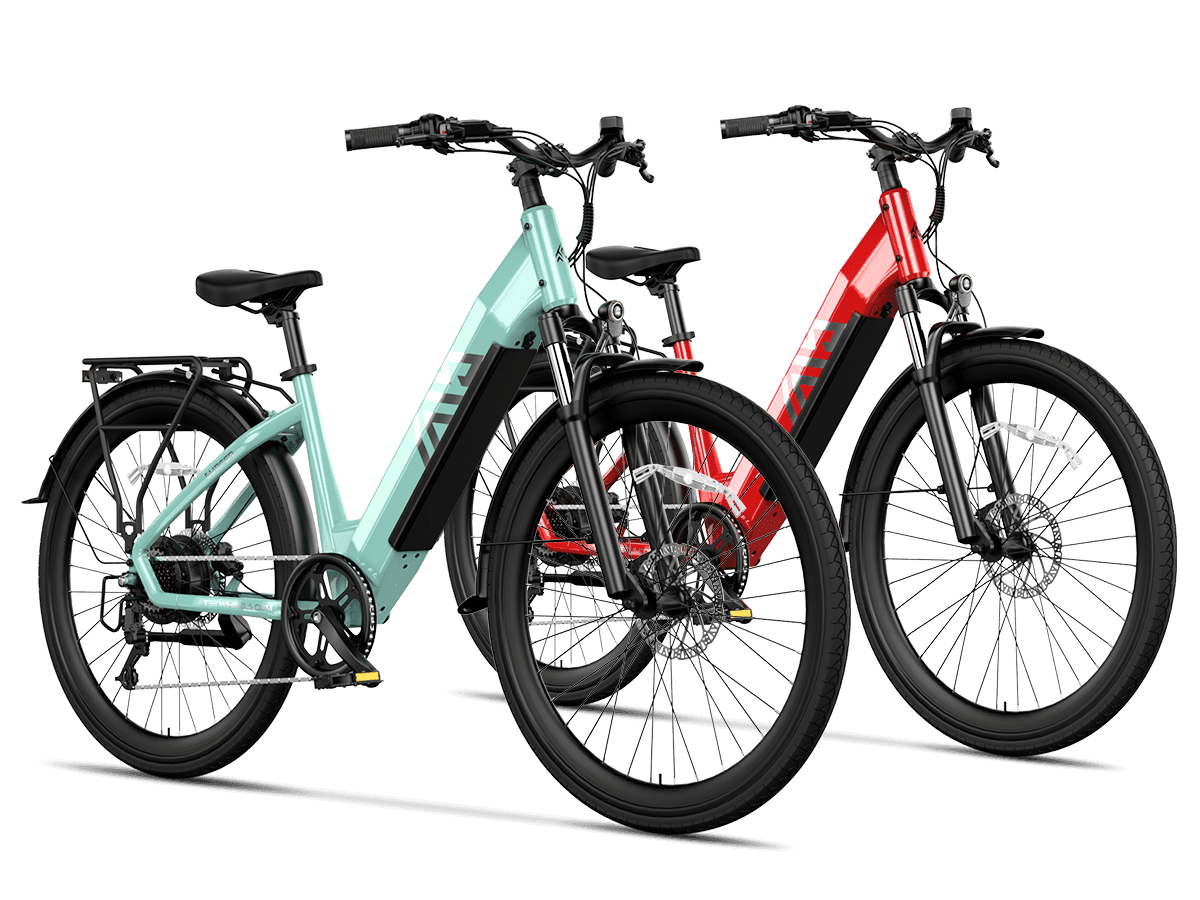
A single torque number or a single watt rating cannot tell you whether an e-bike will get you up your hill with your cargo at your target speed. Climbing and stop-and-go performance come from how torque, power, gearing, wheel size, controller current, traction, and total weight work together — and from whether that combination was ever tested on a route like yours. Two bikes with identical torque and wattage numbers on a spec sheet can behave differently once you add a grade, a stop sign, and 50 pounds of cargo.
This matters because most published comparisons rank e-bikes by a single peak number. That number describes one moment under one set of conditions, not your commute.
Why One Number Can't Predict a Hill
Torque and watts describe different physical quantities, and neither one, alone, tells you how a bike climbs.
Torque, measured in newton-meters (N·m), is rotational force — the twisting effort the motor applies to a shaft or wheel. Power, measured in watts, is the rate at which that force does work, and it equals torque multiplied by angular speed. Because power depends on speed, a motor's torque output changes as wheel speed changes: torque is typically highest near a stop and tapers as speed rises toward the motor's limit. That's why torque is the number most associated with starting from a stop and pushing through the steepest part of a grade, while sustained wattage relates more to how fast the bike can continue climbing once moving.
But torque figures on spec sheets are not standardized in where they're measured. A number described only as "torque" could be motor-shaft torque (measured at the motor's output before any internal gear reduction) or wheel torque (the effective twisting force delivered to the tire contact patch, after gearing). Geared hub motors and mid-drive motors use internal or drivetrain gear reduction to multiply shaft torque into higher wheel torque, which is one reason two motors with similar shaft ratings can climb differently once gearing is applied. When a manufacturer lists a single "Torque: 90 N·m" figure without specifying the measurement point, a buyer cannot tell whether that number already reflects gearing or not — and that distinction changes what the number means for a real hill.
Independent forum and technical explanations converge on the same relationship: torque provides the force to start and climb at low speed, while power (watts) governs how fast the bike can sustain that climb once underway. Wattage figures published by manufacturers are also frequently peak or maximum ratings, not continuous ratings — the two are not interchangeable, and a bike that shows strong peak numbers on paper can still bog down if the continuous power available under sustained load is lower.
The System Variables That Decide the Climb
Torque and watts are inputs to a larger mechanical system. The following variables determine what actually happens on your grade:
Gearing and wheel radius matter because a hub motor delivers torque directly to the wheel with no external gear reduction beyond what's built into the hub in geared designs, or none at all in direct-drive gearless hubs. A mid-drive motor sends torque through the bike's chain and derailleur gearing, so the rider or an automatic shifting system can select a gear ratio matched to the grade — a structural reason mid-drives are frequently reported to climb steep, sustained grades more effectively than hub motors of similar rating. Wheel radius also matters: a larger wheel requires more torque at the hub to produce the same forward force as a smaller wheel, all else equal.
Controller current limits and heat come into play because the motor controller regulates how much current — and therefore how much torque — is delivered at any instant, and it is programmed with thermal and current ceilings to protect the motor and battery. Sustained climbing draws higher continuous current than flat riding, and prolonged demand can cause the controller or motor to reduce output to prevent overheating, independent of what the peak rating on the spec sheet suggests. This is a documented limitation of hub motors on long, steep climbs in particular, since airflow inside a sealed hub is limited.
Traction and total mass affect how much of that torque reaches the ground without the tire slipping, so tire condition, surface, and weight distribution all matter. Total system mass — bike weight plus rider plus cargo — directly increases the force needed to climb a given grade at a given speed; a heavier configuration needs proportionally more torque and sustained power to match the same route. A bike with a 450-pound maximum payload rating gives more headroom for a rider plus cargo combination on a hilly route than one with a lower stated limit, but the torque and continuous power available at that load still need to be confirmed separately.
Battery voltage and current headroom round out the picture, since power delivered to the motor depends on both voltage and current draw from the battery. A battery pack with lower voltage headroom or a lower continuous discharge rating can constrain sustained torque output on a climb even if the motor is rated for more, which is why some manufacturers now describe torque and voltage architecture jointly rather than wattage alone. A removable battery pack rated for 60 to 80 miles of range under stated test conditions can also make it easier to swap in a charged pack before a demanding, hilly route, though actual range on a specific climb will run shorter than the flat-ground figure.
None of these variables are visible in a single torque or watt figure. A route-and-system evidence approach means checking gearing type, controller specifications, battery continuous rating, total anticipated load, and target speed together — not ranking bikes by one printed number.
Matching Motor Evidence to Your Route Demand
Different riding patterns stress different parts of the system, and the right motor evidence depends on which pattern describes your route.
For frequent stop-and-go riding — traffic lights, stop signs, cargo pickups — the limiting factor is usually low-speed torque and how the controller ramps current on launch, not top-end wattage. A motor with strong low-speed torque and a controller tuned for smooth current delivery will feel more responsive from a stop than one with high peak watts but a torque curve that only builds at higher wheel speed. A torque sensor, which measures how hard the rider is pedaling and scales motor assist accordingly, tends to deliver smoother launches in stop-and-go traffic than a simpler cadence sensor, which only detects that pedaling is occurring rather than how much force is applied.
For sustained climbs on a defined grade, the deciding factors are continuous power rather than peak power, gearing available to hold the grade, and thermal headroom over the duration of the climb. A short, steep pitch draws heavily on peak torque and current for a brief period; a long, moderate grade draws on continuous power and cooling over minutes, which is where hub motors — lacking external gearing and sealed against airflow — are documented to lose ground to mid-drives on the longest or steepest ascents.
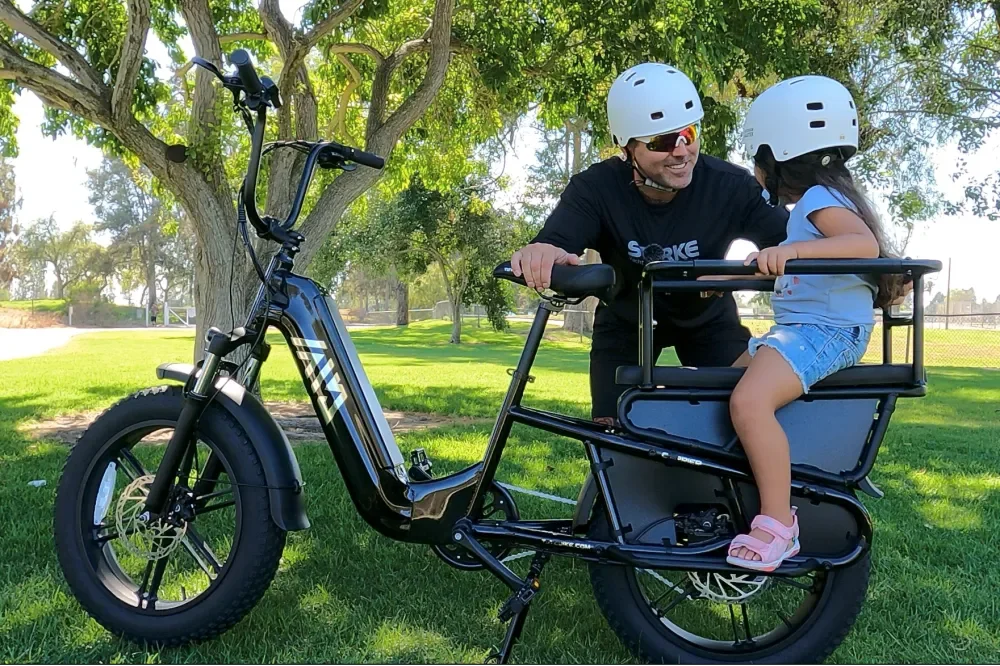
For loaded riding — cargo, a passenger, or a heavy rider — every torque and power requirement scales up with total mass, and the motor, controller, and battery all need matching headroom, not just a high torque number on the motor alone.
What the Comparison Page Confirms — and What It Doesn't
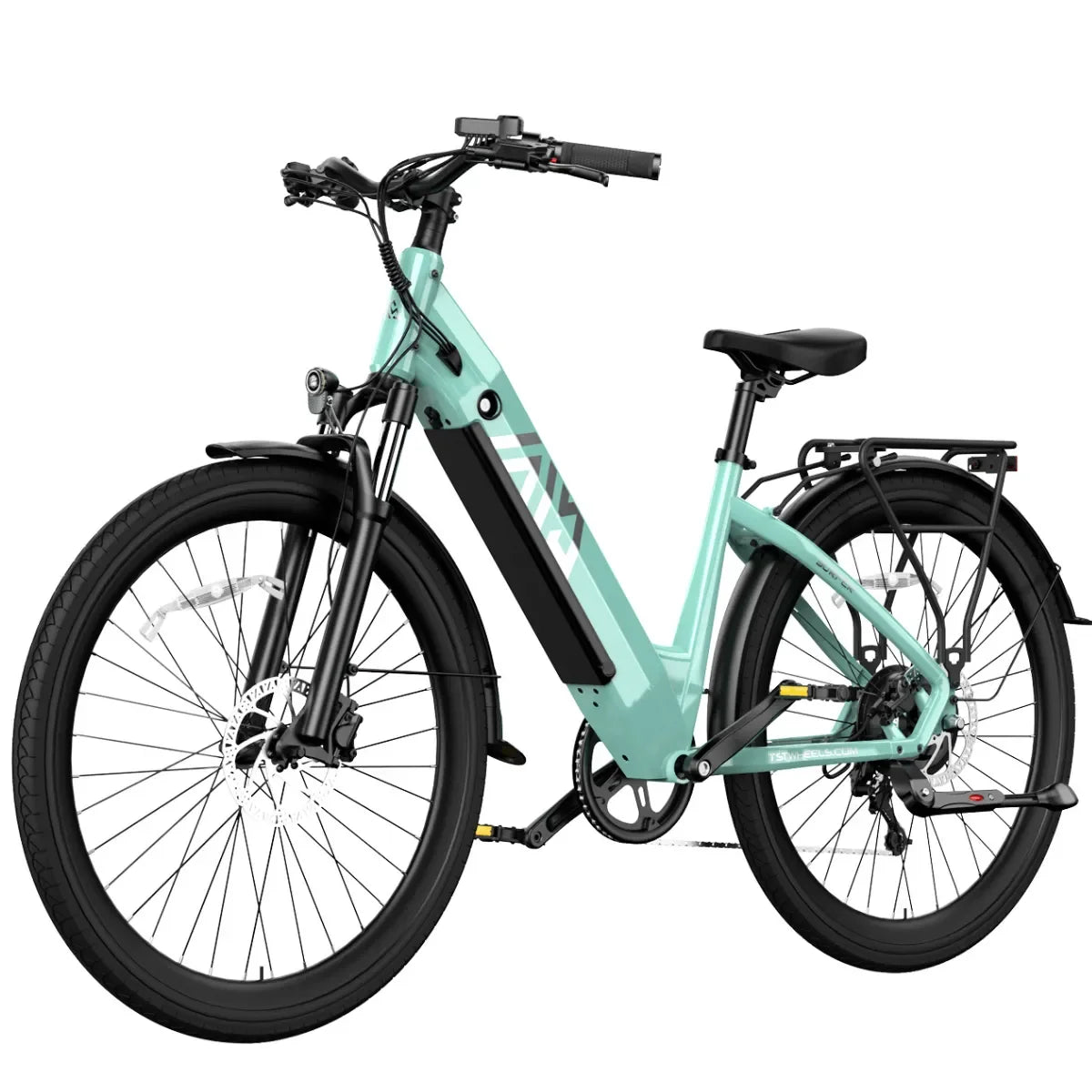
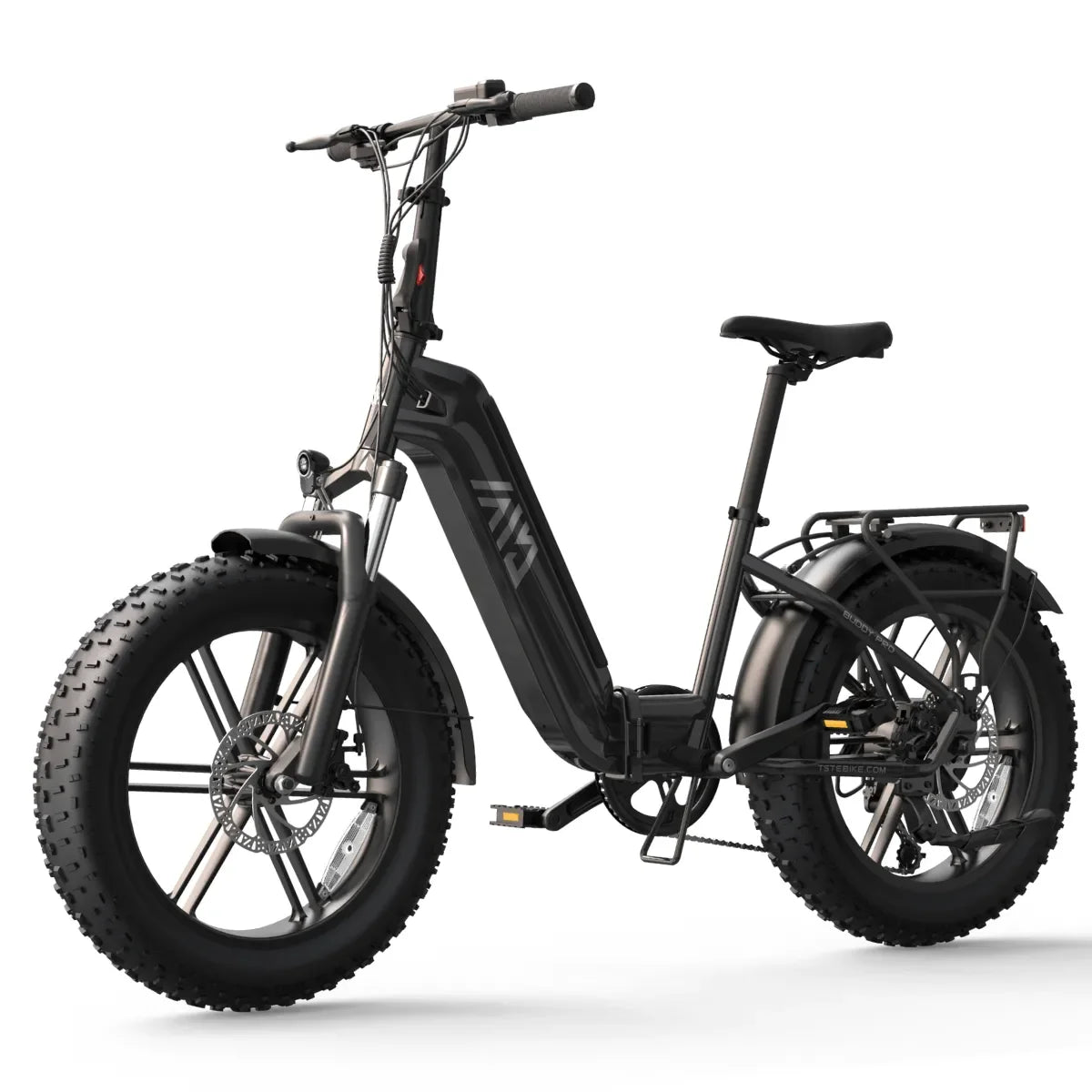
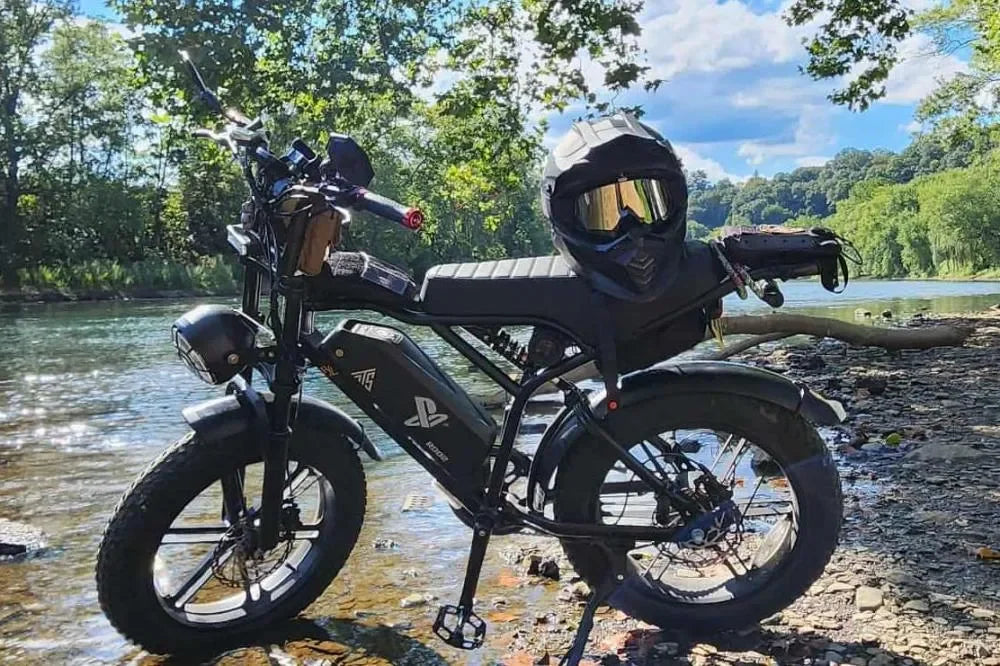
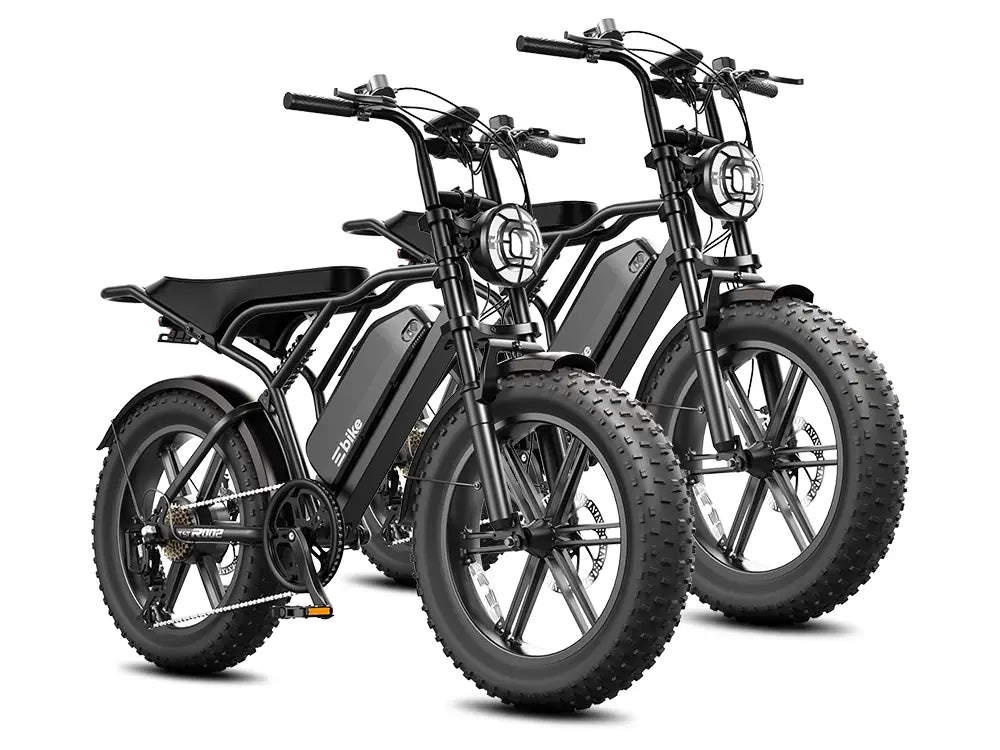
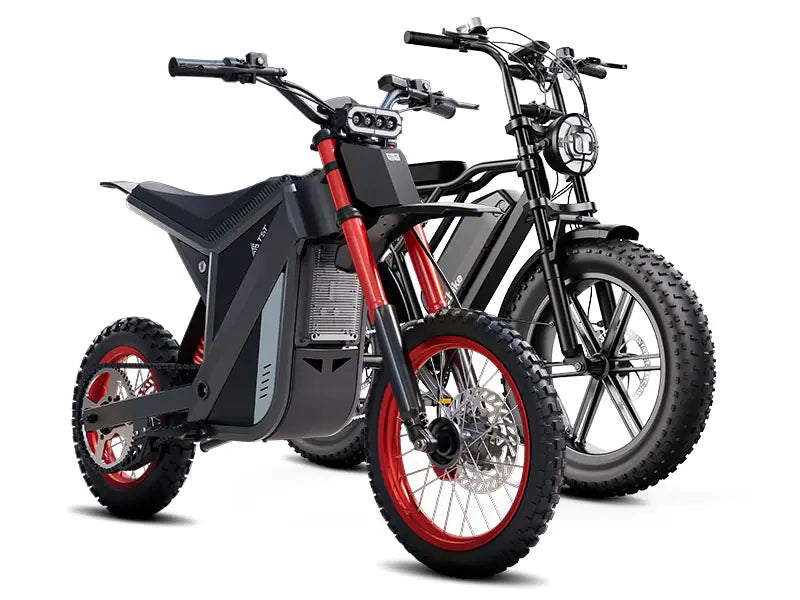
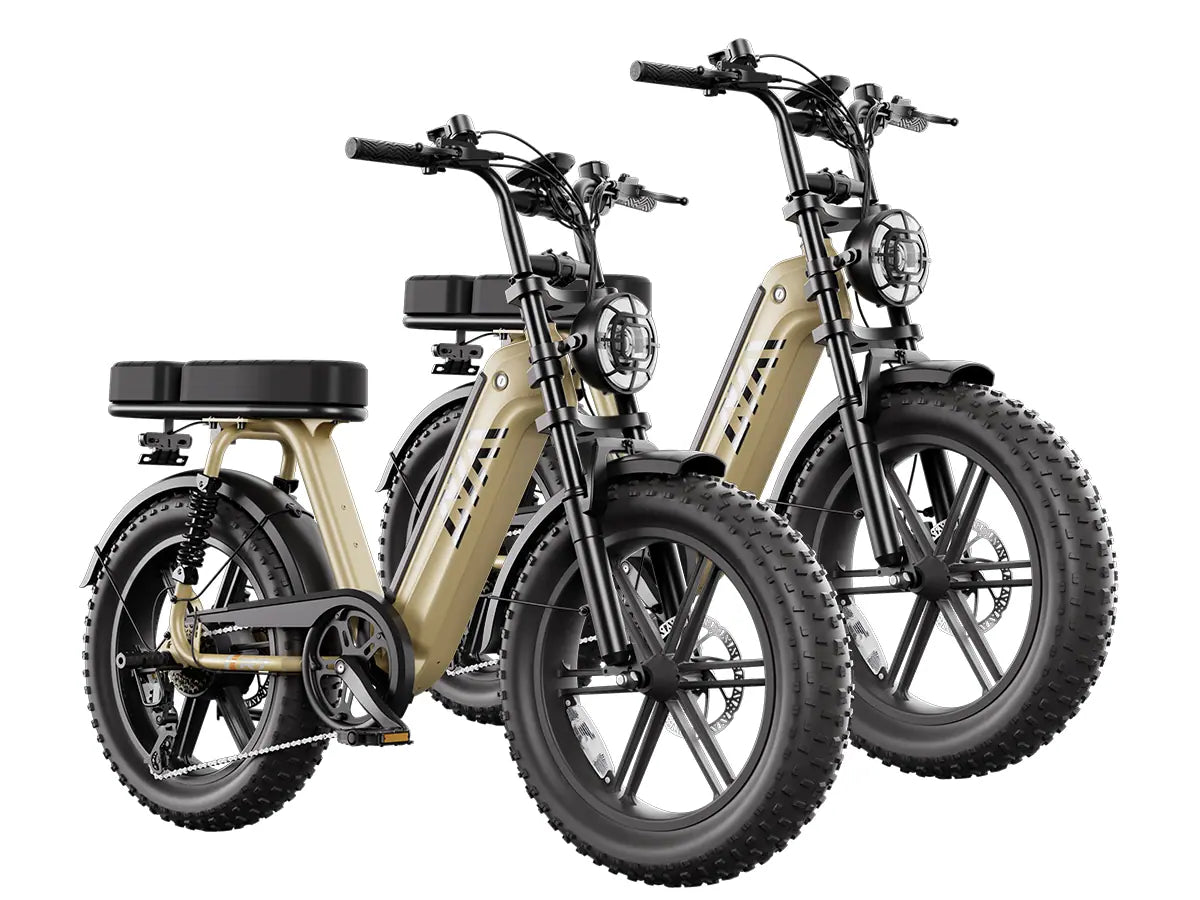
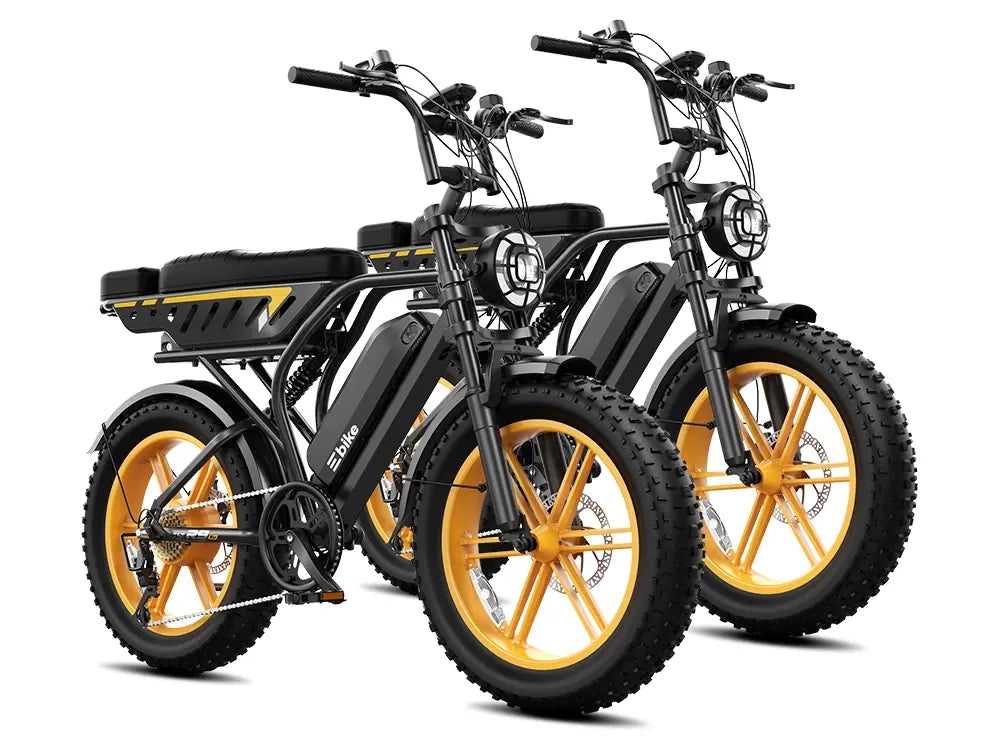
TST's model comparison page lists a "Peak Motor" wattage figure and a single "Torque" figure for each current model — for example, 1,500 W peak and 90 N·m on several full-size models, and 1,000 W peak with 60 to 70 N·m on lighter or folding models. These figures establish what TST currently states for peak motor rating and torque per model, and they're a legitimate starting point for narrowing a shortlist.
They do not, on their own, establish continuous or rated power, the exact point at which torque is measured — motor shaft versus wheel — or controller current limits, all of which matter more for sustained hill and load performance than a peak number. The comparison page also does not publish matched-condition climbing tests, meaning same grade, same rider weight, same load, same ambient temperature, across models, so it cannot be used to rank hill performance beyond what the peak and torque figures state. A buyer evaluating a specific route should treat the comparison page as the source for confirmed model specifications and use the exact product page and owner's manual for the model under consideration to check any additional continuous-power or controller detail before assuming performance on a specific grade.
TST's hub-motor explainer separately confirms a mechanical distinction relevant to this decision: geared hub motors are described as offering stronger hill-climbing performance than gearless direct-drive hub motors, because internal planetary gearing increases effective torque at the wheel, while gearless hubs are described as less efficient on steep inclines and prone to faster battery drain when climbing. That page also notes that hub motors in general involve unsprung weight and can face heat management limits under sustained heavy load — both directly relevant to a hilly, loaded route.
Motor Rating Doesn't Establish Road Classification or Legality
A motor's watt or torque rating does not, by itself, determine whether an e-bike qualifies as a legal low-speed electric bicycle in the United States, and it does not establish where the bike may be ridden.
Federal consumer-product law defines a "low-speed electric bicycle" as a two- or three-wheeled vehicle with fully operable pedals and an electric motor of less than 750 watts, whose maximum speed on a paved, level surface — powered by the motor alone, with a 170-pound rider — is under 20 mph. This is a continuous or nominal power and top-speed test, not a peak-wattage label; a bike marketed with a 1,000 W or 1,500 W peak rating is not automatically excluded from this federal category, but the relevant legal threshold is the motor's continuous output and tested top speed under those specific conditions, not the peak number printed on a spec sheet. Many states layer a three-class system on top of this federal baseline, generally capping motor output at 750 W nominal and setting different speed and access rules for pedal-assist-only, throttle-equipped, and higher-speed pedal-assist bikes. Class rules, permitted roadways, bike-lane and shared-path access, and any age, helmet, registration, or insurance requirement vary by state and locality, so a buyer needs to confirm the exact current rule for their state or city, and for the specific trail or path system they intend to use, rather than relying on the wattage or torque number alone.
Motor and torque ratings also say nothing about a bike's braking or component quality, which matter just as much once a hilly or loaded route is in play. When comparing safety-relevant hardware rather than motor labels, useful things to check include the brake type — hydraulic disc brakes generally offer more consistent stopping power on descents than mechanical rim brakes — and whether the battery is a sealed, non-removable pack or a removable pack that can be inspected, charged separately, and replaced without disassembling the frame. A written warranty period and a defined return window are also worth comparing directly rather than relying on marketing language about safety, since they indicate what recourse exists if a component underperforms after purchase.
A Route-Based Way to Evaluate Any Model
Rather than ranking models by a single torque or watt figure, match your actual route demand to the specific evidence you need to confirm before buying:
-
Define your route: typical grade percentage or steepness, whether climbs are short and steep or long and moderate, how many stops per mile, and your target sustained speed.
-
Define your load: rider weight, plus any passenger, cargo, or rack load you intend to carry regularly, not just occasionally, checked against the model's stated maximum payload.
-
For stop-and-go and launch performance, ask for the torque measurement point, motor shaft or wheel, and how the controller ramps current at low speed; a high peak-watt figure does not substitute for this.
-
For sustained climbs, ask for continuous or rated power, not just peak, and whether the drive type is geared hub, direct-drive hub, or mid-drive, since this determines whether external or internal gearing is available to hold the grade.
-
For loaded or hot-weather riding, ask about thermal limits under sustained current draw and the battery's continuous discharge rating, since heat and voltage sag, not the printed torque number, are common reasons performance falls short of expectation on long climbs.
-
Confirm your state and local e-bike class rules and any trail-specific access restriction for the exact roads, lanes, or paths you plan to use, since motor rating alone does not establish legal access.
No single spec, including a stated torque figure, is a guarantee of grade capability, acceleration, or sustained climbing speed under conditions your specific bike has not been tested against. For the exact peak wattage, torque figure, drive type, and sold configuration of a current TST model under consideration, confirm details on the model comparison page and the individual product page before purchase, and verify local class and access rules for your riding area with your state DMV or land manager before assuming any bike is suited to a specific route.

Leave a comment
This site is protected by hCaptcha and the hCaptcha Privacy Policy and Terms of Service apply.