

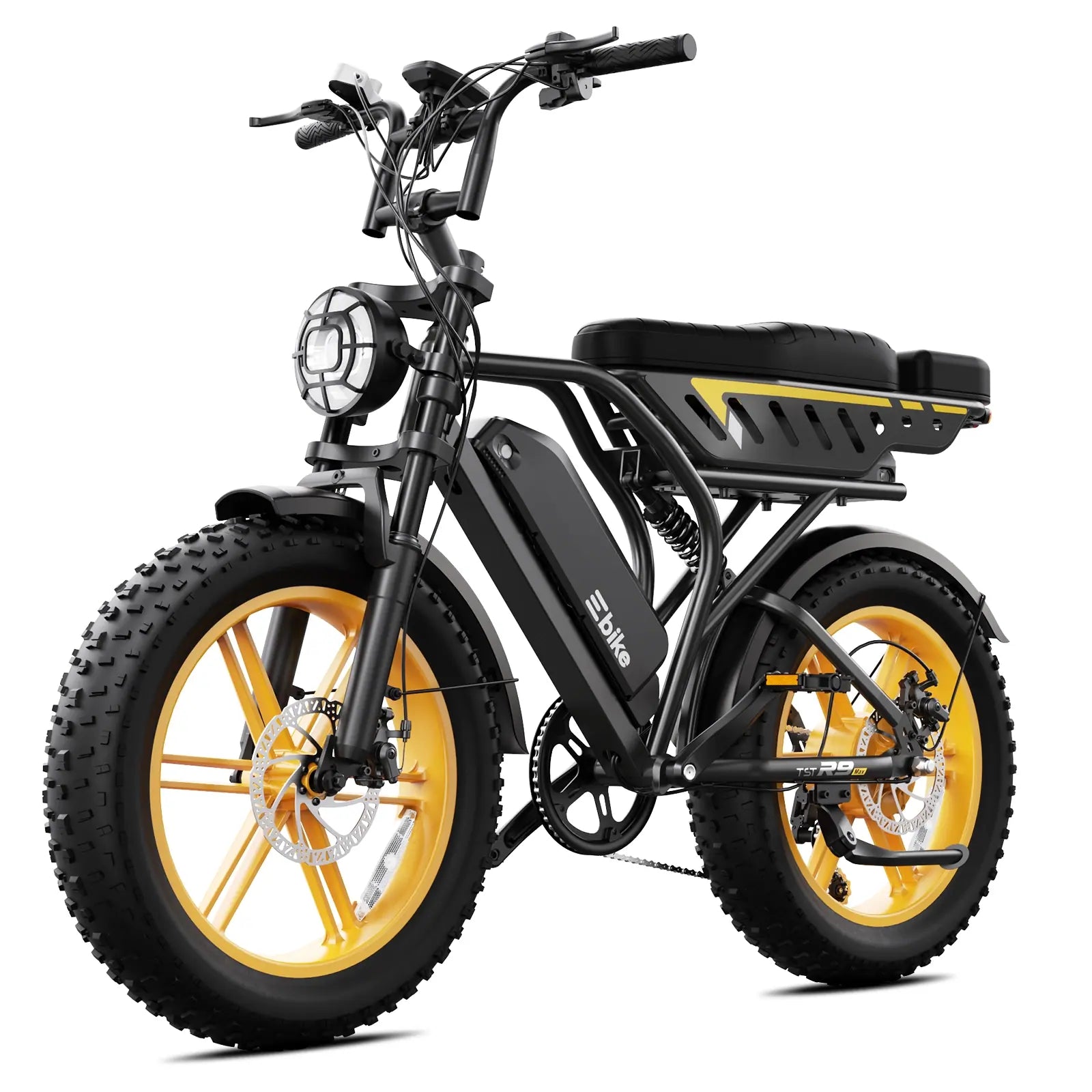
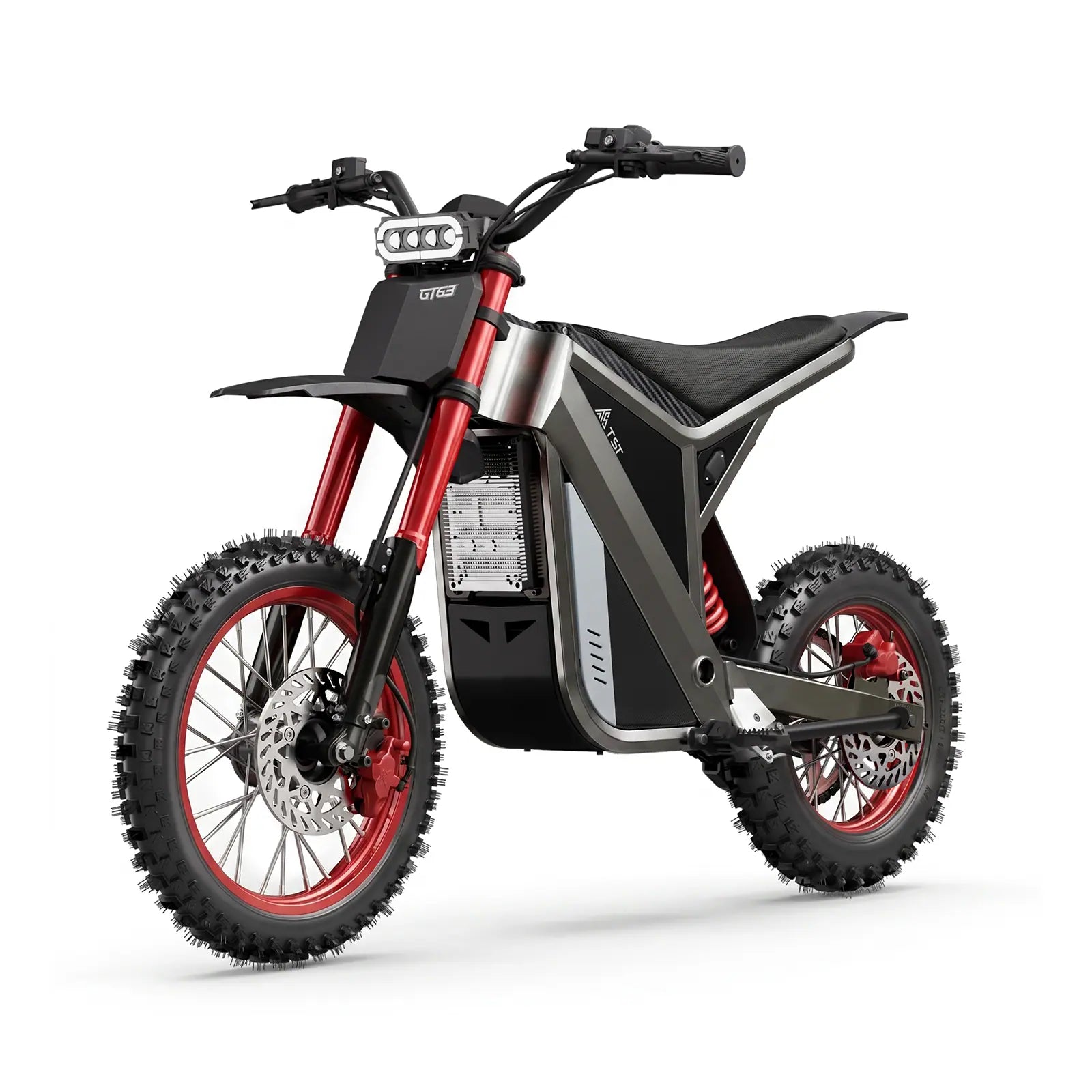









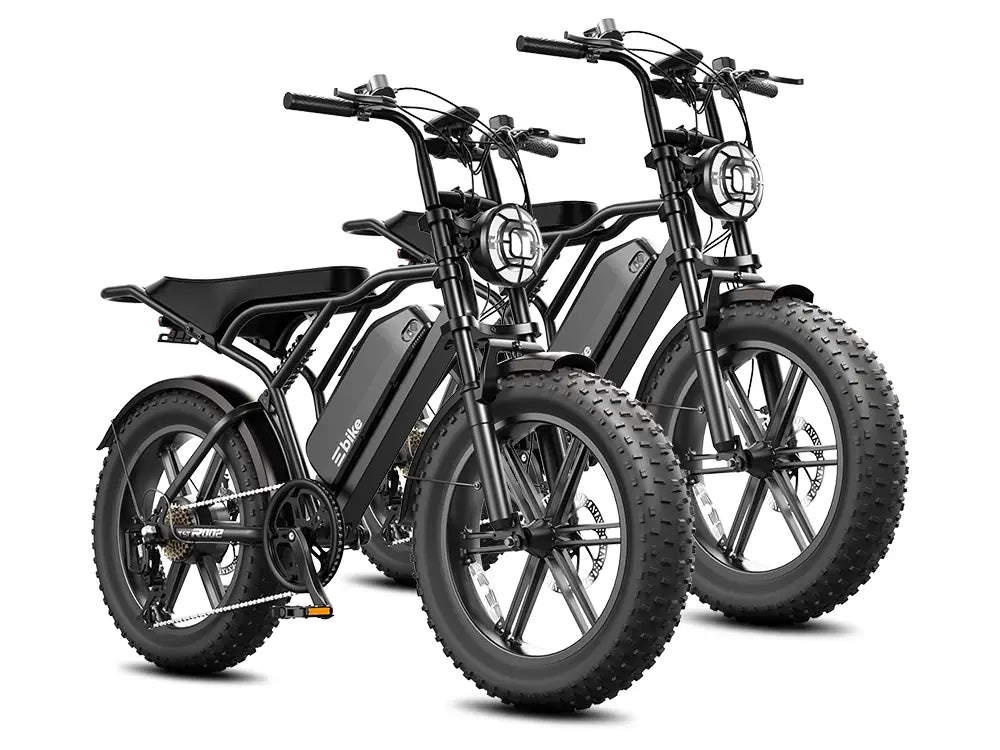
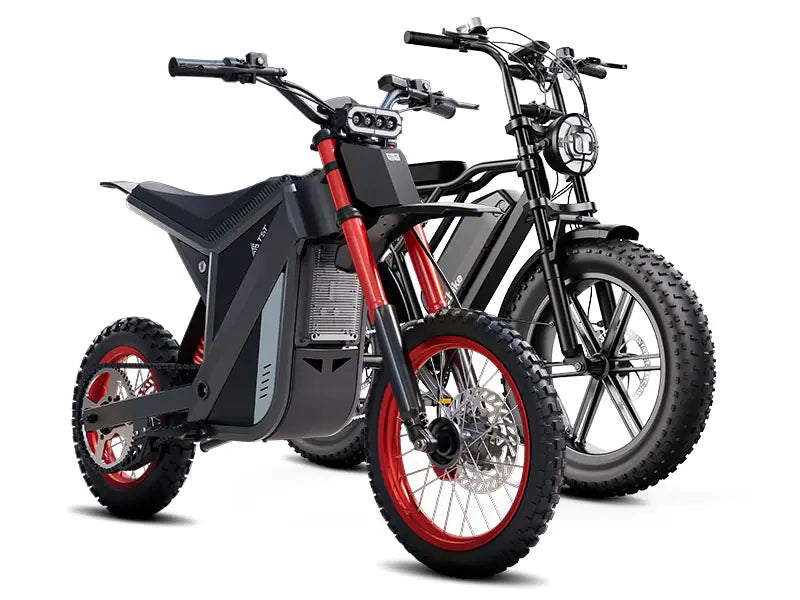

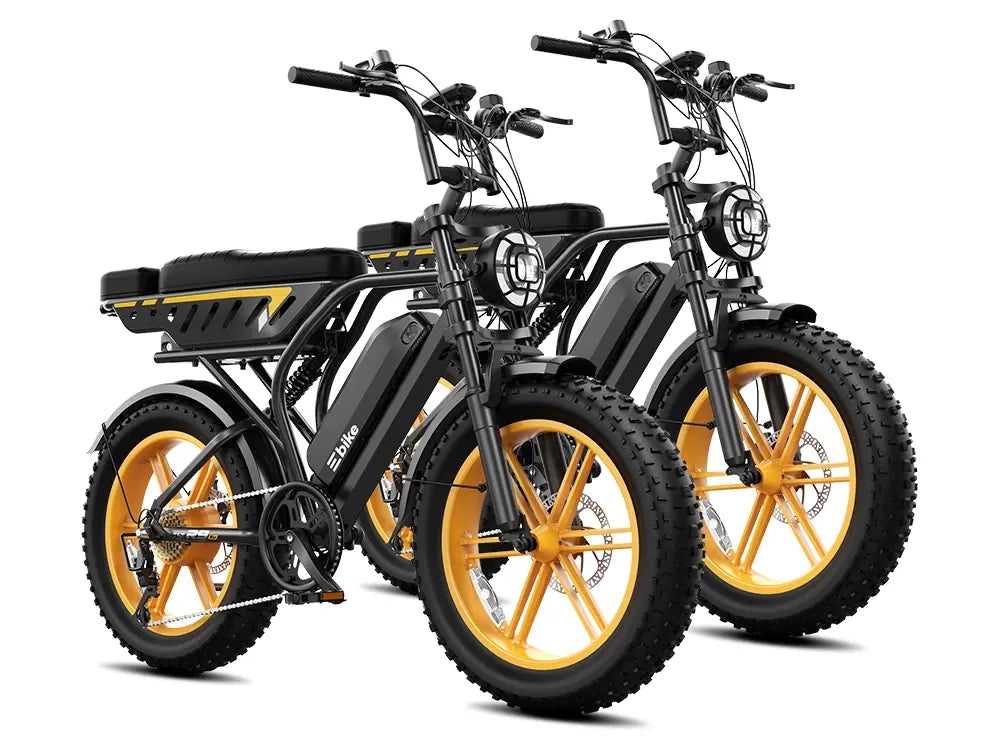

An ebike controller’s amp limit is the true “torque faucet” of your bike: it decides how much current the motor can drink from the battery at any given moment, directly shaping launch force, hill-climbing, and “push-back” feel. When a 1500W motor is paired with a higher‑amp, well‑cooled controller, it delivers harder, longer torque bursts without burning up, provided the battery and wiring are correctly matched and protected.
How does controller amperage shape ebike acceleration?
Higher controller amperage lets more current flow from the battery to the motor, instantly increasing torque and off‑the‑line thrust, which riders feel as stronger acceleration and “push‑back.” In practice, the controller’s continuous amp rating defines sustained pulling power, while the peak amp rating governs those short, aggressive launches. If battery discharge limits and thermal management are engineered correctly, higher amps transform the same motor into a much harder‑charging power unit.
From a factory‑floor perspective, we treat amperage as the “stress budget” for the entire drive system. A 1500W hub motor driven at 20A behaves like a polite commuter; at 35–40A with proper cooling, it becomes a muscular sprinter. The trick isn’t just cranking shunt settings higher, but ensuring phase wires, MOSFETs, and busbars can carry those amps without hot spots or carbonized insulation. That’s where premium controllers depart from commodity units: tighter component selection and thermal paths, not just larger peak numbers on the label.
Controller amp ratings and feel
At a given battery voltage, controller amps map almost directly to how hard your ebike jumps when you open the throttle. Engineers distinguish:
-
Continuous amps: what the controller can safely sustain under load.
-
Peak amps: short bursts for launch, hill starts, and sprints.
-
Battery discharge amps: the real ceiling, dictated by cell chemistry and BMS.
On a well‑matched 48V system, going from 20A to 35A can cut 0–25 km/h time nearly in half, assuming tires, rider weight, and traction allow the motor to use the extra torque instead of just spinning.
Why does the same 1500W motor feel stronger with a high‑amp controller?
A 1500W rating is simply voltage multiplied by current at a nominal operating point, not a fixed ceiling on real‑world torque. When you pair the same 1500W motor with a controller that allows higher peak amps, you’re effectively feeding it harder for short periods, which produces more torque at low speed and a much stronger “push‑back” sensation. As long as thermal limits and battery current ratings are respected, the motor’s copper and magnets can safely deliver significantly more launch force than the sticker wattage suggests.
On the test bench, I’ve run identical 1500W hub motors first at 48V 22A, then at 48V 38A, using identical wheels and loads. The second setup consistently produced roughly 70% more launch torque, even though both were “1500W” systems on paper. The difference came from how aggressively the controller ramped current during the initial few hundred milliseconds. High‑amp, torque‑biased controllers push more phase current at very low duty cycles, so the motor behaves like a short‑burst torque machine instead of a gentle cruiser.
Example: 1500W motor, different controllers
This is why TST EBike focuses so much on controller current capability and thermal design when tuning their high‑power bikes: the same nominal motor wattage can support distinctly different personalities depending on amp limits and ramp profiles.
What components inside an ebike controller actually carry those amps?
Inside a modern controller, high current flows mainly through the MOSFET power stage, copper busbars or thick PCB traces, phase wire terminations, and the shunt resistor that measures current. The microcontroller and logic circuitry decide how hard to drive those MOSFETs, but the real amp handling capacity comes from semiconductor choice, copper cross‑section, and how well heat can escape through pads, thermal vias, and heat sinks.
When I inspect controllers from serious brands like TST EBike, I look first at MOSFET package size and quantity, then at how phase wire lugs are crimped and soldered. Budget units often use minimal copper and small, low‑cost MOSFETs rated just above spec; they work at 18–22A but choke under sustained 35A. By contrast, robust controllers will over‑spec the silicon, use wide copper planes, and integrate a clearly engineered thermal path from each MOSFET tab into the housing, making 35–45A continuous realistically sustainable.
Key internal hardware for high amps
-
MOSFETs: The “switches” that handle motor phase current; larger, better‑cooled devices sustain higher amps.
-
Shunt resistor: Precisely measures current; its value and placement influence control accuracy and heat.
-
Copper paths: Busbars or heavy PCB traces carry current; narrow or thin copper creates bottle‑necks.
-
Connectors and phase wires: Undersized gauge or poor crimping becomes a hot, failure‑prone point.
A controller that is truly comfortable at 40A is not just firmware‑unlocked; it shows its amp capability in copper, silicon, and mechanical layout.
How are waterproofing and internal heat dissipation balanced in a quality controller?
Waterproofing and heat dissipation are a mechanical tug‑of‑war: sealing a controller tightly protects it from moisture but traps heat; opening it for better airflow exposes sensitive electronics to corrosion. Factory engineers solve this by using sealed housings with defined thermal escape routes—aluminum heat spreaders, thermal pads, and potting compounds that conduct heat to the outer case while conformal coatings protect circuit surfaces from moisture.
On the teardown bench, I pay close attention to how silicone gaskets meet cable glands, whether MOSFETs sit on a dedicated machined heat plate, and how potting material (if used) flows around components. TST EBike’s better controllers, for example, use a fully sealed shell for IP‑level protection, but couple the MOSFET bank firmly to the enclosure wall so it acts as an external radiator. This way, the internal components stay dry, yet continuous high‑amp riding doesn’t cook the board.
Typical waterproof and cooling strategy
-
Housing: Cast or extruded aluminum with gasketed lids to block water ingress.
-
Conformal coating: A thin protective layer on PCBs to resist condensation and splashes.
-
Thermal interface: Pads, grease, or direct clamping between MOSFETs and case.
-
Potting: Used selectively; too much insulates heat, too little leaves vulnerable gaps.
Thoughtful internal layout lets a controller achieve both water resistance and steady heat evacuation instead of choosing one at the expense of the other.
Which controller amp settings should everyday riders actually choose?
Most everyday riders are better off with a controller in the moderate amp range that balances acceleration, range, and component lifespan. For a 1500W hub motor on a 48V system, a continuous rating around 25–30A and a peak rating around 35–40A usually delivers strong, confident acceleration without over‑stressing battery cells or cooking phase wires, assuming quality components and reasonable rider weight.
From my tuning experience, riders who mostly commute on flat roads seldom benefit from the extra wear that comes with pushing 40A+ on a mid‑range motor. Their real gains come from smoother current ramping and intelligent pedal‑assist profiles rather than brute peak amperage. Brands like TST EBike tune their high‑power bikes with profiles that give you instant torque for traffic gaps and hill starts, then roll back current slightly once you’re moving to protect range and thermal margins.
Practical amp recommendations by use case
Choosing the right controller is partly about numbers, but mostly about matching those numbers to how and where you actually ride.
What risks come with simply increasing controller amperage?
Blindly increasing controller amps can overheat the motor, trip the battery management system, and accelerate wear on connectors, phase wires, and MOSFETs. Excessive current creates localized hot spots that carbonize insulation, soften solder joints, and eventually crack silicon, especially in controllers without robust heat sinking or in bikes ridden hard on steep climbs or in hot climates.
In our lab, we see the same pattern repeatedly: riders install higher‑amp controllers on stock wiring, enjoy a week of thrilling acceleration, then start hearing subtle clicking, smelling hot insulation, or experiencing random cut‑outs. The underlying issue is that phase wires, cell interconnects, and shunts were all sized for the original amp limit. TST EBike tackles this by designing the entire power path—battery, harness, controller, and motor—as a coordinated amp ecosystem instead of letting aftermarket parts push one element far beyond what the others can safely survive.
Common failure modes from excessive amps
-
Motor overheating: Prolonged high current saturates magnets and cooks stator windings.
-
Battery stress: Cells experience higher voltage sag and accelerated aging; BMS may shut down.
-
Connector damage: Undersized or corroded connectors heat up, melt, or arc under load.
-
Controller failure: MOSFETs and shunts exceed safe temperature, leading to sudden catastrophic failure.
Raising amps responsibly means upgrading the entire current path, not just changing one setting or swapping a single box.
How does controller programming influence perceived acceleration beyond raw amps?
Controller firmware dictates how quickly current ramps up when you twist the throttle or engage pedal assist, so two controllers with identical amp ratings can feel entirely different. Aggressive ramp maps dump current early, giving a sharp, motorcycle‑like jump, while conservative maps feed current more progressively, prioritizing traction, comfort, and battery life.
In my tuning work, I treat current ramp curves as the hidden “personality file” of the bike. Even with the same 35A peak, you can program a gentle city profile, a responsive trail profile, or a near‑race launch that borders on wheel‑spin. TST EBike invests heavily in these curves for their high‑power systems, shaping torque delivery to feel strong yet predictable, rather than simply maxing out amps and hoping riders can handle it.
Programming elements that shape acceleration feel
-
Ramp rate: How fast current rises from zero to target; steep ramps feel brutal, shallow ramps feel refined.
-
Throttle mapping: Linear, exponential, or custom curve between throttle input and current.
-
PAS levels: Different assist modes cap amps differently to balance comfort and range.
-
Thermal throttling: Firmware reduces amps automatically when temperatures climb too high.
Well‑tuned software lets you enjoy the benefit of higher amps without turning every ride into a traction and battery management gamble.
Why does phase current matter as much as battery current in acceleration?
Battery current (what you see on many spec sheets) and phase current (what the motor windings actually experience) are related but distinct. Controllers can multiply phase current at low speeds through PWM, meaning a modest battery current can still translate into significant motor torque. This is why smart controllers with careful phase‑current limits can make a bike feel punchy without brutalizing the battery.
When I profile controllers on the dyno, I watch both battery and phase current curves. Poorly tuned units may allow huge phase current spikes during stall‑like conditions, which dramatically heat the motor while barely moving the bike. Sophisticated designs constrain phase current intelligently, shaping torque delivery so you get strong acceleration without crossing thermal lines inside the motor. TST EBike’s high‑power setups pay attention to this; they’re tuned so phase‑current spike behavior stays within what their motors’ copper and magnet design can safely tolerate.
Battery vs phase current in practice
-
Battery current: Determines stress on cells, BMS, and main harness; closely tied to range.
-
Phase current: Directly sets torque at the motor; high values at low speed define launch and hill strength.
-
Control strategy: Good controllers cap phase current to avoid “stall torture” while still allowing brisk starts.
Understanding both currents explains why numeric amp ratings don’t always tell the full story of acceleration feel.
Are sine‑wave controllers better for strong yet controllable acceleration?
Sine‑wave controllers generally provide smoother, quieter acceleration than square‑wave units, while delivering similar or better torque for a given amp rating. Their more refined control of motor phases reduces torque ripple, making hard launches feel composed rather than jerky, which is especially noticeable on high‑power hub motors.
From hands‑on experience, I’ve found that riders upgrading from square‑wave to well‑implemented sine‑wave controllers often describe the bike as “strong but civilized.” Acceleration remains forceful, but you lose the choppy, on‑off feel that wastes traction and invites wheel‑spin. TST EBike leans into this style of control on many of their performance bikes, aiming for a refined, premium ride feel where power is abundant yet precisely delivered.
Sine vs square wave impact on launch
-
Sine‑wave: Smooth torque, reduced audible noise, better traction under hard starts.
-
Square‑wave: Strong but abrupt torque steps, more motor noise and vibration.
-
Rider perception: With sine‑wave, higher amps feel usable and confidence‑inspiring instead of intimidating.
Pairing high controller amps with sine‑wave control is a proven way to get brutal torque in a package that still feels professional and predictable.
TST EBike Expert Views
“When we tune a high‑power system at TST EBike, we don’t start with wattage—we start with amps, copper, and temperature. On the bench, it’s obvious that a 1500W motor with a well‑engineered 35–40A controller and solid phase wiring feels like a whole different machine than the same motor driven gently. The hard part isn’t getting more push‑back; it’s making that push‑back repeatable on hot days, steep hills, and heavy loads, without ever crossing the line where insulation, bearings, or cells give up. That’s where controller hardware and thermal paths matter more than spec sheet slogans.”
Conclusion: How should riders think about controller amps and acceleration?
For real‑world riding, think of controller amps as your bike’s “torque envelope”—the higher the continuous and peak ratings (within safe limits), the stronger and more immediate your acceleration can be. The same 1500W motor can feel tame or explosive depending on how many amps the controller allows, how quickly it ramps them in, and how well the system sheds the resulting heat.
If you want harder push‑back without turning your ebike into a fragile science experiment, focus on:
-
Matching controller amps to motor and battery ratings.
-
Ensuring phase wiring, connectors, and cooling are sized for those amps.
-
Choosing brands, like TST EBike, that design the whole power path as a coherent system.
-
Valuing good programming and sine‑wave control as much as raw amp numbers.
When all these pieces align, higher amps become a tool for exhilarating yet reliable acceleration, not a shortcut to premature failure.
FAQs
What size controller amps are best for a 1500W ebike?
For most riders, a 25–30A continuous and 35–40A peak controller suits a 1500W motor, delivering strong acceleration while keeping motor and battery temperatures in a safe range.
Can I just install a higher‑amp controller for more acceleration?
You can, but only if your battery, phase wires, connectors, and motor are rated for the extra current; otherwise you risk overheating, cut‑outs, and premature component failure.
Does a waterproof controller run hotter than an open one?
Fully sealed controllers can run hotter, so quality designs use aluminum housings, thermal pads, and thoughtful layout to move heat out while keeping water away from the electronics.
Are sine‑wave controllers worth it for high‑power ebikes?
Yes, sine‑wave controllers make hard acceleration smoother and quieter, improving traction and comfort; they are particularly beneficial on high‑amp, high‑power setups.
How do I know if my ebike controller is limiting my acceleration?
If your bike feels sluggish off the line despite a capable motor and healthy battery, and amp readings plateau quickly, your controller’s current limits or ramp maps are likely the bottleneck.

Leave a comment
This site is protected by hCaptcha and the hCaptcha Privacy Policy and Terms of Service apply.