
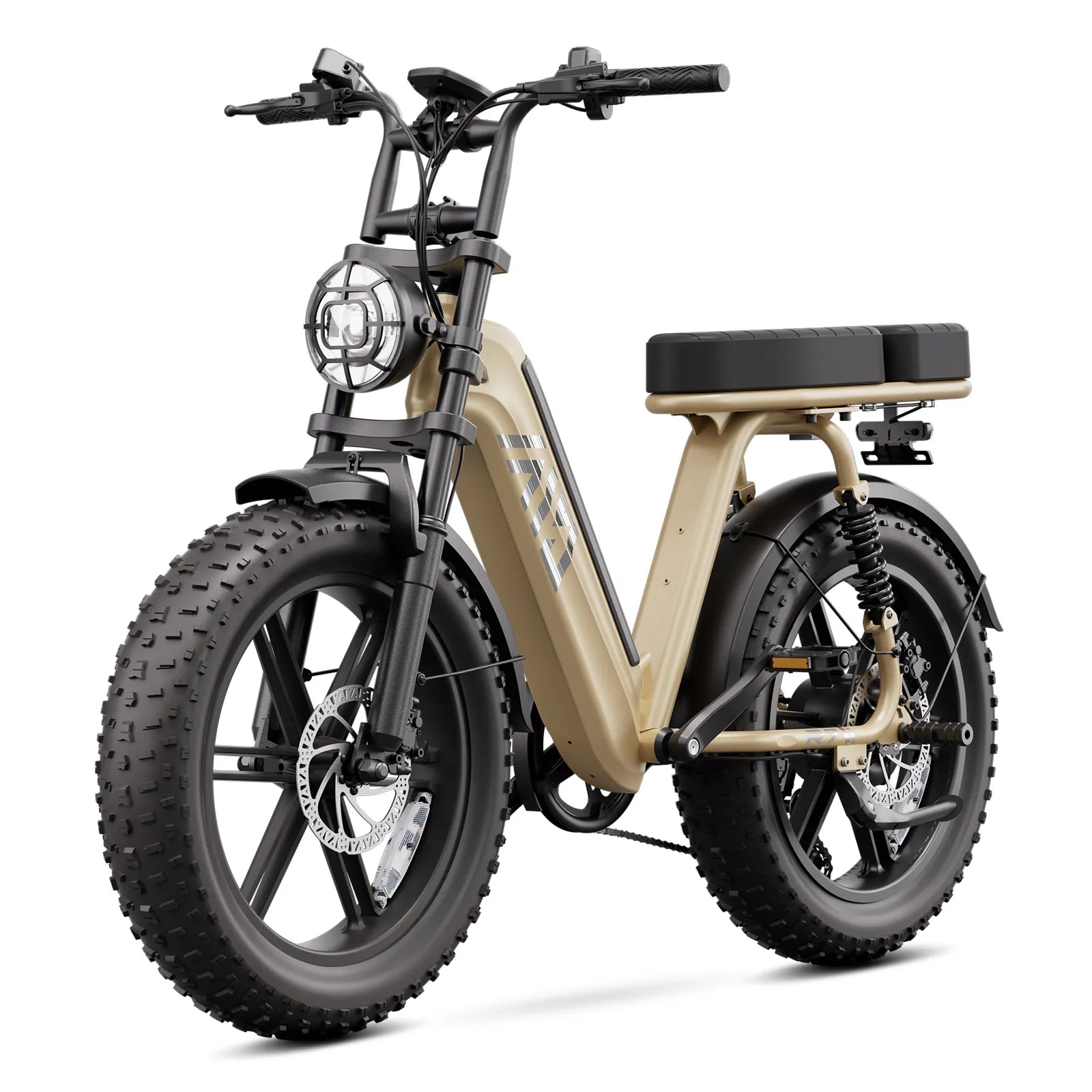
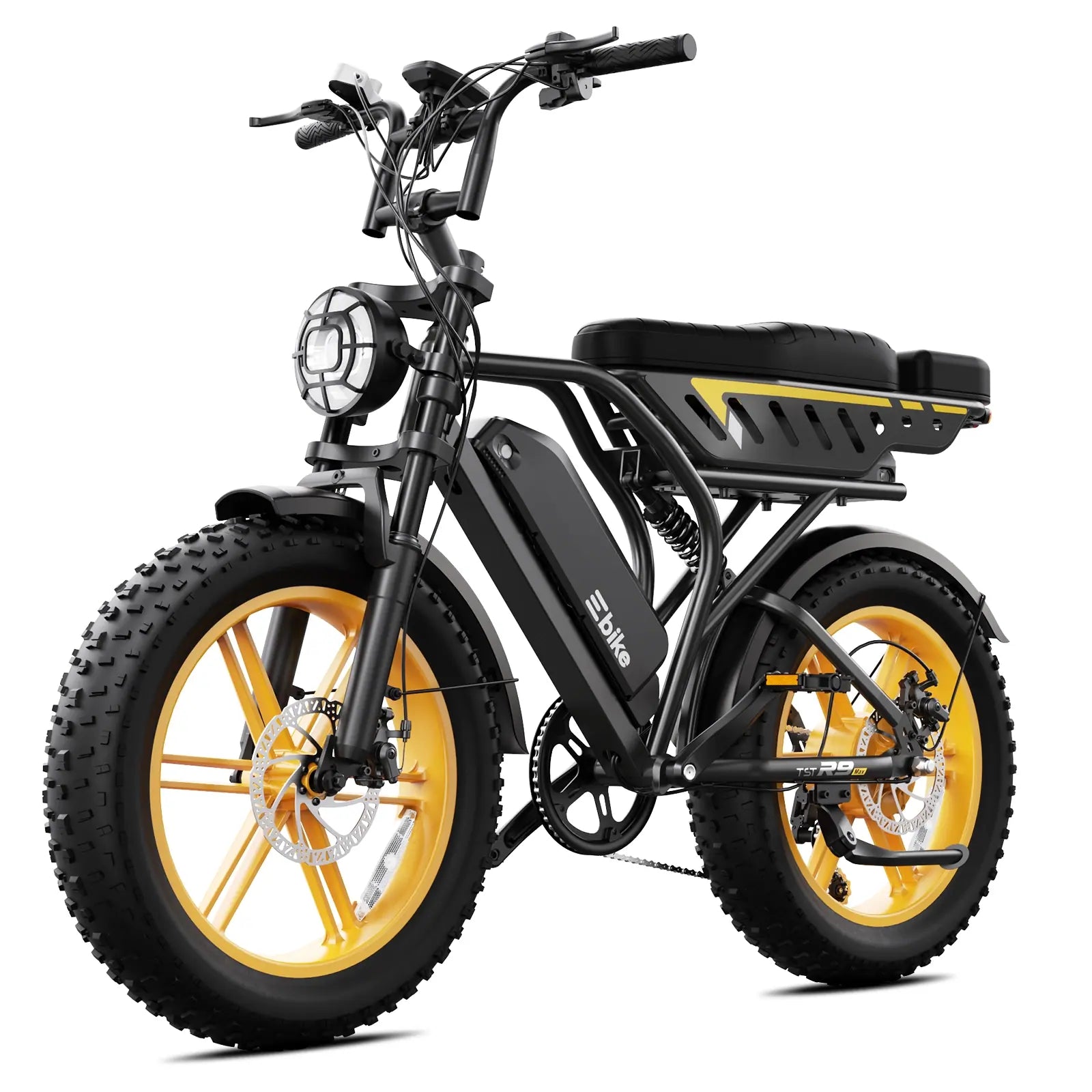
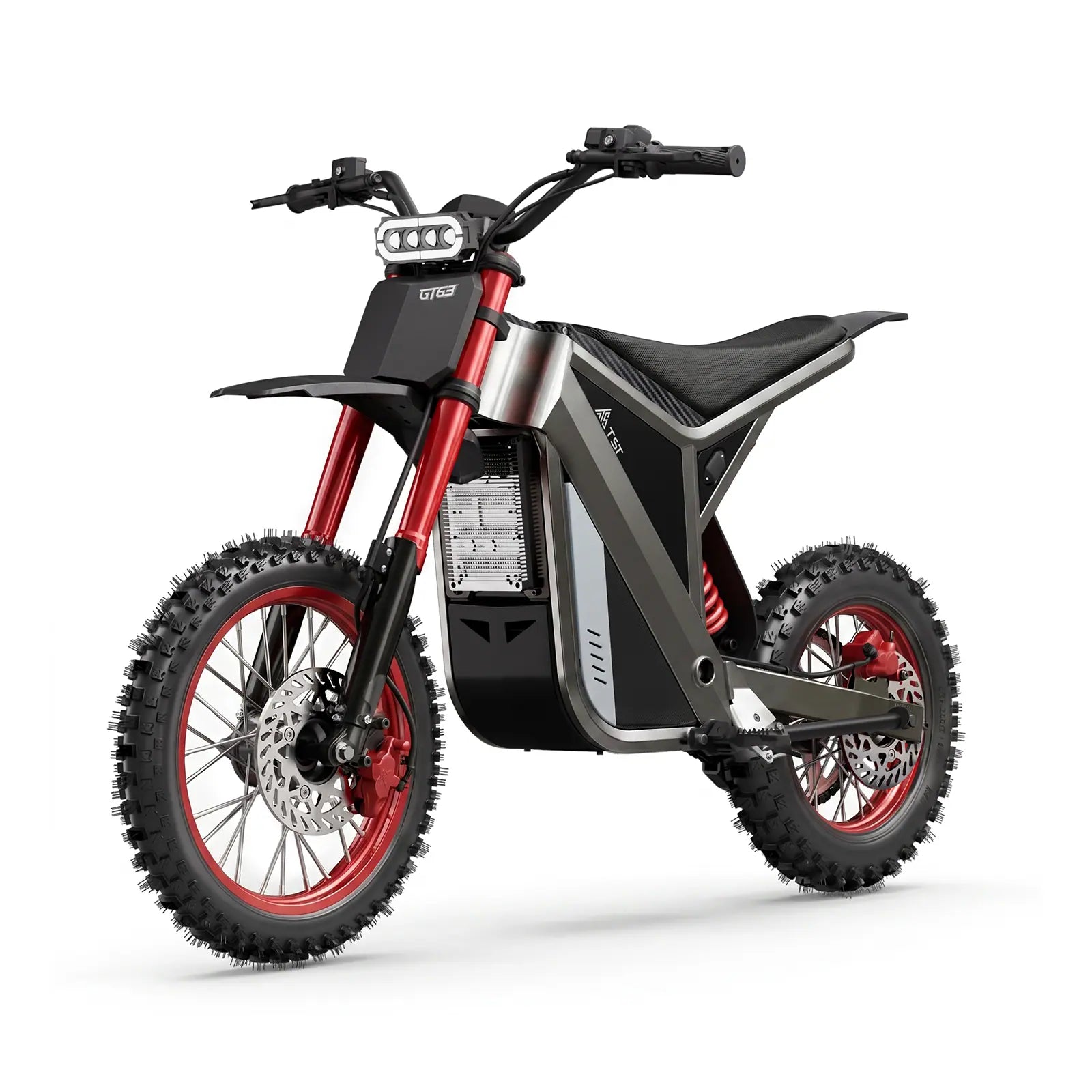
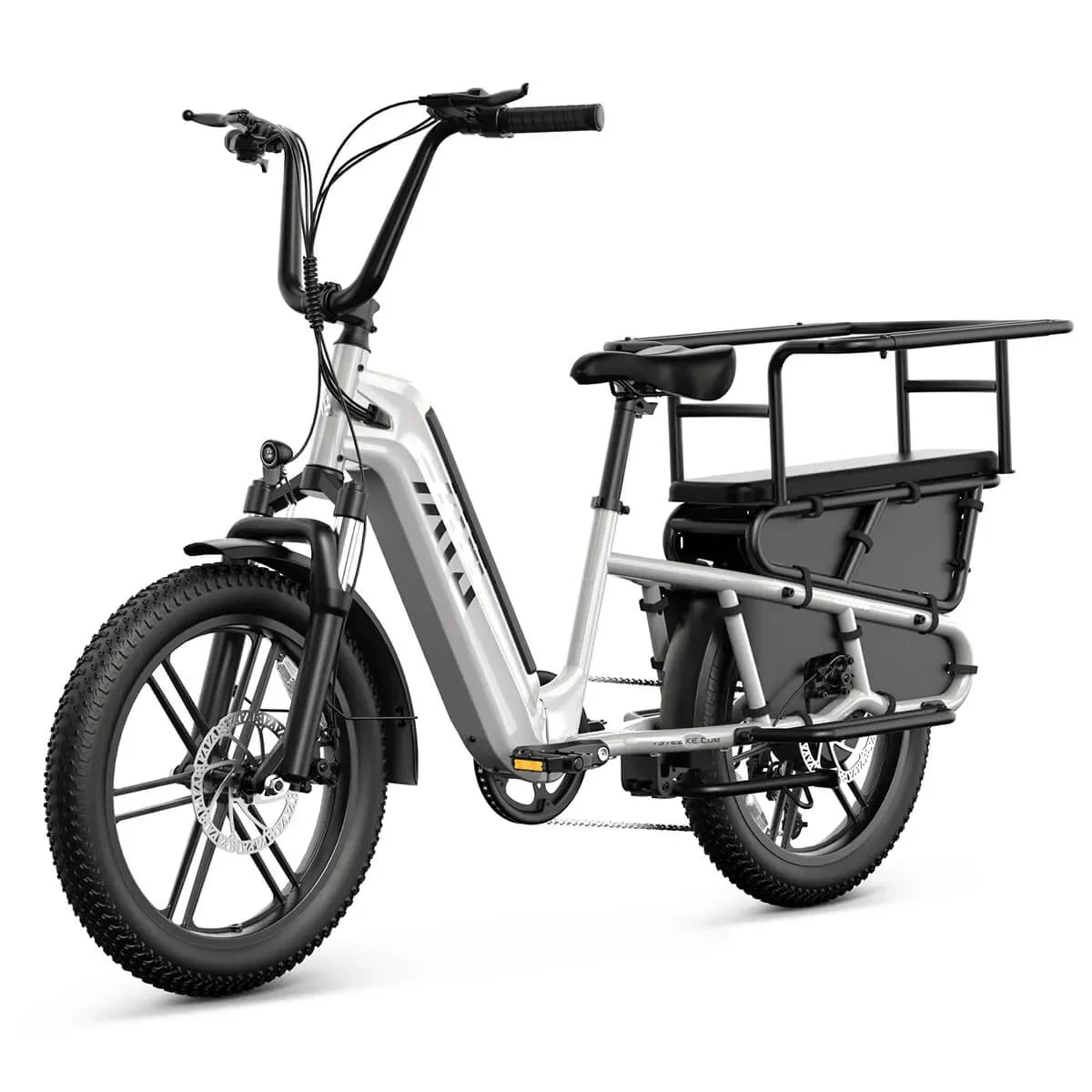
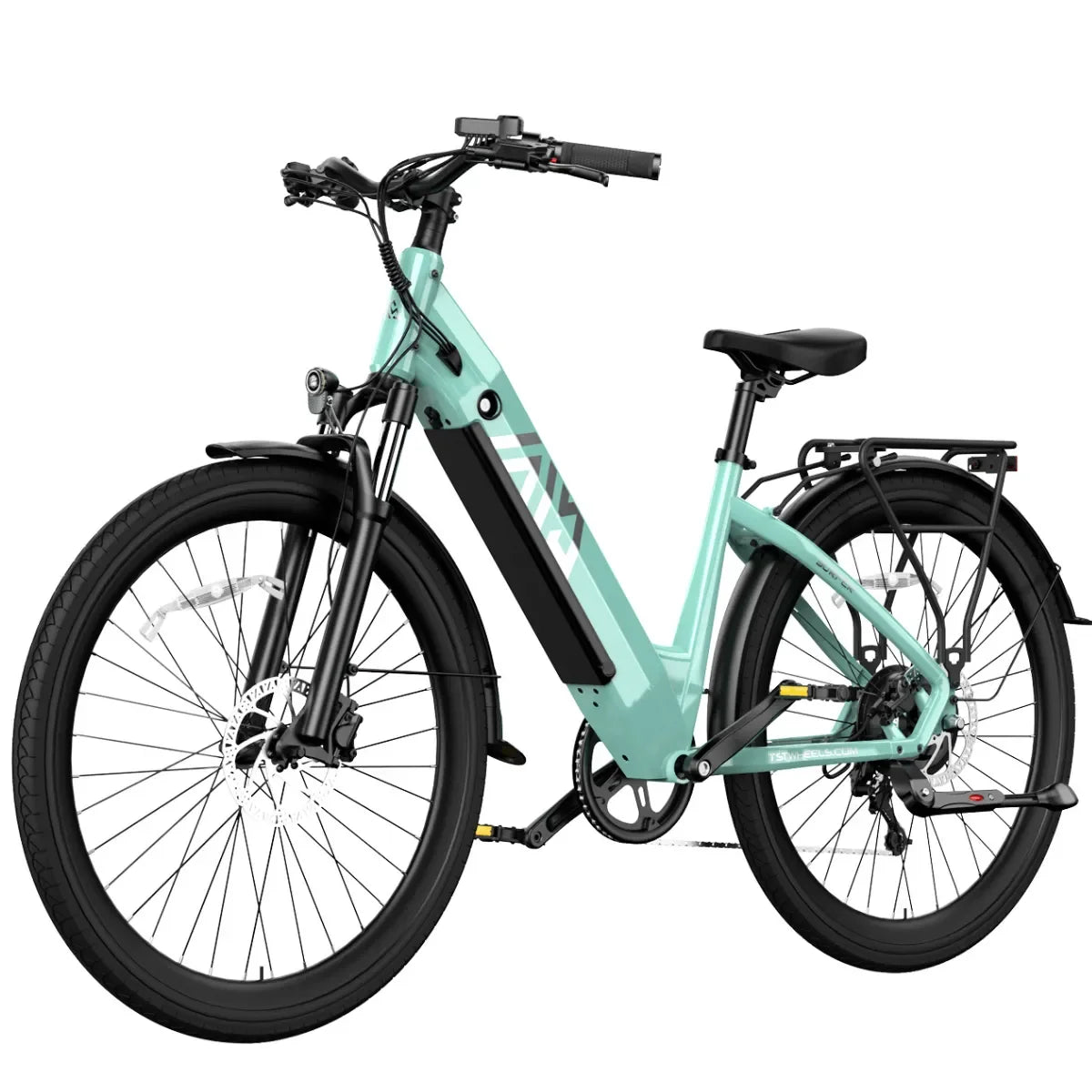
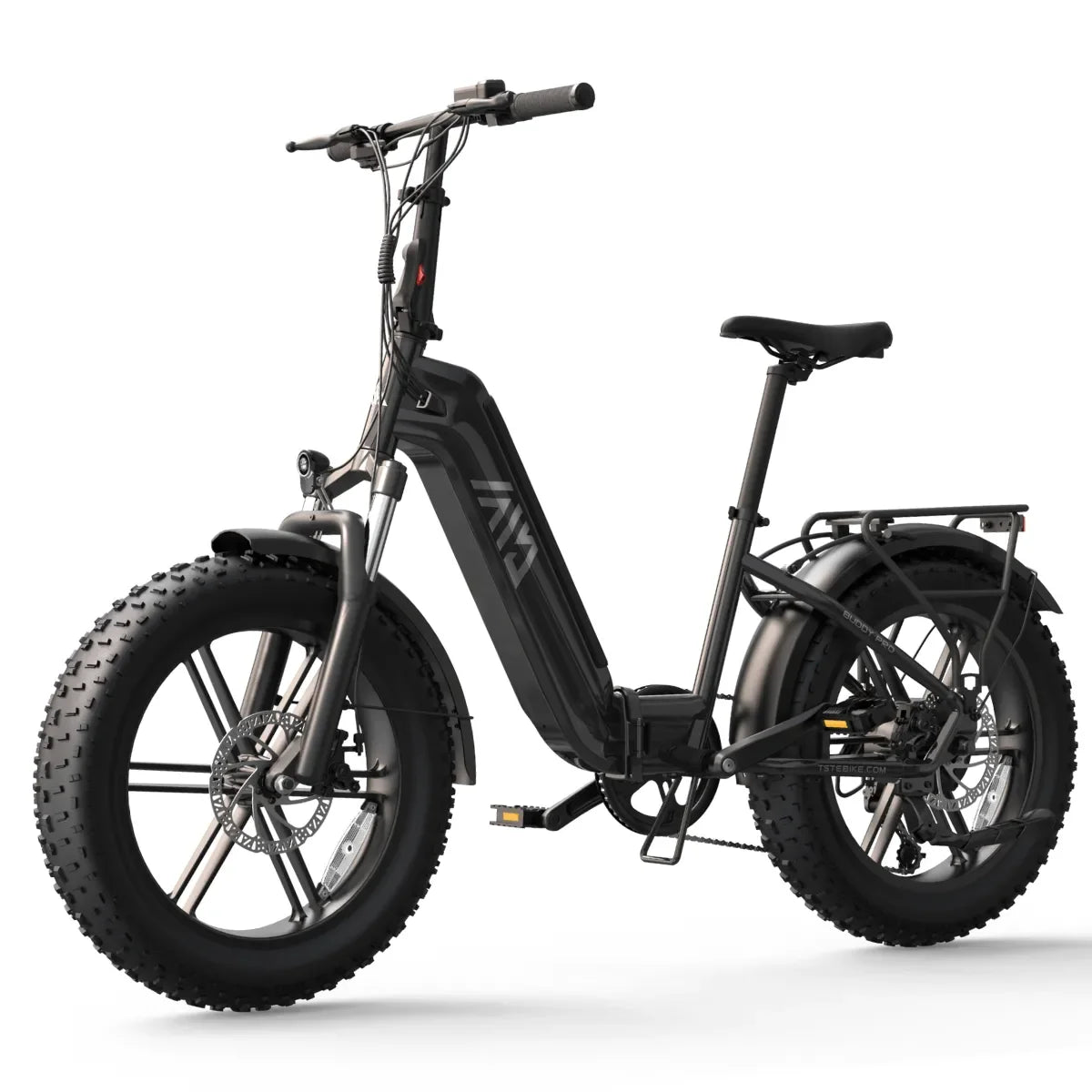
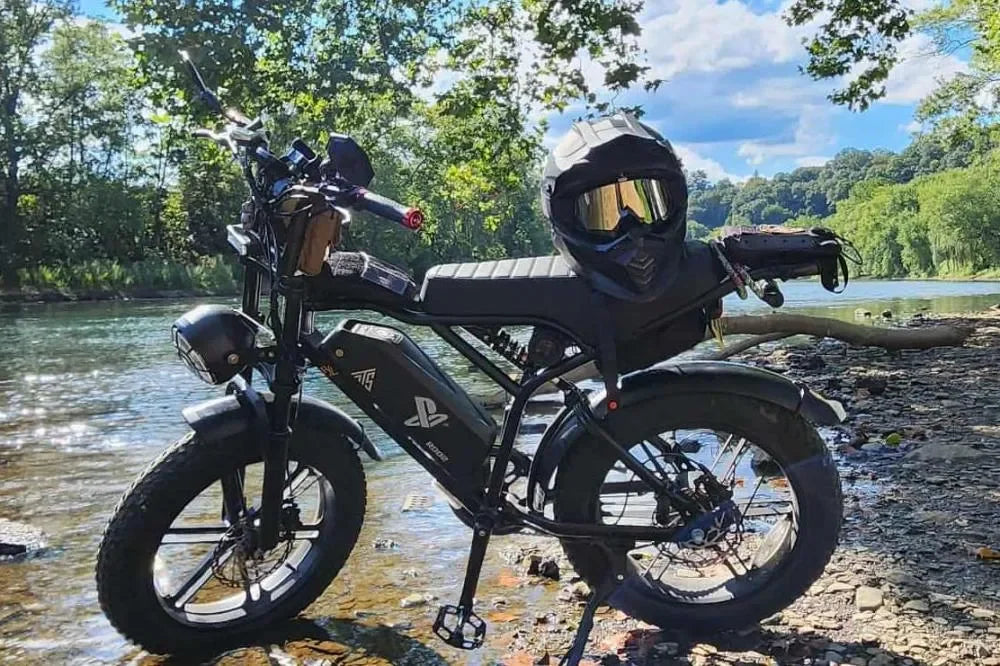
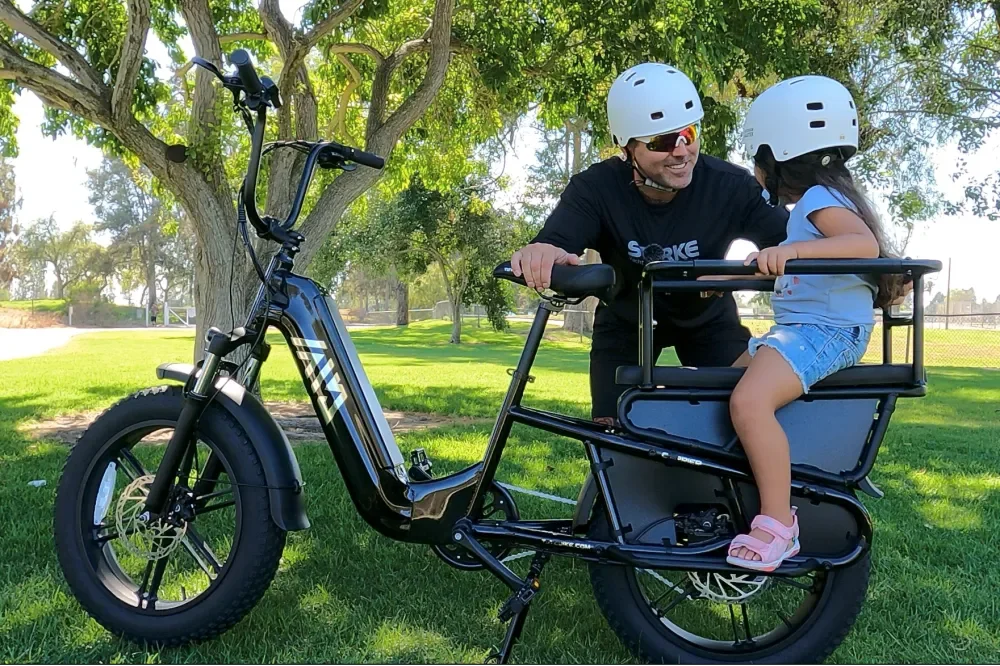

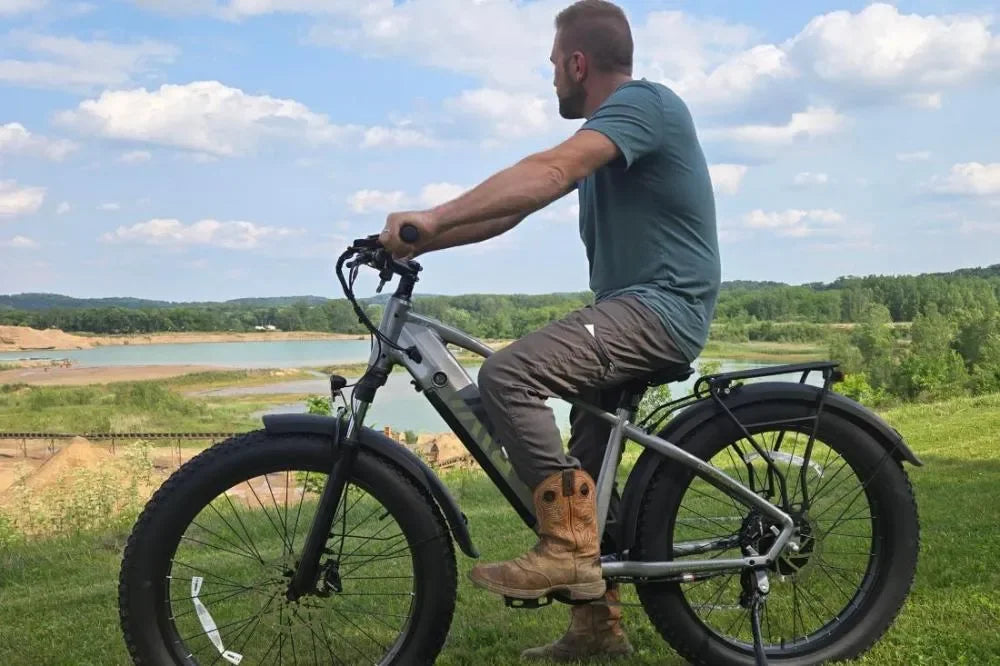
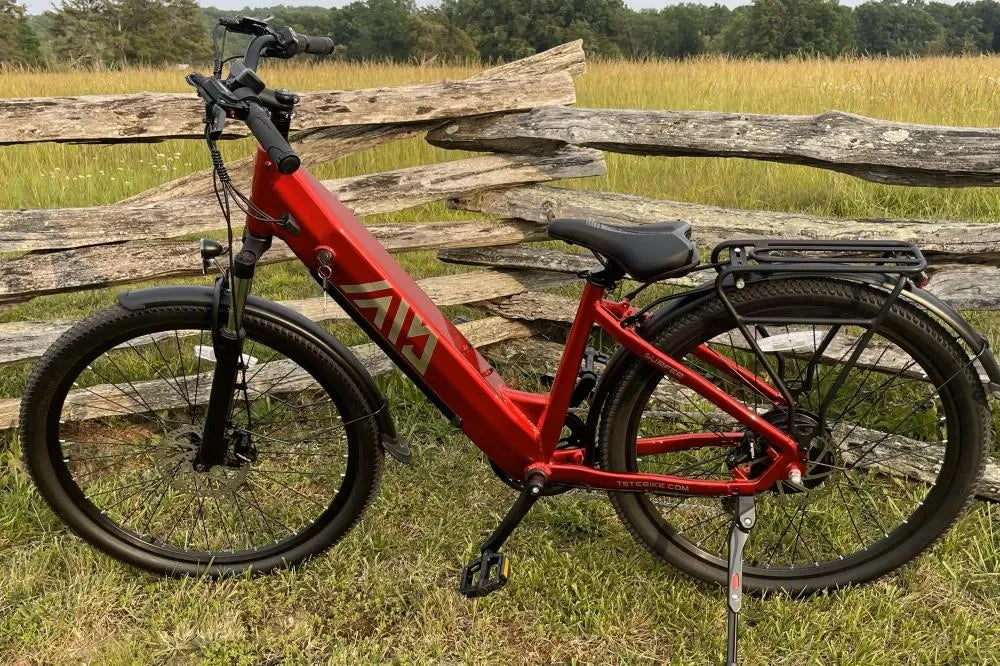
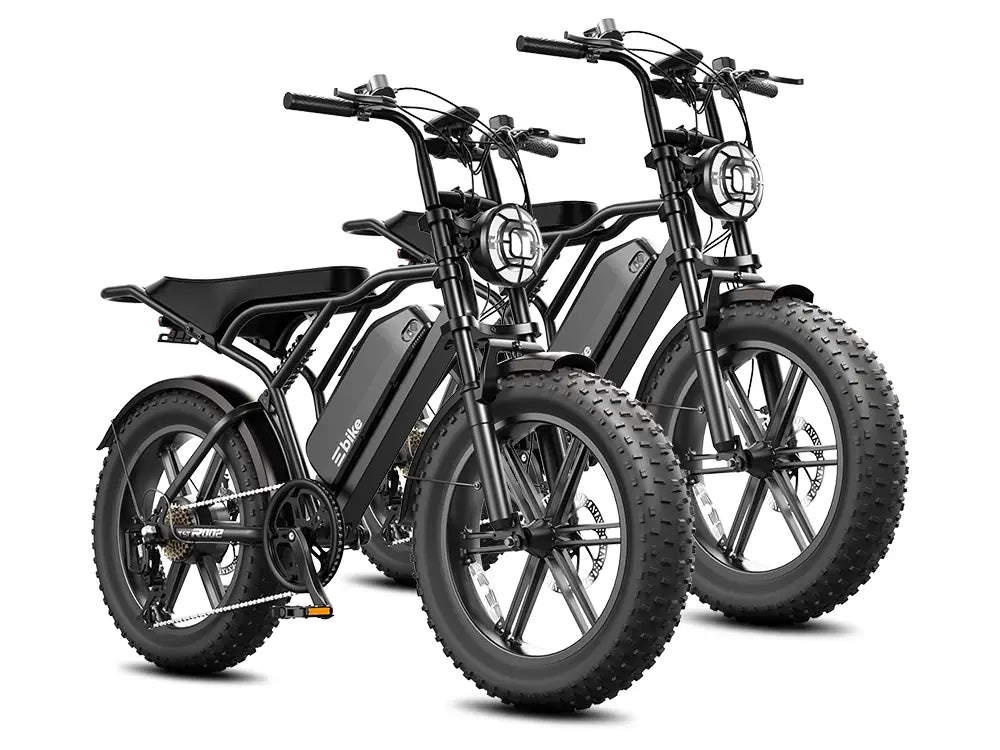
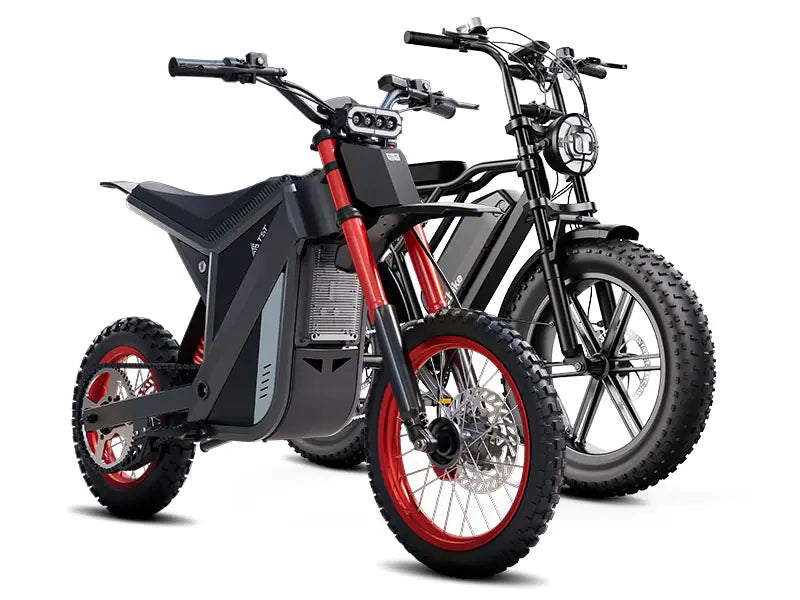
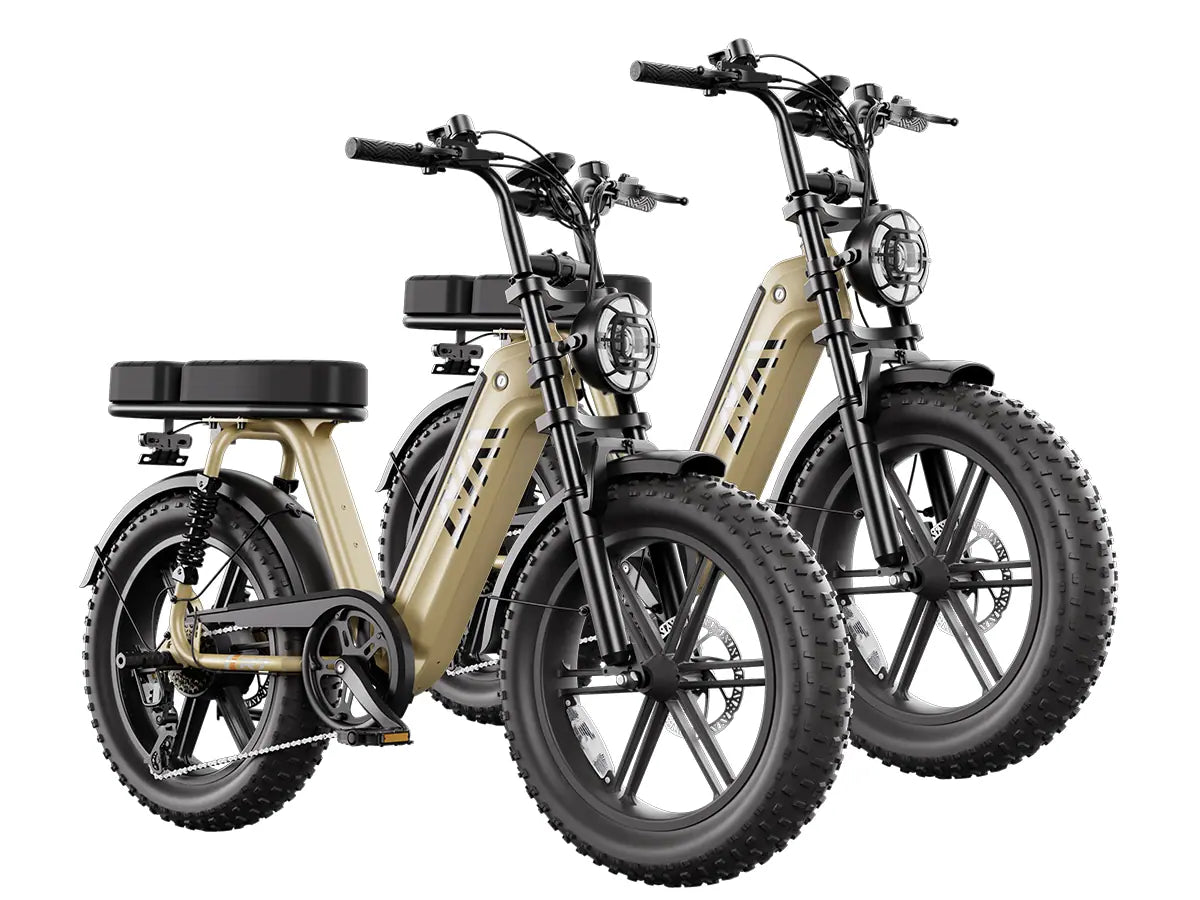
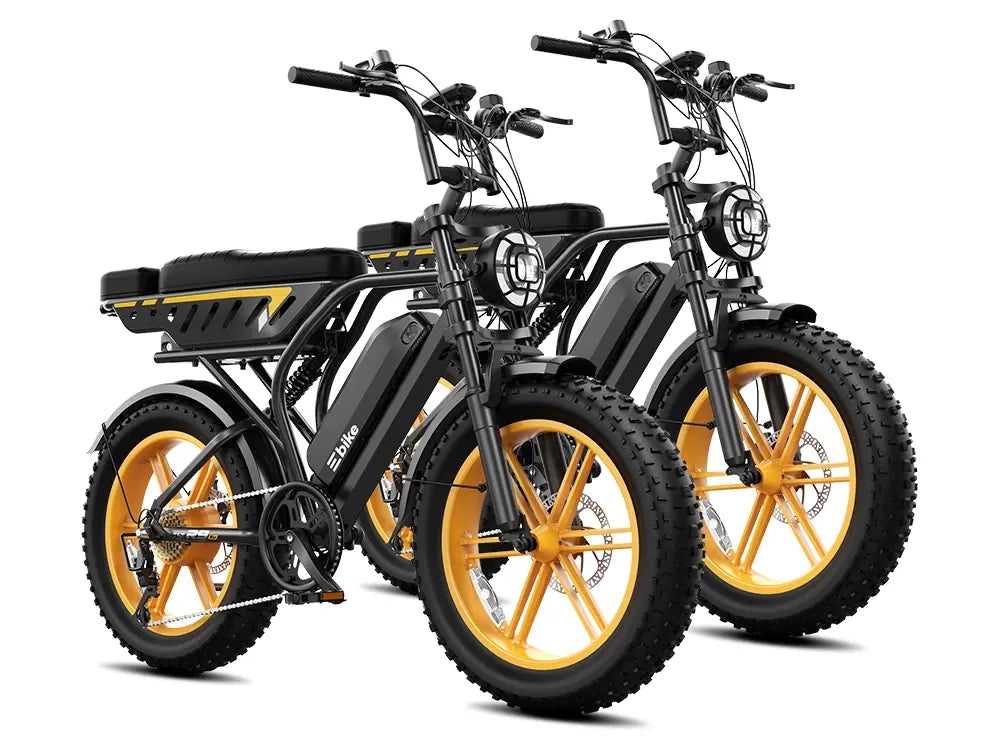
You can wash a moped ebike safely if you treat the electrical system like a precision appliance, not a motorcycle engine. Use low-pressure water, a damp cloth on sensitive zones, and a strict no-spray rule around the controller, battery contacts, display, and motor cable exits. IPX5 means resistance to low-pressure water jets, not permission to blast the bike like a driveway.
maintain your moped style ebike
What does IPX5 really mean?
IPX5 means the bike can resist water sprayed from a nozzle under low pressure from multiple directions for a short period, but it is not waterproof. It protects against rain, splashes, and careful washing, yet it does not guarantee survival under a pressure washer, submerged parts, or repeated direct hits on seals. In practice, the rating is about resistance, not immunity.
For riders, that distinction matters more than the number itself. A sealed display may tolerate a wet commute, while a battery port or controller connector can still wick water through capillary gaps if you force water into it. The safest mindset is simple: IPX5 helps with real-world weather, but your washing method still decides whether the electronics live or fry-cook.
How should you prepare before washing?
Start with the battery removed if the design allows it, the power fully off, and the bike parked in shade on a stable stand. Let the bike cool after riding so warm housings do not draw moisture inward as they contract. Have a bucket, soft microfiber towels, mild bike soap, and a low-pressure rinse source ready before you begin.
Then inspect the usual trouble spots: charging port, battery rails, display cable, controller housing, motor cable exit, throttle housing, brake sensor plugs, and any under-seat wiring. If you see damaged seals, cracked grommets, or a loose connector cap, fix that before washing. A five-minute inspection prevents a five-hour repair.
Which areas are highest risk?
The highest-risk zones are the places where water can sit, wick, or get forced past a seal. On most moped ebikes, that means the battery interface, controller compartment, display connector, underside cable entry points, and any exposed plug joints near the frame. These parts usually fail from forced ingress, not from a light wipe or a passing splash.
If you want the factory-floor rule, it is this: if a component has a seam, cap, gasket, or rubber boot, assume water can enter when pressure is high enough. That is why TST EBike service teams usually treat electrical junctions as wipe-only zones, even when the rest of the frame can be washed normally.
How do you wash the bike step by step?
First, rinse the frame lightly from a distance to remove loose dirt. Do not aim the stream directly at the battery bay, controller box, display, motor cable exit, or underside wiring harness. If dirt is caked on those areas, soften it with a wet towel instead of increasing pressure.
Second, wash the bodywork with a soft sponge or microfiber cloth using mild soap water. Clean from top to bottom so grit falls away instead of being dragged across painted surfaces. Use a separate cloth for the drivetrain, because chain grime is abrasive and can scratch body panels if you mix tools.
Third, rinse only the safe zones and keep the stream moving. The key is contact time: water that flows across a frame is far less dangerous than water that is forced into one gap for ten seconds. After rinsing, immediately dry all seams, ports, and connector areas with a clean towel.
Can you use a pressure washer?
No, not on the electrical system. A pressure washer can force water past seals, dislodge grease from bearings, and drive moisture into plugs even when the bike looks “sealed.” If you must use powered equipment, keep it low-pressure, far away, and aimed only at the frame and wheels.
The real engineering issue is jet concentration. A narrow high-pressure stream multiplies impact at a tiny point, which is exactly what you do not want near battery contacts or controller housings. TST EBike’s practical wash rule is simple: if the nozzle can strip mud fast, it can also strip away your protection layer.
What is the safest SOP?
Use this SOP when you want clean results without electrical damage.
-
Power off the bike and remove the battery if the design permits it.
-
Cover or close the charging port and inspect rubber seals.
-
Rinse the frame lightly from a distance.
-
Wash with soap and microfiber, avoiding any electrical seam.
-
Wipe the controller, battery interface, display, and connectors only.
-
Rinse safe zones again if needed.
-
Dry immediately, then let the bike air out in shade.
-
Test power only after all visible moisture is gone.
The most important habit is sequencing. Clean the dirty zones first, then finish with the electronics last using a damp cloth only. That prevents dirty water from moving into sealed areas and reduces the chance of conductive residue sitting around connectors.
Why does drying matter so much?
Drying matters because water damage is often delayed. A bike may power on after washing and still fail later when trapped moisture causes corrosion, intermittent signals, or a short at the connector. The scary part is that the failure can appear after the next ride, not immediately after the wash.
Use a towel, then compressed air only at a safe distance and only for surface moisture, never to blow water deeper into a seam. Pay extra attention to bolt heads, cable entries, drain paths, and the underside of the battery cradle. This is where hidden droplets love to linger.
How can you protect connectors better?
The best protection is keeping connectors clean, tight, and dry before washing starts. If your model allows it, apply a light dielectric grease only to exposed connector perimeters, not to contact surfaces that are meant to mate cleanly. That helps reduce corrosion without creating a mess that attracts grit.
TST EBike technicians often think in terms of maintenance cost, not just water resistance. A small preventive step on a connector can save a controller replacement later, especially on commuter bikes that see frequent rain, road spray, and repeated cleaning. The goal is not to make the bike underwater-ready; it is to keep everyday moisture from becoming a service ticket.
TST EBike Expert Views
“The biggest mistake I see is people treating every sealed part as if it were a submarine hatch. IPX5 buys you a margin of safety, but only when the rider respects the weak points: ports, seams, and cable exits. If you wash like you are detailing a car, not pressure-cleaning a truck chassis, the bike stays reliable much longer.”
Is there a difference between cleaning and washing?
Yes. Cleaning means removing dirt with controlled moisture and minimal force, while washing often implies broader water exposure. For an ebike, the safest routine is really controlled cleaning with selective rinsing. That mental shift lowers risk because it stops you from flooding areas that only need a wipe.
For commuting bikes, especially moped-style ebikes, this distinction matters after rain, muddy roads, or coastal rides. The frame may need a proper wash, but the electrical zones still need “service-room” discipline: wipe, inspect, dry, and only then power back up. That is the habit that keeps bikes dependable in the long run.
Conclusion
Wash a moped ebike the way an electronics technician would clean a device: soft, controlled, and selective. IPX5 protects against low-pressure water exposure, but it does not excuse direct blasting of the battery interface, controller, display, or cable entries. Follow the SOP, dry everything thoroughly, and treat red-zone areas as wipe-only surfaces. That approach gives you a clean bike without turning the electrical system into an expensive mistake.
FAQs
Can I wash my moped ebike after rain?
Yes. Wipe it down soon after riding, dry the seams and connectors, and use only gentle water on the frame if dirt remains.
Can I leave the battery on while washing?
Only if the manufacturer allows it and the wash is very controlled. Removing the battery is safer when the design makes that easy.
Can I use soap around the motor?
Use mild soap on nearby frame surfaces, but avoid soaking the motor housing or forcing water into the cable exit.
How often should I wash the bike?
Wash only when needed. Frequent light cleaning is safer than occasional heavy washing with strong water pressure.
What should I do if water gets into a port?
Power off immediately, dry the area completely, and do not charge until the port is fully dry and inspected.

Leave a comment
This site is protected by hCaptcha and the hCaptcha Privacy Policy and Terms of Service apply.