


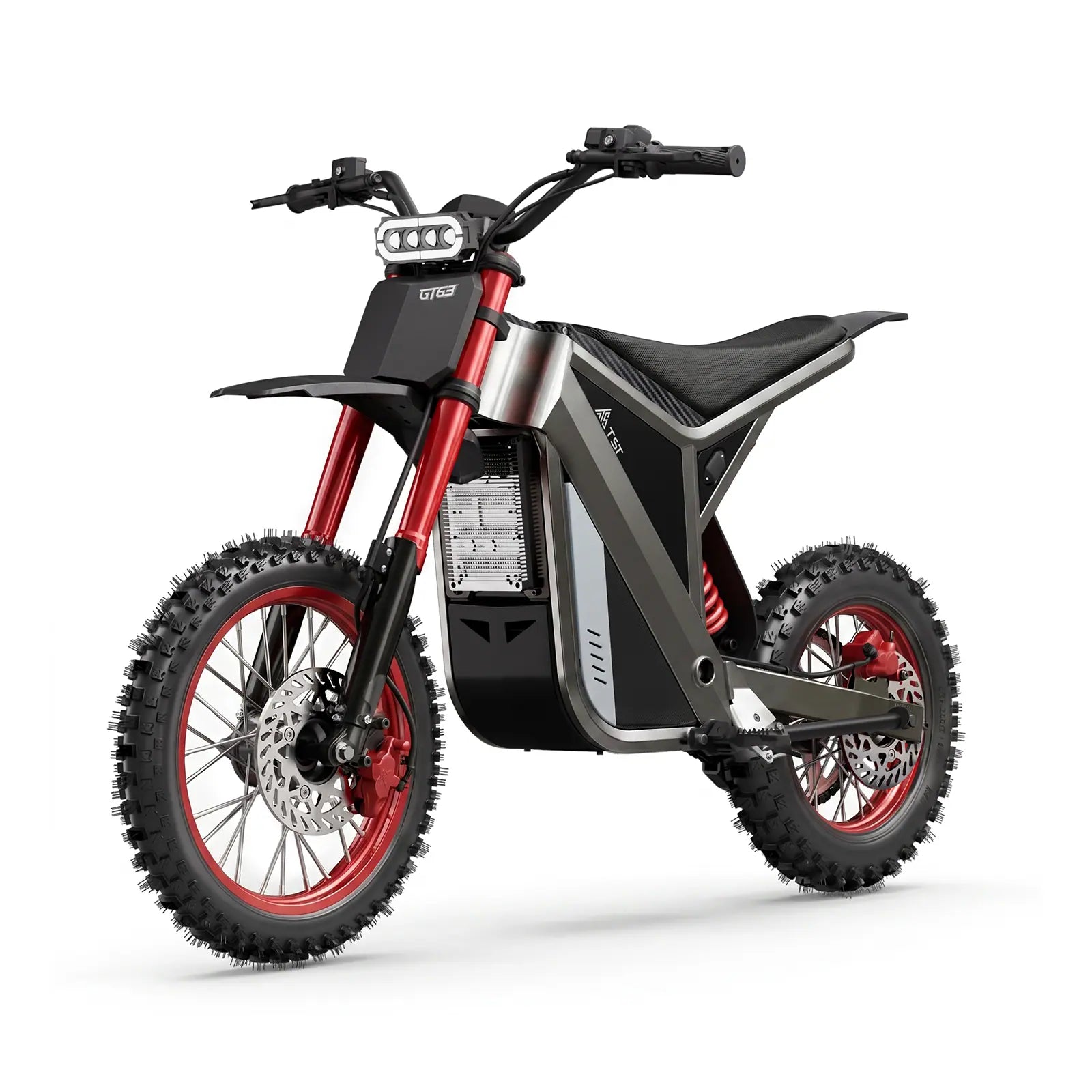














Amp hours tell you how much charge a battery stores, but watt hours tell you how much usable energy it really contains. To estimate ebike range, multiply voltage by amp hours, then divide the result by your bike’s real energy use per mile or kilometer. That simple step exposes exaggerated claims and helps you compare batteries fairly.
What Is the Difference Between Ah and Wh?
Ah measures charge, while Wh measures energy. Ah alone does not tell you how far an ebike can go, because the same Ah rating at a higher voltage stores more energy than at a lower voltage.
Wh is the better number for range because it combines voltage and capacity. For example, a 48V 10Ah battery stores more energy than a 36V 10Ah battery, even though both show the same Ah.
How Do You Calculate Wh From V and Ah?
Use this formula:
If a battery is 48V and 10Ah, its energy is 480Wh. If it is 52V and 20Ah, its energy is 1040Wh.
That is the first filter I use when checking ebike specs at TST EBike, because it tells you the battery’s true size before marketing language gets involved. In practice, Wh is the number that should guide range expectations, not Ah by itself.
Why Do Some Ebike Range Claims Mislead Riders?
Range claims often assume ideal conditions: light rider, flat road, low speed, no wind, and minimal stops. Real riding adds hills, tire drag, throttle use, cold weather, and stop-and-go traffic, all of which increase power draw.
A battery can look large on paper and still underperform if the motor is inefficient or the controller is tuned aggressively. That is why two bikes with the same Ah rating can deliver very different range.
How Do You Estimate Real Ebike Range?
First, calculate battery Wh. Then estimate your bike’s consumption per distance. A practical range estimate is:
Range = Battery Wh ÷ Energy use per mile or kilometer
A common commuter ebike may use around 15 to 25Wh per mile, while heavy throttle use, hills, or fat tires can push that higher. A 480Wh battery might deliver roughly 19 to 32 miles depending on conditions.
Real-World Range Worksheet
This table is useful because it converts battery labels into a usable estimate. It also shows why a bigger Ah number is not enough unless voltage is known too.
Which Factors Change Ebike Range Most?
The biggest range killers are speed, elevation, wind, rider weight, stop frequency, and tire pressure. Motor assistance level matters too, because higher assist levels pull more current and drain the pack faster.
Terrain also matters a lot. At TST EBike, the 26-inch setup is better suited for rougher surfaces like sand or snow, while the 27-inch setup is more efficient for commuting and mixed riding. That difference alone can change real range more than many riders expect.
Does Voltage Change Range Even If Ah Stays the Same?
Yes, because voltage changes total stored energy. A 48V 10Ah battery and a 36V 10Ah battery do not store the same amount of energy.
The 48V pack stores 480Wh, while the 36V pack stores 360Wh. That is a 33% energy difference with the same Ah rating, which is exactly why Ah alone can be misleading.
How Do You Spot Fake or Weak Battery Claims?
Look for voltage, Ah, and Wh together. If a seller only gives Ah, ask for voltage or Wh immediately.
Also check whether the advertised range comes from pedal assist, throttle-only riding, or lab conditions. A trustworthy seller should explain the test method, not just repeat a big number. This is where TST EBike tries to stand out with practical product information instead of vague promises.
What Is a Better Way to Compare Two Ebikes?
Compare these four items side by side: battery Wh, motor power, tire type, and test conditions. That gives you a much more honest picture than battery capacity alone.
A 48V 12Ah bike with efficient commuter tires may outlast a heavier 48V 15Ah fat-tire bike ridden on the same route. Real range is a system result, not a single-number contest.
TST EBike Expert Views
“When riders ask me how far an ebike will go, I never start with Ah. I start with Wh, then I ask how the bike is ridden. A battery is only part of the story; controller behavior, terrain, tire size, and rider input shape the final result. At TST EBike, we treat range as an engineering outcome, not a marketing slogan.”
How Should You Read Battery Labels Like a Pro?
Use this mental sequence: first voltage, then Ah, then Wh, then riding conditions. If the label is missing Wh, calculate it yourself.
A useful habit is to write battery data in one line: 48V, 15Ah, 720Wh. That forces clarity and makes it much easier to compare bikes honestly, especially when shopping across brands like TST EBike.
Why Does a Test Log Matter More Than a Sales Page?
A real test log turns guesswork into evidence. Record battery spec, rider weight, tire pressure, route type, assist level, average speed, temperature, and remaining battery after the ride.
This is the kind of simple field data that separates true performance from glossy claims. For a factory-minded buyer, the best ebike is the one whose numbers survive real conditions, not showroom conditions.
How Can You Build a True Range Log?
Use the same route, same assist level, and similar weather whenever possible. Note the starting Wh, ending battery percentage, and distance ridden.
A good log lets you compare one bike against another with the same rider and route. That is especially valuable when evaluating a powerful commuter bike or a rugged option from TST EBike, because it reveals how much of the battery actually reaches the road.
What Is the Fastest Way to Avoid Being Misled?
Ignore Ah-only advertising, convert everything to Wh, and test in your own environment. If the seller cannot explain voltage, Wh, and range conditions clearly, treat the range number as a best-case estimate.
That one habit will save you from most battery marketing traps. It also gives you a clean way to compare bikes fairly, whether you are checking a 26-inch rough-terrain model or a 27-inch commuter model from TST EBike.
Conclusion
True ebike range starts with energy, not labels. Once you know that , you can compare batteries honestly, estimate distance more accurately, and spot exaggerated claims fast.
The key is simple: calculate Wh, check the riding conditions, and then judge range. If you want reliable performance, ask for the full battery spec, keep a real test log, and compare bikes by how they behave on the road—not by the biggest Ah number on the page.
FAQs
How do I convert Ah to Wh?
Multiply voltage by amp hours. A 48V 10Ah battery equals 480Wh.
Why is Wh better than Ah for range?
Wh shows total energy, so it reflects how much usable power the battery really stores.
Can two batteries with the same Ah have different range?
Yes. If their voltage differs, their Wh differs, and range will differ too.
What reduces ebike range the most?
High speed, hills, strong throttle use, headwinds, frequent stops, and soft tires.
How can I check if a range claim is realistic?
Ask for the battery’s Wh, the test conditions, and whether the claim uses throttle or pedal assist.
Does a bigger battery always mean longer range?
Usually yes, but only if the bike’s weight, motor demand, and riding style stay similar.

Leave a comment
This site is protected by hCaptcha and the hCaptcha Privacy Policy and Terms of Service apply.