


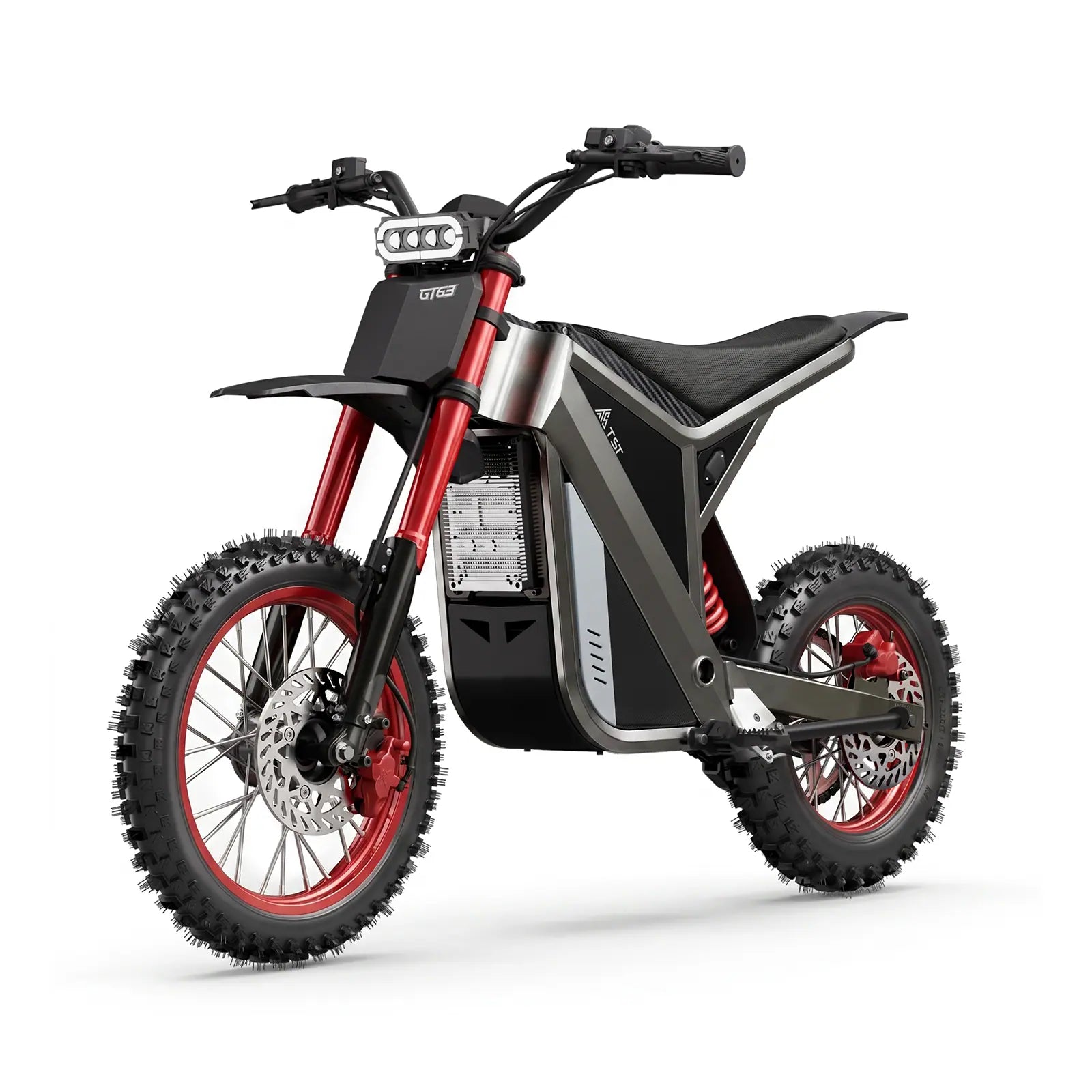














To prevent winter capacity drop, remove the ebike battery, bring it indoors, and store it in a dry, temperature-stable space at about 50% to 70% charge. Never charge a cold battery immediately after riding in freezing weather. Warm it to room temperature first, then check it monthly and top it back up if needed.
What Happens to Batteries in Cold Weather?
Cold weather slows lithium-ion chemistry, so the battery delivers less usable power even when it is not permanently damaged. That is why a winter ride can feel weak, with reduced range and faster voltage sag. The battery often recovers when warmed up, but repeated freezing stress still hurts long-term health.
The hidden issue is not just capacity loss during the ride. Cold temperatures can also increase internal resistance, which makes the pack work harder under load. That extra stress can age cells faster over time, especially if the battery is left outside in snow, wind, or repeated freeze-thaw cycles.
Why Should You Remove the Battery?
Removing the battery protects it from the coldest part of the bike’s storage environment. A garage, porch, or bike shed can drop below freezing for long periods, and that is not a good place for lithium-ion storage. Bringing the battery indoors gives it a stable environment and reduces chemical stress.
This matters even more in snow country, where overnight temperatures can swing hard. I always treat the battery like a sensitive electronic component, not a rugged frame part. TST EBike riders, especially those commuting in northern states, get better winter outcomes when the pack lives inside the home instead of on the bike.
How Should You Charge It for Storage?
For winter storage, keep the battery at 50% to 70% charge, with 60% as a practical target for many riders. That range reduces stress compared with storing it full, while avoiding the risks of leaving it too low for months. A battery stored near half charge is usually better prepared for a stable off-season.
Do not store it completely full unless the manufacturer specifically says to do so. Do not store it empty either, because deep discharge can trigger protection issues or capacity loss. For TST EBike owners, that middle range is the simplest and safest winter habit.
Which Storage Temperature Is Best?
The best storage temperature is cool, dry, and above freezing, with room temperature being the easiest rule to follow. A climate-stable indoor space is far better than a cold garage or damp basement corner. You want stable conditions more than perfect conditions.
Here is a practical temperature guide for winter battery storage:
The engineering reason is simple: lithium-ion cells dislike cold storage extremes, especially repeated exposure. A stable indoor environment reduces invisible aging and helps preserve springtime range.
Can You Charge a Cold Battery Right Away?
No, you should not charge a battery that has just come in from freezing weather. Let it warm up to room temperature first, because charging cold cells can stress the chemistry and increase damage risk. This is one of the most common winter mistakes riders make.
A good rule is to wait until the battery no longer feels cold to the touch and has had time to equalize indoors. That waiting period is not wasted time; it protects the pack. For winter commuters, patience here can save a lot of capacity later.
How Often Should You Check It?
Check the battery about once a month during long winter storage. If the charge has drifted lower than your target range, bring it back up to around 50% to 70%. You do not need to babysit it every week, but you should not ignore it until spring either.
Monthly checks also let you inspect for swelling, corrosion, moisture, or connector issues. This is especially useful if the bike came in wet from snow or slush before storage. The battery should be dry, clean, and visually normal before it goes back into service.
What Is the Real Damage From Freezing?
Freezing temperatures can cause more than temporary performance loss. They can accelerate wear by increasing stress inside the cell structure when the battery is used cold or repeatedly stored in harsh conditions. The damage is often invisible at first, which makes it easy to ignore.
That invisible aging is why winter storage discipline matters. The pack may seem fine in March, but range can quietly shrink over time if it spent the whole season in poor conditions. TST EBike riders who care about long-term value should think in terms of battery lifespan, not just immediate ride readiness.
How Do You Prep the Battery Before Storage?
Start by cleaning the battery case with a dry or lightly damp cloth, then dry it completely. Remove road salt, slush, and grime from the contacts and housing before bringing it inside. If the battery was used in snow, make sure moisture is gone from every seam and connector area.
Next, charge or discharge it to the recommended storage range. Then store it separately from the bike in a safe, dry location away from heaters, direct sun, and deep cold. A shelf or closet inside the house is usually better than a basement corner that gets damp.
Why Does Temperature Affect Capacity So Much?
Temperature affects how quickly ions move through the electrolyte and across the electrodes. In cold weather, that movement slows down, so the battery feels weaker even though the chemistry has not disappeared. That is why winter range drops so noticeably in real riding.
Think of it like thick oil in a cold engine. The system still works, but it does so less efficiently until it warms up. With ebike batteries, the problem is more delicate because repeated stress can shorten the useful life of the pack.
What Should You Avoid During Winter Storage?
Avoid four big mistakes: storing the battery fully charged, storing it empty, leaving it in freezing temperatures, and charging it while it is still cold. Those are the habits that most often lead to avoidable degradation. Moisture exposure is another major problem, especially in snowy climates.
Do not place the battery next to furnaces, radiators, or other heat sources either. Excess heat is also harmful because it can age cells faster than necessary. The best storage environment is calm, dry, and consistent, not hot, wet, or freezing.
TST EBike Expert Views
“For winter storage, I tell riders to think of the battery as a living system that wants stability. A cold pack left outside does not just lose range for one ride; it can age faster in ways you do not see immediately. The smartest routine is simple: bring it indoors, store it around 50% to 70%, let it warm before charging, and check it monthly. That routine protects both performance and long-term value.”
How Does This Apply to TST EBike Owners?
TST EBike owners benefit from the same lithium-ion rules, but the discipline matters even more when the bike sees snow, slush, and subfreezing mornings. A battery that is removed and stored properly is much more likely to deliver dependable spring range. That makes winter care part of ownership, not an optional extra.
If you ride a TST EBike in northern weather, treat the battery like the most valuable removable component on the bike. The frame can live in the garage briefly if needed, but the battery should not. That one habit does more to preserve winter performance than most riders realize.
Conclusion
Winter battery care is really about controlling three things: temperature, charge level, and moisture. Remove the battery, bring it indoors, keep it around 50% to 70% charge, and avoid charging it while it is still cold. Those steps reduce hidden cell damage and help protect the range you paid for.
For riders in snowy northern climates, this is the simplest way to prevent cold-weather capacity drop and extend battery life. TST EBike owners can treat this as the standard winter routine: stable indoor storage, monthly checks, and no cold charging. That approach keeps the battery healthier now and more reliable when riding season returns.
FAQs
Should I store my ebike battery fully charged for winter?
No. A full charge for months can add stress. For most lithium-ion packs, 50% to 70% is the safer storage range.
Can I leave the battery on the bike in a cold garage?
You should avoid that for long winter storage. A stable indoor space is much better for battery health.
How long should I wait before charging a cold battery?
Wait until it warms to room temperature. Charging immediately after freezing exposure can damage the cells.
Do I need to check the battery during winter storage?
Yes, check it about once a month. If the charge drops too far, bring it back into the recommended storage range.
Will cold weather permanently ruin my battery?
Not usually from one ride, but repeated freezing stress can shorten lifespan over time if the battery is stored or charged improperly.

Leave a comment
This site is protected by hCaptcha and the hCaptcha Privacy Policy and Terms of Service apply.