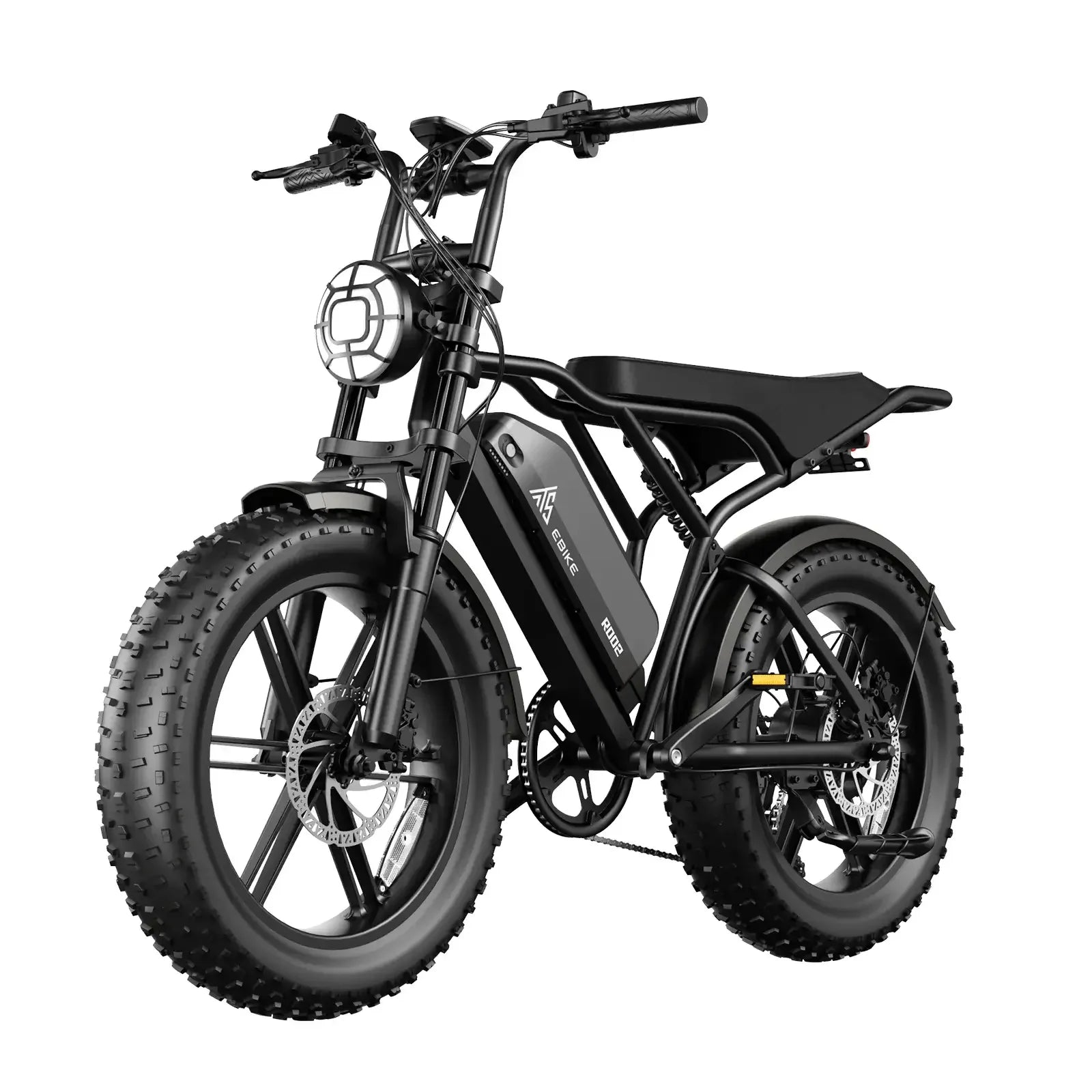
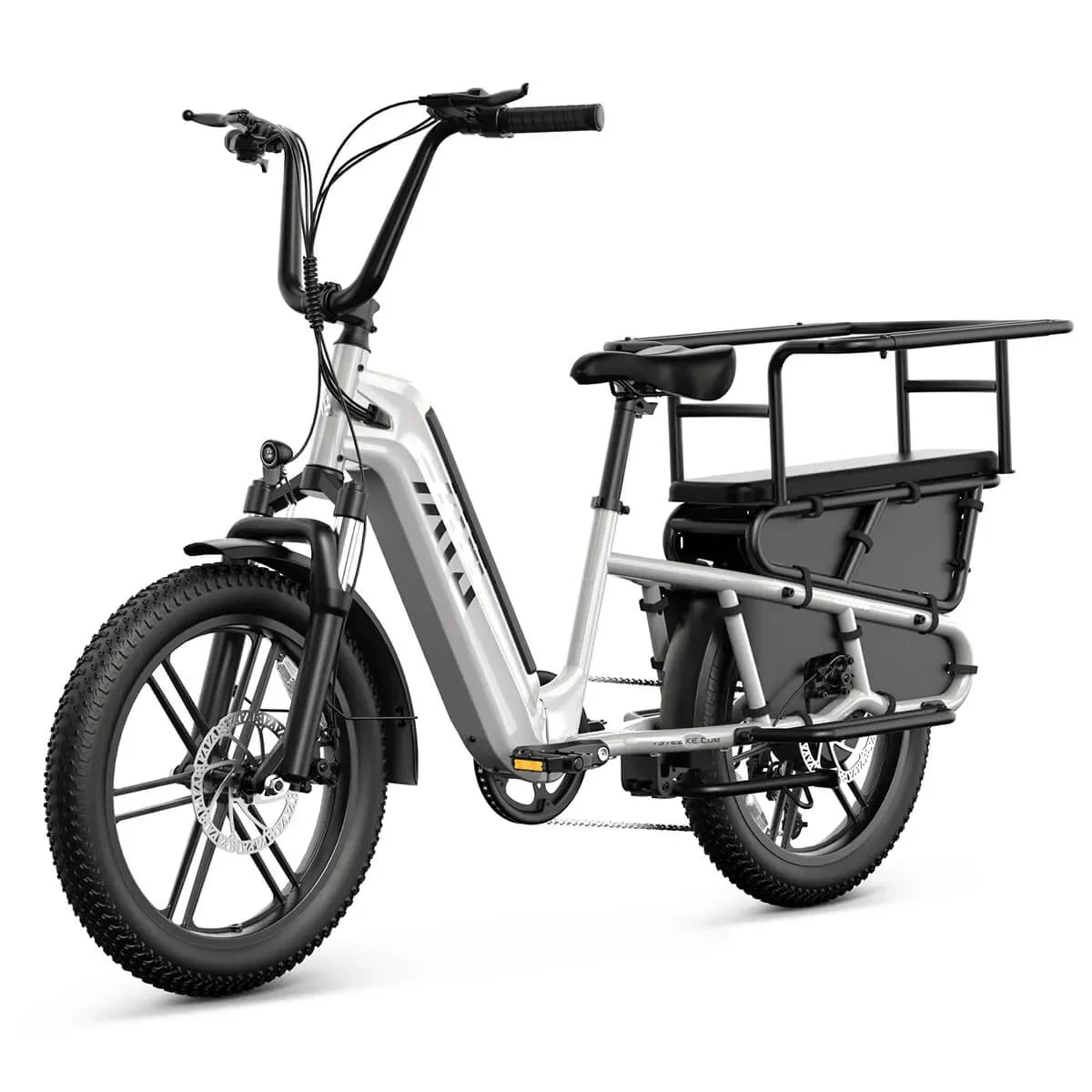
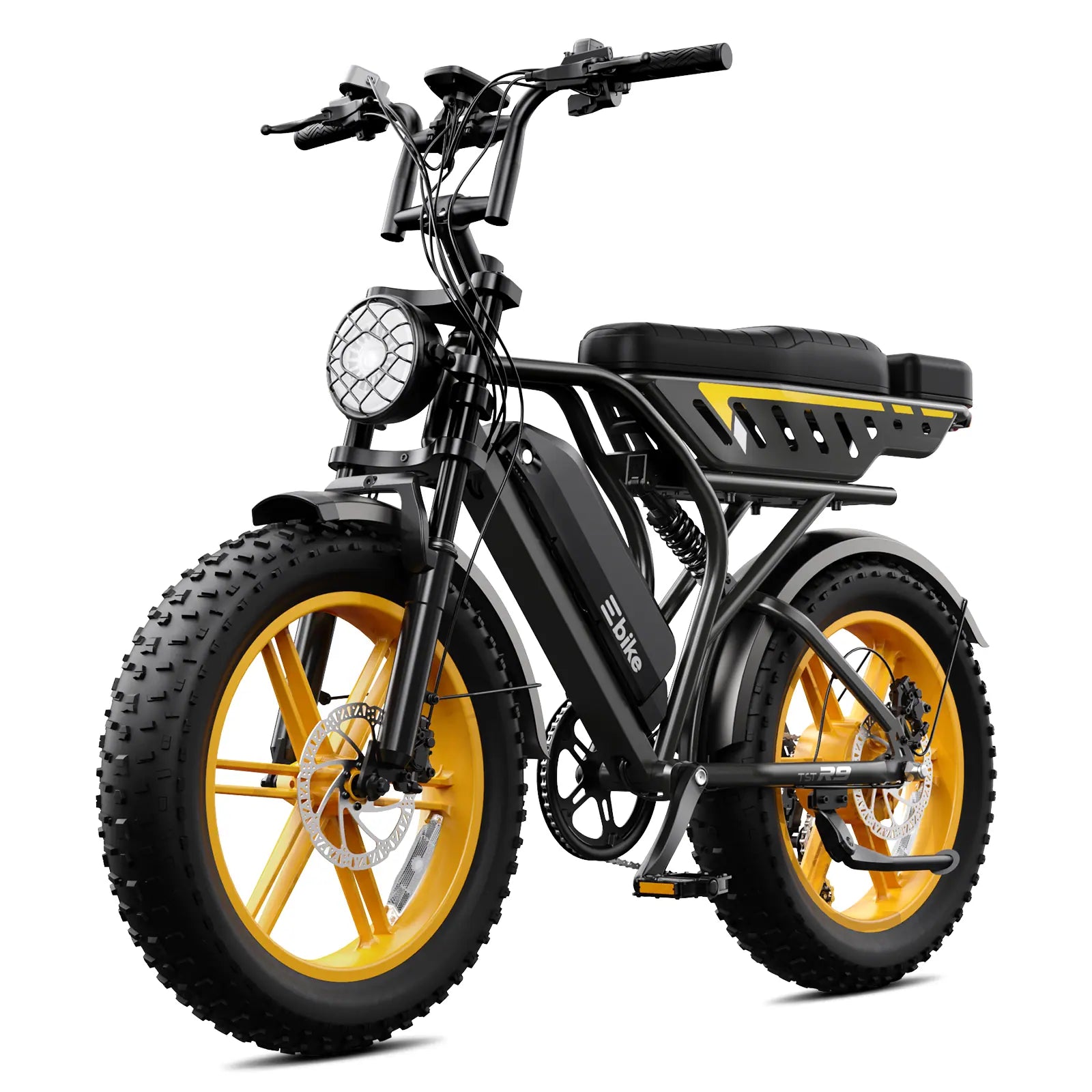
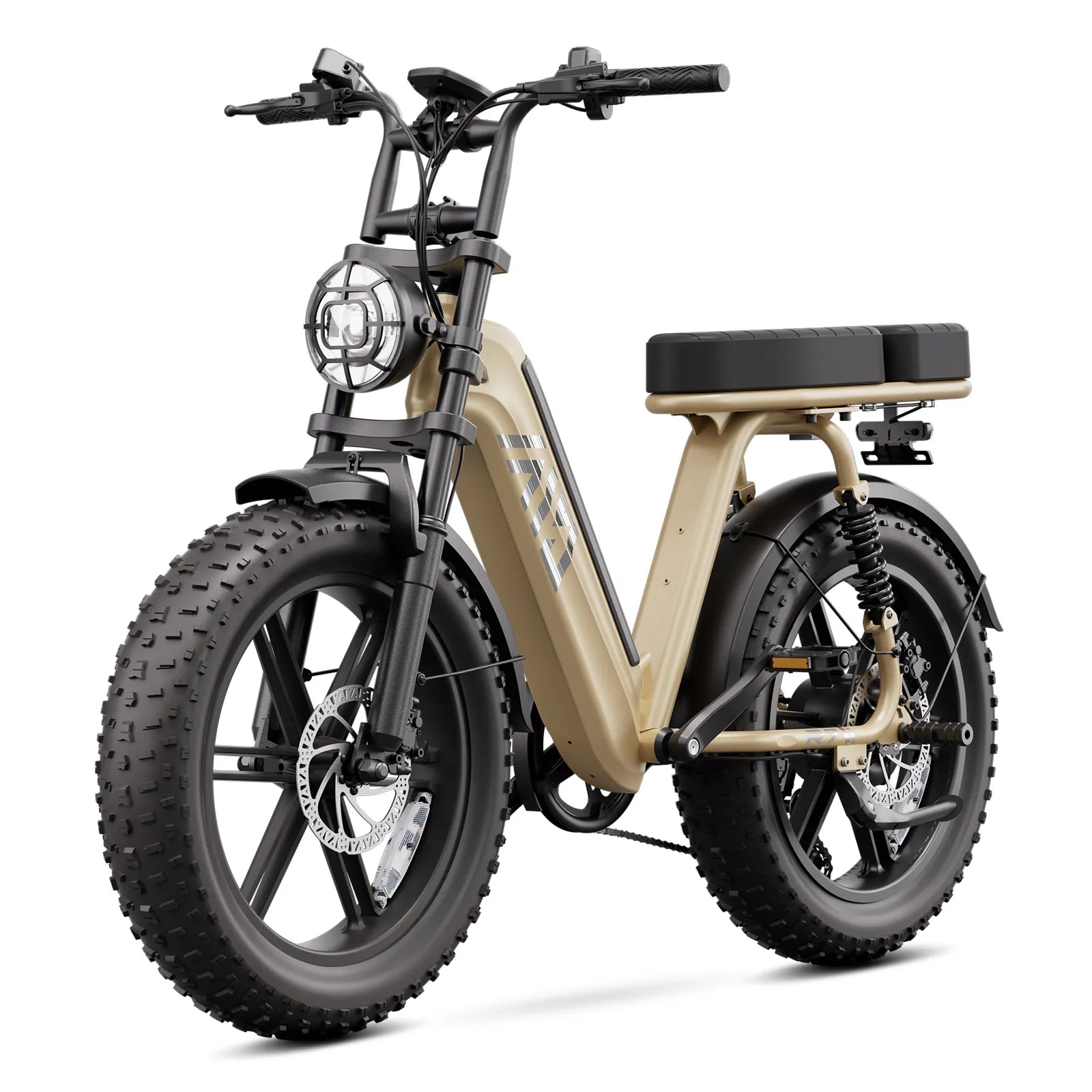
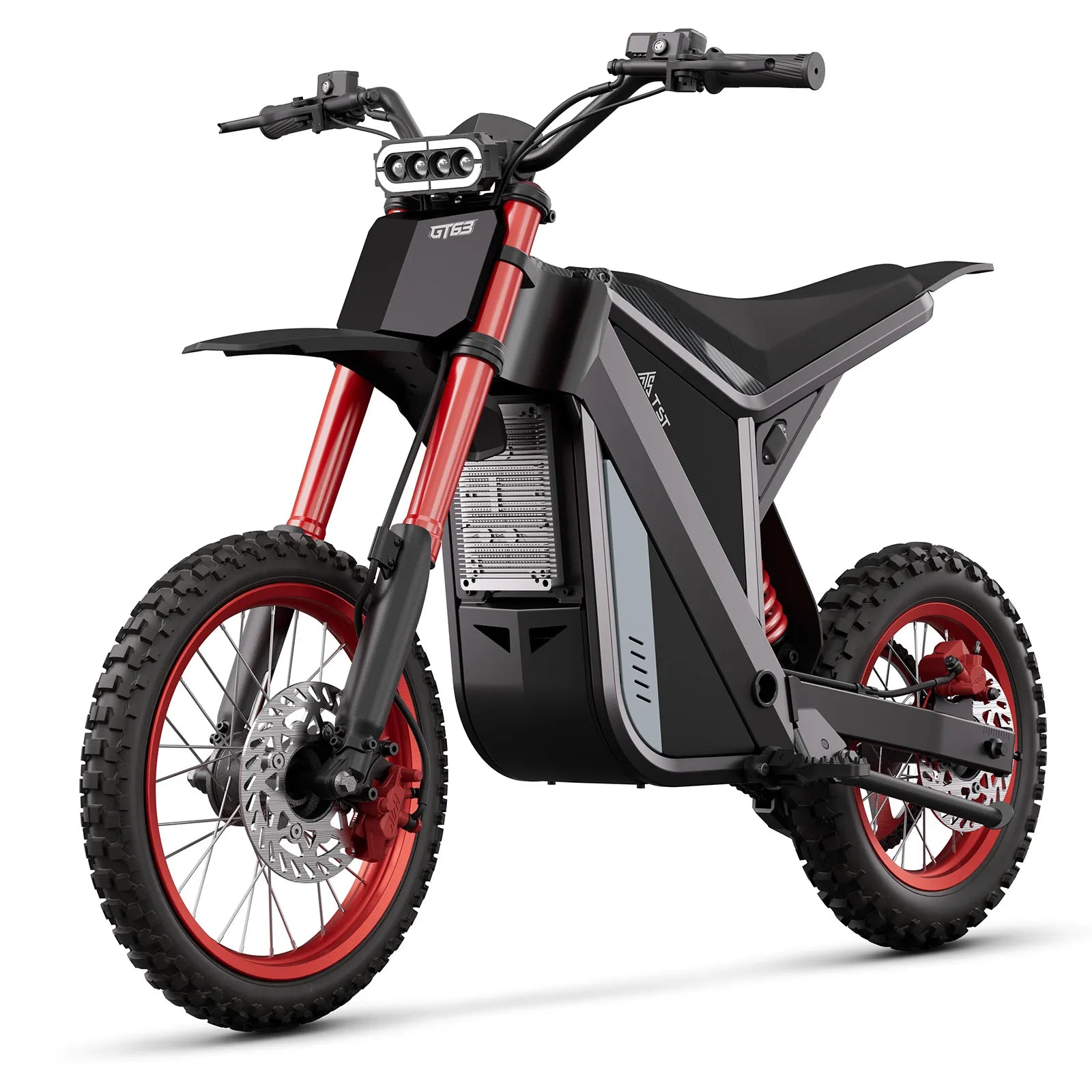

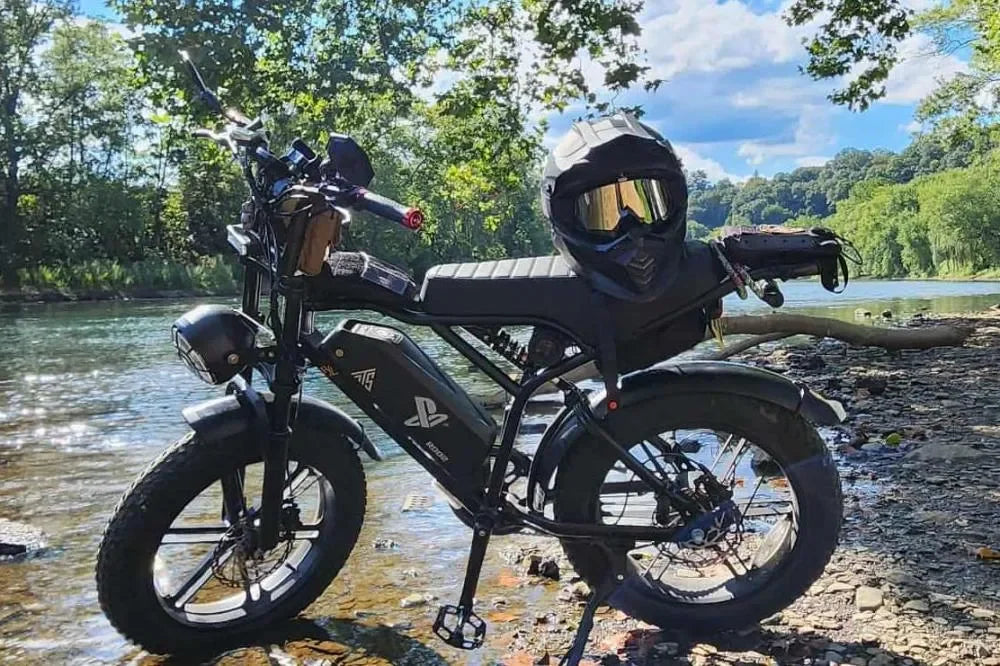
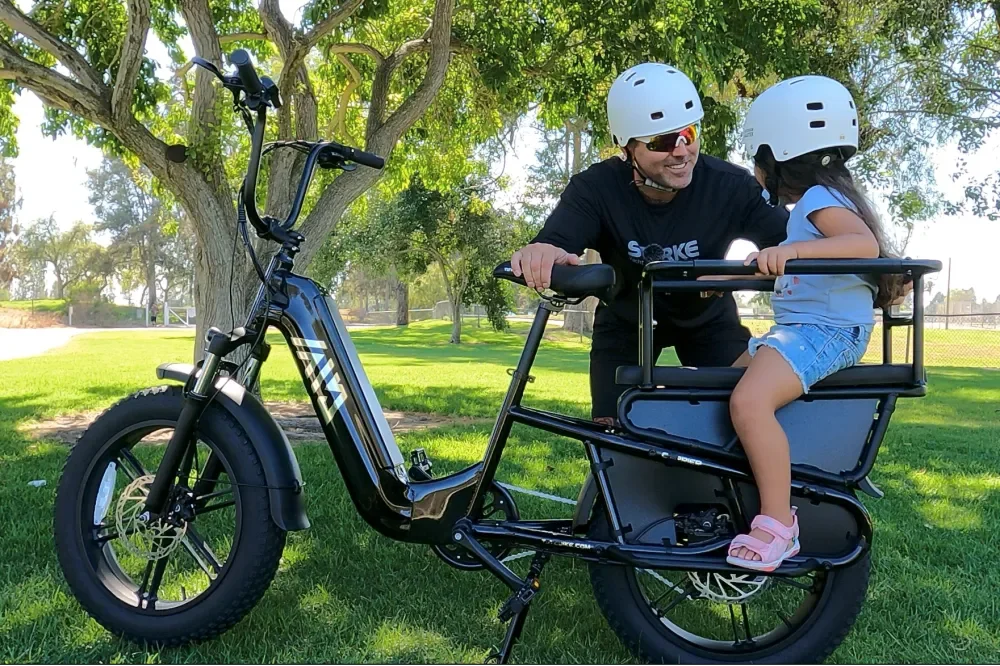
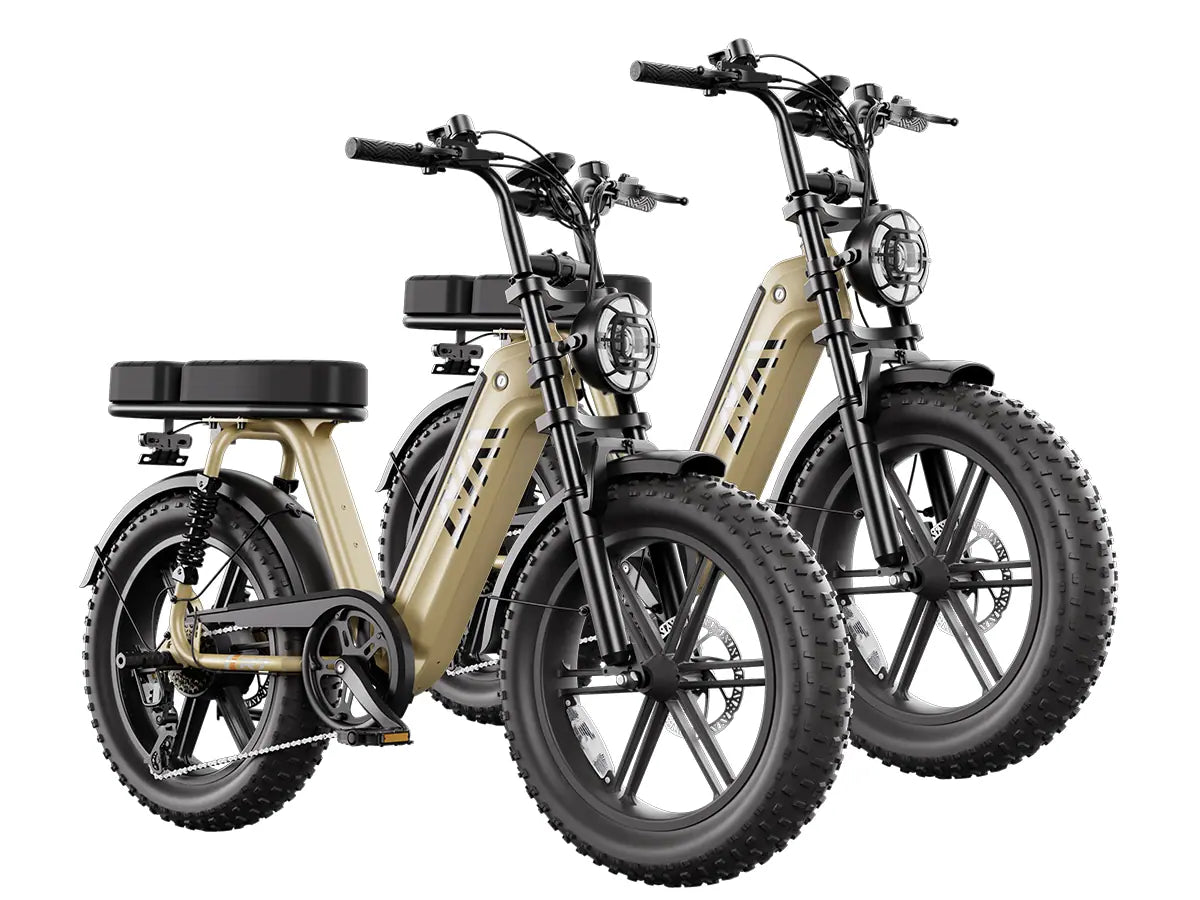
A folding moped offers a unique blend of portability, electric power, and seated comfort, making it ideal for urban commuting, multimodal travel, and storage in small spaces. Compact yet capable, it bridges the gap between standing scooters and full-size electric bikes, providing riders with an efficient, flexible, and low-stress way to navigate congested city streets.
What is a folding moped and how does it work?
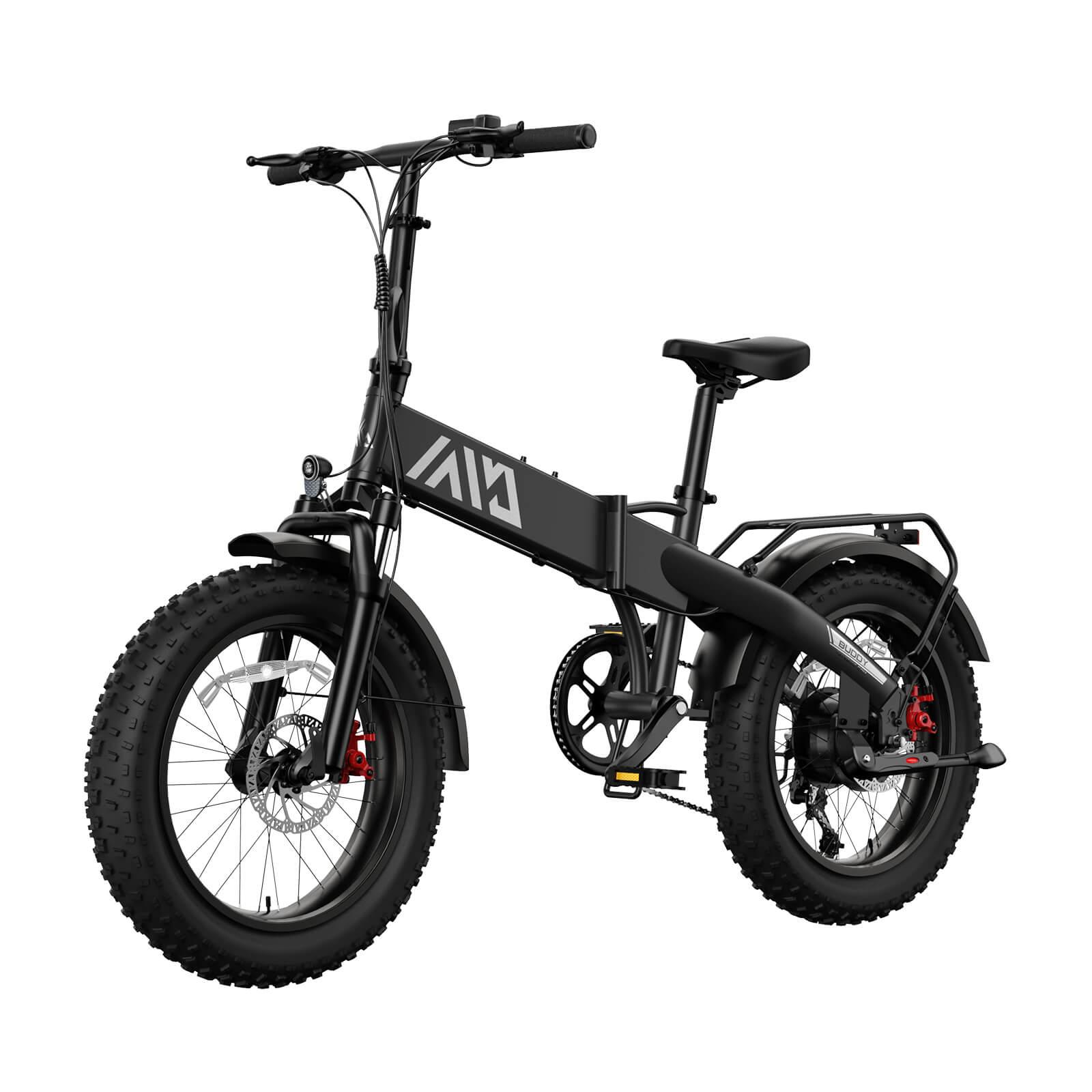
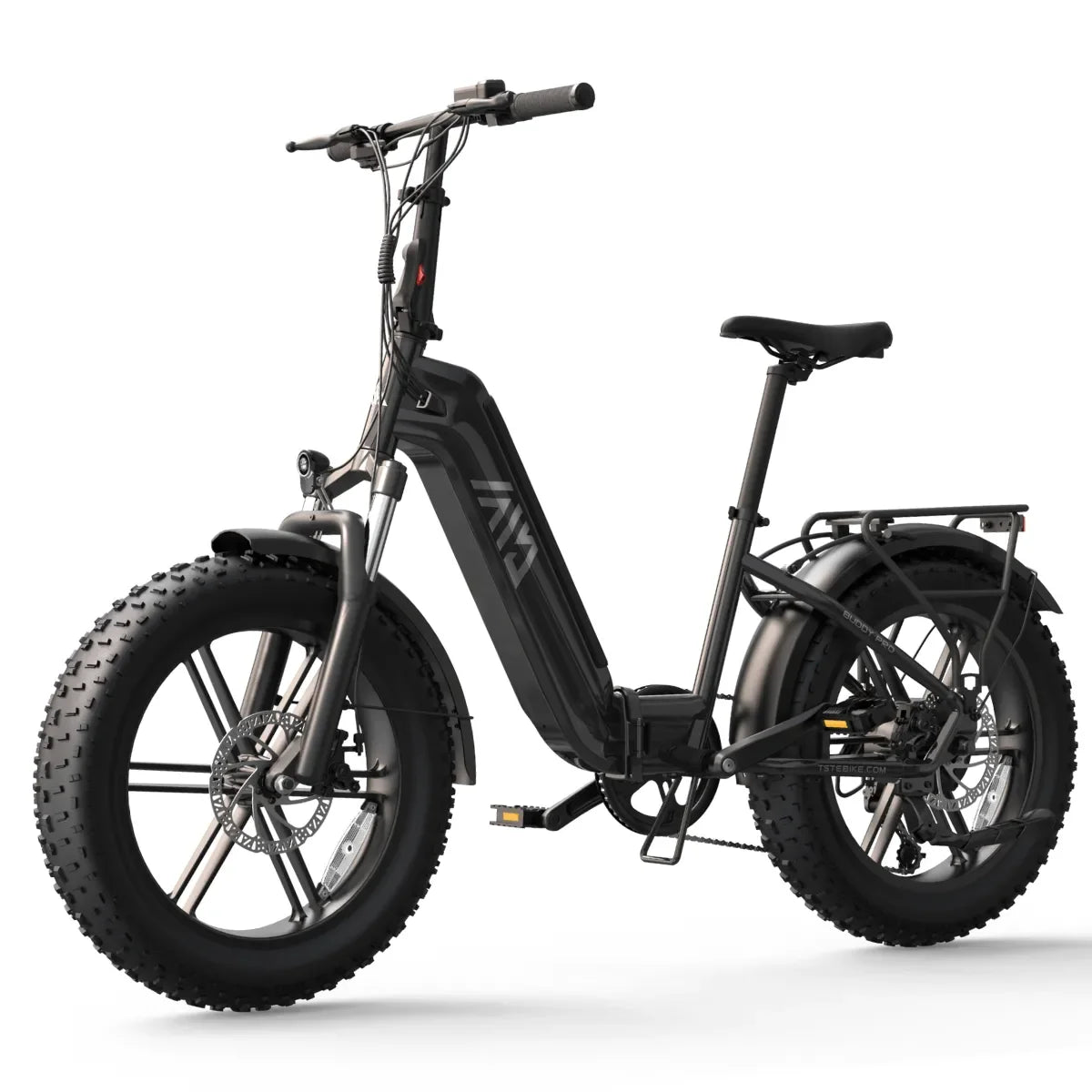
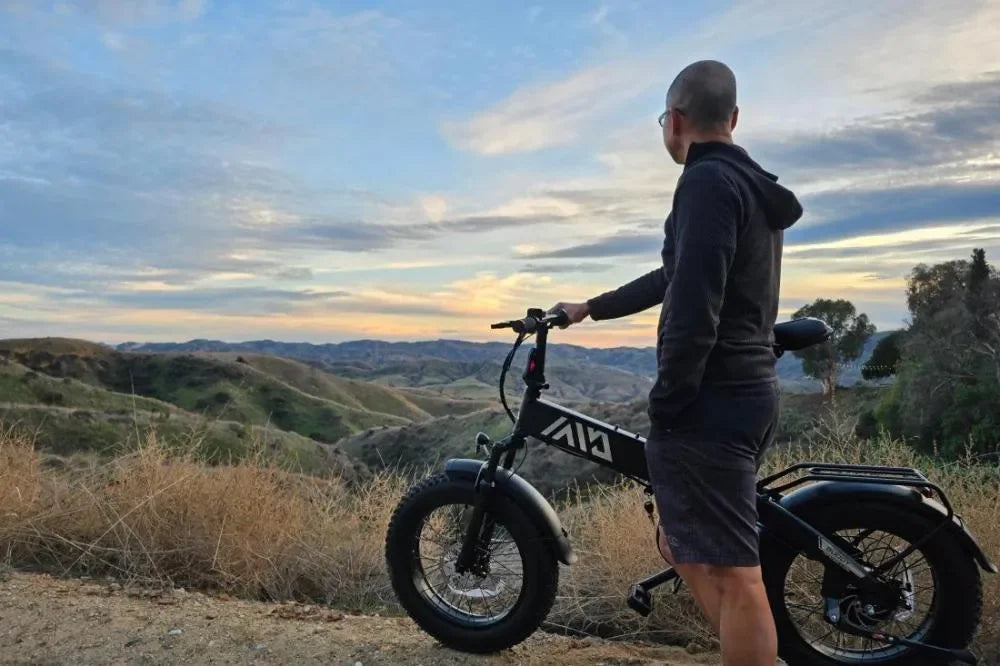
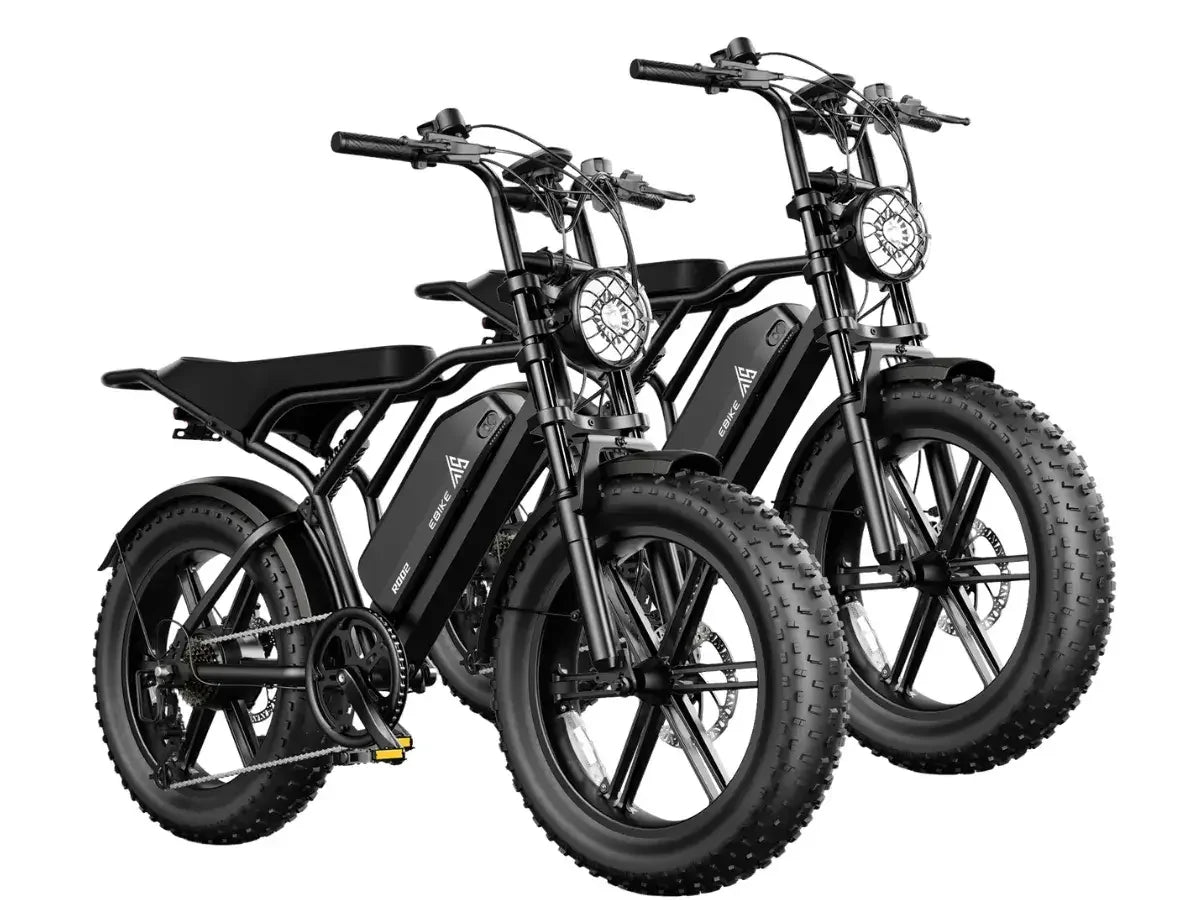
A folding moped is a compact, typically electric two-wheeler with a step-through frame, small wheels, and a hinge system that allows the frame or stem to fold for easier storage and transport. Most modern models use a hub motor and removable battery to provide pedal-assist or throttle power. Folding handlebars, pedals, and seatposts reduce the overall footprint while maintaining upright riding ergonomics.
Internally, folding mopeds feature components similar to ebikes, including brushless motors, lithium-ion batteries, cadence or torque sensors, and electronic controllers. Folding joints are reinforced with safety locks or secondary pins, ensuring durability over repeated use. Adjustable seating accommodates riders of varying heights without sacrificing comfort.
How does a folding moped compare to a regular ebike?
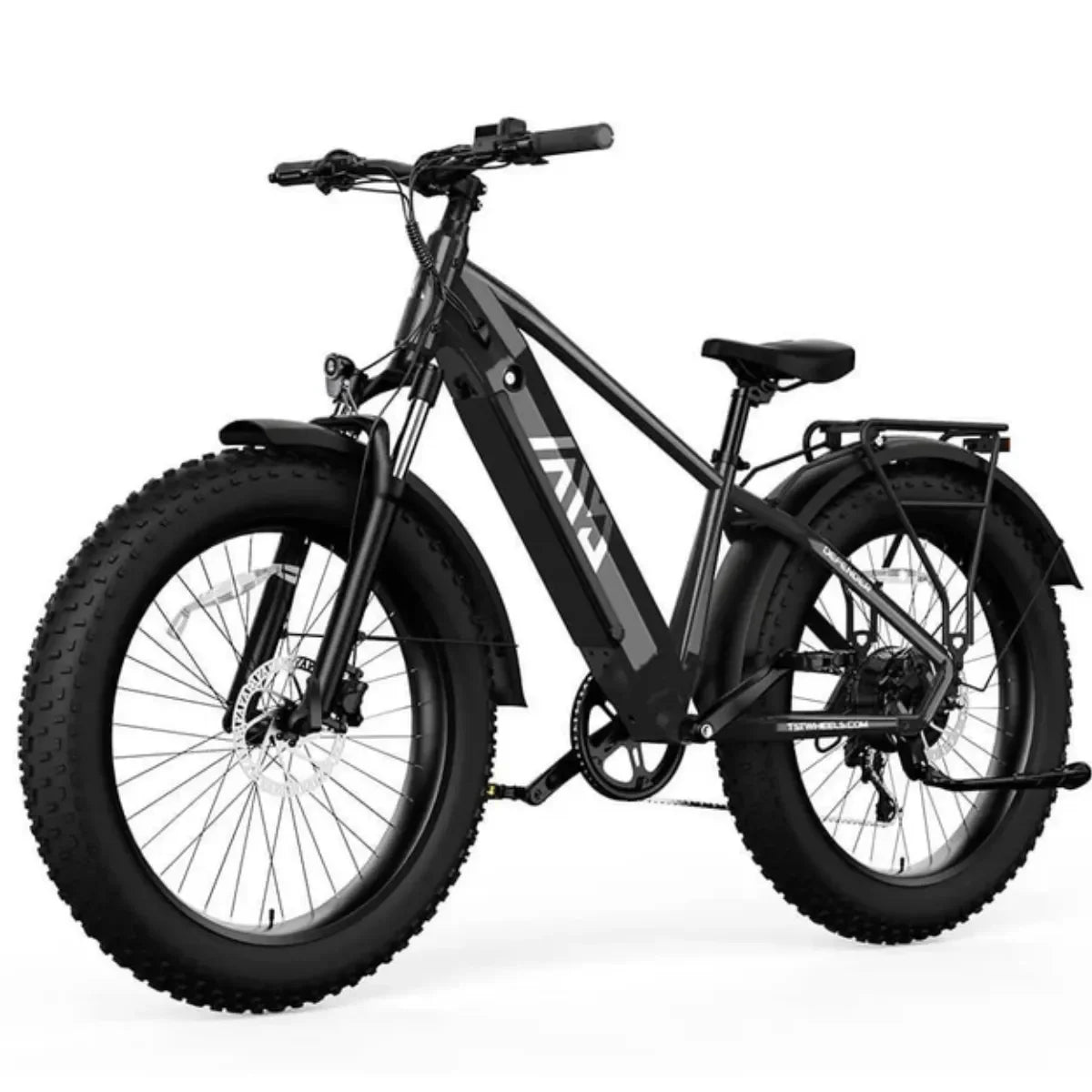
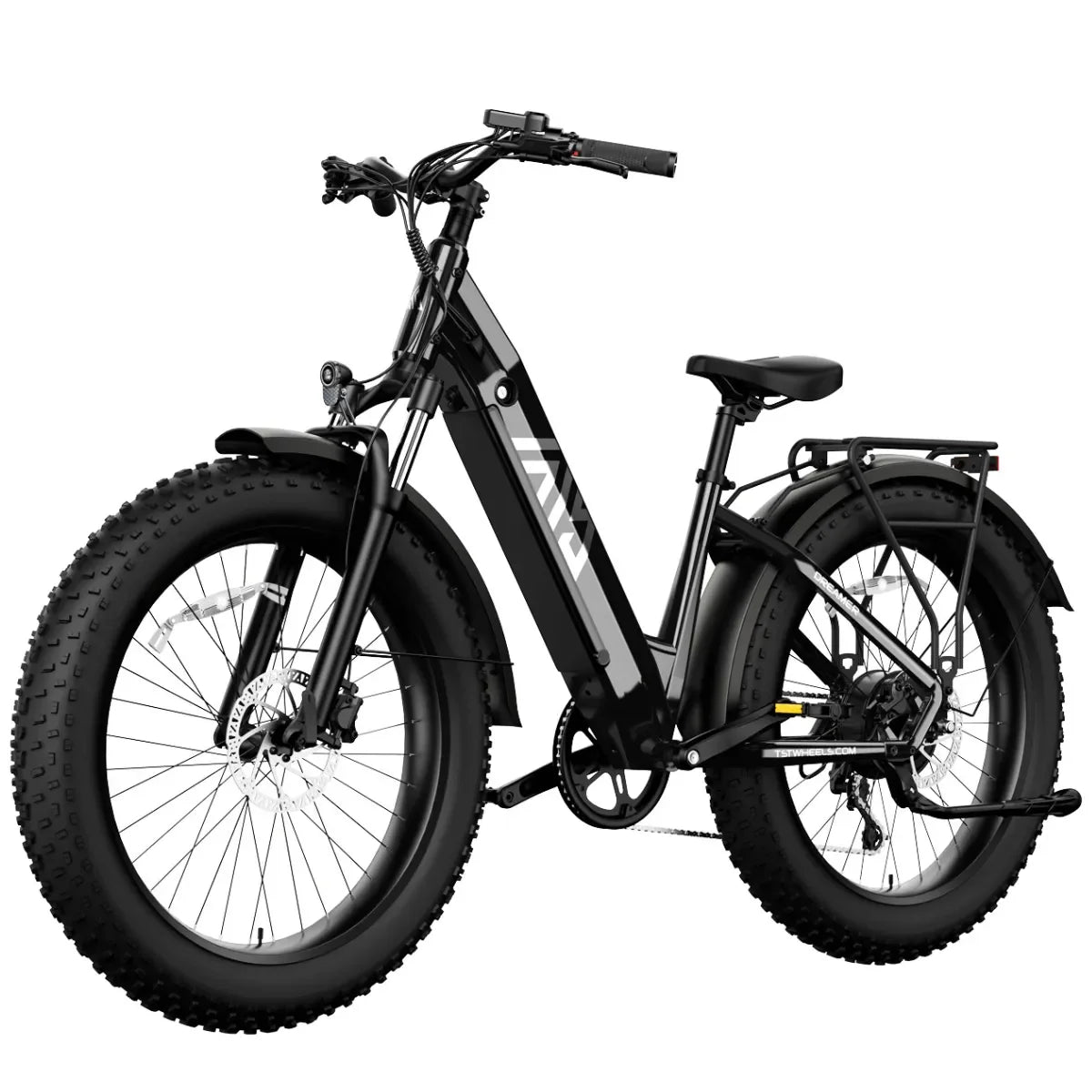
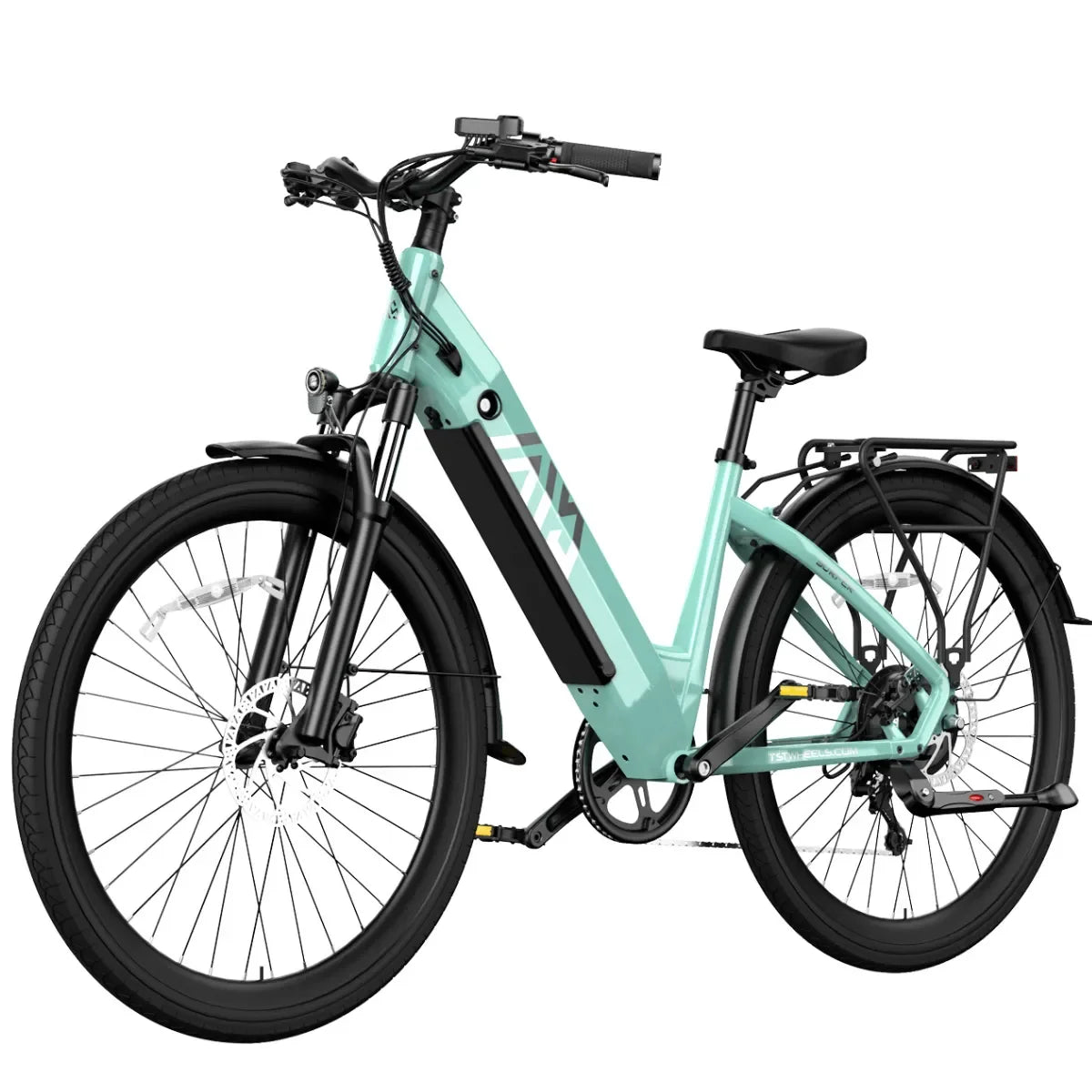
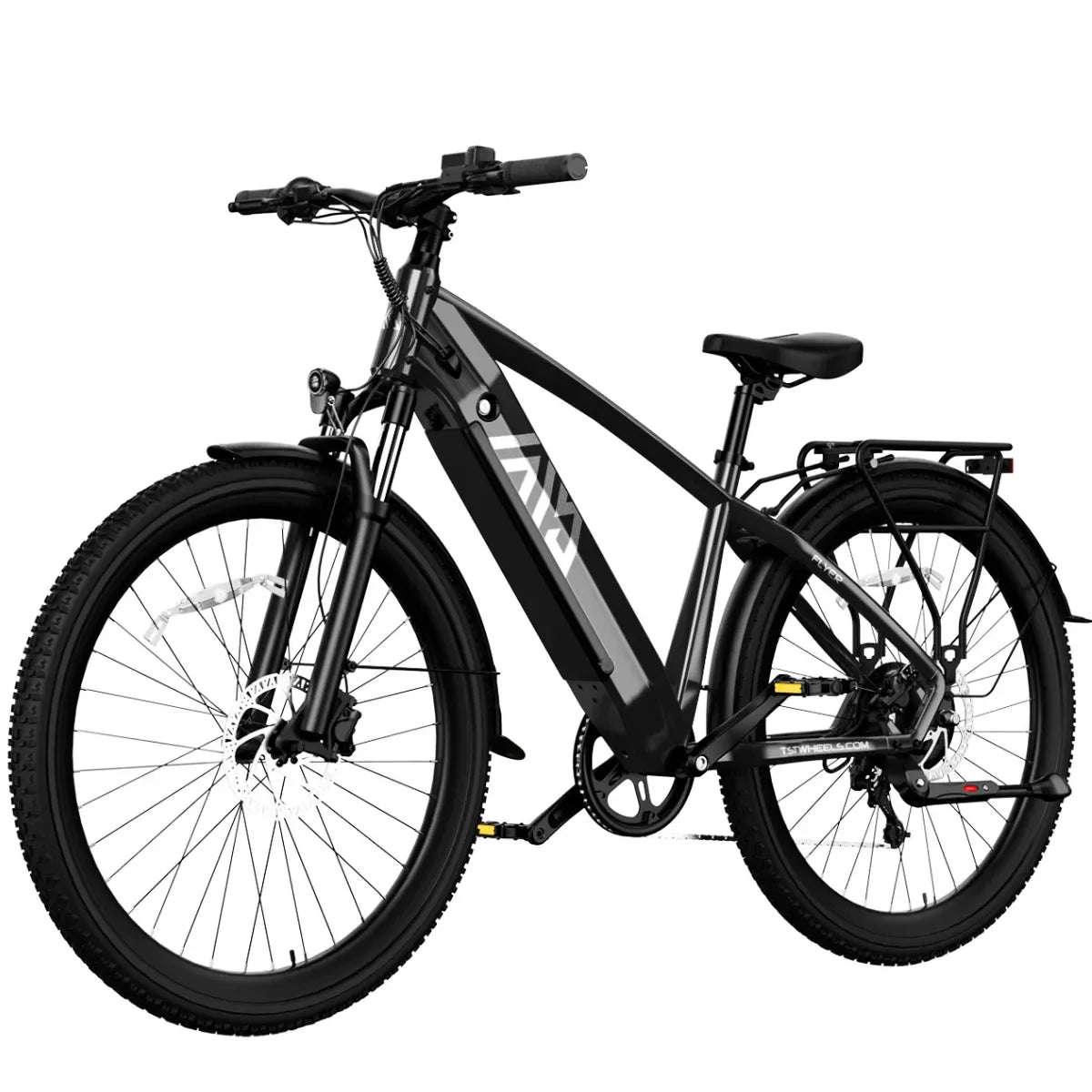
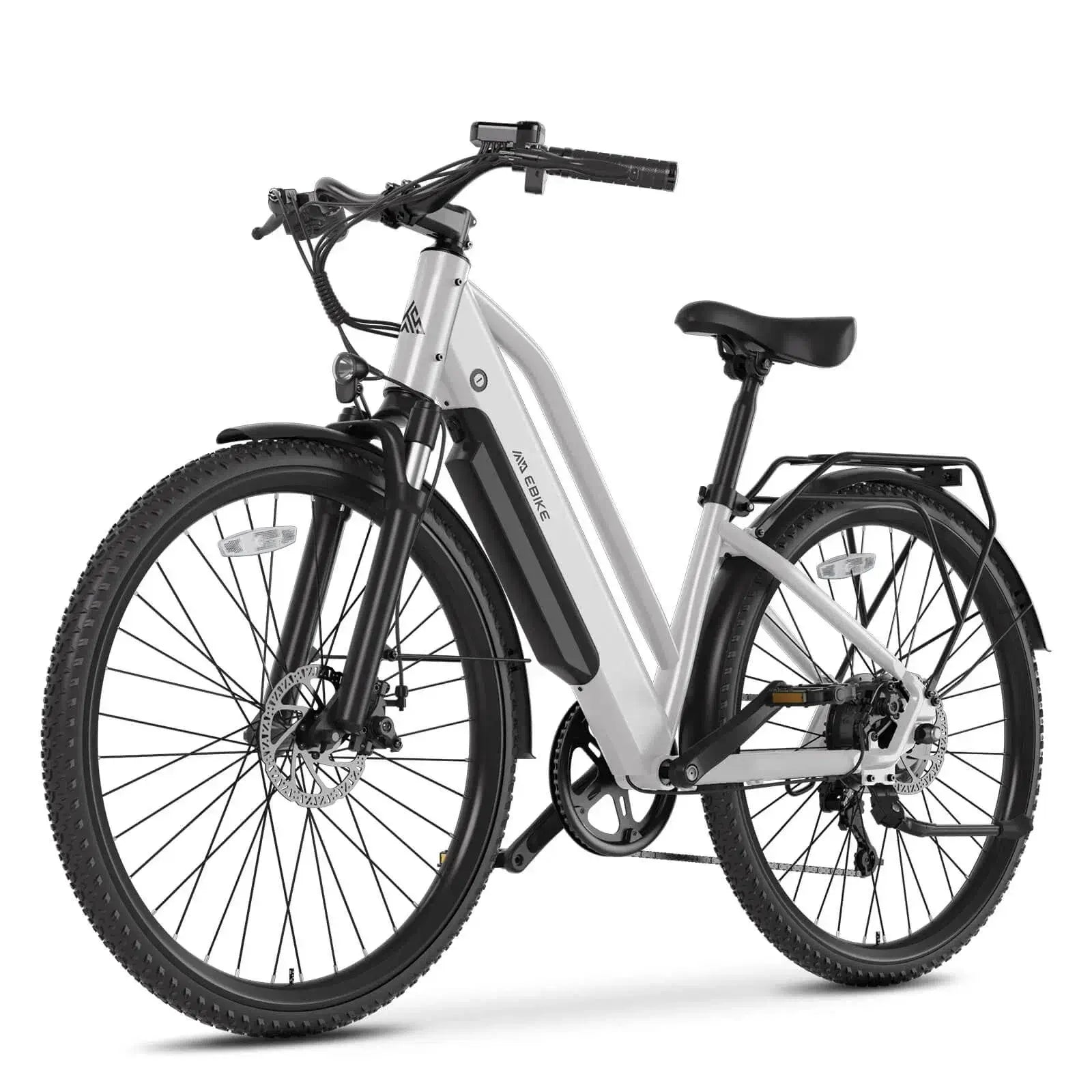
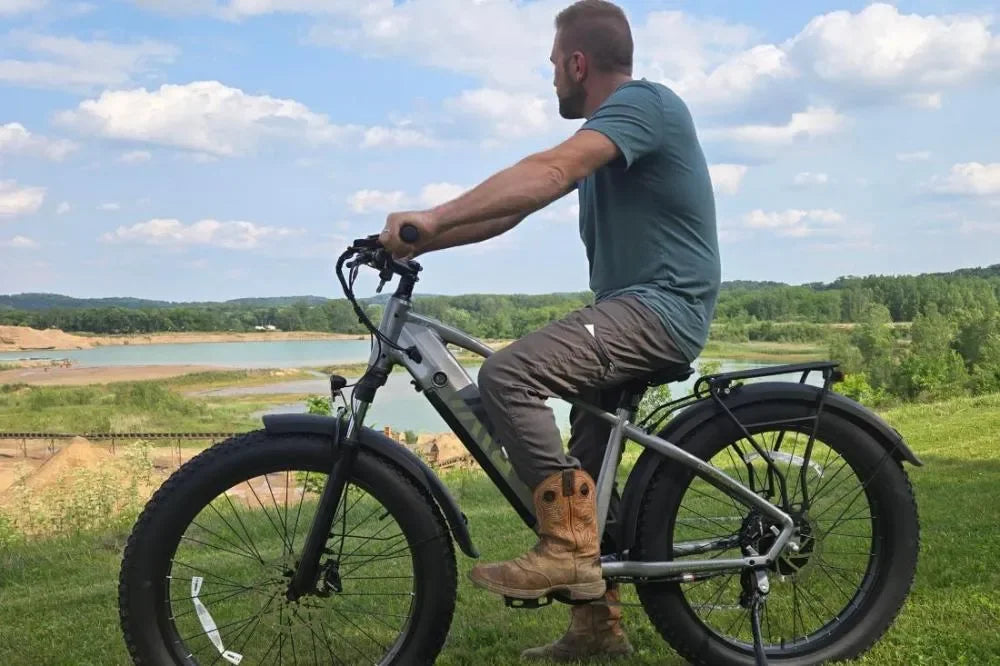
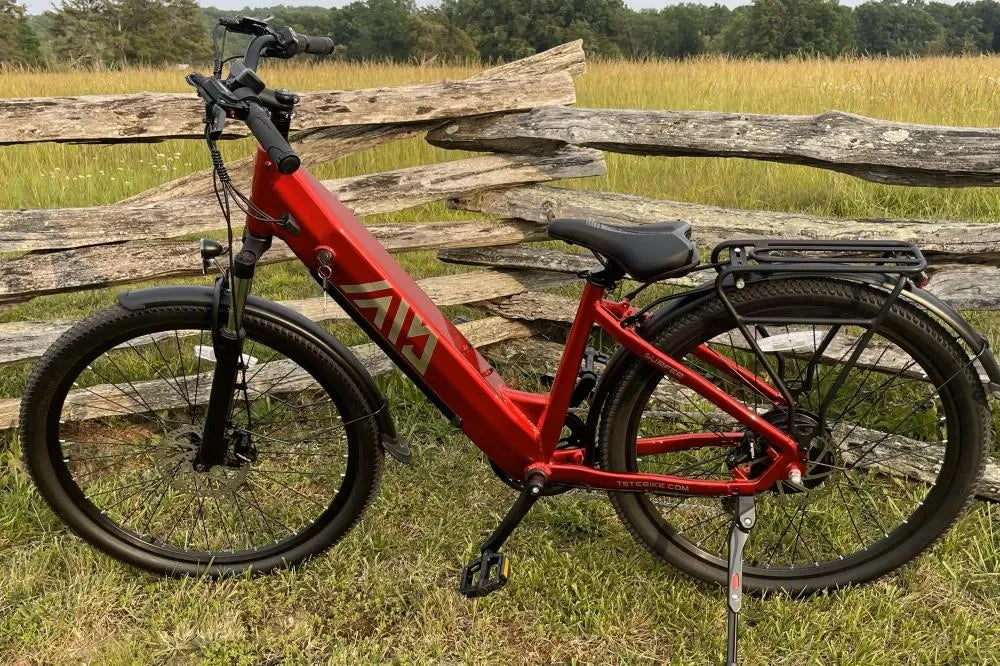
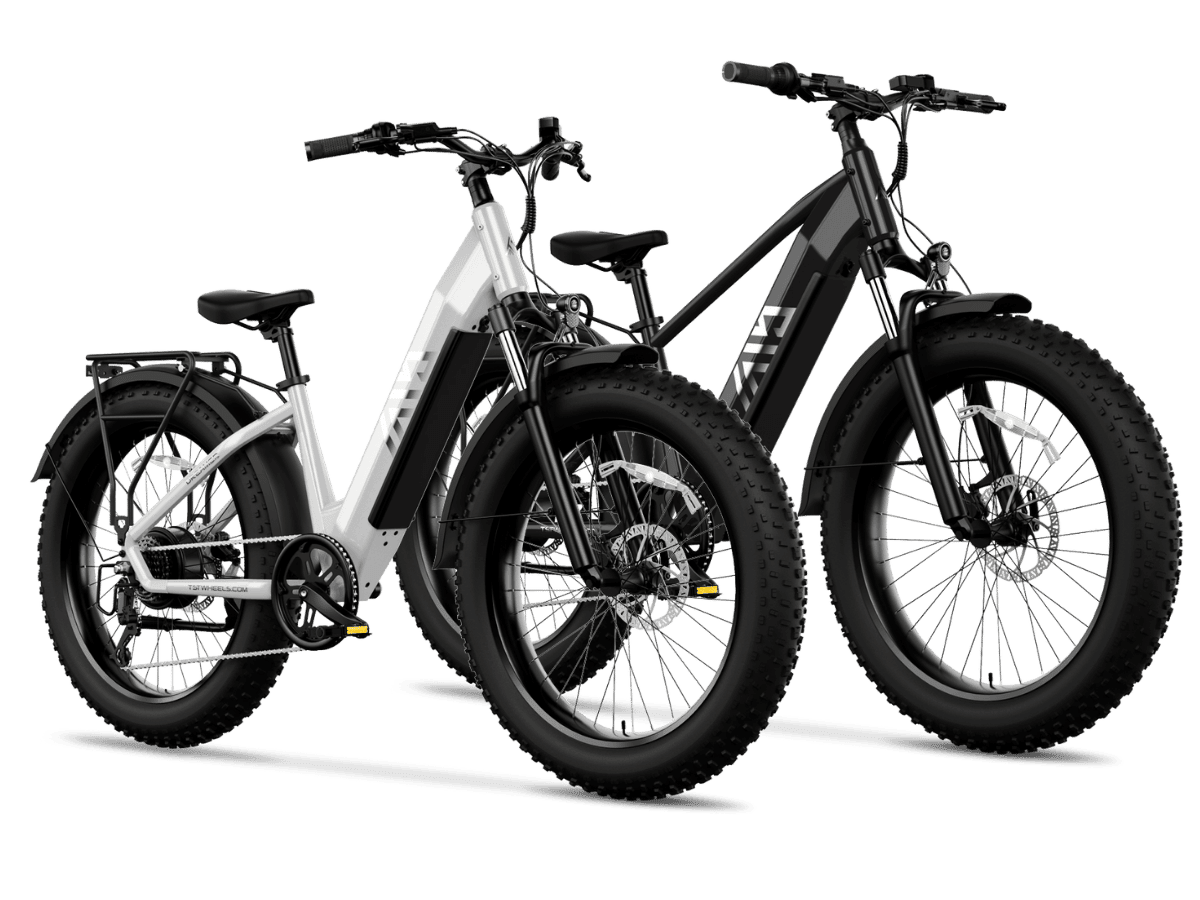
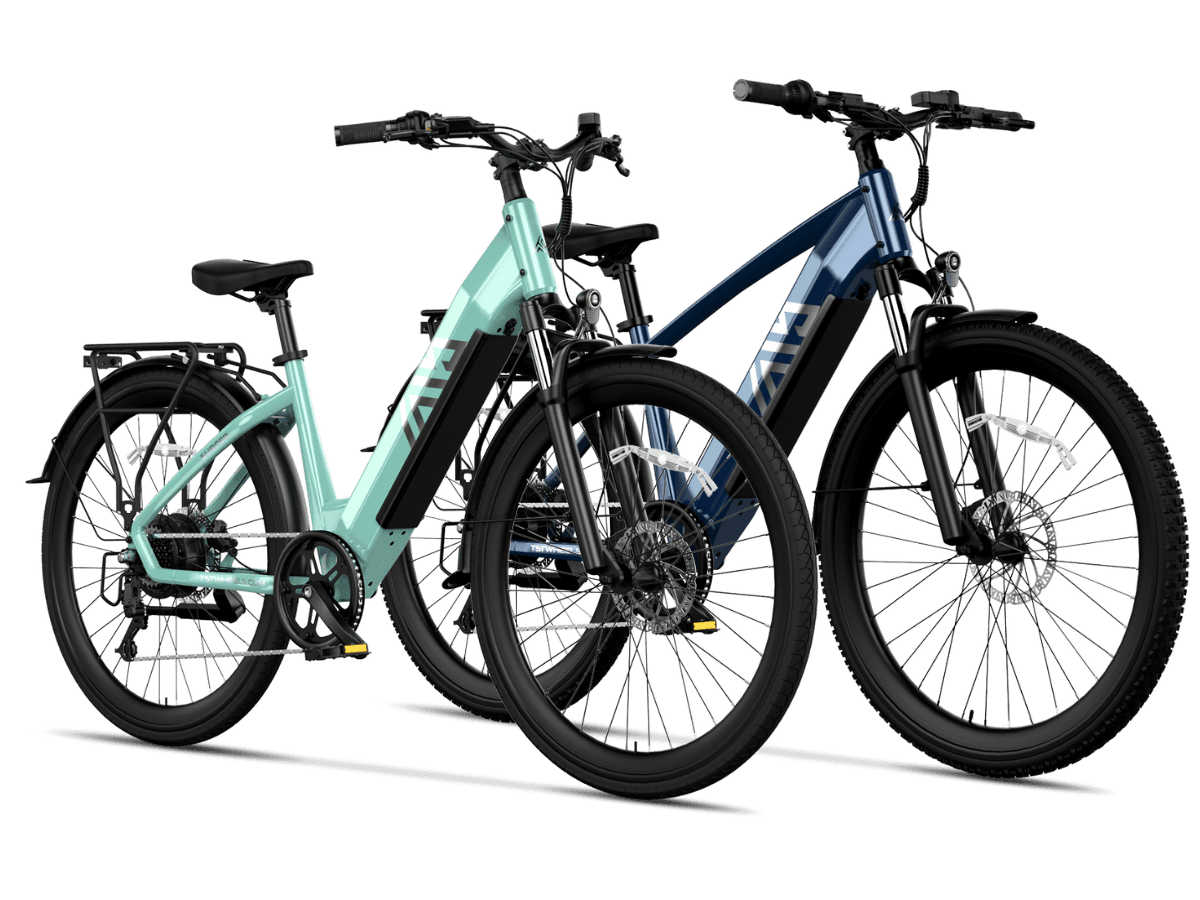
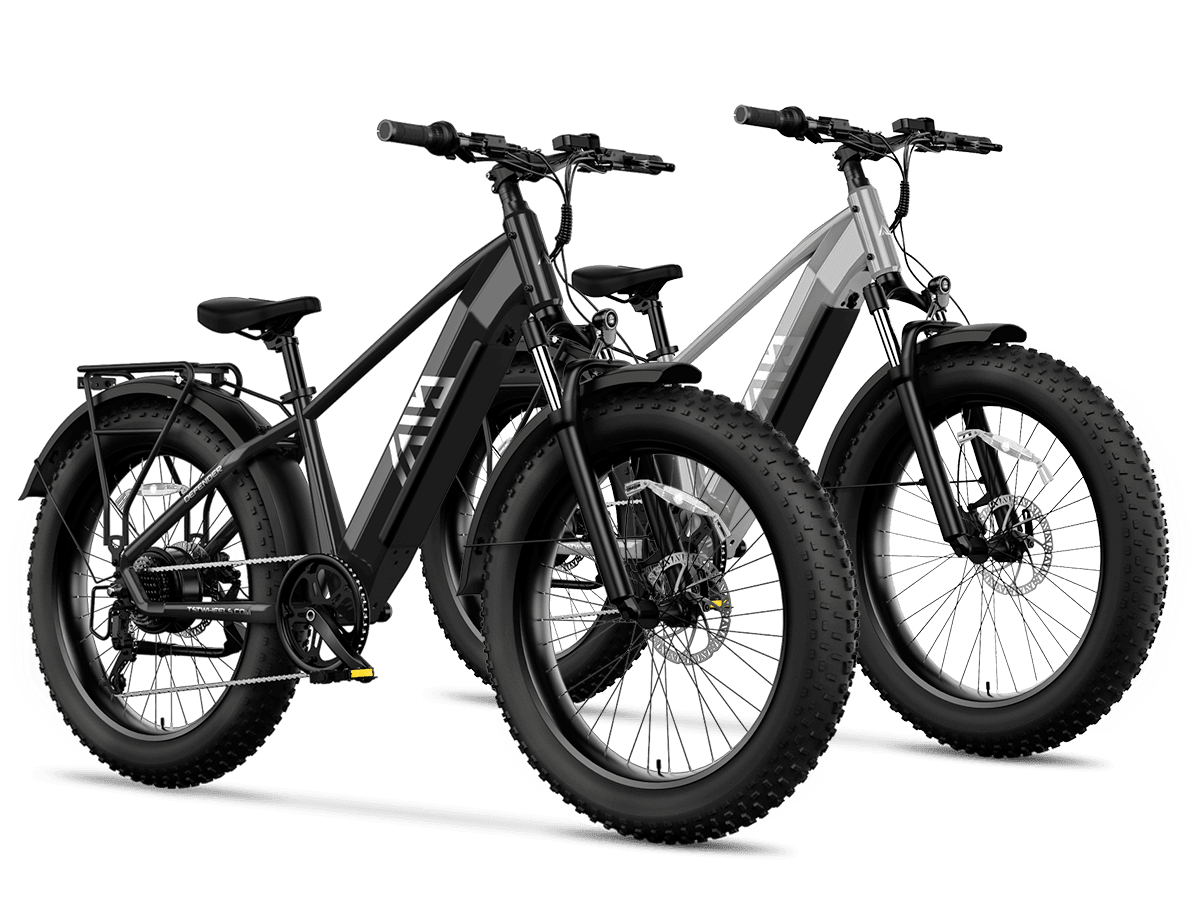
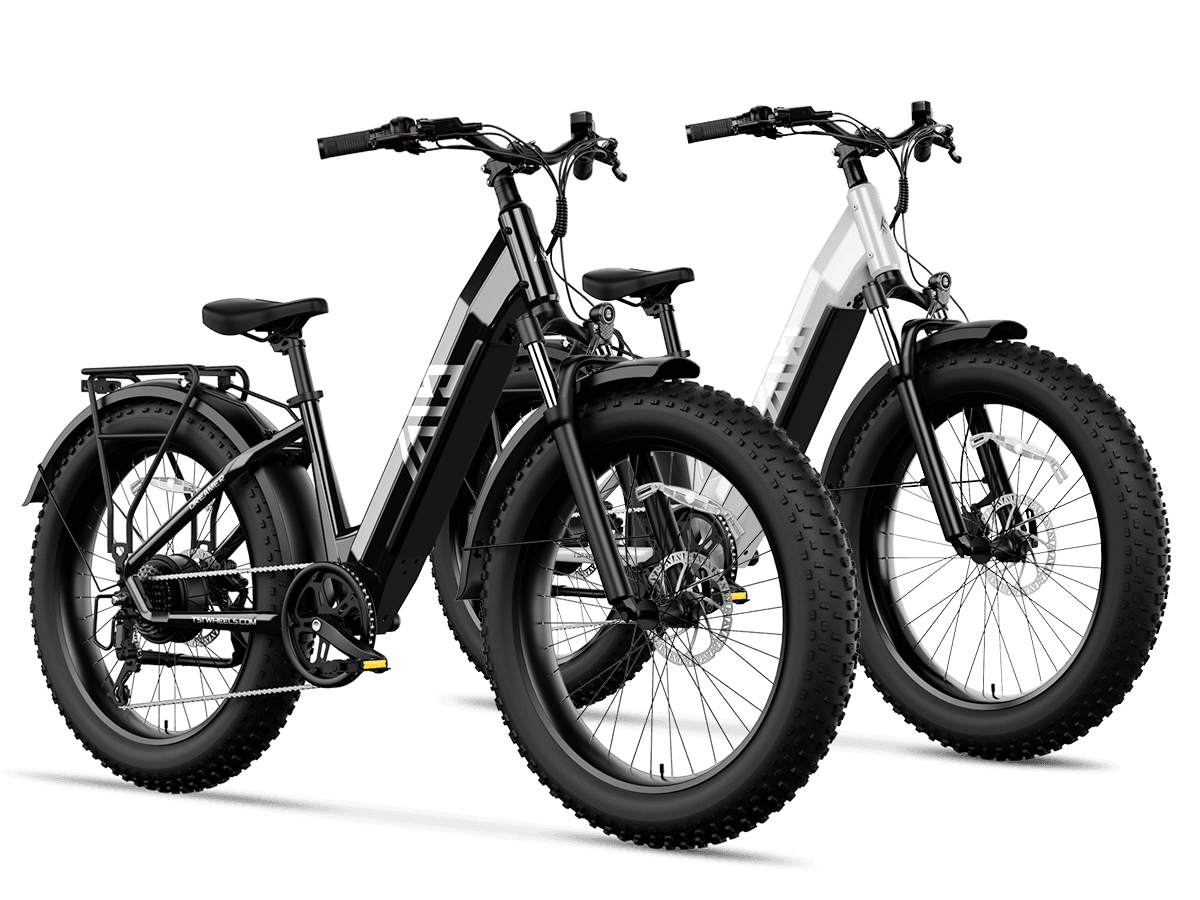
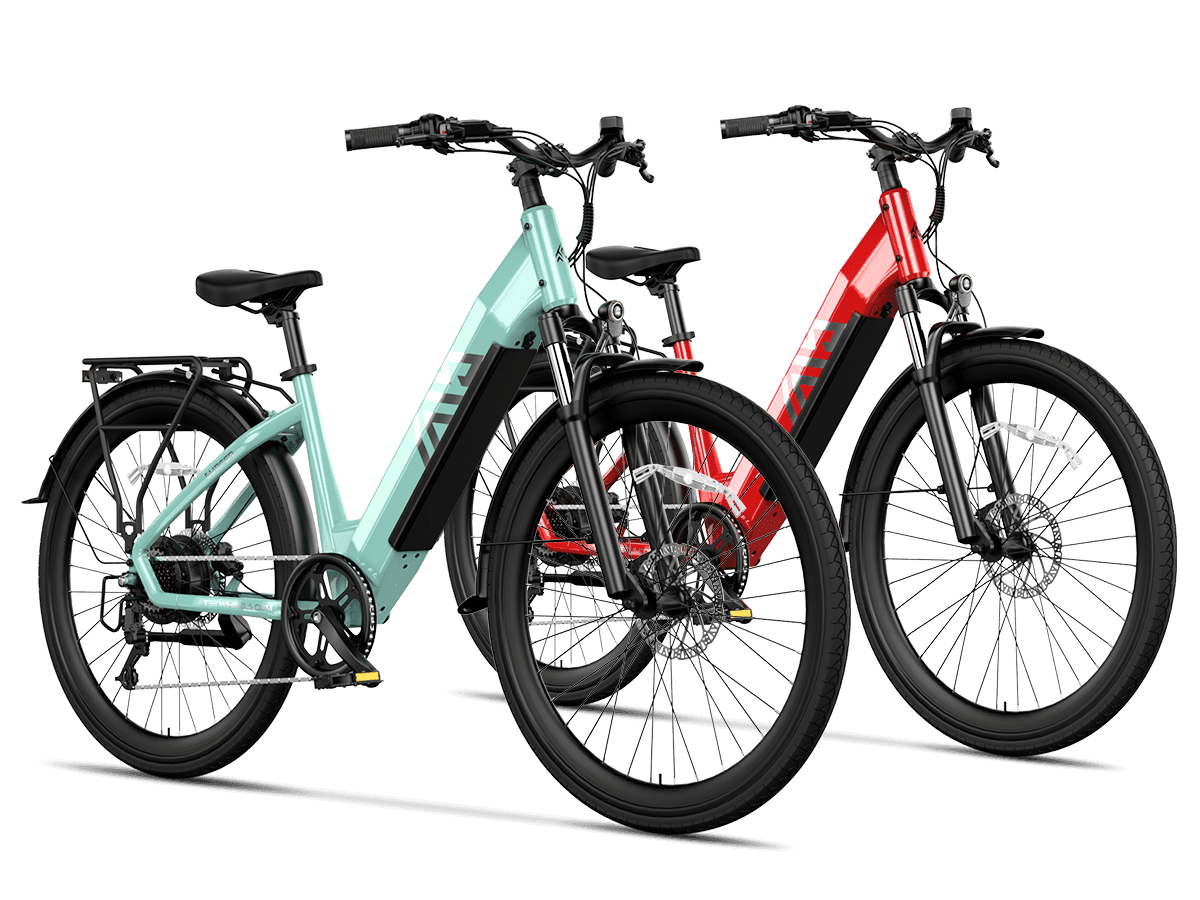
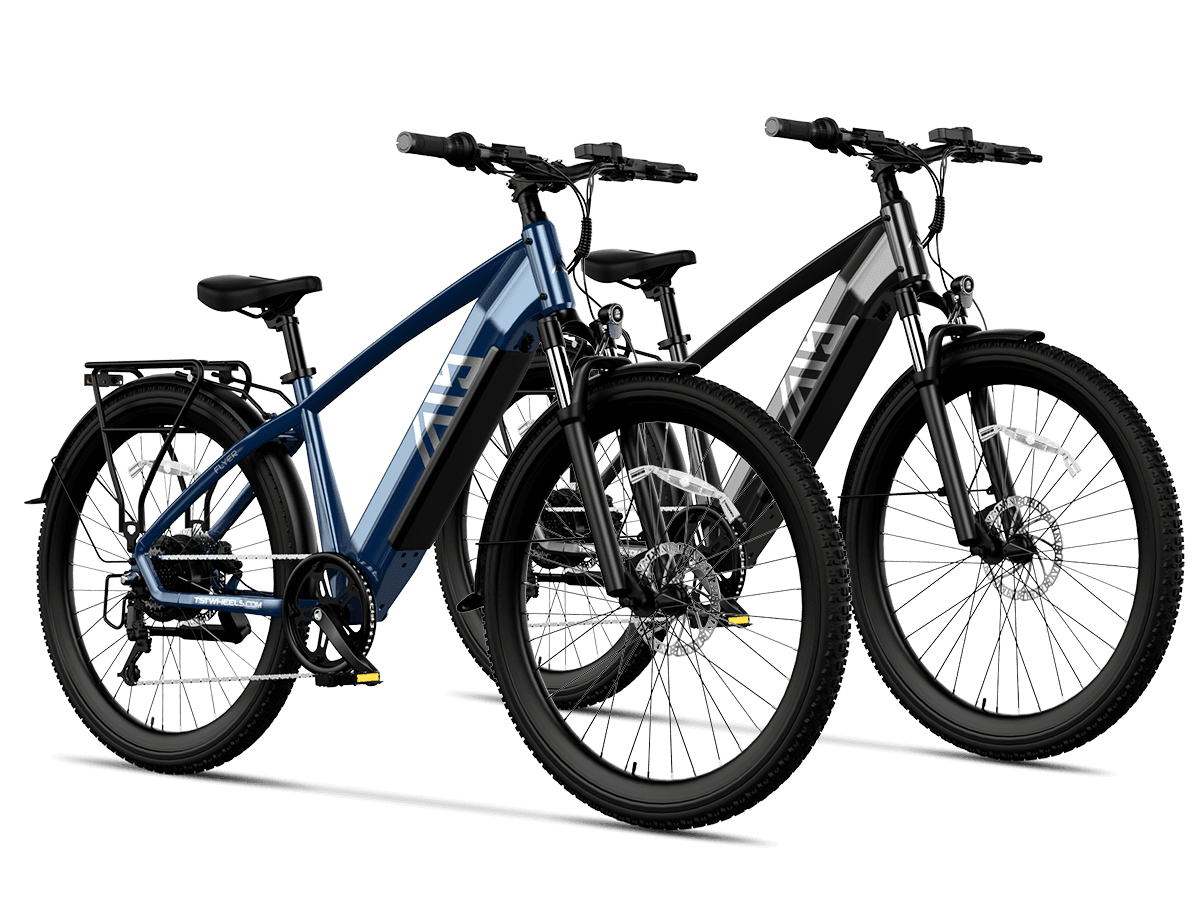
Folding mopeds trade some pedaling efficiency for portability. Full-size ebikes, including popular 26‑ or 27‑inch models from TST EBike, provide smoother rides on rough terrain, greater stability at higher speeds, and longer wheelbases. However, they occupy more space at home and are less convenient to carry indoors. Folding mopeds excel for short- to mid-range city commutes and storage in tight spaces.
Key differences include:
-
Smaller wheels (14–20 inches) for agile urban maneuvering.
-
Shorter wheelbases for compact storage.
-
Upright, scooter-style riding position for stop-and-go traffic.
Good suspension and wider tires are crucial to offset bumps that smaller wheels transmit, especially for riders used to TST EBike models.
What key features matter most on a folding moped?
Critical features include motor power, battery capacity, folding mechanism quality, frame durability, weight, and safety elements such as brakes and lighting. A motor in the 350–750 W range provides confident city performance, while batteries of 10–15 Ah support 20–40 miles (32–64 km) of real-world range.
Other essential features:
-
Secure folding joints with reliable latches.
-
Mechanical or hydraulic disc brakes.
-
Integrated lights and reflectors, ideally with brake lights.
-
Adjustable handlebars and seatposts for multiple rider sizes.
-
Clear displays for speed, battery level, and assist mode.
TST EBike offers a benchmark for strong frames and cost-effective power systems in this segment.
Which folding moped specifications should commuters prioritize?
Commuters should focus on realistic range, weight, folded dimensions, and ride comfort. A 30–40 km minimum range suits daily urban use. Weight under 30 kg makes carrying the moped practical.
Comfort-focused specs:
-
Wider tires for cushioning rough surfaces.
-
Front or full suspension to smooth city streets.
-
Upright saddle geometry to reduce fatigue.
Comparing to TST EBike models, choose folding mopeds that replicate upright posture and quality contact points.
| Factor | Recommended for commuters |
|---|---|
| Motor power | 350–750 W |
| Battery capacity | 10–15 Ah or higher |
| Realistic range | 20–40 miles (32–64 km) |
| Weight | ≤ 30 kg for frequent carrying |
| Wheel size | 14–20 inches, preferably wider tires |
| Brakes | Mechanical or hydraulic disc brakes |
| Suspension | Front, ideally front and rear |
Why are folding mopeds becoming so popular in cities?
Folding mopeds address urban challenges like traffic congestion, limited parking, and small living spaces. Riders can use bike lanes, fold the moped to bring indoors, and avoid costs or risks of outdoor storage.
With expanding cycling infrastructure and increased demand for low-emission commuting, folding mopeds balance seated comfort and portability. TST EBike exemplifies cost-effective design that meets commuter needs without compromising quality.
How can you safely ride and store a folding moped?
Safe riding involves following traffic laws, wearing certified helmets, and adapting speed to road conditions. Riders should practice braking and tight turns in low-traffic areas, especially on higher-powered models. Lights and reflective gear enhance visibility at night.
For storage, fold and lock the moped according to instructions. Keep it indoors or in dry areas to protect electronics and batteries. Partial folding can reduce hinge strain but secure placement prevents tipping.
What maintenance does a folding moped need?
Maintenance includes regular checks on tire pressure, brakes, chain lubrication, and folding joints. Inspect hinges for play or cracks and keep moving parts clean. Battery care is crucial: avoid full discharges, store at moderate charge when idle, and protect from extreme temperatures.
| Task | Recommended frequency |
|---|---|
| Tire pressure check | Weekly or before long rides |
| Brake inspection | Weekly; adjust as needed |
| Chain cleaning/lube | Every 150–250 km |
| Folding joint inspection | Monthly |
| Battery health check | Monthly |
| Professional service | Every 12 months |
Where does a folding moped fit among other compact EVs?
Folding mopeds occupy the space between standing e-scooters and full-size ebikes. Scooters are highly portable but less comfortable for long distances. Large ebikes, such as TST EBike models, excel in stability and speed but are harder to store or transport. Folding mopeds are ideal for multimodal commuting and limited storage situations.
They are effective for:
-
First- and last-mile links to public transport.
-
Riders needing indoor storage.
-
Commuters seeking seated comfort with compact size.
Who should consider choosing a folding moped over a scooter or bike?
Ideal users include urban professionals, students, RV travelers, and apartment dwellers with limited parking. Folding mopeds suit riders combining cycling with public transport or car travel.
They are recommended for:
-
Apartment residents without secure outdoor parking.
-
Riders preferring stable, low-step frames.
-
Those returning to cycling seeking comfort and ease.
High-speed or rough-terrain riders may still prefer larger ebikes like the 26‑ or 27‑inch TST EBike models.
Does a folding moped have enough power for hills and longer rides?
Many folding mopeds handle moderate hills and daily commutes. Motors around 500–750 W with good torque and multi-level assist systems provide solid climbing and acceleration.
For longer rides, battery capacity and energy-efficient modes are key. Pedaling supplements motor power and extends range. Riders familiar with TST EBike performance should match motor ratings when choosing a folding moped.
Has legislation caught up with folding mopeds and where can they ride?
Regulations vary by region, often following ebike or scooter rules. Low-powered, pedal-equipped mopeds may use bike lanes, while high-powered models may be restricted to roads.
Check local rules for:
-
Maximum legal motor power and speed.
-
Licensing, registration, or insurance requirements.
-
Authorized riding locations, including bike lanes and paths.
Review laws regularly, especially when commuting across city or state lines.
TST EBike Expert Views
“Urban riders increasingly demand compact, powerful, and affordable vehicles. Folding mopeds merge scooter practicality with small motorcycle capability, suitable for daily commuting. At TST EBike, our consumer-driven design philosophy ensures high-value, efficient electric bikes, and these principles extend naturally to smarter, space-conscious folding models that meet urban mobility needs.”
What are the key takeaways when choosing the right folding moped?
Selecting a folding moped requires balancing portability, performance, comfort, and price. Define route length, terrain, and storage needs to determine motor power, battery capacity, and suspension requirements. Evaluate build quality, hinge reliability, and brand reputation. Brands like TST EBike provide guidance on quality and after-sales support. Test rides confirm folding ease, riding ergonomics, and handling in real traffic conditions.
FAQs
How long does a folding moped battery usually last?
Most folding moped batteries provide 500–800 full charge cycles. Proper care, including avoiding full discharges and storing at moderate temperatures, prolongs lifespan.
Can a folding moped fit in a small car trunk?
Yes, many folding mopeds are designed to fit compact trunks once folded. Confirm folded dimensions and consider lifting weight before purchase.
Are folding mopeds suitable for tall riders?
Adjustable handlebars, long seatposts, and spacious cockpits accommodate taller riders. Test-ride to ensure comfort and clearance.
Do folding mopeds require insurance?
Low-powered models often do not, but high-powered or throttle-only mopeds may fall under local moped regulations requiring coverage. Check local laws.
When is a full-size ebike better than a folding moped?
Full-size ebikes excel for long distances, rough terrain, and high-speed stability. Models like TST EBike 26‑ and 27‑inch versions provide smoother rides and better tracking than most folding mopeds.

Leave a comment
This site is protected by hCaptcha and the hCaptcha Privacy Policy and Terms of Service apply.