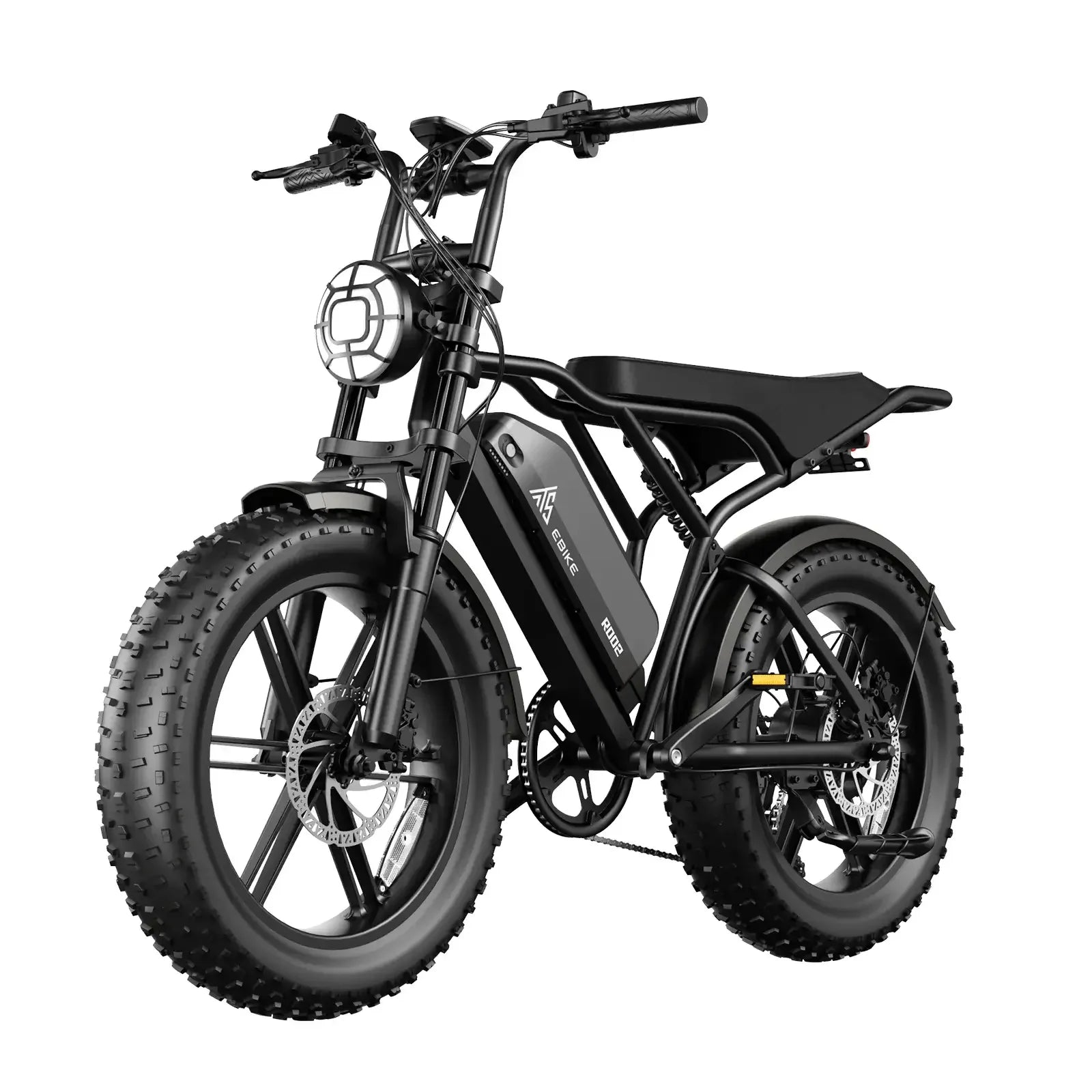

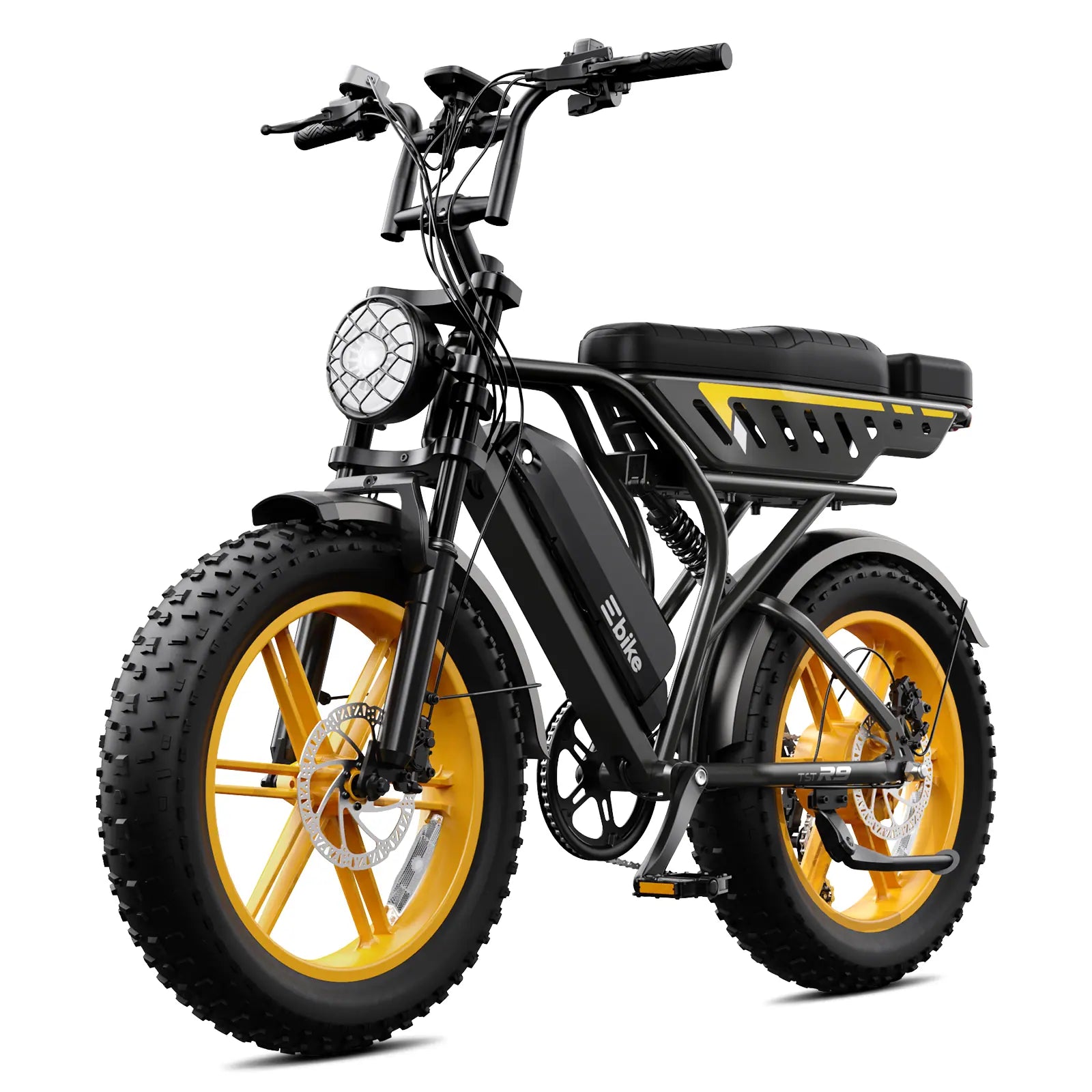

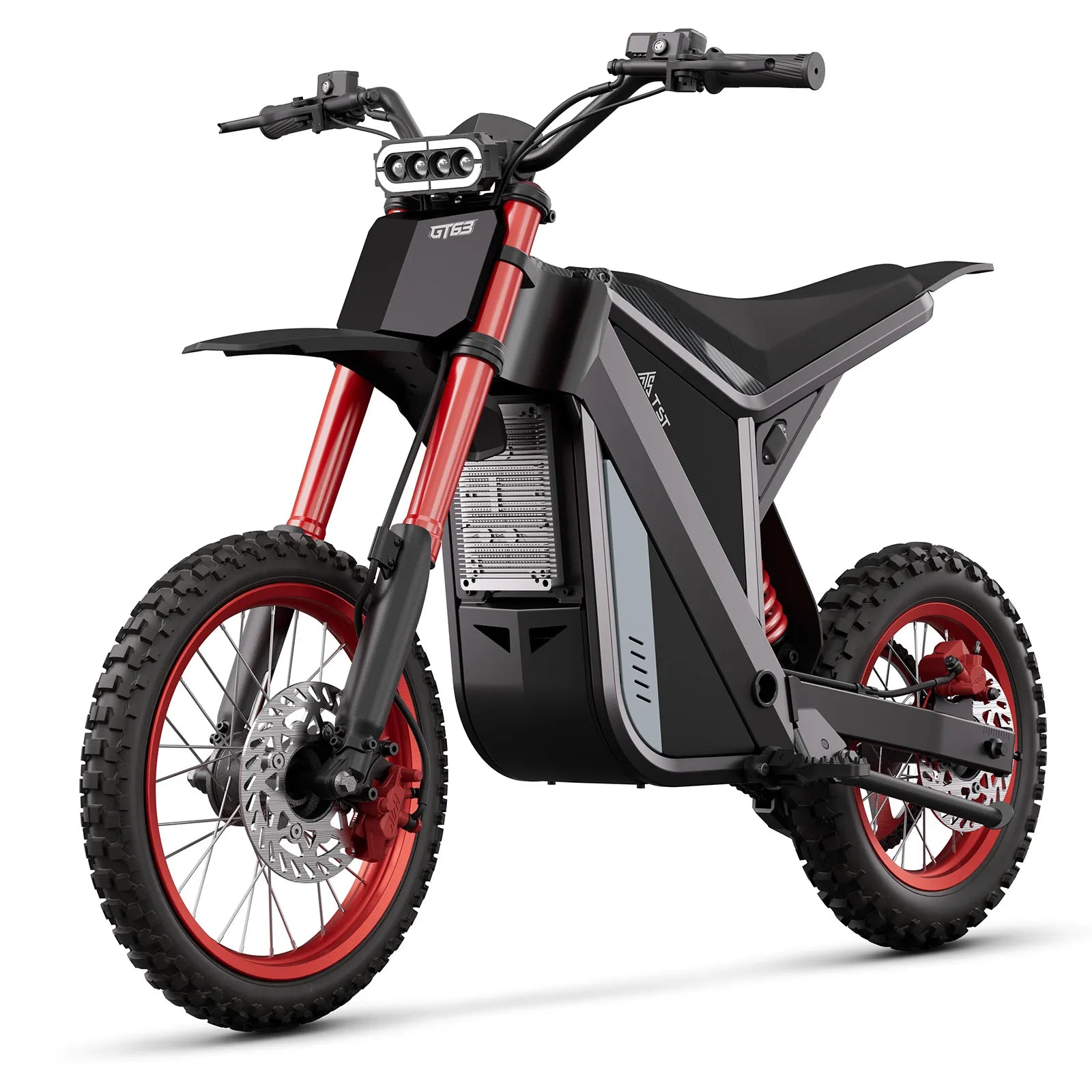
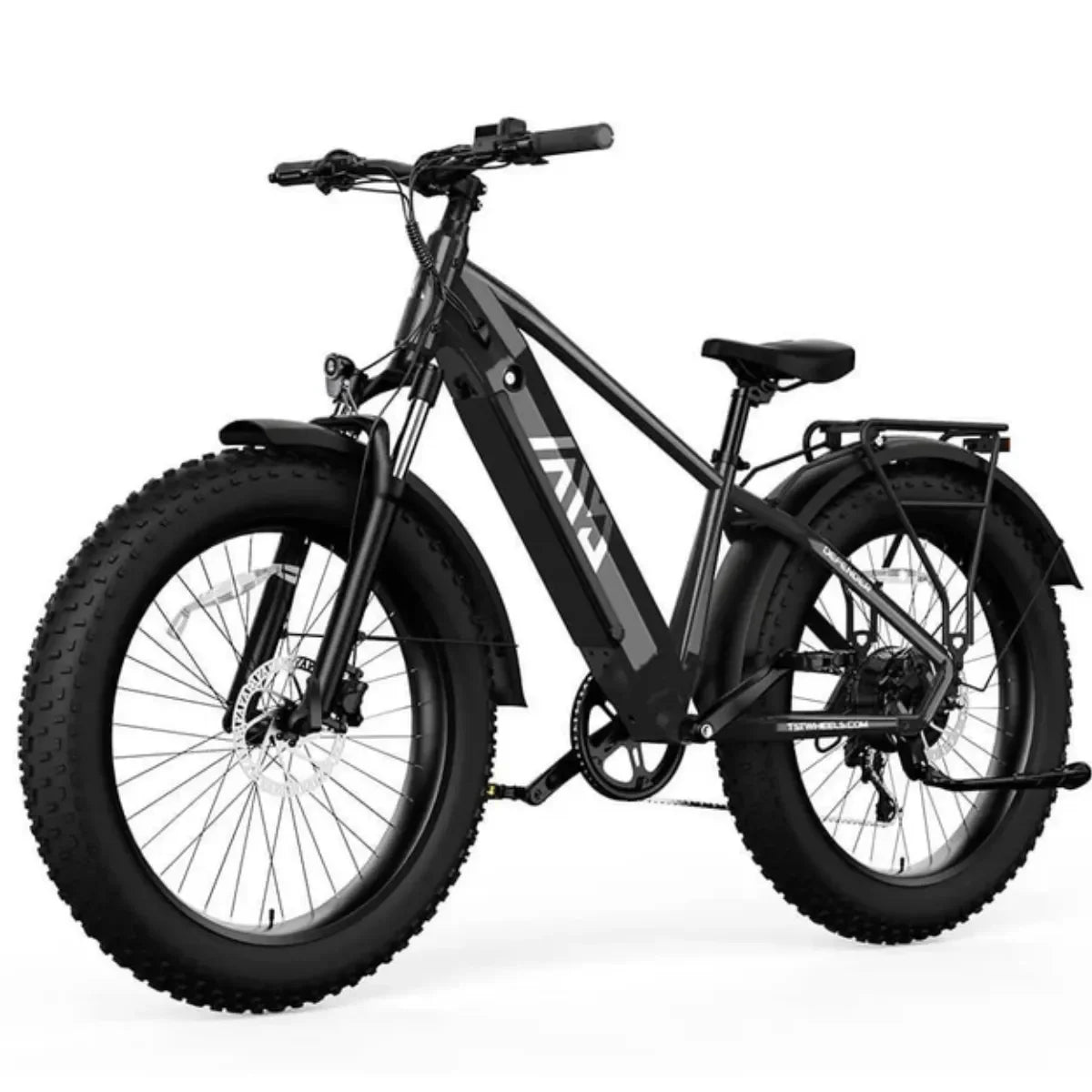
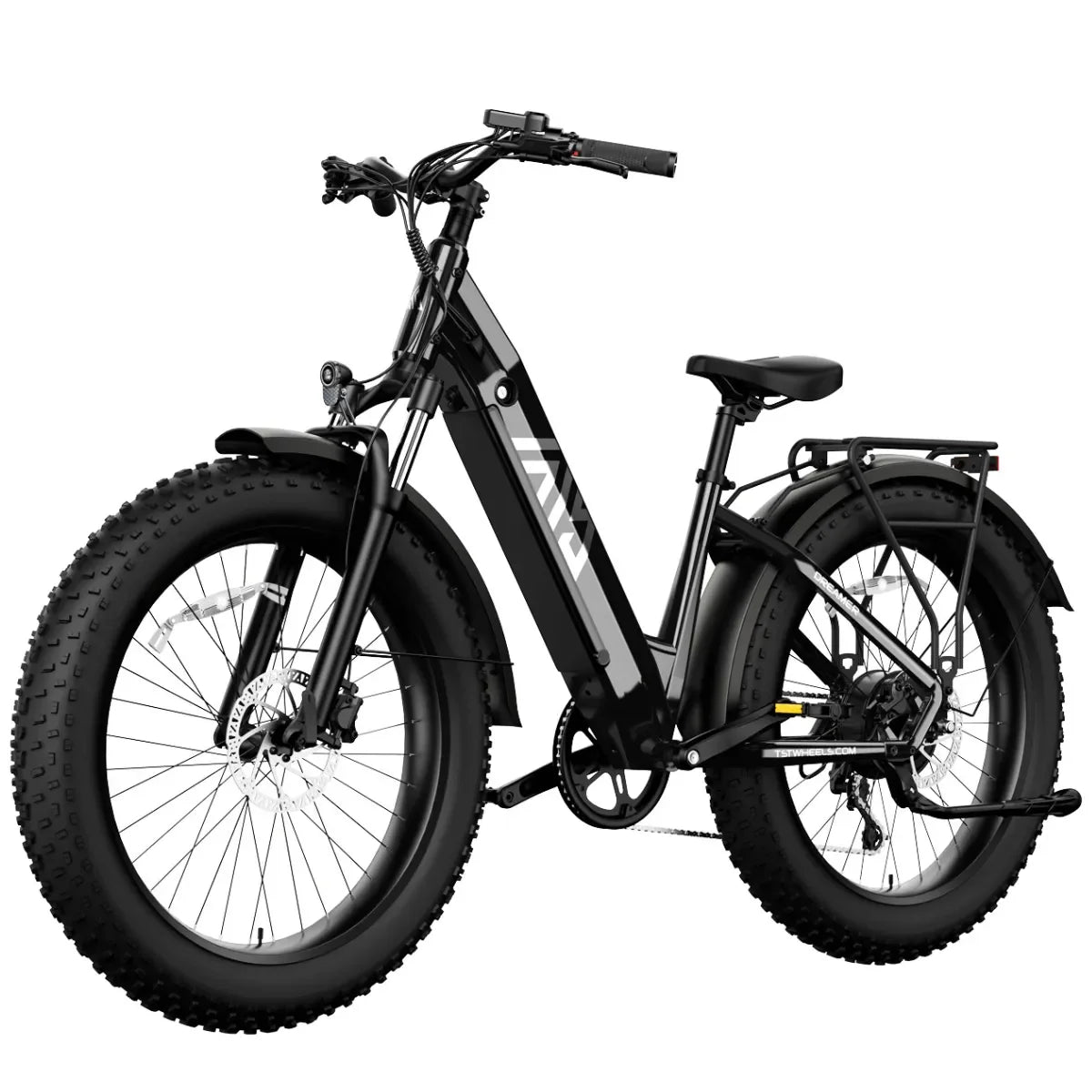

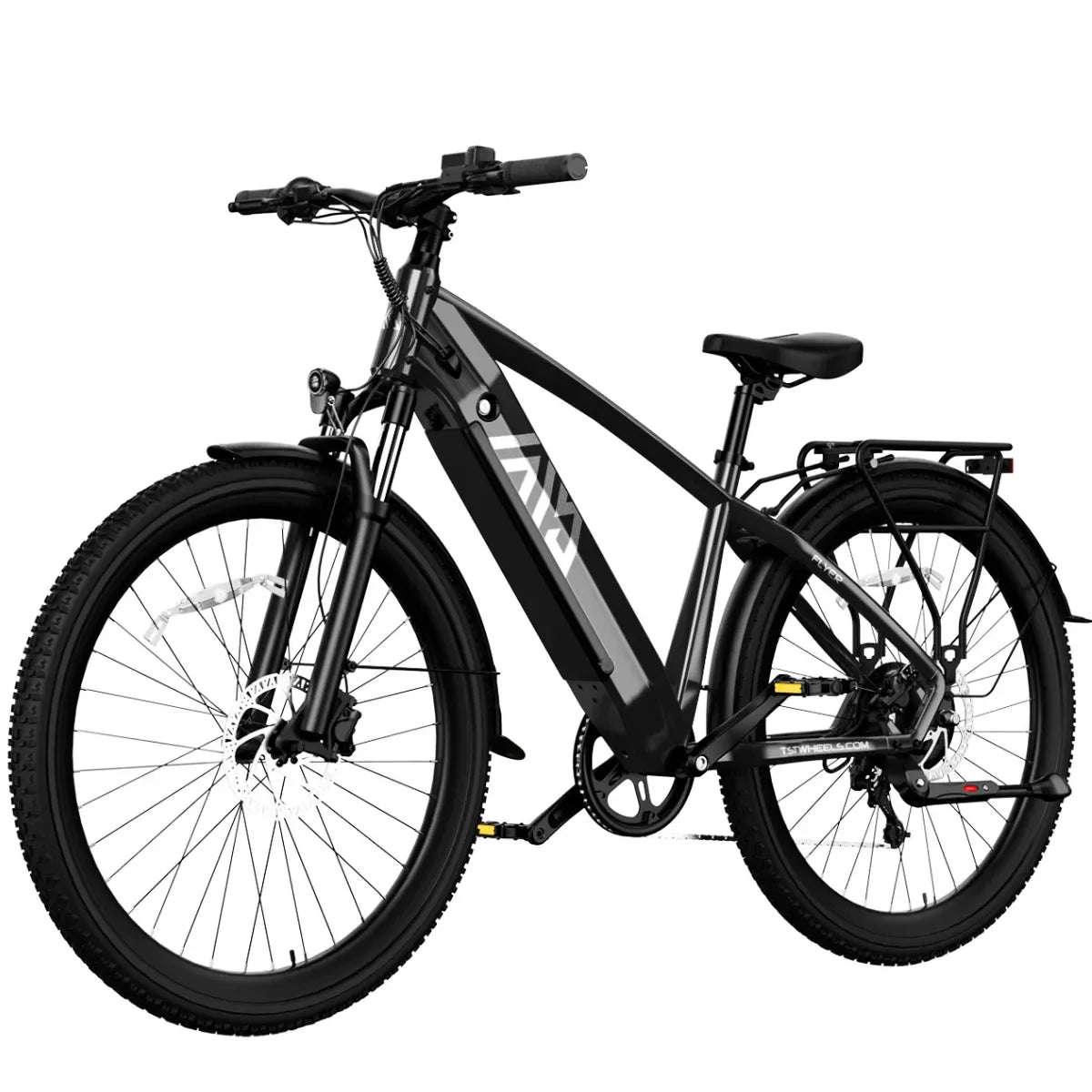
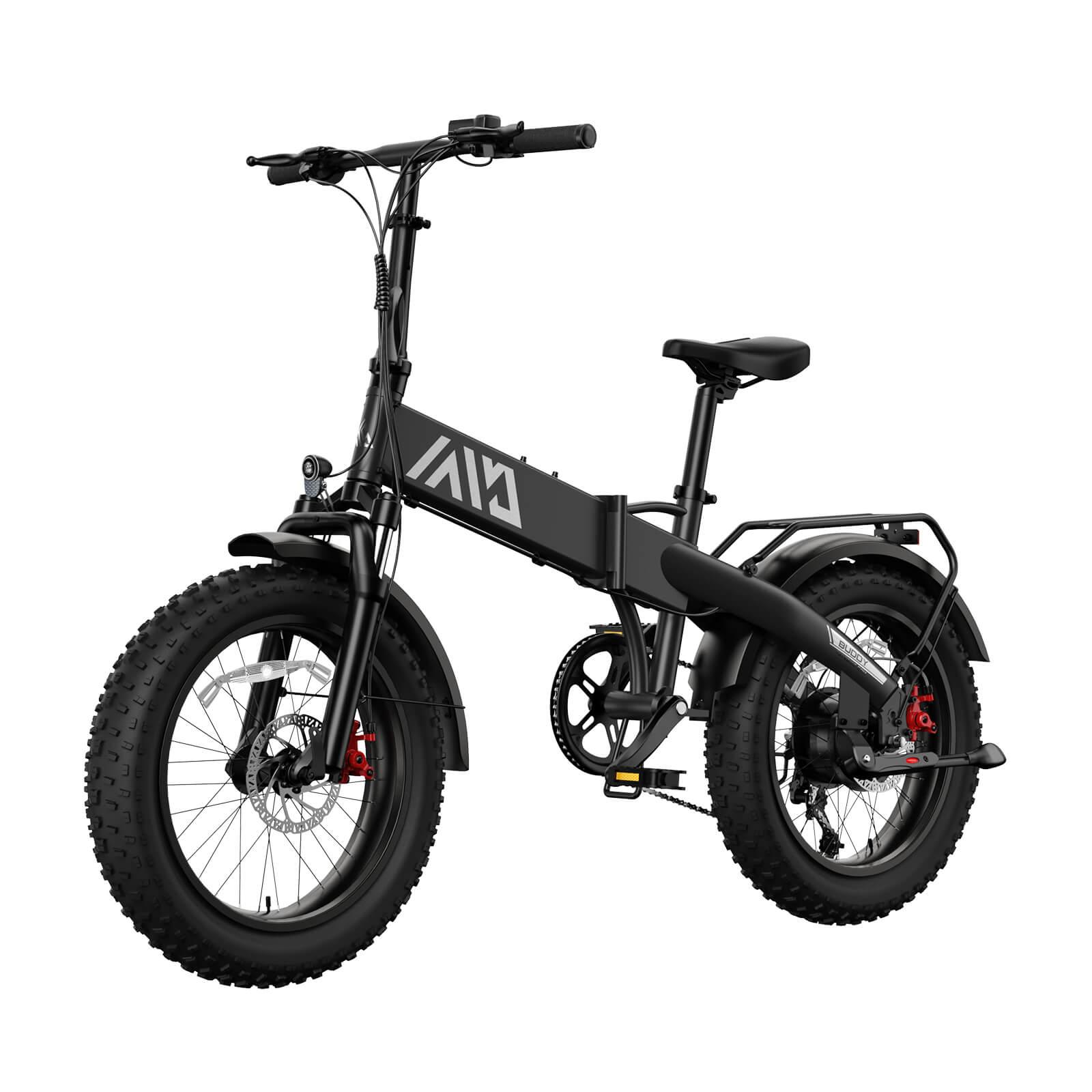

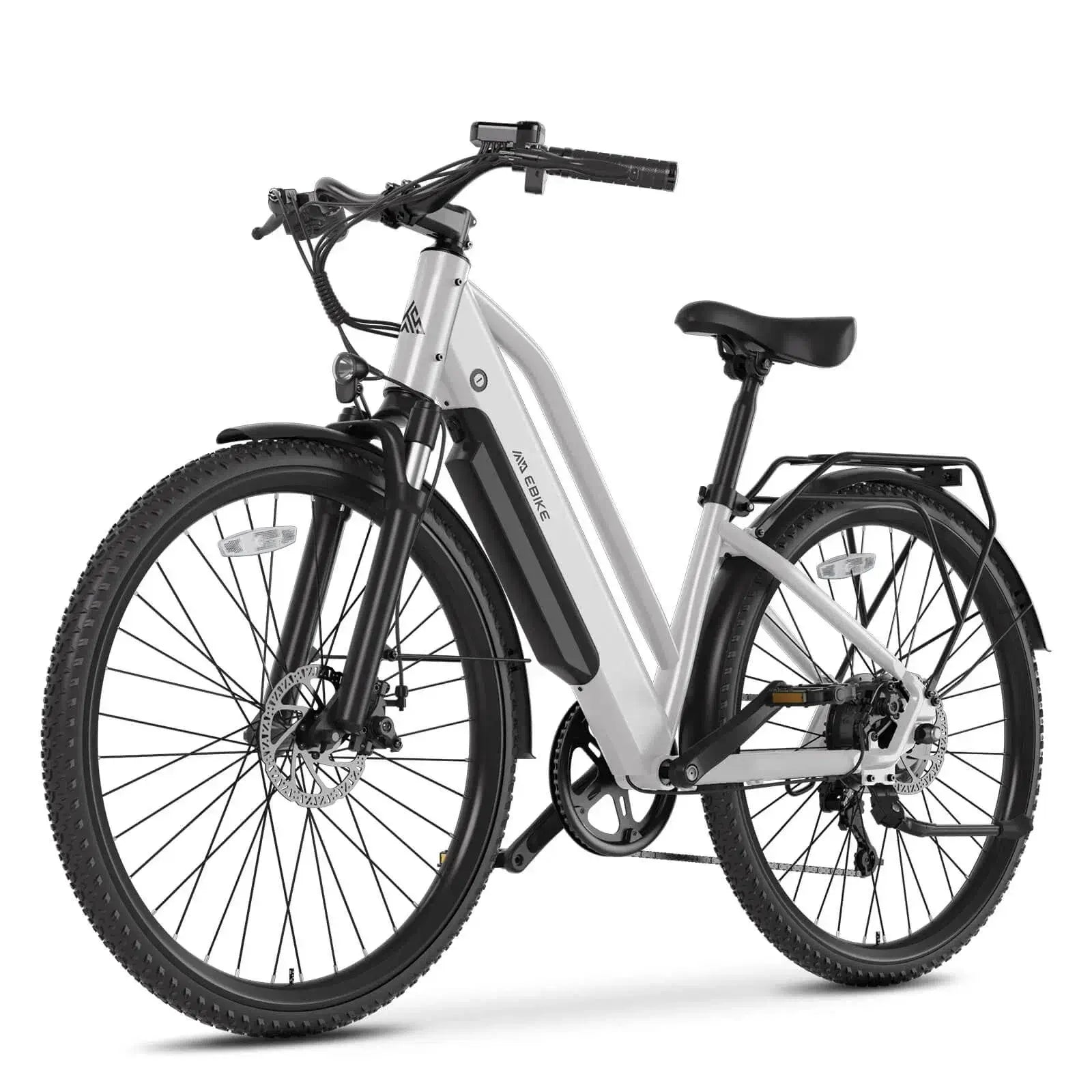







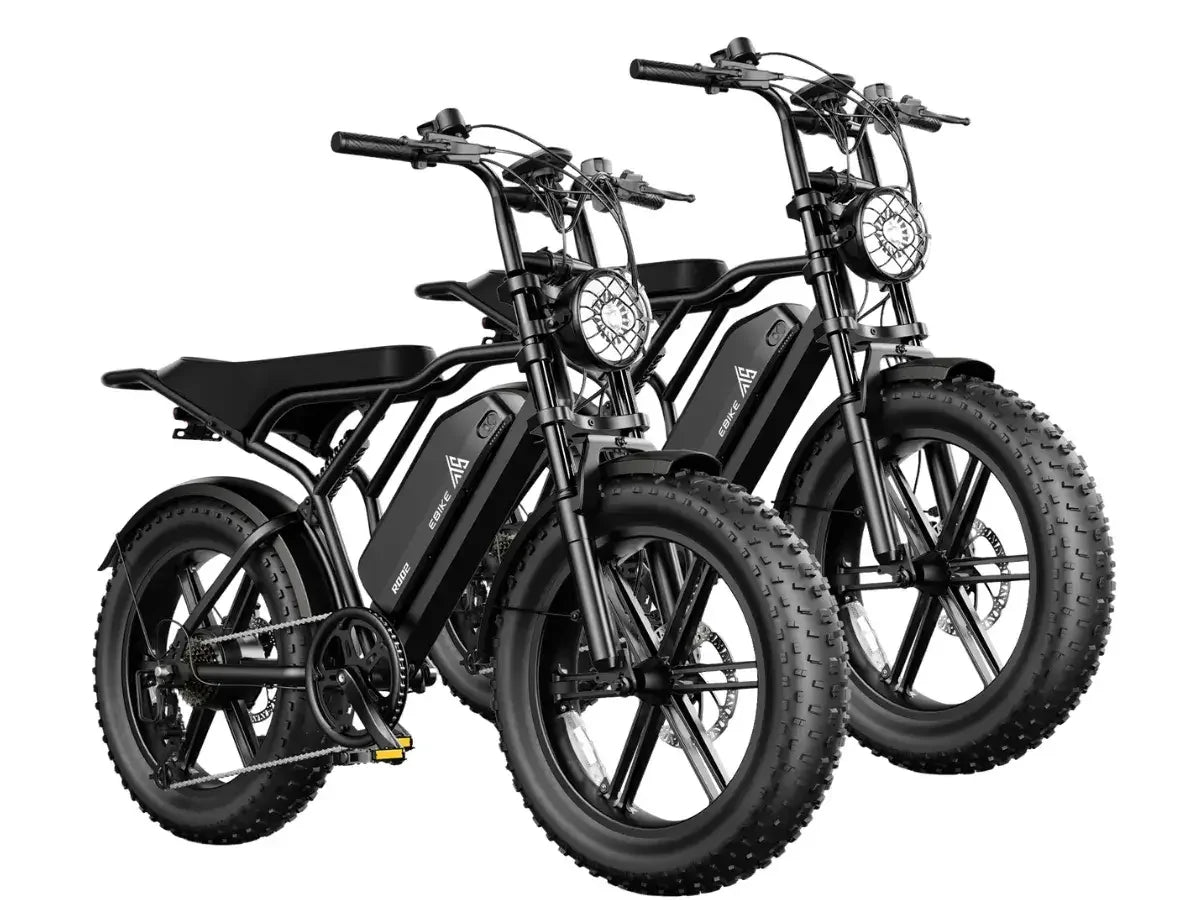
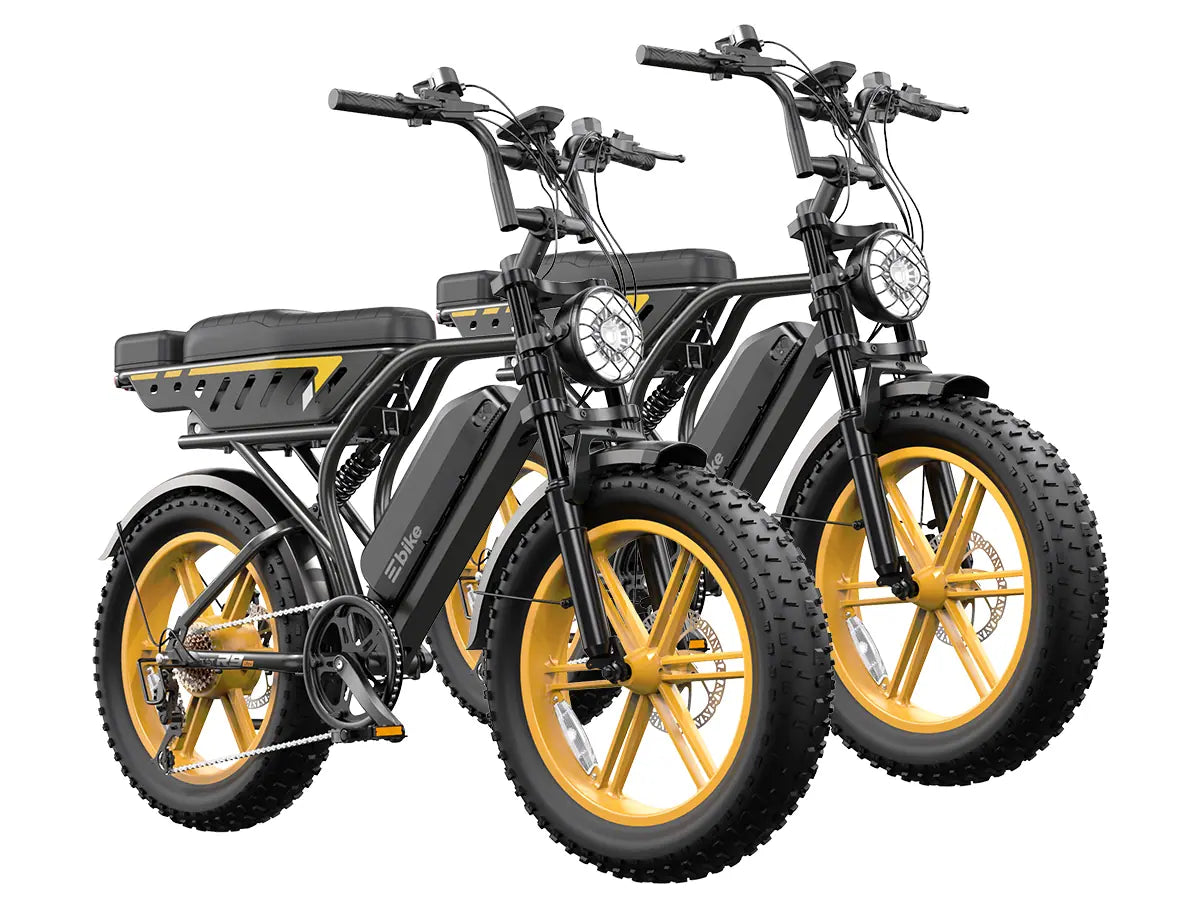


A moped EV is an electric vehicle designed like a traditional moped but powered entirely by a rechargeable battery and motor. It offers zero emissions, instant torque, and minimal running costs. Riders favor moped EVs for silent operation, low maintenance, convenient home charging, and urban maneuverability, making them an eco-friendly, cost-effective alternative to gas-powered mopeds.
What defines a moped EV compared to traditional mopeds?
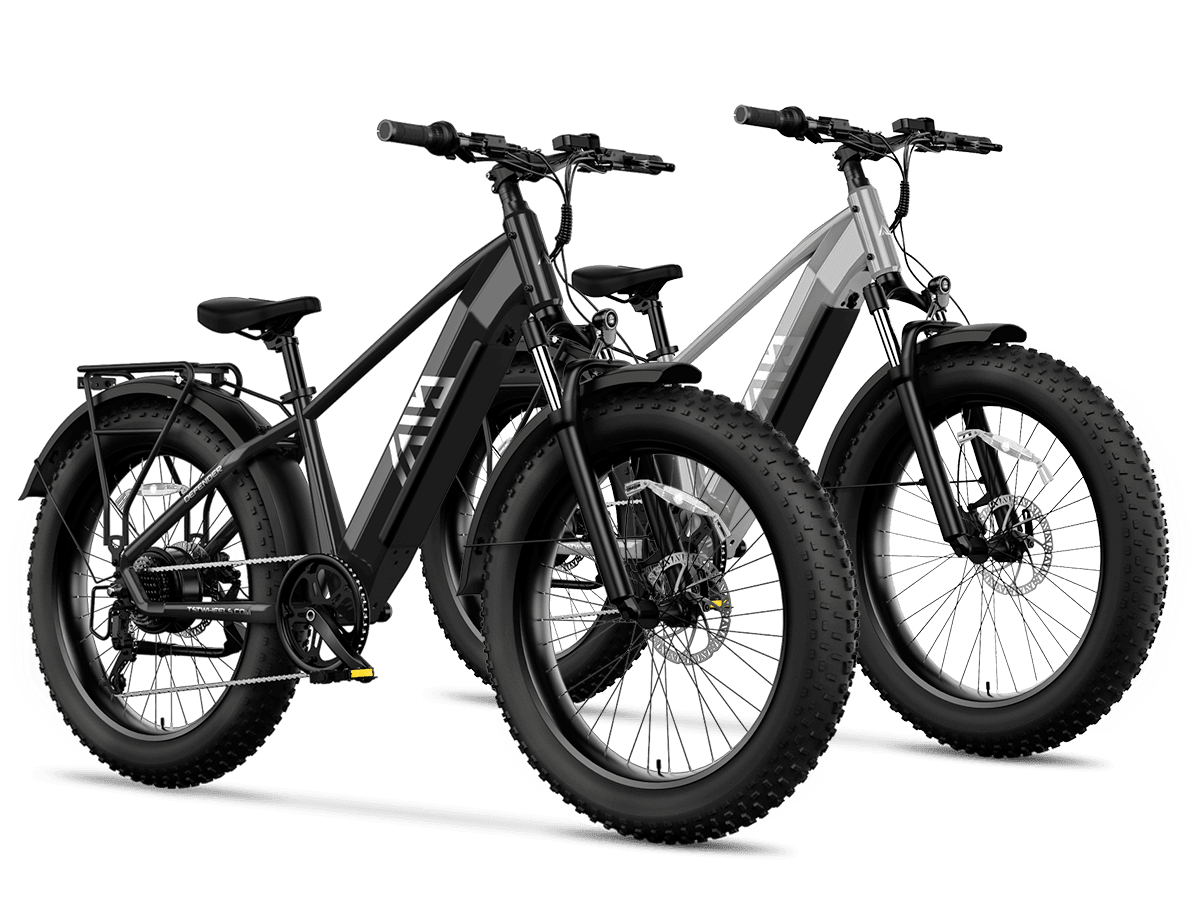
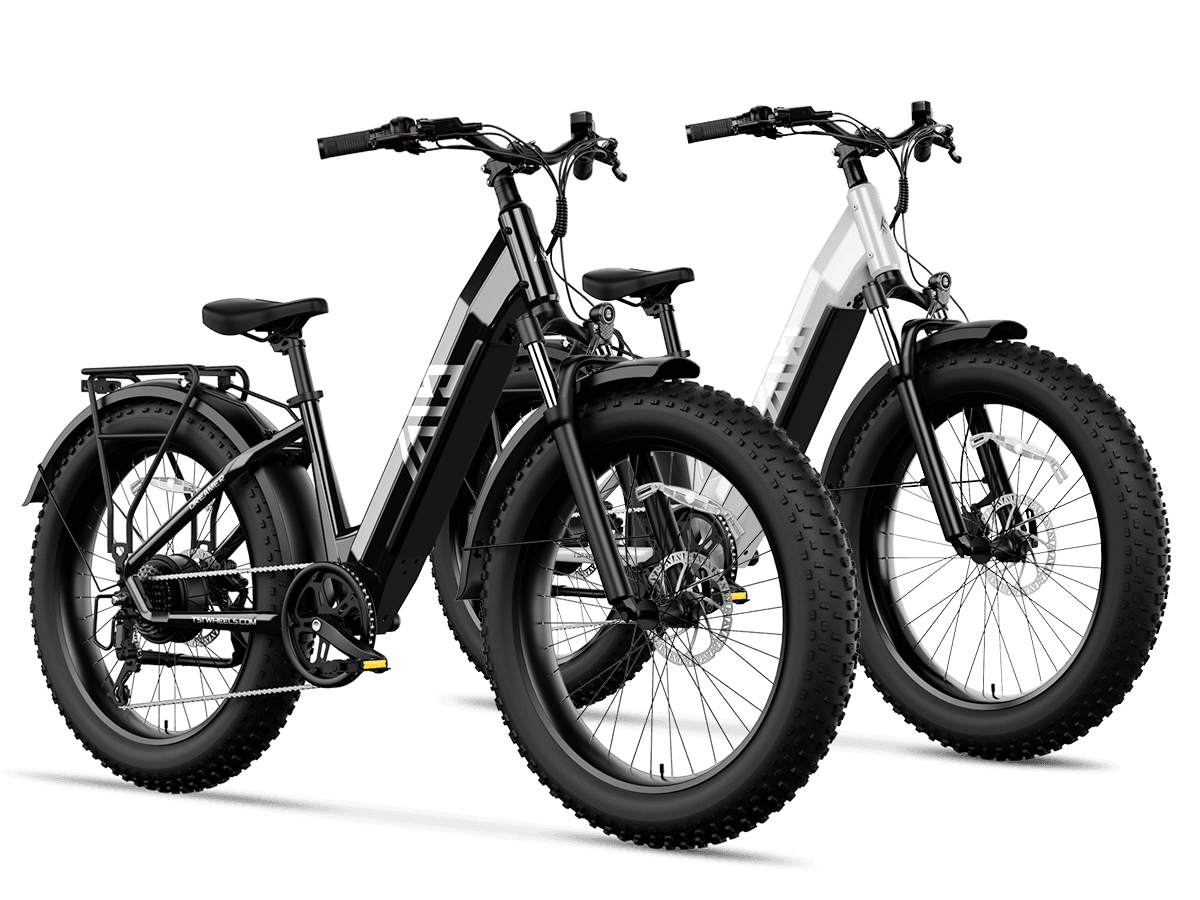
Moped EVs replace gasoline engines with electric motors and rechargeable batteries, providing smooth, silent acceleration without exhaust emissions. They retain classic moped ergonomics such as low seats and step-through frames but eliminate fuel systems and carburetors for simpler, quieter operation. Electric models often include removable battery packs, smart BMS, and integrated displays, combining convenience with urban mobility efficiency. TST EBike contributes with high-power designs that merge moped performance and e-bike versatility.
How does a moped EV perform in daily urban commuting?
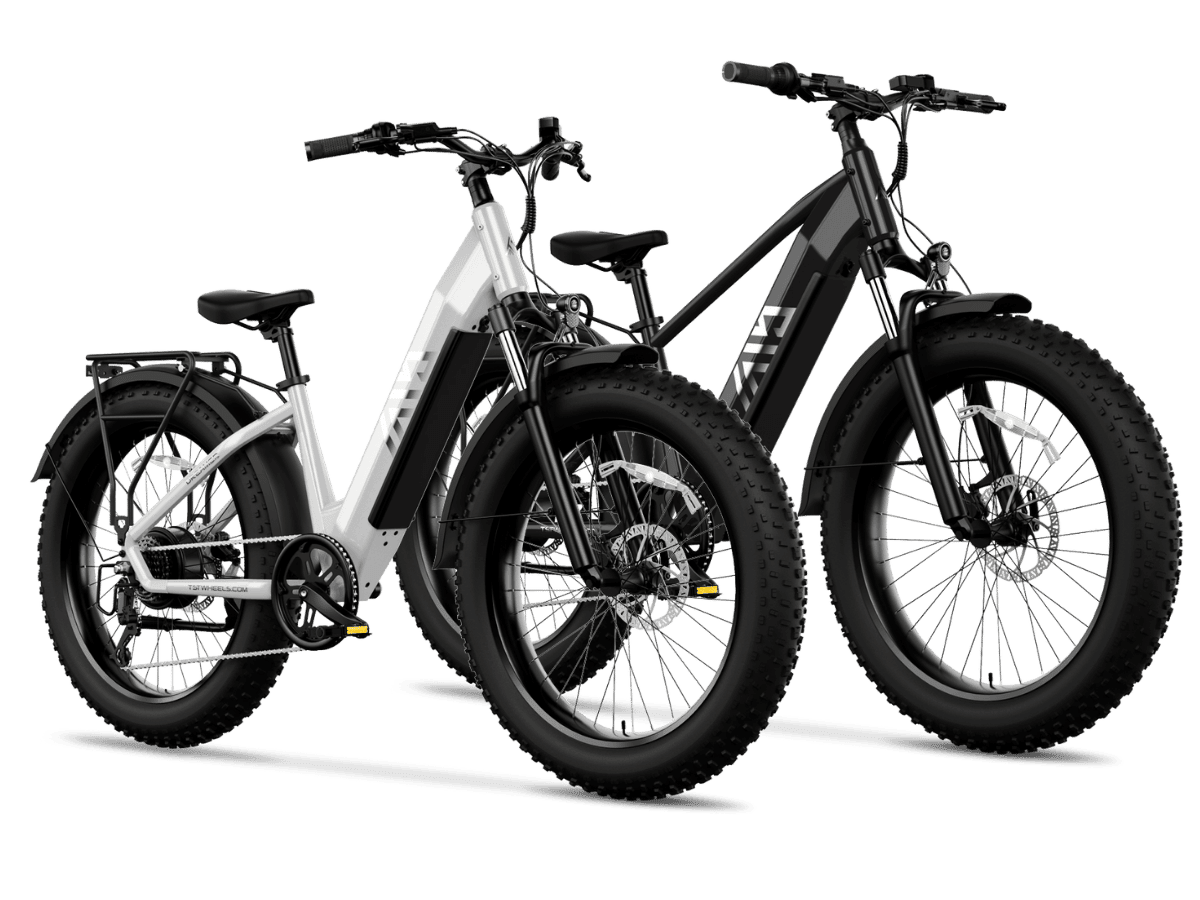
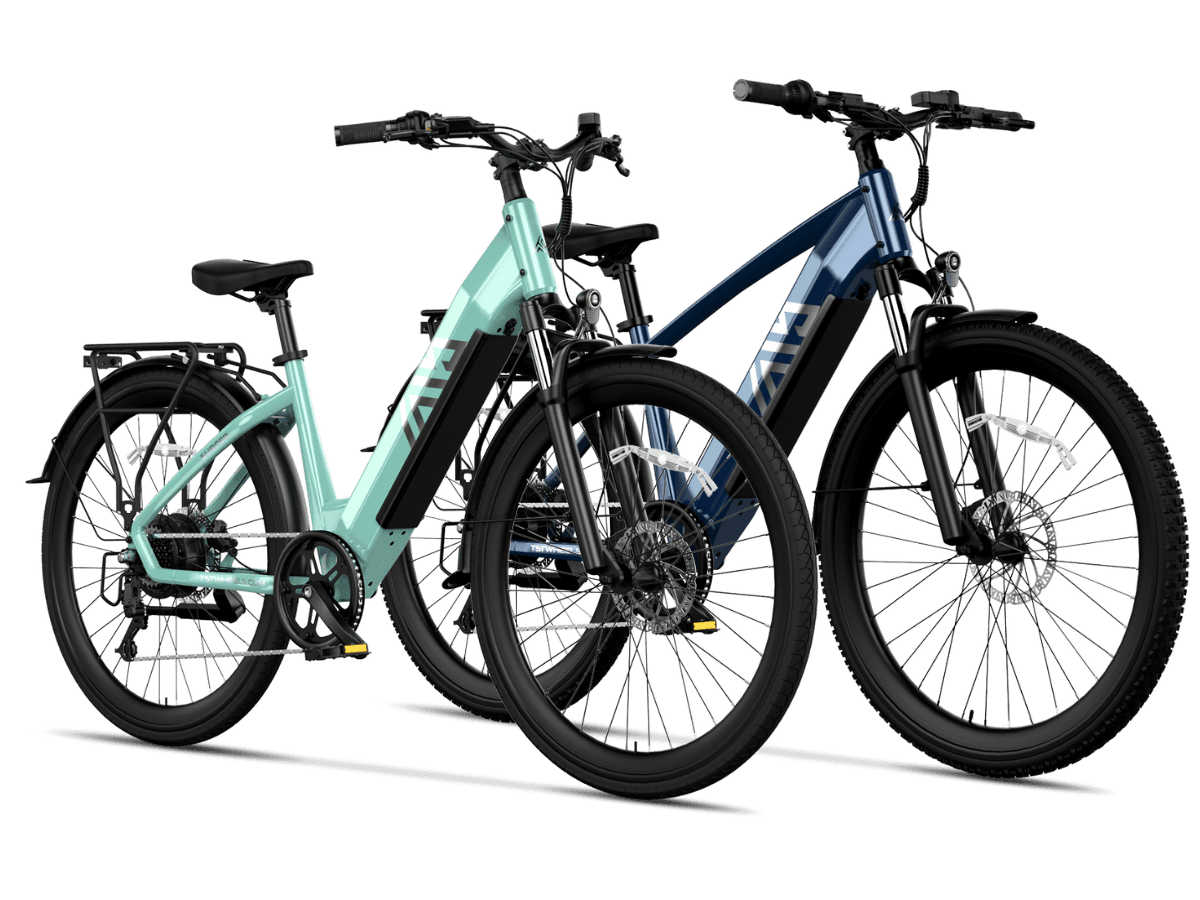
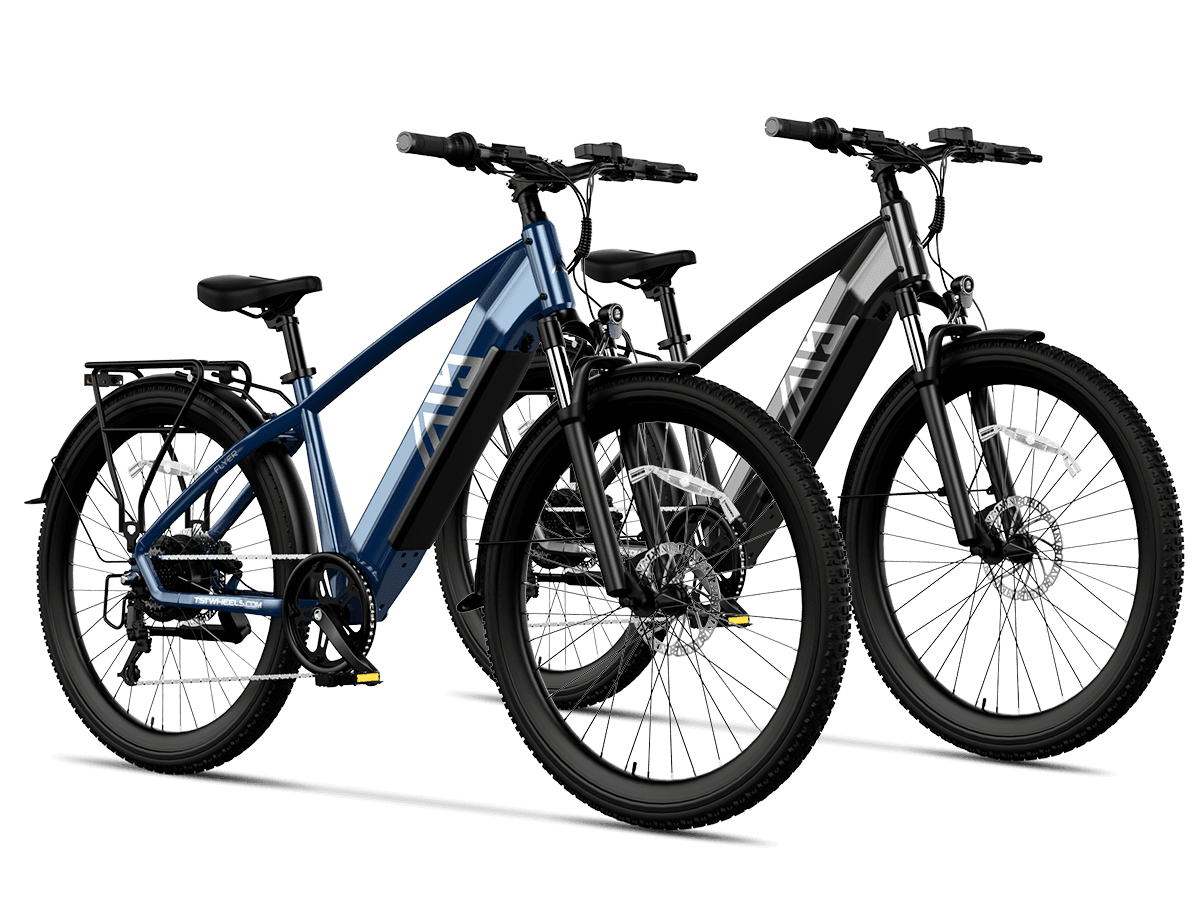
Moped EVs excel in cities with instant torque for traffic merges, quiet operation, and 30–60 mile ranges on typical rides. Regenerative braking recovers energy during deceleration, extending battery life. Acceleration is often quicker than gas mopeds, while suspension and wide tires enhance comfort on urban roads. Charging from standard outlets fits overnight routines, and TST EBike models offer 26-inch wheels for rough terrain and 27-inch for daily commuting efficiency.
Why are moped EVs cheaper to own and operate long-term?
Electric mopeds cost significantly less than gas alternatives due to low electricity rates, minimal maintenance, and longer-lasting components. Batteries typically last 3–5 years with proper care, while regenerative braking reduces brake wear. Upfront costs are comparable to gasoline models, but annual savings on fuel and maintenance can be substantial. Insurance may also be lower, and TST EBike’s cost-effective designs ensure durable, reliable performance, enhancing predictable ownership expenses.
Moped EV vs. Gas Moped Ownership Costs (Annual, 5,000 miles)
| Cost Category | Moped EV Estimate | Gas Moped Estimate | Savings with EV |
|---|---|---|---|
| Energy/Fuel | $125–$250 | $600–$1,000 | $475–$750 |
| Maintenance | $50–$150 | $200–$500 | $150–$350 |
| Insurance (avg.) | $150–$300 | $200–$400 | $50–$100 |
| Total Yearly | $325–$700 | $1,000–$1,900 | $675–$1,200 |
Which moped EV features matter most for beginners?
Beginners benefit from throttle-only or pedal-assist modes, progressive acceleration, adjustable regenerative braking, integrated lights, lightweight frames, and clear dashboards. Step-through designs simplify mounting, while suspension and puncture-resistant tires enhance safety. App connectivity for ride tracking and anti-theft alerts adds confidence. TST EBike’s 26-inch and 27-inch wheel options help match terrain needs with stability and smooth handling, supporting novice riders effectively.
How do legal requirements differ for moped EVs versus gas mopeds?
Legal requirements often align, with helmet mandates, age limits, and licensing determined by speed and power ratings. Pedal-equipped models may access bike lanes, while low-power EVs may face fewer registration obligations. Wattage caps, sidewalk rules, and lighting regulations vary by region. TST EBike designs comply broadly with regulatory standards, ensuring riders can transition from gas mopeds to electric alternatives without legal complications.
What maintenance does a moped EV require compared to gas?
Maintenance is minimal: check tire pressure weekly, inspect brakes monthly, and monitor battery health annually. Electric motors avoid oil changes, valve adjustments, and tune-ups, lasting 10,000+ hours with little intervention. Software updates via apps keep systems current. Regenerative braking extends pad life. TST EBike’s quality-controlled components further reduce maintenance frequency, making routine care simple and predictable.
Can moped EVs handle rough terrain or weather effectively?
Yes, models with fat tires, suspension, and waterproof components manage snow, sand, and potholes efficiently. 26-inch wheels excel on rugged terrain, while 27-inch suit urban streets. Batteries and motors operate reliably from -10°F to 110°F. Regen braking functions in wet conditions, and insulated packs help mitigate cold-weather performance drops. TST EBike’s designs provide real-world adaptability without the fuel requirements of traditional mopeds.
TST EBike Expert Views
"Moped EVs combine instant power, zero emissions, and urban agility. Riders enjoy torque for traffic, range for daily commutes, and long-term savings. TST EBike focuses on high-power affordability, offering 26-inch options for rugged paths and 27-inch for smoother streets. Built on consumer feedback, these designs deliver reliable performance for a variety of environments and riding styles."
Why choose a moped-style e-bike as a moped EV alternative?
Moped-style e-bikes offer pedal assistance for extended range, lighter weight, and bike-path access. They blend throttle convenience with optional exercise, bypassing stricter moped regulations while maintaining performance. TST EBike delivers scalable, cost-effective power for commuters seeking versatile alternatives to traditional throttle-only mopeds.
Conclusion: Which moped EV suits your lifestyle best?
Select a moped EV based on daily routes, terrain, and commuting needs. Compact models suit city streets, fat-tire versions handle mixed conditions, and cargo-ready options support utility tasks. Prioritize torque, range, suspension, and legal compliance. TST EBike provides 26-inch rugged and 27-inch commuter-focused solutions. Proper selection, testing, and regular maintenance ensure a safe, efficient, and long-lasting electric riding experience.
FAQs
Q1: Do moped EVs require a driver’s license?
Most under 30–50 mph do not, but check local regulations as higher-speed models may require endorsements.
Q2: How far can a moped EV travel on one charge?
Typical ranges are 30–60 miles, depending on rider weight, terrain, speed, and battery capacity.
Q3: Are moped EVs safe in rain?
Yes, models with IP65+ ratings protect electrical systems; riders should maintain tire grip and use caution.
Q4: Can TST EBike models function as moped EVs?
Yes, their high-power e-bikes provide moped-like torque, pedal flexibility, and versatile terrain performance.
Q5: What is the top speed of most moped EVs?
Most models achieve 28–40 mph, balancing battery efficiency, safety, and urban riding conditions.

Leave a comment
This site is protected by hCaptcha and the hCaptcha Privacy Policy and Terms of Service apply.