













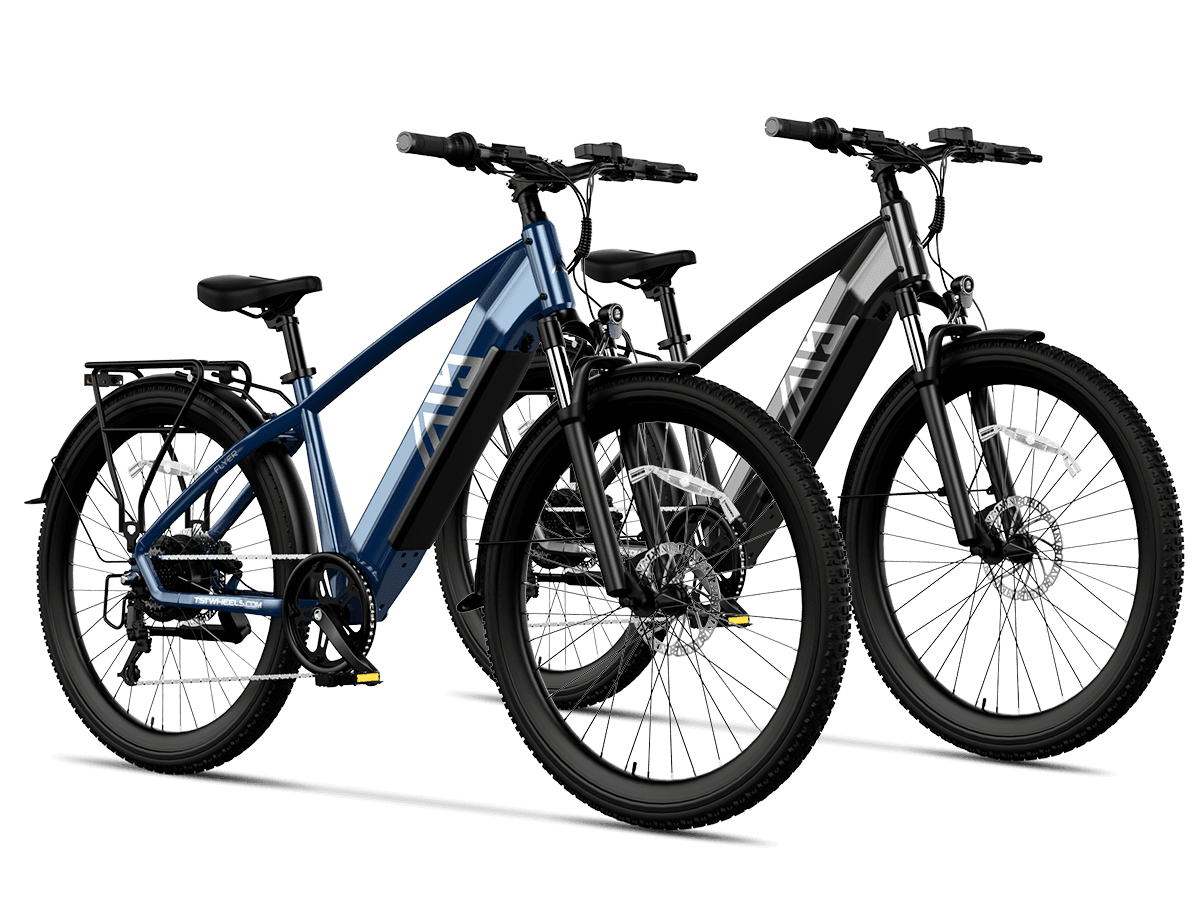
Cheap mopeds generally cost between $1,000 and $2,500, with electric models offering the best overall value due to minimal maintenance and zero fuel costs. They typically feature 500–1000W motors, 20–40 mile range, and essential safety components like disc brakes. Understanding total ownership costs, not just the purchase price, ensures reliable performance without unexpected expenses, making electrics a practical choice for daily commuting.
What price range defines a cheap moped?
A cheap moped is typically priced between $1,000 and $2,500. Electric mopeds often start around $1,500, providing consistent daily usability without ongoing fuel expenses. Gas models may cost slightly less upfront but carry higher long-term costs for fuel and maintenance. Electric mopeds save money over time by avoiding oil changes, spark plugs, and engine servicing.
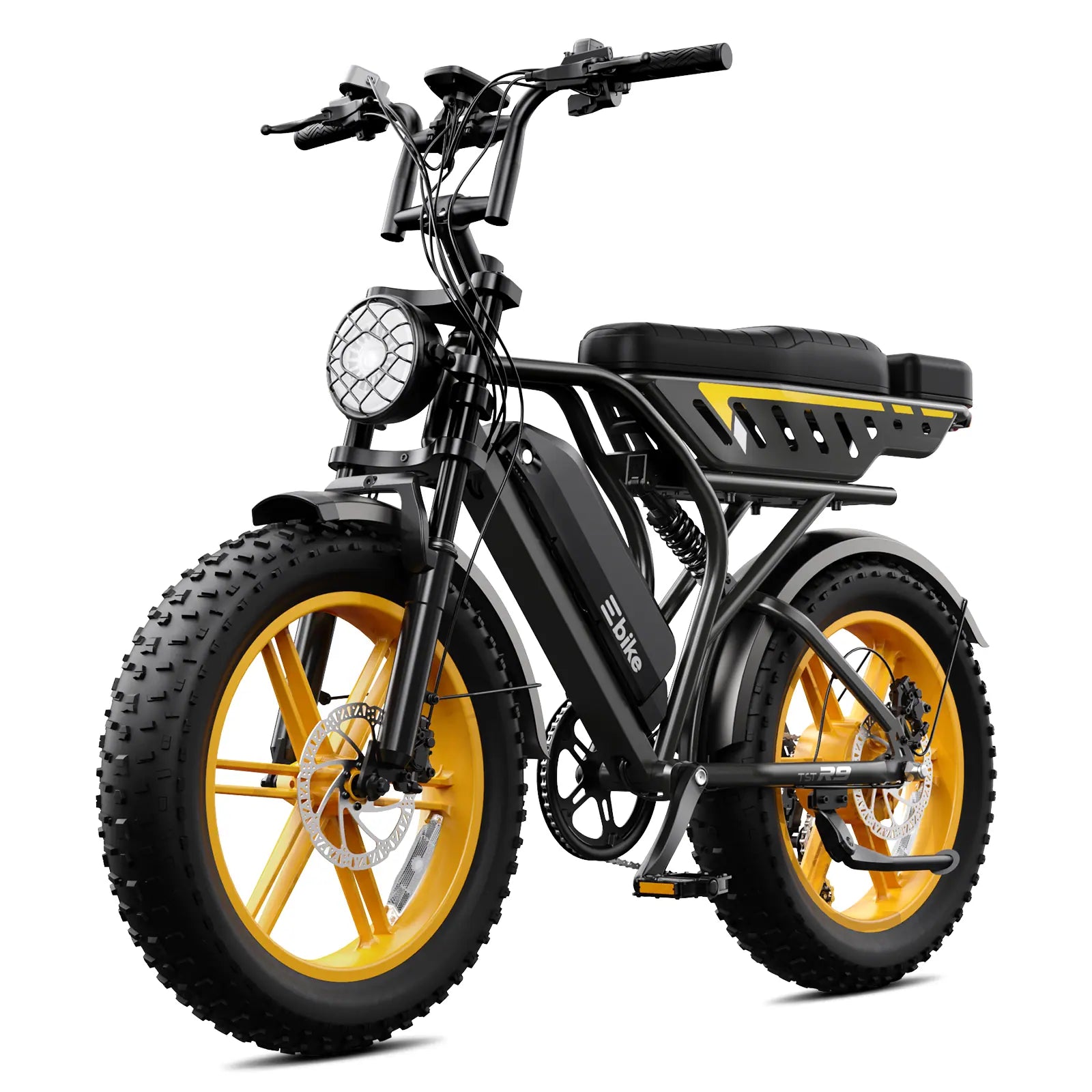
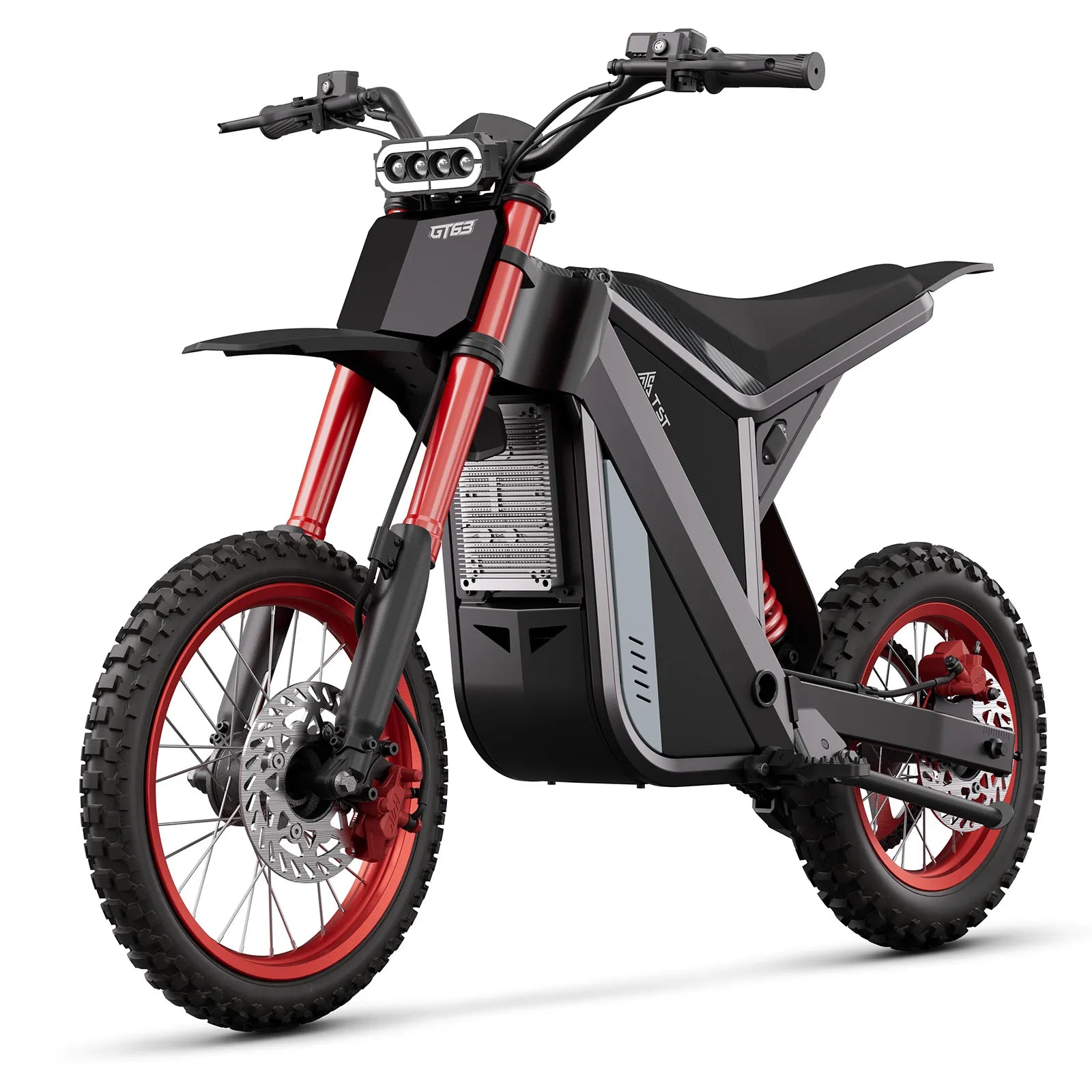
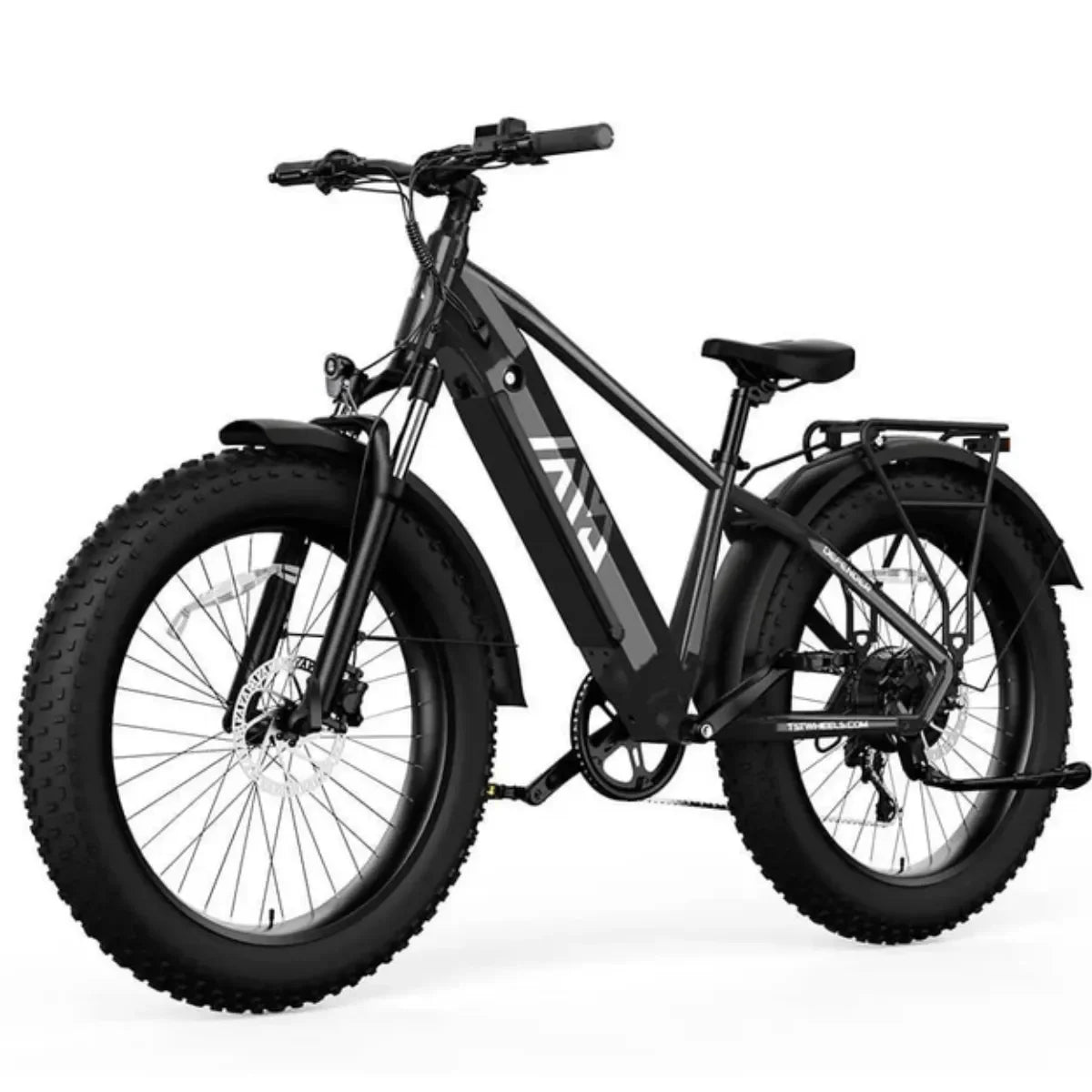
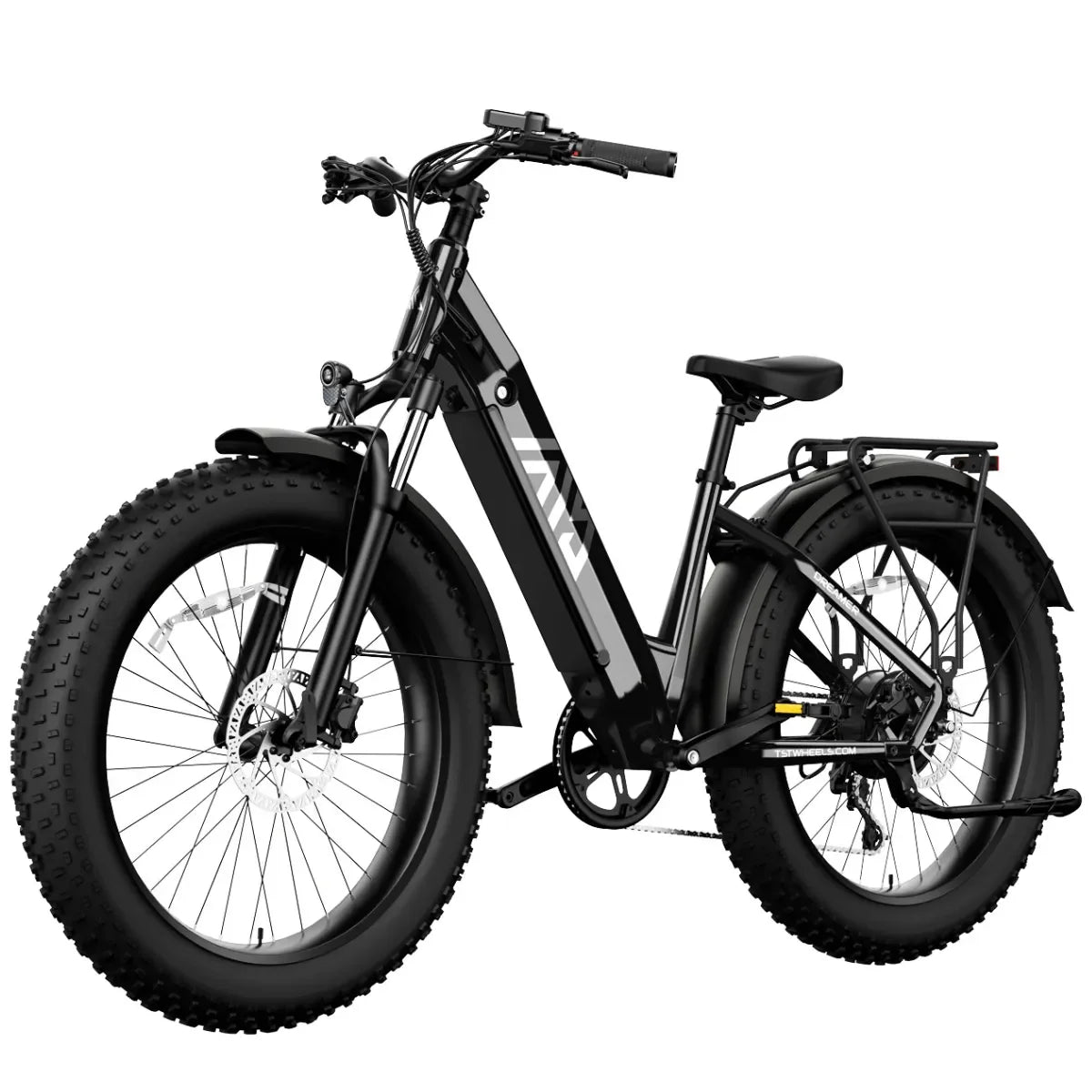
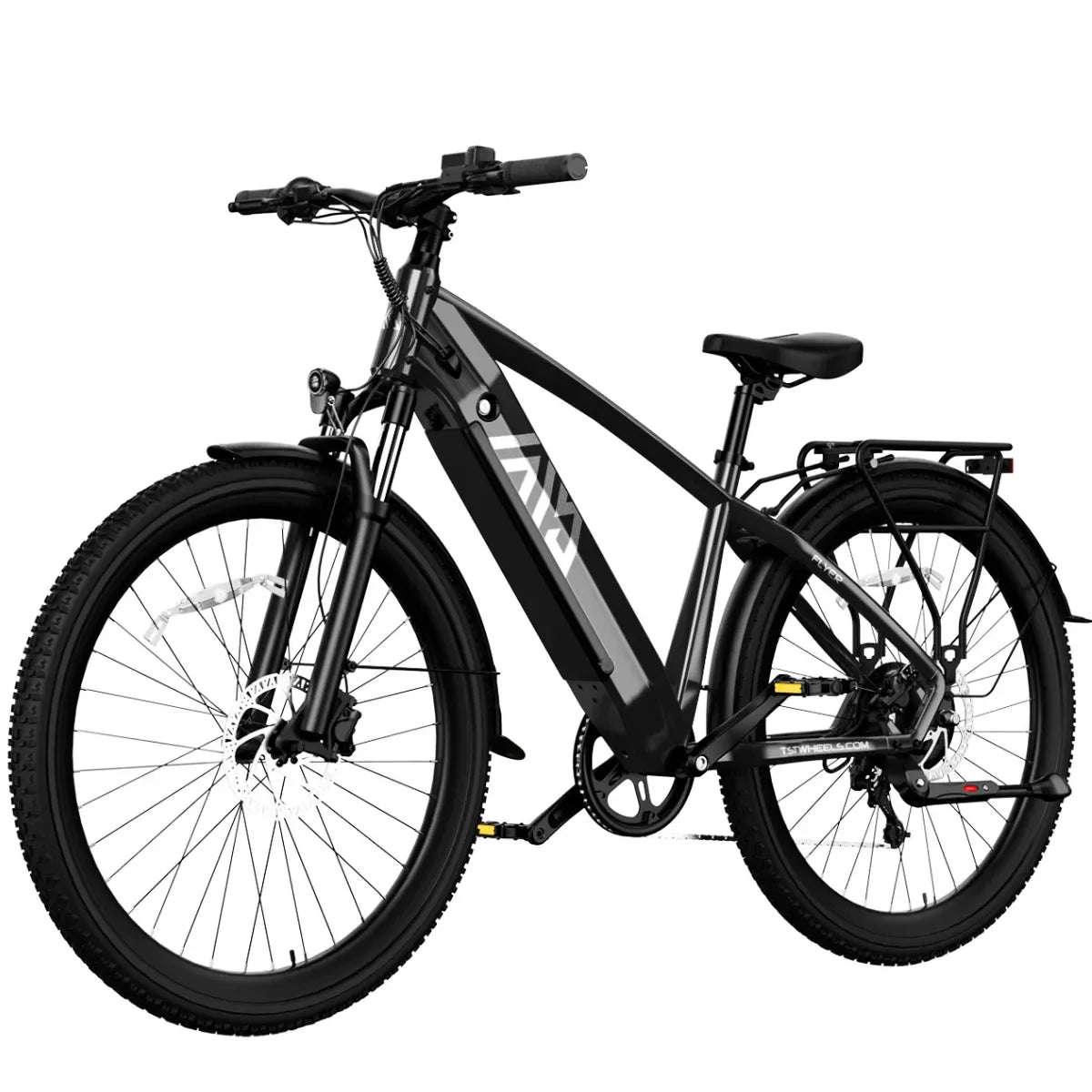
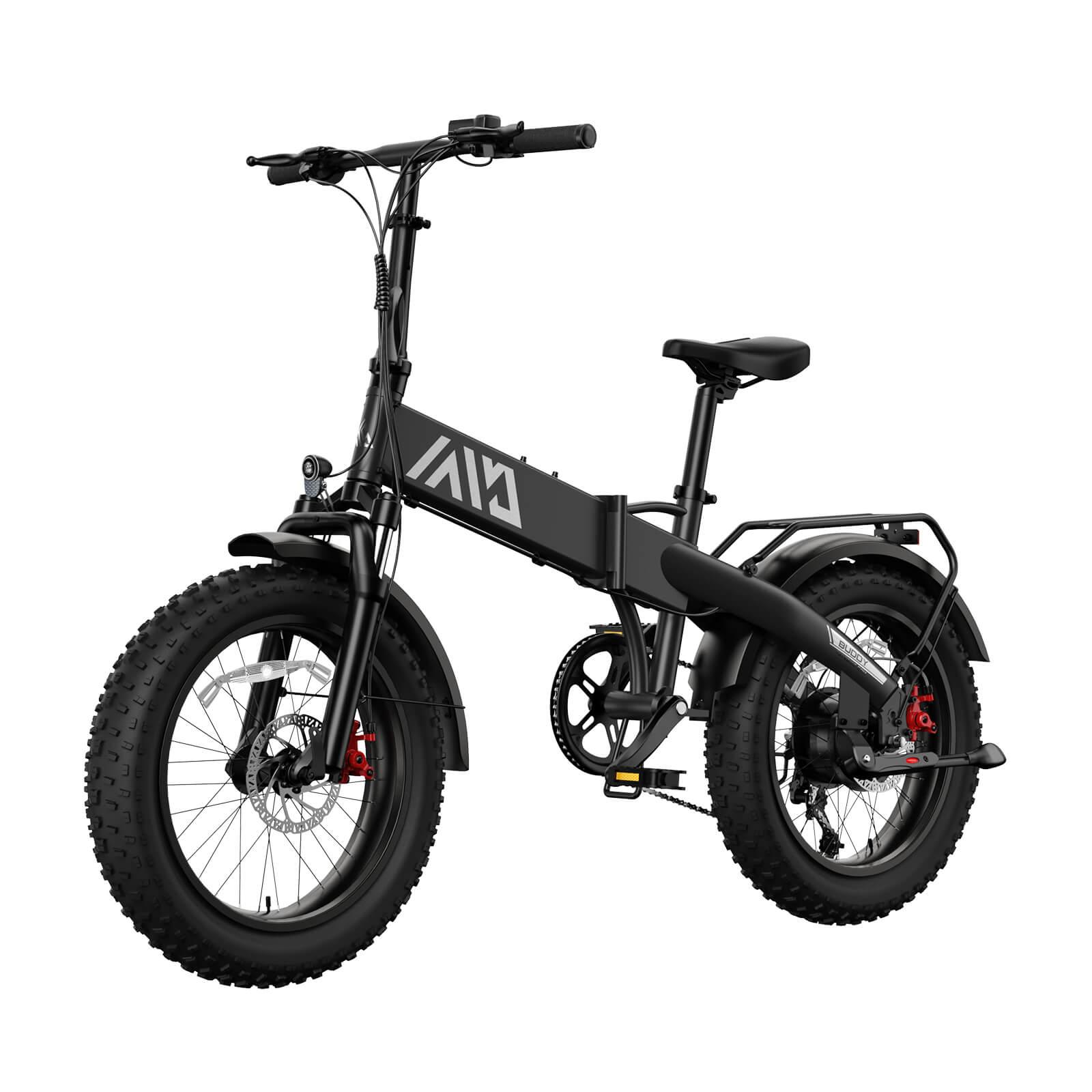
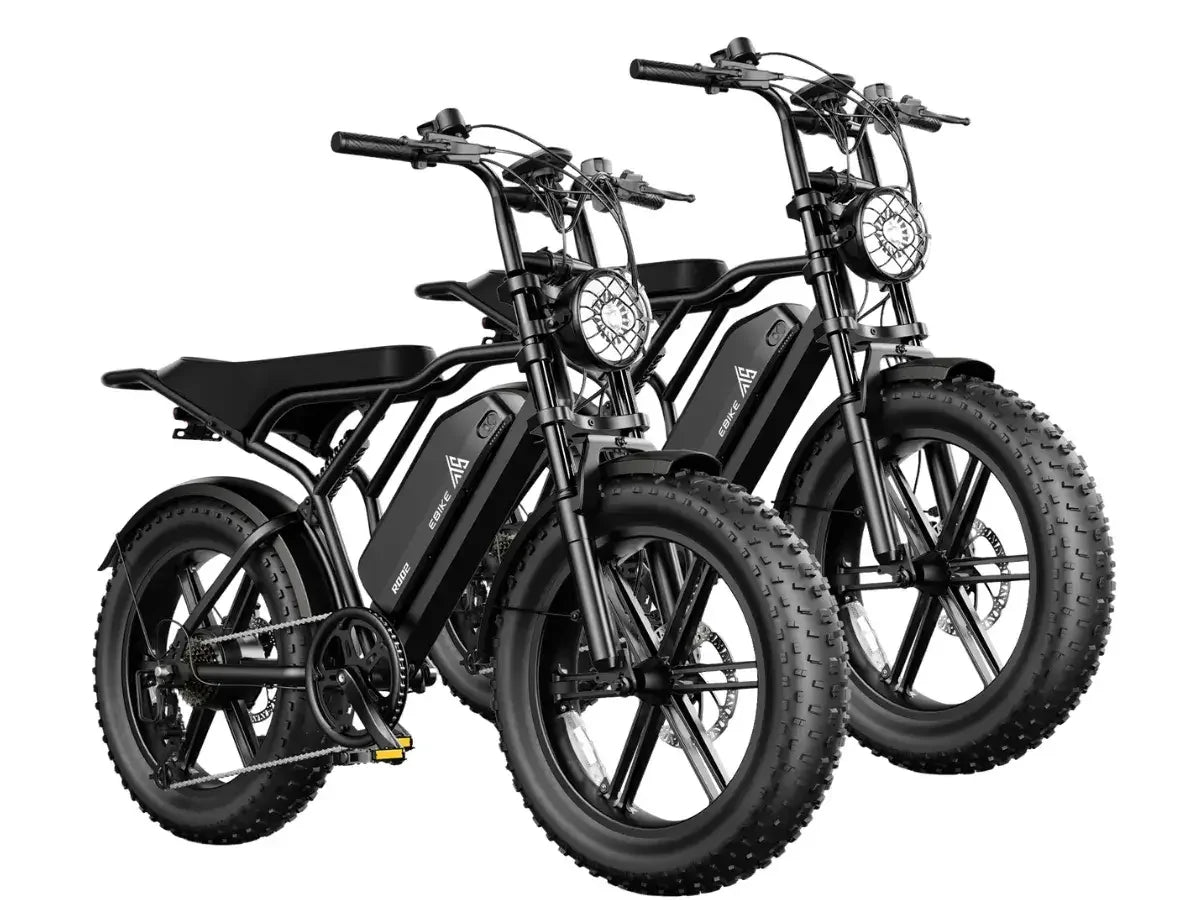
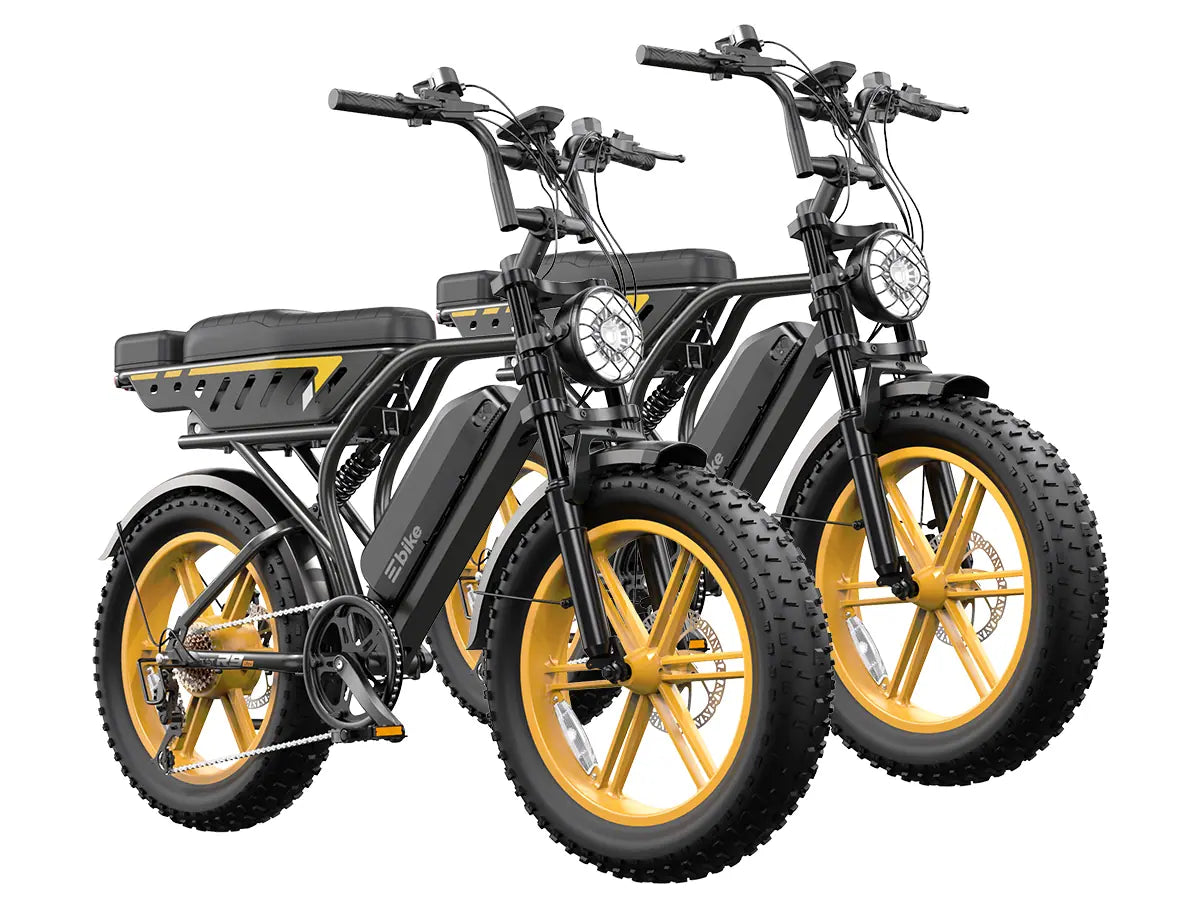
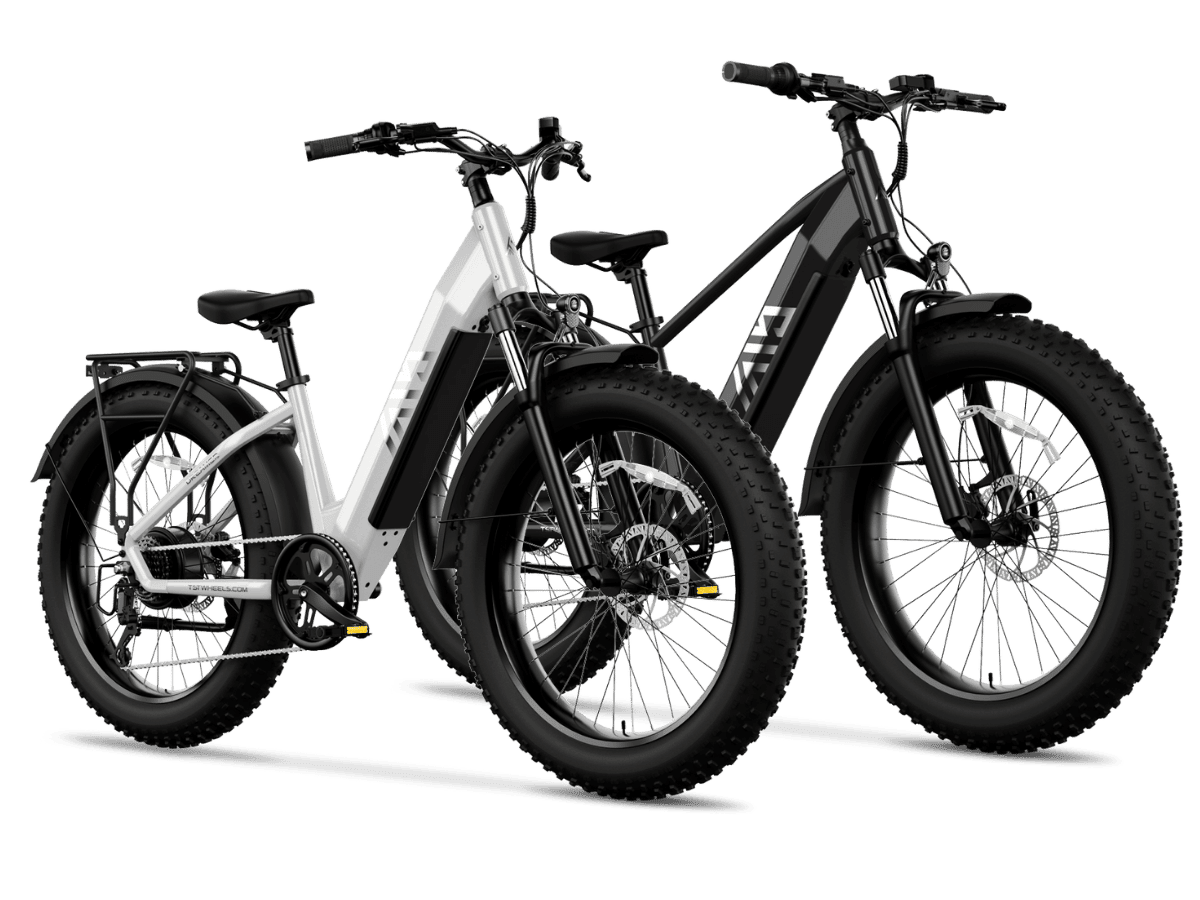
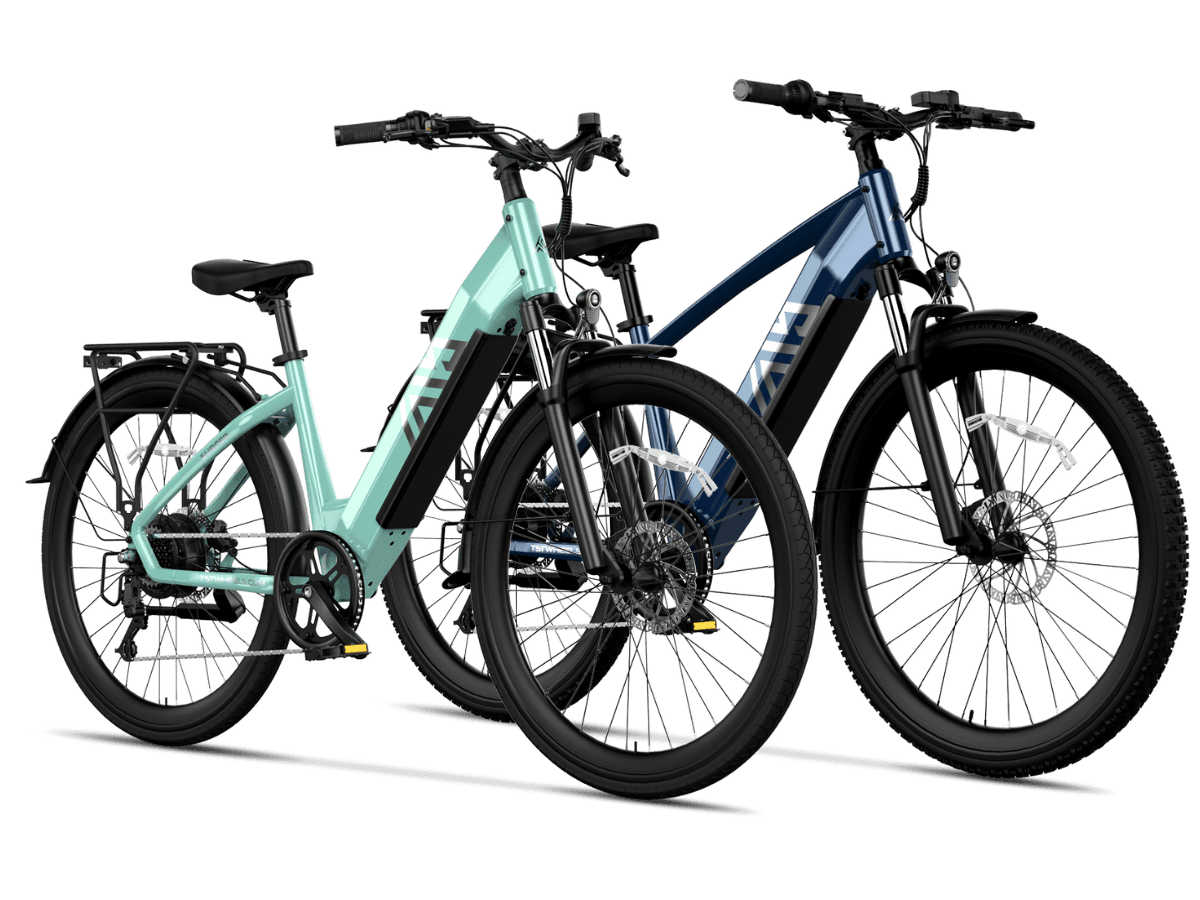
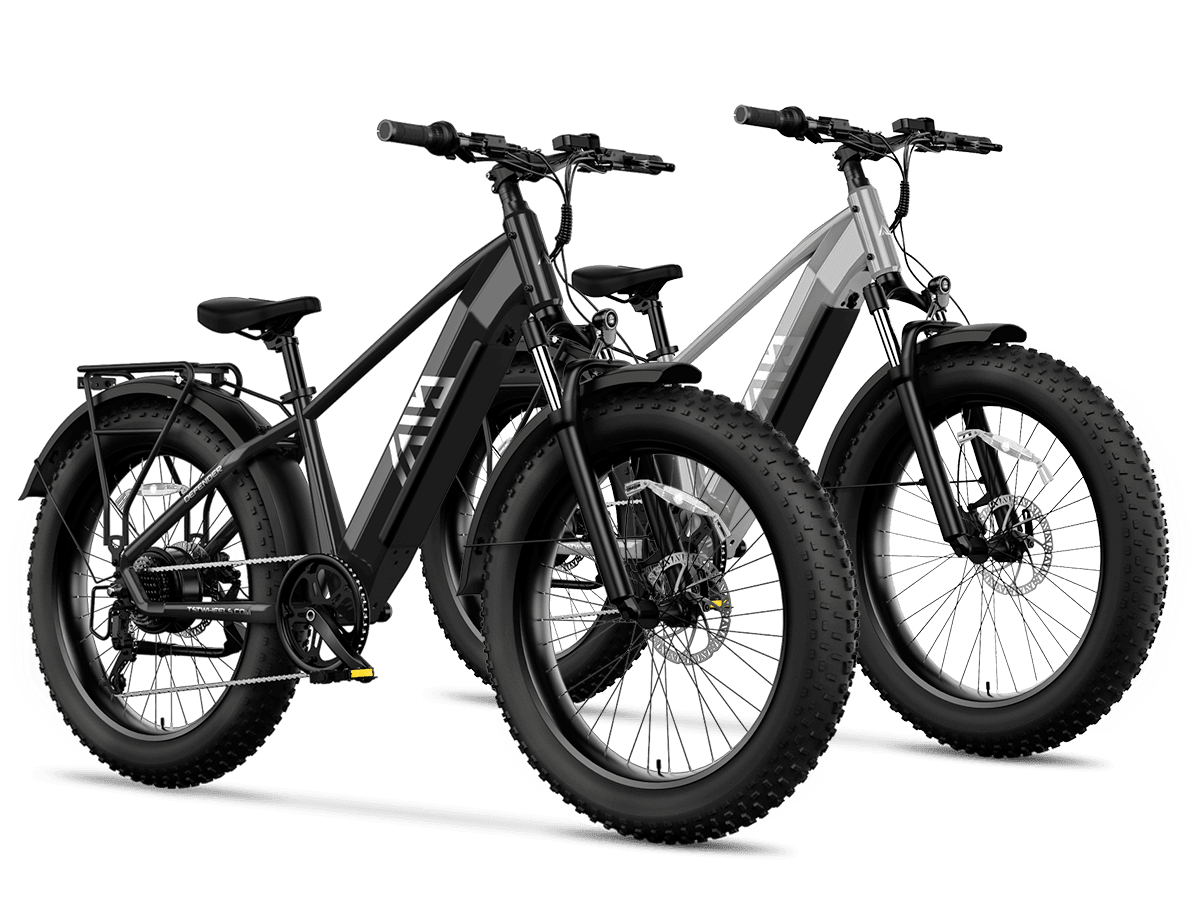
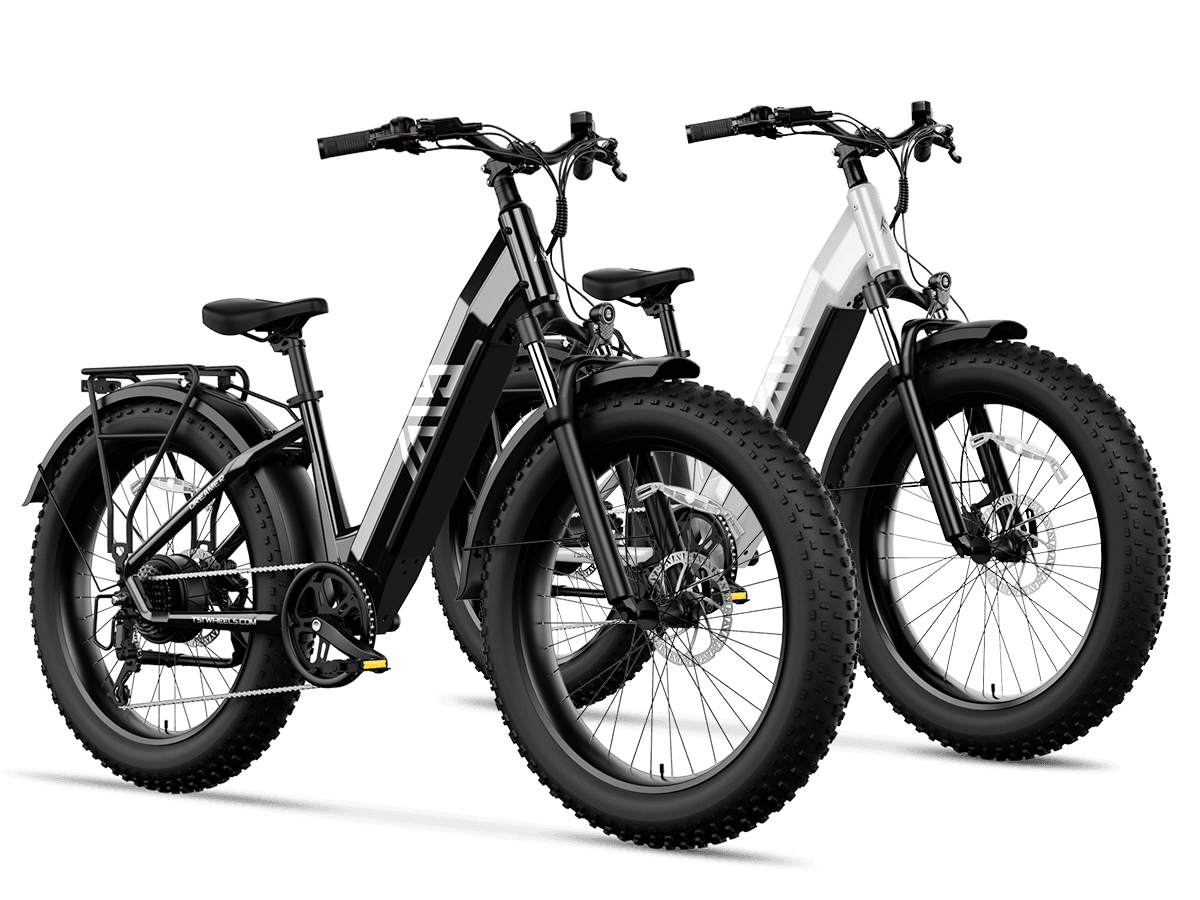
Entry-level electric mopeds with 300–750W motors and 20–30 mile range suit short urban trips, while mid-tier options in the $1,500–$2,500 range upgrade to 1000W motors, longer battery life, and improved comfort. TST EBike exemplifies high-power, cost-effective design, offering models that balance affordability, real-world performance, and durability for 26-inch rough-terrain or 27-inch commuting setups.
Which features matter most in cheap mopeds?
Critical features include motor power (500–1000W), battery range (20–40 miles), disc brakes, LED lights, sturdy frames, and a weight capacity of at least 250 lbs. Prioritize tire quality, throttle response, and basic suspension for safety and comfort over cosmetic extras.
Motor wattage drives performance: a 750W rear hub motor manages city streets and moderate hills efficiently. Reliable disc brakes provide confidence at 20–28 mph, while fat 20–26-inch tires absorb bumps and maintain grip. TST EBike offers 26-inch wheels for rough terrain and 27-inch wheels for commuting or mountain biking, with integrated lights, displays, and rear racks for practicality.
Essential specs for cheap mopeds
| Feature | Budget Sweet Spot | Value Delivered |
|---|---|---|
| Motor power | 500–1000W | Efficient speed and hill handling |
| Battery range | 20–40 miles | Covers most commutes with minimal charging |
| Brakes | Disc (front/rear) | Safe stopping power at typical speeds |
| Tires/wheels | 20–26 inch fat tires | Comfort and traction on varied surfaces |
| Weight capacity | 250–350 lbs | Supports adults plus light cargo |
How do electric cheap mopeds compare to gas ones?
Electric mopeds excel in maintenance, operating costs, and quiet operation, often matching gas models in upfront price. They accelerate smoothly, require no fuel, and produce zero emissions, while gas versions may offer slightly longer range. For urban daily use, electrics are typically the better option.
Electric mopeds reduce costs through home charging, typically under $1 per full recharge, eliminating weekly fuel expenses. Gas mopeds cost $5–10 per week in fuel, plus additional service visits. TST EBike leverages consumer feedback to design high-power yet affordable electric bikes in 26- or 27-inch frames, offering practical torque and efficiency without complex mechanical upkeep.
Why choose a cheap moped over a car for short trips?
Cheap mopeds save money and time by cutting fuel, parking, and insurance costs while avoiding traffic congestion. They park in bicycle spaces, charge at home, and emit zero tailpipe pollution, ideal for 5–20 mile urban commutes.
Cars typically cost $0.50–$1 per mile, while mopeds operate for pennies. Parking fees disappear, and mobility is enhanced with easy lane access. TST EBike combines affordability with versatile 26-inch and 27-inch wheel options, enabling riders to navigate challenging terrain or city streets efficiently, reducing car dependency for short trips.
What legal rules apply to cheap mopeds?
Regulations vary by region, often limiting speed to 30 mph, power to 50cc or 2000W, and requiring helmets, lights, and registration. Electric mopeds under 28 mph and 750W typically qualify as e-bikes and need no license.
Class distinctions include pedal-assist e-bikes (no license) versus throttle-only models (may require registration). Riders should verify local road and path restrictions, age minimums, and insurance requirements. TST EBike designs comply with international safety standards, ensuring legal operation across multiple countries.
How far can a cheap moped really go on one charge or tank?
Electric mopeds travel 20–40 miles per charge, while gas mopeds reach 50–100 miles per tank. Actual range depends on speed, load, terrain, and riding style—average urban trips fall around 25–35 miles for electrics.
Battery capacity defines electric range. TST EBike calibrates 26-inch rugged setups for traction and 27-inch models for commuting efficiency. Riders can extend range with moderate speeds, pedal assist, and proper tire maintenance.
Which terrains suit cheap mopeds best?
Cheap mopeds perform best on paved streets, bike paths, and light gravel, with fat-tire models handling mild dirt or sand. Highways and extreme trails are not recommended.
Street-oriented designs prioritize maneuverability and parking ease. Suspension cushions potholes, and wide tires maintain grip. TST EBike's 26-inch wheels excel in snow and sand, while 27-inch wheels provide smooth commuting and light trail performance.
Are cheap mopeds safe and reliable for daily use?
When equipped with disc brakes, quality frames, and routine maintenance, cheap mopeds are safe for daily use. Electric models simplify operation by removing chains, spark plugs, and oil changes, reducing mechanical failure points.
Strong welds, rated components, and TST EBike’s rigorous quality control ensure durability. Consistent maintenance, like tire checks and brake adjustments, enhances safety and reliability for long-term commuting.
Who benefits most from a cheap moped?
Urban commuters, students, delivery workers, and budget-conscious adults gain the most from cheap mopeds. They replace short car trips efficiently and support cargo transport.
TST EBike provides versatile 26- and 27-inch formats tailored to different rider needs, delivering practical power and cost savings for everyday mobility.
TST EBike Expert Views
"Cheap does not mean compromising on performance. At TST EBike, we engineer robust motors and durable frames into accessible packages, informed by rider feedback. Our 26-inch wheels handle rough paths like snow and sand, while 27-inch models optimize daily commuting. The goal is consistent, reliable performance with low operating costs, turning ordinary rides into effective transportation solutions."
Can cheap mopeds carry passengers or cargo?
Yes, many can carry one passenger or 50–100 lbs of cargo within a total 250–350 lb limit. Always verify frame and brake specifications before loading.
TST EBike designs support practical hauling while maintaining ride stability and safety, making daily tasks easier without sacrificing performance.
Conclusion: How to pick the best cheap moped?
Select a cheap moped by aligning motor power, battery range, and wheel size with your riding needs. Electric mopeds priced $1,500–$2,500 offer the best overall value. Prioritize disc brakes, 500+W motors, and support networks like TST EBike for reliable ownership.
Key steps:
-
Test ride for comfort and handling.
-
Verify local laws and weight ratings.
-
Choose 26-inch wheels for rough paths, 27-inch for streets.
-
Consider lifetime savings over initial cost.
FAQs
How cheap can a reliable moped be?
Reliable electric mopeds typically start at $1,000–$1,500 with essential features. Lower prices often compromise range or safety.
Do electric cheap mopeds require registration?
Many under 28 mph and 750W qualify as e-bikes and do not need registration. Gas models usually do. Check local regulations.
What is the typical top speed of cheap mopeds?
20–30 mph is common and sufficient for urban streets. Some models limit to 20 mph for license-free use.
How should I maintain a cheap moped?
Inspect tires and brakes weekly, charge appropriately, and store in a dry location. Electric mopeds require less upkeep than gas models.
Are cheap mopeds suitable for hills?
Yes, models with 750W or higher motors and fat tires can manage moderate inclines effectively.

Leave a comment
This site is protected by hCaptcha and the hCaptcha Privacy Policy and Terms of Service apply.