


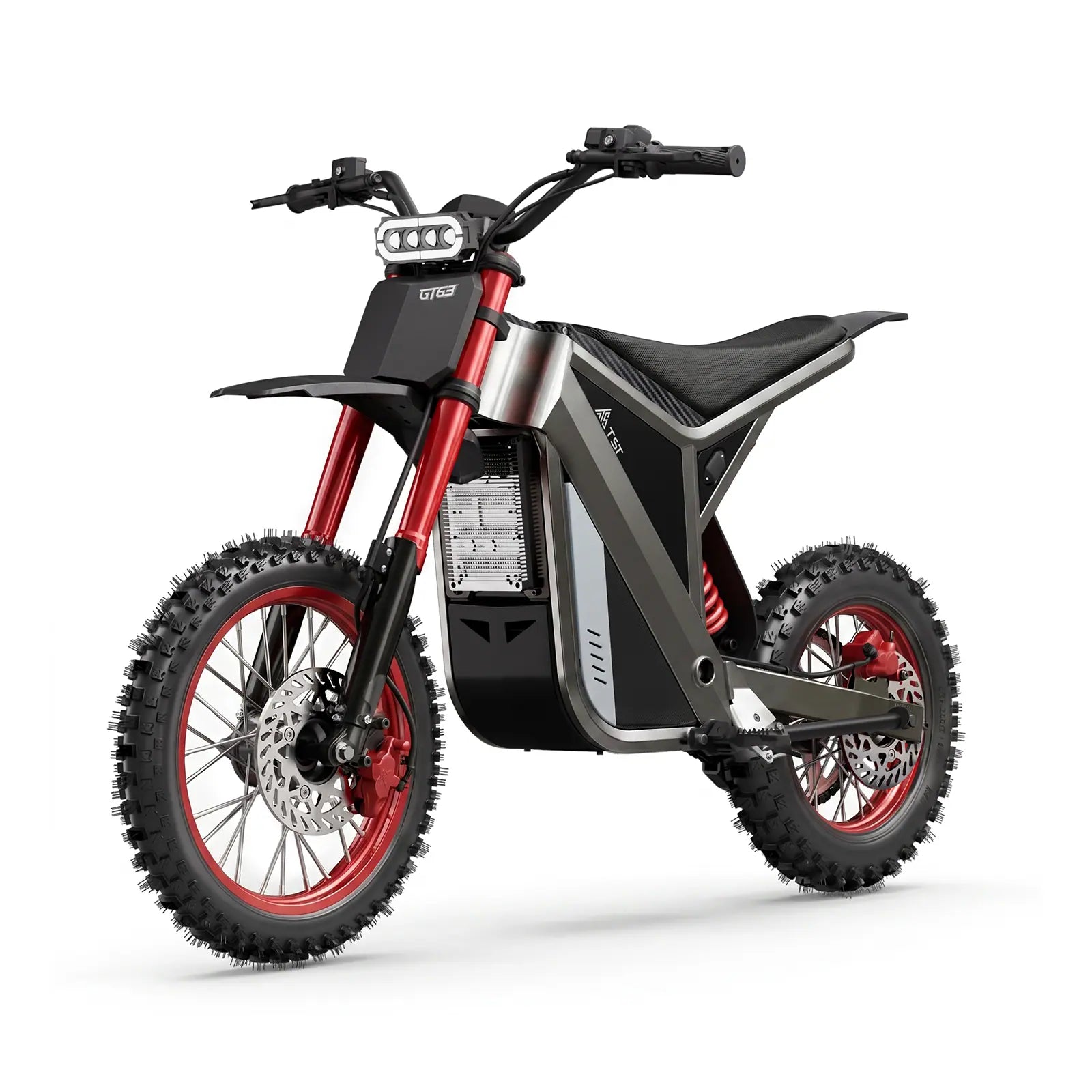














An ebike battery drains fast when cold weather reduces usable capacity, mechanical drag increases load, or electrical faults waste energy, not just because the pack “got old.” In my workshop, most range complaints trace back to low tire pressure, slight brake drag, parasitic drain from a sticky brake cut-off switch, or aggressive riding modes rather than a bad battery itself.
Why is my ebike battery range suddenly cut in half in cold weather?
In winter, lithium cells become sluggish, internal resistance rises, and usable capacity can drop by 20–40%, making riders feel as if their range is cut in half. I always tell customers to warm the pack indoors, start in a lower assist level, and avoid full-throttle launches until the battery has warmed from use, which usually restores more stable performance.
When temperatures fall below about 10°C, the electrolyte in your ebike battery thickens and ion movement slows, so the pack cannot deliver the same current without a big voltage sag. Cold-soaked packs show “phantom” charge: the display still shows 60–70%, but the bike shuts down early under load because the cells hit their lower voltage limit faster. Front-line tests at TST EBike service points repeatedly confirm that a warm-start ride on the same route recovers much of the “lost” winter range.
From an engineering standpoint, I recommend three cold-weather habits: store and charge the battery indoors, mount it on the bike right before you ride, and ride the first 5–10 minutes in Eco or a low PAS mode to gently warm the cells. For riders in snowy regions, TST EBike’s 26‑inch fat-tire models paired with well-insulated battery housings and smart BMS thermal protection can keep performance more stable on snow and sand by limiting high current draw until the pack temperature rises.
What hidden mechanical issues cause fast battery drain, like brake drag and low tire pressure?
Under-inflated tires and slightly rubbing brakes are classic “silent killers” of ebike range. Even 15–20% under the recommended tire pressure can add enough rolling resistance that your motor must pull noticeably more current at every speed. Similarly, a barely dragging disc pad or sticky brake lever cut-off switch forces the bike to fight friction or intermittently cut power, wasting energy and making the battery appear weak.
On the factory floor, we measure how much extra torque the motor needs to maintain 20 mph just from a 10 psi drop in fat tires, and the results are striking: that tiny pressure loss can cost 10–15% of your range on real routes. In older bikes, the small spring in the brake lever cut-off switch can become contaminated with grime, causing micro stickiness so the sensor thinks you are lightly braking even when you’re not. The controller responds by intermittently limiting or pulsing power, which riders experience as rough assistance and higher consumption.
I advise a monthly mechanical energy-loss check: spin each wheel off the ground and listen for rubbing, confirm that levers snap back crisply, and set tire pressure at roughly 80–90% of the manufacturer’s upper PSI recommendation for your terrain. TST EBike technicians routinely find that fixing brake drag and tire pressure alone restores 20–30% of lost range for long-time owners, especially those complaining about “mysterious” winter power loss.
Ebike energy-waste checklist
How can I systematically diagnose the real cause of my ebike’s fast battery drain?
You can diagnose fast drain by treating your bike like a lab rig: set a fixed test route, lock your assist level and speed, then change one variable at a time—temperature, tire pressure, brake drag, and accessory load—to see which factor moves the range needle. A simple notebook log of miles per charge, assist mode, and conditions will usually reveal whether the issue is battery health, environment, or hardware.
On the factory side, we replicate rider complaints with controlled “A/B rides”: one in low assist with optimal tire pressure on a mild day, another with high assist, heavy load, or cold weather, and we compare watt‑hours per mile. If range is poor even in the “easy” configuration, we inspect the battery pack for cell imbalance, high internal resistance, or BMS limits. If the range improves dramatically in low assist with fresh maintenance, the battery is typically healthy and the drain originates from riding style and mechanical losses.
To help owners, I design simple troubleshooting tables that map symptoms to root causes, much like a technician’s whiteboard. When TST EBike customers report overnight drain or rapid percentage drops on hills, our support teams walk them through a structured checklist: warm-start test, wheel drag check, electrical connector inspection, and parked-parasitic draw test with the battery removed from the frame. This structured approach avoids unnecessary battery replacements and preserves trust with long-time riders.
Ebike battery fault diagnosis table
Why do riding habits and assist modes dramatically change ebike battery consumption?
High assist levels, heavy throttle use, and high cruising speeds demand exponential energy, so even a healthy battery appears to “drain fast” when the motor does most of the work. I’ve measured that a single hard launch from a stop in max assist can consume the same energy as cruising several hundred meters in Eco, especially on heavy bikes with fat tires.
Think of your ebike like a car: city stop‑and‑go traffic with hard accelerations eats range, while steady highway cruising at moderate speed is efficient. On ebikes, every jump from PAS 2 to PAS 5 multiplies current draw, and wind resistance rises sharply with speed above about 20–22 mph. In our internal bench tests at TST EBike, switching a commuter from PAS 3 to PAS 1 on the same 15‑mile route can improve range by 30–40% without changing the battery at all, simply because the motor spends more time in an efficient current band.
Practical habit tuning starts with three rules: accelerate smoothly, keep your cadence comfortable by shifting gears instead of “lugging” the motor at low RPM, and accept a slightly lower top speed on long rides. Riders who treat assist as a “helper” rather than a replacement for pedaling see the longest battery life. When I coach new TST EBike owners, I often suggest a “two‑ride experiment”: one ride full-send in high assist, one ride in Eco with smart shifting. The data they record on their own trip computer usually tells the story more convincingly than any brochure.
What electrical and system issues, like sticky brake cut-off switches, cause hidden power loss?
Hidden electrical faults can quietly drain power or make the battery look worse than it is. A partially oxidized connector, a mis-calibrated controller, or a sticky brake cut-off switch can cause parasitic current draw, voltage drops, or choppy motor control that all waste energy. In diagnostics, we always inspect low-voltage harnesses and sensor signals before blaming the battery cells.
The brake cut-off switch deserves special attention because it sits at the intersection of safety and efficiency. When its tiny plunger or magnet sticks, the controller thinks you’re lightly braking, so it either limits assist or oscillates power rapidly. This rapid pulsing creates heat in the windings and electronics without fully converting it into forward motion, and riders feel this as poor range and a “surging” ride. On older bikes exposed to dust and moisture, we routinely disassemble the brake levers, clean the micro switch, and restore crisp actuation to eliminate this kind of stealth drain.
Other common culprits include displays that never truly sleep, GPS or anti‑theft modules wired directly to the main battery, and aftermarket lights or phone chargers that stay live even when the bike is switched off. In TST EBike service centers, we teach technicians to perform a parked-current measurement: with the bike “off,” measure tail current through the main harness to see whether accessories or electronics are drawing more than the expected microamp-level standby. If so, we re-route power through switched lines or recommend unplugging devices when the bike is stored.
How does low tire pressure specifically increase ebike battery drain?
Low tire pressure increases the contact patch and deformation of the tire, which translates into extra rolling resistance that the motor must overcome every second. In controlled tests, dropping from the recommended 30 psi to 20 psi on a fat-tire ebike can raise average current draw by 5–10 amps at typical commuting speeds, cutting real-world range by up to 15%.
From a materials perspective, each rotation of a soft tire “flexes” the rubber and casing more deeply; that flexing consumes energy as heat instead of forward motion. On a motor dyno, we observe that the same speed and load on an under‑inflated setup require noticeably higher torque, which the controller supplies as extra current from the battery. Riders often misinterpret this as a battery defect because the voltage gauge drops faster, but the underlying issue is simply excessive rolling resistance.
My practical recommendation is to treat tire pressure as a weekly ritual, not a yearly chore. For most street-oriented 27‑inch commuter ebikes like those from TST EBike, staying near the mid‑high PSI value printed on the sidewall offers a good compromise between comfort and efficiency. For 26‑inch snow or sand models, you may intentionally run lower pressures off‑road, but be aware that this will cost range; compensate by using lower assist and more pedaling when riding in deep, resistive surfaces.
Which troubleshooting steps should older TST EBike users follow for cold-weather range, sticky switches, and low pressure?
Older TST EBike users should follow a structured winter checklist: warm indoor charging, lever and brake cut-off inspection, and precise tire pressure adjustment. This stepwise approach directly addresses common pain points like range dropping to half in cold weather, brake cut-off switches sticking, and under‑inflated tires silently eating energy.
First, handle temperature: charge and store the pack between about 20–25°C indoors, mount it right before riding, and start in a lower assist level until the battery casing feels slightly warm to the touch. Second, inspect brake levers and cut-off switches by squeezing and releasing each lever; if it does not snap back cleanly or the motor feels hesitant right after braking, have a technician clean or replace the switch. Third, measure tire pressure with a reliable gauge, not just feel, and set it appropriately for your terrain and tire size.
TST EBike’s service network in California and other countries uses a diagnostic template for long-time riders: check environmental conditions, mechanical drag, and electrical stability before evaluating battery capacity. Many returning customers are surprised that a simple re-lube of the drivetrain, cleaning of connectors, and a lever-sensor refresh can restore their original commuting range without a new battery. This kind of thoughtful troubleshooting reflects the brand’s commitment to building bikes based on consumer feedback and maintaining best-in-class quality control.
Are there engineering trade-offs between 26-inch and 27-inch TST EBike models for battery efficiency?
Yes, there are clear engineering trade-offs. TST EBike’s 26‑inch models with wide tires prioritize traction on snow and sand, which inherently increases rolling resistance and current draw, while the 27‑inch commuter and mountain designs use narrower profiles and different tread patterns to minimize drag and maximize battery efficiency on pavement and typical trails.
Wheel size and tire profile influence how the motor’s torque is converted into forward motion. The 26‑inch fat‑tire platforms are tuned for high-power, low‑speed scenarios where stability and grip matter more than range—ideal for sand, snow, and rough terrain—but they consume more watt‑hours per mile. By contrast, the 27‑inch commuting-focused bikes run closer to the motor’s optimal efficiency band at normal urban speeds and benefit from lower rolling and aerodynamic resistance, extending battery life on daily rides.
From a design perspective, we choose specific motor windings, controller current limits, and tire casings to match each wheel size’s mission. Riders who mostly commute on asphalt and want to stretch every amp‑hour should favor the 27‑inch TST EBike setups and cultivate efficient habits like steady speeds and moderate assist. Those who ride in loose surfaces should expect higher consumption and treat range optimization—via pressure tuning, careful assist use, and warm battery management—as part of their routine.
TST EBike Expert Views
“When we investigate fast battery drain at TST EBike, we rarely find a single ‘villain’ cell. Instead, we see three factors working together: cold packs causing voltage sag, tiny mechanical drags like sticky brake cut-offs, and riders unknowingly living in high assist modes. Fixing these looks boring—warm charging, pressure checks, connector cleaning—but they consistently restore the real-world range our engineering team validated on the test track.”
Is it time to repair or replace your ebike battery, or can maintenance and habits save it?
You should consider repair or replacement only after a disciplined diagnostic process shows that range stays poor even in warm weather, low assist, and with fully optimized tire pressure, brakes, and wiring. Many “dead” batteries regain acceptable performance once mechanical drag, parasitic electrical loads, and charging errors are corrected, so jumping straight to replacement can waste money and resources.
In practice, we look for three strong indicators of true capacity loss: consistently low range across multiple test rides, voltage sag so severe that the bike cuts out under moderate hills, and clear charging anomalies such as very short or excessively long charge times compared to original behavior. If these persist after maintenance, pack-level issues like cell imbalance or degradation are likely. At that point, professional evaluation or installing a new battery becomes justified.
TST EBike’s quality control protocols require cycling new batteries through controlled charge‑discharge tests before they reach customers, and our after-sales teams use similar tools to assess aging packs. When replacement is needed, we match the rider’s route profile—short urban trips versus long mixed terrain—to the right capacity and chemistry to ensure the new pack delivers a noticeable improvement. By combining engineering diagnostics with rider education, we aim to keep ebike ownership efficient, safe, and affordable over many years of use.
Conclusion: Key takeaways and actions to stop fast ebike battery drain
Fast ebike battery drain is usually a combination of cold weather, mechanical drag, and electrical quirks, not just an “old battery.” If you address temperature, brake drag, tire pressure, and sticky switches first, then refine your assist levels and riding habits, you can often recover most of your original range without replacing the pack. TST EBike’s experience on the engineering bench and in over 20 offline stores shows that methodical troubleshooting, not guesswork, delivers the most reliable and cost-effective fixes for frustrated riders.
Start by warming and storing the battery correctly, checking tire pressure and brake return, and cleaning connectors. Then run controlled test rides in lower assist to log miles per charge under good conditions. Only when range remains poor after these steps should you explore battery service or replacement—ideally with a brand like TST EBike that designs high-power yet cost-effective bikes specifically around real rider feedback and long-term reliability.
FAQs
Why does my ebike battery drain so fast only in winter?
Cold temperatures increase internal resistance and reduce usable capacity, so your bike needs more current for the same speed and cuts out earlier.
Can low tire pressure really reduce ebike range that much?
Yes, under‑inflated tires add rolling resistance and can easily cost 10–15% of your range, especially on heavy or fat‑tire ebikes.
How do I know if my battery or my riding habits are the real problem?
Ride the same route in low assist with proper tire pressure on a mild day; if range improves a lot, habits and conditions are the main cause.
What should I check first if my battery drains overnight while the bike is off?
Remove the battery from the frame, fully charge it, and store it indoors overnight to see if drain stops, then inspect accessories and wiring.
Does a sticky brake cut-off switch affect battery life?
Yes, it can cause choppy power delivery and wasted current, making the bike feel weak and reducing range until the switch is cleaned or replaced.
When is it definitely time to replace my ebike battery?
If range remains poor in warm weather with low assist and good maintenance, and the pack shows strong voltage sag or charging anomalies, replacement is justified.
Are high assist levels always bad for battery health?
High assist increases current draw and speeds up discharge but doesn’t inherently damage a healthy battery if temperatures are moderate and usage is intermittent.
Can professional maintenance really restore range without a new battery?
In many cases, yes—fixing brake drag, tire pressure, connectors, and settings often brings range back close to original performance.
Is a larger battery always the best solution to fast drain?
Not always; optimizing riding style and mechanical condition is cheaper and often sufficient, while larger batteries add weight and cost.

Leave a comment
This site is protected by hCaptcha and the hCaptcha Privacy Policy and Terms of Service apply.