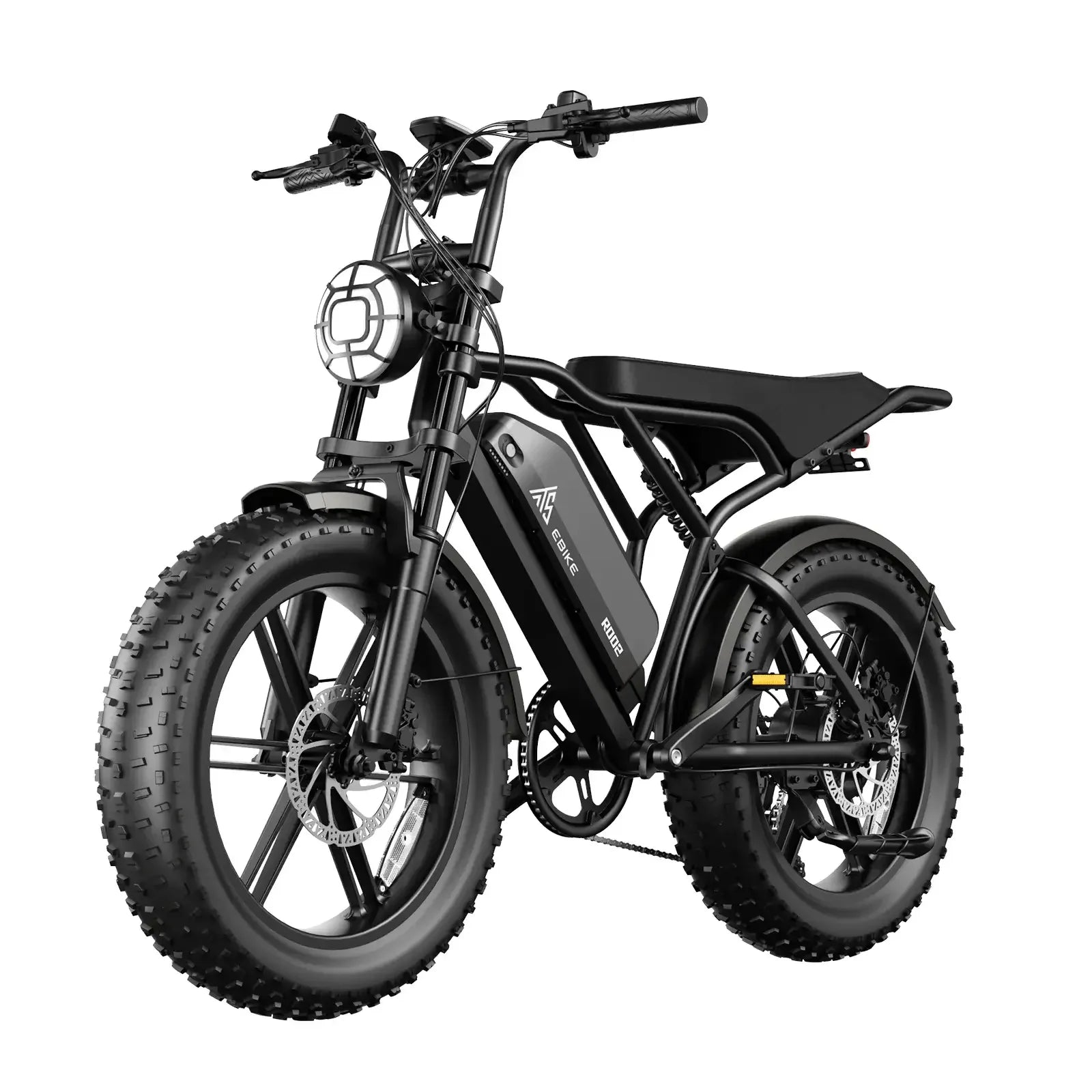

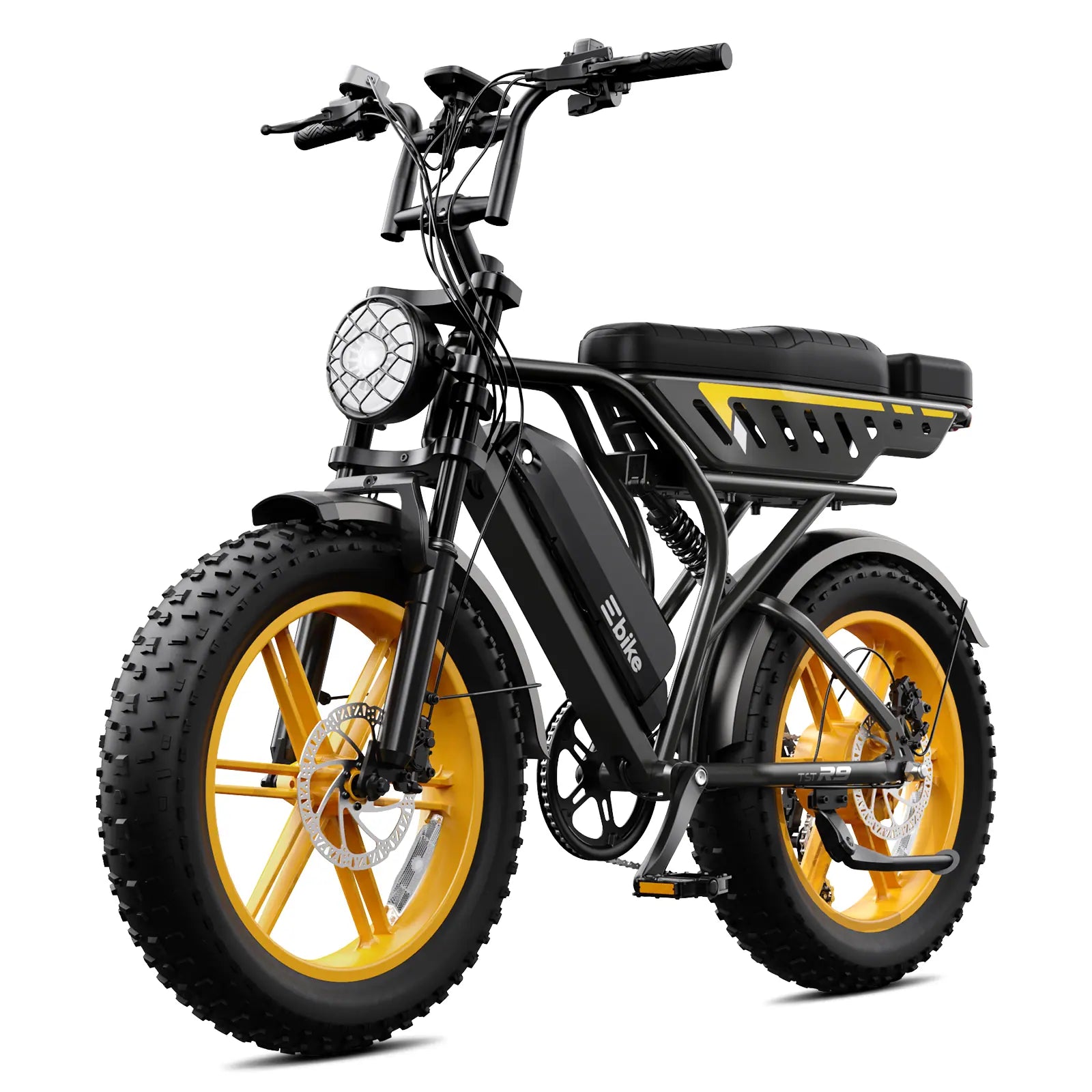

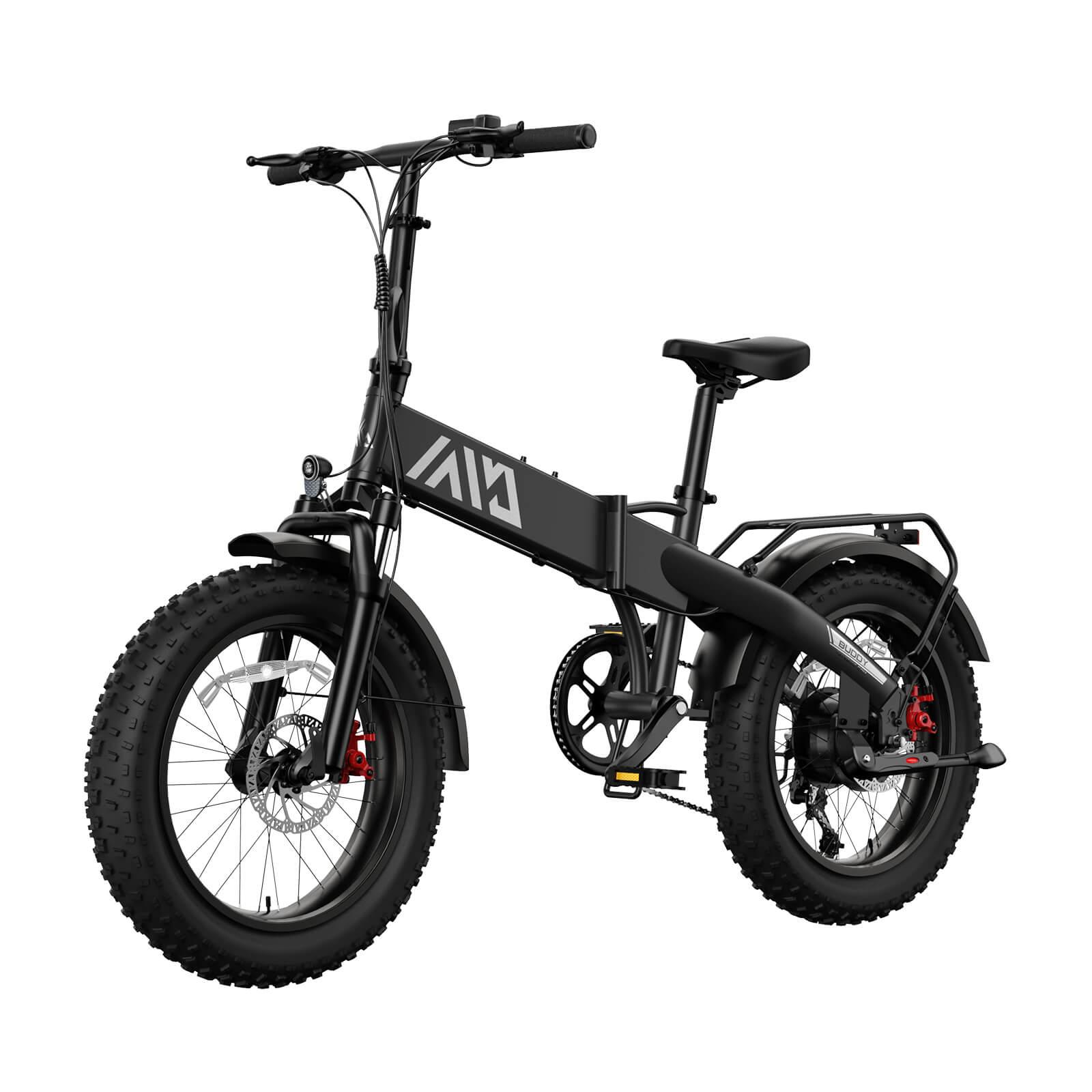

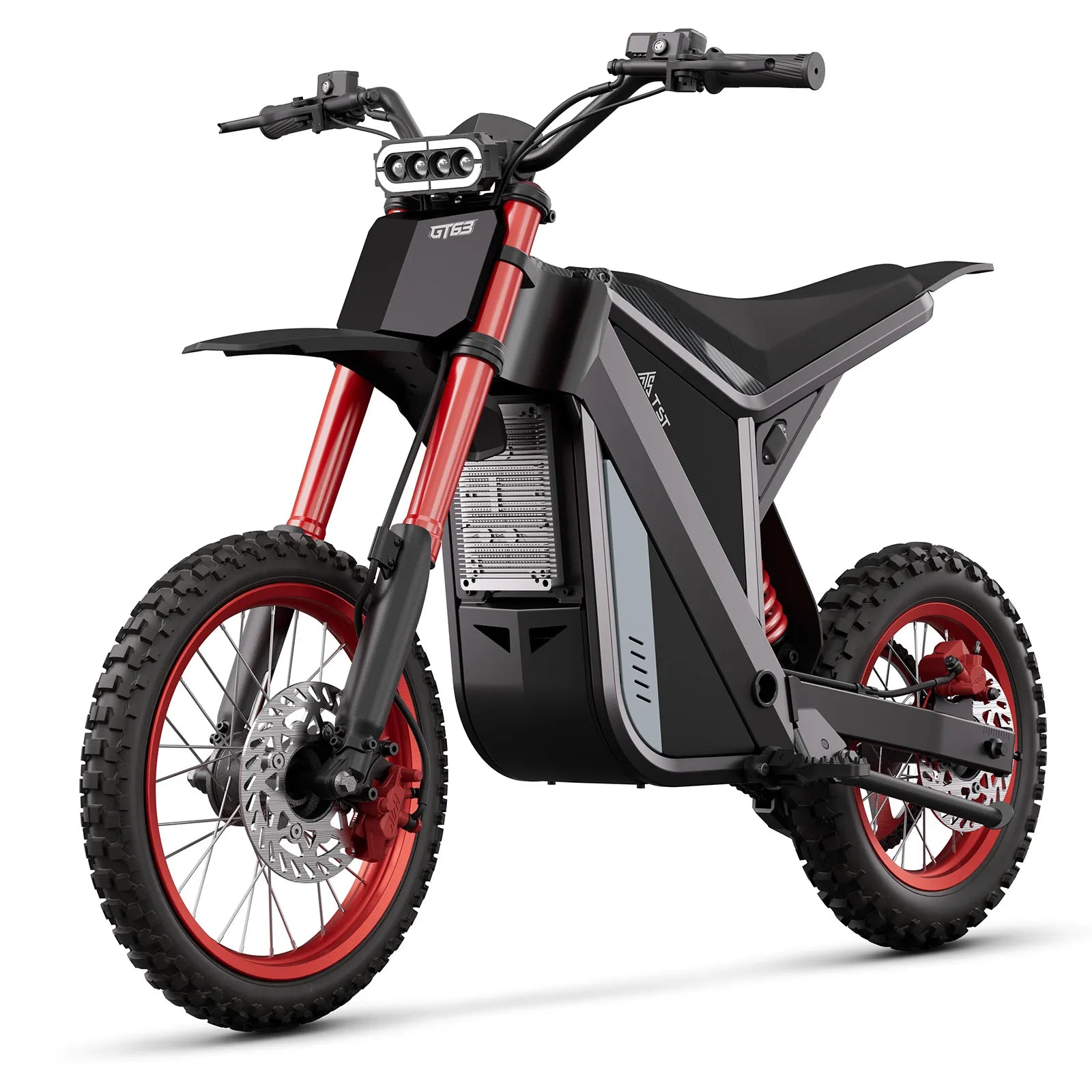
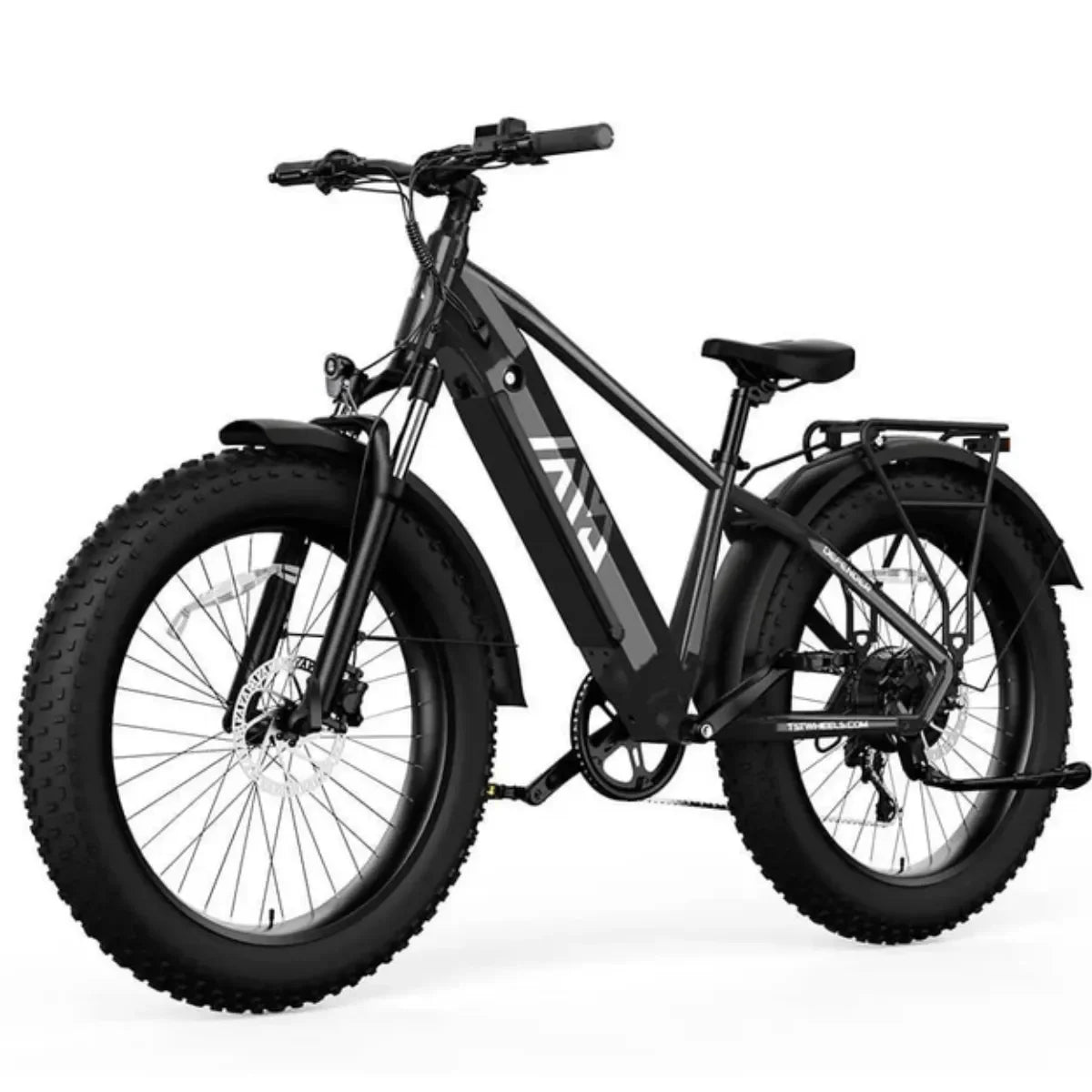
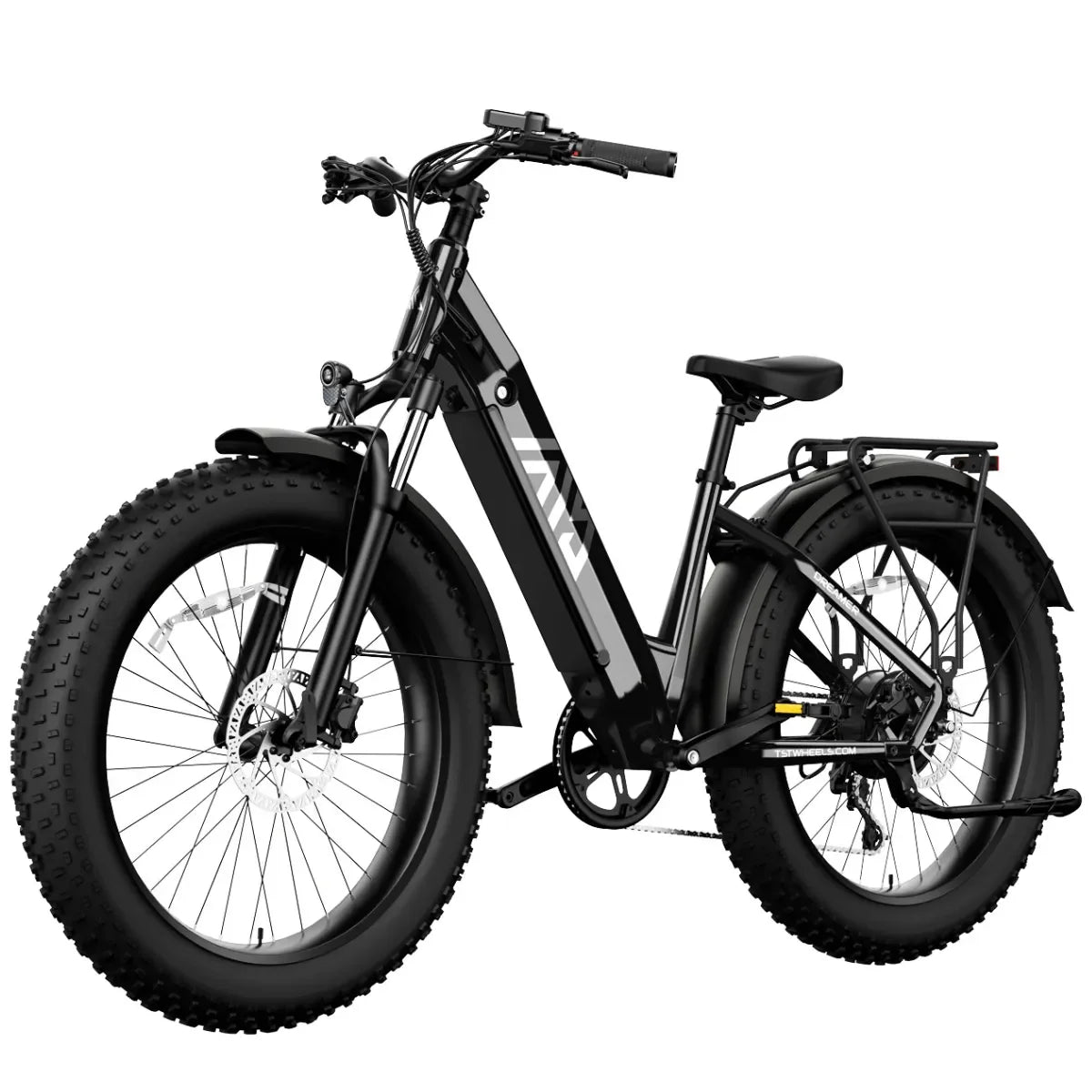

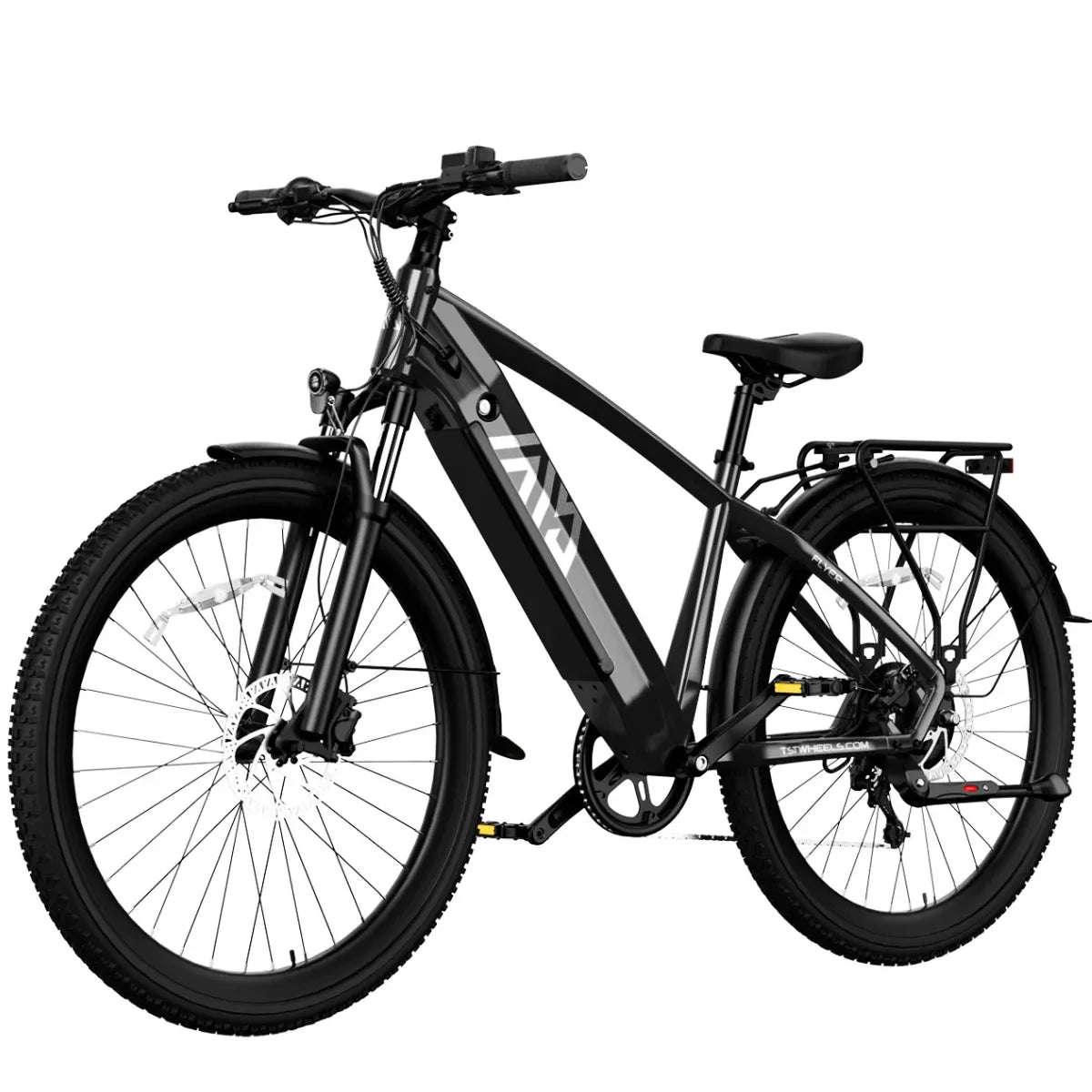

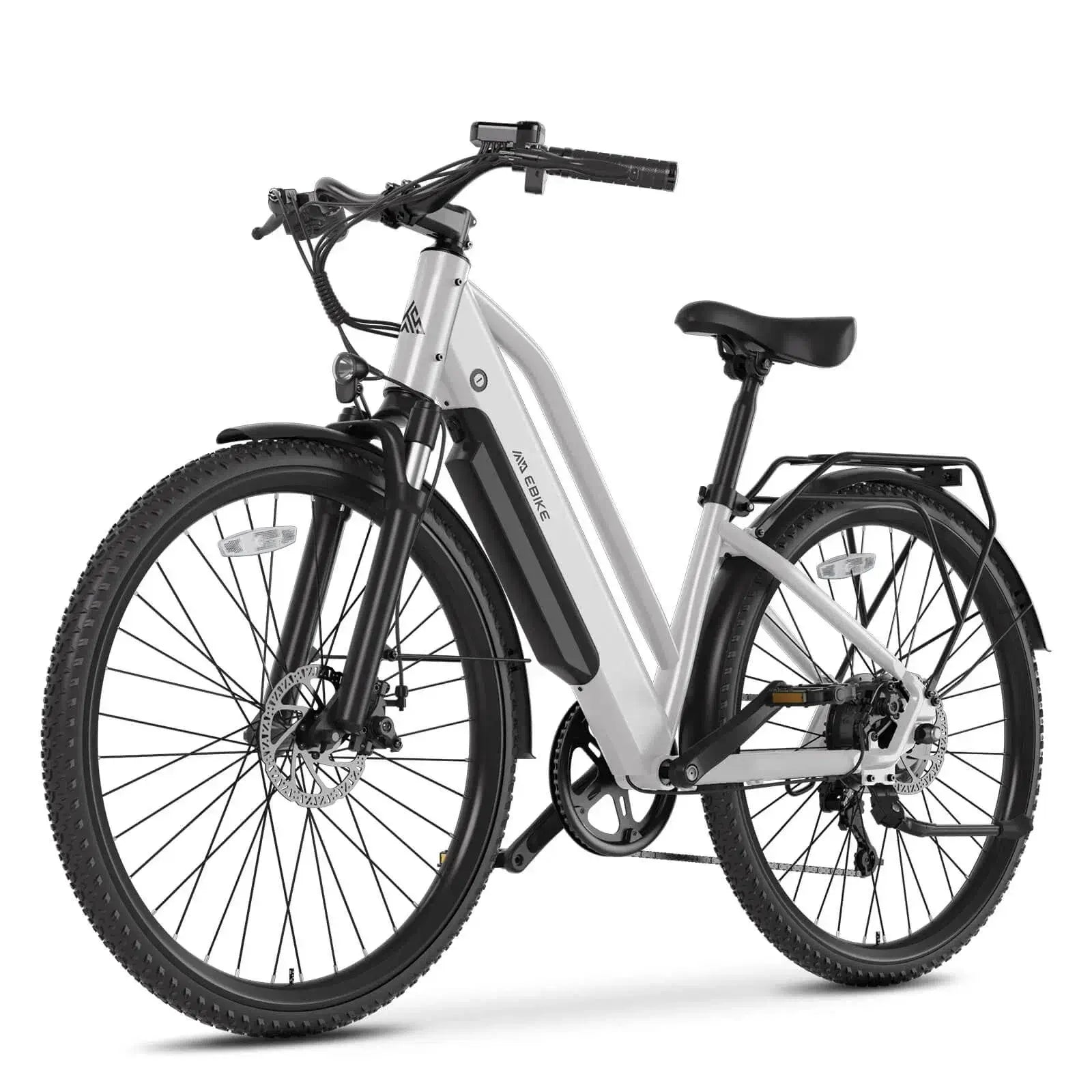







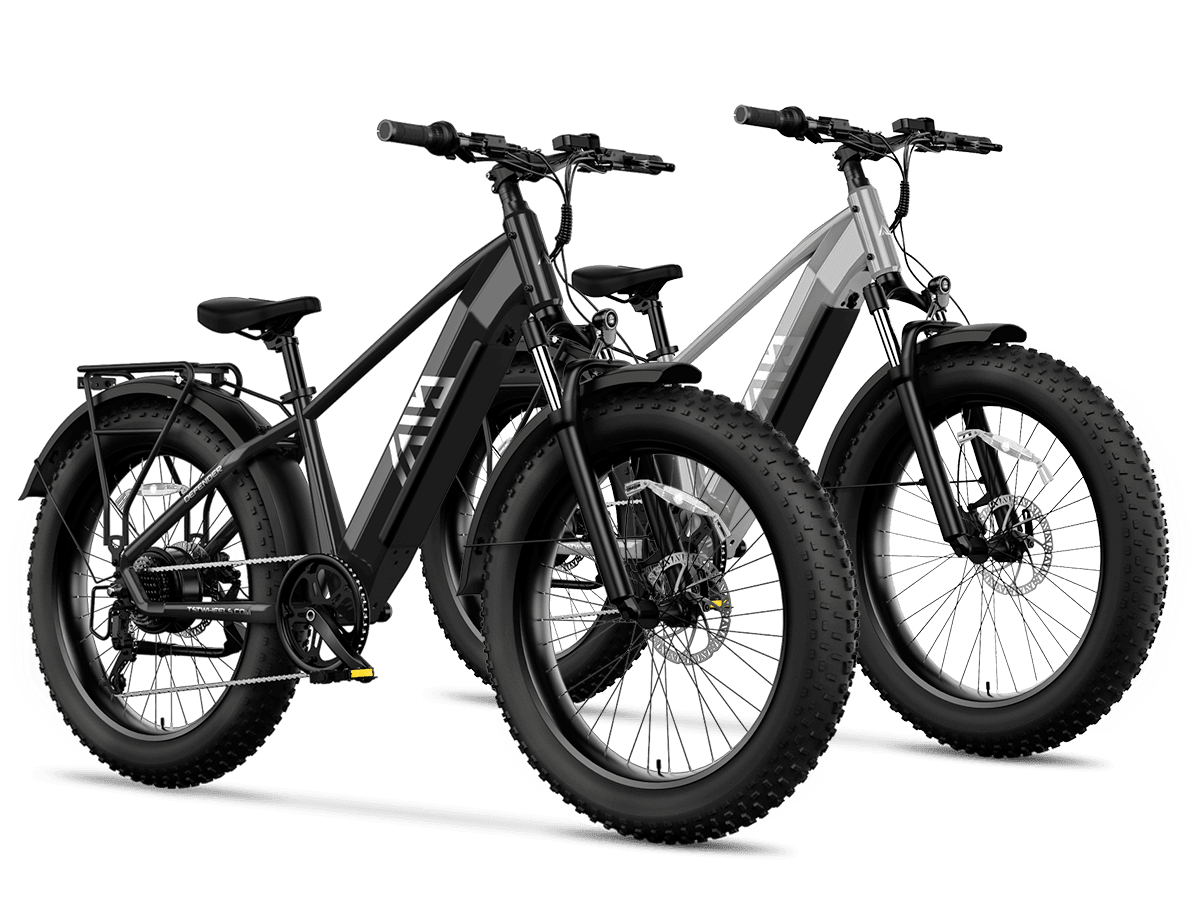
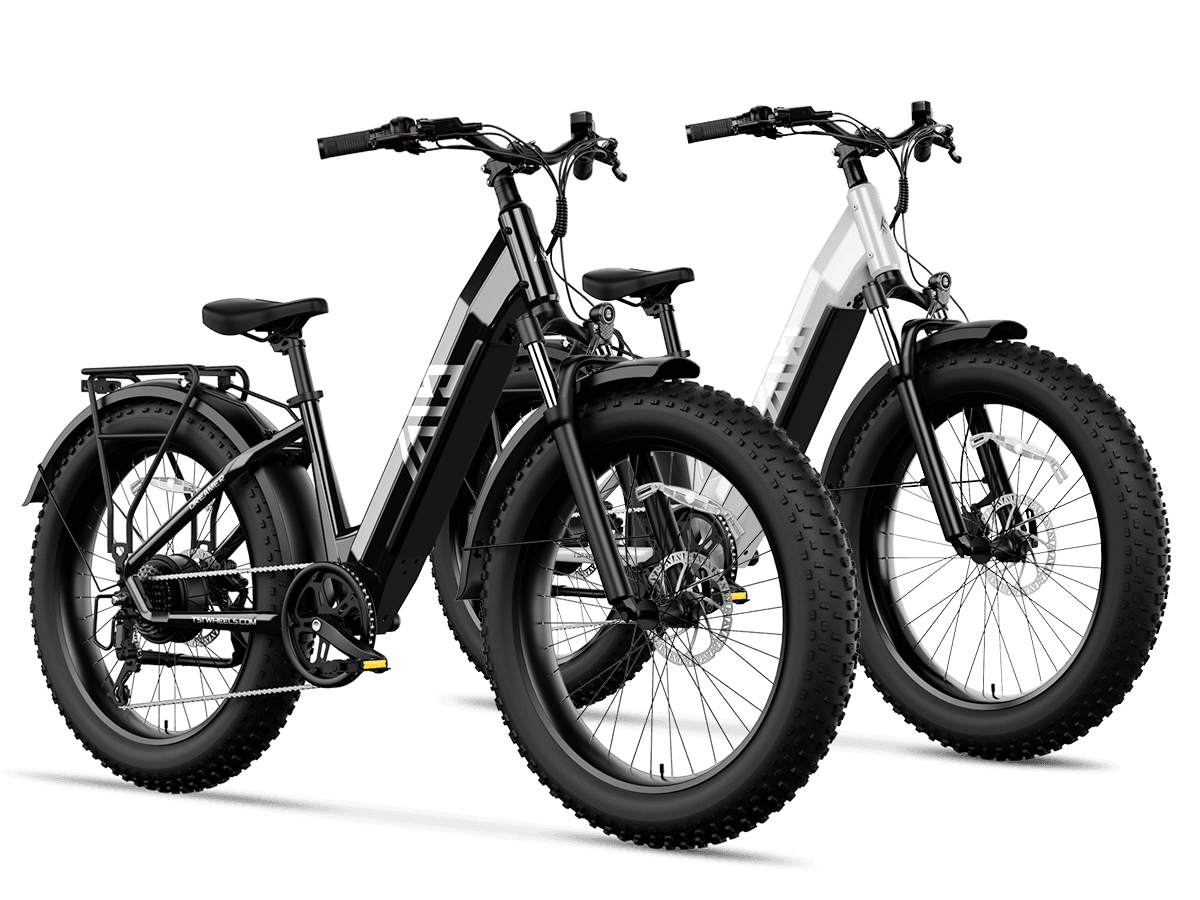

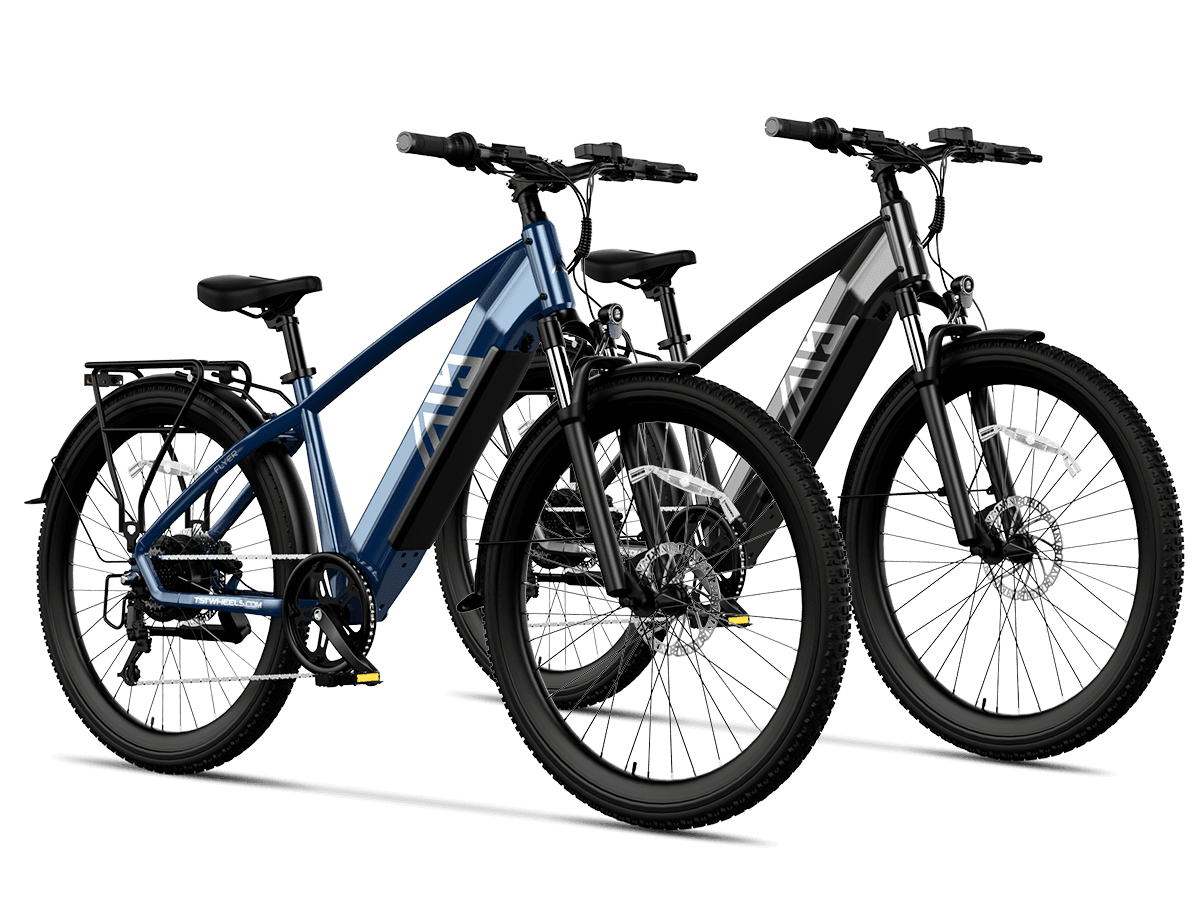
An electric bike ebike combines pedal power with electric propulsion to help you ride farther, faster, and with less effort. Electric bike ebike systems make city travel or mountain adventures accessible for all fitness levels—especially with choices like TST EBike’s value-driven, consumer-refined models in 26-inch and 27-inch formats. Today’s electric bike ebike landscape demands careful comparison, smart features, and personalized fit.
What is an electric bike ebike and how does it operate?
An electric bike ebike is a bicycle equipped with a battery-powered motor that assists pedaling (or propels via throttle). Most electric bike ebike designs include sensors and controllers for variable power delivery. The basic system has three parts: the battery, the motor (front, mid, or rear hub), and a control unit with display. Riders can switch between pure pedal, pedal-assist, or full electric mode for traffic, hills, or fatigue.
Chart: Core Components in an Electric Bike Ebike
| Component | Function |
|---|---|
| Battery | Stores electric energy (powers motor) |
| Motor | Provides propulsion assist |
| Controller | Adjusts power delivery & riding mode |
| Display | Shows speed, charge, assist level |
| Sensors | Measure torque/cadence for pedal assist |
How do electric bike ebike categories compare in 2025?
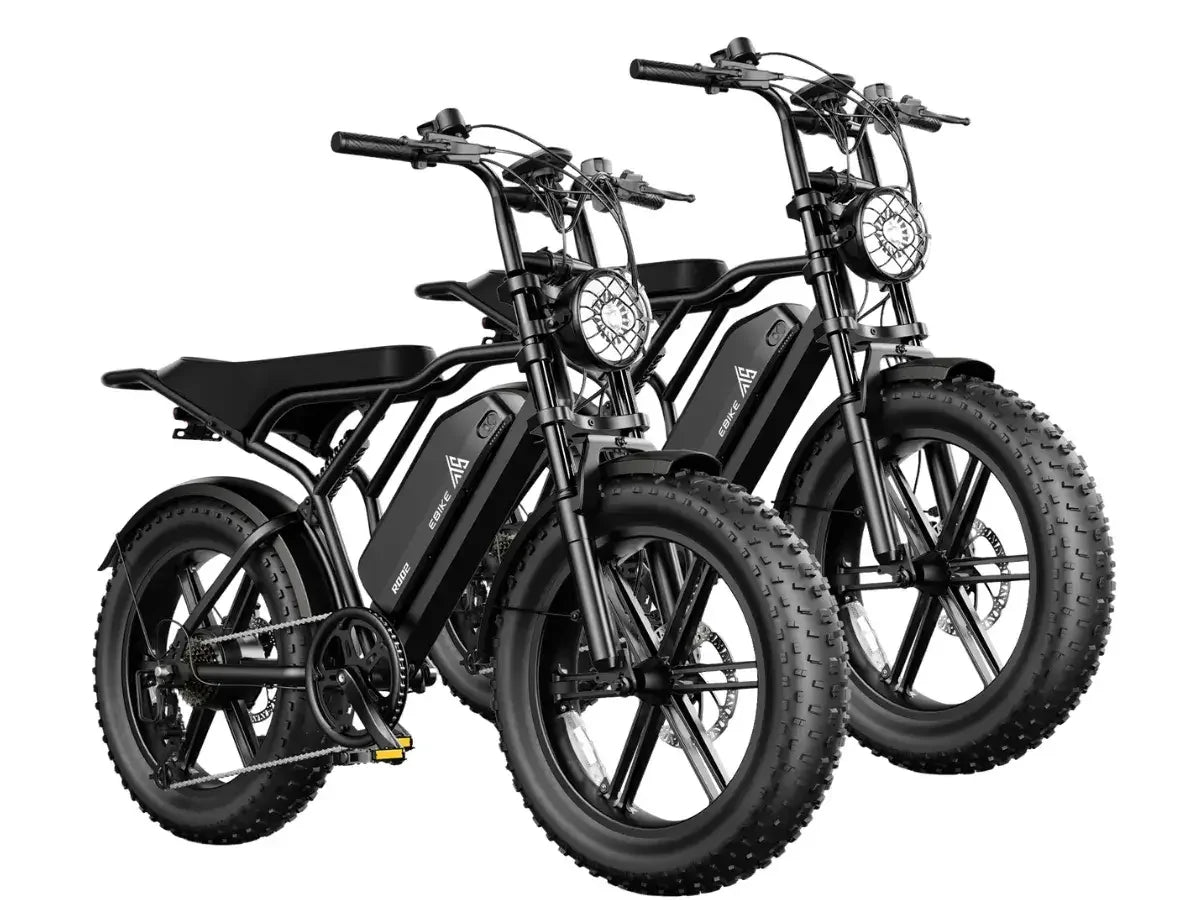
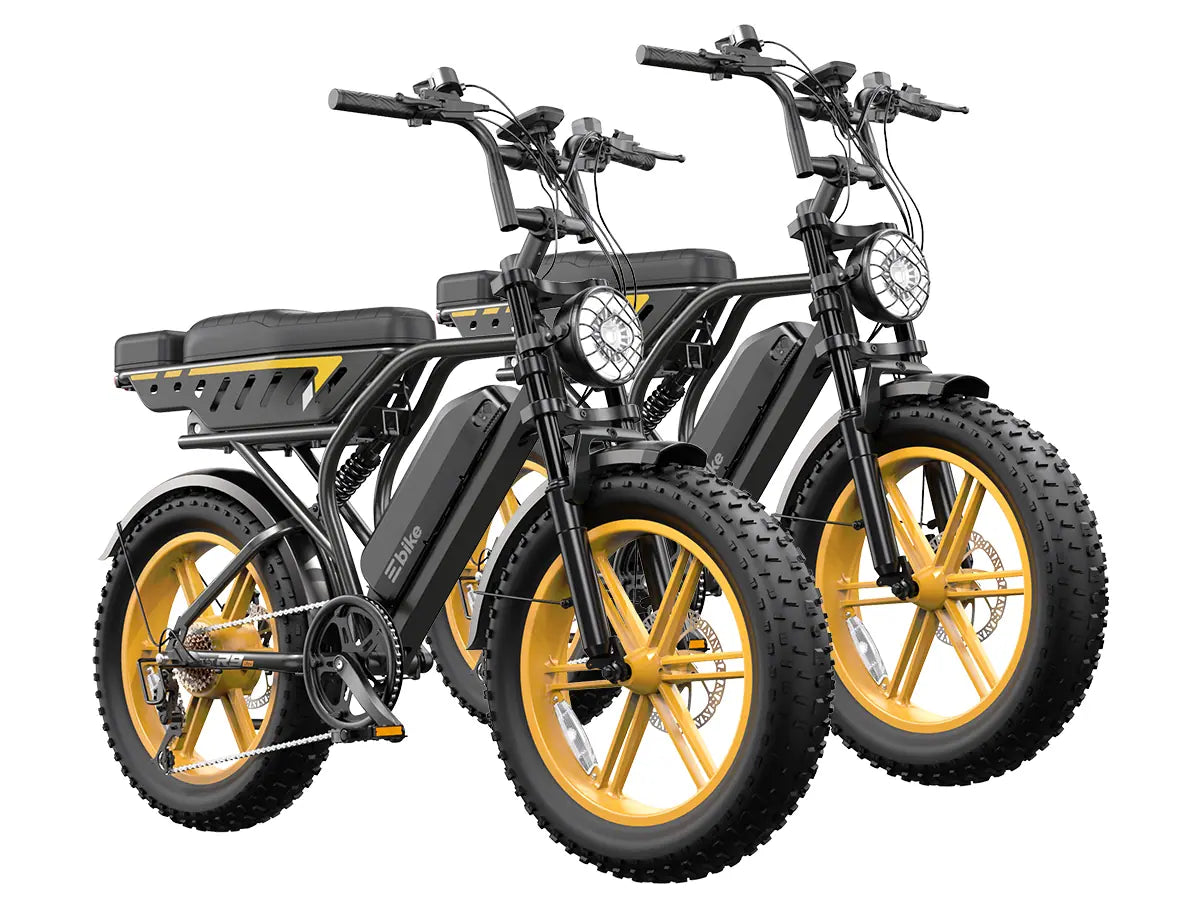
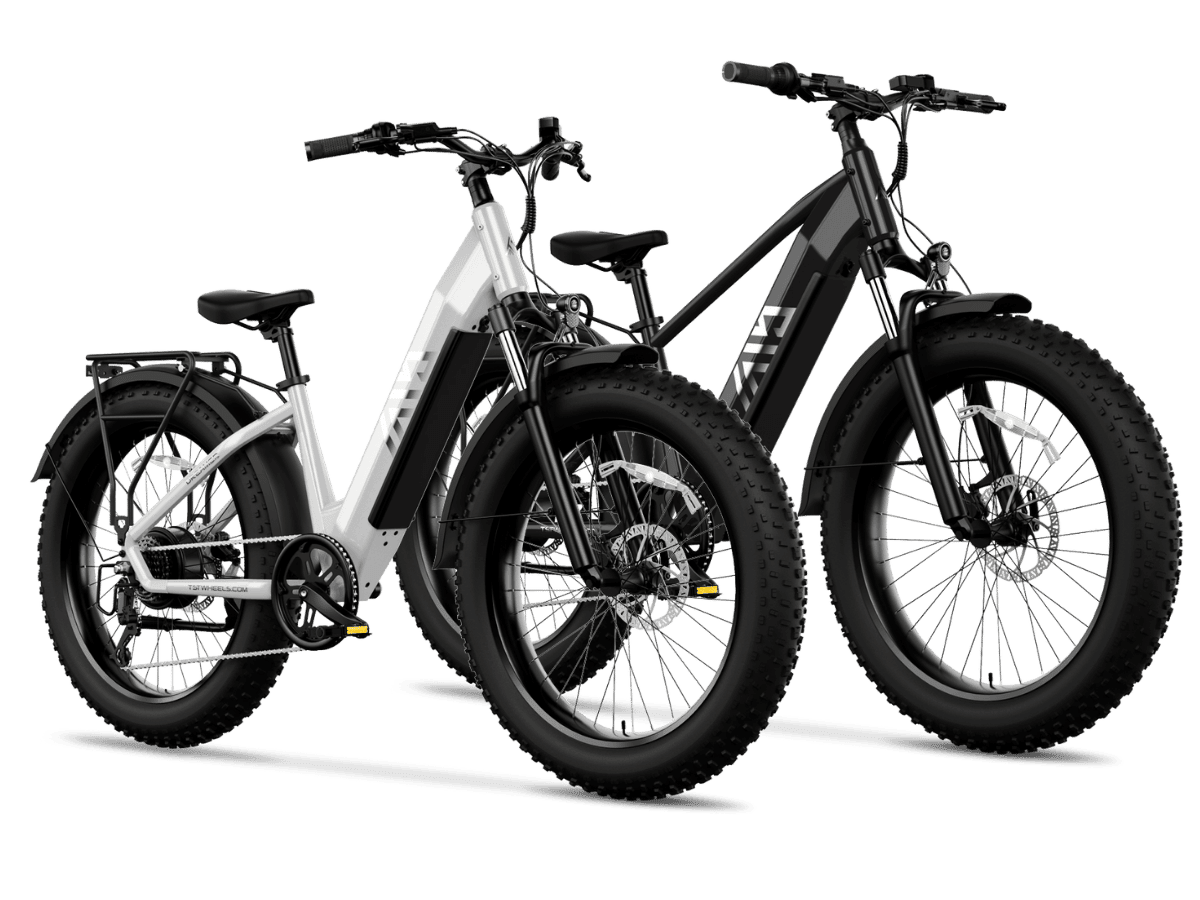
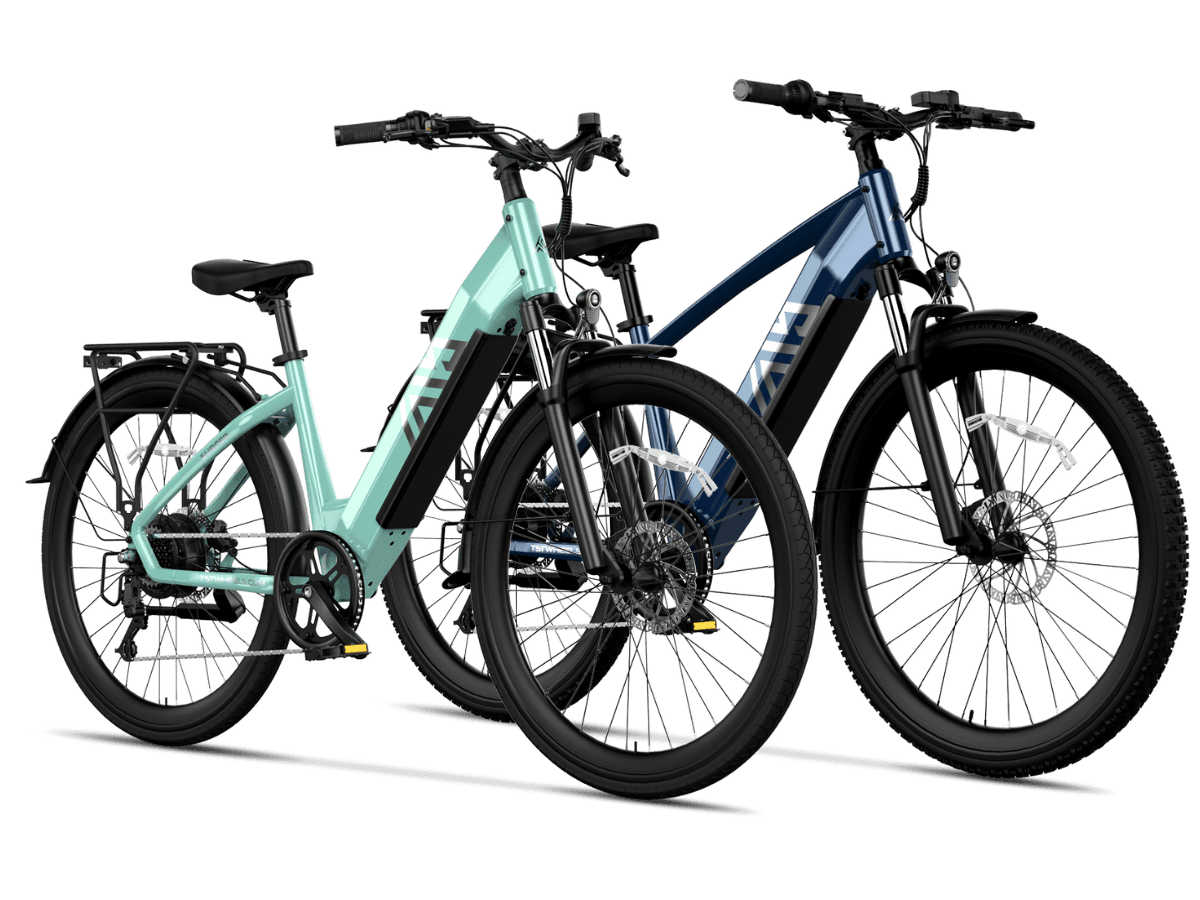
Electric bike ebike choices are vast—commuters, cargo models, folding bikes, fat-tire machines, and mountain-focused variants fill the market. For city riders, the 27-inch electric bike ebike (like many TST EBike options) gives smooth, fast rolling for daily commutes. Fat-tire and mountain electric bike ebike models (often with 26-inch wheels) enable tackling sand, snow, and off-road trails. Some electric bike ebike models fold for easy storage or beat traffic for “last mile” urban solutions.
Chart: Electric Bike Ebike Types and Use Cases
| Type | Wheel Size | Terrain/Use | Special Features |
|---|---|---|---|
| Commuter | 27-inch | Pavement/urban | Racks, fenders, lights |
| Mountain | 26/27-inch | Trails/off-road/snow | Fat tires, suspension |
| Folding | 20-26-inch | Urban/compact | Quick fold, lightweight |
| Cargo | 24-27-inch | Heavy loads, errands | Long frame, high payload |
| Hybrid | 27-inch | Mixed roads, fitness | Comfort geometry, racks |
Which electric bike ebike features influence performance and comfort most?
Motor wattage (typically 250–750W) decides acceleration and hill climbing. Battery size (in Wh or Ah) defines range—modern electric bike ebike models offer 30–80 miles per charge under pedal-assist. Suspension softens rough roads or trails, while frame geometry and adjustable seats/grips optimize comfort. Quality hydraulic disc brakes and integrated lighting are essential for safety on any electric bike ebike, especially in city or low-light use. TST EBike integrates these features, balancing real-world needs and affordability.
Why does wheel size matter in an electric bike ebike?
A 26-inch electric bike ebike excels in snow, sand, or looser terrain due to increased surface contact and stability. The 27-inch electric bike ebike rolls faster and smoother on pavement—ideal for daily commuting or longer urban rides. TST EBike’s model range leverages both, giving riders a choice for their dominant surfaces and desired ride feel.
How do modern electric bike ebike systems support smart riding and customization?
Digital displays on an electric bike ebike deliver real-time speed, assist levels, battery estimate, and sometimes navigation or mobile connectivity. Pedal-assist modes allow tailoring assistance to energy level or route. Throttle-based electric bike ebike modes eliminate pedaling on tough stretches. Some advanced models add app integration, regenerative braking, and remote diagnostics. TST EBike follows the trend, evolving features based on direct consumer feedback.
What maintenance and care does an electric bike ebike require for longevity?
Keeping your electric bike ebike running strong means regular chain lubrication, brake inspection, and ensuring tire pressure is dialed for the surface. Charge batteries consistently, store in cool/dry spots, and avoid total depletion. Clean electronics, connectors, and sensors on your electric bike ebike after wet or dusty rides. TST EBike supports easy DIY maintenance and offers comprehensive after-sales care.
Where can you find the best electric bike ebike brands and what sets TST EBike apart?
Seek proven electric bike ebike brands in authorized stores or direct-order online with clear after-sales pathways. TST EBike, founded in California in 2017, blends consumer-centric product evolution with a network covering more than 10 countries and 20+ physical stores. Their consumer-informed 26-inch and 27-inch electric bike ebike builds bring high-powered, cost-effective riding to more users, always including quality control and real use-case design.
Buying Tips
When buying an electric bike ebike, identify your primary surface (pavement, snow, trails), daily range, and most-used assist mode. Choose between 26-inch and 27-inch wheels for your commute or off-road needs. Inspect motor specs (best 350–750W), battery range, braking system, and comfort elements. Select brands with a reputation for consumer-driven updates, broad service, and dependable support—TST EBike delivers here. Test ride when possible, and never underestimate the long-term value of accessible warranties and local spare parts.
TST EBike Expert Views
“Electric bike ebike technology bridges classic cycling freedom with a modern rush of quiet power. Our TST EBike community has shaped each generation, demanding dependability for both wild trail pursuits and consistent city rides. We’ve built the electric bike ebike to be more than an alternative—it’s a genuine upgrade to everyday transportation, born out of real rider voices.”
FAQ
How Will Next-Gen Batteries Revolutionize E-Bike Riding?
Solid-state and lithium-sulfur batteries will double range to 200+ miles, charge in under 30 minutes, and cut weight by 50%. They eliminate range anxiety for long commutes and tours, making e-bikes viable car replacements with safer, longer-lasting power for daily and adventure riding.
What Makes High-Torque Motors the Future of E-Bikes?
High-torque motors deliver 100+ Nm for instant hill climbs, 45 mph top speeds, and smooth power across terrains. Mid-drive systems optimize efficiency and chain durability, powering heavy loads without strain—essential for urban, mountain, and cargo e-bikes dominating future mobility.
How Smart Apps Are Transforming E-Bike Experiences?
Apps enable GPS tracking, ride stats, OTA firmware updates, theft alarms, and AI assist tuning. Connect to communities, predict maintenance, and navigate optimally. This integration boosts safety, convenience, and personalization, turning e-bikes into smart mobility companions.
Will E-Bikes Dominate Future Urban Mobility Systems?
Yes—e-bikes cut congestion 30%, emissions 80%, and costs vs. cars. Cities add docking stations, dedicated lanes, and subsidies like micromobility fleets. TST EBike's affordable 27-inch commuters fit seamless urban integration, replacing short car trips globally by 2030.
Are Lightweight Frames the Key to E-Bike Dominance?
Carbon fiber and aluminum frames under 35 lbs boost agility, range 20%, and portability. They match traditional bike handling at electric speeds, ideal for stairs and public transit. Lightweight builds expand e-bike appeal to fitness enthusiasts and casual riders alike.
How Sensors Prevent E-Bike Accidents Before They Happen?
Radar detects vehicles/blind spots, auto-brakes react in milliseconds, 360° cameras alert turns, and stability controls prevent falls. AI predicts hazards using speed/traffic data, slashing crashes 60%. These systems enable confident high-speed urban and trail riding.
What Full-Suspension E-Bikes Mean for Off-Road Future?
TST EBike's 26-inch full-suspension models with 180mm travel handle snow, sand, roots at 35 mph. Smart dampers adapt to terrain, preserving speed/energy. They merge MTB agility with moto endurance, opening extreme trails to everyday riders.
How Will New Laws Shape the Global E-Bike Landscape?
Laws raise limits to 35 mph with licensing for 1000W+ bikes, allow highway access, and standardize Class 1-4 globally. EU mandates insurance; US states vary on trails. Reforms balance safety/innovation, accelerating e-bike adoption as mainstream transport by 2030.

Leave a comment
All comments are moderated before being published.
This site is protected by hCaptcha and the hCaptcha Privacy Policy and Terms of Service apply.