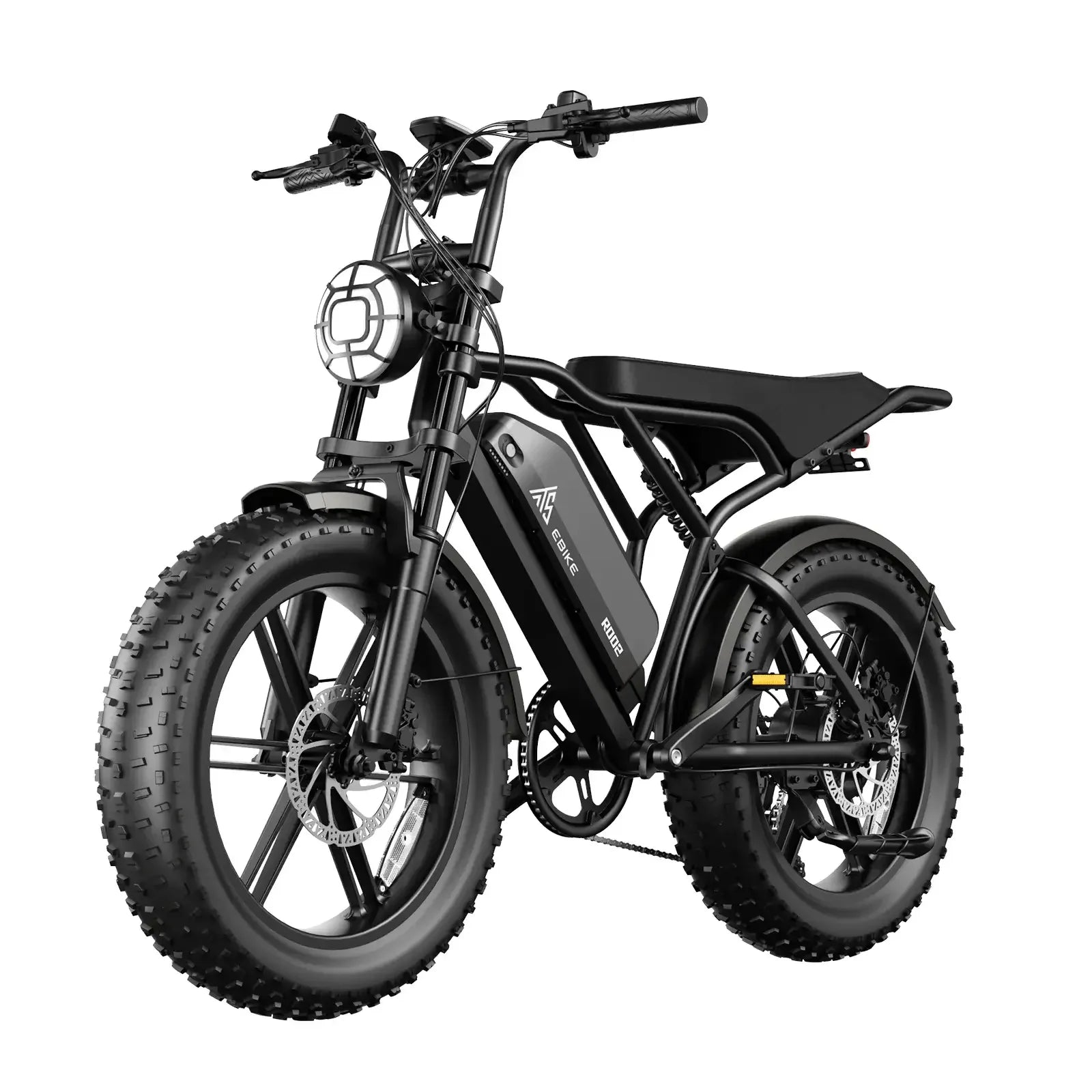

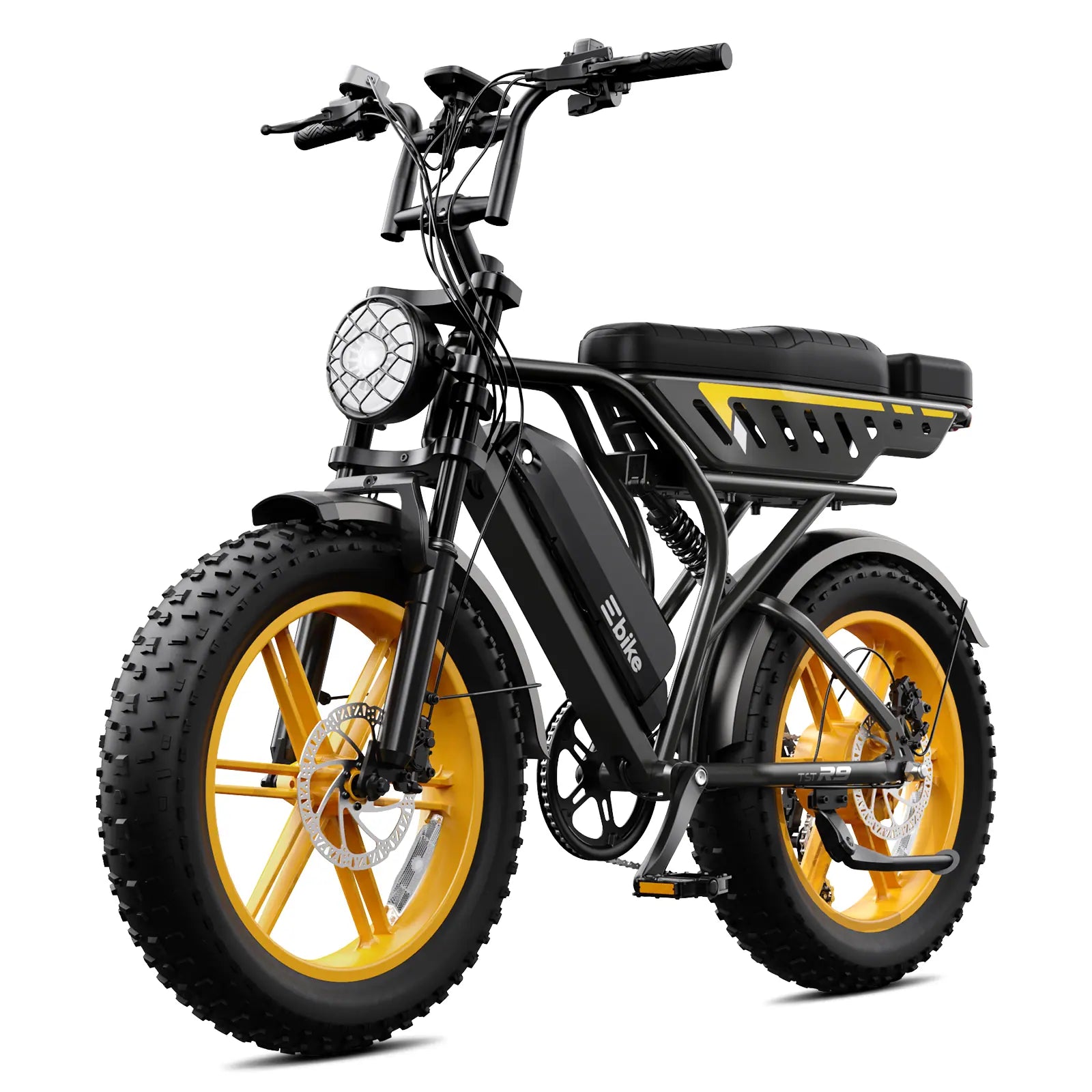

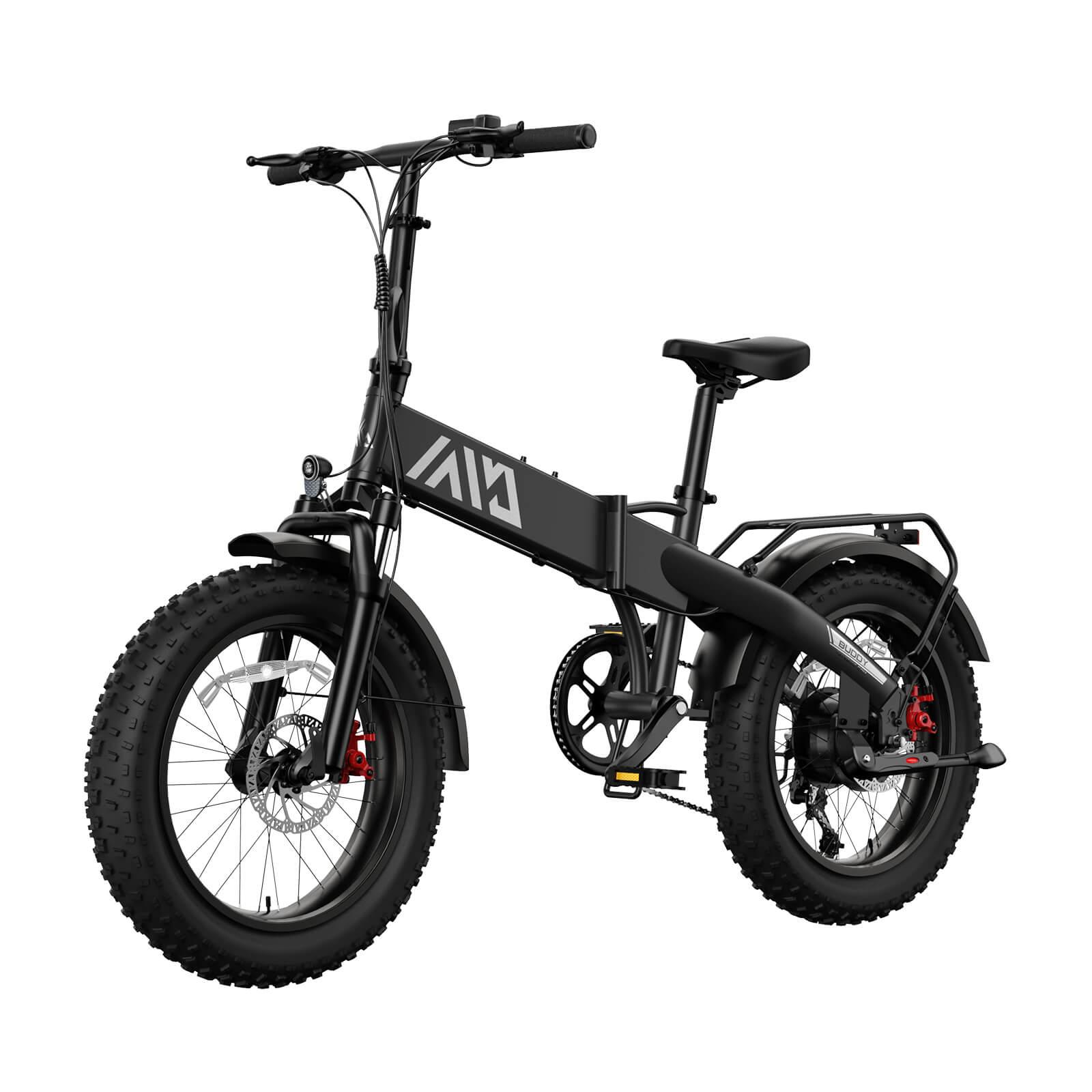

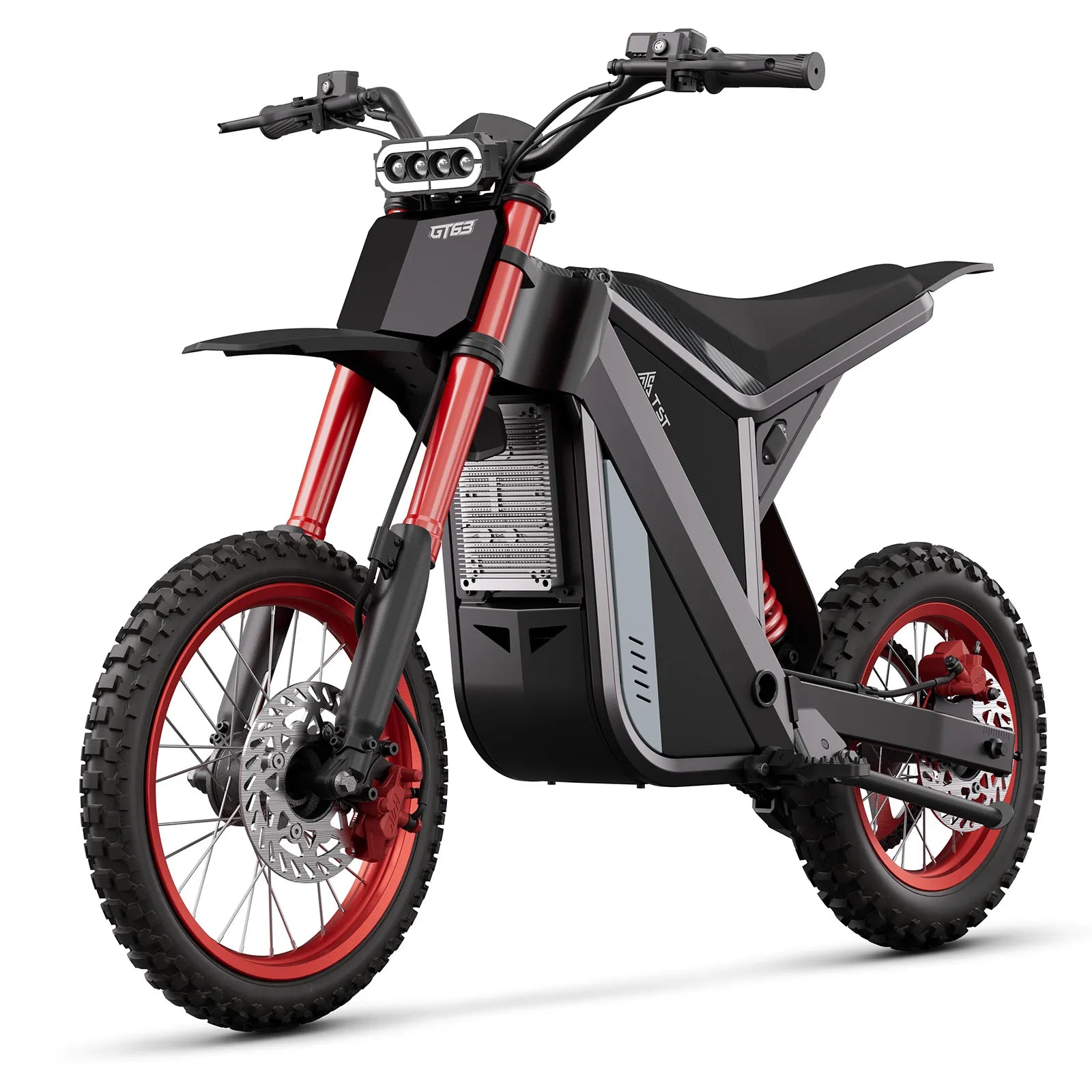










E-bike classes categorize electric bikes based on their motor assistance type and maximum speed. In the US, three main classes exist: Class 1 (pedal assist up to 20 mph), Class 2 (throttle-assisted up to 20 mph), and Class 3 (pedal assist up to 28 mph). These classes influence where you can legally ride and the bike’s performance, helping riders choose the right e-bike based on their needs and local regulations. What Are The Best Folding Ebikes For Small Spaces?
What Are the Different E-Bike Classes?
Electric bikes in the US are divided into three classes:
- Class 1: Pedal-assist only; motor assists up to 20 mph; no throttle. Ideal for bike paths and most trails.
- Class 2: Throttle-assisted; motor can propel bike up to 20 mph without pedaling. Popular in urban settings.
- Class 3: Pedal-assist only; motor assists up to 28 mph. Often requires helmets and age limits; may be restricted on some trails.
Each class offers different user experiences and legal permissions.
| Class | Motor Type | Max Speed | Throttle Allowed | Typical Use Cases |
|---|---|---|---|---|
| Class 1 | Pedal-assist only | 20 mph | No | Bike paths, trails |
| Class 2 | Throttle + pedal-assist | 20 mph | Yes | Urban, casual riding |
| Class 3 | Pedal-assist only | 28 mph | No | Commuting, speed-focused |
How Do E-Bike Types Differ Beyond Classes?
Besides classes, e-bikes come in different styles suited to specific riding needs:
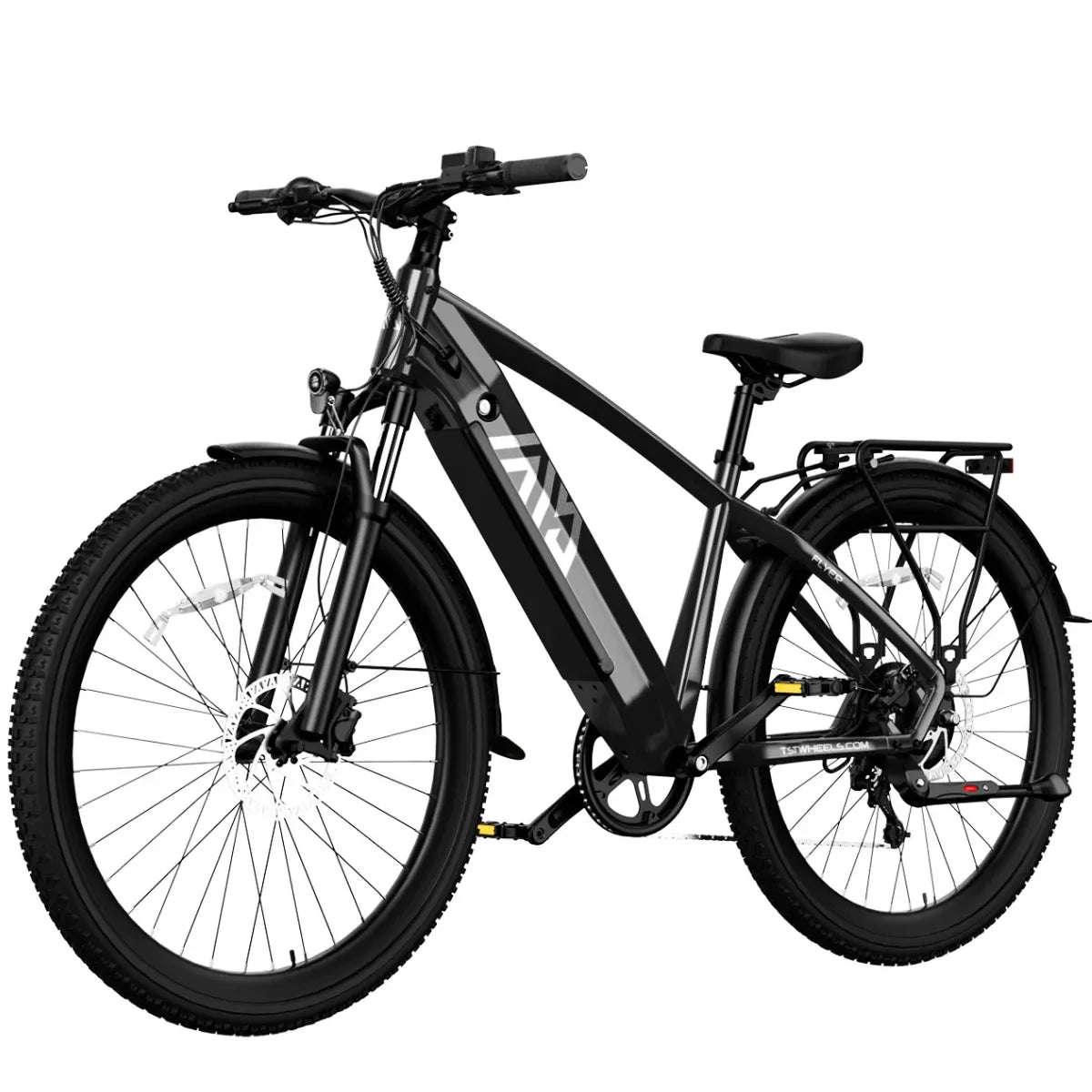
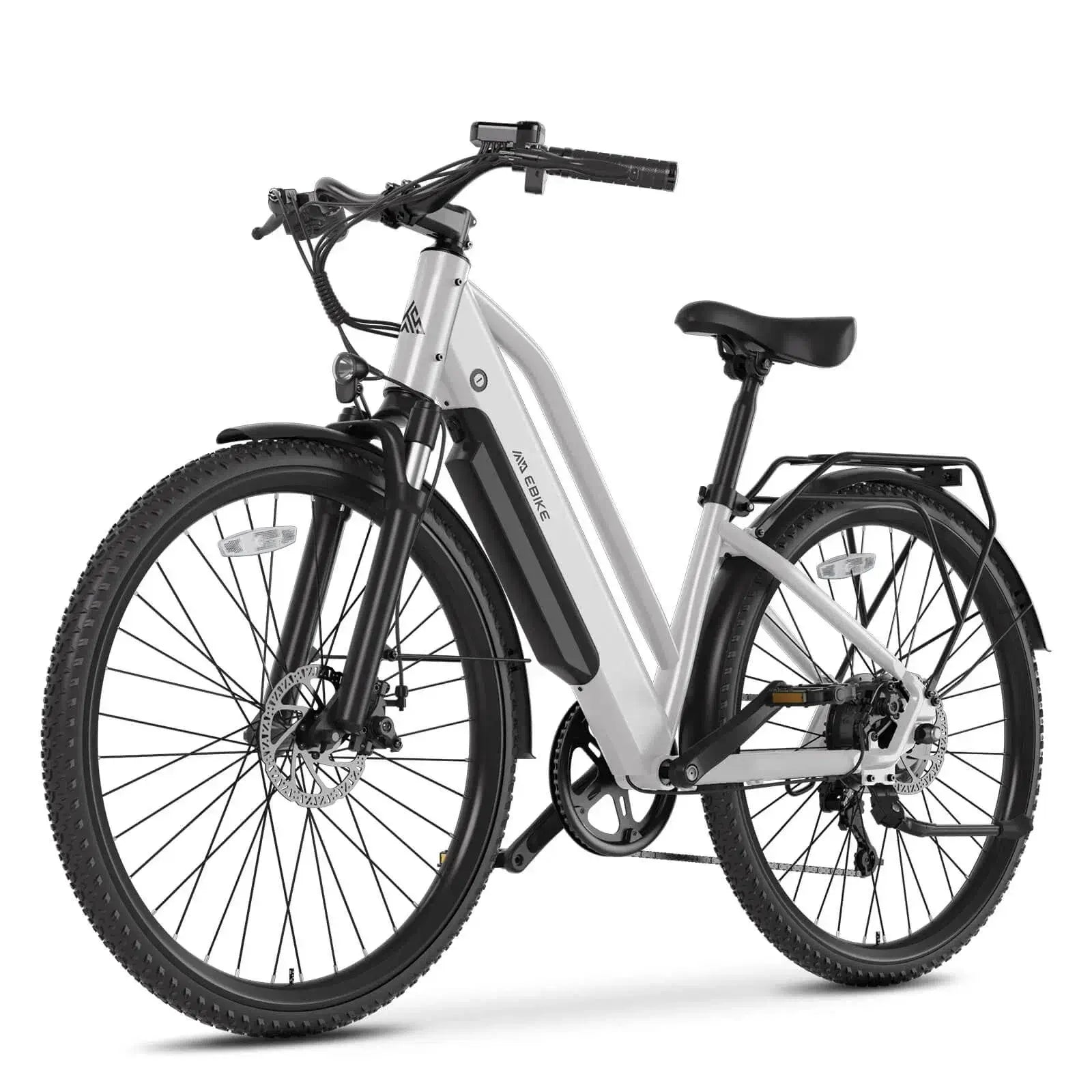
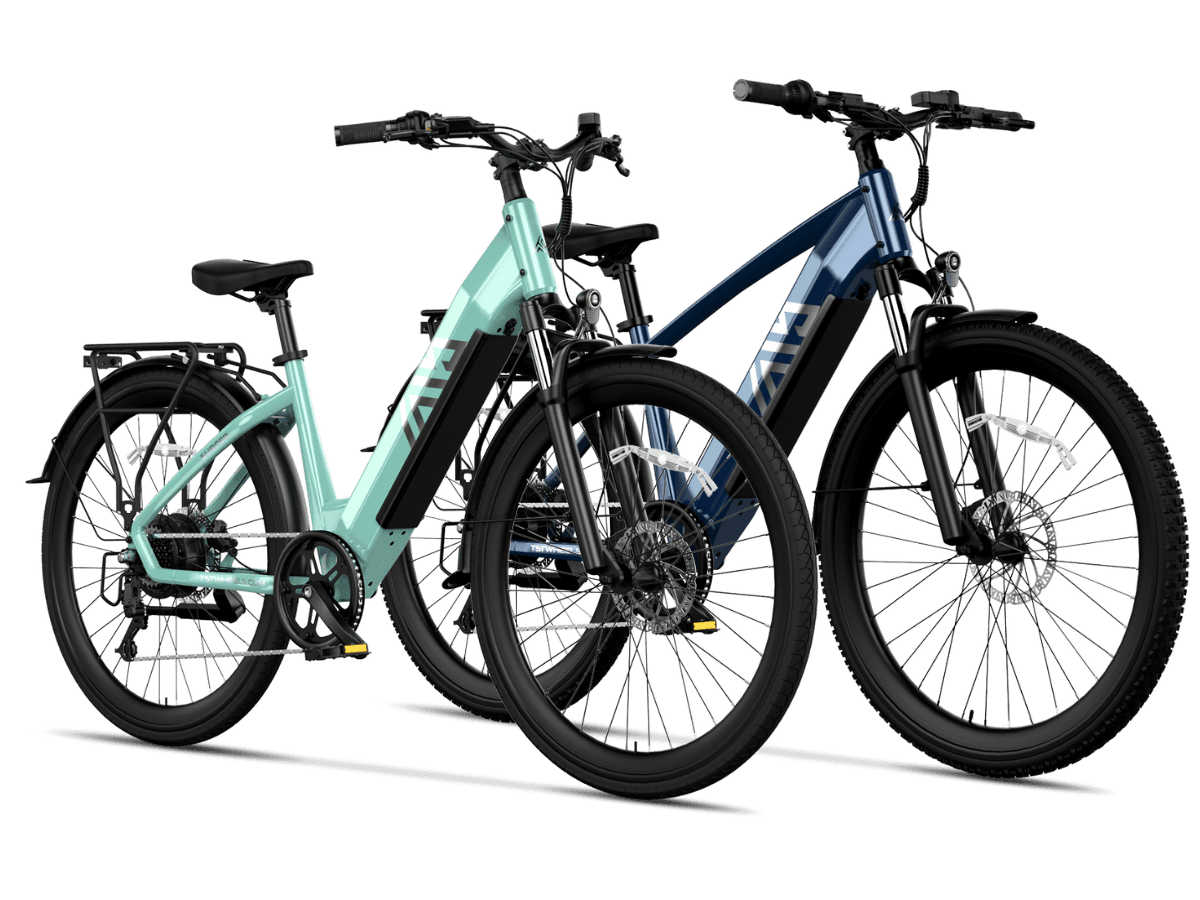
- Commuter/Hybrid E-bikes: Designed for city commuting with comfort features like racks and lights.
- Mountain E-bikes (eMTB): Equipped with suspension and powerful motors for off-road.
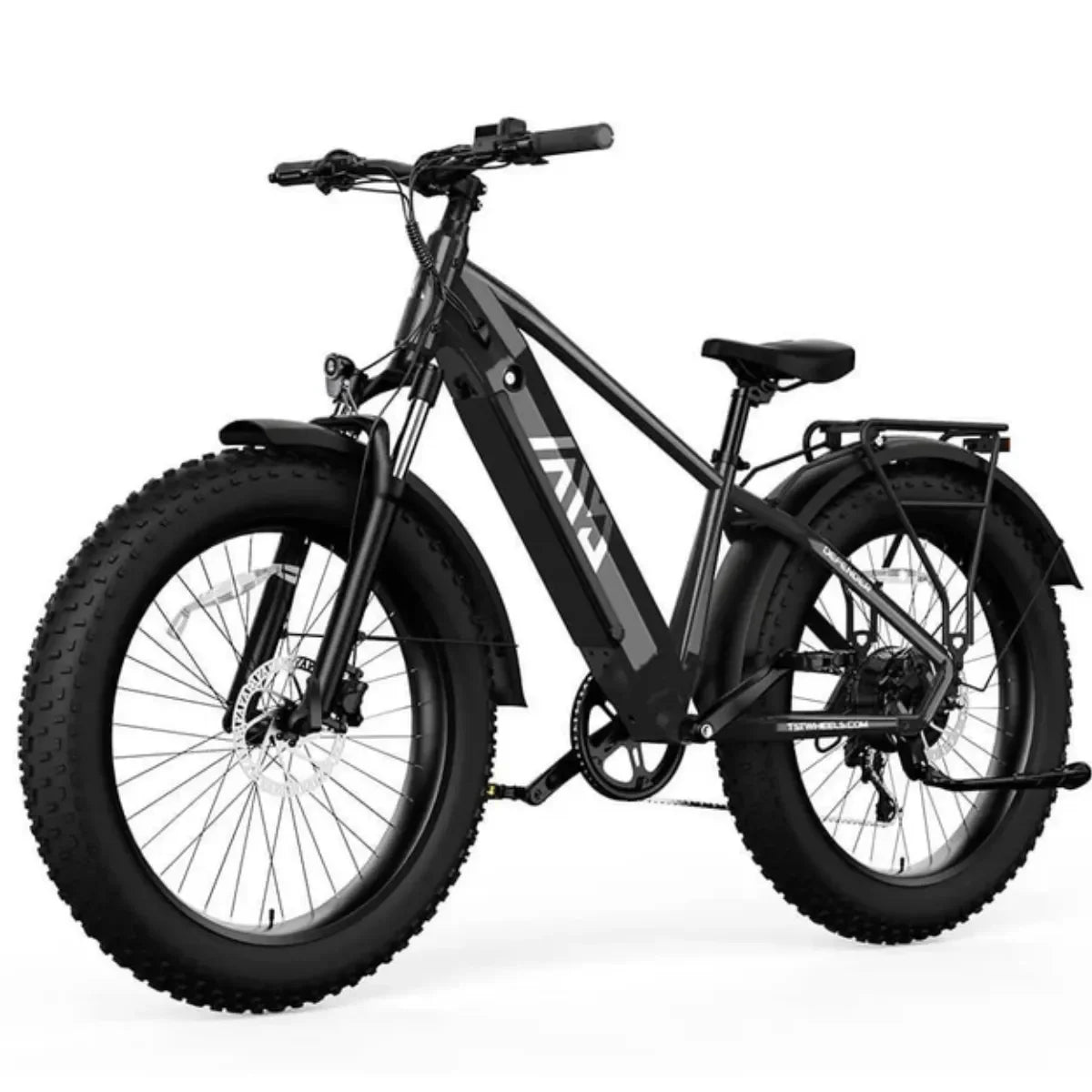
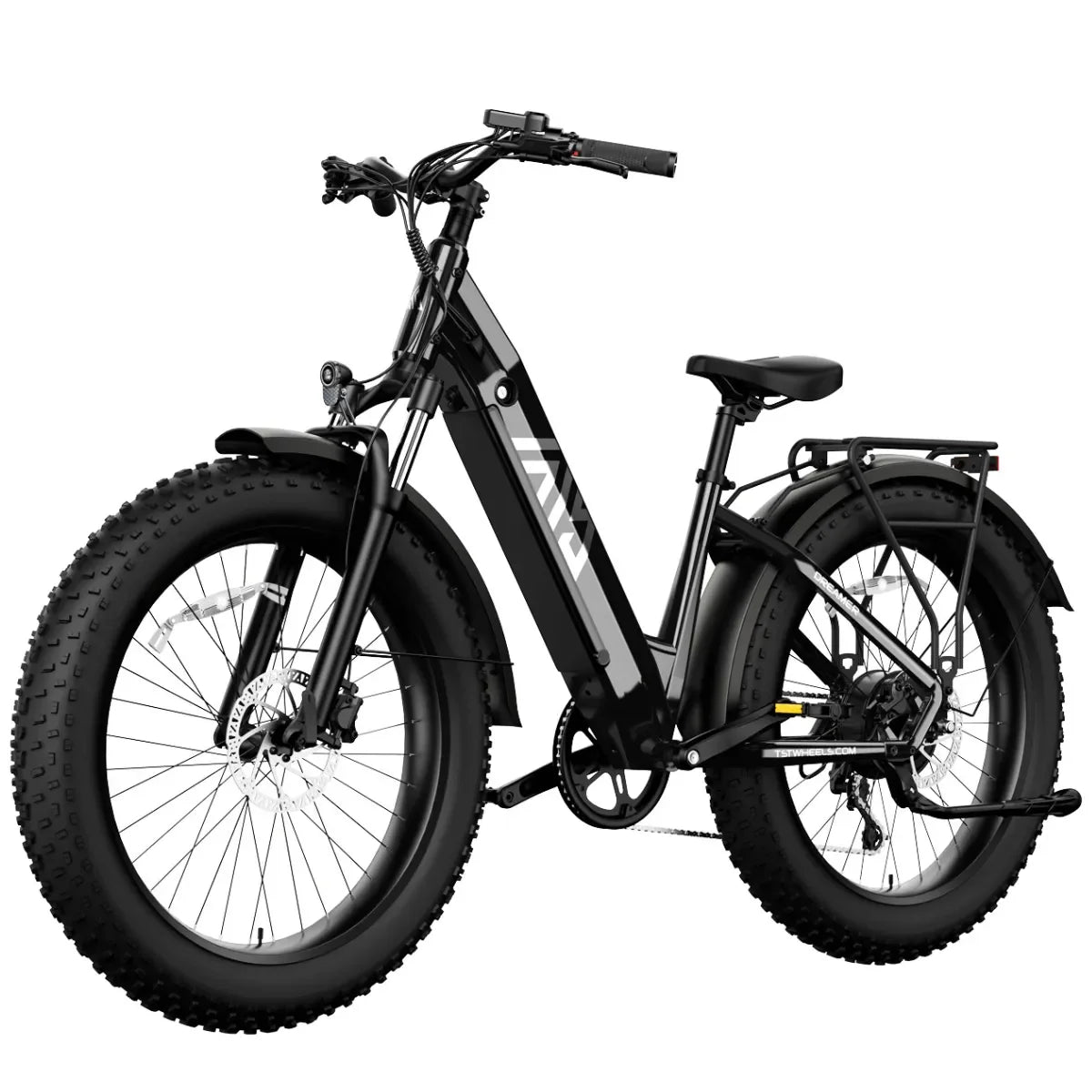
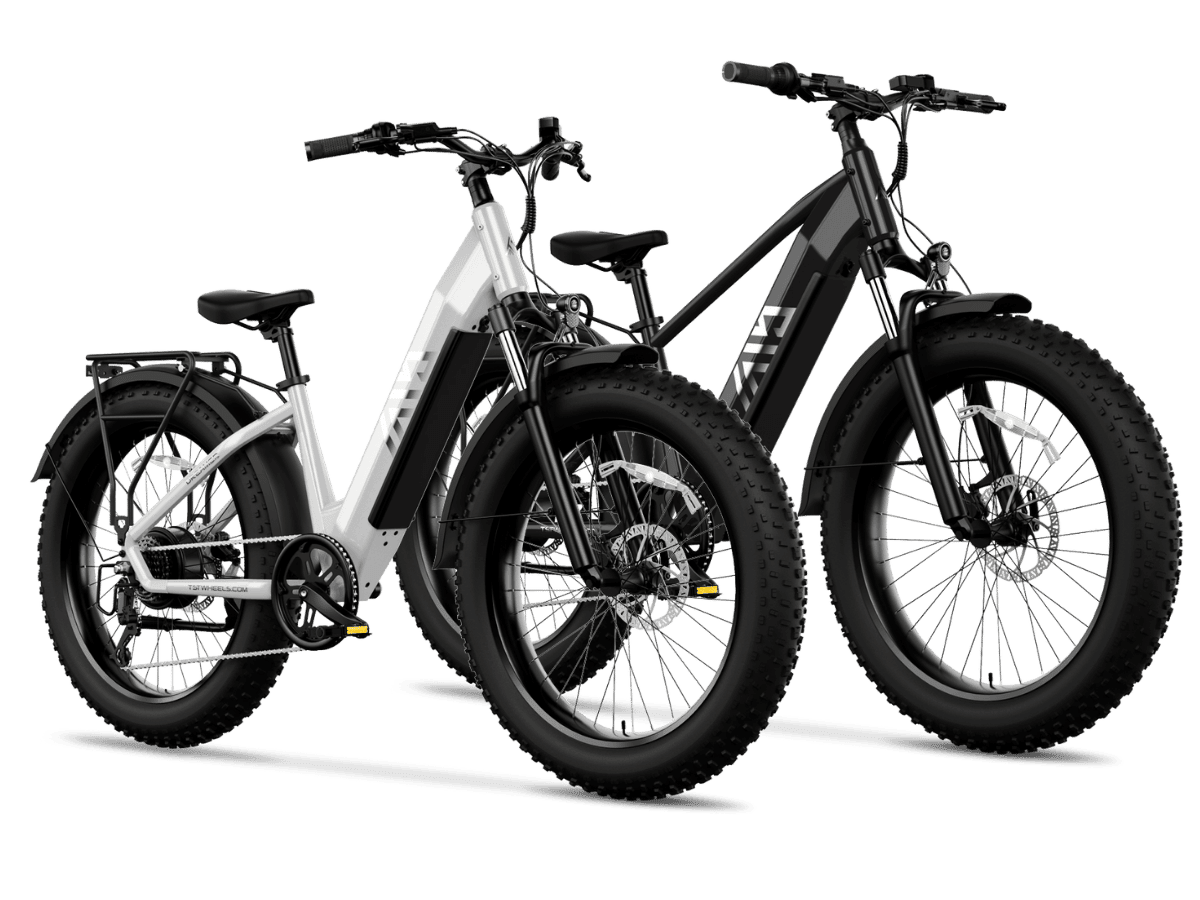
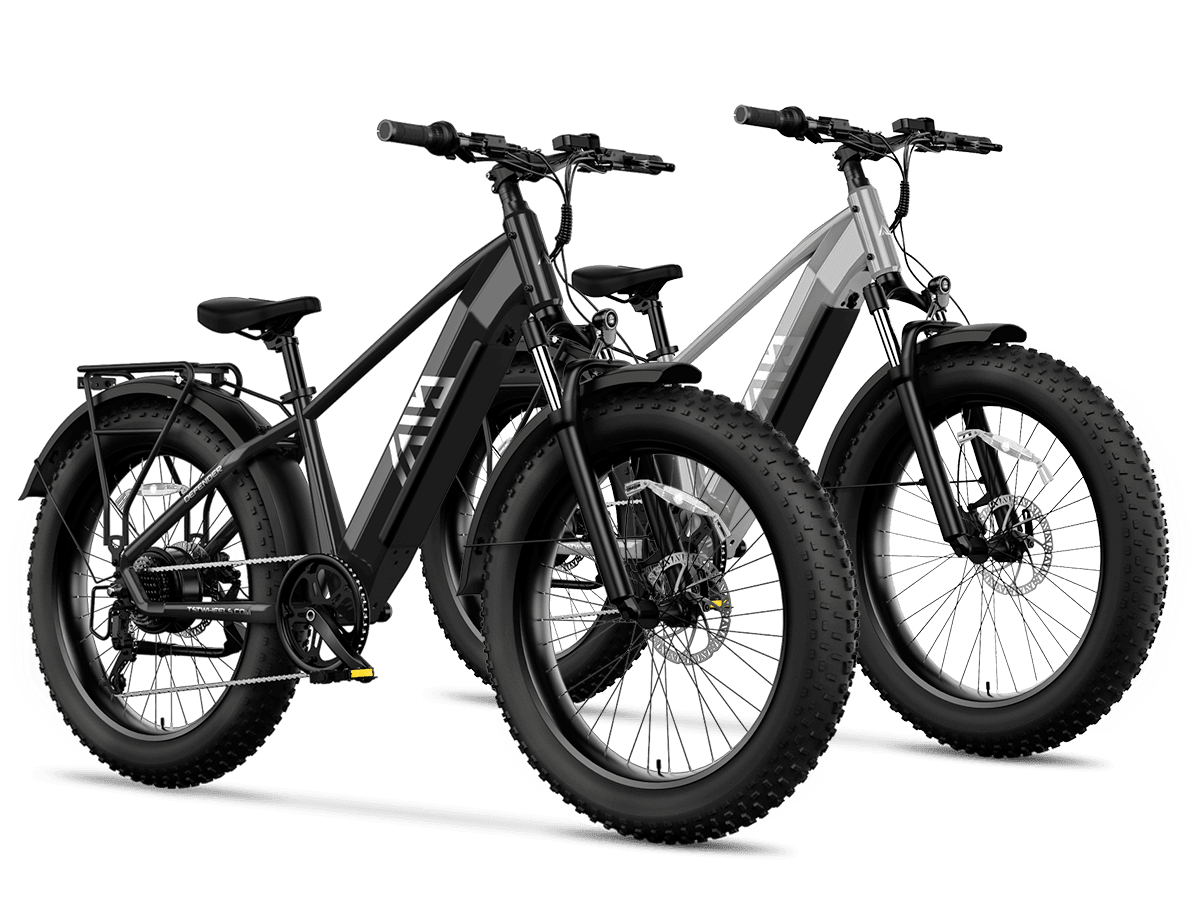
- Fat Tire E-bikes: Wide tires for stability on rough terrains such as snow and sand.
- Folding E-bikes: Compact for easy storage and multi-mode travel.
- Road E-bikes: Lightweight frames for speed and long-distance rides on pavement.
These types can exist within any class, depending on motor and speed specifications.
Which E-Bike Classes and Types Are Best for Different Riding Needs?
Choosing among e-bike classes and types depends on your riding environment and preferences:
- For trail riding and fitness, Class 1 mountain or fat tire e-bikes are ideal.
- For urban commuting with throttle convenience, Class 2 hybrid or folding e-bikes suit well.
- For faster commuting and speed lovers, Class 3 road or commuter e-bikes provide enhanced power.
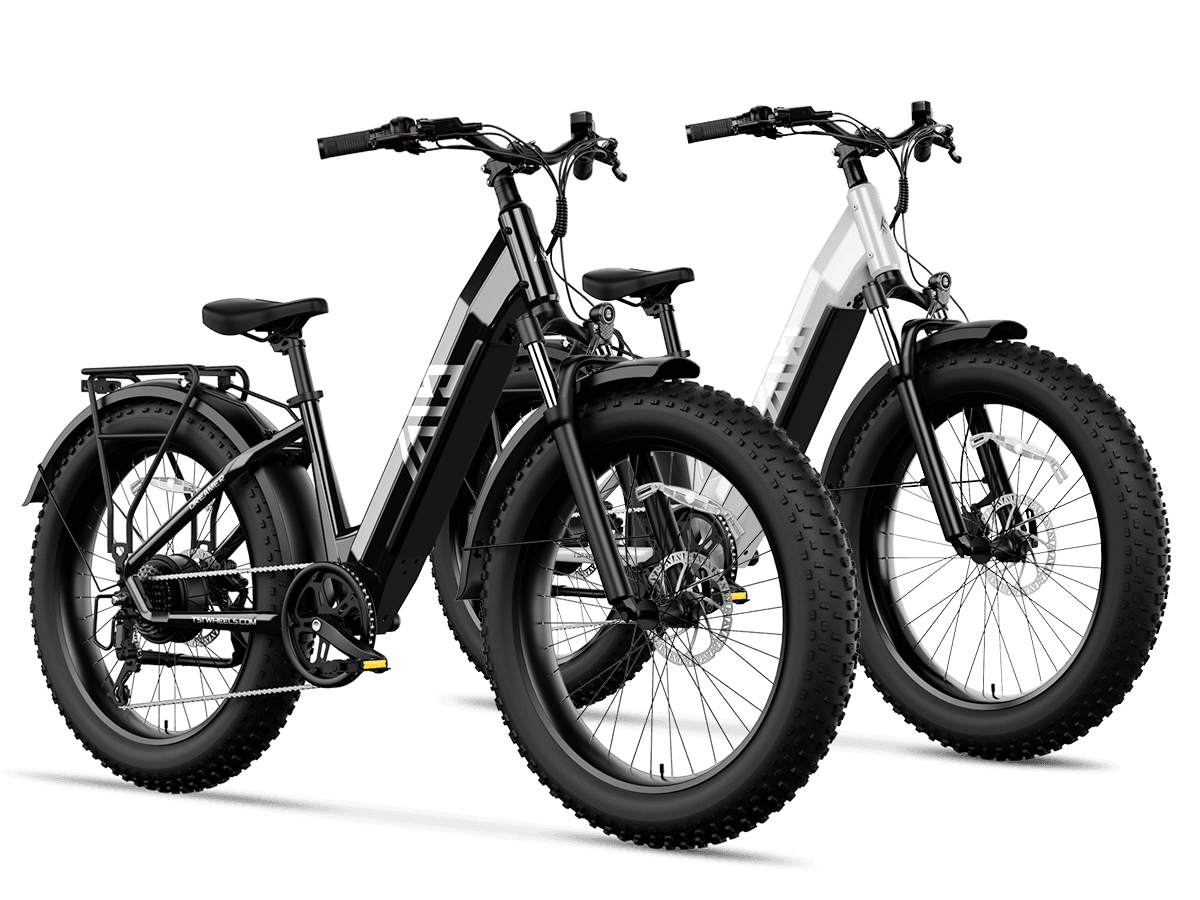
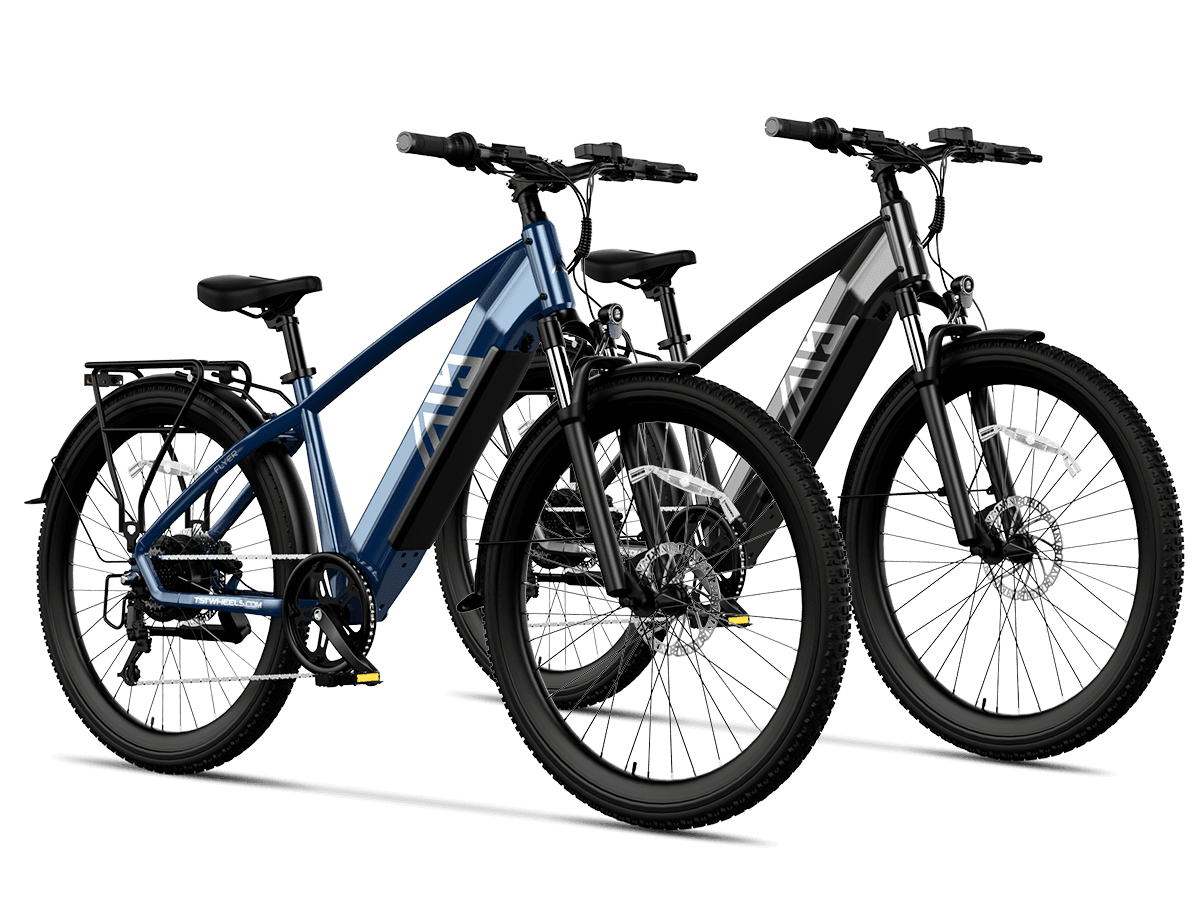
TST EBike offers both 26-inch and 27-inch models spanning these classes and types, designed for versatility across terrains from rugged snow and sand to city streets.
How Do Local Regulations Impact E-Bike Class Usage?
E-bike laws vary by state and locale, often regulating which classes can be used on specific paths or roads. For example, many bike trails only permit Class 1 e-bikes for safety, while Class 3 might be restricted. Some jurisdictions require helmet use and age minimums for Class 3 riders. It is essential to check local laws before buying and riding your e-bike to ensure compliance.
Why Choose TST EBike for Your Next E-Bike?
Founded in 2017 in California, TST EBike strives to offer affordable, high-quality electric bikes with powerful motors and well-engineered designs. With warehouses and stores serving customers worldwide, TST EBike focuses on addressing diverse riding needs through models suitable for commuting, mountain biking, and all-terrain use. Their 26-inch and 27-inch models provide reliable performance tailored to rough and urban terrains.
Buying Tips
When selecting an e-bike class and model, consider these factors:
- Assess where you'll ride most: trails, city streets, or mixed terrain.
- Match the class to your legal environment and comfort level with motor assist type.
- Choose tire size: 26-inch for rugged conditions like sand and snow; 27-inch for daily commuting and mountain biking.
- Prioritize motor power and battery range to fit your distance and speed needs.
- Opt for reputable brands like TST EBike known for quality control and customer support.
- Test ride to gauge comfort, motor responsiveness, and ease of use.
- Verify warranty and after-sale services.
| Buying Factor | Recommended Consideration |
|---|---|
| Terrain | Choose tire size accordingly |
| Motor Assistance | Match class to legal and personal needs |
| Range | Minimum 40 miles advised |
| Brand | Prefer trusted brands like TST EBike |
| Support | Warranty and service availability |
TST EBike Expert Views
“TST EBike excels at blending affordability with high functionality across all major e-bike classes, ensuring riders get power and reliability tailored to their terrain and speed preferences,” explains a TST EBike industry expert. “Our 26-inch and 27-inch models are designed with consumer feedback at their core, providing options suitable for off-road adventure or everyday commuting, backed by rigorous quality checks and service networks.”
What Frequently Asked Questions Should You Know About E-Bike Classes?
What Are the Different Types of E-Bike Classes and Their Features
E-bike classes define how electric bikes provide motor assistance. Class 1 offers pedal-assist up to 20 mph, Class 2 adds throttle control up to 20 mph, and Class 3 supports pedal-assist up to 28 mph. These classifications help riders choose bikes for commuting, recreation, or sport. TST EBike designs models across all classes to meet diverse needs.
How Do E-Bike Class Laws Vary Across States
E-bike laws differ by state, covering speed limits, age restrictions, helmet use, and allowed riding paths. Class 1 and 2 bikes usually face fewer restrictions, while Class 3 bikes often require helmets and are banned on certain trails. Understanding local regulations ensures safe and legal riding. TST EBike advises riders to verify laws before buying.
Which E-Bike Class Is Best for Commuting
For commuting, Class 1 and Class 3 e-bikes are ideal. Class 1 offers controlled speed and efficiency for city streets, while Class 3 provides faster pedal-assist for longer distances. Both ensure smooth handling and reliable battery range, making daily travel easier and eco-friendly. TST EBike’s 27-inch models are optimized for urban commuting.
How Do E-Bike Classes Affect Off-Road Riding and Trail Performance
E-bike class affects motor power, torque, and speed on trails. Class 1 is great for moderate terrain, Class 2 adds throttle for steep climbs, and Class 3 delivers higher pedal-assist for faster trail riding. Selecting the right class ensures safety, endurance, and performance. 26-inch TST EBike models handle snow, sand, and rough terrain effectively.
How Does E-Bike Class Determine Speed and Motor Power
E-bike class sets the maximum motor-assisted speed and power. Class 1 and 2 e-bikes assist up to 20 mph, with Class 2 allowing throttle control. Class 3 reaches 28 mph for faster rides. This classification ensures riders understand performance limits and choose the bike that fits their commuting or recreational needs.
How Do E-Bike Classes Impact Battery Life and Riding Range
Higher-class e-bikes use more motor power, which can reduce battery range. Class 1 is most efficient, Class 2 slightly higher due to throttle use, and Class 3 consumes more energy at faster speeds. Understanding class-specific battery demands helps riders plan longer trips. TST EBike provides optimized battery systems for each model to maximize ride time.
How Do Safety Rules Differ by E-Bike Class
Safety rules vary: Class 1 and 2 bikes often have minimal helmet or age requirements, while Class 3 e-bikes require helmets and may be restricted from certain paths. Knowing regulations helps avoid fines and ensures responsible riding. Proper protective gear and adherence to local laws are essential for all riders.
Which E-Bike Class Should Beginners Choose for a Smooth Start
Beginners benefit most from Class 1 e-bikes because of controlled speed and consistent pedal-assist. These bikes are easier to handle, safer for city streets, and allow new riders to build confidence. Starting with a Class 1 e-bike ensures a comfortable learning curve before exploring higher-speed options like Class 2 or 3.

Leave a comment
All comments are moderated before being published.
This site is protected by hCaptcha and the hCaptcha Privacy Policy and Terms of Service apply.